
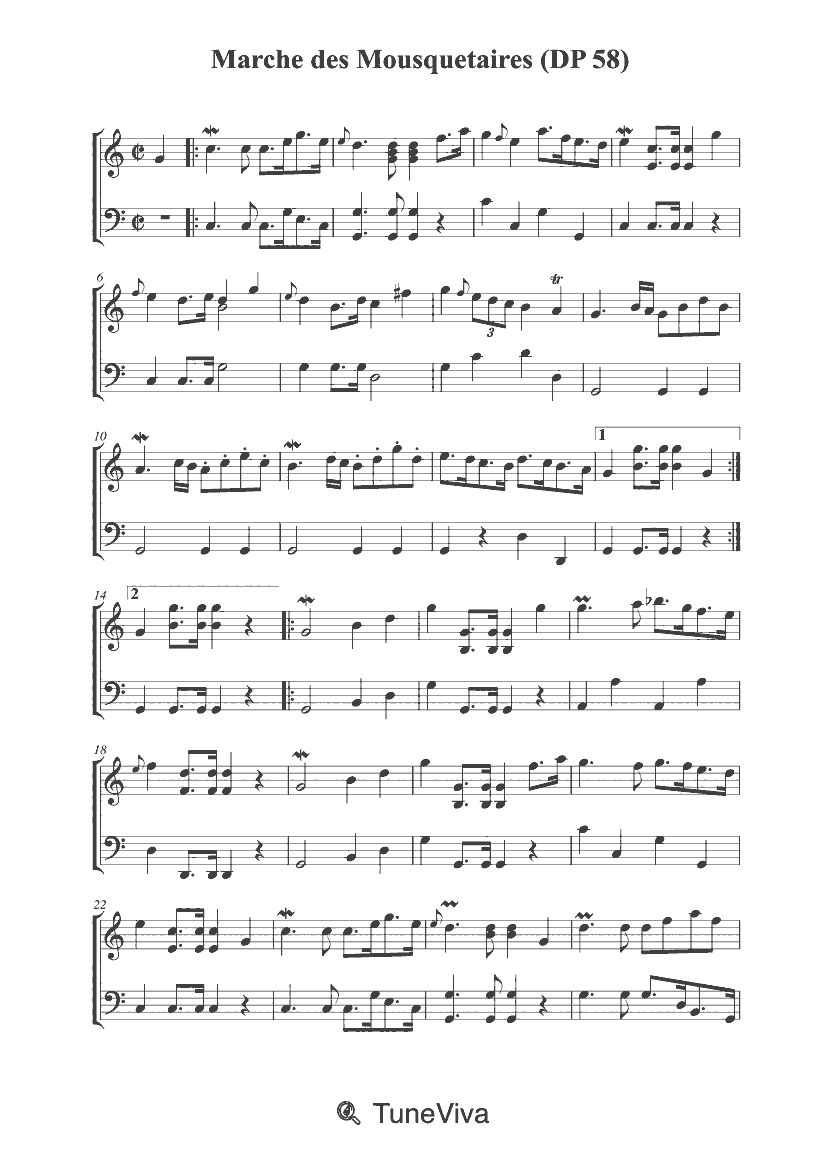
Marche des Mousquetaires (DP 58)
BRON Beiaardboek De Prins Frans (1781)
2 tracks
De Prins reaches the catalogue as a composer of keyboard dances rather than of carillon music, although carillon playing was his post: 57 scores, about 84 minutes and 17,295 notated notes, with no lyrics and no genre label on any of them. Every entry sits at complexity index 0, because these are short binary dance movements rather than developed pieces.
The titles give the repertoire away — contredanses, menuets and marches, plus a handful of dialect songs, each followed by a DP number. Marche des Mousquetaires, La jalousie Angloise and a Romance lead the page, and the numbering runs past DP 100, well beyond the 57 files held here.
The musician behind the initials is almost certainly Franciscus Martinus Josephus De Prins (1746–1814), a member of a well-known Leuven family of musicians and organist at several of the city's churches and chapels. On All Saints' Day 1778 he played the new Vanden Gheyn carillon of the Sint-Geertruikerk and became its titular player. A manuscript of 101 pages, marked as his in 1781, survives in the University Archives of KU Leuven, where it arrived through the nineteenth-century collection of Xavier van Elewyck.
The book holds about 220 pieces, roughly a quarter of them adapted for carillon. The rest come from the keyboard, dance and popular repertoire of the eighteenth century, and menuets, marches, gigues and contredanses dominate; the wholly secular character of the contents sits oddly with the idea that the book was compiled for the abbey carillon of Sint-Geertrui. The DP numbers in the catalogue titles belong to a modern transcription of the manuscript, not to an eighteenth-century opus list, which is why a single dance can be cited as DP 109 without the composer having written a hundred works.
A study of the source, Het beiaardboek van Frans De Prins, was prepared by Gilbert Huybens, Luc Rombouts and Carl van Eyndhoven. The 57 files here are a selection from that material: short pieces, most of them running to less than two minutes apiece.
A carillon gives the player no sustained tone: each note is a strike, and the bell rings on after the clapper has left it. That makes repeated notes and quick passing figures blur, so keep the texture thin and let the bass strike on the beat rather than just before it. On piano or organ the same pieces work as teaching material, where the challenge is to keep the dance rhythm strict and the repeats varied by touch instead of by tempo. Add no ornaments that the page does not show.
A march from the manuscript and the most-viewed file on the page; the DP number marks its place in the modern transcription, not an opus.
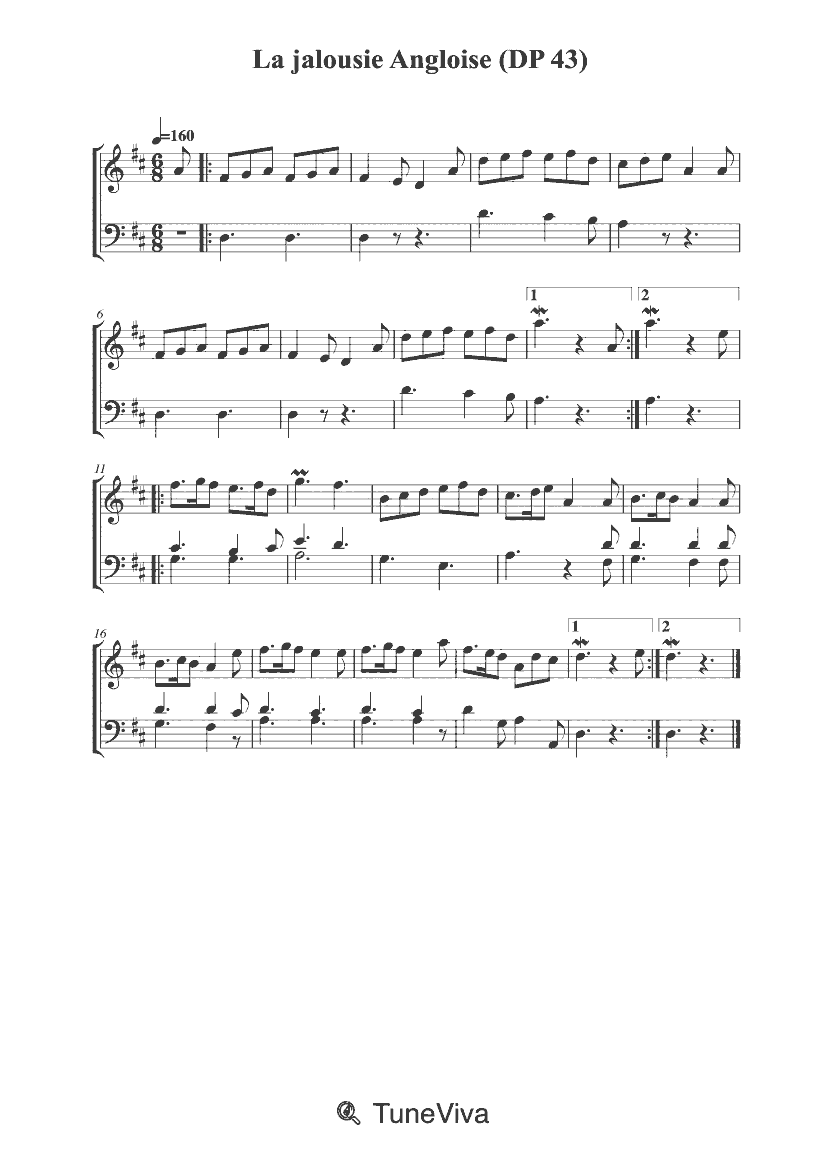
A contredance whose title translates as English jealousy, one of several pieces in the book that name a neighbour or a nation.
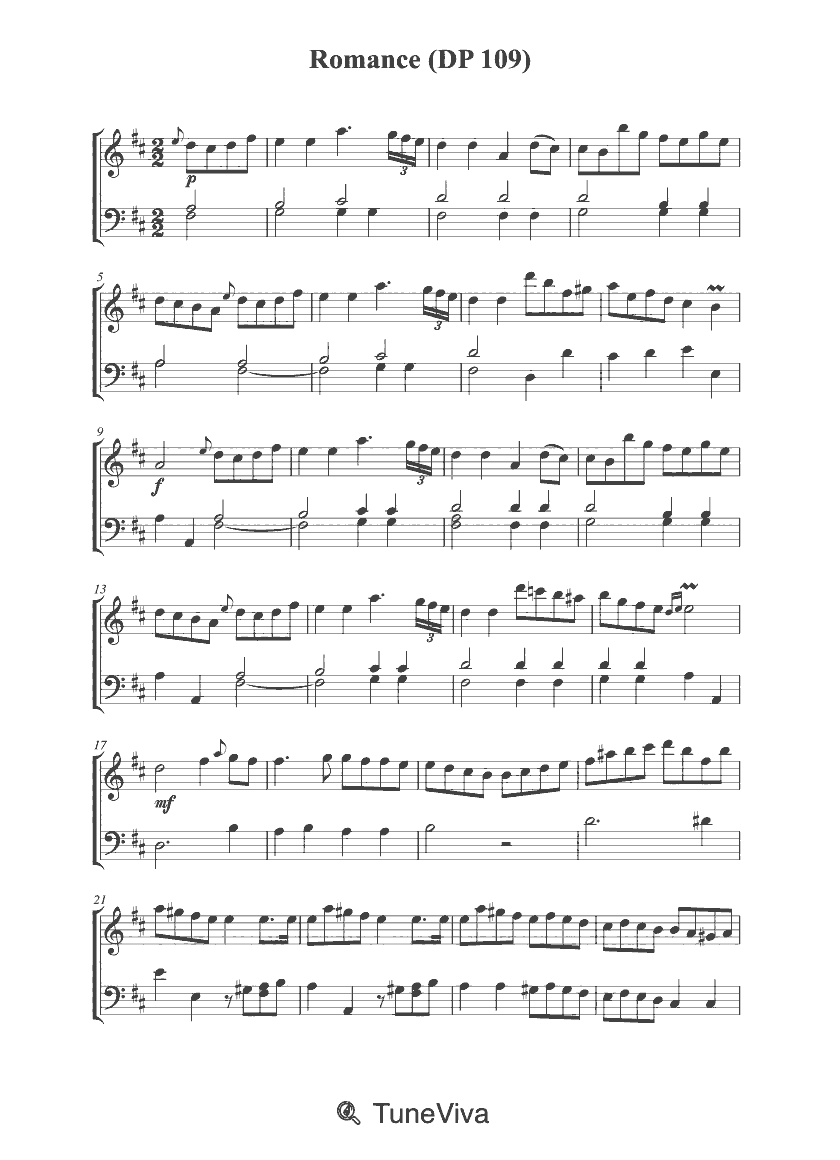
A slow piece among the dances; its number above 100 shows that the transcription runs well past the 57 files catalogued here.
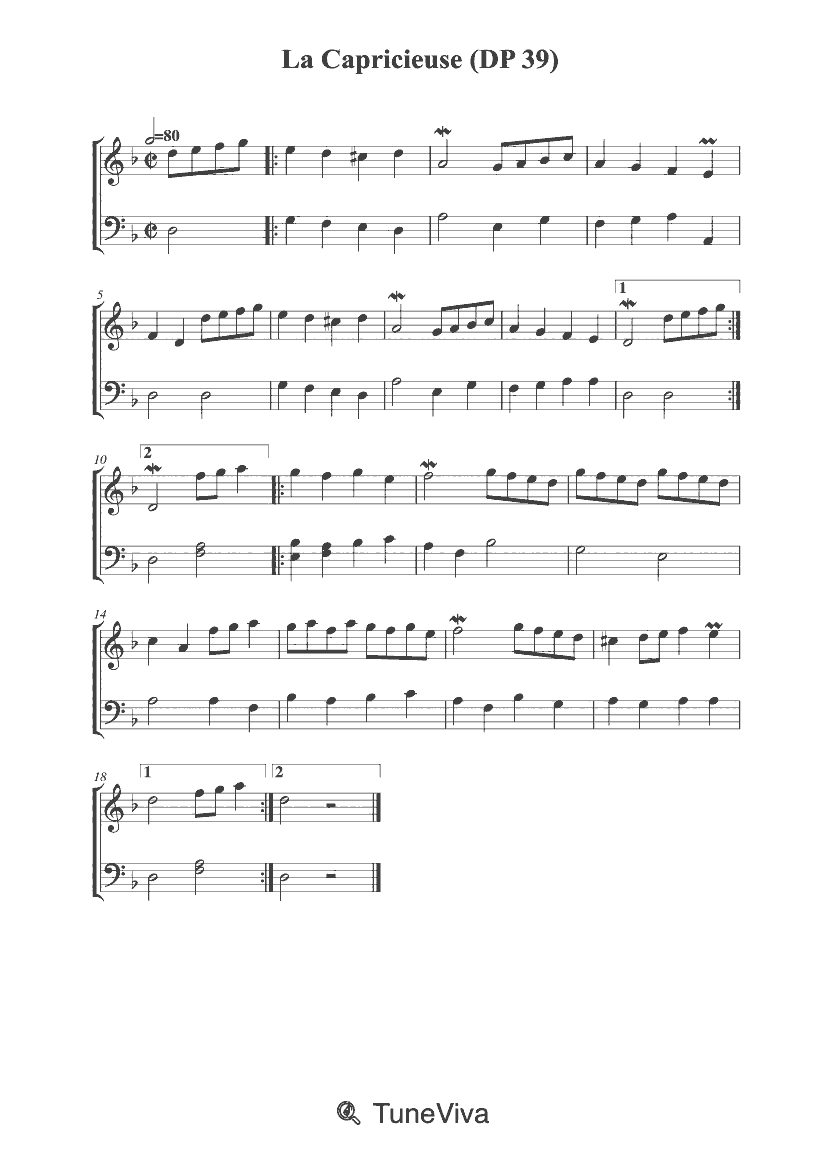
One of several pieces whose title describes a character rather than a dance type, in the manner of French keyboard pieces of the period.
A march titled with the Scots name Wallace, spelled here with a single l.
A dialect title rather than a dance label, and second in the manuscript's numbering; the phrase is not reliably translated.
Another dialect title from the Leuven book, catalogued between the contredanses that make up most of its contents.
A short piece from the first pages of the manuscript; the title is probably a proper name, but the file gives no source for it.
An explicitly labelled contredance. The abbreviation in the middle of the title cannot be resolved from the catalogue entry.
The laundress: a titled dance of the kind the manuscript borrows from French keyboard and theatre music.
There are 57, adding up to about 84 minutes of music and 17,295 notated notes. All of them are untexted and all sit at complexity index 0.
They are the numbering of a modern transcription of the Leuven manuscript, which is why the sequence reaches DP 109 even though only 57 pieces are on this page. They are not opus numbers and do not imply that De Prins published anything.
Only partly. He was a carillon player and an organist, and the pieces in his book are drawn from keyboard, dance and popular music; roughly a quarter of its 220-odd items were fitted for carillon, and the manuscript contains no music written originally for the instrument.
Yes. They are single lines with a bass, short and mostly in easy keys, which is why they also work as sight-reading material for a keyboard player who has never touched a carillon.
Catalog editions and arrangements attributed to Frans de Prins.
BRON Beiaardboek De Prins Frans (1781)
BRON Beiaardboek De Prins Frans (1781) / www.tangosite.com/concertina/collection/17/fdp/
BRON Beiaardboek De Prins Frans (1781)
BRON Beiaardboek De Prins Frans (1781) / www.tangosite.com/concertina/collection/17/fdp/
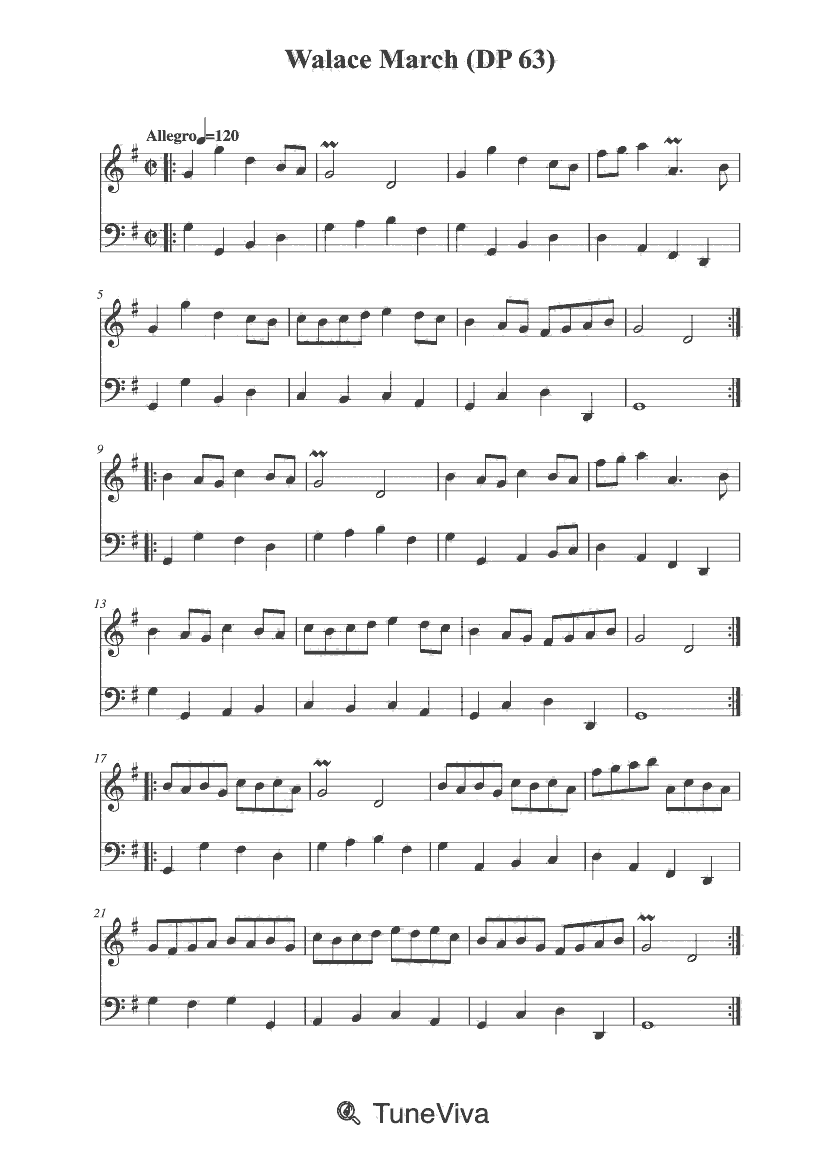
BRON Beiaardboek De Prins Frans (1781)
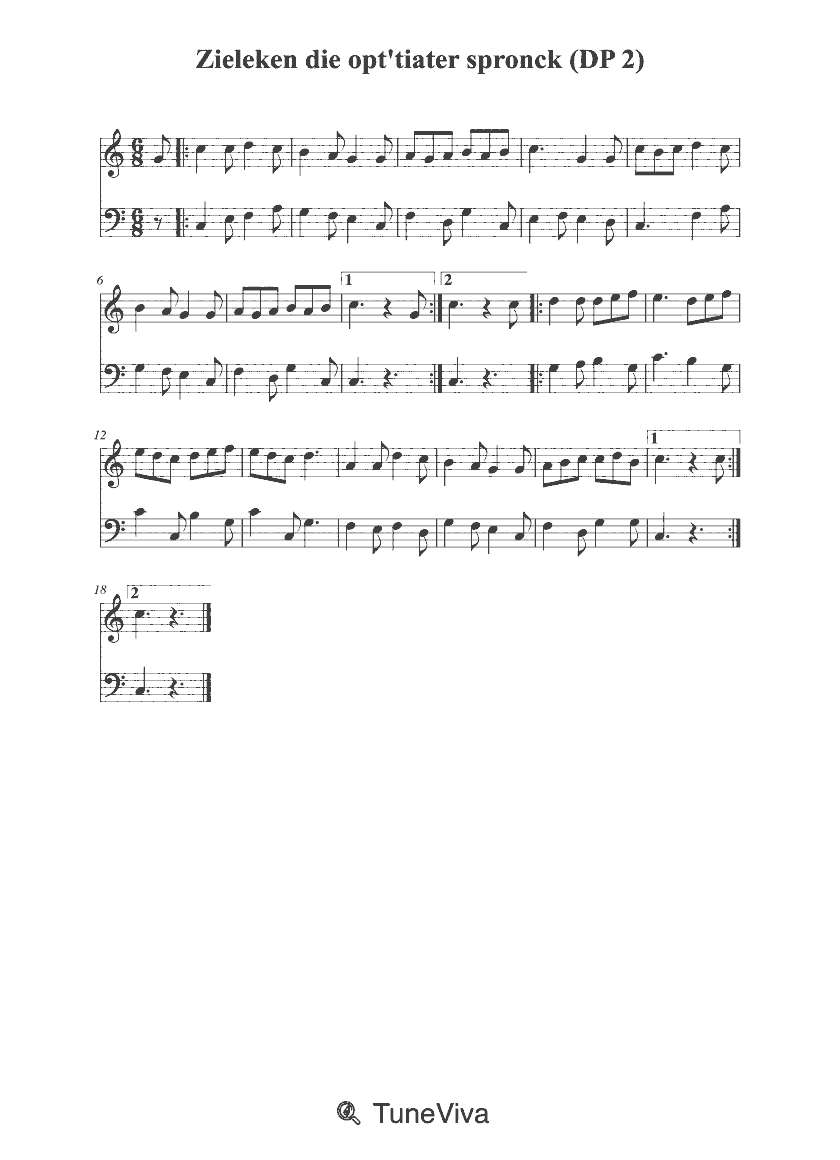
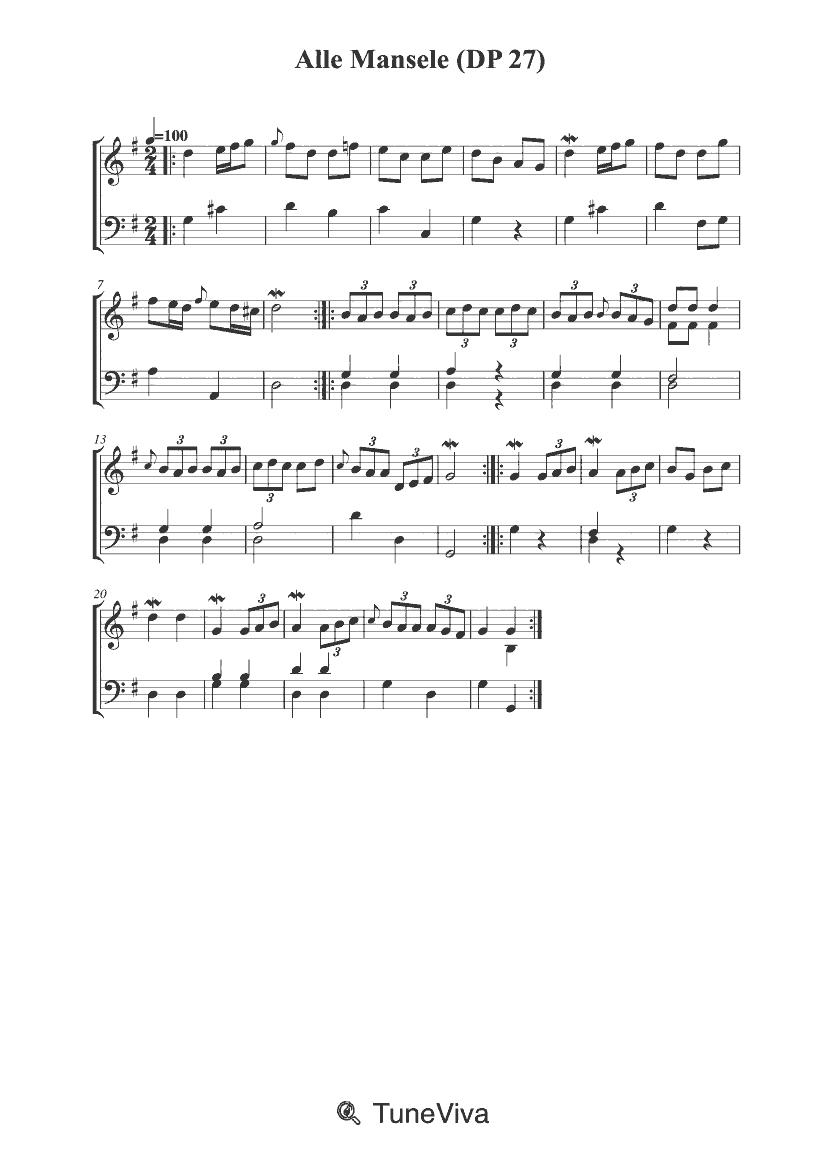
BRON Beiaardboek De Prins Frans (1781) / www.tangosite.com/concertina/collection/17/fdp/
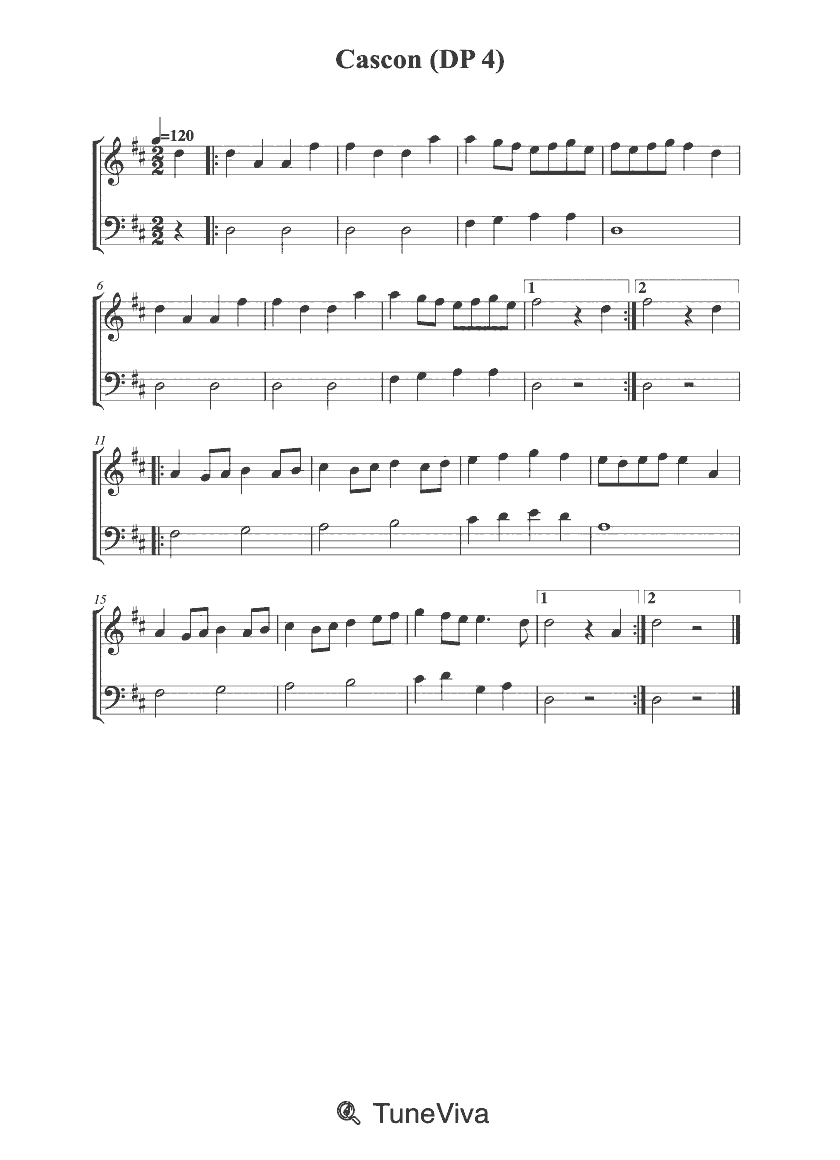
BRON Beiaardboek De Prins Frans (1781) / www.tangosite.com/concertina/collection/17/fdp/
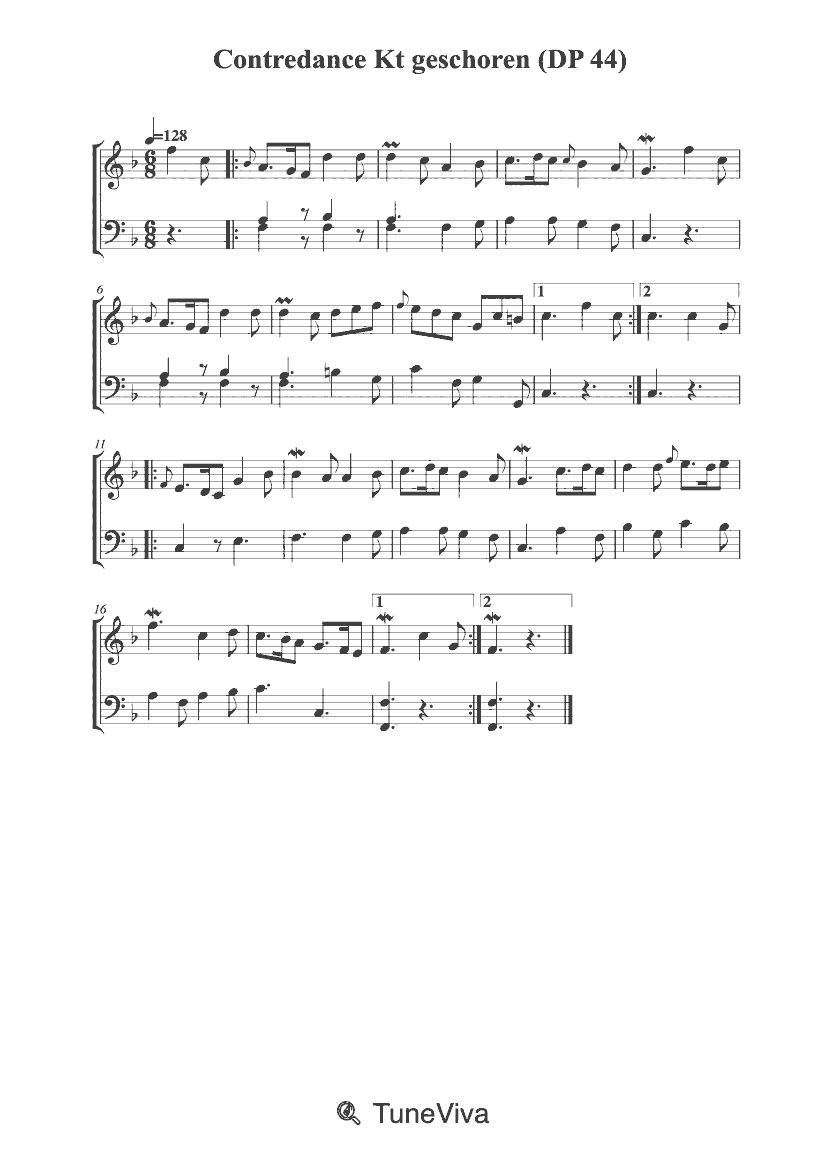
BRON Beiaardboek De Prins Frans (1781) / www.tangosite.com/concertina/collection/17/fdp/
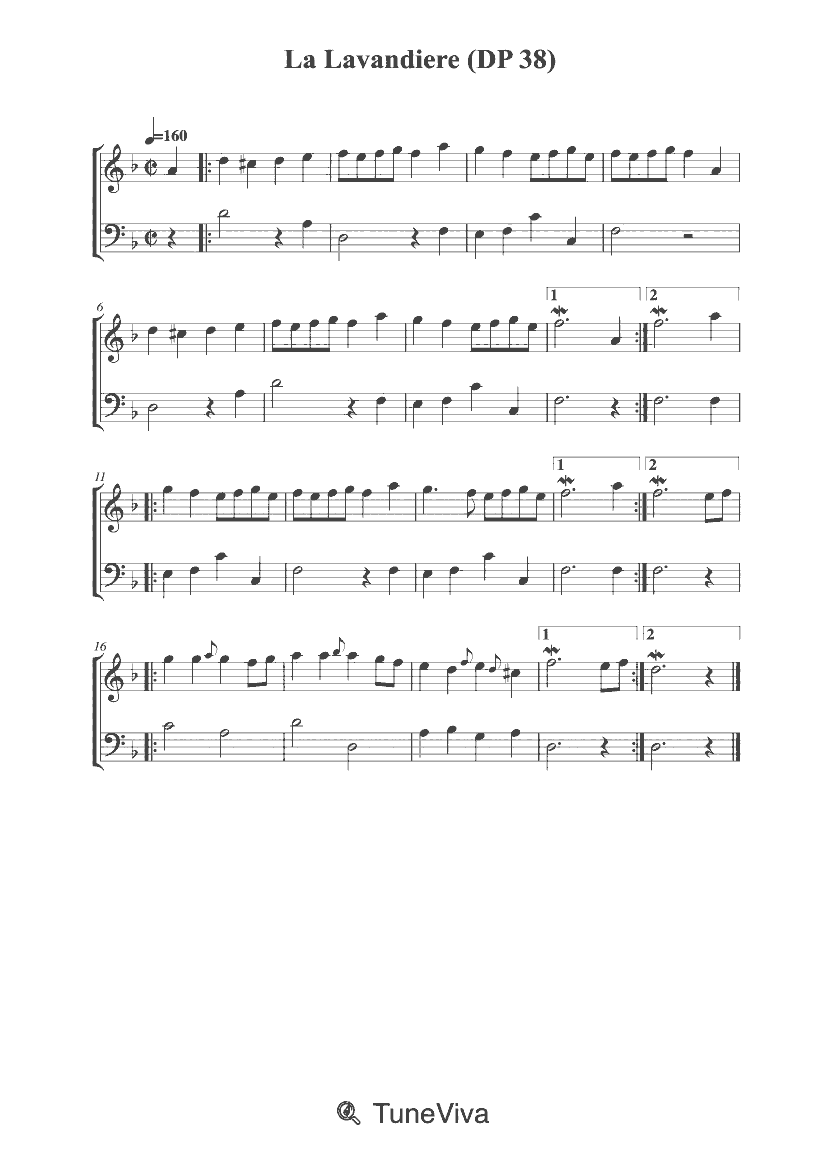
BRON Beiaardboek De Prins Frans (1781) / www.tangosite.com/concertina/collection/17/fdp/
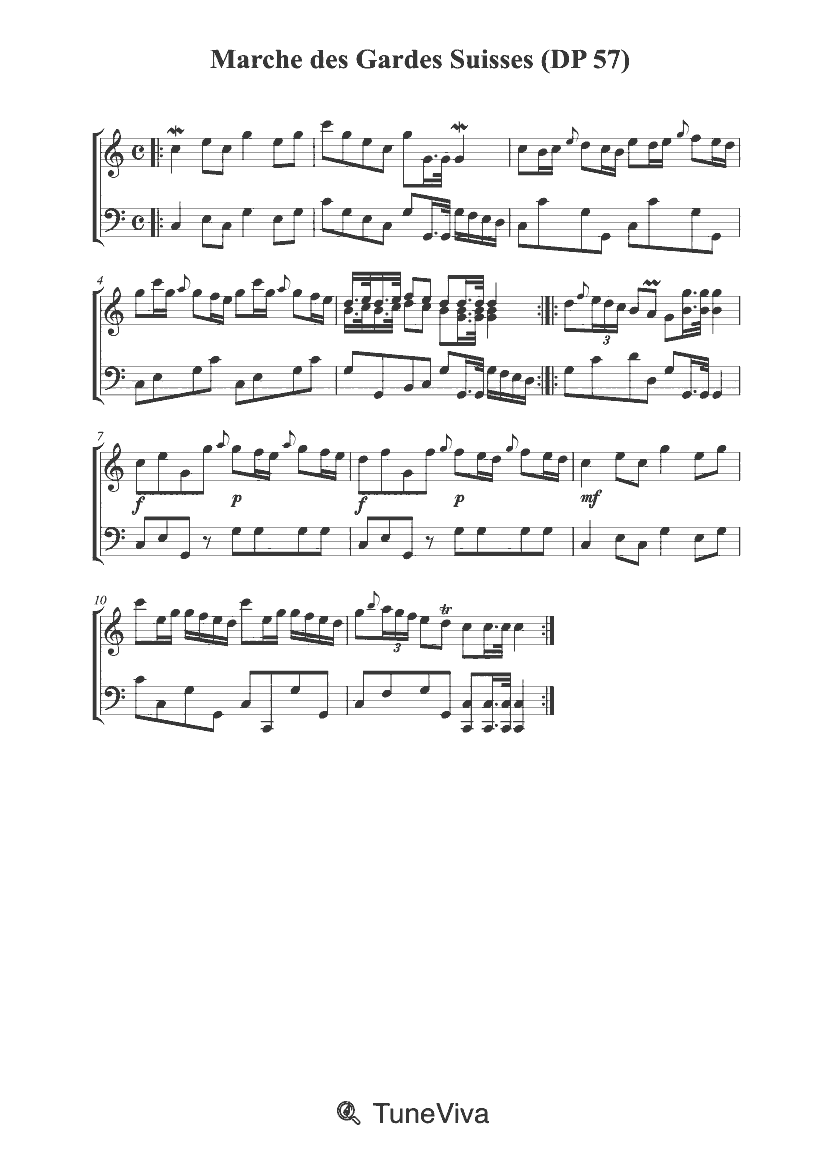
BRON Beiaardboek De Prins Frans (1781)
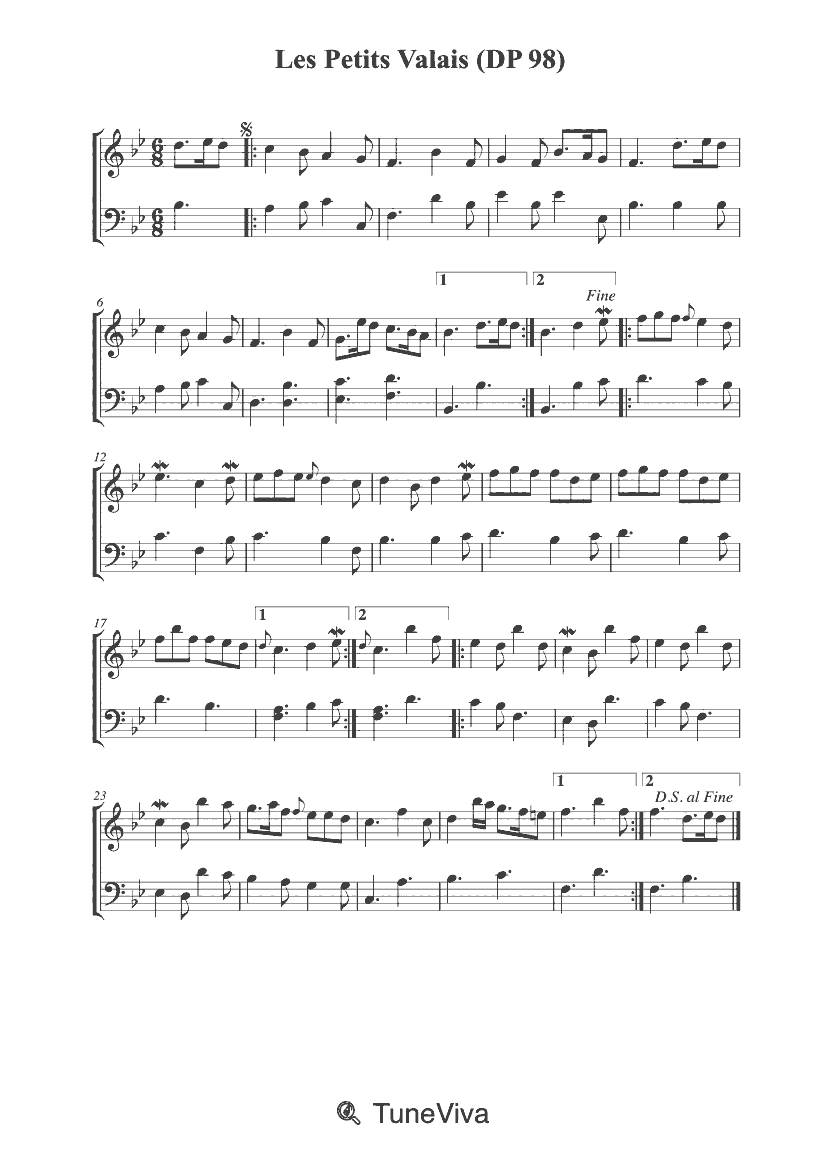
BRON Beiaardboek De Prins Frans (1781)
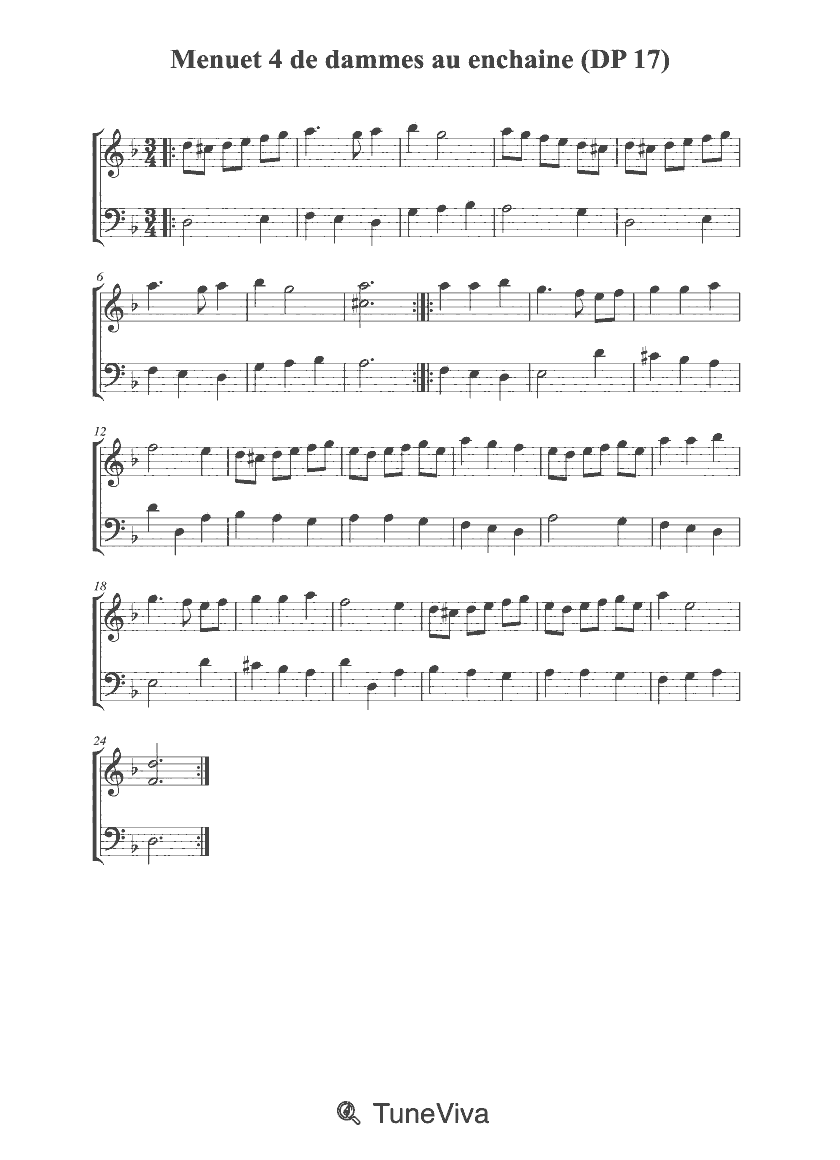
BRON Beiaardboek De Prins Frans (1781)
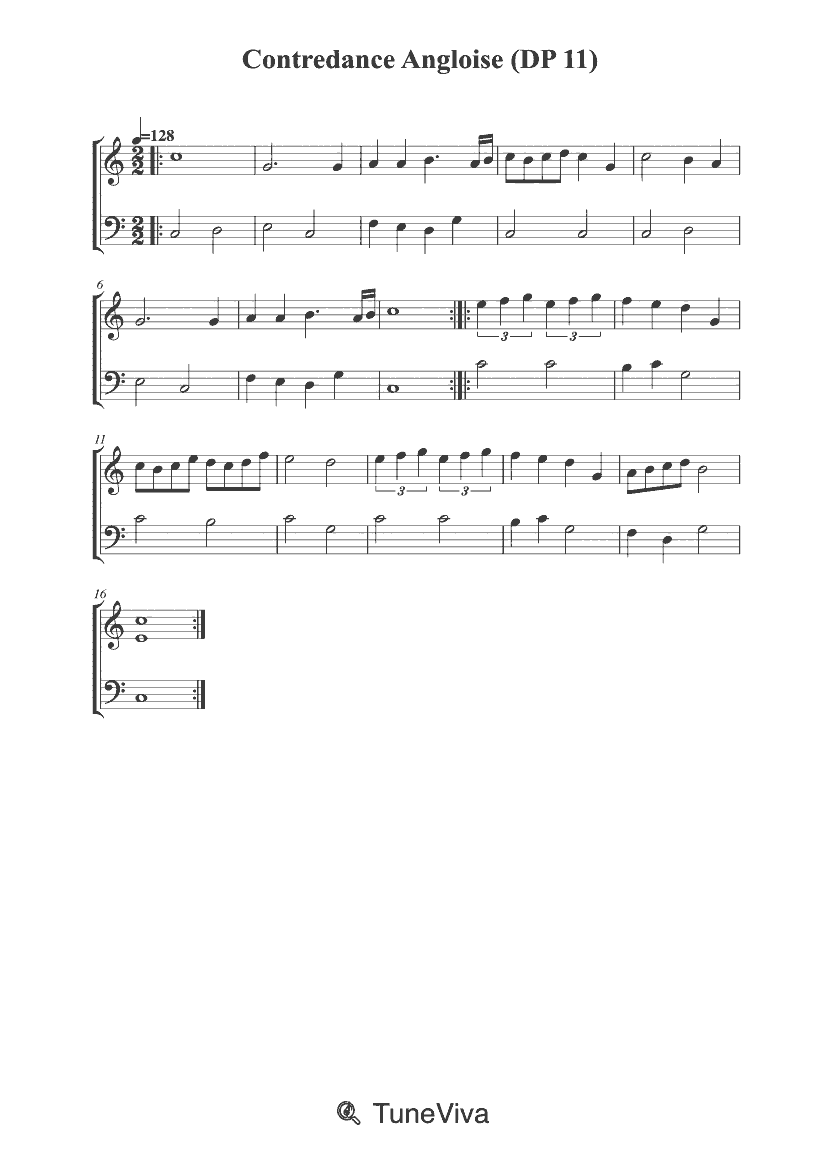
BRON Beiaardboek De Prins Frans (1781) / www.tangosite.com/concertina/collection/17/fdp/
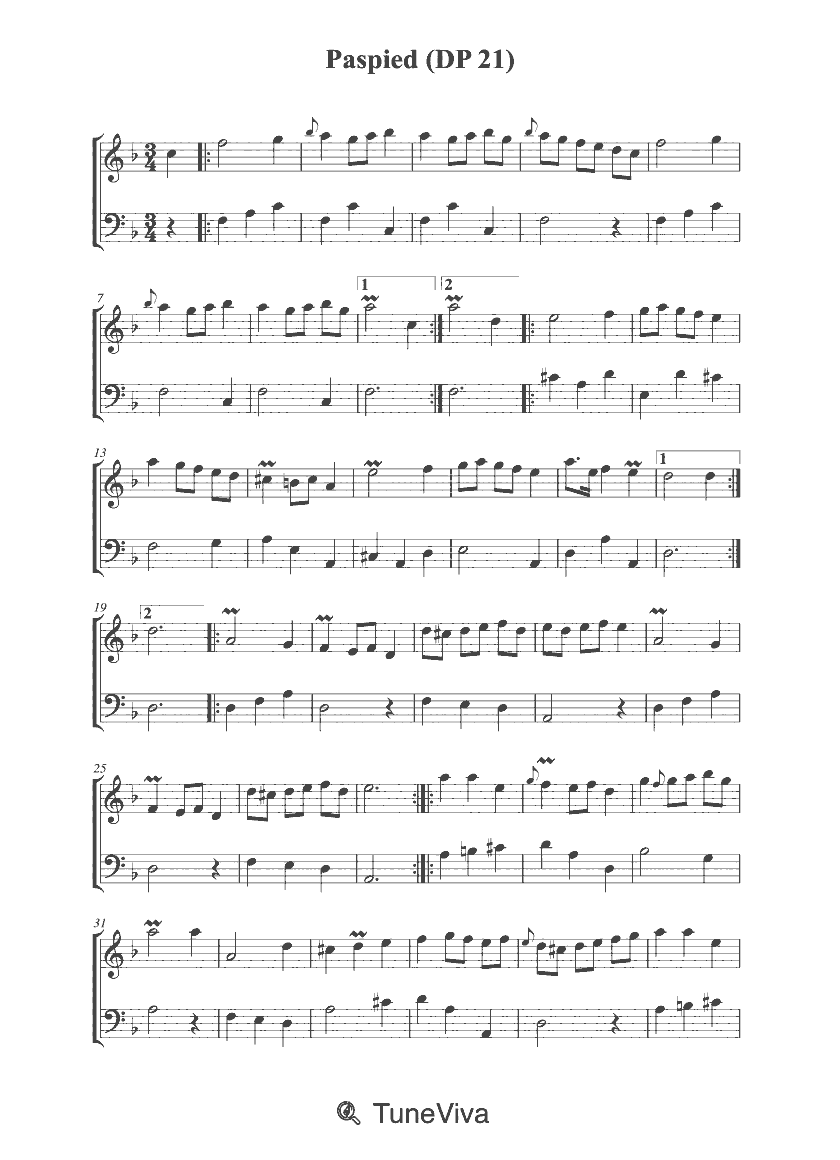
BRON Beiaardboek De Prins Frans (1781)
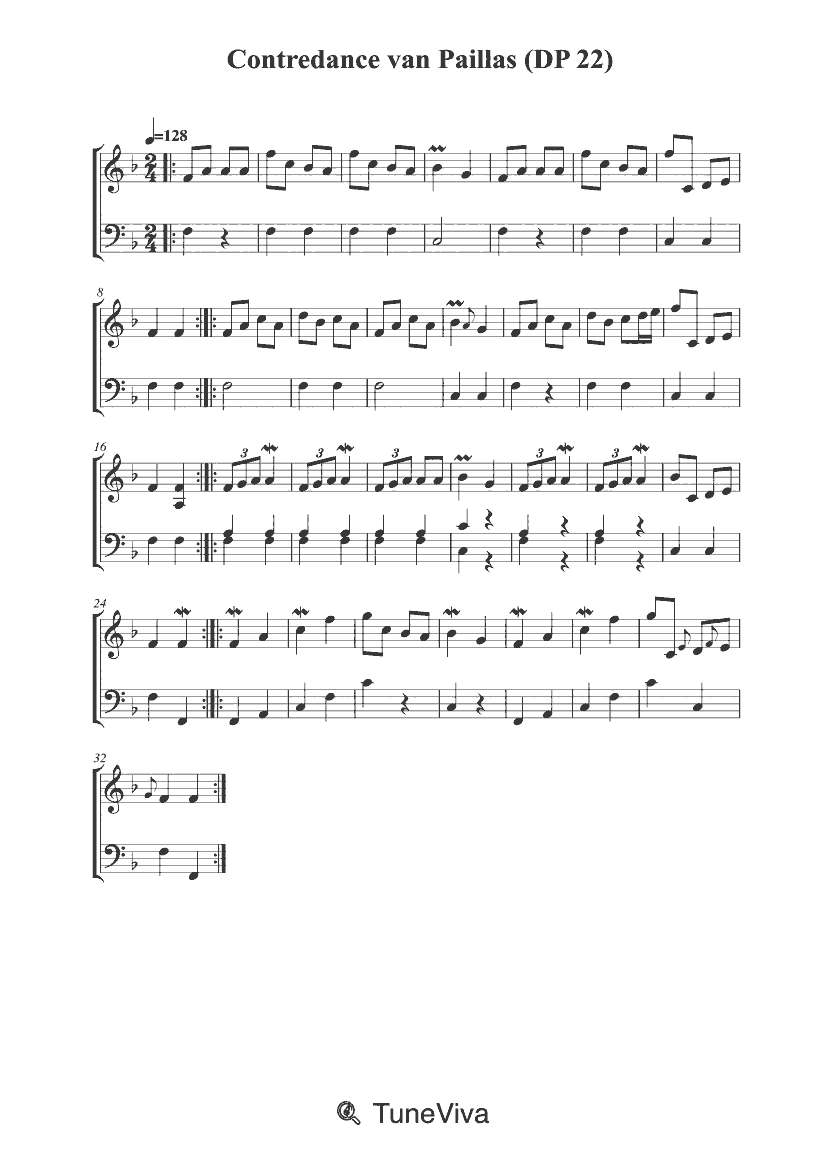
BRON Beiaardboek De Prins Frans (1781) / www.tangosite.com/concertina/collection/17/fdp/
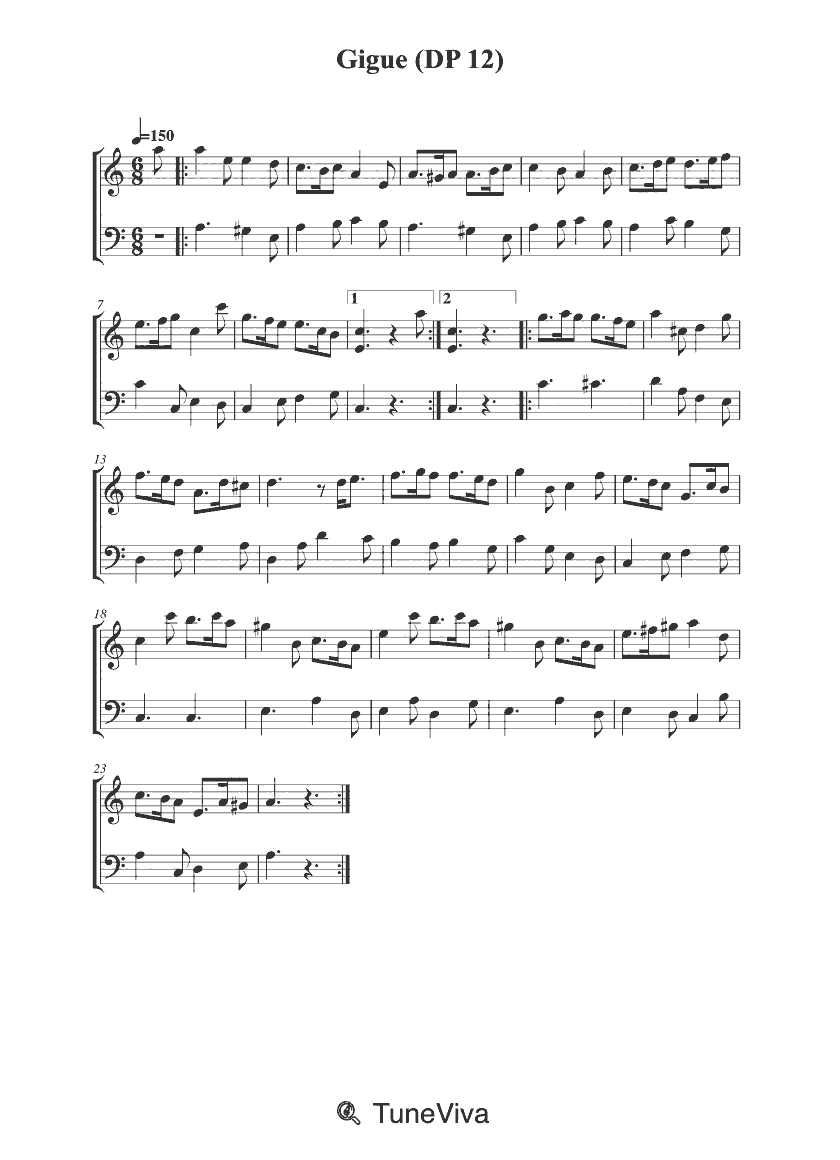
BRON Beiaardboek De Prins Frans (1781) / www.tangosite.com/concertina/collection/17/fdp/
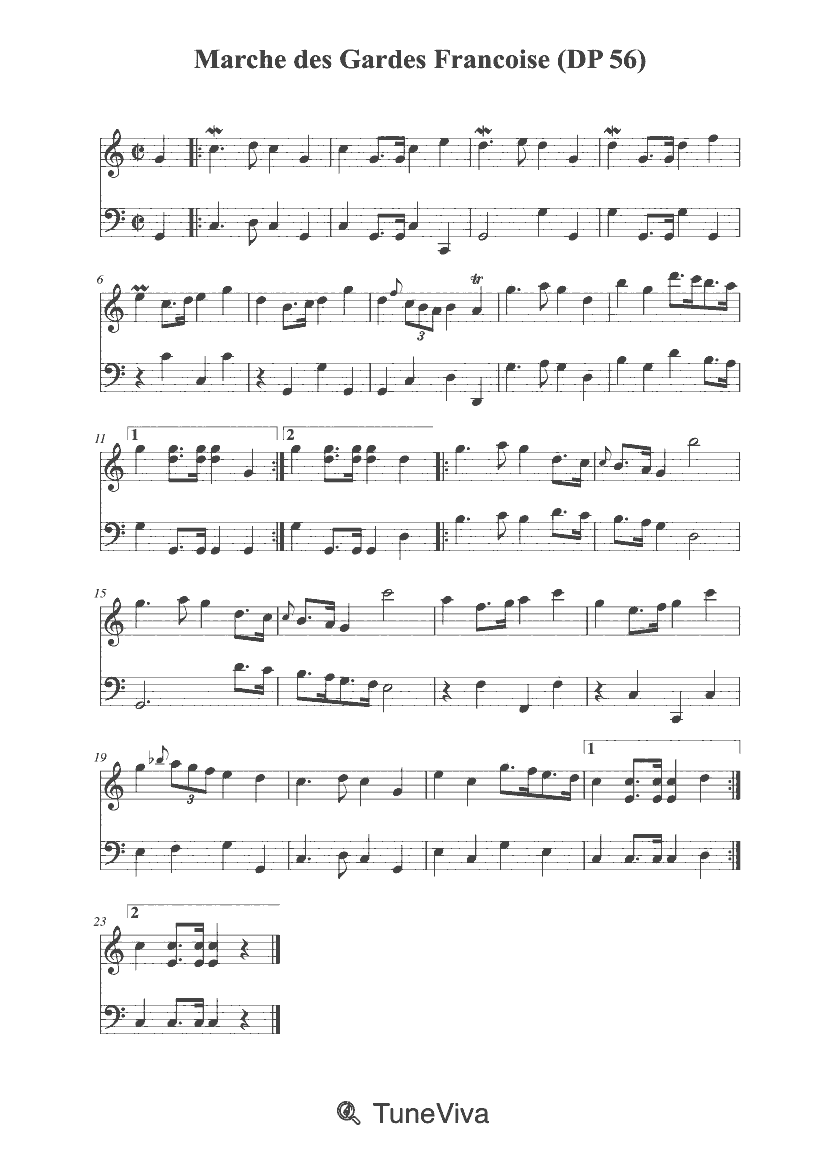
BRON Beiaardboek De Prins Frans (1781)
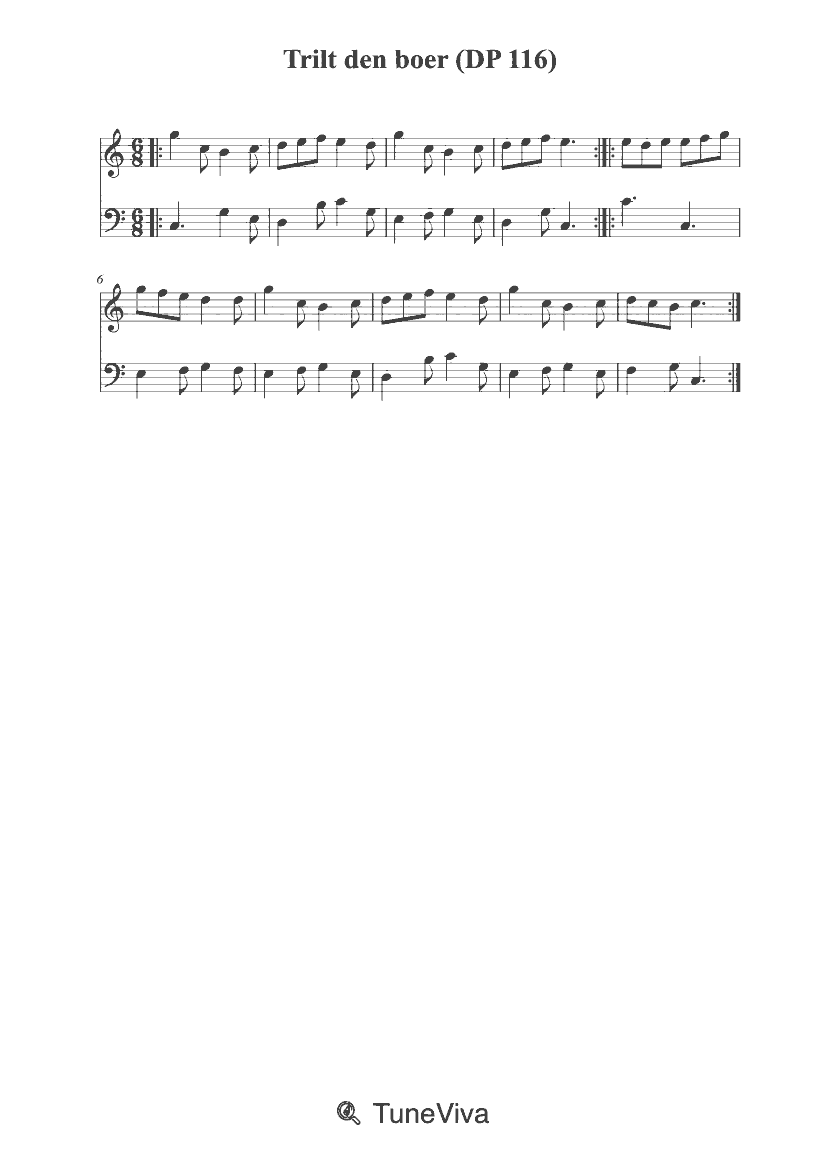
DP 116
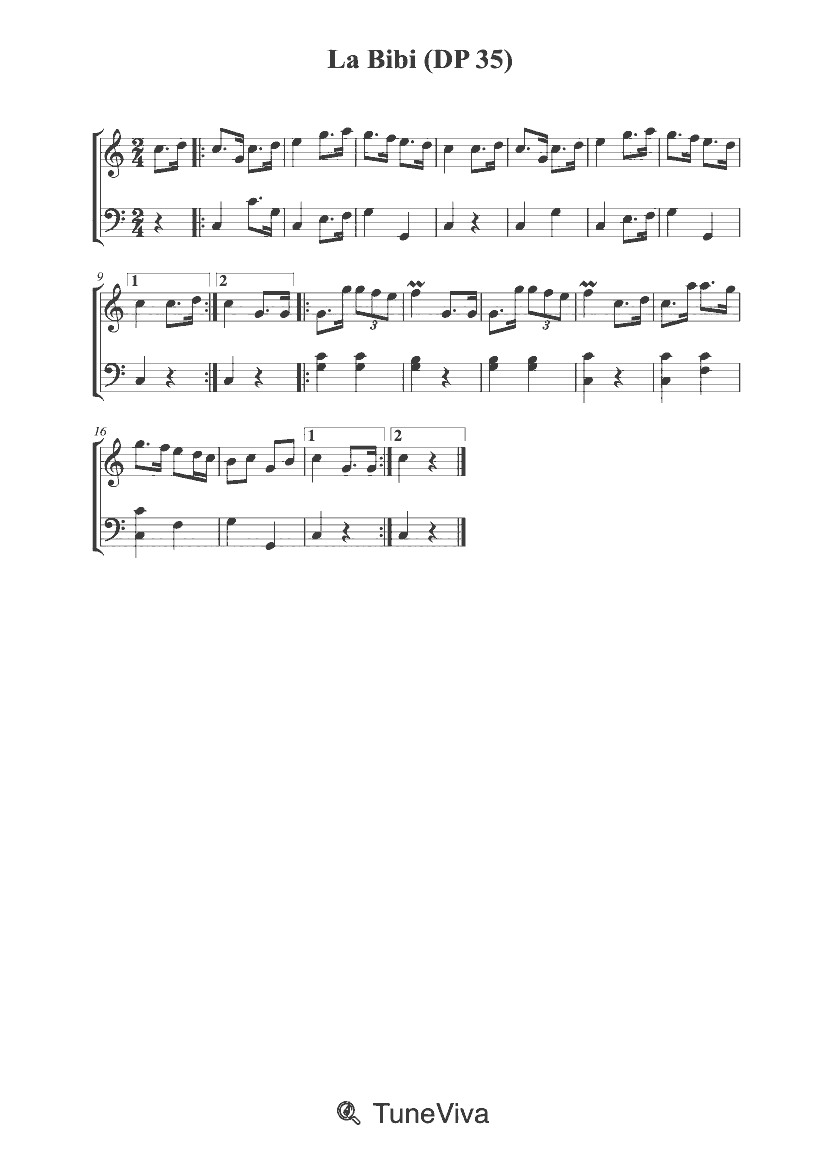
BRON Beiaardboek De Prins Frans (1781) / www.tangosite.com/concertina/collection/17/fdp/