
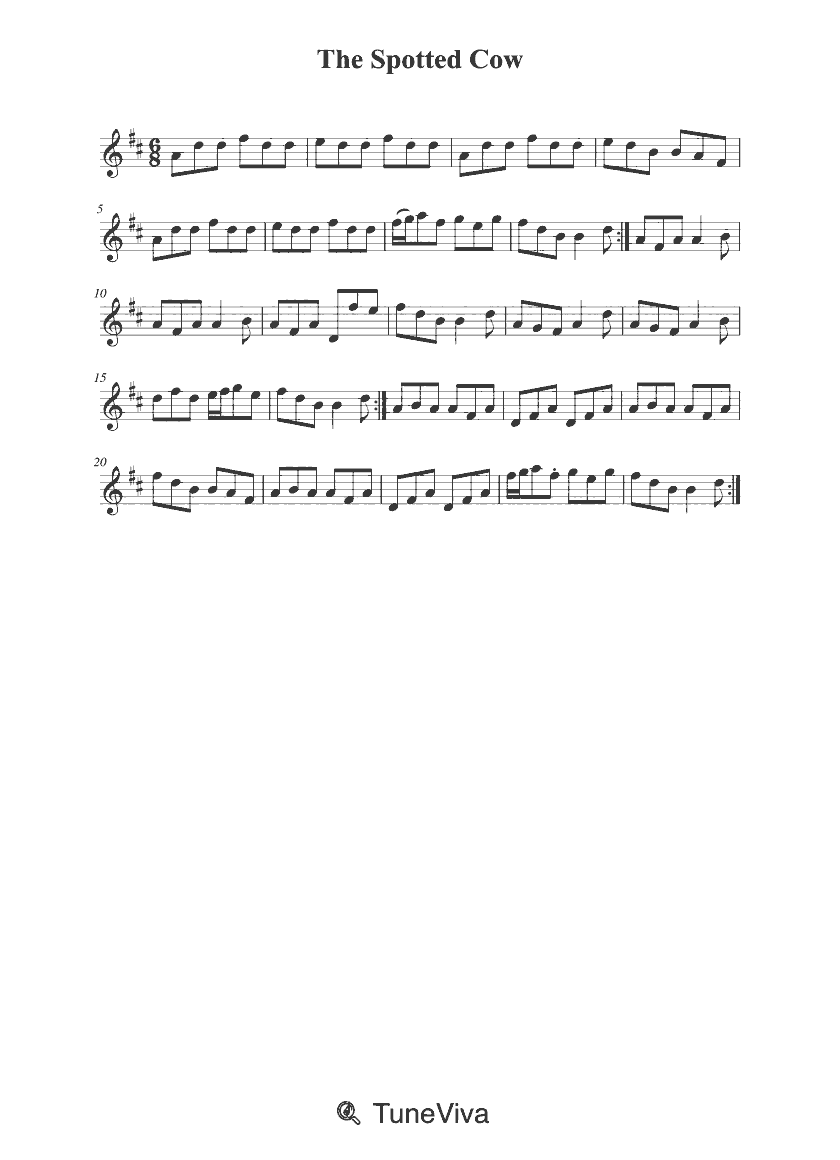
The Spotted Cow
An Bo Breac
1 tracks
Francis O'Neill was a Chicago policeman before he was a collector of tunes, and these files keep the order of that career: 53 scores, about 39 minutes of music and 12,390 notated notes, all at complexity index 1 and none of them with lyrics. The credits read “collected by F. O'Neill” or “collected from F. O'Neill”, because the composer field here names a source rather than an author. The most-viewed items are jigs, hornpipes and airs with long histories in print: The Spotted Cow, The Top of the Morning, Hicks' Hornpipe and Nell Flaherty's Drake.
Francis O'Neill was born at Tralibane, near Bantry in County Cork, on 28 August 1848, and went to sea as a cabin boy at sixteen. He remained a merchant seaman until 1869, settled in Chicago and joined the police force in 1873, rising to chief of police from 1901 to 1905. In those years he recruited traditional musicians into the ranks, among them Patrick O'Mahony, James O'Neill, Bernard Delaney, John McFadden and James Early, and he collected tunes from performers such as the piper Patsy Touhey, who sent him wax cylinders. The published results came in a run of books: Music of Ireland (1903, with 1,850 pieces), The Dance Music of Ireland (1907, 1,001 tunes) and Waifs and Strays of Gaelic Melody (1922), with Irish Folk Music (1910) and Irish Minstrels and Musicians (1913) as prose companions. He died in Chicago on 26 January 1936.
The catalogue shows the collector rather than the composer. Fifty-two of the 53 files carry no genre at all and one is marked folk, which says more about how the files were catalogued than about the music. At 12,390 notes across 53 tunes, the average piece carries a little over 230 notes; every file sits at complexity index 1 and none has lyrics, even where the title is a song air. The titles keep O'Neill's punctuation, full stops included, so “Nell Flaherty's Drake.” and “The Old Woman Tossed Up in a Blanket.” reach the catalogue exactly as they left the printer.
These are single-line melodies with repeats, so the work lies in phrasing rather than in notes. O'Neill's engraving carries almost no ornament marks: the rolls, cuts and slides that make a tune sound Irish are left to the player, and a literal reading will sound bare. Hornpipes such as The Top of the Morning are written in common time but usually played with a dotted lilt, while the air Rodney's Glory needs a free pulse. Set a steady beat first, then add ornamentation without letting it disturb the beat.
The most-viewed file: a jig printed as no. 983 on p. 183 of O'Neill's Music of Ireland (1903), 72 bars long.
A hornpipe and no. 1571 in the 1903 Music of Ireland; the file runs to 36 bars.
A hornpipe from the 1903 book that still circulates in banjo and fiddle tabs labelled “O'Neill 1903”.
The 1903 book prints it as no. 763 with “The Widow's Curse” as an alternative title, and the 1907 Dance Music gives it as a double jig, no. 44. The ballad's drake is often read as a coded reference to Robert Emmet.
A 47-bar jig from the 1903 collection; the tune also survives in Scottish session repertoire under the same name.
A double jig and no. 77 in The Dance Music of Ireland (1907), 45 bars long.
A slow air, no. 27 in the 1903 Music of Ireland, whose name points to Admiral Rodney; it is also played as a set dance.
A long dance in O'Neill's 1903 numbering, no. 1783 (p. 333); it is played today both as a long/set dance and as a hornpipe. It is classed sometimes as a long dance and sometimes as a hornpipe, and Krassen prints it on p. 208 of his edition.
A set dance, also known as “Stone Grinds All”, in cut time; O'Neill's note on it recalls that it was a favourite in parts of Munster twenty or thirty years earlier.
No. 204 in The Dance Music of Ireland (1907) and no. 988 in the 1903 book; O'Neill later wrote that he had learned it was composed by the piper Jackson around 1750.
There are 53, running to about 39 minutes of music and 12,390 notated notes. All of them sit at complexity index 1 and none carries lyrics.
No. The files name him as collector, and the tunes came from fiddlers, pipers and printed sources. He edited and arranged what he gathered, and supplied titles for pieces that reached him unnamed.
Music of Ireland (1903) numbers its 1,850 melodies in one sequence, while The Dance Music of Ireland (1907) numbers its 1,001 dance tunes separately, so the same jig can be no. 988 in one book and no. 204 in the other.
The tunes were noted from fiddle and pipe players, and the files are single-line settings. O'Neill later issued a selection arranged for piano and violin, but these entries give the melody as he printed it.
Catalog editions and arrangements attributed to Francis O’Neill.
An Bo Breac

The Widow's Curse.
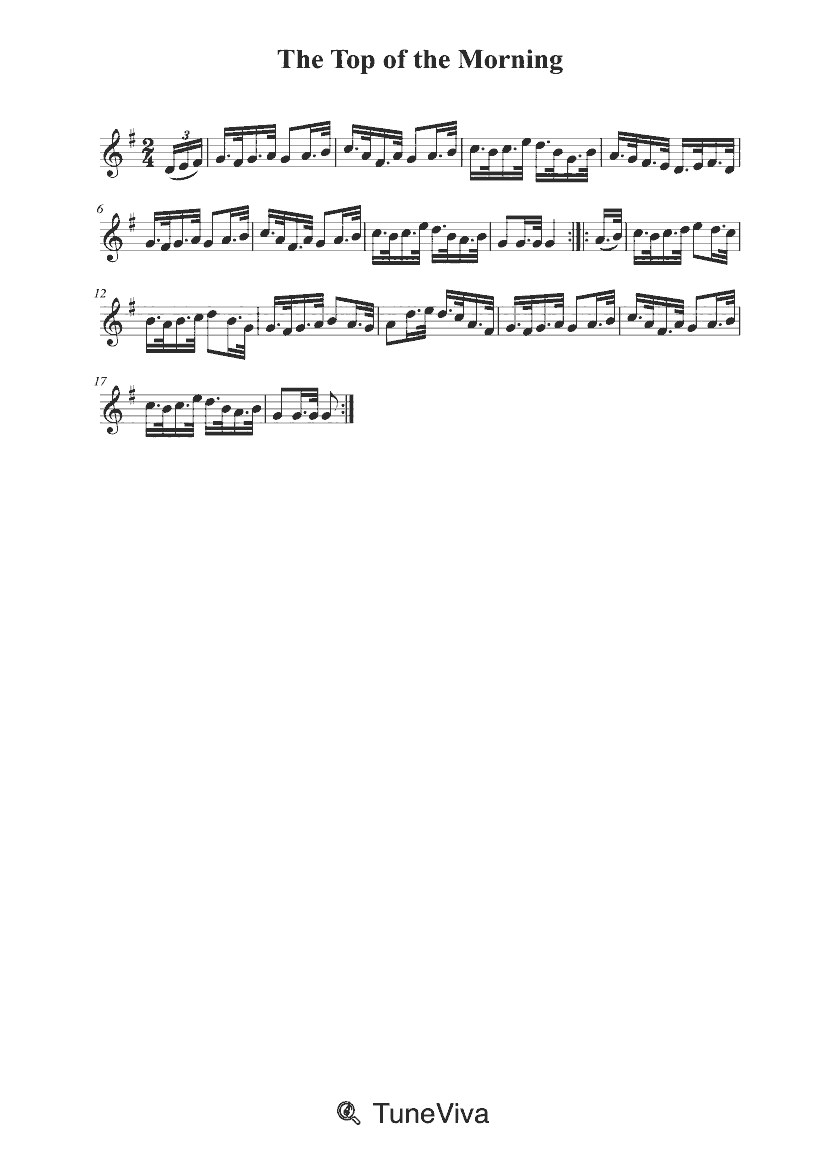

Sweeping the Cobwebs Out of the Sky.

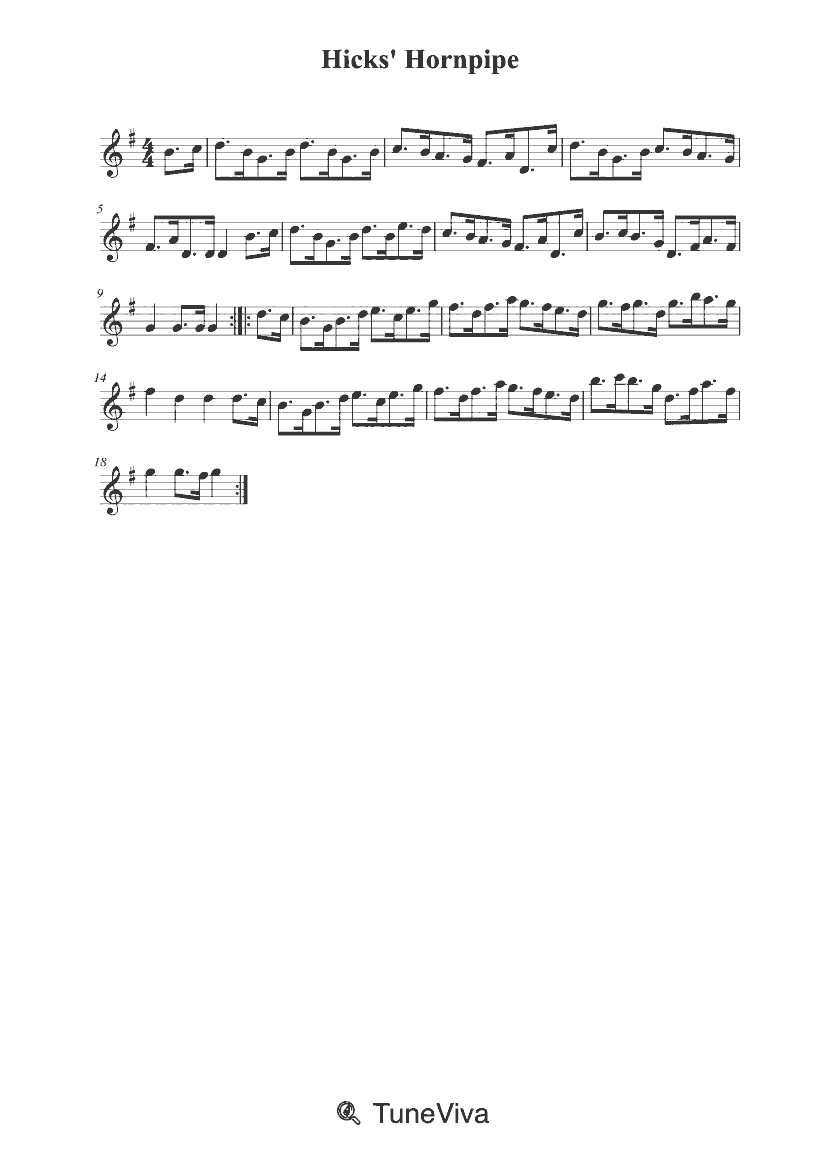

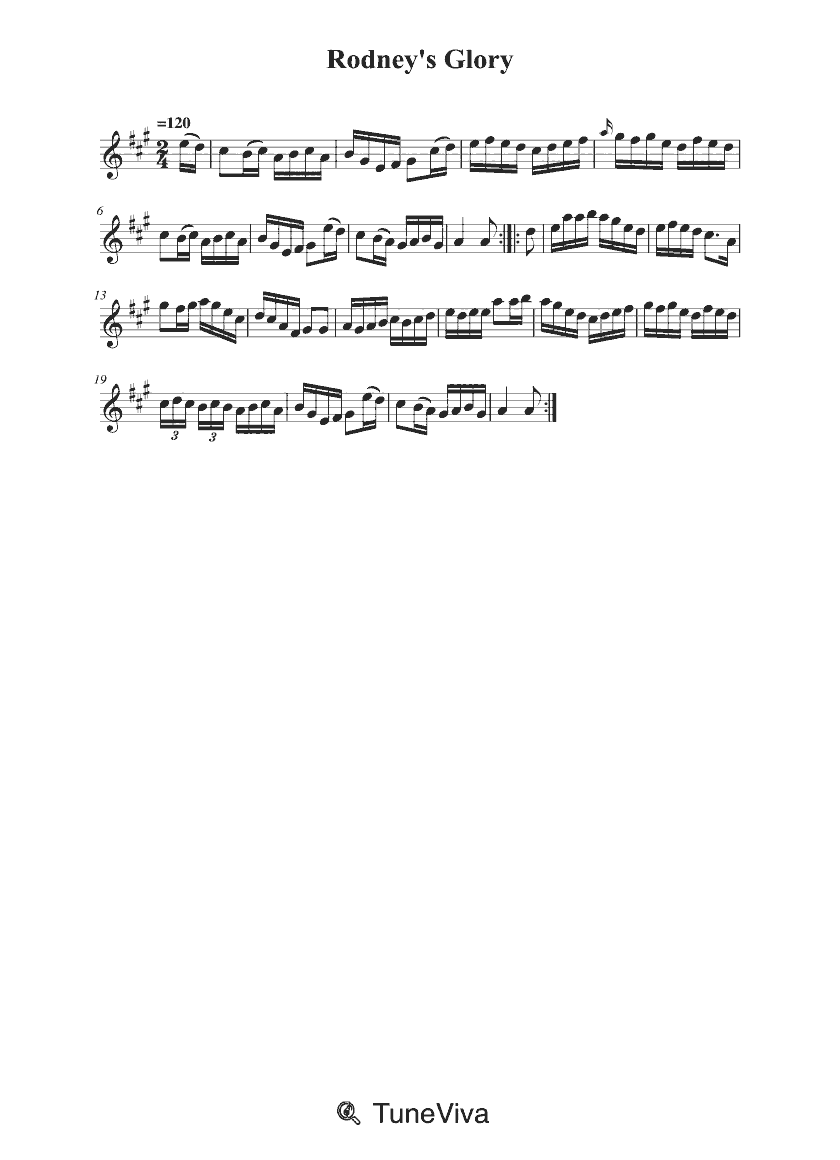
Gloire ui Rodnaig


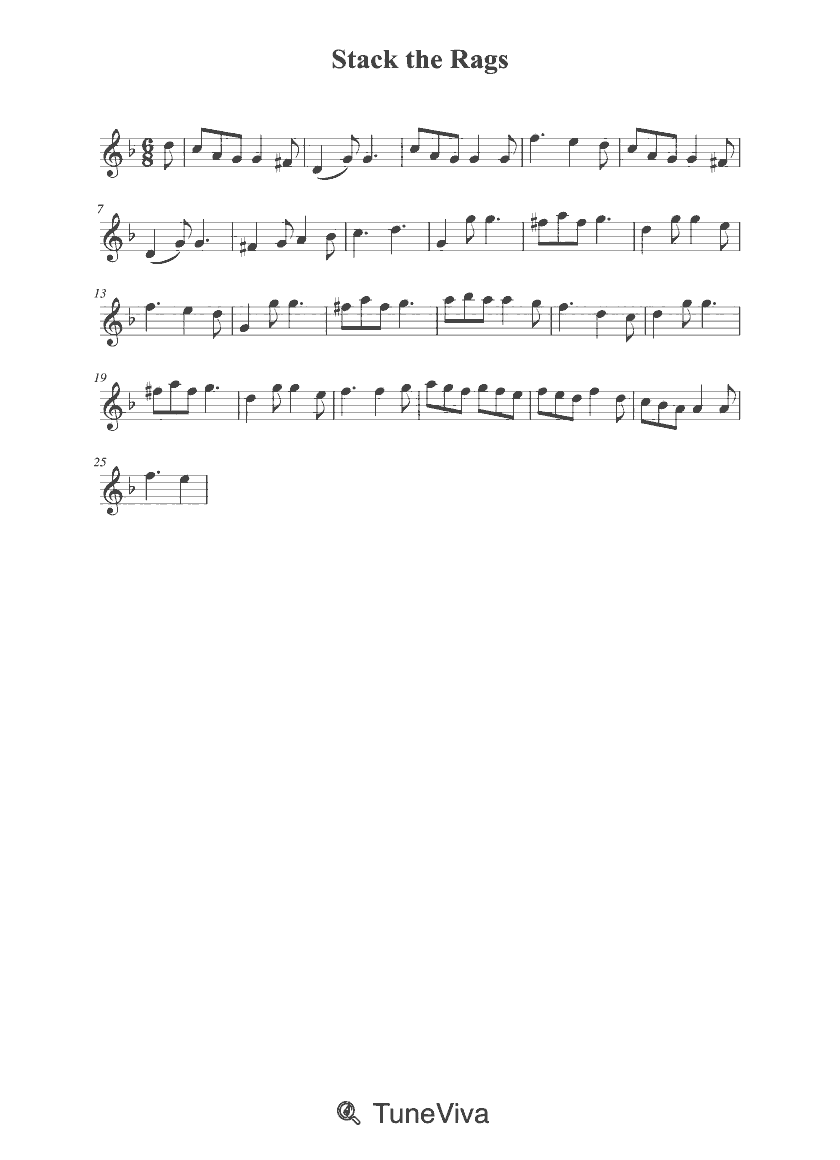
Cruac Suas Na Giobaltde

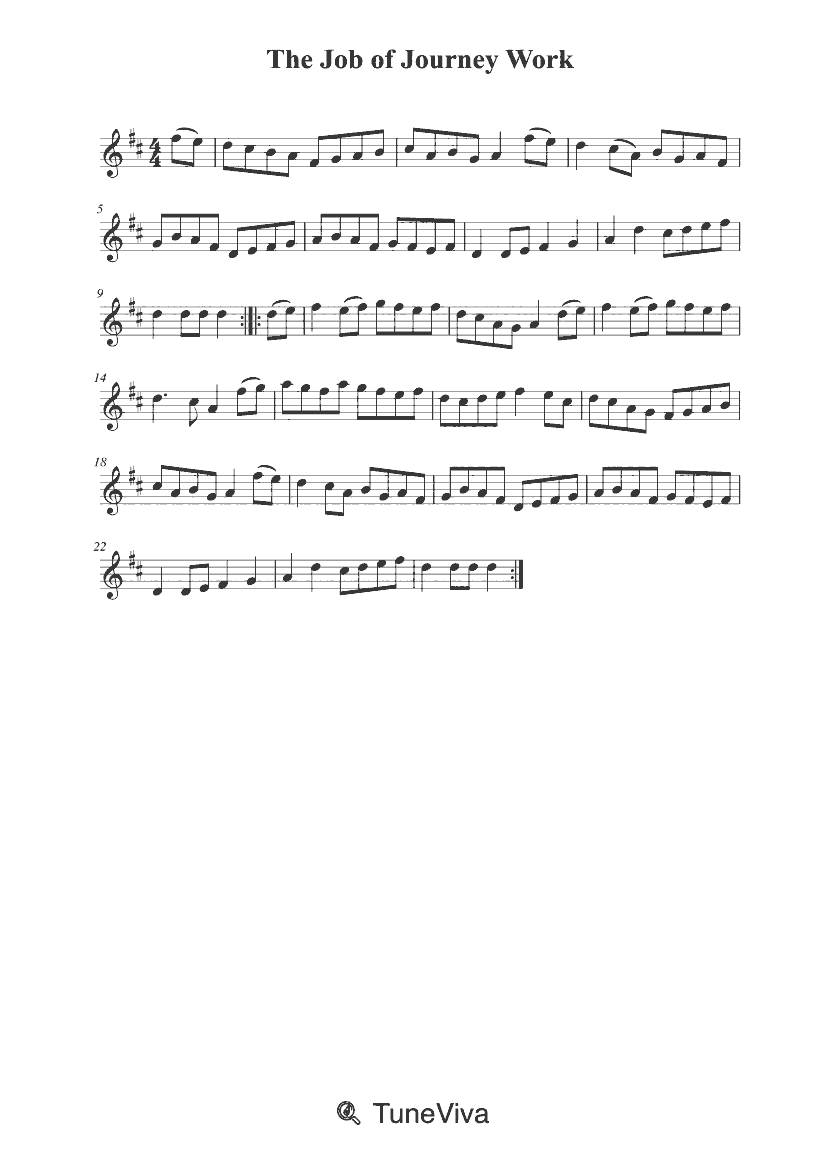
Greim Obairaonlae
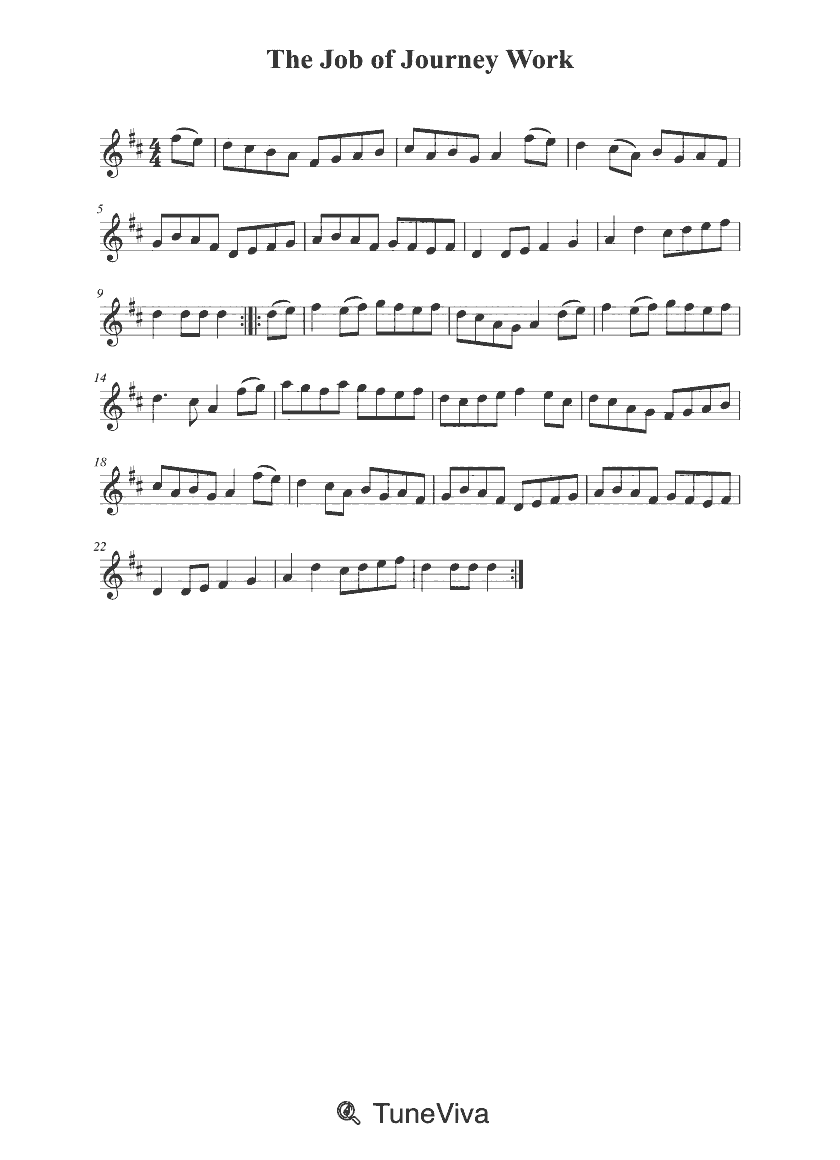
Greim Obairaonlae

Humors of Abbeyfeale.

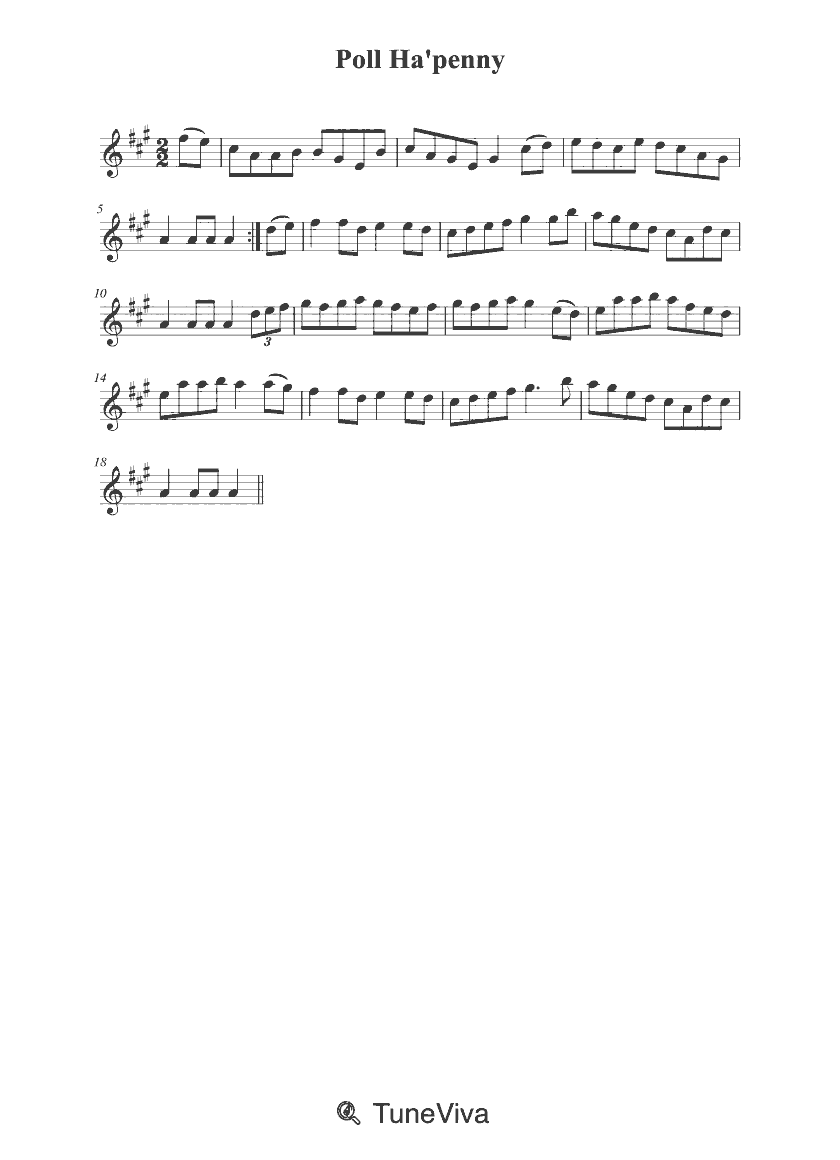
Maire Na Leat-Pingin

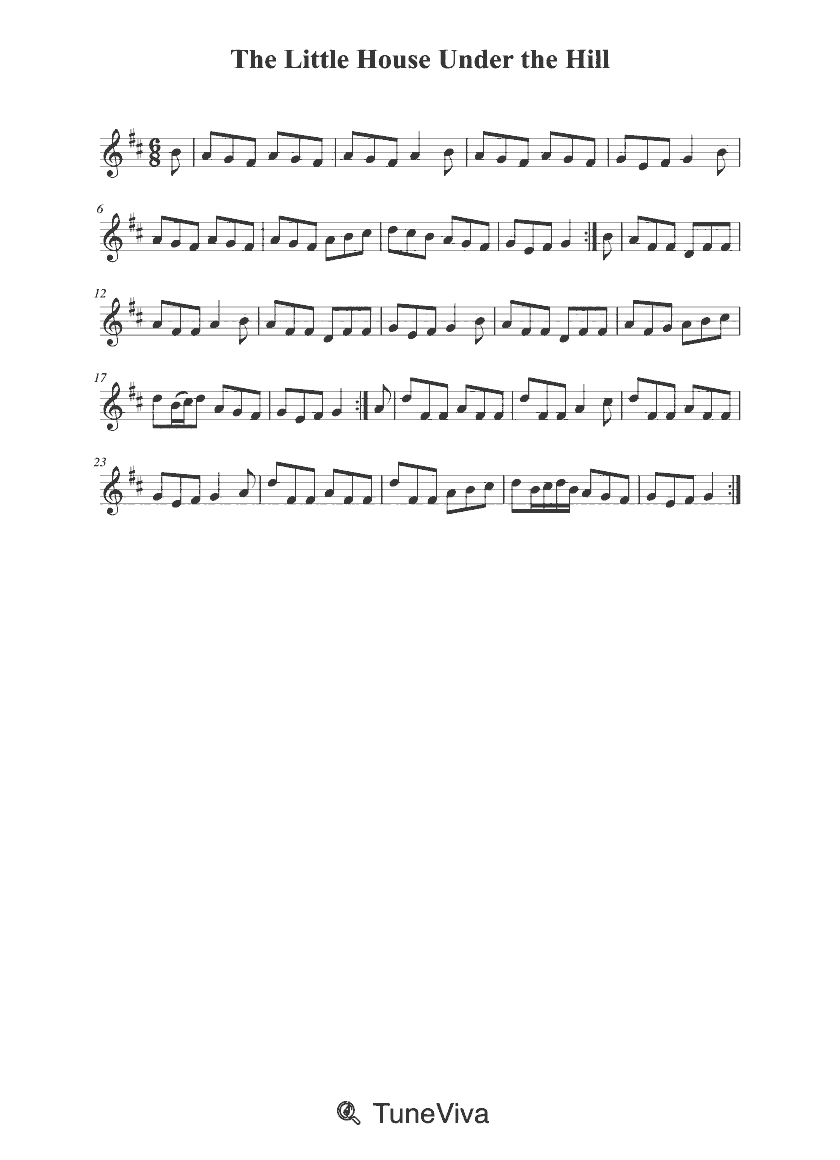
An Teac Beag Faoi An Cnoc
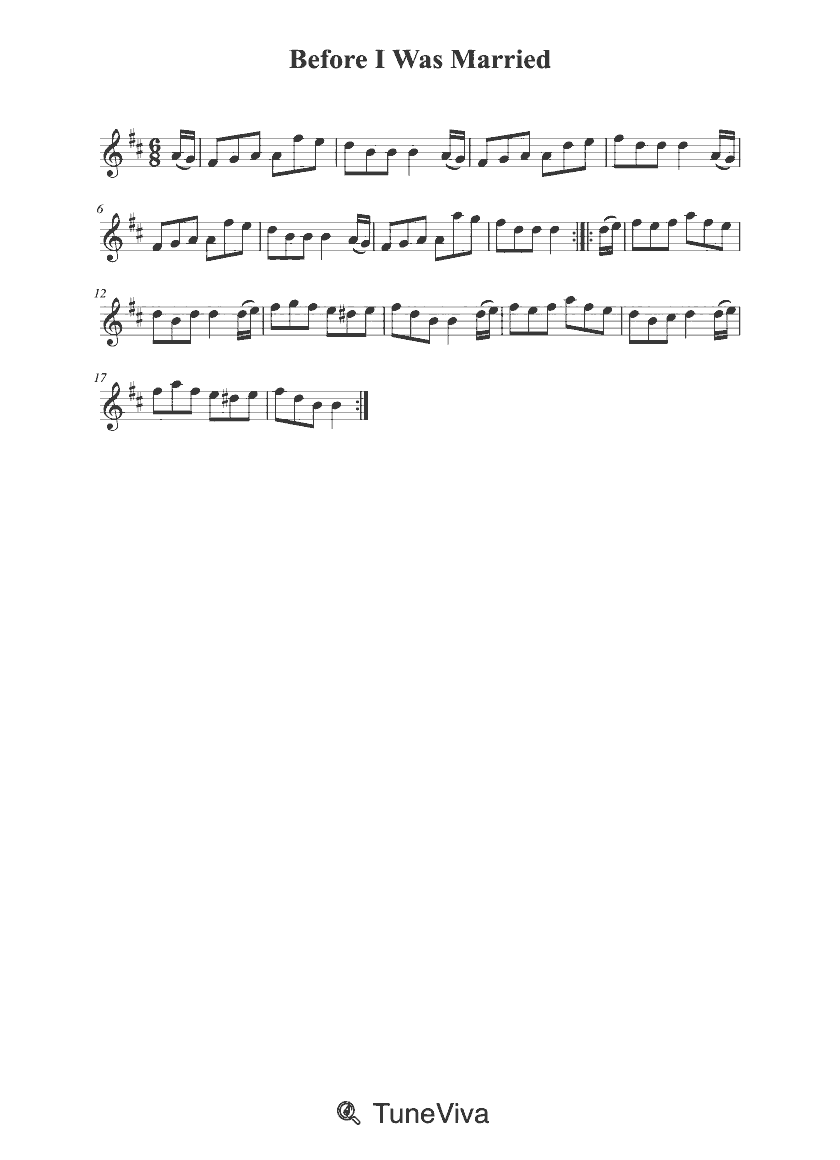
Roime Mo Posad