

Io ti voria (Orlando di Lasso) SATB
fra Libro de villanelle moresche et altre canzoni 1581
classical
4 tracks
Latin, French, Italian and German all belonged to Orlando di Lasso, who moved between Mons, Mantua, Rome and Munich before he was thirty. As maestro di cappella at the Bavarian court he produced motets, chansons, madrigals and Lieder on an industrial scale: over two thousand works survive. TuneViva holds 241 of his scores, 225 with lyrics and about 1,478 minutes of music. The catalog's most-viewed items are Italian songs and French chansons, with Latin motets and German Lieder further down. A handful of entries are instrumental or English-titled versions, and those are modern adaptations rather than Lasso's own scoring.
Lasso was born in Mons, in the County of Hainaut, probably around 1532. His name appears in many forms, including Orlande de Lassus and Orlandus Lassus. At twelve he left the Low Countries with Ferrante Gonzaga and travelled through Mantua, Sicily and Milan. By 1553 he was maestro di cappella at the Basilica of Saint John Lateran in Rome, a post he held for about a year. He returned north in 1555 and joined the court of Albrecht V, Duke of Bavaria, in Munich in 1556, becoming Kapellmeister in 1563.
He stayed in Munich for the rest of his life, serving Albrecht V and then Wilhelm V. Emperor Maximilian II ennobled him in 1570. His output covers nearly every vocal genre of the period: some 530 motets, 175 Italian madrigals and villanellas, 150 French chansons, 90 German Lieder, and almost sixty complete masses. The Prophetiae Sibyllarum, with its strange chromatic opening, and the final Lagrime di San Pietro are the works most often cited as his extremes.
The catalog's 241 scores are mostly rated at the easiest complexity level (195 of them), with 46 at the next level; that label reflects simple texture rather than simple music, since the chansons and madrigals are mostly homophonic and short while the motets move in imitative counterpoint. Popular titles include "Io ti voria", "O Eyes of my Beloved", "Bonjour mon coeur" and "Susanne un jour". Lasso died in Munich on 14 June 1594.
These scores are mostly short and text-driven. In the chansons and madrigals, watch how the texture thins to let a single voice carry a phrase, then fills in again for the cadence. The motets behave differently: points of imitation pass the same motive between voices, so each singer needs to hear the entry before their own. Pitch is the practical challenge, since Renaissance polyphony assumes pure intervals and careful tuning of thirds and fifths. Read the text aloud first; the musical phrasing nearly always follows its stresses.
The catalog's most-viewed Lasso score, an Italian song set for four voices.
An English-titled four-part setting of a Renaissance love text, one of the collection's most-viewed items.
A four-voice French chanson on a Ronsard text, among his most frequently performed short pieces.
A melancholy chanson that became a favourite of madrigal and chamber choirs.
His setting of the enormously popular Susanne un jour tune, which also formed the basis of a mass.
A comic Venetian-style song with nonsense syllables, one of his best-known lighter madrigals.
A Latin motet for All Saints, showing the restrained imitative style of his sacred writing.
A German song whose title, “better good wine than beer”, shows the humorous side of his Lieder.
He was born in Mons, in the County of Hainaut, in the Habsburg Netherlands, and worked most of his life in Munich; he is usually described as Franco-Flemish.
It is the Italian form of his name; the same composer appears as Orlande de Lassus, Orlandus Lassus and Orlando Lasso in different sources.
The four-voice chansons and madrigals such as "Bonjour mon coeur" and "Matona, mia cara" are the most approachable, with clear homophonic passages and short forms.
Not necessarily. The catalog includes modern editions and arrangements, so check the voice ranges and original clefs against a critical edition.
Catalog editions and arrangements attributed to Orlando di Lasso.
fra Libro de villanelle moresche et altre canzoni 1581

Poem by P. de Ronsard (1524-1585)

O occhi manza mia Four part Chorus for Mixed Voices (a capella)

erste Ausgabe: Margot labourez les vignesin: Le premier livre de chansons 1564

Quatriesme livre des chansons à 4 et 5 parties no. 1 (1564)


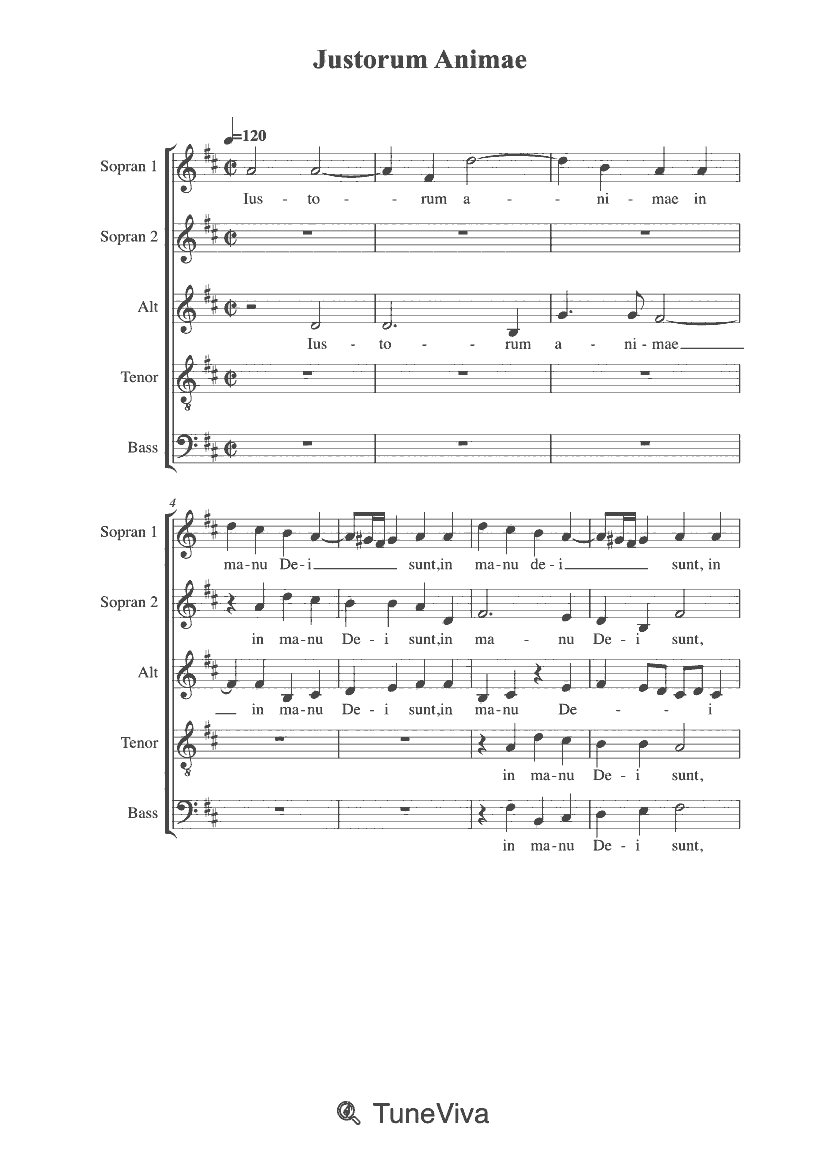
Offertory for All-Saints


Libro de Villanelle Moresche et altre Canzoni. Paris 1581

