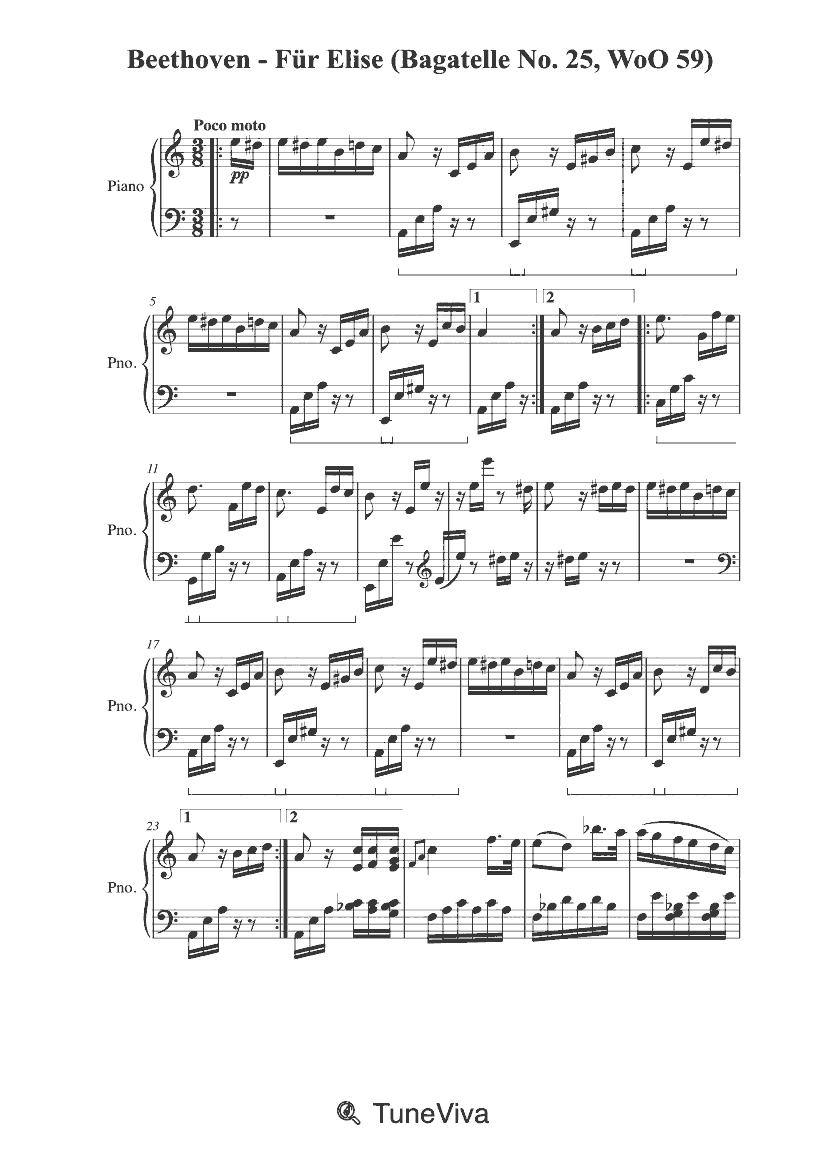
Beethoven - Für Elise (Bagatelle No. 25, WoO 59)
Ludwig van Beethoven
Piano · 1 min 15 sec
Open scoreBrowse classical sheet music by the piece and the way you want to play it. Try Bach’s C-major Prelude for a keyboard study in changing harmony, or open the solo-piano arrangement of Beethoven’s Fifth to see how an orchestral movement fits on two staves. Use the instrument, movement and part labels to tell an original setting from a transcription and a complete score from an excerpt.
Scores 1–20 of 63,421
Ludwig van Beethoven
Piano · 1 min 15 sec
Open score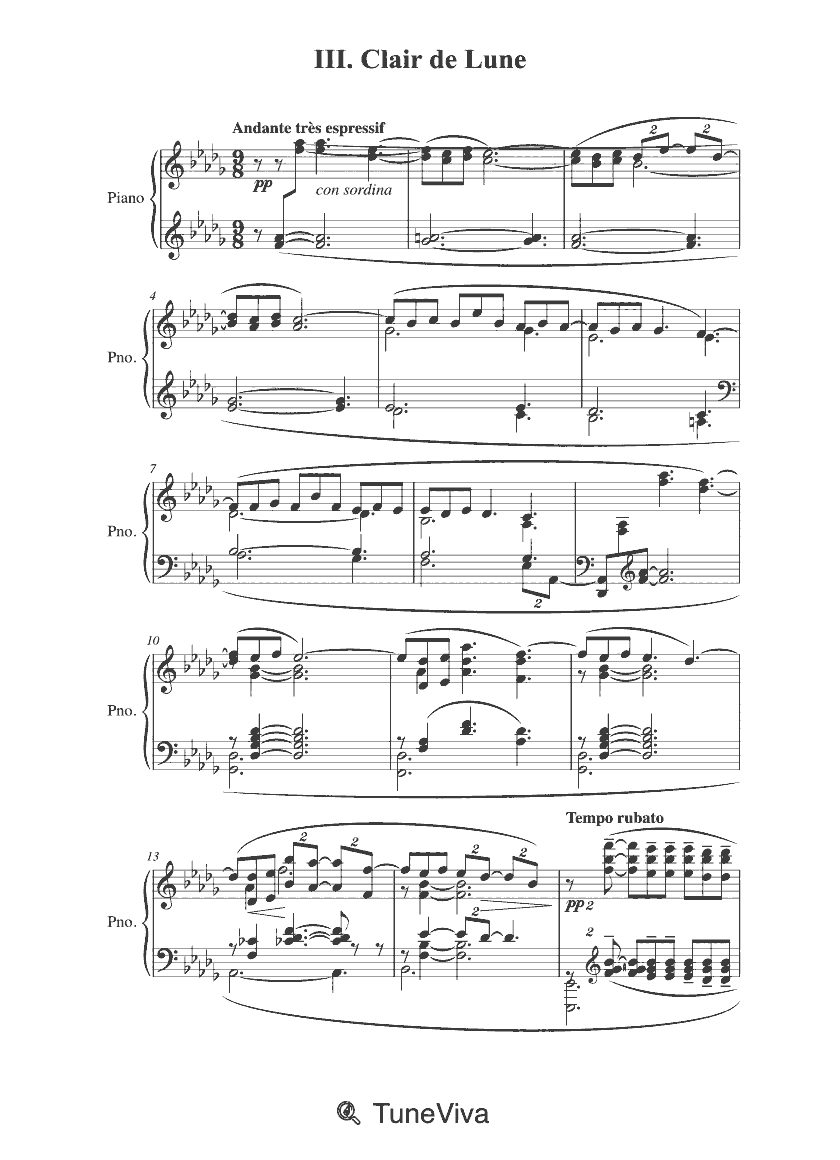
Claude Debussy
III. Clair de Lune
Piano · 5 min 7 sec
Open score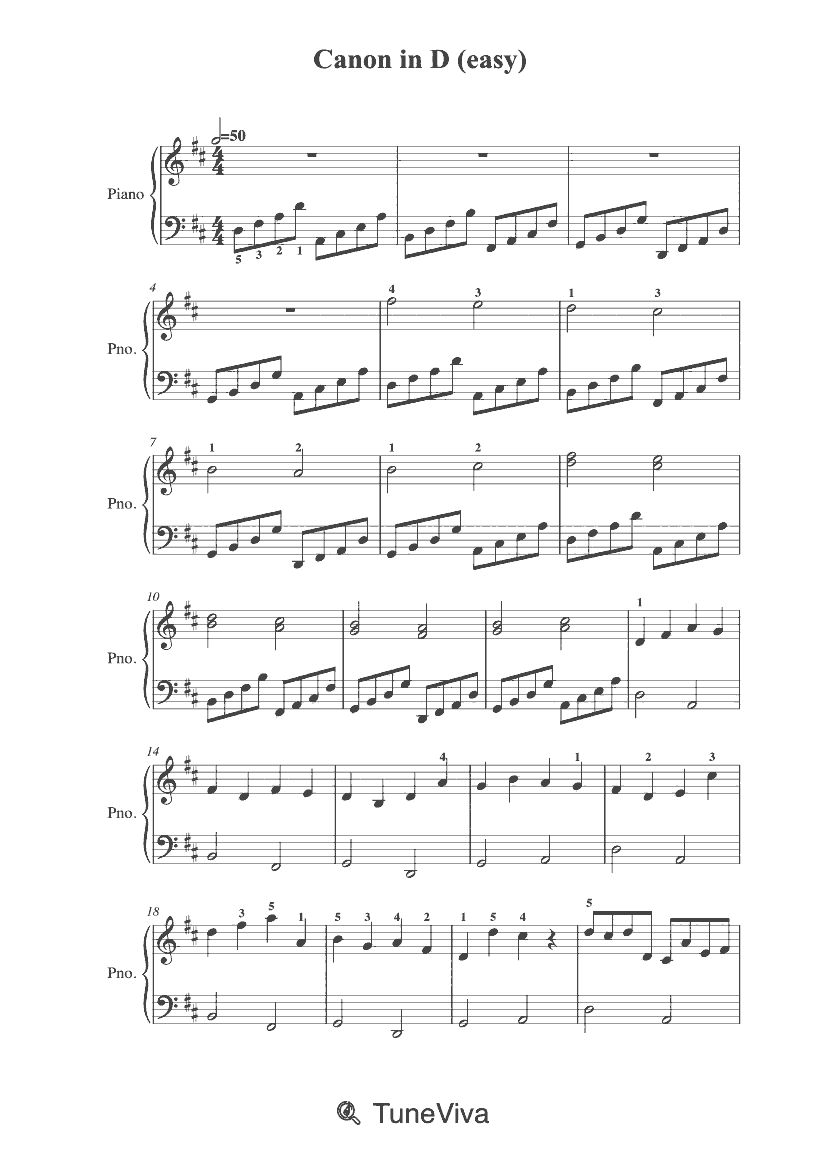
Johann Pachelbel
Piano · 2 min 7 sec
Open score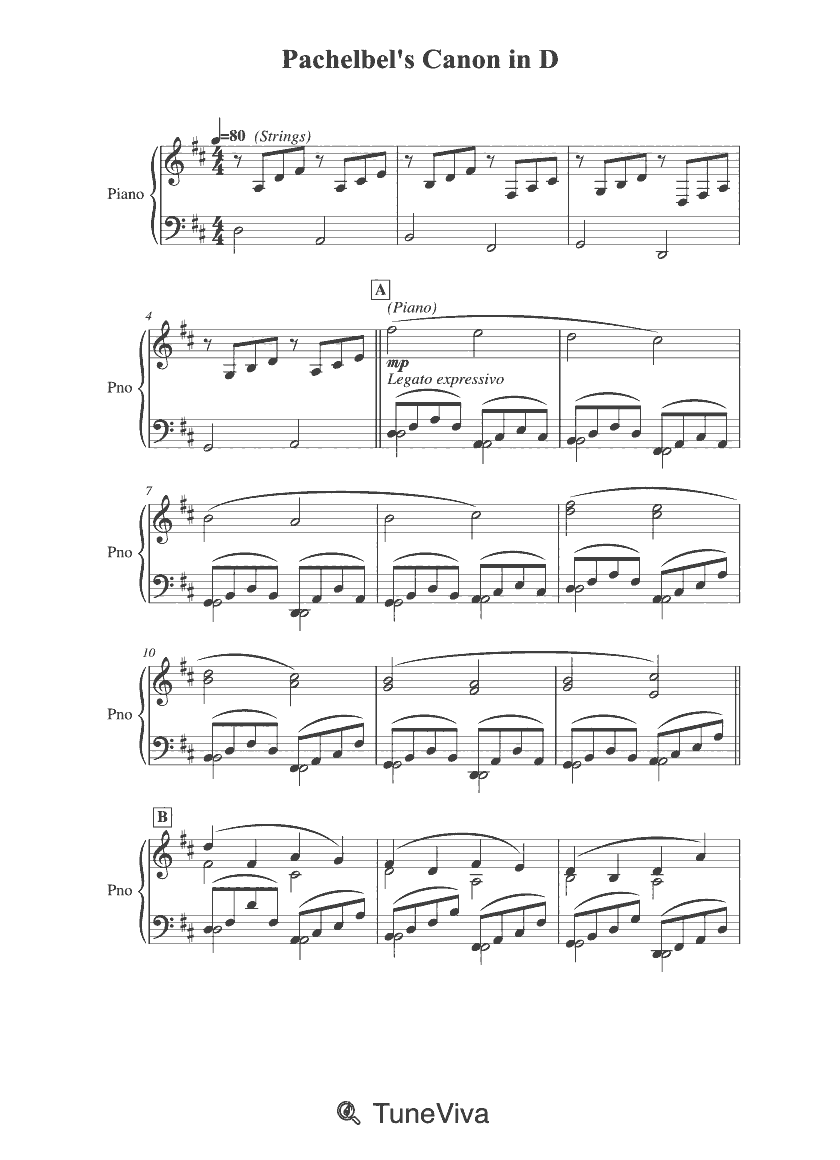
Johann Pachelbel
Piano · 2 min 15 sec
Open score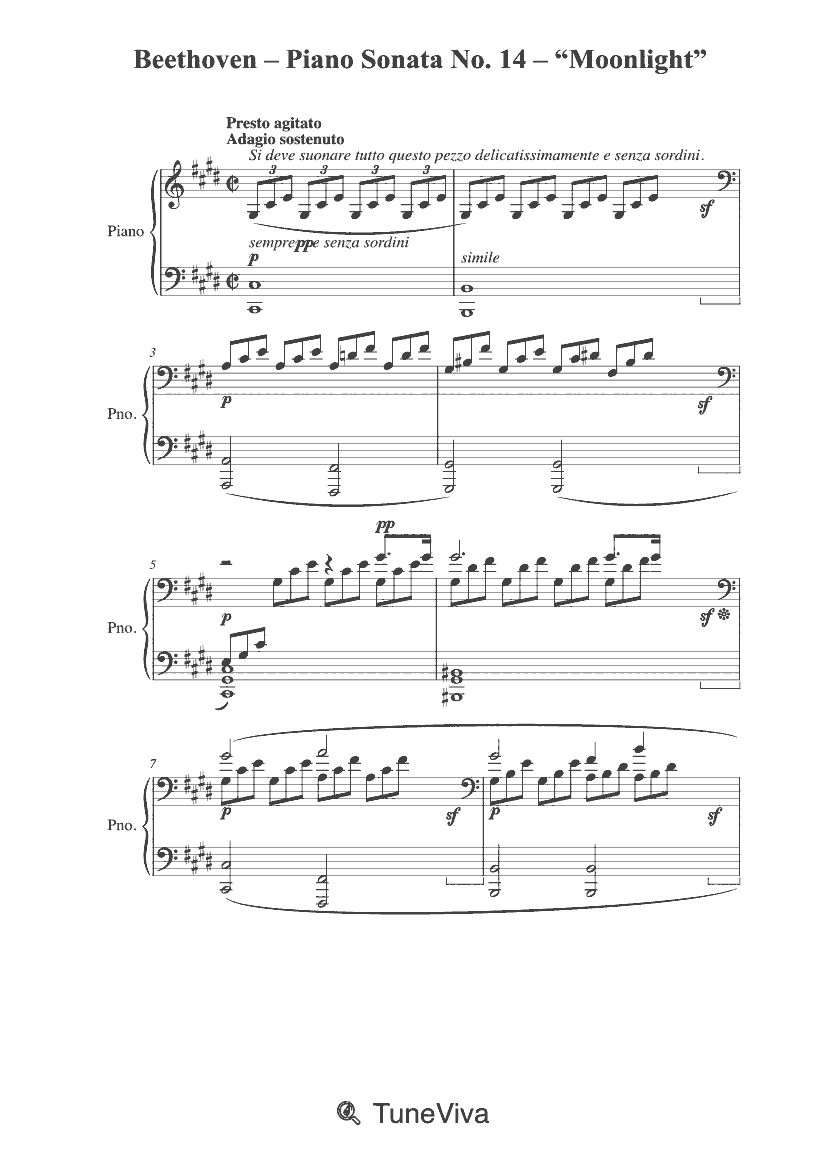
Ludwig van Beethoven
Piano · 19 min 57 sec
Open score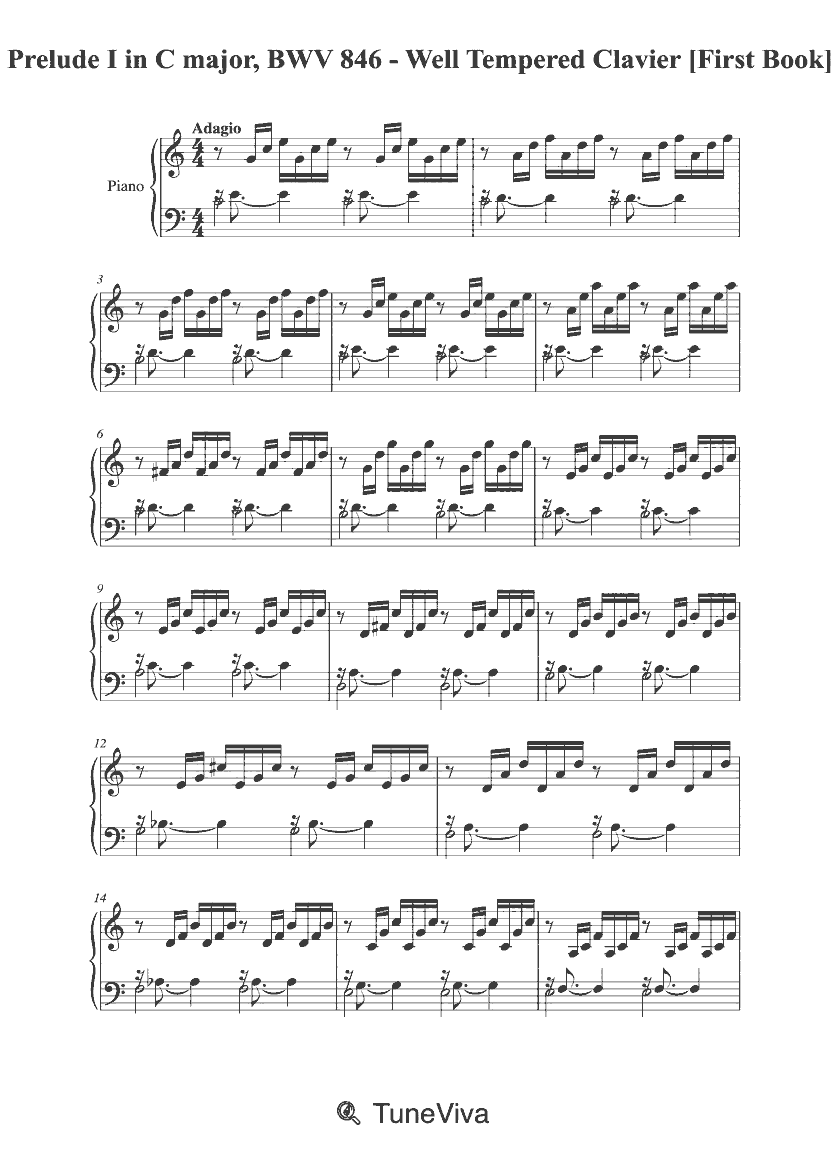
Johann Sebastian Bach
In C major
Piano · 6 min 27 sec
Open score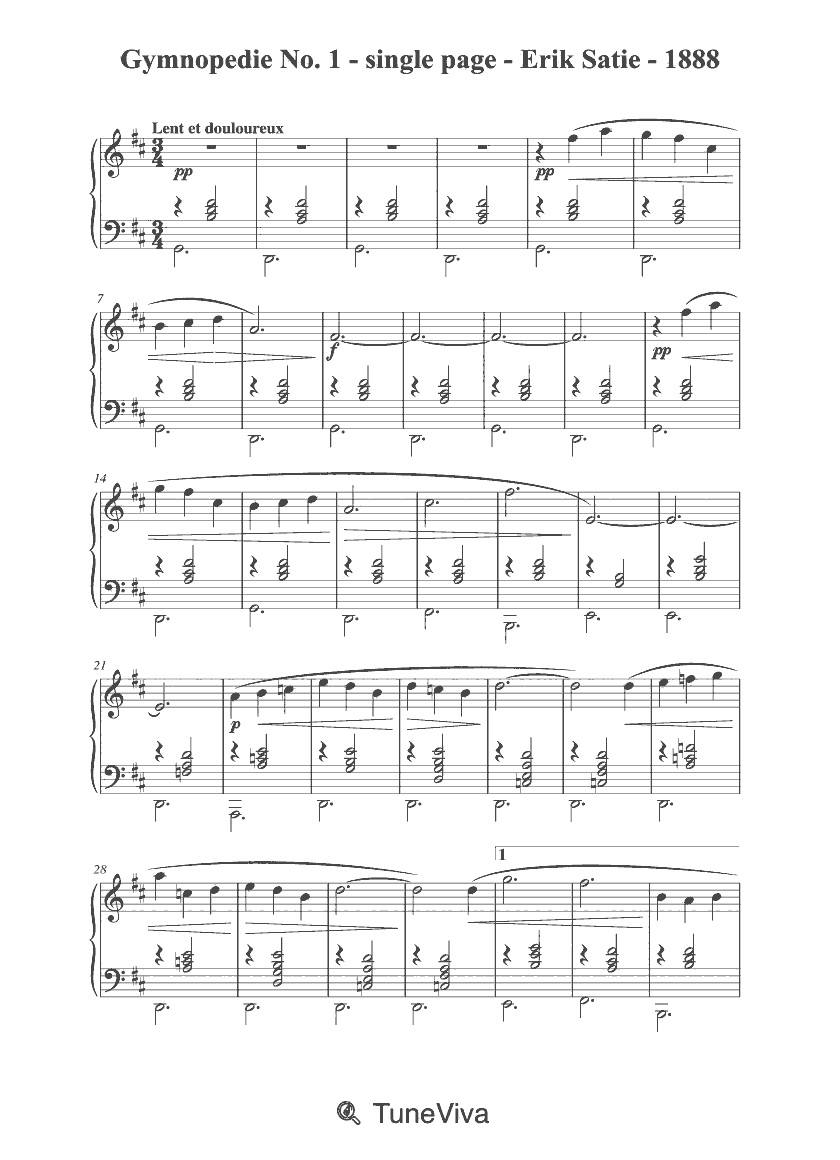
Erik Satie
Piano · 6 min 14 sec
Open score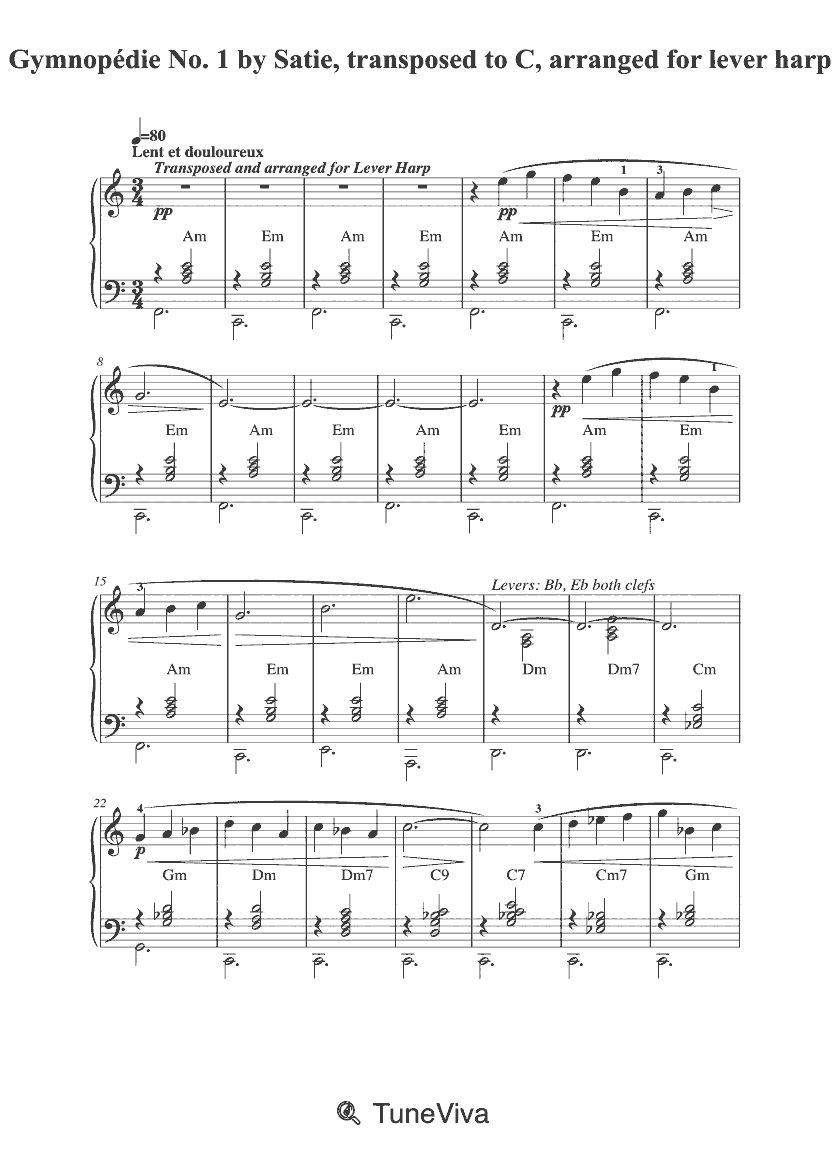
Erik Satie
from Trois Gymnopédies
Piano · 2 min 37 sec
Open score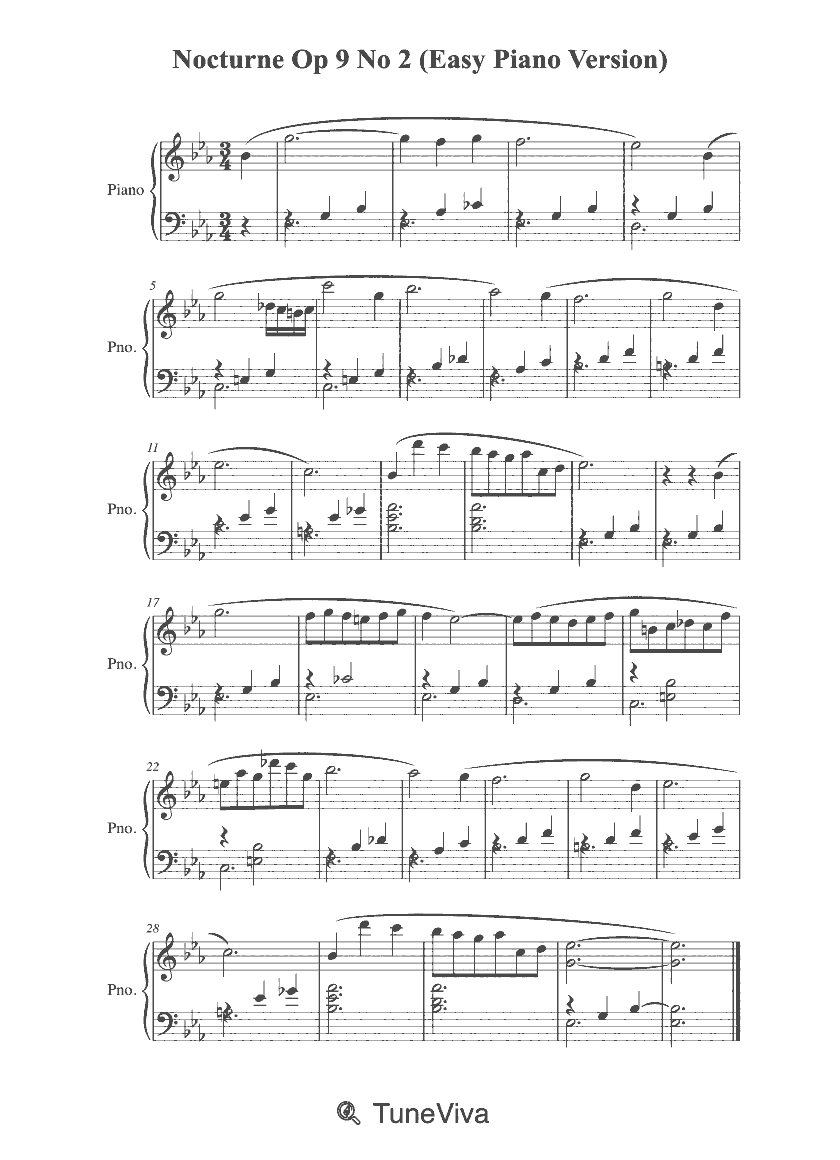
Frédéric Chopin
Easy Piano Version
Piano · 1 min 29 sec
Open score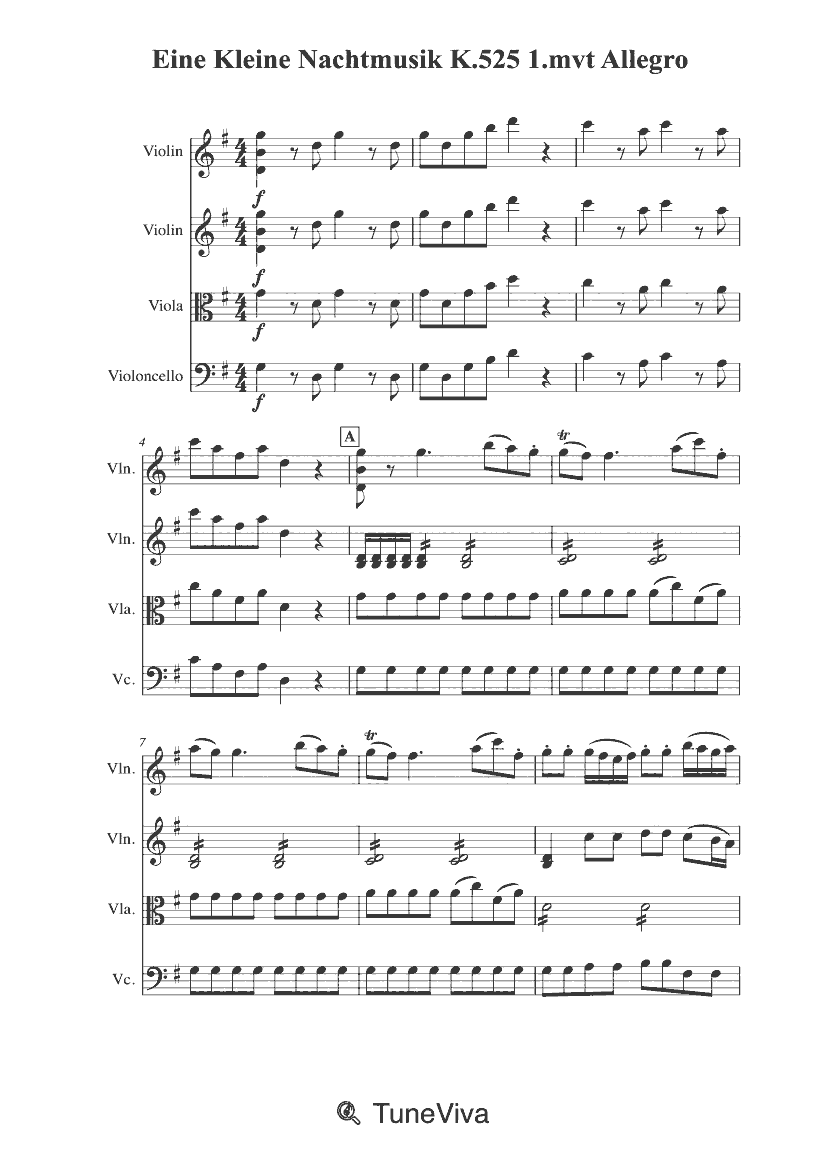
Wolfgang Amadeus Mozart
K.525
Violin; Viola; Violoncello · 9 min 7 sec
Open score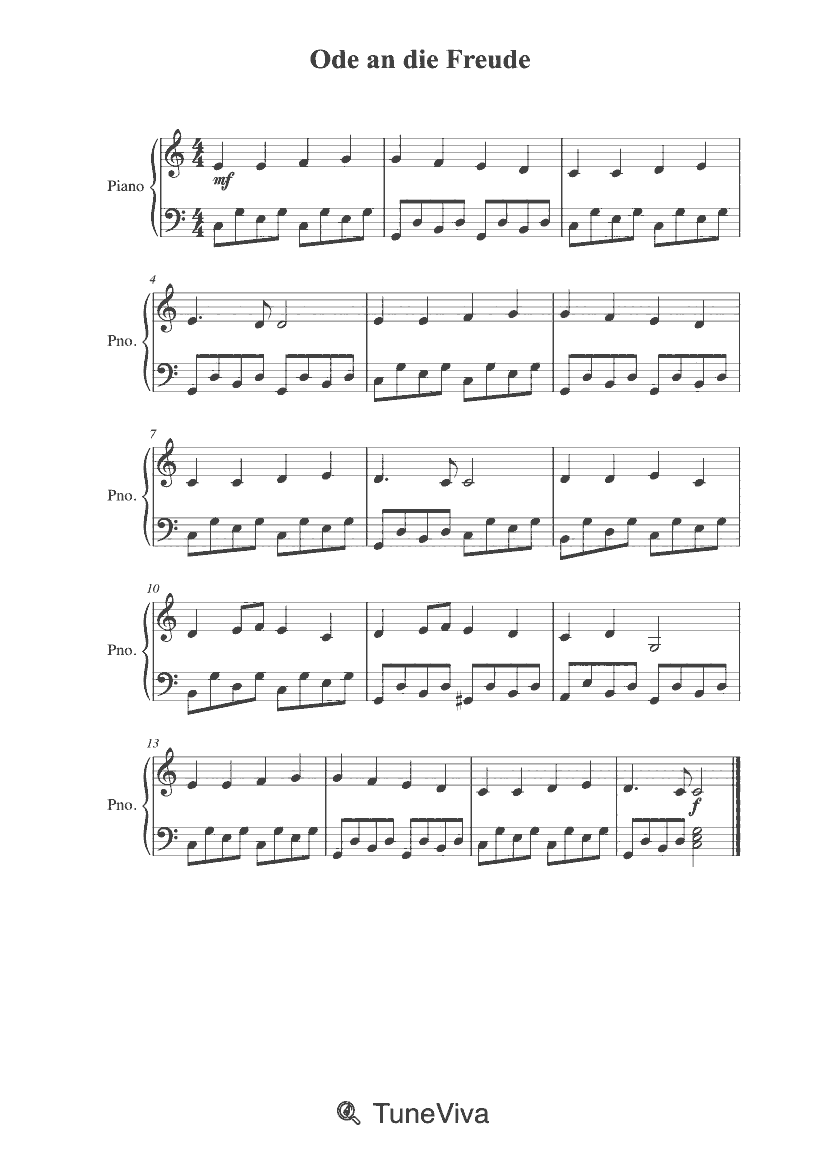
Ludwig van Beethoven
Kaveh's Variation
Piano · 32 sec
Open score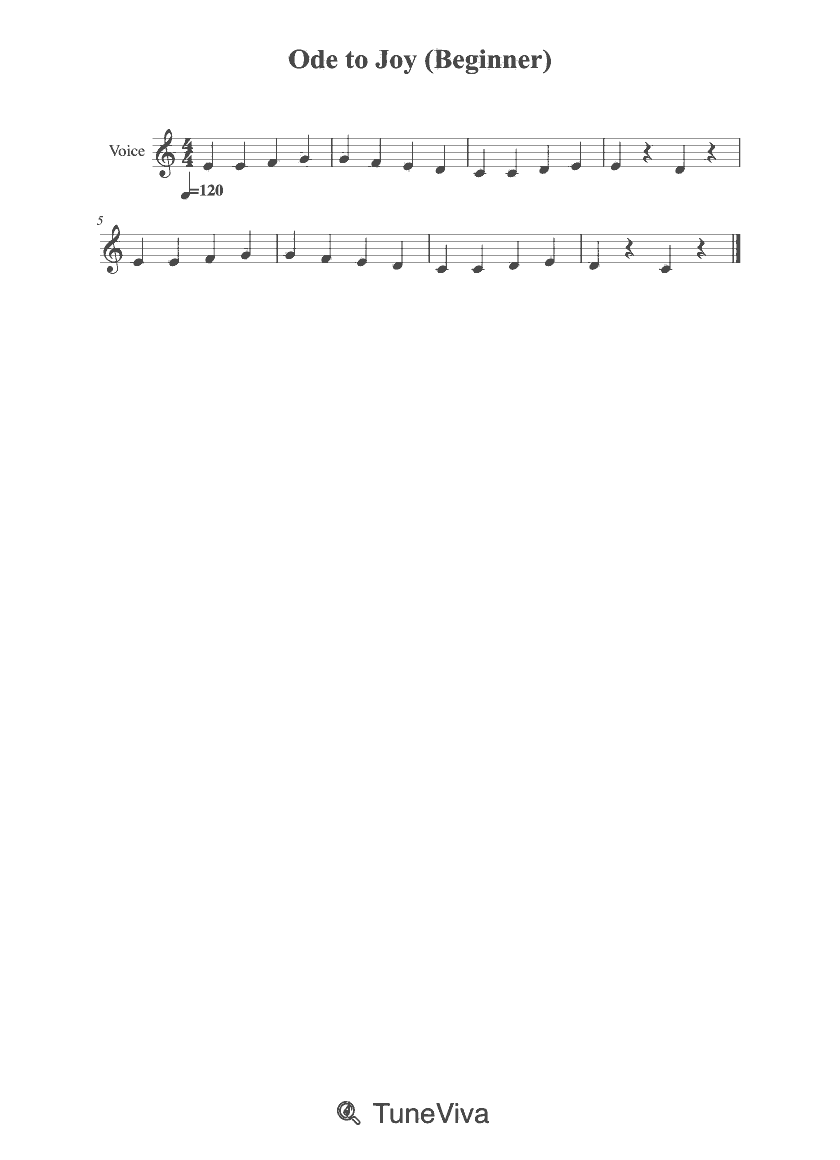
Ludwig van Beethoven
Single-line melody · eight bars
Voice · 15 sec
Open score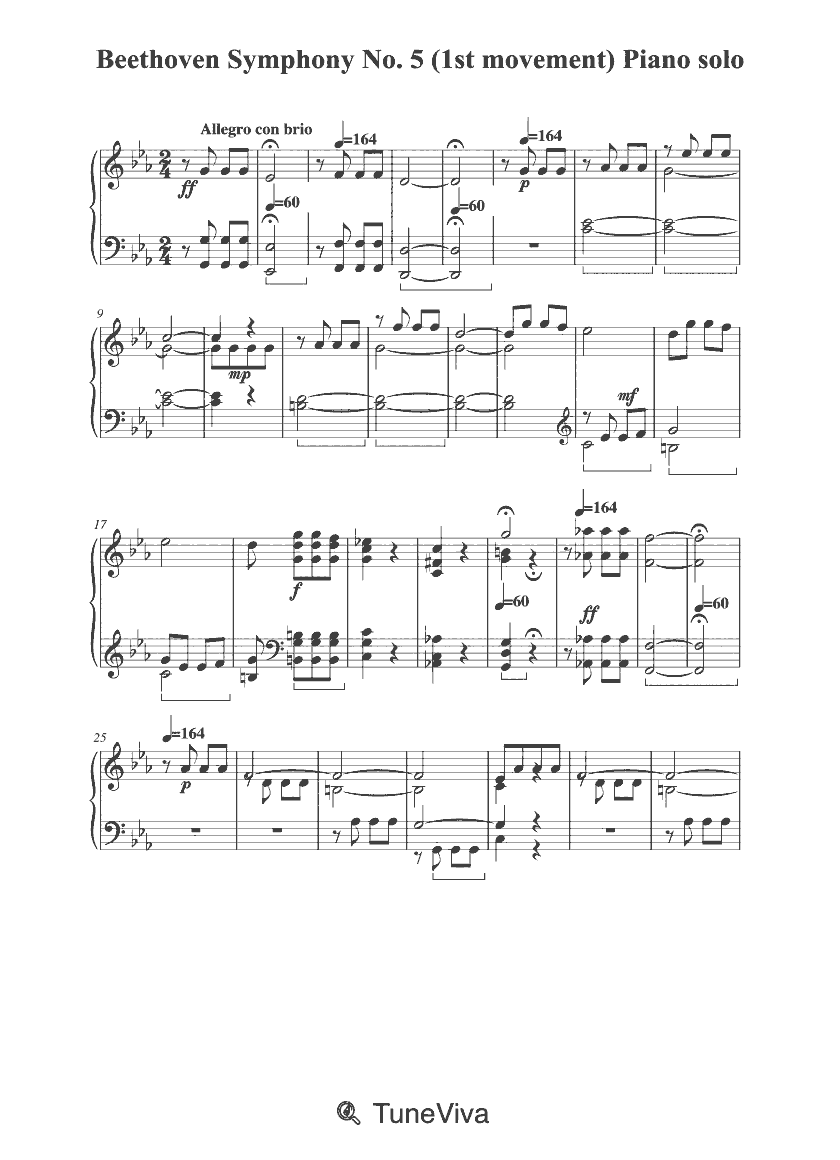
Ludwig van Beethoven
First Movement
Piano · 9 min 41 sec
Open score
Ludwig van Beethoven
Piano · 7 min 53 sec
Open score
Antonio Vivaldi
Piano · 52 sec
Open score
Antonio Vivaldi
From Le Quattro Stagioni I: Allegro non molto 0'00II: Largo 3'47''IIIa: Allegro 5'48IIIb: Lento 7'52IIIc: Allegro furioso 8'30
Violino principale; Violino I; Violino II +4 parts · 10 min 58 sec
Open score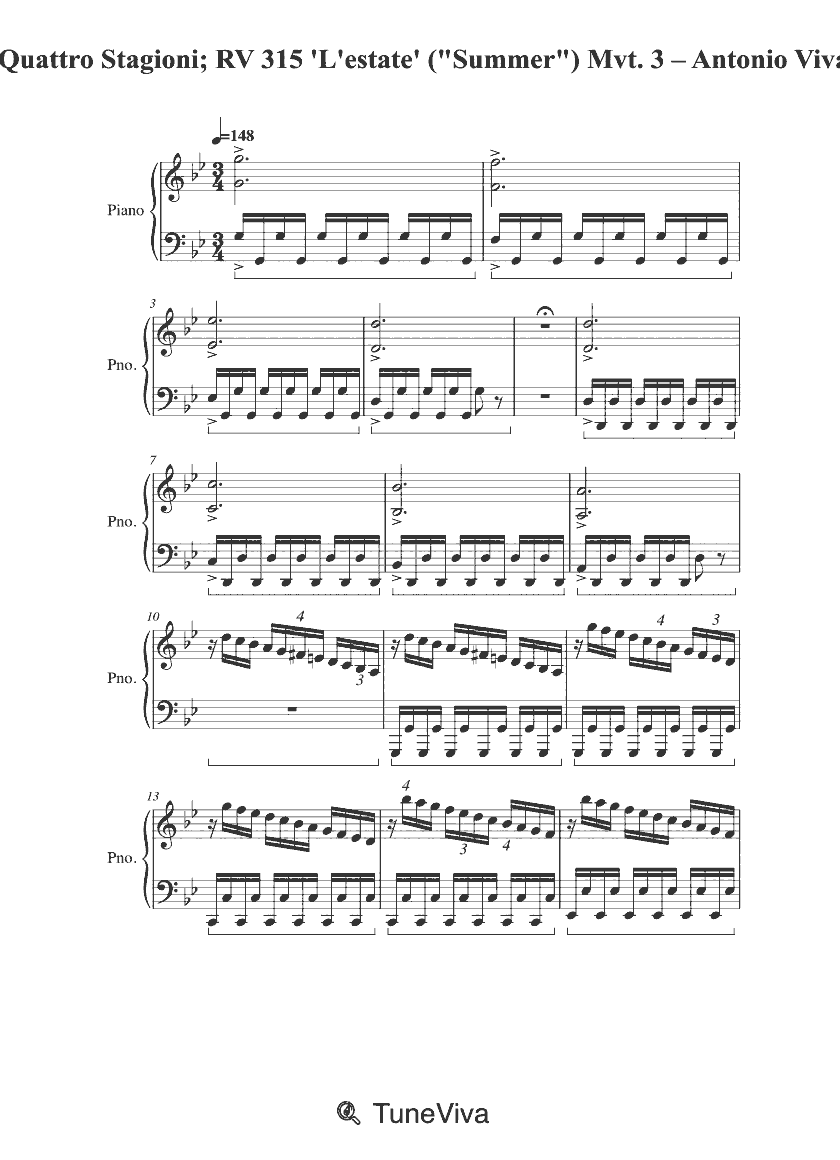
Antonio Vivaldi
L'estate 3 Mov.
Piano · 2 min 40 sec
Open score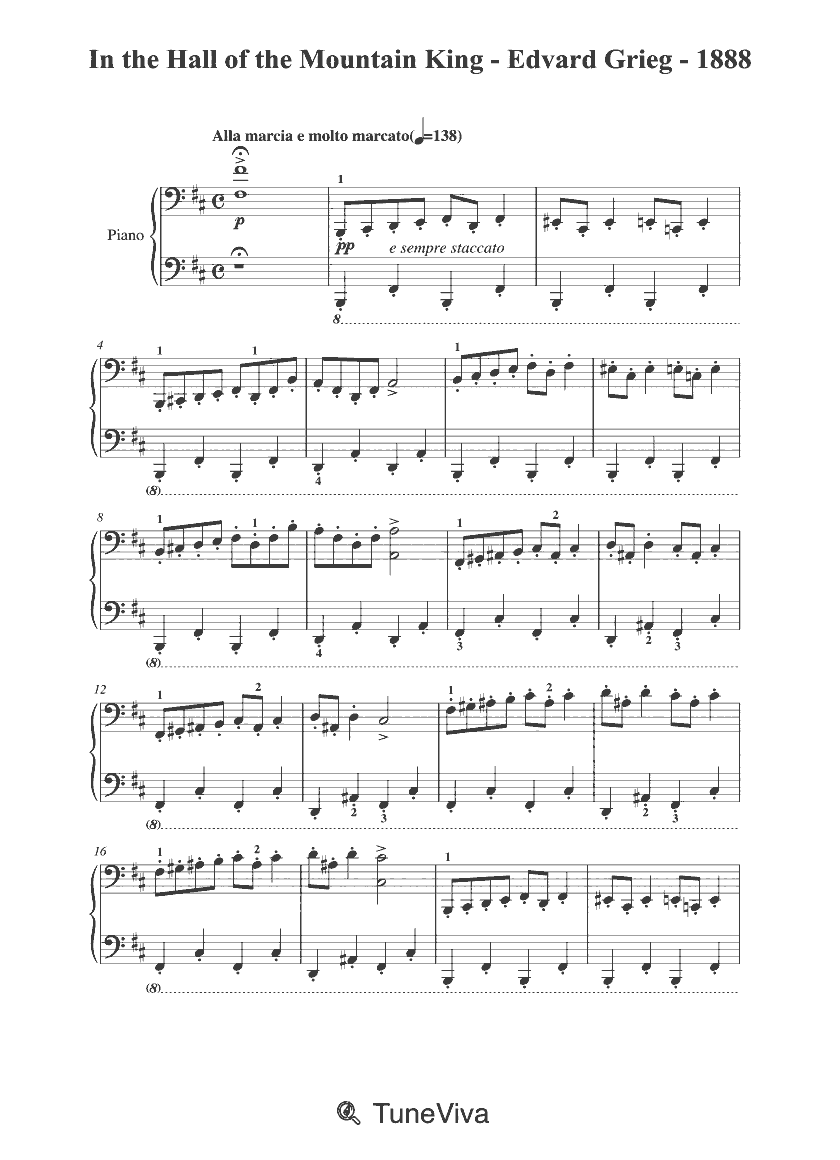
Edvard Grieg
Peer Gynt Suite No.1 Op.46
Piano · 3 min 20 sec
Open score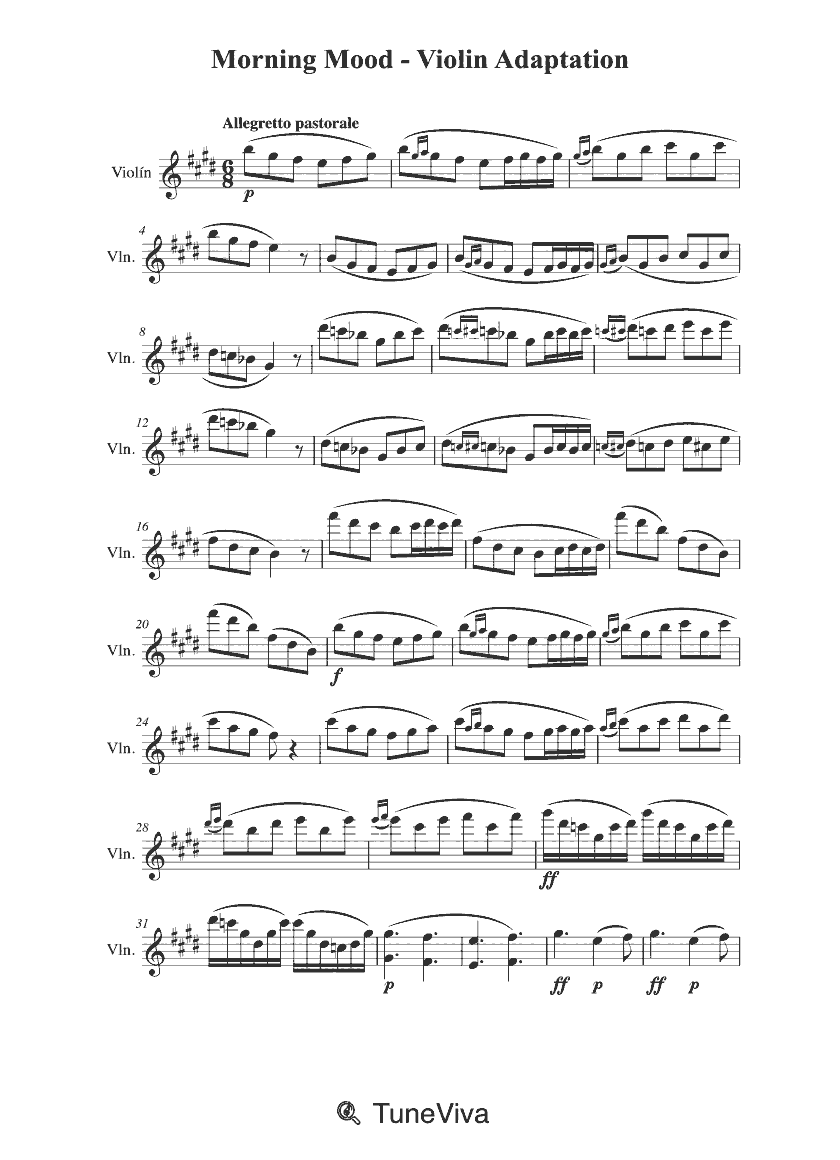
Edvard Grieg
Violín
Violín · 1 min 38 sec
Open score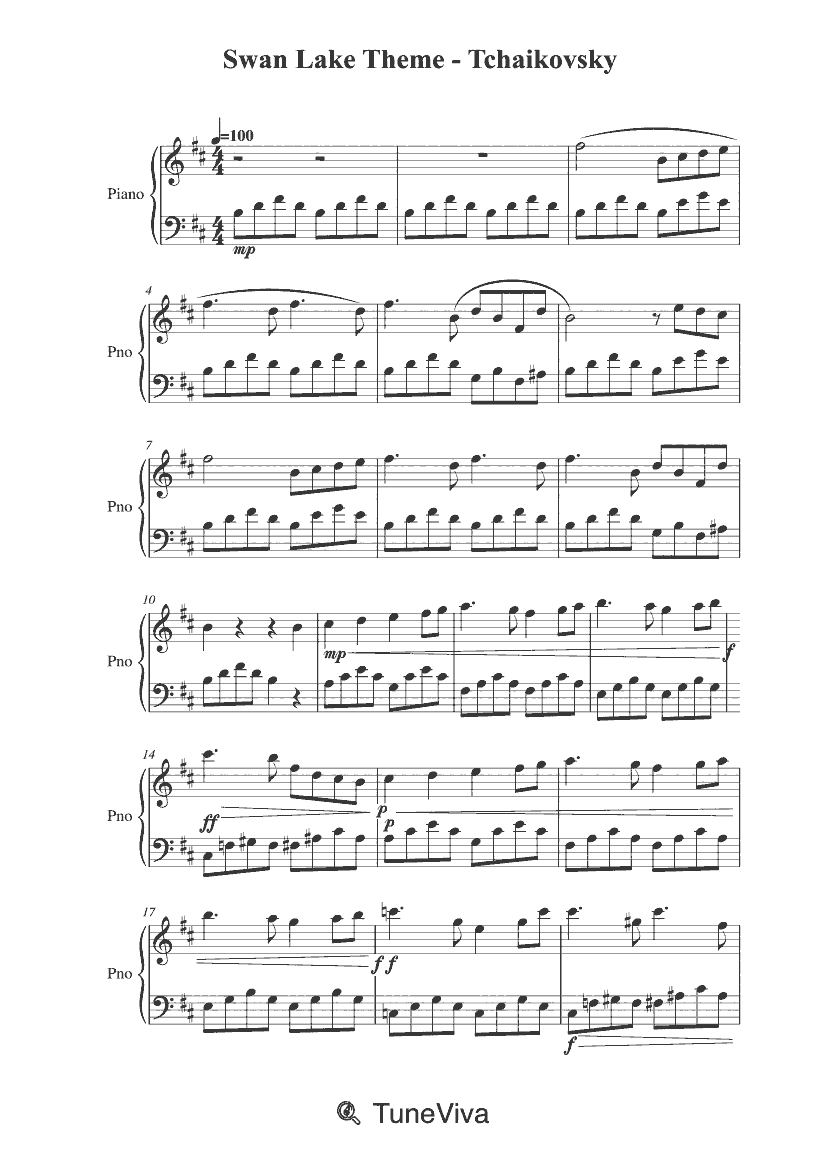
Pyotr Ilyich Tchaikovsky
Piano · 1 min 16 sec
Open scorePage 1 of 3172
Compare two editions before you begin. A complete sonata can contain several movements with different tempos, while a single-movement file may suit a shorter study. For an orchestral work, a full score lets you follow the texture, a part gives one player’s line, and a piano reduction puts several lines under two hands.
Decide whether you need a part for one player, a piano reduction for rehearsal or a score that shows the whole ensemble. In Bach’s C-major Prelude, listen to the bass changing under the repeated figure. In the Fifth Symphony piano arrangement, check where the opening rhythm moves between registers and what the pianist has to bring forward. Open a later page before choosing either edition so you can judge the demands beyond the familiar opening.
Scores carrying a second label are separated onto pages such as Classical and soundtrack, Jazz and classical, Classical and experimental, and Classical and folk. The selected titles show how varied the entries can be: two Bach works and one Beethoven movement, all presented in piano-oriented scores.
The selection identifies Bach's Prelude I in C major, BWV 846, from the Well-Tempered Clavier; Bach's Toccata and Fugue in D minor, BWV 565; and the first movement of Beethoven's Symphony No. 5, Op. 67. All three entries list Piano in their score parts field. Two titles explicitly say Piano solo, while the BWV 846 Prelude title does not name an instrument.
Opening key signature, time signature and tempo describe the individual score. For example, the BWV 846 Prelude opens with no sharps or flats in 4/4, the Toccata and Fugue opens with one flat in 4/4, and the Beethoven movement opens with three flats in 2/4. These details are useful for comparison but do not establish difficulty, original instrumentation or a formal grade.
Score parts: Piano. Catalogue duration 6 min 27 sec. Opening key signature: No sharps or flats. Opening time signature: 4/4. Opening tempo: 72 BPM.
Score parts: Piano. Catalogue duration 9 min 41 sec. Opening key signature: 3 flats. Opening time signature: 2/4. Opening tempo: 164 BPM.
Score parts: Piano. Catalogue duration 8 min 21 sec. Opening key signature: 1 flat. Opening time signature: 4/4. Opening tempo: 60 BPM.
TuneViva lists 63,421 scores whose genre label is exactly Classical. Combination labels are separate pages, so those scores are not repeated here.
Score parts, opening key signature, time signature and tempo are read from the file. They describe that file. They are not an examination result, and they are not proof of the forces the work was first written for.
The selected scores are Bach's Prelude I in C major, BWV 846, from the first book of the Well-Tempered Clavier; Bach's Toccata and Fugue in D minor, BWV 565, under a Piano solo title; and the first movement of Beethoven's Symphony No. 5, Op. 67, in a Piano solo version.
The selected Toccata and Fugue in D minor entry is titled Piano solo and its score parts field lists Piano. The entry does not state the work's original instrumentation, so this page does not identify an organ original.
The selected Beethoven entry is the first movement of Symphony No. 5, Op. 67, in a Piano solo version. Its opening tempo is 164 BPM, its opening time signature is 2/4, and its opening key signature has three flats.
The selected BWV 846 Prelude title does not name an instrument, but the score parts field lists Piano. The entry describes that score; it does not establish the forces for which the prelude was originally written.
The BWV 846 Prelude opens with no sharps or flats in 4/4, the Toccata and Fugue opens with one flat in 4/4, and the Beethoven first movement opens with three flats in 2/4. These are opening score details for the selected versions, not claims about the works' original notation.