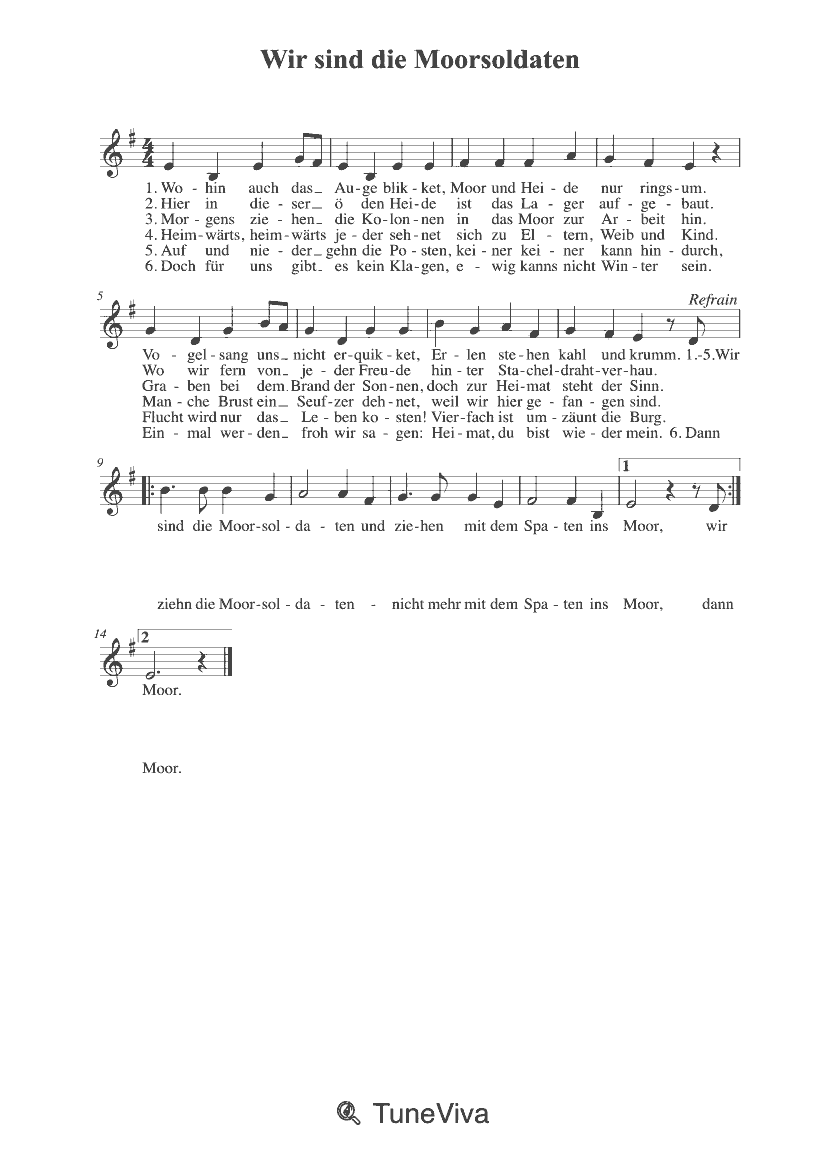
Wir sind die Moorsoldaten
Musik: Rudi Goguel (1933)
Voice · 37 sec
Open scoreClassical and folk sheet music on TuneViva brings together scores placed under a combined heading rather than a single historical genre. The examples here differ sharply in forces and character: a Voice setting of “Wir sind die Moorsoldaten” credited to Rudi Goguel (1933), a Fisarmonica score of Secondo Casadei’s “Non c’ pace fra gli ulivi”, and a two-violin arrangement of George R. Poulton’s “Aura Lea”. Use the listed parts, key, metre and tempo to judge what each score asks for; the heading alone does not define instrumentation or difficulty.
Scores 1–20 of 89
Musik: Rudi Goguel (1933)
Voice · 37 sec
Open score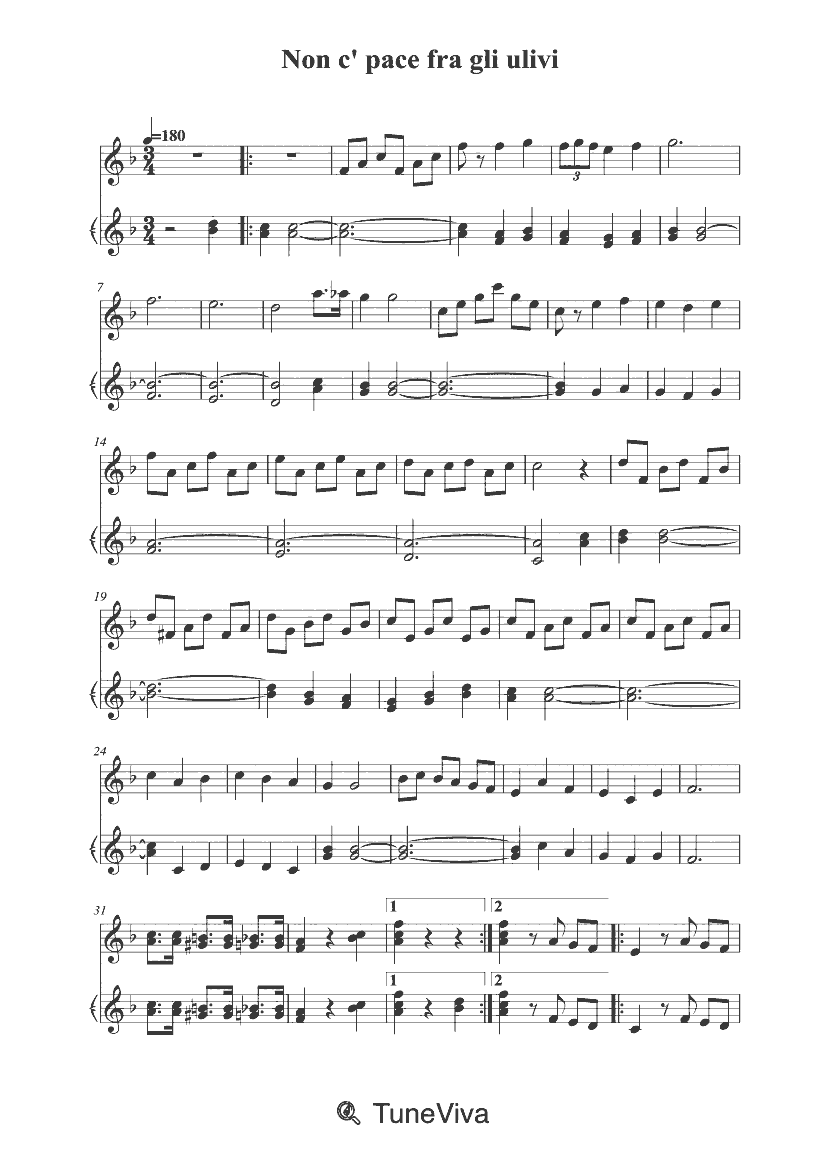
Musica di Secondo Casadei
Fisa 1 e 2
Fisarmonica · 3 min 45 sec
Open score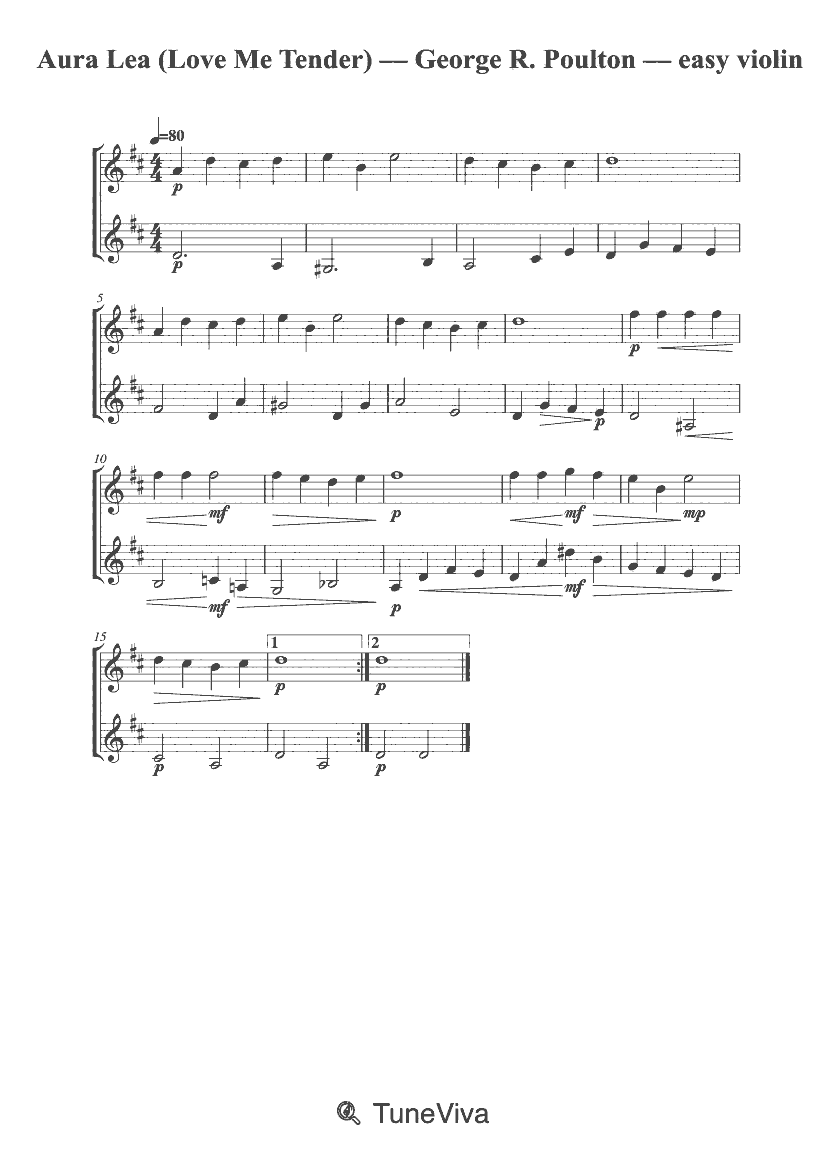
George R. Poulton
Arrangement for two violins by Alexander Evstyugov
Violin I; Violin II · 1 min 39 sec
Open score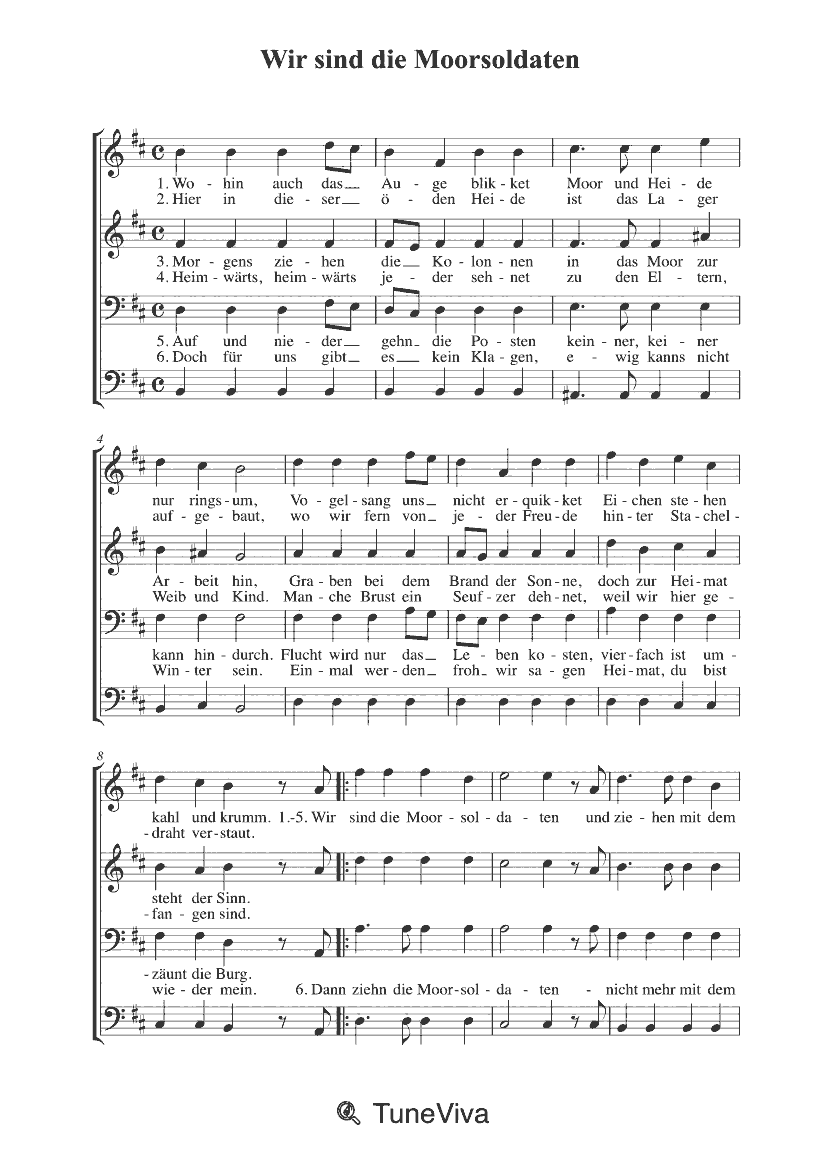
Ernst Busch
Soprano; Alto; Tenor +1 parts · 38 sec
Open score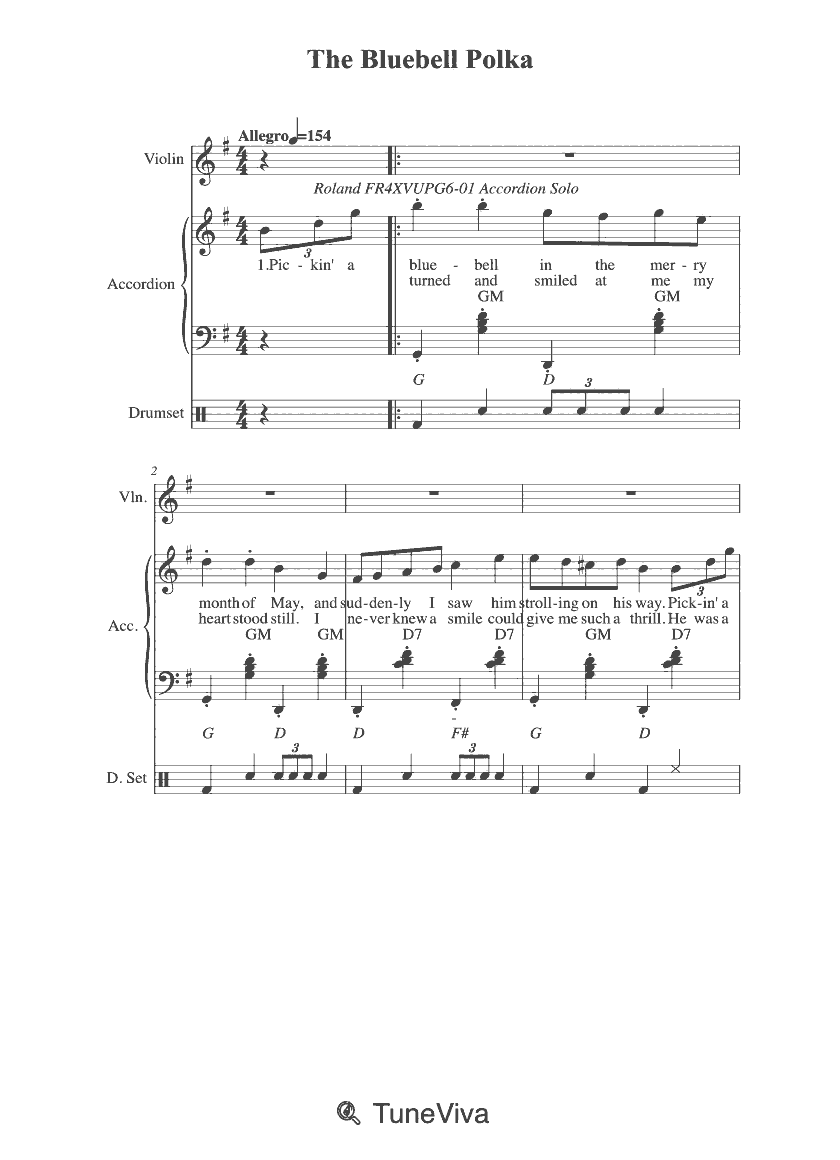
Frank Stanley
Violin; Accordion; Drumset · 1 min 17 sec
Open score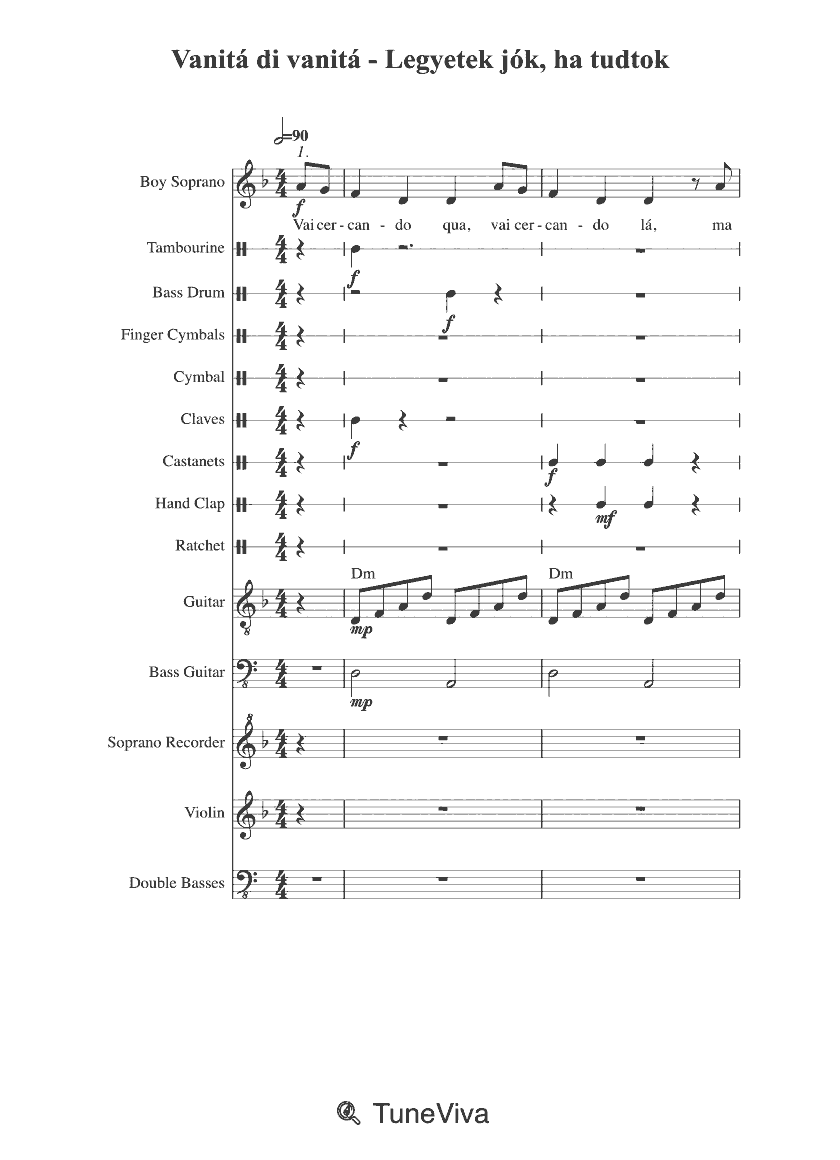
Angelo Branduardi
Hiúságok hiúsága (Legyetek jók ha tudtok)
Boy Soprano; Tambourine; Bass Drum +11 parts · 1 min 25 sec
Open score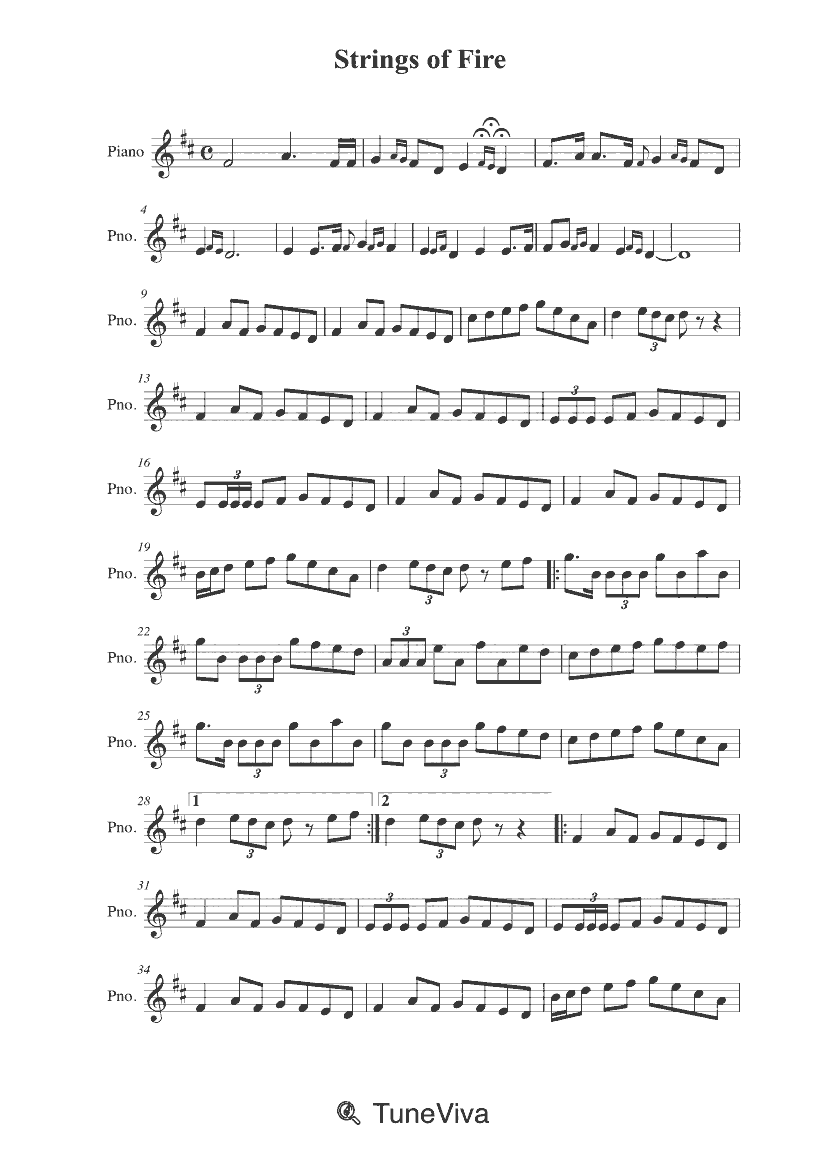
Ronan Hardiman
Piano · 2 min 59 sec
Open score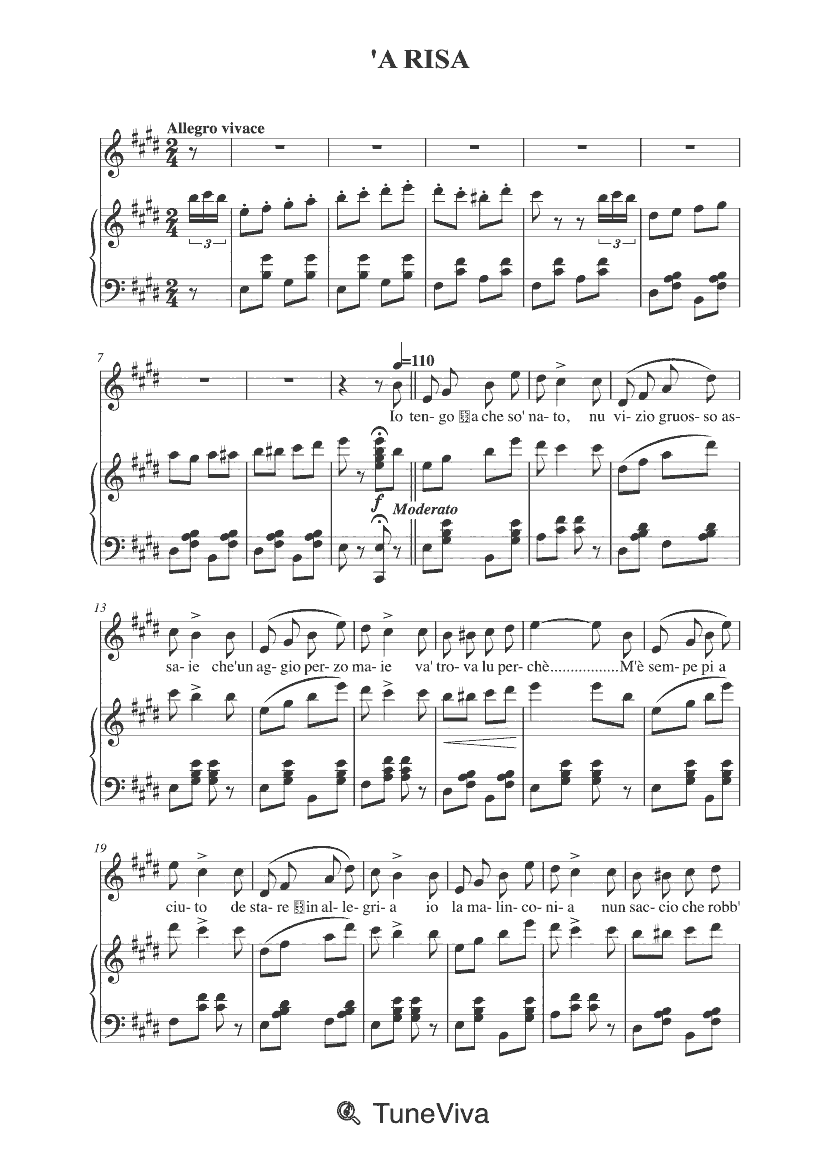
Bernardo Cantalamessa
redite Canzone sentimentale eccentrica
Voice; Piano · 1 min 25 sec
Open score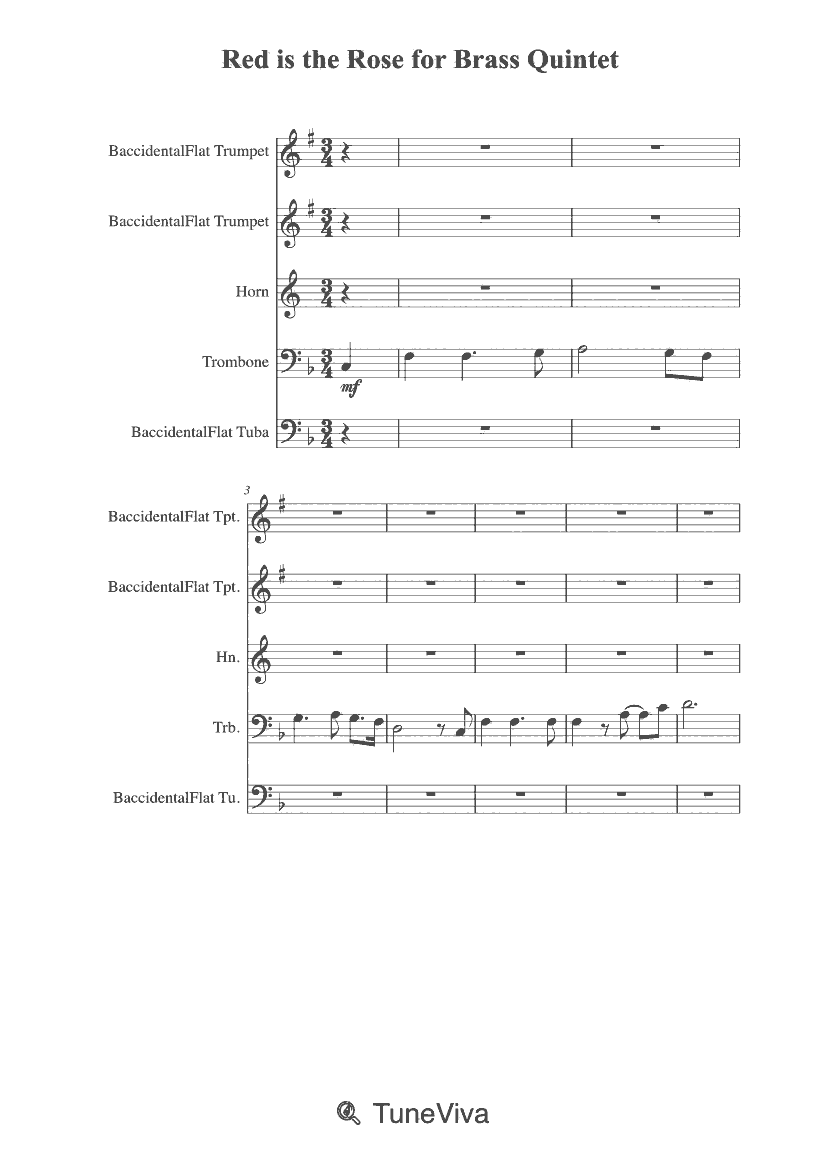
The High KingsArr. Liam Hunt
for Brass Quintet
B♭ Trumpet; Horn; Trombone +1 parts · 2 min 45 sec
Open score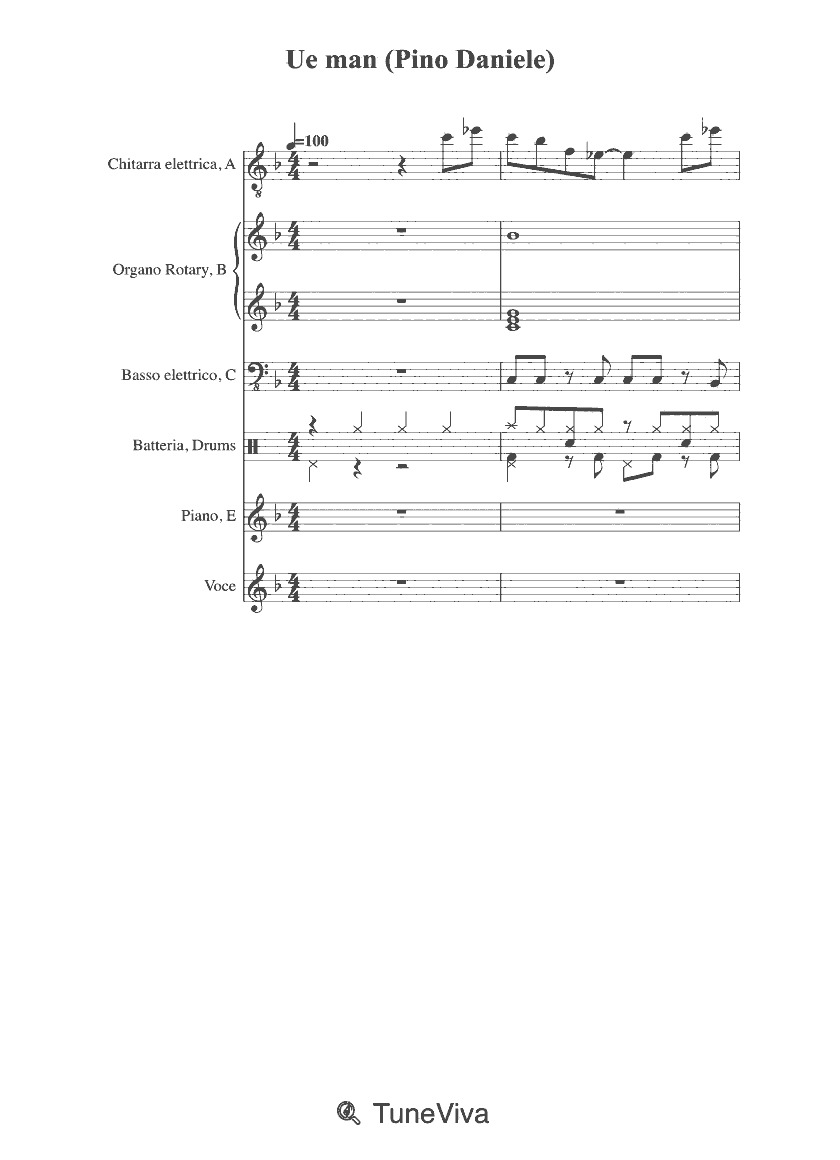
Pino Daniele
Chitarra elettrica, A; Organo Rotary, B; Basso elettrico, C +3 parts · 7 min 48 sec
Open score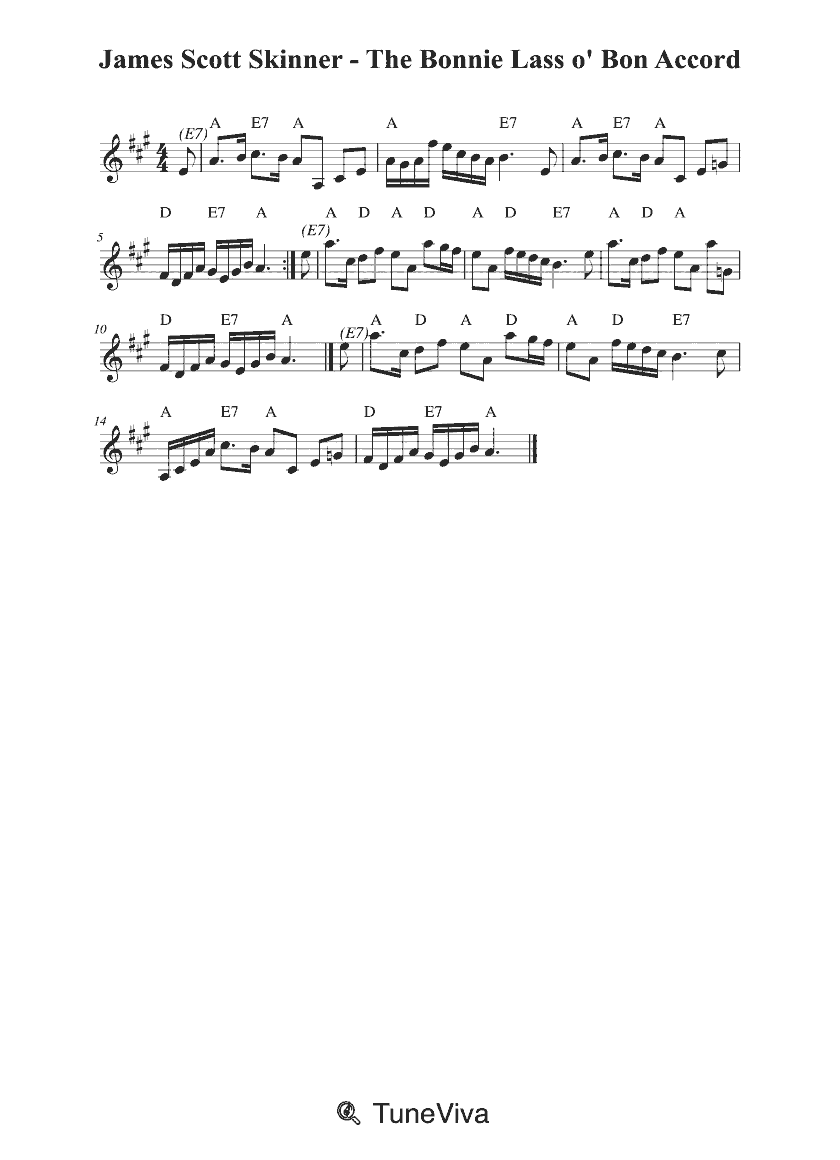
James Scott Skinner
32 sec
Open score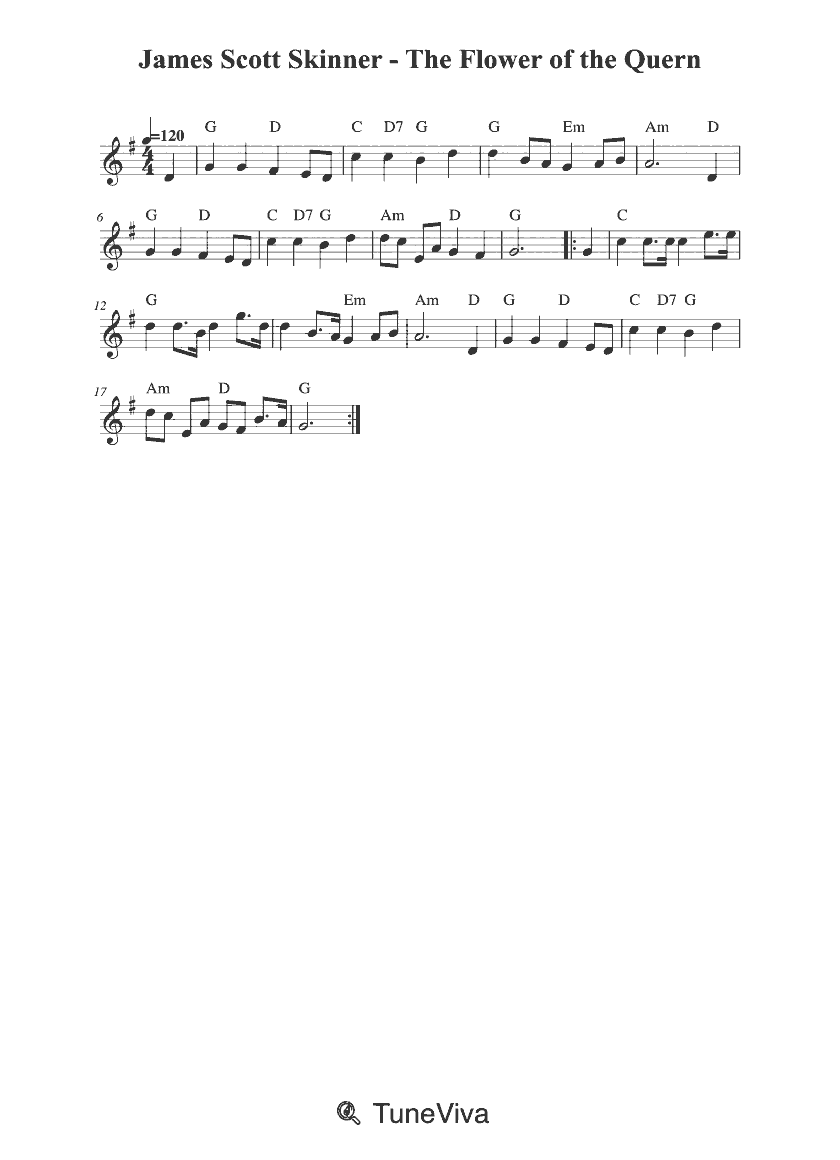
James Scott Skinner 1884
48 sec
Open score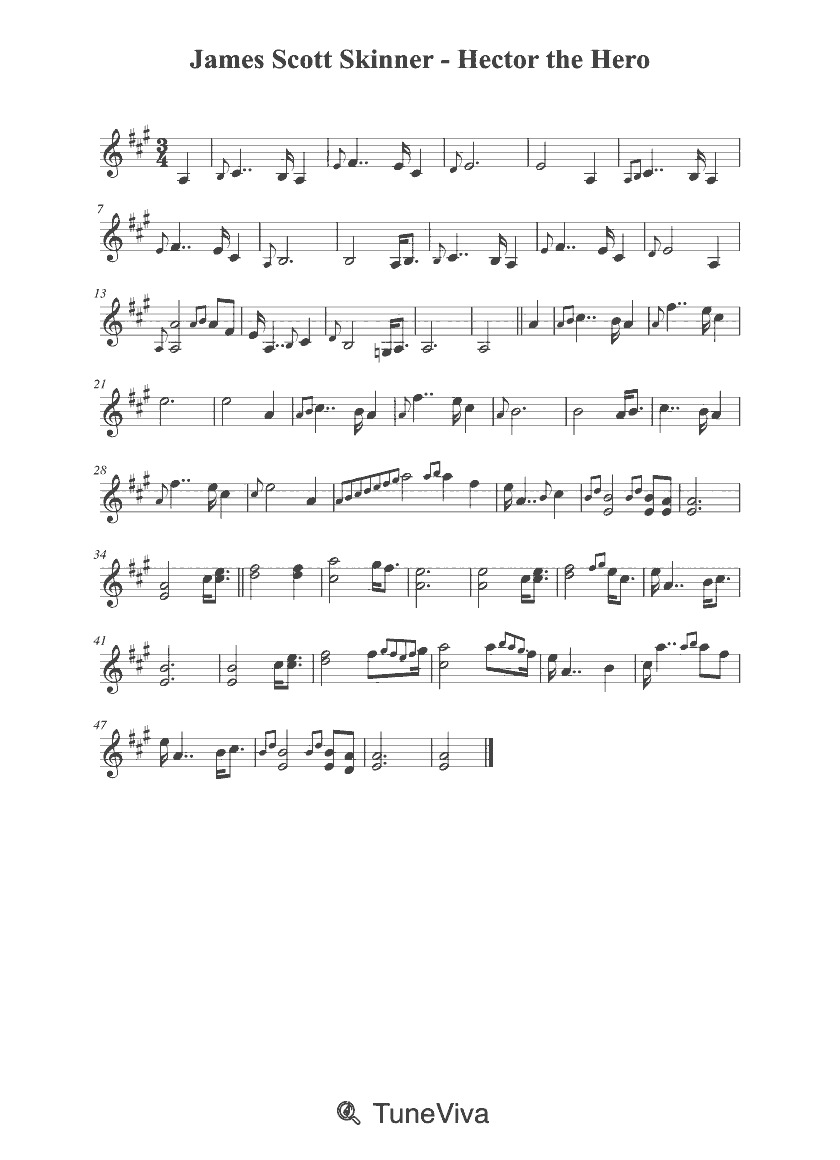
James Scott Skinner
1 min 12 sec
Open score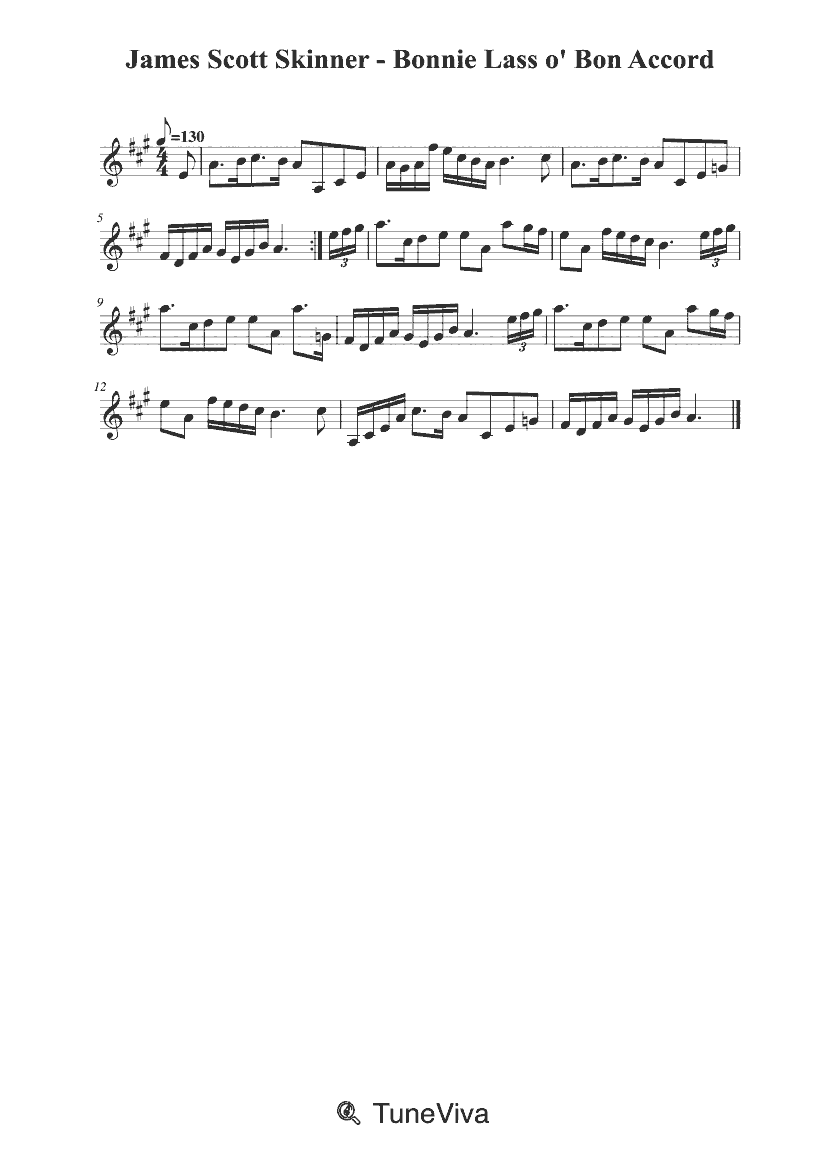
James Scott Skinner
59 sec
Open score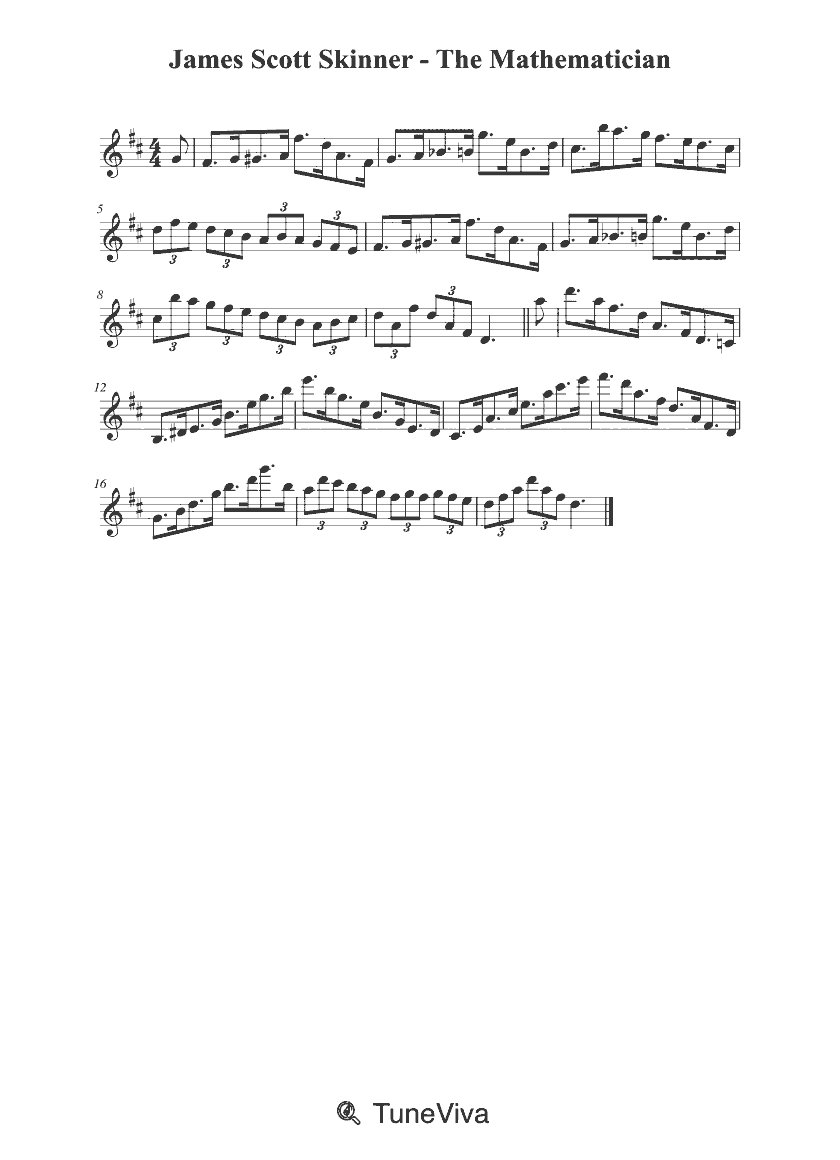
James Scott Skinner
32 sec
Open score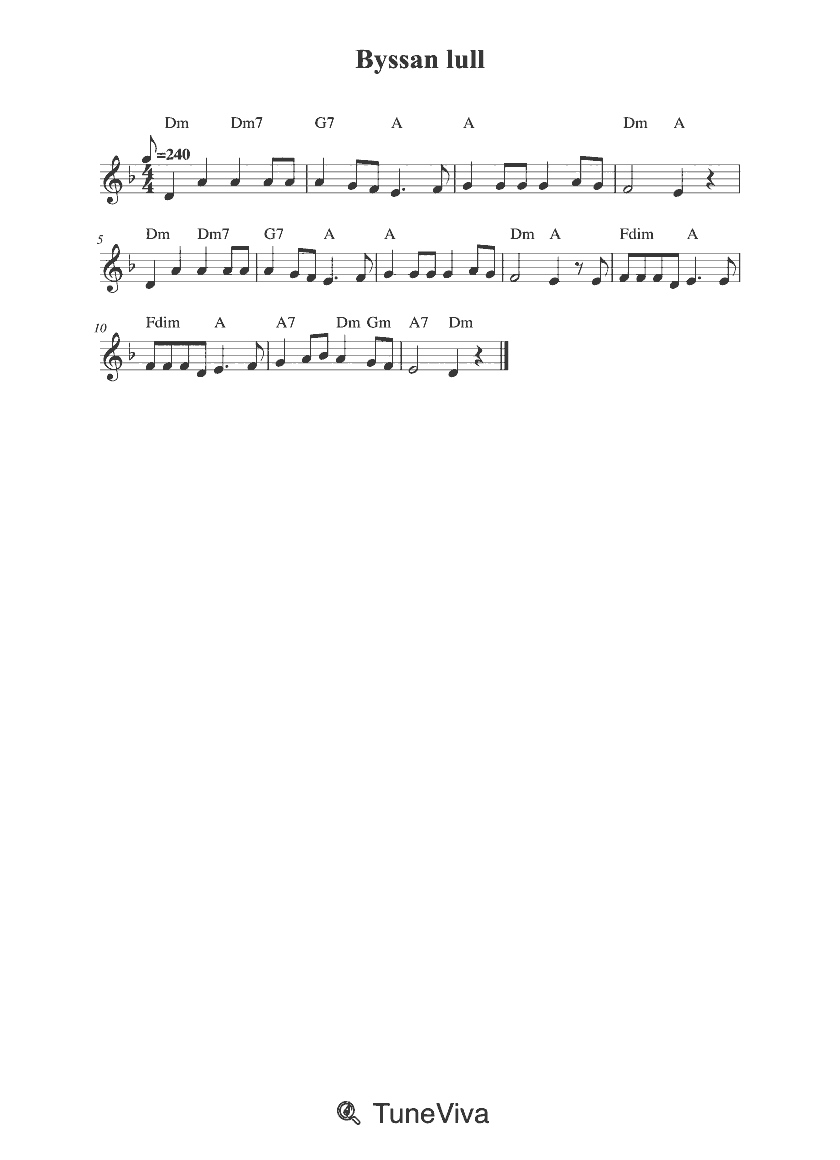
anon.
23 sec
Open score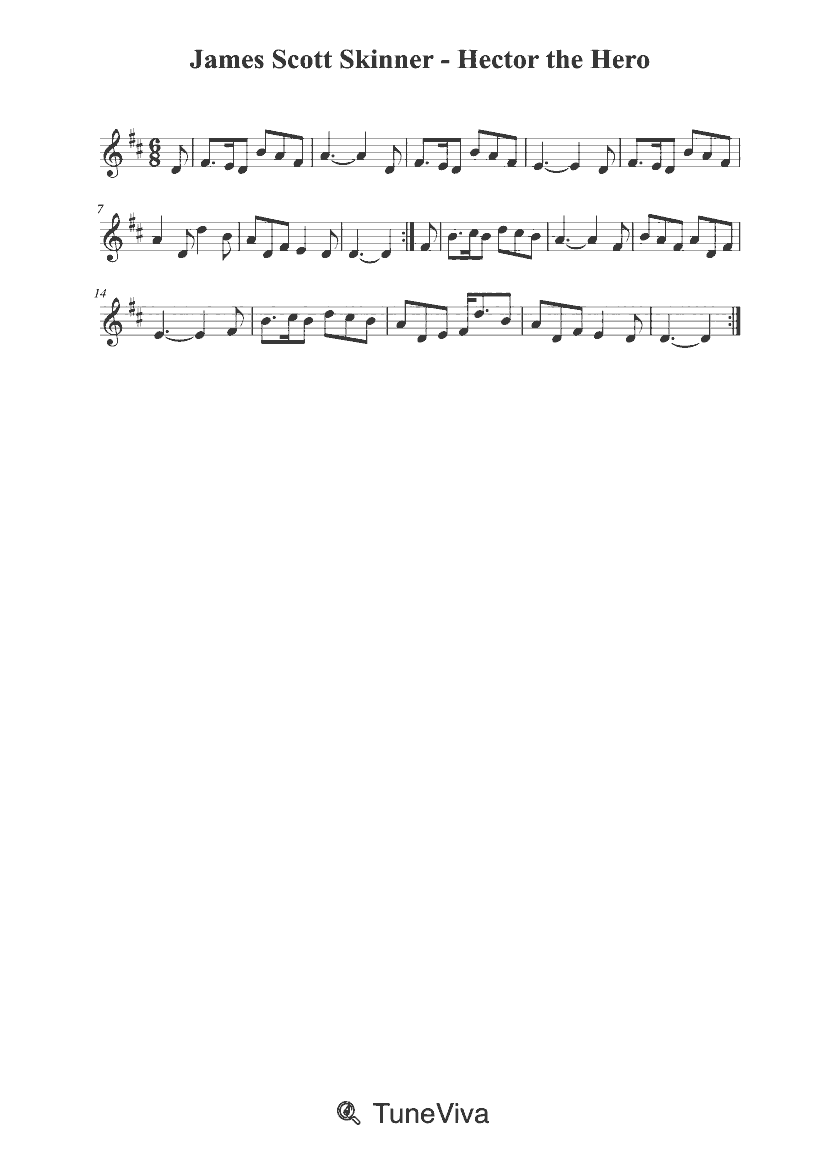
James Scott Skinner
30 sec
Open score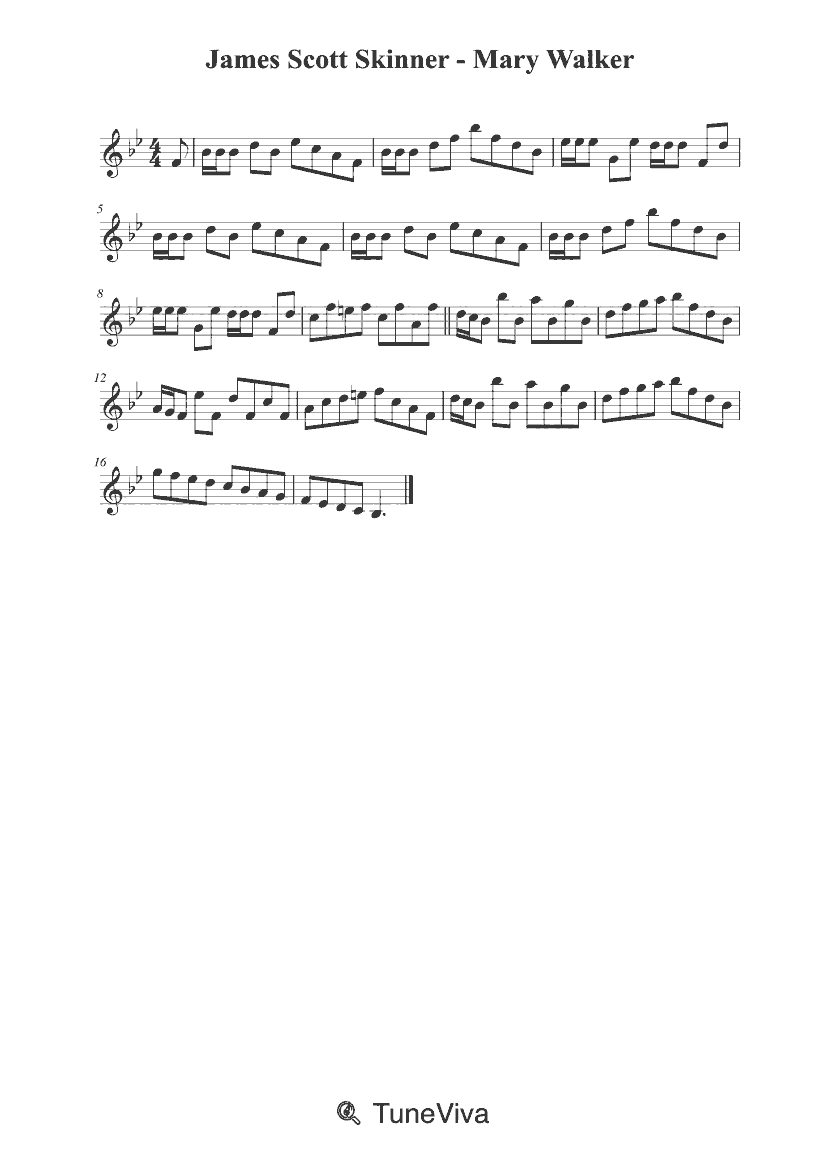
James Scott Skinner
32 sec
Open score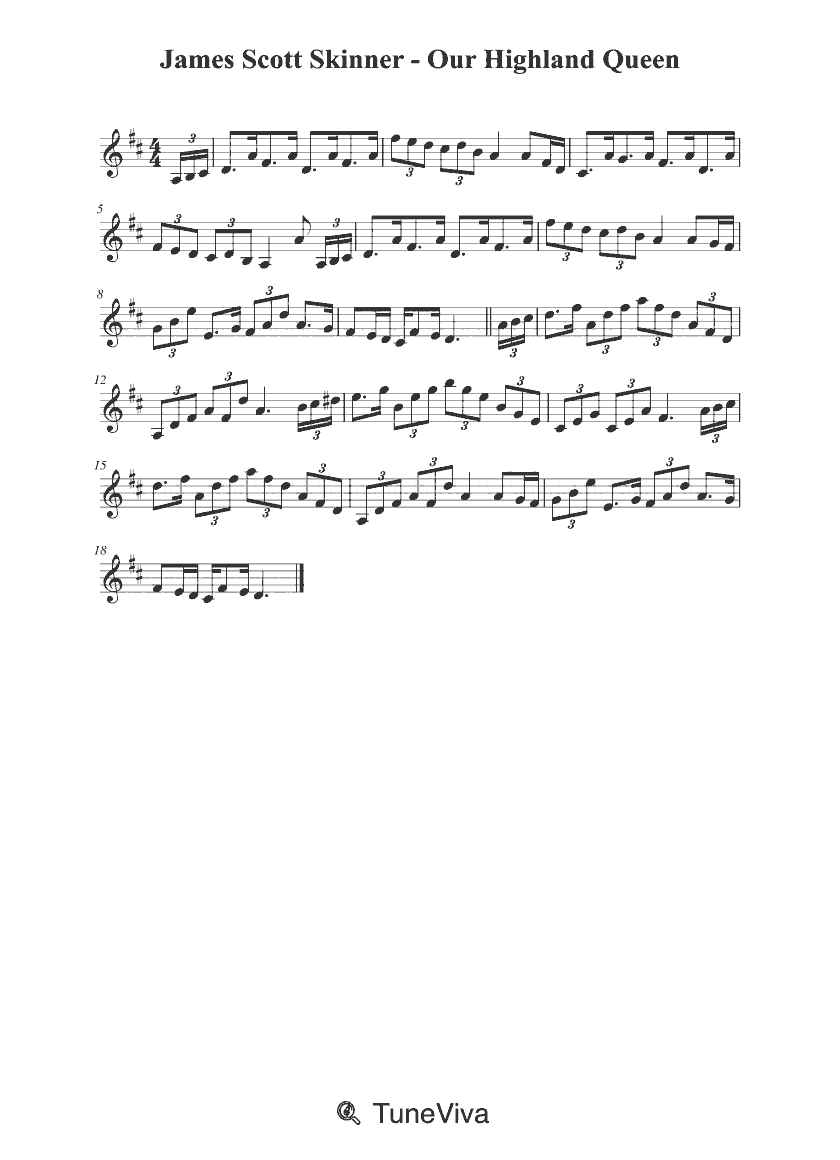
James Scott Skinner
32 sec
Open score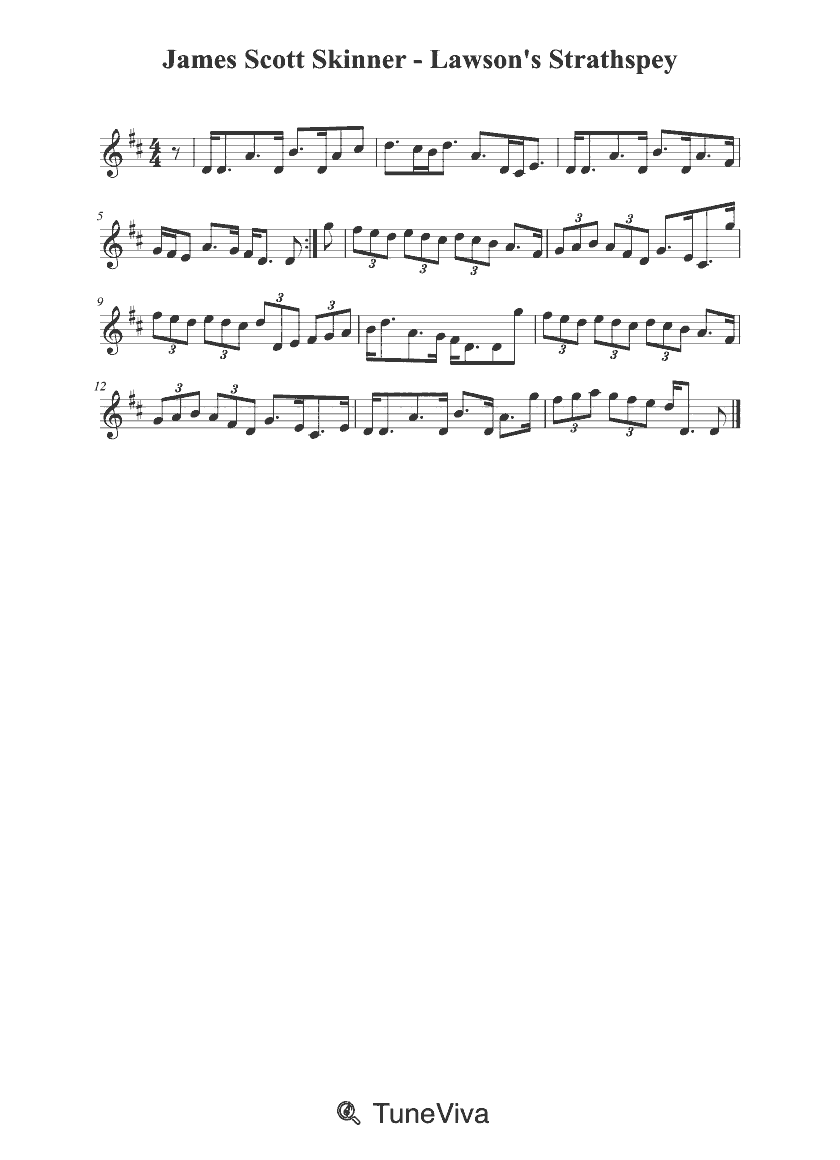
James Scott Skinner
32 sec
Open scorePage 1 of 5
Scores on this page are grouped under “Classical and folk”, but the examples do not share one style or set of forces. Voice, Fisarmonica and two violins appear across the three scores, and their keys, metres and tempos differ. Treat the heading as a starting point and check each score’s listed parts and musical details.
The opening key, time signature and tempo are more useful for choosing music than the combined heading. “Wir sind die Moorsoldaten” is listed in 4/4 with one sharp; “Non c’ pace fra gli ulivi” opens in 3/4 with one flat and a tempo of 180 BPM; the “Aura Lea” violin arrangement opens in 4/4 with two sharps and a tempo of 80 BPM. These details describe the individual scores, not a verified difficulty grade.
The score details name Rudi Goguel (1933) for “Wir sind die Moorsoldaten”, Secondo Casadei for “Non c’ pace fra gli ulivi”, and George R. Poulton for “Aura Lea”. A separate credit reading “trascrizione di Filippo Silvestri” appears with “Non c’ pace fra gli ulivi”; the details do not explain that role. The “Aura Lea” title also includes “Love Me Tender”, but the connection is not documented here.
Match the listed part to your instrument, then compare key, metre and tempo. For “Aura Lea”, “easy violin” appears in the title, but no edition or grading scheme was supplied to confirm that description. If you need a particular version, check the score parts and credits first.
Score parts: Voice. Catalogue duration 37 sec. Opening key signature: 1 sharp. Opening time signature: 4/4.
Score parts: Fisarmonica. Catalogue duration 3 min 45 sec. Opening key signature: 1 flat. Opening time signature: 3/4. Opening tempo: 180 BPM.
Score parts: Violin I, Violin II. Catalogue duration 1 min 39 sec. Opening key signature: 2 sharps. Opening time signature: 4/4. Opening tempo: 80 BPM.
No. Each score has one genre label. These 89 scores are filed as Classical and folk, not on the Classical page or the Folk page.
Classical and folk is a combined heading on this page, not a single historical genre. The scores shown include a Voice setting of “Wir sind die Moorsoldaten” credited to Rudi Goguel (1933), a Fisarmonica score of Secondo Casadei’s “Non c’ pace fra gli ulivi”, and a two-violin arrangement of George R. Poulton’s “Aura Lea”. Their parts, keys, metres and tempos differ, so compare the individual score details.
The “Wir sind die Moorsoldaten” score is listed for Voice, with an opening key signature of one sharp and a 4/4 time signature. The score credits Rudi Goguel for the music (1933) and Ernst Busch as artist. These details describe the score; no external reference was supplied here to verify its history.
Secondo Casadei’s “Non c’ pace fra gli ulivi” is listed as a Fisarmonica score in 3/4, with an opening key signature of one flat and an opening tempo of 180 BPM. The score credits Secondo Casadei as composer, and a credit reading “trascrizione di Filippo Silvestri” also appears.
The arrangement titled “Aura Lea (Love Me Tender) — George R. Poulton — easy violin” is scored for Violin I and Violin II. It opens in 4/4 with two sharps and an opening tempo of 80 BPM. George R. Poulton is named as composer, and the word “easy” appears in the title without a verified grading scheme.
Start with the listed score parts: Voice for “Wir sind die Moorsoldaten”, Fisarmonica for “Non c’ pace fra gli ulivi”, and Violin I with Violin II for “Aura Lea”. Then check the opening key, metre and tempo against what you are comfortable playing. The heading “Classical and folk” does not establish a shared instrumentation or difficulty level.
The score details identify George R. Poulton as composer and list Violin I and Violin II parts; treat the dual title as information to check against the version you intend to use.