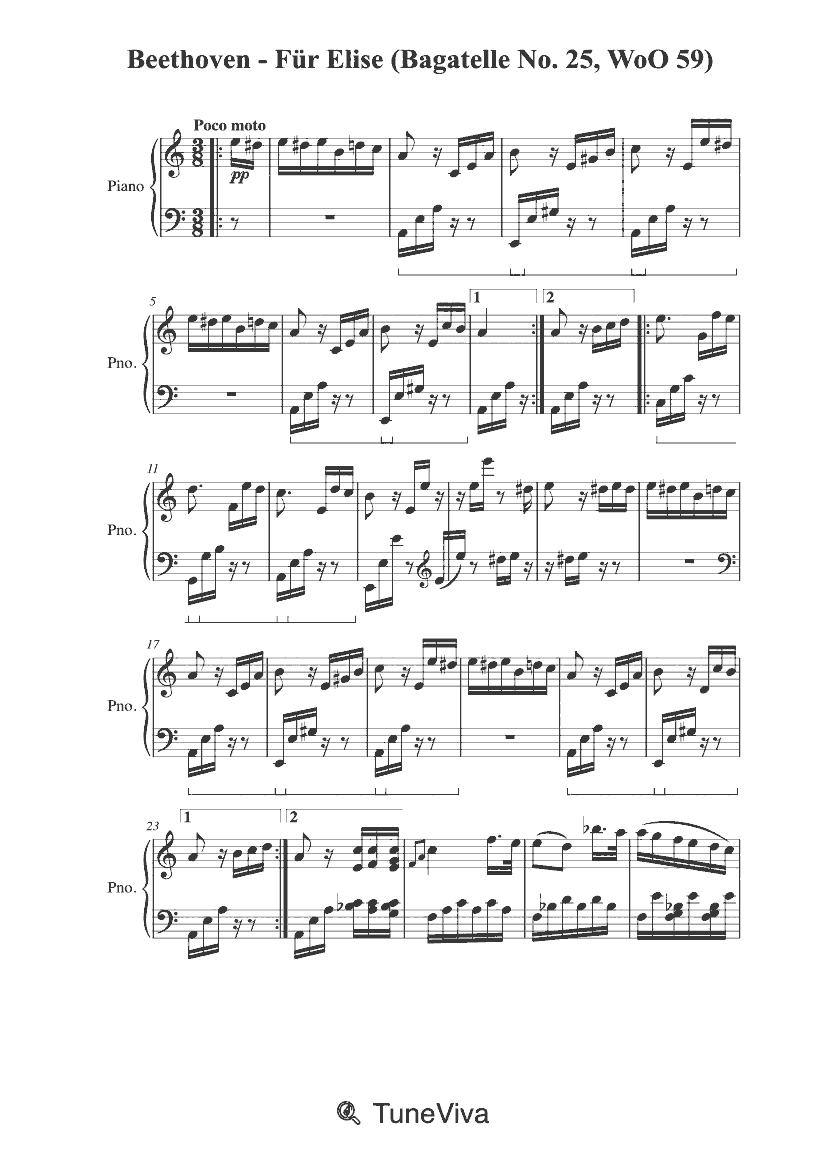
Beethoven - Für Elise (Bagatelle No. 25, WoO 59)
Ludwig van Beethoven
Follow the score, hear the music, then make it your own.
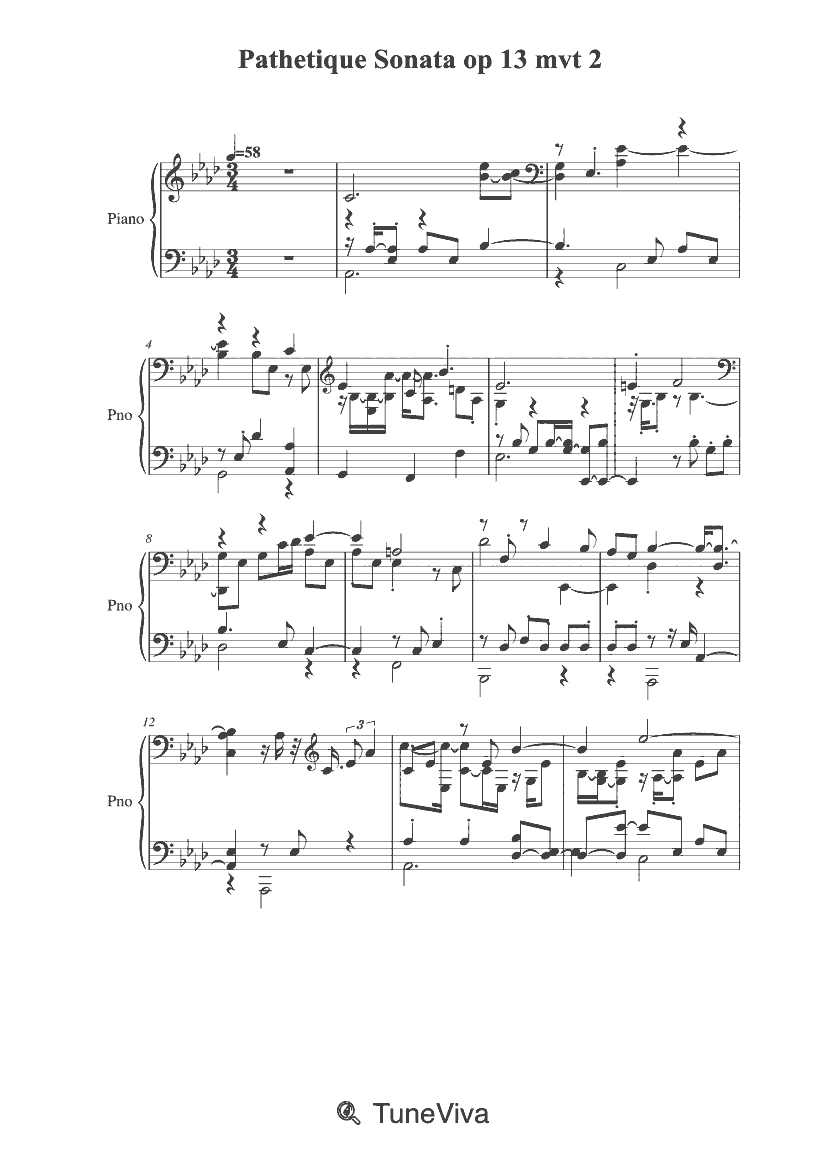
This solo piano score contains the Adagio cantabile, the second movement of Beethoven’s Pathétique Sonata, Op. 13. The A-flat major melody is set against a moving inner part and bass in 3/4. Give the tune the pace of a singing line while keeping the parts underneath it steady and light.
Score parts: Piano. Opening key signature: 4 flats. Opening time signature: 3/4. Opening tempo: 58 BPM. Estimated playback time: 7 min 53 sec. Listen while following the notation, adjust playback speed, or open this score in practice mode.
At the opening, separate the longer upper notes from the shorter notes under them. Play the top line alone until you can hear where each phrase breathes. Then add the inner notes softly enough that the upper voice still seems to move in one line. Practise releasing the inner notes without lifting the finger that holds the melody. This helps you keep the phrase connected while the hand changes position.
When the accompaniment changes to triplets, count the same three main beats per bar. Rehearse a few beats with just the bass and the melody, then add the repeated inner rhythm. When the opening melody returns, listen for how the quicker accompaniment affects its shape. Play a few bars across the return so the contour remains clear and the triplets carry the pulse underneath.
This file contains the second movement, Adagio cantabile. The opening Grave and the final Rondo belong to the other movements of the sonata.
The movement opens in A-flat major with four flats and three quarter-note beats per measure. Keep counting those beats underneath the accompaniment.
Cantabile means in a singing style. Hear the long melody as one line, give it room to breathe and keep the accompanying notes below it in volume.
Ludwig van Beethoven
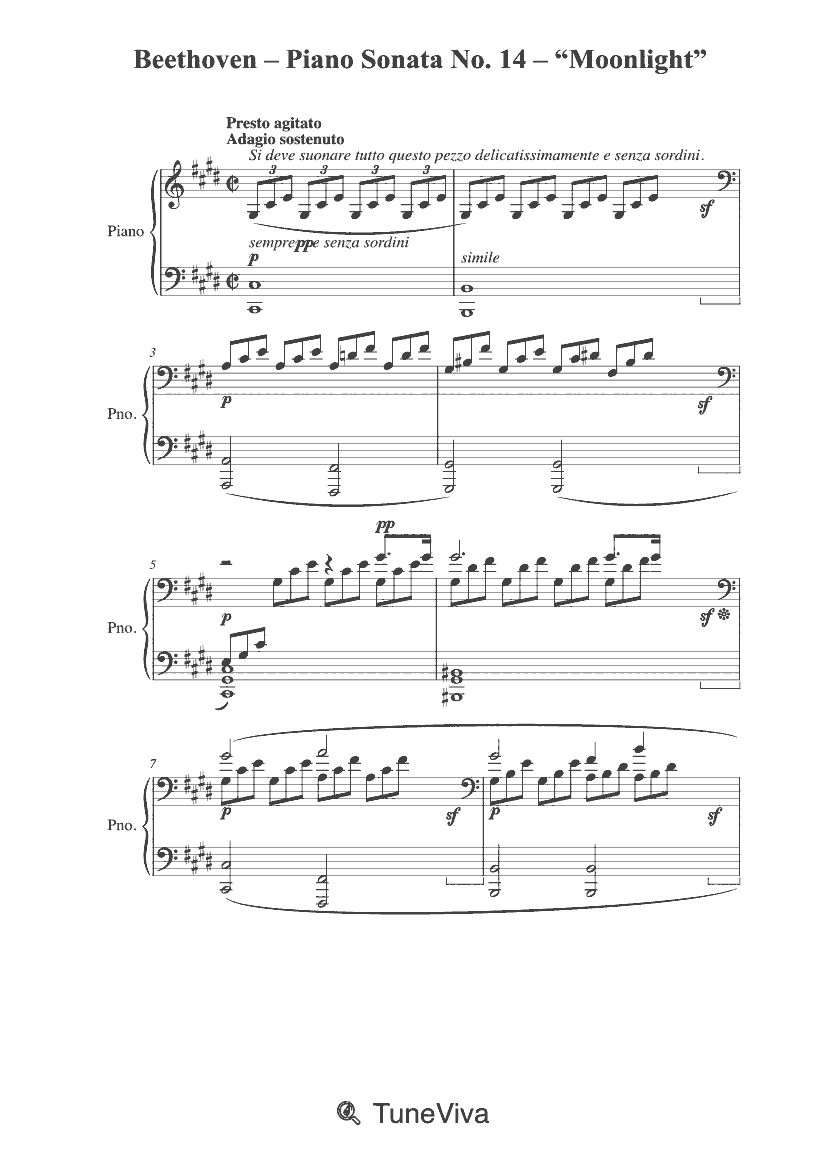
Ludwig van Beethoven
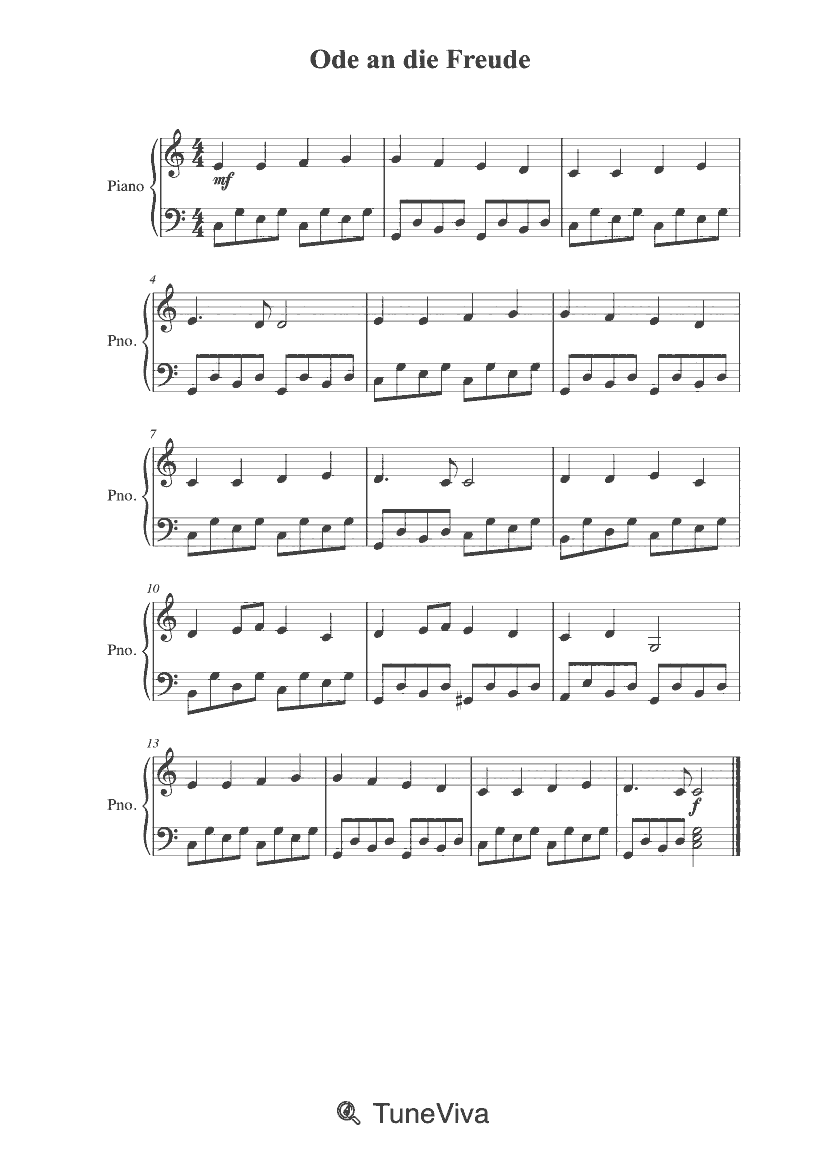
Ludwig van Beethoven