1 tracks
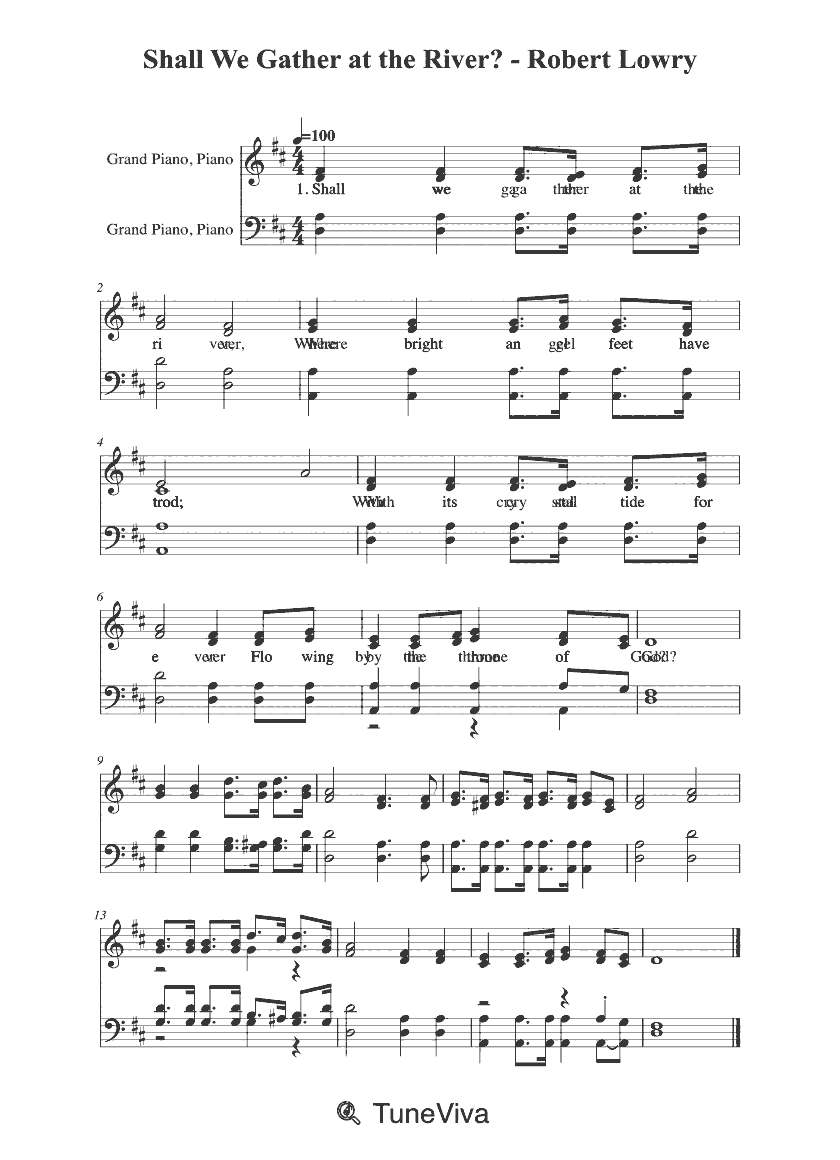
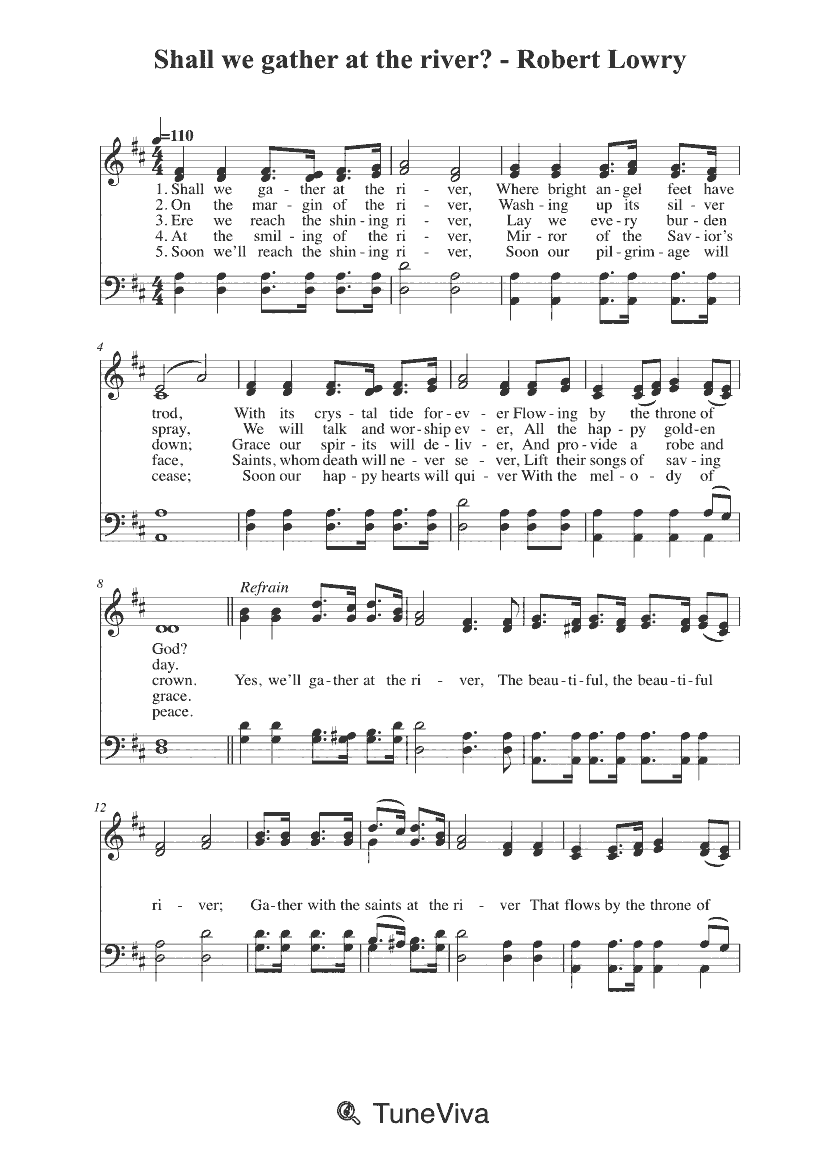
Robert Lowry wrote Shall We Gather at the River in 1864, while pastor of Hanson Place Baptist Church in Brooklyn, New York, thinking of the river of life in Revelation 22. He thought little of the result, calling it brass-band music, but it became one of the most sung hymns in America. The catalogue holds 318 Lowry scores, 209 of them with lyrics, running to about 187 minutes.
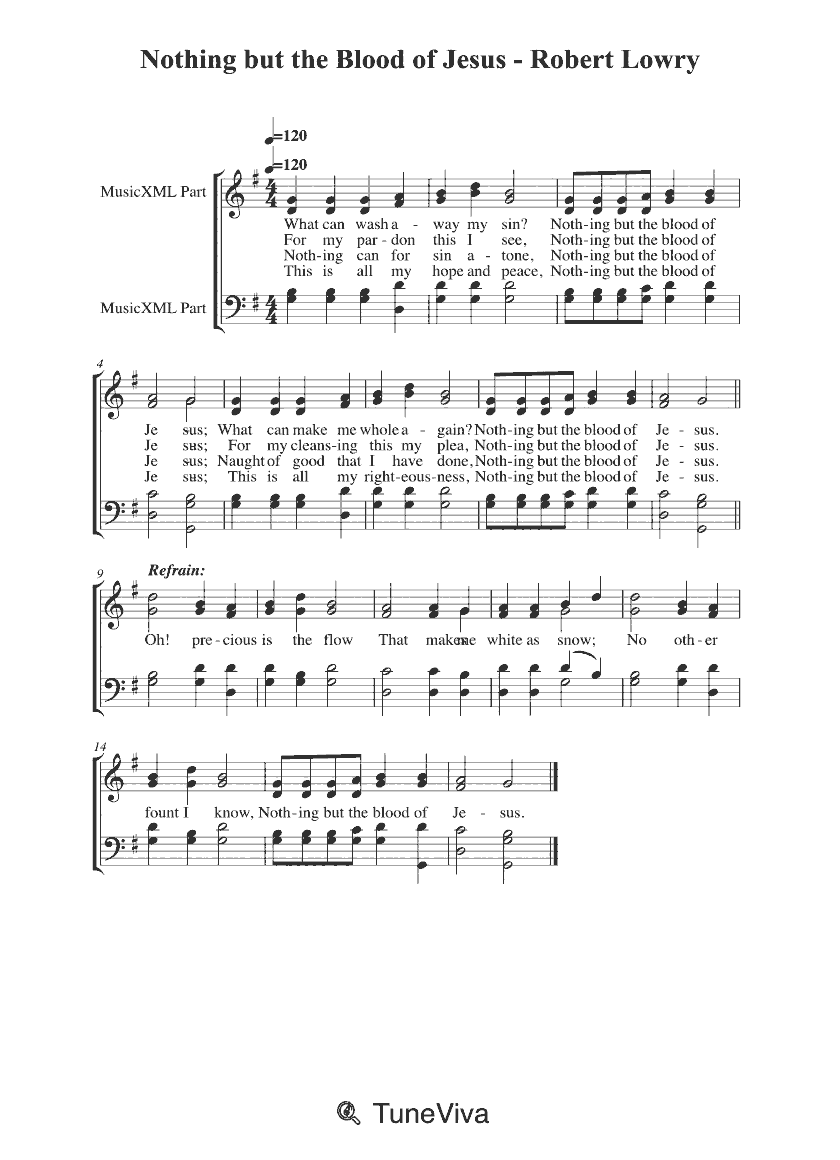
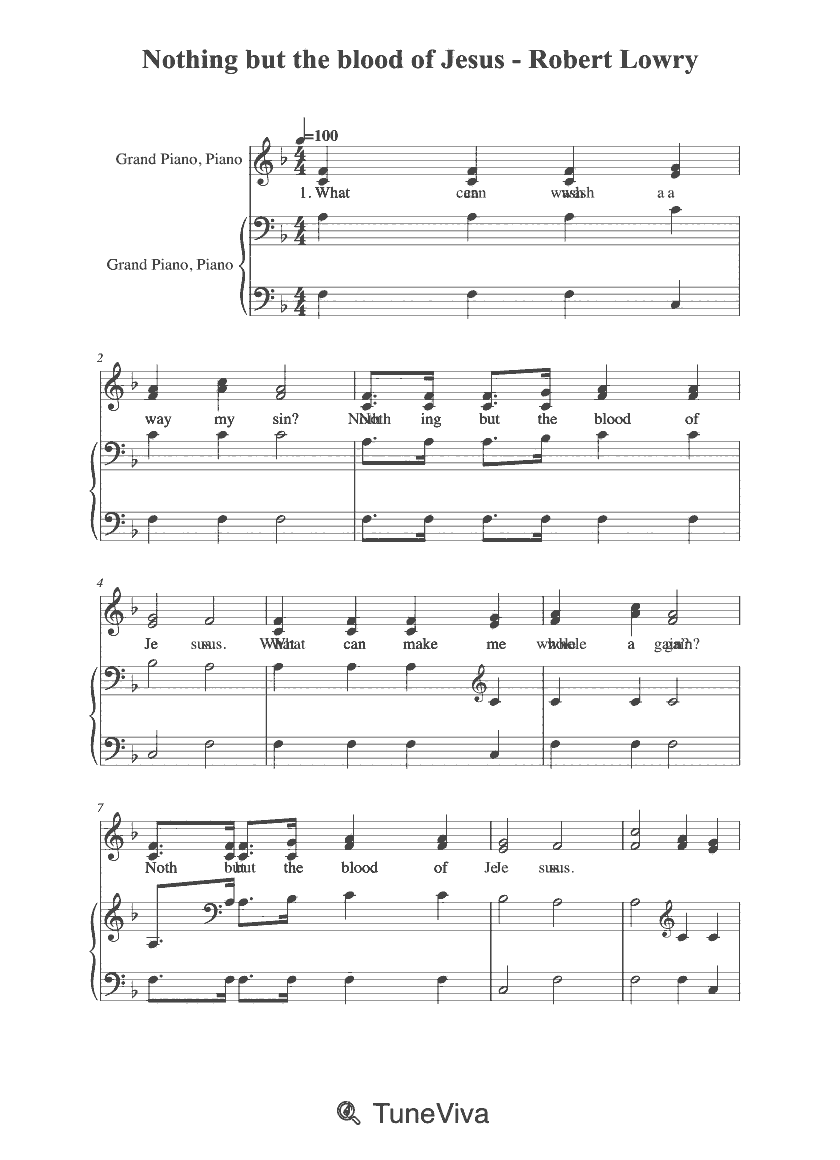
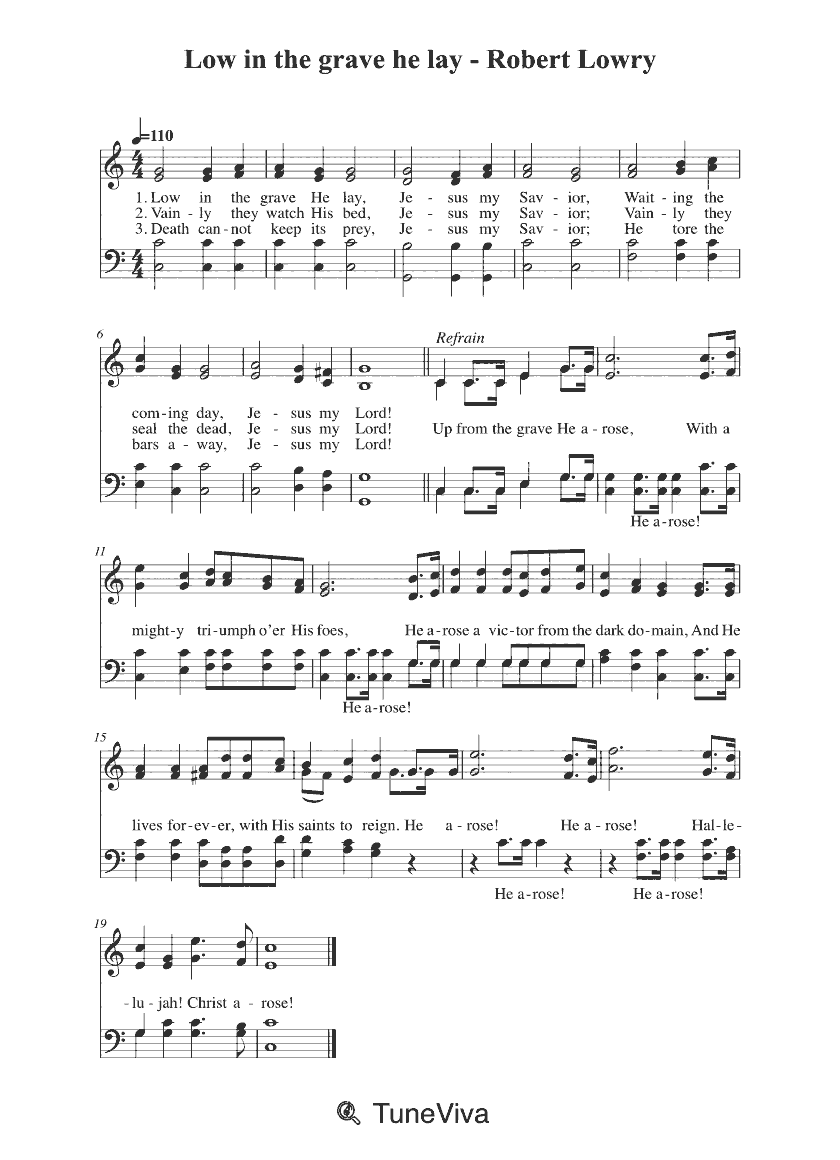
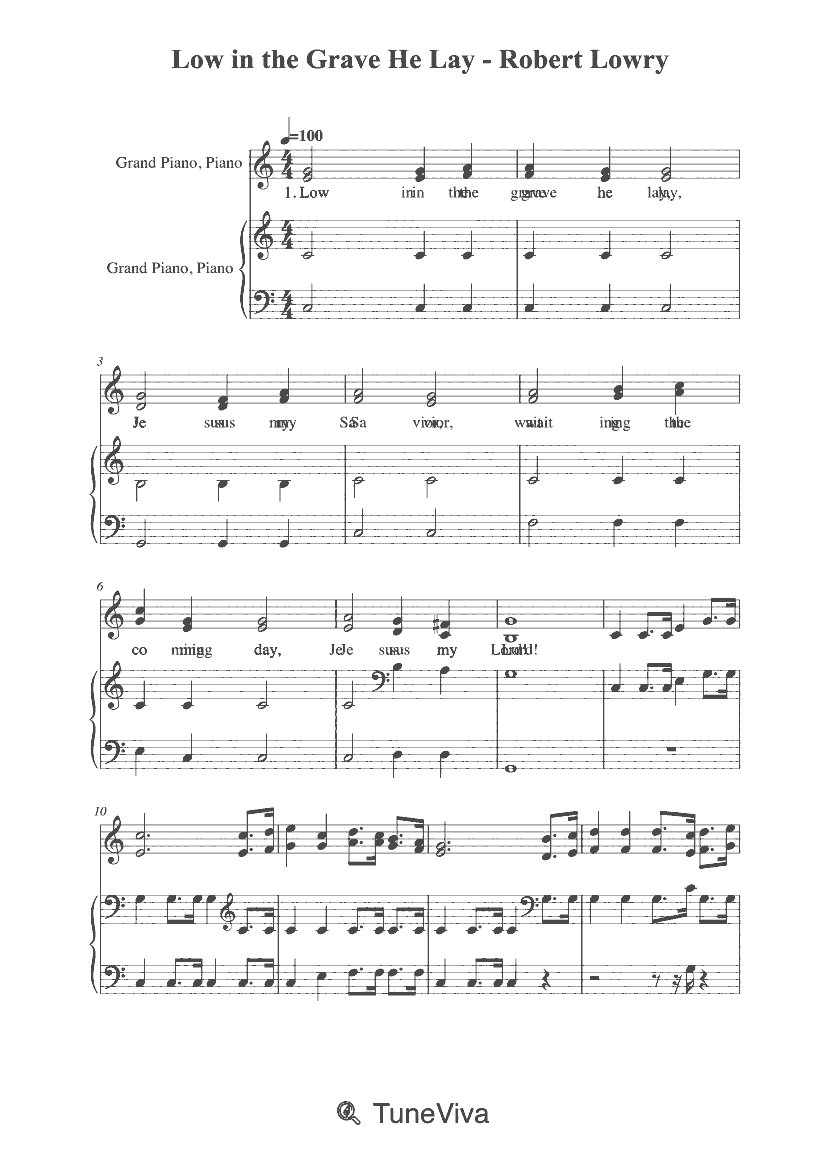
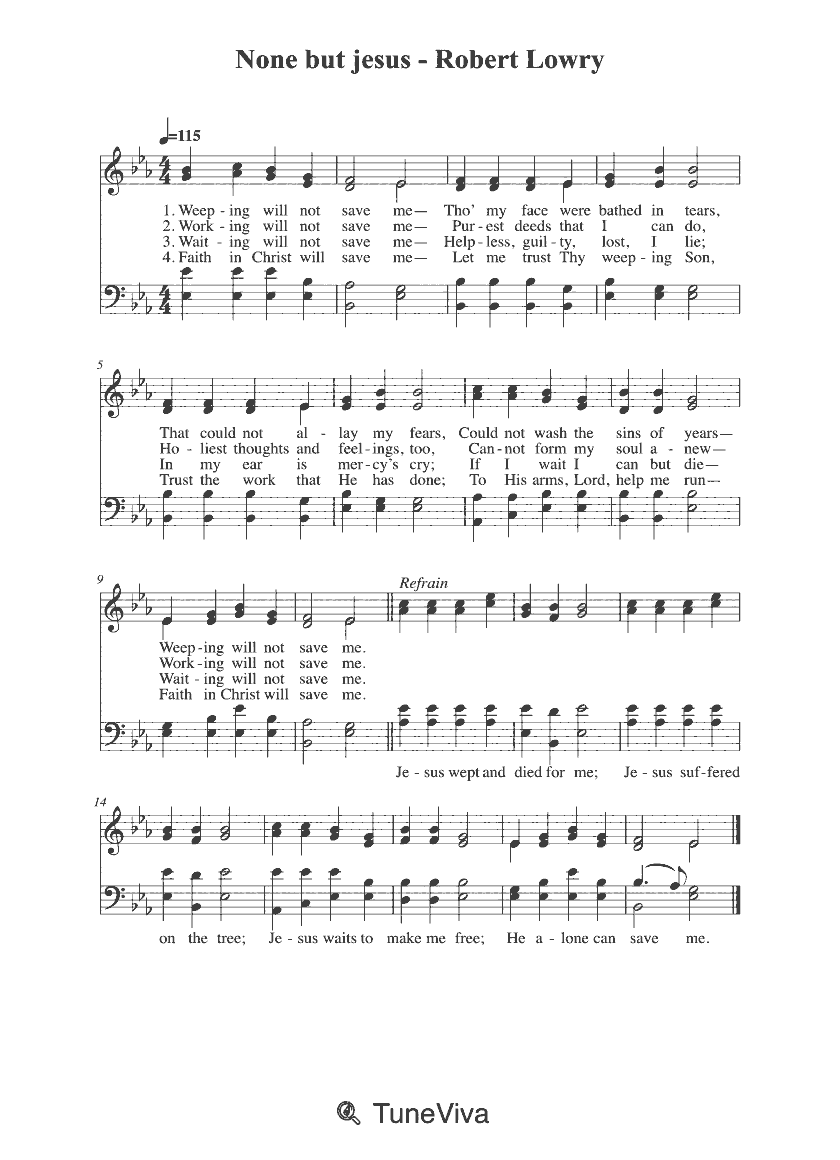
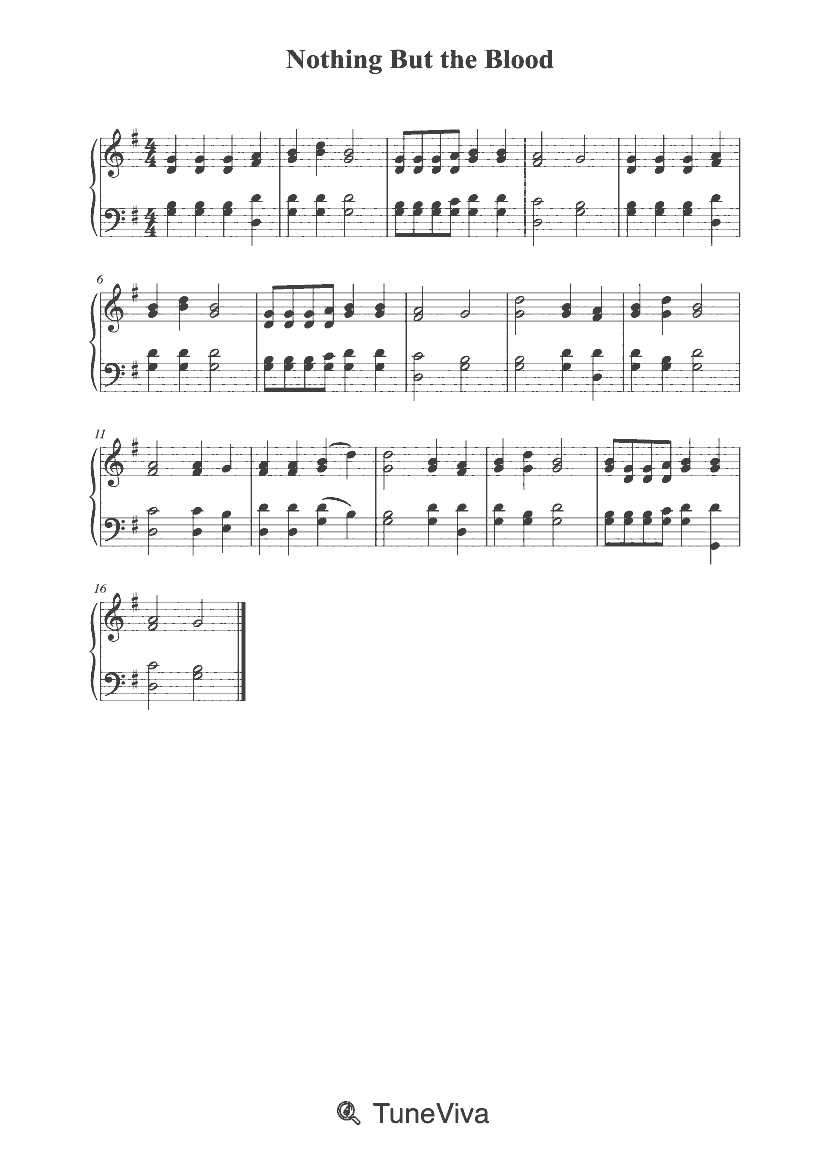
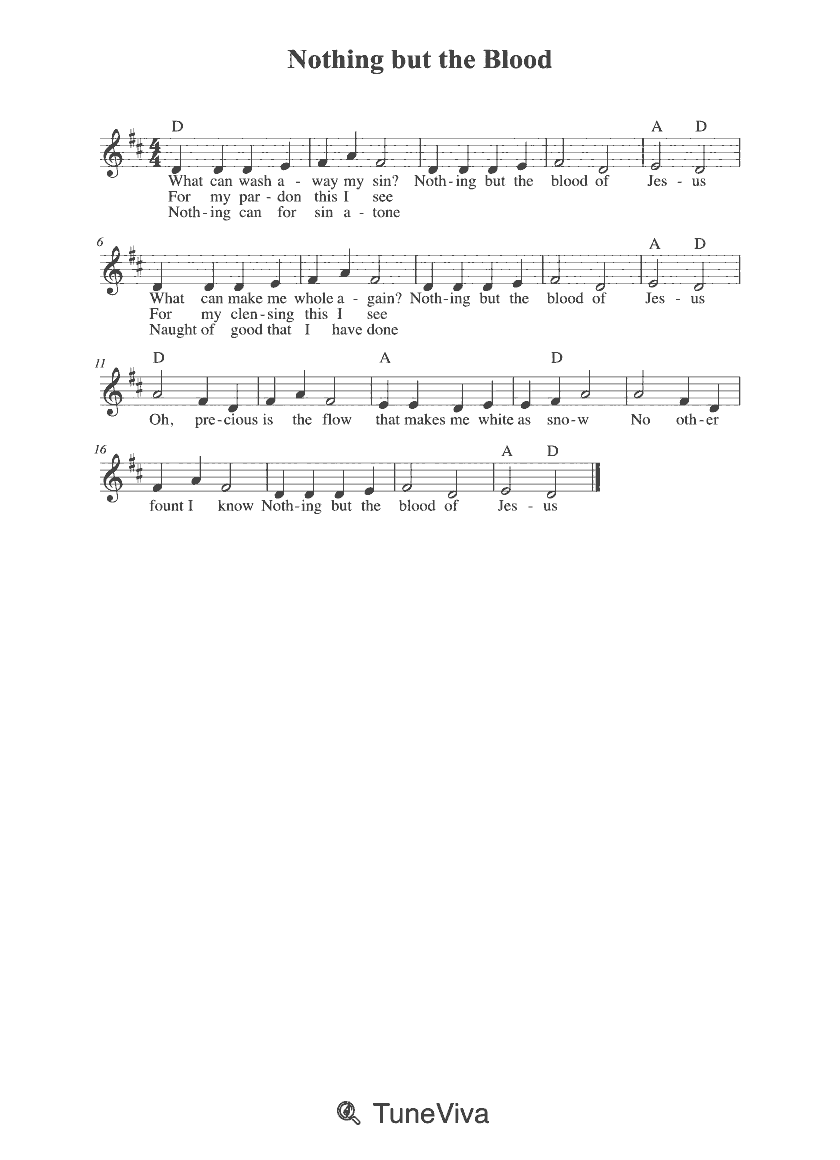
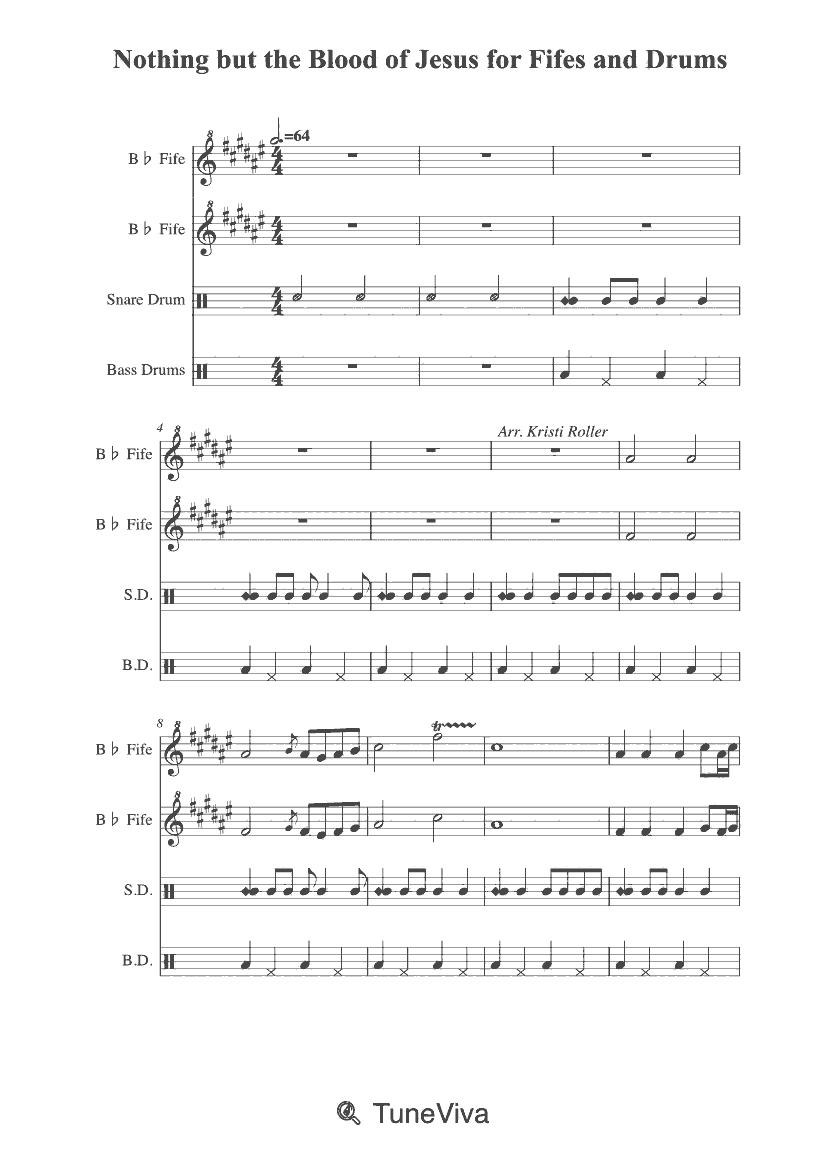
Nothing but the Blood and Low in the Grave He Lay are here in several versions, alongside less familiar gospel songs and a fife-and-drum arrangement of Nothing but the Blood.
Lowry was born in Philadelphia on 12 March 1826, the son of an Ulster emigrant, and converted at seventeen. He left his parents' Associate Presbyterian church for the First Baptist Church of Philadelphia, where he taught Sunday school and sang in the choir. Encouraged by his pastor, he studied at the University at Lewisburg, now Bucknell University, and entered the Baptist ministry in 1854 at West Chester, Pennsylvania. He held pastorates in Pennsylvania and New Jersey, was professor of rhetoric at Lewisburg from 1869 to 1875, and later served as the university's chancellor. From 1875 he was pastor at Park Avenue Church in Plainfield, New Jersey, where he died on 25 November 1899.
His second career was as an editor and composer for Biglow & Main, the leading American publisher of gospel and Sunday-school music. From 1868 he supervised more than twenty hymnals for the firm, often with William Howard Doane, and he wrote both words and music for many songs — unusually for the period. His best-known hymns include Shall We Gather at the River (1864), Christ Arose!, also known as Low in the Grave He Lay (1874), Nothing but the Blood (1876) and How Can I Keep from Singing?. He also set Fanny Crosby's All the Way My Savior Leads Me in 1875.
The TuneViva catalogue holds 318 Lowry scores, all public domain, with 209 lyrics-bearing entries and 84,626 notated notes over roughly 187 minutes. Difficulty is low: 137 entries at complexity index 0 and 156 at index 1, with 25 at index 2. Duplicate titles are common because the same hymn appears in different arrangements and under different spellings.
Lowry's hymns are congregation music: strophic verses, a refrain that everyone can pick up, and harmony that stays close to the hymn tradition. The exception is Low in the Grave He Lay, where a subdued minor-key verse gives way to a major refrain that should feel like a release. Play the refrains with a firm pulse and let the inner voices move clearly. These scores are short, so shaping the final cadence of each verse matters more than adding ornament.
His 1876 hymn on the blood of Christ, and the most-viewed score on this page.
The 1864 hymn that made his name, with its tune Hanson Place.
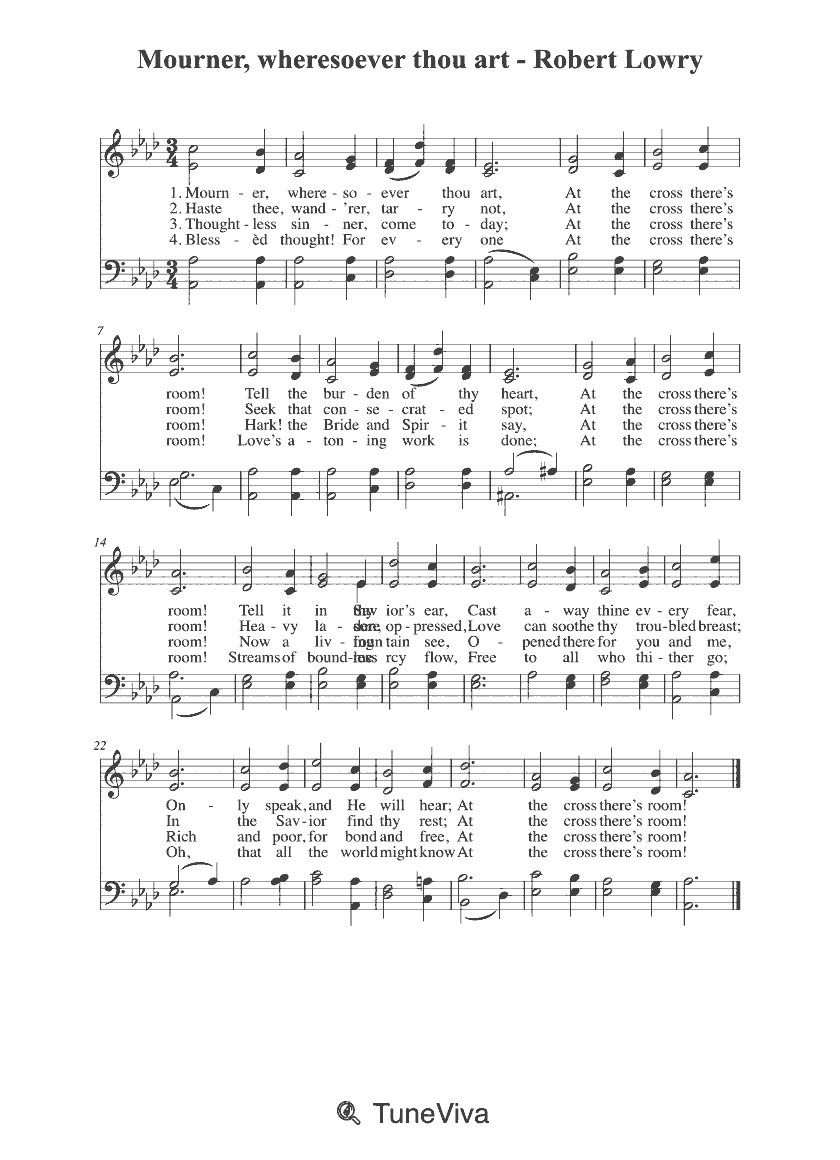
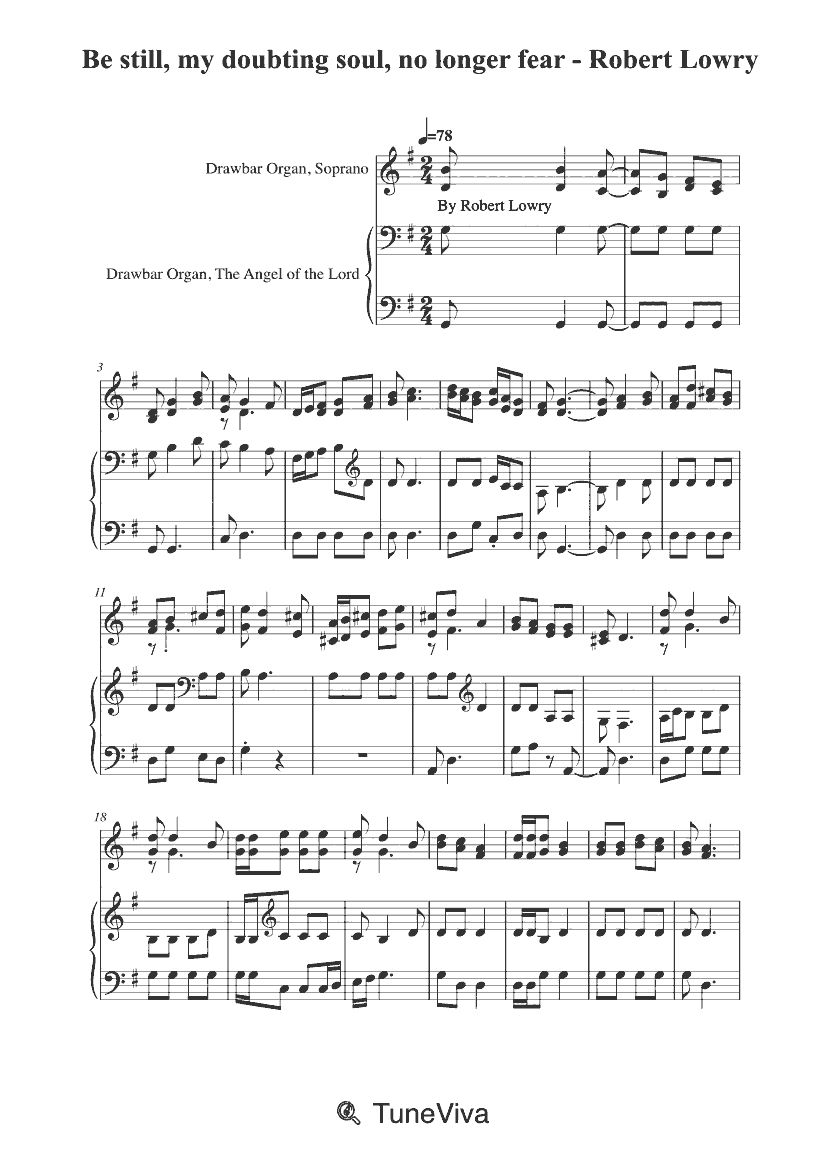
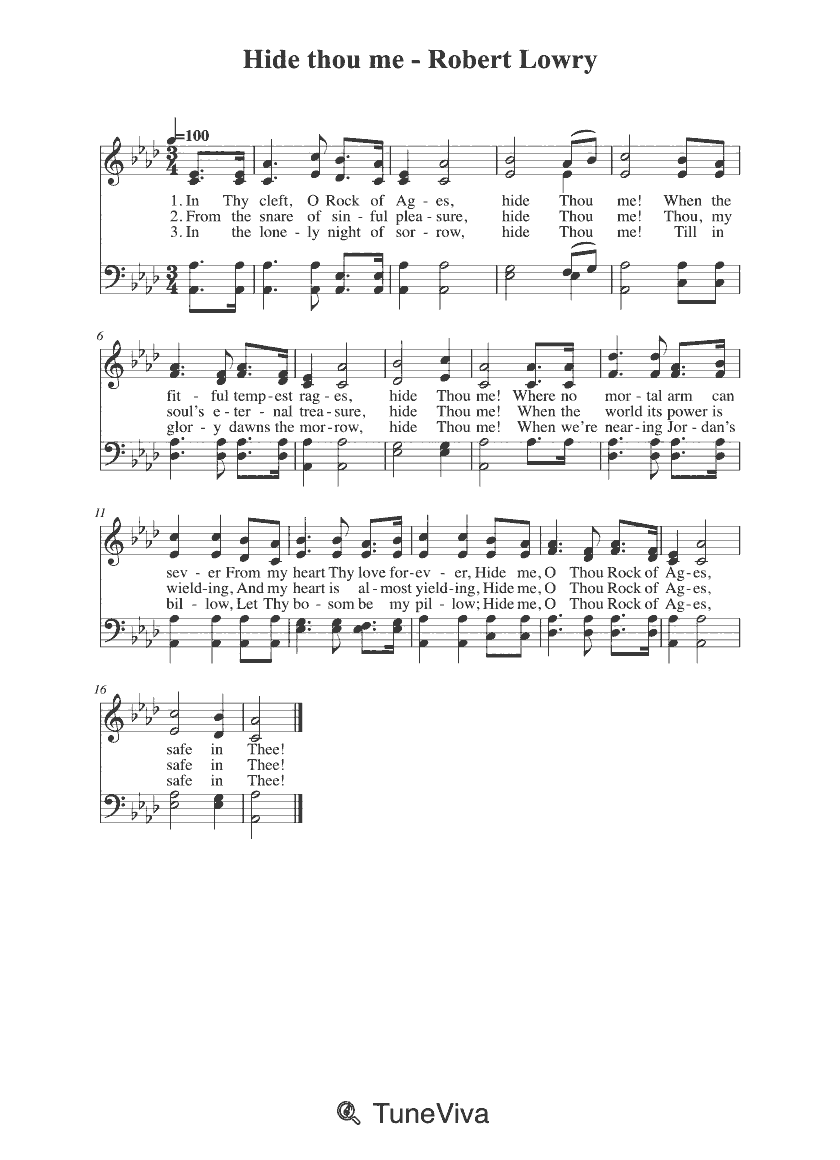
A prayer for shelter, among the more-viewed gospel songs in the collection.
The Easter hymn also known as Christ Arose!, with its abrupt shift from a slow verse to a triumphant refrain.
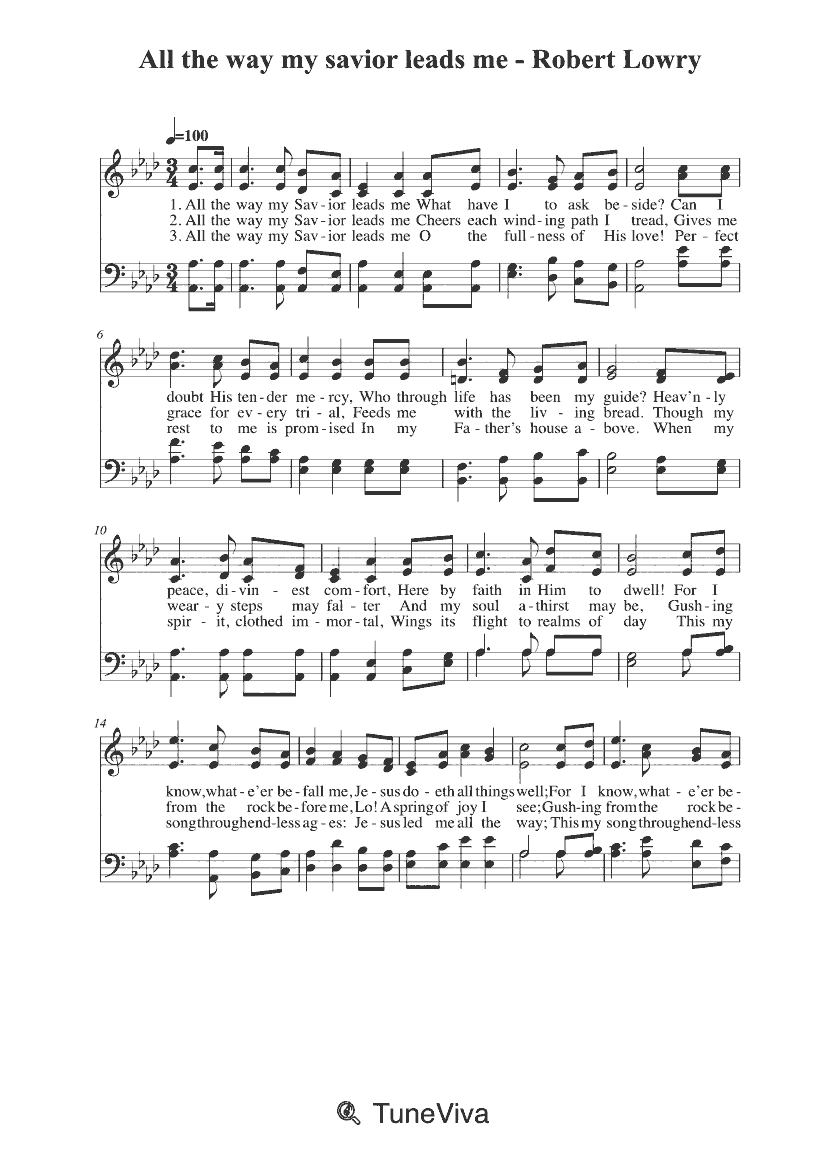
His 1875 setting of Fanny Crosby's text, first printed in Brightest and Best.
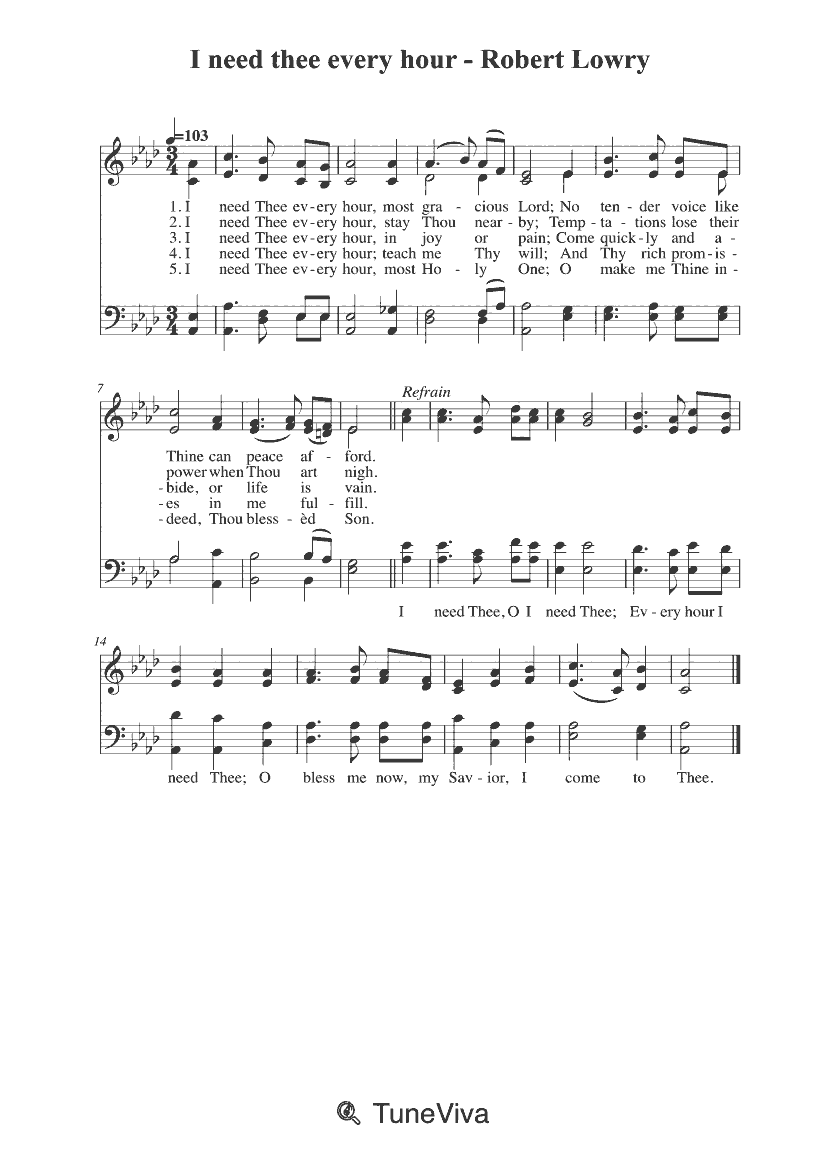
A devotional hymn that shows the quieter, prayerful side of his writing.
An invitation hymn in the revival idiom, addressed directly to the listener.
Both. He was a Baptist pastor for about 45 years and also edited more than twenty hymnals for Biglow & Main, writing words and music for many songs.
Yes. He wrote both words and music in 1864; the tune is called Hanson Place.
Christ Arose! It was written in 1874 and is sung at Easter.
Different arrangements and spellings of the same hymn were catalogued separately, so Nothing but the Blood appears several times.
Catalog editions and arrangements attributed to Robert Lowry.
Fife and Drum