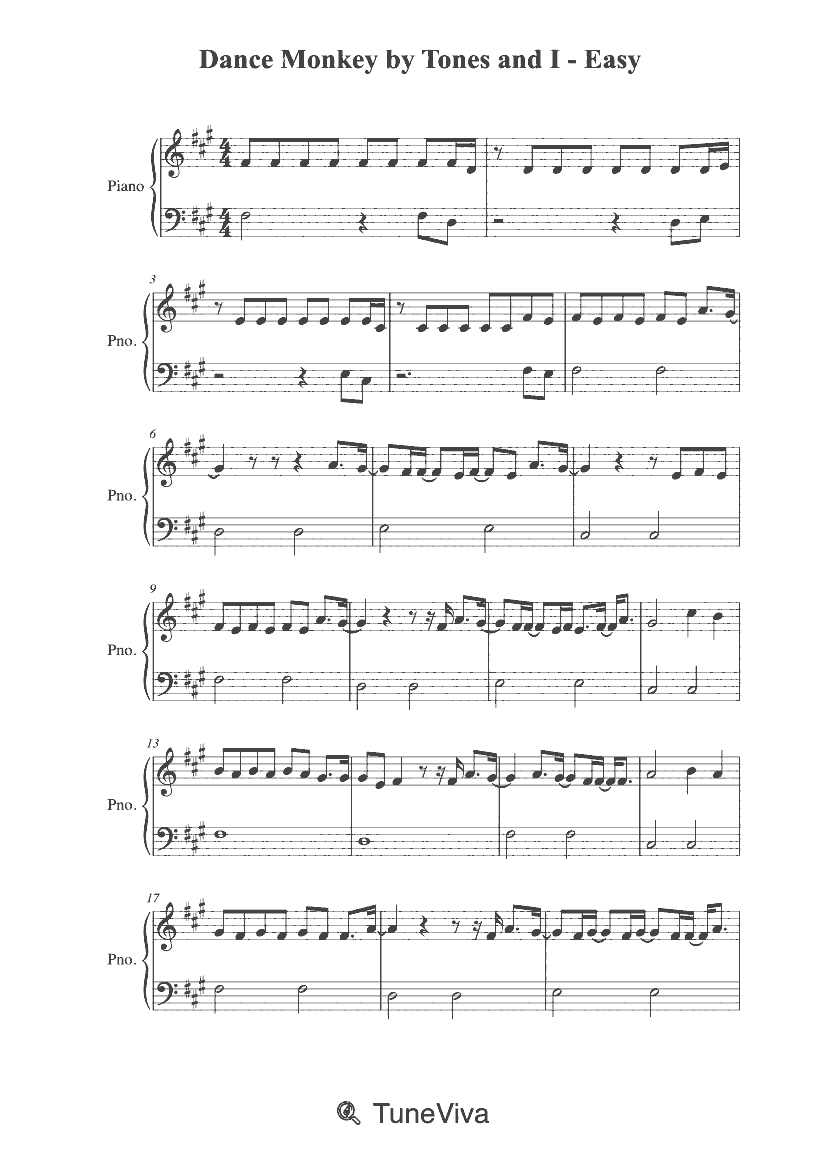
Dance Monkey by Tones and I - Easy
Tones And I
Piano · 2 min 50 sec
Open score15 Tones And I scores to preview and download, centred on Dance Monkey, the 2019 hit by the Australian artist, in easy, full and alternate arrangements to play.
The title calls this an easy file; that wording is not an independently assessed grade.
A multi track catalog file; inspect the score for its actual arrangement.
A separate file for the same song, not an additional composition.
Compare the instrument and arrangement details below, then open a score to check the notation. Different entries may be arrangements or editions of the same work; available playback tools are shown on each score page.
Tones And I
Piano · 2 min 50 sec
Open score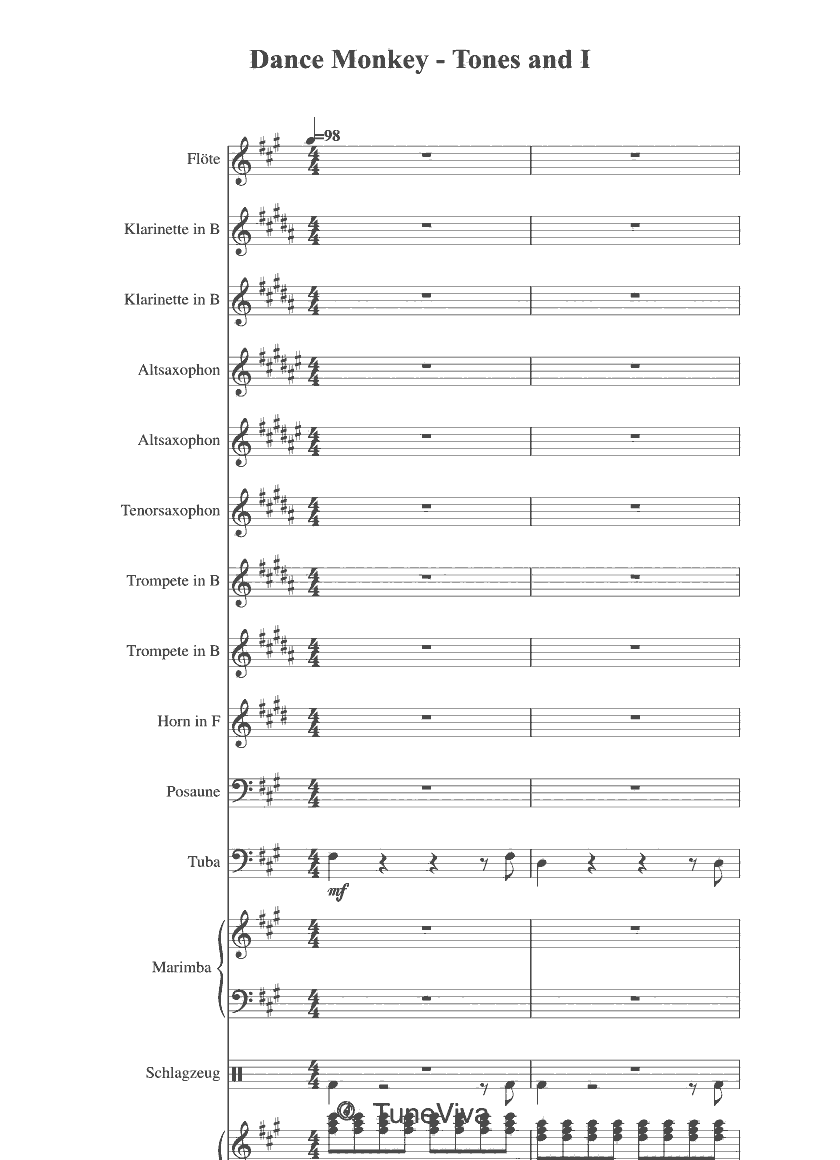
Tones And I
Flöte; Klarinette in B; Altsaxophon +10 parts · 3 min 26 sec
Open score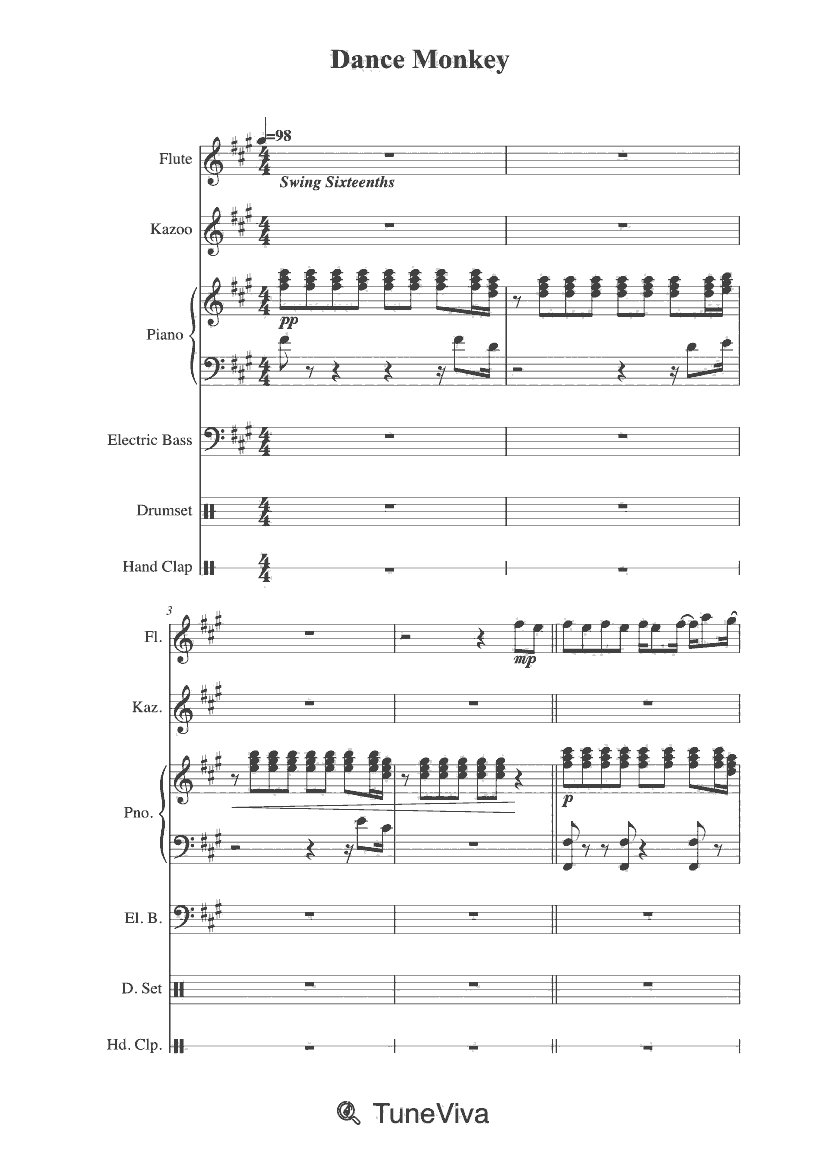
Tones And I
Flute; Kazoo; Piano +3 parts · 3 min 25 sec
Open score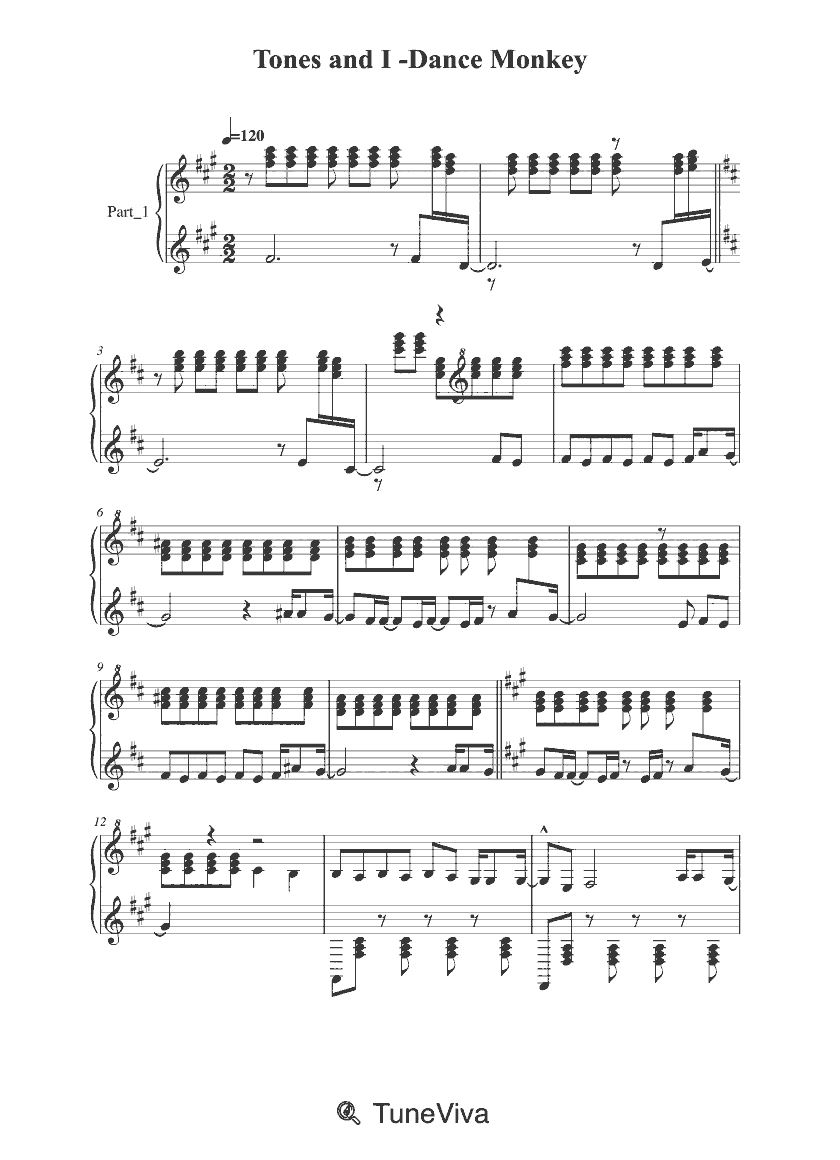
Tones And I
Part_1 · 5 min 42 sec
Open score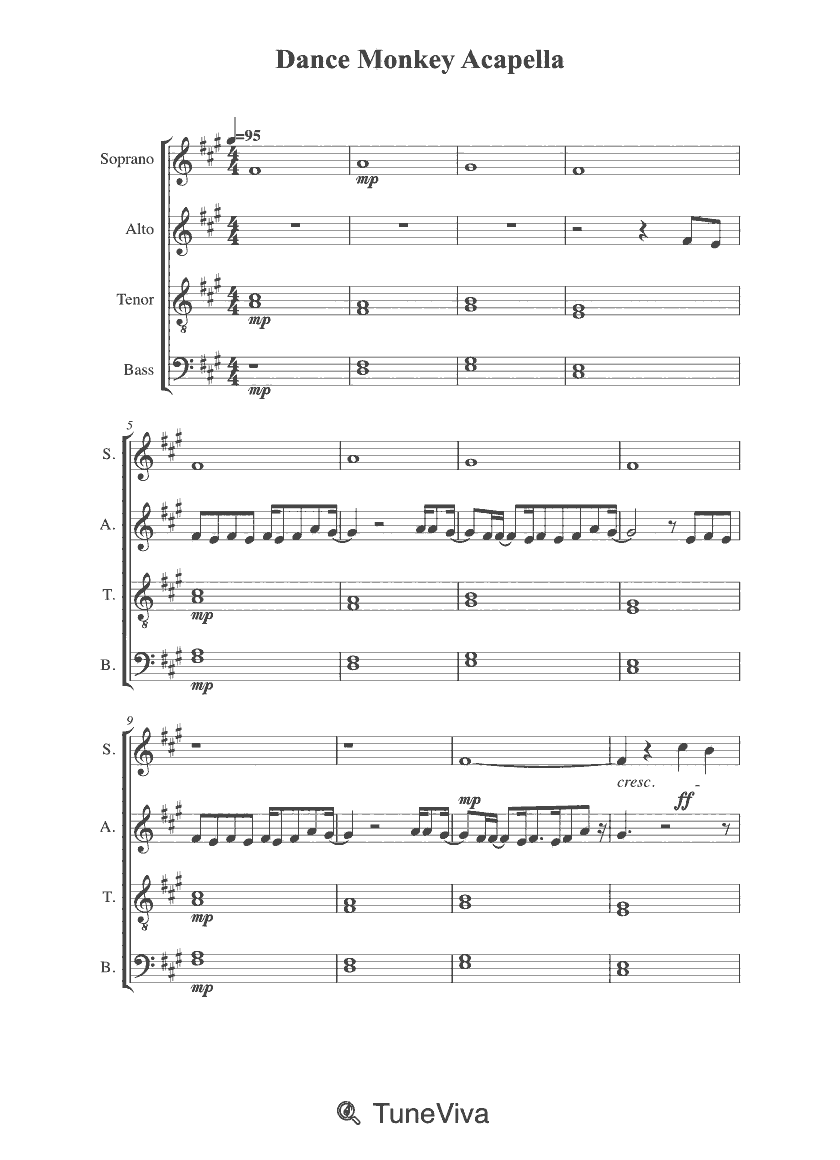
Tones And I
Acapella
Soprano; Alto; Tenor +1 parts · 3 min 35 sec
Open score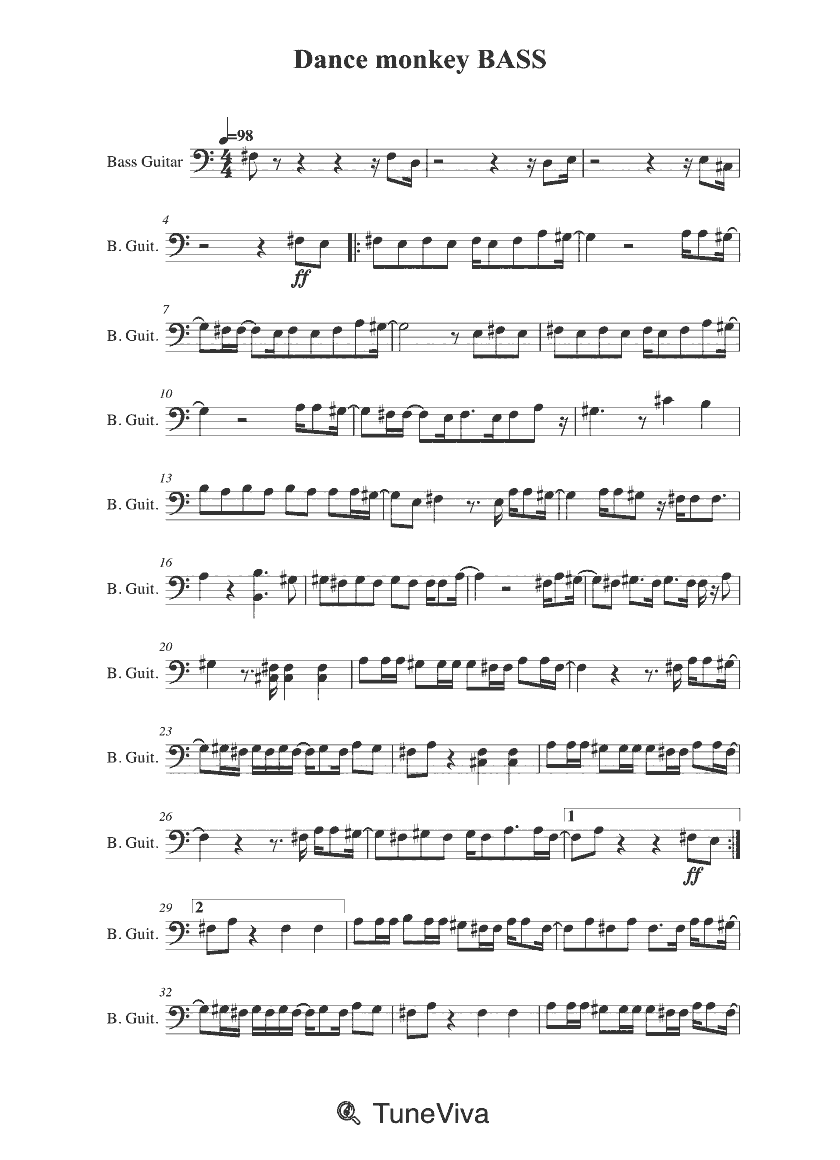
Tones And I
Bass Guitar · 3 min 26 sec
Open score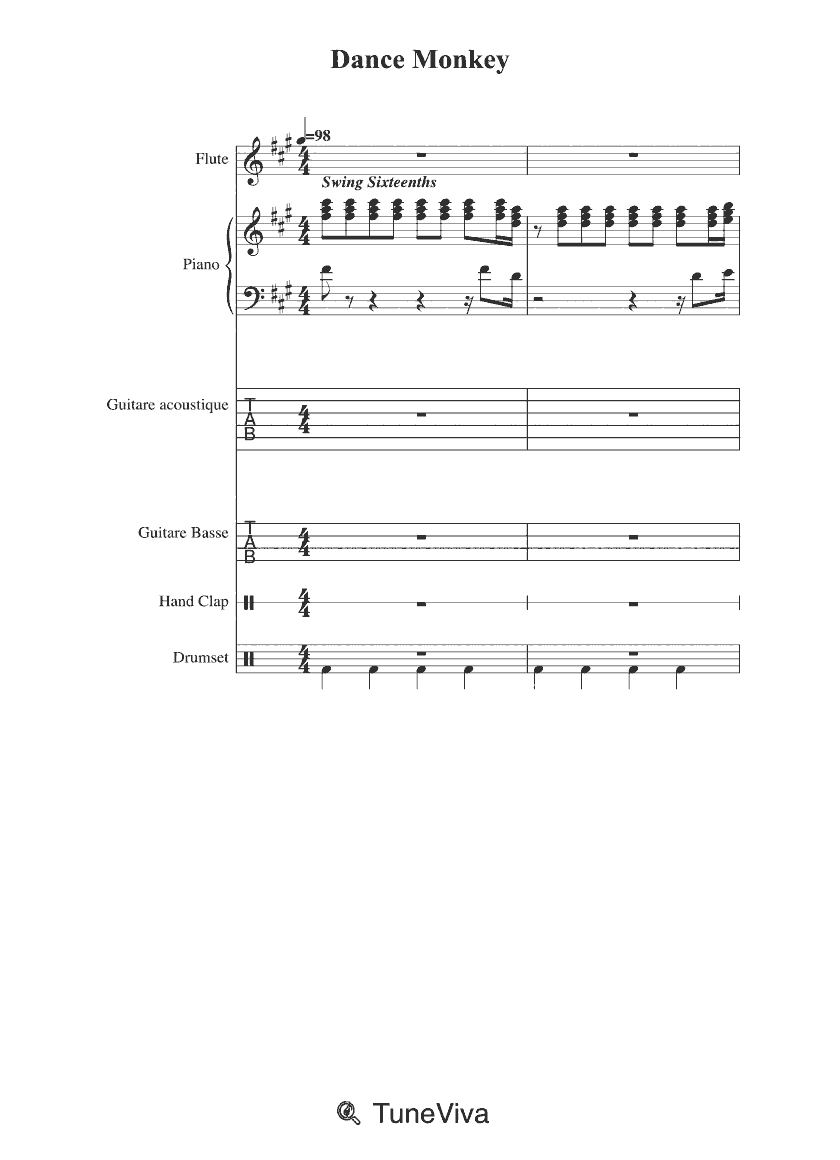
Tones And I
Flute; Piano; Guitare acoustique +3 parts · 3 min 26 sec
Open score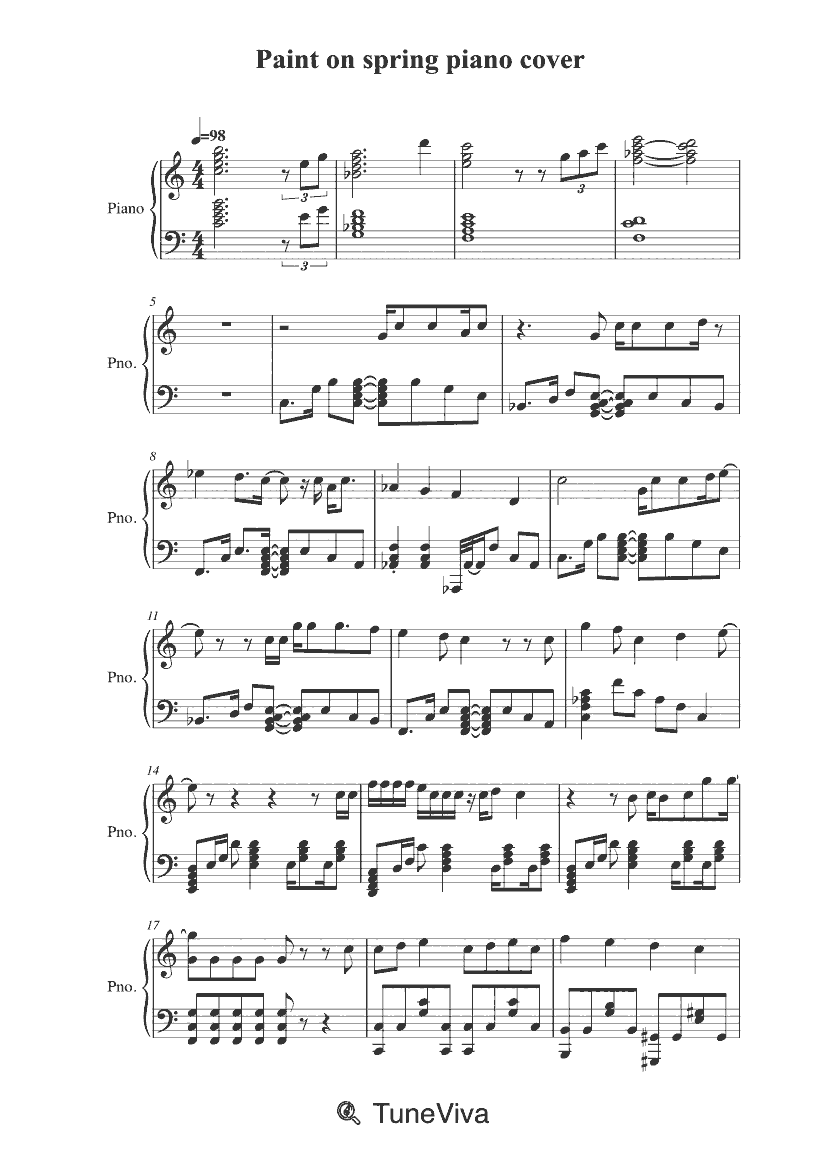
Tones And I
i
Piano · 2 min 24 sec
Open score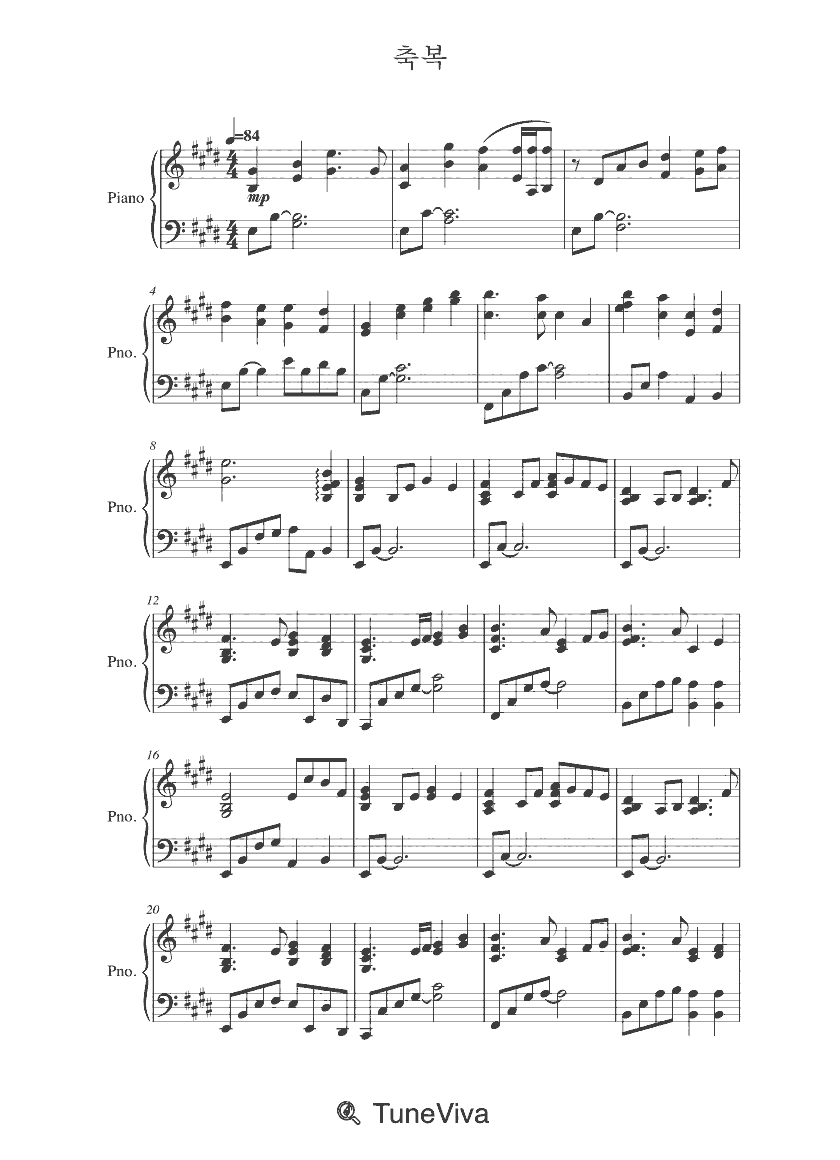
Tones And I
Piano · 2 min 54 sec
Open score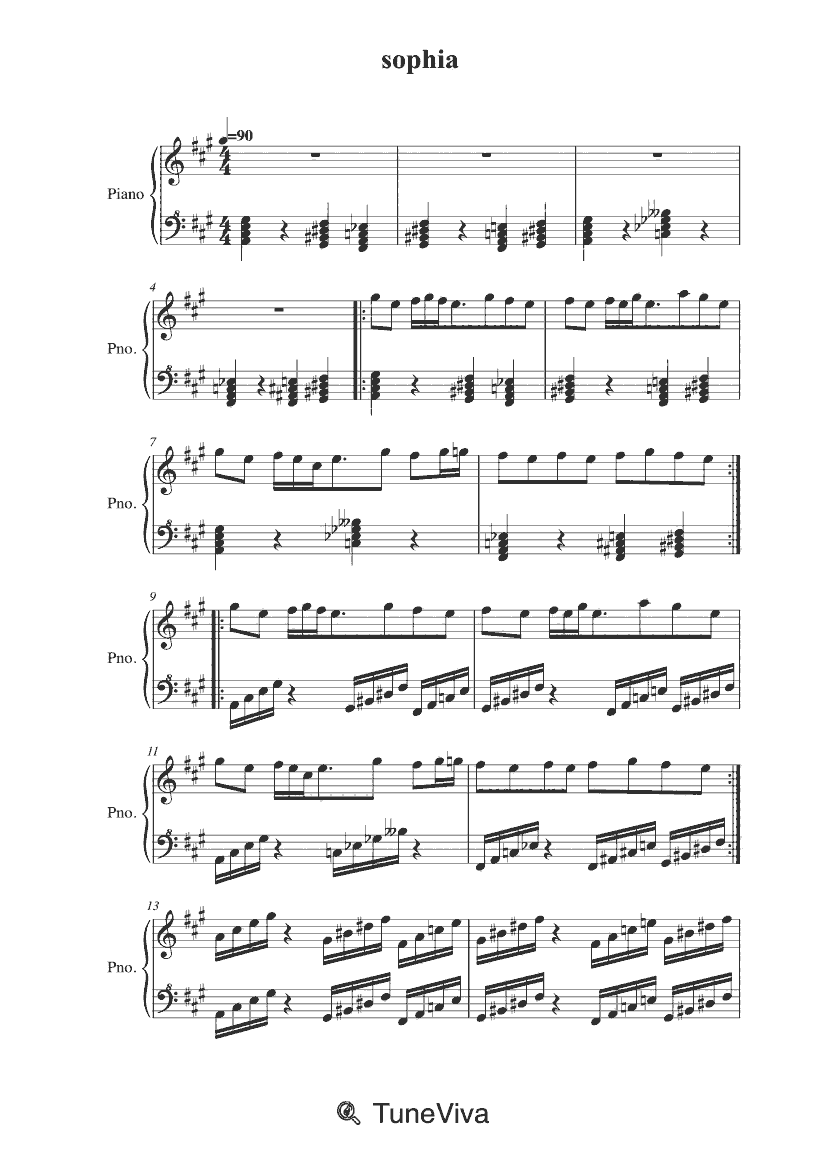
Tones And I
Piano · 1 min 4 sec
Open score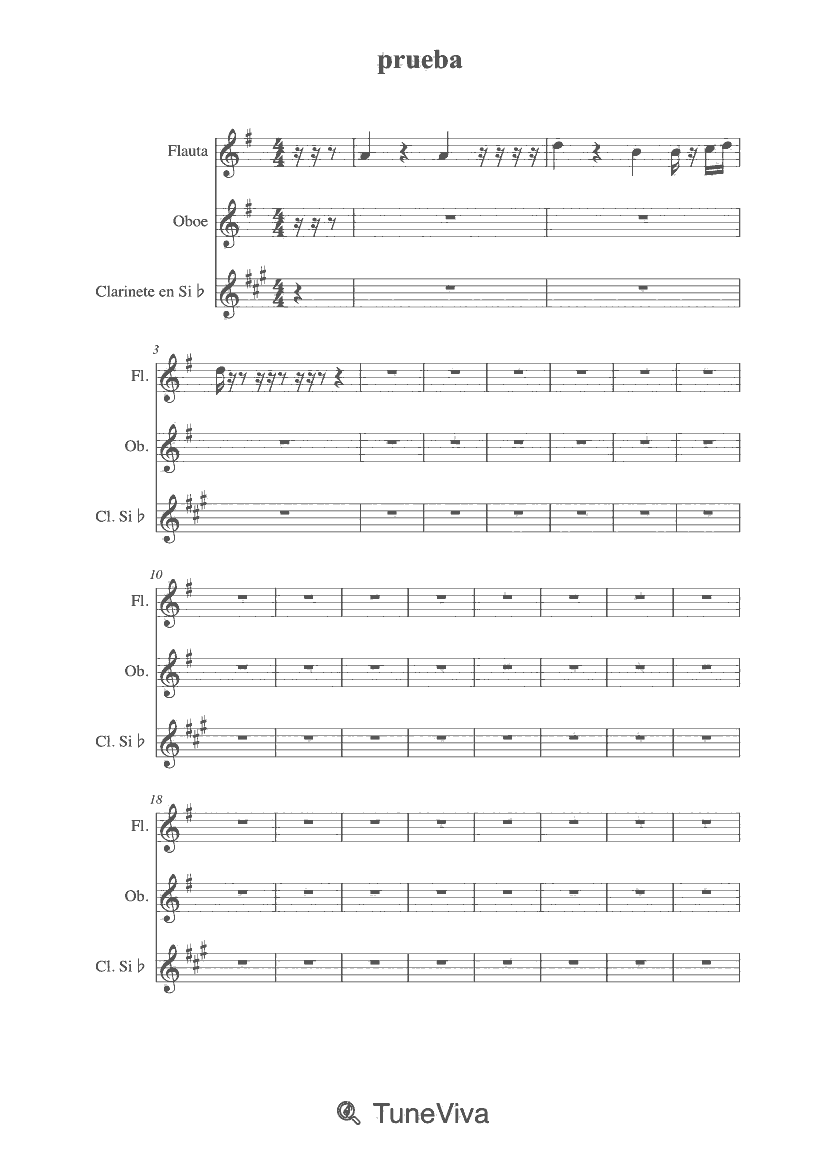
Tones And I
I
Flauta; Oboe; Clarinete en Si♭ · 22 sec · Score #217381
Open score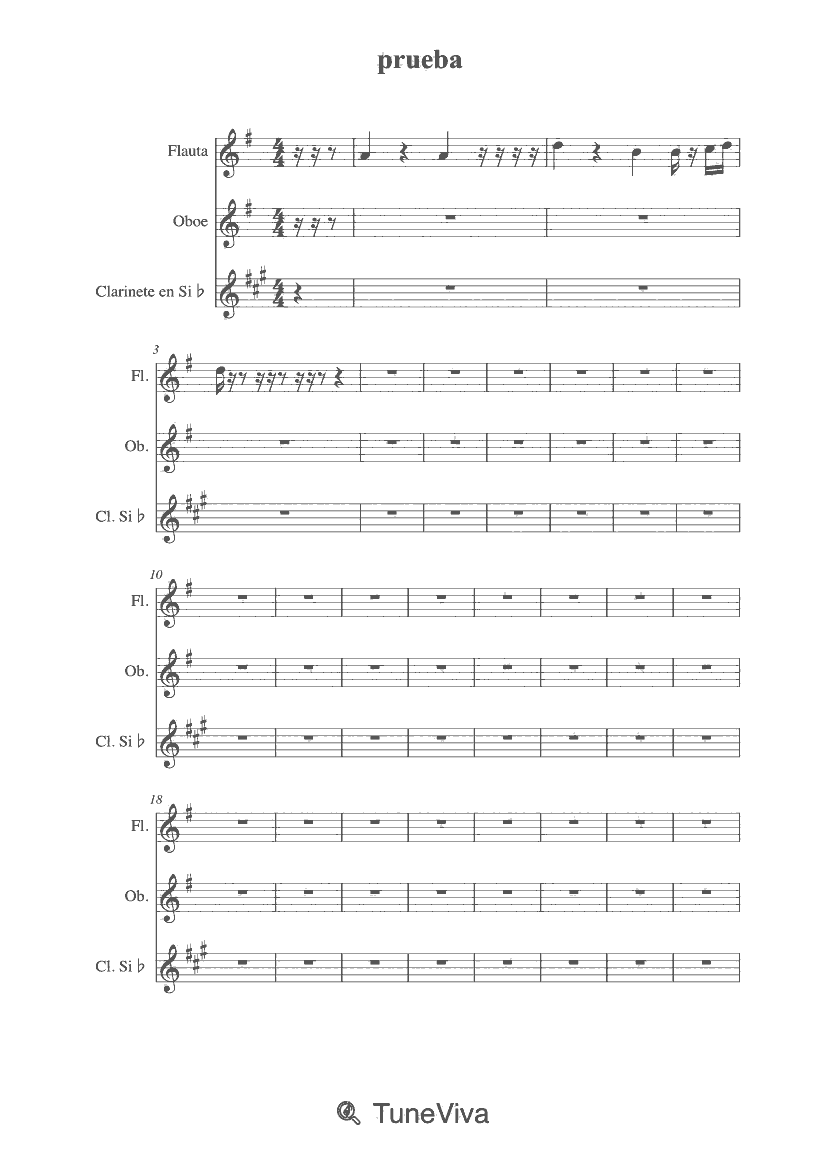
Tones And I
I
Flauta; Oboe; Clarinete en Si♭ · 22 sec · Score #122862
Open score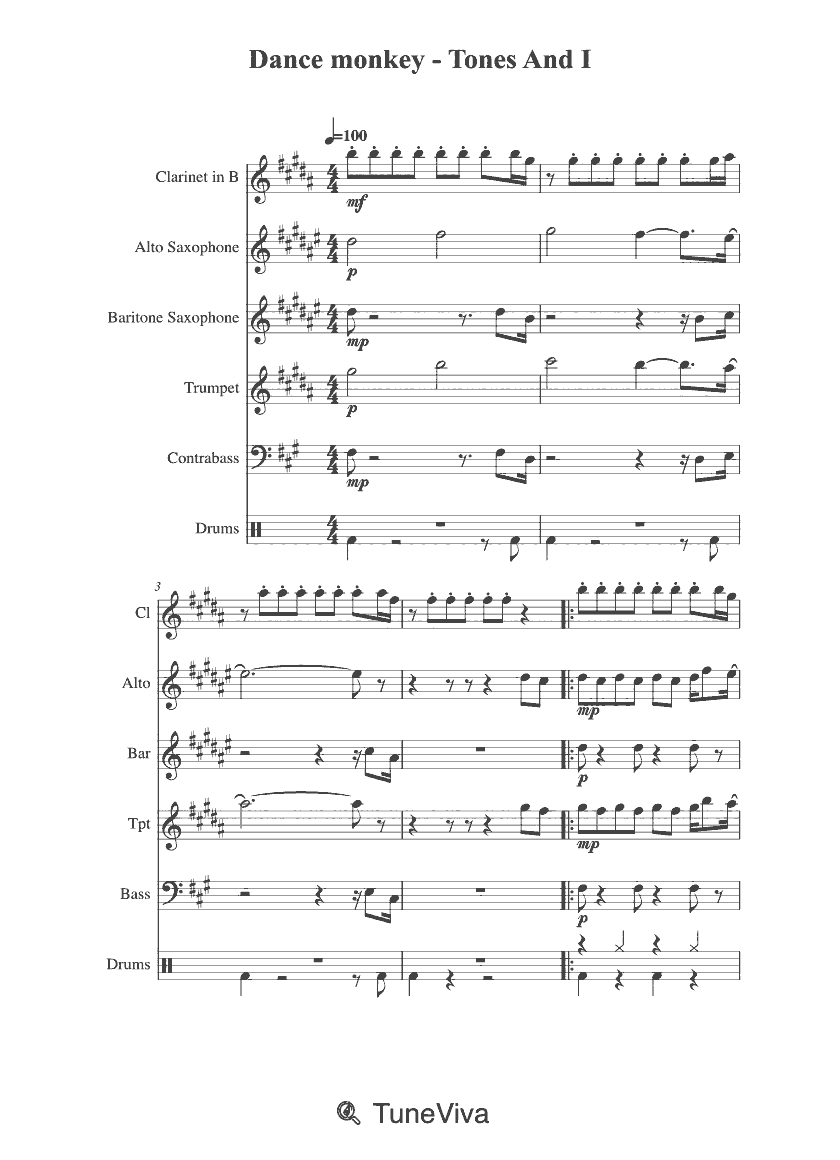
Tones And I
Clarinet in B; Alto Saxophone; Baritone Saxophone +3 parts · 3 min 31 sec
Open score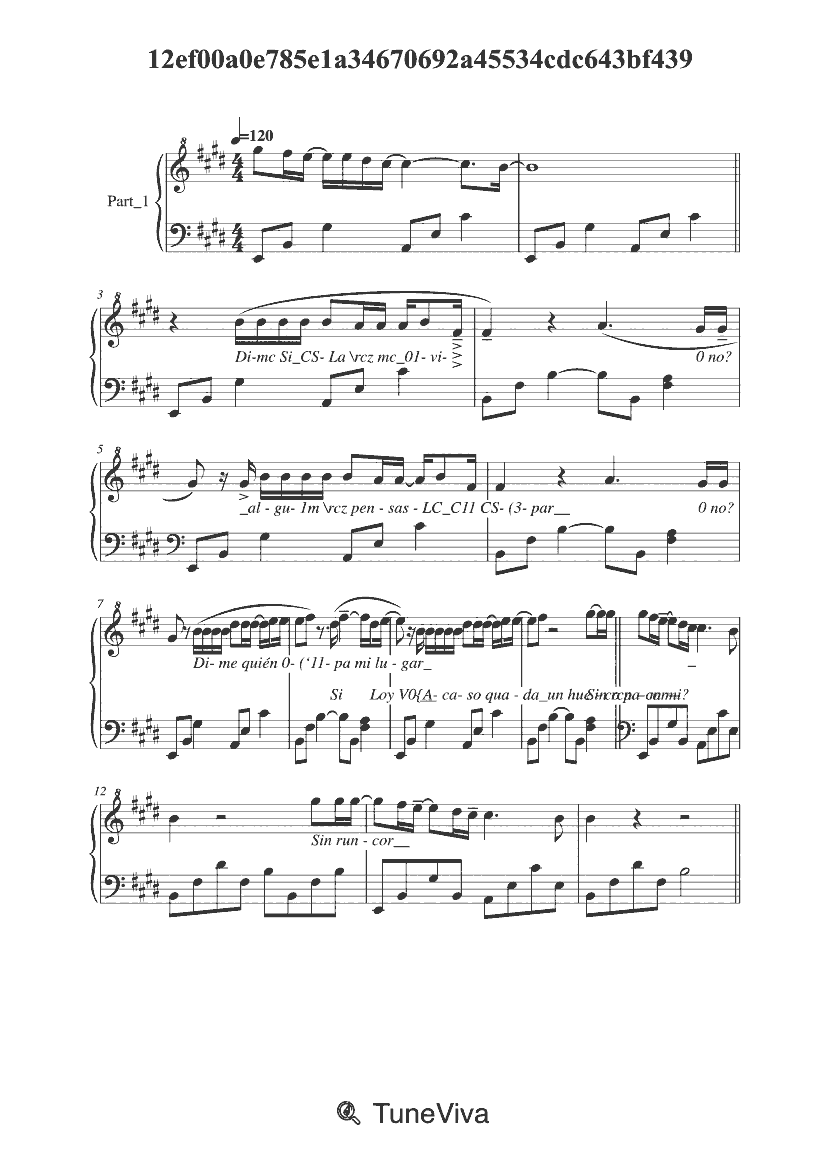
Tones And I
Miriam Rodriguez
Part_1 · 3 min 4 sec
Open score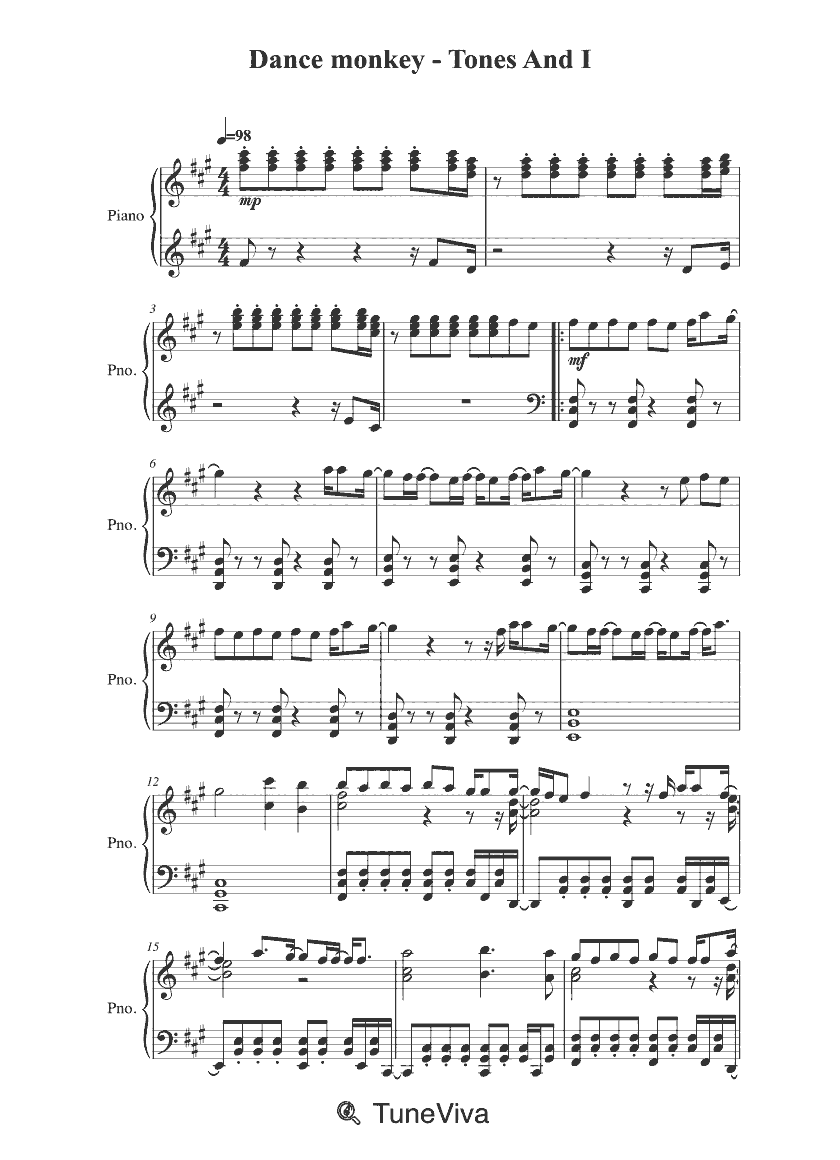
Tones And I
Piano · 3 min 28 sec
Open scoreTones And I writes, performs and produces her own pop material, according to her official biography. Dance Monkey was her breakout hit: the artist’s site reports that it spent 24 weeks at number one on Australia’s ARIA Singles Chart. TuneViva’s selection concentrates on this one song, with a range of files titled Dance Monkey, Dance Monkey - Tones and I and Dance Monkey by Tones and I - Easy. They are alternate score files, not separate compositions. Compare their instrument labels and parts; “Easy” is a title description, not a formal grade. Tones And I sheet music on this page centres on Dance Monkey, with three selected versions of the song. One is a large 16-part mixed-ensemble arrangement, another is a six-part setting with flute, kazoo, piano, electric bass, drumset and hand clap, and the third is a solo piano score. Compare the listed parts and opening details before choosing; the word “Easy” in one title is not a formal difficulty grade.
Tones And I is the performing name of Australian artist Toni Watson. Her official site describes her as a vocalist, lyricist, producer and creator, and traces her international breakthrough to 2019. Dance Monkey remained at number one on the ARIA Singles Chart for 24 weeks, according to the artist’s biography. Those credits place her as both songwriter and performer of the hit.
The TuneViva page contains nine files, most centered on Dance Monkey. Among the selected entries, one title says “Easy,” another has a multi-track count, and another is simply named Dance Monkey. Those records represent alternative arrangements or transcriptions of the same song. Compare the written parts, range and format to find one that suits your player; the upload title alone does not establish difficulty or transcription accuracy. “Easy” is uploader wording rather than an examination level.
All selected scores are Dance Monkey: Every Tones And I title among the selected scores is a version of Dance Monkey. Treat the different titles as alternate arrangements, not as separate songs. Check the part list first: the largest setting is a 16-part mixed ensemble, the second uses six parts including kazoo and hand clap, and the piano setting has a single Piano part.
Match the arrangement to your players: The 16-part version calls for flute, B-flat clarinet, alto and tenor saxophones, B-flat trumpet, F horn, trombone, tuba, marimba, drumset, piano, electric bass and timpani, so it is designed for a larger mixed group. The six-part version is lighter, with flute, kazoo, piano, electric bass, drumset and hand clap. The solo piano score is the most compact option. These descriptions come from the listed parts; inspect the notation before assigning players.
Check key, tempo and layout: All three selected versions open in 4/4; the 16-part and six-part settings list an opening tempo of 98 BPM, while the solo piano score does not list a tempo. Opening key signatures vary by part, so compare transposing instruments carefully. Do not assume that every part is written in the same key.
What “Easy” does not prove: The title “Dance Monkey by Tones and I - Easy” uses Easy as wording in the score title. The selected score does not confirm a graded edition, a teaching level or a simplified texture. Look at the written range, rhythms and accompaniment before treating it as suitable for a beginner.
Dance Monkey dominates these catalog files; multiple uploads are alternate arrangements of one song.
No. It appears in an upload title. Compare the notation and range for your performer.
The selected Tones And I scores are all versions of Dance Monkey. Titles such as “Dance Monkey - Tones and I”, “Dance Monkey” and “Dance Monkey by Tones and I - Easy” refer to the same song rather than three different compositions.
The largest selected Dance Monkey arrangement lists flute, B-flat clarinet, alto and tenor saxophones, B-flat trumpet, F horn, trombone, tuba, marimba, drumset, piano, electric bass and timpani. Its opening is in 4/4 at a listed tempo of 98 BPM, and the part key signatures include three, five, six and four sharps plus a part with no sharps or flats.
The six-part Dance Monkey setting uses flute, kazoo, piano, electric bass, drumset and hand clap. It is also listed in 4/4 at 98 BPM, with opening key signatures of three sharps and no sharps or flats; compare that with the larger mixed-ensemble version if you need different colours or a smaller group.
The solo piano version titled “Dance Monkey by Tones and I - Easy” lists one Piano part. The word Easy appears in the title, but the selected score does not establish a formal grade or examination level; examine the notation and range before deciding whether it suits a player.
Opening key signatures differ across the selected Dance Monkey scores. The 16-part arrangement lists parts with three, five, six and four sharps and one with no sharps or flats; the six-part arrangement lists three sharps and no sharps or flats; the solo piano version lists three sharps. The 16-part and six-part settings show 4/4 and 98 BPM, while the solo piano entry does not list a tempo.
None of the selected part lists names a separate vocal part. The solo piano score has only Piano, while the larger arrangements list instruments and rhythm parts; check the notation to see whether the vocal line is carried by an instrument.