
Traditional music - Rosin the Bow
Trad.
Old Rosin the Beau
32 sec · Score #130245
Open scoreThe available score entries include three versions of Rosin The Bow. All use 6/8 time, but they do not agree on opening key: one begins in A major and two begin in G major. The available scores do not establish the piece’s origin, composer, or original instrumentation, so the guidance below stays close to what the scores show.
Scores 1–20 of 20
Trad.
Old Rosin the Beau
32 sec · Score #130245
Open score
Trad.
Old Rosin the Beau
32 sec · Score #186961
Open score
Misc tunes
24 sec · Score #86535
Open score
Misc tunes
14 sec
Open score
Misc tunes
12 sec · Score #150233
Open score
Misc tunes
24 sec · Score #5839
Open score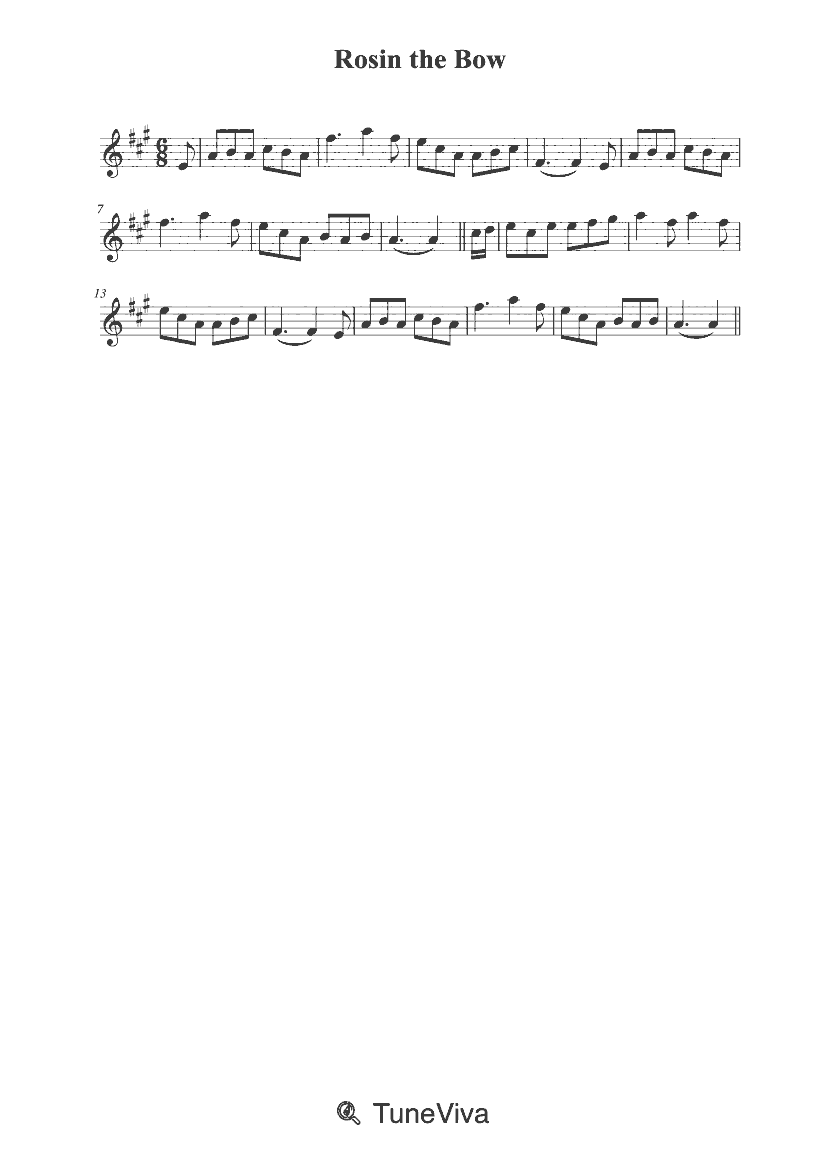
Misc tunes
12 sec · Score #24539
Open score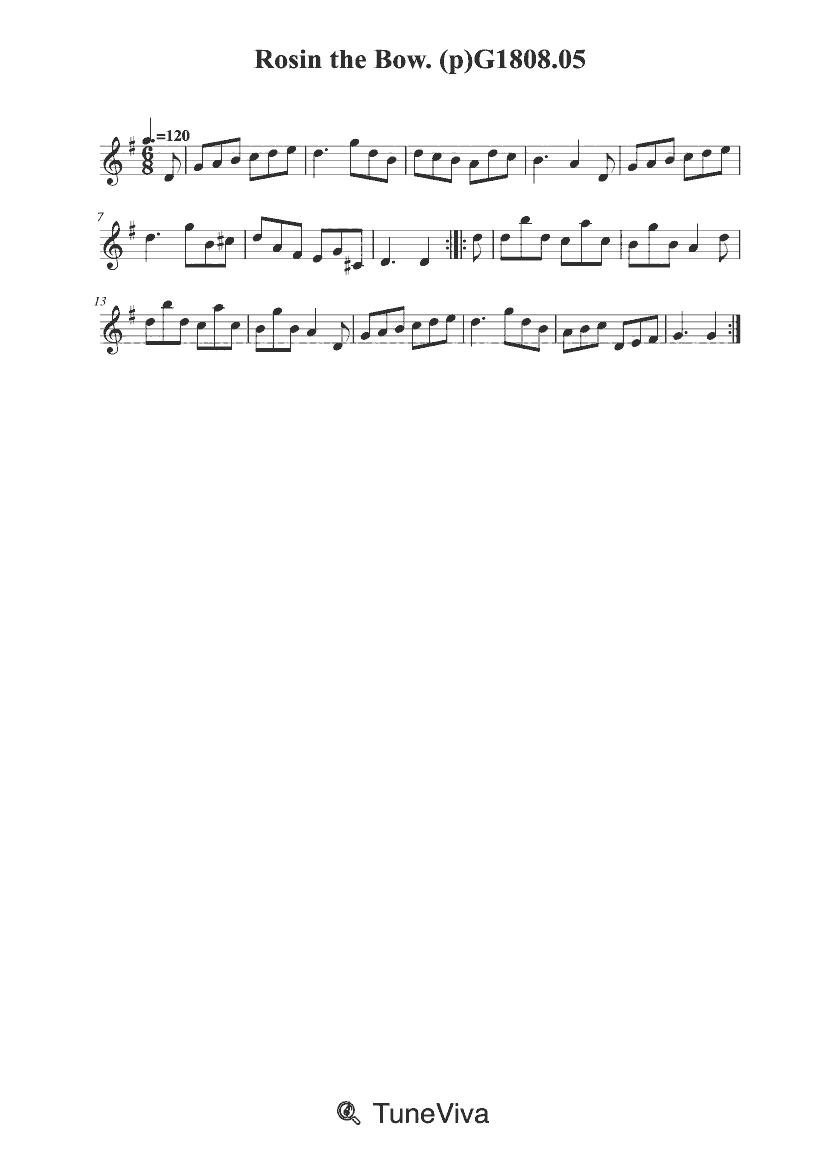
Misc tunes
16 sec · Score #176686
Open score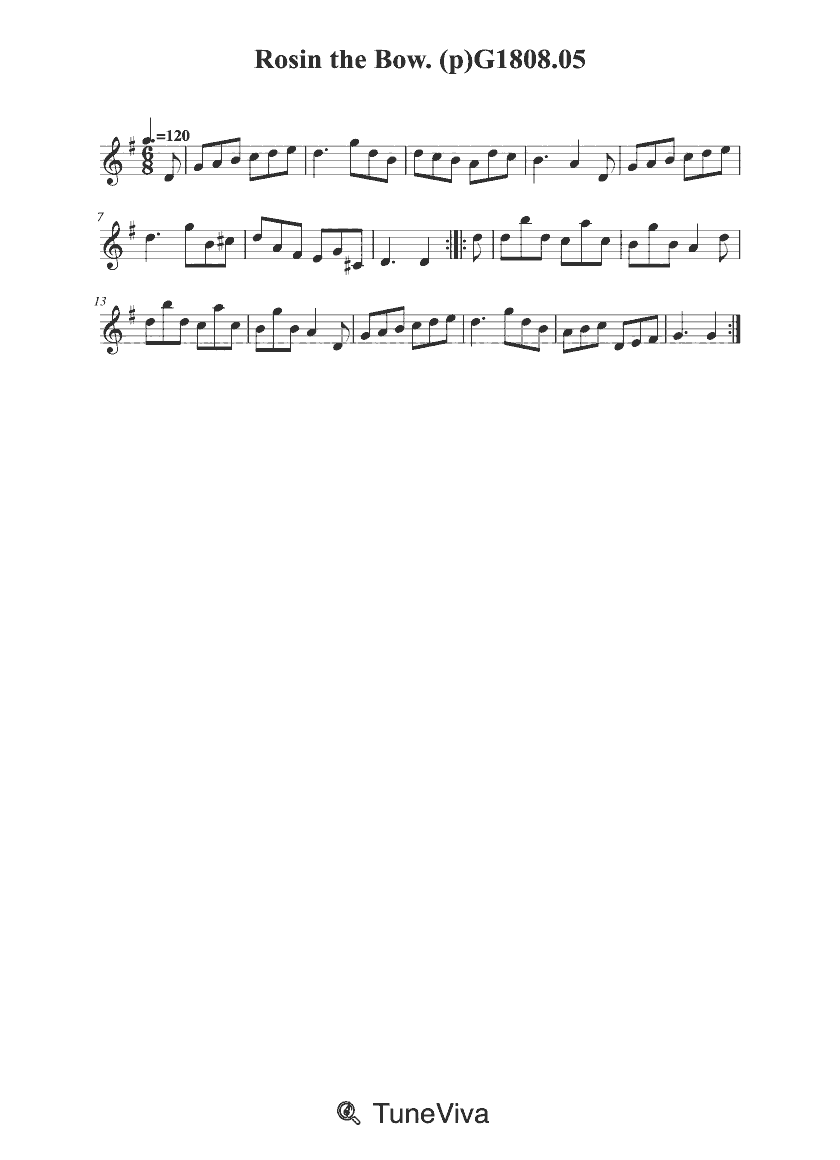
Misc tunes
16 sec · Score #32364
Open score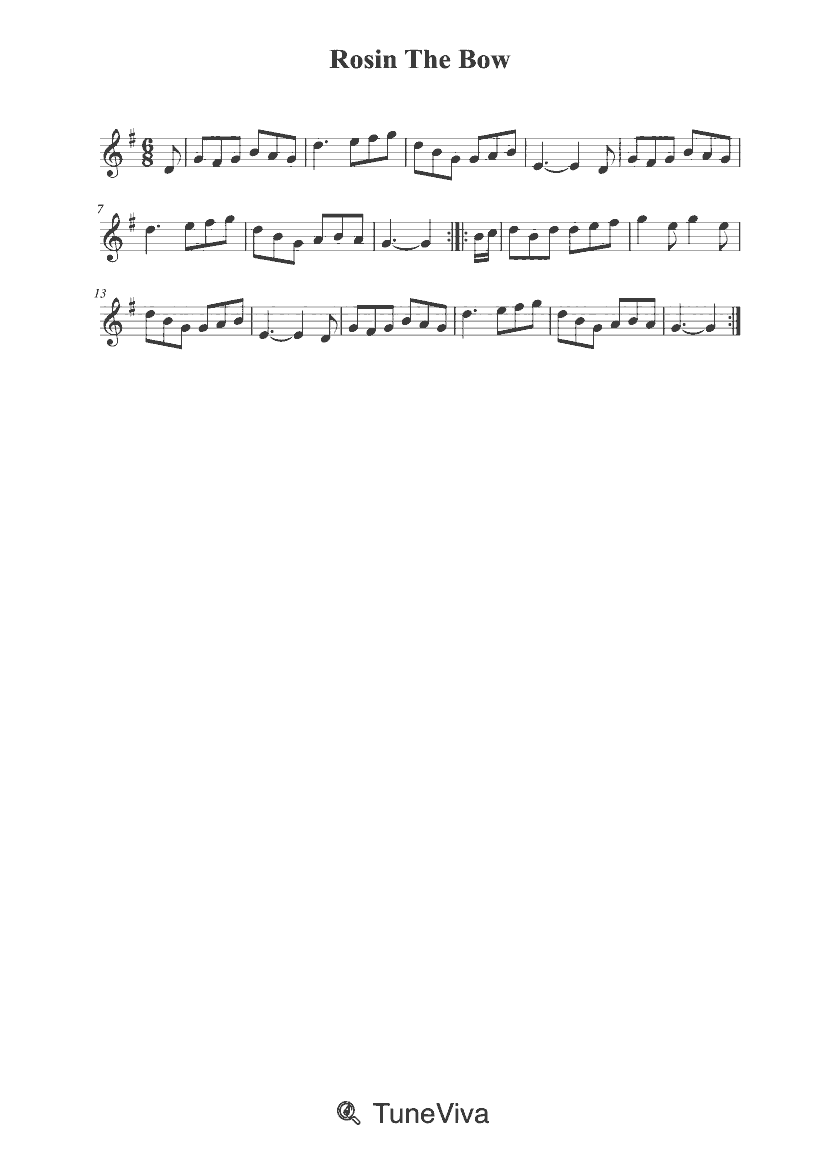
Misc tunes
24 sec · Score #119805
Open score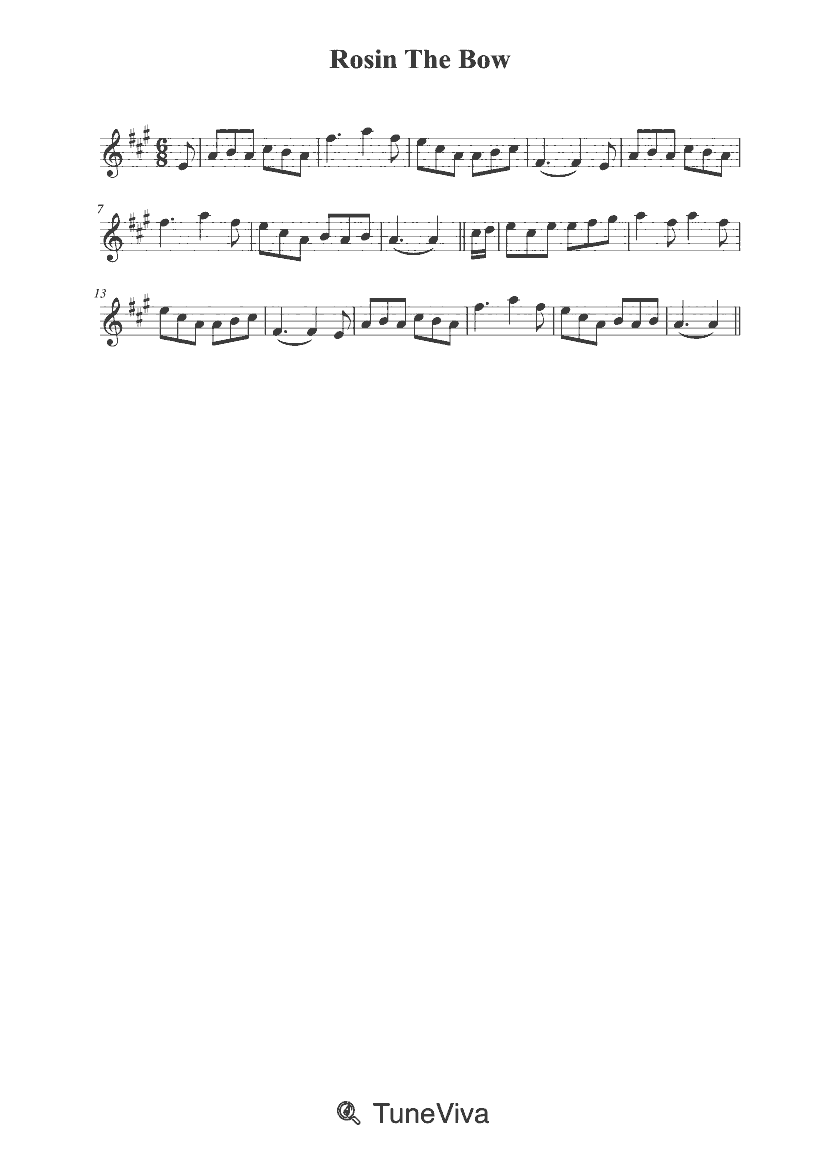
Misc tunes
12 sec · Score #150147
Open score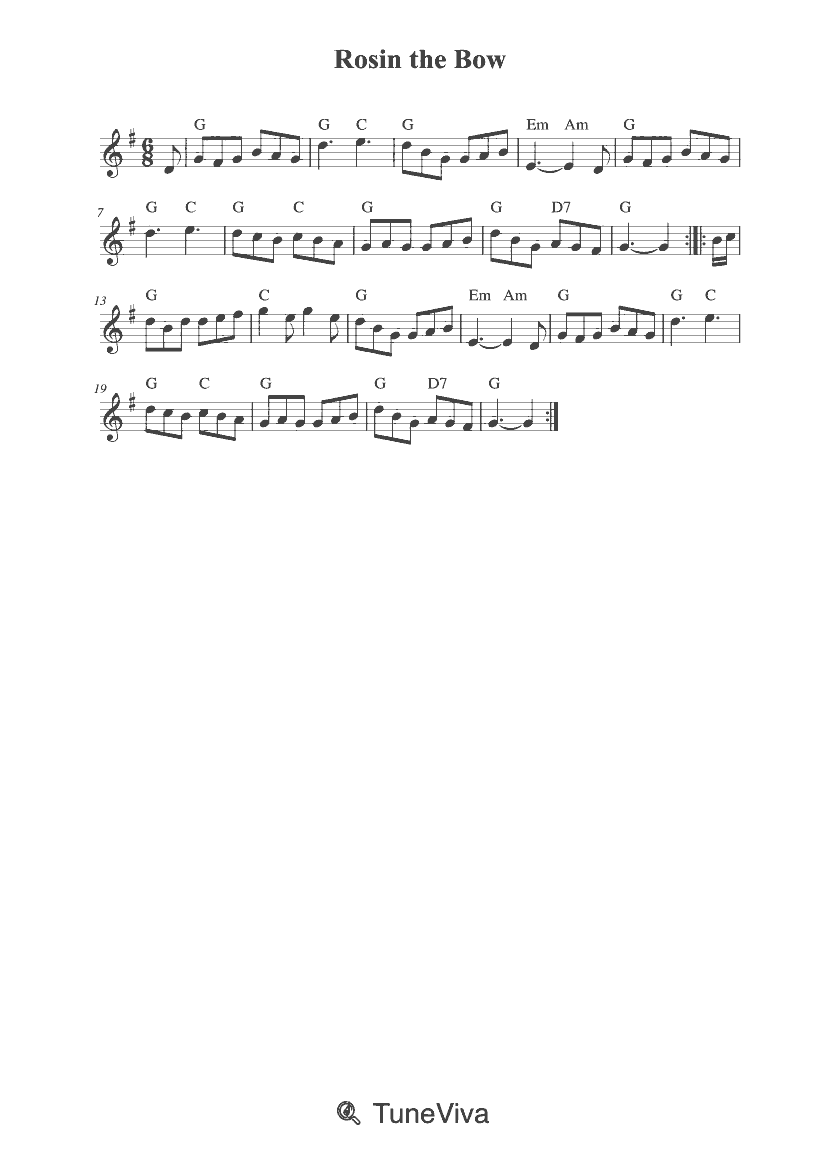
Misc tunes
30 sec · Score #219322
Open score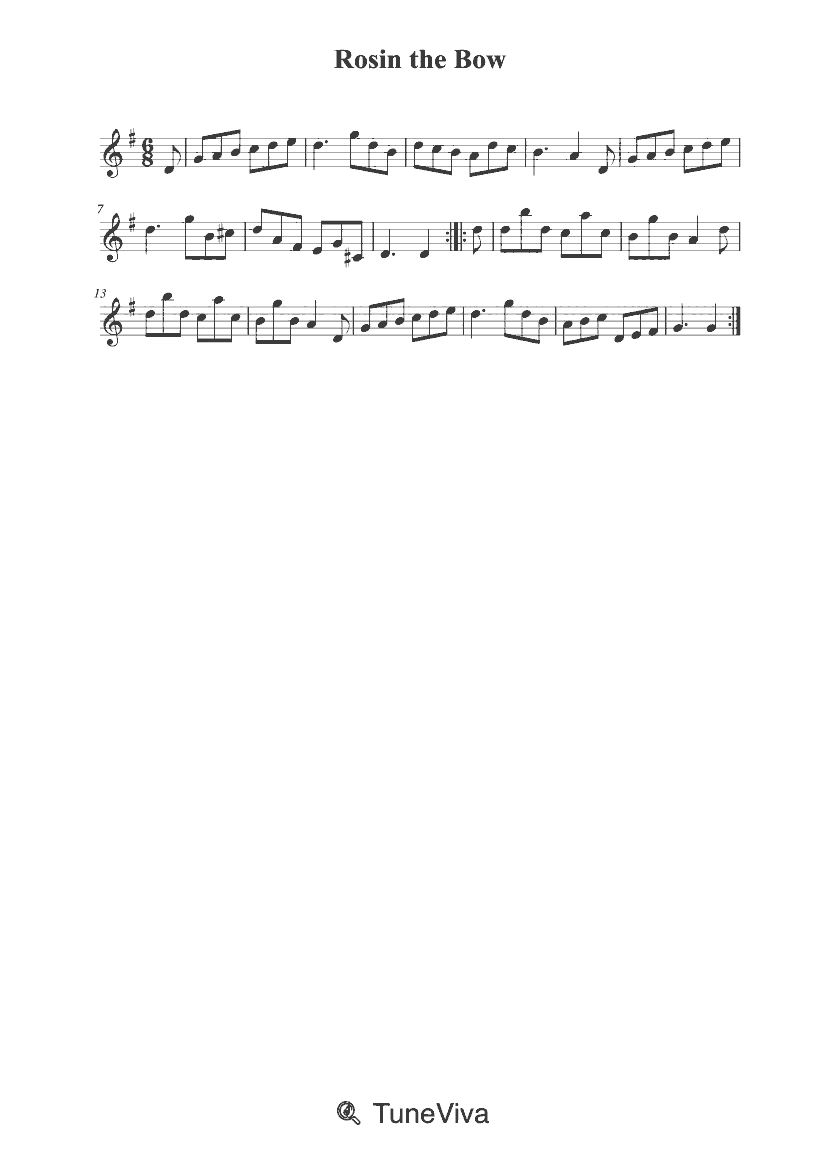
Misc tunes
24 sec · Score #3512
Open score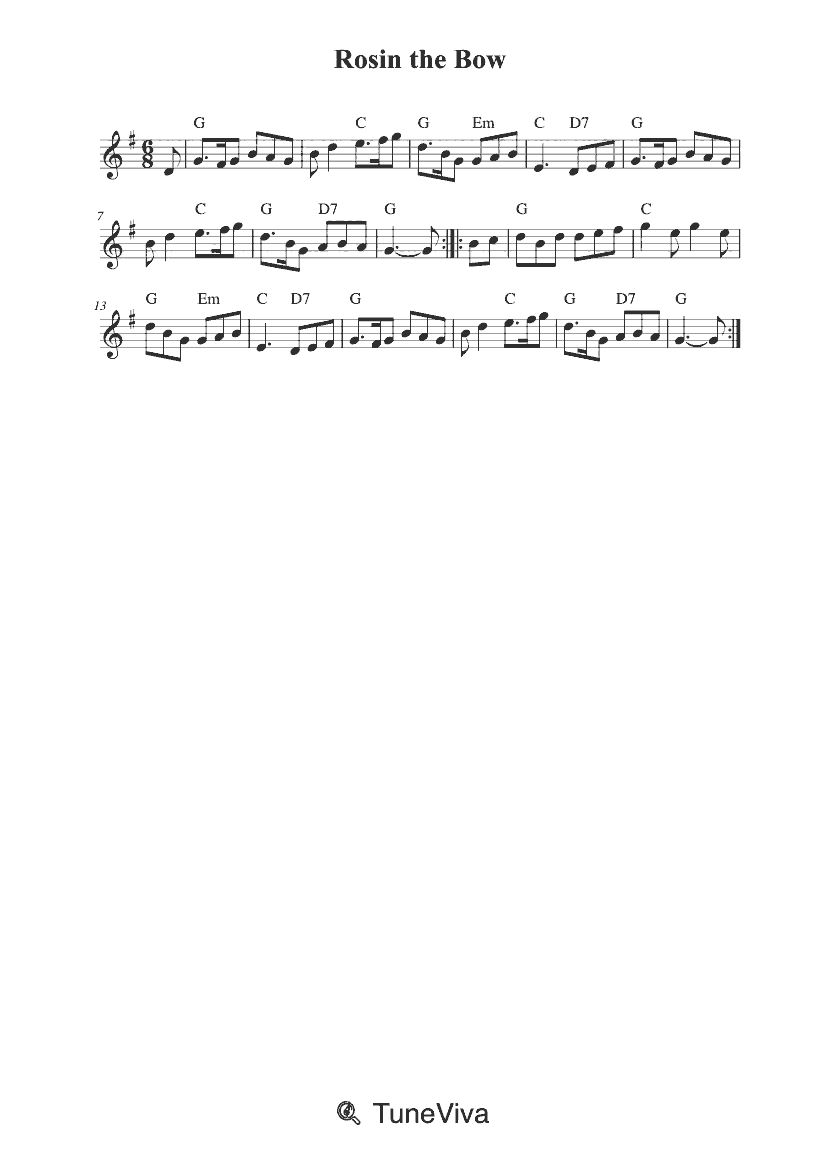
Misc tunes
24 sec · Score #50987
Open score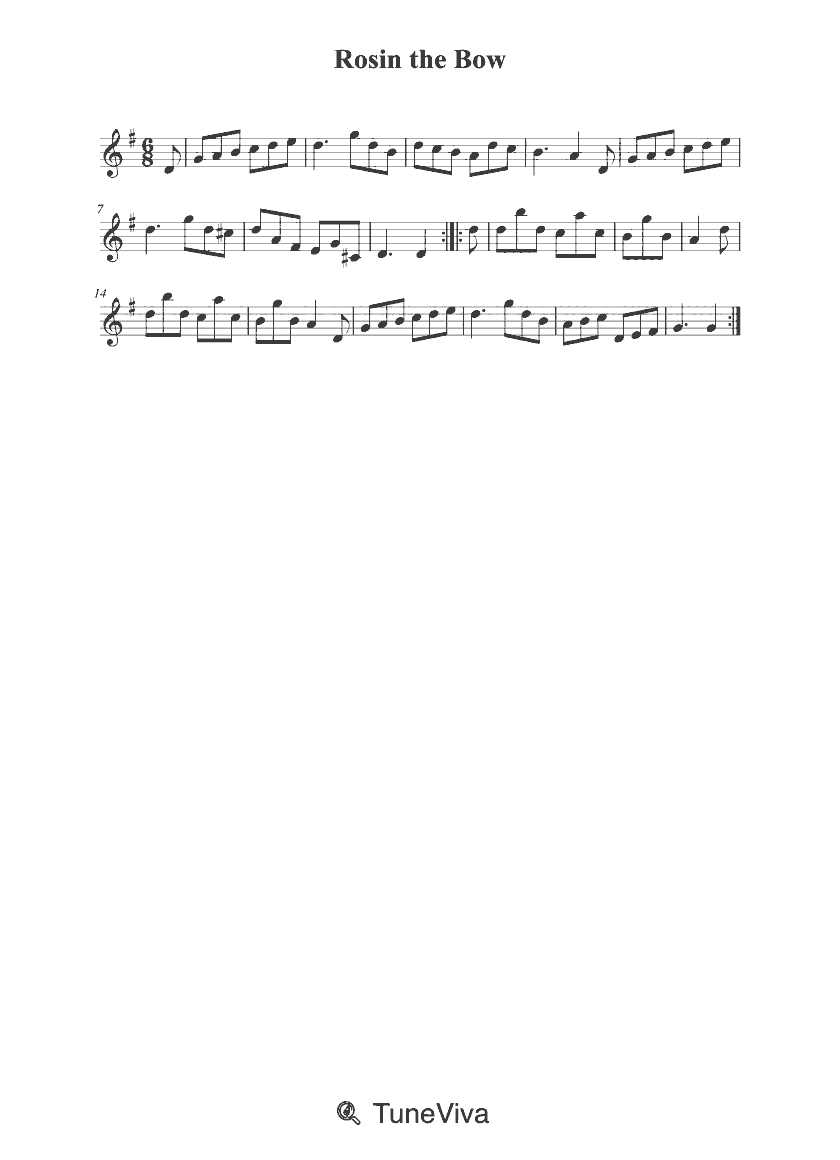
Misc tunes
24 sec · Score #194637
Open score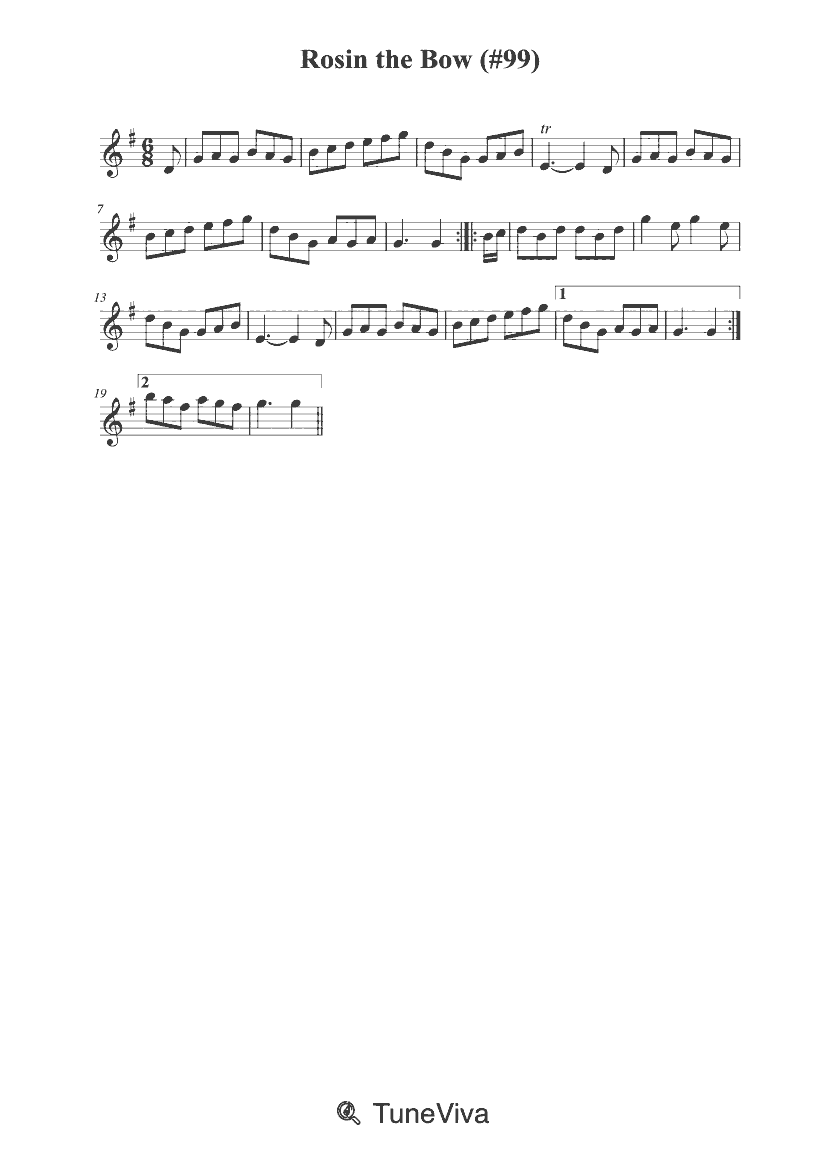
Misc tunes
24 sec
Open score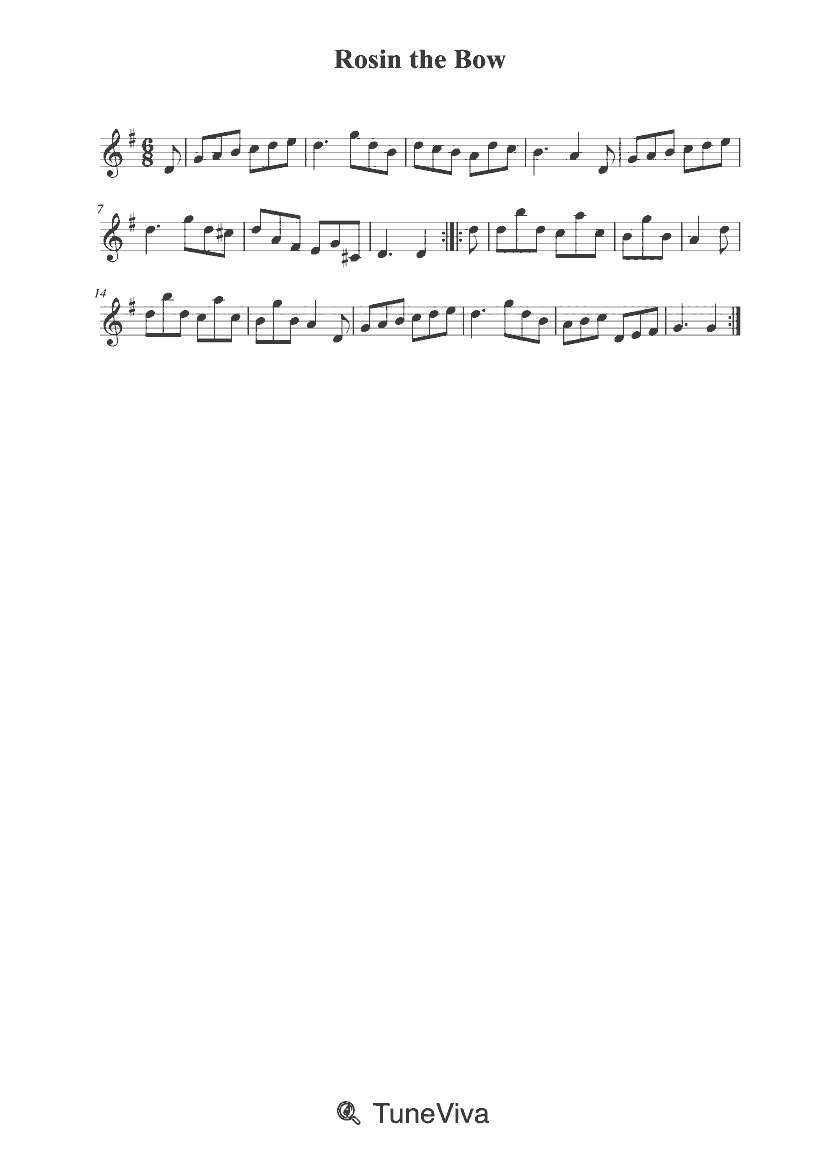
Misc tunes
24 sec · Score #66998
Open score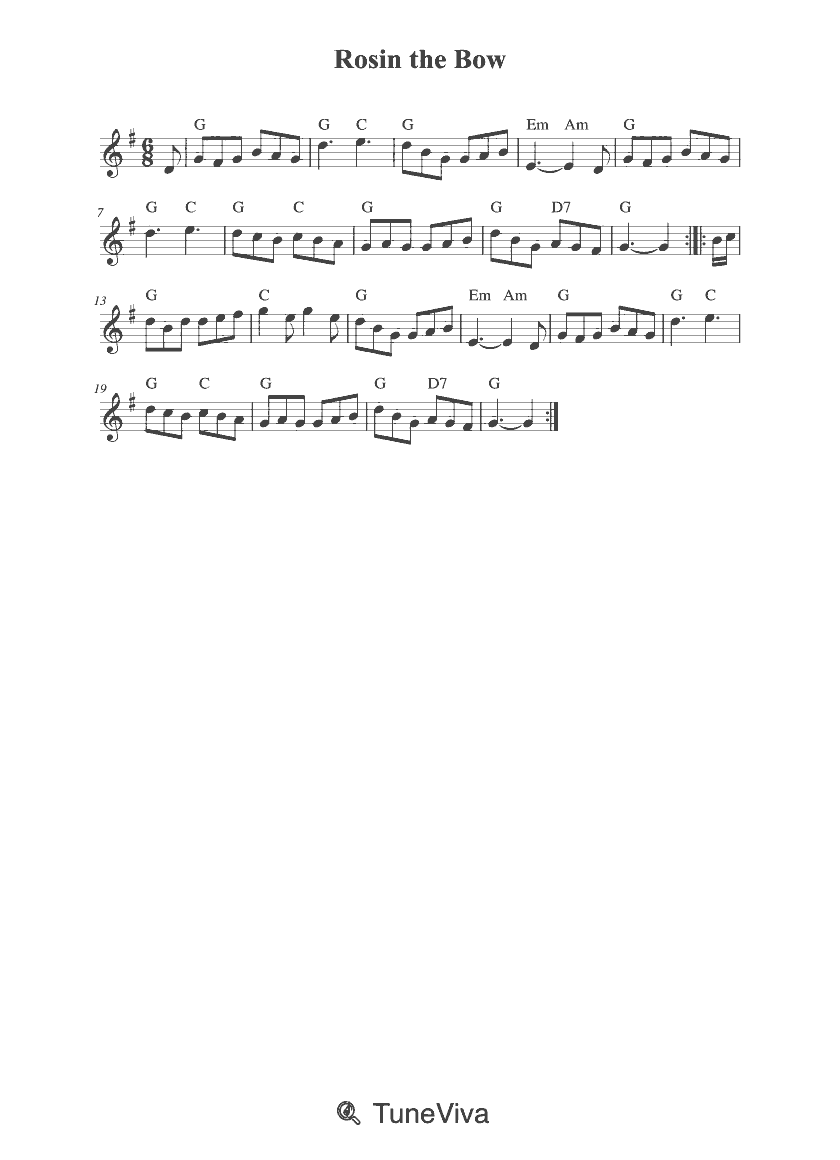
Misc tunes
30 sec · Score #143994
Open score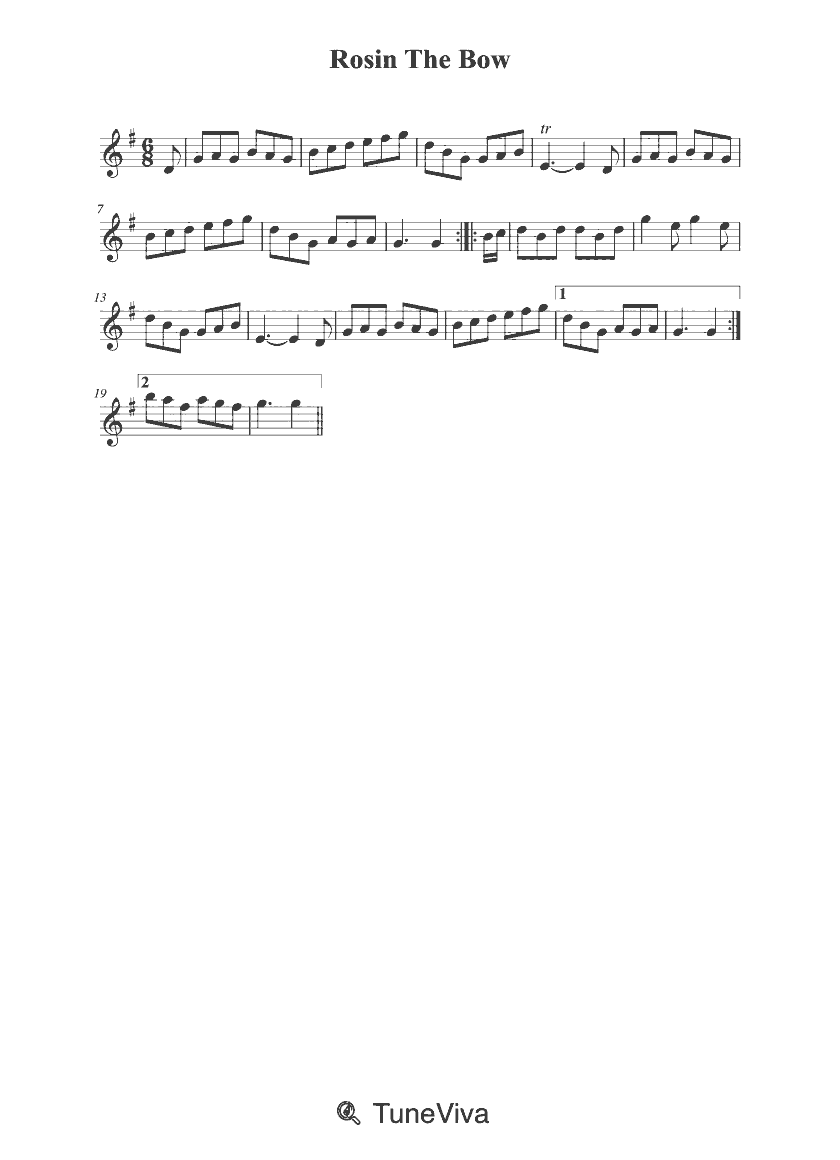
Misc tunes
24 sec · Score #151112
Open score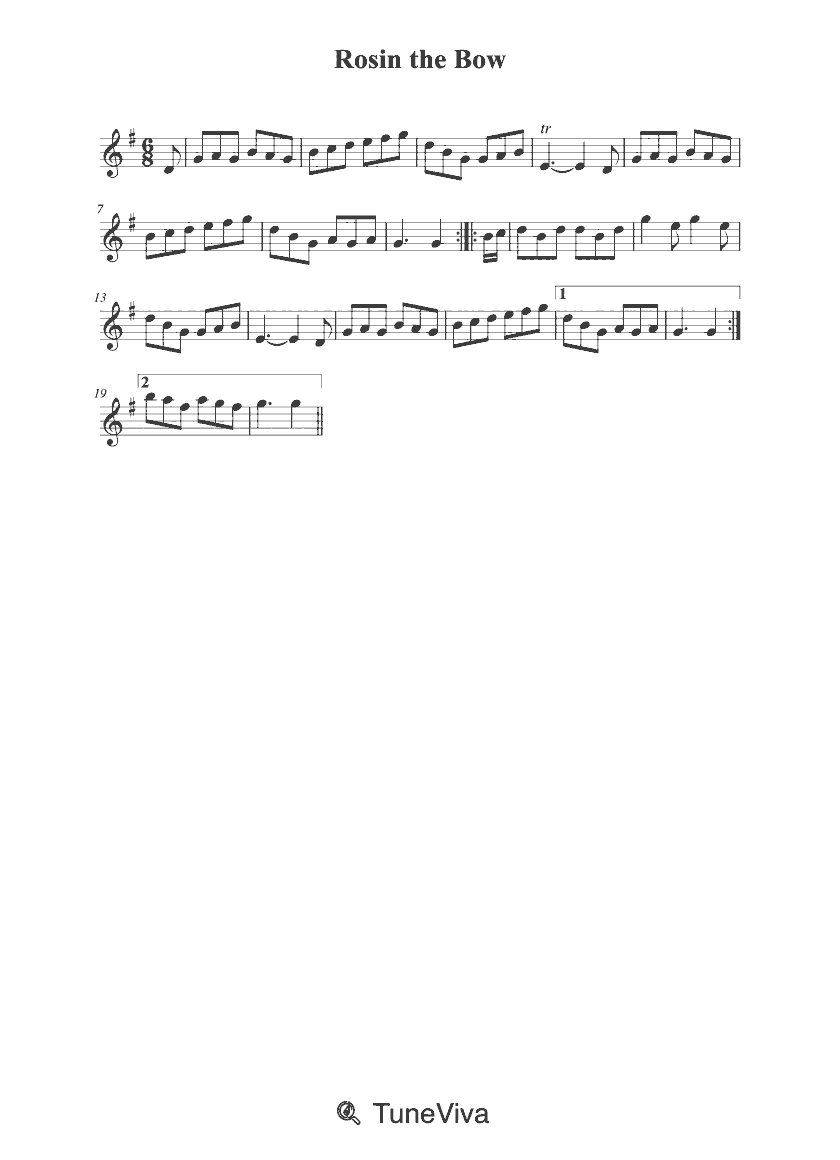
Misc tunes
24 sec · Score #156692
Open scoreThe score entries for Rosin The Bow differ in useful practical details. One version gives no composer name and an opening key of A major; the other two credit “Trad.”, begin in G major, and show an opening tempo of 90 BPM. Treat these as starting points for choosing a version, then check the complete score for clef, range, and any later key or tempo changes.
All three available scores list 6/8 time. In 6/8 there are six eighth-note units in a bar, usually felt as two main beats each divided into three. That grouping can guide accent and articulation decisions, but the available scores do not prescribe one phrasing pattern for the piece.
Two scores credit “Trad.” and one gives no composer name. This supports describing the piece as traditionally credited in these versions, but it does not identify an author, date, region, or whether the title refers to a song, dance tune, or another kind of piece.
The available information does not identify instrumentation or difficulty. Before selecting a version, confirm that the clef and range suit your instrument, check whether the score presents a complete melody or an arrangement, and note whether the tempo marking applies only to the opening.
Catalogue duration 32 sec. Opening key signature: 1 sharp (G major). Opening time signature: 6/8. Opening tempo: 90 BPM.
Catalogue duration 32 sec. Opening key signature: 1 sharp (G major). Opening time signature: 6/8. Opening tempo: 90 BPM.
Catalogue duration 24 sec. Opening key signature: 3 sharps (A major). Opening time signature: 6/8.
The available score entries include three versions of Rosin The Bow. Two are titled “Traditional music - Rosin the Bow” and credit “Trad.”; one is titled simply “Rosin The Bow” and gives no composer name. All three list 6/8 time.
The available scores give different opening keys for Rosin The Bow: one begins in A major, with three sharps, and two begin in G major, with one sharp. These are opening key signatures only, so they do not show whether any version changes key later.
All three available scores for Rosin The Bow use 6/8 time. The signature means six eighth-note units per bar, normally grouped as two main beats of three; that compound grouping affects phrasing and articulation, but the scores do not require a single bowing or phrasing pattern.
Two of the available Rosin The Bow scores show an opening tempo of 90 BPM, while the third gives no opening tempo. These markings describe only the start of each score, so they do not establish a single accepted tempo for the piece.
Two available scores credit “Trad.” for Rosin The Bow, and one gives no composer name. That attribution describes how the piece is credited in these versions, but it does not identify an original author or date.
The available Rosin The Bow scores do not identify instrumentation. Players should check the clef, range, and any instrument indication in the score itself before assuming that a version is intended for a particular instrument.