classical
2 tracks
Thirty-two scores are filed under A. F. Myers, and together they amount to only about 16 minutes of music and 9,849 notated notes. That is roughly half a minute per entry, which tells you what they are: short gospel choruses built around a refrain, not extended anthems. Twenty-five of the entries carry lyrics.
The most-viewed title is The Birthday of Our King, followed by Sowing with Song and Prayer and Lovingly, Tenderly, Bring in the Lost Ones. Twenty-five scores sit at complexity index 0, six at index 1 and one at index 2, a wider spread than most composers in the catalogue manage. Nothing here is instrumental.
A. F. Myers was Augustus Franklin Myers, known as Gus, a gospel song composer and publisher rather than a church musician with a cathedral post. He was born on 18 October 1850 at Ashland, Ohio, and died at Toledo, Ohio, in 1902, where he was buried in Woodlawn Cemetery. The hymnological record calls him 'Prof. A. F. Myers', and his songbooks were issued in Toledo by Willard W. Whitney.
Those books are the best record of his work. The Life Line appeared in 1892, The Search Light in 1894, The Seed Sower in 1897 and Bible School Songs in 1902. He also edited New Century Carols for the United Brethren Publishing House at Dayton in 1899, and it is that collection's introduction which styles him a popular composer and song writer.
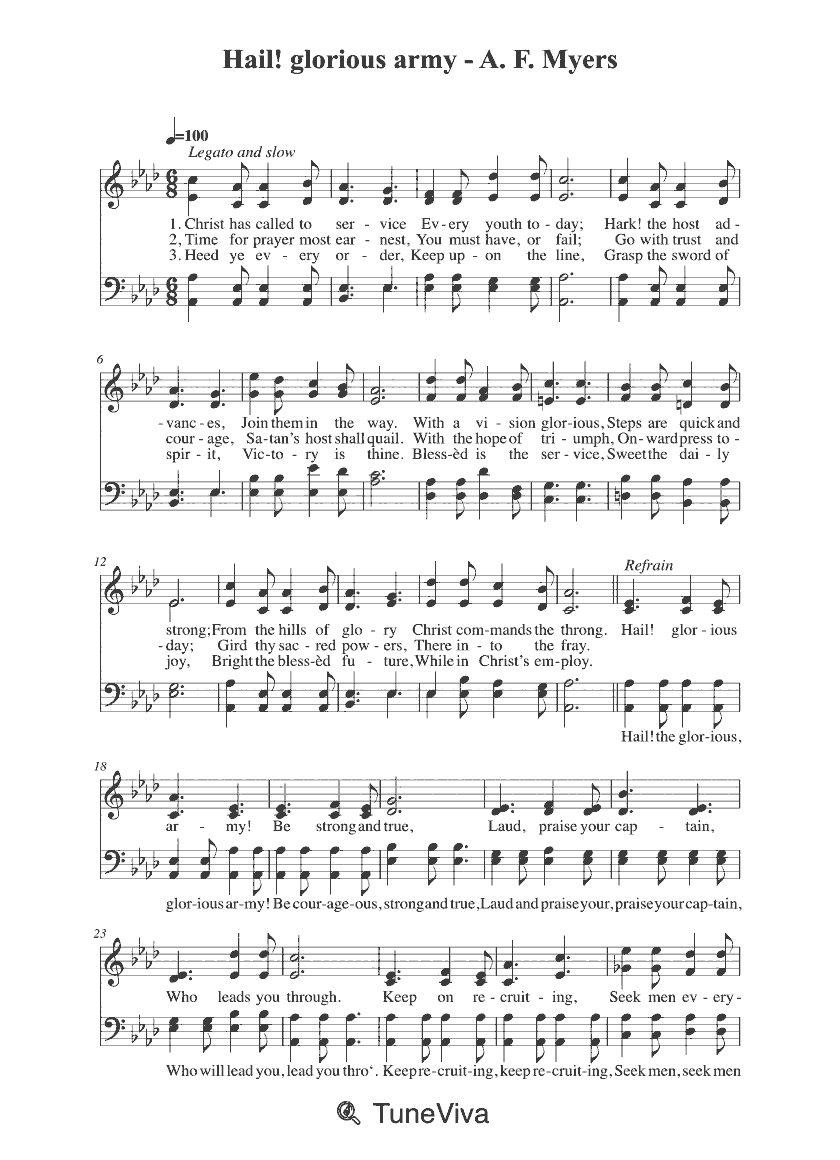
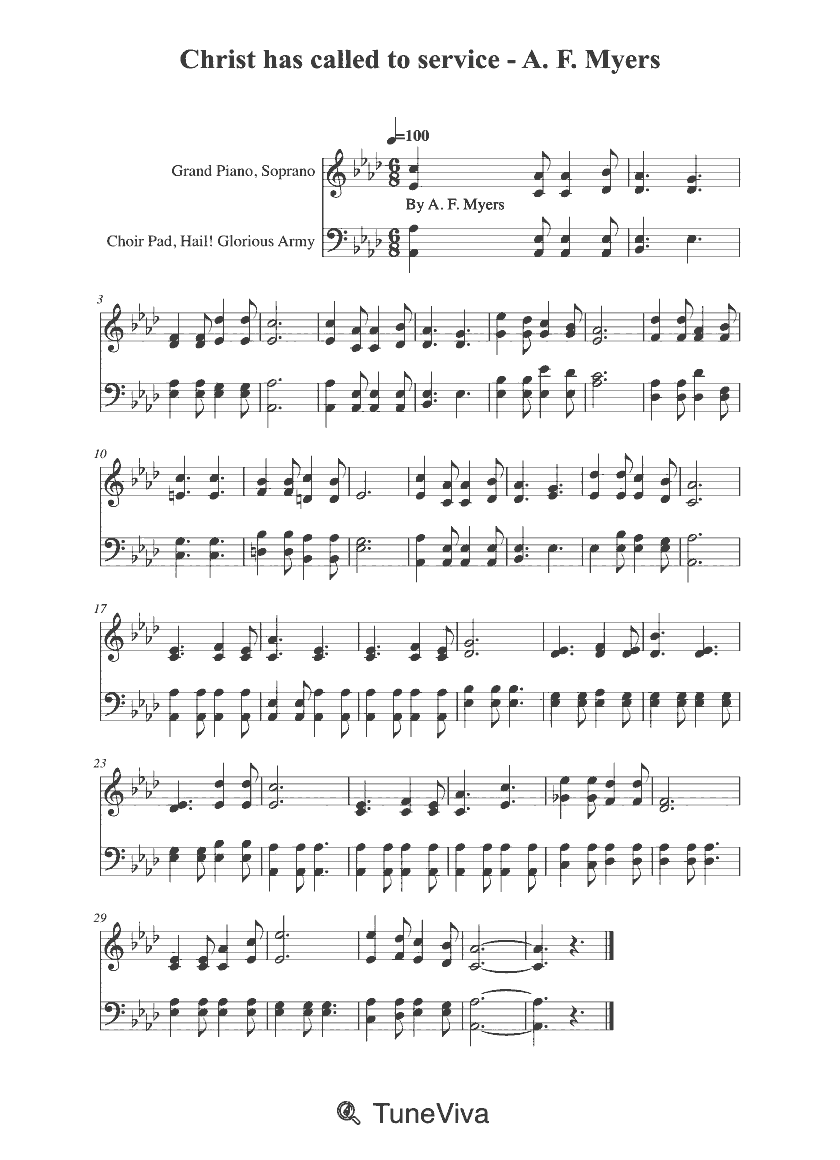
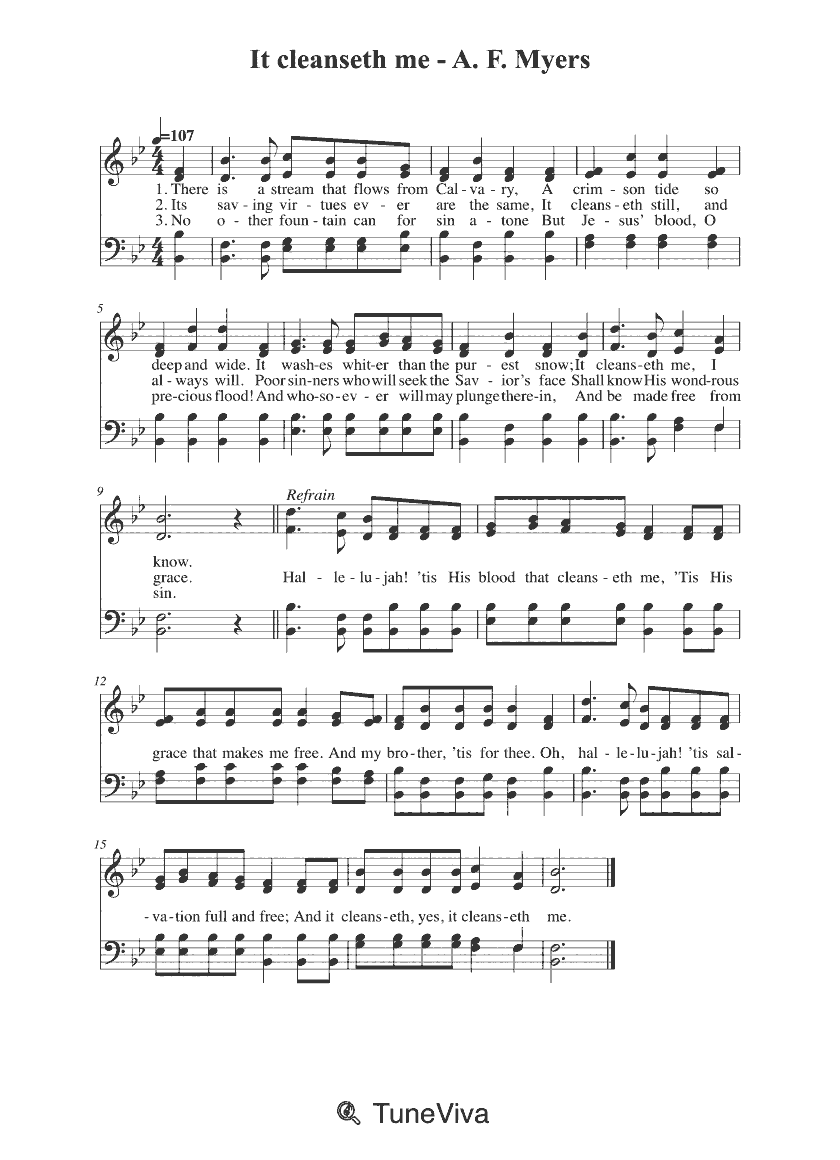
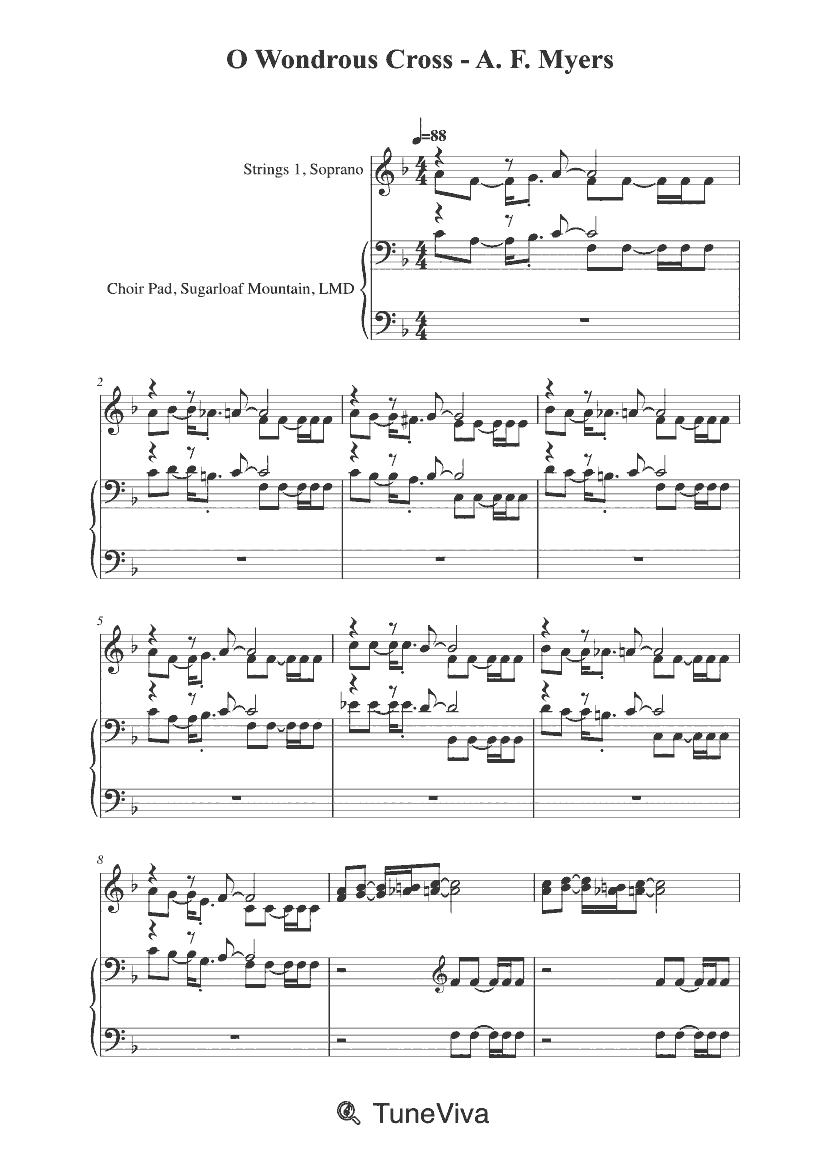
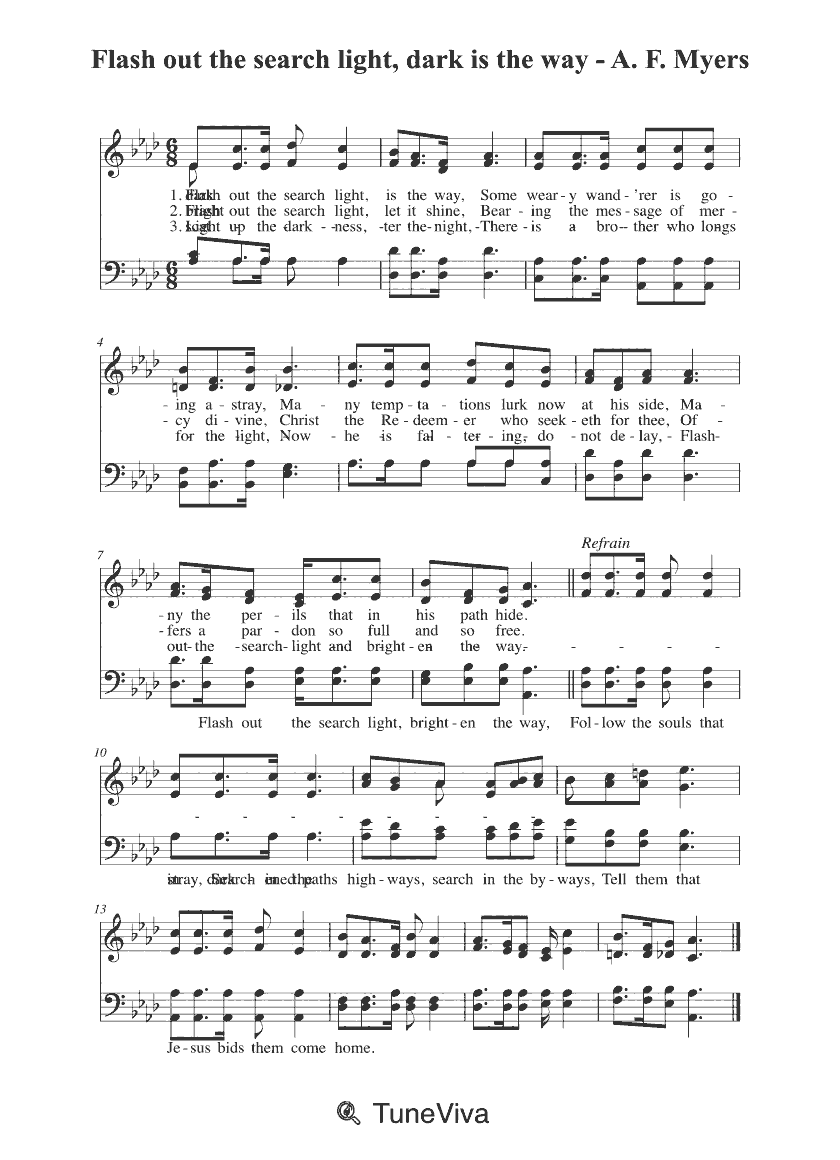
The catalogue reflects the books. Sowing with Song and Prayer comes from The Seed Sower, and Flash Out the Search Light from The Search Light. O Wondrous Cross sets a text beginning 'Upon the cross my Savior died' and was printed in The Search Light. Hail! Glorious Army and Christ Has Called to Service are not two hymns but one: 'Christ has called to service' is the opening line and 'Hail! glorious army' the refrain, and the two catalog entries preserve both titles. It Cleanseth Me uses a chorus by Myers over verses by F. L. Snyder.
Of the 32 entries, 25 carry lyrics and 25 sit at the easiest complexity index. The total running time is the shortest in this group by a wide margin.
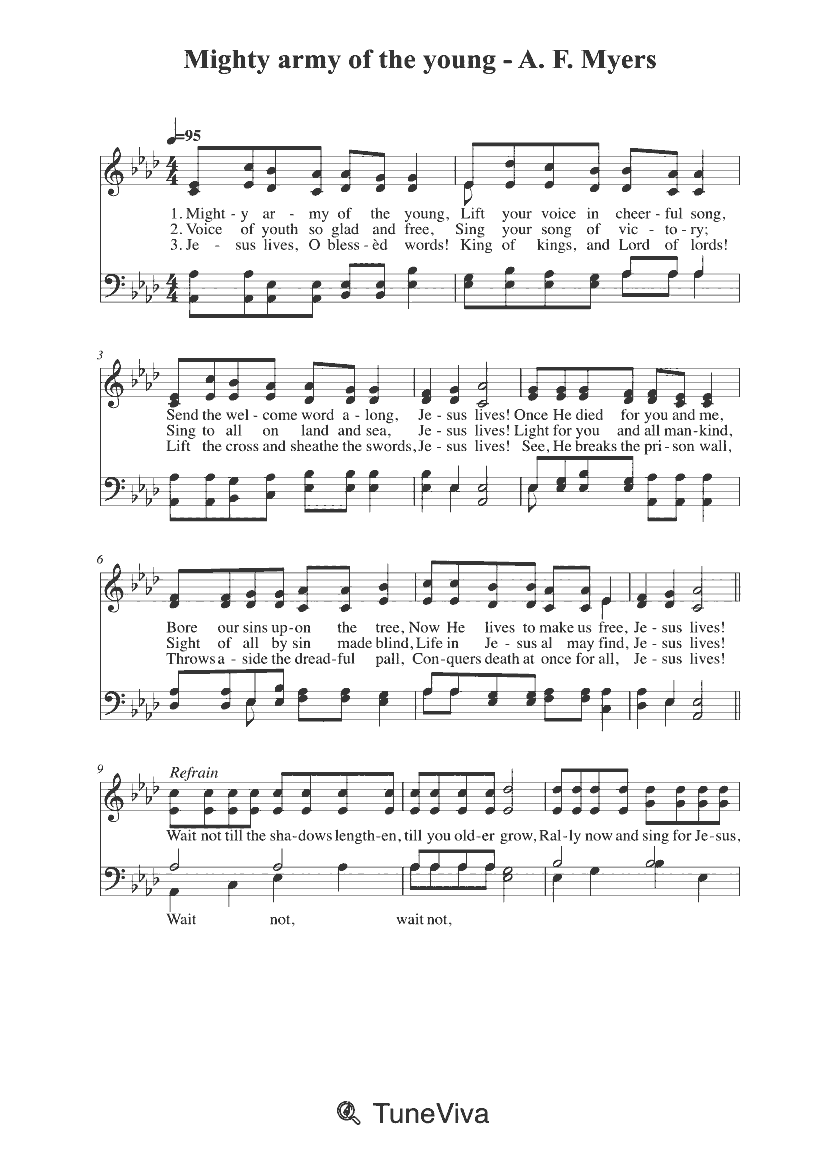
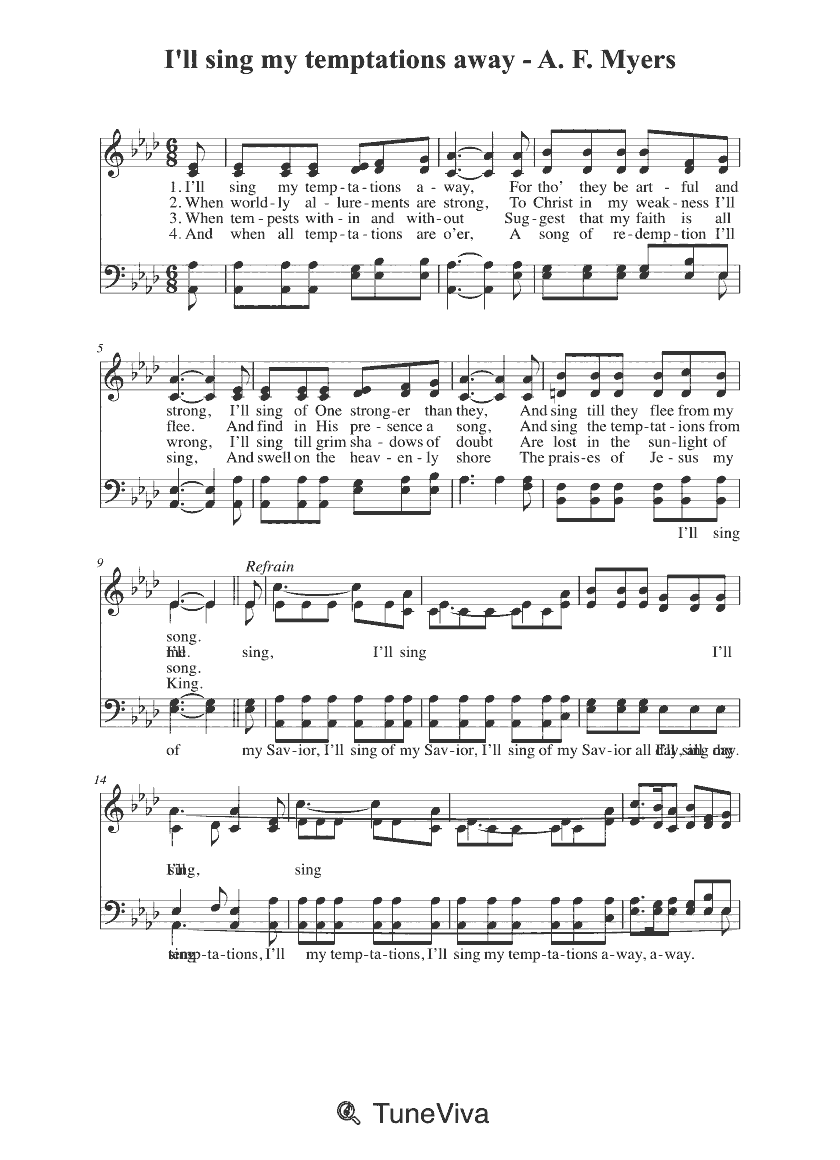
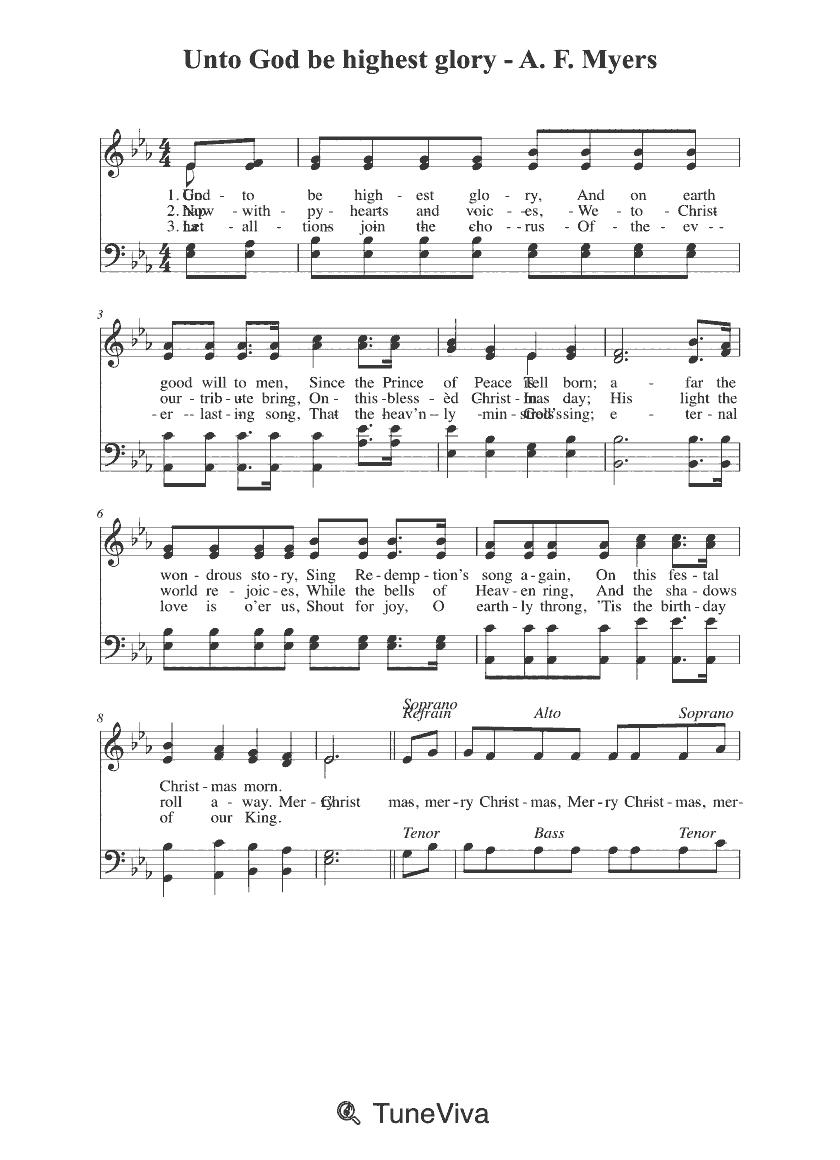
These are refrains, so learn the chorus first and let each verse point towards it. The writing is largely homophonic and four-square, meant for a congregation or a small choir with an organ or piano, so steadiness of tempo matters more than blend. Keep the repeated 'Hail! glorious army' refrain crisp rather than heavy, and do not slow the last line of a verse. Where a score is a single leaf, check whether the refrain is printed after every verse or once at the end before settling the performance order.
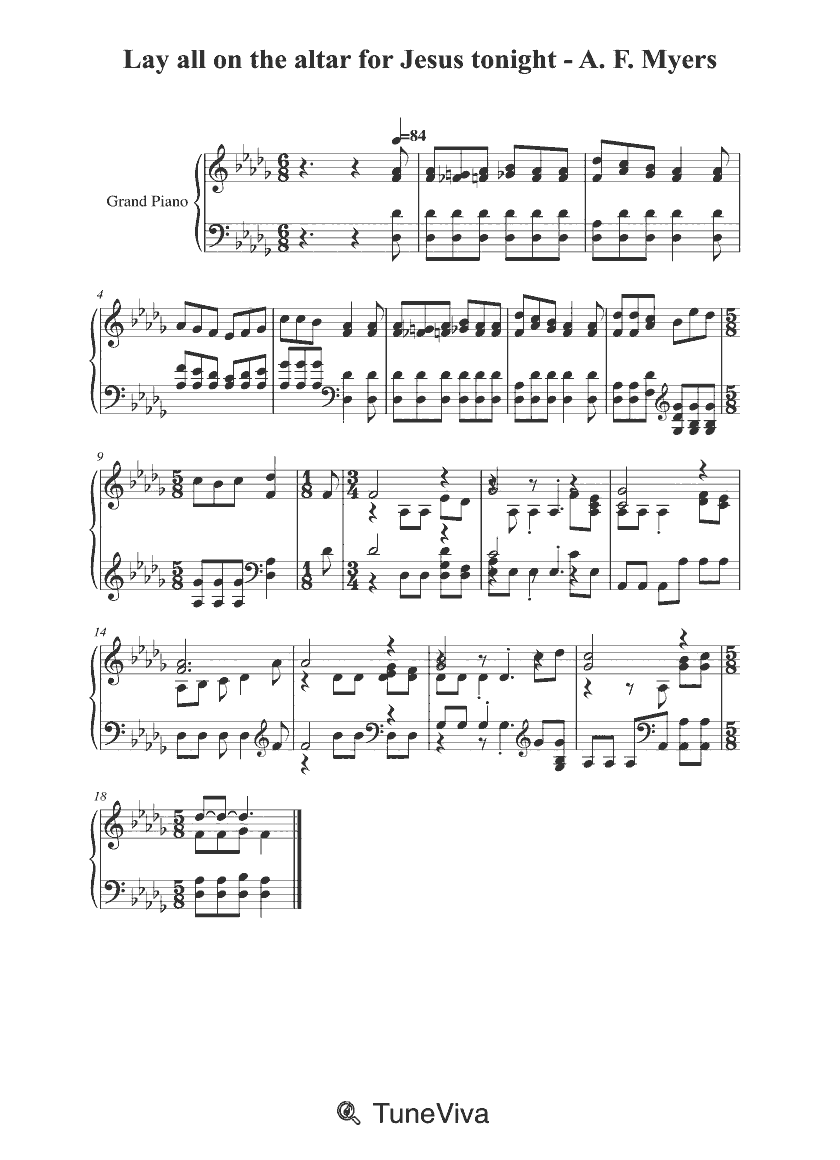
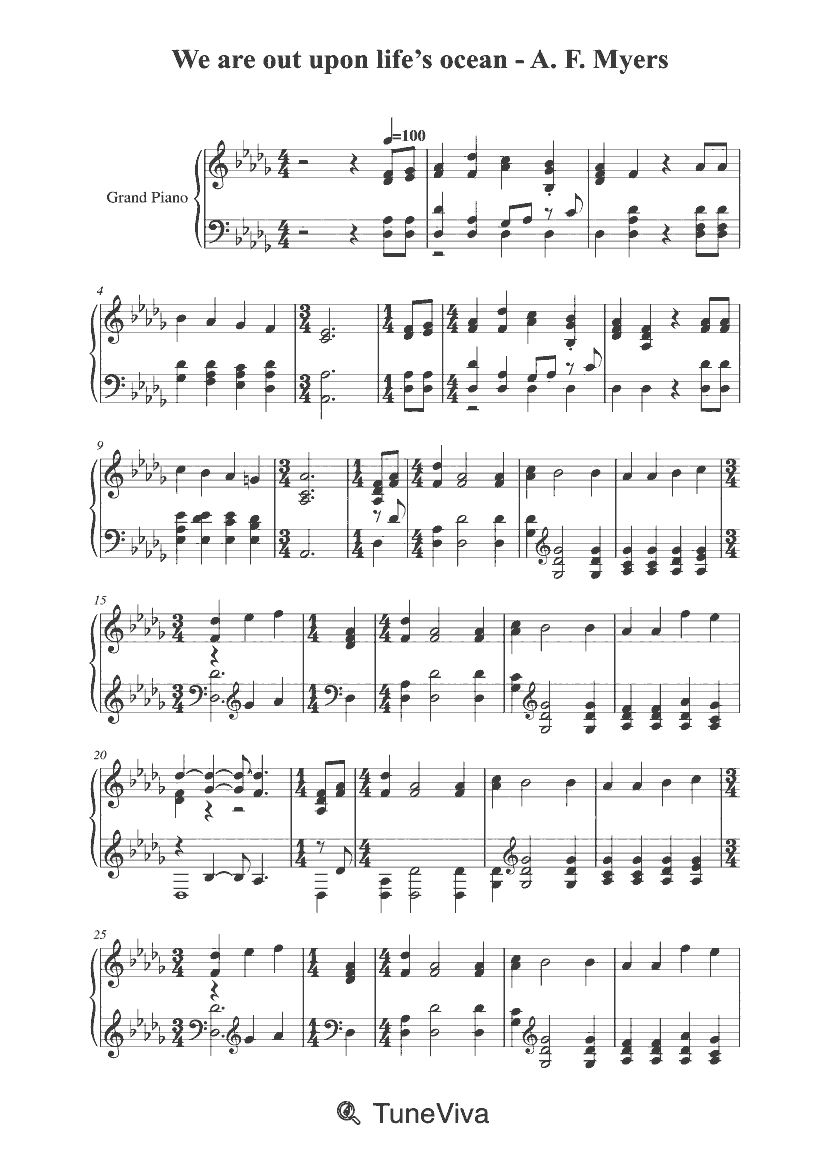
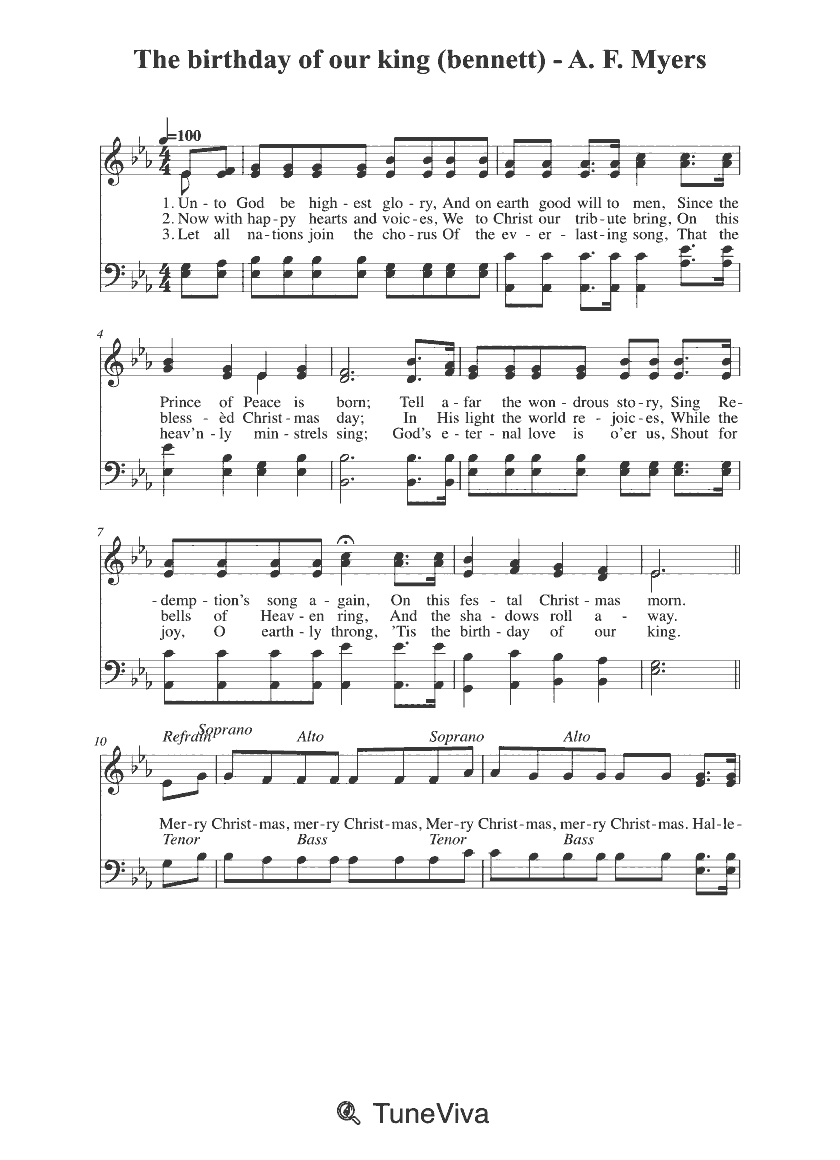
The most-viewed score on the page, a Christmas chorus; the '(bennett)' in the catalogue title is not explained on the file.
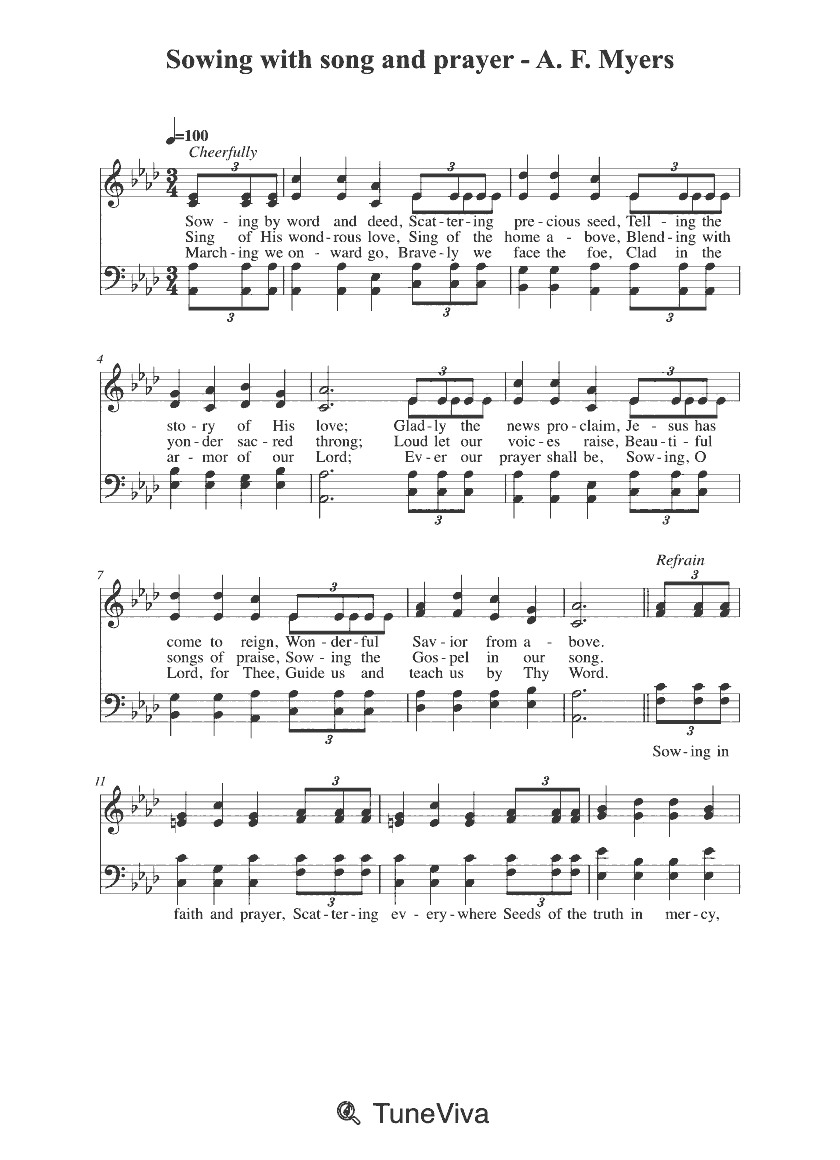
A sowing-and-reaping chorus from The Seed Sower (Toledo, 1897), the collection in which Myers's tune is first recorded.
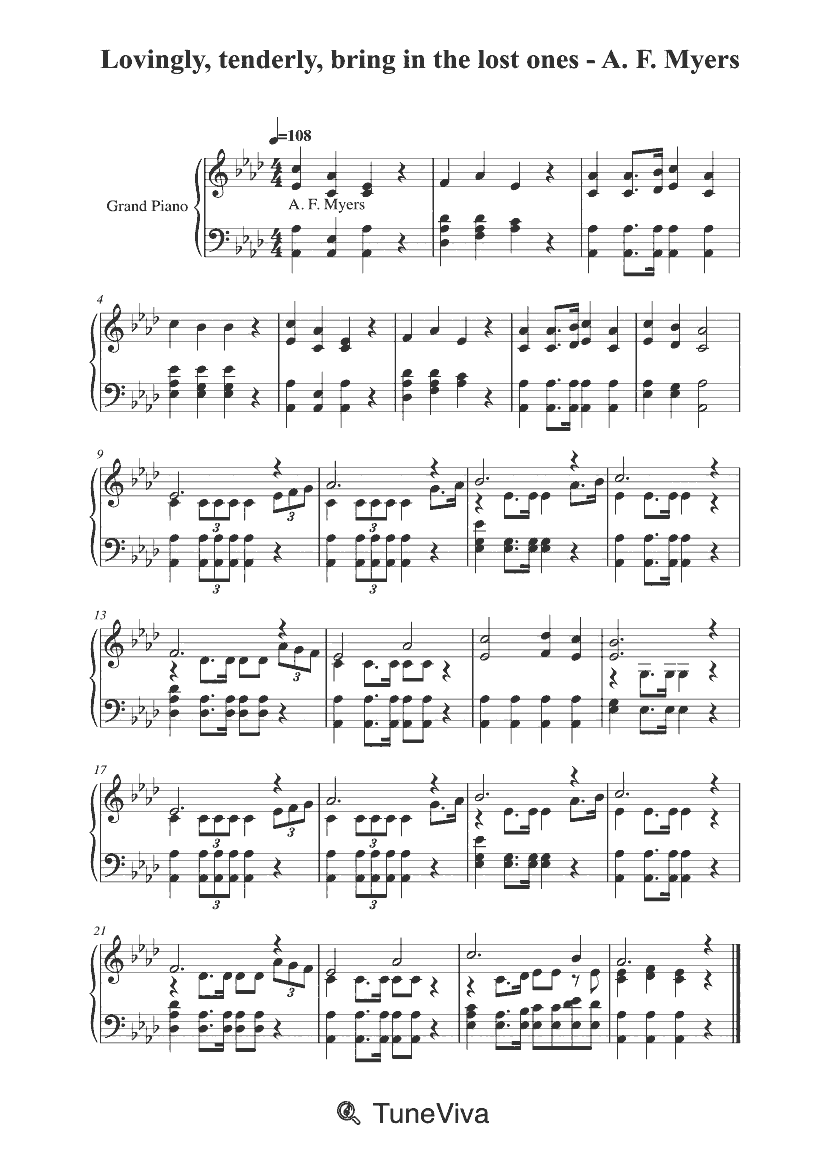
A rescue-mission refrain, one of the Gospel-song texts that dominate the collection.
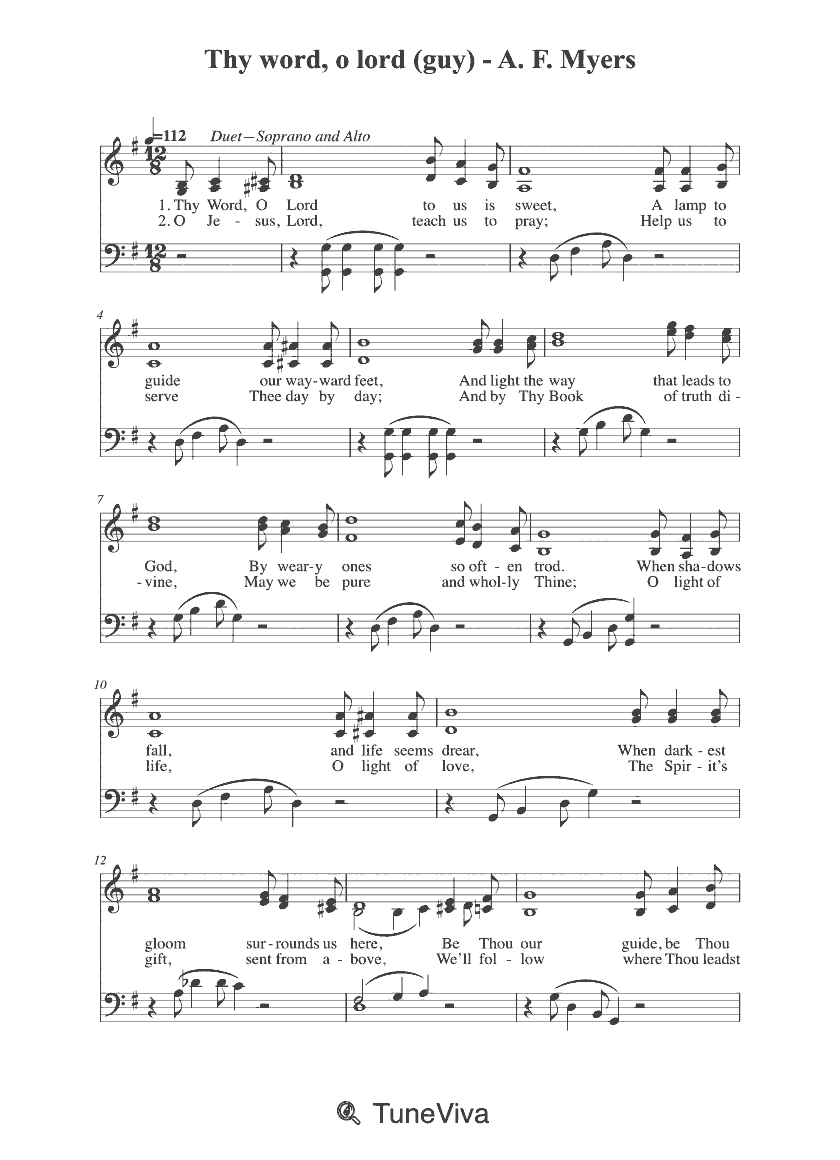
A short setting of a scripture text; the '(guy)' appended to the title is unexplained, and may name a lyricist.
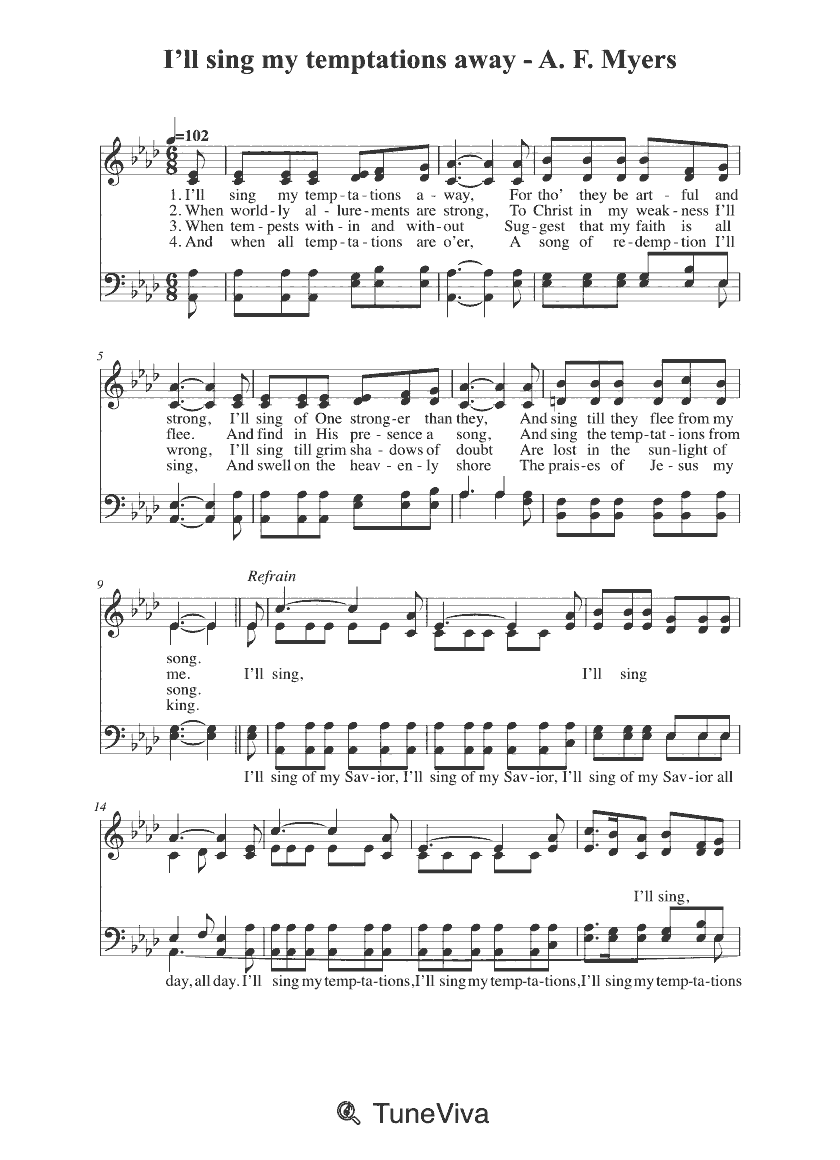
A refrain-led chorus in the cheerful idiom of the 1890s gospel songbooks.
An invitation chorus of the kind used to close a revival service.
The refrain title of the hymn whose first line is 'Christ has called to service'; the words are credited to M. A. Casey in New Century Carols (1899).
The same hymn as Hail! Glorious Army, filed under its opening line; the tune is marked in A-flat in the hymnals that carry it.
A chorus by Myers over verses by F. L. Snyder, beginning 'There is a stream that flows from Calvary'.
A communion hymn on 'Upon the cross my Savior died', printed in The Search Light (1894).
Thirty-two, running to about 16 minutes of music and 9,849 notated notes. Twenty-five of them include lyrics.
The hymnological sources identify him as Augustus Franklin Myers of Toledo, Ohio, known as Gus. The catalogue itself gives only the initials, so the identification comes from outside it.
Because they are. 'Christ has called to service' is the first line and 'Hail! glorious army' the refrain of one hymn, and both have been catalogued as separate scores.
In Myers's own Toledo songbooks, chiefly The Life Line (1892), The Search Light (1894) and The Seed Sower (1897), and in New Century Carols (1899), which he edited.
Catalog editions and arrangements attributed to A. F. Myers.