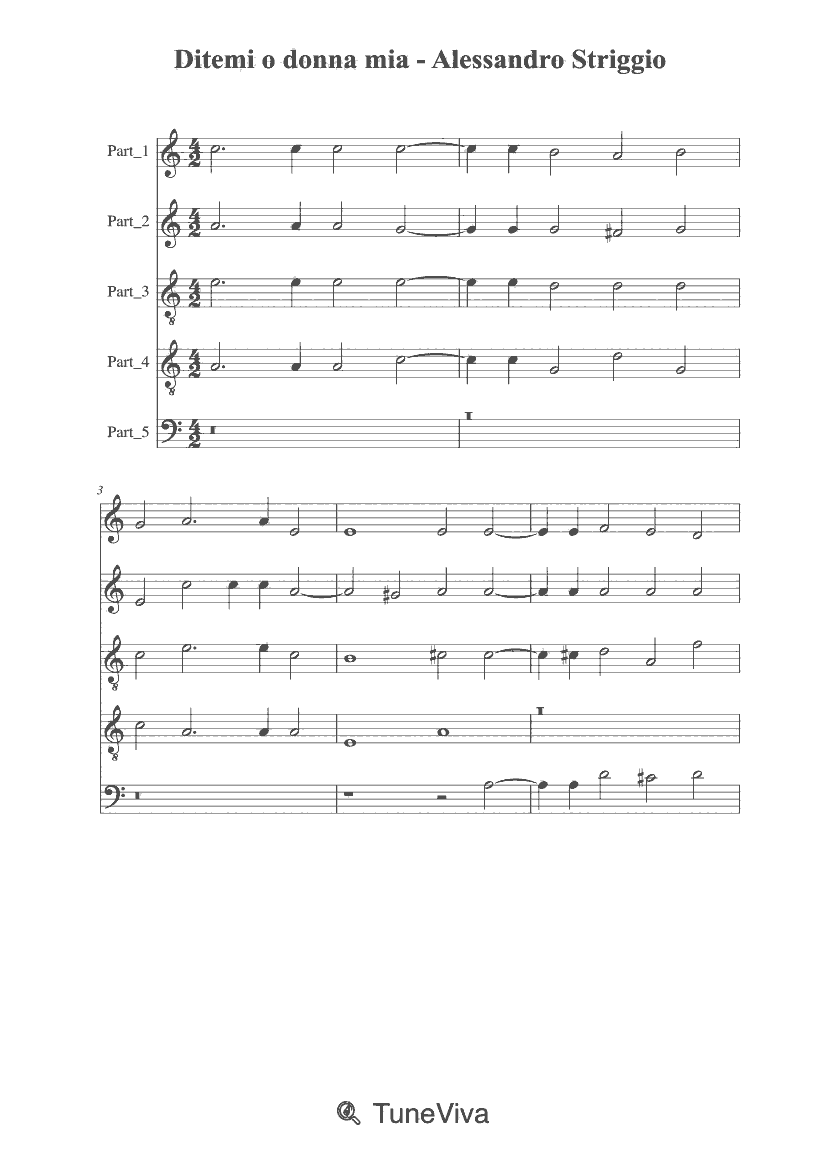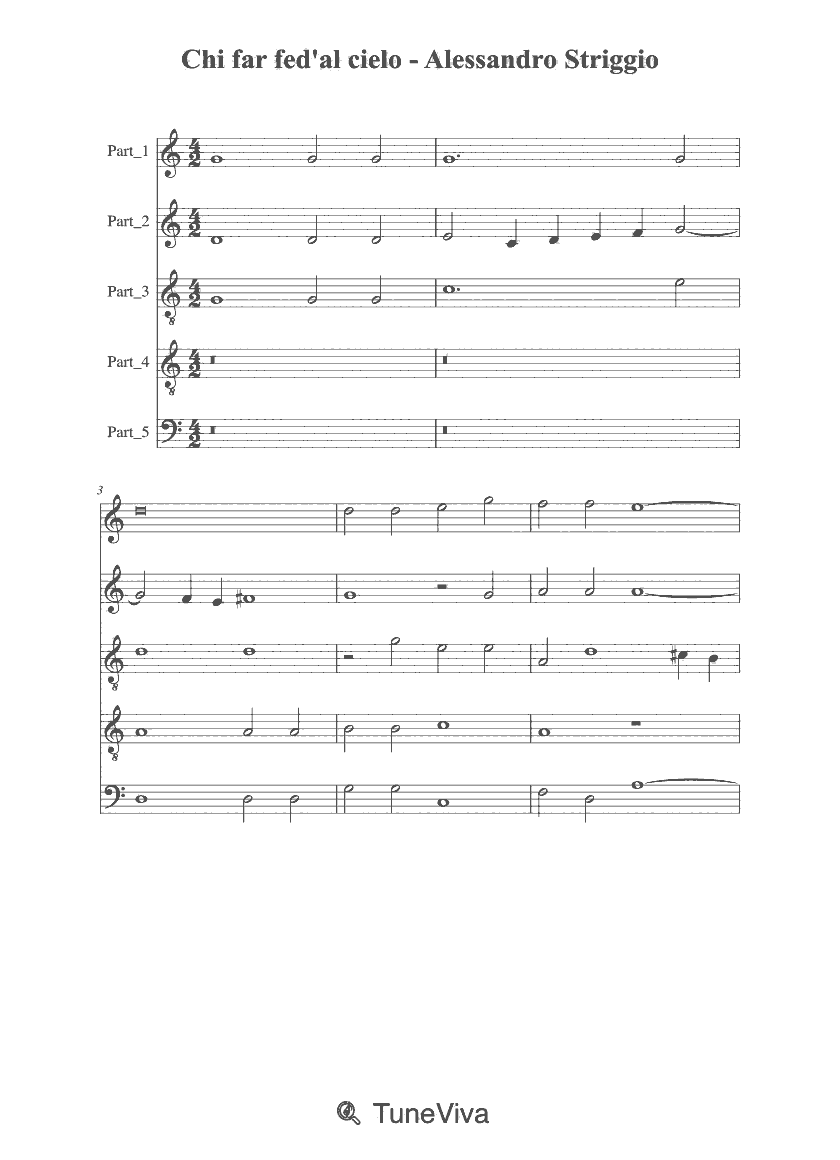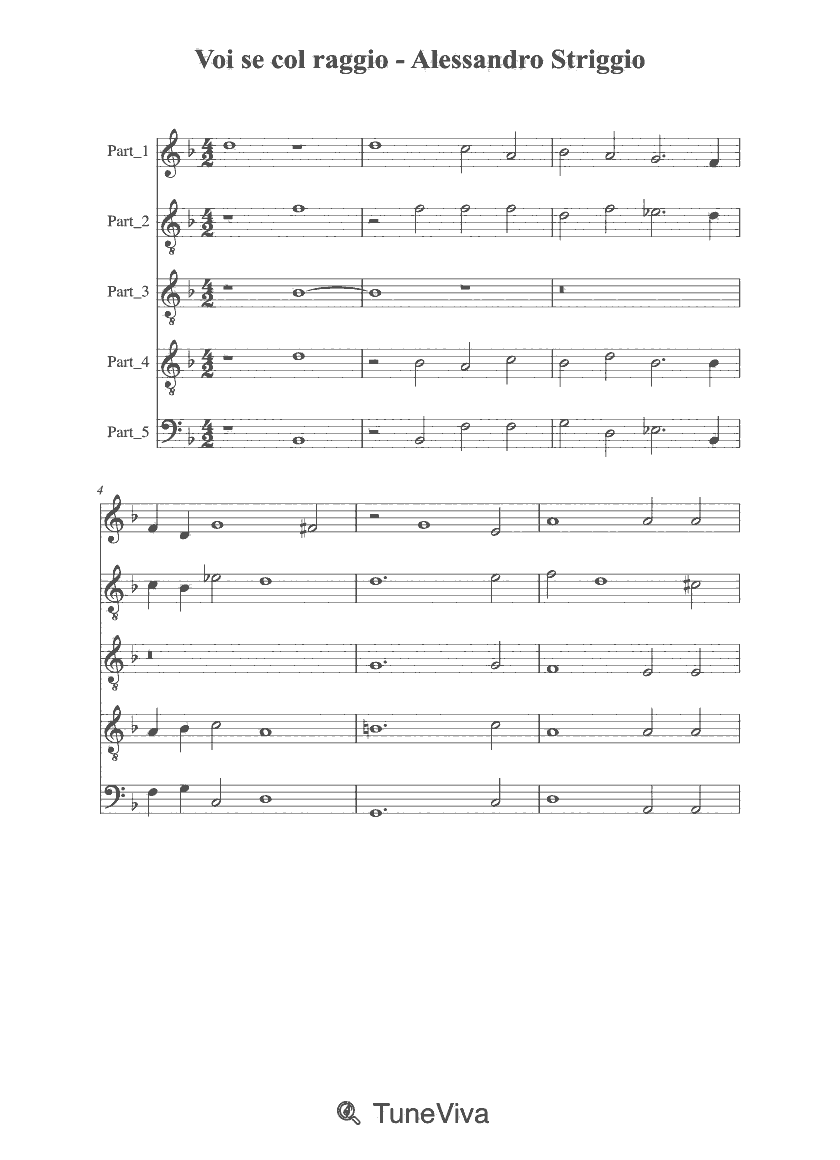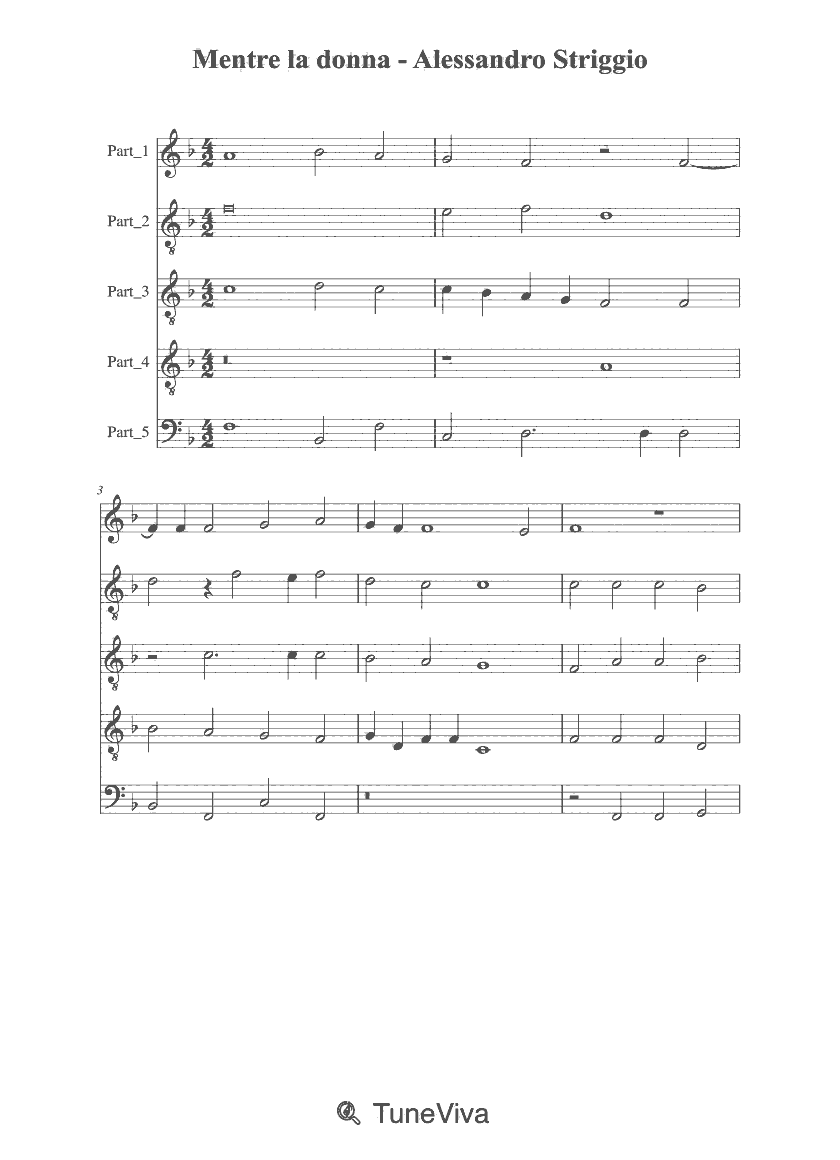
classical
6 tracks
Alessandro Striggio worked for the Medici in Florence and later for the Gonzaga in Mantua, and the catalogue is dominated by his secular output: 34 scores, about 270 minutes of music and 32,337 notated notes. Lyrics are recorded on only four files, even though nearly everything he published was vocal.
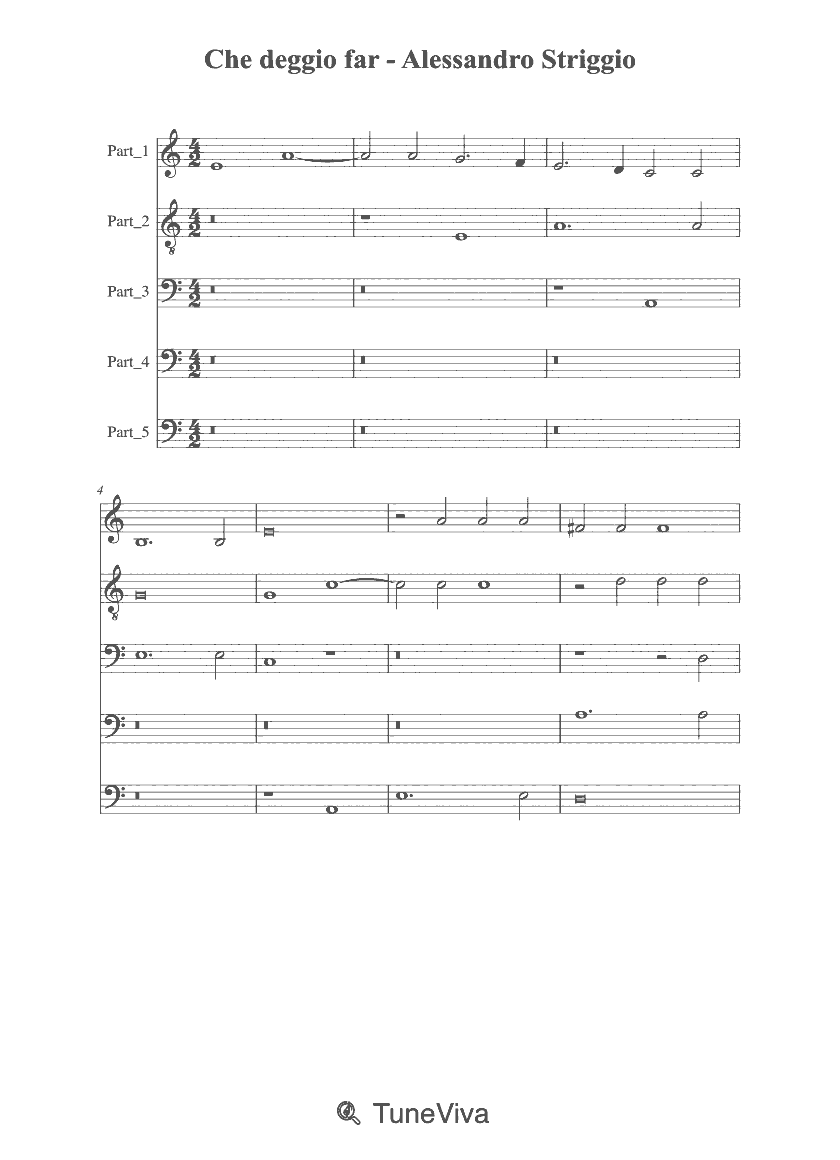
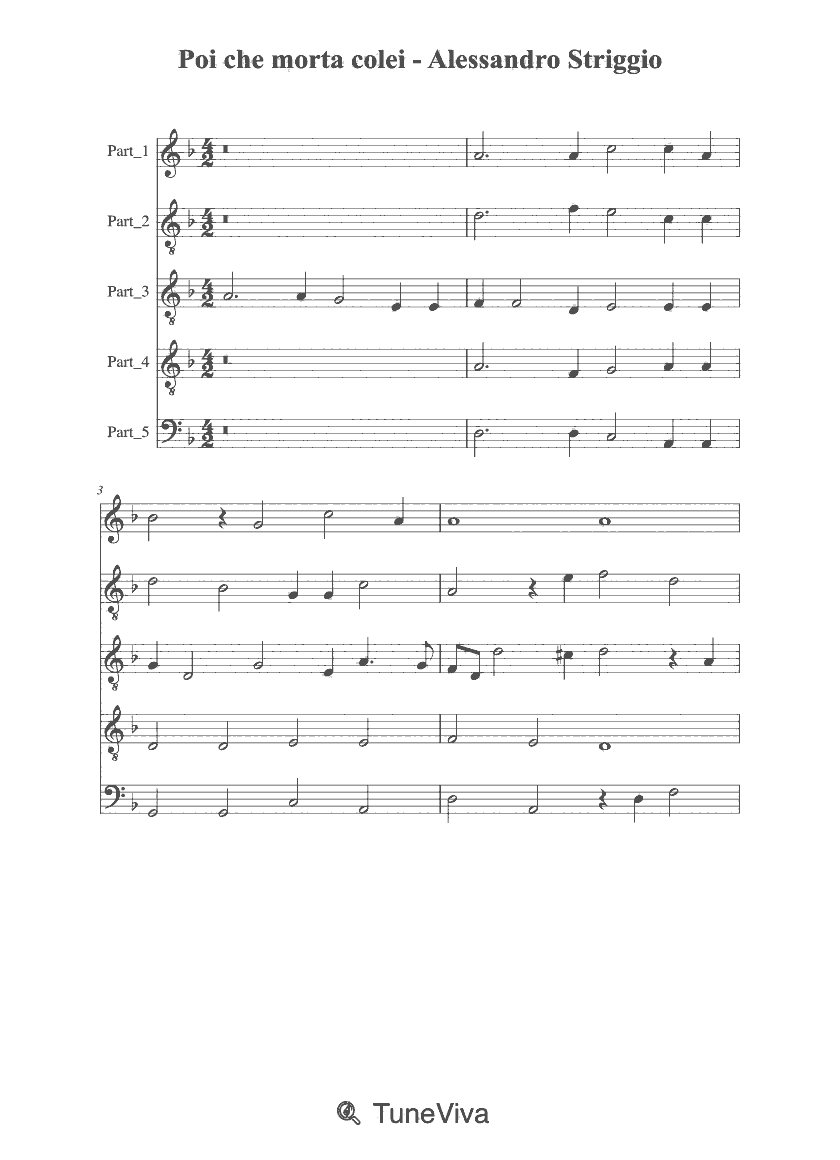
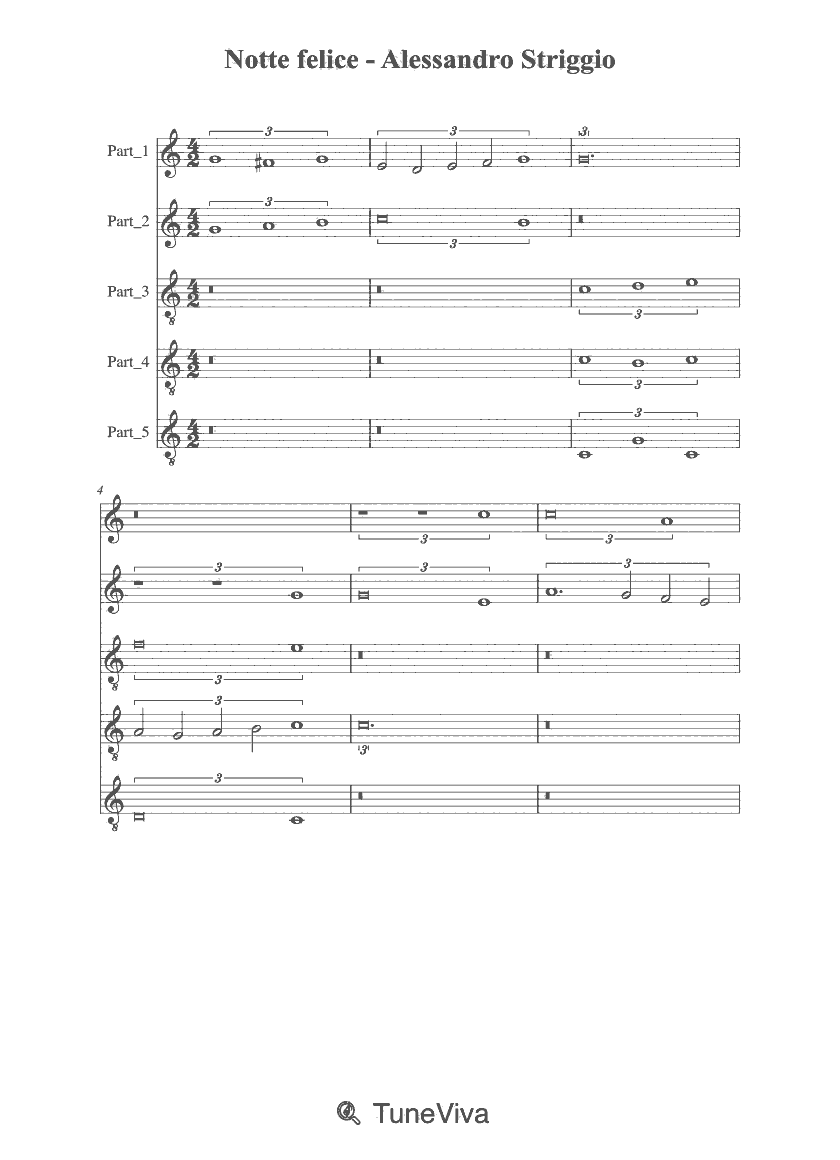
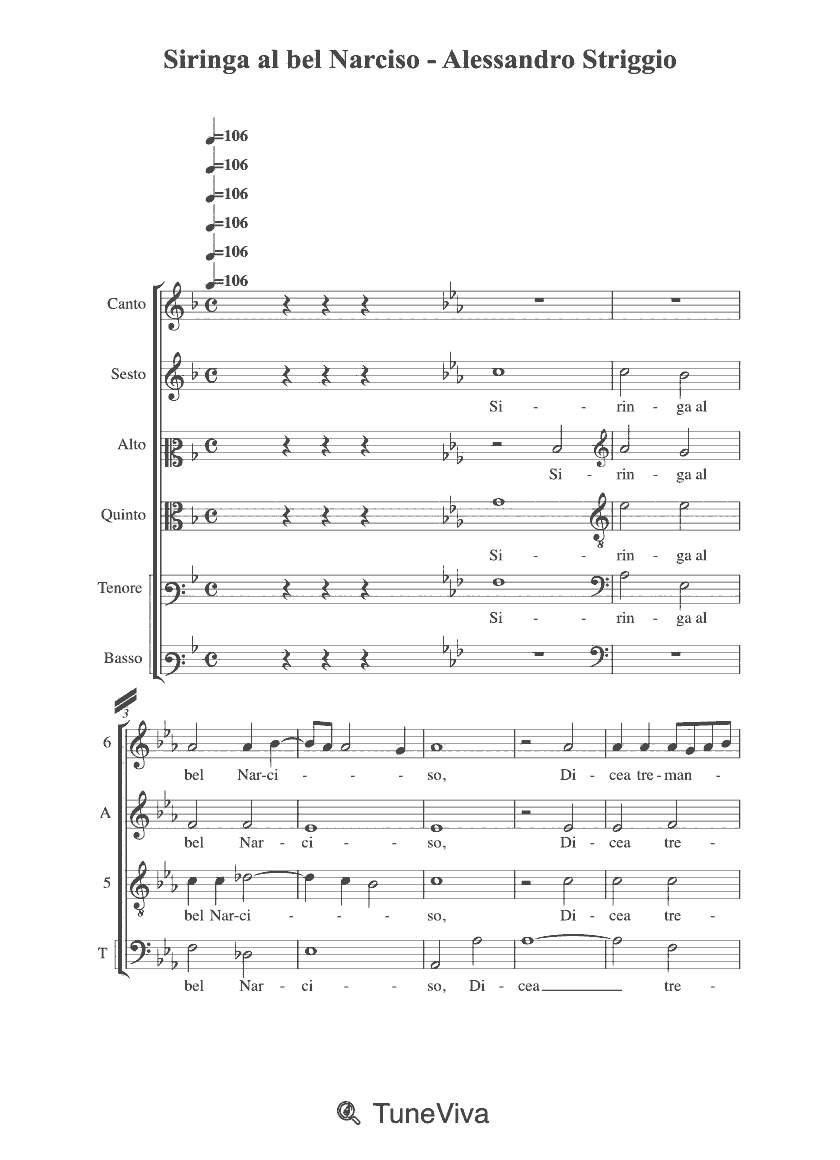
Siringa al bel Narciso leads with 38 views, followed by Caro dolce ben mio on 35 and Nasce la pena mia on 18. Around them are madrigals from the first book for five voices, a six-voice setting from 1570, and a piece printed in the 1594 anthology Il bon bacio.
Striggio was born in Mantua around 1536 or 1537 and by 1 March 1559 was a musician at the Medici court in Florence. He visited Venice in 1560 and published two books of madrigals in response to what he heard there. In 1567 the Medici sent him to England, possibly with the music for his forty-voice motet Ecce beatam lucem, performed at Munich in 1568. Thomas Tallis's Spem in alium is often linked to that visit.
His largest work, the Missa sopra Ecco sì beato giorno, sets the Mass in forty parts and expands to sixty in the final Agnus Dei. Lost for centuries, it was identified by Davitt Moroney in 2005 and performed again at the Proms in 2007. Striggio also wrote Il cicalamento delle donne al bucato, one of the earliest madrigal comedies, and seven books of madrigals. He moved to Mantua in 1586 and died there on 29 February 1592. His son, also Alessandro, wrote the libretto of Monteverdi's Orfeo.
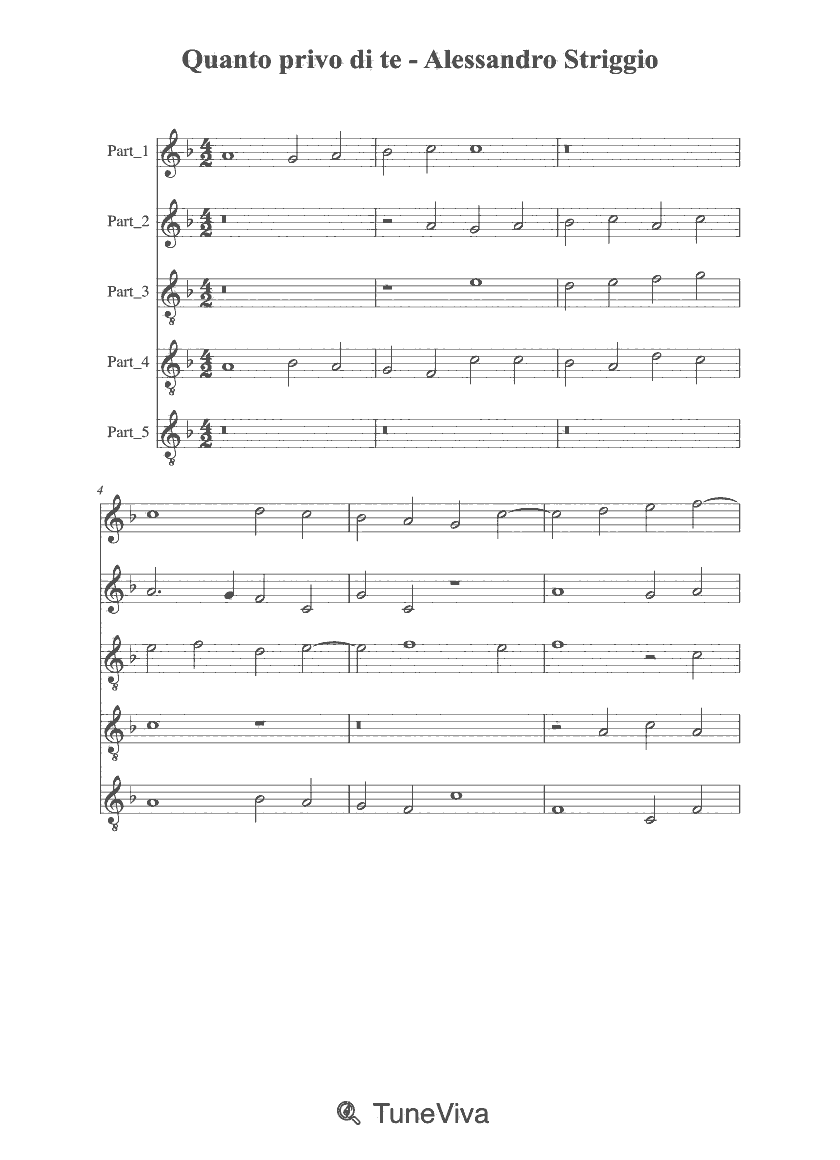
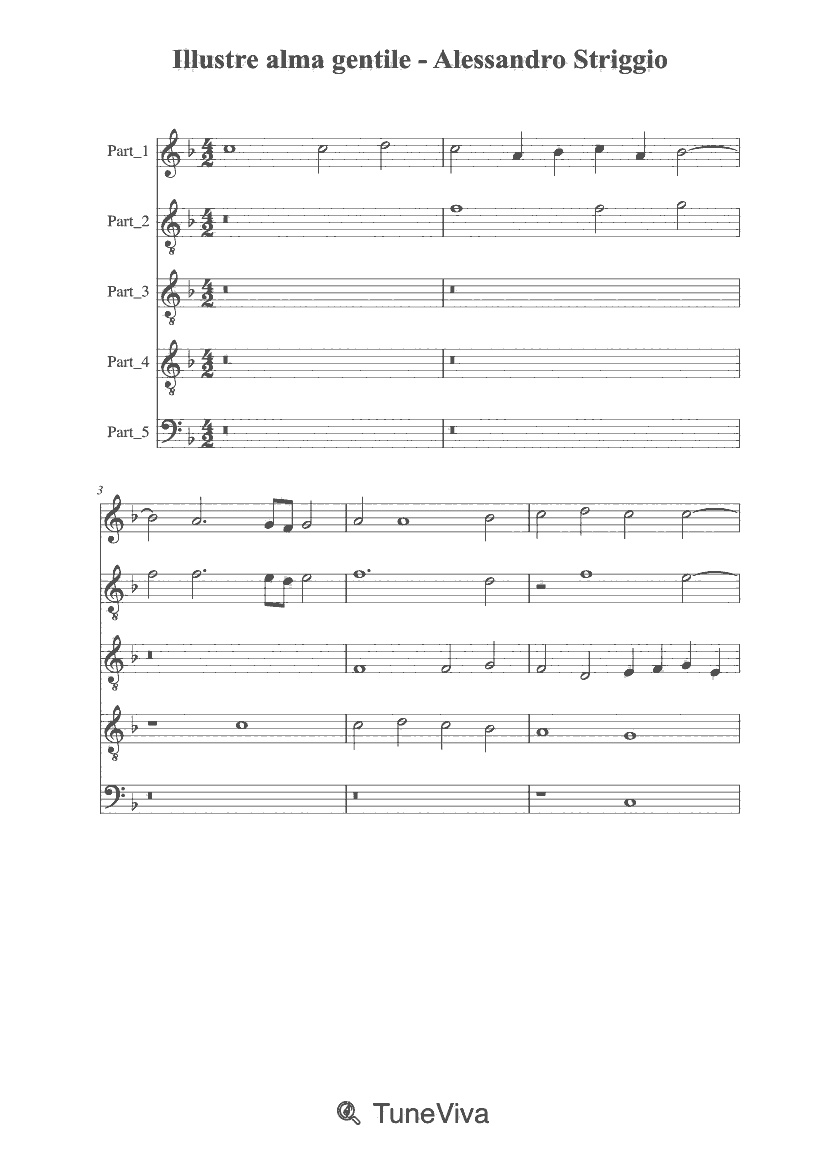
The catalogue samples the madrigals, not the polychoral ceremonies. Nasce la pena mia comes from the first book for six voices, printed at Venice in 1560; Caro dolce ben mio, O de la bella Etruria and Illustre alma gentile come from the first book for five. Con l'aura de sospir appeared in the 1582 anthology Il lauro secco, and Non rumor di tamburi in the second six-voice book of 1570. Siringa al bel Narciso was printed in Il bon bacio in 1594.
At about eight minutes apiece the entries are long for single madrigals, and 30 carry no lyrics, so some may be instrumental arrangements or lack text metadata. All 34 sit at complexity index 0.
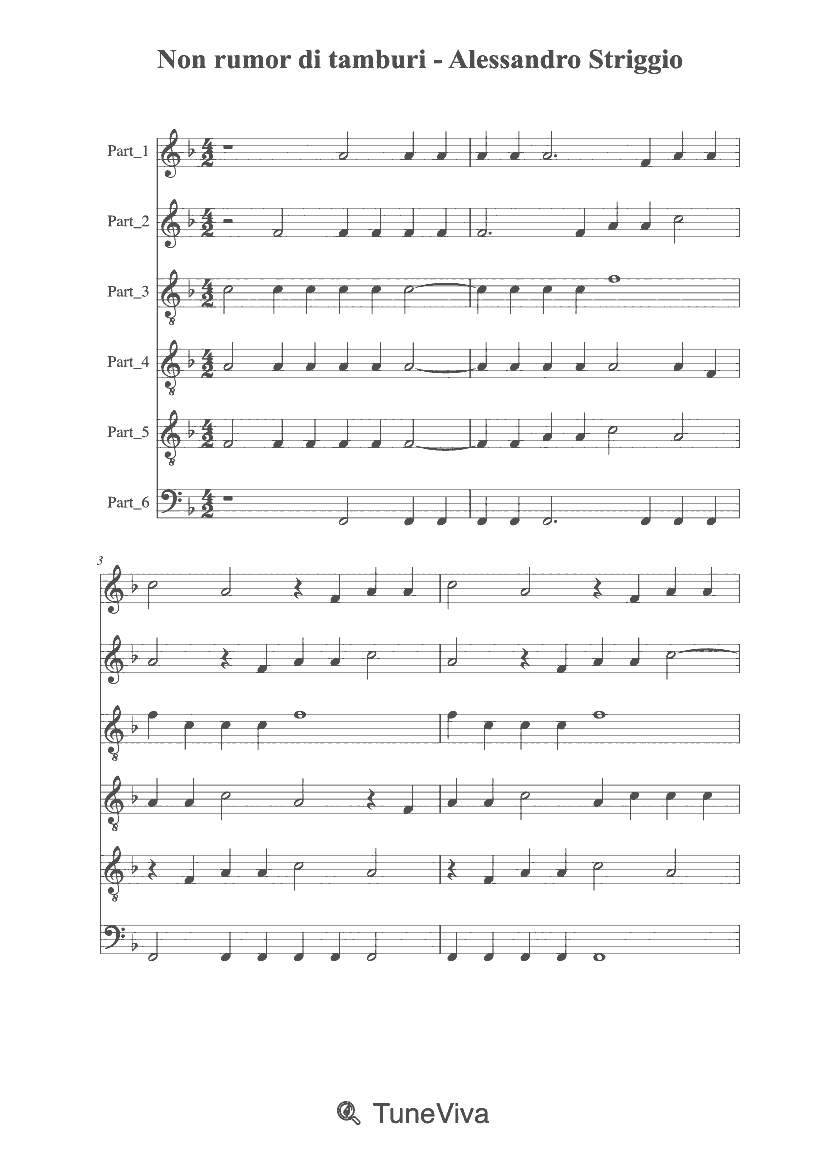
Striggio writes for independent lines that meet on strong syllables, so the words should be clear without a conductor imposing a chordal texture. In the five-voice madrigals, let the top line shape the phrase and keep the tenor as a counterweight rather than a second melody. The six-voice pieces need more care over balance, especially where two sopranos cross. Non rumor di tamburi imitates a military call, so keep the repeated notes crisp and the tempo steady. Do not treat the longer entries as motets: they are still madrigals, and the declamation should stay speech-like.
The most-viewed score: first printed as no. 1 in the anthology Il bon bacio (1594), a six-voice pastoral dialogue.
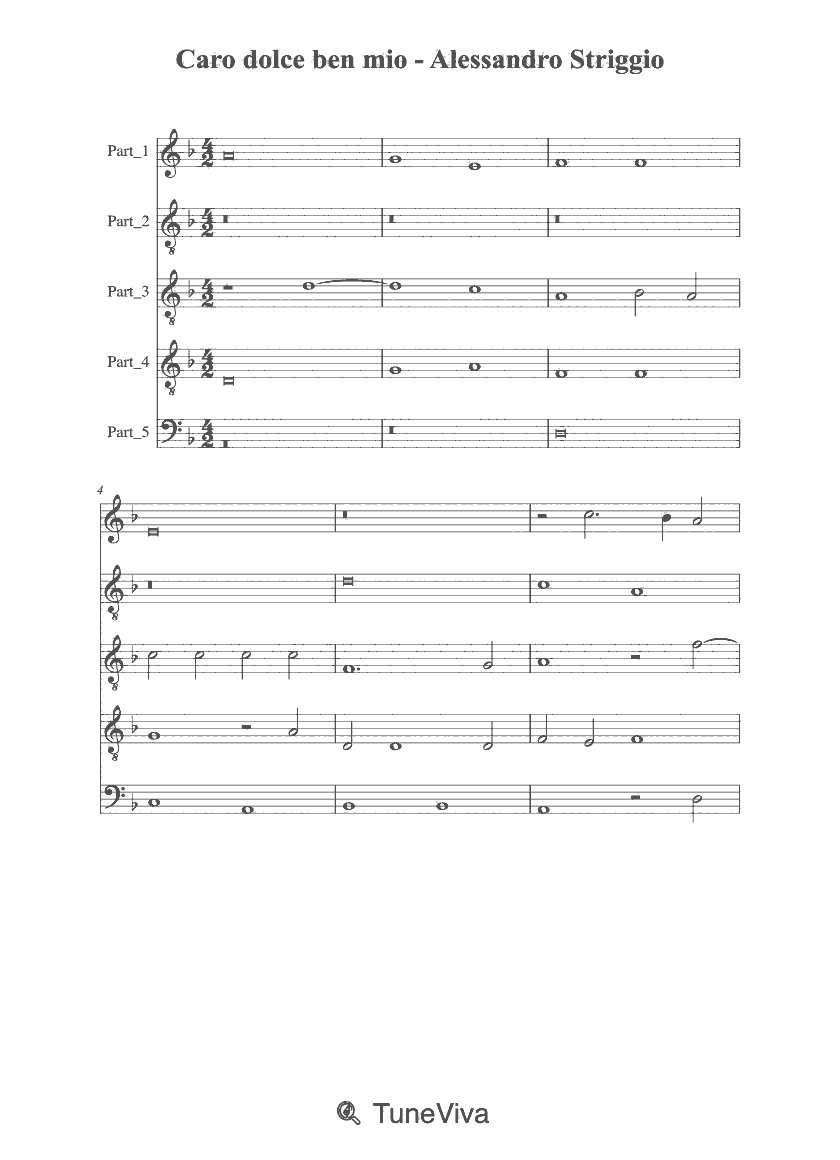
From the first book of madrigals for five voices (1560), a setting of 'Caro dolce ben mio, chi mi vi toglie?'
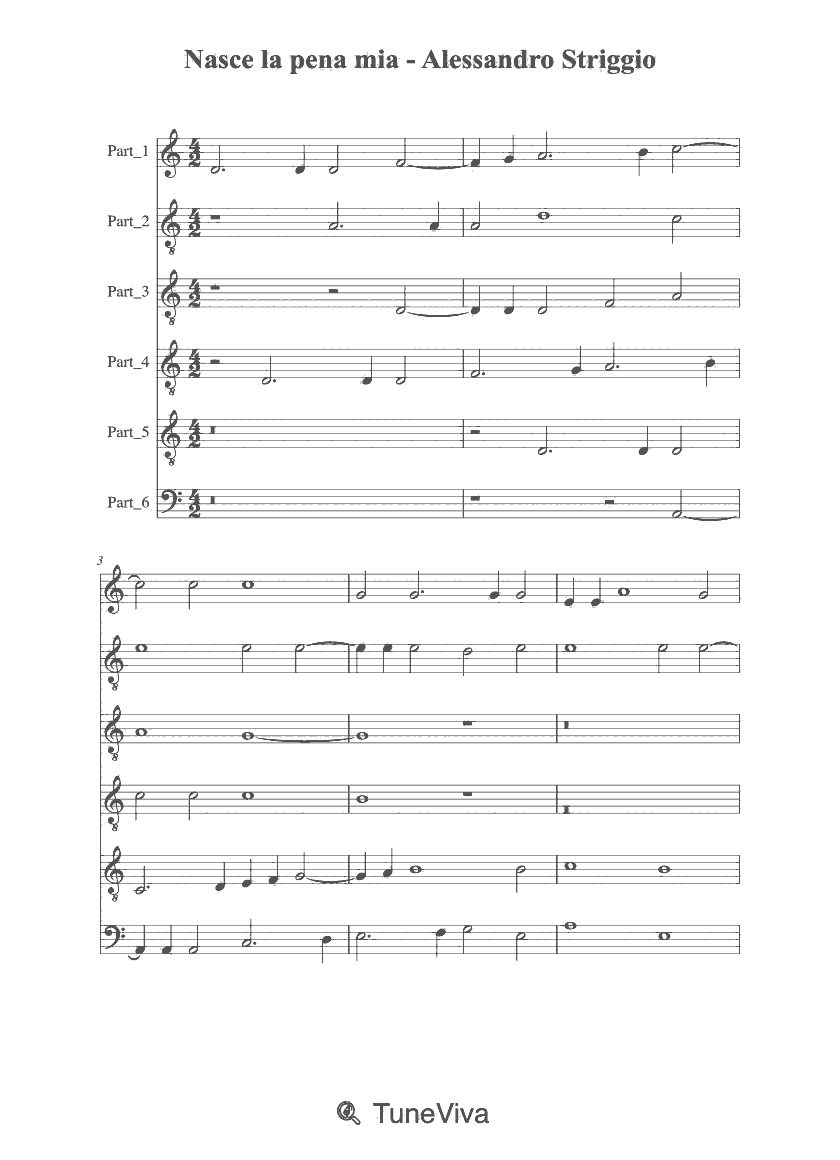
From the first book for six voices (Venice: Gardano, 1560); one of Striggio's most widely circulated madrigals.
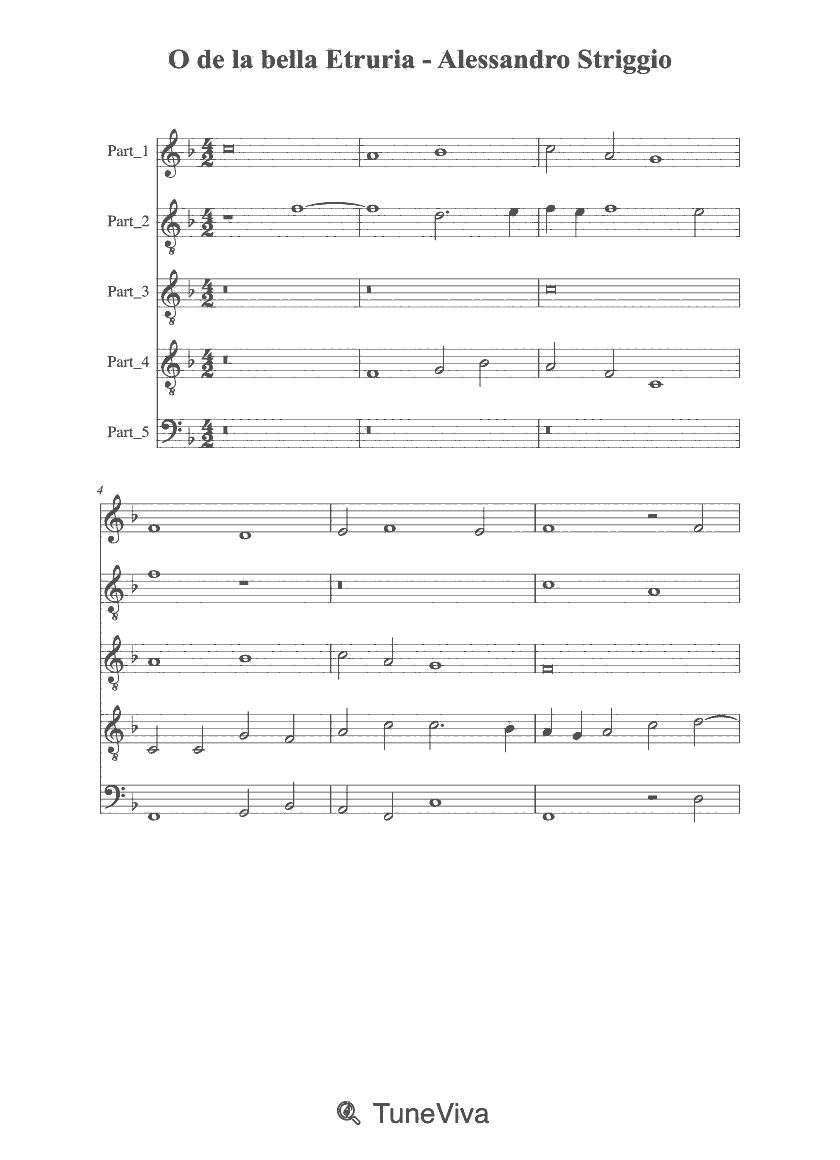
An occasional madrigal from the first five-voice book, addressed to a Tuscan ruler ('invitto duce').
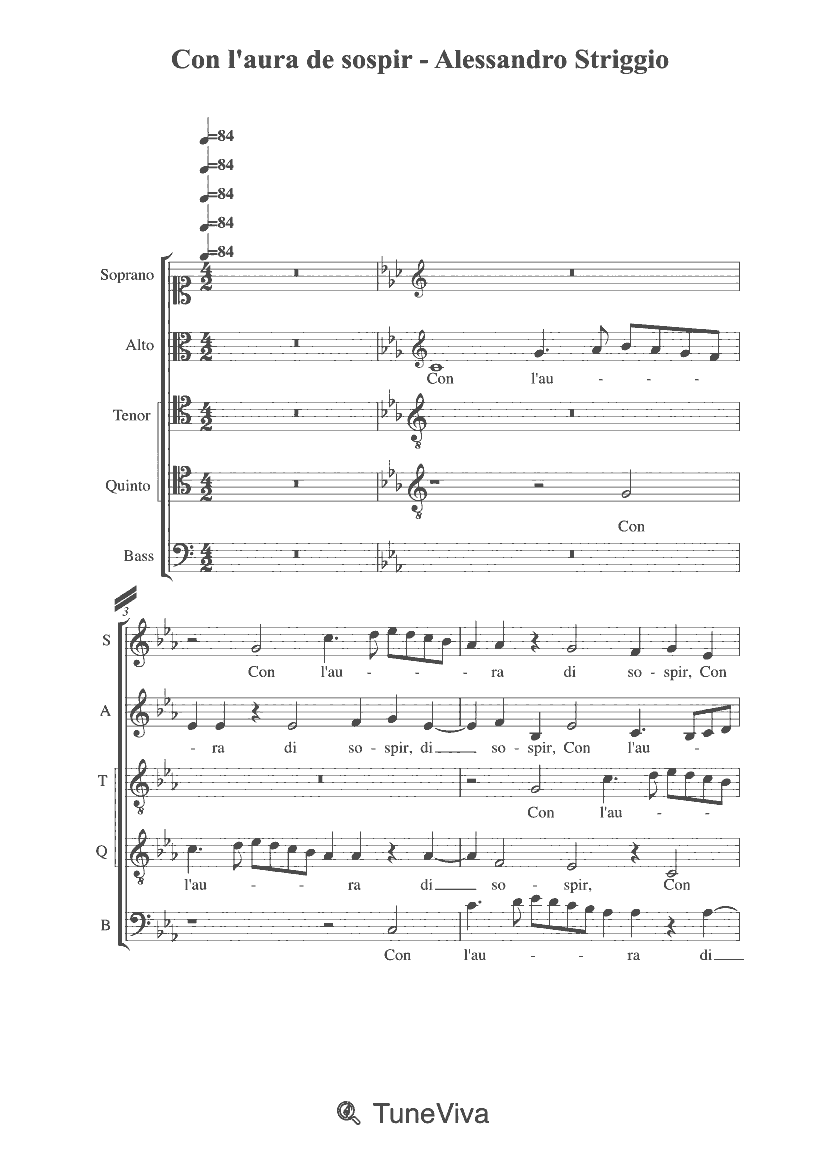
Printed as no. 14 in the 1582 anthology Il lauro secco.
From the first five-voice book, a setting of a lover's absence.
A setting of 'Illustre alma gentile' from the first five-voice book.
A five-voice madrigal that also circulated in the anthology Spoglia amorosa.
From the first five-voice book; the text also survives in the Bottegari lutebook as a song with lute.
From the second book for six voices (Venice, 1570); an English contrafactum, 'Love hath proclaim'd a War', was made of it.
There are 34, running to about 270 minutes of music and 32,337 notated notes. Only four carry lyrics.
Yes. The Missa sopra Ecco sì beato giorno is written for forty voices and adds a sixty-voice Agnus Dei. It was rediscovered in 2005 and first performed again at the Proms in 2007.
He was his father. Alessandro Striggio the younger wrote the text of L'Orfeo, which Monteverdi set in 1607.
At about eight minutes each, the average is longer than a single madrigal. Some files may gather several sections or pieces under one title; the catalogue does not say which.
Catalog editions and arrangements attributed to Alessandro Striggio.