
classical
1 tracks
Gounod's catalogue here is small but lopsided: 36 scores, about 114 minutes of music and 48,565 notated notes. Twenty-five entries carry lyrics, and the two most-viewed titles are both cello arrangements of the Ave Maria after Bach.
Below them sit the sacred pieces and the songs. O Divine Redeemer, the English version of Repentir, is the most-viewed choral score; Da Pacem and two Masses represent the church music, while the six Mélodies of 1855 supply six entries between them and Roméo et Juliette contributes Mercutio's Queen Mab ballad. Difficulty is barely spread at all: 33 scores sit at index 0, with one at index 1 and two at index 2.
Charles-François Gounod was born in Paris on 17 June 1818, the son of a painter and a pianist. He entered the Conservatoire in 1836 and won the Prix de Rome in 1839 at his third attempt; the years in Italy and Germany left him with a lifelong reverence for Palestrina and Bach, and with the encouragement of Mendelssohn. He was briefly drawn to the priesthood and studied theology at Saint-Sulpice in 1847 before returning to the theatre. Faust (1859) and Roméo et Juliette (1867) were his two lasting operatic successes. He died at Saint-Cloud on 18 October 1893.
The Ave Maria is the piece that travelled furthest. Gounod improvised a melody over Bach's C major Prelude from the Well-Tempered Clavier, and his future father-in-law, Pierre Zimmermann, took it down; the Méditation was published in 1853 for violin or cello with piano and optional harmonium, and Heugel issued the Latin-text version in 1859, and the Latin Ave Maria text was added in 1859 for Caroline Miolan-Carvalho. Both of the top cello entries descend from that version.
The sacred music in the catalogue runs from an early Da Pacem, composed in the mid-1840s and not published until 1878, to Repentir, written in April 1893 and issued in English as O Divine Redeemer two years later. The Masses are the Messe no. 6 in G, known as the Messe aux cathédrales, and the Messe brève no. 7 'aux chapelles', which sets no Credo. The songs come mostly from the 1855 collection Six mélodies, settings of Passerat, Baïf, Hugo and Musset.
Gounod's sacred style sits between plainchant and the opera house: the lines are simple, the harmony is warm, and the effect depends on a steady, unhurried pulse. In the Ave Maria, let the cello sing over Bach's figuration without pushing the tempo, and treat the piano's repeated pattern as accompaniment rather than as a study. The Messe brève no. 7 is built for modest forces, so keep the organ registration light. In the songs, the piano often carries the poem's atmosphere; do not let it become background.
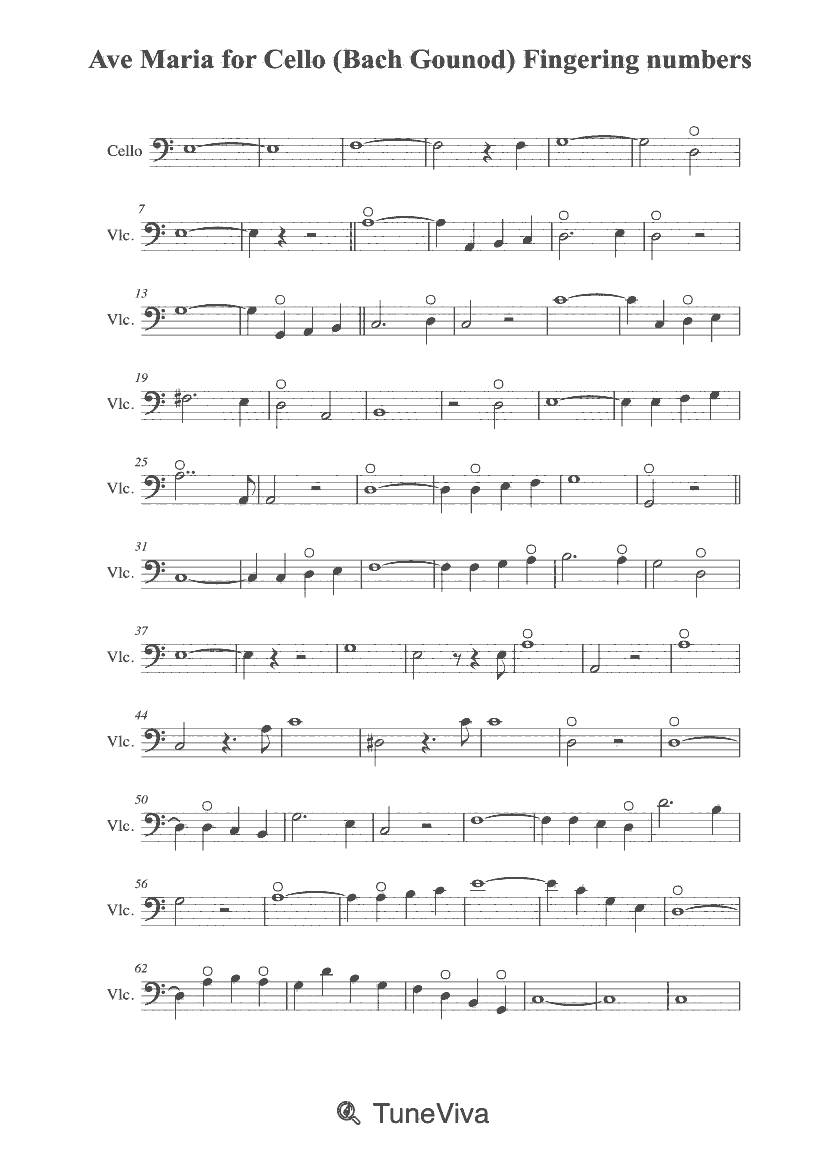
The most-viewed score on the page: the Bach-Gounod Ave Maria for cello and piano, in an edition that prints fingering numbers in the part.
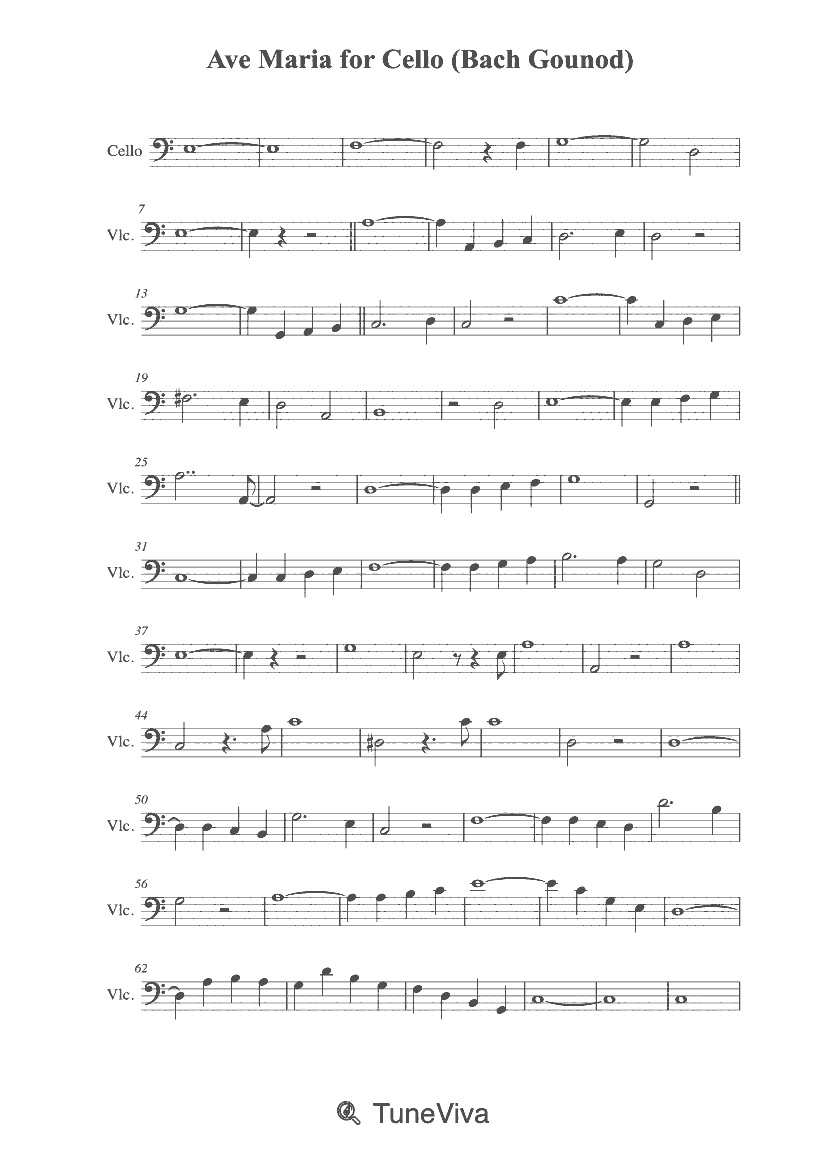
The same arrangement without the fingering markings, and the second most-viewed entry; Gounod's melody sits over Bach's C major Prelude.
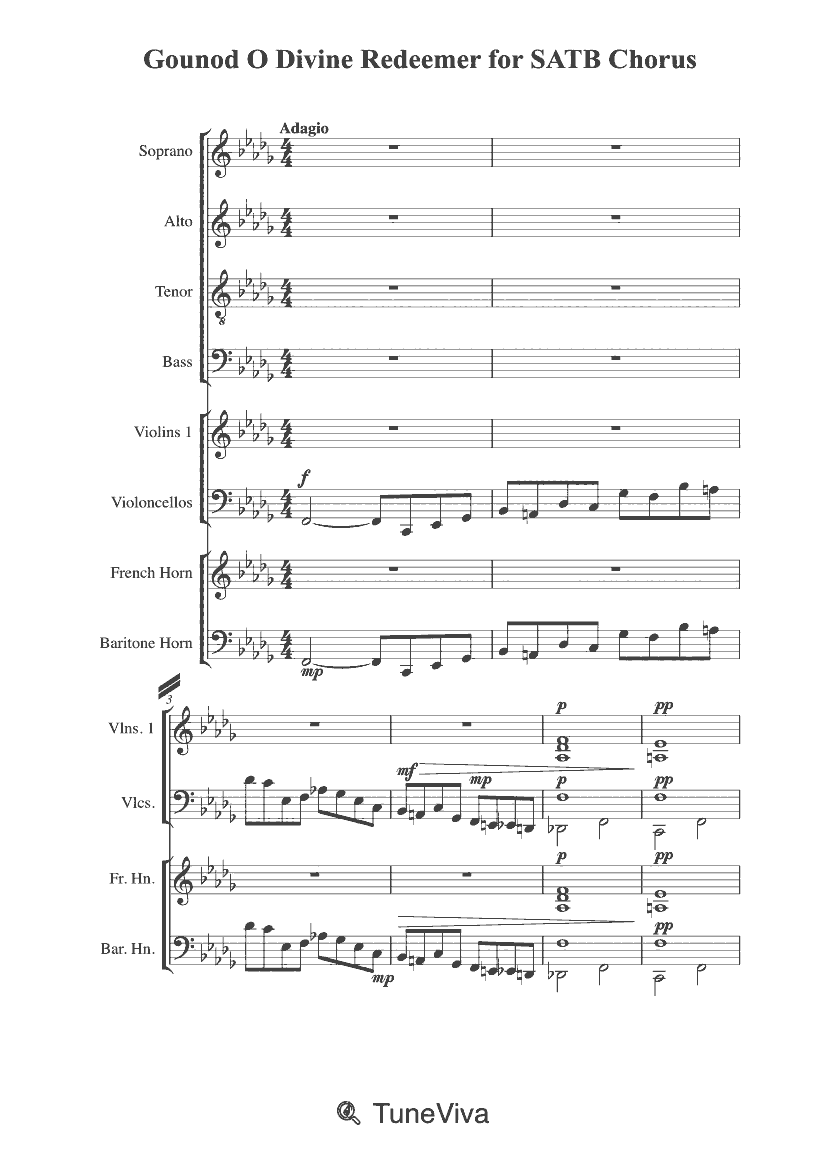
Repentir, CG 434, written in April 1893 and published in English as O Divine Redeemer in 1895; here for mixed chorus.
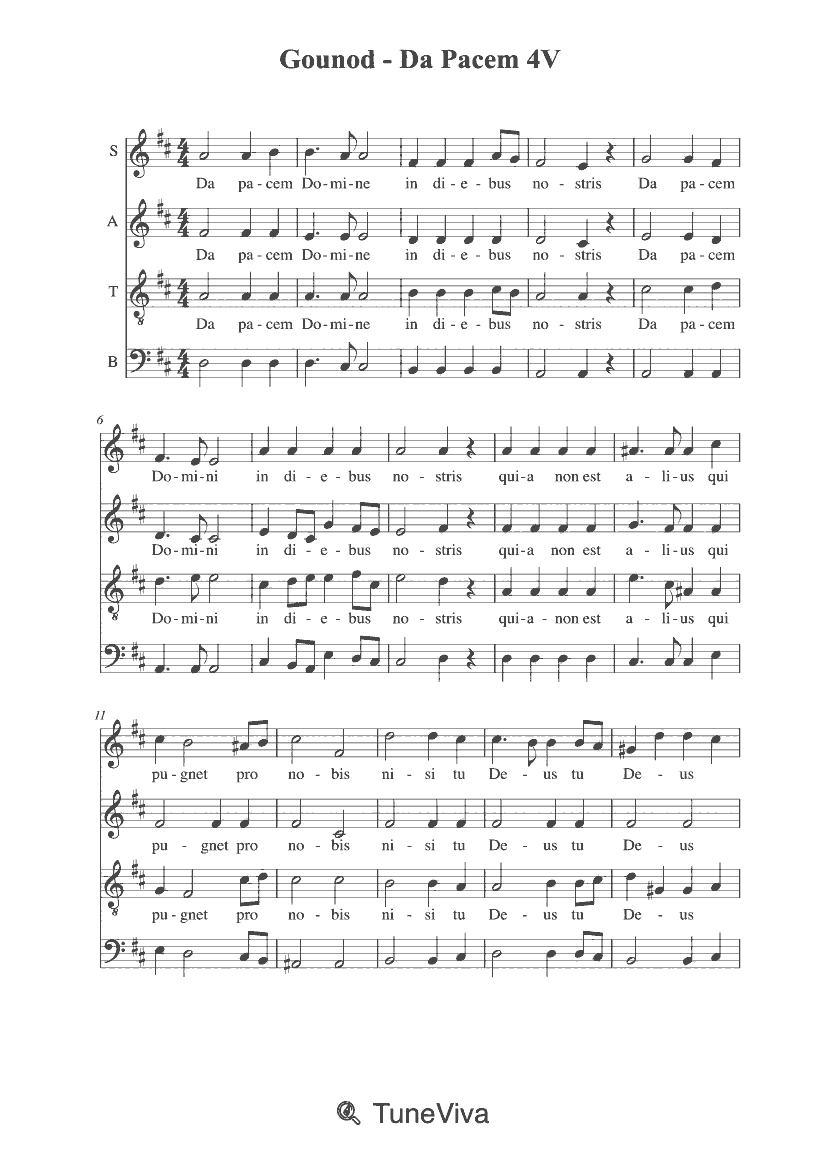
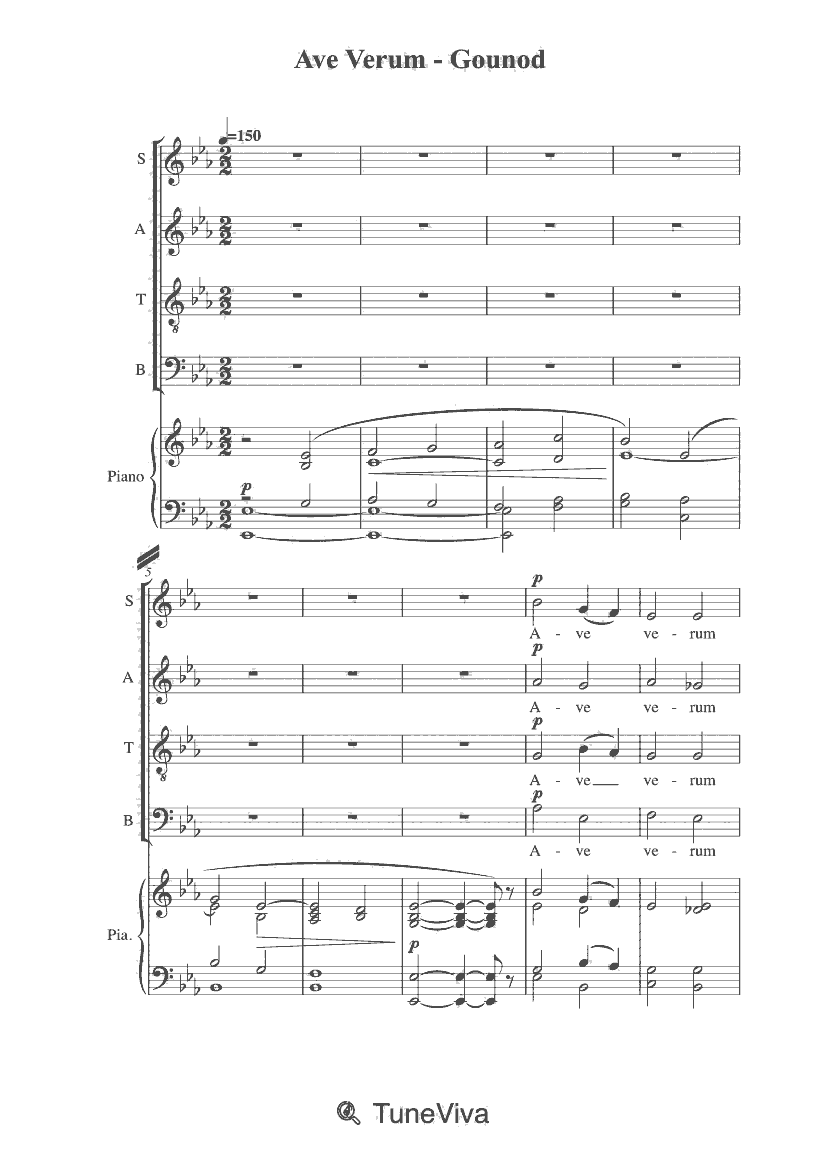
A short Latin motet in F major, CG 115, composed in 1844–46 but not published until 1878; the catalogue files it for four voices.
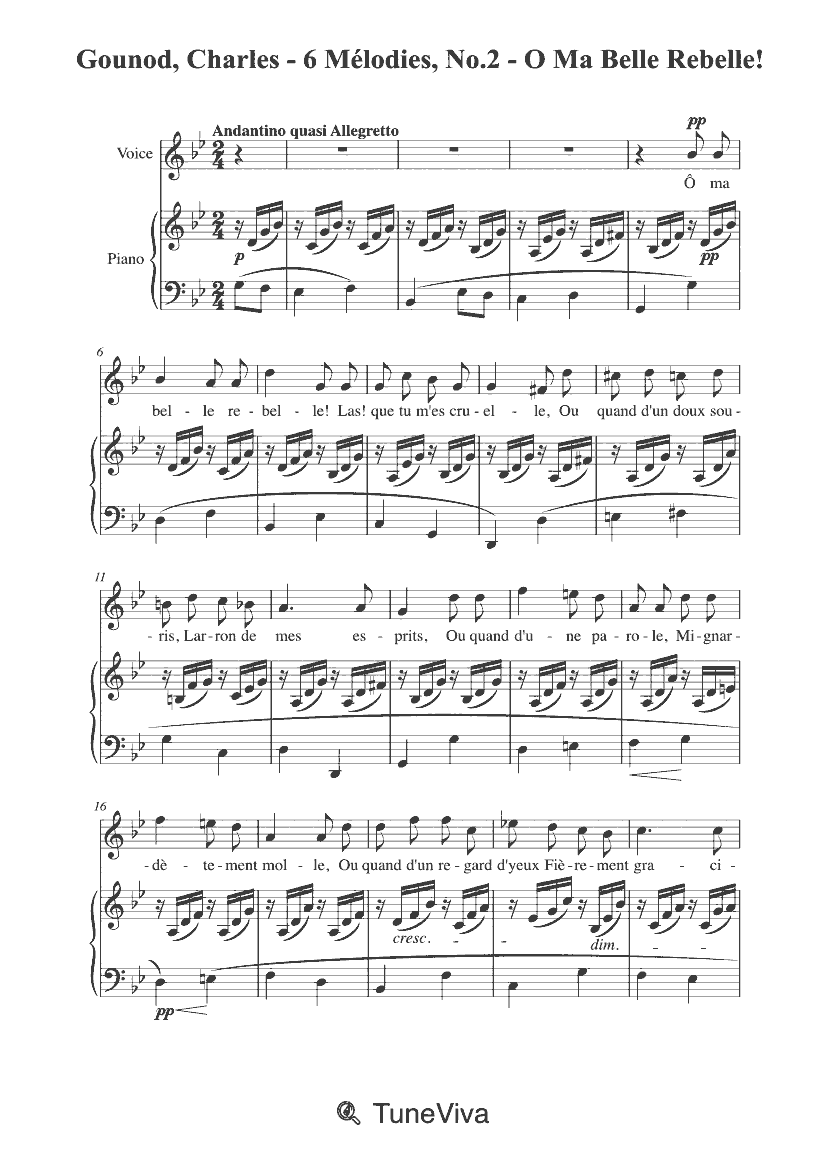
No. 2 of the Six mélodies of 1855, a setting of Baïf and the most-viewed of the song entries.
The Messe no. 6 in G, an adaptation for four-part choir and organ of an earlier Mass; the catalogue uses its nickname rather than its number.
Mercutio's Queen Mab ballad from Roméo et Juliette (1867), the only operatic excerpt among the most-viewed scores.
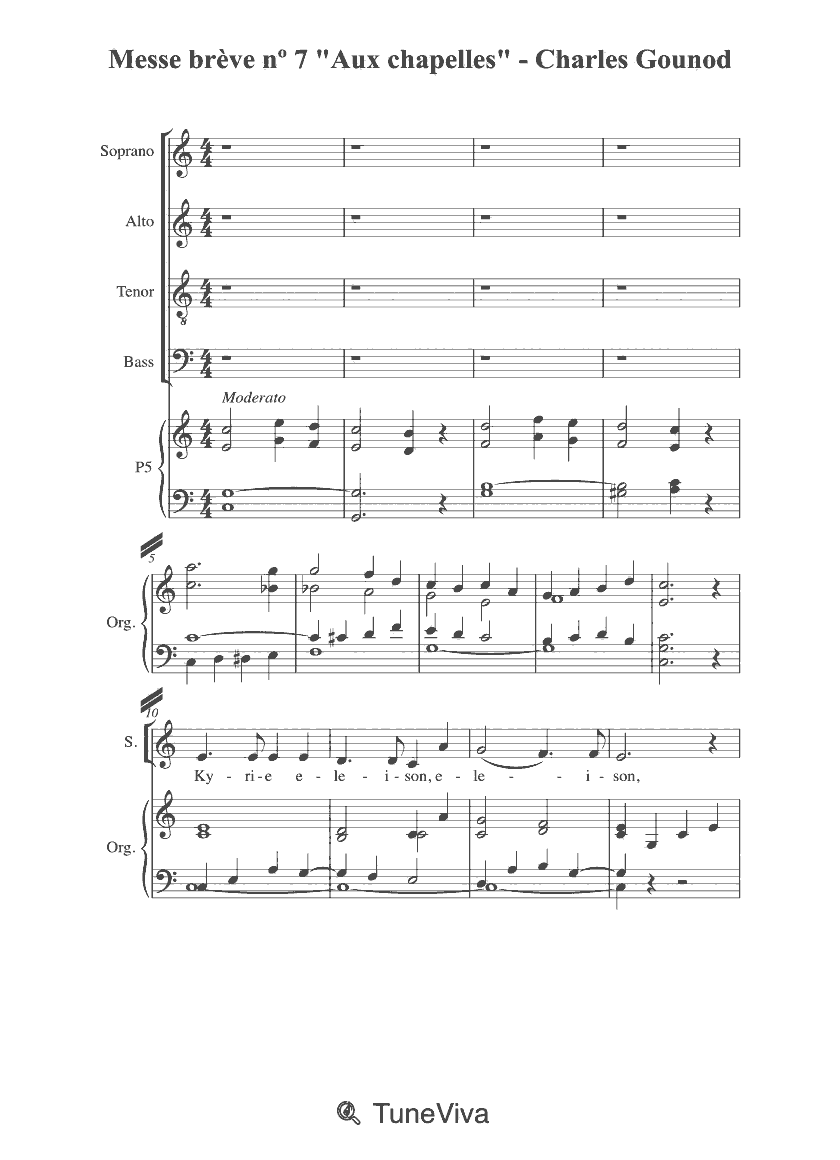
A short Mass for soloists, four-part choir and organ; Gounod omits the Credo, and no movement lasts five minutes.
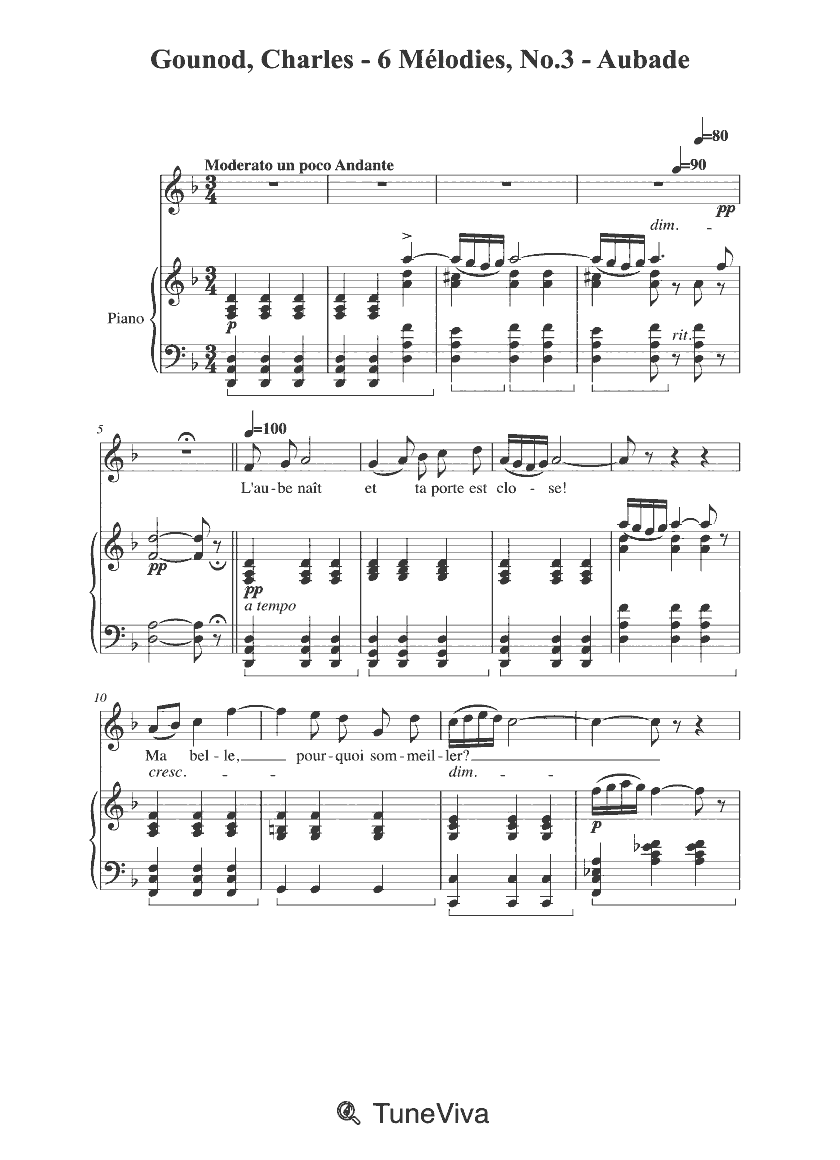
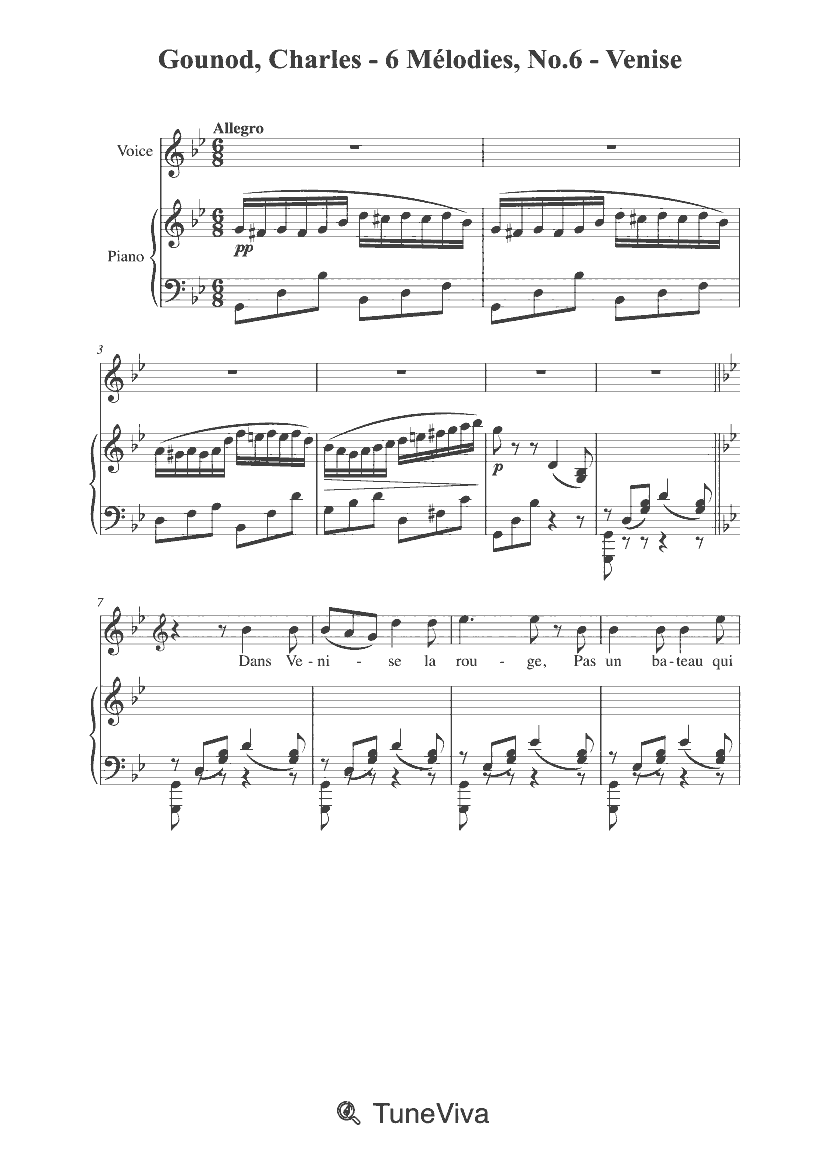
No. 6 of the Six mélodies, a Musset setting from 1842 and one of Gounod's earliest mature songs.
Vulcan's air from the opéra comique Philémon et Baucis (1860), based on La Fontaine.
36, running to about 114 minutes of music and 48,565 notated notes. Twenty-five of them carry lyrics.
No. They are the same Bach-Gounod arrangement; one edition prints fingering numbers in the part. The melody is Gounod's own, laid over Bach's C major Prelude.
It is the Messe no. 6 in G, an adaptation for mixed choir and organ; the catalogue lists it under the nickname rather than under the number.
No. It is the English version of Repentir, a French sacred song of April 1893; Alfred Phillips's translation was published in 1895.
No. Gounod leaves the Credo out, which is part of why the Mass is short.
Catalog editions and arrangements attributed to Charles Gounod.
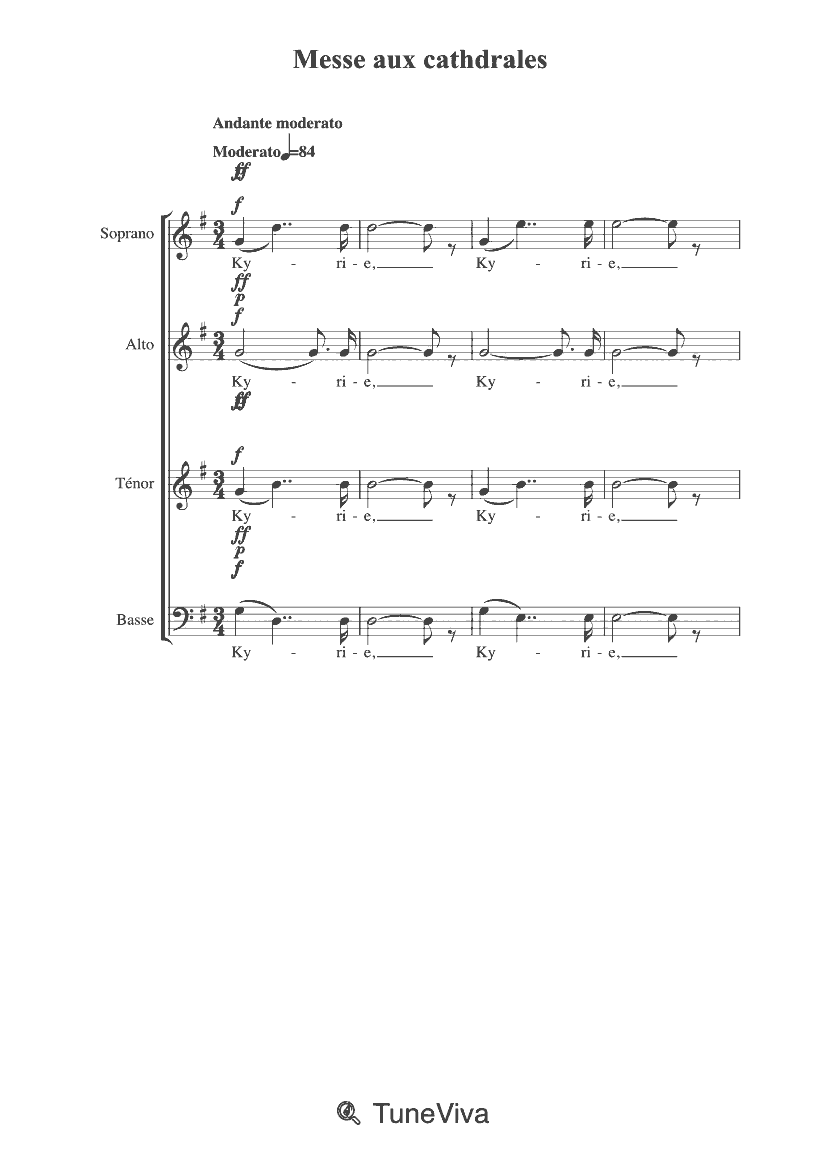
1. Kyrie
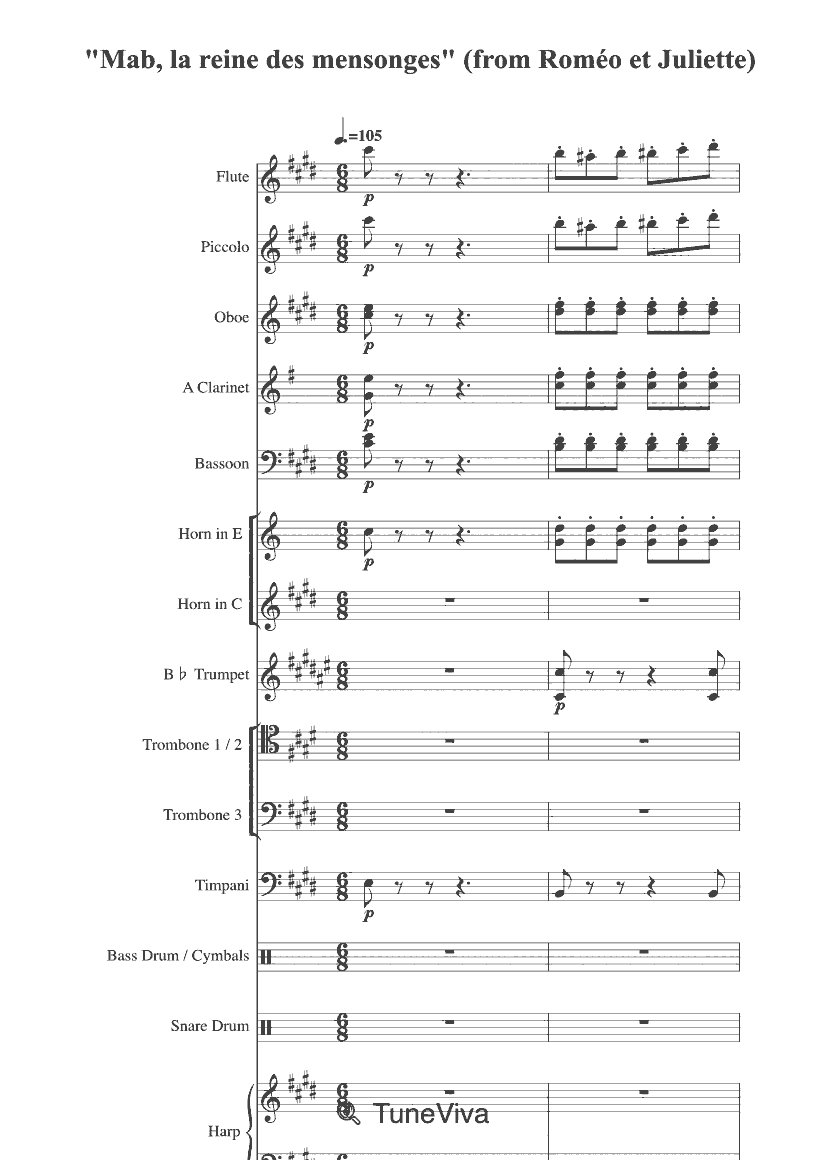
(from Roméo et Juliette)
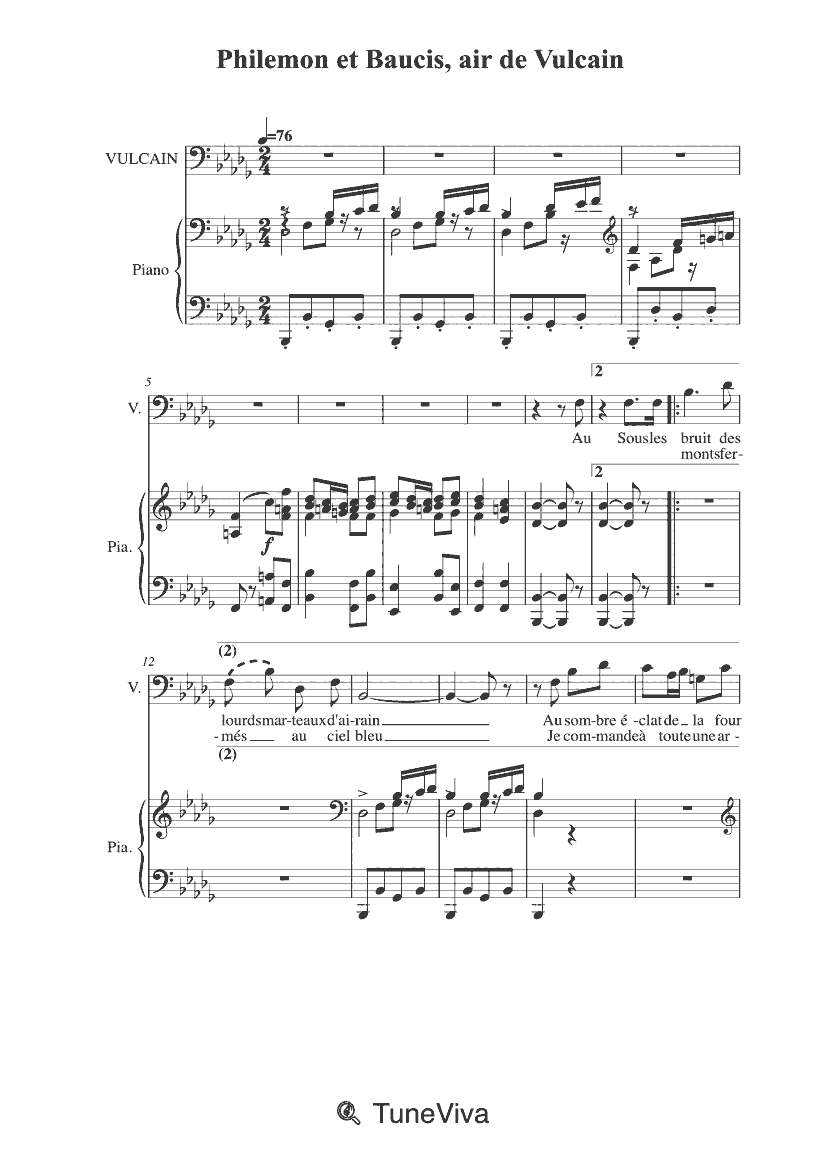
Acte 1 N4 Couplets de Vulcain
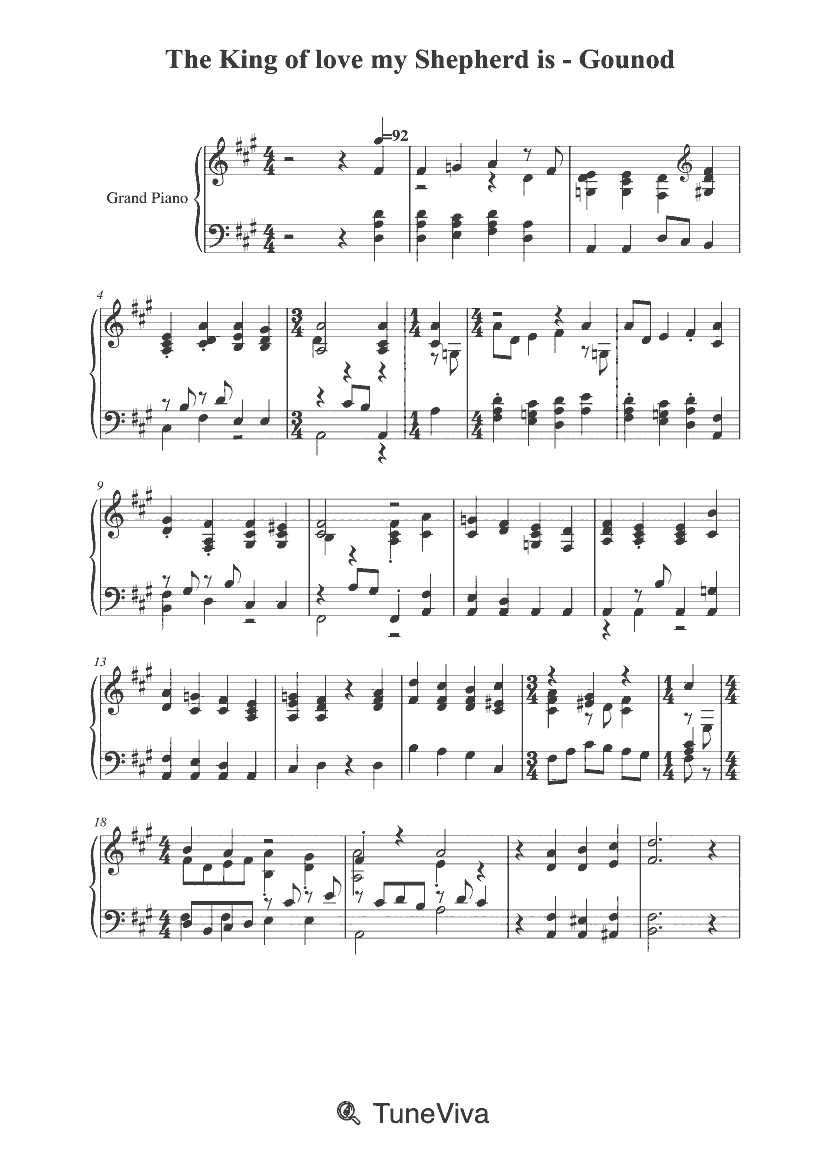
CHOEUR à 8 VOIX dernier verset n20