
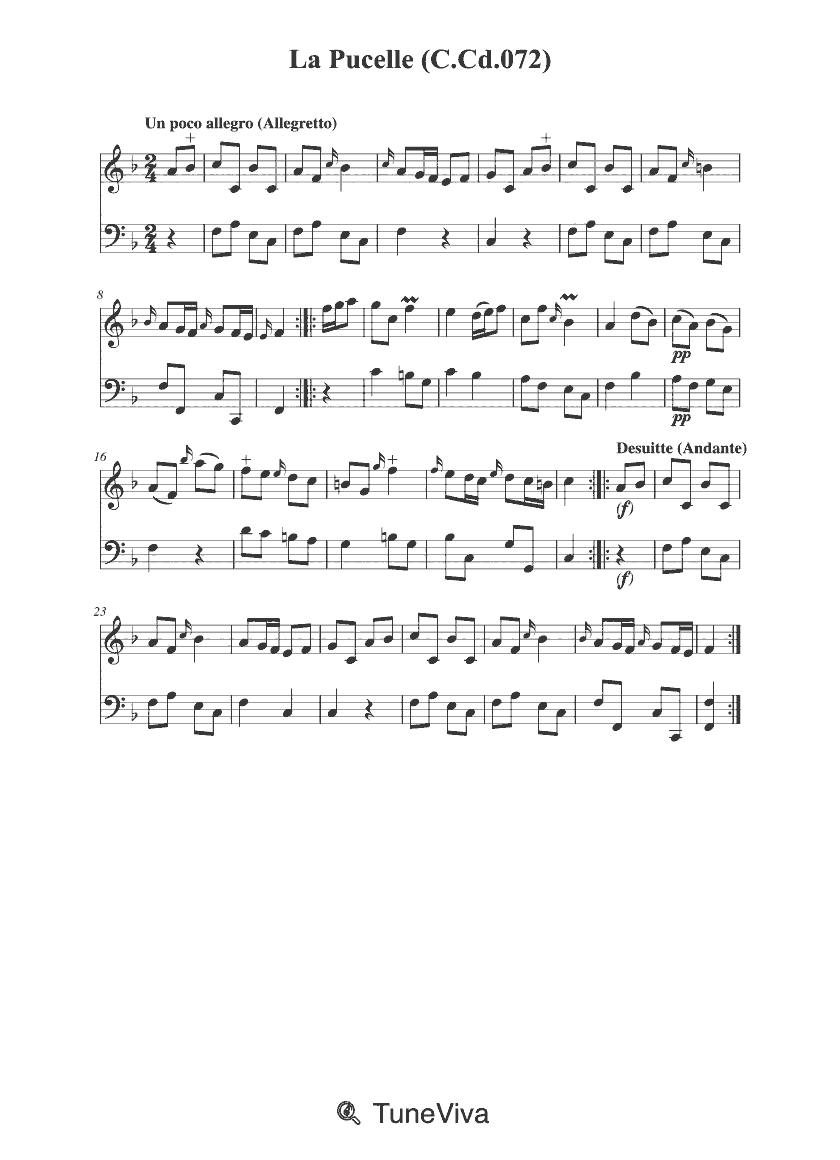
La Pucelle (C.Cd.072)
Conterdans / C.Cd.072
2 tracks
This is a specialised collection: 109 scores, about 69 minutes of music and 39,944 notated notes, all of them short contredanses. None carries lyrics, none rises above complexity index 0, and the titles are dance names — La Pucelle, Le Tourbillon, La Tendresse, La Pastorella — rather than opus numbers.
The most-viewed is La Pucelle with 127 views, followed by Le Tourbillon (89), La Tendresse (88) and La Pastorella (79). Each file is a single dance, mostly between half a minute and a minute and a half, with the catalogue number C.Cd. marking its place in the collection. Most entries carry no genre in the catalogue; one is filed as classical.
Robert Daubat, who styled himself d'Aubat de Saint-Flour, was born at Saint-Flour in the Cantal on 8 February 1714 and died in Ghent on 15 December 1782. He trained as a dancer and dance master rather than as a composer in the church or theatre sense. The son of a saddler, he arrived in Ghent in 1752 with his wife, Michelle Le Quay of Mons, and made his name there with the pantomime L'Amour d'Arlequin at the city theatre.
In Ghent he directed dances and choirs for the Jesuit college and supplied music for its school plays, including Nabuchodonosor (1758), Lapsus angelorum (1759), Jacobus Machabaeorum (1760) and Susanna (1762). He published three Italian motets in 1762, joined the theatre orchestra as second violin in 1768, and worked until 1780 as dance master to the colleges and convent boarding schools.
His principal publication is Cent contredanses en rond, propres à exécuter sur toutes sortes d'instruments, avec les basses chiffrées pour le clavecin, printed in Ghent in 1757. Later editions added six dances each, bringing the definitive 1767 edition to 124; the subscription list suggests a print run of about 130 copies, of which fewer than ten survive in public collections. The catalogue's 109 entries are drawn from this corpus, with C.Cd. numbers and a few additions such as La Pastorella from the 1759 edition.
These are functional dances, not character pieces to be lingered over. Keep the pulse firm and the repeats plain; the charm comes from the lift of the phrase, not from rubato. The bass is figured for harpsichord, but the title page allows any instruments, so a single melody player with a chordal accompanist is enough. Watch the ends of phrases, where the cadence is often approached by a short running figure that needs to stay even. Above all, keep the tempo steady enough for dancers to follow.
The most-viewed dance on the page (127 views), No. 72 in the C.Cd. numbering; a title that invokes Joan of Arc, though the dance itself carries no programme.
A whirlwind dance, No. 93, with one of the fuller note counts in the collection.
A tender or affectionate character dance, No. 38, among the shortest files at about 31 seconds.
A pastoral dance from the additions to the collection, marked as coming from the 1759 edition rather than the original 1757 run.
No. 21, also known as L'Angloise; the file preserves both names.
No. 96, a fortune or fate dance, one of the longer sets at about 69 seconds.
No. 46, a hunting-horn character piece; the simple two-part texture is typical of the collection.
A tambourine dance, No. 79, with a repeated rhythmic figure suited to the instrument named in the title.
The nightingale, No. 20, one of several bird and nature titles in the set.
There are 109, running to about 69 minutes of music and 39,944 notated notes. None of them includes lyrics.
It stands for Cent contredanses, the 1757 Ghent collection, and the number gives the dance's place in it. Additions from later editions are marked 'add.'
The collection is a dance manual with tunes and figured basses, compiled by a dance master. Some melodies may be his own and some may come from current theatre and dance repertory; the files do not distinguish.
Most files carry no genre in the catalogue, and 108 of the 109 are marked NA. The music is dance music, which the catalogue's classical field does not really describe.
A French country dance in which couples face each other in a line or square. The form was widespread in eighteenth-century France and the Low Countries, and its tunes usually fall into two eight-bar sections.
Catalog editions and arrangements attributed to d’Aubat de St. Flour.
Conterdans / C.Cd.072
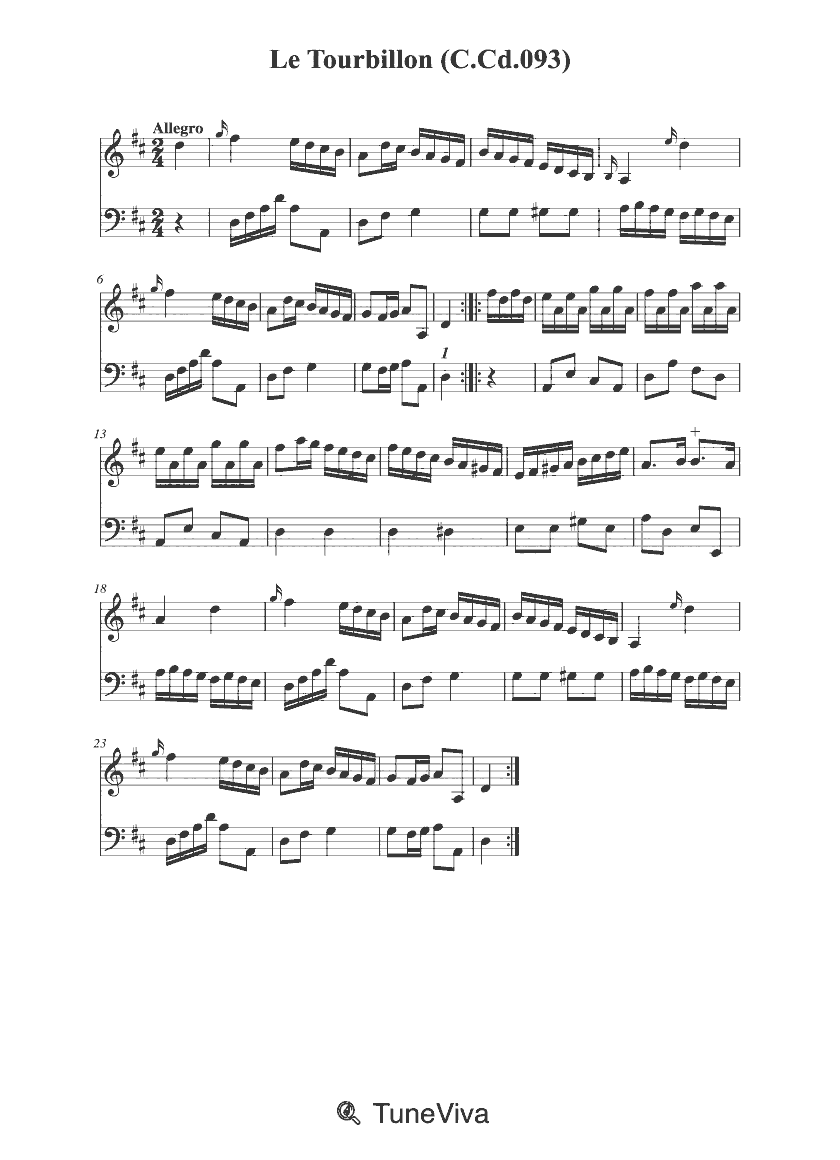
Conterdans / C.Cd.093
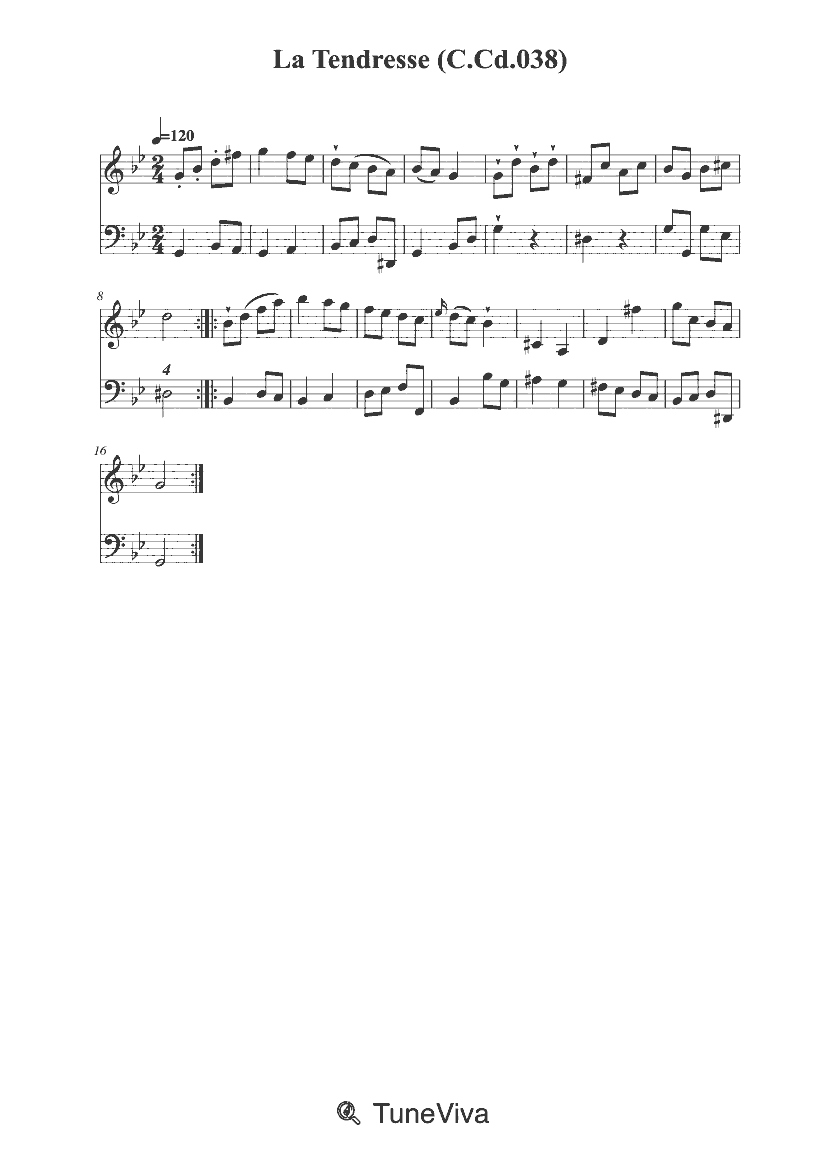
Conterdans / C.Cd.038
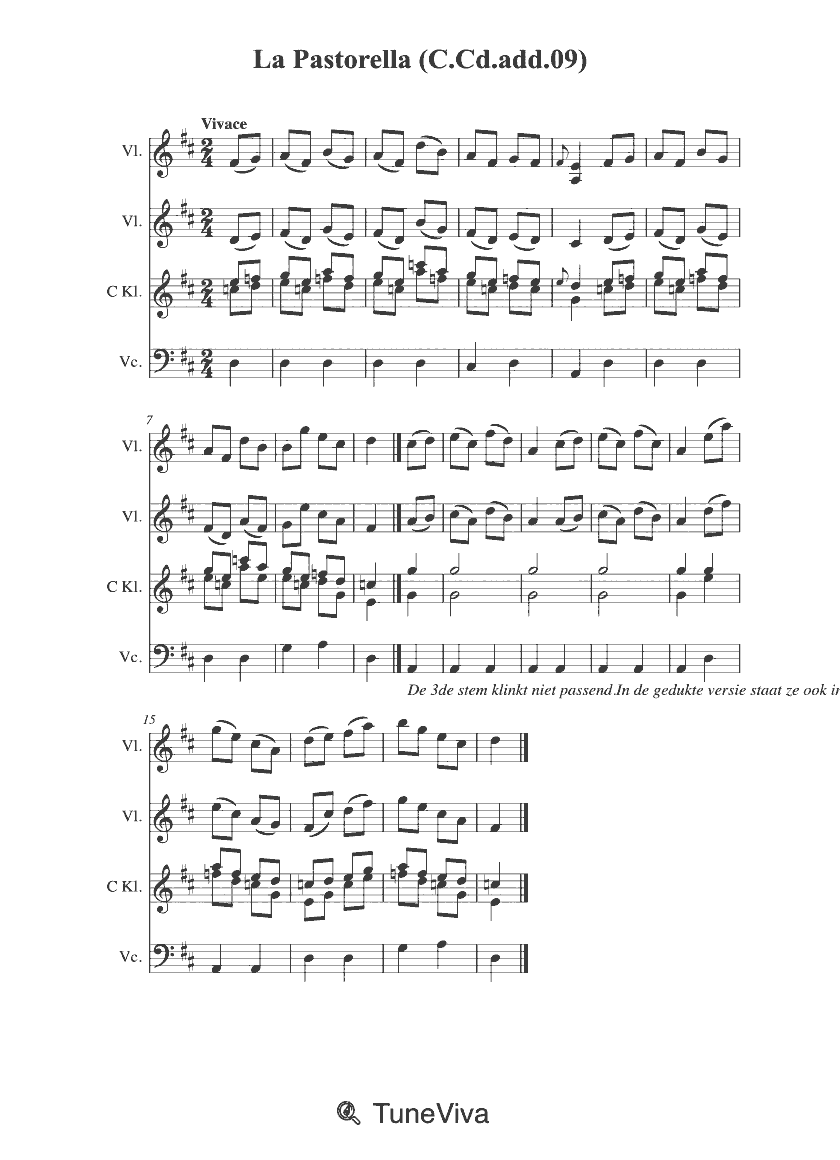
Conterdans / C.Cd.add.09 (Editie 1759)
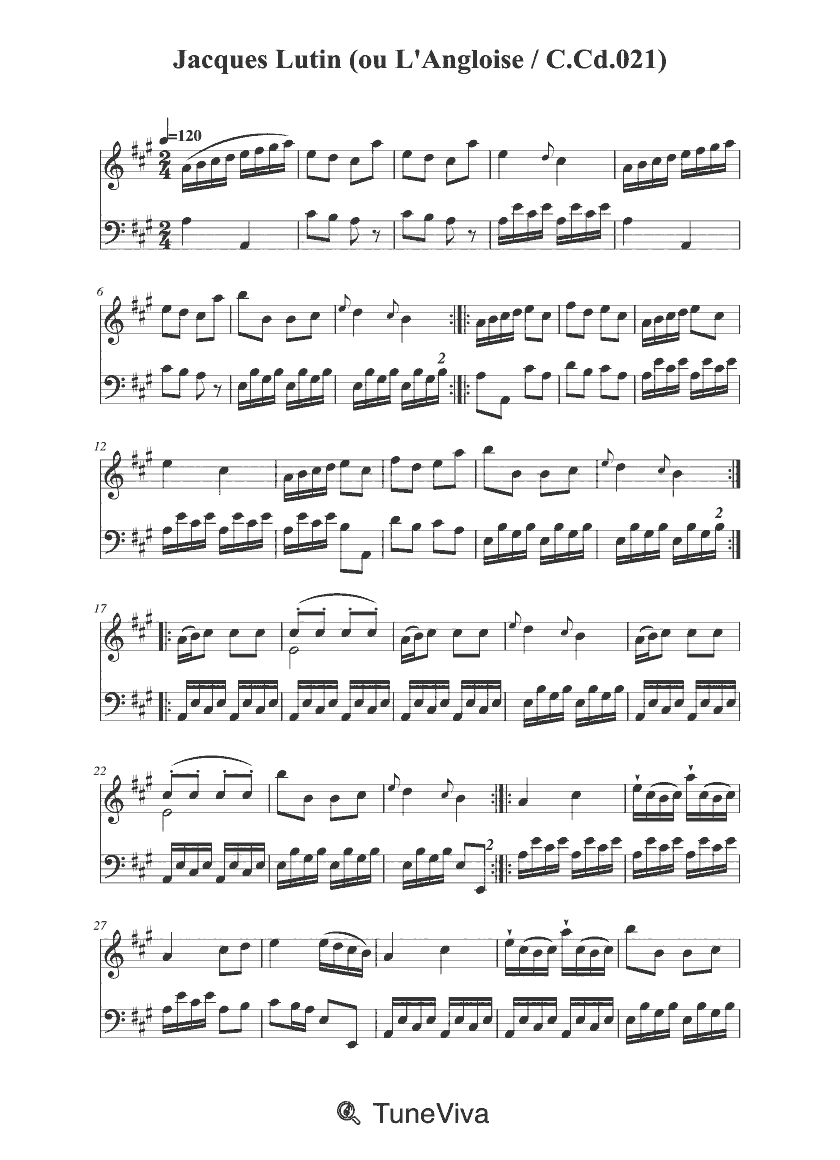
Conterdans / C.Cd.21
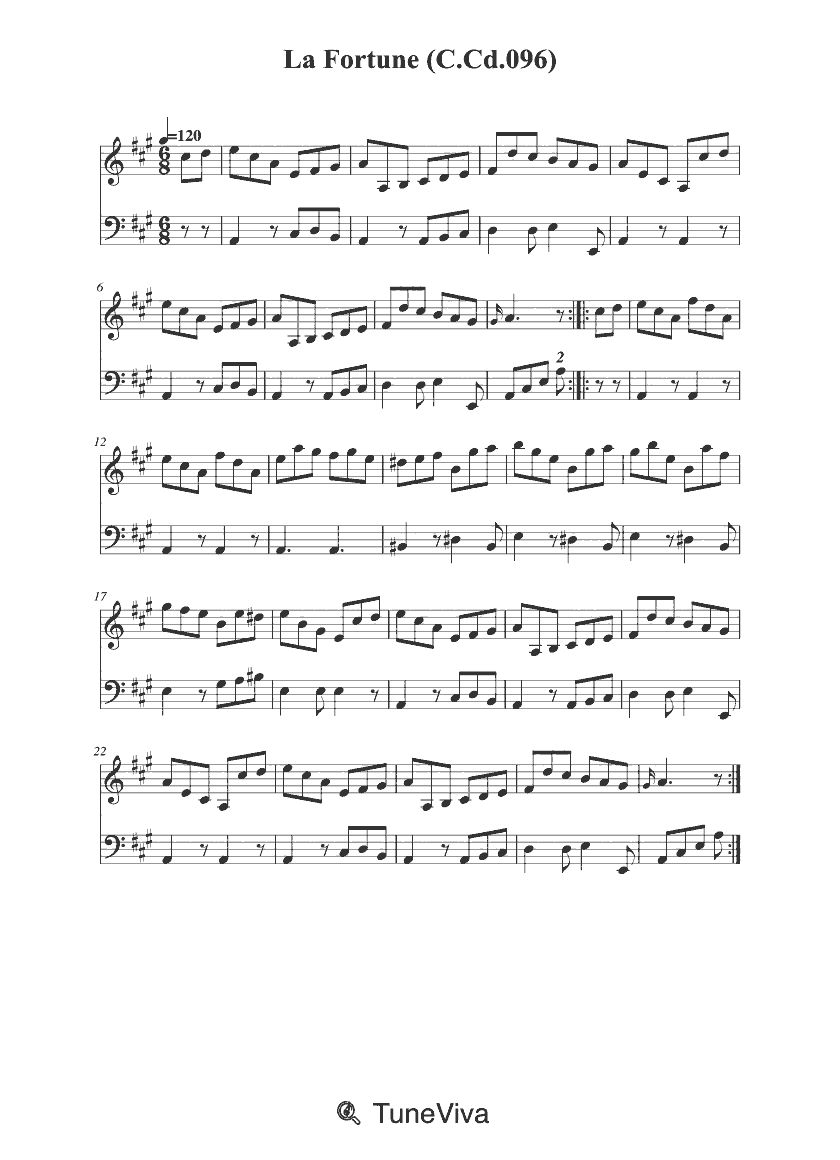
Conterdans / C.Cd.096
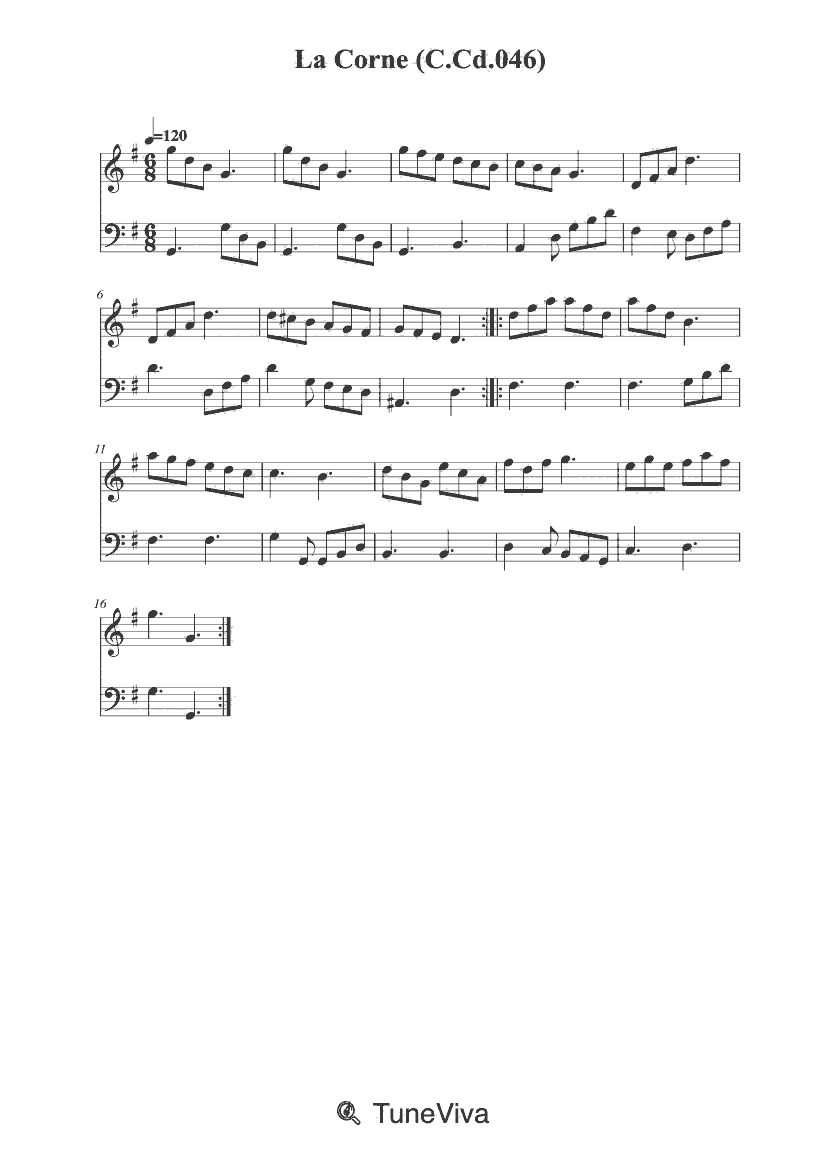
Conterdans / C.Cd.046
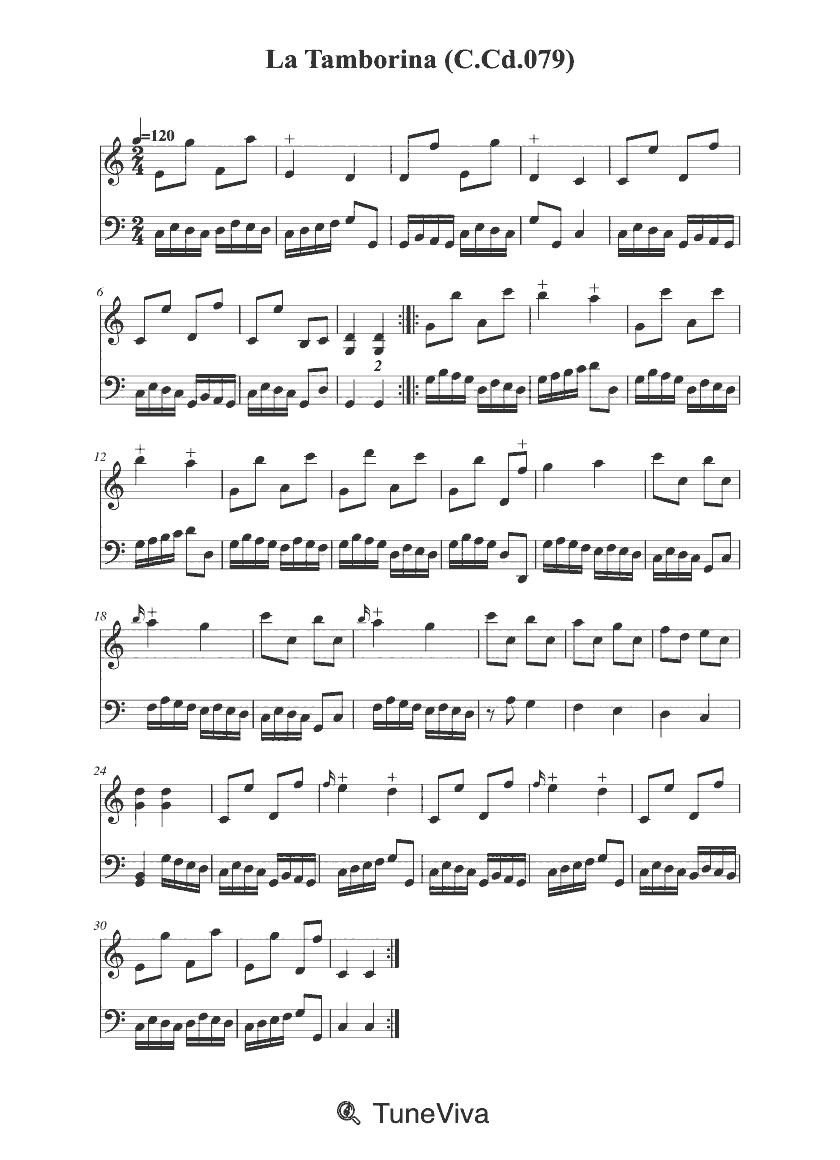
Conterdans / C.Cd.079
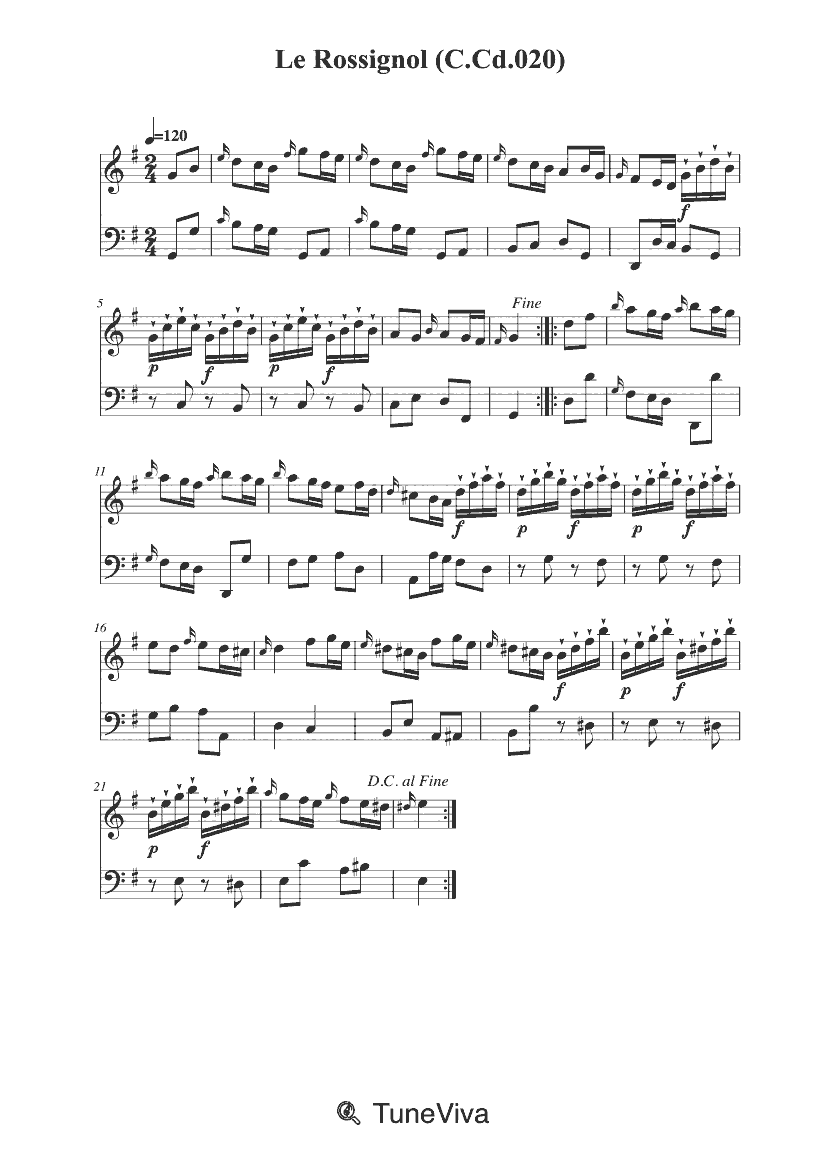
Conterdans / C.Cd.20
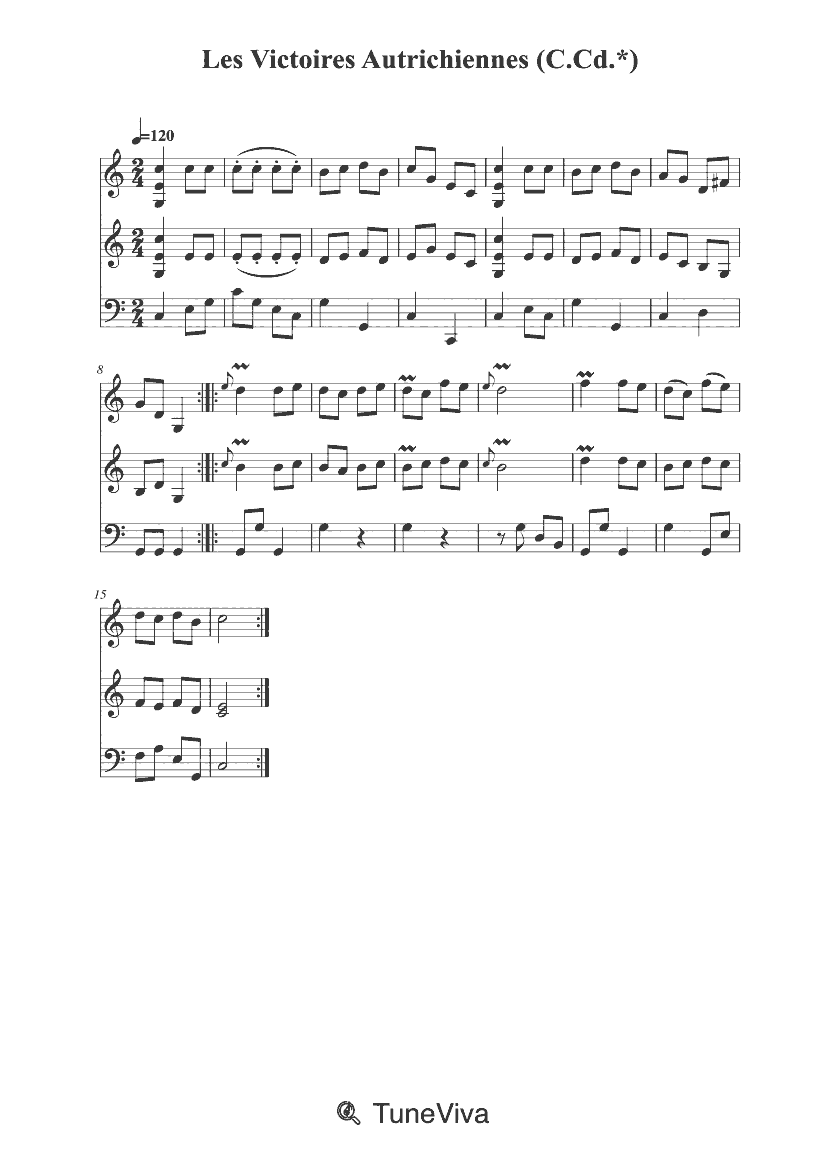
Trio / Conterdans C.Cd.
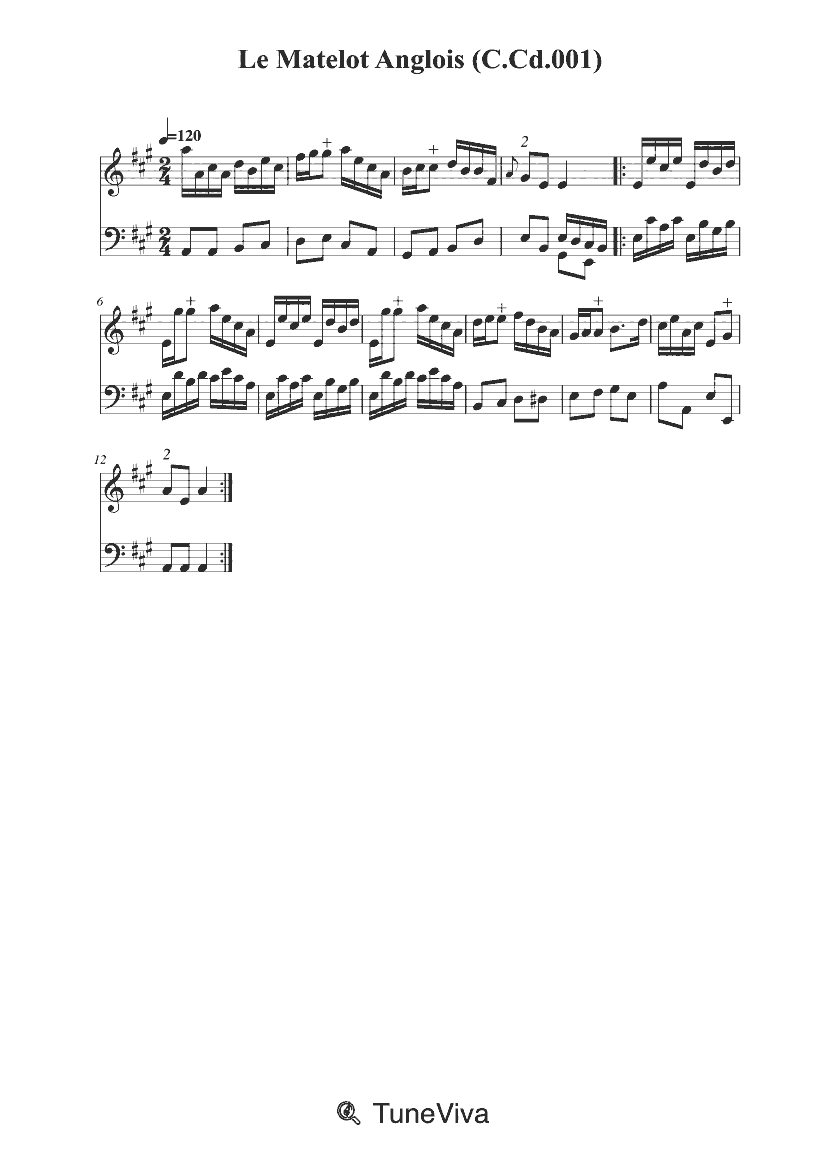
Conterdans / C.Cd.001
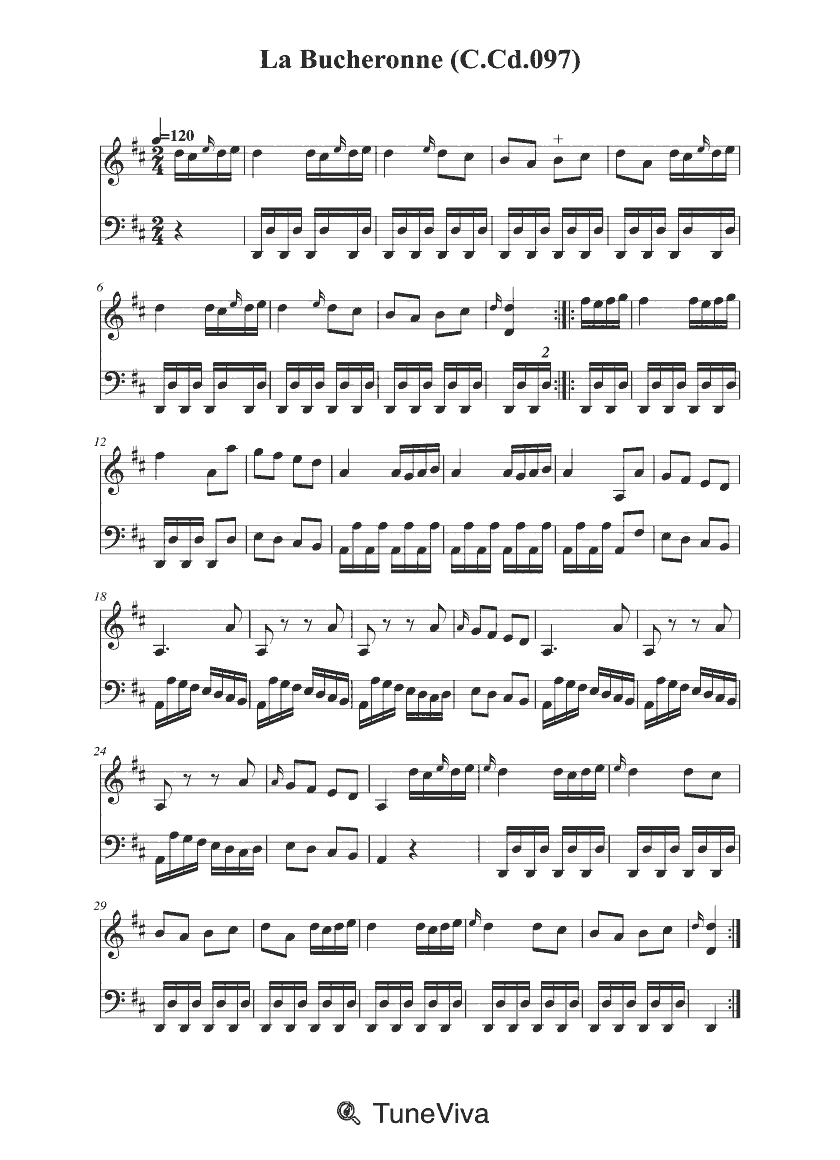
Conterdans / C.Cd.096
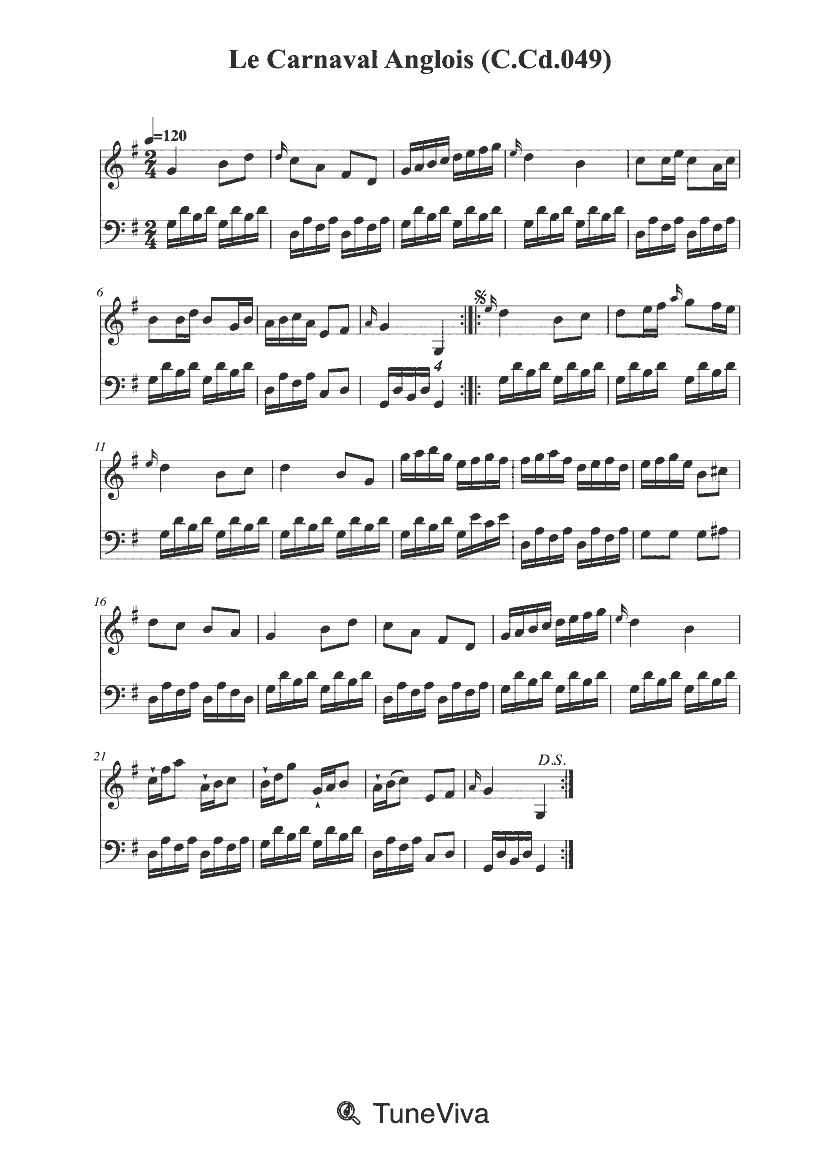
Conterdans / C.Cd.049
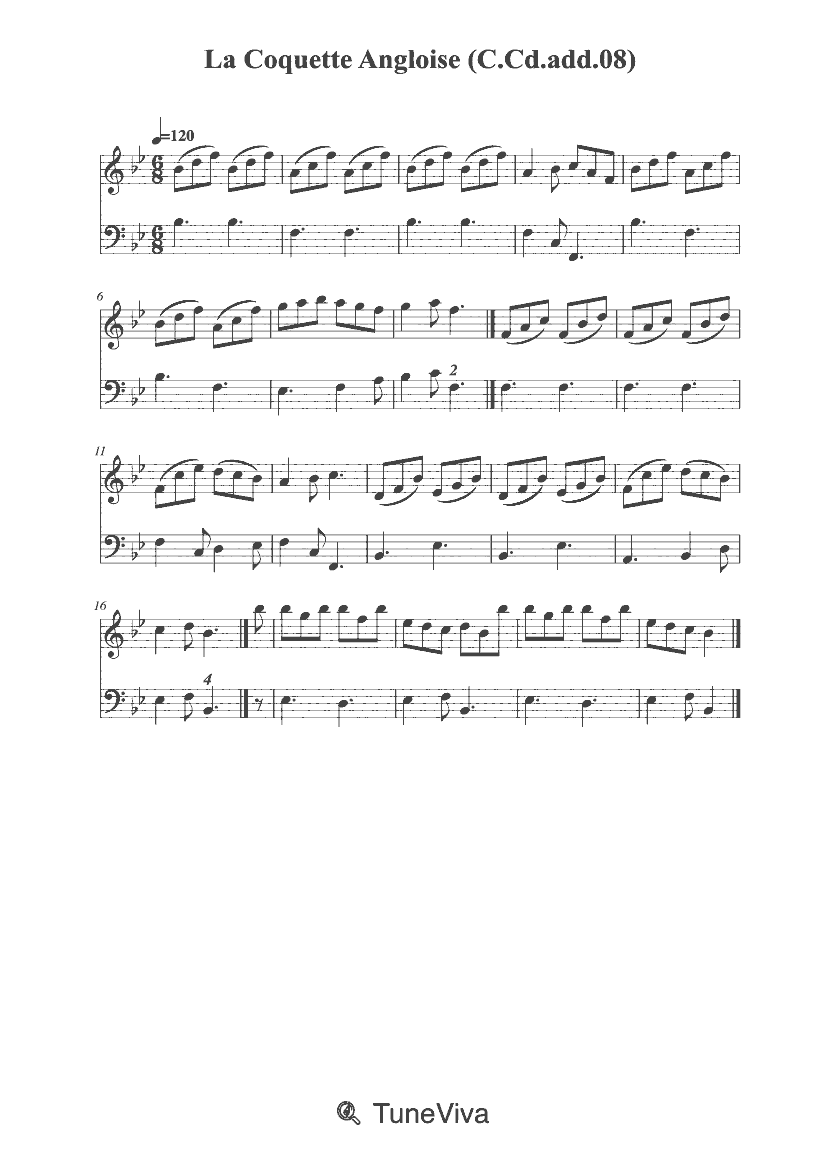
Conterdans / C.Cd.add.08
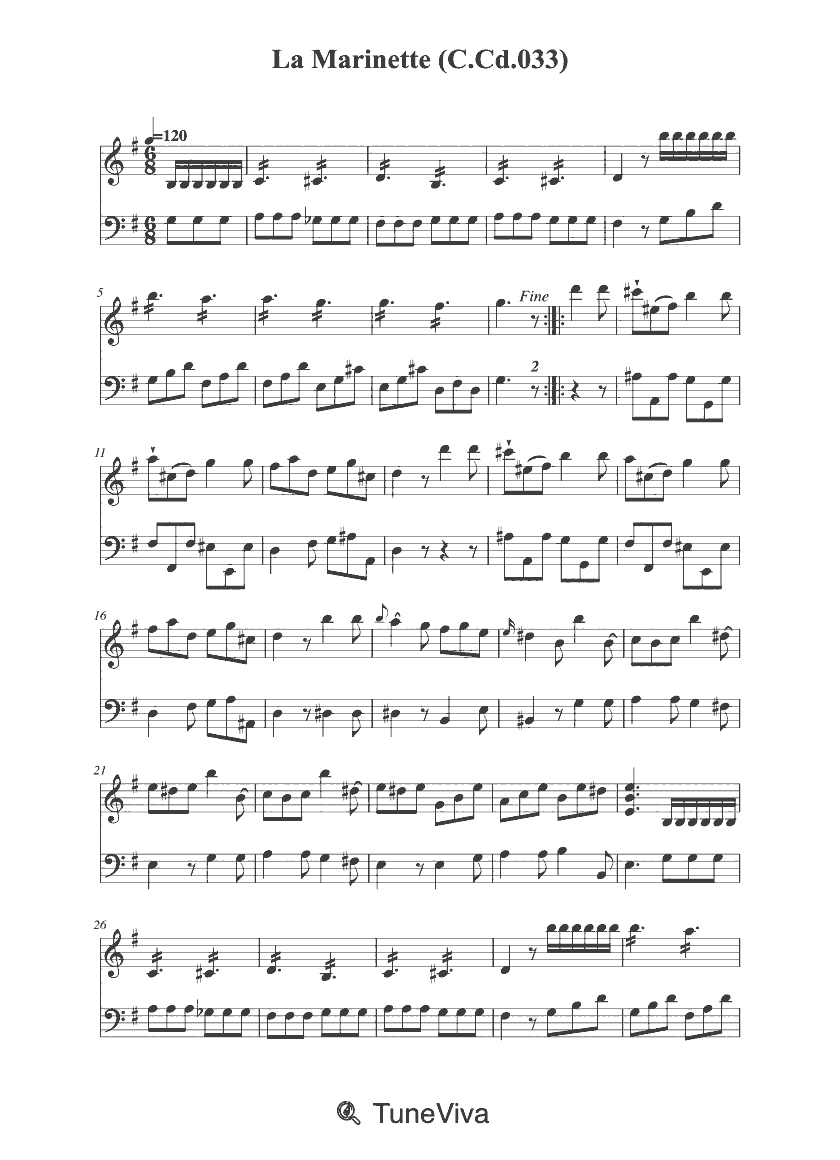
Conterdans / C.Cd.033
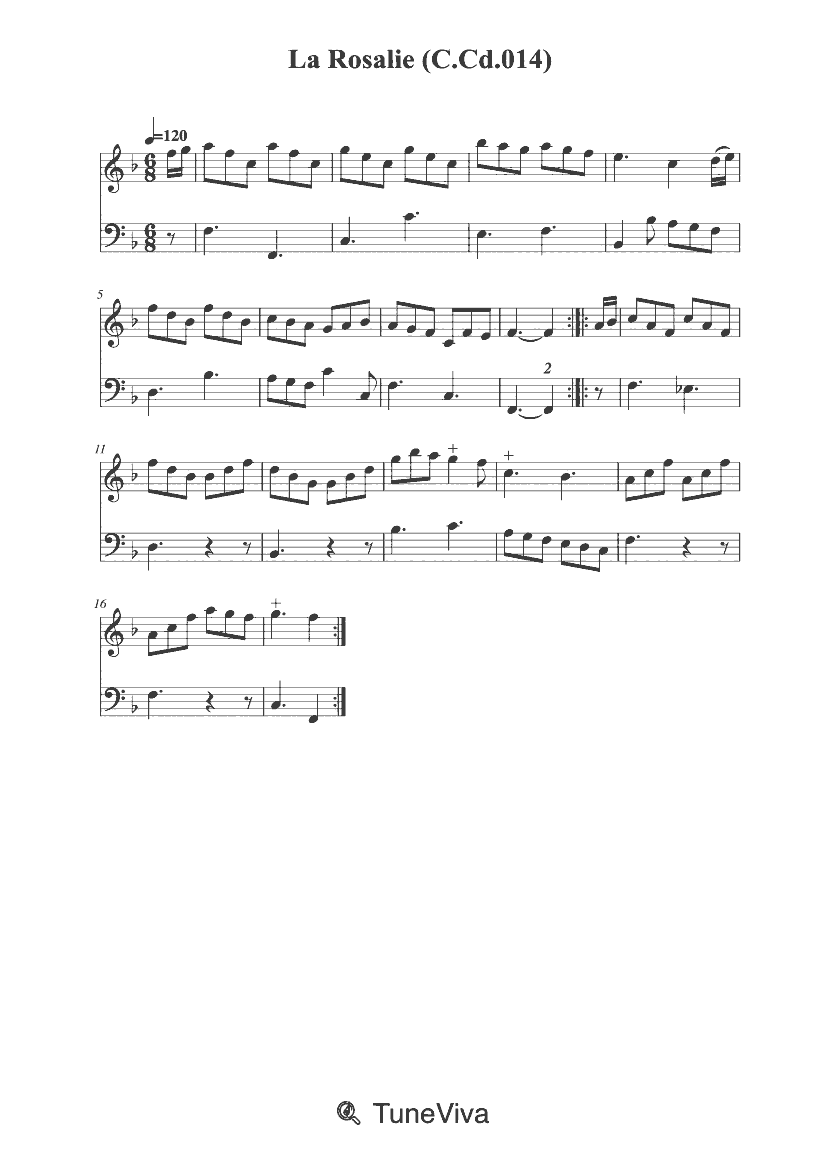
Conterdans / C.Cd.014
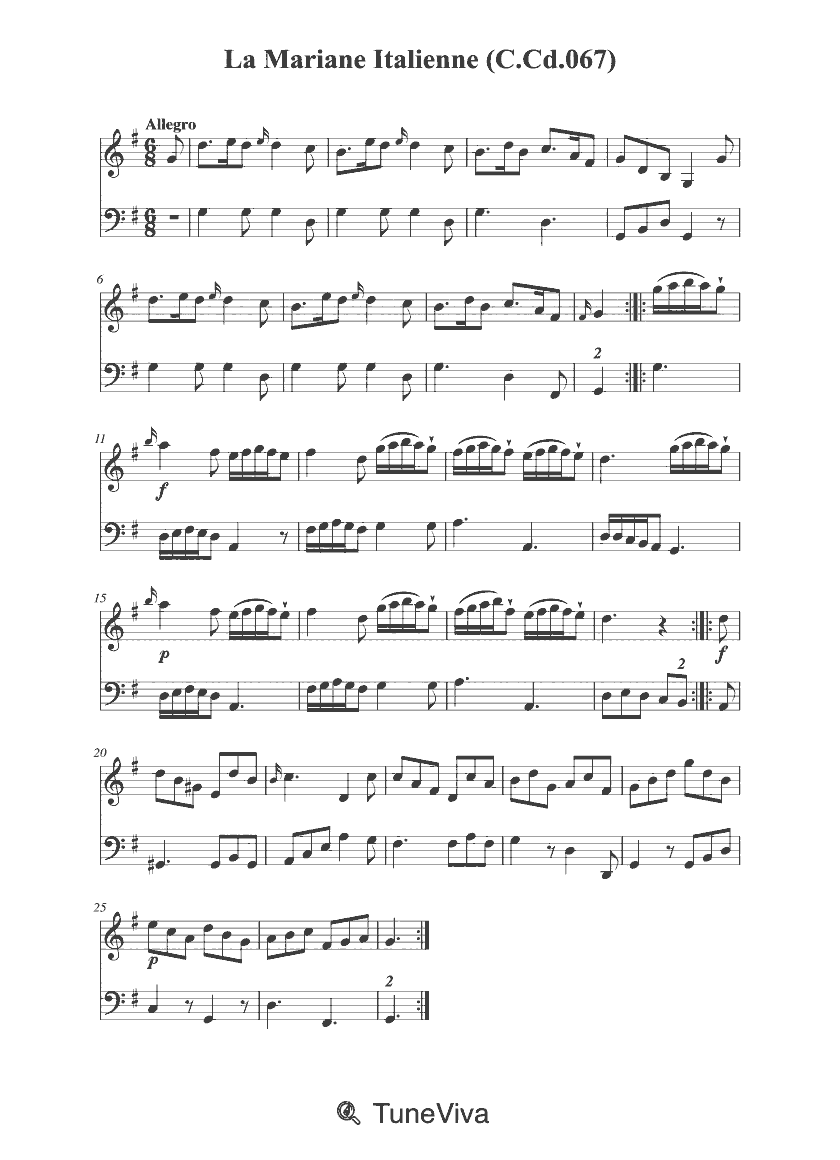
Conterdans / C.Cd.067
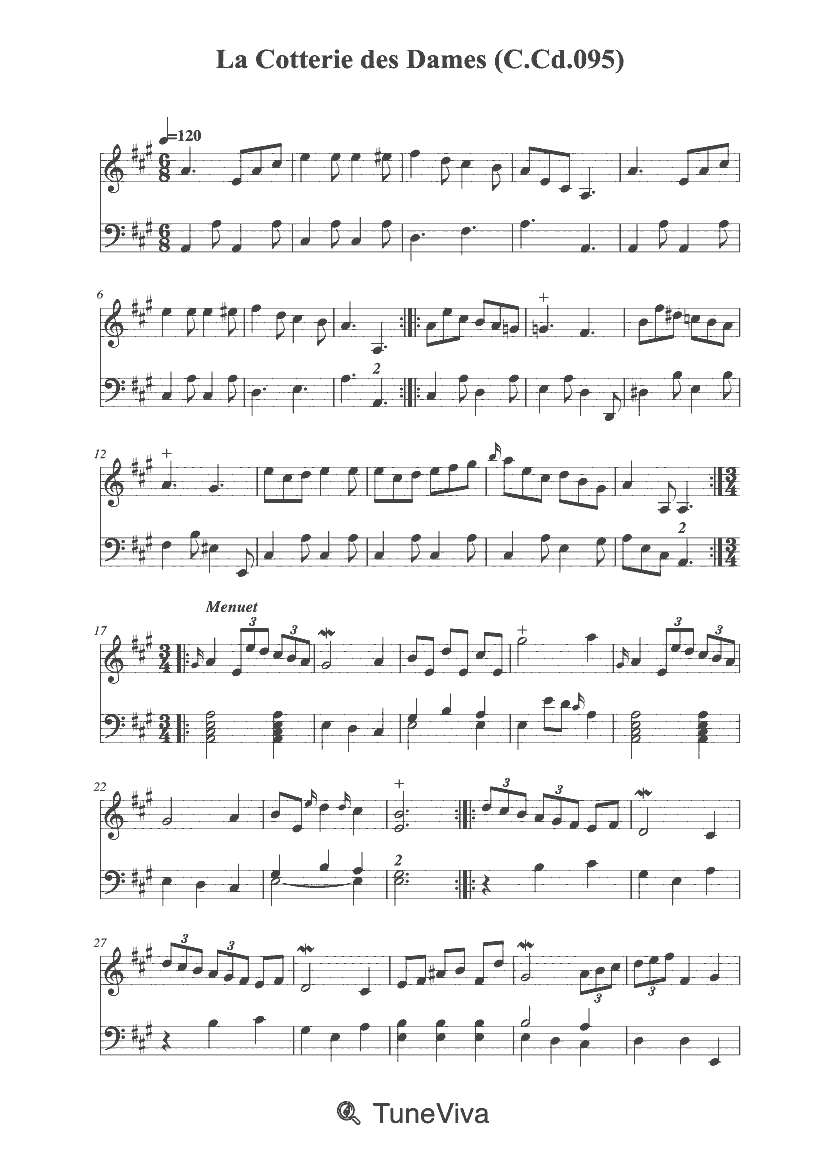
Conterdans / C.Cd.095
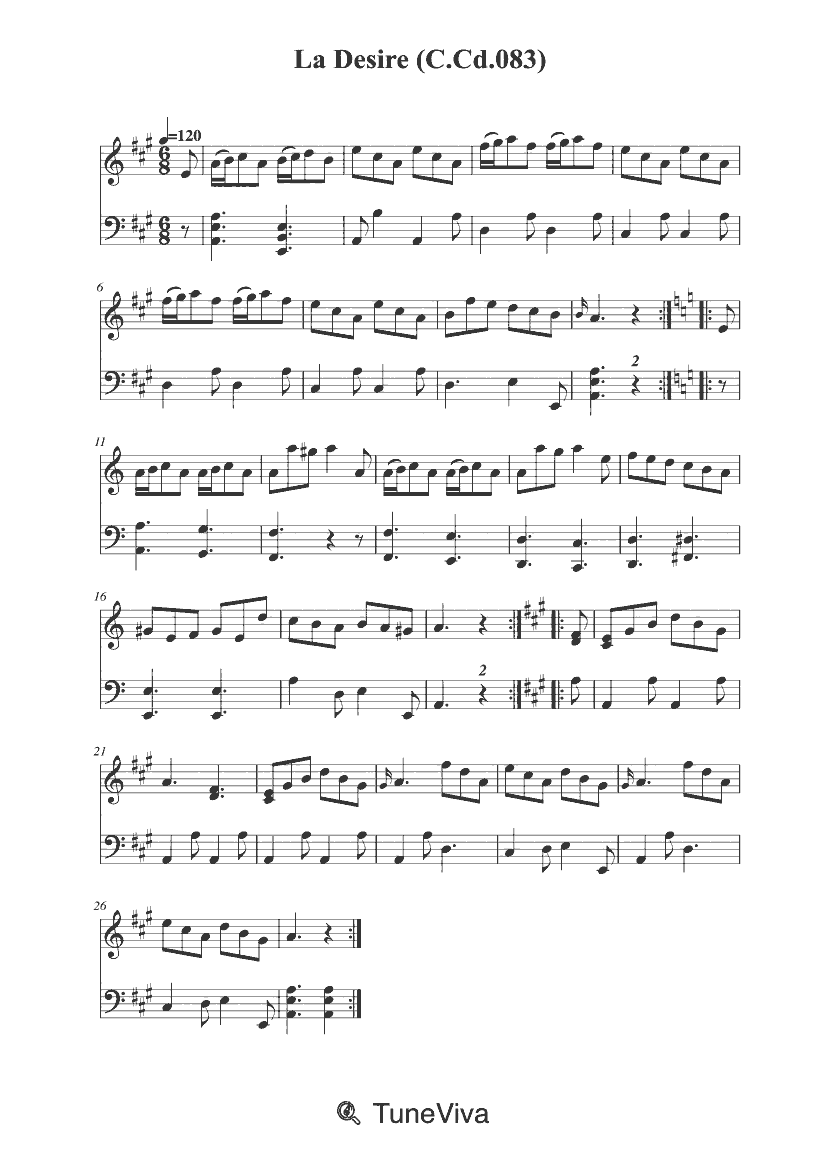
Conterdans / C.Cd.083
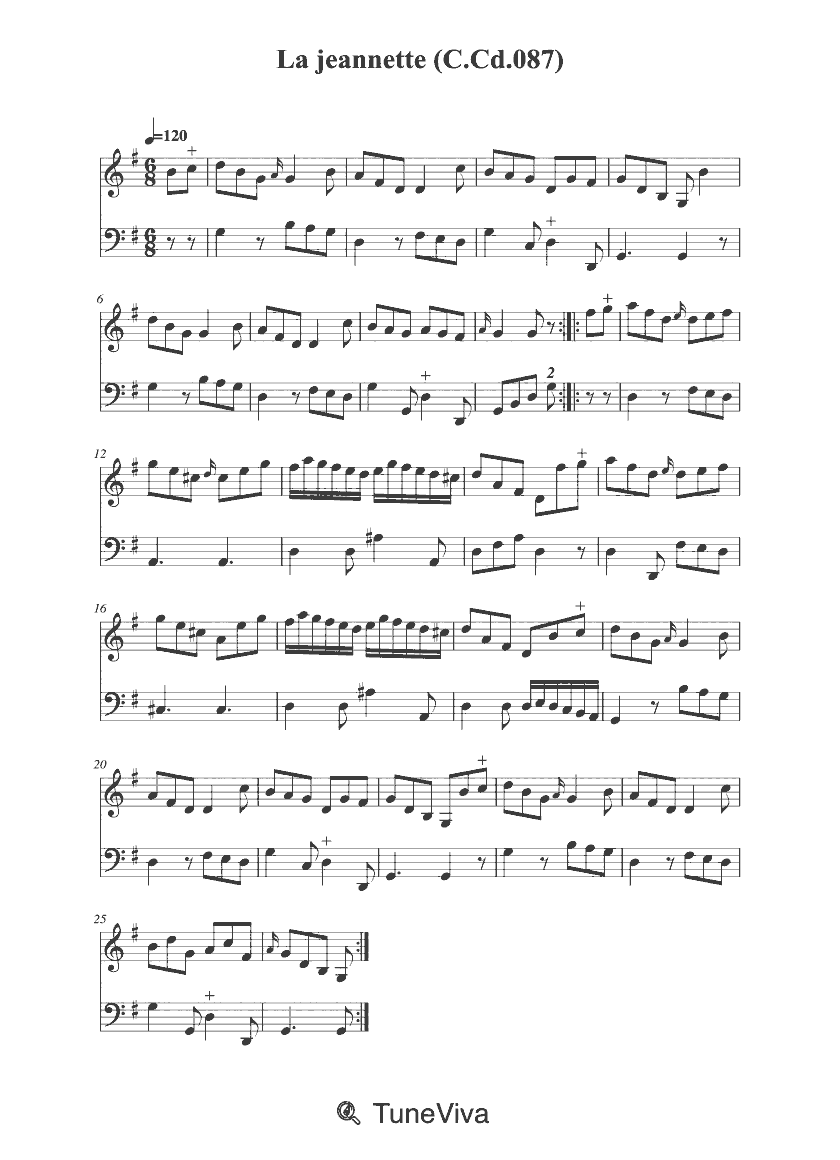
Conterdans / C.Cd.087