classical
1 tracks
Frank Marion Davis was a singing teacher and gospel-song composer, born near Marcellus, New York, in 1839 and dead at fifty-seven while attending a camp meeting in Indiana. He had a hand in ten Sunday-school songbooks and wrote more than a hundred vocal and instrumental pieces, most of them short, square-cut and built for a room of amateur singers.
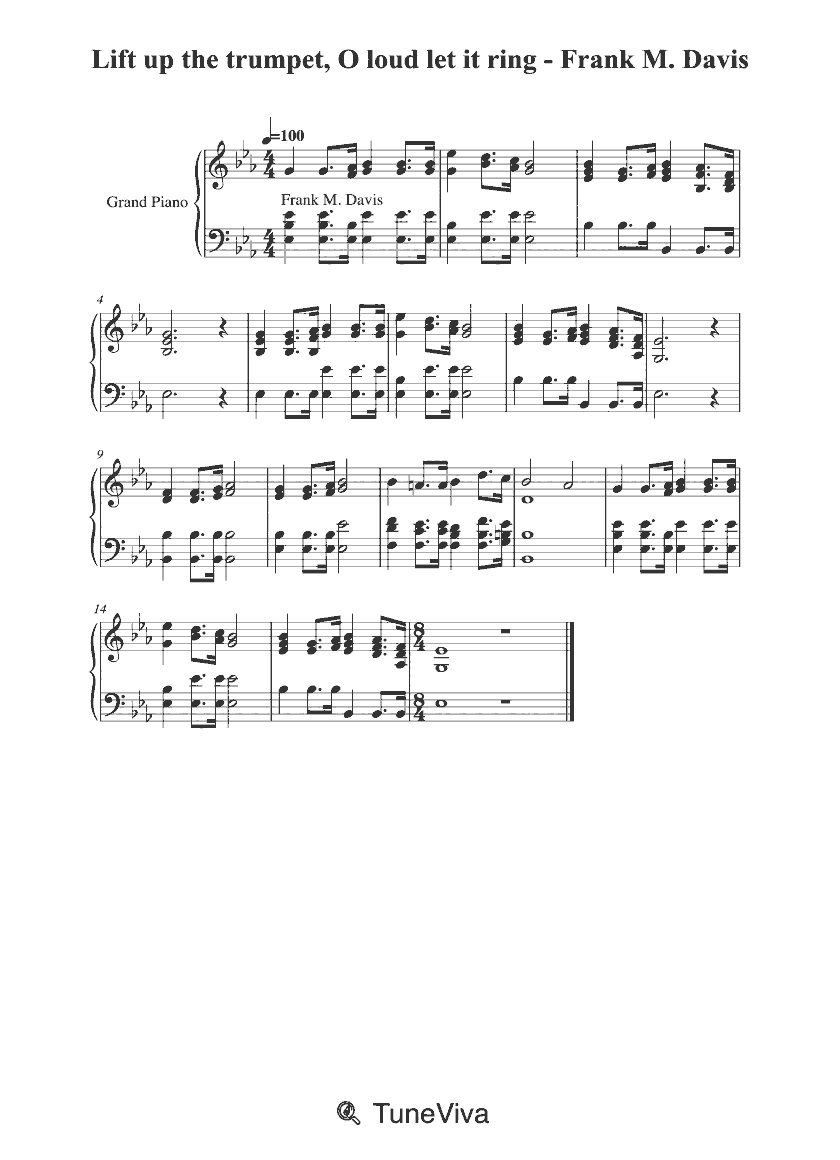
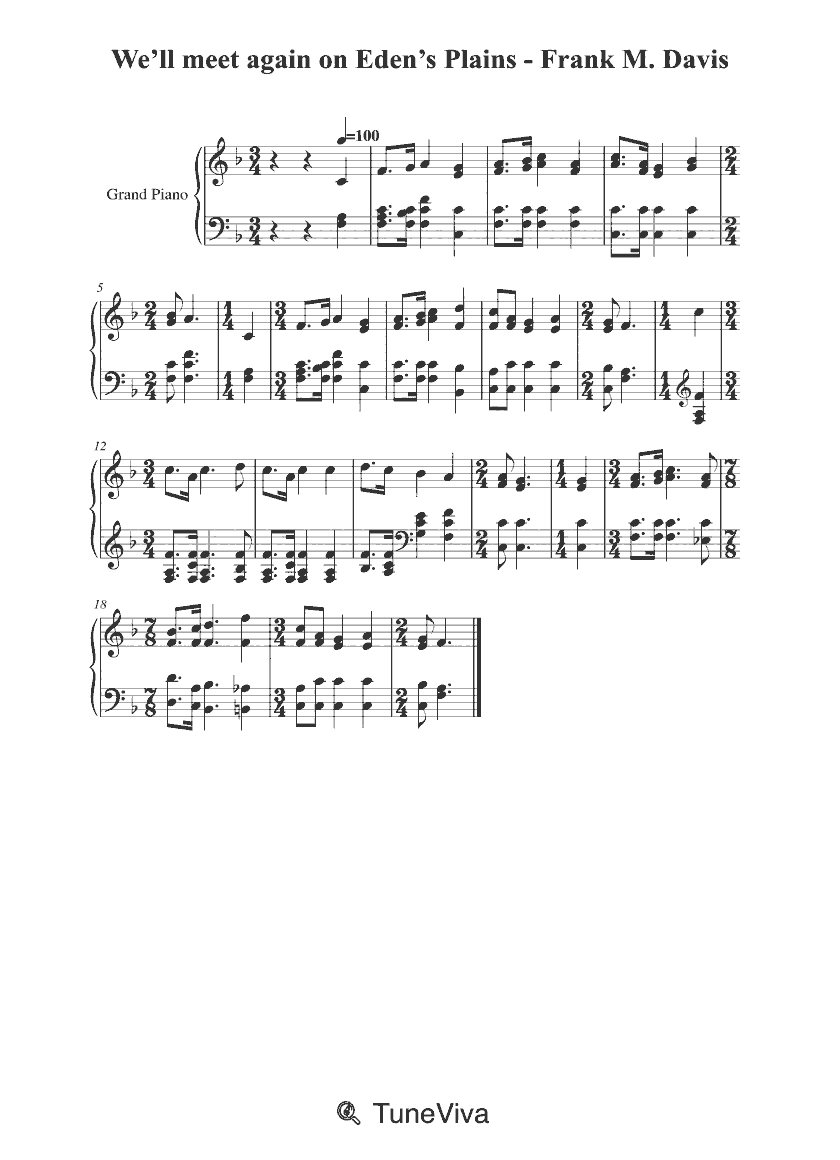
TuneViva holds 96 Davis scores, about 56 minutes of music and 26,049 notated notes; 50 of them carry lyrics. The most-viewed is Go spread the light and let it shine, followed by Lift up the trumpet, O loud let it ring and We'll meet again on Eden's Plains.
Davis was born on 23 January 1839 near Marcellus, New York, the son of David S. Davis and Charlotte Abbey. He never settled in one place: he lived at different times in Marcellus, Vicksburg, Baltimore, Cincinnati, and Burr Oak and Findley in Michigan, teaching vocal and instrumental classes, directing choirs and singing solos. He never married. He died suddenly of heart failure on 1 August 1896 at a camp meeting in Chesterfield, Indiana, and was buried in Michigan.
His first published composition, a march, appeared in the Waverly Magazine, and his first Sunday-school book, New Pearls of Song, followed in 1877. Crystal Songs (1878), Always Welcome (1879), Carols of Joy (1882), Notes of Praise (1890), Crown of Gold (1892) and Brightest Glory (1894) came after it. Notes of Praise, which he published himself, was reported to have sold close to 100,000 copies. He also wrote under the pseudonym C. L. Jackson, and he painted in oils and watercolours.
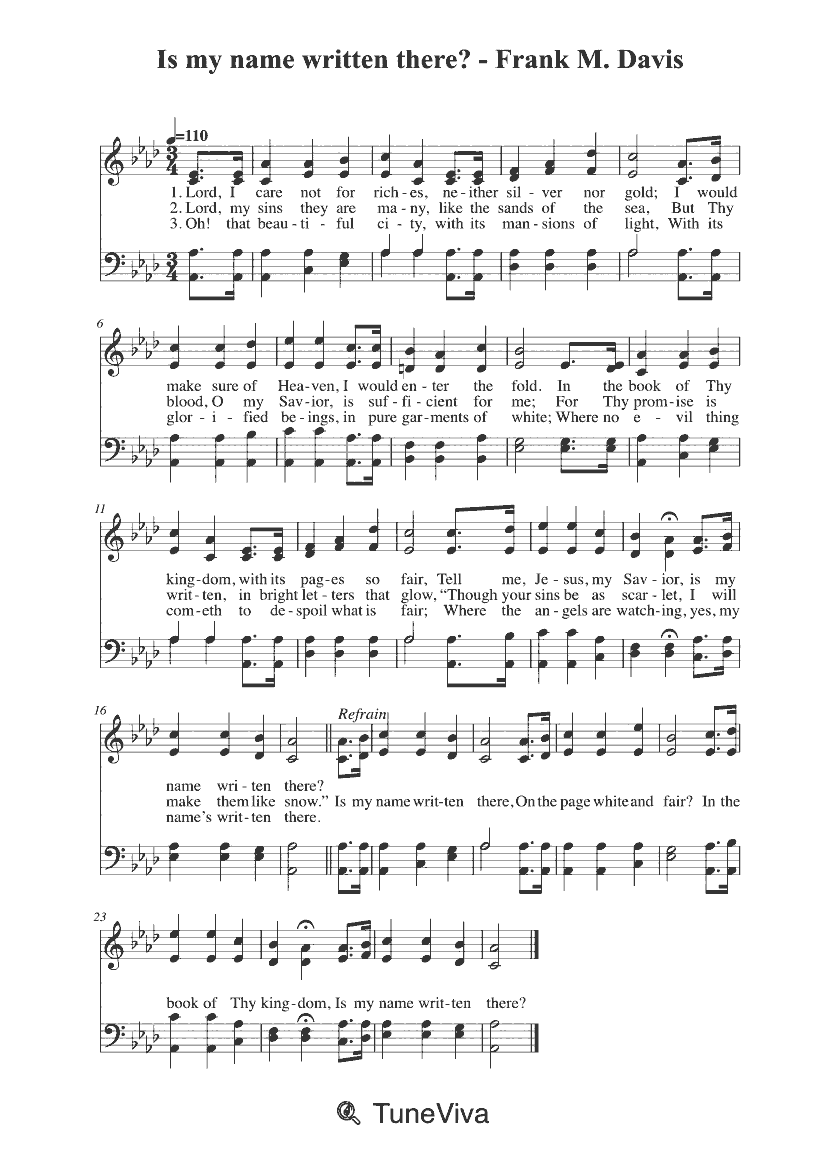
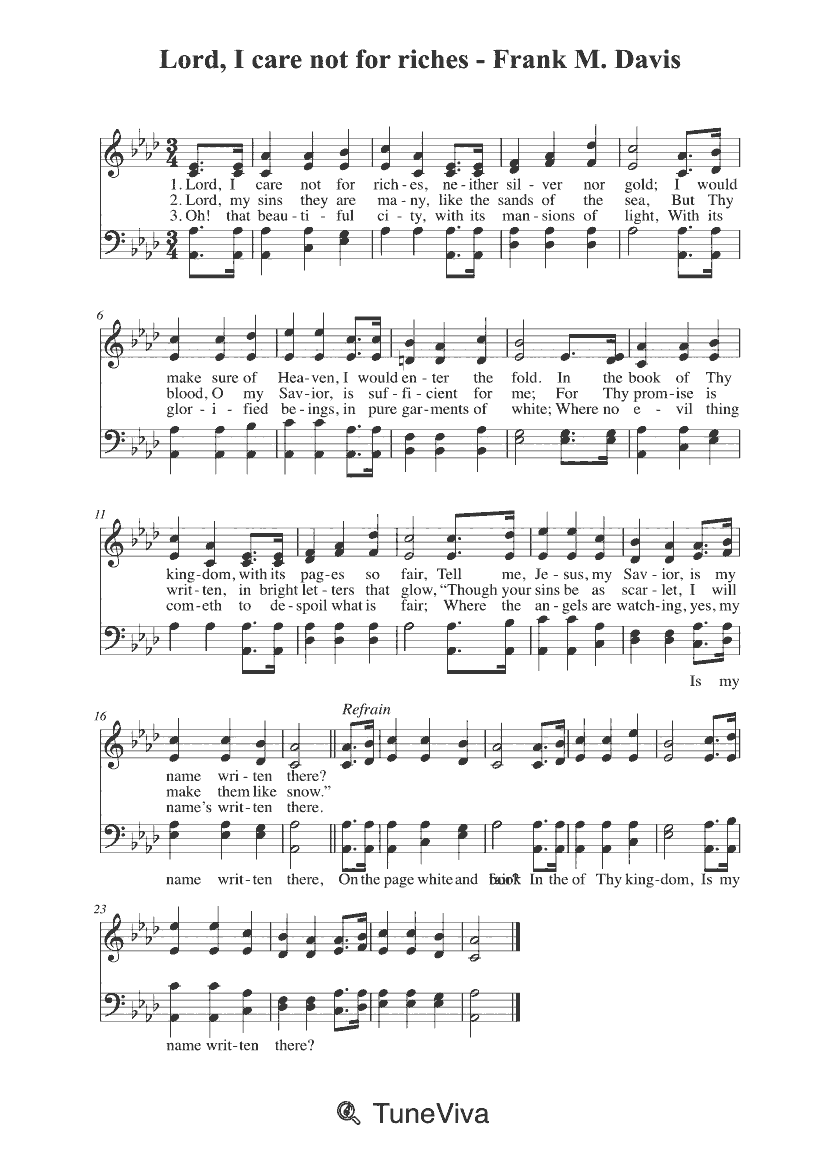
The 96 scores here run to about 56 minutes and 26,049 notated notes, with 50 carrying lyrics. Difficulty is spread more widely than on most hymn pages: 25 entries sit at complexity index 0, 49 at index 1 and 22 at index 2. The same hymn often appears under two headings, once by title and once by first line, so Lord, I care not for riches and Is my name written there? are the same tune.
These are strophic gospel songs with a refrain, usually in four parts with the melody in the soprano and the accompaniment doubling the voices. Keep the tempo brisker than a hymn: the texts are invitations and the refrains are meant to lift. The harmony is mostly tonic, dominant and subdominant, so the interest lies in crisp diction and a steady pulse. Some entries look like shape-note or Sunday-school editions, where the parts are printed close together and dynamics are absent.
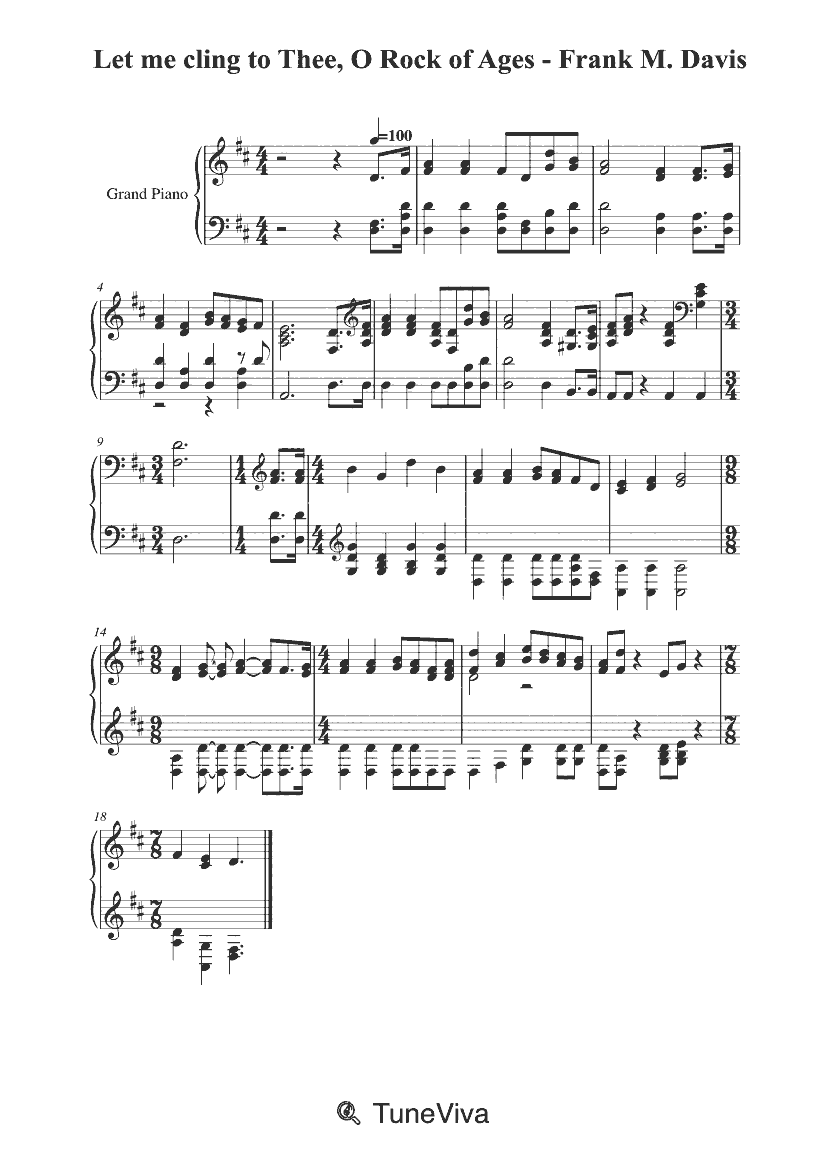
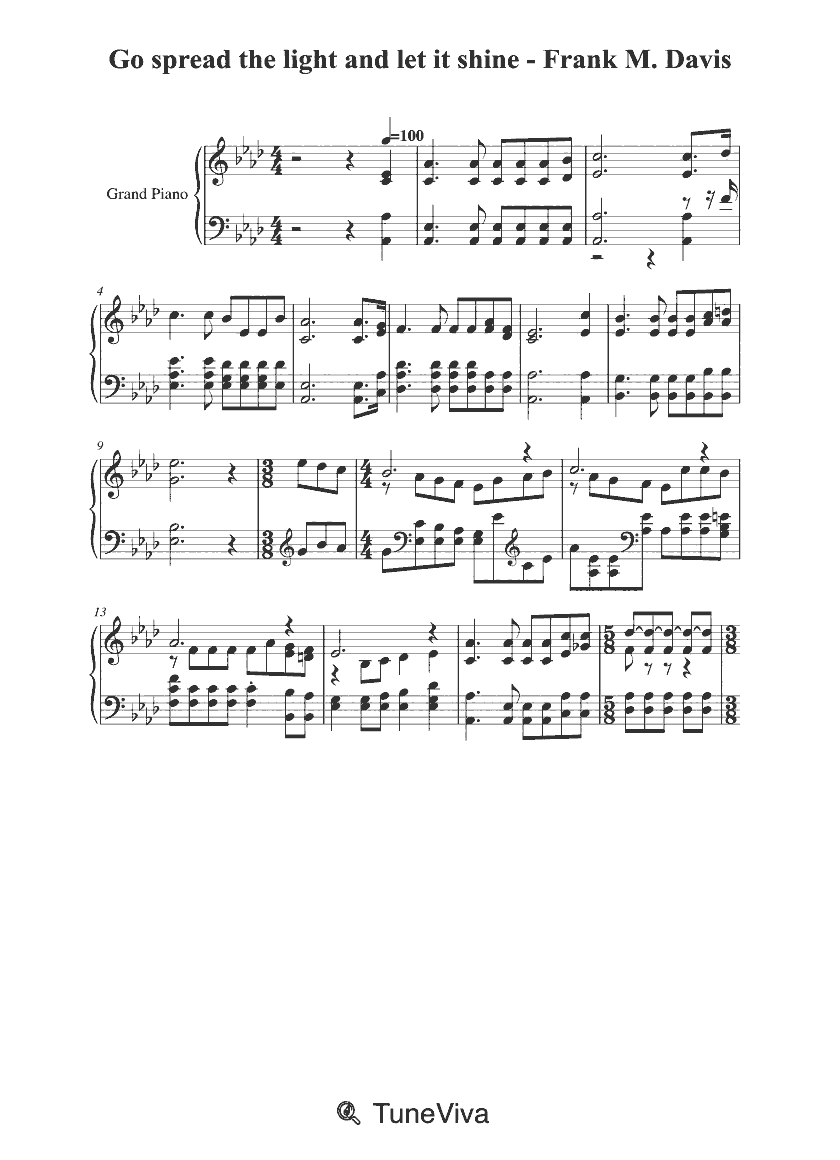
The most-viewed score on this page, one of the Sunday-school songs he wrote for the collections he edited.
A rallying missionary song, the sort of call to action that filled late nineteenth-century gospel hymnals.
A heaven-and-reunion hymn, one of the staple themes of the American gospel song.
His best-known tune, written at Burr Oak, Michigan, in July 1876 to a text by Mary A. Kidder.
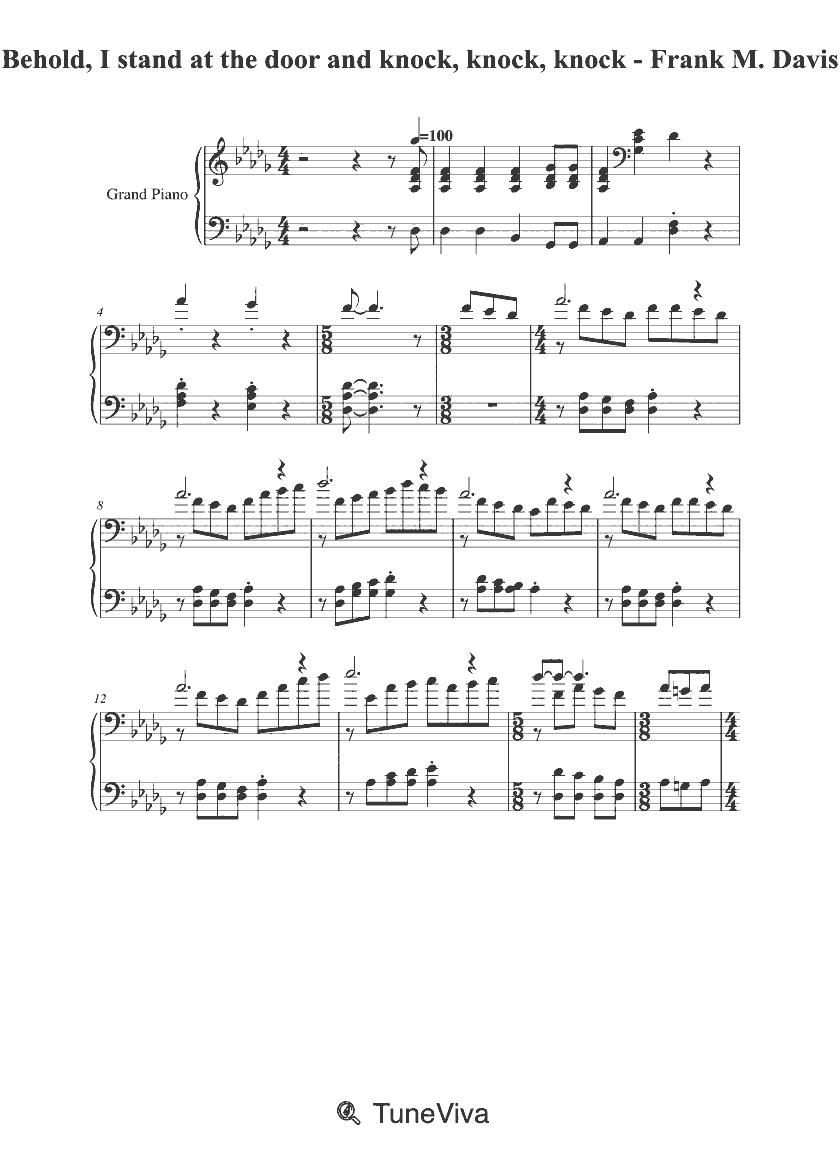
A setting of Revelation 3:20, the invitation verse that gospel song writers returned to constantly.
The same hymn as Is My Name Written There?, catalogued under its opening line rather than its title.
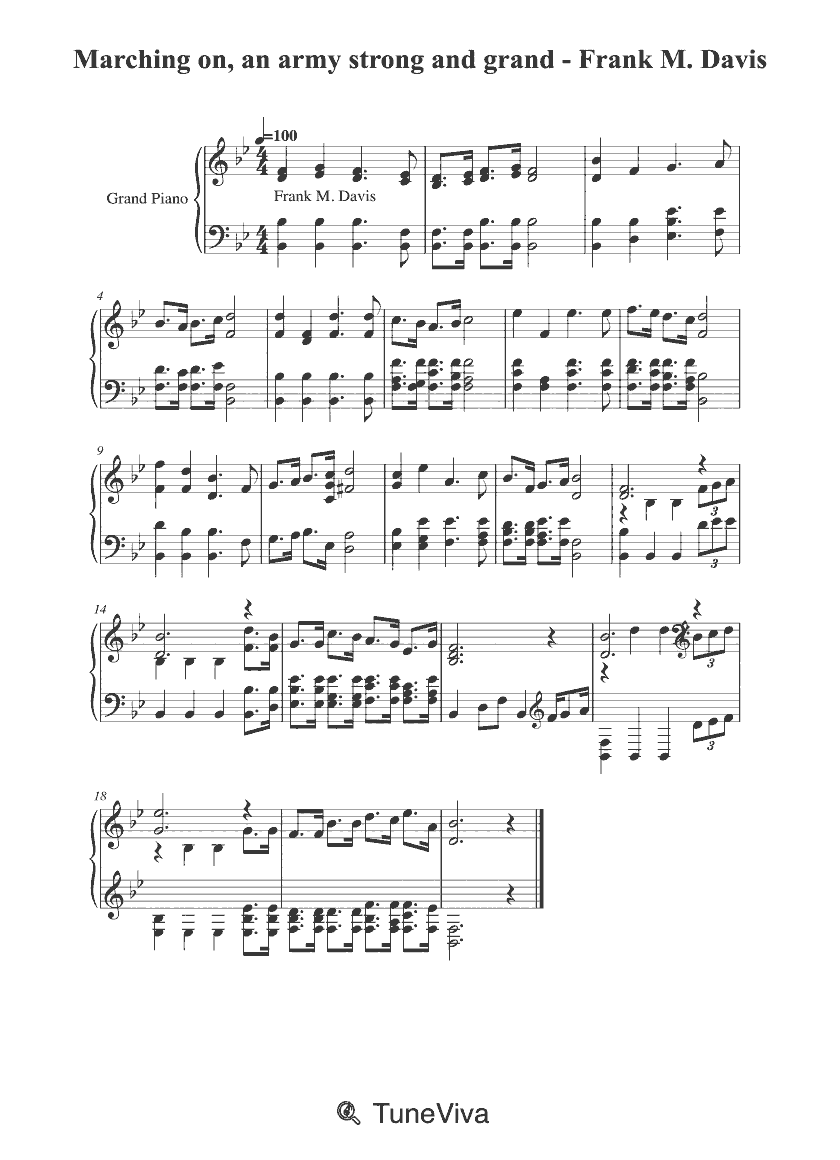
A marching chorus from the Sunday-school and temperance books he wrote for, with a refrain built for group singing.
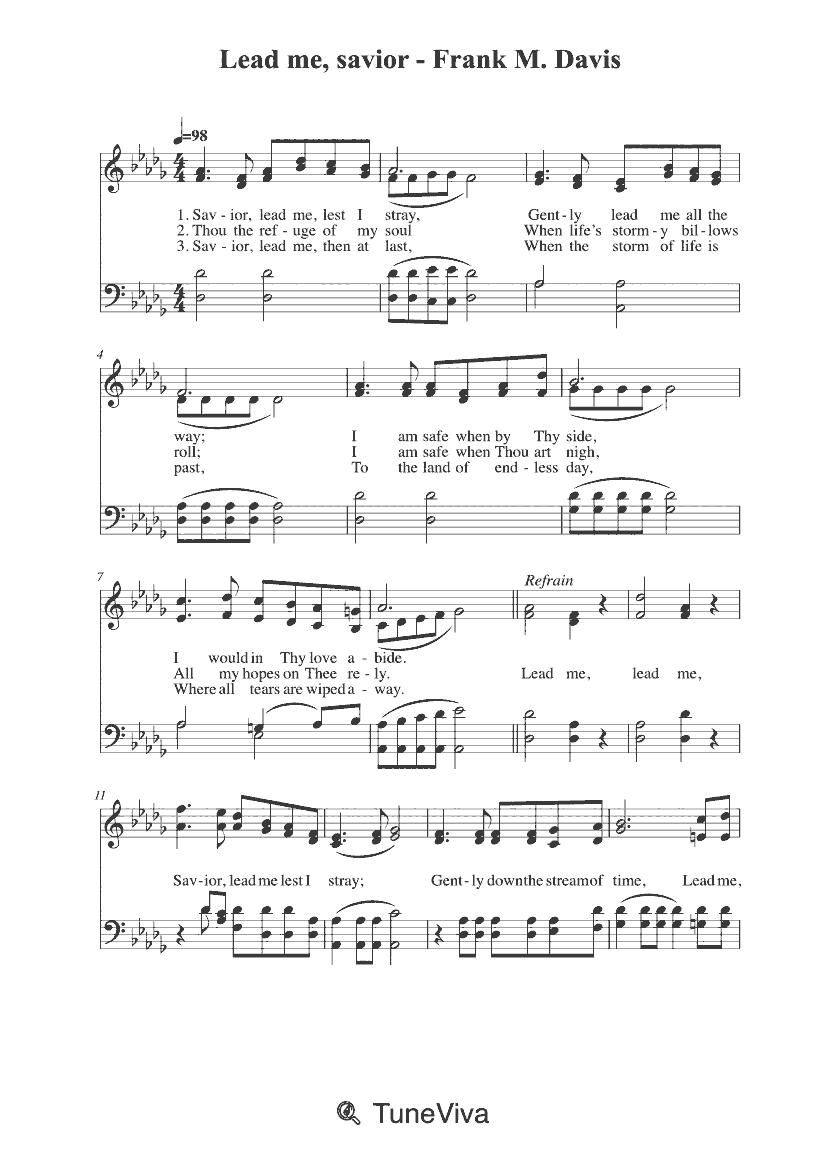
A prayer for guidance, one of the short hymns that fill his collections.
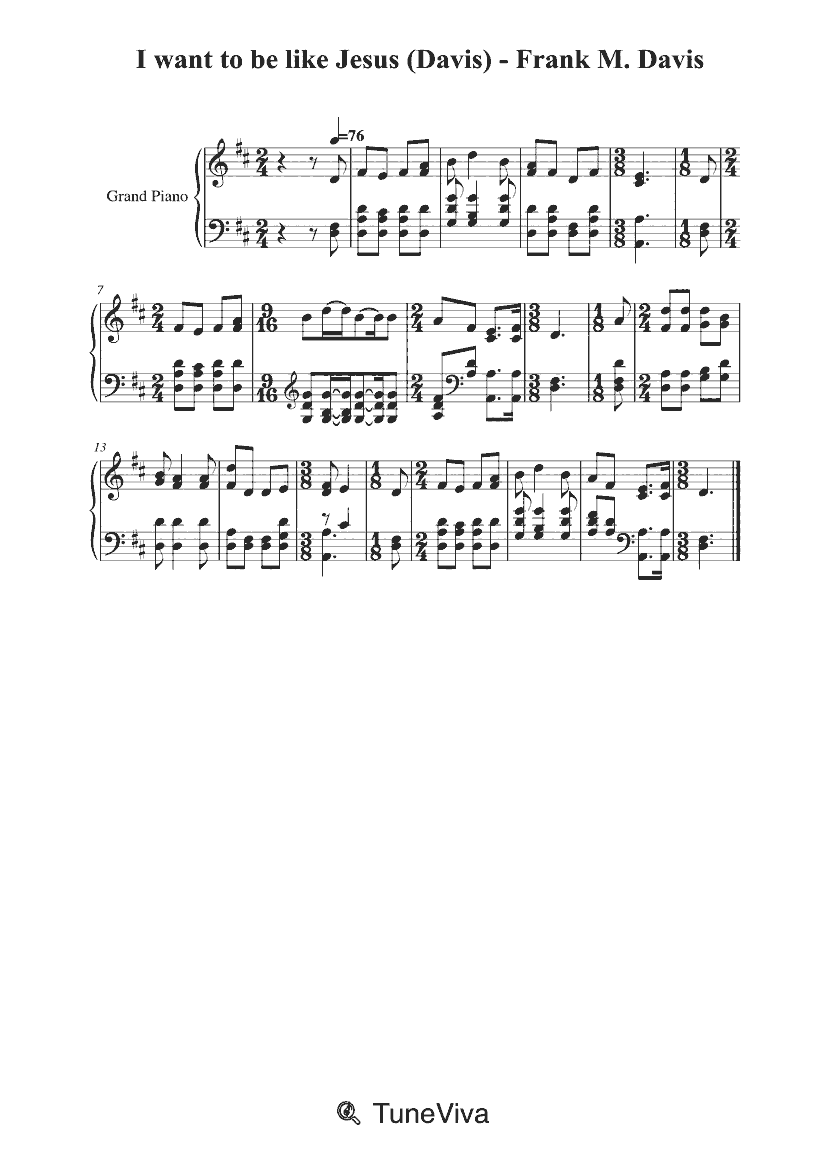
A simple hymn with a repeated title phrase, the kind of line that made his books easy for Sunday schools.
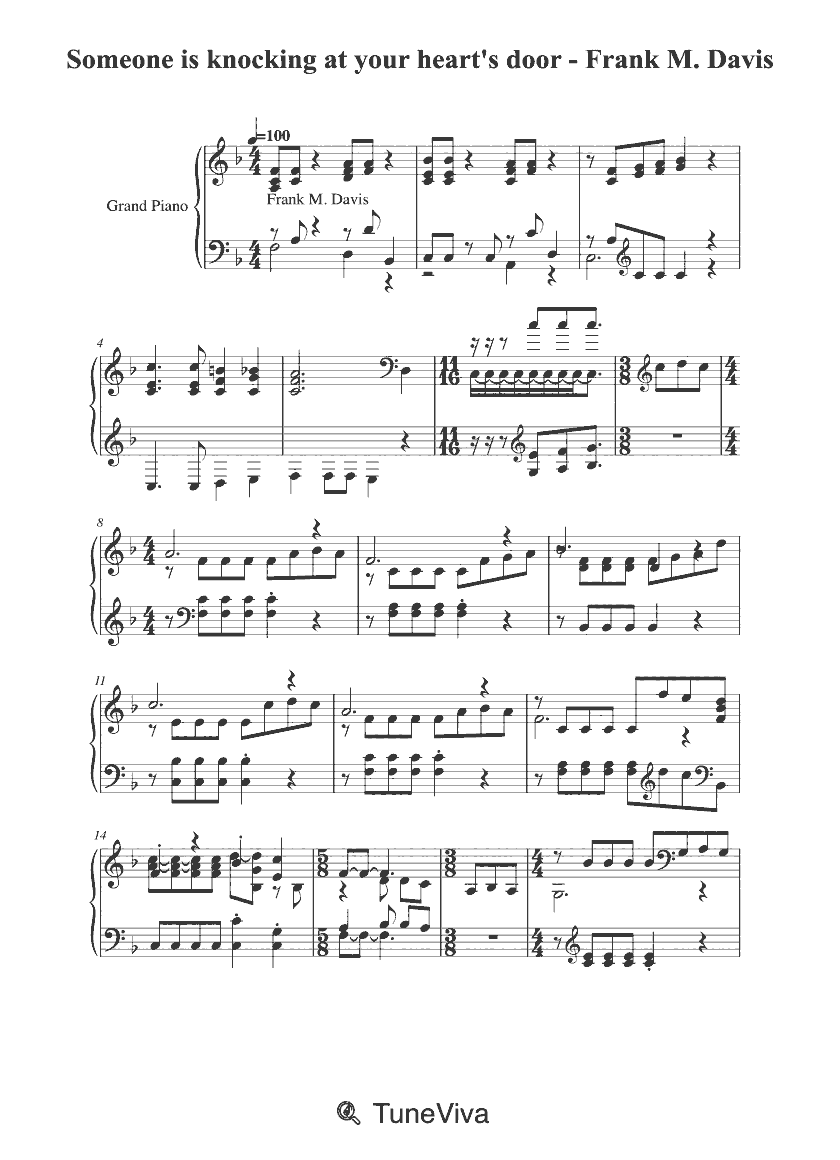
Another knock-at-the-door invitation, close in theme to Behold, I stand at the door.
There are 96, running to about 56 minutes of music and 26,049 notated notes; 50 of the scores carry lyrics.
Often, but not always. He set texts by other writers too, including Mary A. Kidder's 'Lord, I care not for riches', which became Is My Name Written There?
A pseudonym Davis used on some of his songs; hymn dictionaries record it under his entry alongside his own name.
A collection Davis published himself in Vicksburg, Mississippi, in 1890. A biographical sketch from 1914 reported sales approaching 100,000 copies.
Catalog editions and arrangements attributed to Frank Marion Davis.