classical
2 tracks
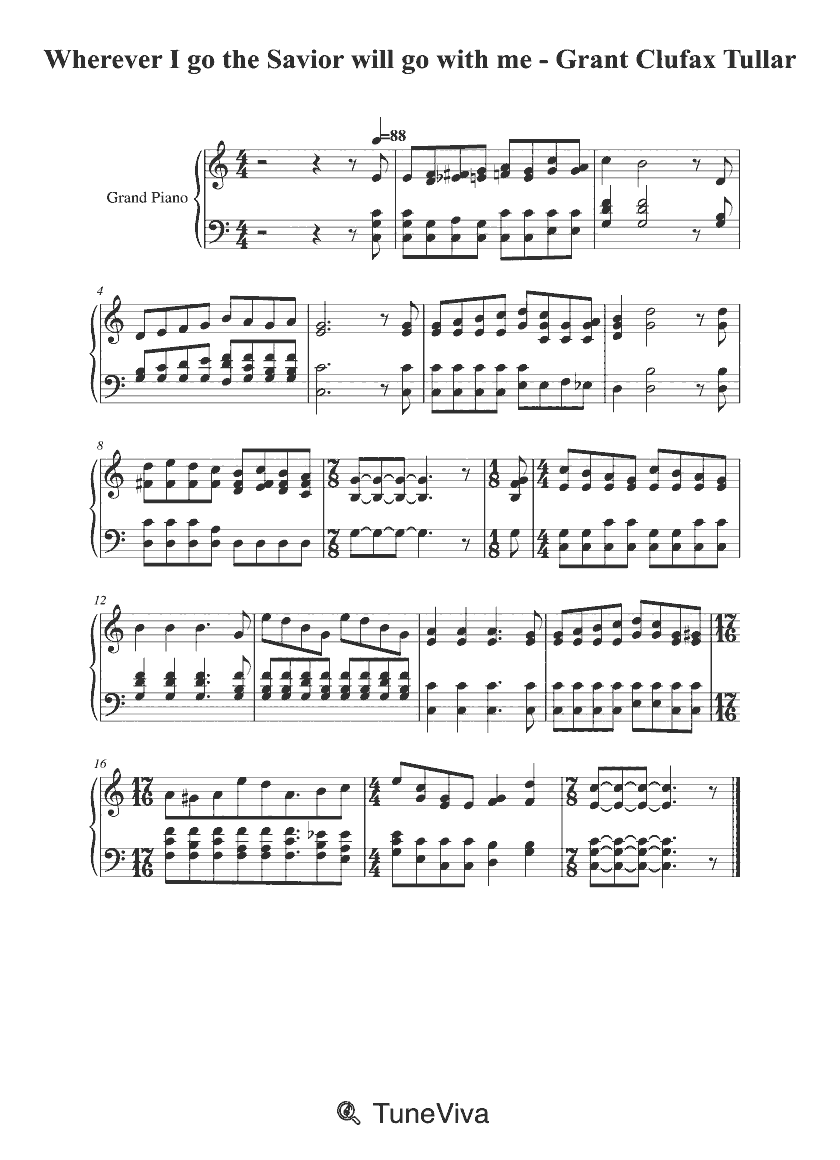
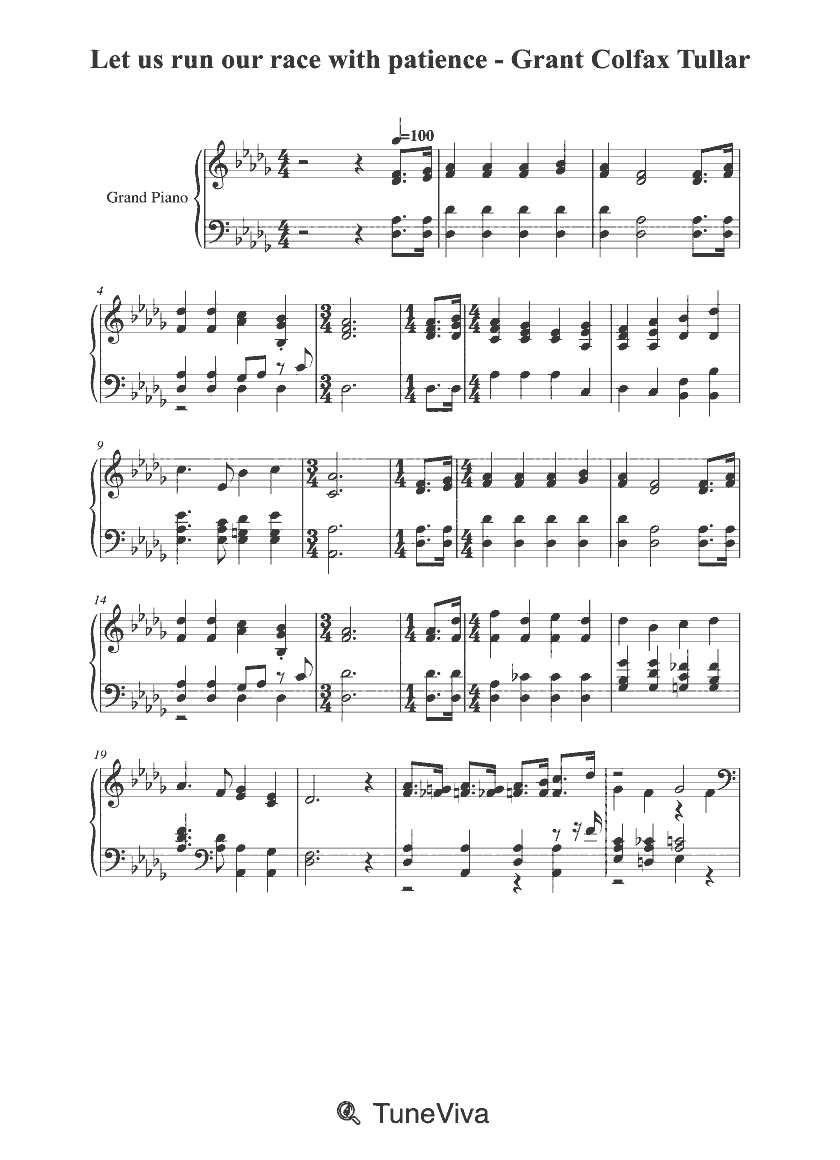
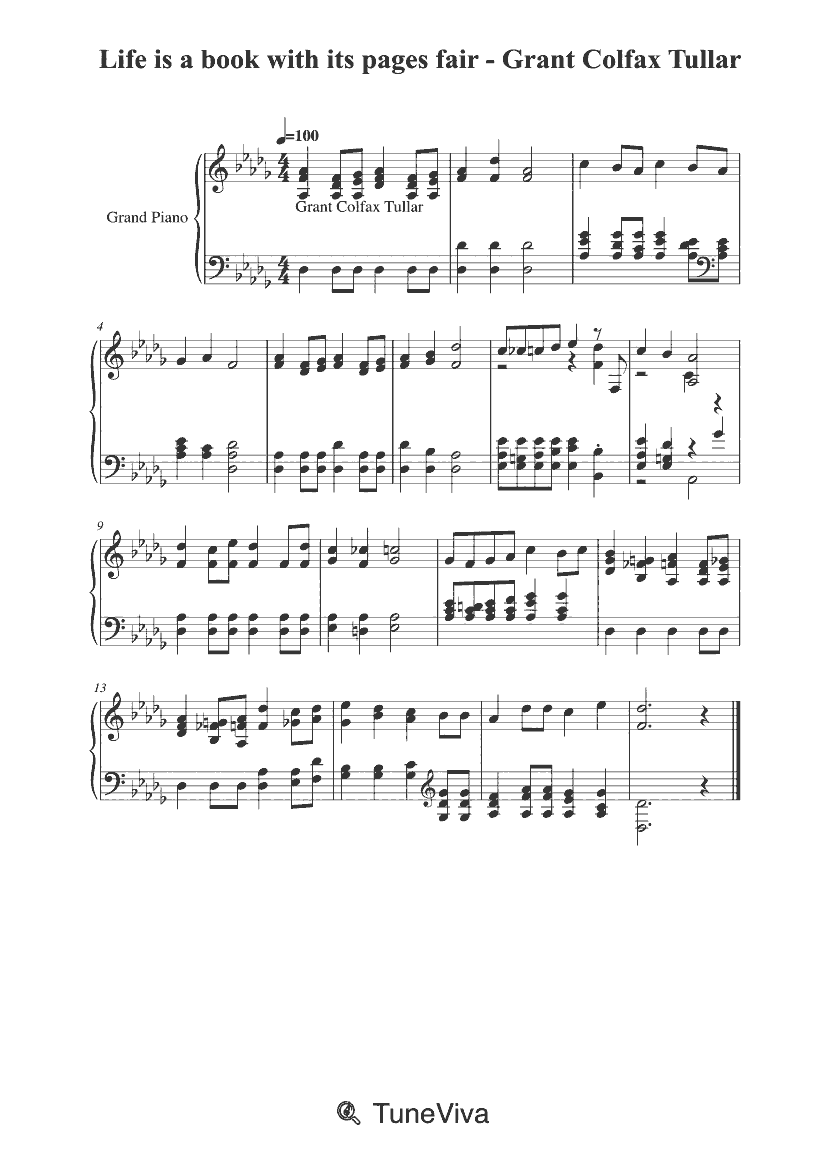
Grant Colfax Tullar wrote hymns for the American Sunday school and gave his name to the publishing house he ran with Isaac Meredith. The catalogue holds 72 scores, about 50 minutes of music and 25,175 notated notes, with 45 entries carrying lyrics.
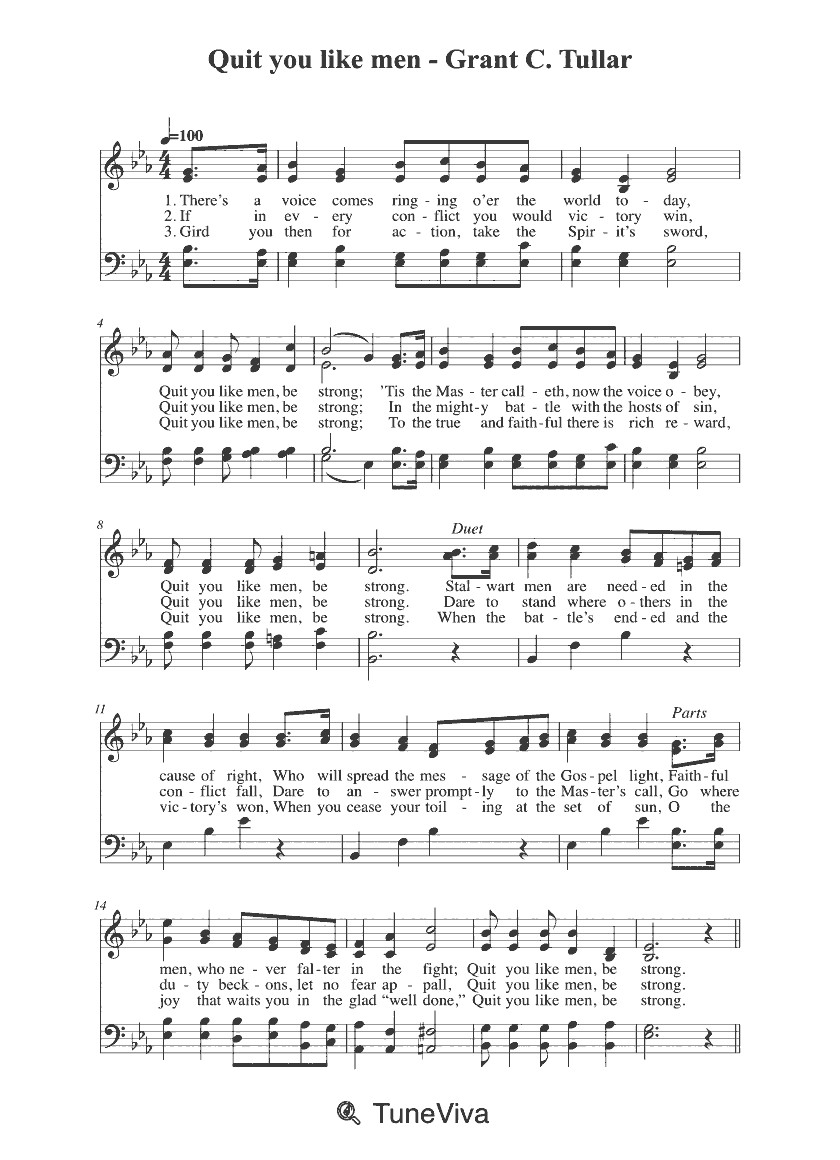
The most-viewed piece is 'Quit you like men', a setting of 1 Corinthians 16:13, followed by 'Nailed to the cross' and 'Christ, our mighty Captain'. Most of the collection is short and strophic: 32 entries at complexity index 0, 25 at index 1 and 15 at index 2, with 71 filed as classical and one left unclassified.
Tullar was born on 5 August 1869 in Bolton, Connecticut, and named after President Ulysses S. Grant and Vice-President Schuyler Colfax. His mother died when he was two and his father was disabled by the Civil War, so his childhood was unsettled. He became a Methodist at a camp meeting in 1888, studied at Hackettstown Academy in New Jersey, and served as a Methodist minister in Dover, Delaware.
In 1893, with Isaac Meredith, he founded the Tullar-Meredith Publishing Company in New York, which produced church and Sunday-school music for decades; the two men edited hymnals together, starting with Sermons in Song in 1893. The house also issued The Bible School Hymnal in 1907 and Sunday School Hymns No. 2 in 1912, both compiled with Meredith. Tullar wrote both words and music for many of his songs, and he is also remembered for the poem 'The Weaver', which Corrie ten Boom quoted and which is often wrongly attributed to her.
He died on 20 May 1950 in Ocean Grove, New Jersey, and is buried at Restland Memorial Park in Hanover. The catalogue's 72 entries run to about 50 minutes, and its titles mostly shorten his name to Grant C. Tullar, the form behind one of the merged slugs.
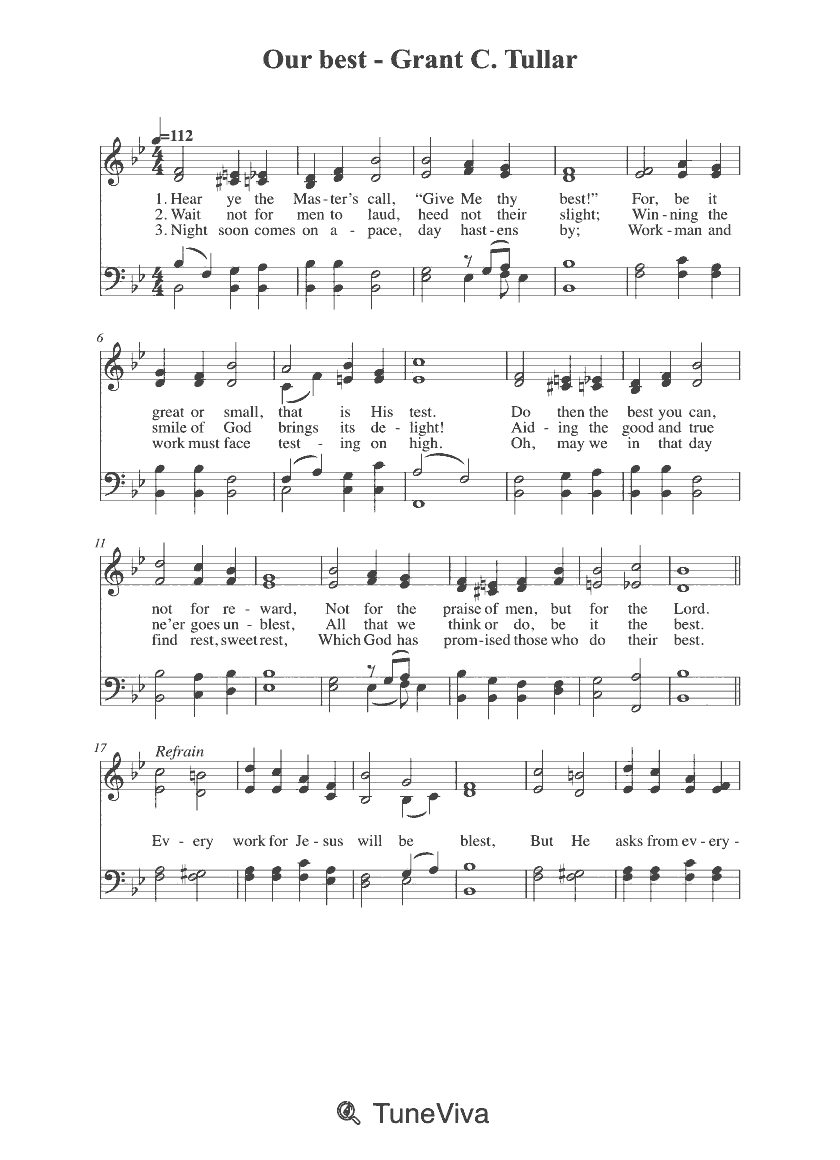
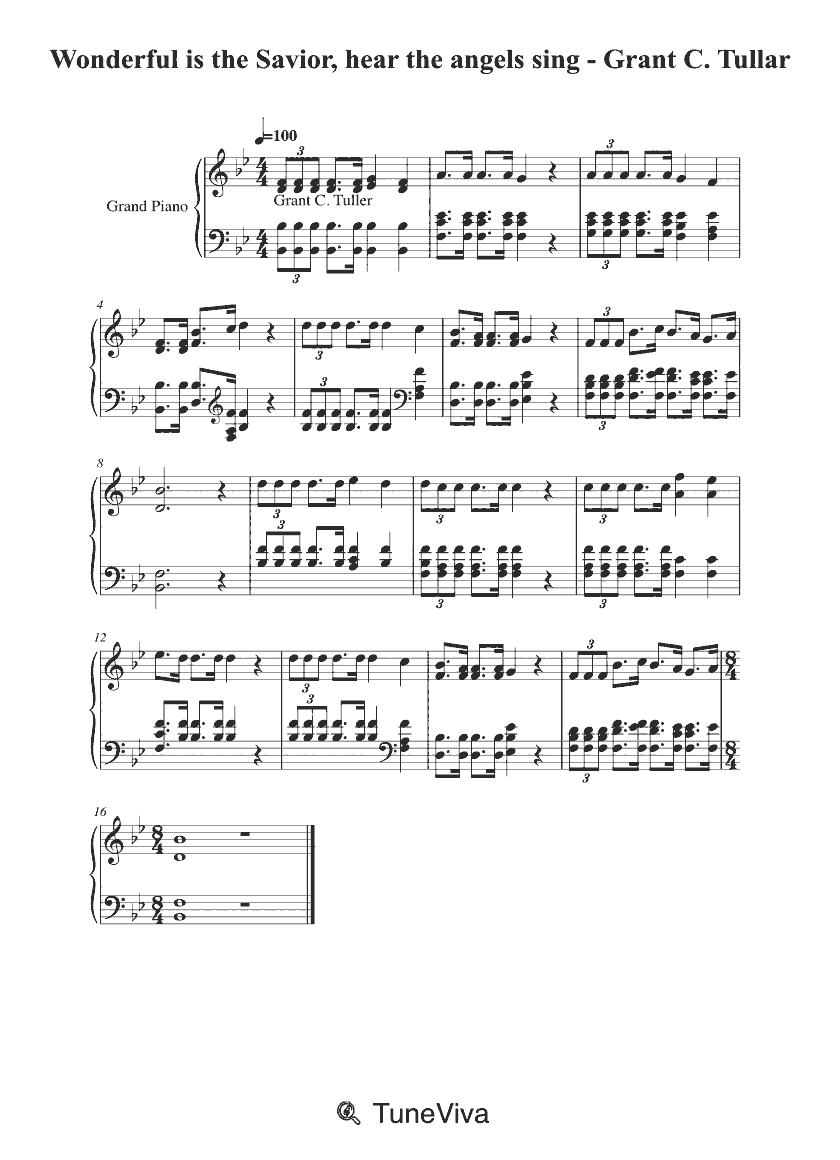
Tullar's hymns are built for congregational singing: a clear tune, a refrain in four-part harmony, and a march-like pulse under the battle songs. Keep the tempo brisk but not hurried, and let the refrain gain weight each time it returns. The tenor often carries the leading tone, so it needs support rather than volume. Where the text is narrative, as in 'Nailed to the cross', shape the verses towards the refrain rather than treating each stanza as a separate item.
Words and music by Tullar, printed in Hymns of Worship and Praise (Tullar-Meredith, 1909); the refrain quotes 1 Corinthians 16:13.
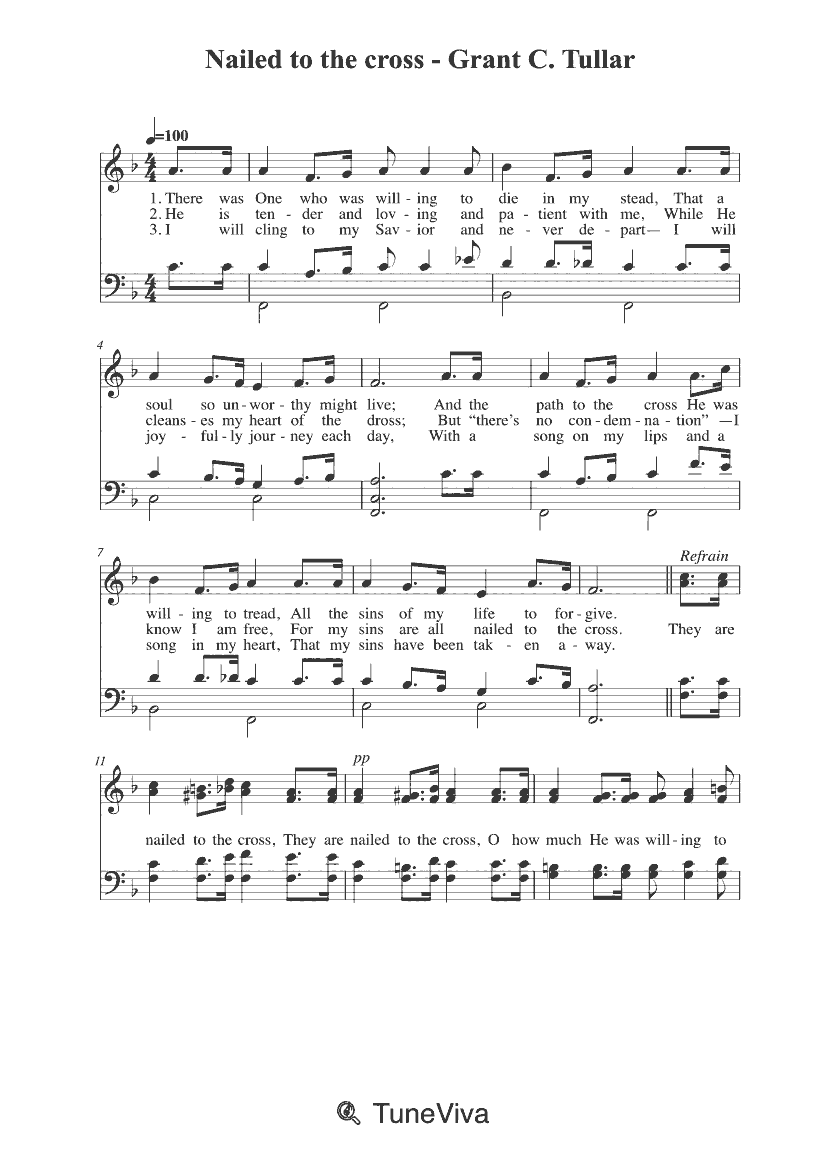
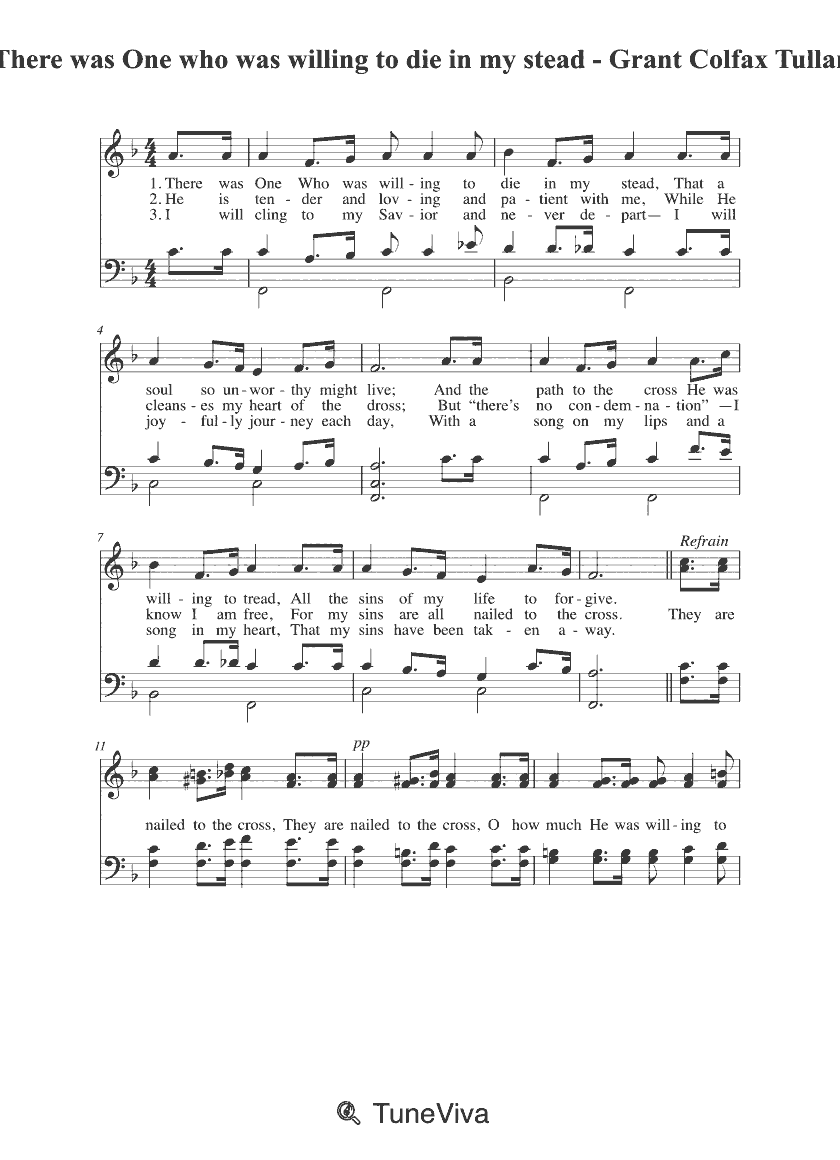
Carrie E. Breck's 1899 text, 'There was One who was willing to die in my stead', with Tullar's tune and refrain.
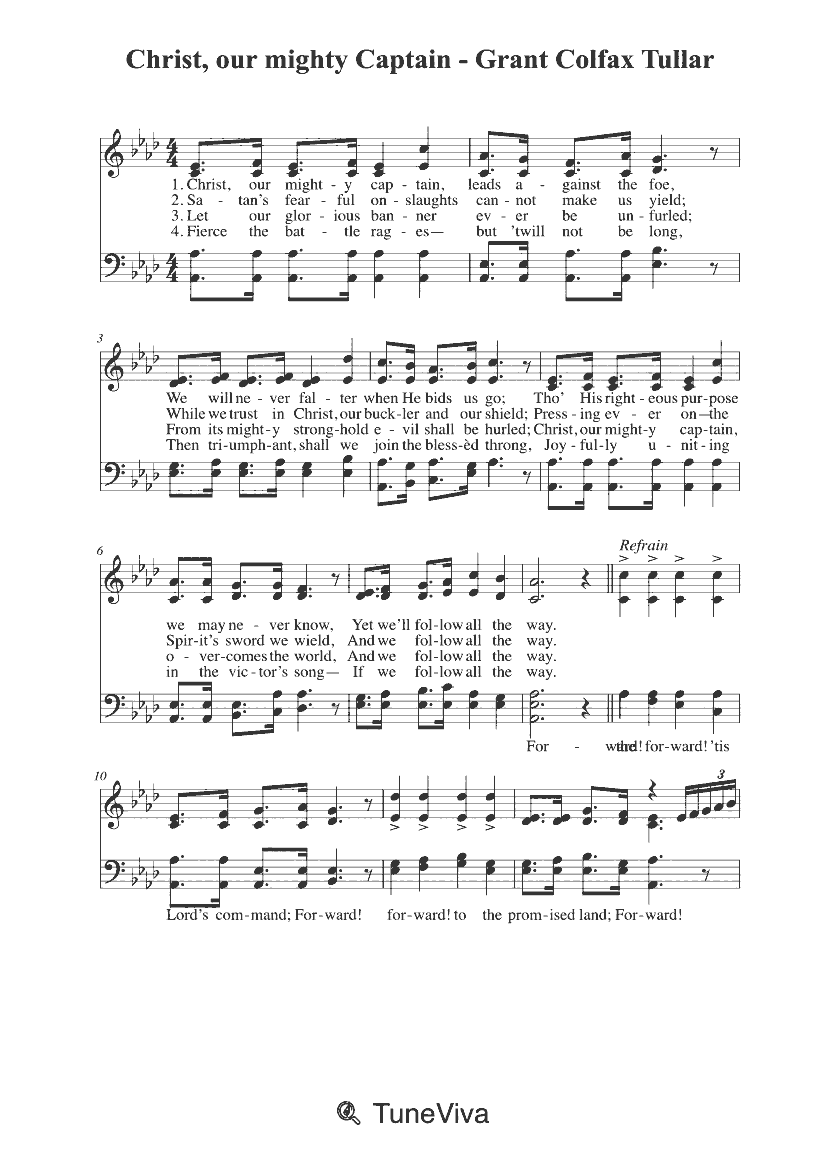
A march-like gospel song, 'Christ, our mighty Captain, leads against the foe'; hymnals date the tune to 1900.
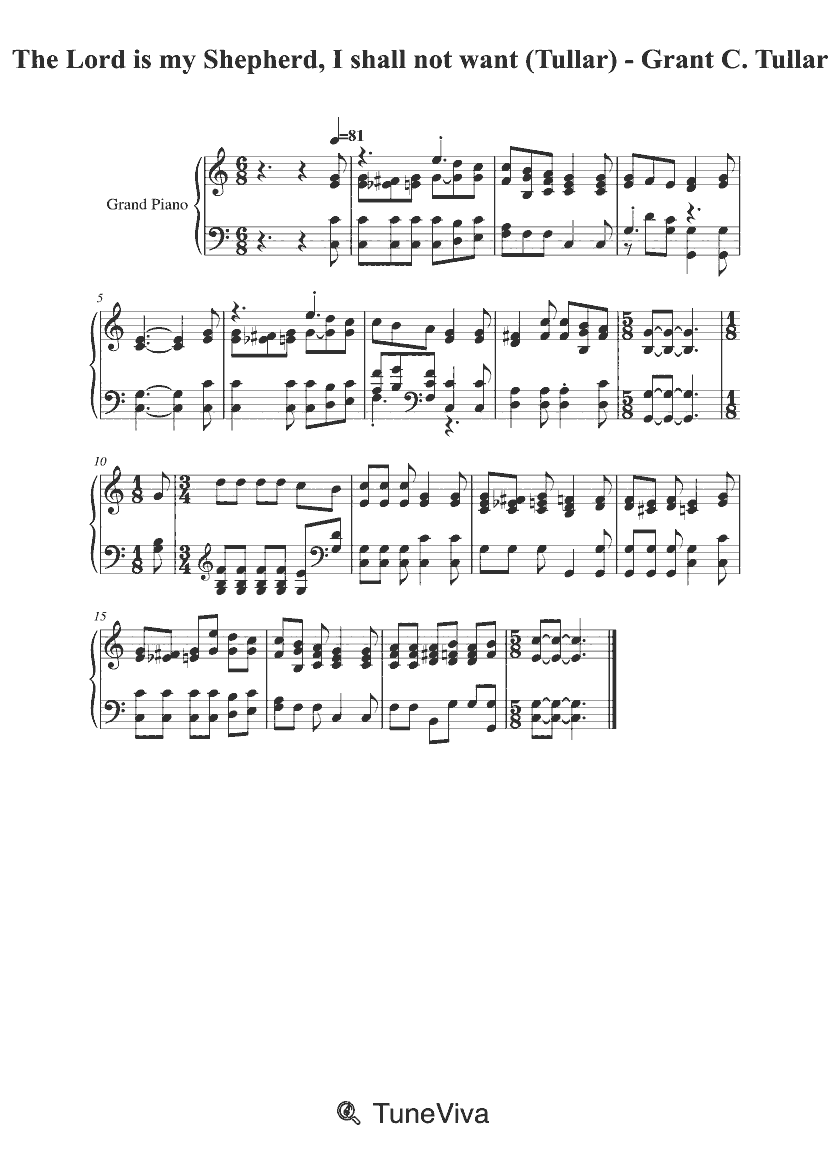
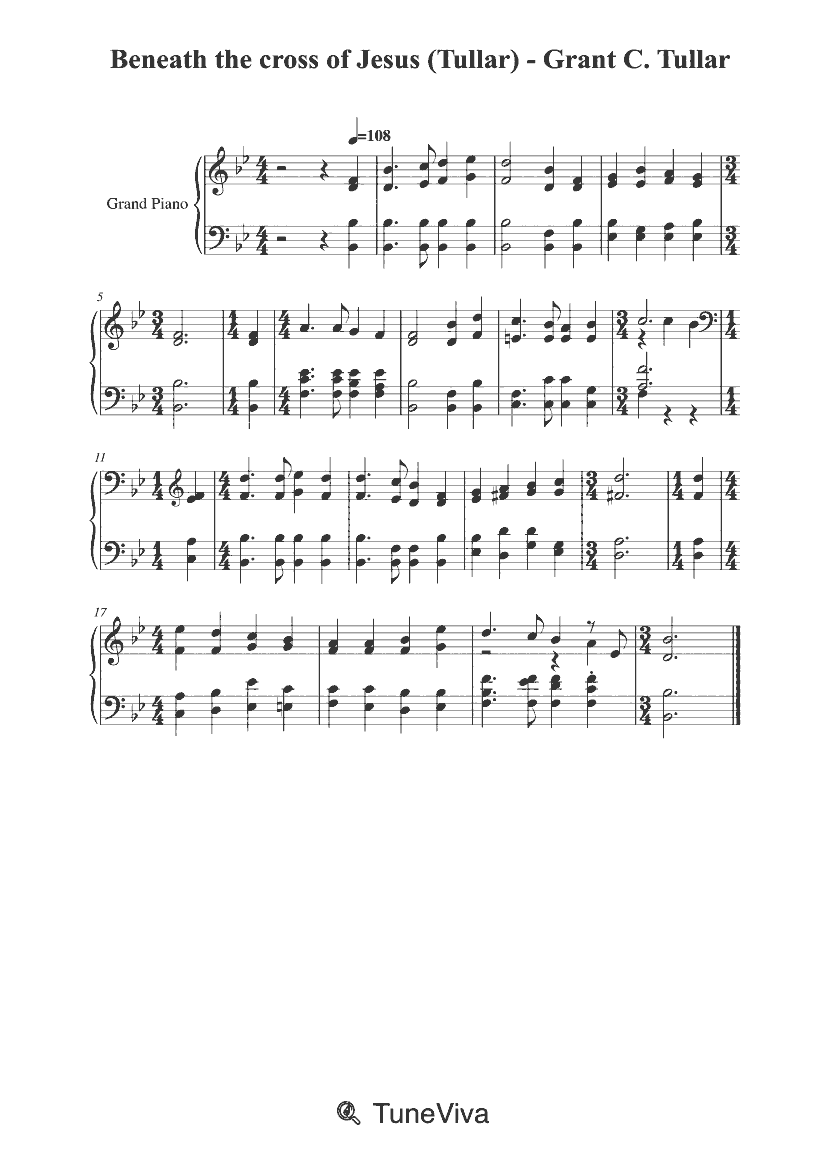
A setting of Psalm 23; the entry names no text author and the '(Tullar)' marks his tune.
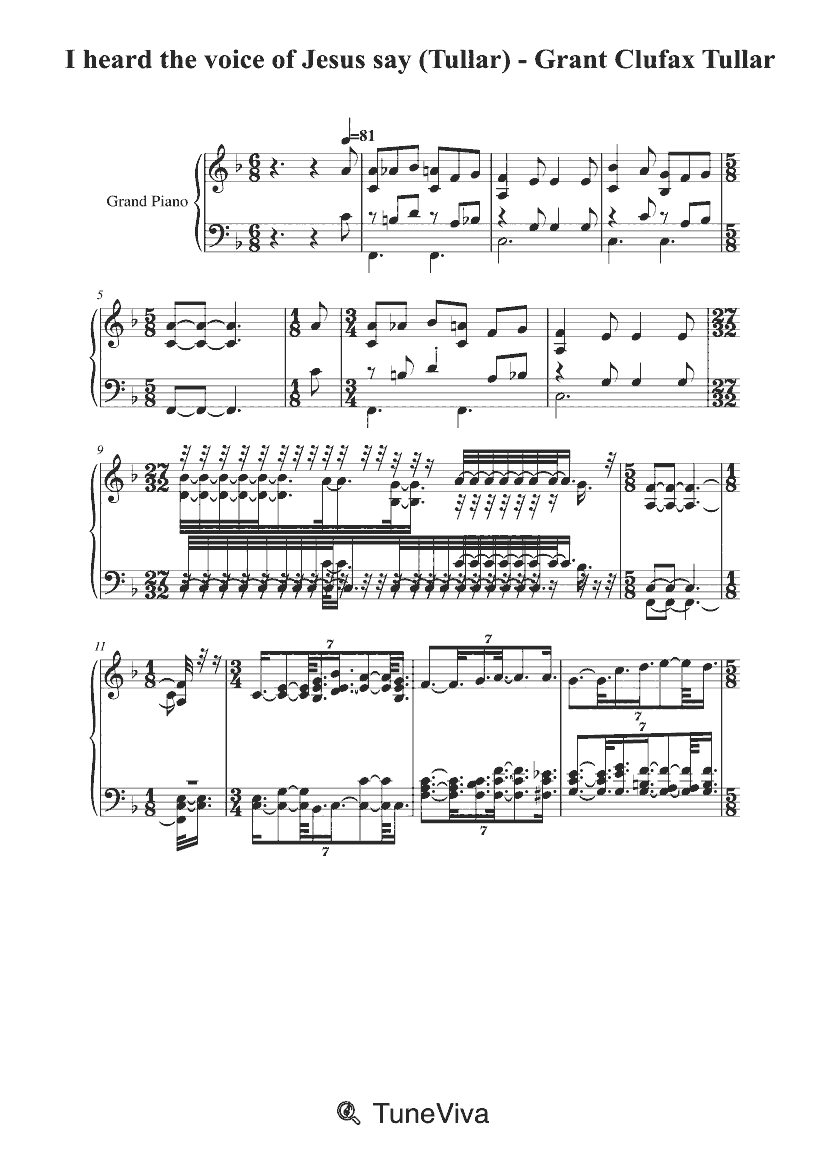
Horatius Bonar's hymn text in a Tullar setting, distinguished in the title from the many other tunes for the same words.
Tullar's own words and tune, not Elizabeth Clephane's better-known hymn on the same subject.
Carrie Breck's 1896 text with the tune TULLAR; it survives in later hymnals such as Songs of Faith and Praise.
George O. Webster's words, published as 'He Took My Place'; the entry indexes Tullar's setting.
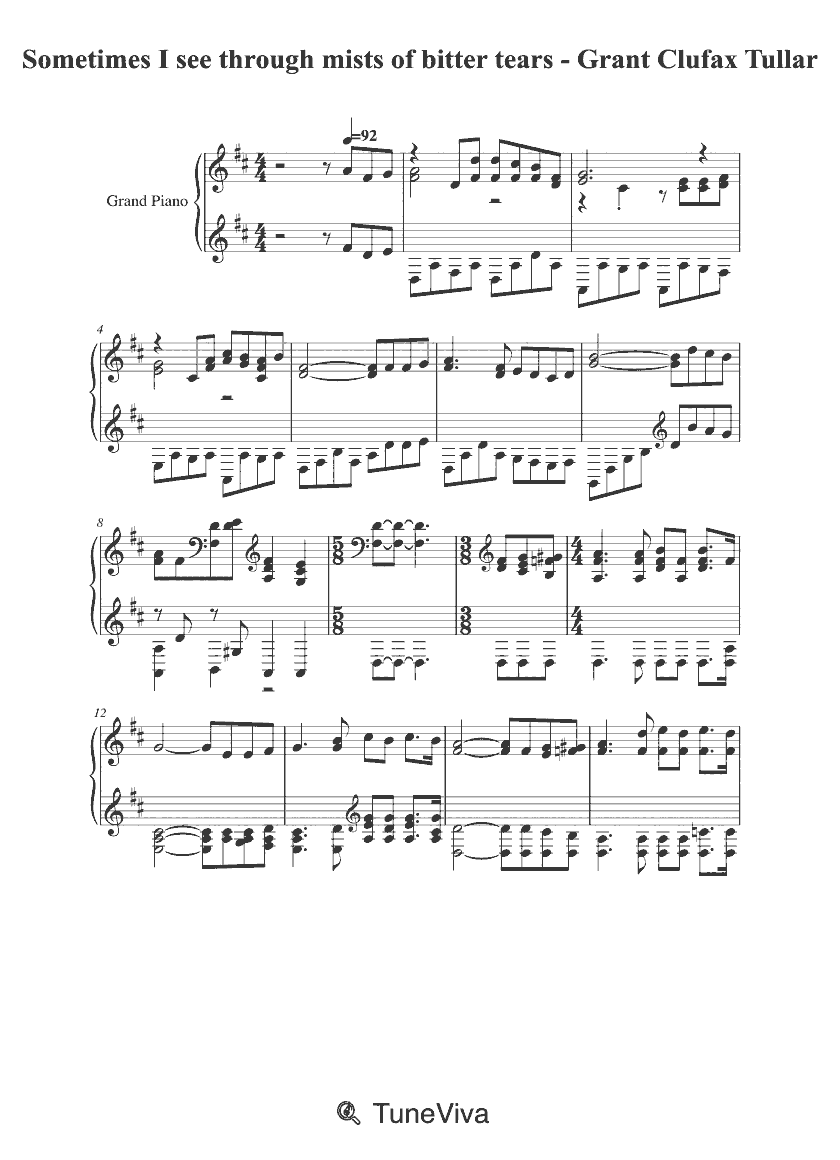
A short devotional song; the catalogue records no hymnal source or date for it.
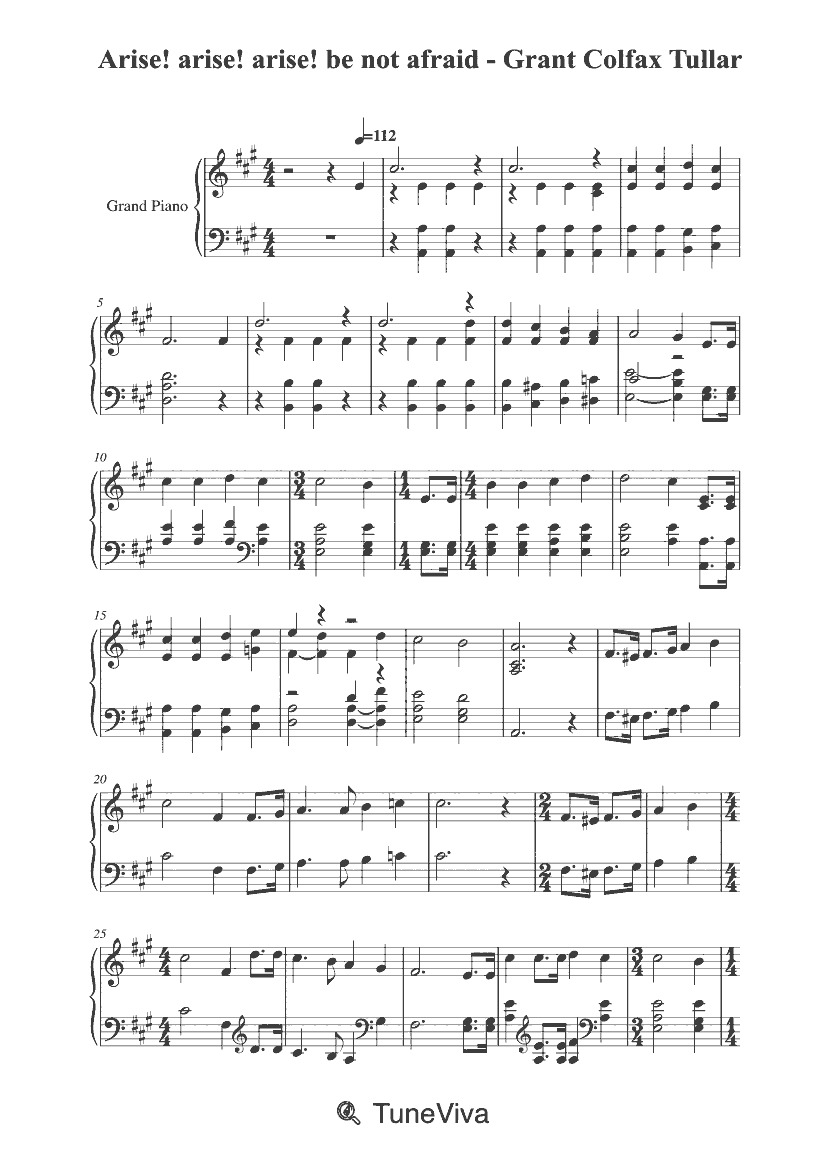
A resurrection call built on a threefold imperative; no source is recorded.
There are 72, running to about 50 minutes of music and 25,175 notated notes. Forty-five of them include lyrics.
The catalogue also carries 'grant-clufax-tullar' and 'grant-c-tullar'. The first is a misspelling of Colfax and the second an initialled form, so both describe the same composer.
Yes. He became a Methodist in 1888 and served as a minister in Dover, Delaware, before turning to publishing full time.
The refrain paraphrases 1 Corinthians 16:13, 'quit you like men, be strong'; Tullar wrote both the words and the music, and it appeared in Hymns of Worship and Praise in 1909.
Catalog editions and arrangements attributed to Grant Colfax Tullar.