classical
1 tracks
Jay Deavereaux is a composer known almost entirely through the tunes themselves. The catalogue holds 22 scores under the name, about 12 minutes of music and 4,496 notated notes, and seven of the entries carry lyrics. Every score is filed as classical, though the pieces are short hymn tunes rather than anthems or concerted works.
Hymnary.org indexes 32 tunes credited to Deavereaux, most of them printed in American gospel hymnals around 1900, and records no birth or death dates. That absence shapes the page: the music and its publishing context can be described, a career cannot.
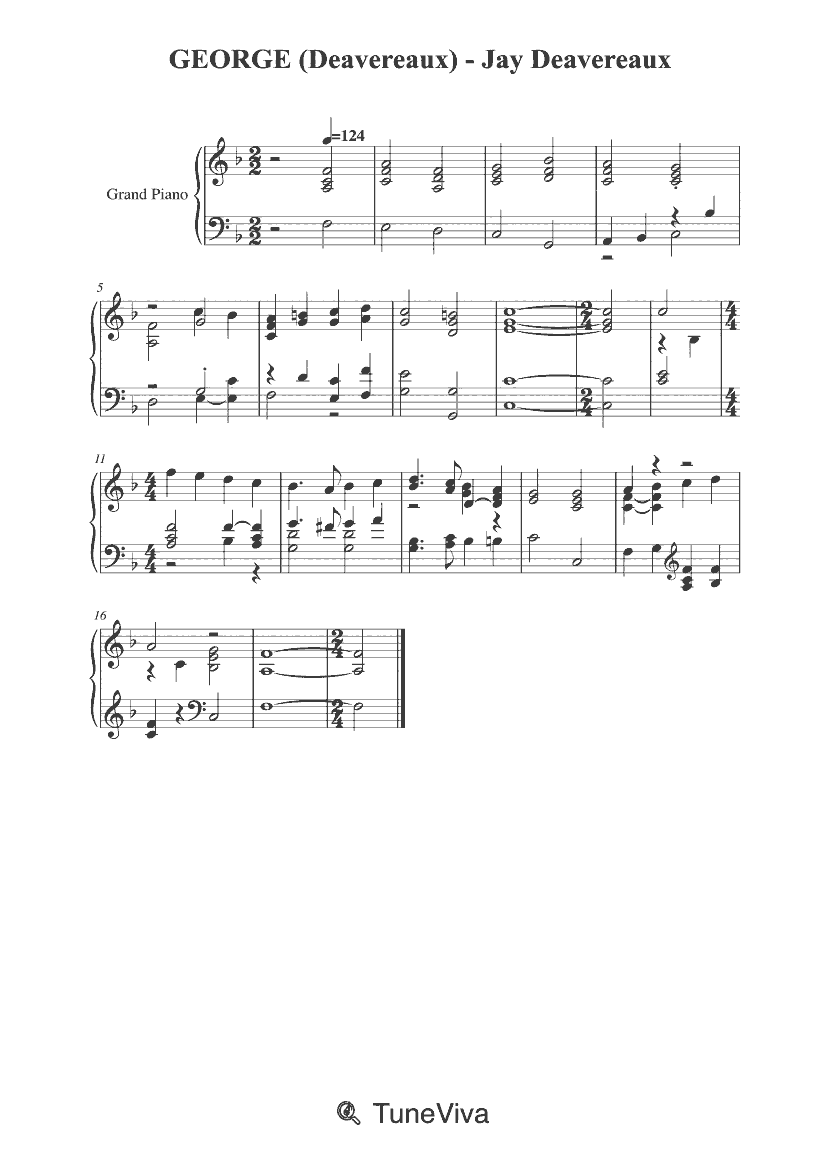
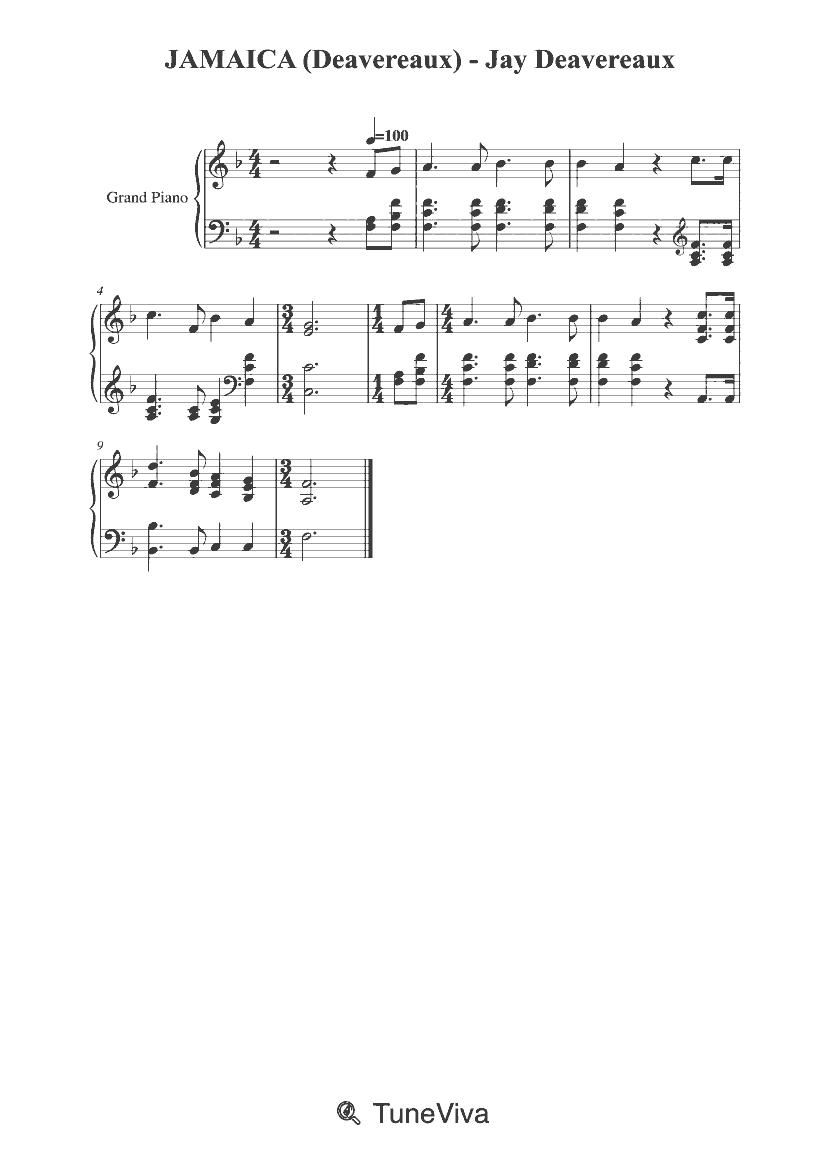
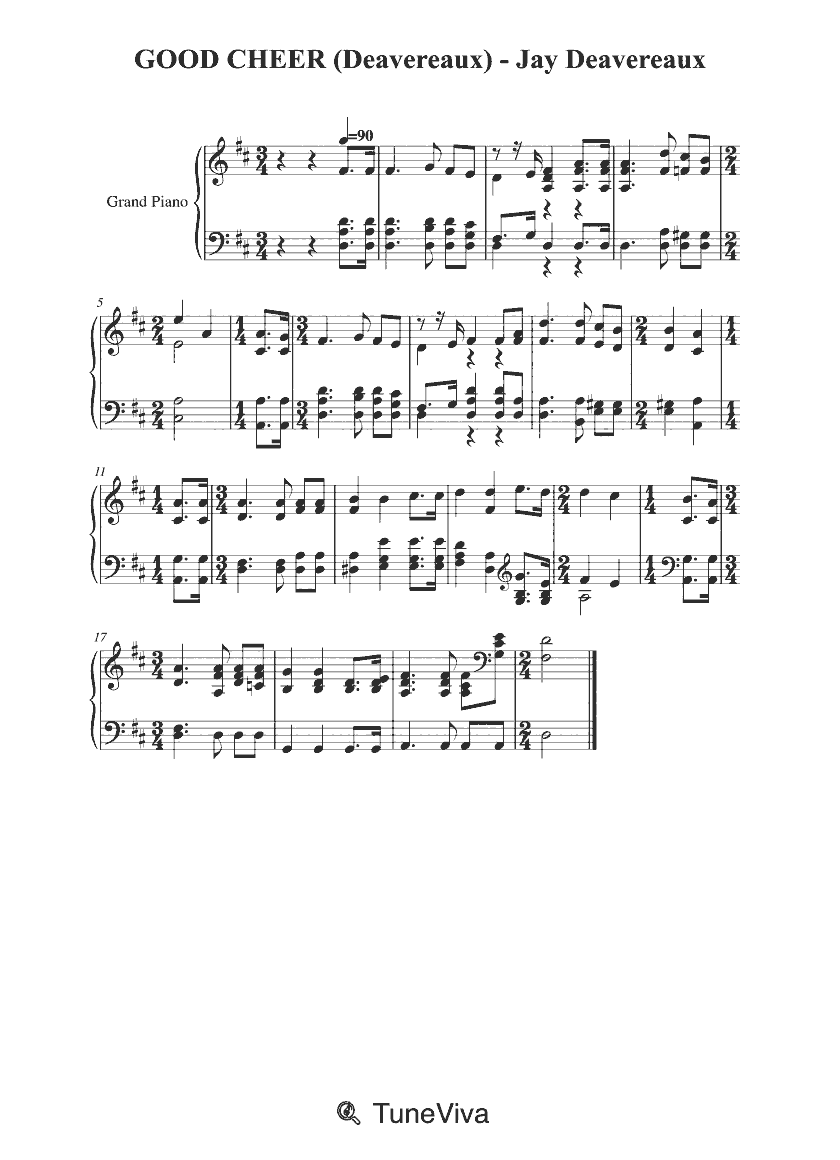
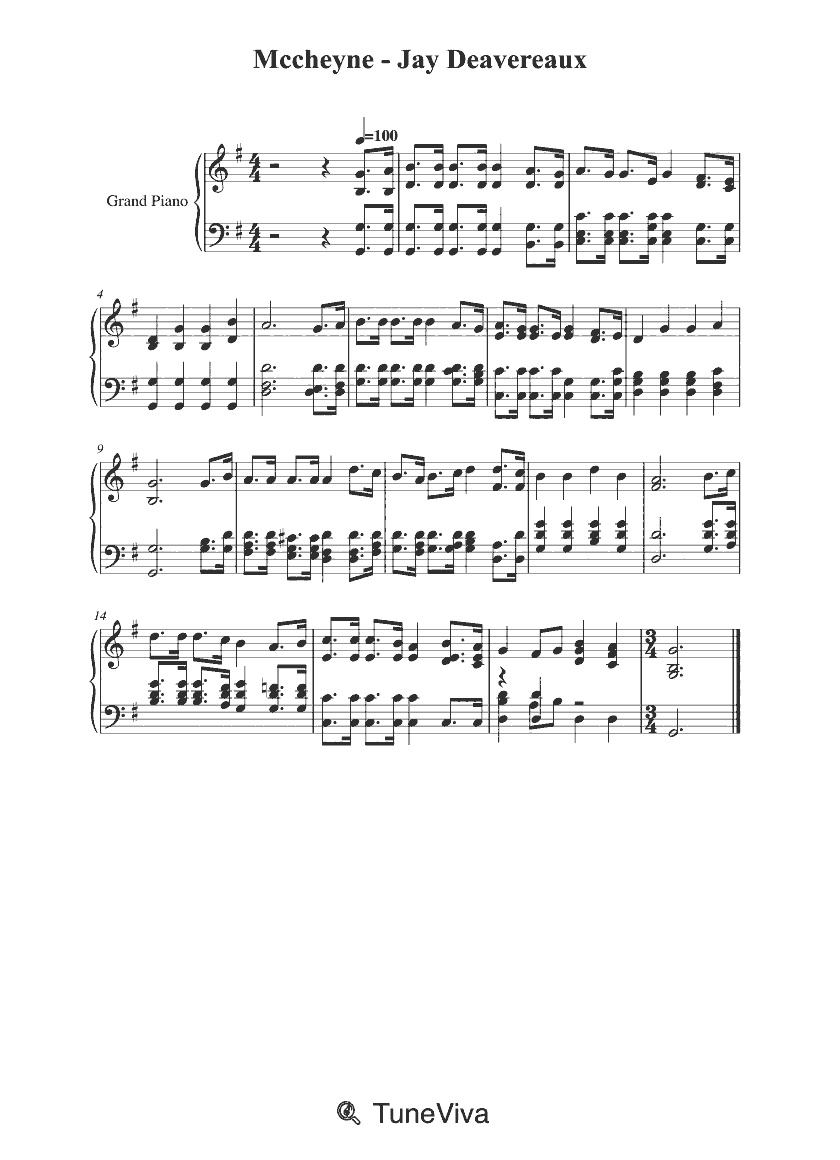
Deavereaux's name belongs to the boom in American gospel hymnals at the end of the nineteenth century. The best-documented outlet is Gloria Deo, a collection of hymns and tunes for public worship issued in New York by Funk & Wagnalls in 1901 and copyrighted the year before by S. M. Bixby; it prints 767 numbers, each hymn with its tune, and credits Deavereaux with at least eighteen of them. An American Hymn is dated 1899 and set in 6s. & 4s., and in Gloria Deo it is paired with "God Save Our Native Land". Holmes, in long metre, carries Oliver Wendell Holmes's "Lord of all being, thron'd afar" at No. 84. Lansing is joined to "Saviour, bless Thy word to all", Jamaica to "Art Thou Weak in Faith", and McCheyne, in 7s. D., to Robert Murray McCheyne's "When this passing world is done". Good Cheer, in 8s. & 7s. D., also reached The Friends' Hymnal of 1908.
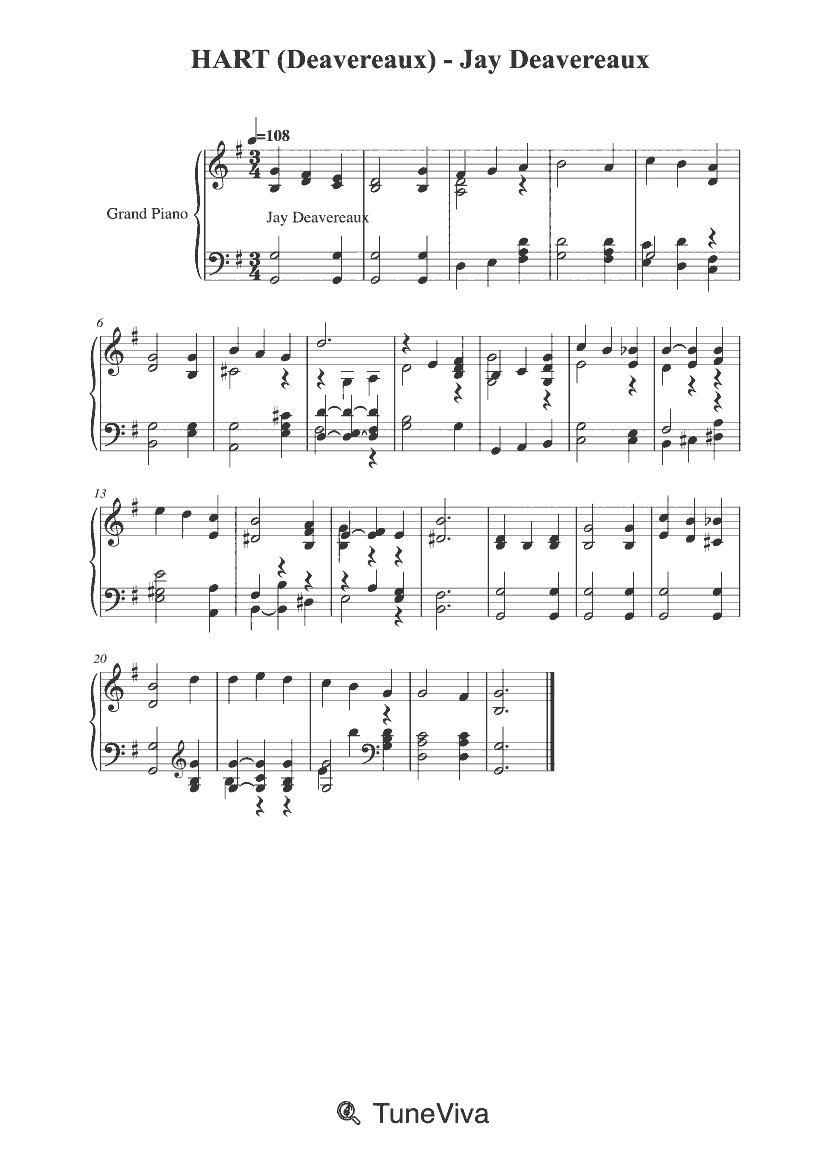
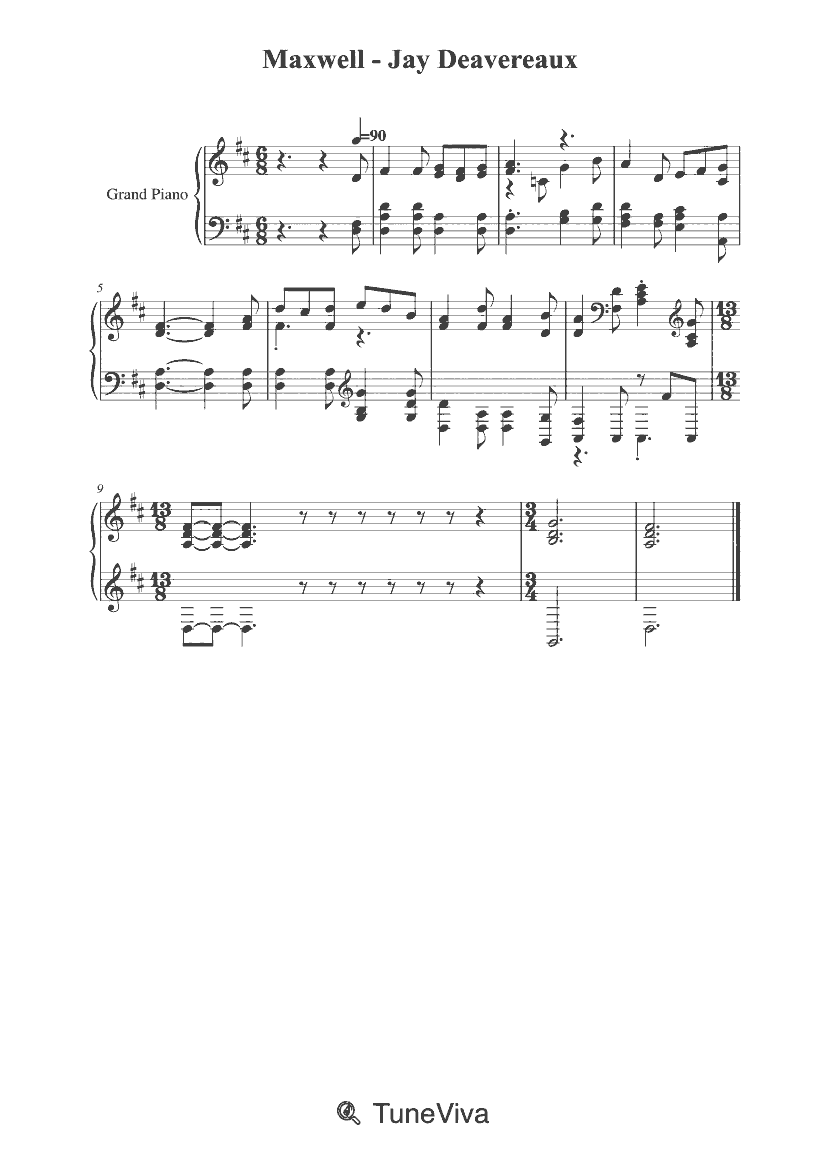
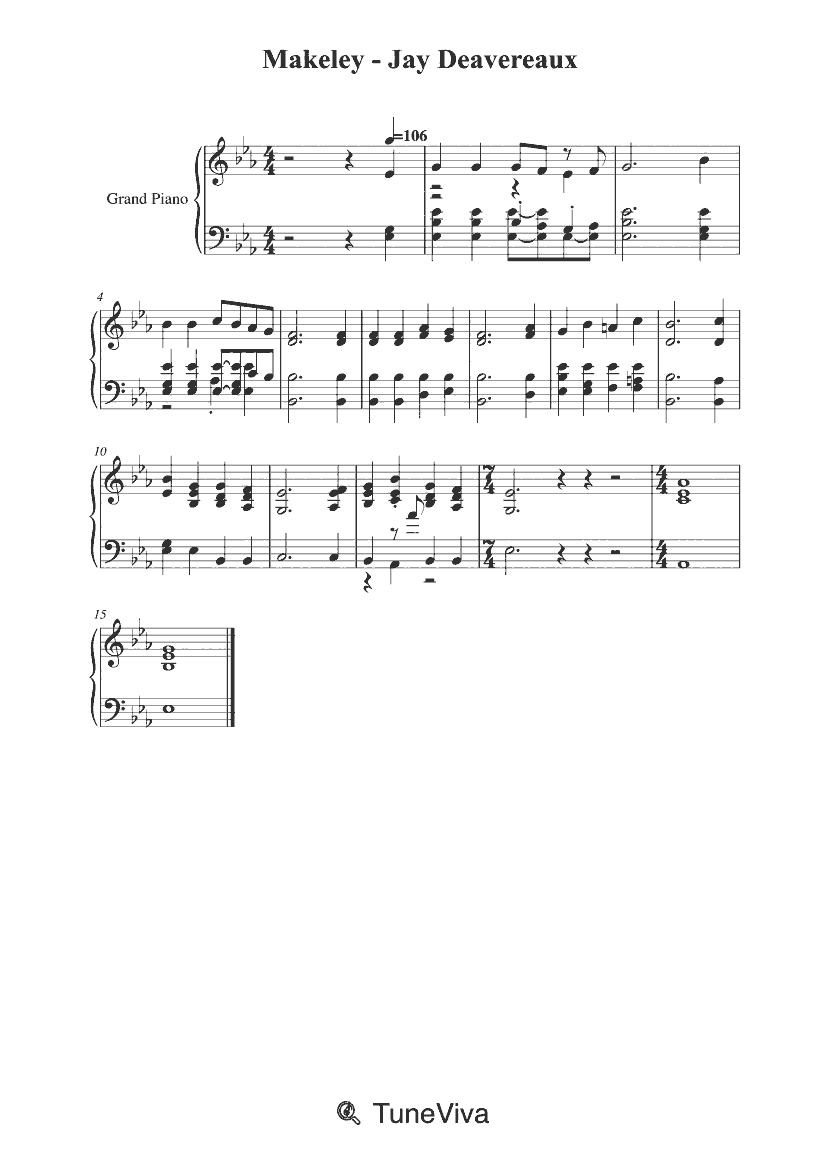
The tunes cover an unusually wide range of metres for one hand: Halsey is C.M.D., Maxwell S.M., Archer 11s. with chorus, Emmanuel 8.6.8.6.D with refrain, Makeley 6s. in six lines. The names are the usual hymnal mixture of places, surnames and virtues — Lansing, Jamaica, Sandys, Hart, Holmes, Archer, Good Cheer — and the catalogue preserves them in capitals with the composer's name in brackets. The 22 entries are short: 12 minutes in total, with 18 at complexity index 1 and four at index 2, and the spelling Deavereux appears alongside Deavereaux.
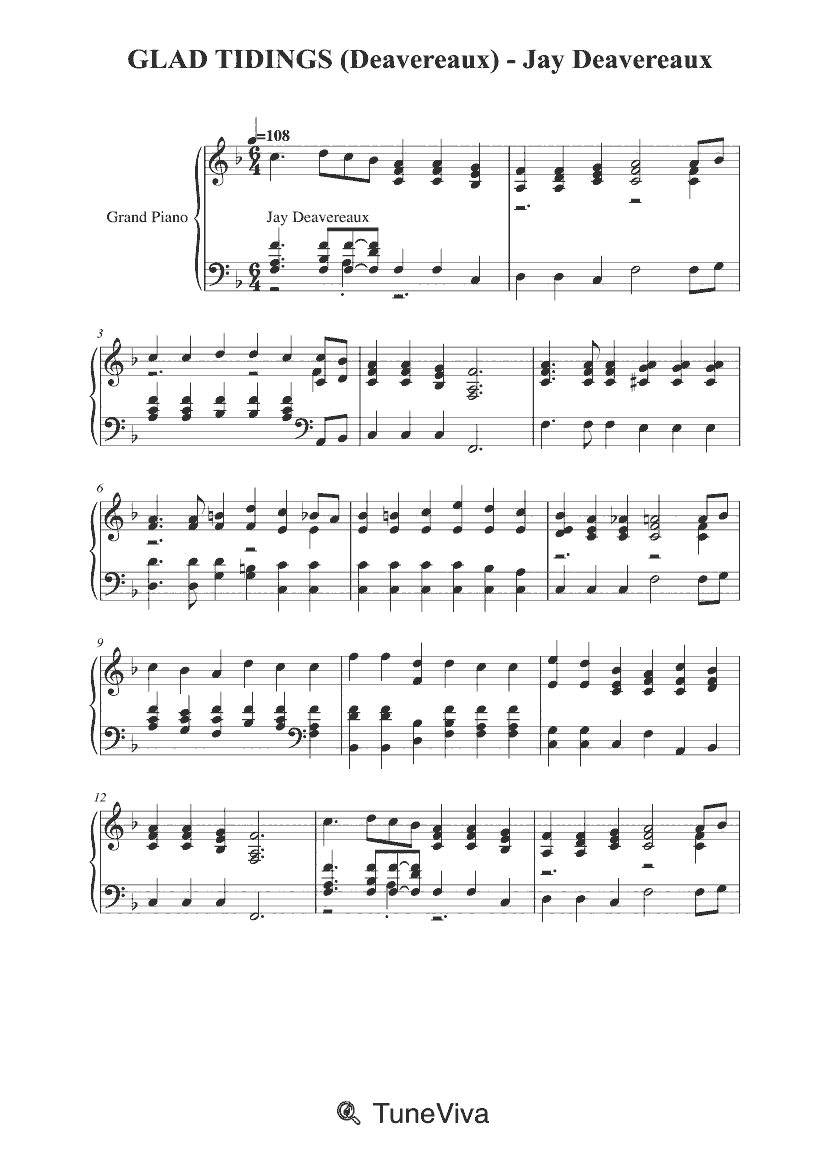
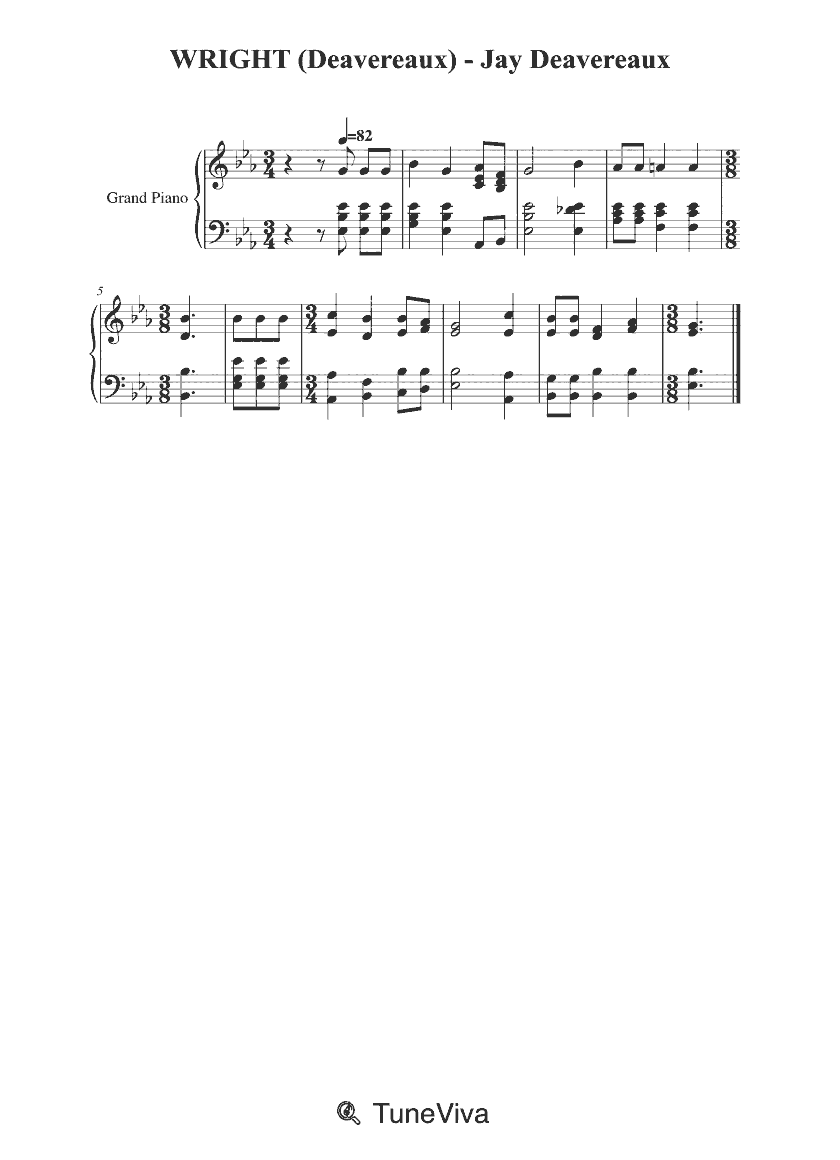
These are hymnal tunes, not keyboard showpieces: a melody in the top voice, three supporting parts, and a stanza repeated to the same music. Play the tune clearly and keep the inner voices below it; the harmony is mostly diatonic, so the colour comes from the cadences and from the occasional chromatic passing note. Set the tempo from the words, and try one tune with its text before deciding how fast it should go.
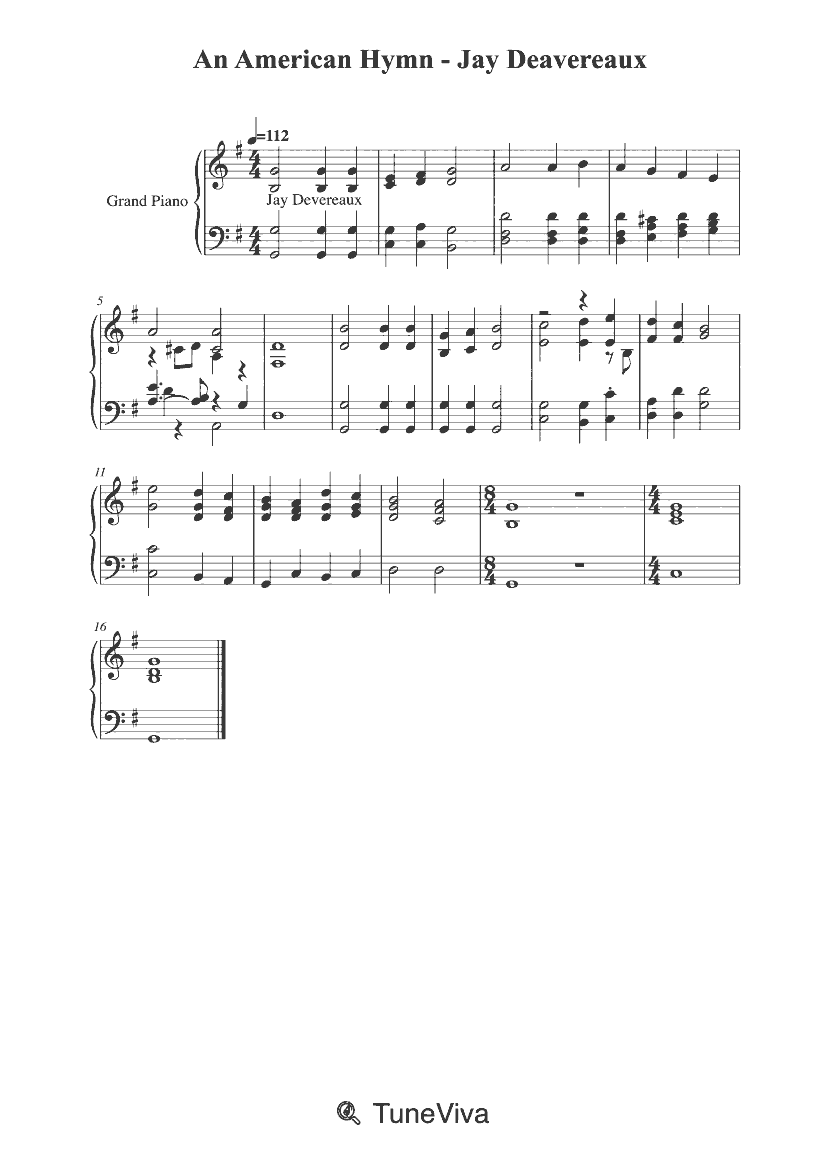
The most-viewed entry: a tune dated 1899 in 6s. & 4s., used in Gloria Deo (1901) for "God Save Our Native Land".
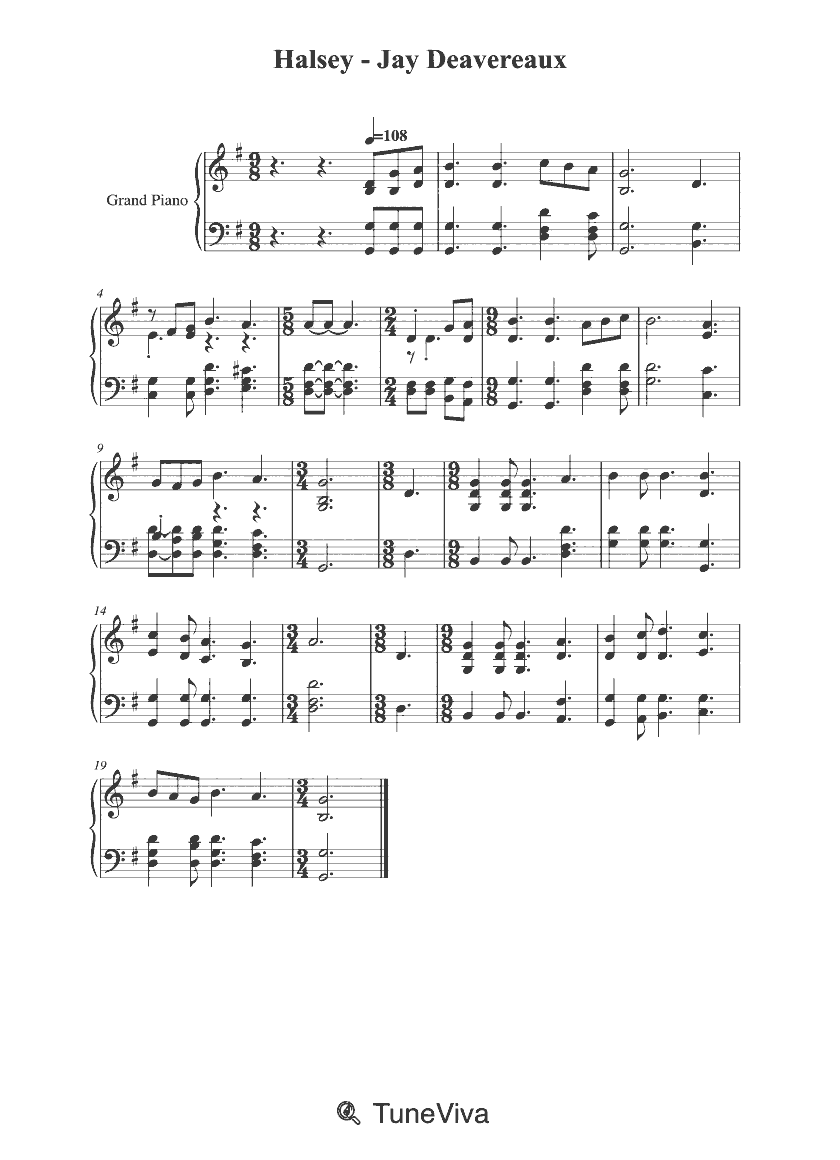
A C.M.D. tune in Gloria Deo; the catalogue records nothing beyond the name and the composer credit.
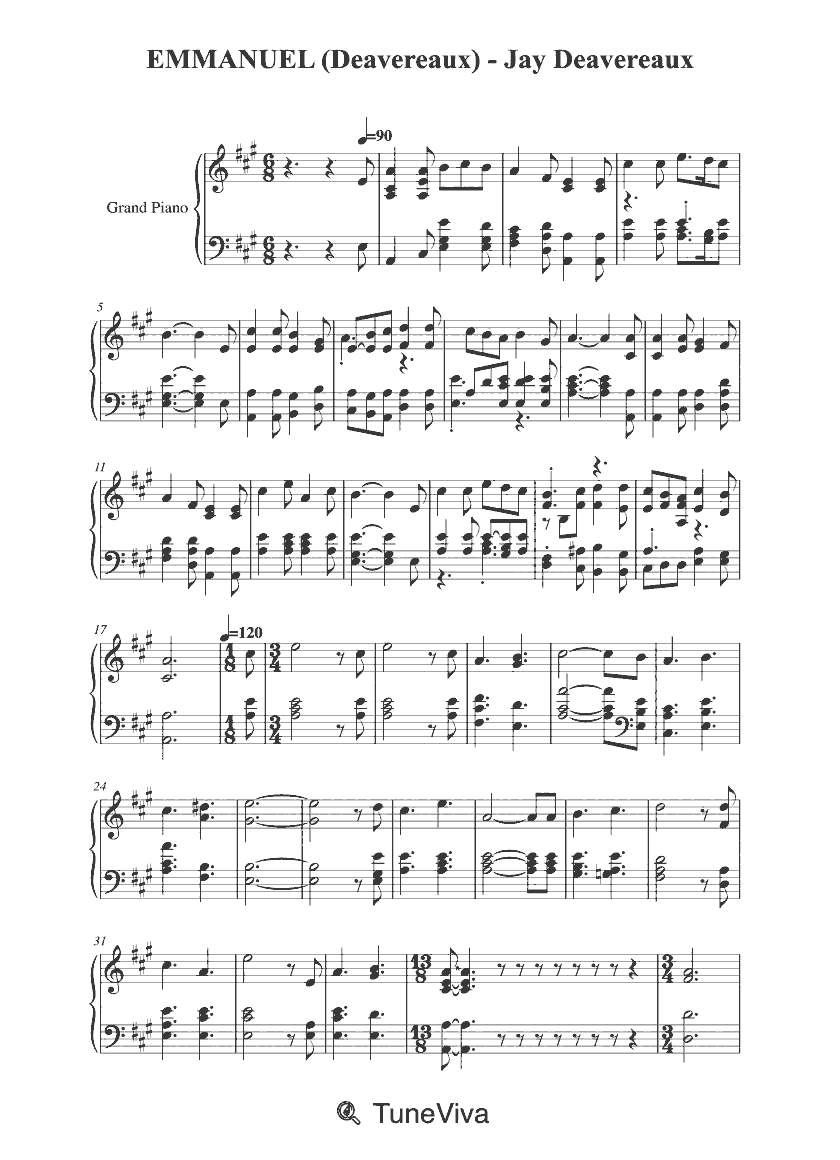
In Gloria Deo it carries "Joy fills our inmost hearts to-day", an 8.6.8.6.D. Christmas text with refrain.
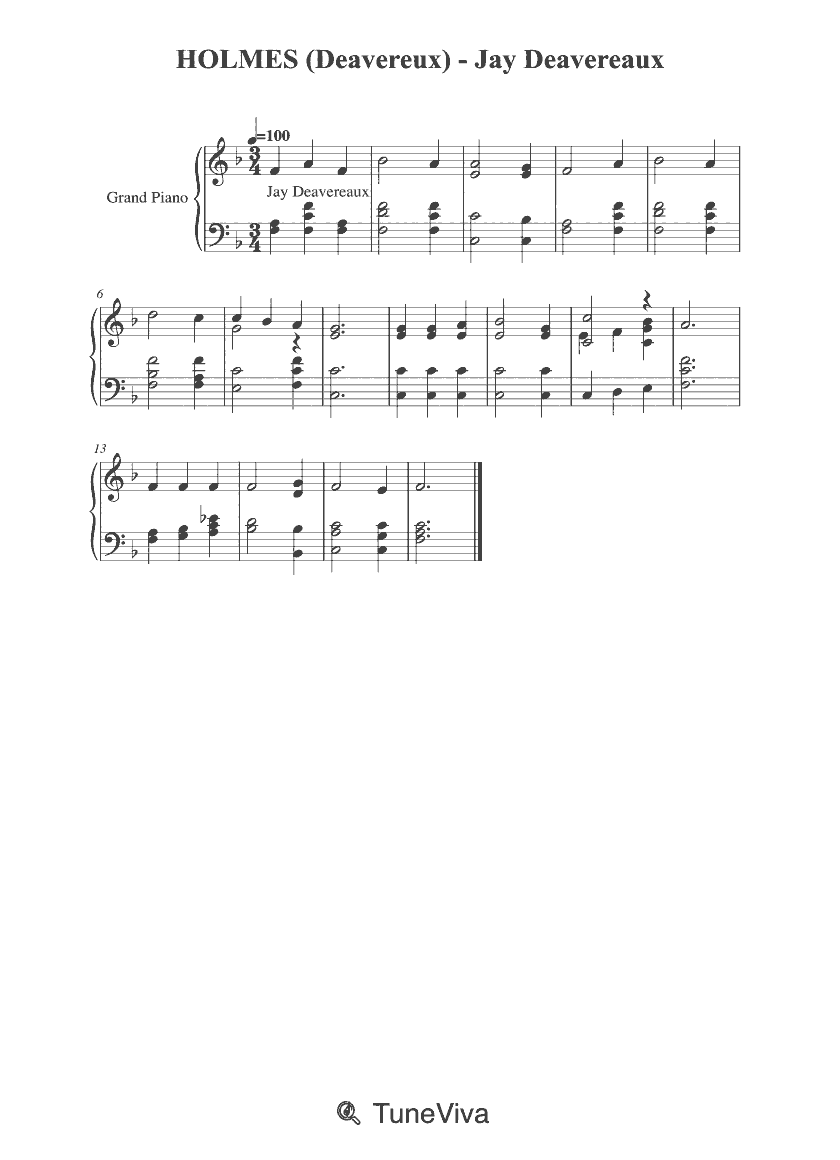
In Gloria Deo it sets Oliver Wendell Holmes's "Lord of all being, thron'd afar" at No. 84, in long metre; the catalogue spells the name Deavereux here.
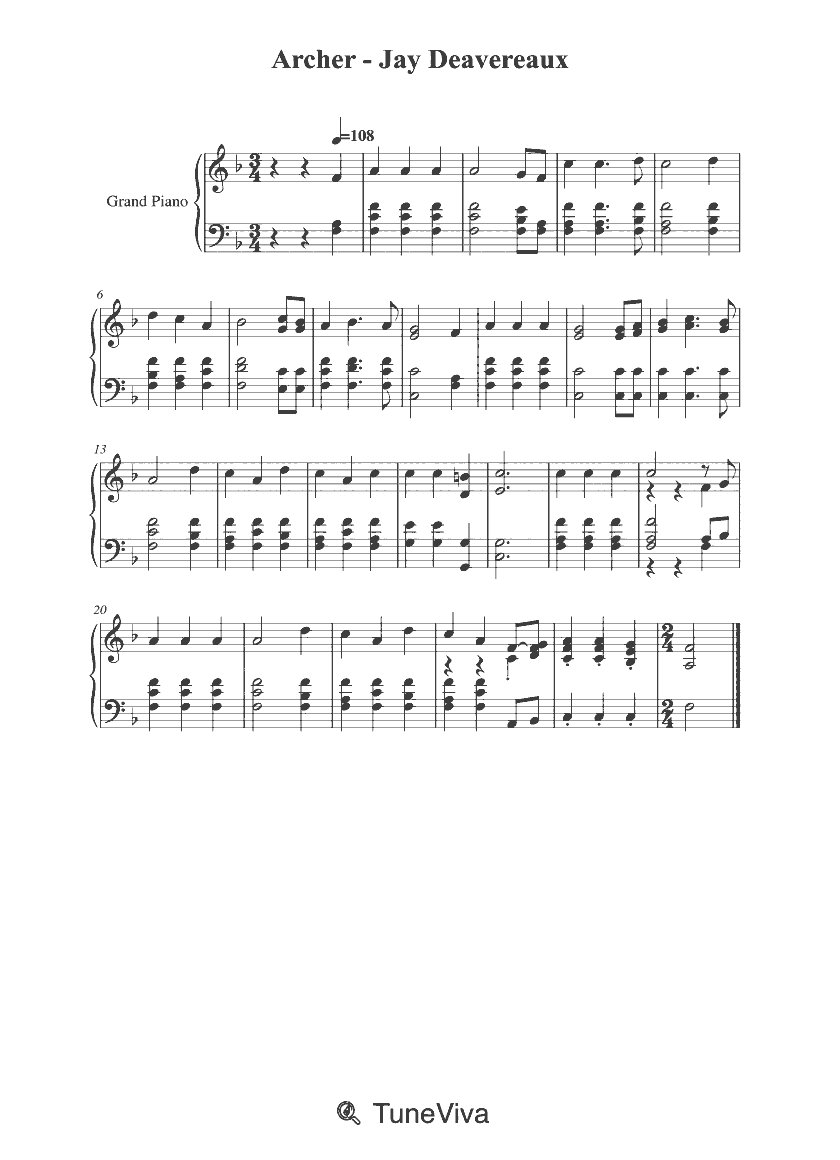
In Gloria Deo it is an 11s. tune with chorus; Hymnary pairs it with "O Look on the Fields".
A C.M. tune in Gloria Deo, where it opens "Lord! in the morning Thou shalt hear".
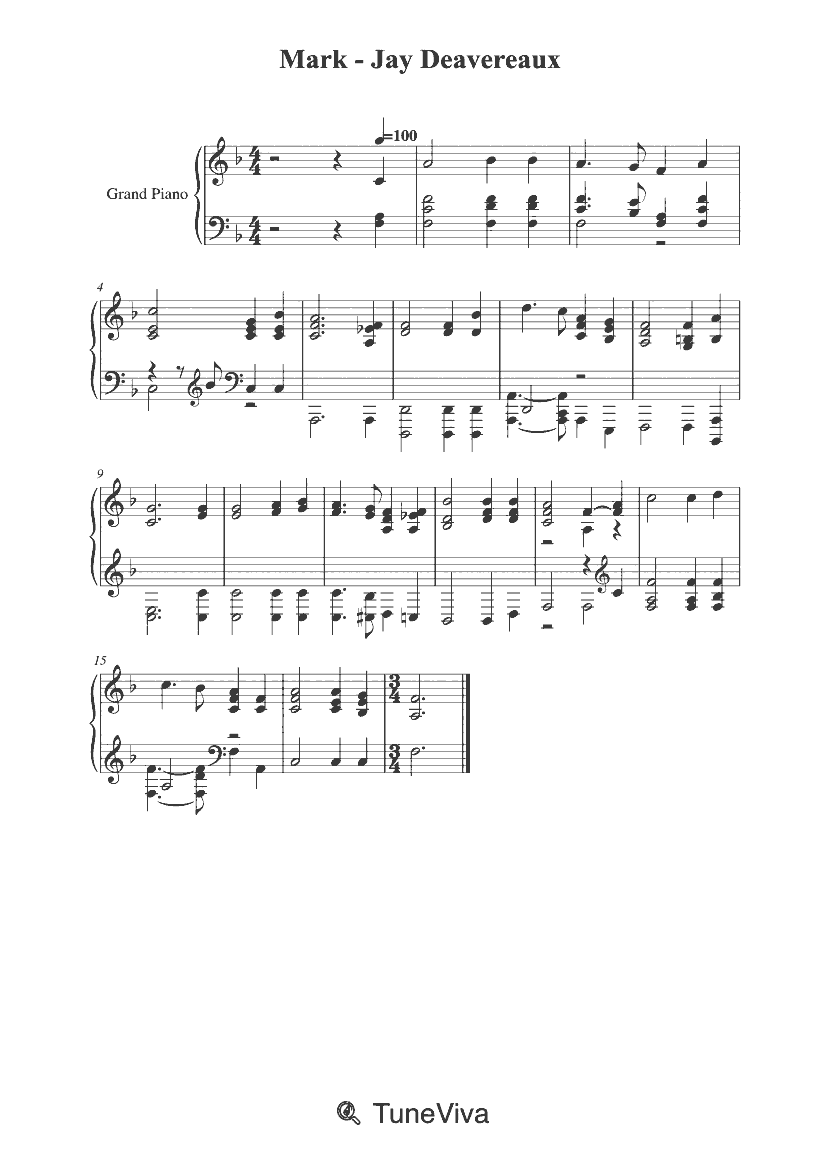
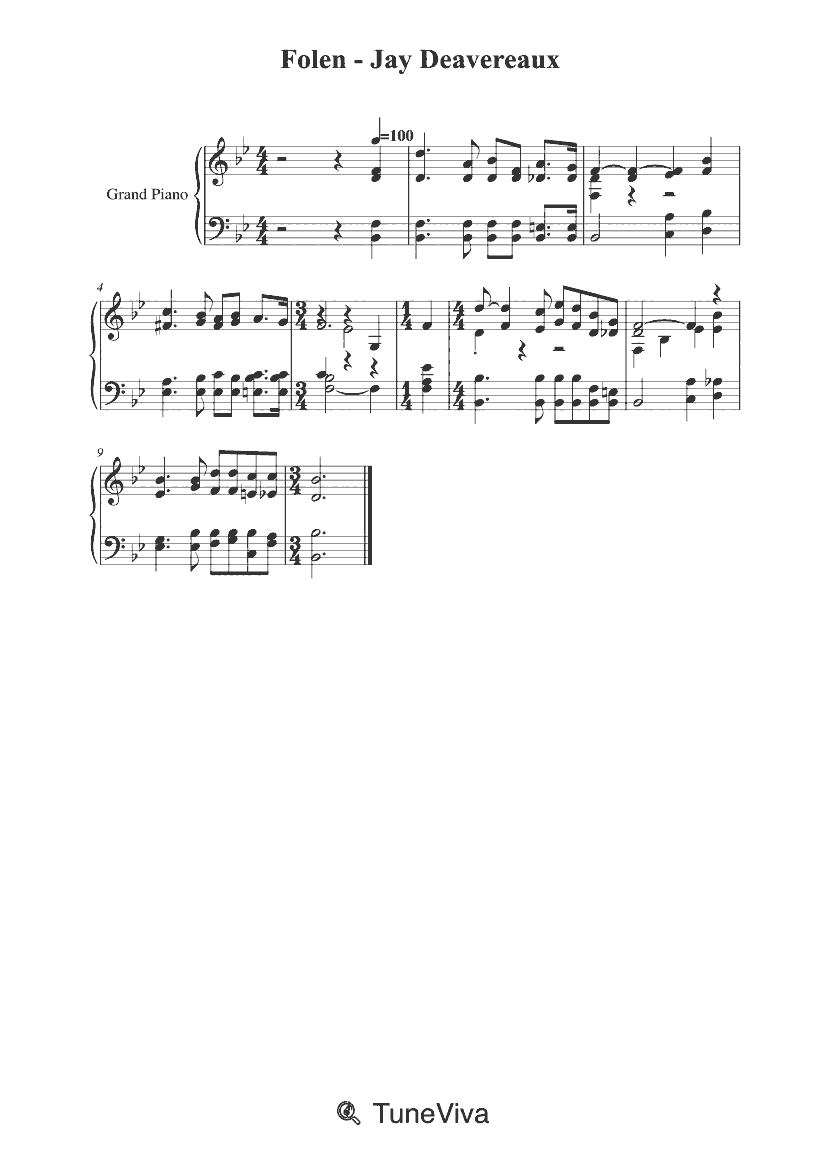
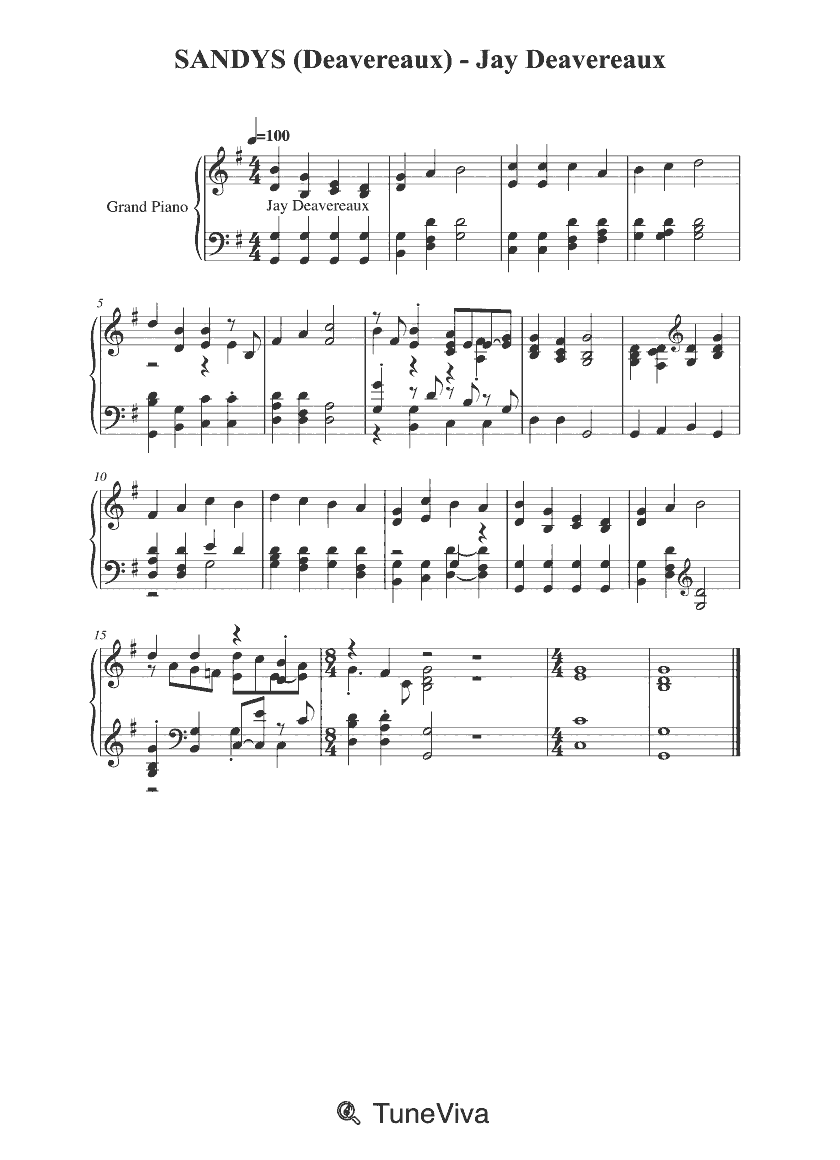
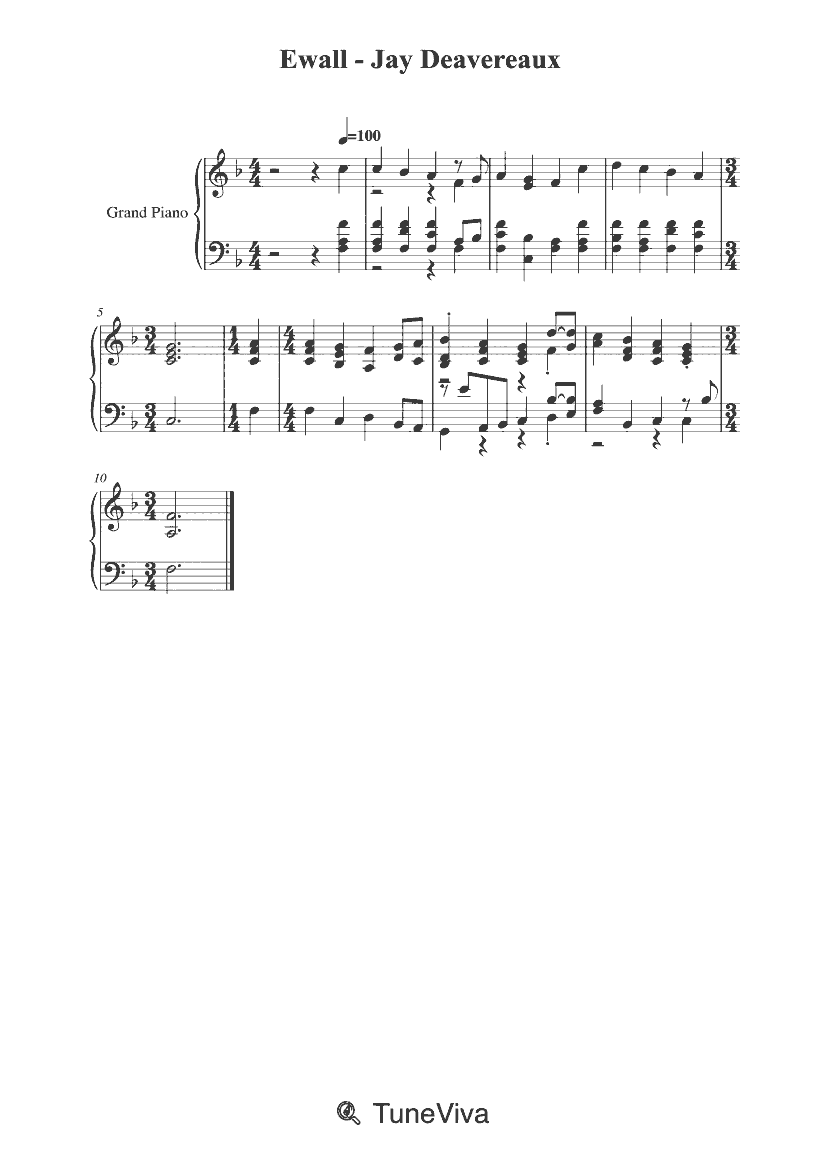
A short tune carried under the name alone; the catalogue records no text or hymnal source for it.
An 8s. & 7s. tune in Gloria Deo, paired with "Art Thou Weak in Faith".
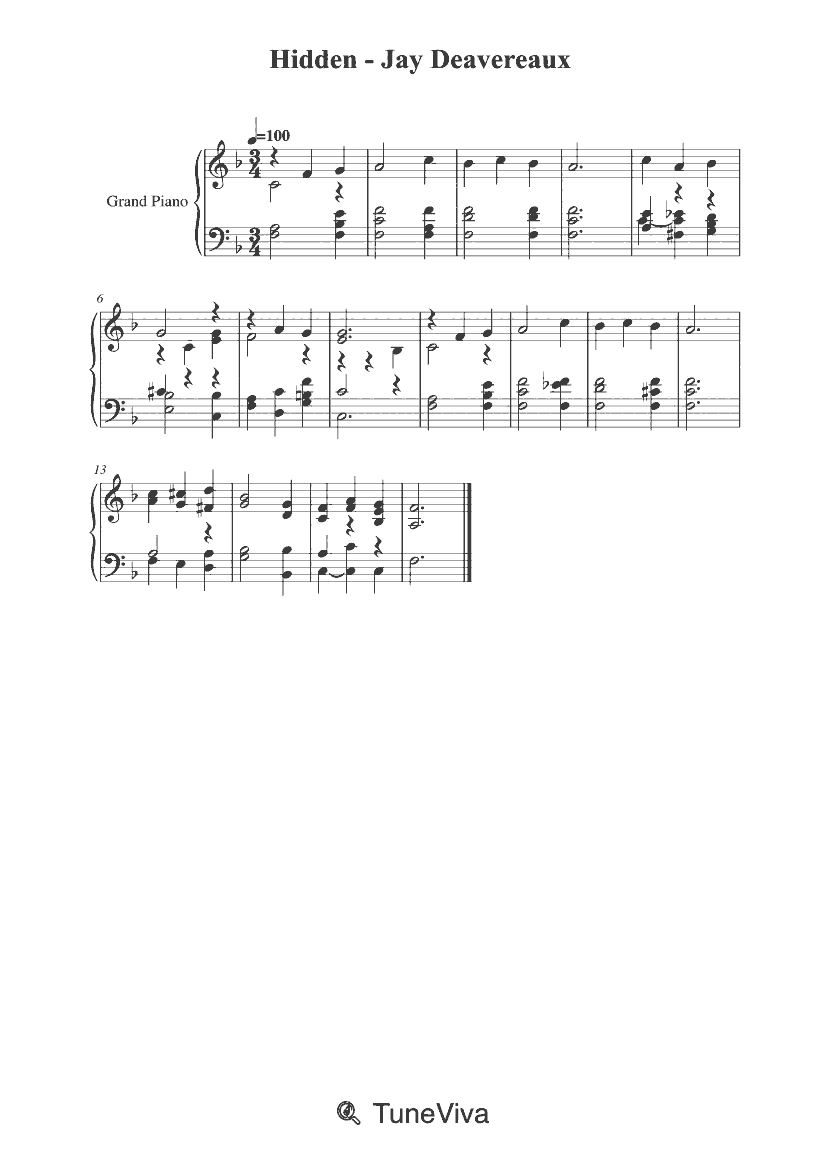
In 8s. & 7s. D., printed in Gloria Deo and later in The Friends' Hymnal (1908).
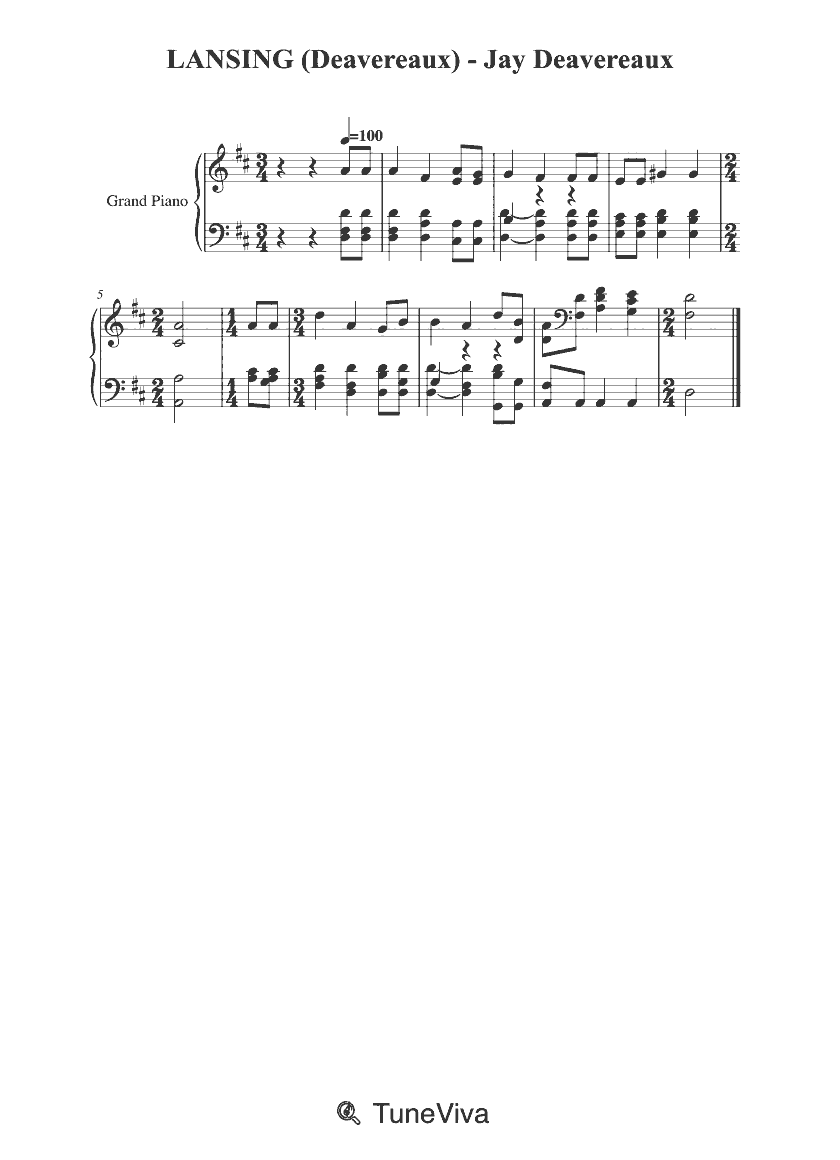
A 7s. tune in Gloria Deo, used for "Saviour, bless Thy word to all"; its name matches the Michigan city, though no dedication is recorded.
22, about 12 minutes and 4,496 notated notes; seven of them include lyrics.
No. Hymnary.org, which lists 32 of his tunes, states that it has no biographical information, and the hymnals consulted give neither dates nor a place of birth.
A tune dated 1899 in 6s. & 4s., used in Gloria Deo (1901) for "God Save Our Native Land". It is the most-viewed entry in the catalogue.
They are hymnal tune names rather than first lines. The capitals reproduce the index style, and the name in brackets identifies the composer.
No; they are short hymn tunes, most of them under a minute, intended for strophic singing.
Catalog editions and arrangements attributed to Jay Deavereaux.