classical
1 tracks
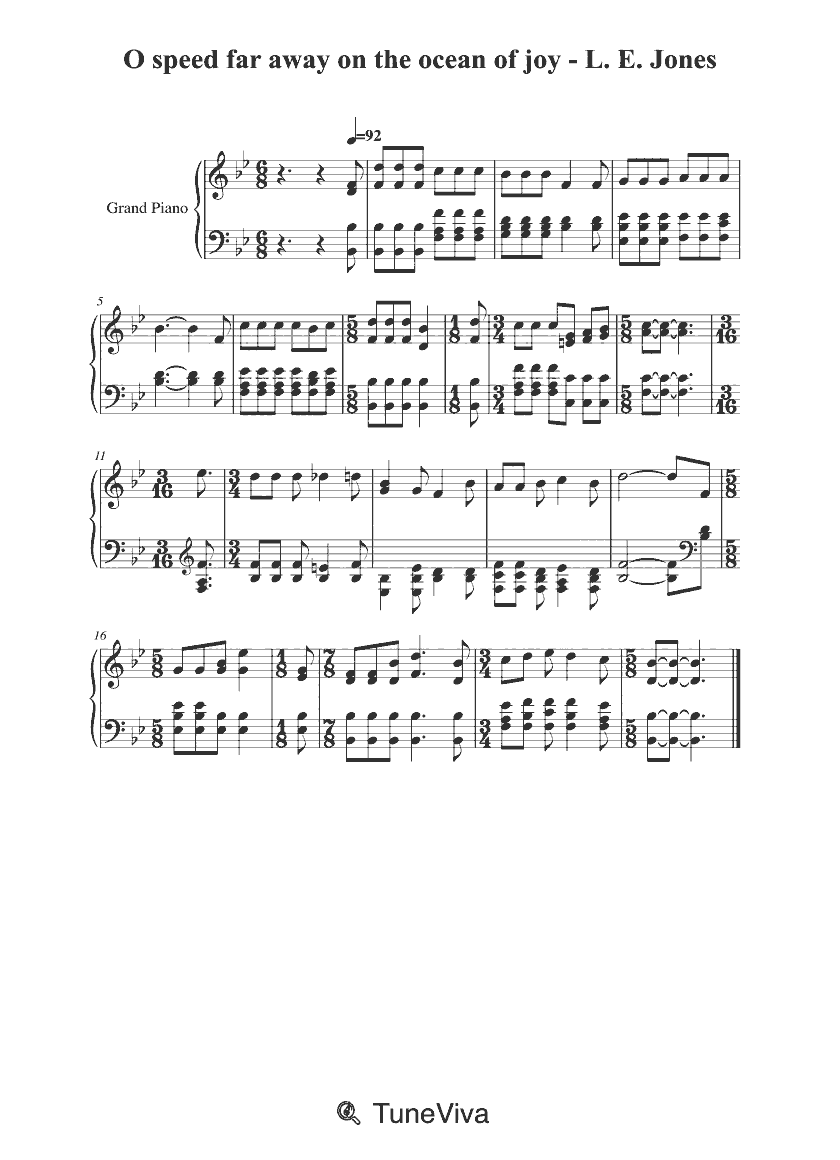
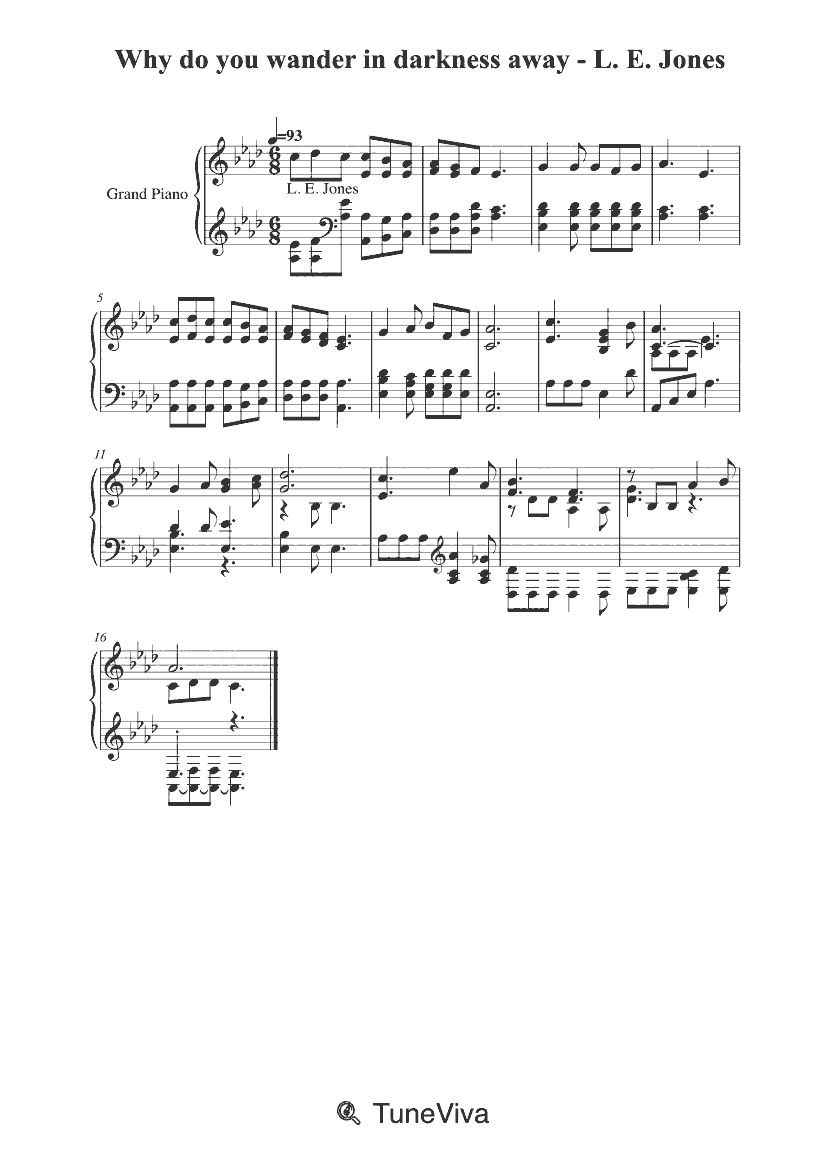
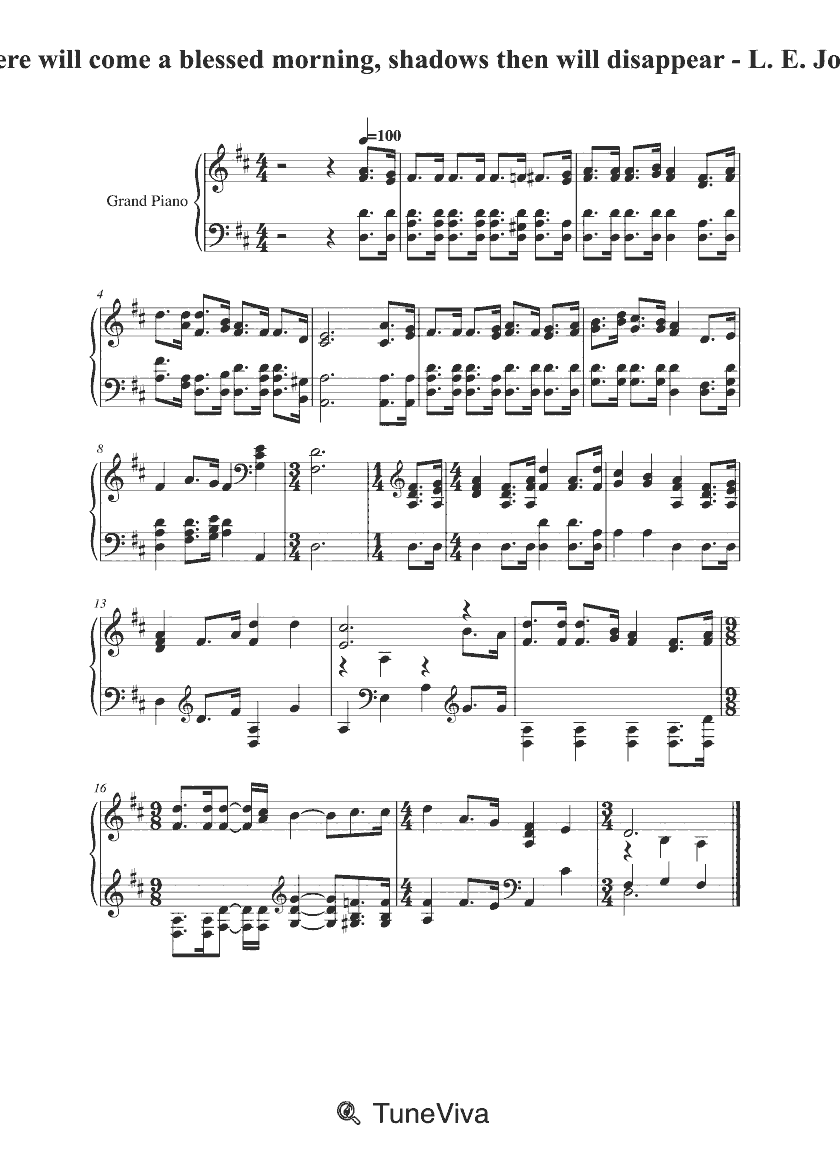
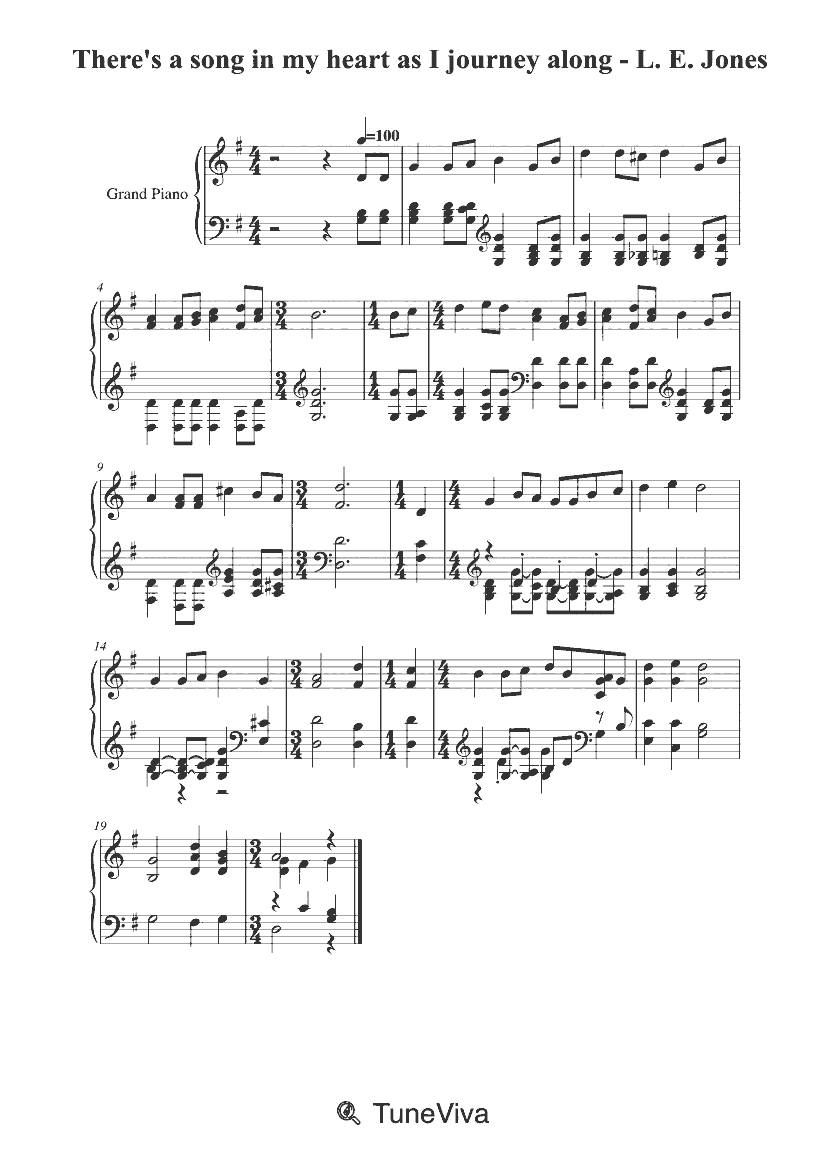
Lewis Edgar Jones spent thirty-six years as a YMCA secretary and wrote hymns on the side, and the catalogue preserves that side of his work: 41 scores, about 26 minutes of music and 12,414 notated notes. Fifteen entries carry lyrics.
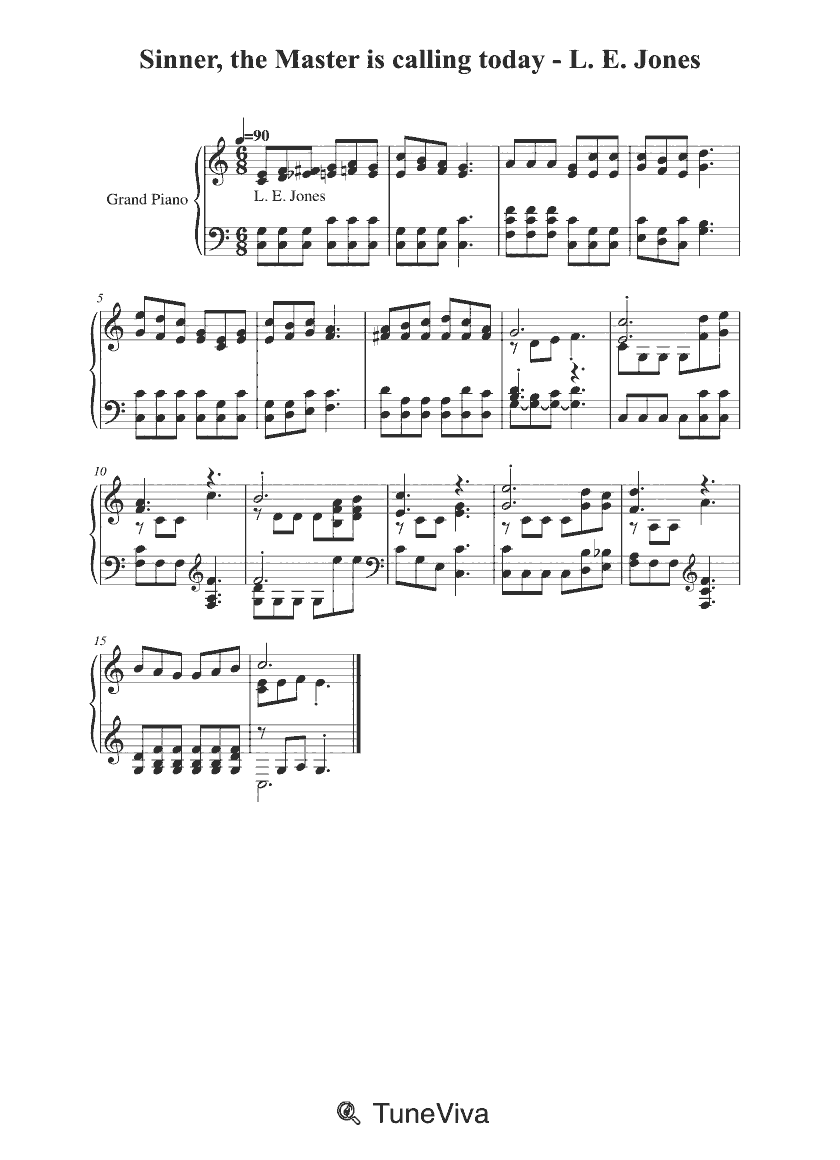
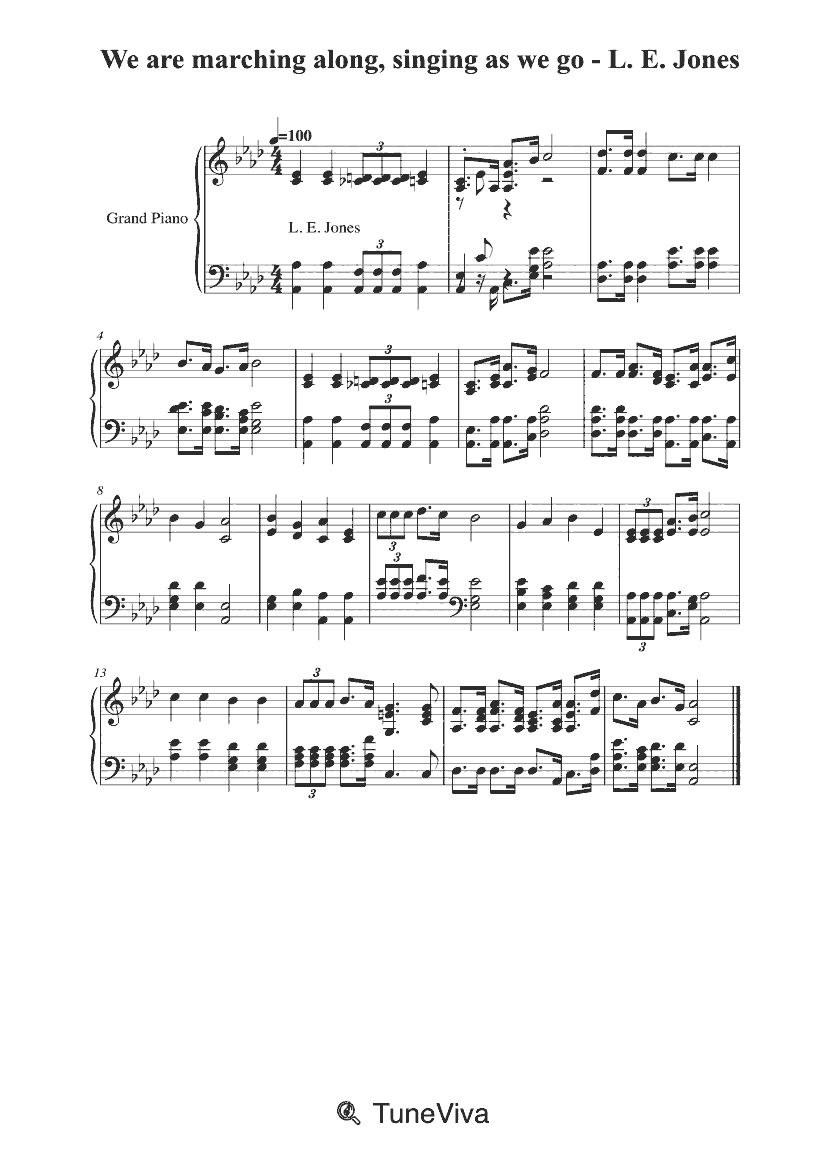
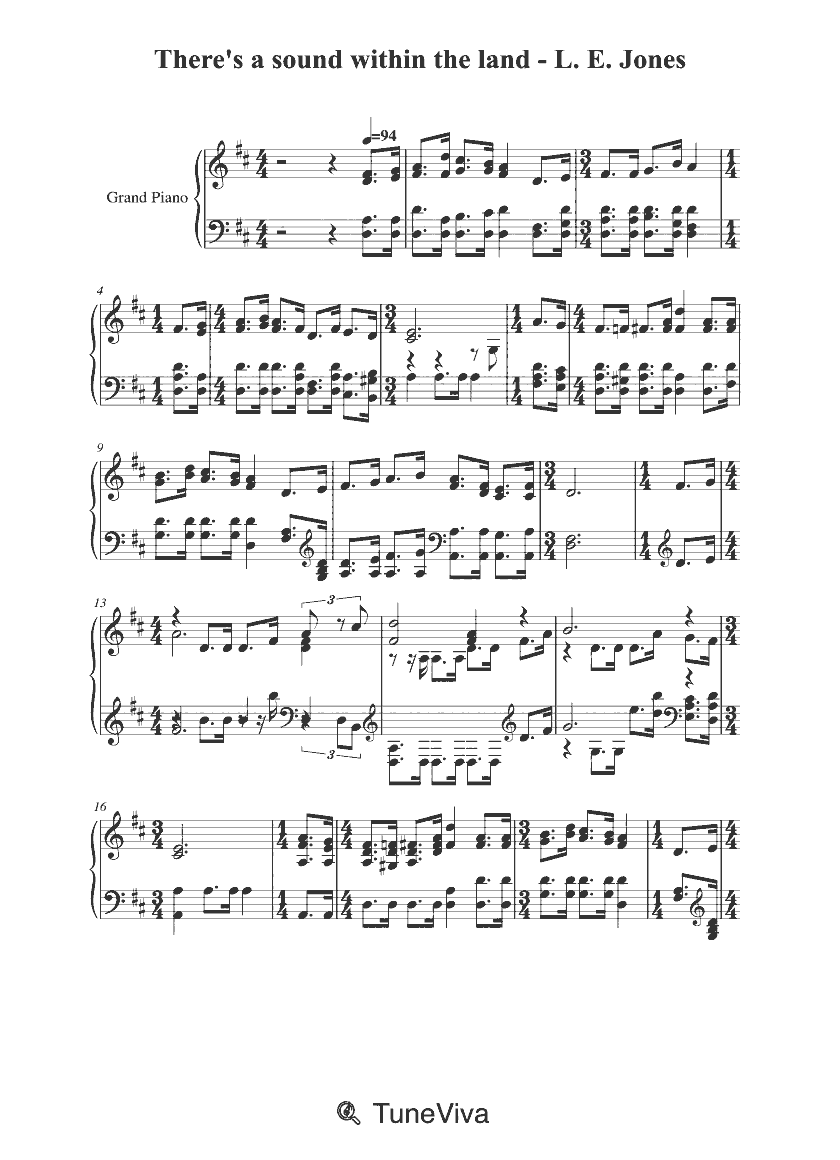
The difficulty scale is unusually narrow. There is no index 0 at all: 23 scores sit at index 1 and 18 at index 2, so even the simplest pieces carry some part-writing. There's a Sound Within the Land and Sinner, the Master Is Calling Today lead the viewing figures, followed by We Are Marching Along, Singing as We Go.
Jones was born at Yates City, Illinois, on 8 February 1865. His family moved to a farm near Davenport, Iowa, where he lived until he was twenty-one; he then went into business before entering YMCA work. He trained at the Moody Bible Institute in Chicago, in the same class as the evangelist Billy Sunday, and served the YMCA at Davenport, at Fort Worth, Texas, by 1915 and at Santa Barbara, California, by 1925. He died at Santa Barbara on 1 September 1936 and is buried there.
Hymn writing was an avocation. He said most of his texts began with a sentence heard in a sermon, and he published under his own name and as Lewis Edgar, Edgar Lewis and Mary Slater, producing more than two hundred hymns. His best-known song, There Is Power in the Blood, was written at a camp meeting at Mountain Lake Park, Maryland, in 1899; Henry Lake Gilmour bought the manuscript and published it with William James Kirkpatrick in Songs of Praise and Victory within the year.
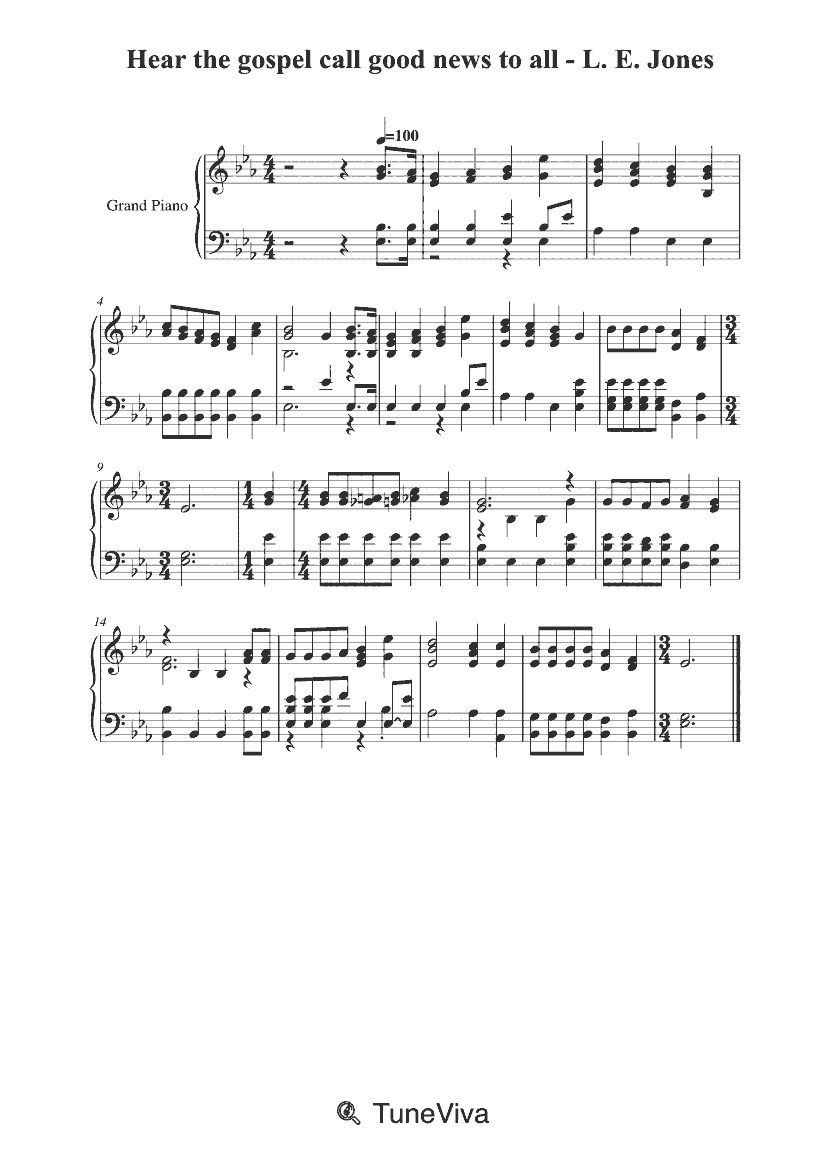
The titles in this collection belong to the same world of invitation and warfare: Sinner, the Master Is Calling Today, Hear the Gospel Call, Good News to All, Marching, Marching, Jesus Leading Onward, and The Golden Grain Is Gleaming. Most are short strophic songs with a refrain, and several use the marching or harvest imagery common to Sunday-school literature of the period.
The catalogue files all 41 as classical, 15 with lyrics. None sits at complexity 0, which is unusual for this repertoire and suggests the files are mostly four-part settings rather than unison melody sheets.
These are strophic gospel songs built on a repeated refrain, so settle the refrain's character first and keep the verses plainer. The marching titles want a firm pulse and clean consonants rather than speed. In the four-part settings the alto and tenor often carry the moving line; bring them out instead of letting the melody cover everything. The texts are revival verse of the period, and some lines have dated: read them aloud before a service rather than silently amending them.
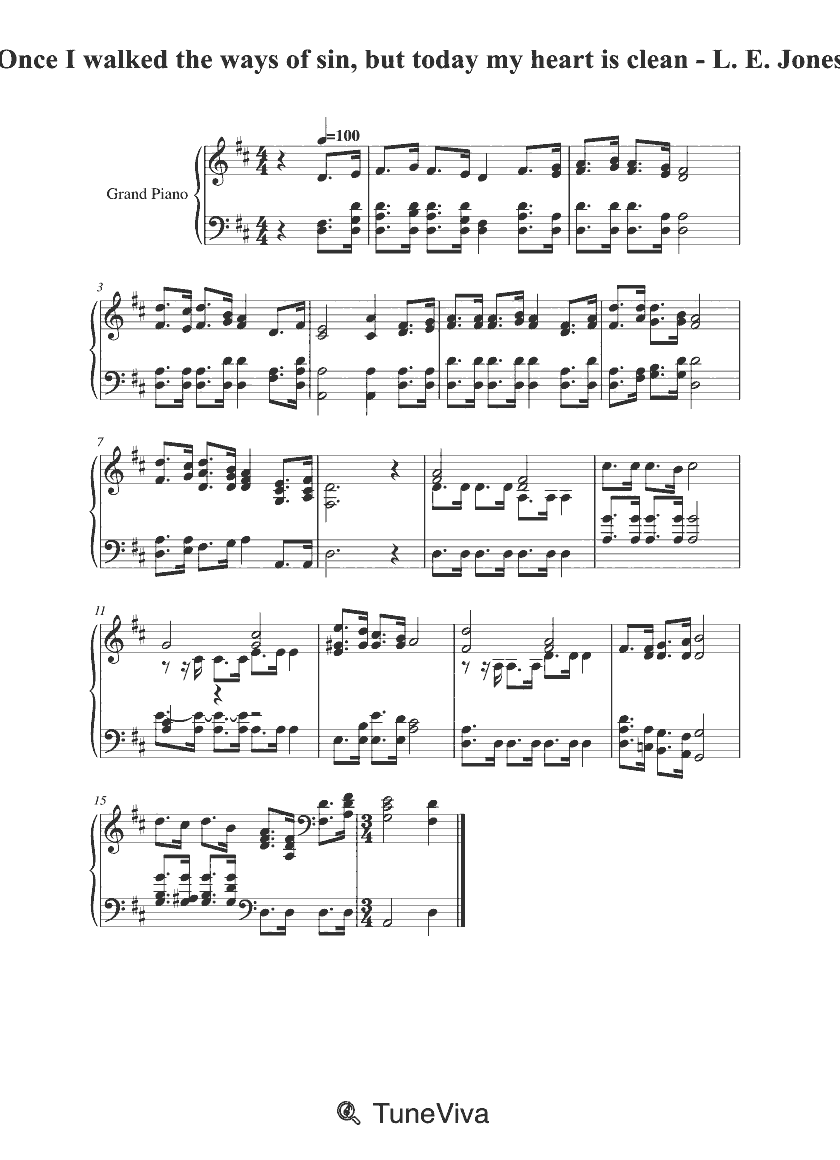
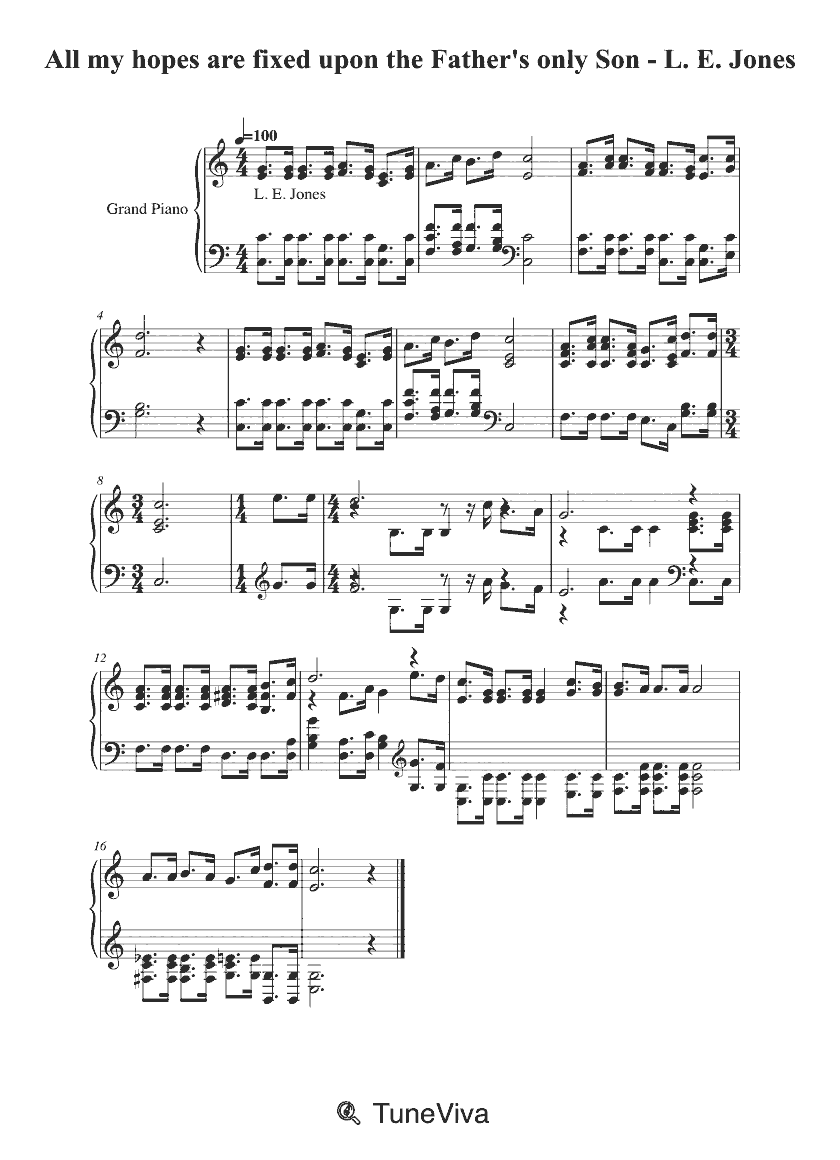
The most-viewed title here, a strophic song with a refrain; no text author is recorded.
An invitation hymn; the display title capitalises 'Is' for consistency with the rest of the page.
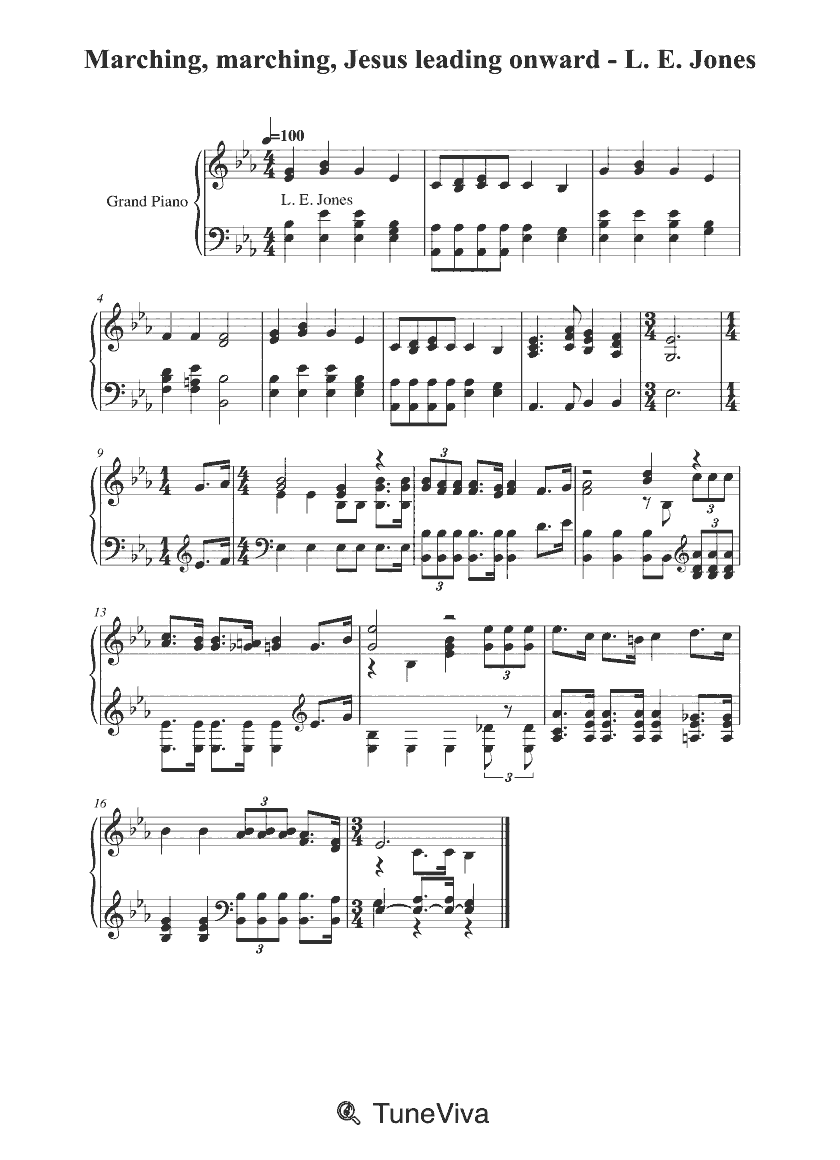
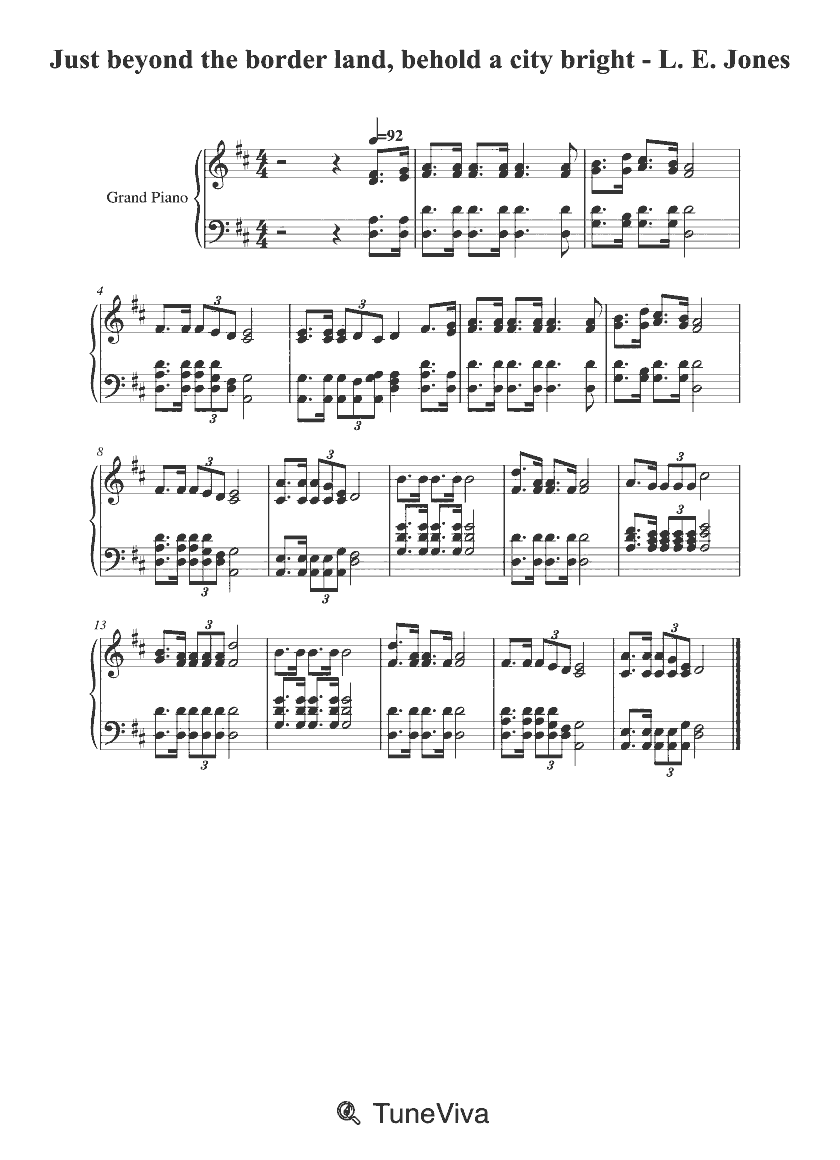
A marching Sunday-school song, one of several processional titles in the group.
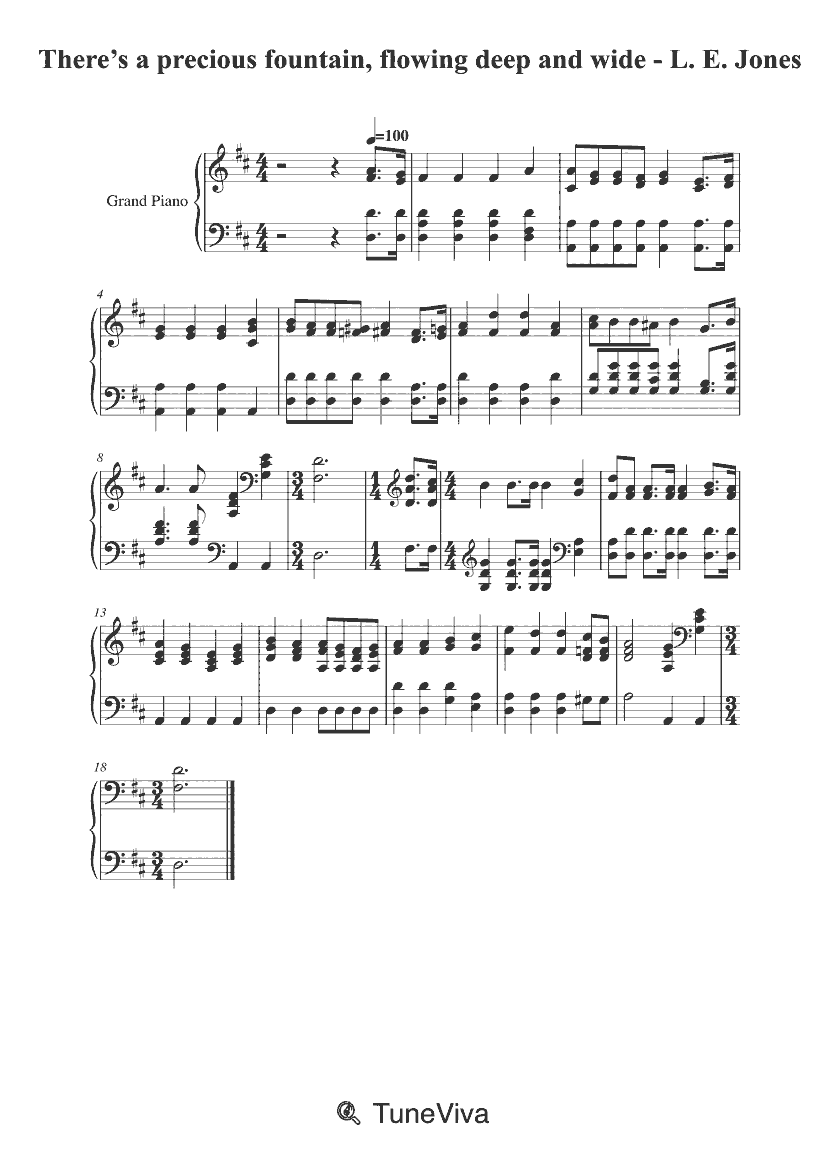
A hymn on the fountain of cleansing; the file uses a curly apostrophe, the display title a straight one.
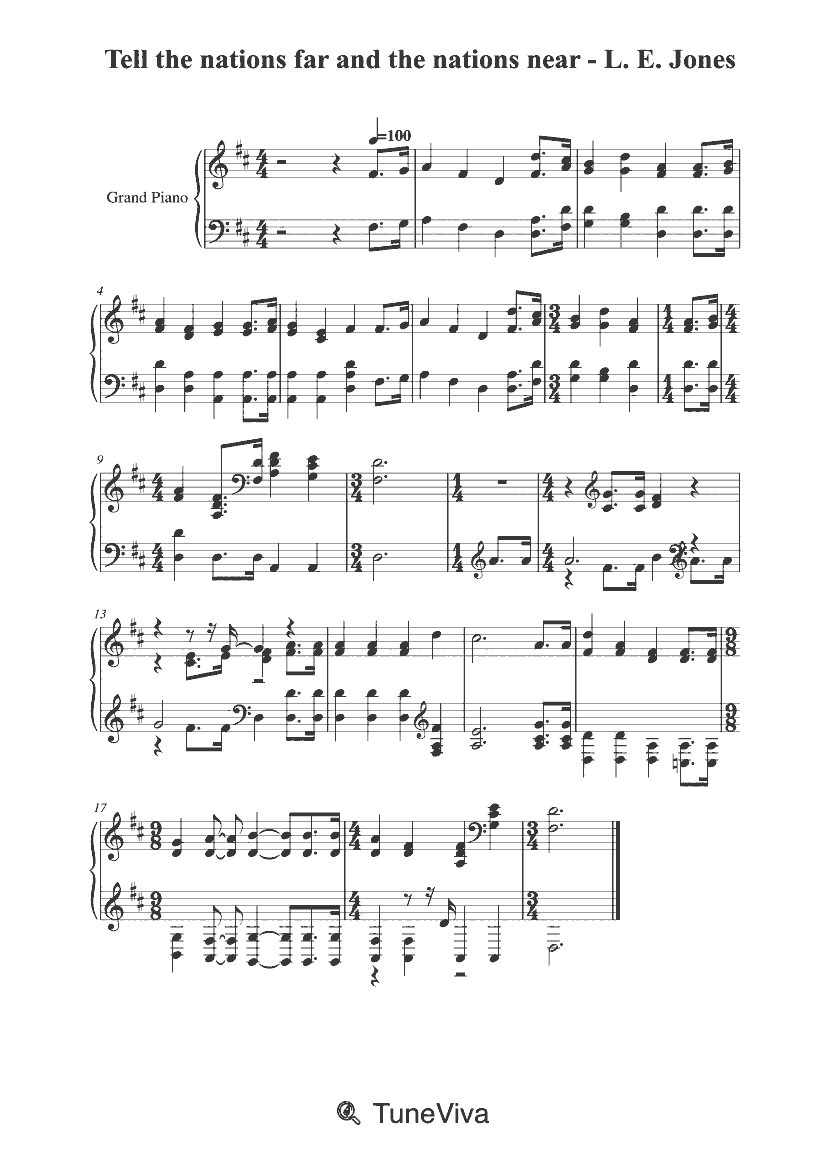
An evangelistic and missionary call, with punctuation added in the display title.
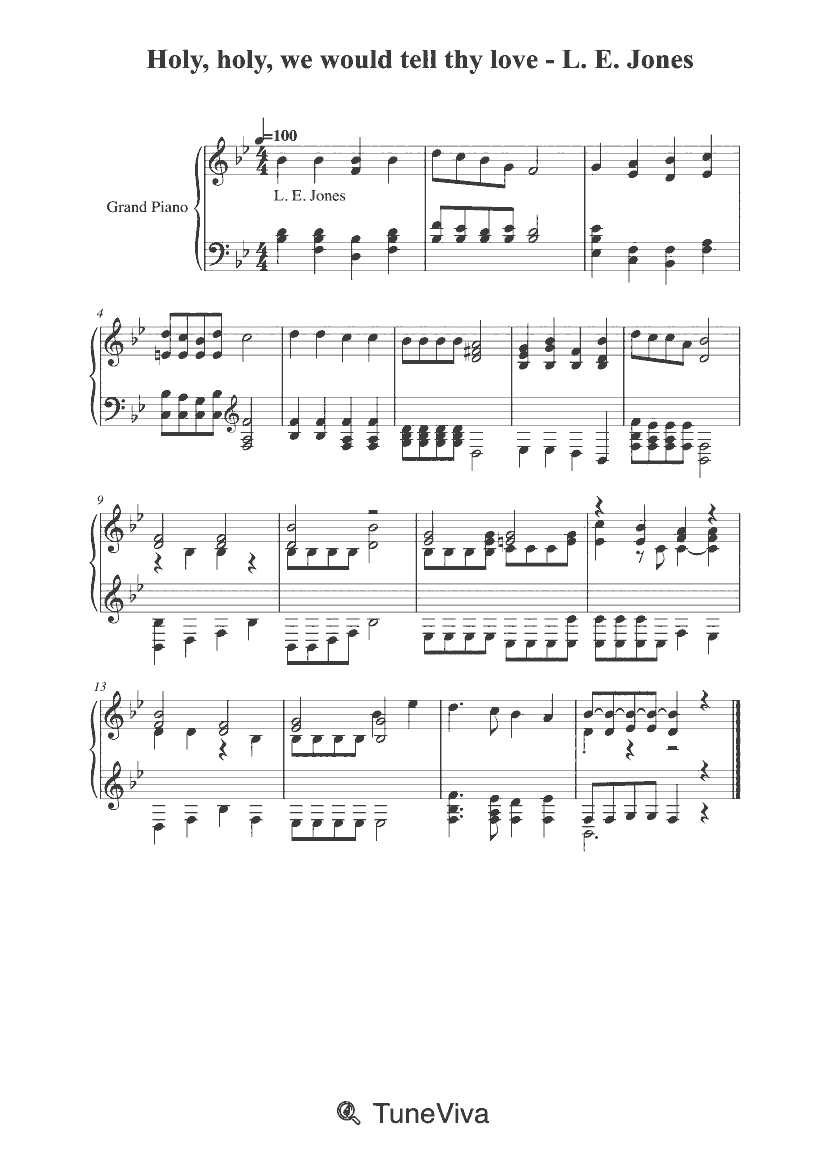
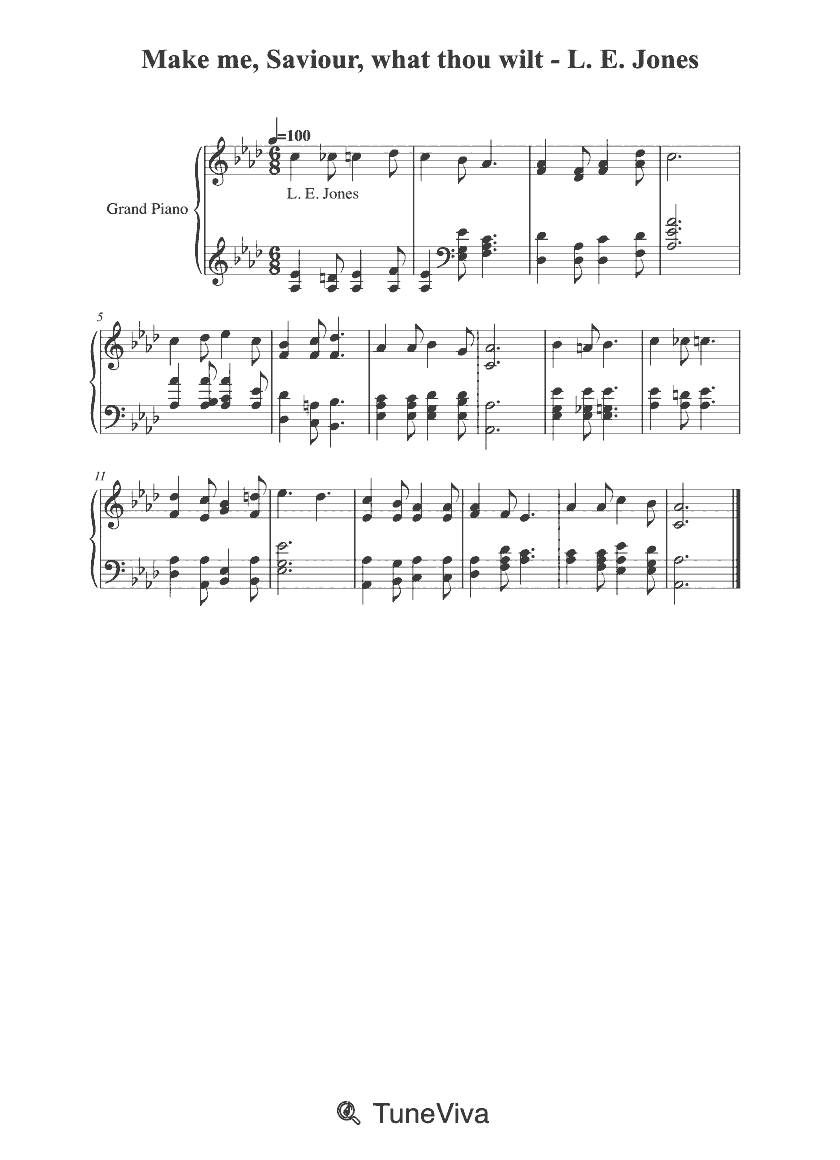
A hymn of praise in the older second-person singular.
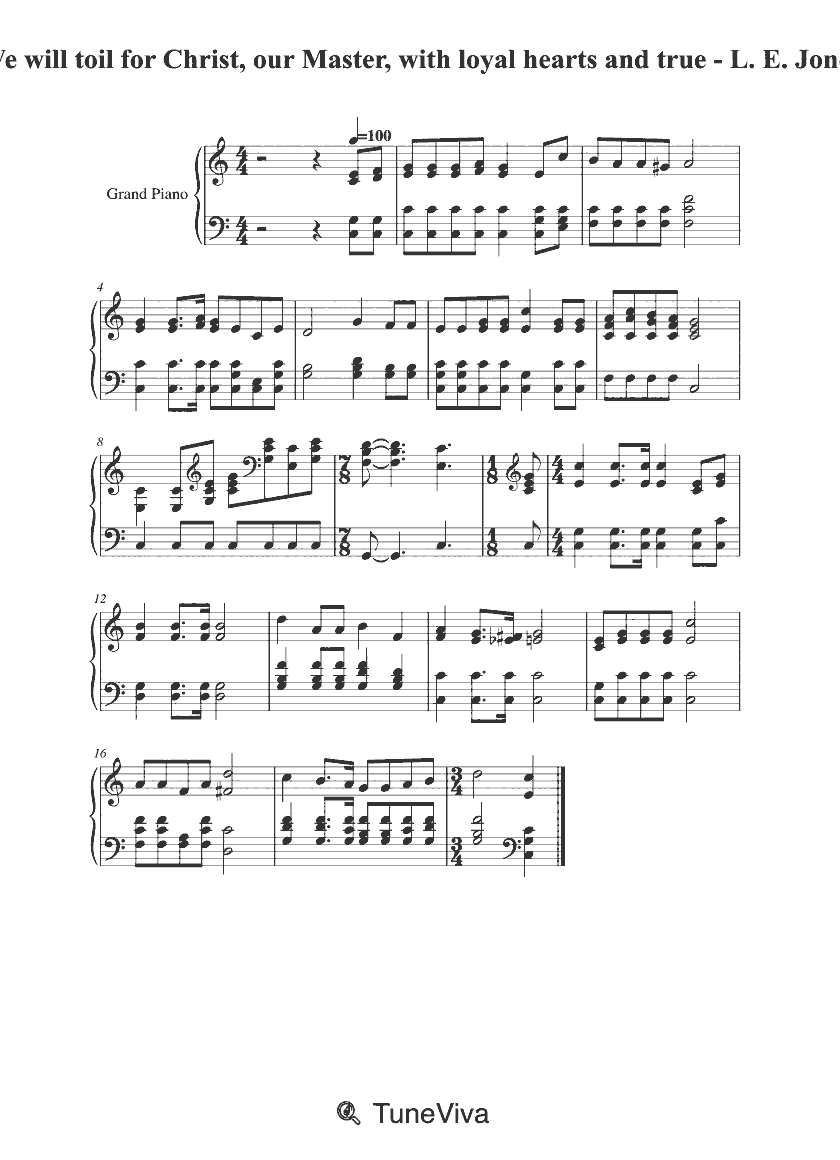
Another processional Sunday-school song; the tune is not named on the file.
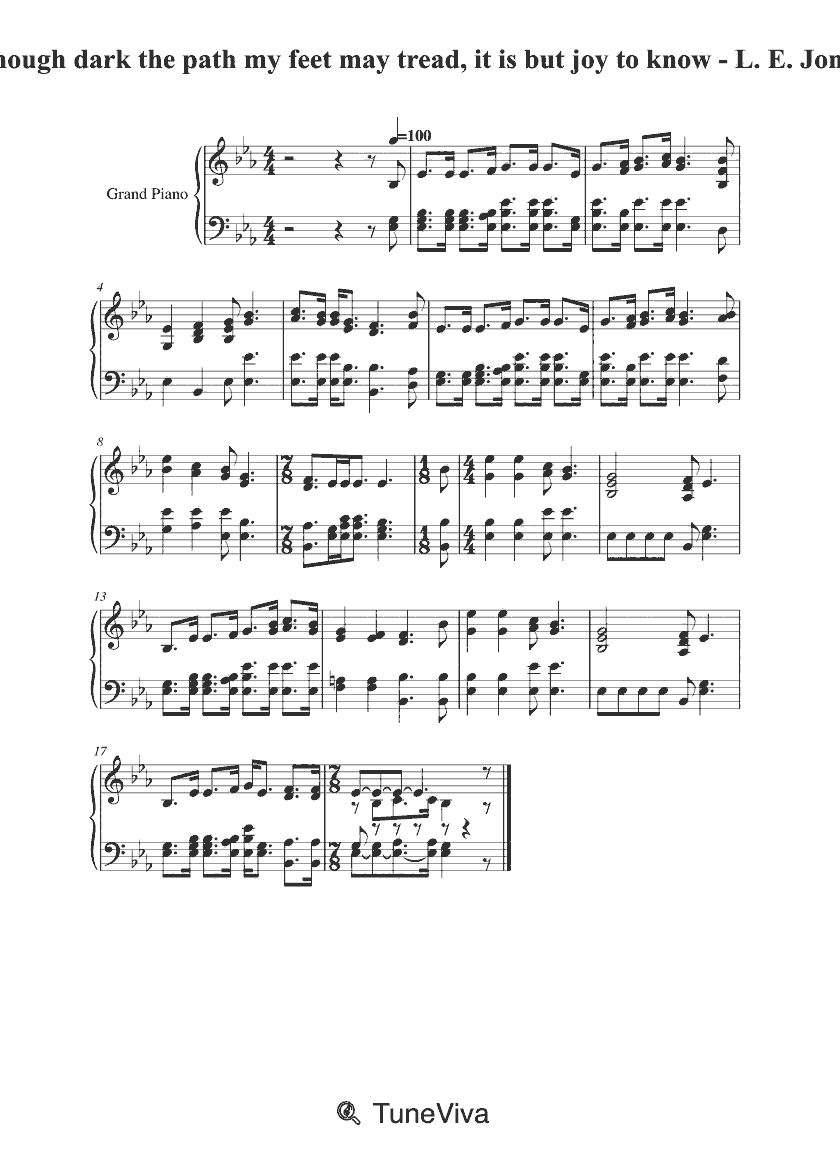
A hymn of trust; the file title runs on past the point where a hymnal would break the line.
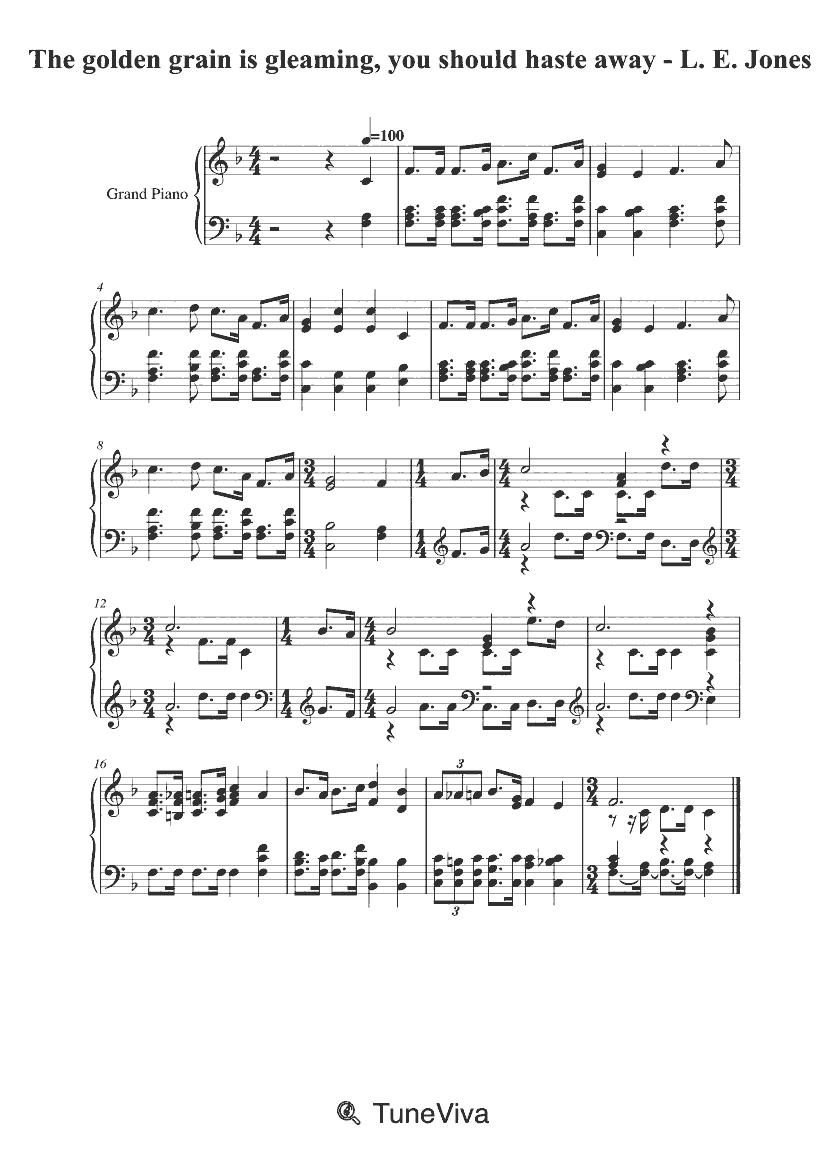
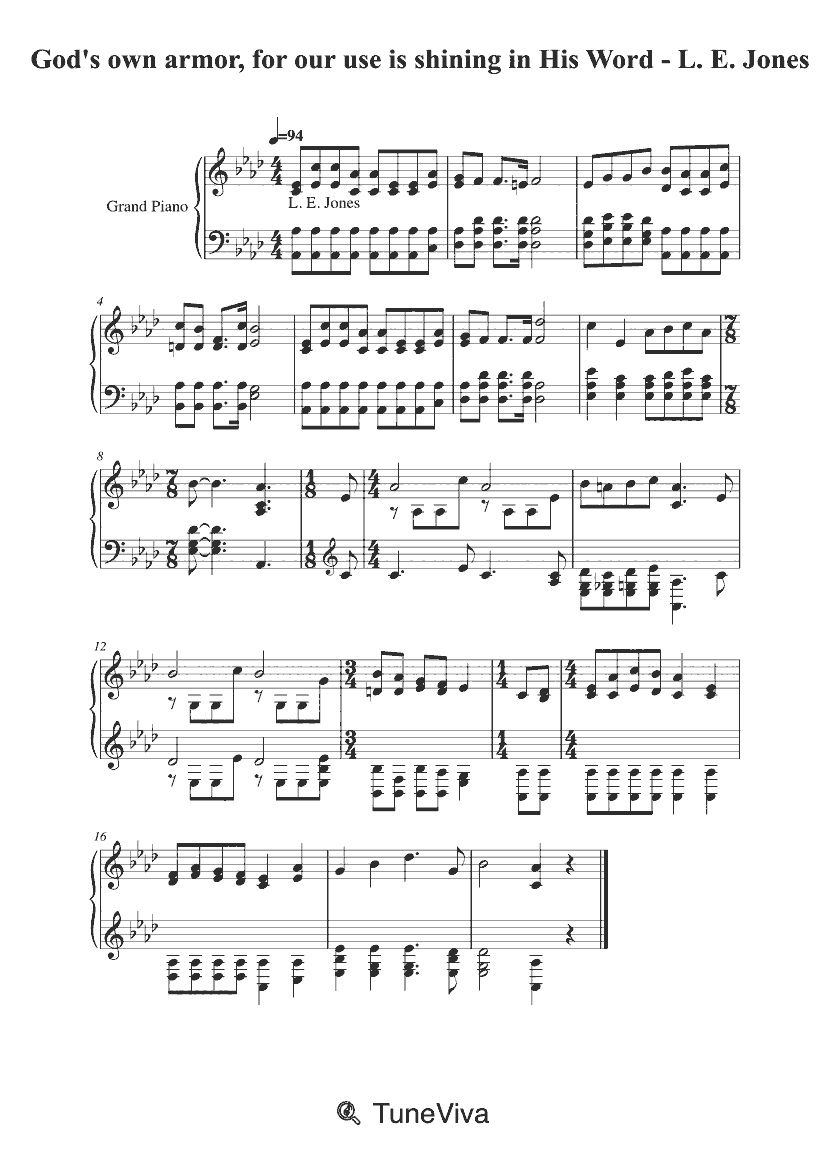
A harvest hymn drawing on the fields white unto harvest.
A short missionary song; the catalogue gives no date or text author.
41, running to about 26 minutes of music and 12,414 notated notes. Fifteen of them include lyrics.
No. He worked for the YMCA for thirty-six years, at Davenport, Fort Worth and Santa Barbara, and described hymn writing as his avocation.
The index measures notation density. These files are mostly four-part vocal settings with independent inner lines, so they score above the unison hymn tunes that fill index 0 elsewhere.
At a camp meeting at Mountain Lake Park, Maryland, in 1899, according to his own account. It is not among the most-viewed titles grouped on this page.
Catalog editions and arrangements attributed to L. E. Jones.