classical
2 tracks
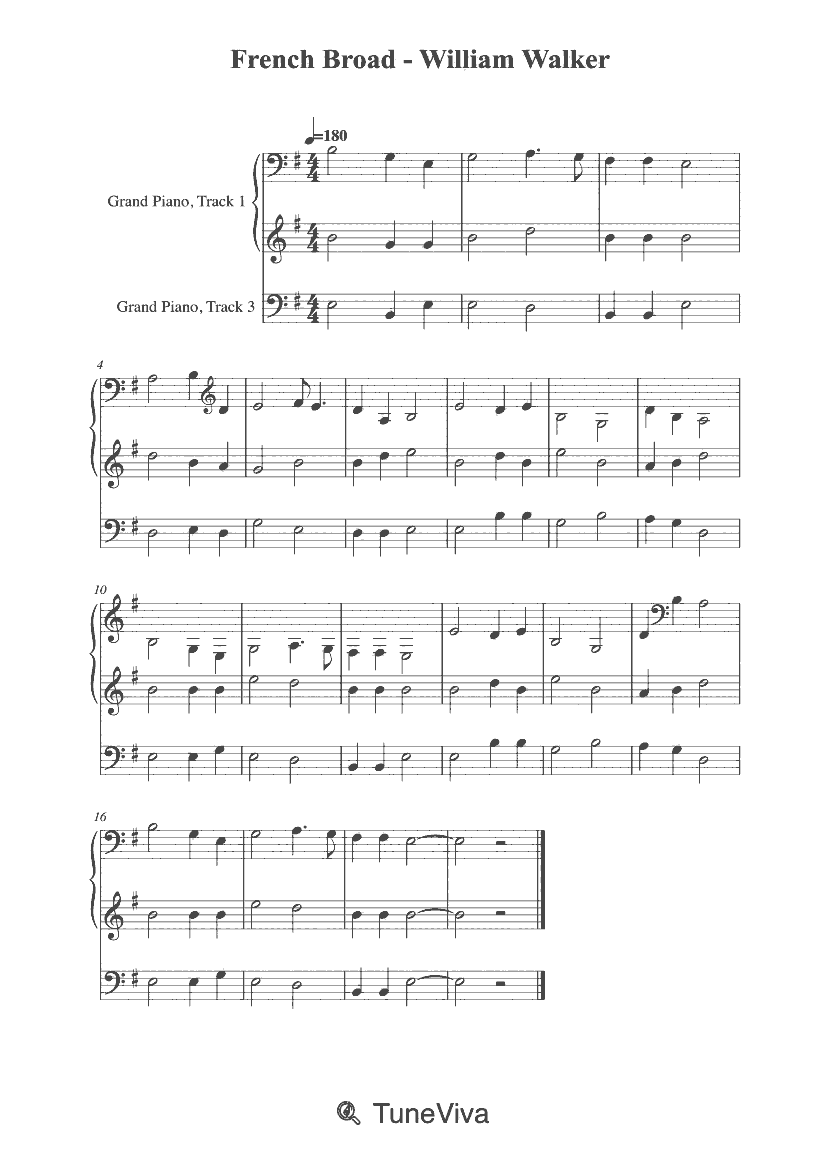
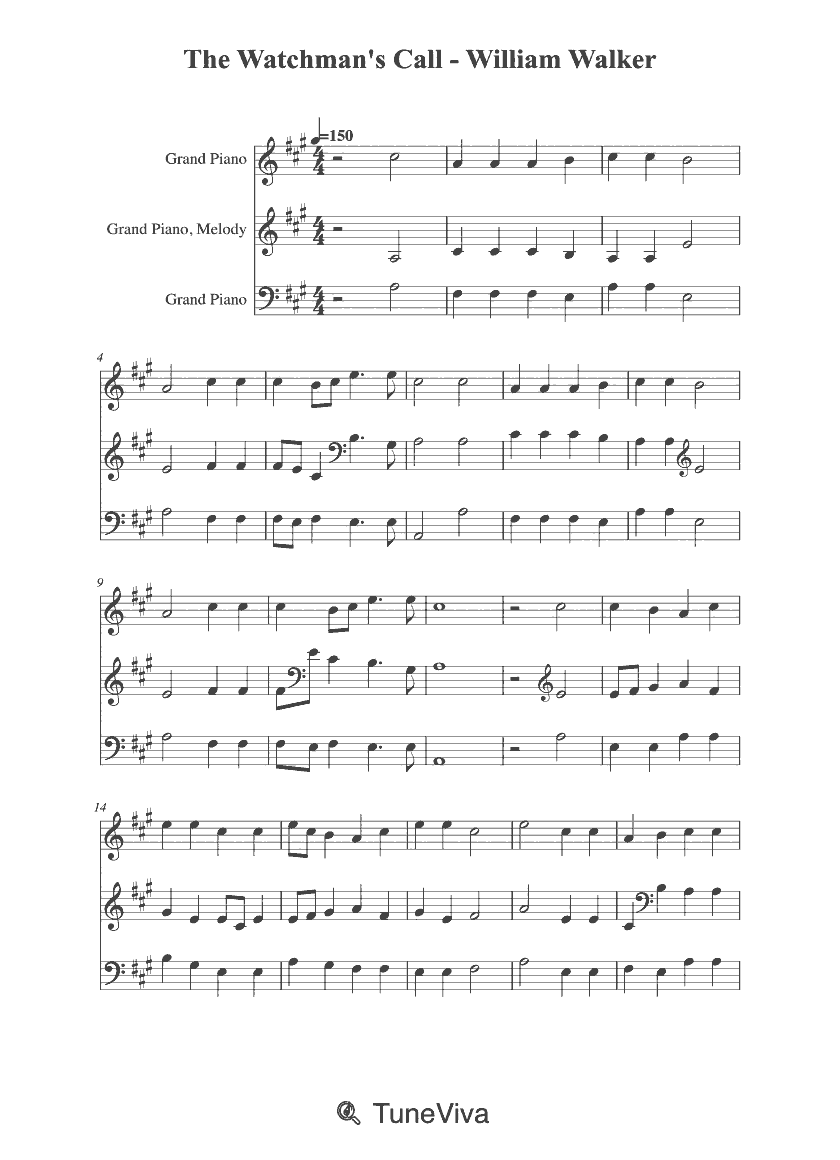
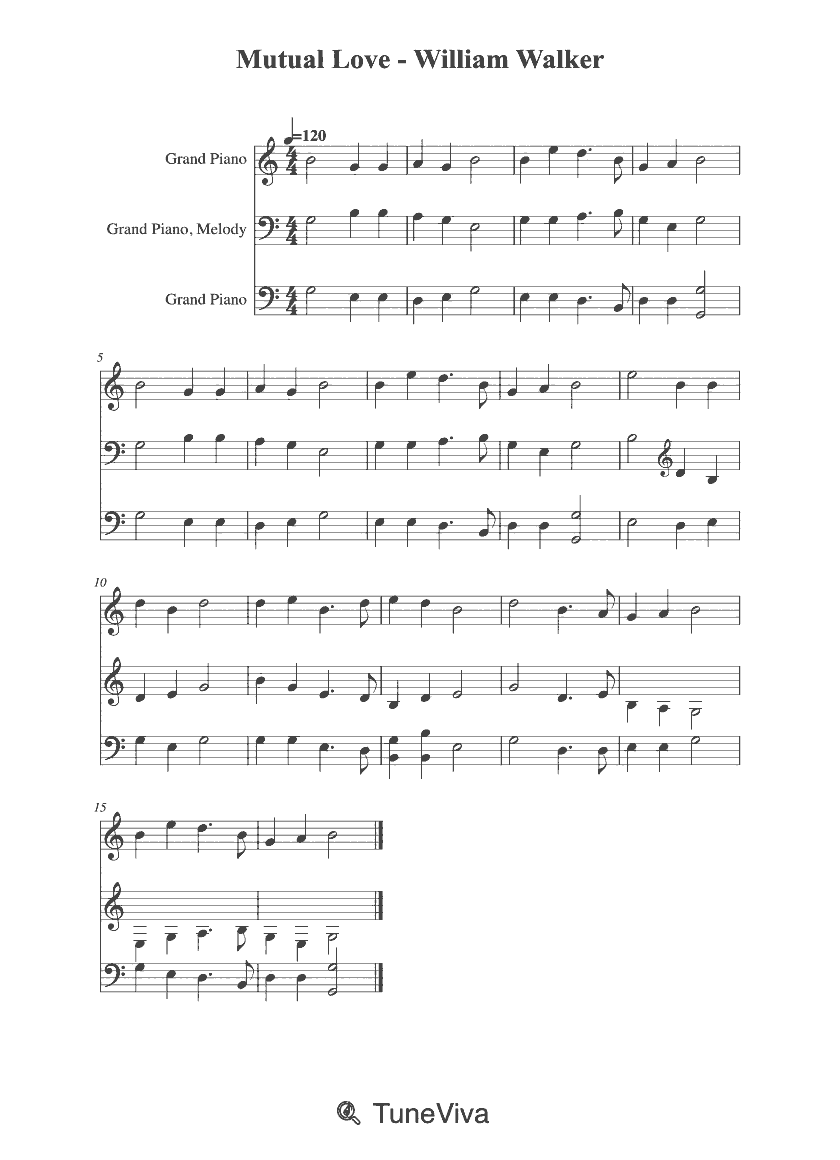
Twenty shape-note pieces are filed under William Walker, running to about 12 minutes and 4,020 notated notes. Only one of them carries lyrics, which tells you what kind of file these are: the tune and its parts, without the text that singers would have known by heart.
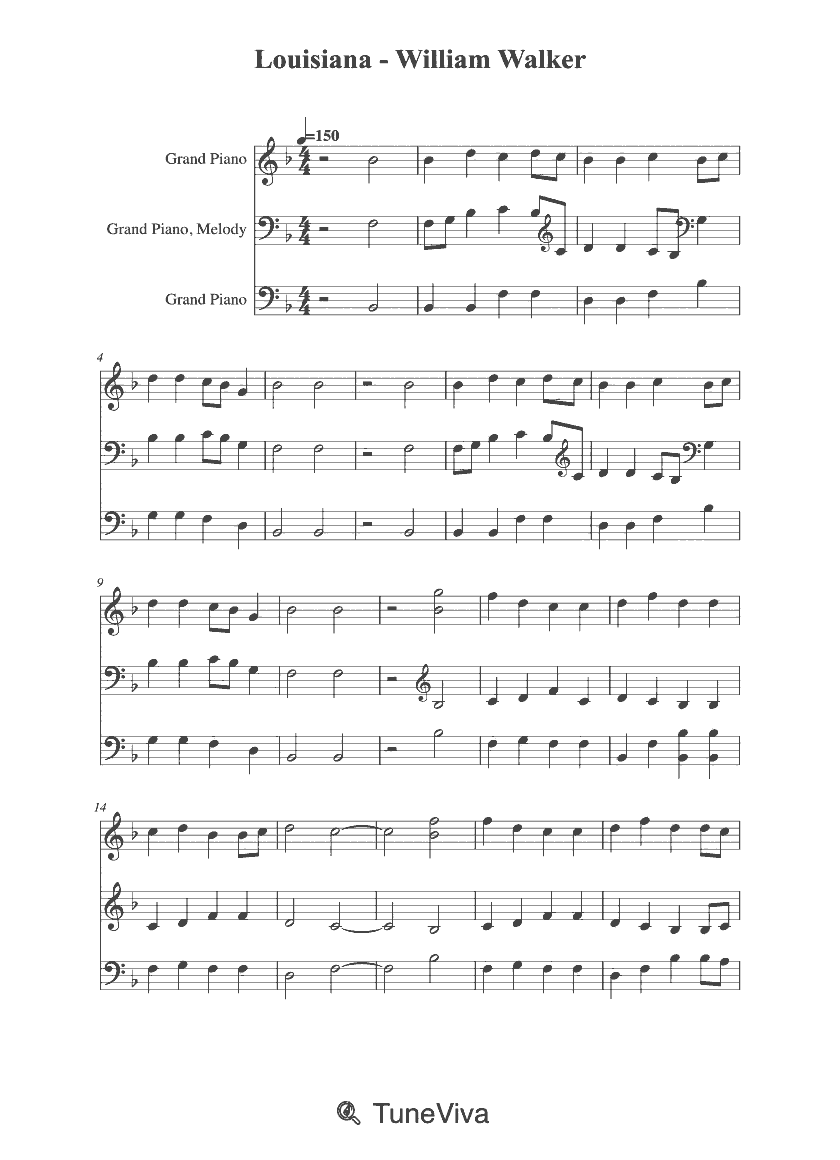
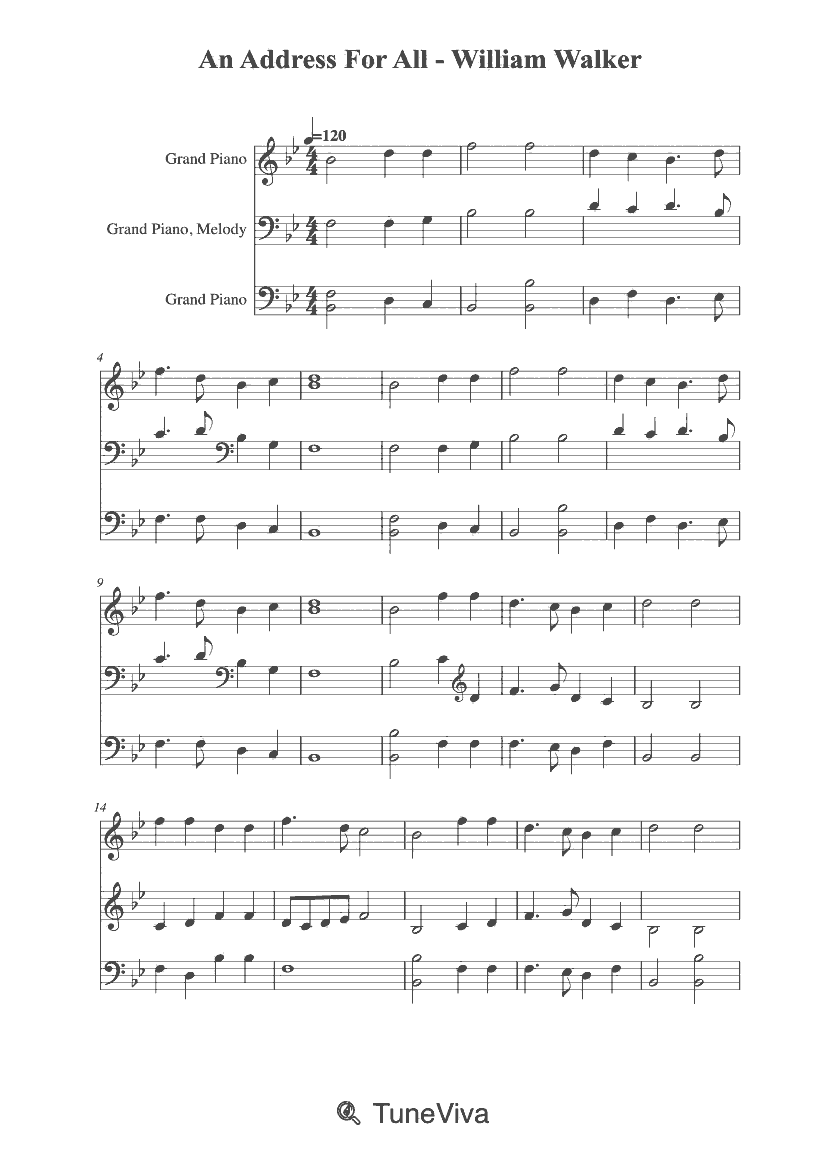
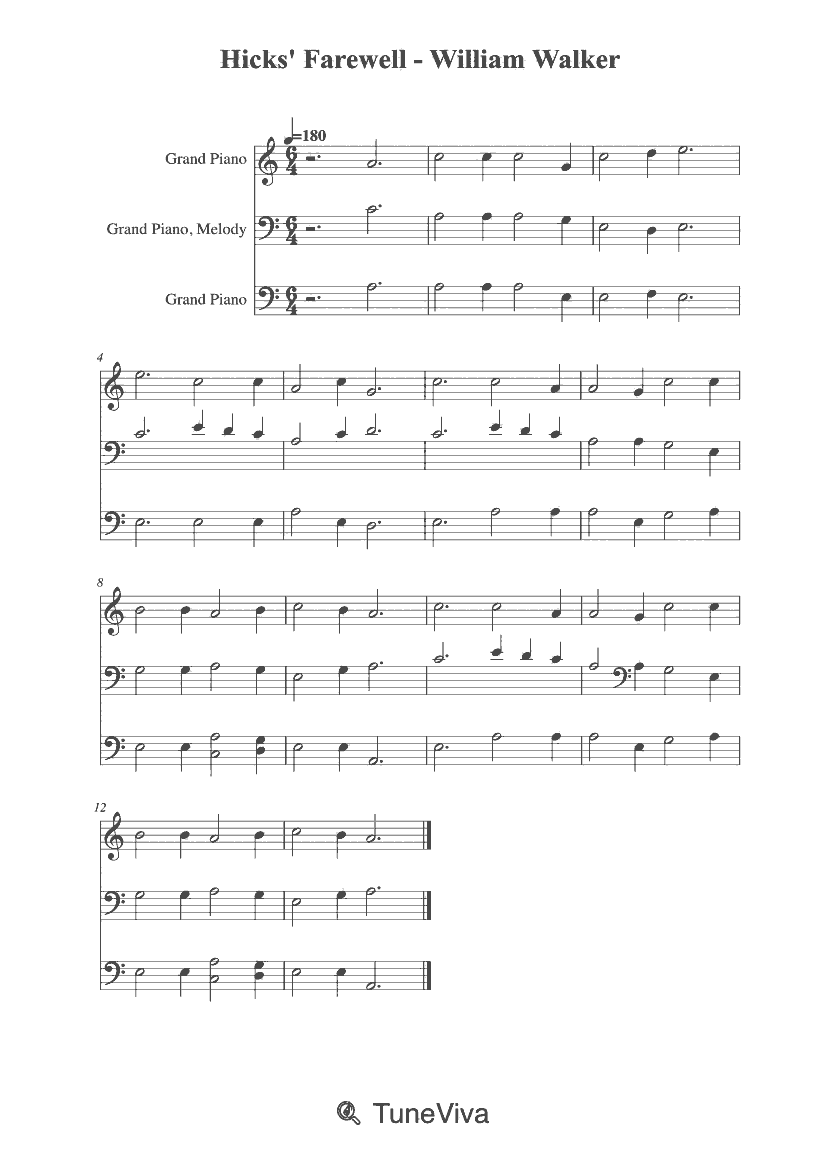
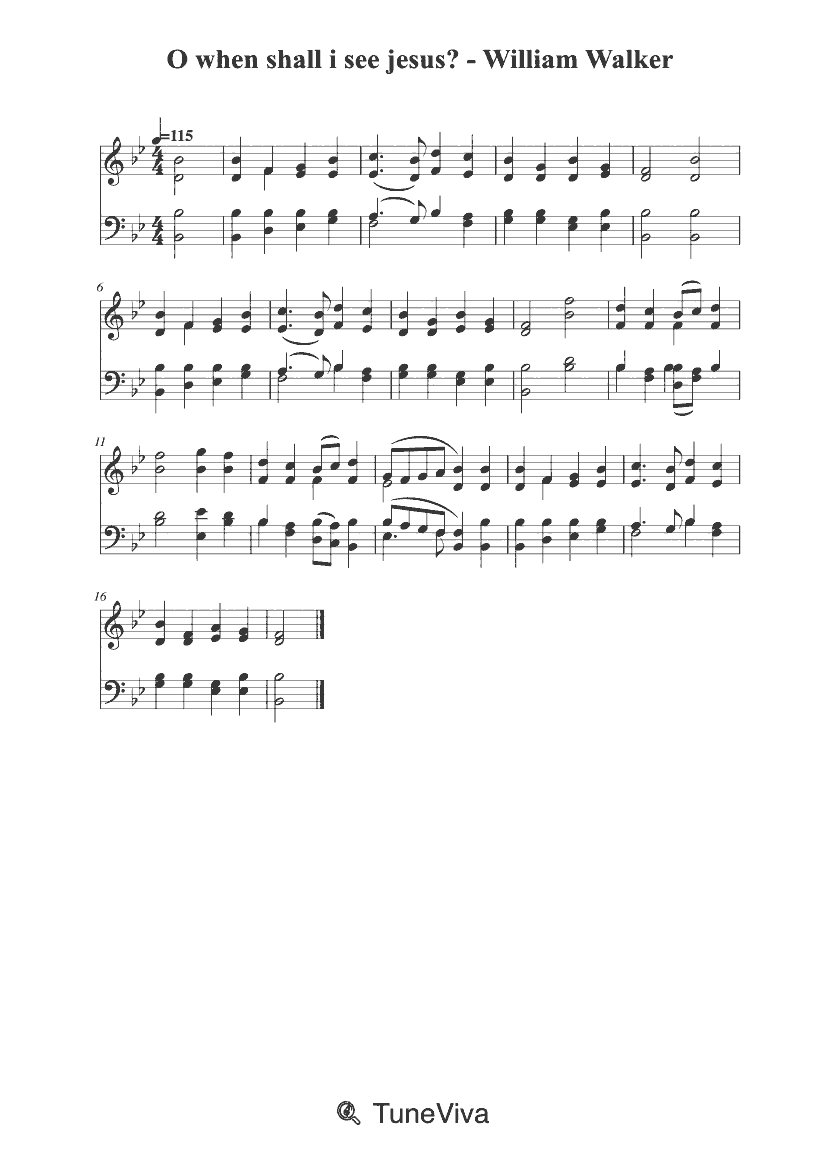
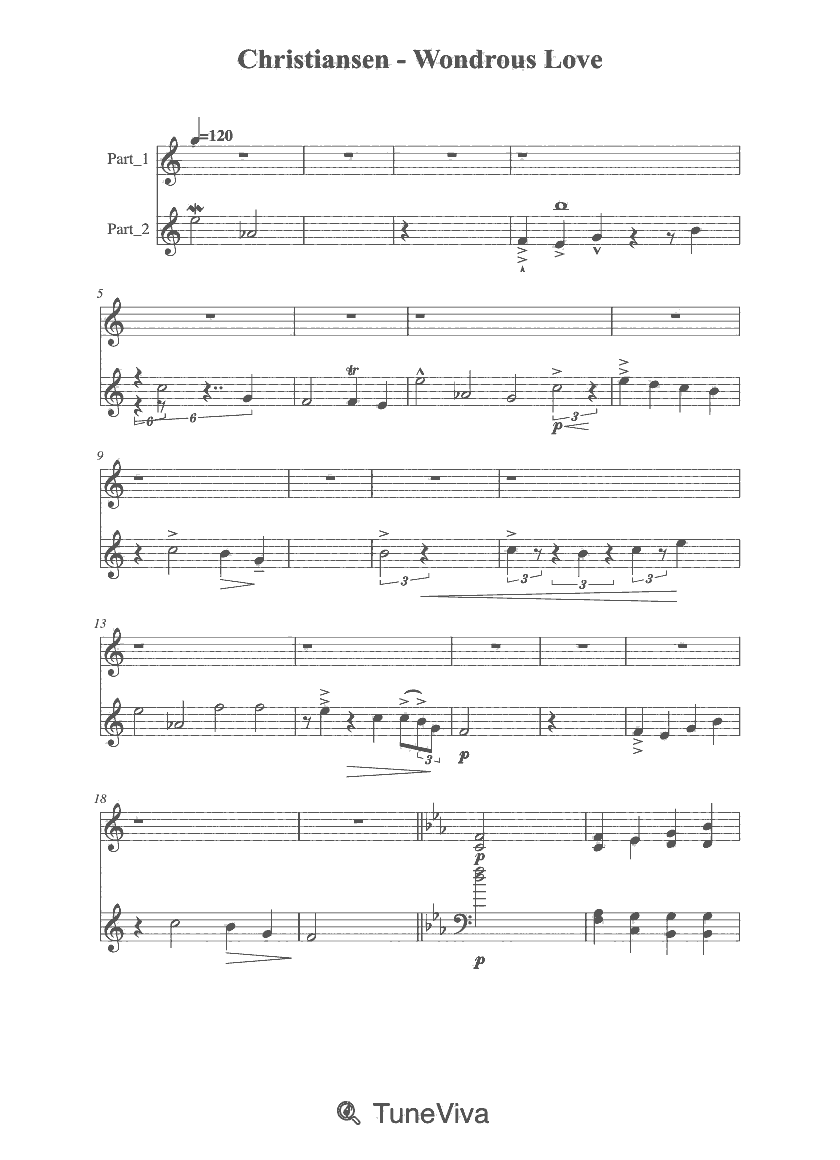
The most-viewed entry is "Wondrous Love", listed with the prefix "Christiansen" and still the tune most closely associated with Walker. Behind it come "Louisiana", "O when shall I see Jesus?", "An Address for All" and "Hicks' Farewell", all drawn from the four-shape and seven-shape books he compiled in South Carolina.
Walker was born on 6 May 1809 at Martin's Mills, near Cross Keys in Union County, South Carolina, and grew up around Spartanburg. A Baptist song leader and singing-school teacher, he was nicknamed "Singing Billy" to tell him apart from other William Walkers in the town. He married Amy Golightly in 1832 and died at Spartanburg on 24 September 1875; he is buried in Magnolia Cemetery there.
His Southern Harmony appeared in 1835 and was revised in 1840, 1847 and 1854. The Southern and Western Pocket Harmonist followed in 1846, and after the Civil War came The Christian Harmony in 1867, using a seven-shape notation of Walker's own devising, with an expanded edition in 1873 and the Sunday-school collection Fruits and Flowers in the same year.
Walker arranged as much as he composed, and said so: many of his airs came from the singing tradition around him, and he wrote parts to tunes he could not find in print. The catalogue's entries are tune pages rather than songs, which is why 4,020 notes fit into twelve minutes and why just one file carries a text.
His tunes travelled far beyond his own books: thirteen of them appear in the 1991 Denson edition of The Sacred Harp and twelve in the Cooper edition, and his "Hallelujah" is sung at conventions more often than any other piece of his. The catalogue splits the twenty entries into nineteen classical and one folk, a reminder that the same tune can be filed either way.
Sing these without accompaniment, at full voice, and read the shapes before the notes. The old four-shape tunes often cadence on open fifths and move in a modal haze, so tune the thirds carefully and let the melody, usually in the tenor, ring clear. Keep the pulse square: these were danced and marched as much as sung. In "Wondrous Love" the pace should be slow enough for the long notes to swell, while "Hicks' Farewell" wants a steady walk, not a dirge.
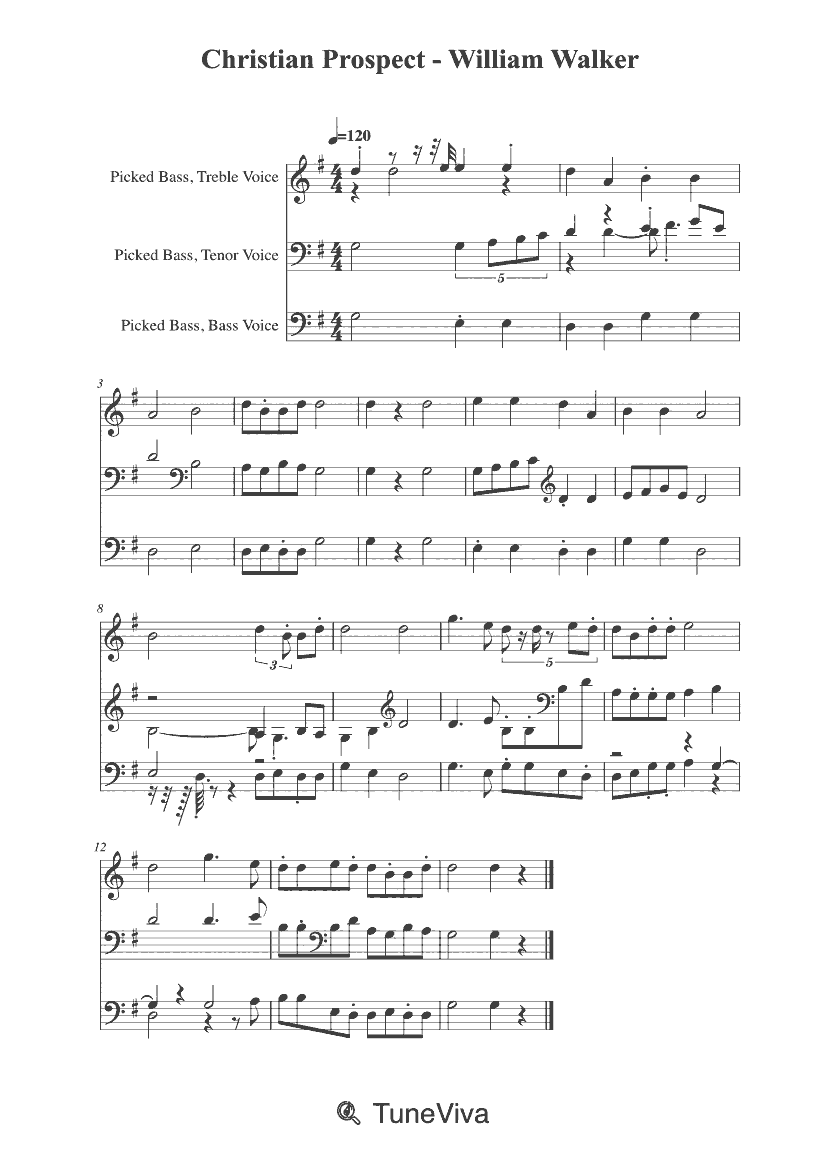
The most-viewed score: the modal tune in which the melody sits in the tenor. "Christiansen" appears to be a tune-book or arranger label prefixed by the catalogue.
A four-shape tune named for a state, the commonest way of naming tunes in the Southern tunebooks.
A camp-meeting text set in Walker's books, looking forward to release from the body.
Printed early in the Southern Harmony, where Walker claims the tune; the words, beginning "The time is swiftly rolling on", are by the Rev. B. Hicks of South Carolina.
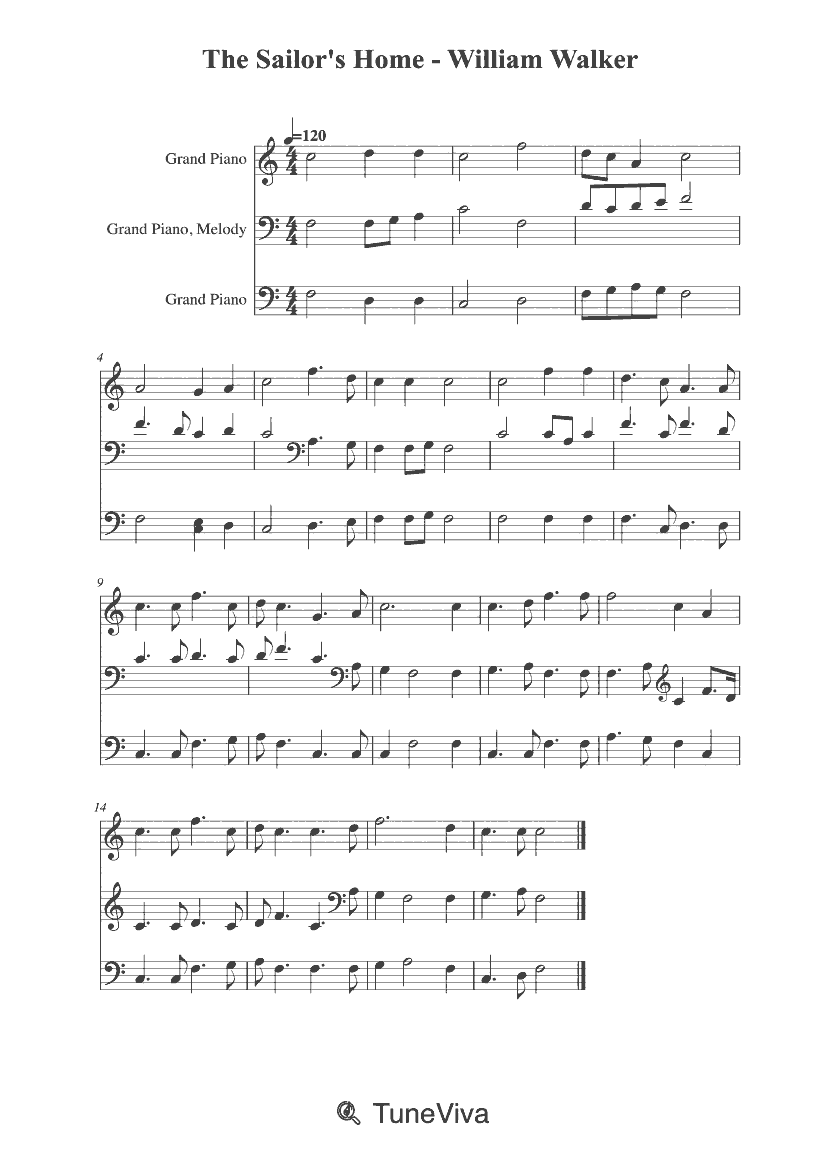
A parting song in the shape-note manner, using the sailor's voyage as the image of the journey home.
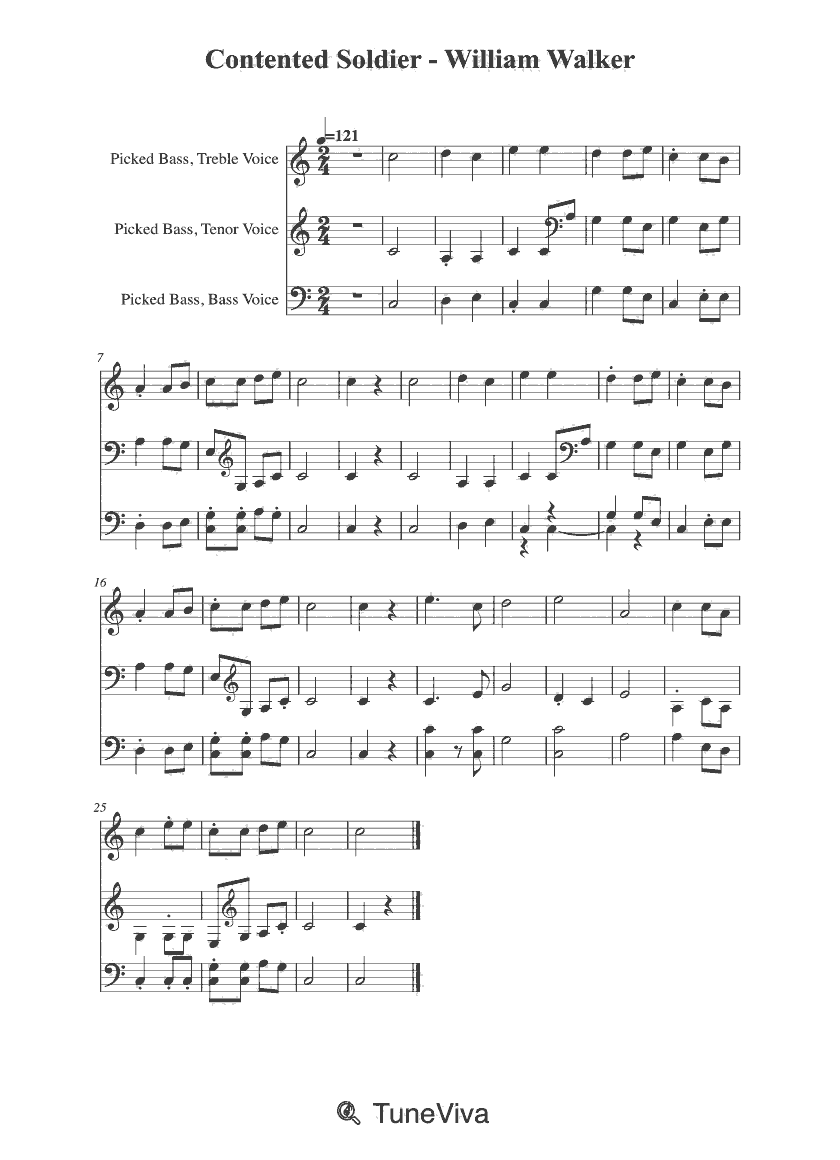
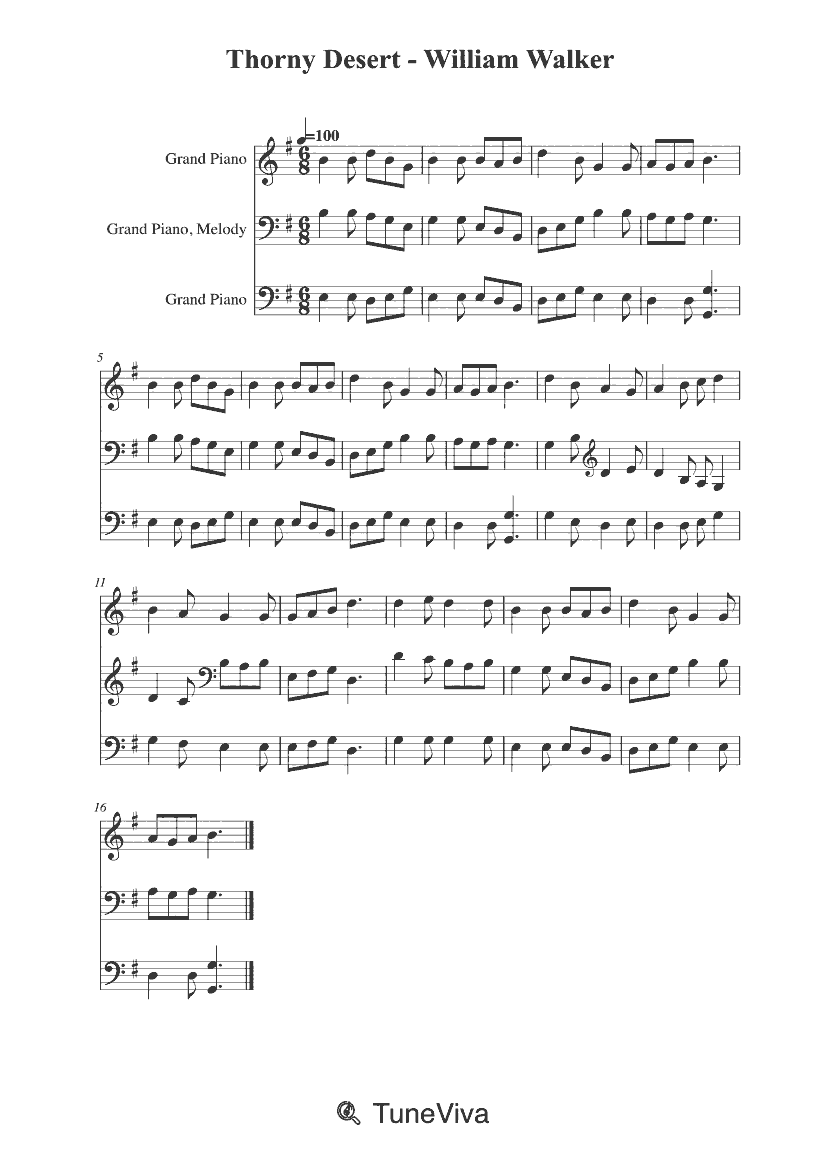
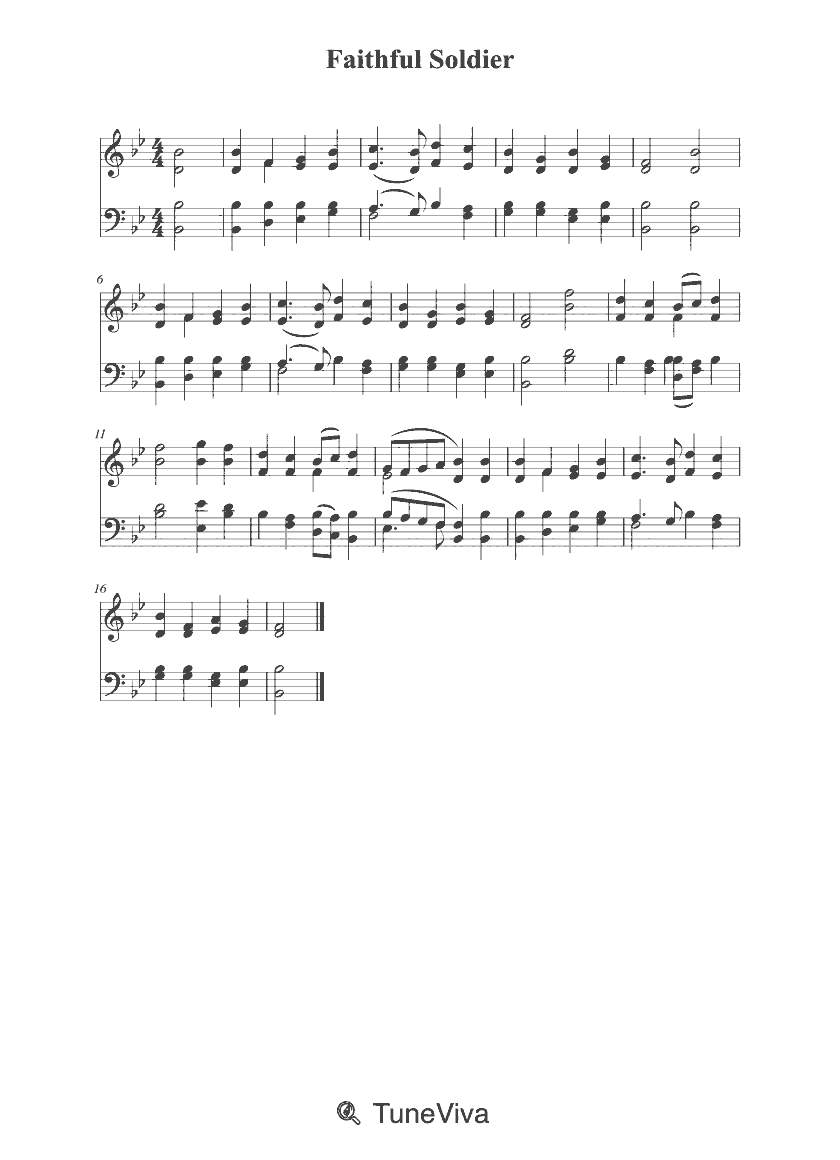
A short tune on the soldier's contentment, one of several military images the revival repertoire borrowed from.
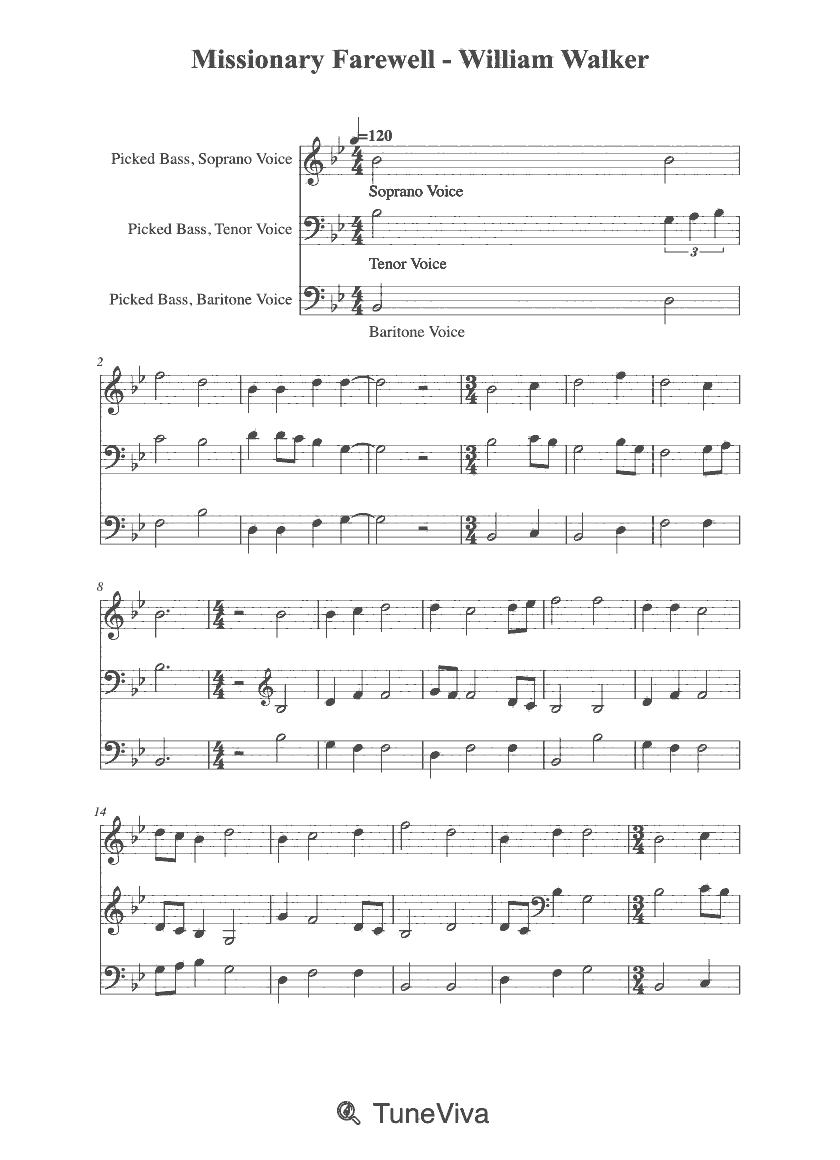
A farewell piece for departing missionaries, a genre the Baptist south produced in quantity.
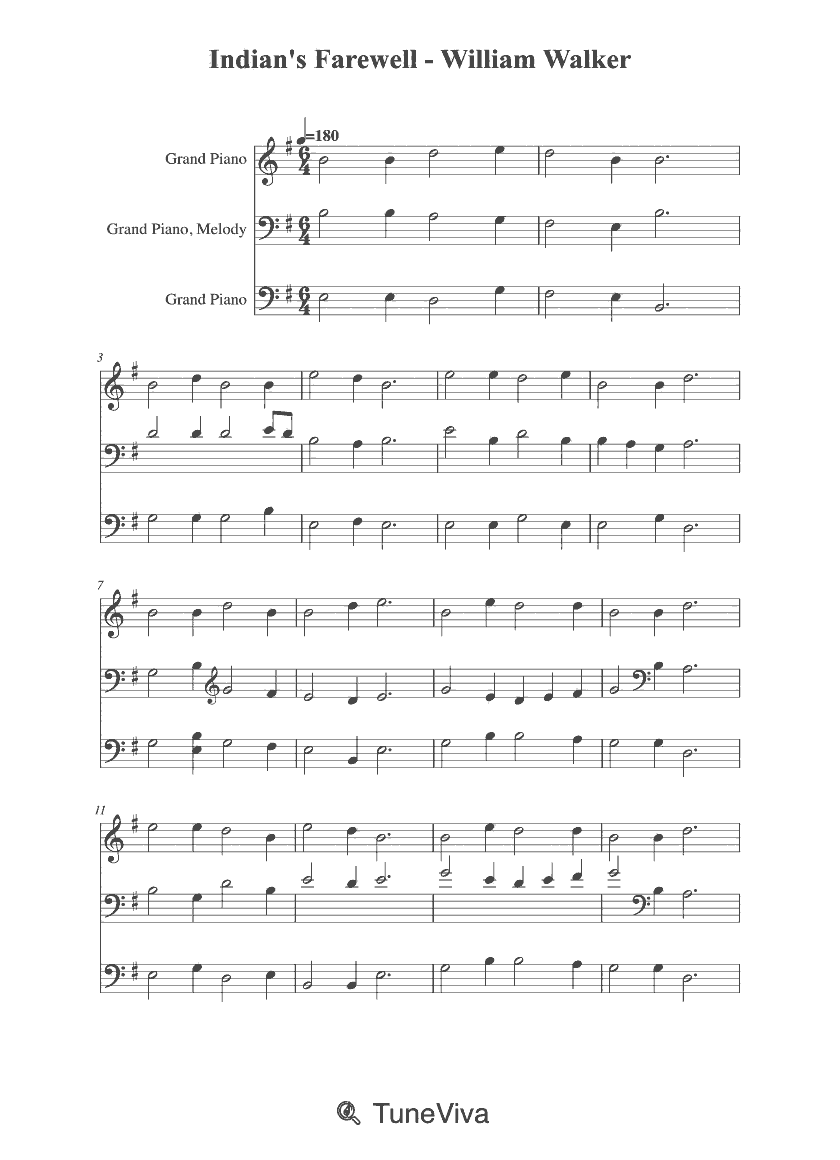
A farewell tune in the Southern books, set to a text of parting and removal.
A tune on the wilderness road of the pilgrim, a standard camp-meeting metaphor.
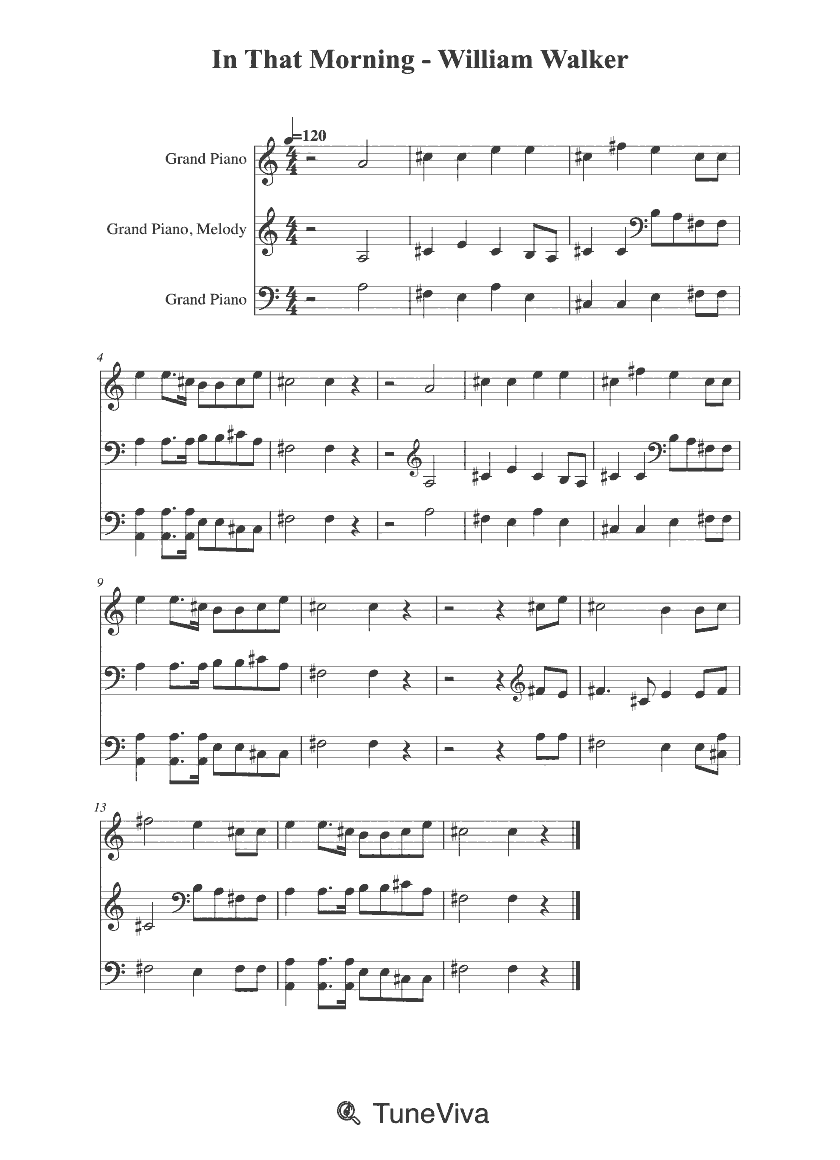
A resurrection tune, its refrain turning on the morning when the dead are raised.
A South Carolina Baptist singing master, 1809 to 1875, known as "Singing Billy", who compiled Southern Harmony in 1835 and Christian Harmony in 1867.
A system in which four or seven note shapes stand for the syllables fa, sol, la and mi, so that singers can read intervals without reading staff notation. Walker used four shapes first and devised his own seven-shape system later.
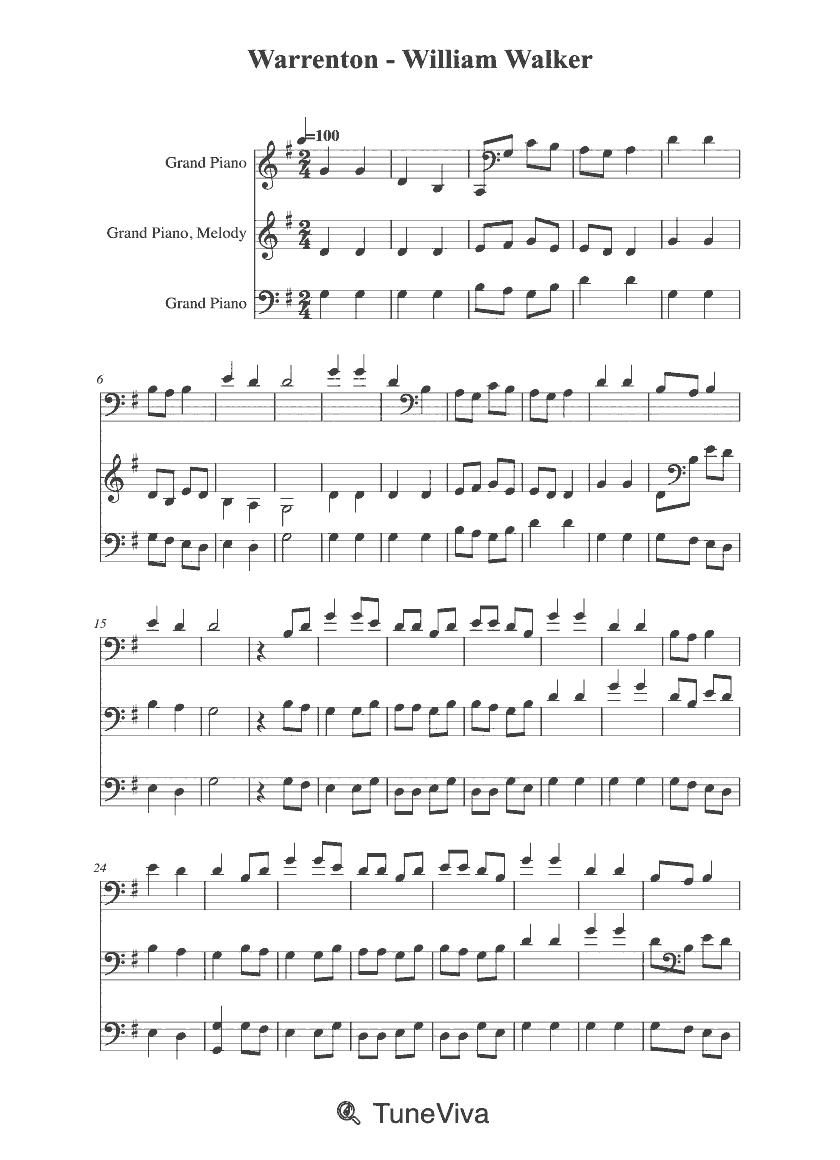
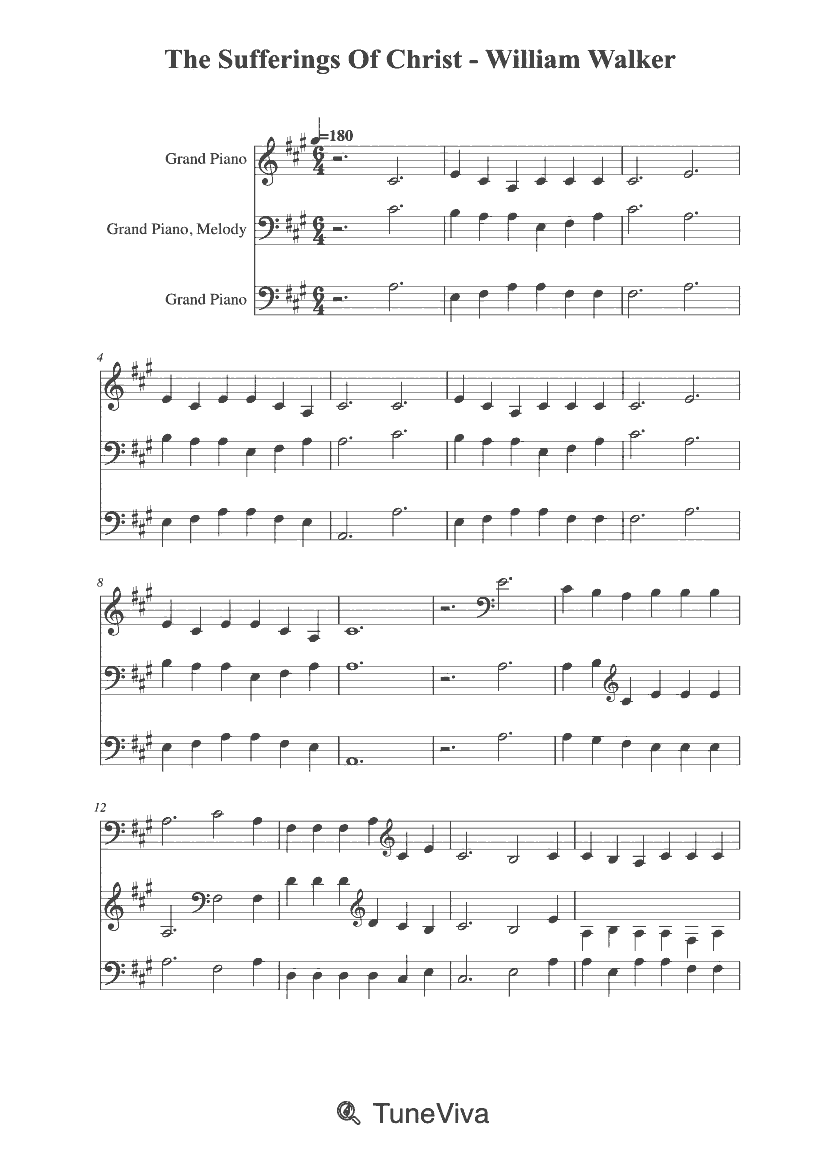
The catalogue's files are tune pages: the parts are engraved, but the words were printed separately in the tunebooks and are not always carried into the digital score.
He claimed many of them, but he also admitted borrowing airs he could not find in print, and modern scholarship treats a number as folk melodies he harmonised and named.
Catalog editions and arrangements attributed to William Walker.