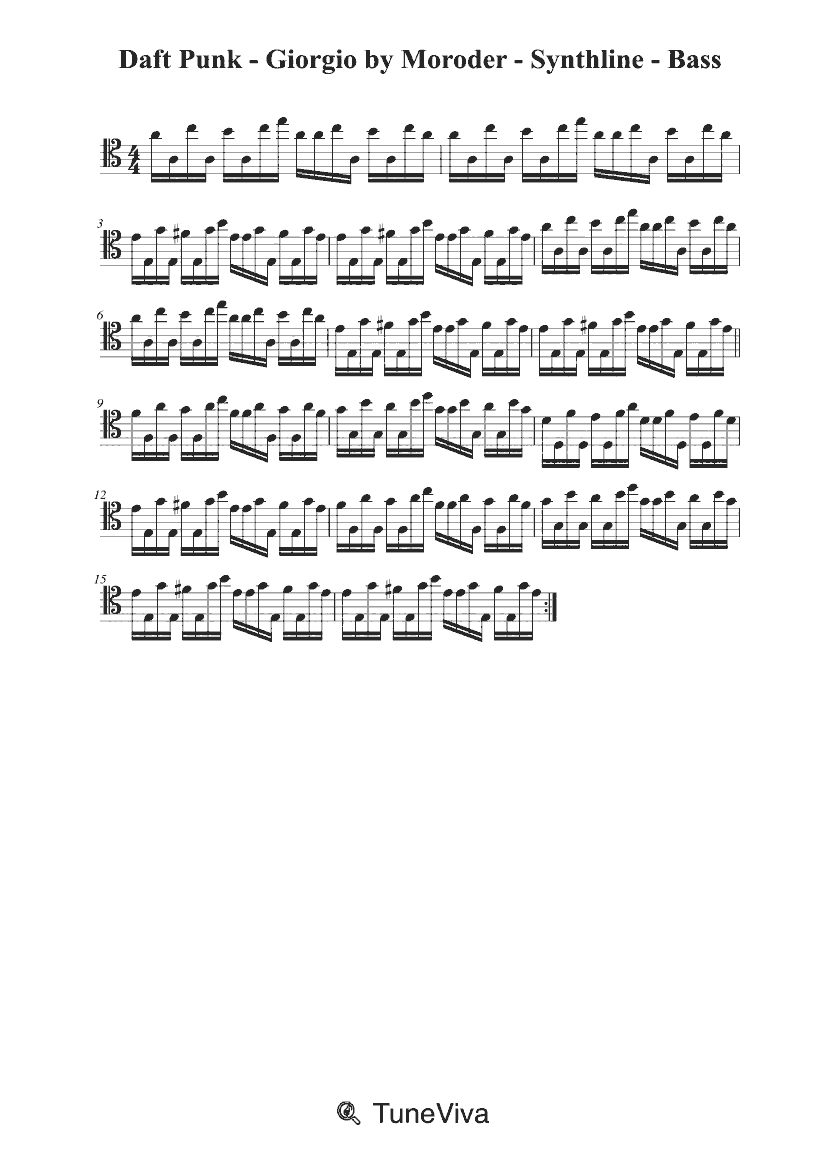
Daft Punk - Giorgio by Moroder - Synthline - Bass
Main Synth Pattern
Daft Punk ft. Giorgio Moroder
MusicXML Part · 1 min 4 sec
Open scoreDisco sheet music on TuneViva covers scores filed under the disco label, from a five-part brass arrangement to piano and single-line versions. Because disco is a broad popular-music category, the arrangement matters more than the label alone: check which instruments are required, the opening key and time signature, and the listed tempo before choosing a score.
Scores 1–17 of 17
Main Synth Pattern
Daft Punk ft. Giorgio Moroder
MusicXML Part · 1 min 4 sec
Open score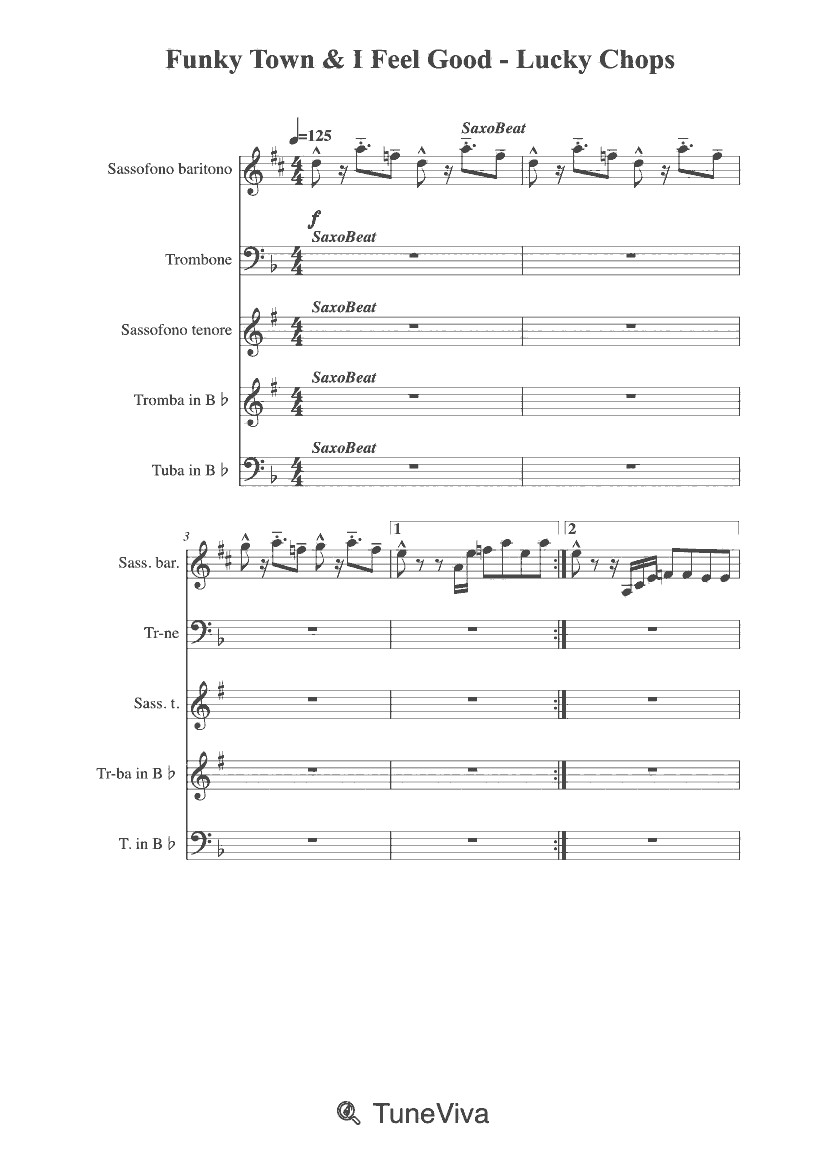
Donna Summer
Sassofono baritono; Trombone; Sassofono tenore +2 parts · 5 min 37 sec
Open score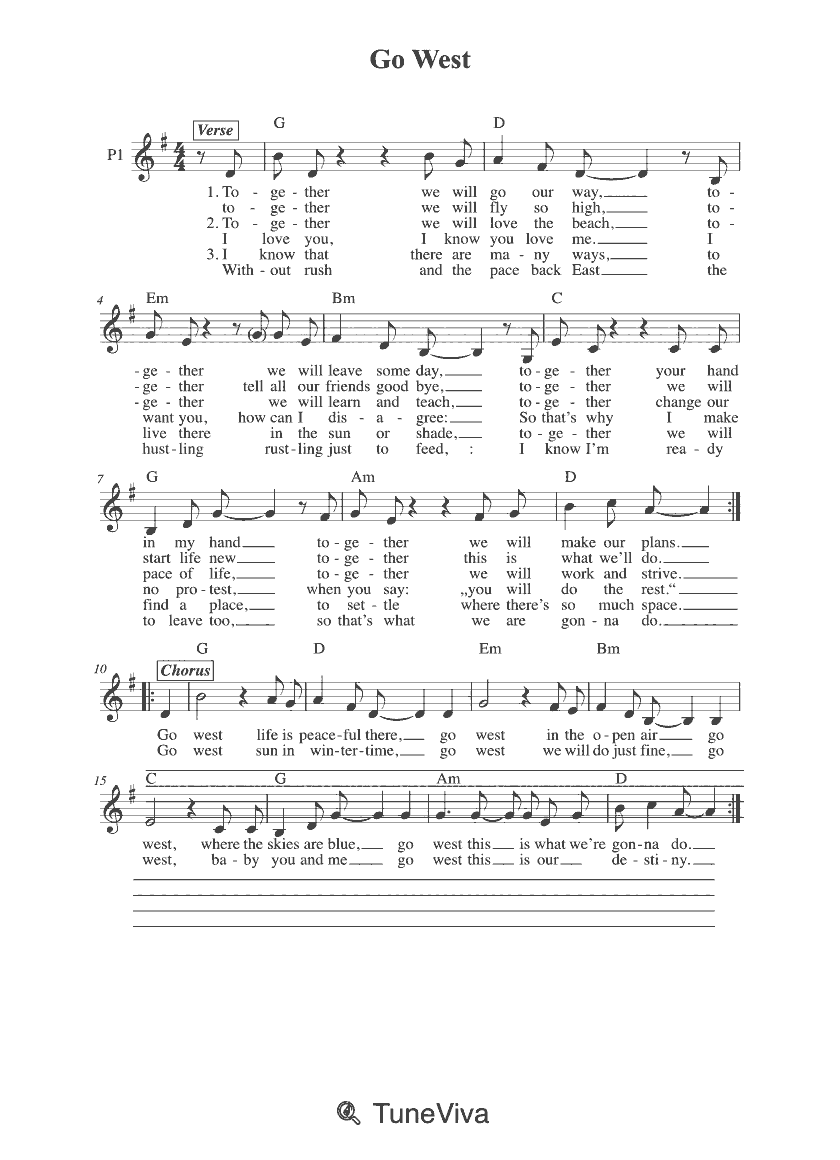
The Village people
P1 · 1 min 4 sec
Open score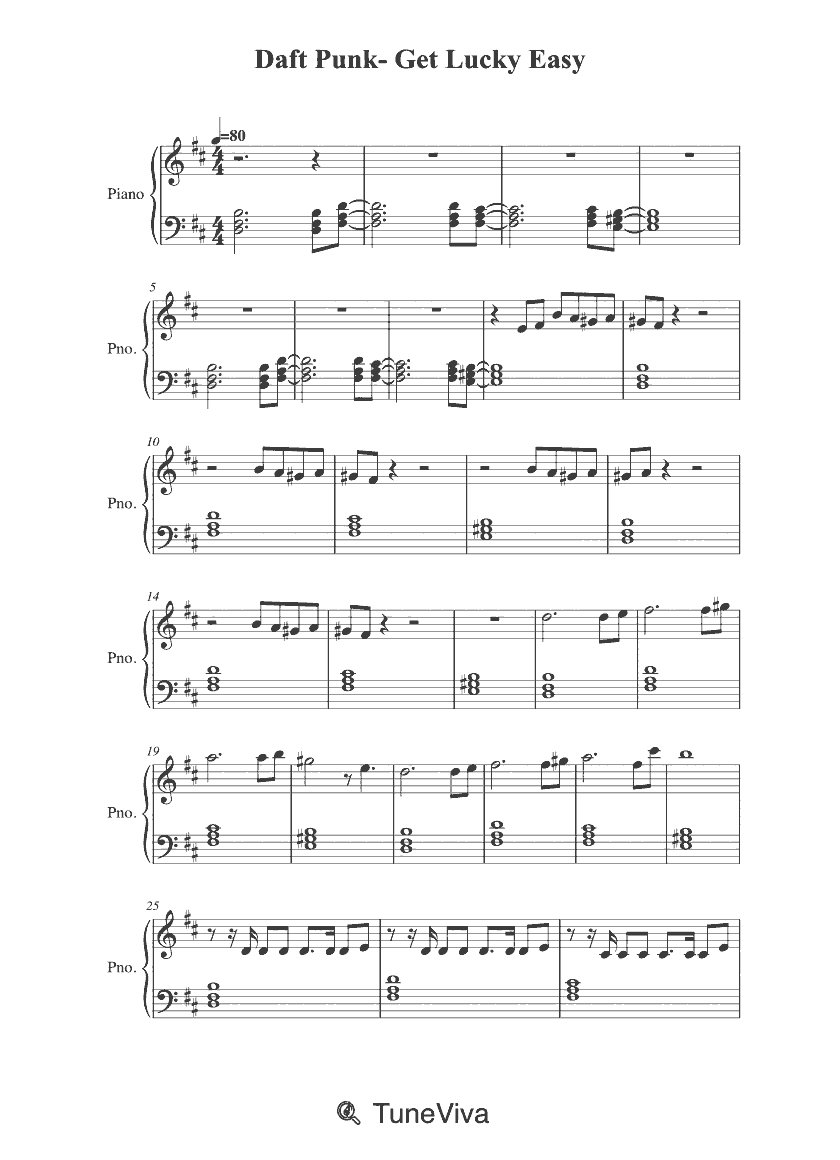
Daft Punk
Piano · 1 min 36 sec
Open score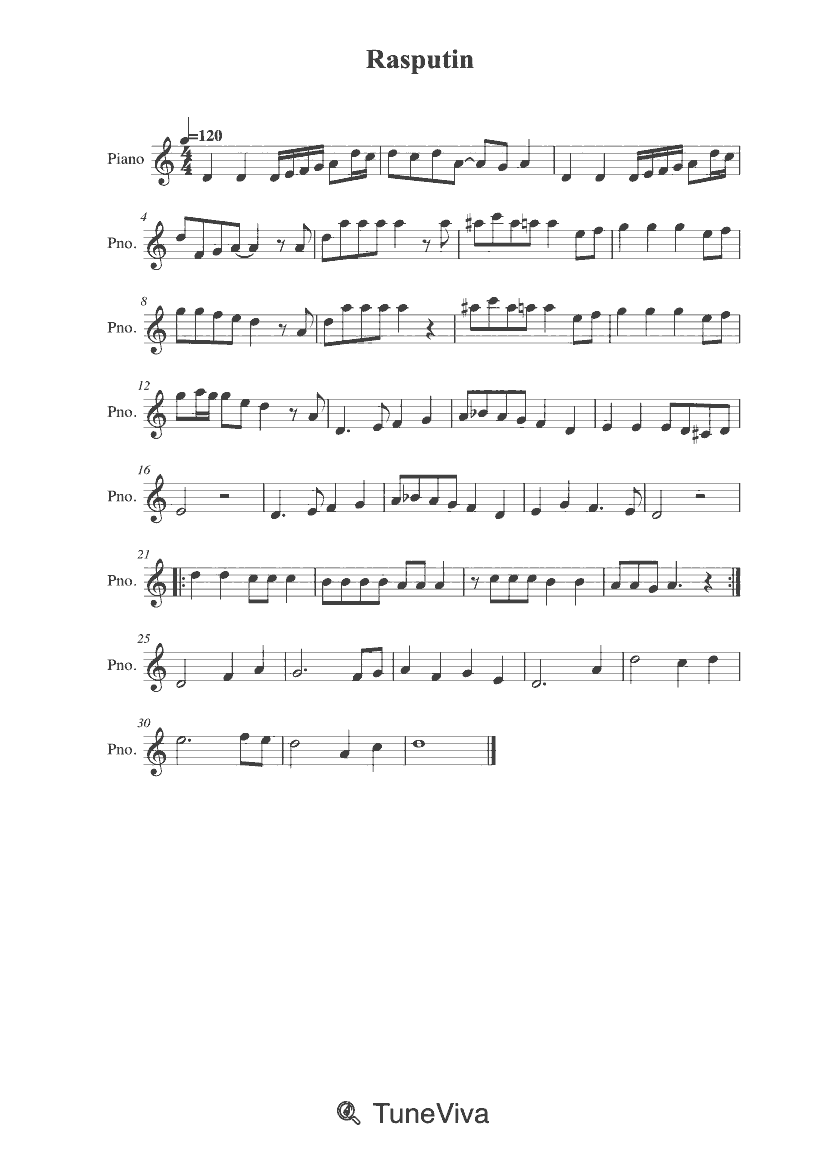
Frank Farian
Piano · 1 min 12 sec
Open score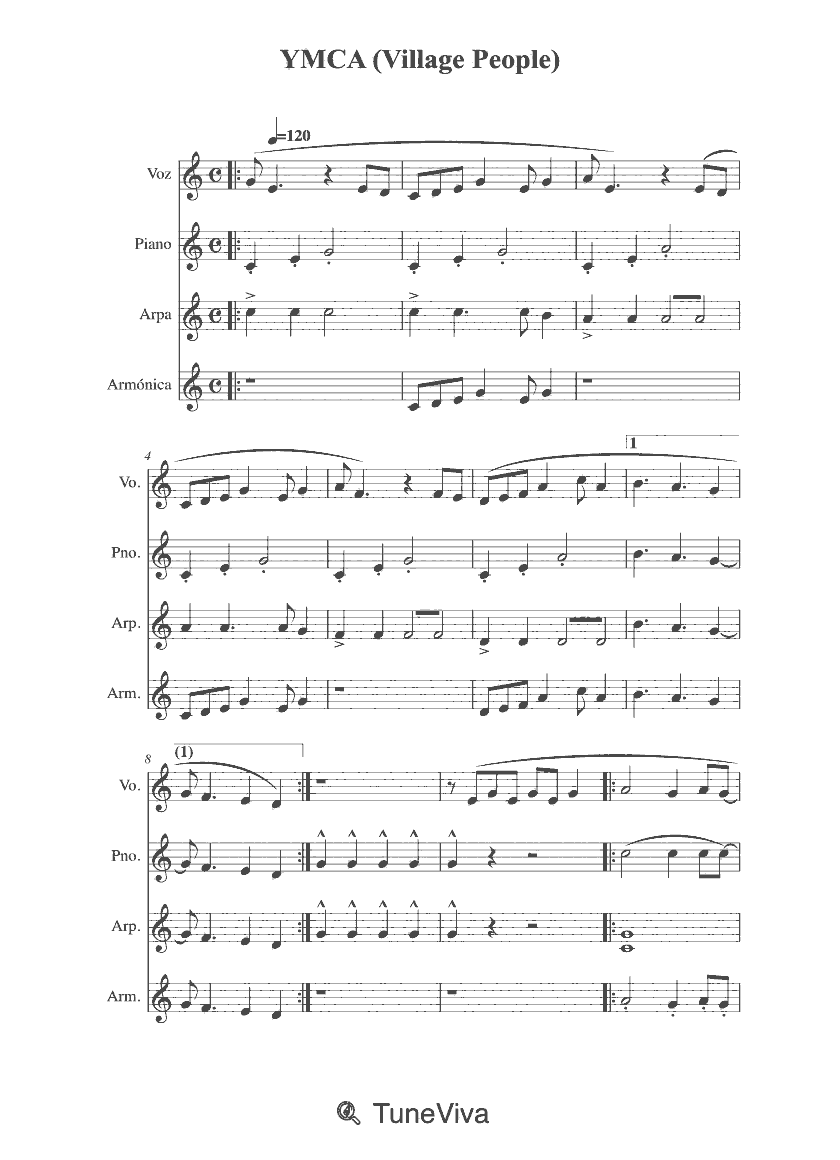
Luis Terrados Valderas
Village People
Voz; Piano; Arpa +1 parts · 1 min 41 sec
Open score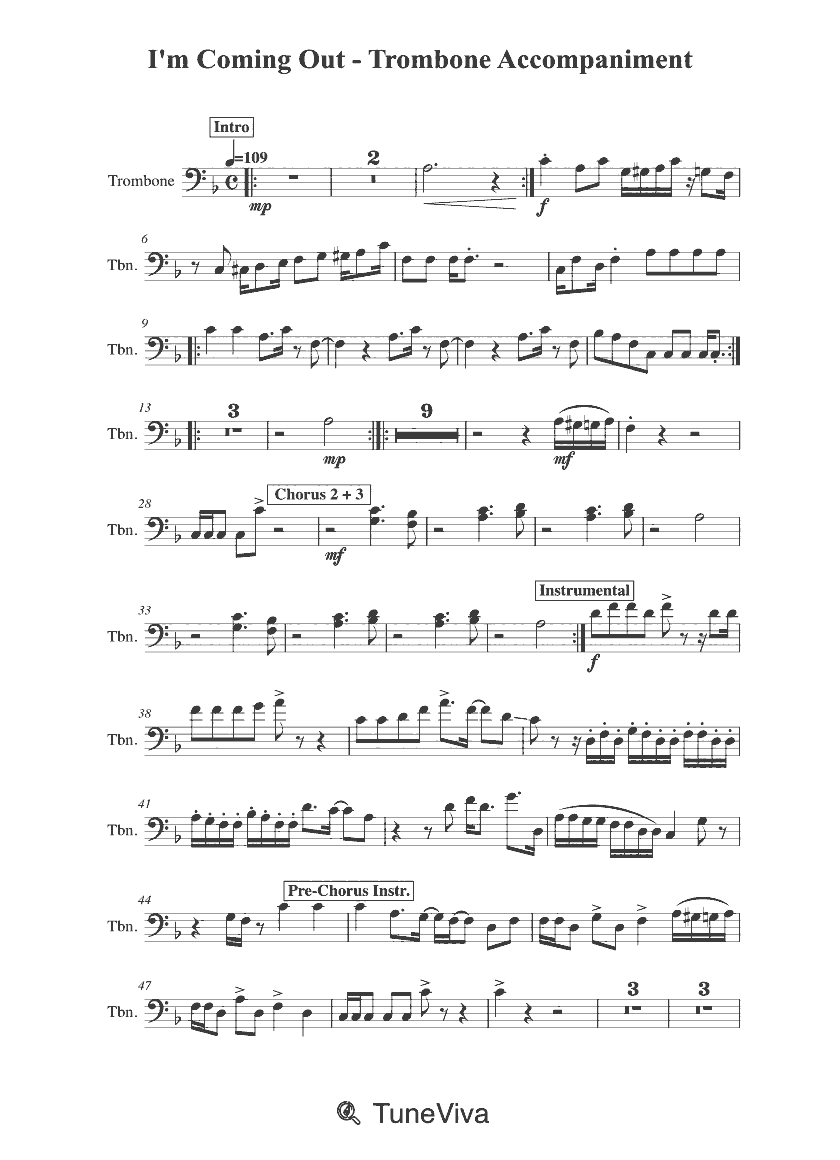
Diana RossArranged by paillassou &Ross Llewallyn
(Trombone Accompaniment)
Trombone · 4 min 42 sec
Open score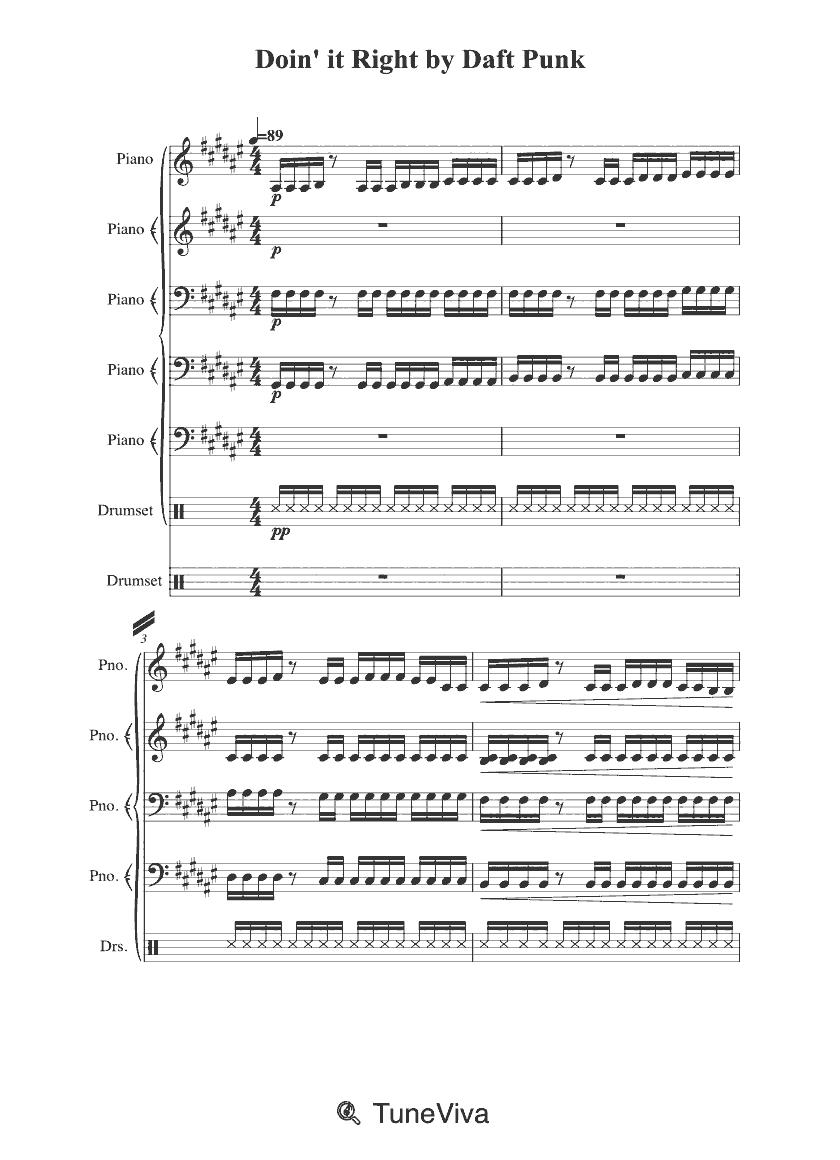
Parker Tibbetts
Daft Punk
Piano; Drumset · 1 min 26 sec
Open score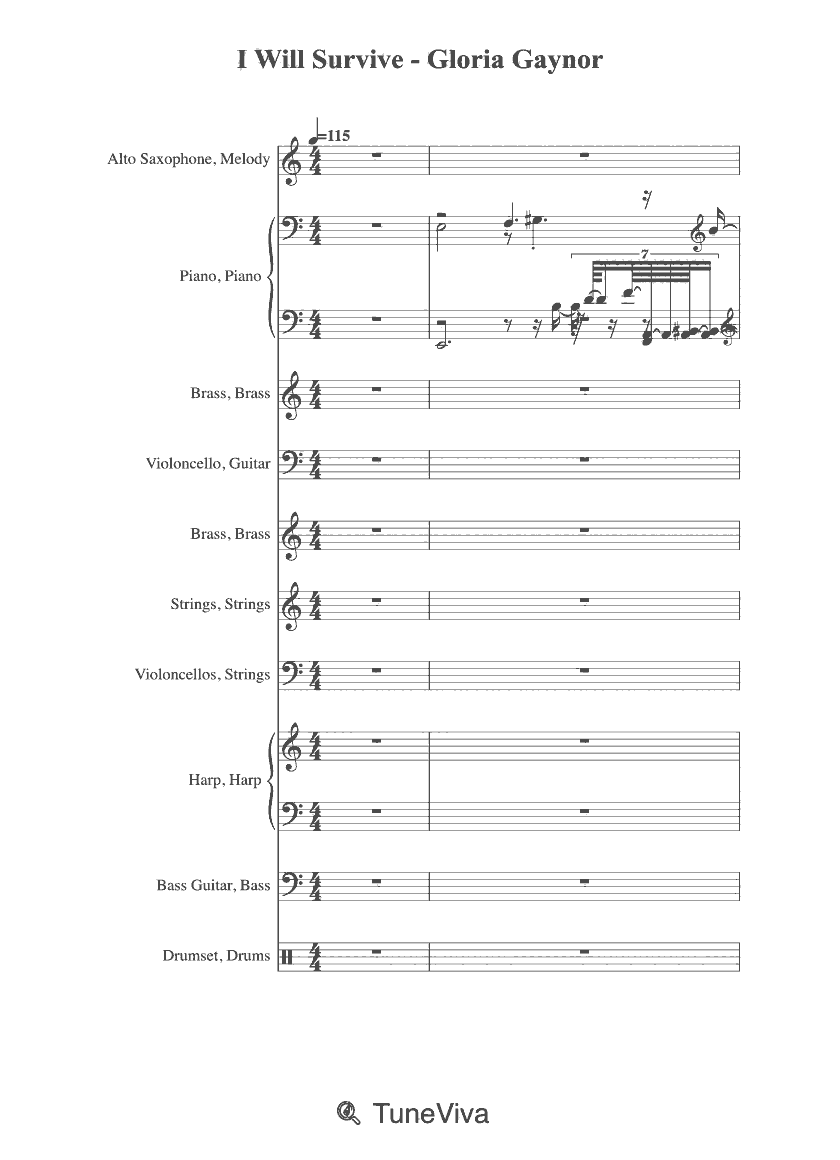
Gloria Gaynor
Alto Saxophone, Melody; Piano, Piano; Brass, Brass +6 parts · 5 min 3 sec
Open score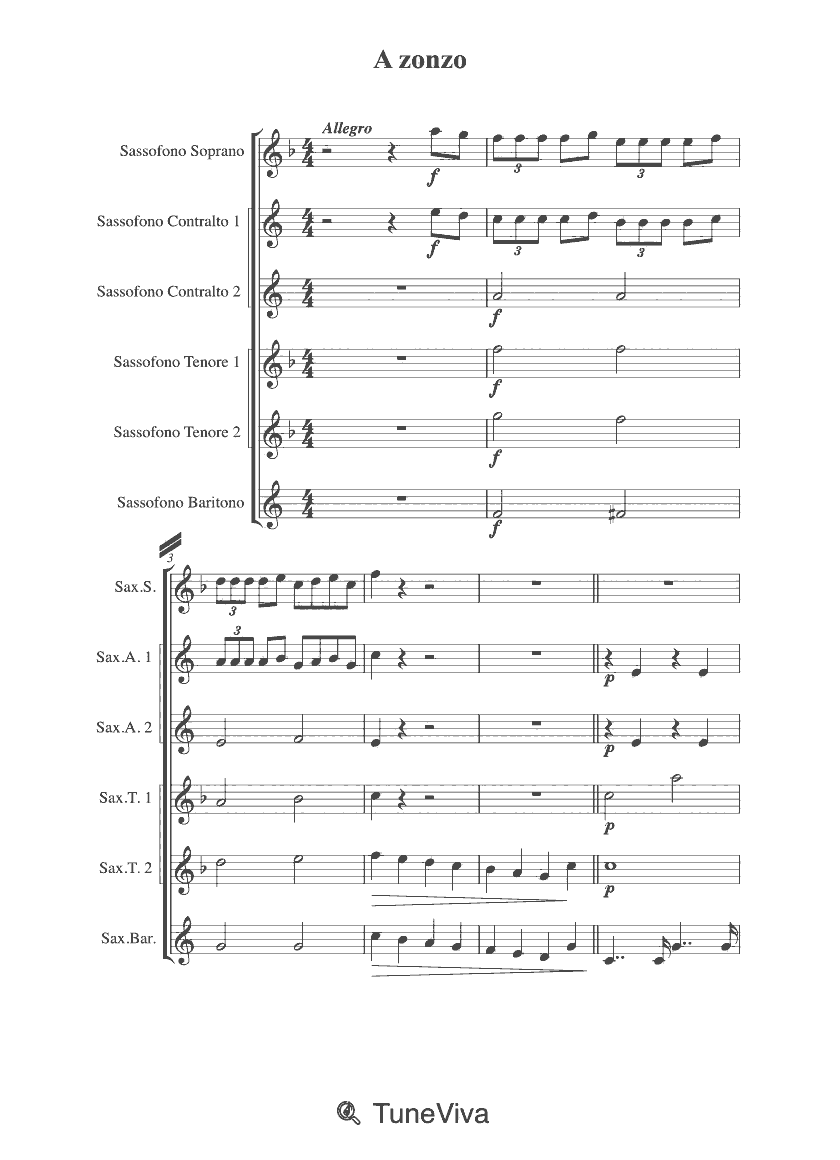
G. Filippini
(Guardo gli asini...)
Sassofono Soprano; Sassofono Contralto 1; Sassofono Contralto 2 +3 parts · Arr. Giuseppe Iuso · 1 min 29 sec
Open score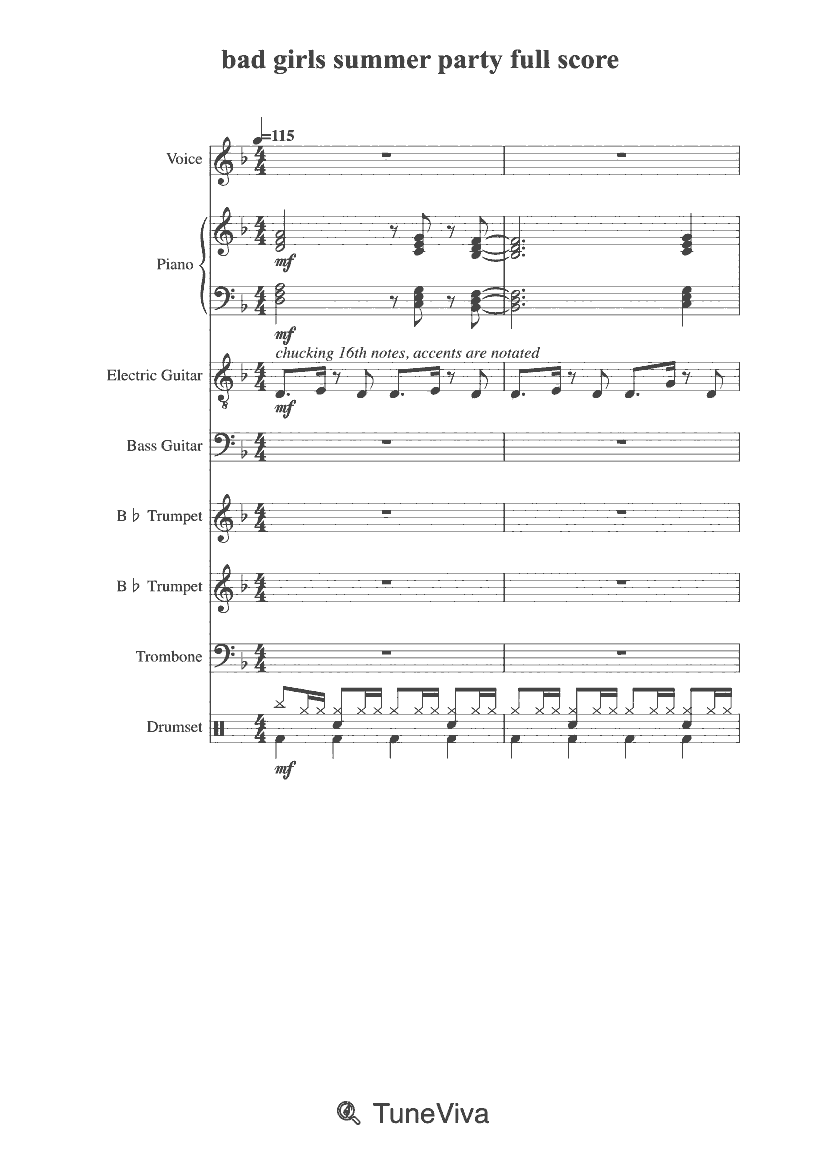
sprout
an epic ballad about our lovable sex workers
Voice; Piano; Electric Guitar +4 parts · 5 min 2 sec
Open score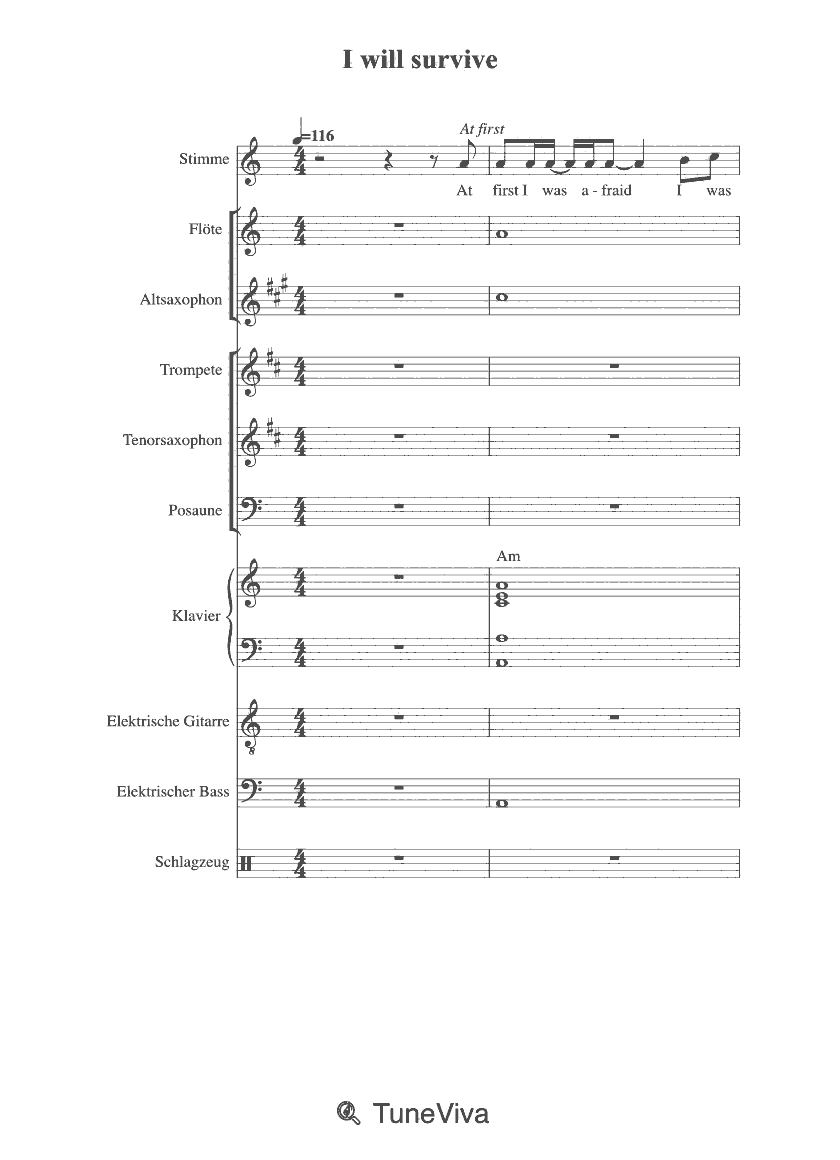
Gloria Gaynor
Stimme; Flöte; Altsaxophon +7 parts · 3 min 15 sec
Open score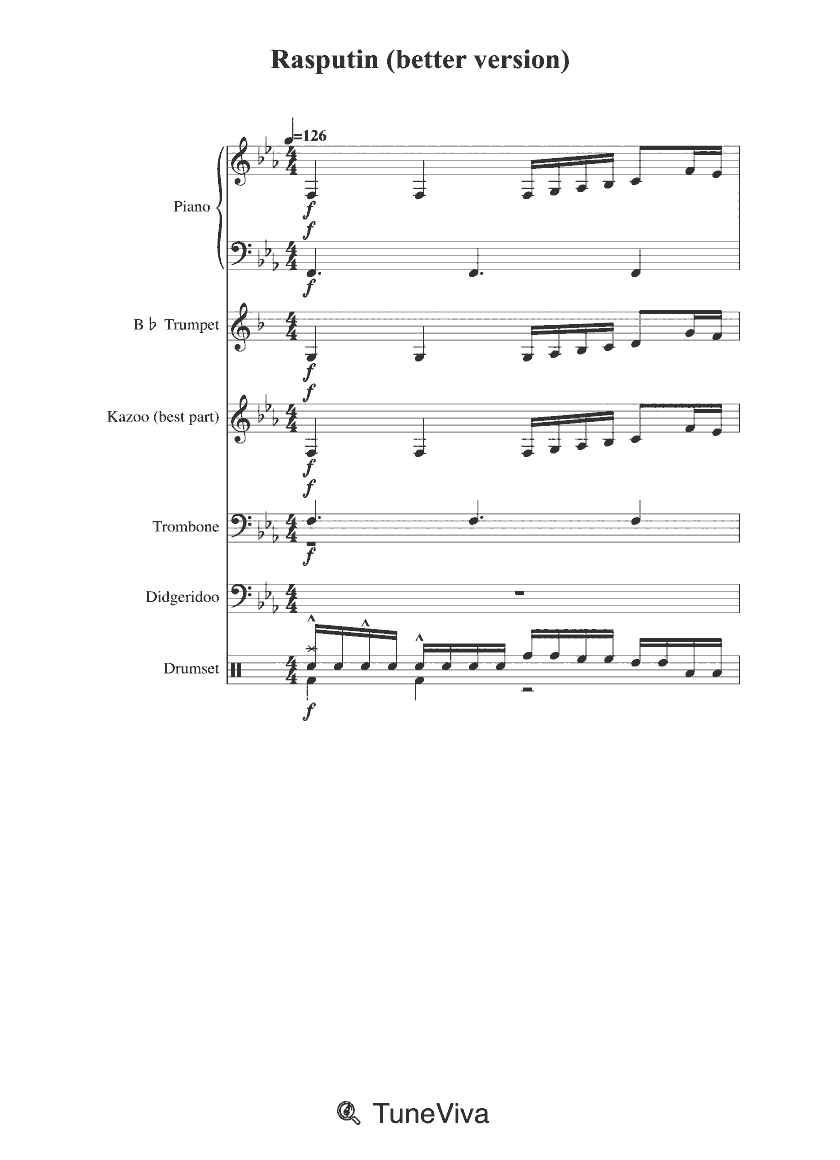
Created By Boney M.
By: Ryan Aidan and Taine
Piano; B♭ Trumpet; Kazoo (best part) +3 parts · Arr. Michael Warrick · 3 min 51 sec
Open score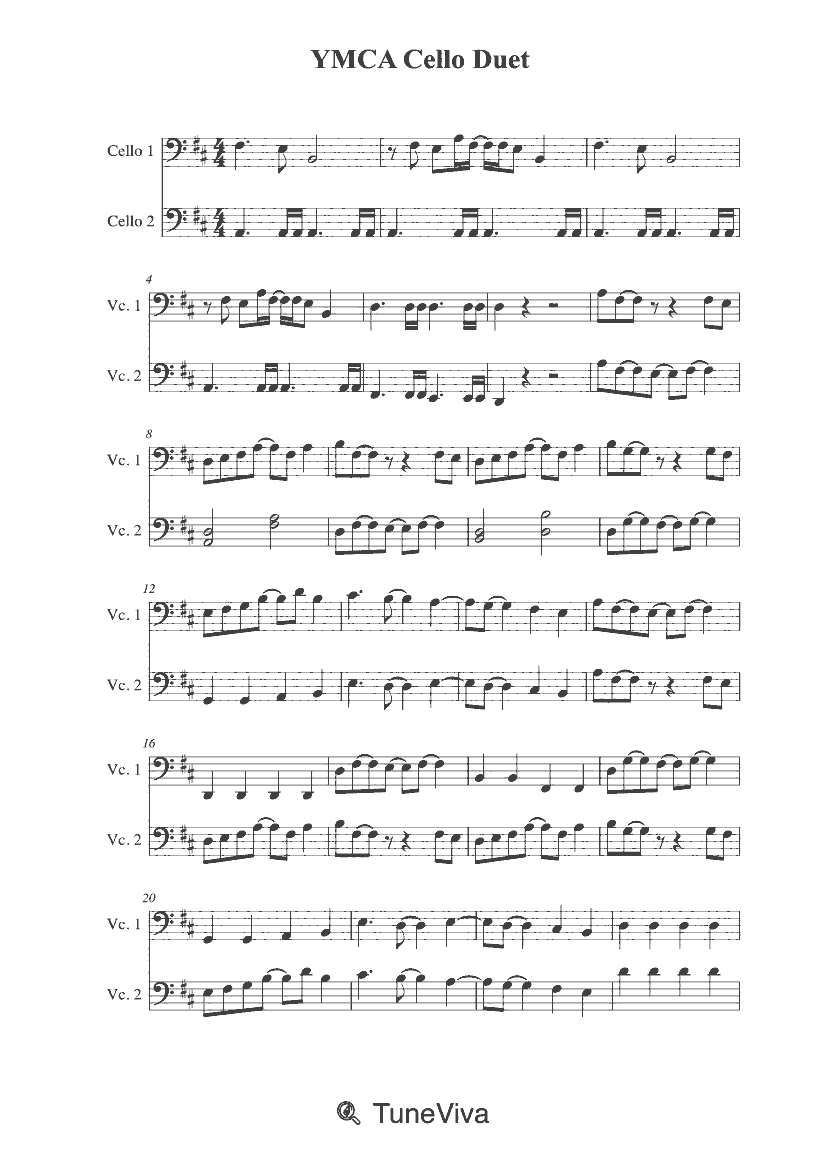
Arr. Patrick Ordway and Madison DeWeerd
Cello 1; Cello 2 · 2 min 3 sec
Open score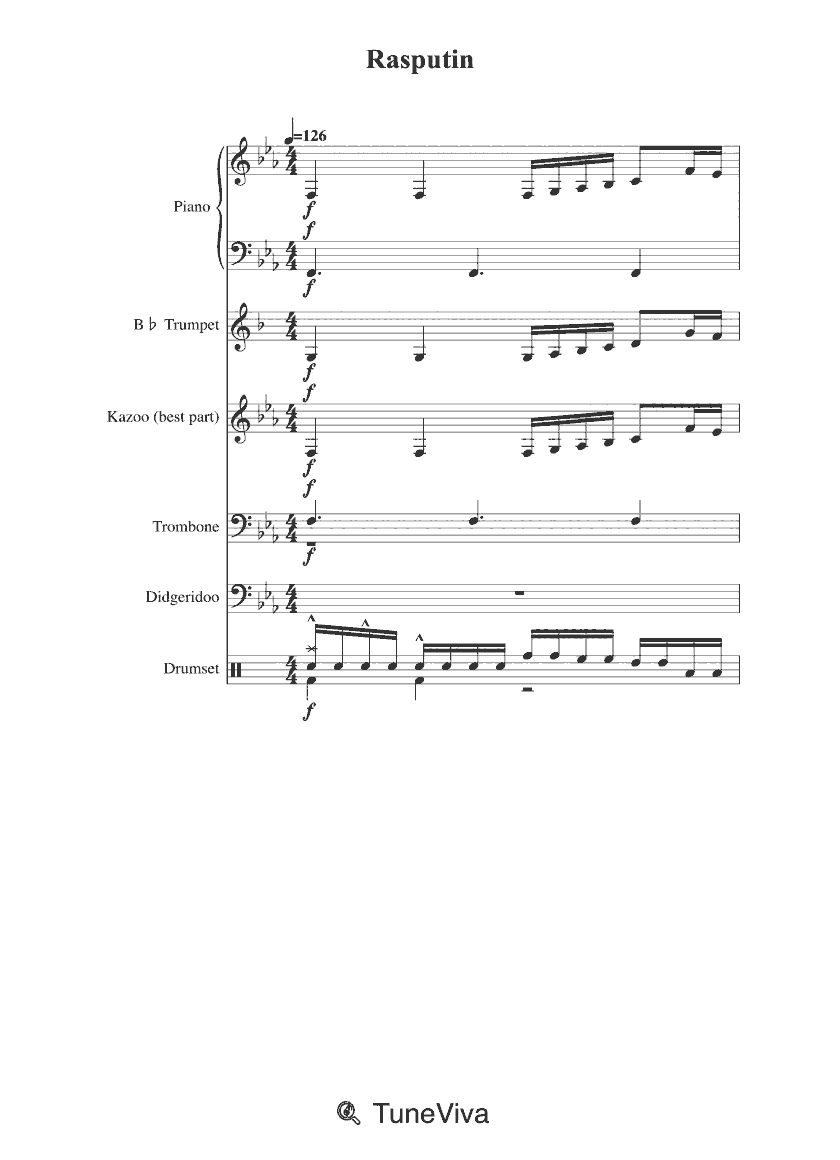
Created By Boney M.
By: Ryan Aidan and Taine
Piano; B♭ Trumpet; Kazoo (best part) +3 parts · Arr. Michael Warrick · 3 min 51 sec
Open score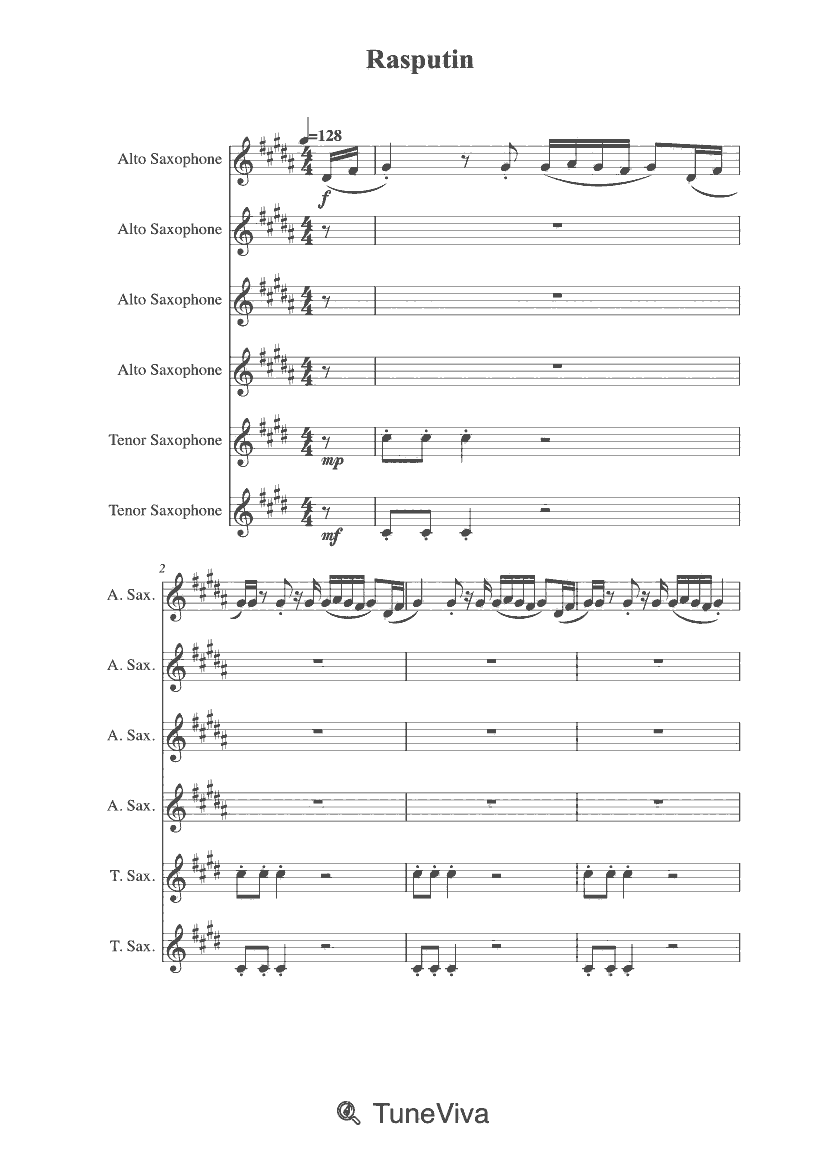
Boney M.
Alto Saxophone; Tenor Saxophone · 6 min 15 sec
Open score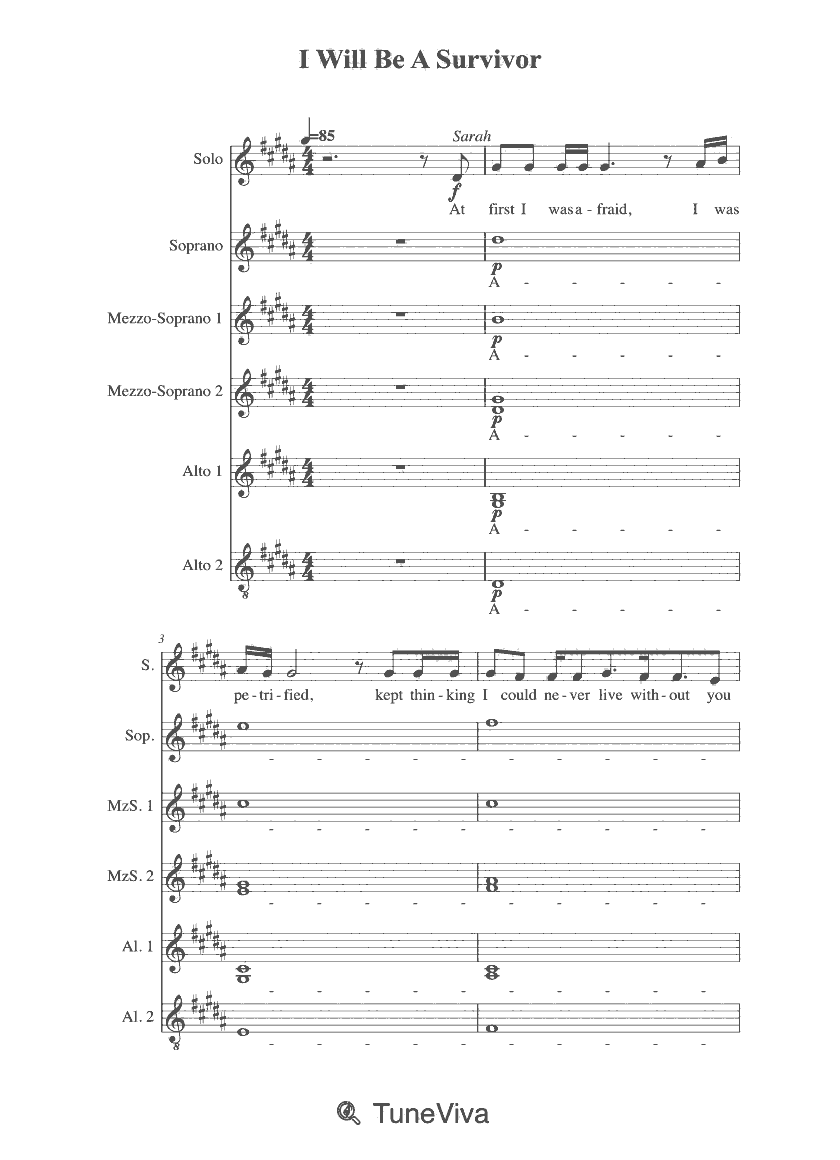
Arr. Laura Green
Gloria Gaynor
Solo; Soprano; Mezzo-Soprano 1 +3 parts · 3 min 10 sec
Open scoreInstrumentation is the clearest difference among the disco scores shown. Funky Town & I Feel Good is listed for baritone saxophone, trombone, tenor saxophone, B♭ trumpet and B♭ tuba; Get Lucky is listed for piano; Go West lists a single part, P1. Match the parts to the players you have rather than assuming every disco score is a full band arrangement.
Opening details help you compare versions. Go West is listed in G major with one sharp and in 4/4; Get Lucky is listed with two sharps, 4/4 and 80 BPM; the five-part Funky Town & I Feel Good score is in 4/4 at 125 BPM and lists more than one opening key signature across its parts. Treat these as starting points and check the full score, especially where transposing instruments are involved.
A score filed under disco may be a multi-part ensemble arrangement, a piano piece or a single-line part. The number of parts shown is a practical clue, but read the score itself before planning a performance or assuming it contains every instrumental line you need.
Disco sits alongside pop, R&B, funk and soul, and electronic music in many collections. If a title you want is not filed here, search those related styles as well; the style assigned to a score is a starting point, not a guarantee of its musical content.
Score parts: Sassofono baritono, Trombone, Sassofono tenore, Tromba in B♭, Tuba in B♭. Catalogue duration 5 min 37 sec. Opening key signature: 2 sharps; 1 flat; 1 sharp. Opening time signature: 4/4. Opening tempo: 125 BPM.
Score parts: Piano. Catalogue duration 1 min 36 sec. Opening key signature: 2 sharps. Opening time signature: 4/4. Opening tempo: 80 BPM.
Score parts: P1. Catalogue duration 1 min 4 sec. Opening key signature: 1 sharp (G major). Opening time signature: 4/4.
No. 17 scores are labelled only as Disco. Combined labels stay on their own pages.
Disco scores shown here use different forces. Funky Town & I Feel Good is listed for baritone saxophone, trombone, tenor saxophone, B♭ trumpet and B♭ tuba; Get Lucky is listed for piano; Go West lists one part, P1. Check the score parts before choosing a version for your group.
The listed score parts are the best clue among these disco titles. A five-part brass score such as Funky Town & I Feel Good is clearly an ensemble arrangement, while Get Lucky lists piano and Go West lists a single P1 part. Read the score before assuming it includes every line of a full band version.
Listed opening details vary across the disco scores. Funky Town & I Feel Good opens in 4/4 at 125 BPM, Get Lucky opens in 4/4 at 80 BPM, and Go West is listed in 4/4 without a tempo value. These opening markings are useful for comparison, but check the full score for later changes.
Go West is listed in G major with one sharp, and Get Lucky is listed with two sharps. The five-part Funky Town & I Feel Good score lists more than one opening key signature across its parts, so read each part rather than assuming a single concert key.
The title 'Daft Punk- Get Lucky Easy' includes the word Easy, but no difficulty grade or beginner level is verified for this disco piano score. Use the title as a label only and inspect the notation, key and part before deciding whether it suits a beginner.
Credits vary across the disco scores and should be checked against the score itself. Funky Town & I Feel Good - Lucky Chops lists Donna Summer as artist and no composer, while Go West credits Village People as composer and artist and Get Lucky lists Daft Punk with no composer. Treat conflicting title and artist information as a reason to verify the edition.