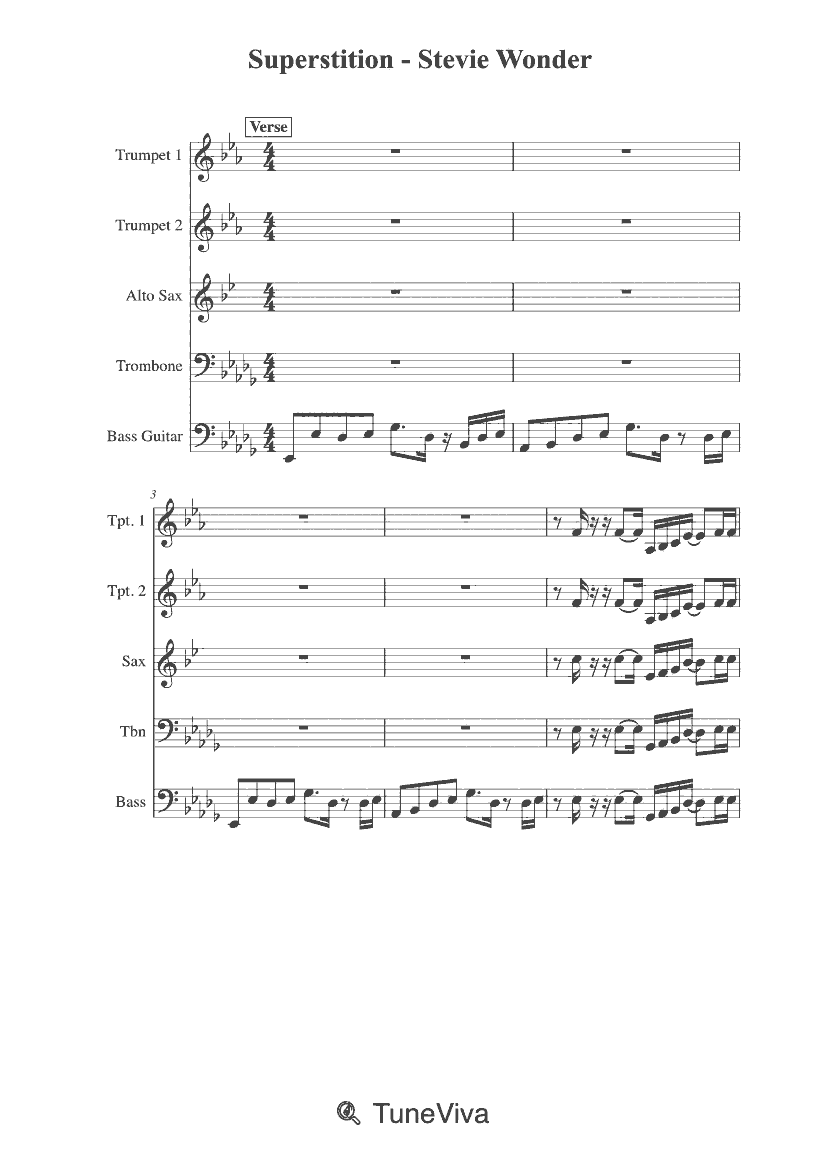
Superstition - Stevie Wonder
Stevie Wonder
Trumpet 1; Trumpet 2; Alto Sax +2 parts · 46 sec
Open scoreR&B, funk and soul sheet music covers a broad range of songs and arrangements, from brass-and-bass parts to organ and string-quartet settings. The scores highlighted here include Stevie Wonder's “Superstition”, Booker T. & the M.G.'s' “Green Onions”, and a string-quartet version of “Stand By Me”. Because instrumentation varies, the listed parts are the best starting point when choosing a score.
Scores 1–20 of 170
Stevie Wonder
Trumpet 1; Trumpet 2; Alto Sax +2 parts · 46 sec
Open score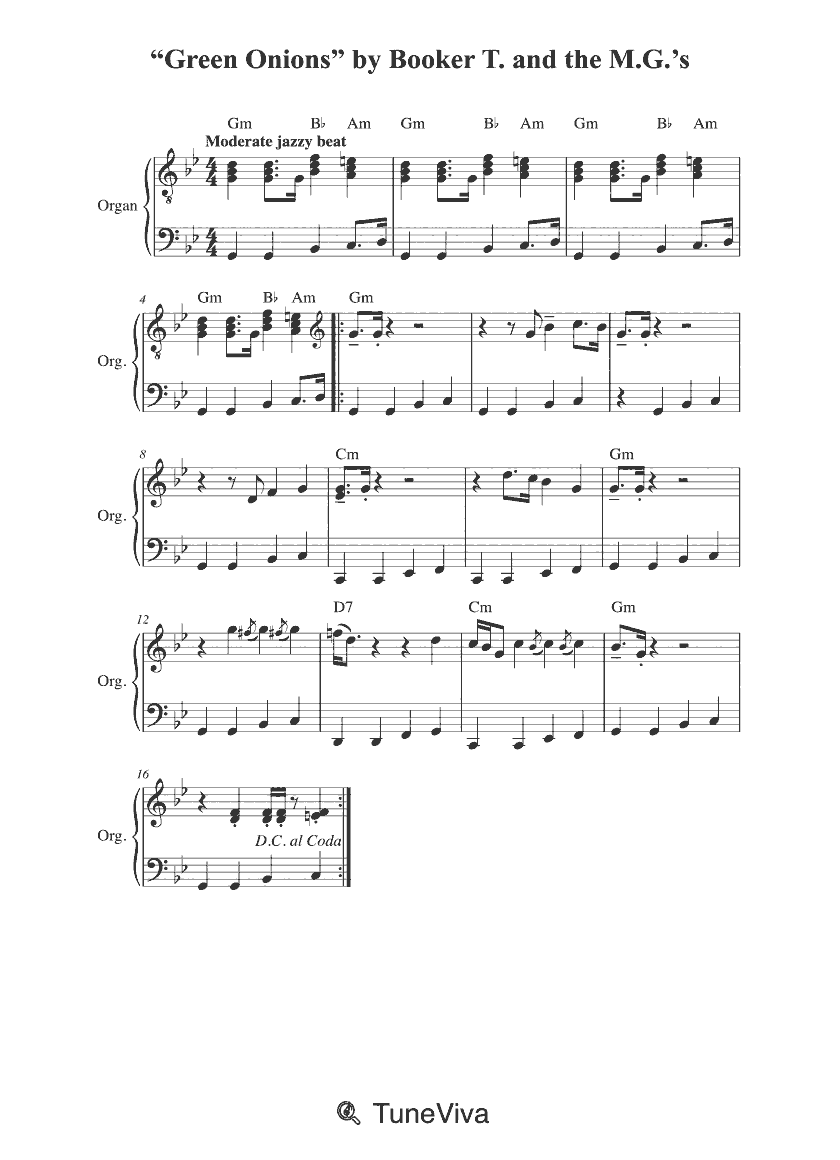
Booker T. Jones Steve Cropper Al Jackson Jr. & Lewie Steinberg
Organ · 1 min 0 sec
Open score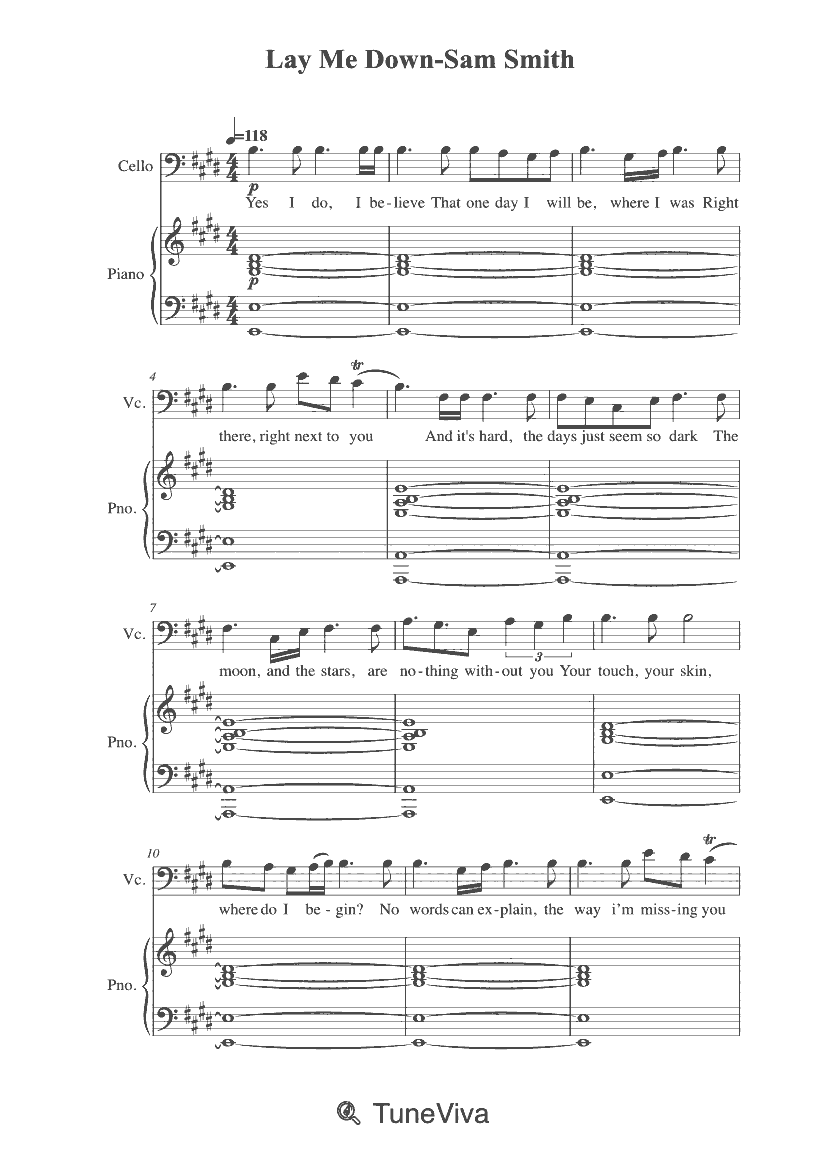
Sam Smith
Cello; Piano · 3 min 34 sec
Open score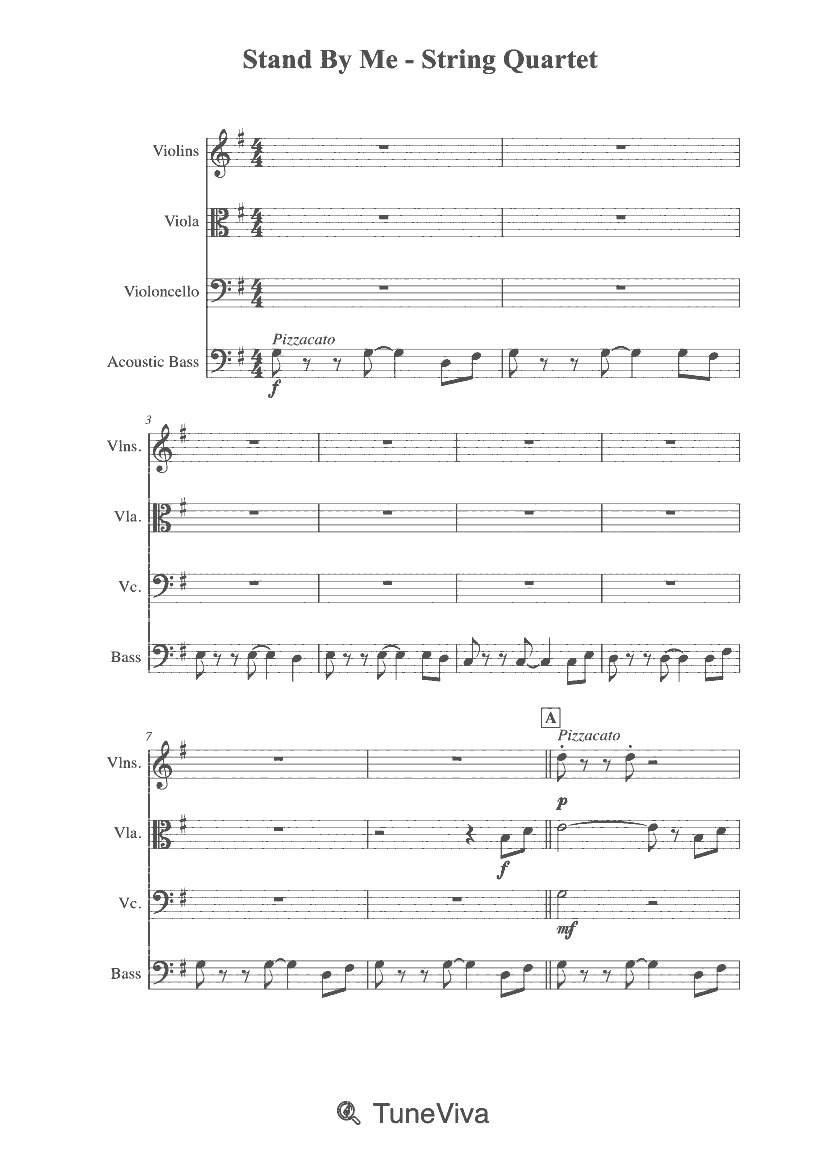
Ben E. King
Violins; Viola; Violoncello +1 parts · 2 min 46 sec
Open score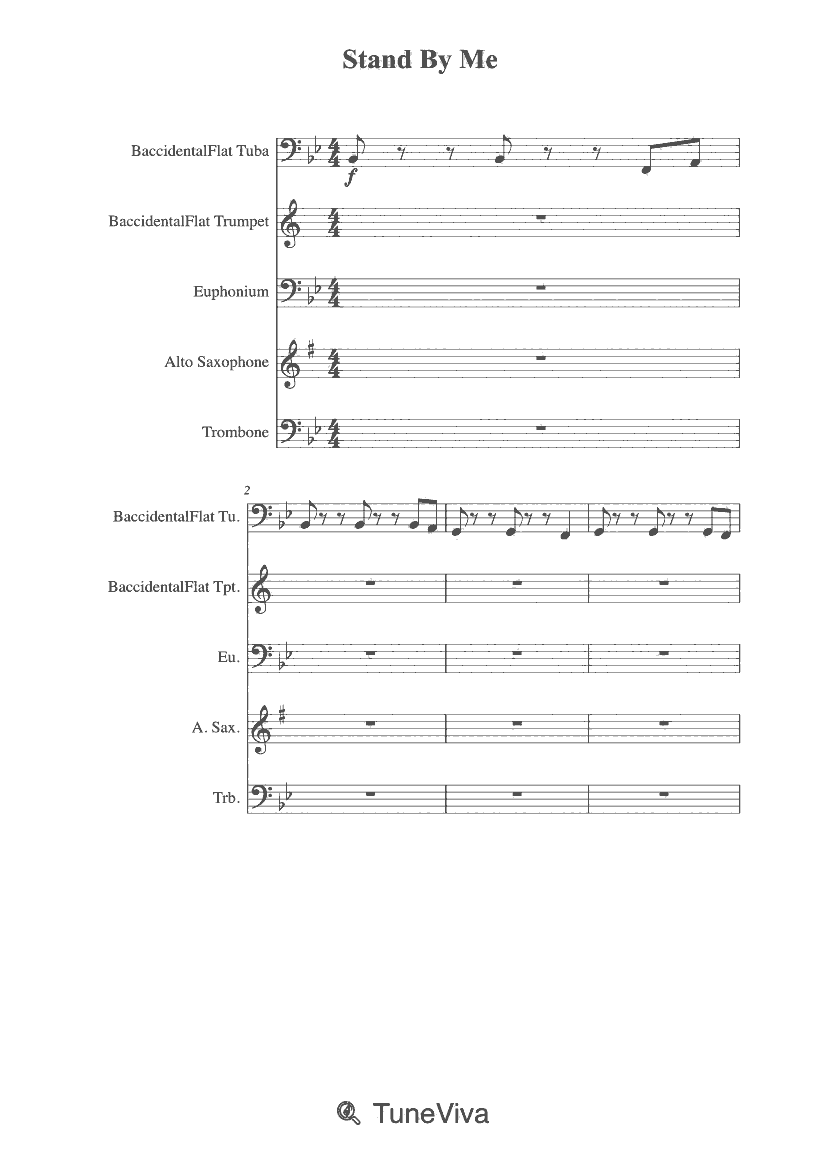
King Lieber Stoller
B♭ Tuba; B♭ Trumpet; Euphonium +2 parts · 3 min 0 sec
Open score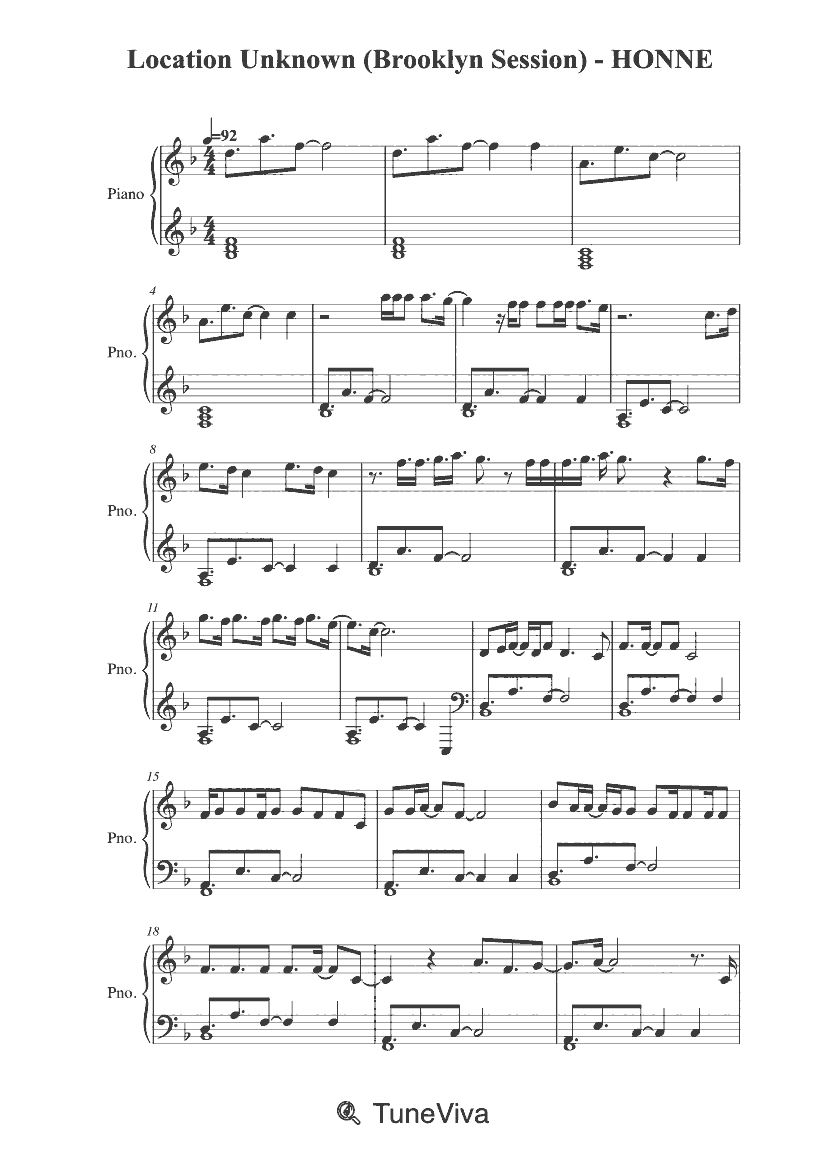
HONNEArr. by Liam Hinzman
Piano · 5 min 15 sec
Open score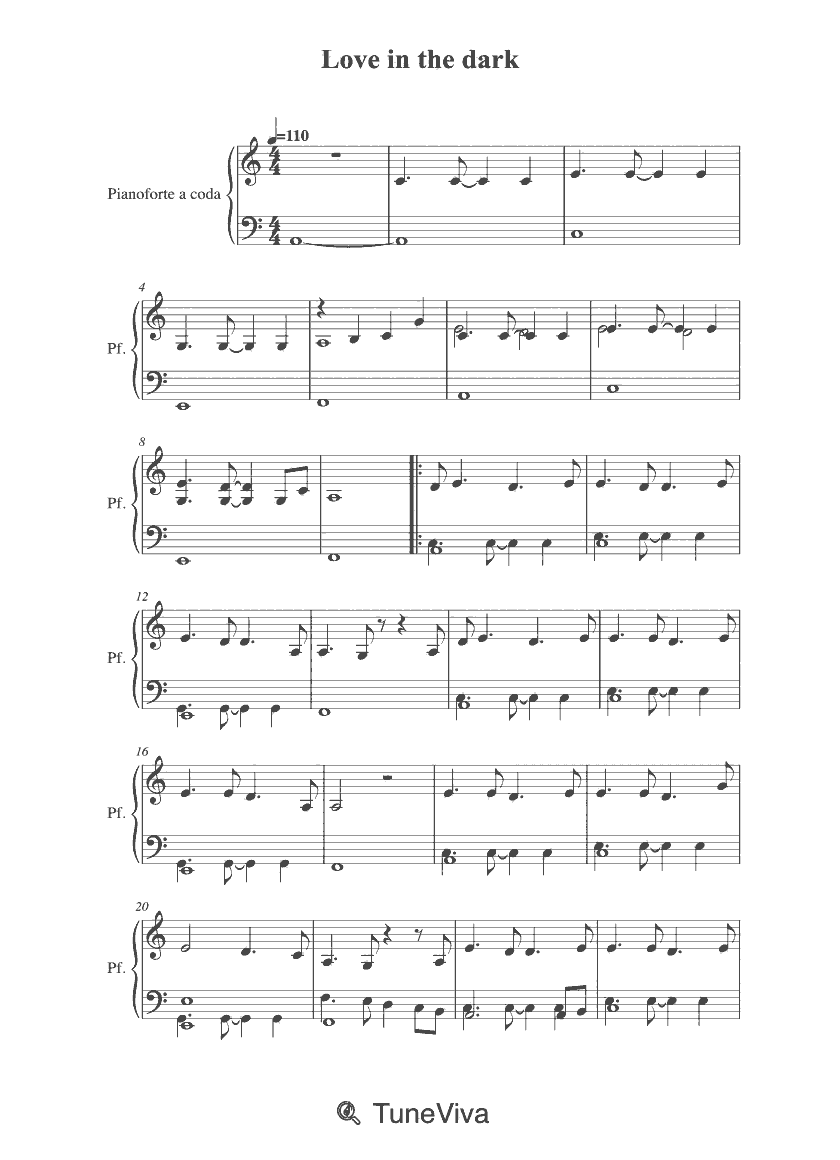
Adele
Pianoforte a coda · 6 min 26 sec
Open score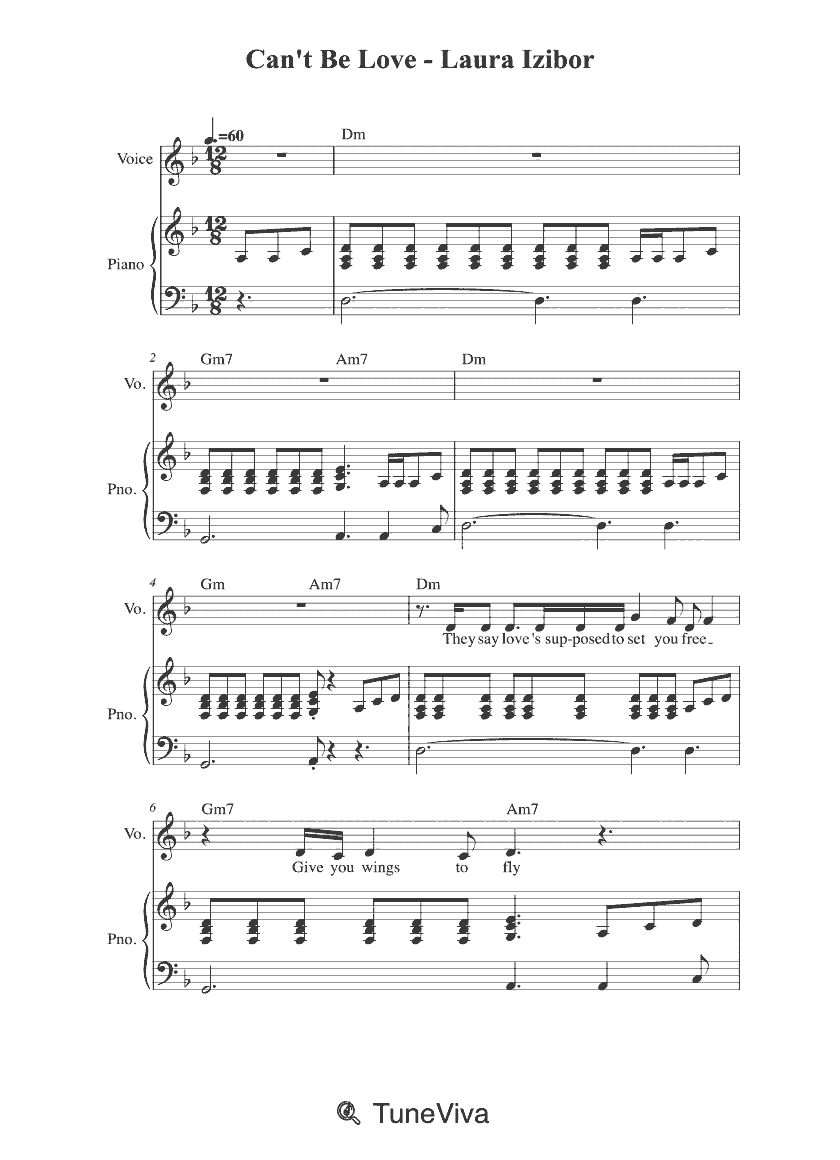
Laura Izibor
Voice; Piano · 1 min 49 sec
Open score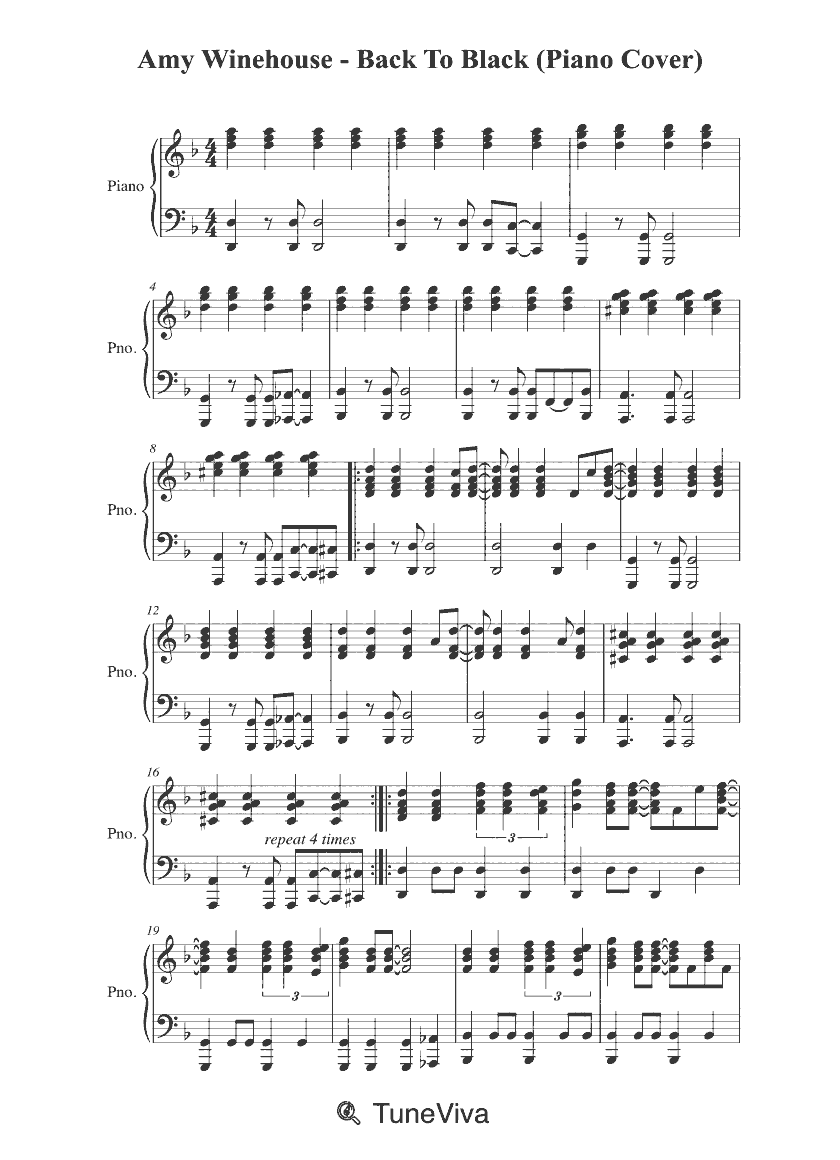
Amy Winehouse
(Piano Accompainment)
Piano · 4 min 12 sec
Open score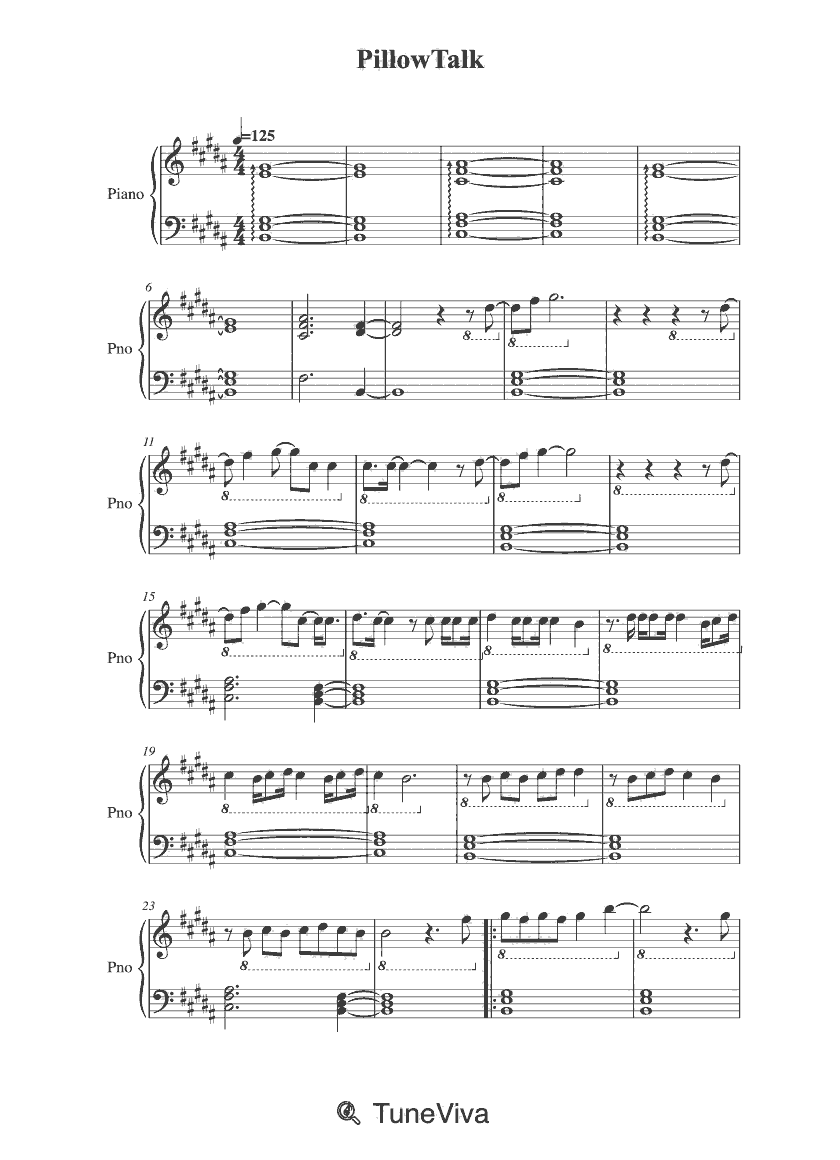
Zayn
Piano · 3 min 39 sec
Open score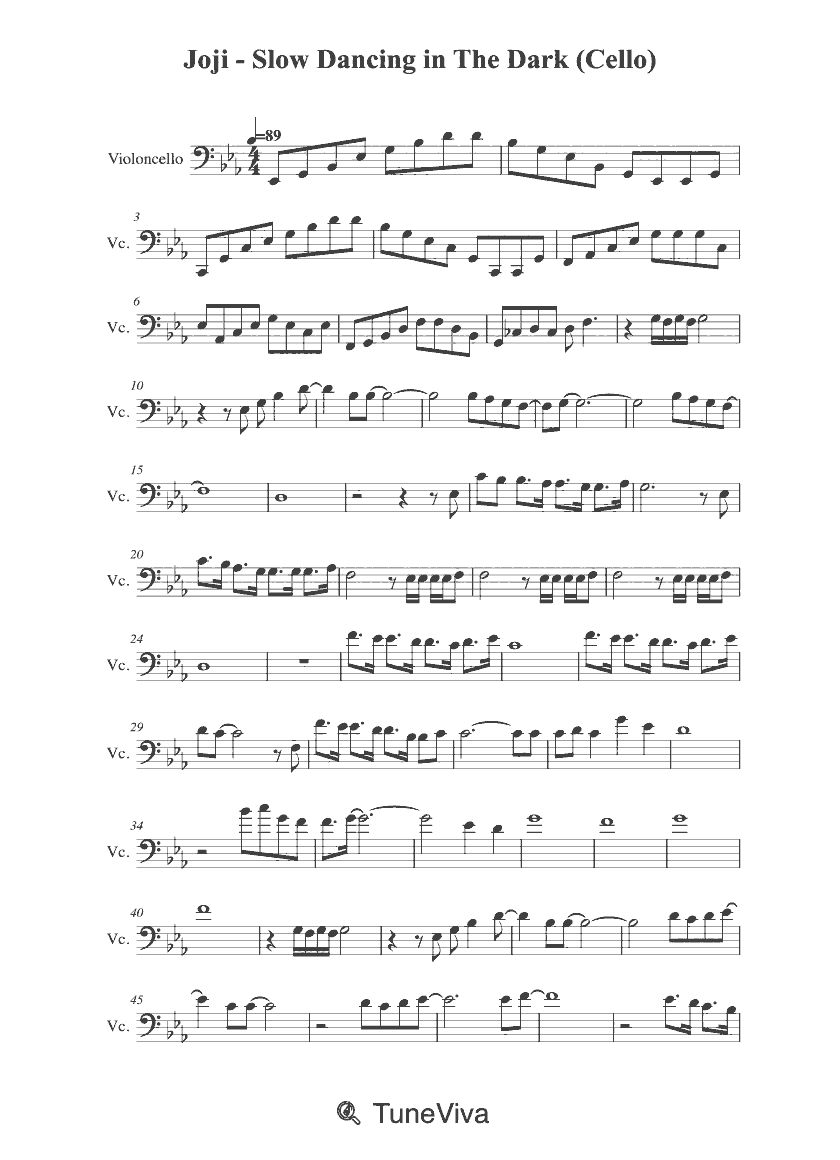
Composed by Joji Transcribed by Ankicat
Violoncello · 3 min 46 sec
Open score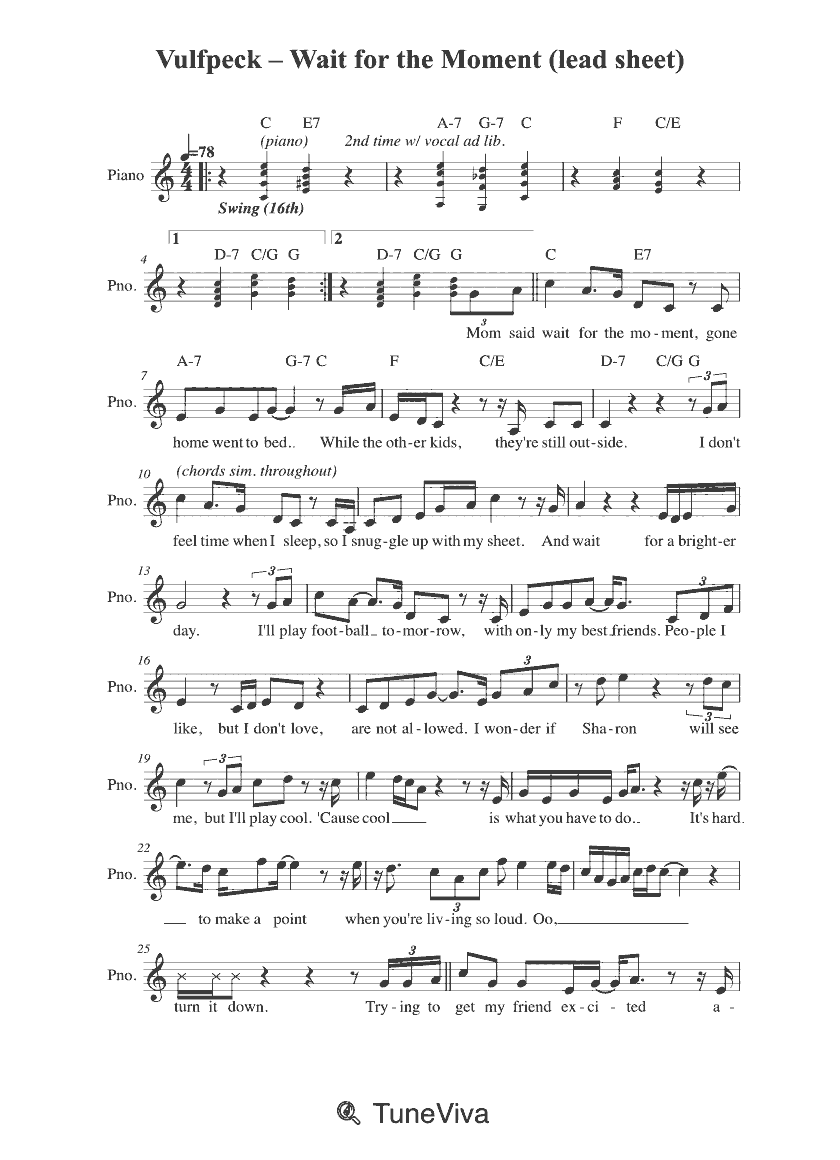
-Jack Stratton
Piano · 3 min 45 sec
Open score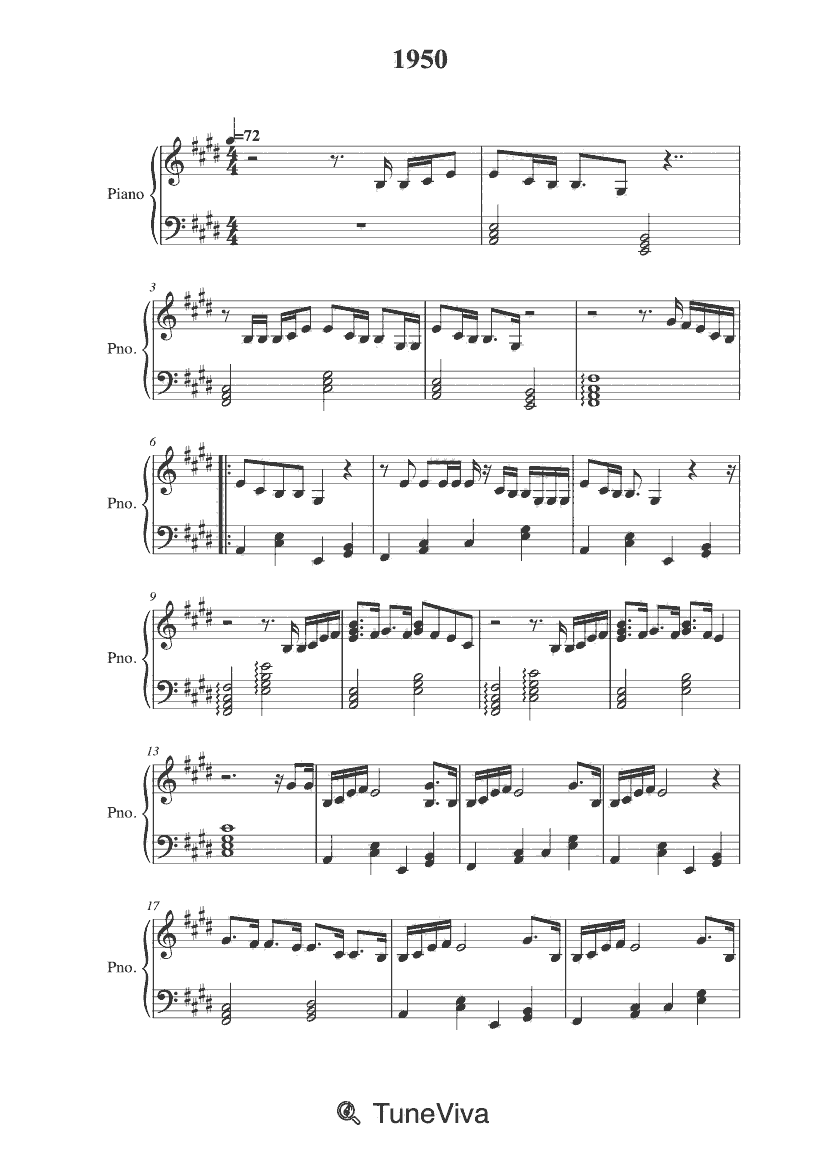
arr. by charlie
King Princess
Piano · 3 min 47 sec
Open score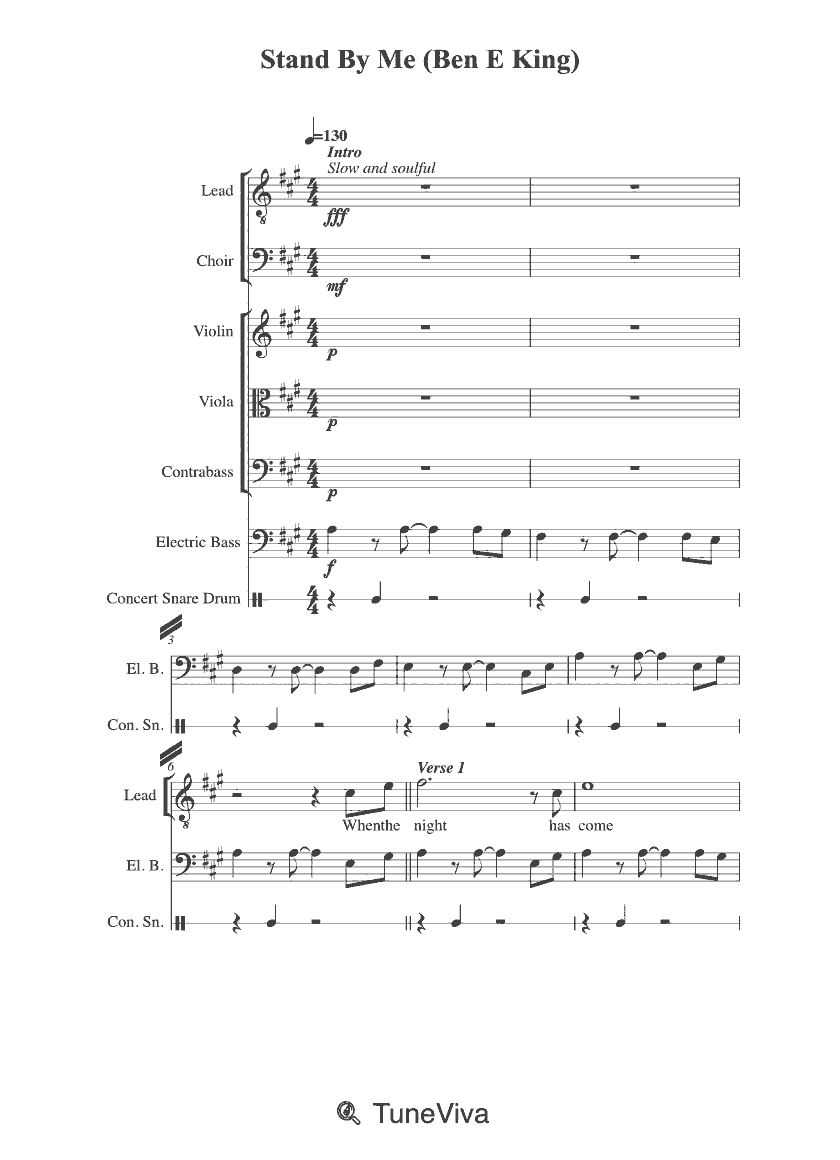
Words and Music by BEN E KING JERRY LEIBER and MIKE STOLLER
Lead; Choir; Violin +4 parts · 2 min 17 sec
Open score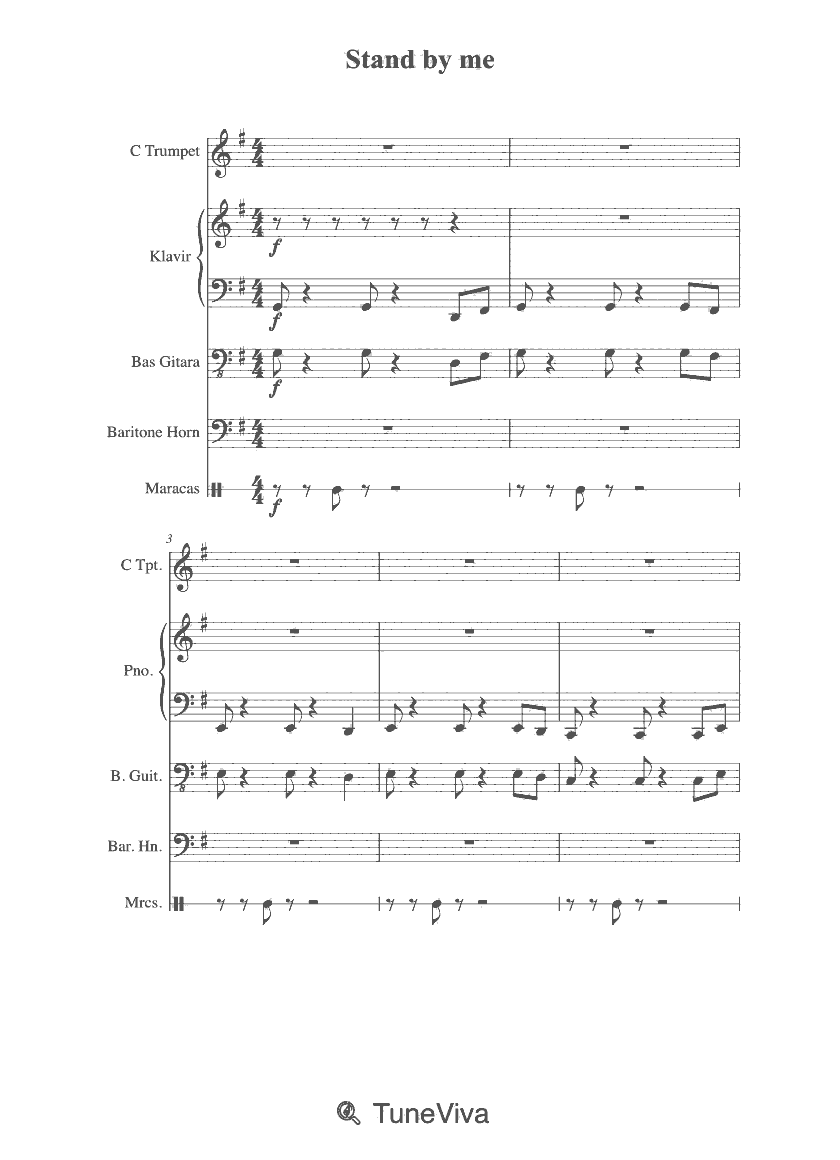
Ben E. King
C Trumpet; Klavir; Bas Gitara +2 parts · 3 min 30 sec
Open score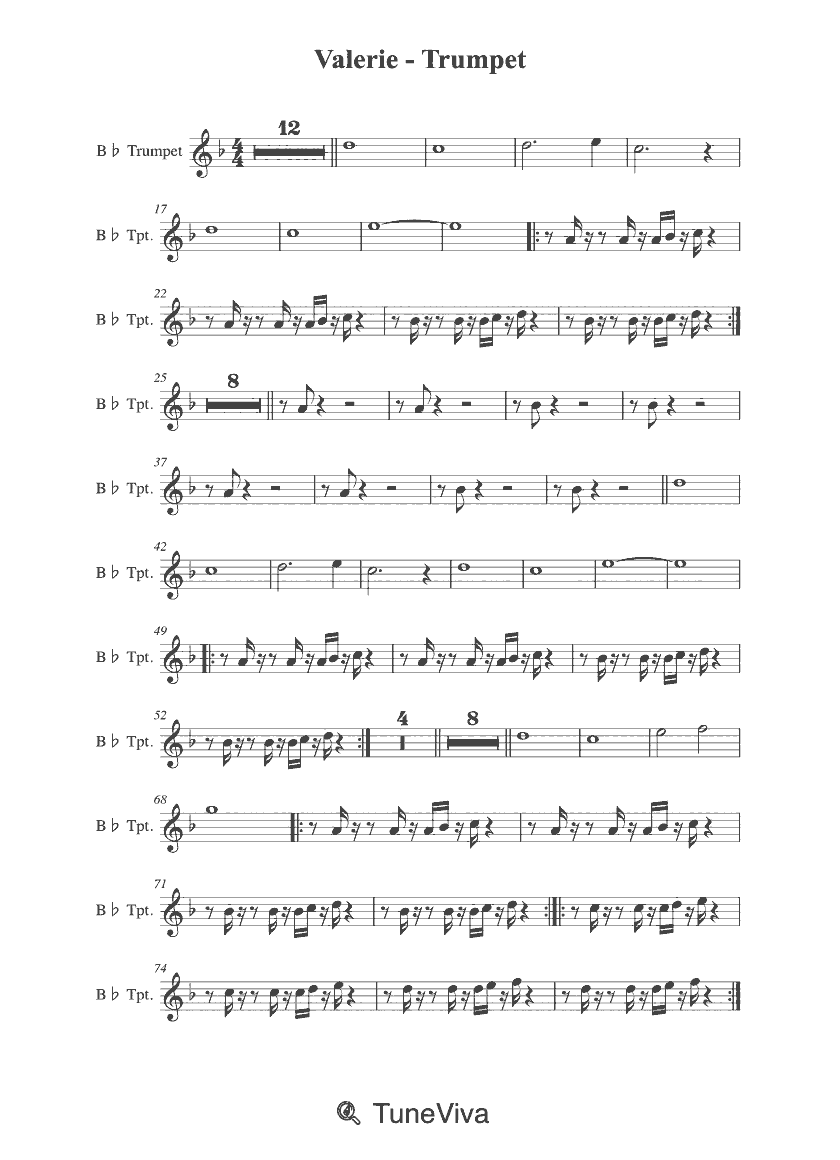
Stefan de Bokx
KF Allstars 2016 - 2
B♭ Trumpet · 14 min 17 sec
Open score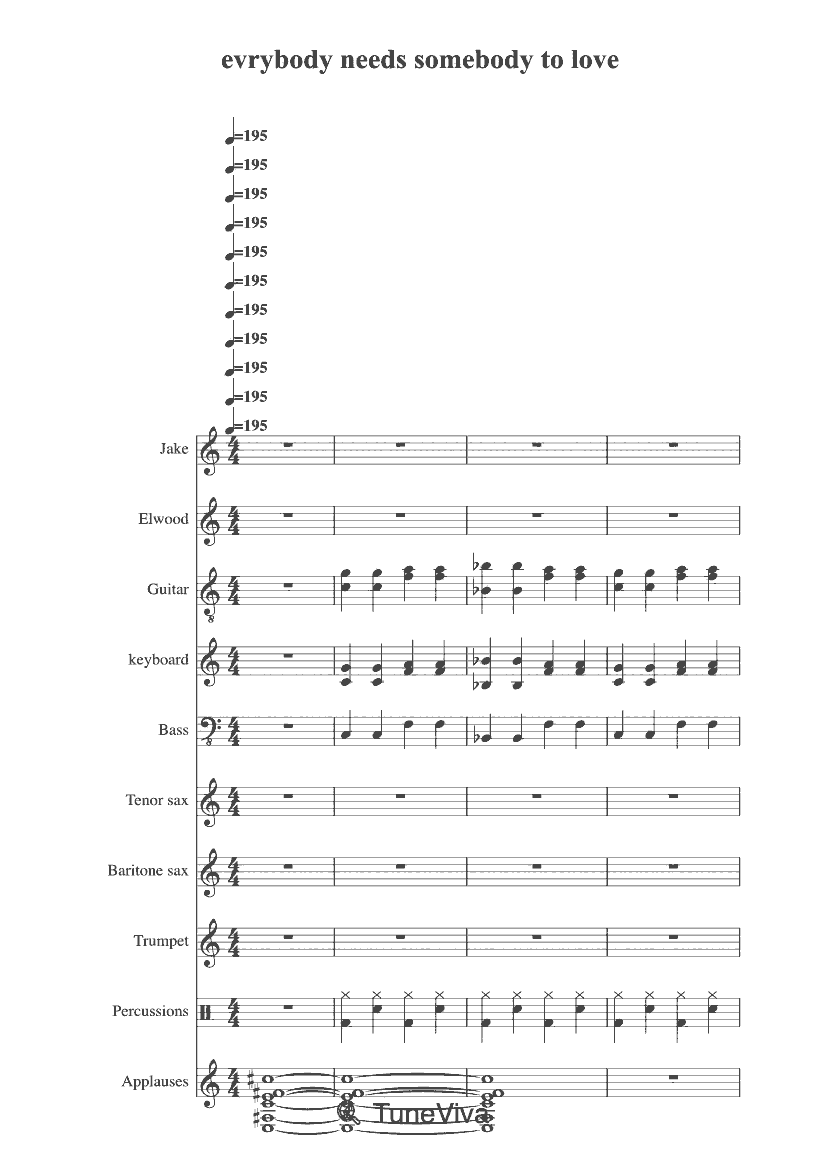
The Blues Brothers
Jake; Elwood; Guitar +7 parts · 3 min 12 sec
Open score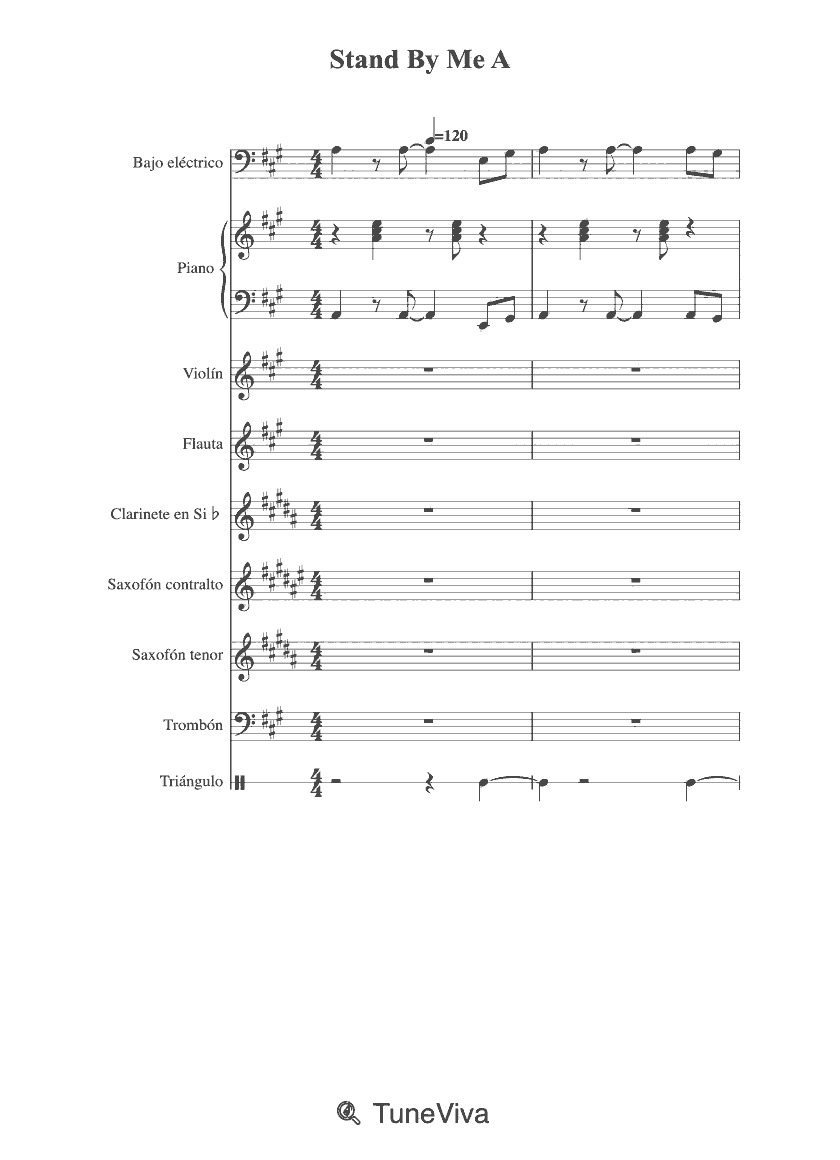
Ben E King
A major
Bajo eléctrico; Piano; Violín +6 parts · 2 min 40 sec
Open score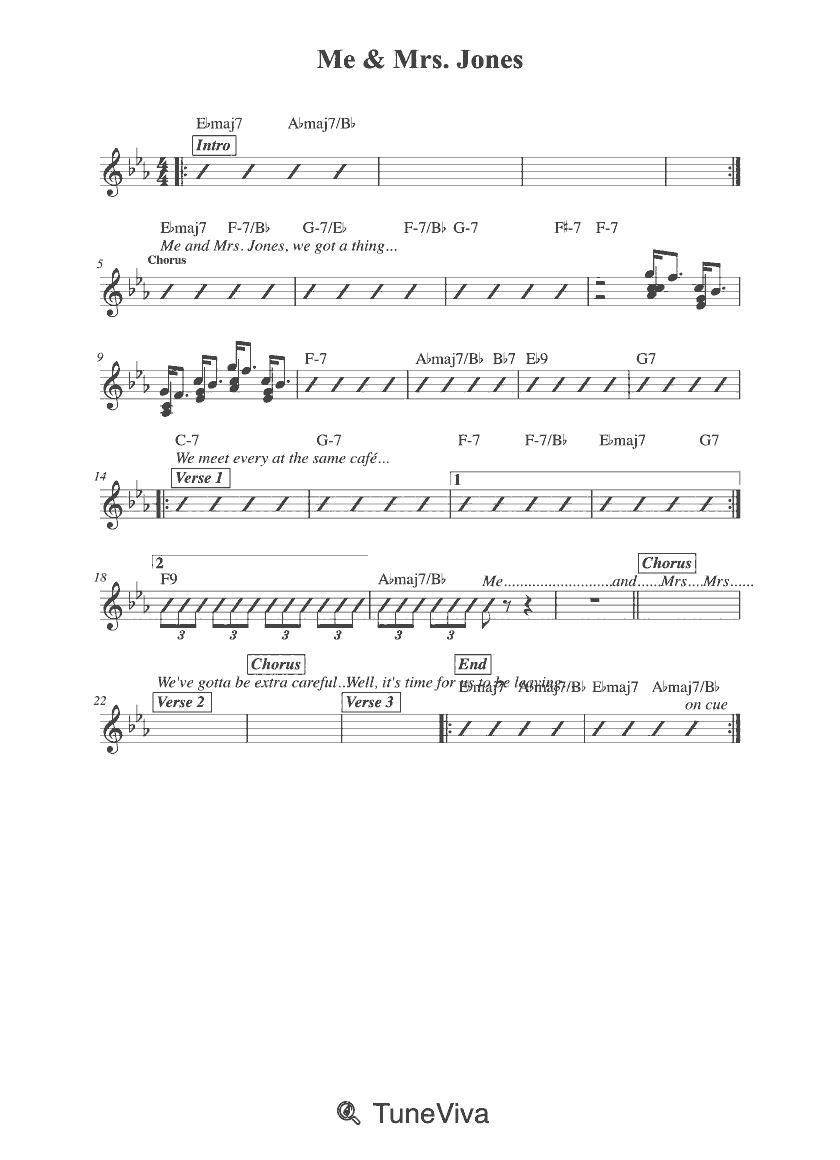
Billy Paul
Piano · 53 sec
Open score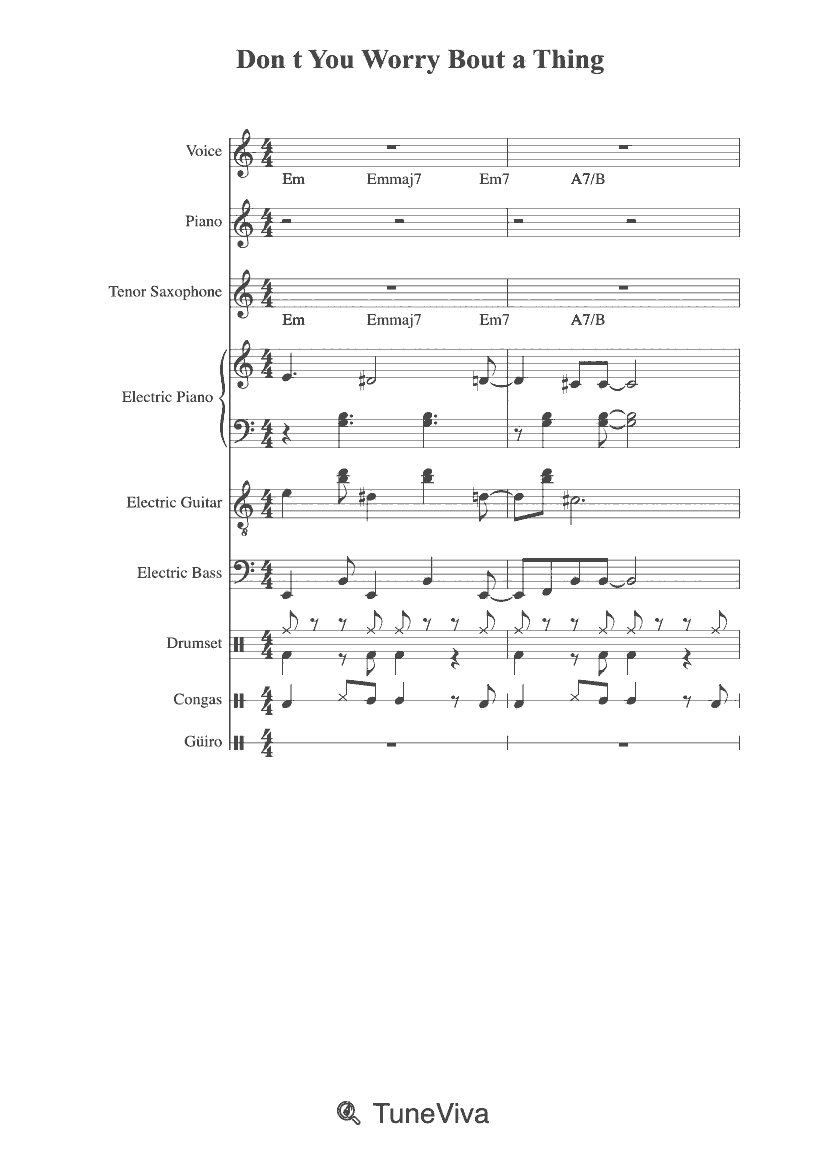
Stevie Wonder
Voice; Piano; Tenor Saxophone +6 parts · 6 min 27 sec
Open scorePage 1 of 9
Play or tap the bass figure with a steady beat before adding chords. Keep any written rests as part of the groove and listen for syncopated notes anticipating the next beat. If you are playing with others, rehearse the bass and drum or chord parts together before adding the melody.
R&B, funk and soul sheet music is not a single ensemble format. “Superstition” is listed with Trumpet 1, Trumpet 2, Alto Sax, Trombone and Bass Guitar; “Green Onions” with Organ; and the “Stand By Me” string quartet with Violins, Viola, Violoncello and Acoustic Bass. Read the part list before choosing, because a title alone does not tell you what you will be playing.
Opening details help you judge whether an arrangement fits your players. “Green Onions” shows 2 flats, 4/4 and an opening tempo of 112 BPM; “Stand By Me” shows 1 sharp and 4/4. “Superstition” lists 4/4 and several opening key signatures across its parts, so check the score layout and each part’s key before reading.
A brass-and-bass lineup will not suit a string group, and an organ part will not cover a full band. Use the instrumentation and title together: the “Superstition” listing is for five parts, the “Green Onions” listing is a single organ part, and the “Stand By Me” listing is for a string quartet with acoustic bass.
Score parts: Trumpet 1, Trumpet 2, Alto Sax, Trombone, Bass Guitar. Catalogue duration 46 sec. Opening key signature: 3 flats; 2 flats; 5 flats. Opening time signature: 4/4.
Score parts: Organ. Catalogue duration 1 min 0 sec. Opening key signature: 2 flats. Opening time signature: 4/4. Opening tempo: 112 BPM.
Score parts: Violins, Viola, Violoncello, Acoustic Bass. Catalogue duration 2 min 46 sec. Opening key signature: 1 sharp. Opening time signature: 4/4.
It is one catalogue label for 170 scores, not three separate lists. A second label, such as pop, puts the score on a combination page.
Not always. Piano is the most common part name. Other files name drums, trombone or saxophone, and the part list is the place to check.
The “Superstition” listing is scored for Trumpet 1, Trumpet 2, Alto Sax, Trombone and Bass Guitar. The score opens in 4/4 and shows several opening key signatures across its parts, so check the part layout before playing.
“Green Onions” appears as a single Organ part. The listing gives an opening key signature of 2 flats, 4/4 time and an opening tempo of 112 BPM; the composer credit names Booker T. Jones, Steve Cropper, Al Jackson Jr. and Lewie Steinberg.
The score titled “Stand By Me - String Quartet” lists Violins, Viola, Violoncello and Acoustic Bass. It is in 4/4 with an opening key signature of 1 sharp, and the artist credit is Ben E. King.
R&B, funk and soul sheet music includes different ensemble formats rather than one standard lineup. Three example listings show this variety: “Superstition” is set for two trumpets, alto sax, trombone and bass guitar; “Green Onions” is an organ part; and “Stand By Me” is a string-quartet arrangement with acoustic bass.
To choose an R&B, funk and soul arrangement, compare the listed instrumentation first: a brass-and-bass group can look at “Superstition”, an organist can use the “Green Onions” part, and a string group can look at “Stand By Me”. Then check the opening key, time signature and tempo, since these details differ between the three listings.