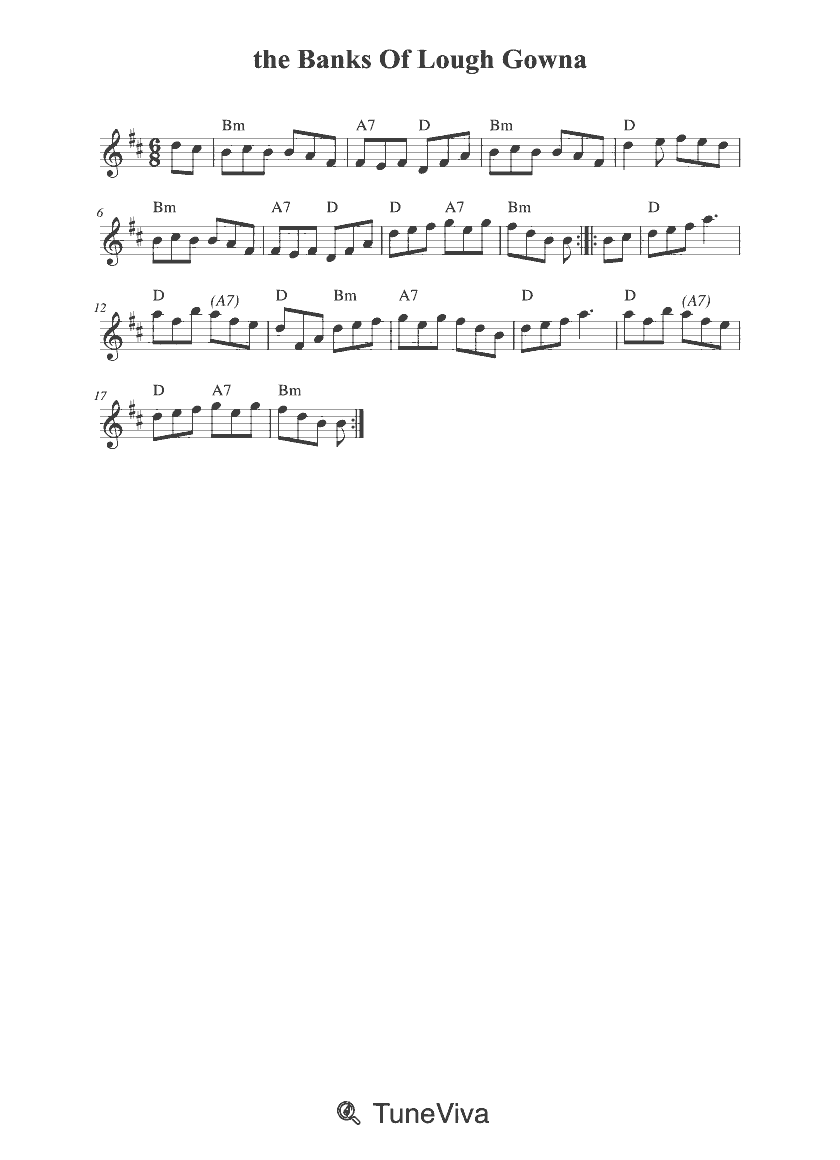
the Banks Of Lough Gowna
Misc Traditional
24 sec · Score #66616
Open scoreThree scores of Banks of Lough Gowna are listed here as traditional folk. They disagree on two basic points: two begin in 6/8 with two sharps (B minor), while the score titled "The Banks of Lough Gowna" (doublejig) 1060 begins in 4/4 with no sharps or flats. Use those opening details to narrow the choice, then check the notation itself.
Scores 1–20 of 21
Misc Traditional
24 sec · Score #66616
Open score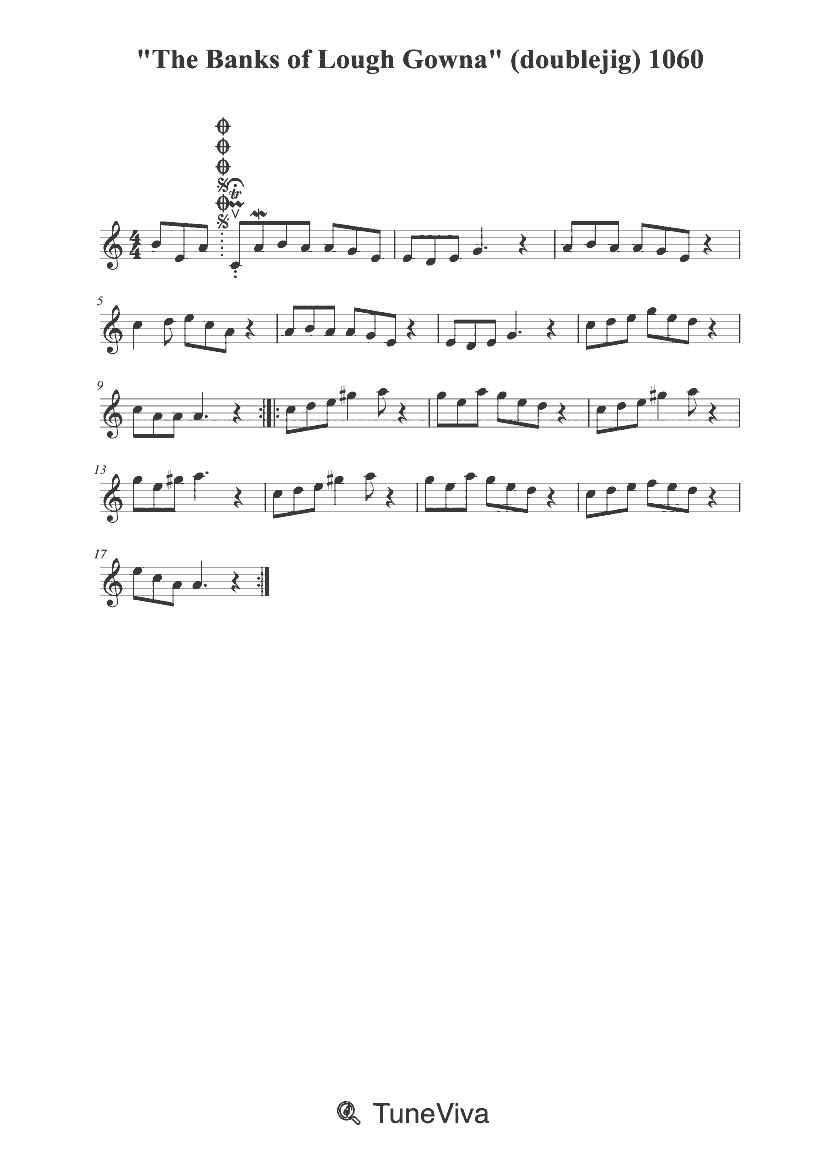
after Mr. O'Reilly
26 sec
Open score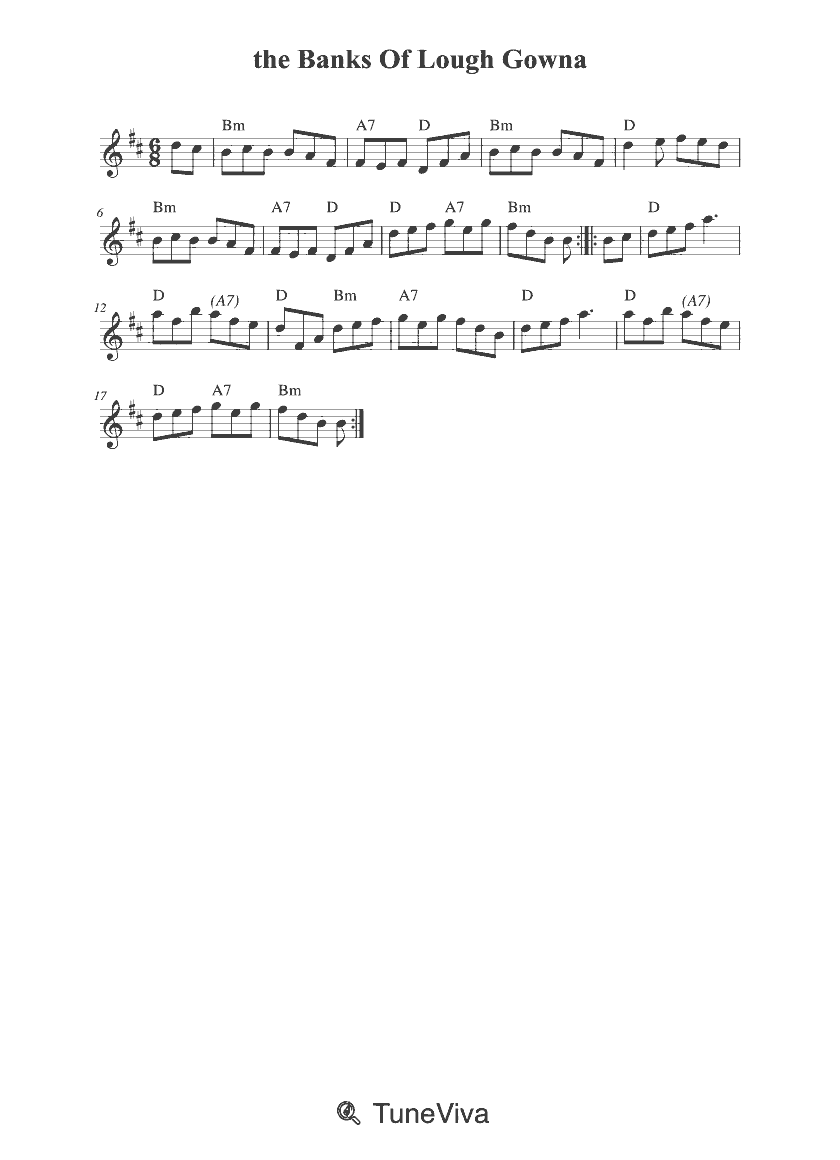
Misc Traditional
24 sec · Score #237490
Open score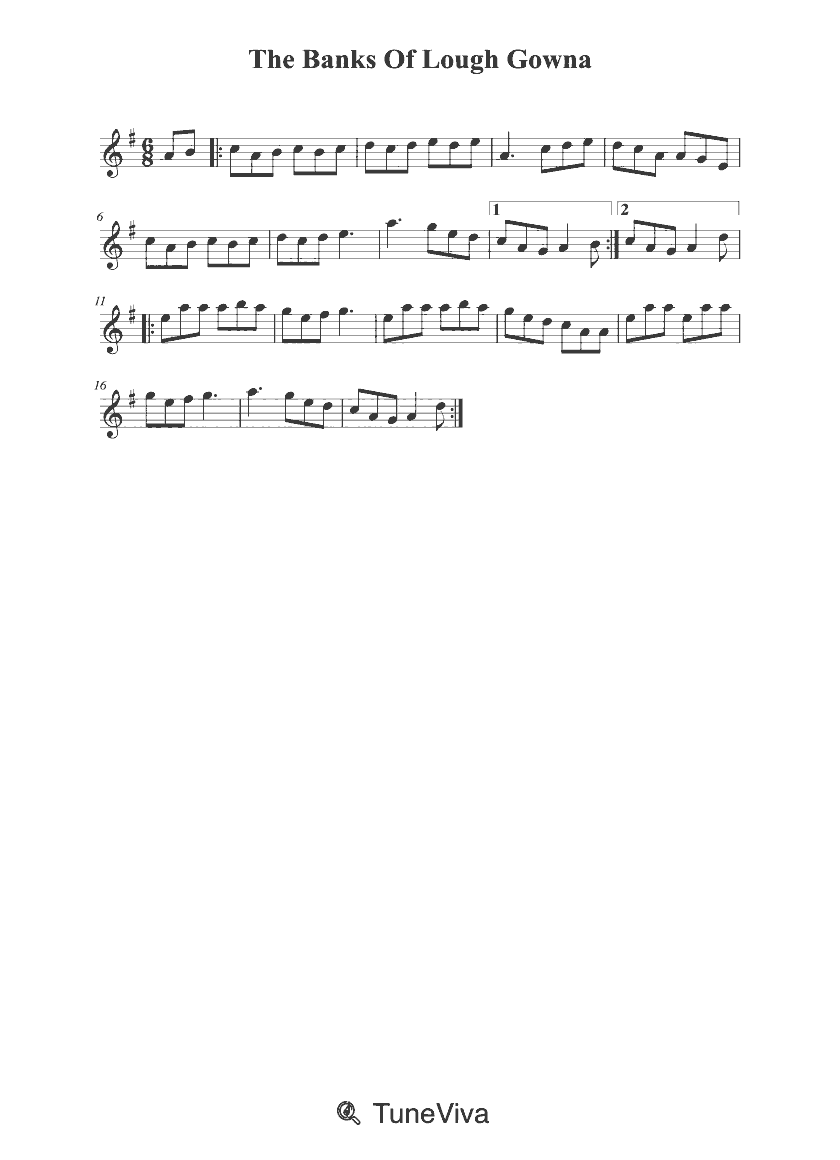
Misc Traditional
24 sec · Score #239614
Open score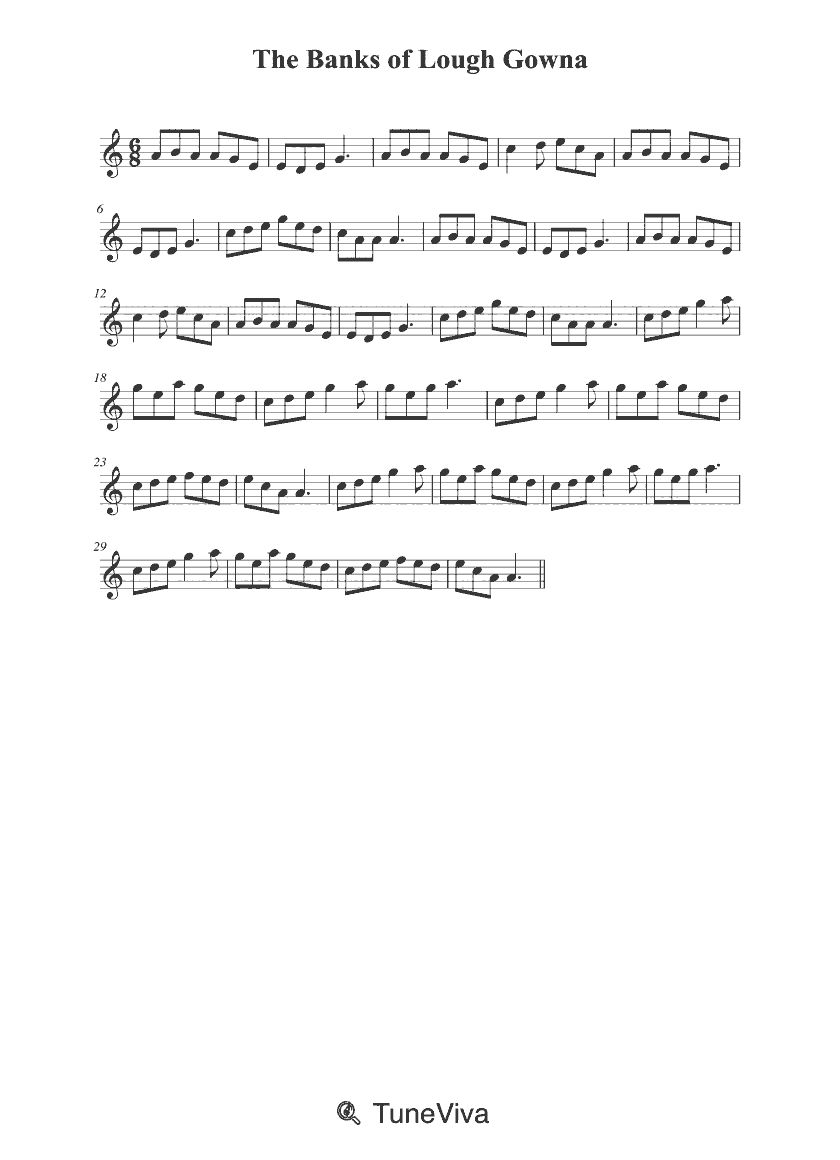
Misc Traditional
24 sec · Score #48391
Open score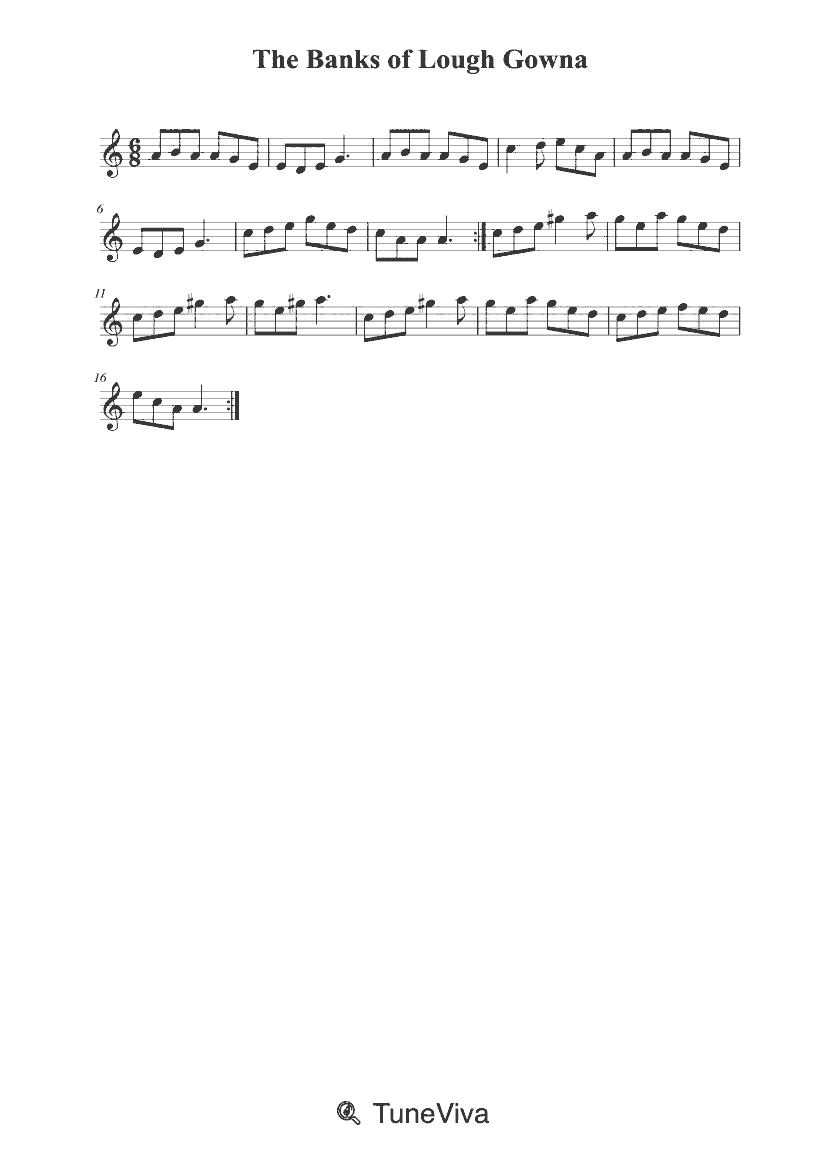
Misc Traditional
30 sec · Score #58023
Open score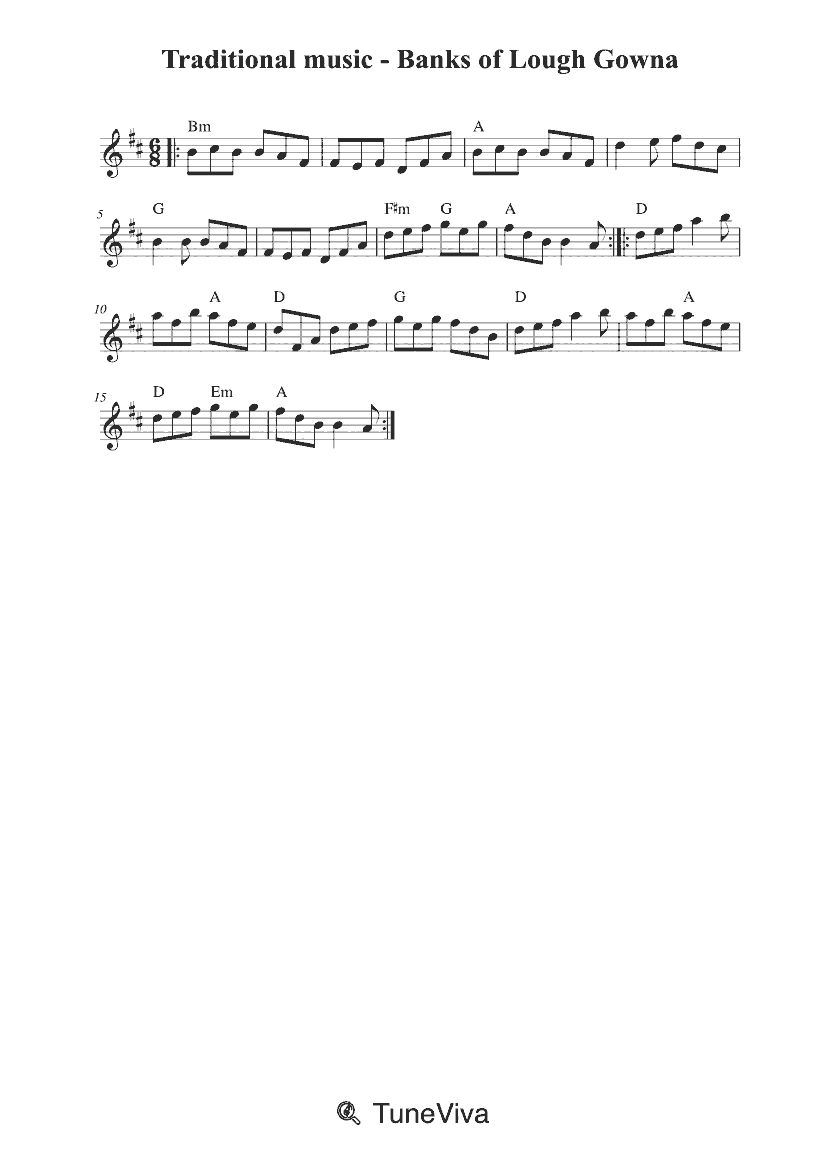
traditional
24 sec
Open score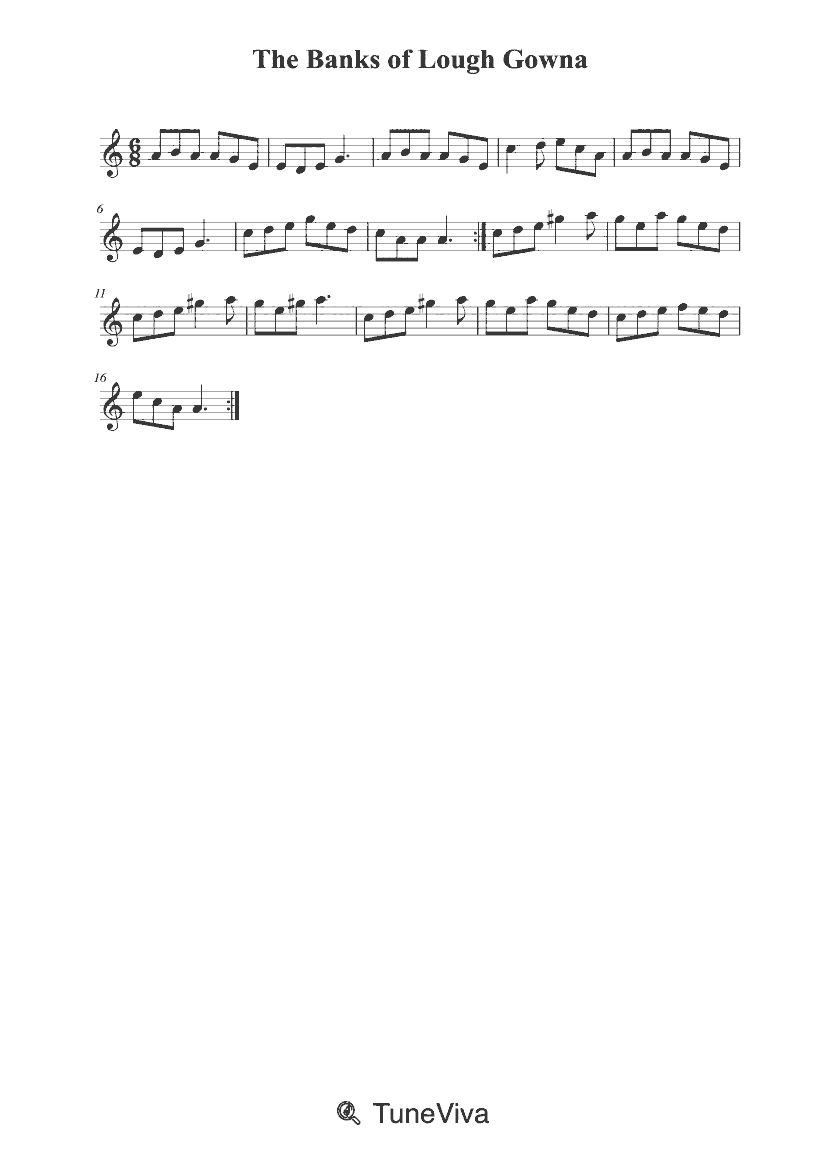
Misc Traditional
30 sec · Score #142193
Open score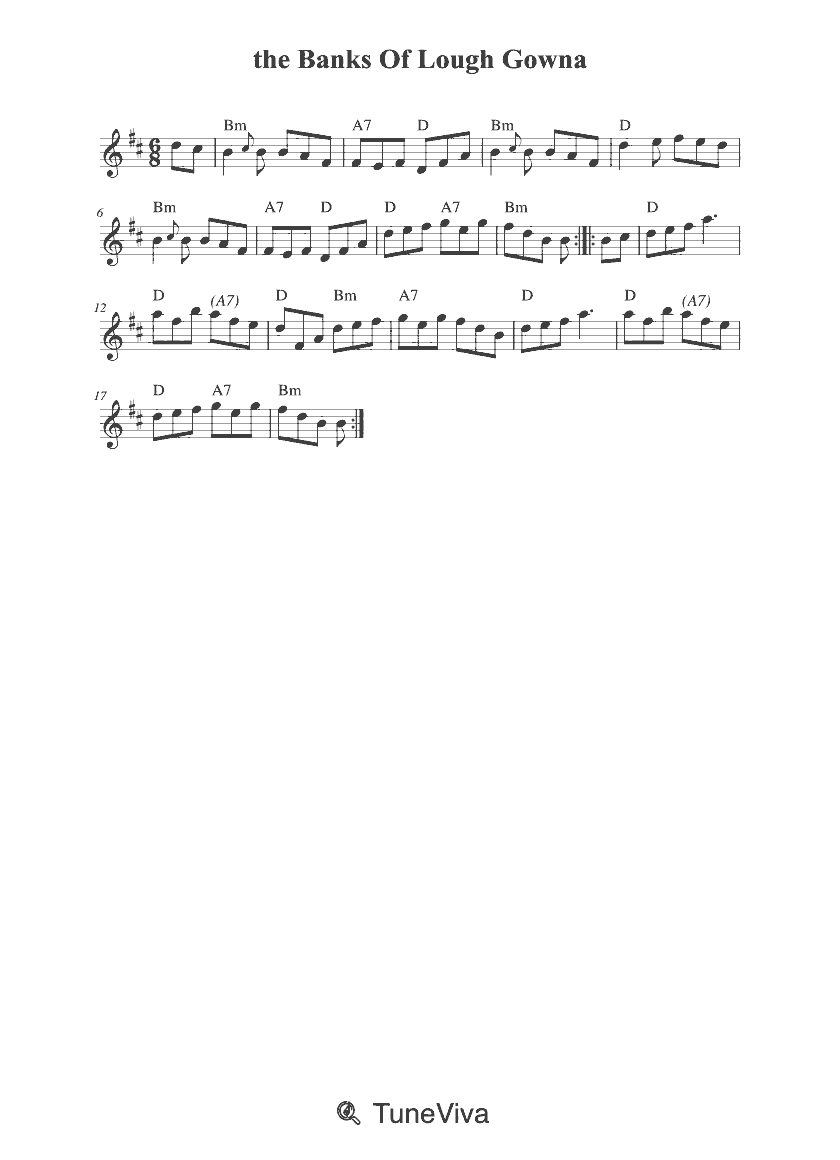
Misc Traditional
24 sec · Score #239070
Open score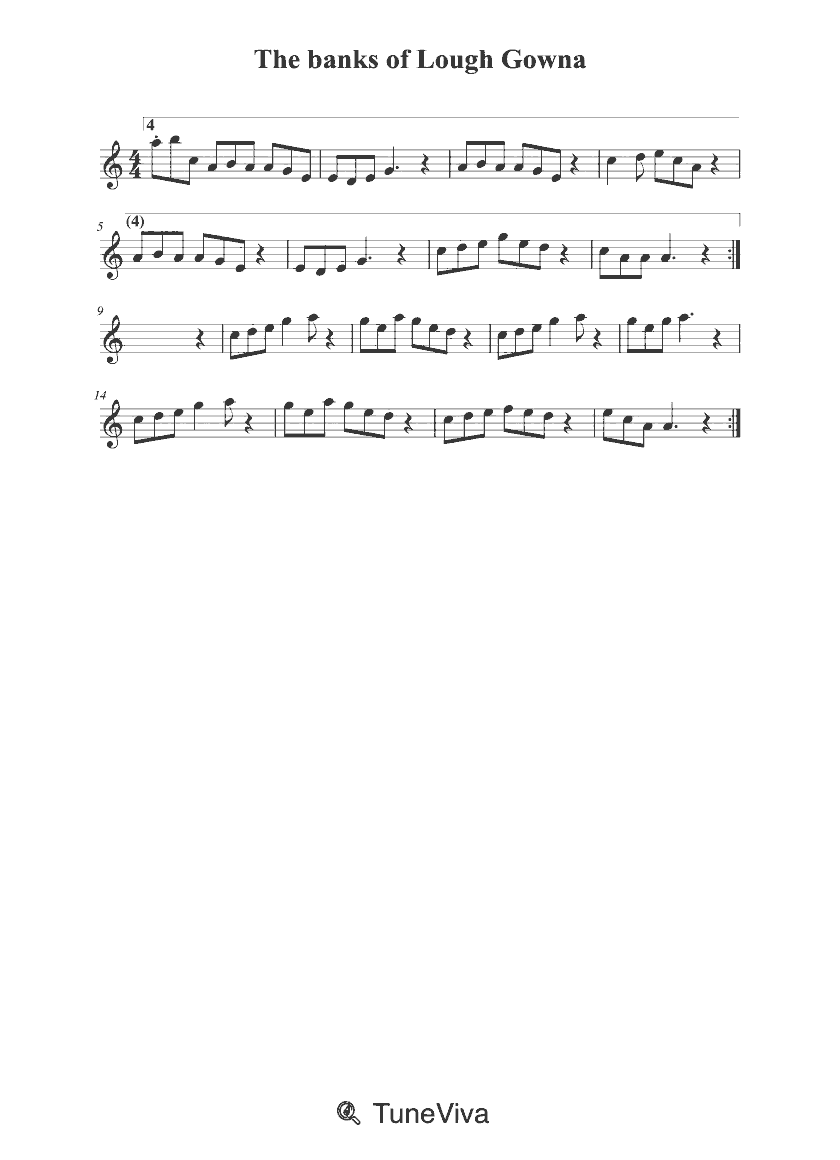
anon.
20 sec
Open score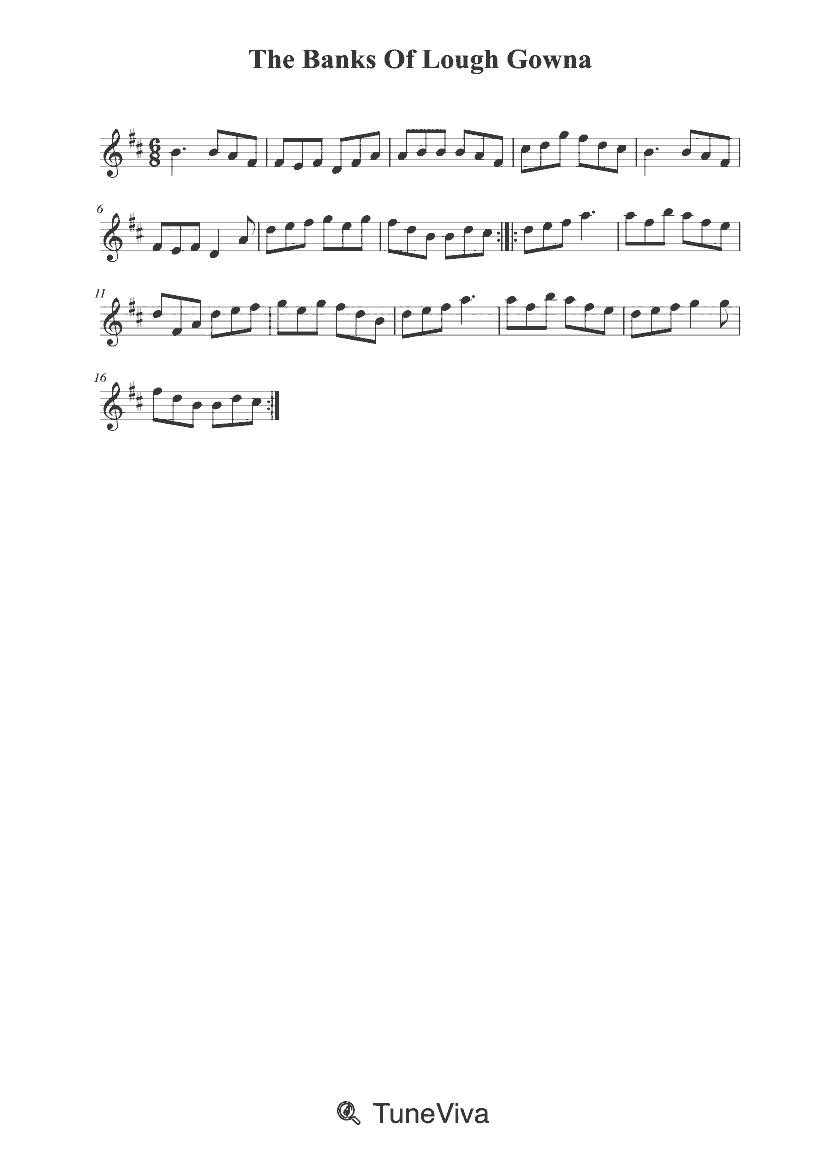
Misc Traditional
24 sec · Score #17155
Open score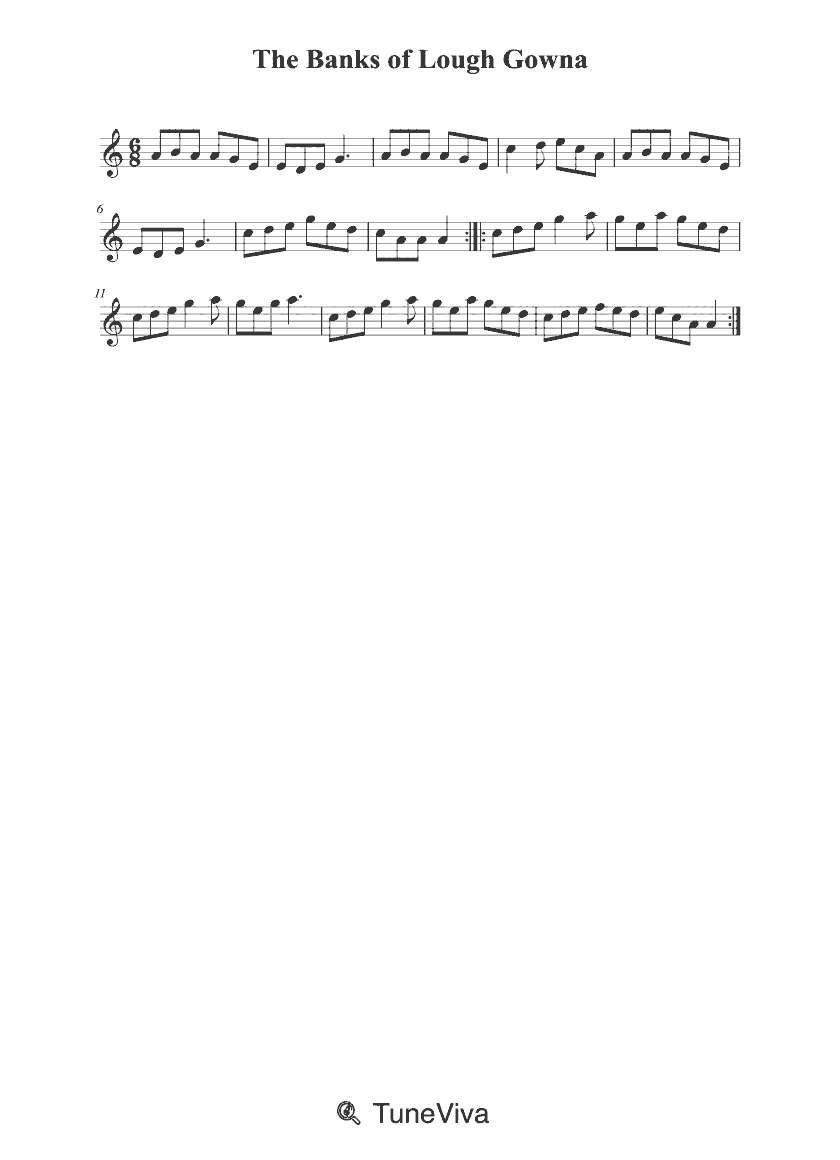
Misc Traditional
23 sec
Open score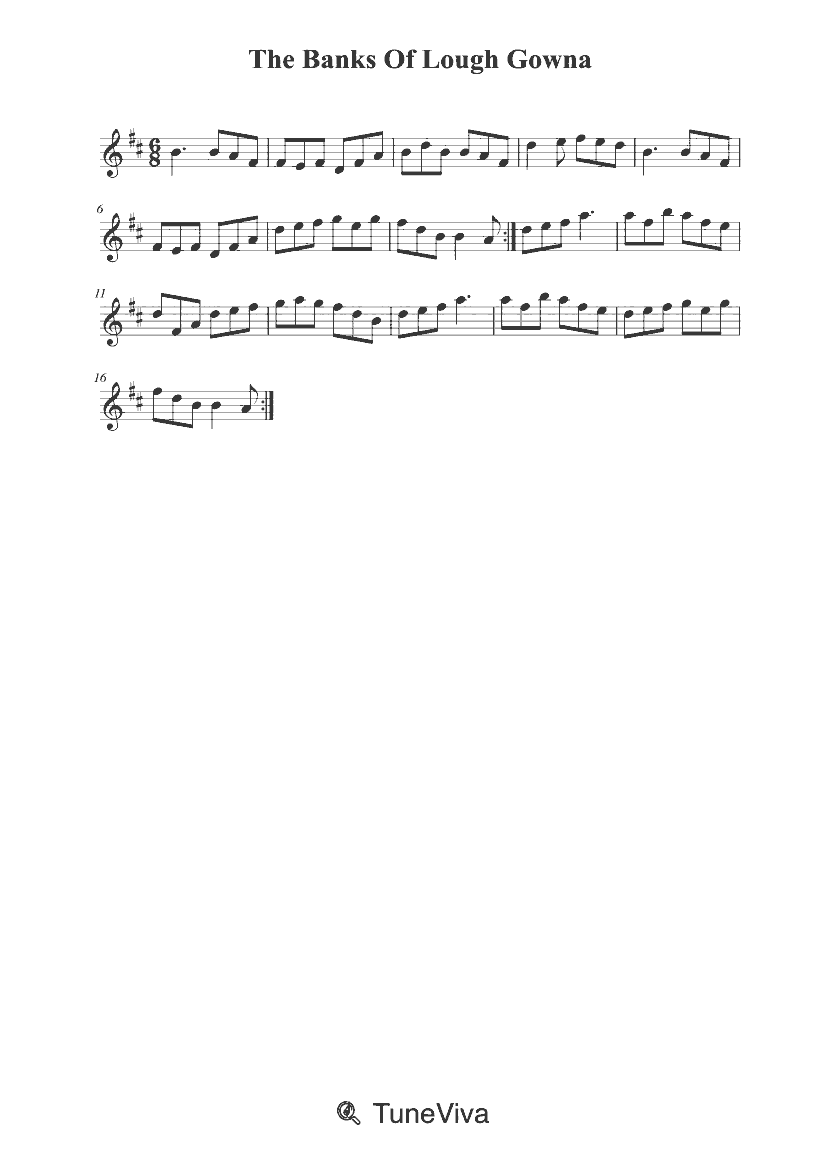
Misc Traditional
30 sec · Score #54457
Open score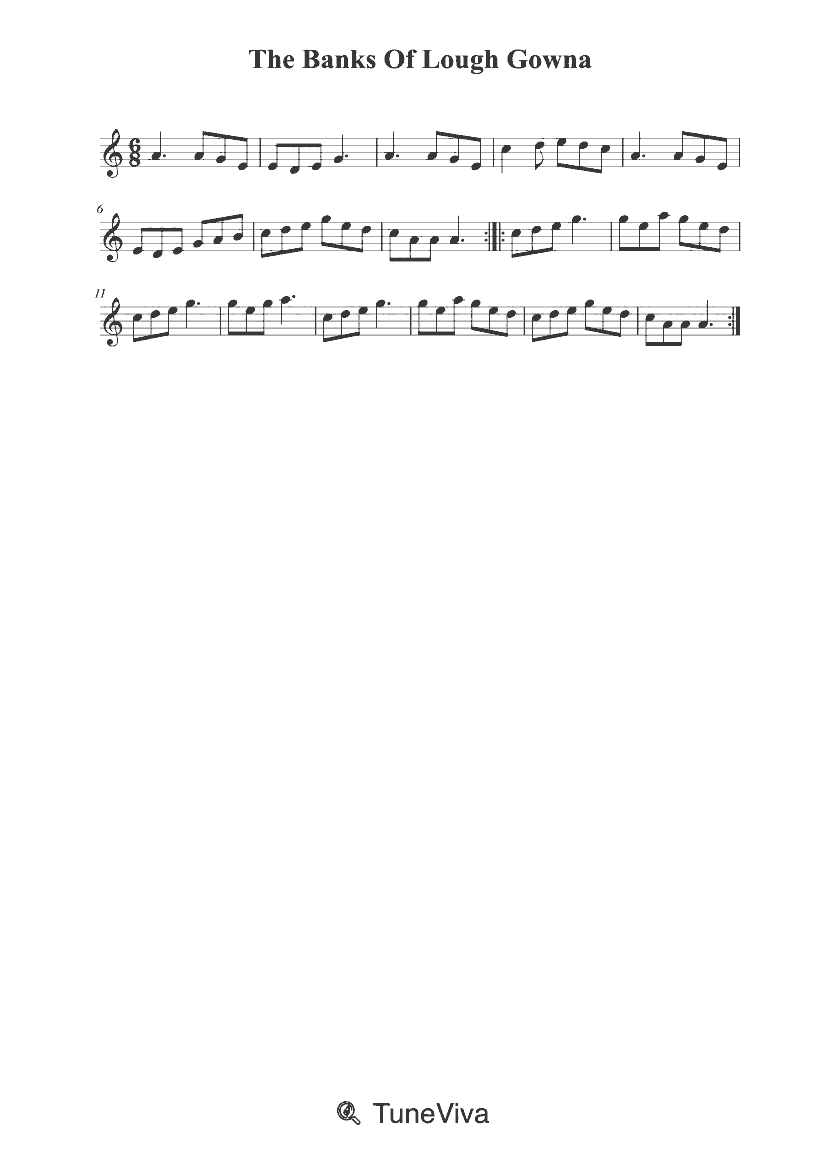
Misc Traditional
24 sec · Score #145187
Open score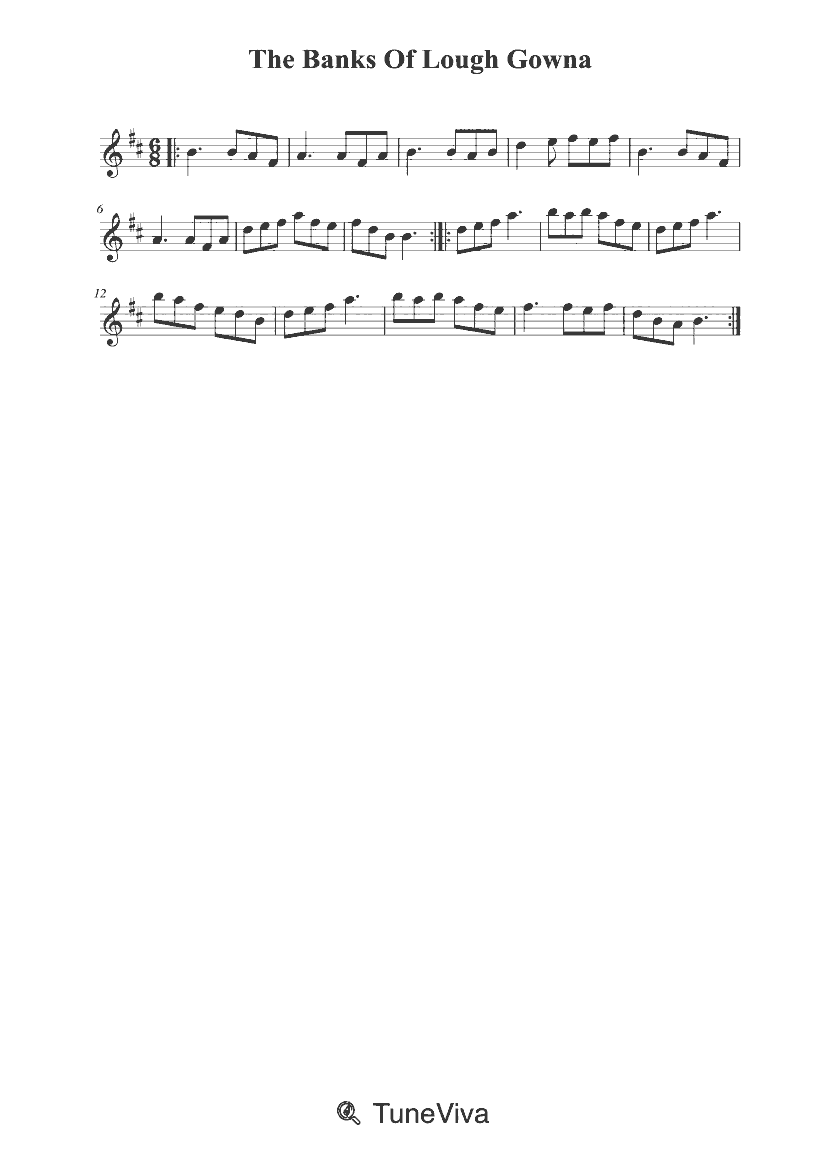
Misc Traditional
24 sec · Score #193764
Open score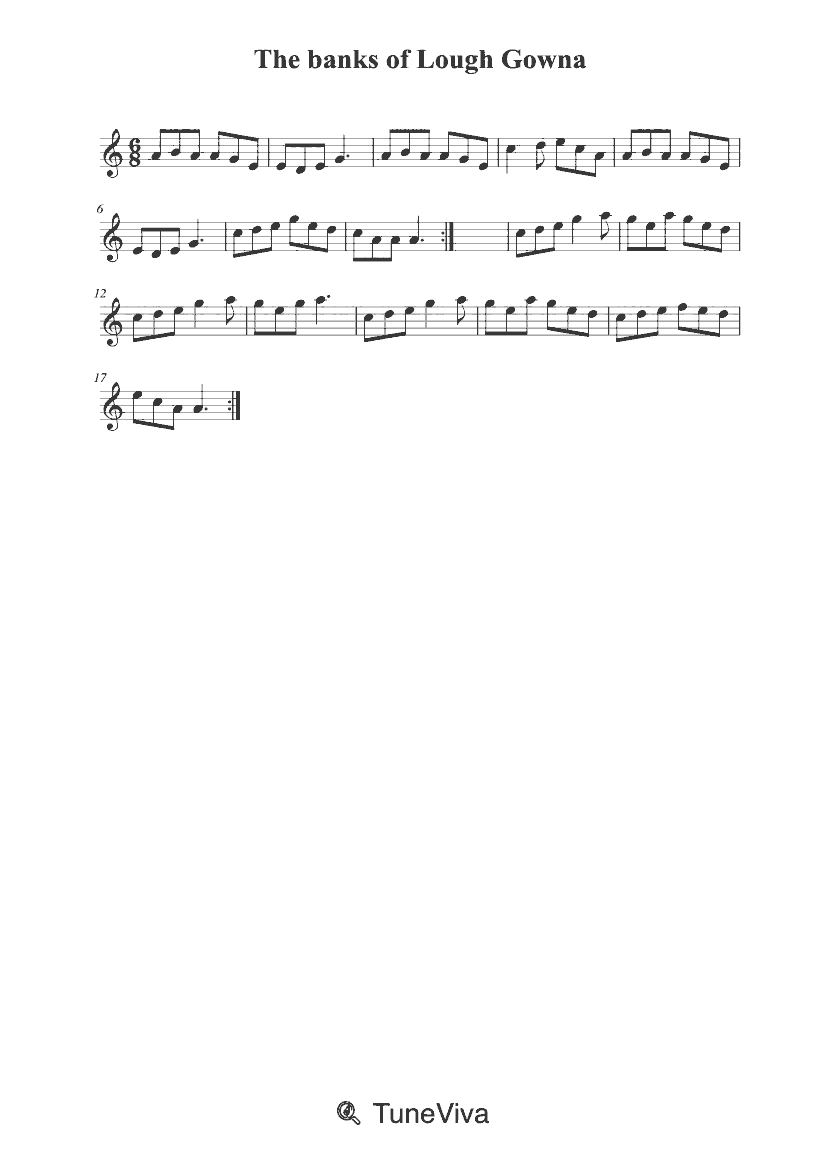
anon.
31 sec · Score #229961
Open score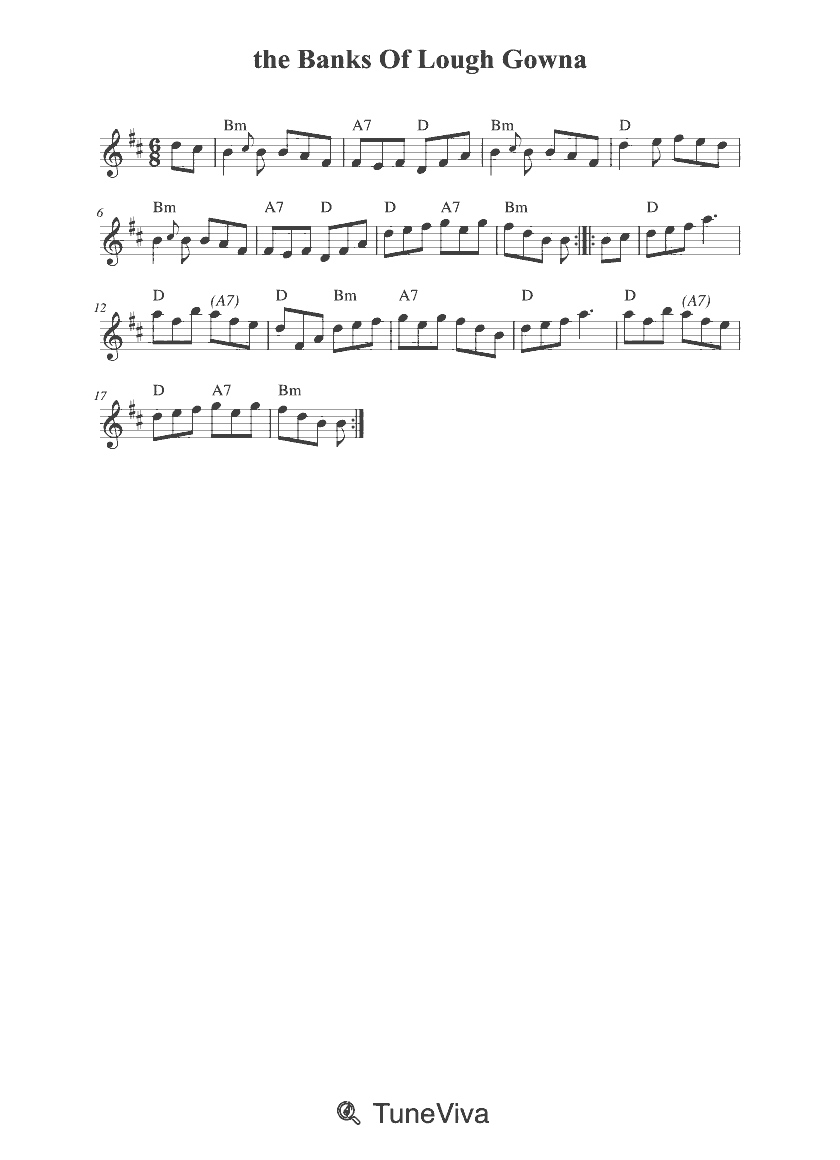
Misc Traditional
24 sec · Score #233766
Open score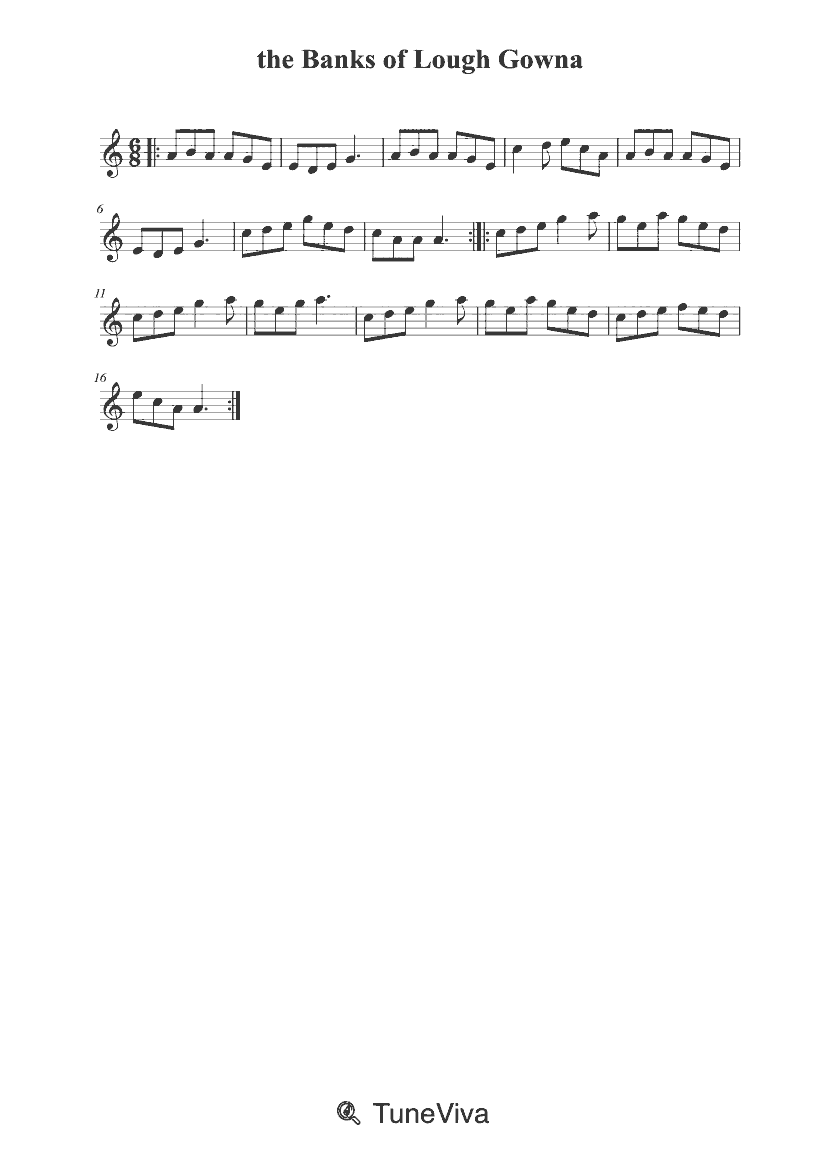
Misc Traditional
24 sec · Score #240272
Open score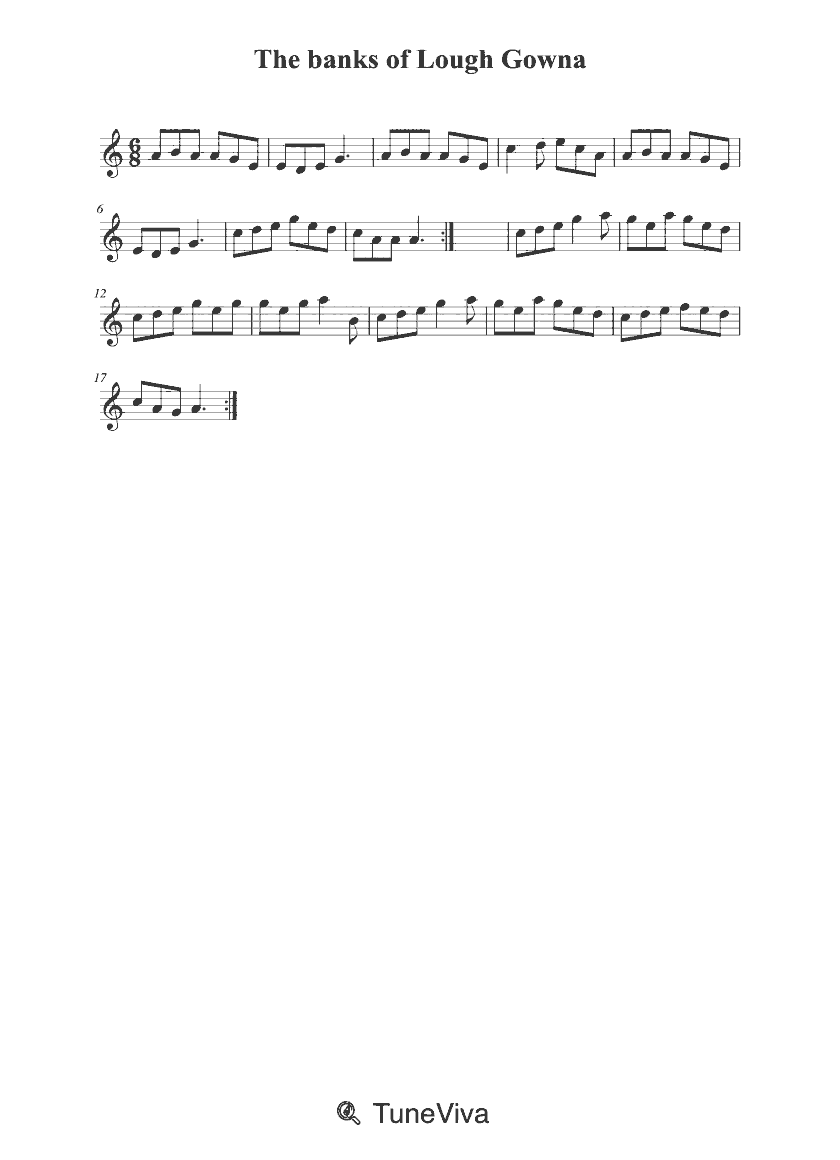
anon.
31 sec · Score #249096
Open score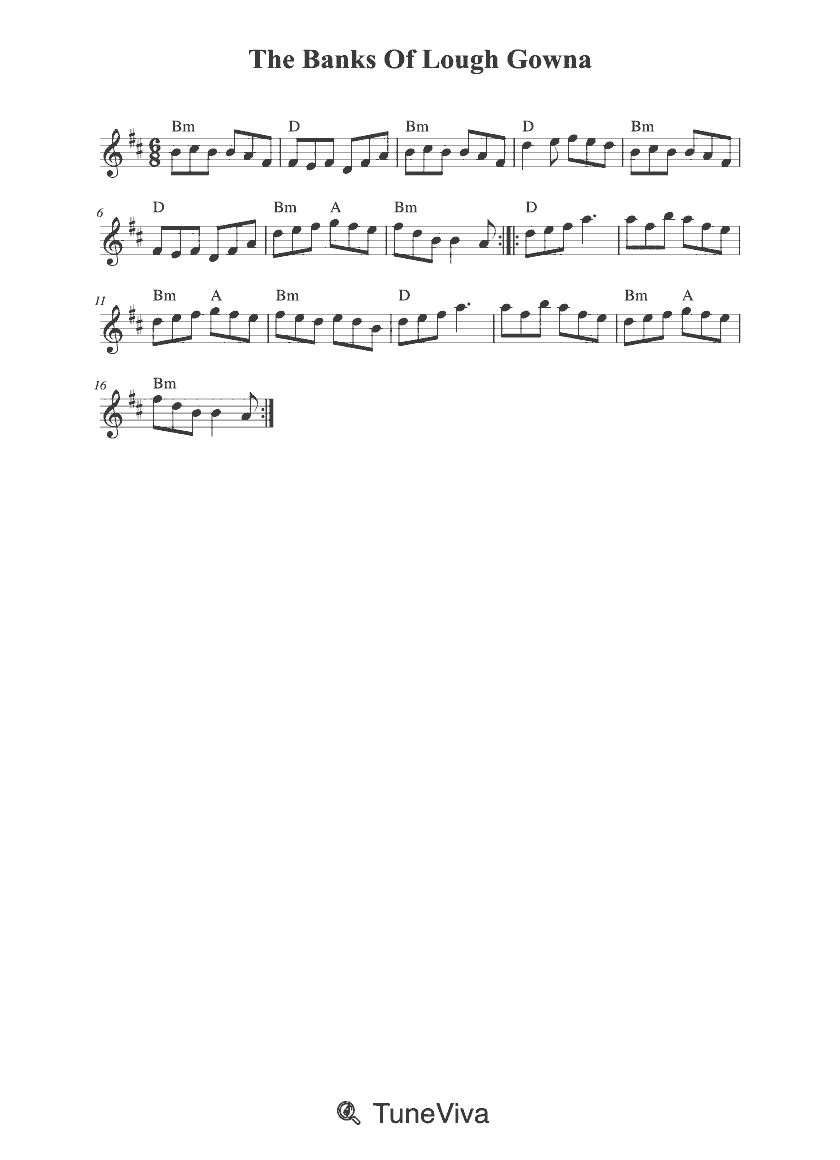
Misc Traditional
24 sec · Score #89586
Open scorePage 1 of 2
The three scores use the same song title but not the same presentation. Two are titled "the Banks Of Lough Gowna" and share the listed 6/8, two-sharp opening; the third carries the longer title with "doublejig" and is listed in 4/4 with no sharps or flats. Shared listing details do not prove that two scores contain identical notation, so compare the music as well as the title.
If you need a 6/8 setting, start with the two scores listed that way. If you need a 4/4 setting, the "doublejig" score is the one listed in that metre. Because the scores disagree, confirm the metre and key with other players before rehearsal and check the opening bars of the score you intend to use.
One title reads "The Banks of Lough Gowna" (doublejig) 1060 and gives the composer field as "after Mr. O'Reilly". Treat the credit as a lead for further checking.
The available information does not establish the tune's origin, date, original instrument or standard dance form. The key and time signatures describe the opening of each score and may be inaccurate. Read the clef, range and first bars before deciding whether a version suits your instrument or group.
Catalogue duration 24 sec. Opening key signature: 2 sharps (B minor). Opening time signature: 6/8.
Catalogue duration 26 sec. Opening key signature: No sharps or flats. Opening time signature: 4/4.
Catalogue duration 24 sec. Opening key signature: 2 sharps (B minor). Opening time signature: 6/8.
Banks of Lough Gowna has no single confirmed key in the scores listed here: two begin with two sharps (B minor) and one begins with no sharps or flats. Check the key signature at the start of the score you choose.
Two of the three scores are listed in 6/8 with two sharps (B minor): both are titled "the Banks Of Lough Gowna". The remaining score, titled "The Banks of Lough Gowna" (doublejig) 1060, is listed in 4/4 with no sharps or flats.
The word "doublejig" describes that score's title, and the same score is listed in 4/4 rather than 6/8.
In one score of Banks of Lough Gowna, the composer credit reads "after Mr. O'Reilly", suggesting that the setting is credited to or derived from a Mr. O'Reilly.
Available listings for Banks of Lough Gowna do not name an instrument or clef, so the intended instrumentation cannot be confirmed from the information given. Read the clef, range and any performance notes in a score before deciding whether it suits your instrument.
For group playing, match the version to the metre and key the group uses: two scores of Banks of Lough Gowna are listed in 6/8 with two sharps, and one is listed in 4/4 with no sharps or flats. Confirm those details with the other players rather than relying on the title alone.
Two scores of Banks of Lough Gowna share the title "the Banks Of Lough Gowna" and the same listed opening metre and key, but the available information does not show whether their notation is identical. Compare the notes, clef and range if you need to choose between them.