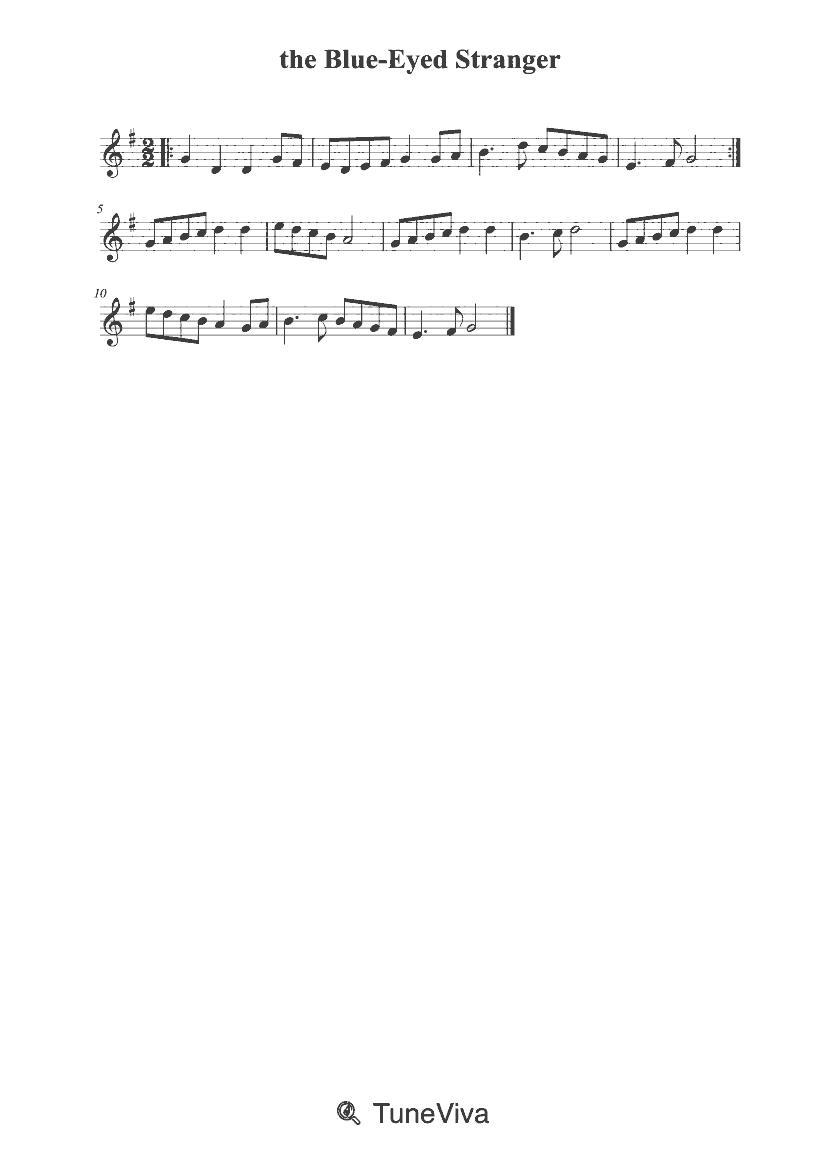
the Blue-Eyed Stranger
Misc Traditional
1 min 4 sec
Open scoreBlue Eyed Stranger sheet music is available here in several traditional-folk listings, credited to Misc Traditional or Trad. The scores differ in opening key and time signature, and one gives a tempo, so compare the versions before choosing. No named composer or definitive source version is confirmed by the available information.
Scores 1–20 of 24
Misc Traditional
1 min 4 sec
Open score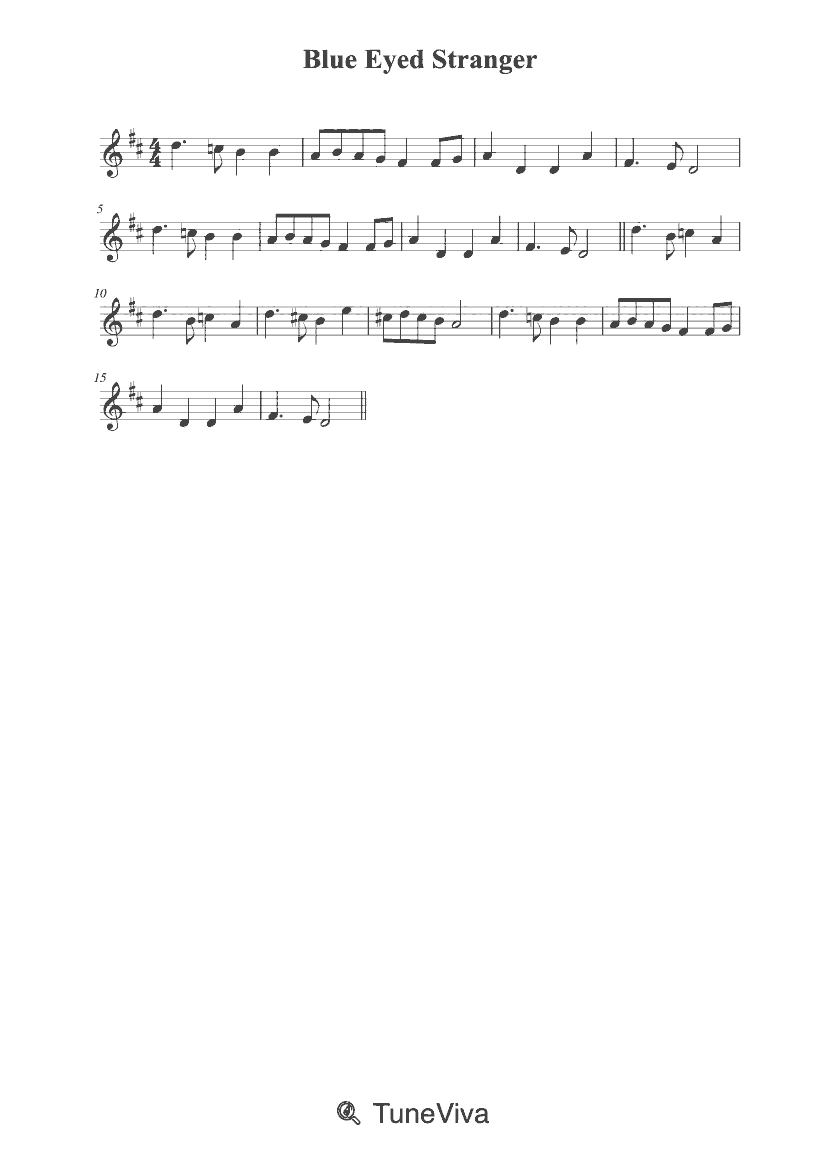
Misc Traditional
32 sec · Score #9685
Open score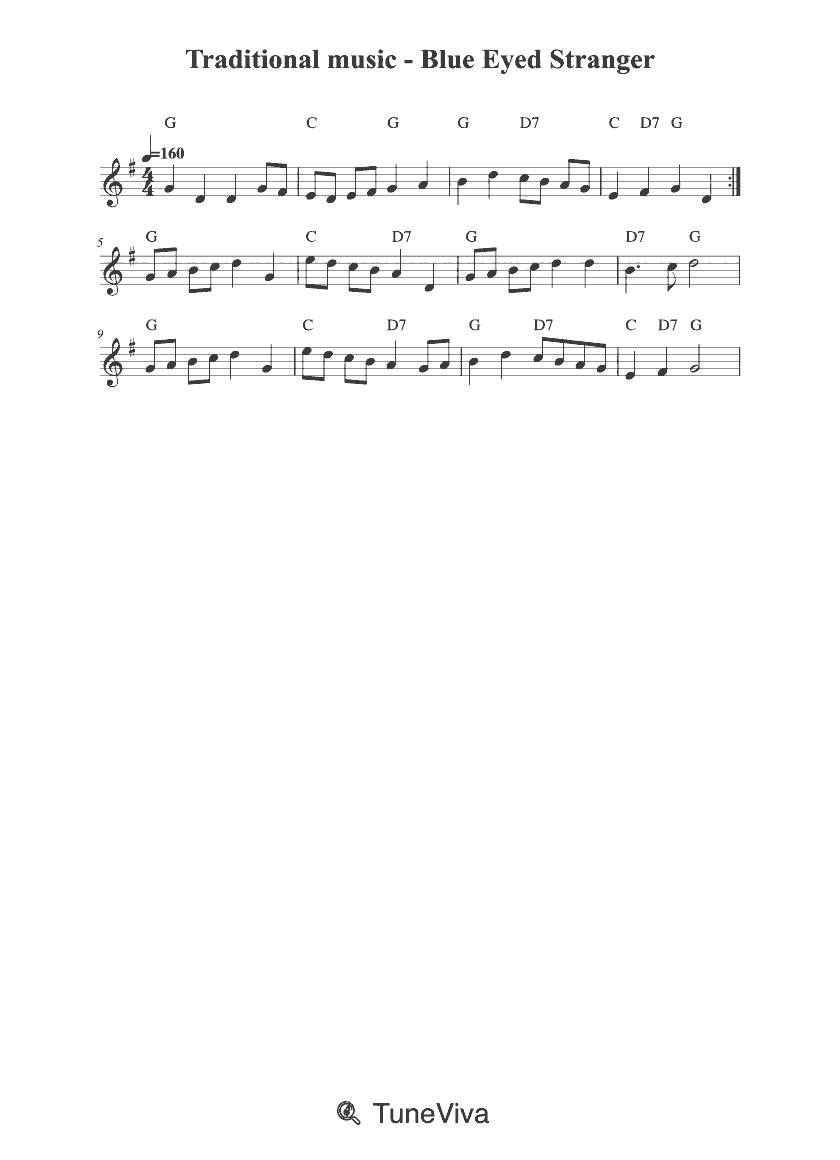
Trad.
24 sec
Open score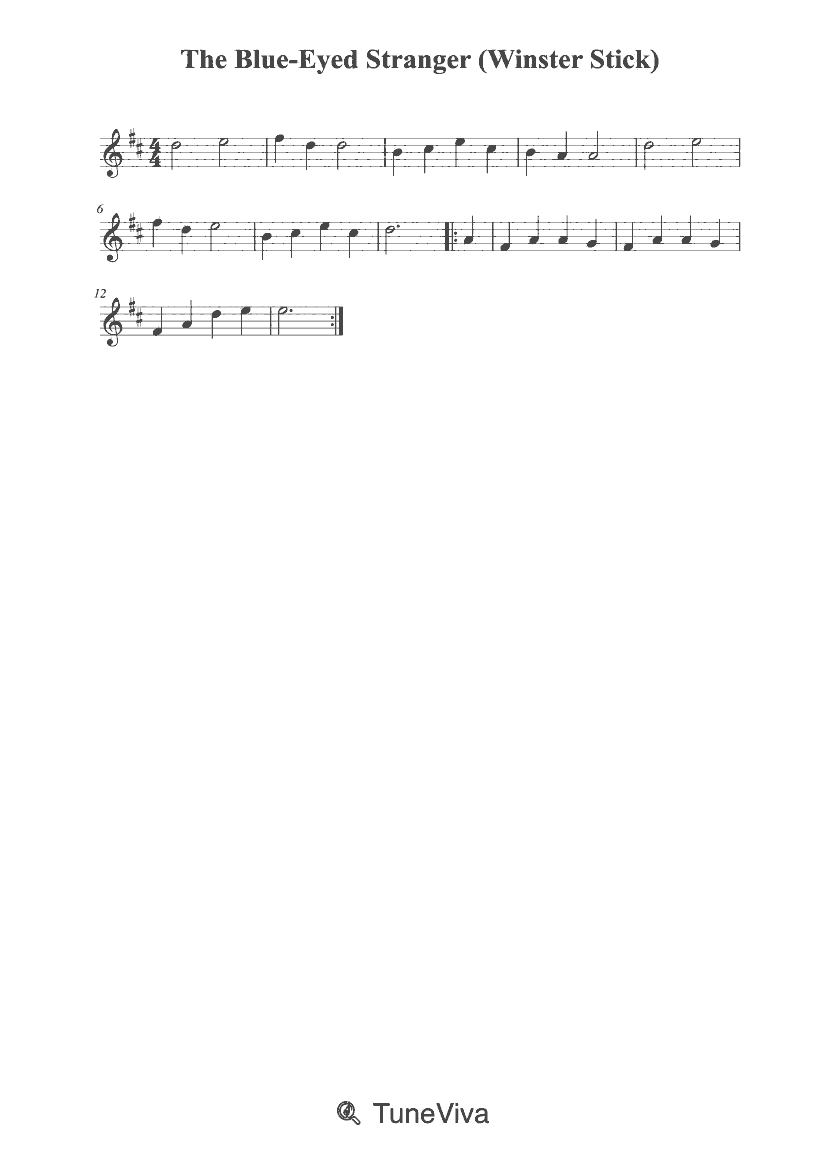
Misc Traditional
31 sec
Open score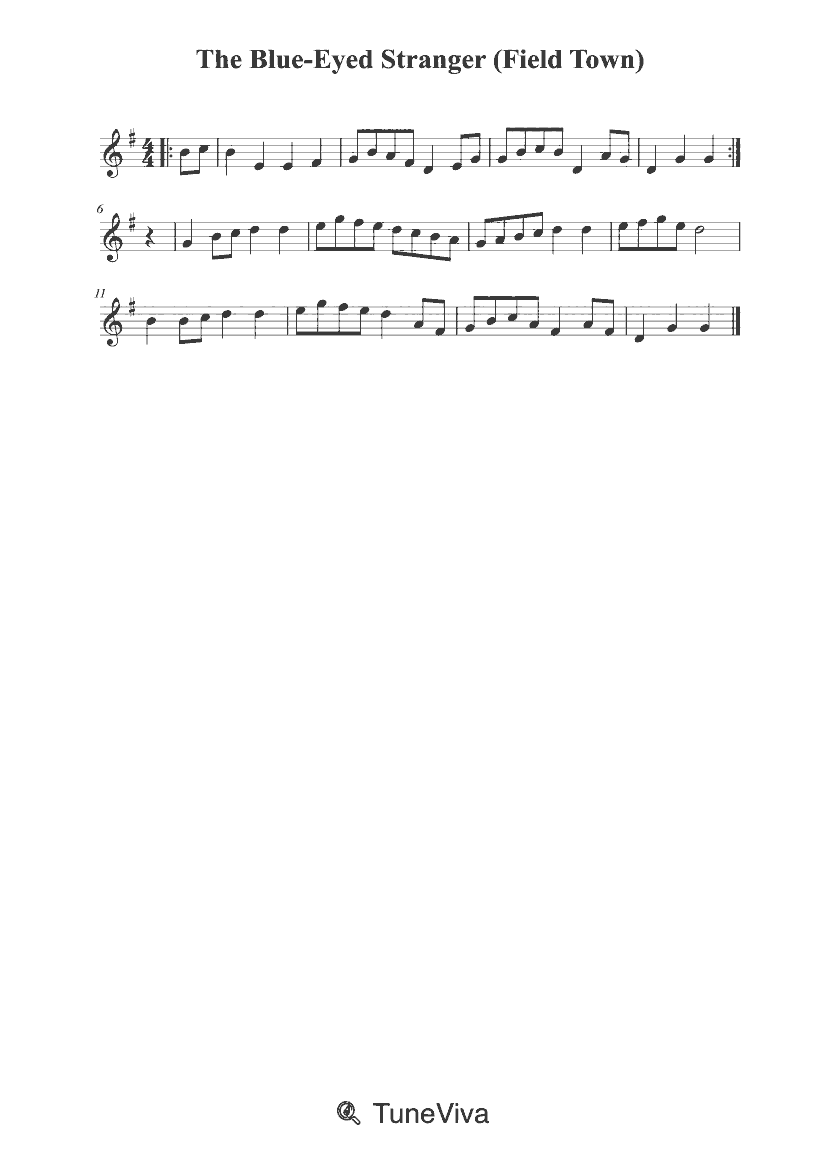
Misc Traditional
32 sec · Score #140060
Open score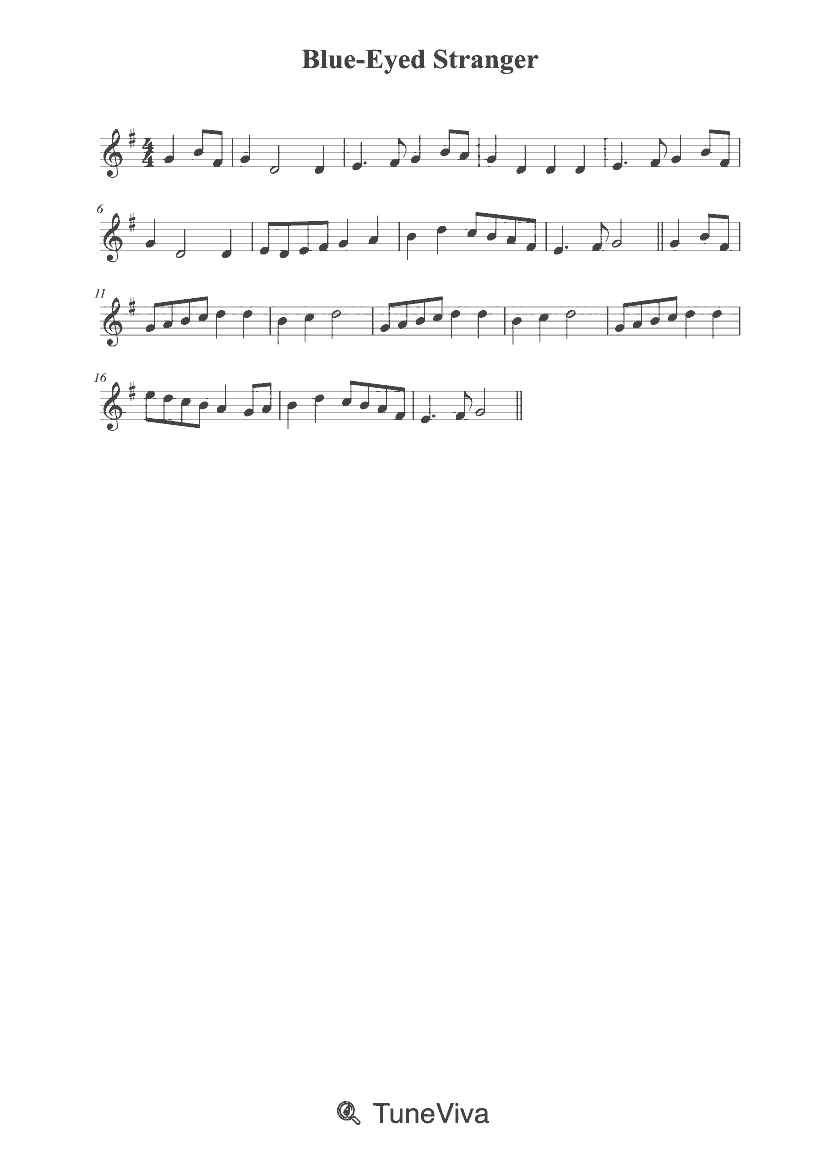
Misc Traditional
34 sec · Score #123352
Open score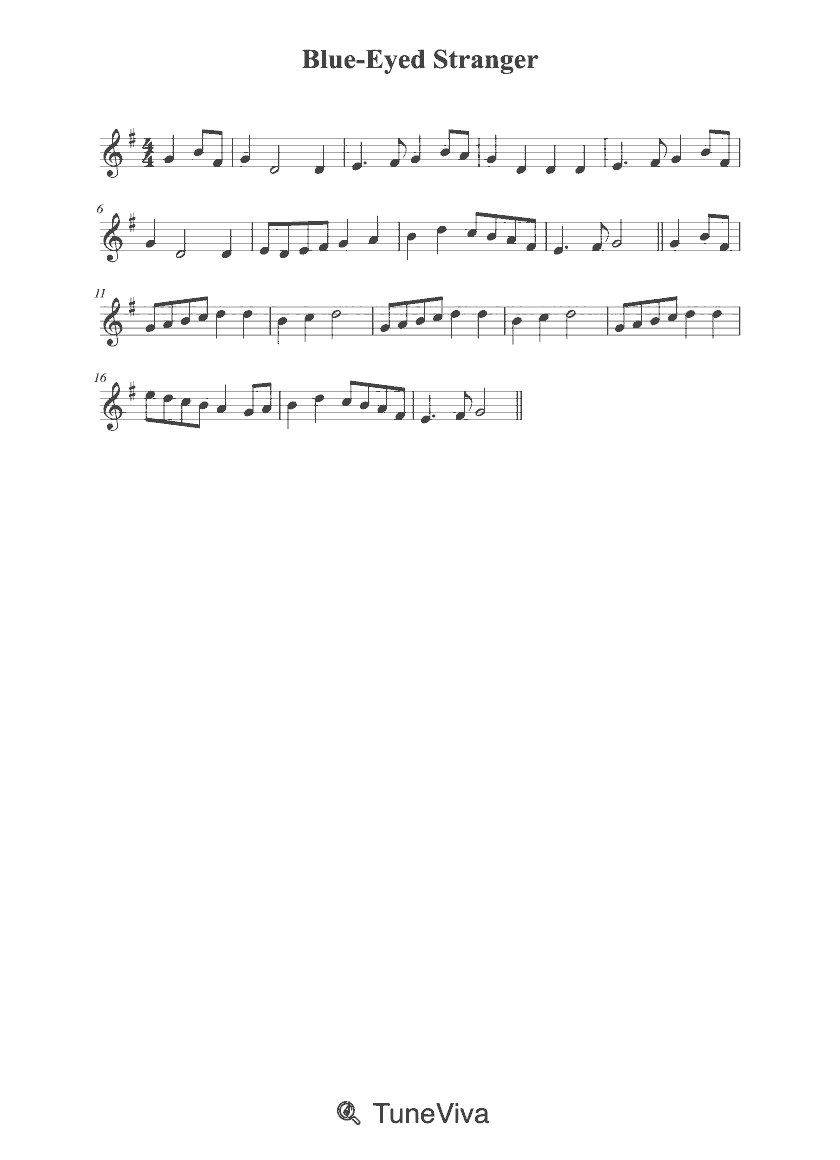
Misc Traditional
34 sec · Score #99230
Open score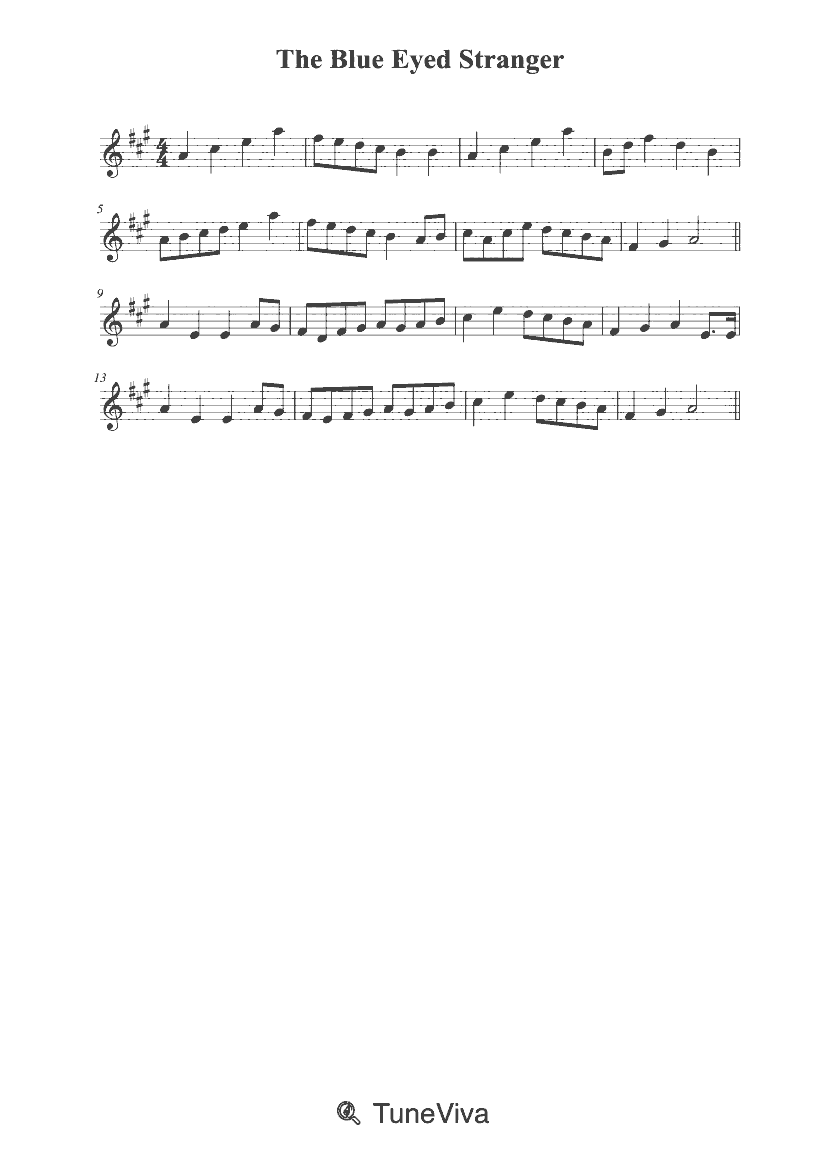
Misc Traditional
32 sec · Score #125441
Open score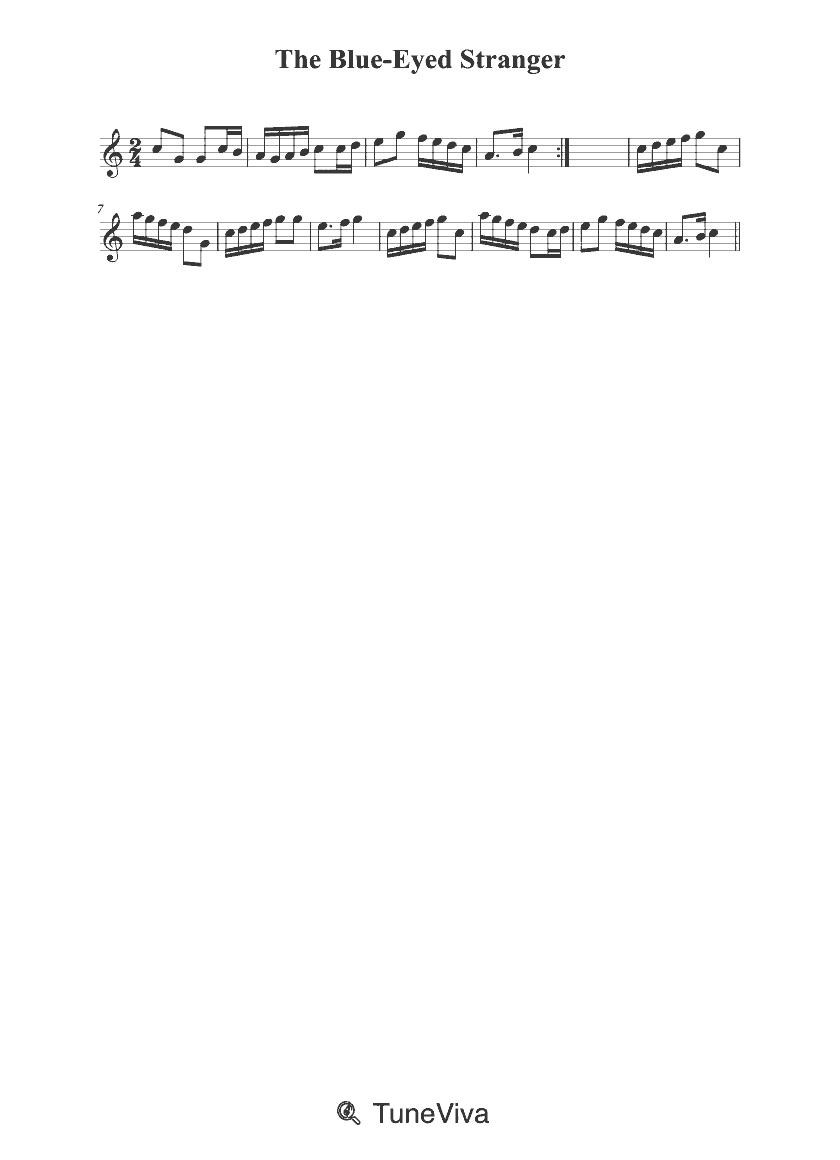
Misc Traditional
17 sec · Score #17760
Open score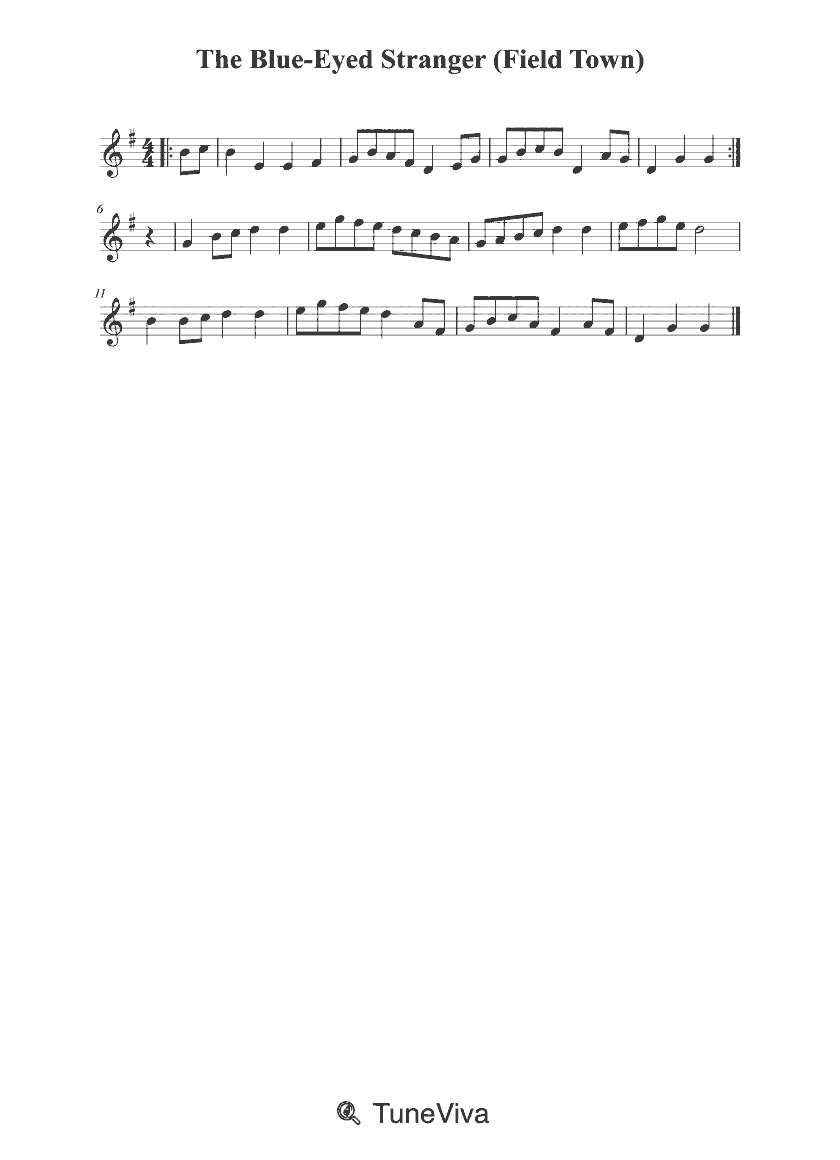
Misc Traditional
32 sec · Score #18306
Open score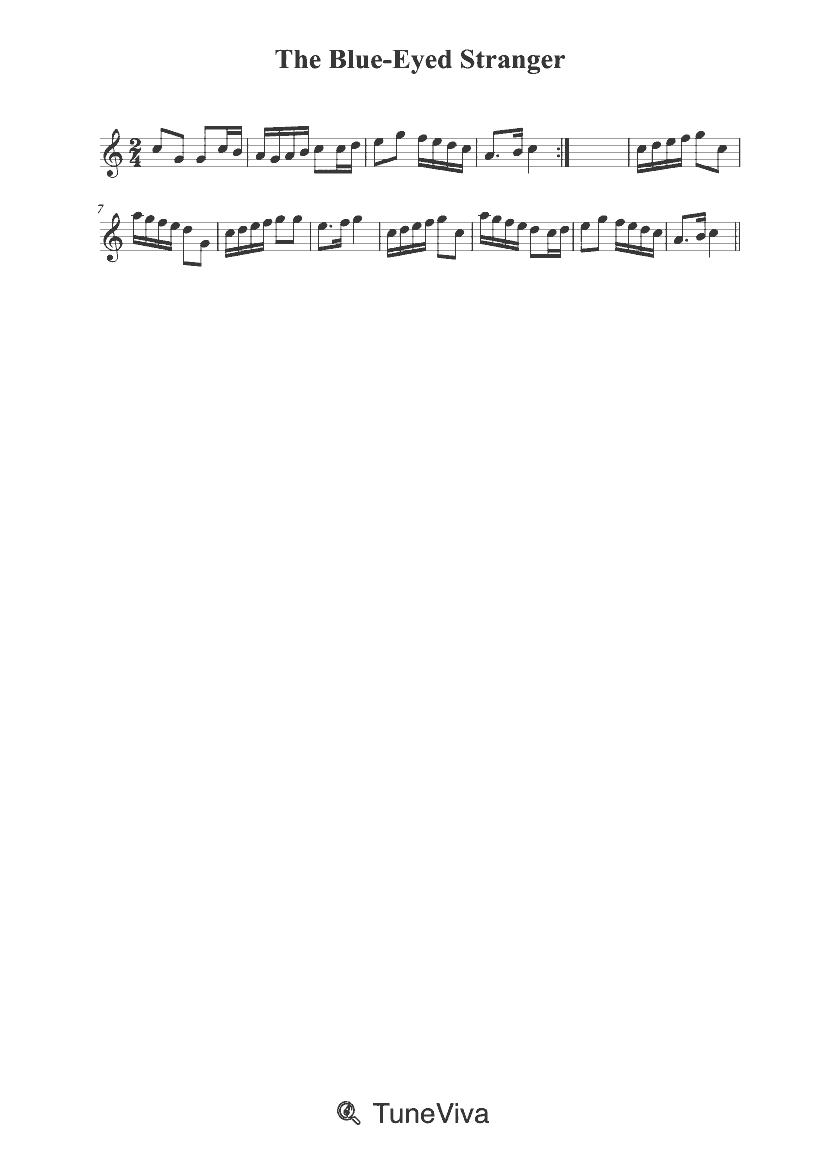
Misc Traditional
17 sec · Score #68464
Open score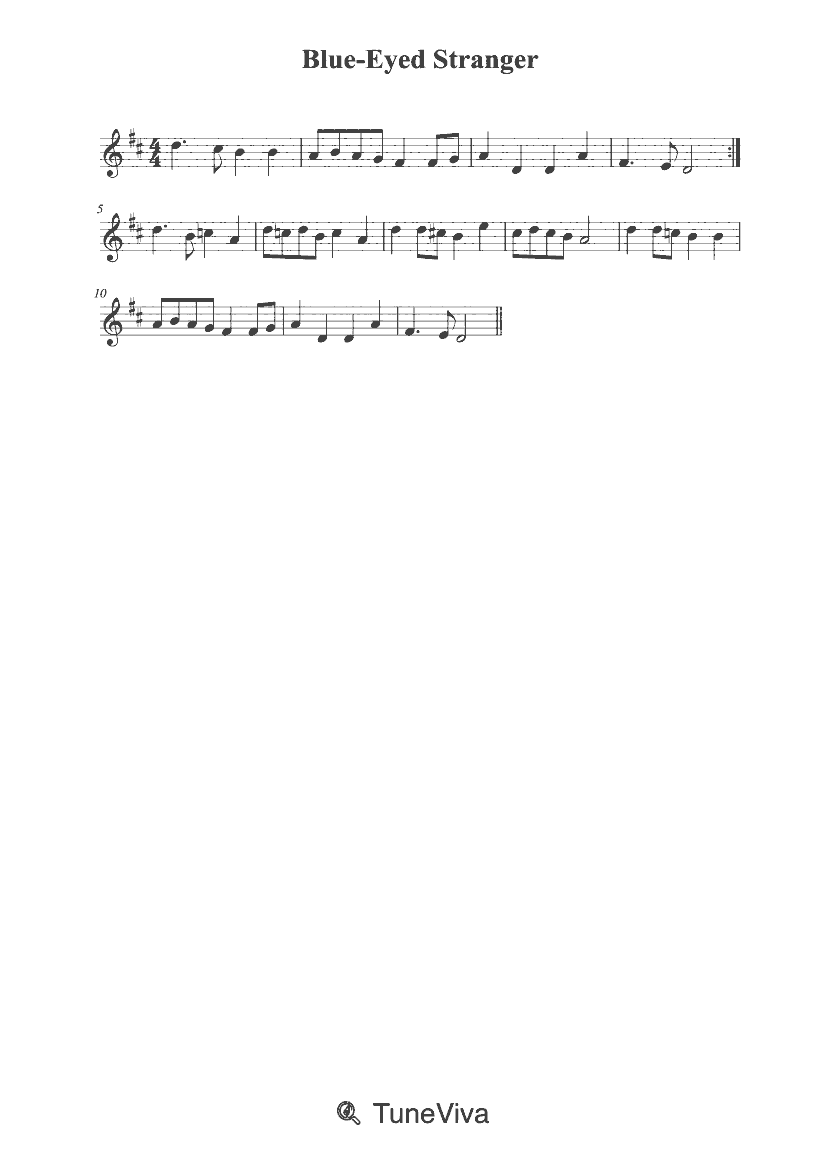
Misc Traditional
32 sec
Open score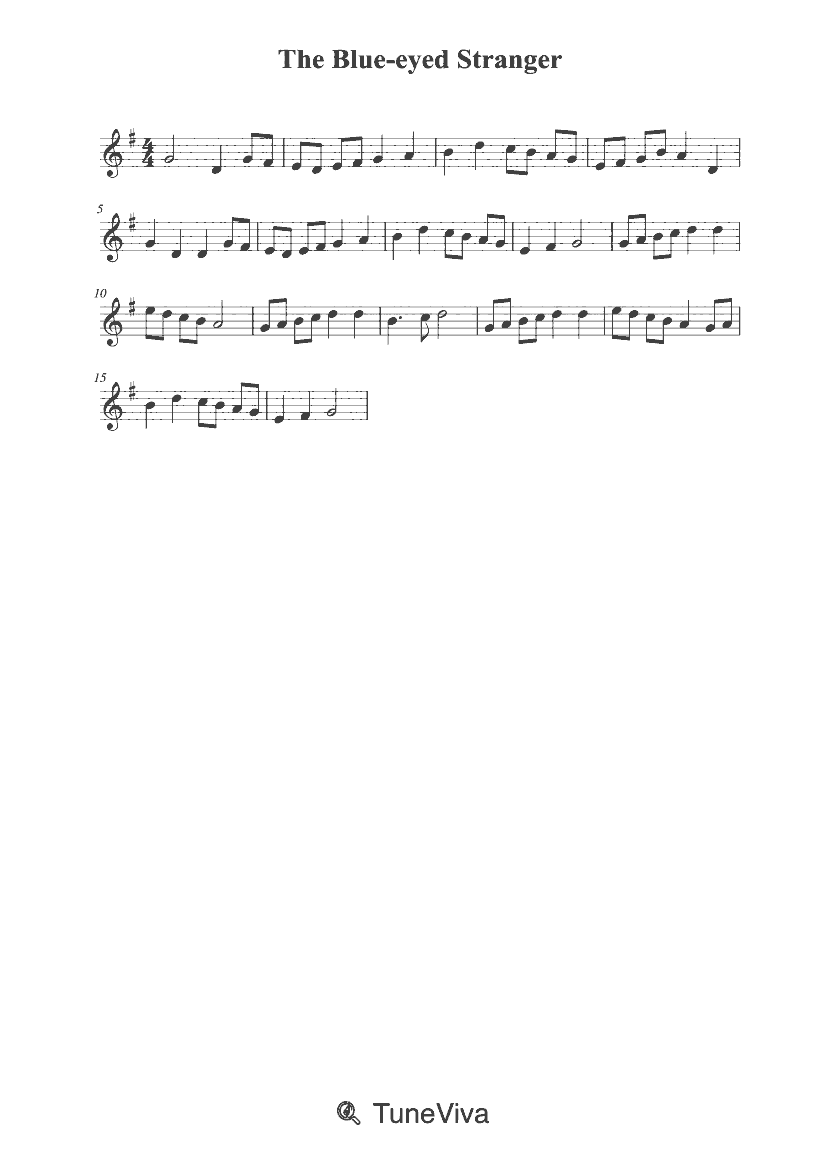
Misc Traditional
32 sec · Score #102928
Open score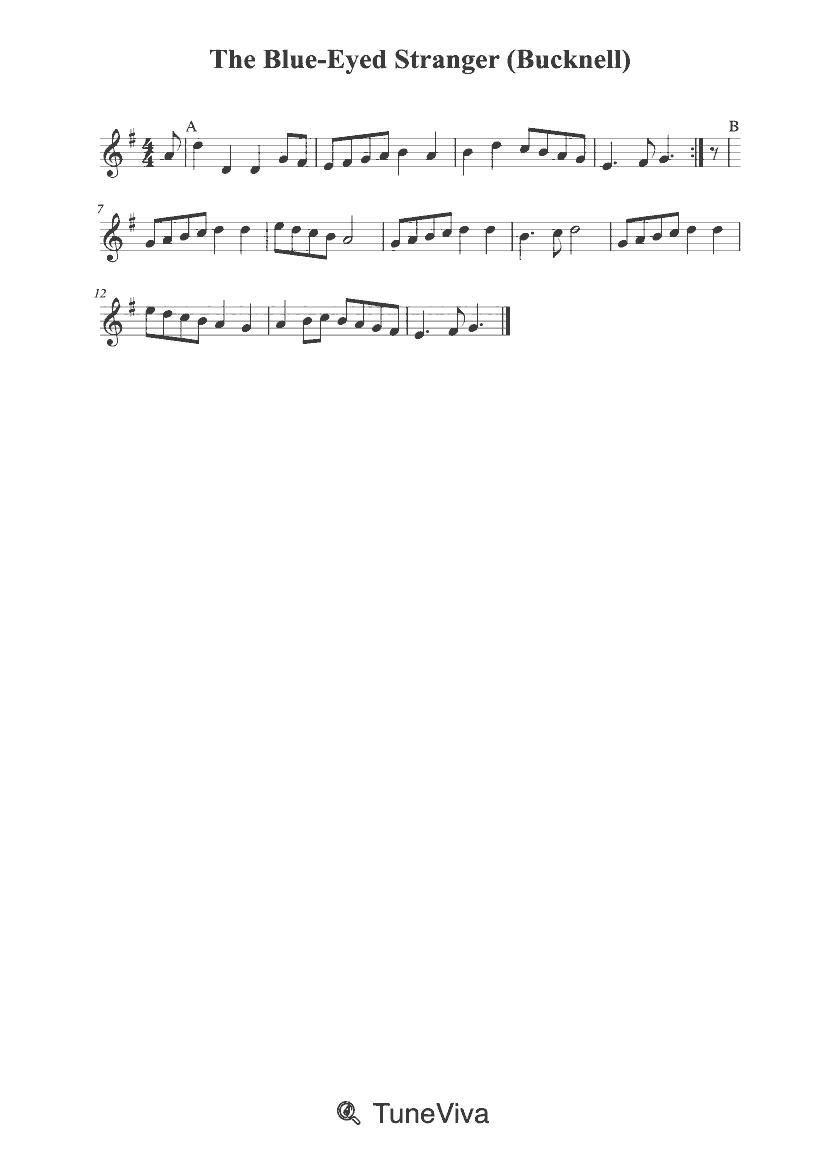
Misc Traditional
32 sec
Open score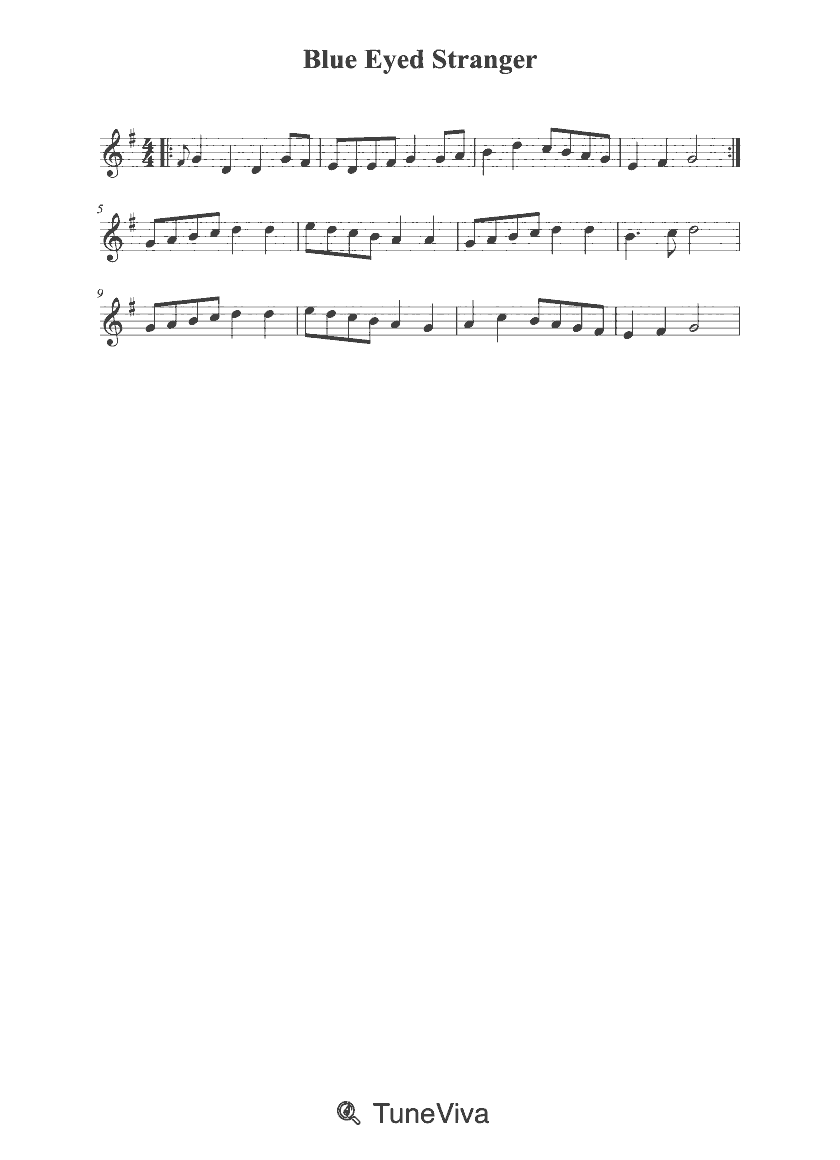
Misc Traditional
32 sec · Score #178224
Open score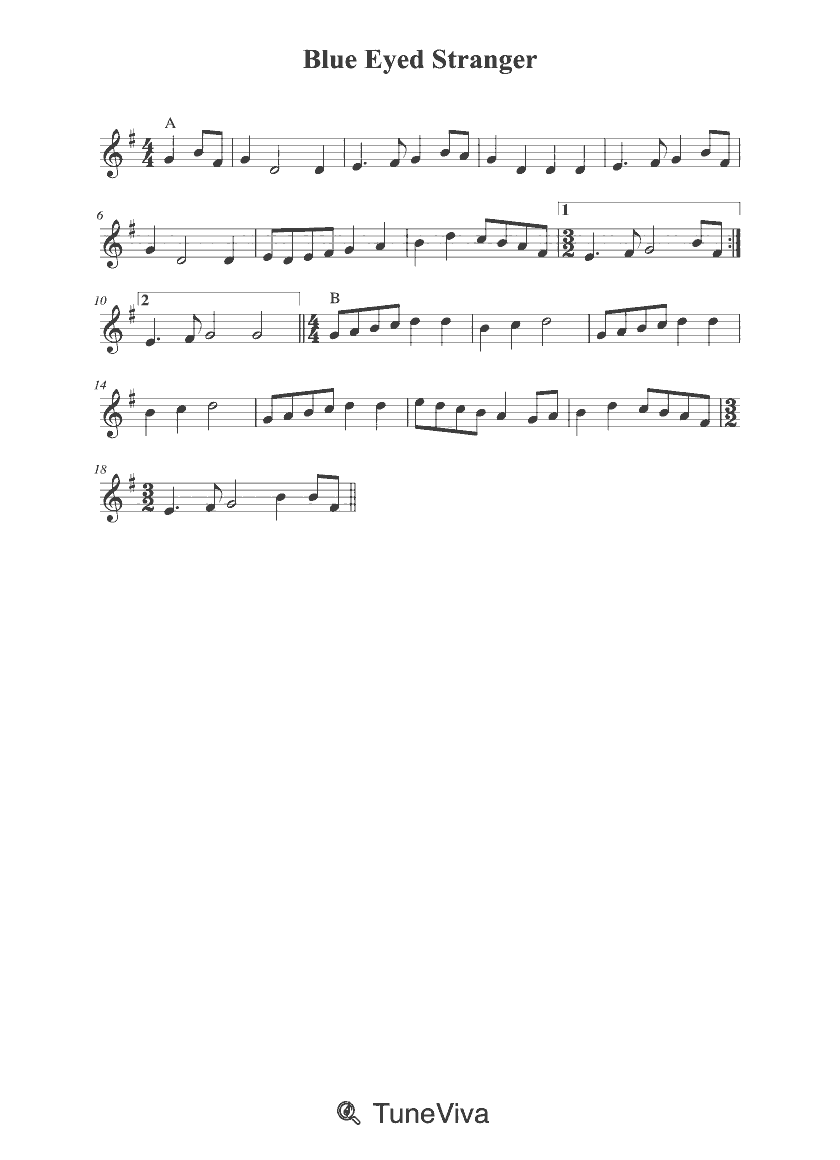
Misc Traditional
(Winster Morris Dances)
58 sec
Open score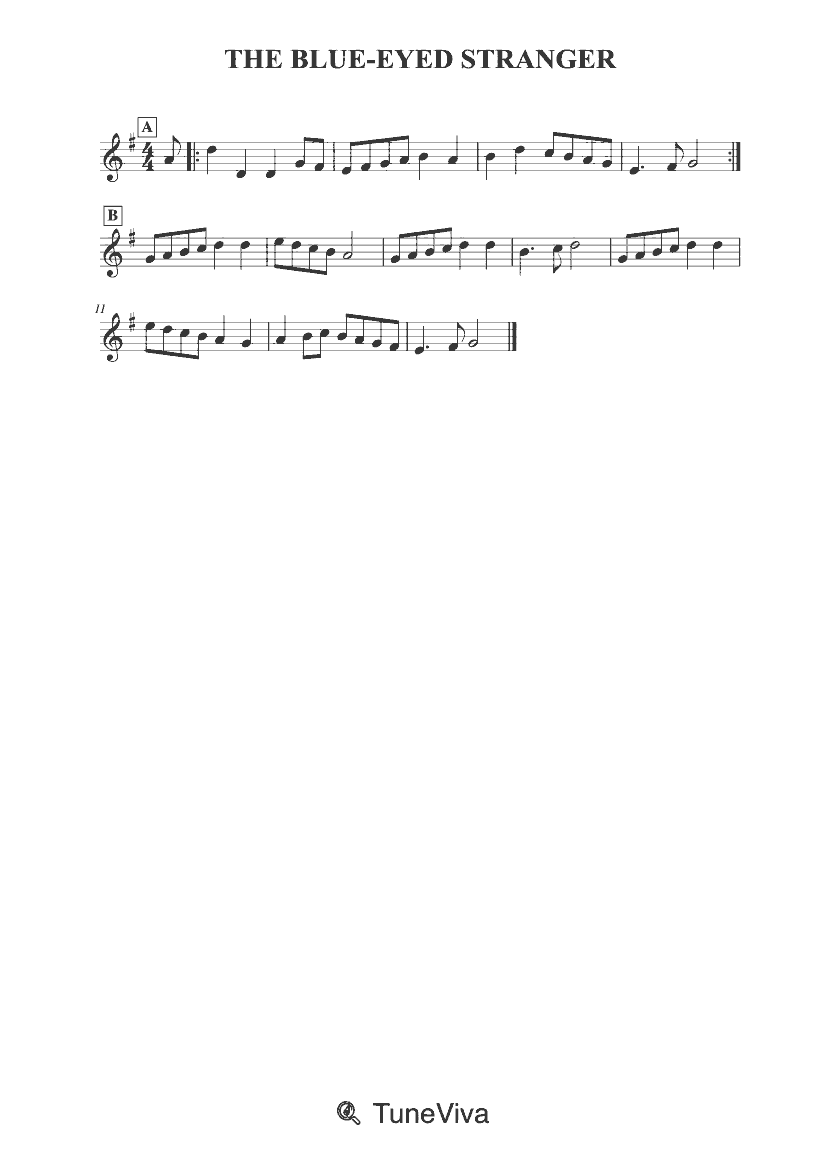
Misc Traditional
32 sec · Score #16383
Open score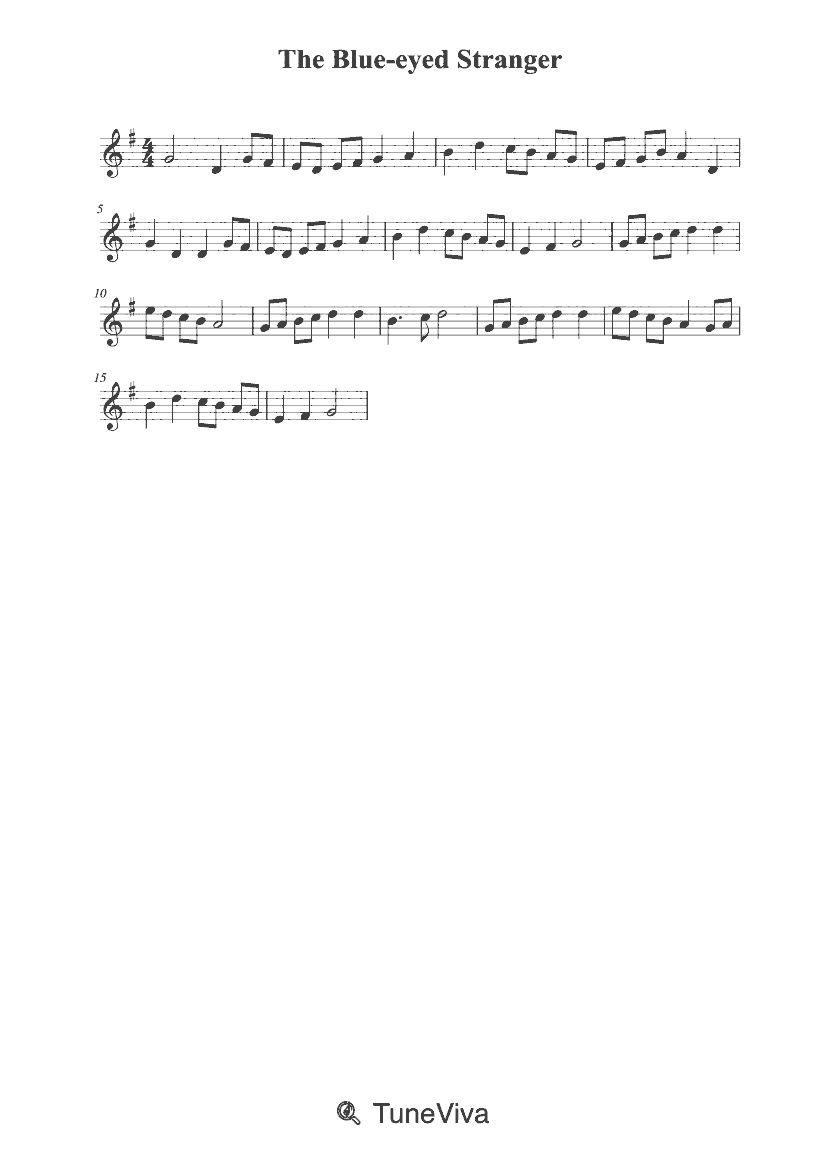
Misc Traditional
32 sec · Score #28183
Open score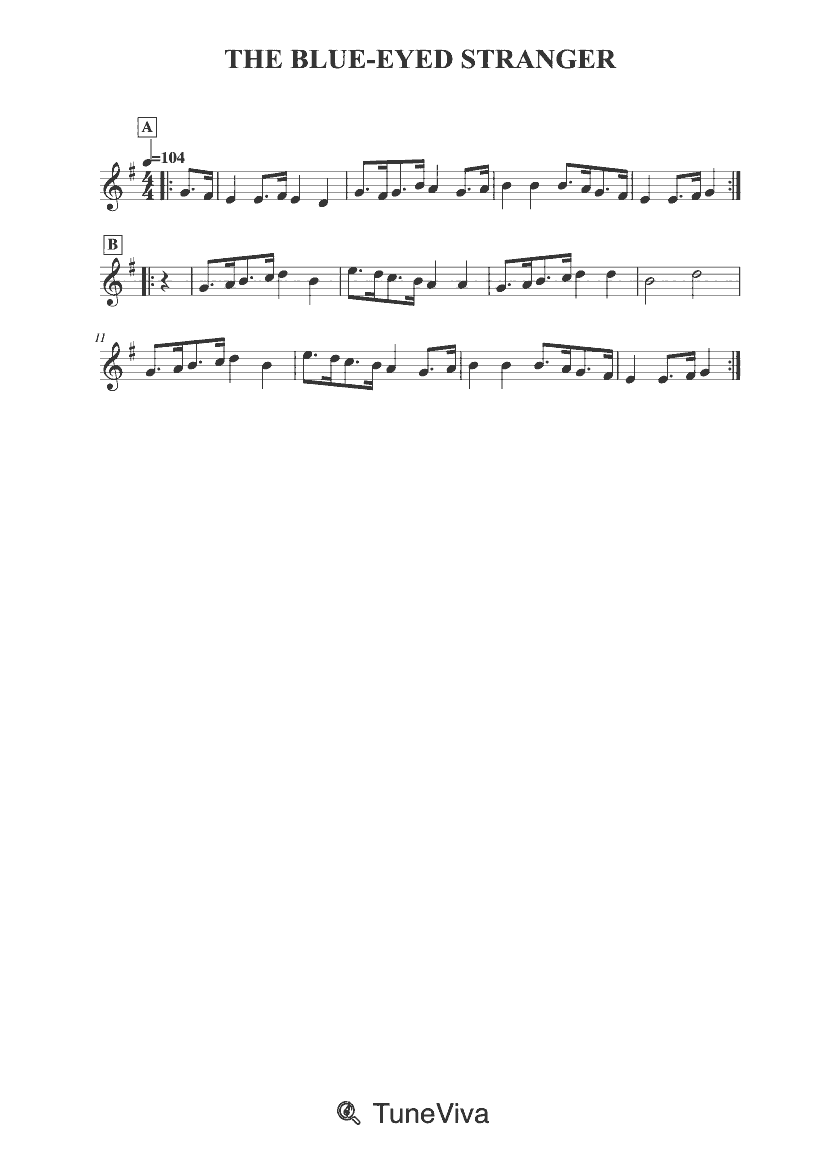
Misc Traditional
55 sec
Open score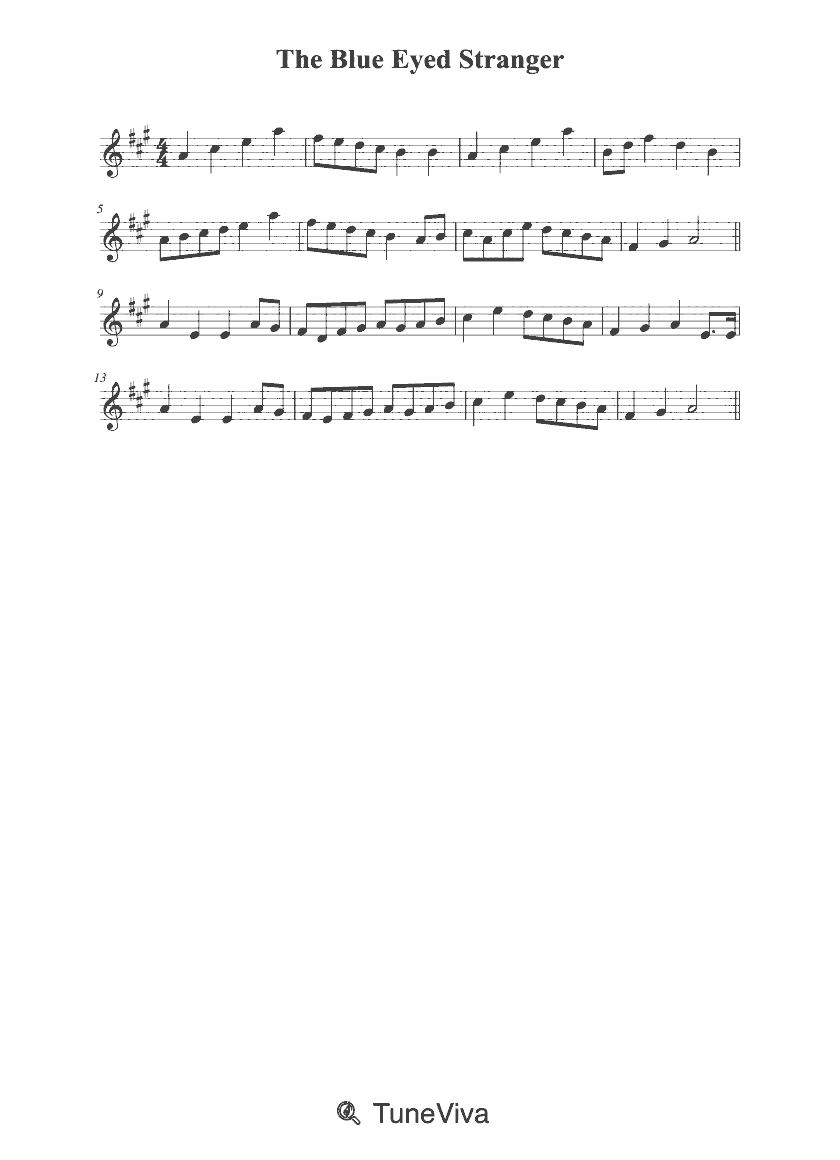
Misc Traditional
32 sec · Score #54708
Open scorePage 1 of 2
The available Blue Eyed Stranger scores are credited to Traditional or Misc Traditional and filed under folk. Their opening details differ: G major and D major, 4/4 and 2/2, with one score giving 160 BPM. Use these details to shortlist a score, then check the full notation.
Two listed scores open in G major and one opens in D major. If you are choosing for a singer, instrument, or ensemble, match the opening key to the range and fingering you need, and confirm that the rest of the score remains in a workable key.
Blue Eyed Stranger appears in both 4/4 and 2/2 in these listings. In 2/2 the bar is felt in two broad beats, while 4/4 is counted in four; choose the notation that matches your preferred pulse or accompaniment style. The time signature alone does not tell you the tempo.
No named composer, lyrics, instrumentation, or definitive source version is confirmed by the available information. The three scores should not be treated as proof of three historical variants, and opening key or tempo markings should be checked against the complete score.
Catalogue duration 1 min 4 sec. Opening key signature: 1 sharp (G major). Opening time signature: 2/2.
Catalogue duration 32 sec. Opening key signature: 2 sharps (D major). Opening time signature: 4/4.
Catalogue duration 24 sec. Opening key signature: 1 sharp (G major). Opening time signature: 4/4. Opening tempo: 160 BPM.
Blue Eyed Stranger is presented in these scores as a traditional folk piece, credited to Misc Traditional or Trad. No named composer appears in the listings, and the available information does not establish its origin, lyrics, or earliest source.
The listed Blue Eyed Stranger scores open in G major and D major: two scores have a one-sharp G-major opening signature, and one has a two-sharp D-major opening signature. These are opening signatures only, so check the complete score for any later key changes.
Blue Eyed Stranger listings show both 4/4 and 2/2. Two scores open in 4/4, one in G major and one in D major, while the other G-major score opens in 2/2. The choice affects how the beat is grouped and counted.
One Blue Eyed Stranger score, in G major and 4/4, lists an opening tempo of 160 BPM. The other listings do not give a tempo, so 160 BPM should not be applied automatically to every version.
No instruments are named in the available details for the Blue Eyed Stranger scores. Players should check the individual score before assuming it is a melody-only setting, a song accompaniment, or an arrangement for a particular instrument.
The listings differ in opening key, time signature and, for one score, tempo, but they do not establish that these are distinct historical versions. Treat them as separate scores to compare rather than as proof of different traditional variants.