
Bonnie Annie
Misc tunes
24 sec
Open scoreThe available Bonnie Annie scores do not name a composer or a genre. Their notation offers the clearest starting point: each has an opening key signature with no sharps or flats, and the versions are set in either 4/4 or 2/4. One score carries the related title “Bonnie Anne’s Reel,” so the title alone should not be taken as proof that every version is the same melody.
Scores 1–20 of 33
Misc tunes
24 sec
Open score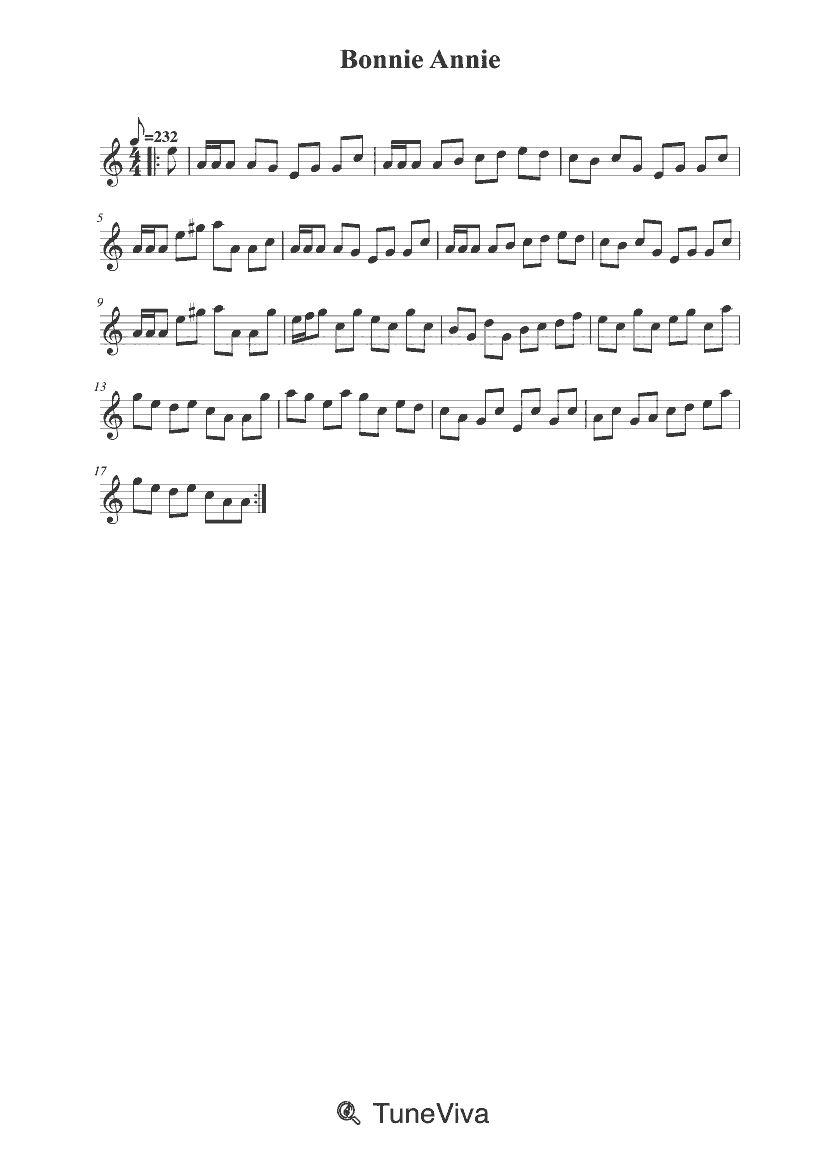
Misc tunes
1 min 6 sec
Open score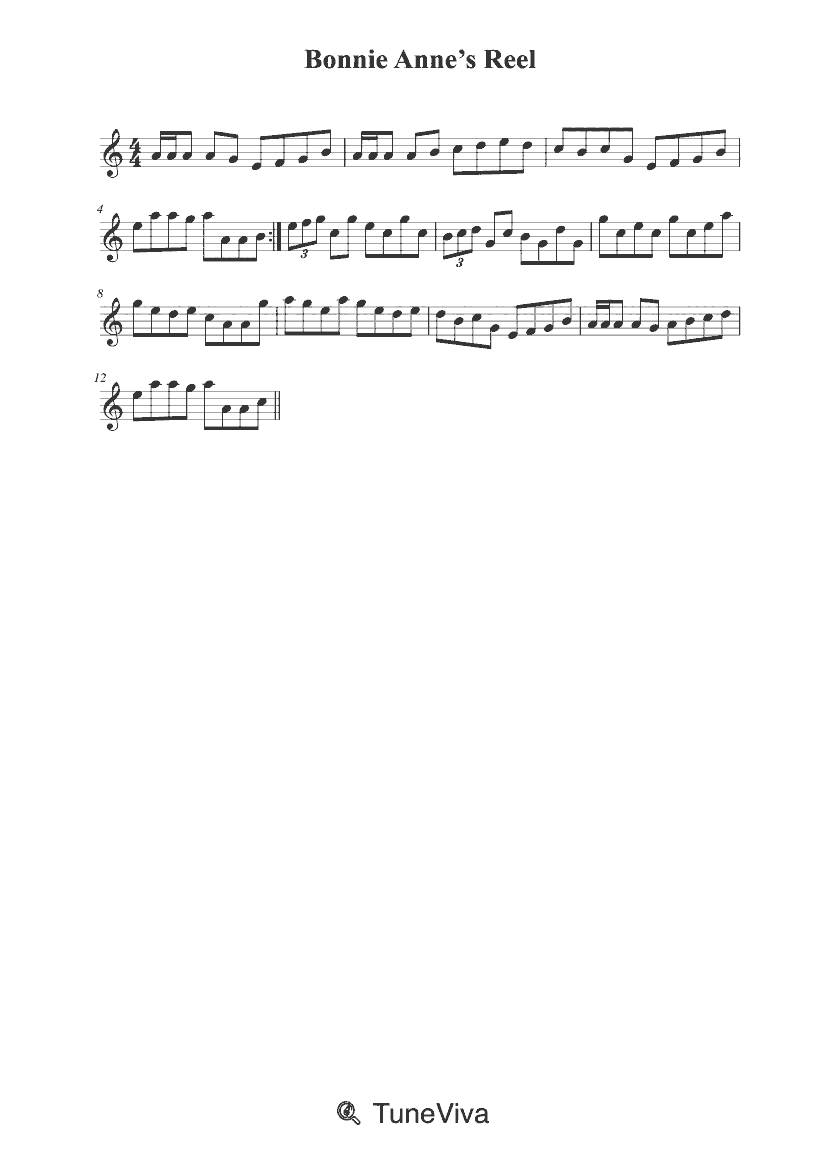
Misc tunes
32 sec
Open score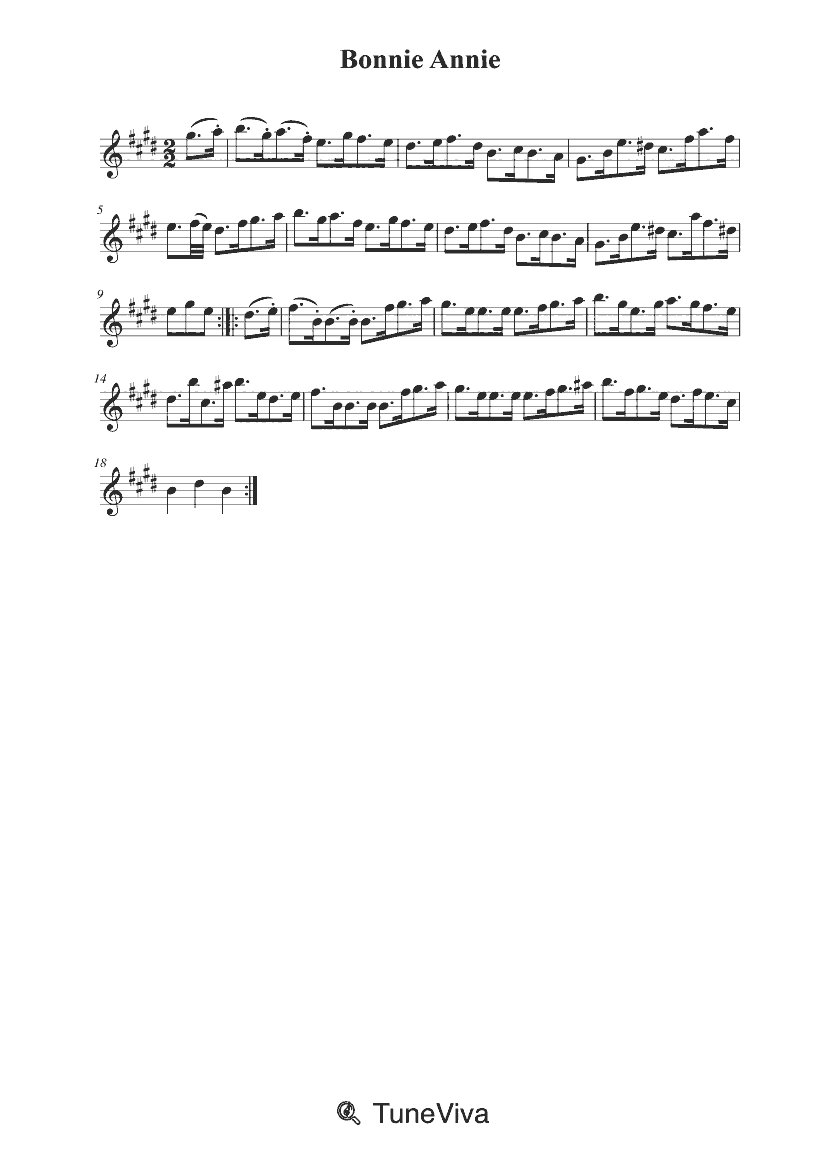
Misc tunes
2 min 3 sec
Open score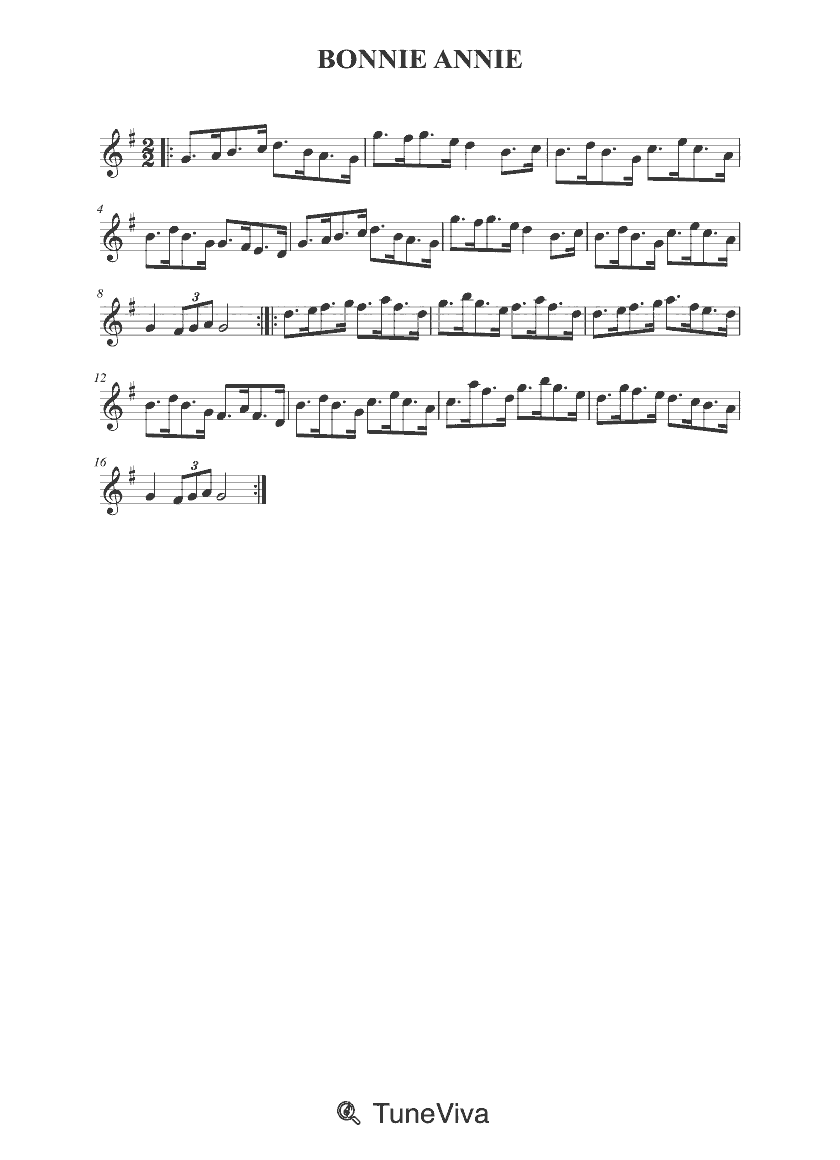
Misc tunes
2 min 8 sec
Open score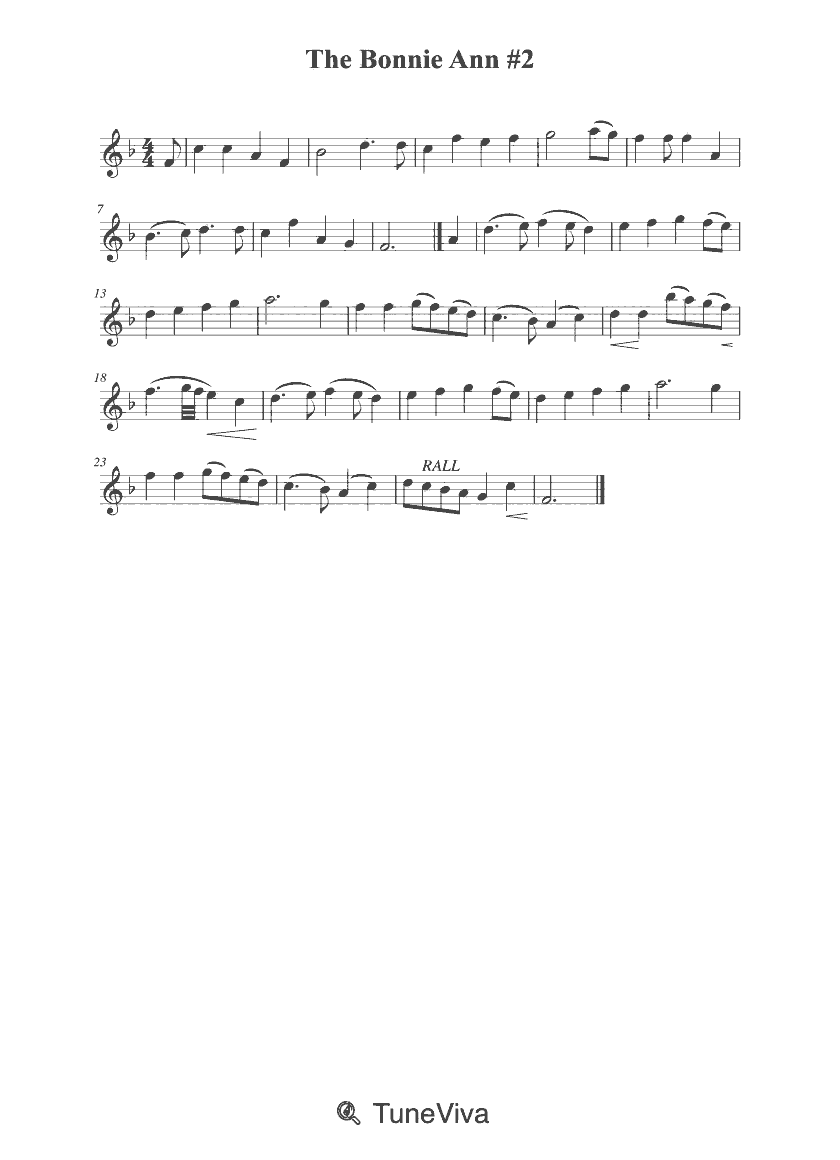
Joe Buchanan's Scottish Tome - Page 514.1
47 sec
Open score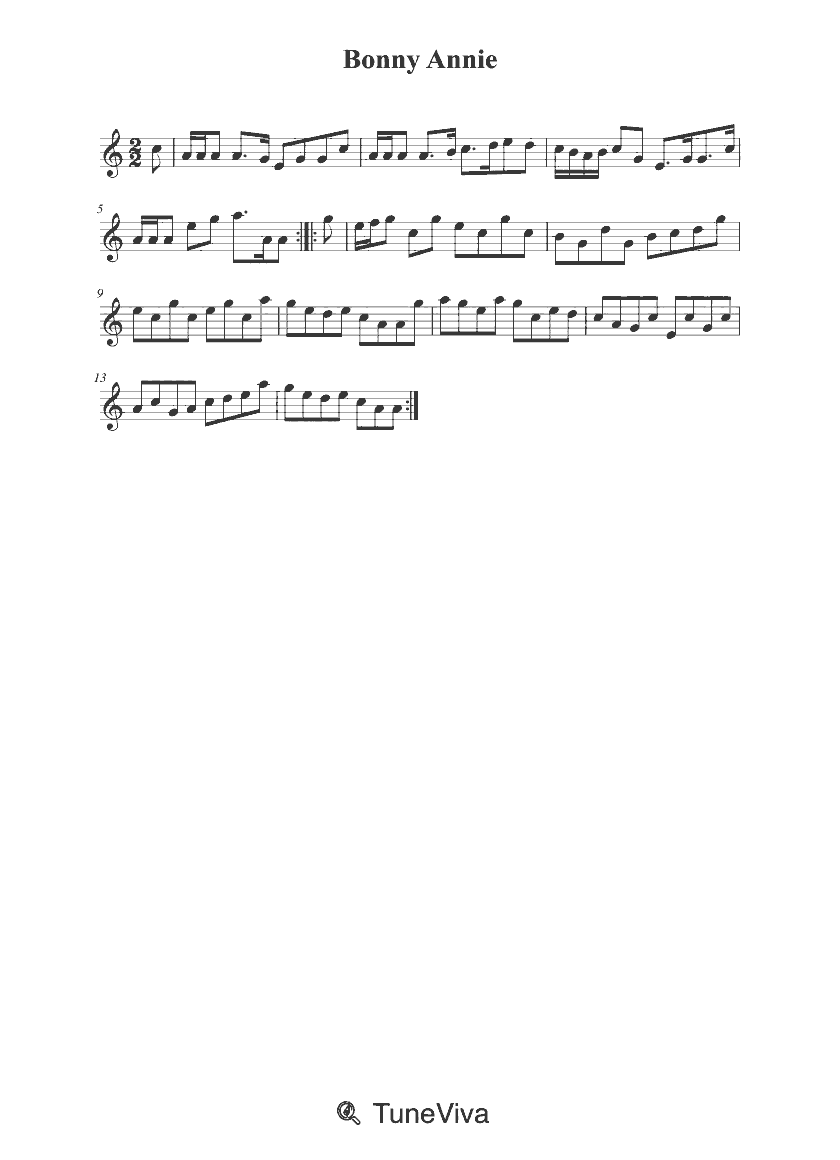
Misc tunes
1 min 36 sec
Open score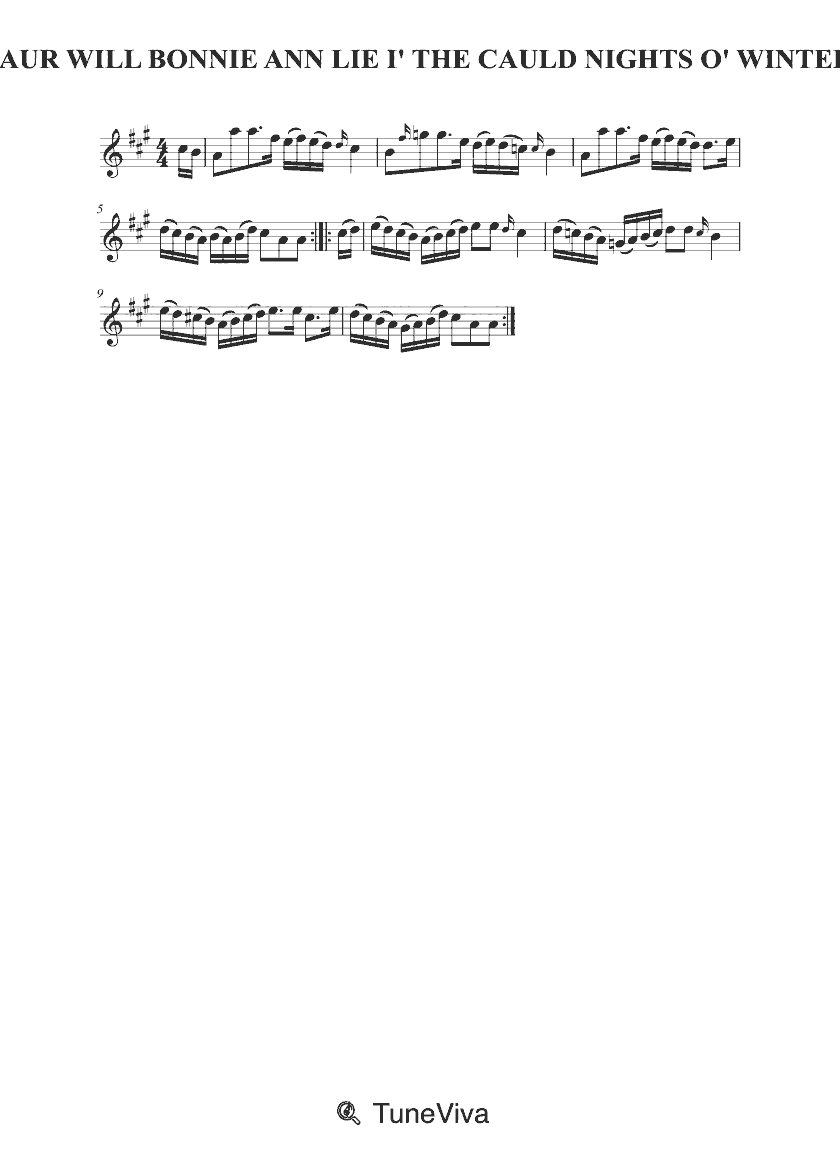
Misc tunes
32 sec · Score #109076
Open score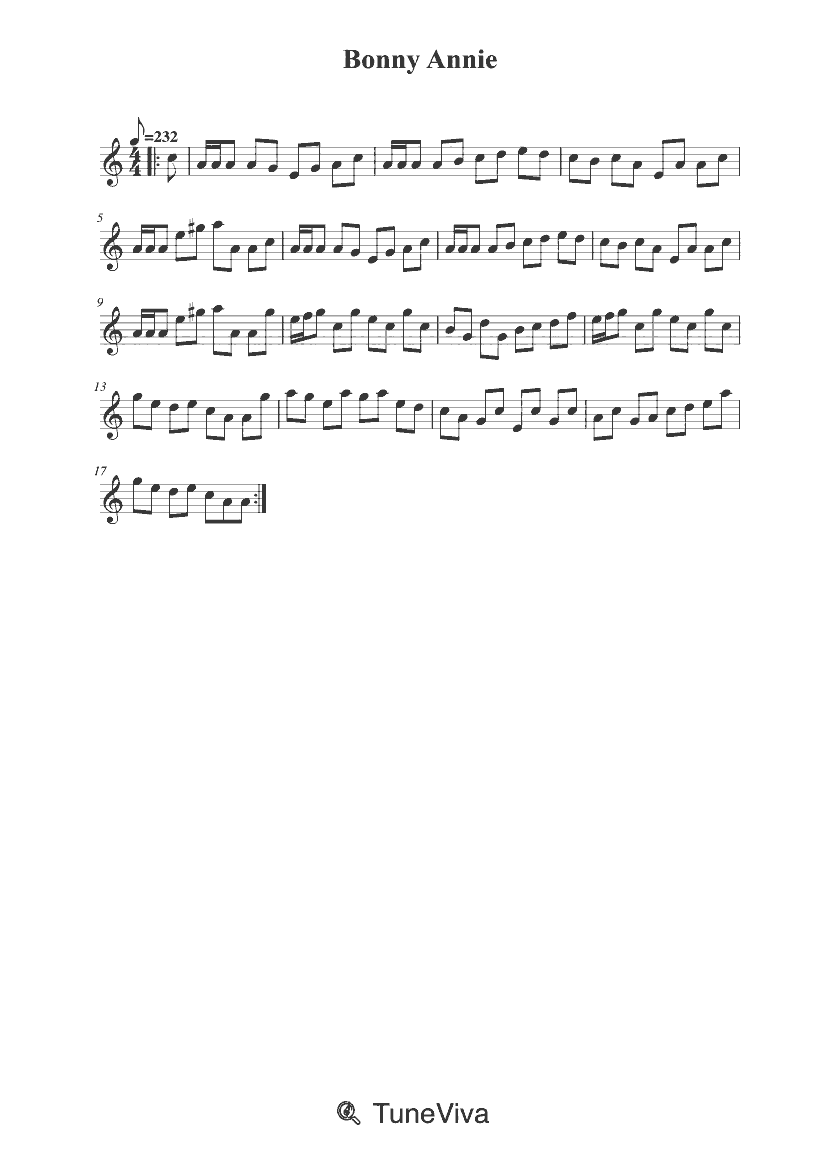
Misc tunes
1 min 6 sec
Open score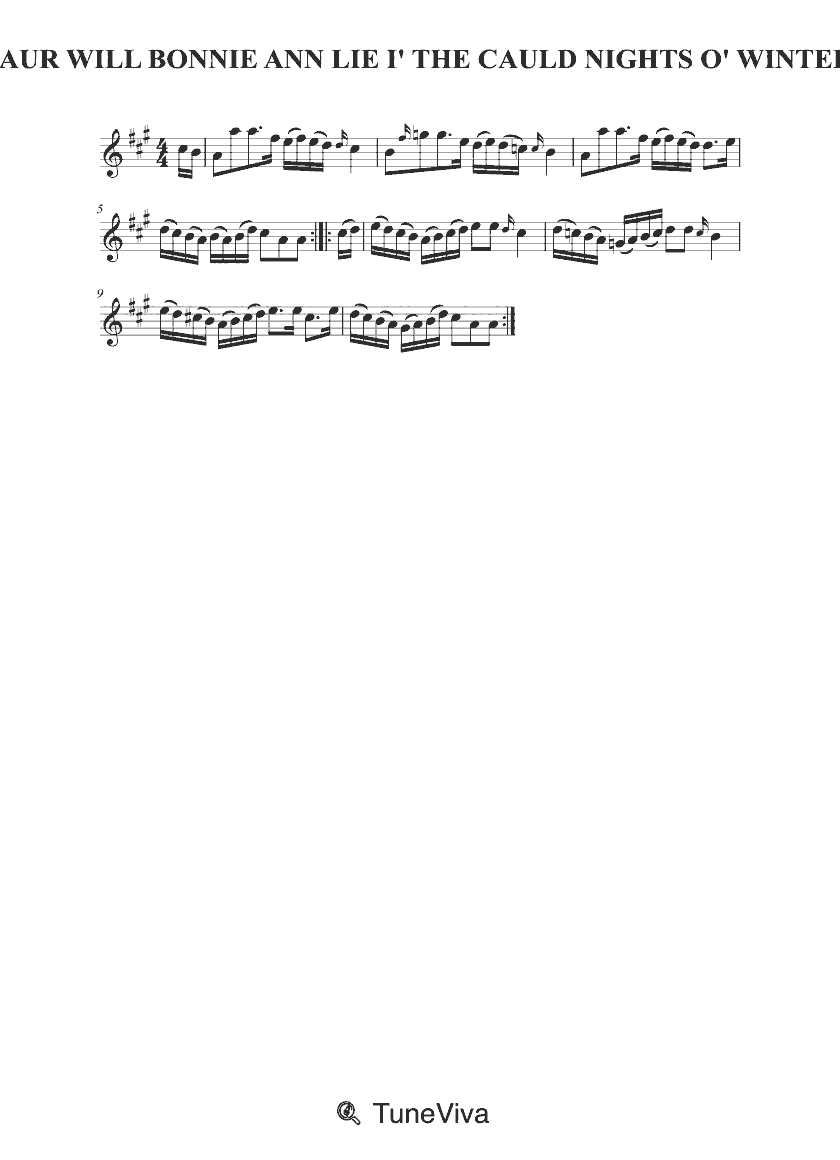
Misc tunes
32 sec · Score #151575
Open score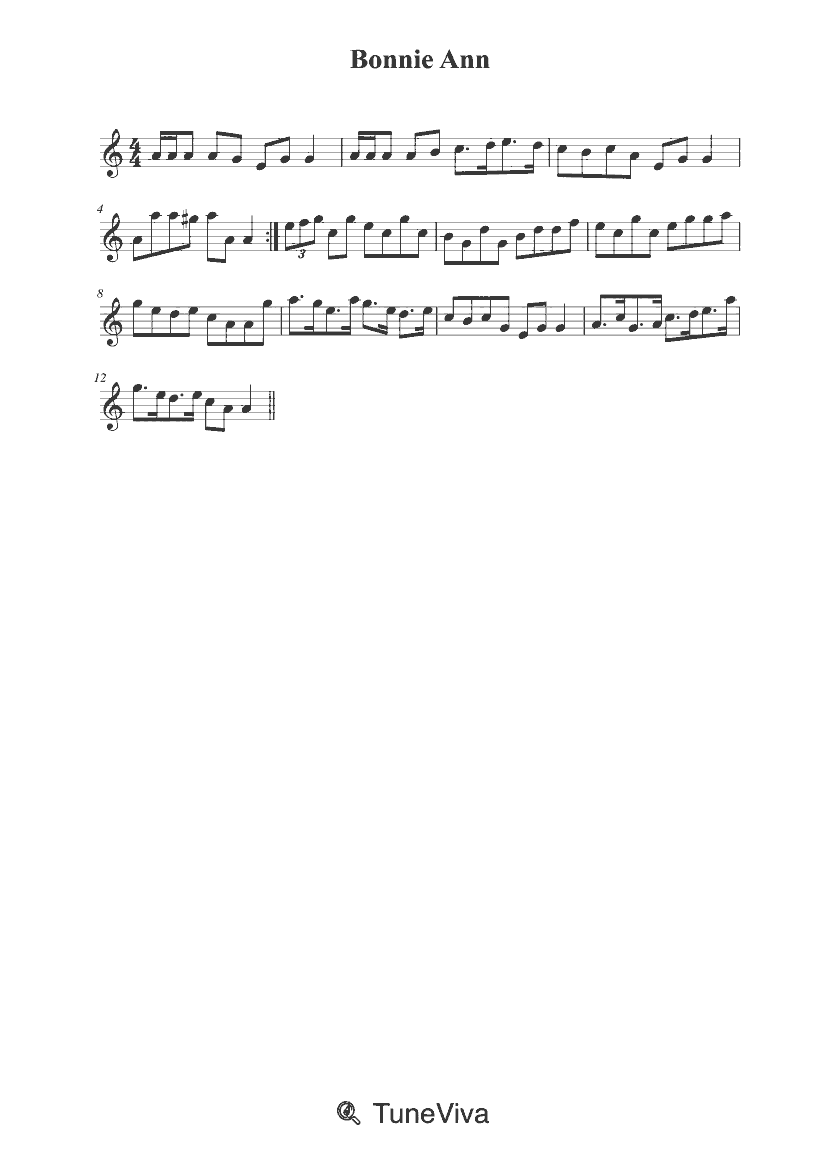
Misc tunes
32 sec
Open score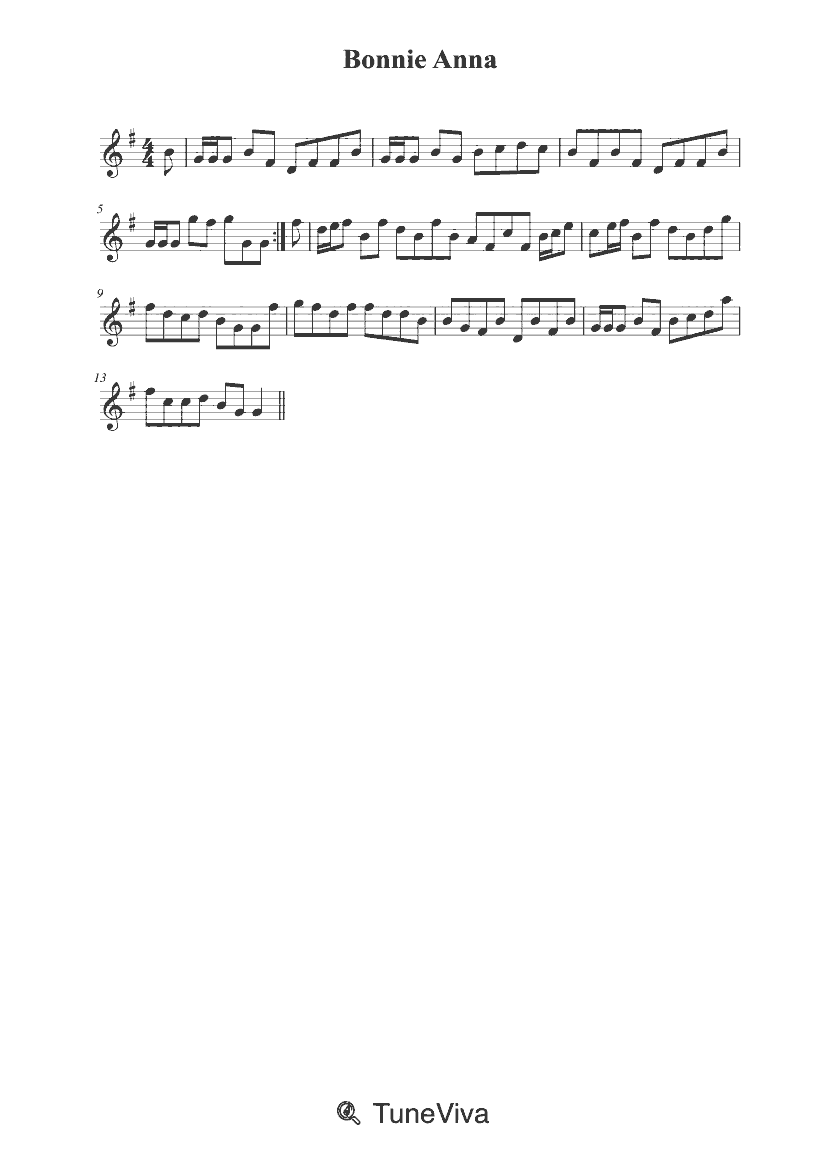
Misc tunes
Bonnie Annie [3]
32 sec
Open score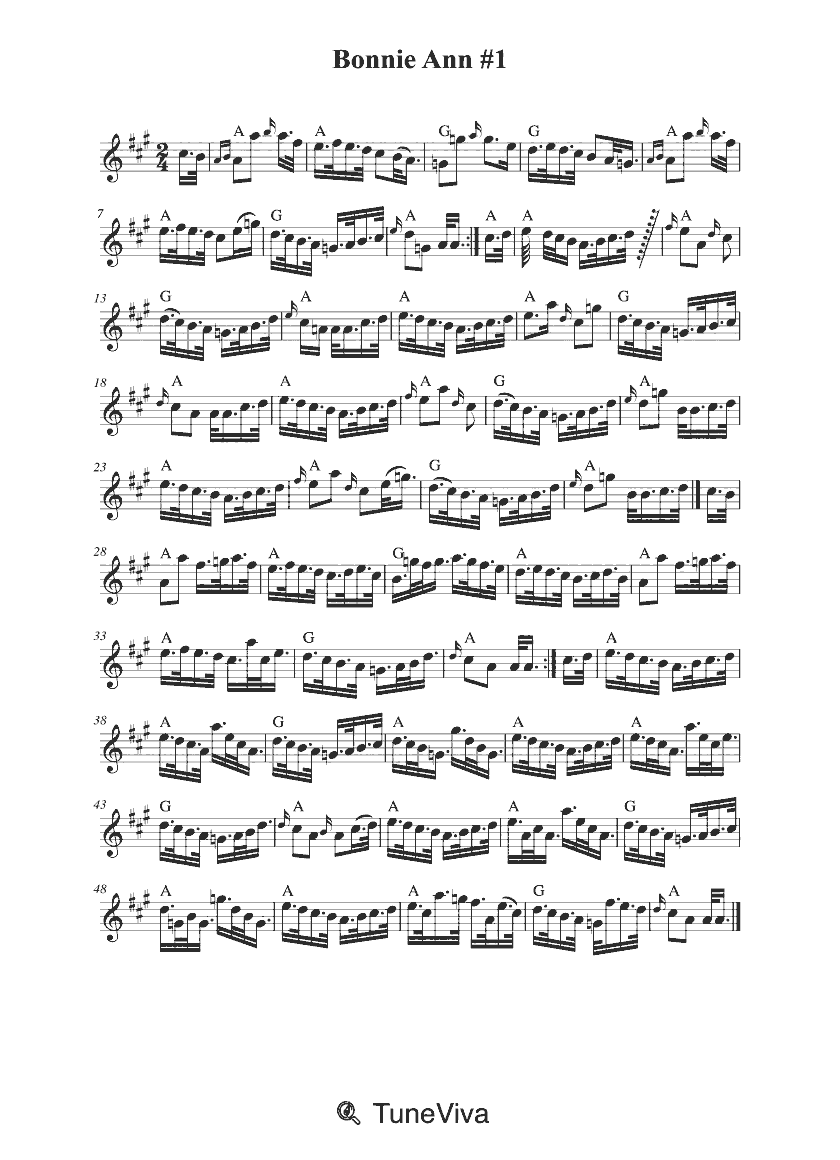
Joe Buchanan's Scottish Tome - Page 028.0
1 min 26 sec
Open score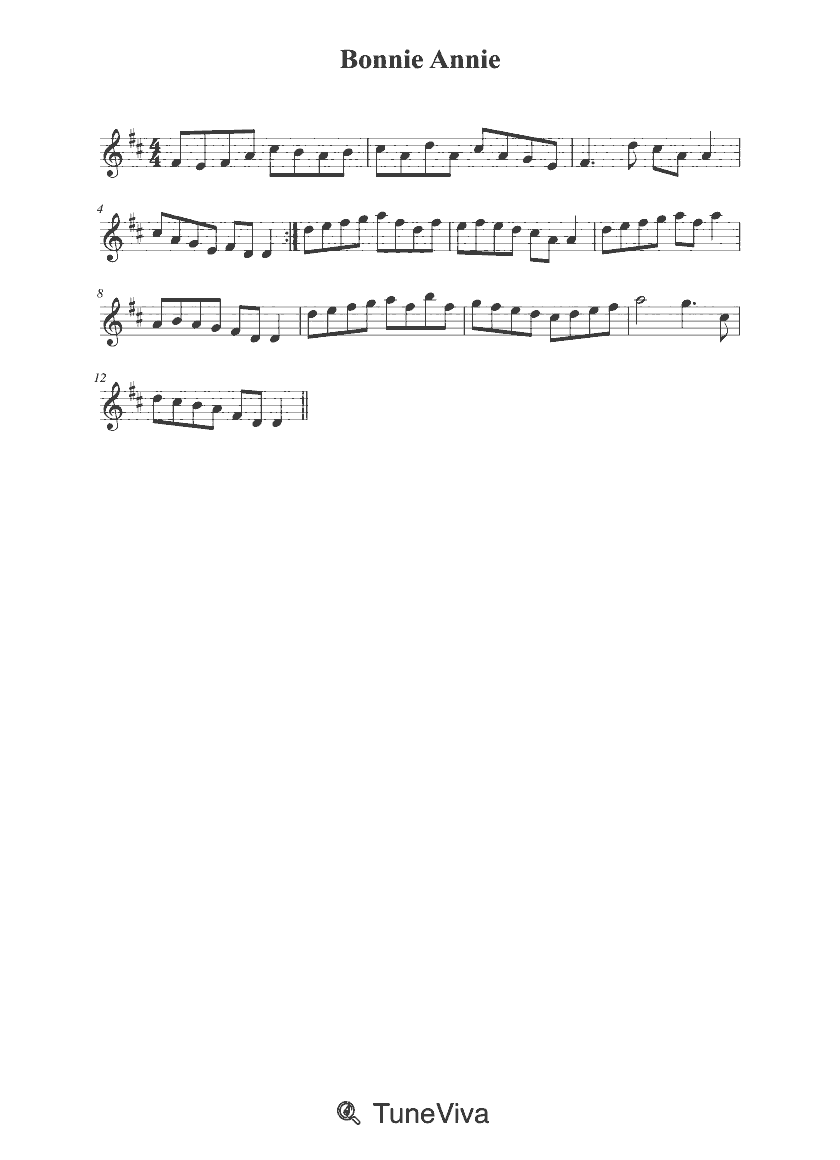
Misc tunes
32 sec · Score #33577
Open score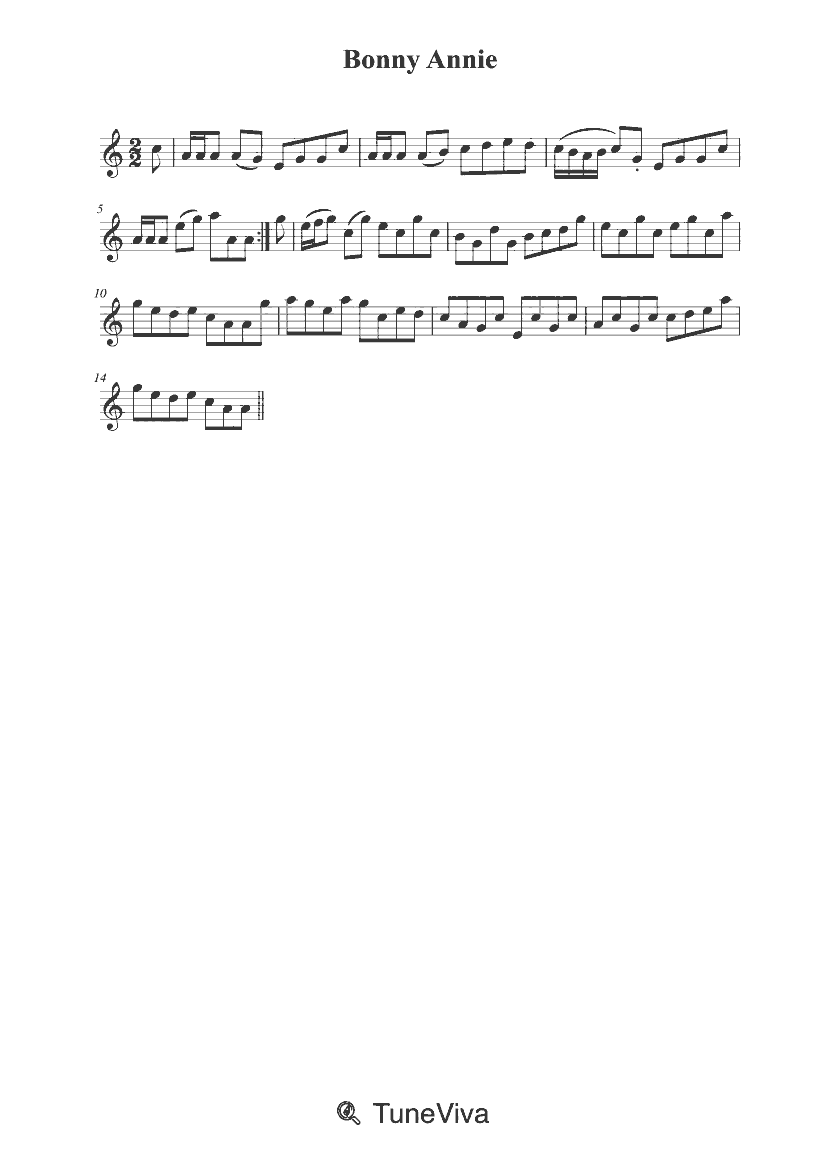
Misc tunes
1 min 4 sec
Open score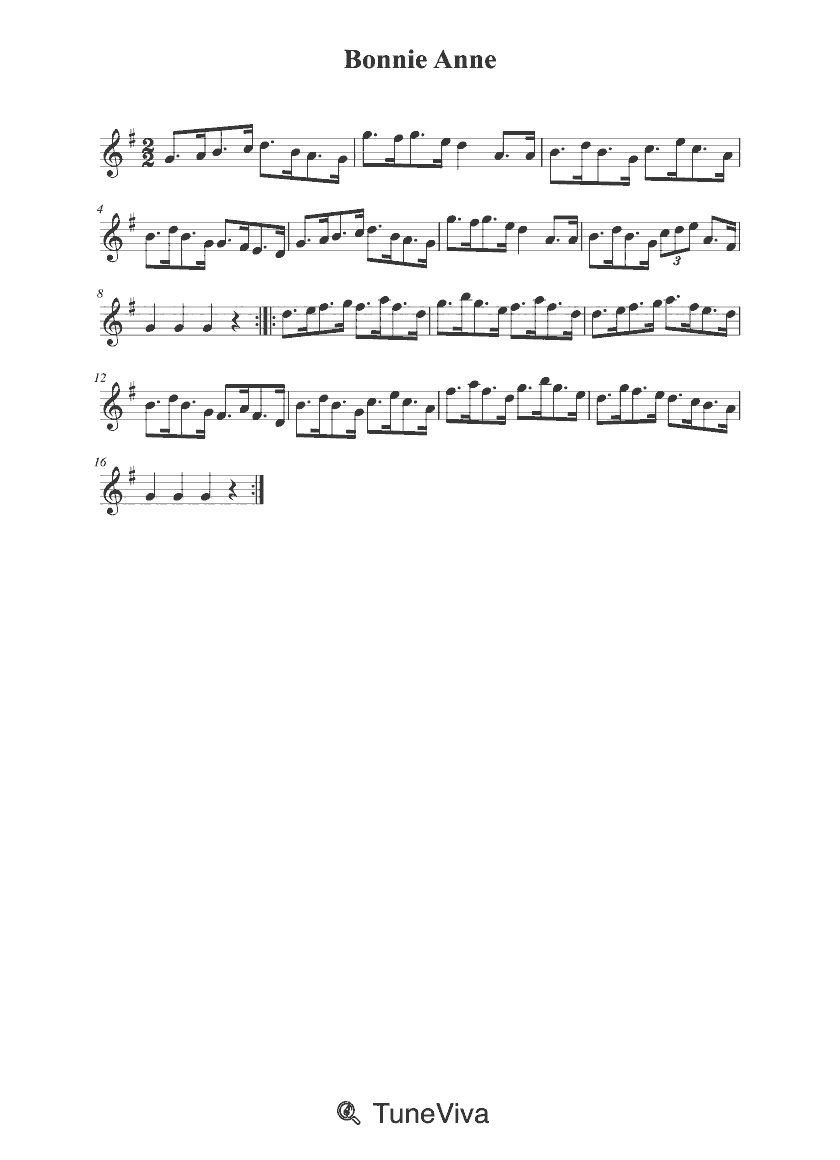
Misc tunes
2 min 7 sec
Open score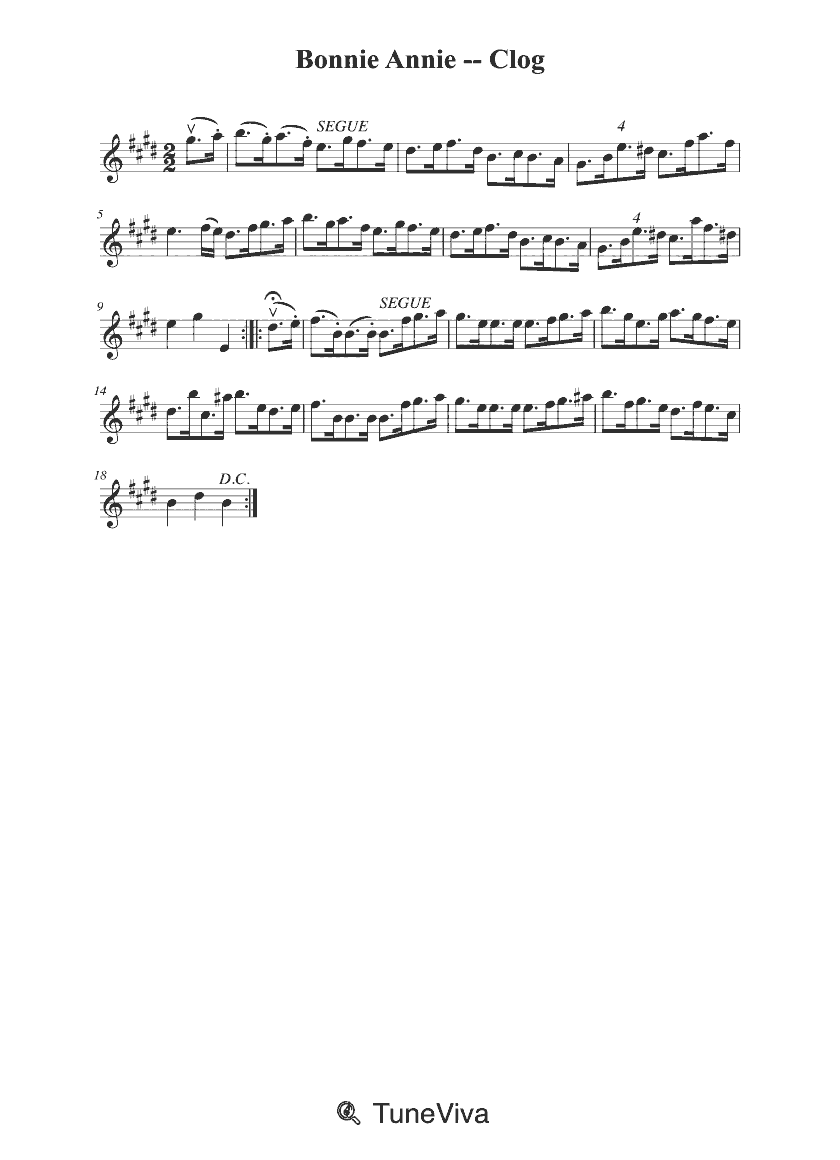
Misc tunes
2 min 8 sec
Open score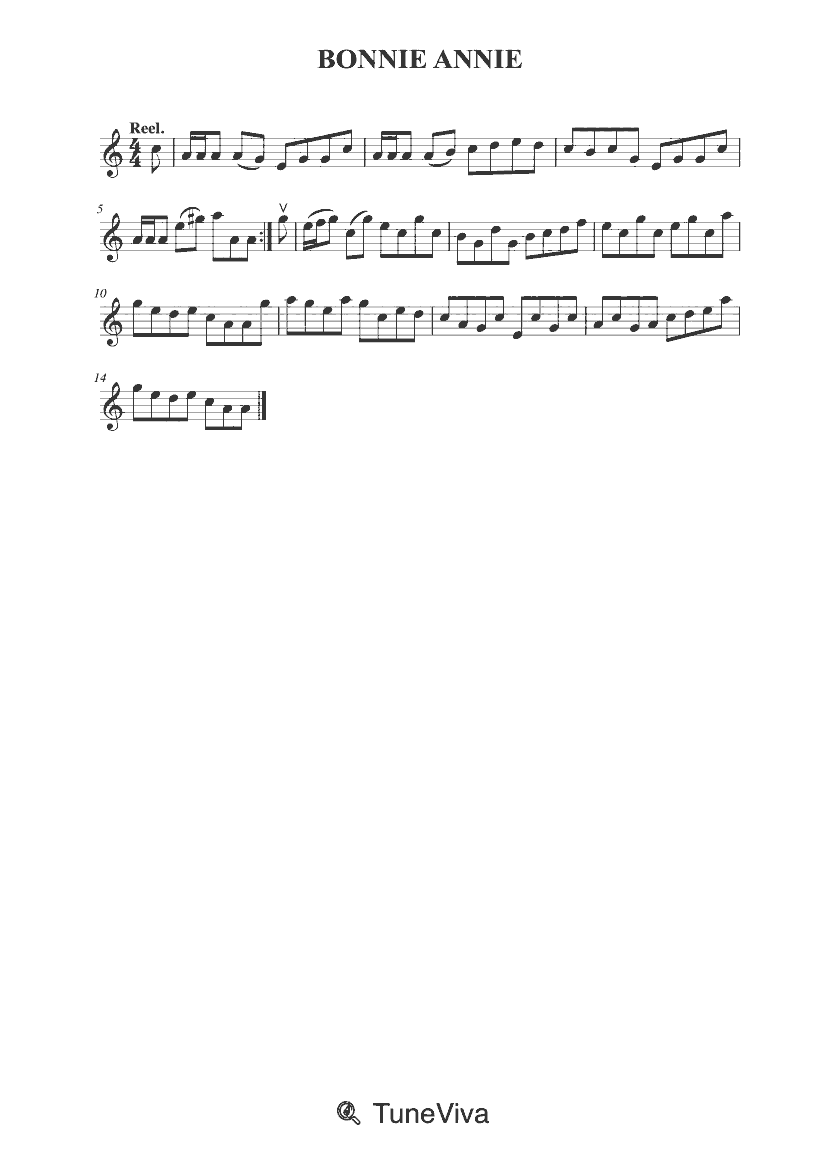
Misc tunes
32 sec · Score #24315
Open score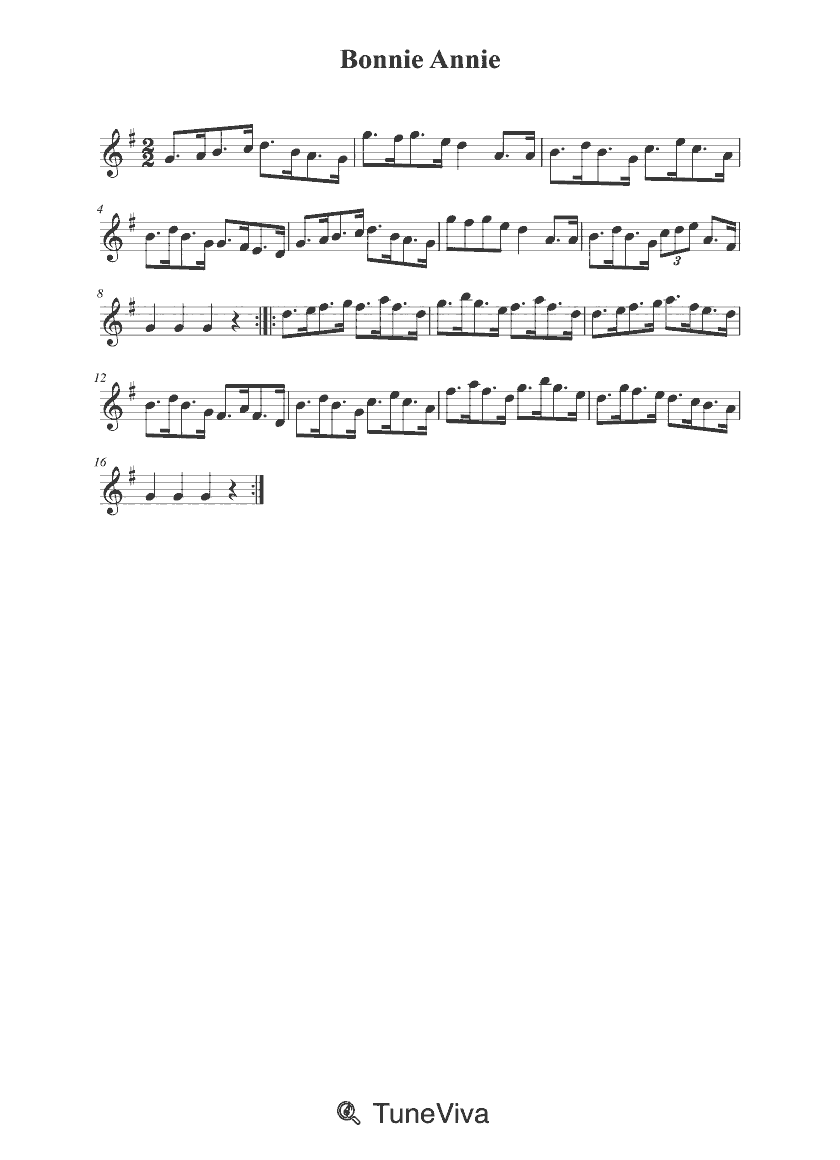
Misc tunes
2 min 7 sec
Open score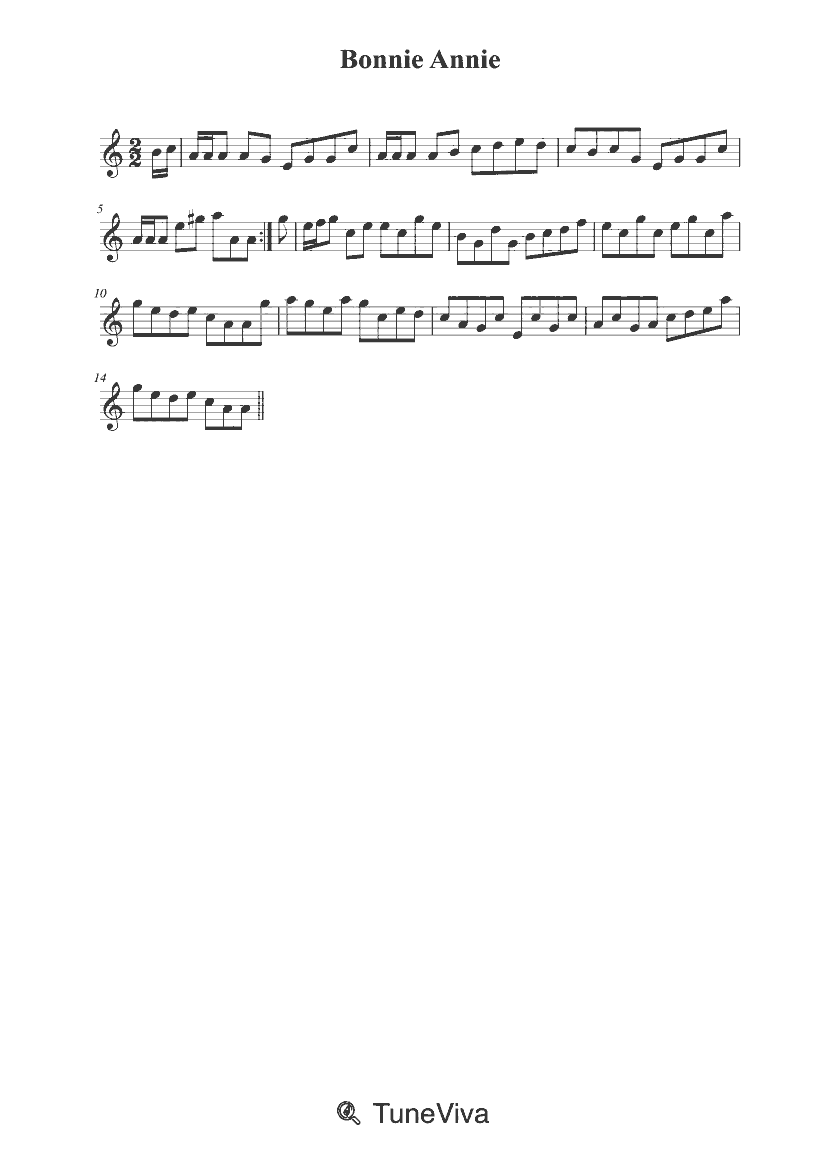
Misc tunes
1 min 4 sec
Open scorePage 1 of 2
One score is titled “Bonnie Anne’s Reel” while the others use “Bonnie Annie.” Similar titles are a prompt to compare the music, not proof that every version is the same melody. Look at the opening phrase, key signature and time signature before treating the scores as interchangeable.
The scores open in 4/4 or 2/4. Those signatures can produce different barring and accent patterns, even when the underlying tune is related. Choose by reading the first few bars and checking which grouping fits the phrasing you want; do not assume one notation is more authentic without a verified edition.
Every available score has no sharps or flats in its opening key signature. That notation alone does not settle whether the music is in C major or A minor; check the final chord, cadences and any accidentals in the melody. The key signature is a starting point for reading, not a complete description of the tune.
No composer, historical source, instrumentation or genre is identified in the available material. The origin and performing tradition of Bonnie Annie therefore cannot be described reliably from these scores alone. Use the notation for what it shows and treat biographical or historical claims elsewhere with caution.
Catalogue duration 24 sec. Opening key signature: No sharps or flats. Opening time signature: 2/4.
Catalogue duration 1 min 6 sec. Opening key signature: No sharps or flats. Opening time signature: 4/4. Opening tempo: 116 BPM.
Catalogue duration 32 sec. Opening key signature: No sharps or flats. Opening time signature: 4/4.
No composer is credited on the available Bonnie Annie scores, and no biographical details are supplied. The tune cannot be reliably attributed from this evidence, so the scores should be treated as unattributed versions.
The available Bonnie Annie scores all have an opening key signature with no sharps or flats. That signature is consistent with C major or A minor, so check the final chord and accidentals before deciding on the mode.
The scores open in either 4/4 or 2/4. The difference affects barring and accent, so compare the first phrase in each version rather than choosing by title alone.
One score grouped under Bonnie Annie is titled “Bonnie Anne’s Reel,” but the shared name does not establish that the reel and the other versions are the same melody. Compare the opening phrase, key signature and time signature before treating them as one tune.
Compare the title, time signature and opening bars. A 4/4 setting and a 2/4 setting can group the same melodic material differently, and one version is explicitly labelled a reel. Pick the score whose notation matches the phrasing and title you need, and check the whole first strain rather than only the first line.