Greensleeves for Concert band
Misc Traditional
Piccolo; Flute 1; Flute 2 +27 parts · 7 min 31 sec
Open scoreGreensleeves sheet music on this page covers three contrasting arrangements: a concert-band score, a flute variation set and a piano duet. Comparing instrumentation, opening key and metre will help you choose the version that fits your ensemble or practice goals.
Scores 1–20 of 81
Misc Traditional
Piccolo; Flute 1; Flute 2 +27 parts · 7 min 31 sec
Open score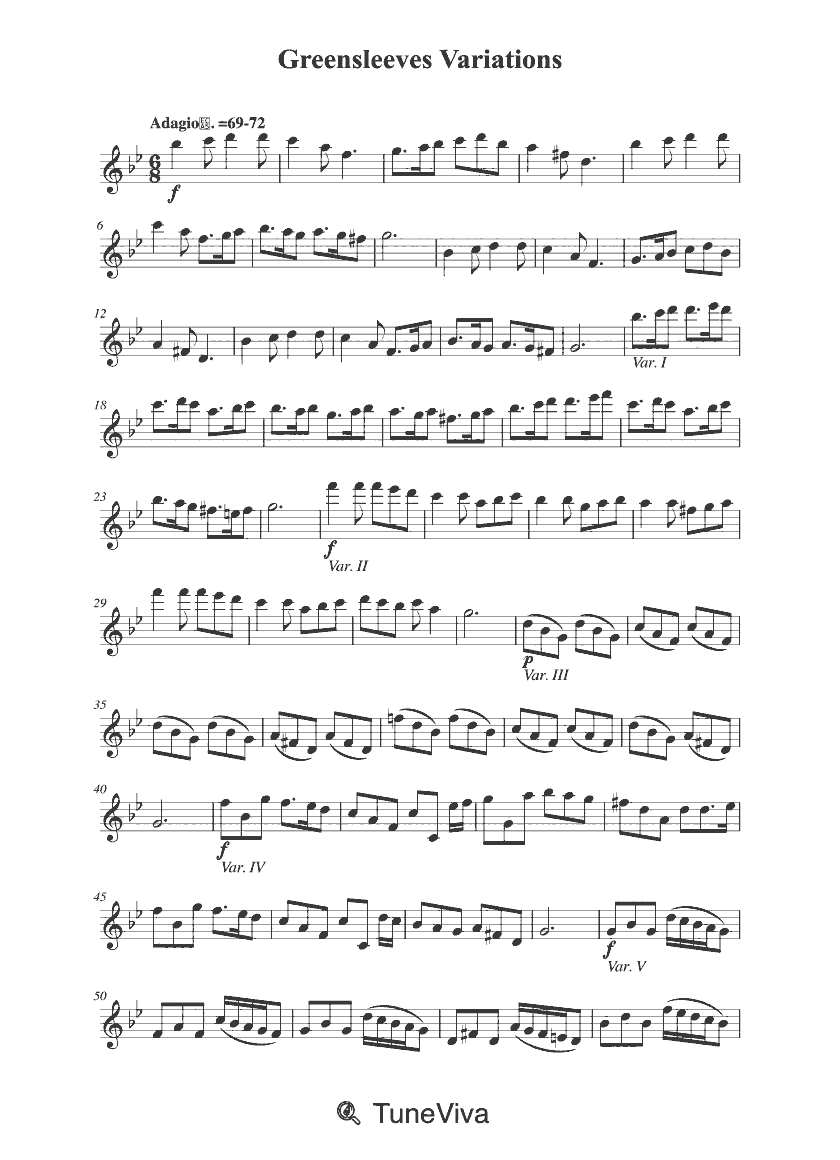
Traditional English
Flute · 2 min 20 sec
Open score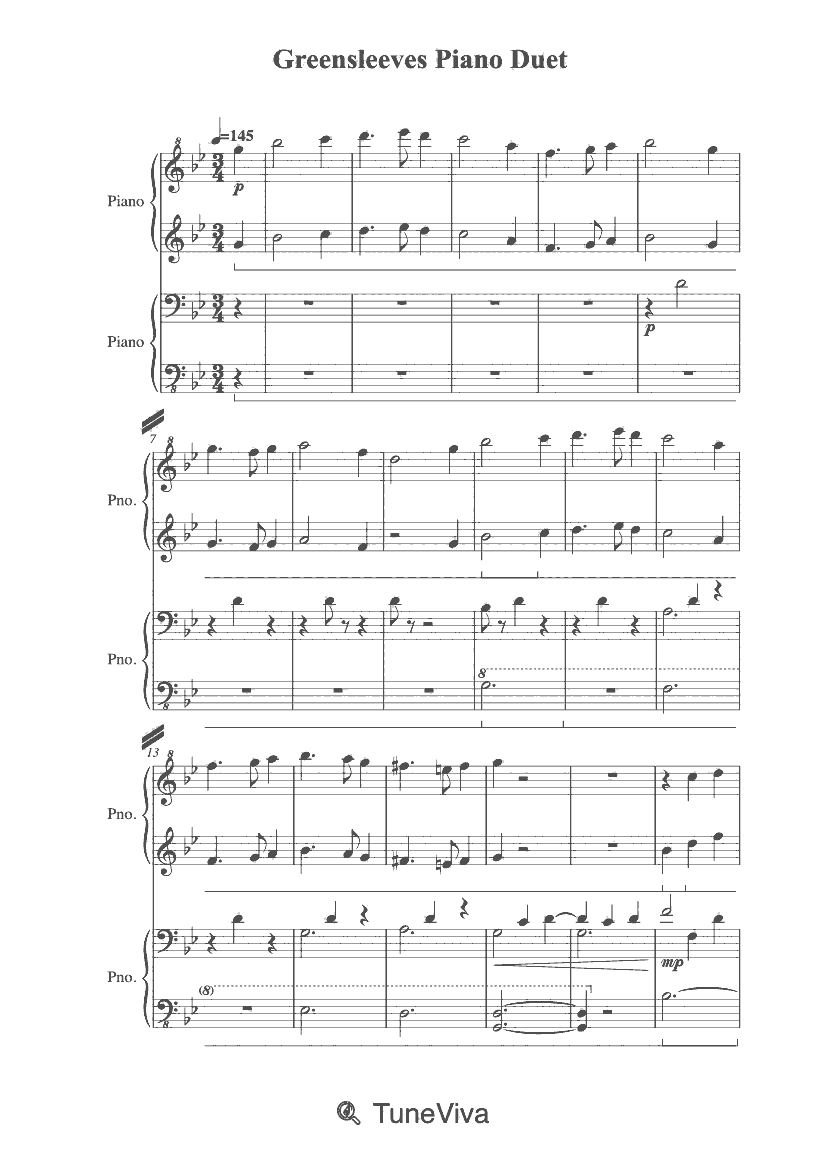
Misc Traditional
Frank & Zach Piano Duets
Piano · Arr. Painfully arranged by Fresh Bread · 3 min 29 sec
Open score
Traditional
Piano · 48 sec
Open score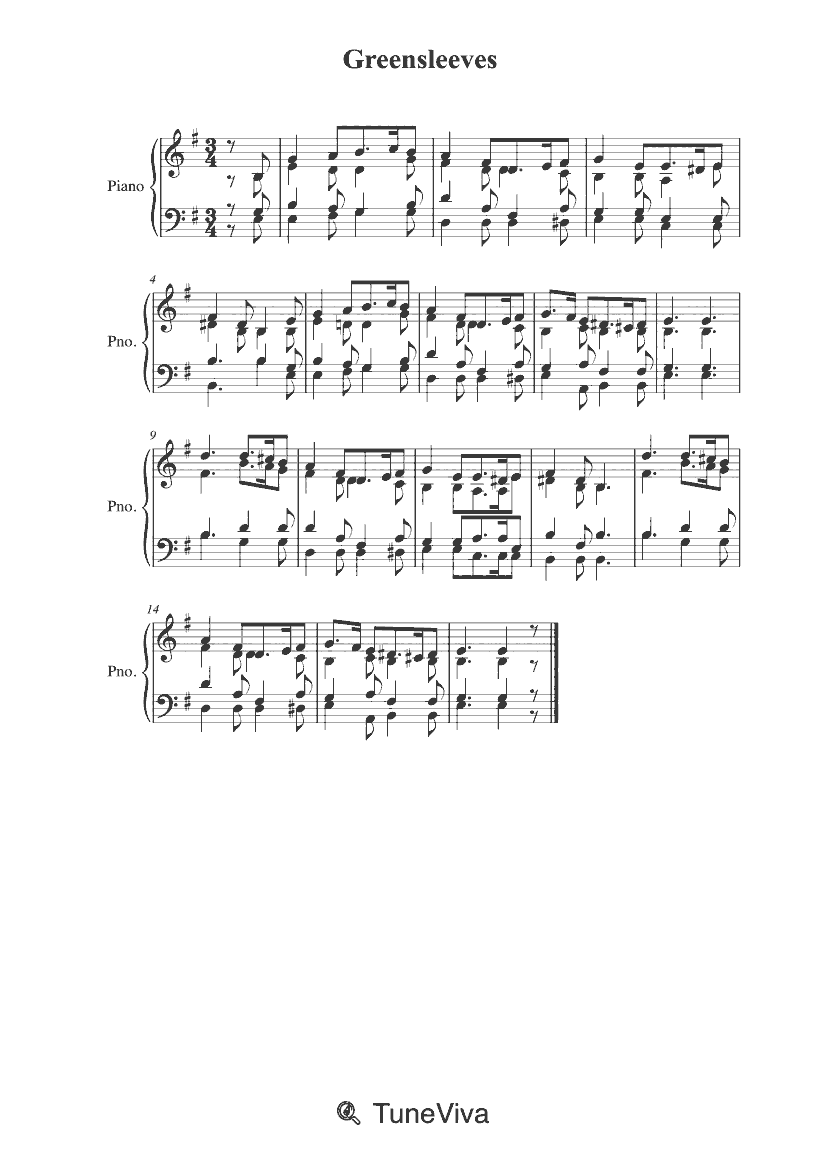
Traditional
Piano · 49 sec
Open score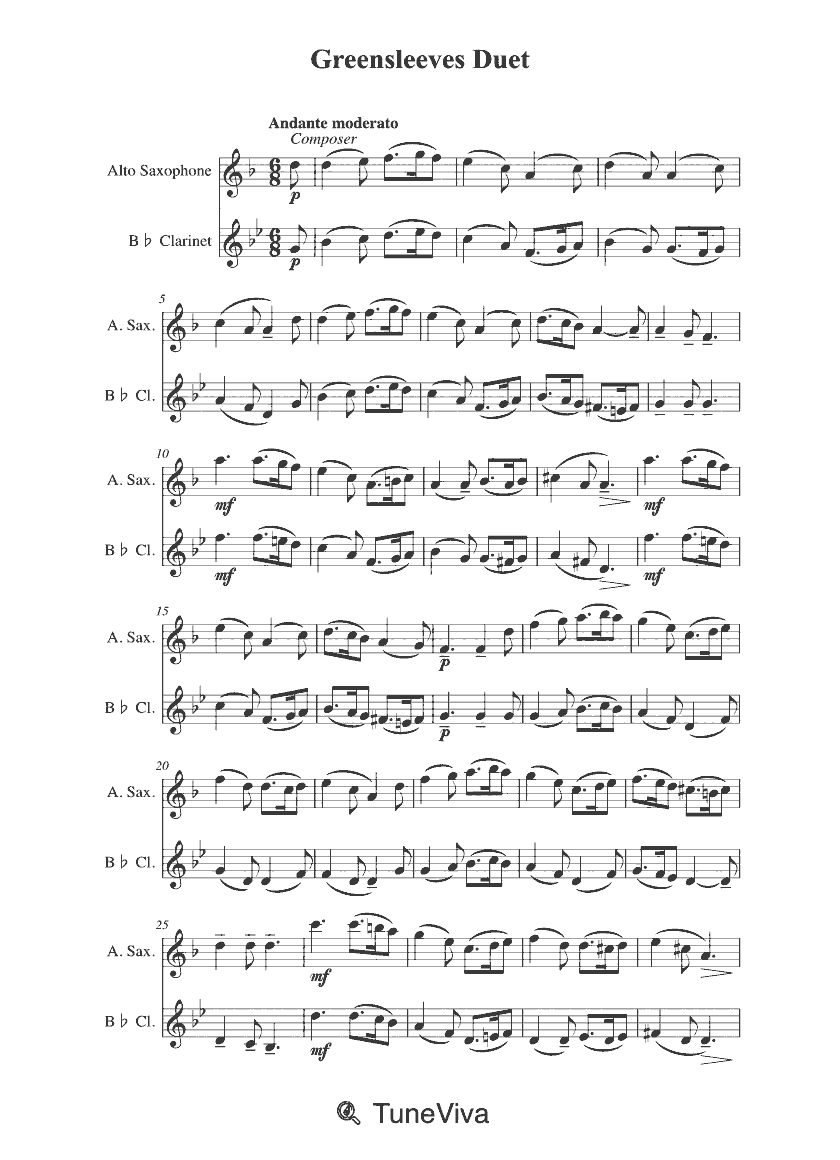
Misc Traditional
Alto Saxophone; B♭ Clarinet · 31 sec
Open score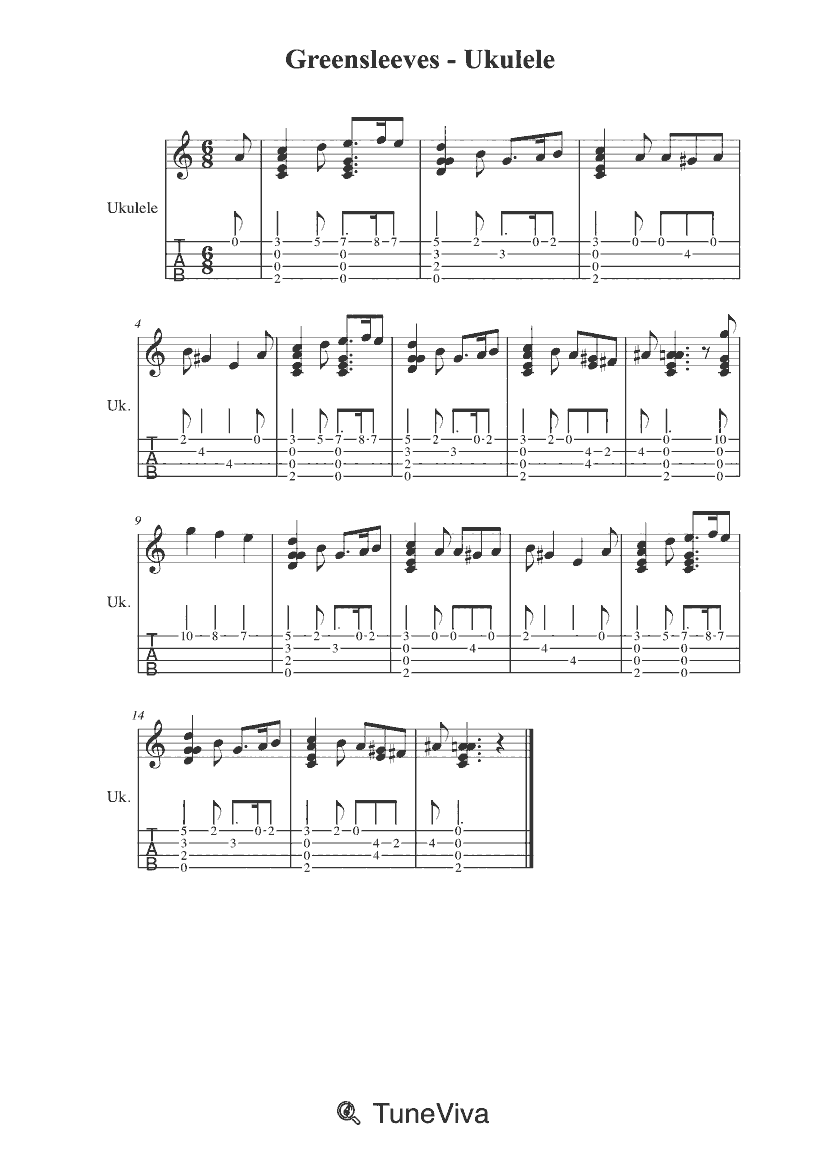
Trad.
Ukulele · 12 sec
Open score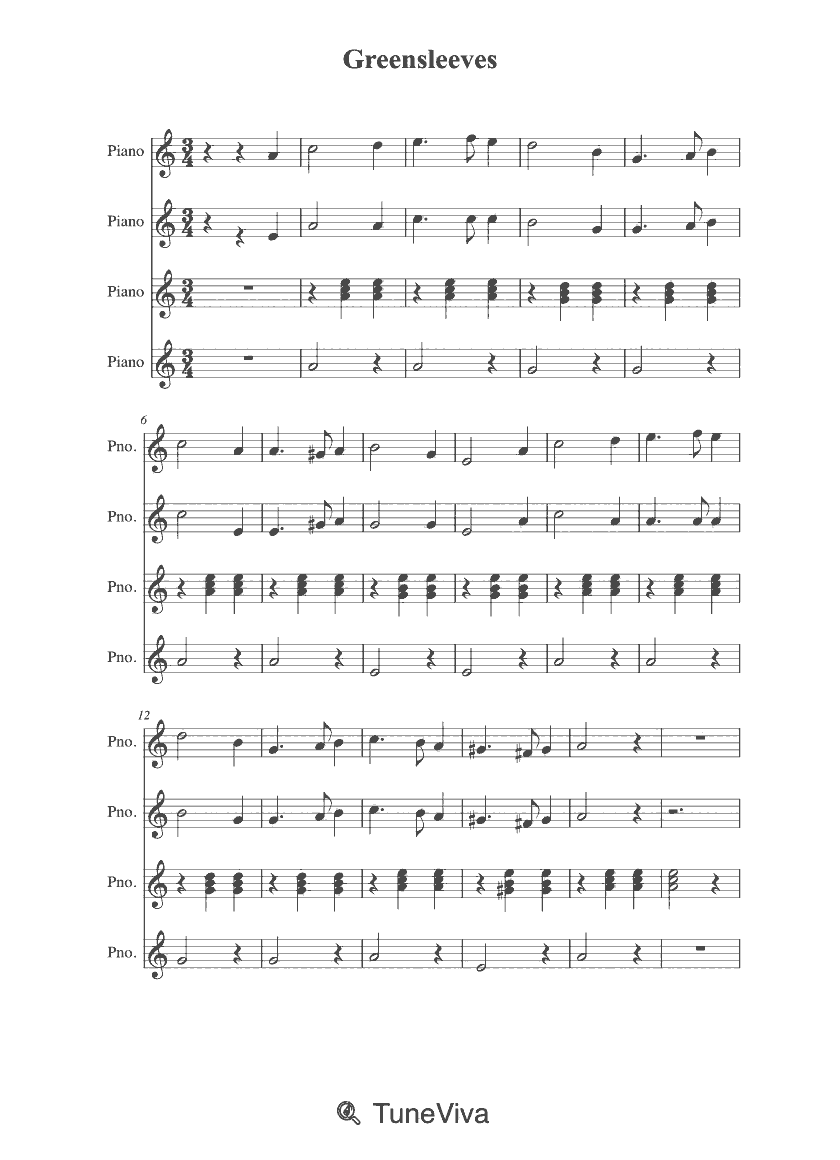
Misc Traditional
Piano · 1 min 56 sec
Open score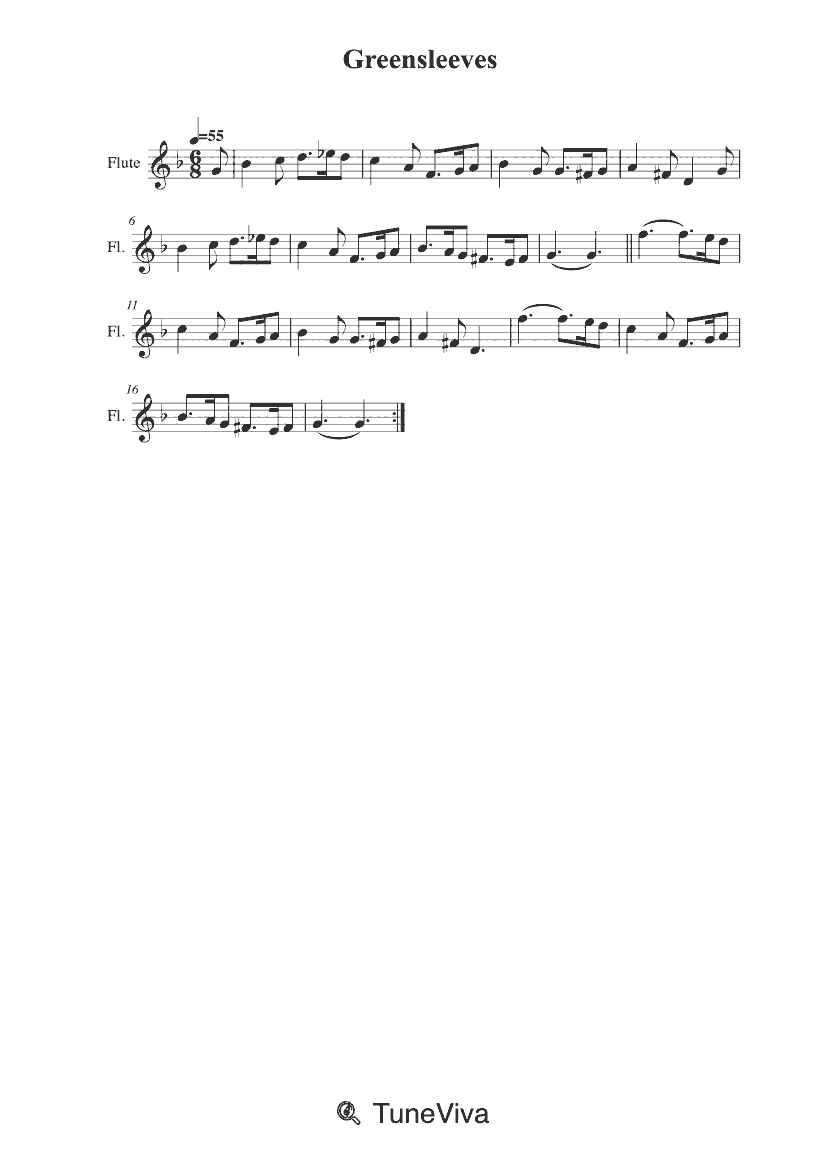
Alexander Trompoukis
What Child Is This
Flute · Arr. Alexander Trompoukis · 53 sec
Open score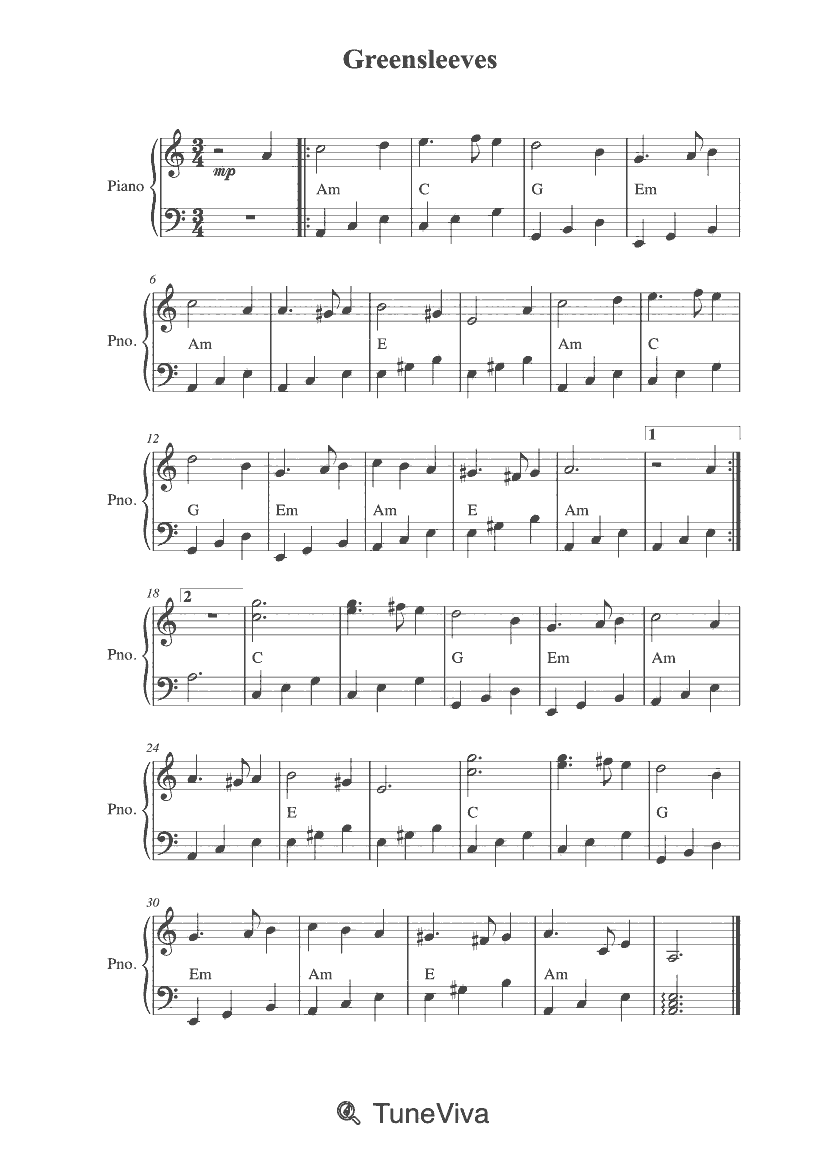
desconhecido
Piano · 1 min 15 sec
Open score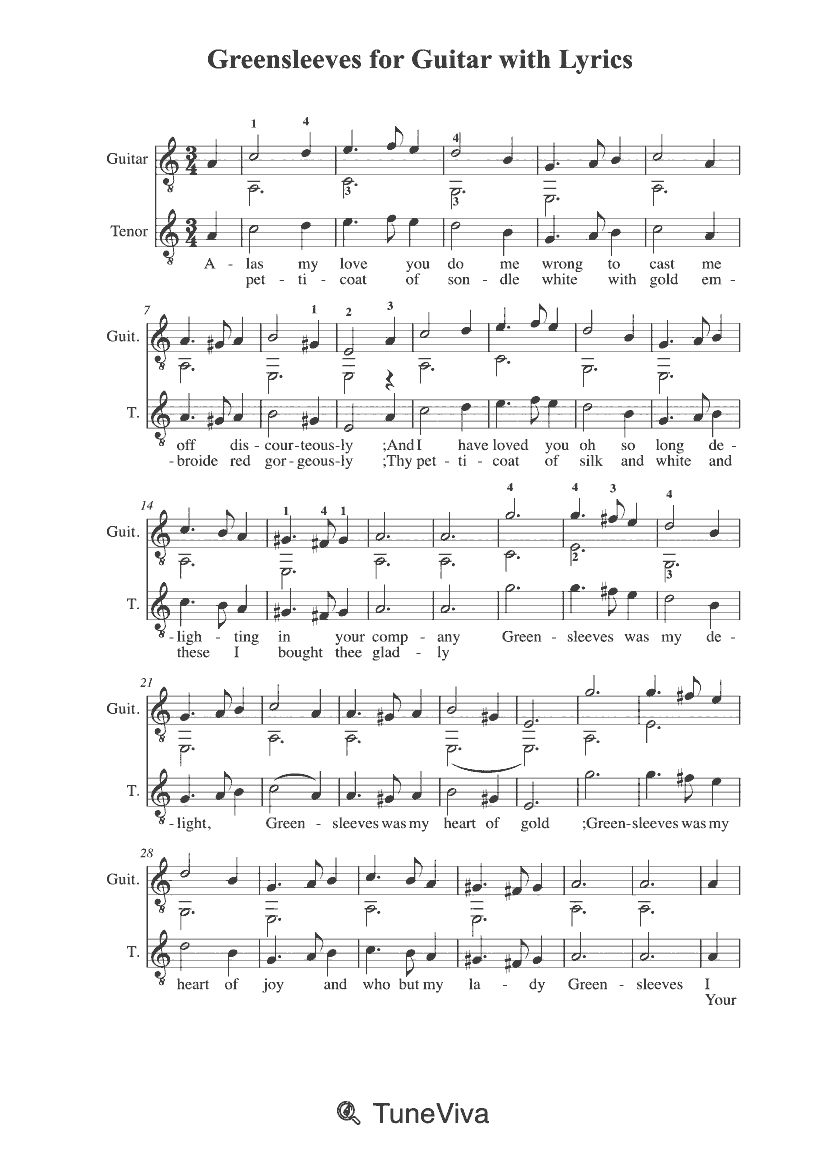
Misc Traditional
Guitar; Tenor · 6 min 26 sec
Open score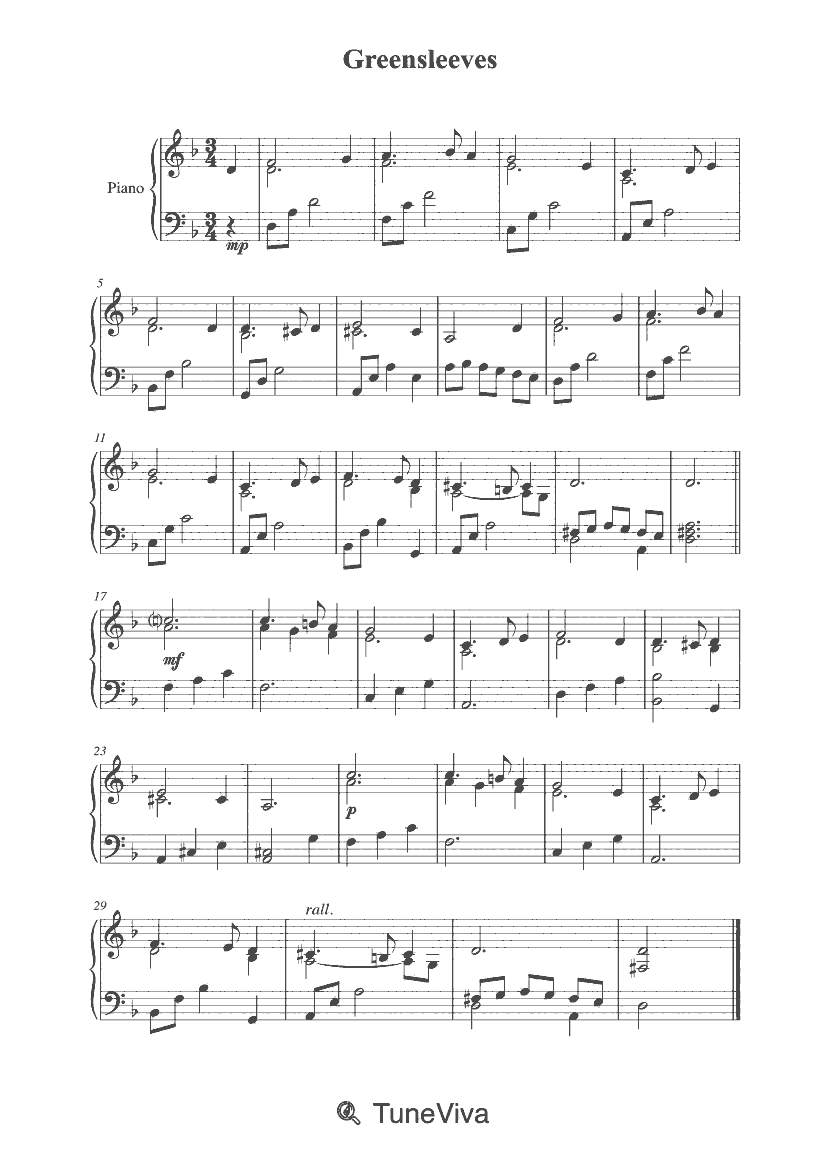
anon
Piano · 1 min 27 sec
Open score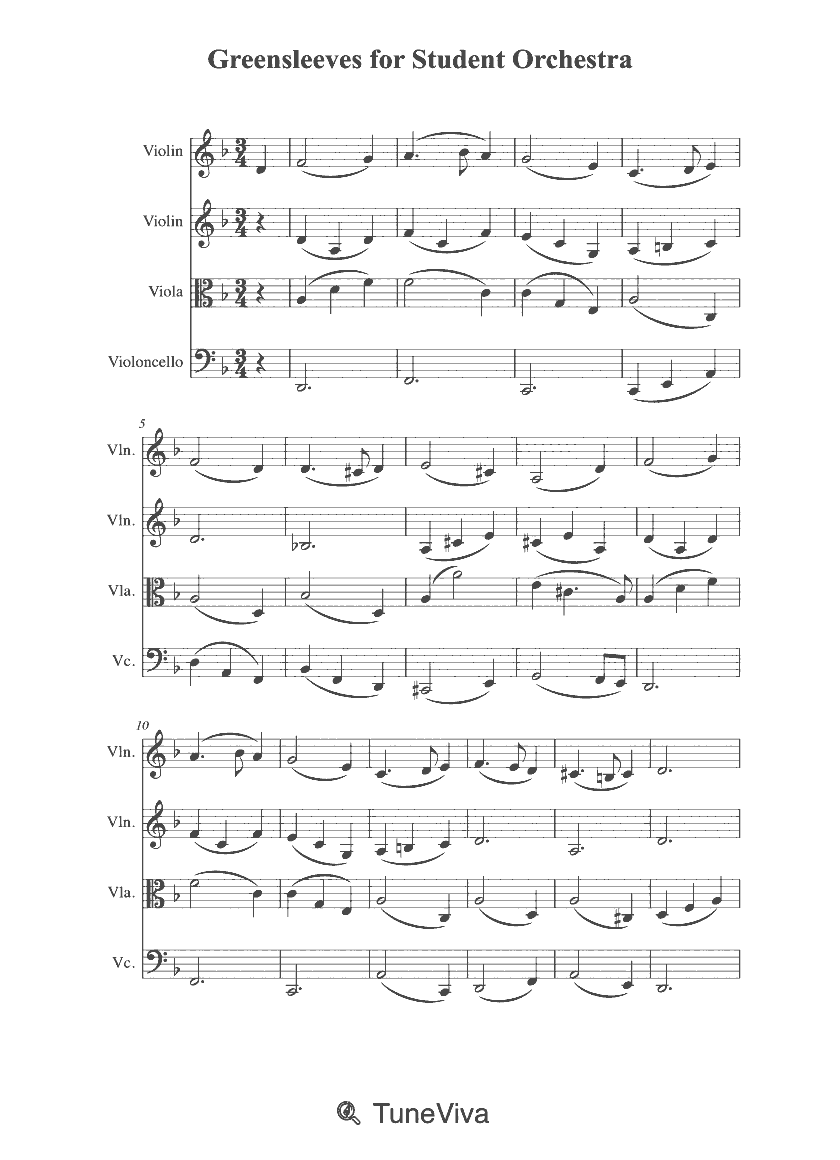
Renaissance Folk Song
Violin; Viola; Violoncello · 48 sec
Open score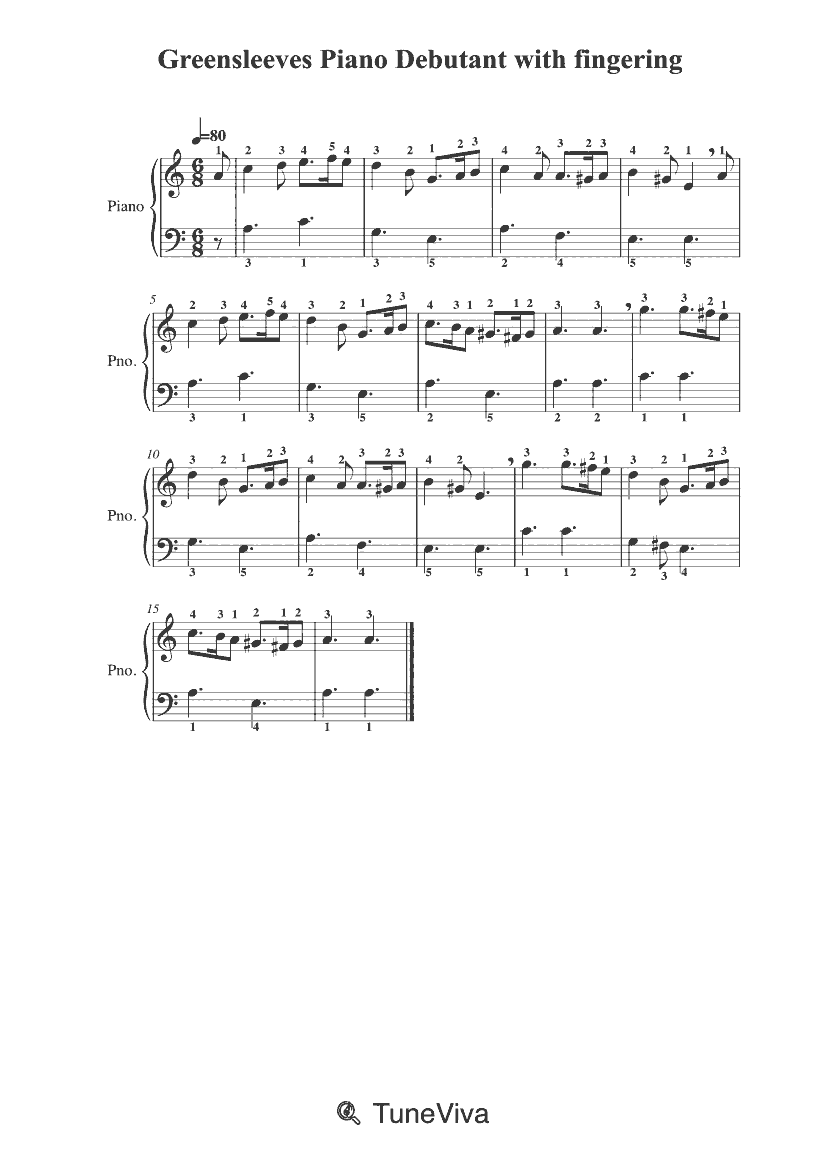
Misc Traditional
Piano · 18 sec
Open score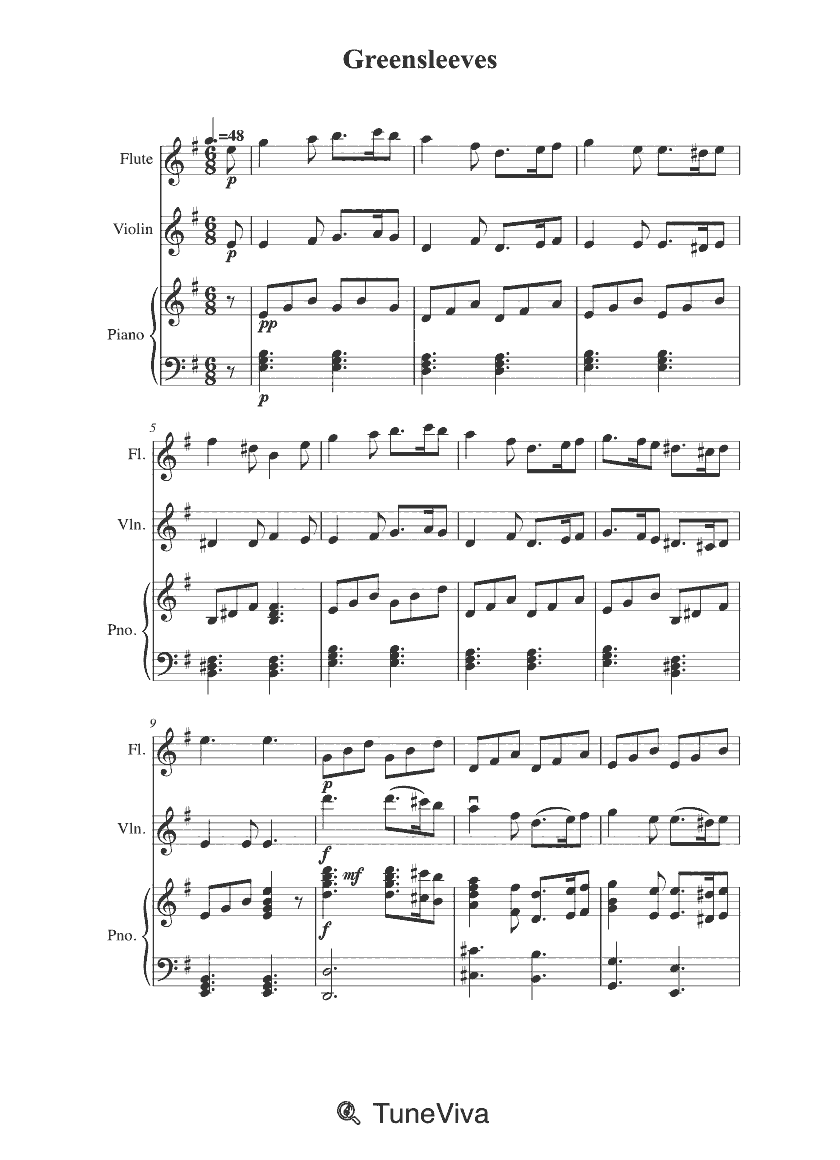
Traditional
Flute; Violin; Piano · 50 sec
Open score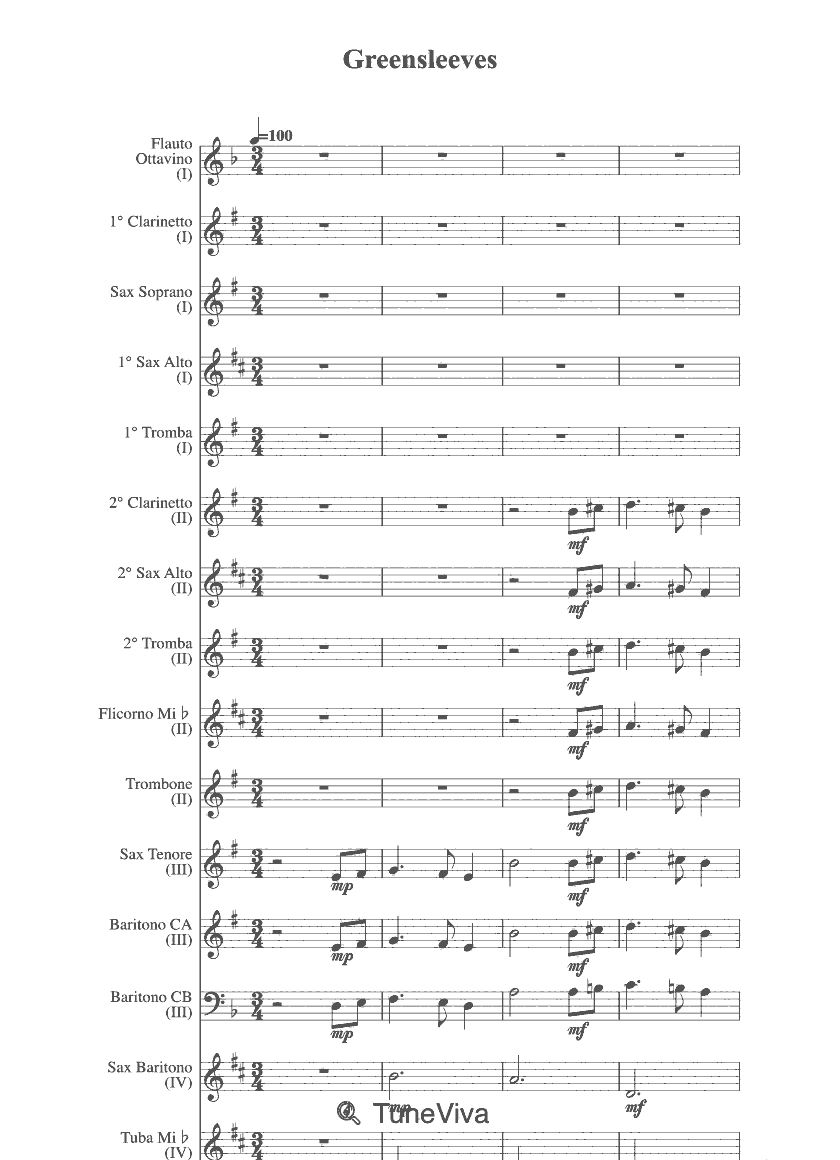
ANONIMOadattamento per piccola bandadi Alberto Zamolo
Flauto Ottavino (I); 1° Clarinetto (I); Sax Soprano (I) +13 parts · 2 min 17 sec
Open score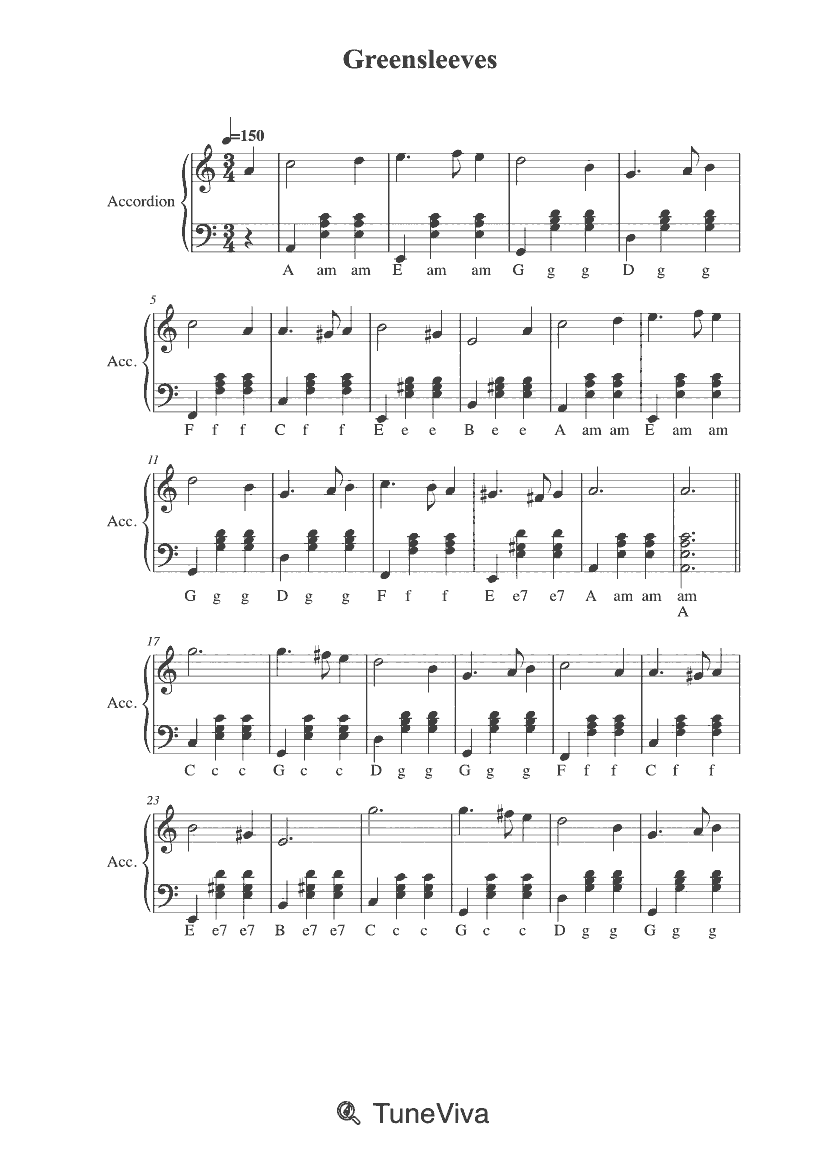
Traditional
for Standard Bass Accordion
Accordion · 1 min 18 sec
Open score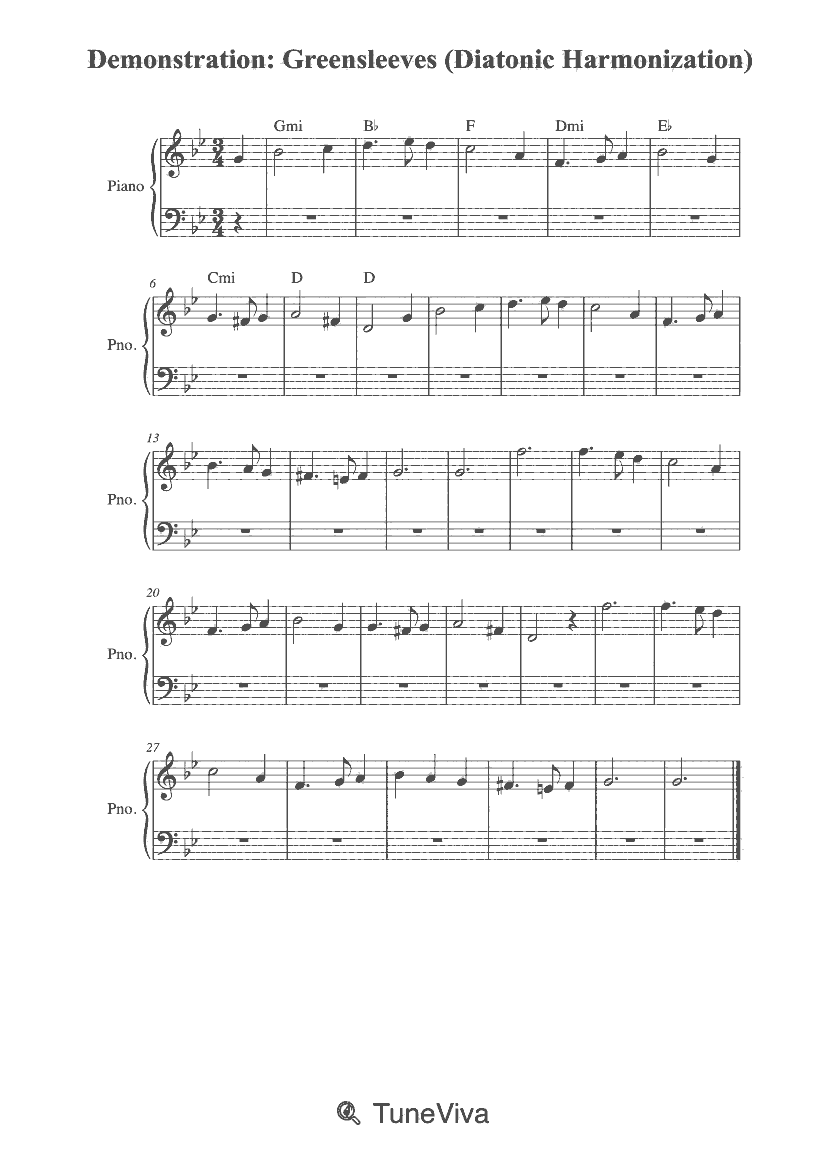
arr. Marc Sabatella
Piano · 48 sec
Open score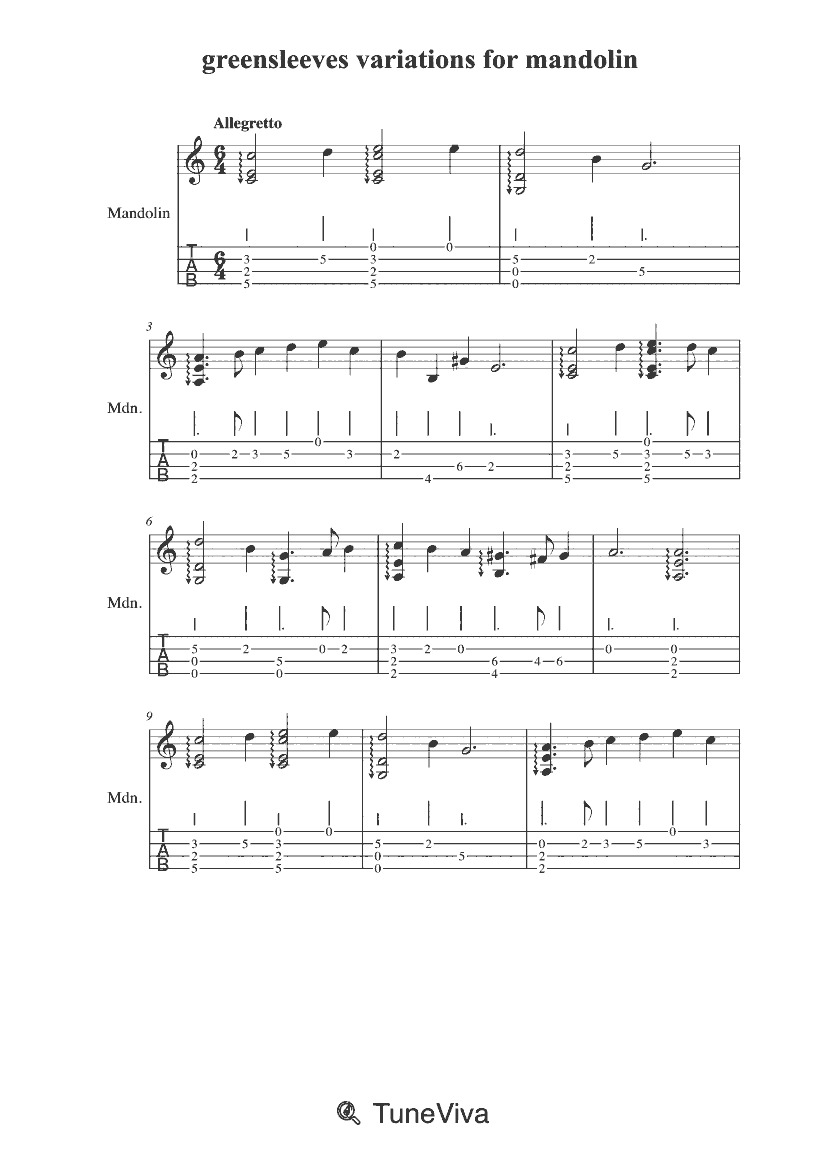
traditional unknown
Mandolin · 6 min 50 sec
Open score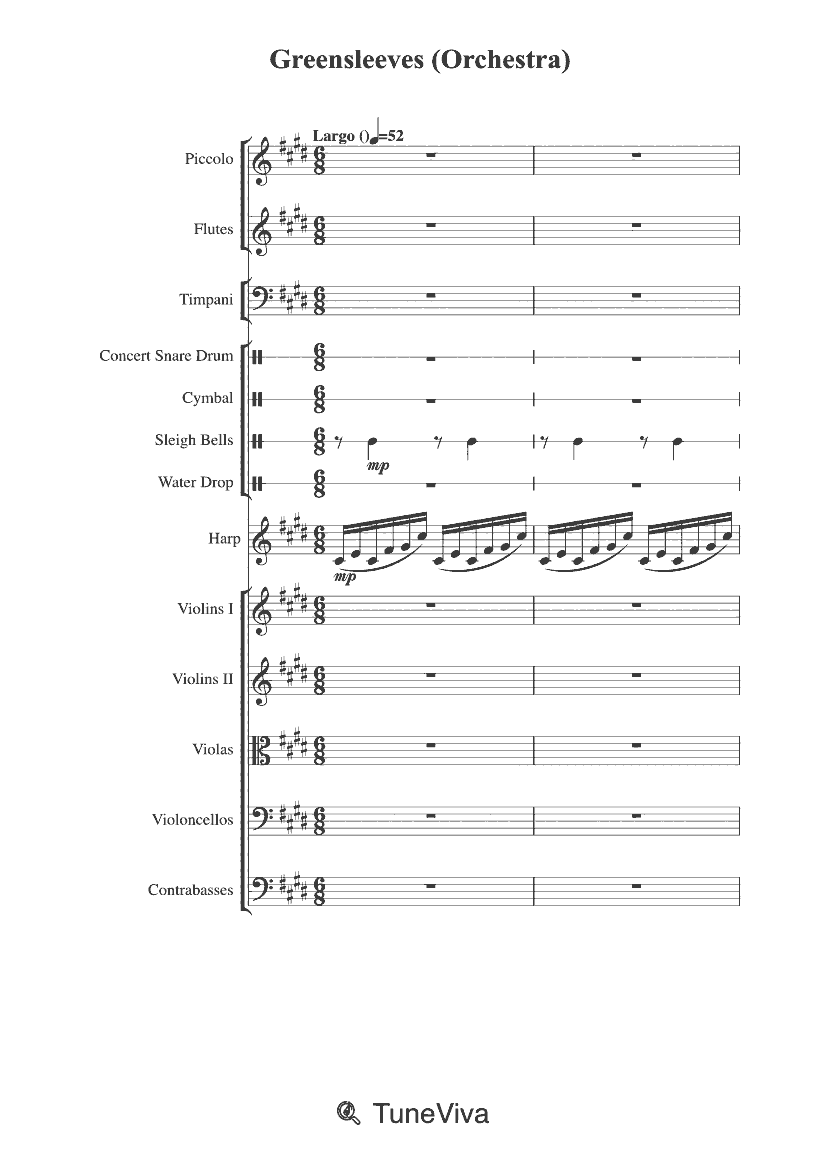
Arranged by: Rinnosuke
English Folk Song
Piccolo; Flutes; Timpani +10 parts · Arr. Rinnosuke · 1 min 38 sec
Open scorePage 1 of 5
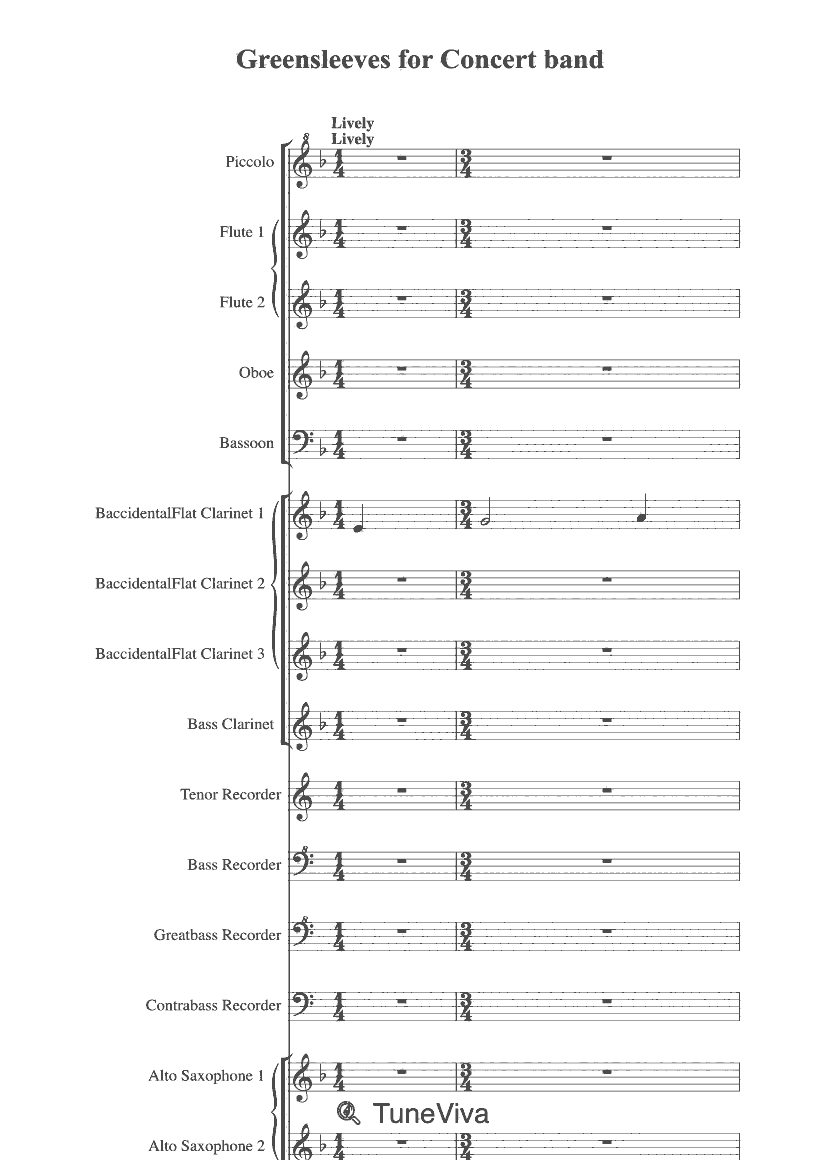
The concert-band version lists a full wind-band palette including flutes, oboe, bassoon, clarinets, recorders, saxophones, trumpets, horns, trombones, euphonium, tuba, percussion, glockenspiel and timpani. The flute version is a solo line, and the piano duet is for piano. Check that your group can cover the listed parts, especially the auxiliary recorders and multiple clarinet and trumpet parts in the band score.
Opening details differ between the versions: the flute variations are described in 6/8 with two flats, the piano duet in 3/4 with two flats, and the concert-band arrangement with a one-flat or no-sharps-or-flats opening and a 1/4 time signature. Treat these descriptions as a starting point rather than a substitute for reading the score, especially where the band time signature looks unusual.
Greensleeves Variations signals a set of variations rather than a plain statement of the tune; Greensleeves Piano Duet signals a duet; Greensleeves for Concert band signals a large-ensemble arrangement. None of the titles provides a reliable difficulty grade, so choose by instrumentation and by inspecting the music itself.
The available scores credit Greensleeves to traditional sources, including one credit to 'Traditional English', rather than to a named composer. A specific composer, date or first publication is not established by the information here; use an authoritative music reference if you need programme notes.
Score parts: Piccolo, Flute 1, Flute 2, Oboe, Bassoon, B♭ Clarinet 1, …. Catalogue duration 7 min 31 sec. Opening key signature: 1 flat; No sharps or flats. Opening time signature: 1/4. Opening tempo: 120 BPM.
Score parts: Flute. Catalogue duration 2 min 20 sec. Opening key signature: 2 flats. Opening time signature: 6/8. Opening tempo: 72 BPM.
Score parts: Piano. Catalogue duration 3 min 29 sec. Opening key signature: 2 flats. Opening time signature: 3/4. Opening tempo: 145 BPM. Arranger: Painfully arranged by Fresh Bread.
Greensleeves appears here in three highlighted arrangements: Greensleeves for Concert band, Greensleeves Variations for flute, and Greensleeves Piano Duet. These offer a large wind-band setting, a solo flute variation set and a piano duet.
Greensleeves for Concert band lists parts for piccolo, two flutes, oboe, bassoon, three clarinets, bass clarinet, recorders, saxophones, three trumpets, horns, trombones, euphonium, tuba, percussion, glockenspiel and timpani. The part list also includes tenor, bass and contrabass recorders, so the arrangement calls for a substantial wind-band ensemble rather than a small chamber group.
Greensleeves Variations is scored for flute and is described as opening in 6/8 at 72 BPM with two flats. The title indicates a variation set rather than a plain statement of the tune.
A version titled Greensleeves Piano Duet is included. It is described as opening in 3/4 with two flats and a tempo of 145 BPM, and its score parts field lists Piano.
The scores here carry traditional attributions rather than a named composer, including one credit to 'Traditional English'. A specific composer, date and first publication are not established by the available information.
Choose the concert-band arrangement if you have a wind band with the listed parts and want a large-ensemble setting; choose the piano duet for two pianists. The flute variations suit a solo flautist wanting a variation set. Check the opening key and metre in each score before rehearsing.
The flute variations and piano duet are both described as opening with two flats; the variations begin in 6/8 at 72 BPM, while the duet begins in 3/4 at 145 BPM. The concert-band arrangement's description gives a less clear opening of one flat or no sharps or flats and 1/4, so verify it from the score.