
Irish Tune from County Derry
Misc tunes
for Bassoon Quartet
Bassoon · 3 min 44 sec
Open scoreThe sheet music listed under Irish Jig is best approached as a tune title rather than a single authenticated work: the scores share a name, but no composer is credited and the settings differ. Two listings titled Irish Jig open in 6/8, one in D major and one in A major, so compare the notation before choosing. A separate listing, Irish Tune from County Derry, opens in 4/4 and should not be assumed to be another version of the same jig.
Scores 1–20 of 30
Misc tunes
for Bassoon Quartet
Bassoon · 3 min 44 sec
Open score
Misc tunes
24 sec · Score #123448
Open score
Misc tunes
24 sec · Score #567
Open score
Misc tunes
Connachtman's Rambles
24 sec · Score #405
Open score
Misc tunes
24 sec · Score #121710
Open score
Misc tunes
20 sec
Open score
Misc tunes
24 sec
Open score
Misc tunes
12 sec · Score #126299
Open score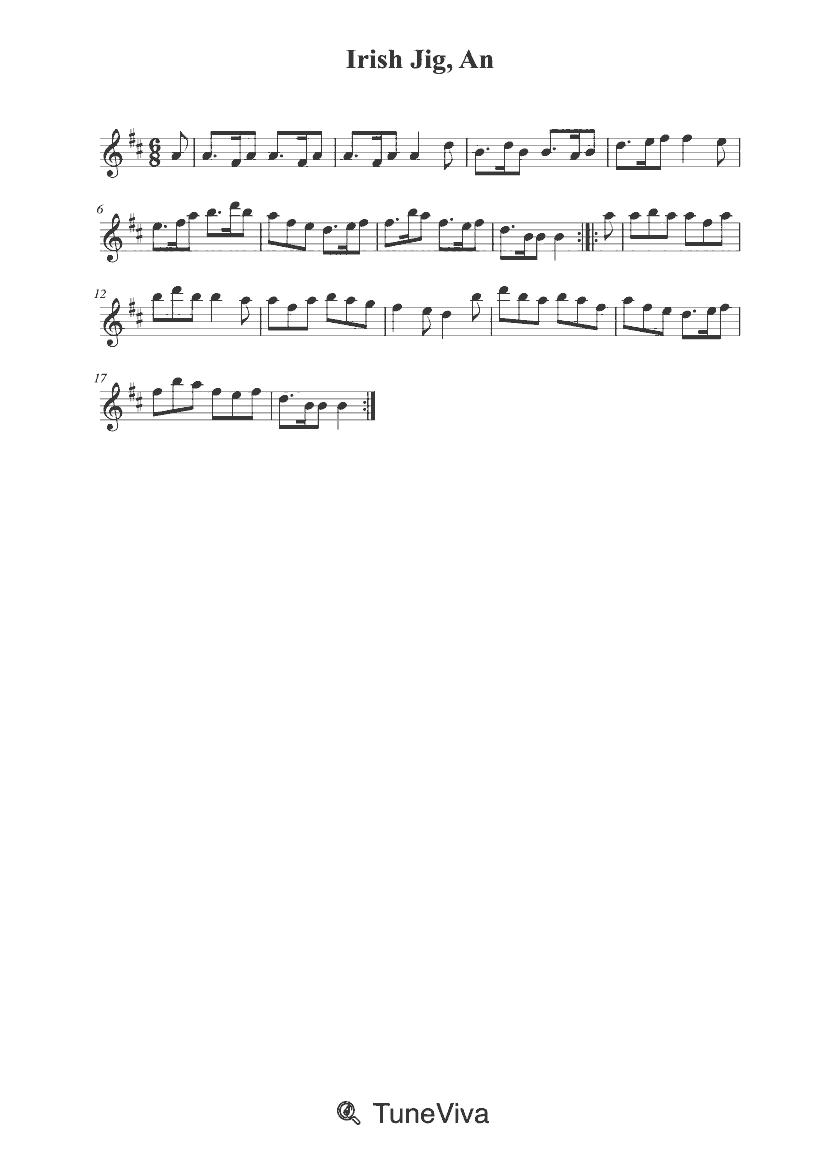
Misc tunes
24 sec
Open score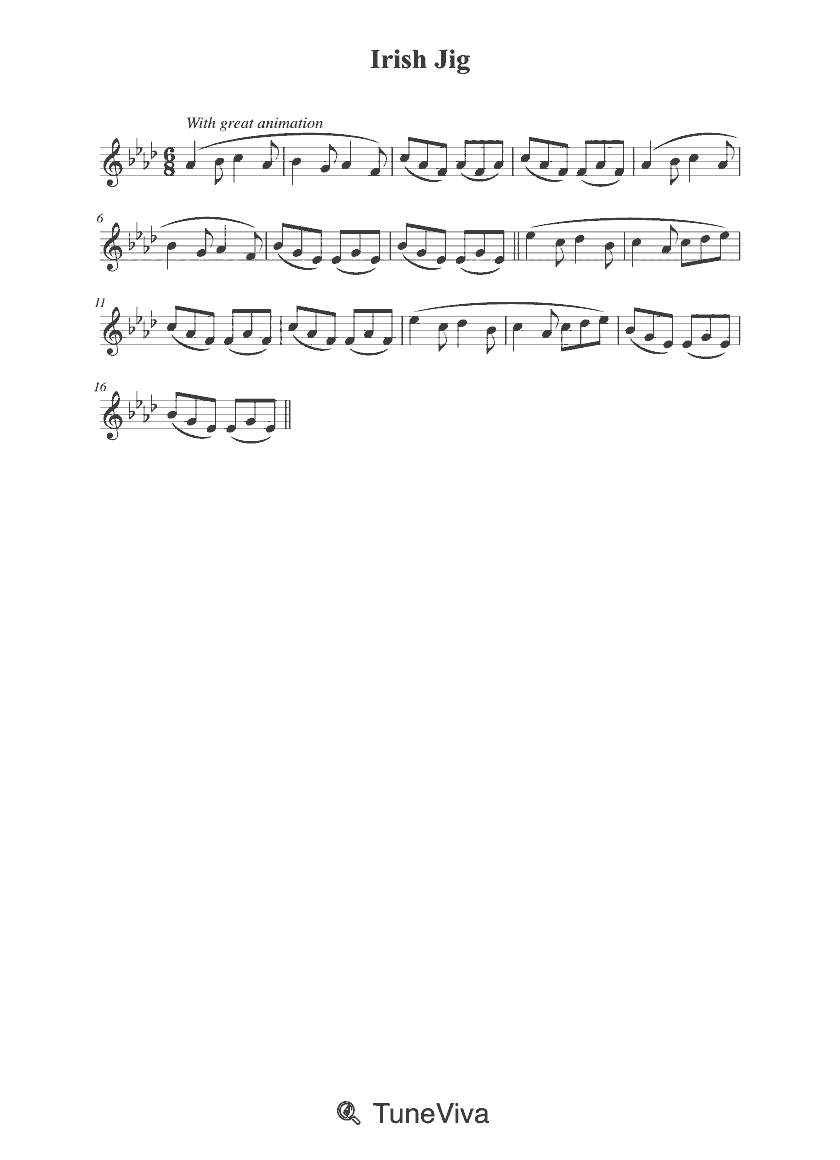
Misc tunes
12 sec · Score #191532
Open score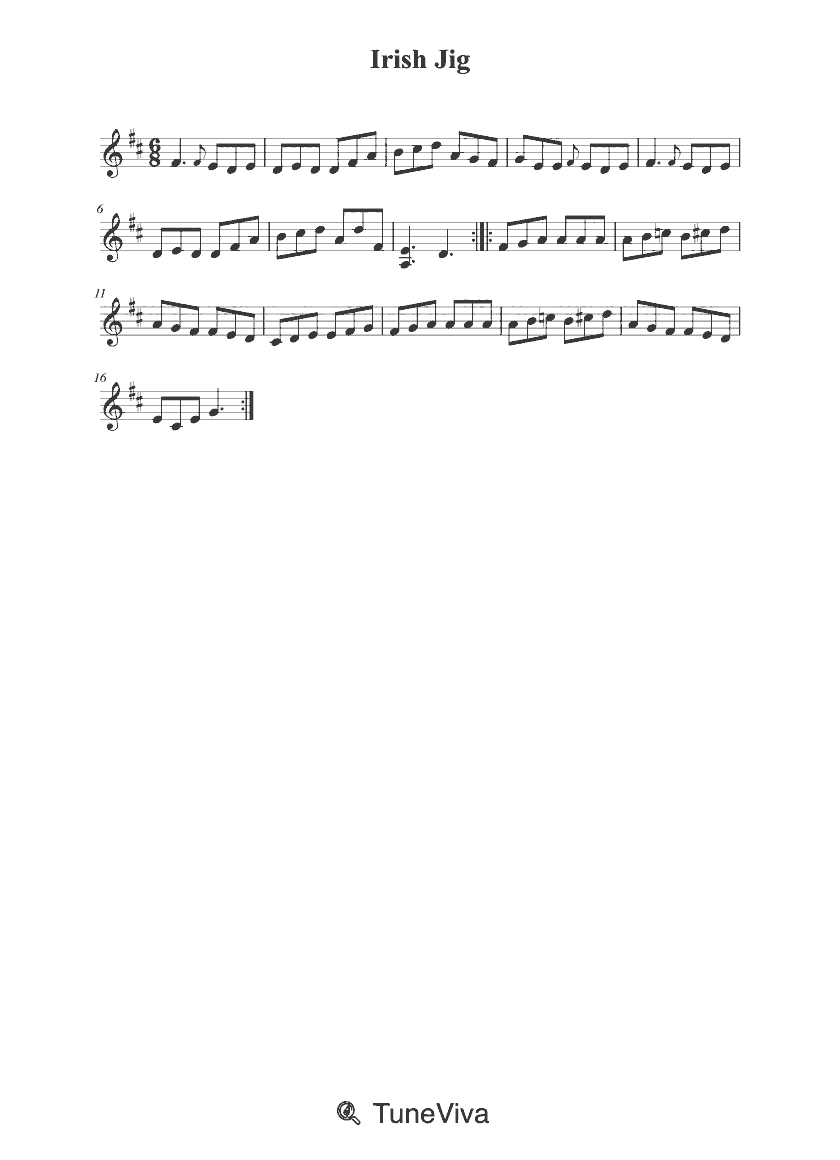
Misc tunes
24 sec · Score #249419
Open score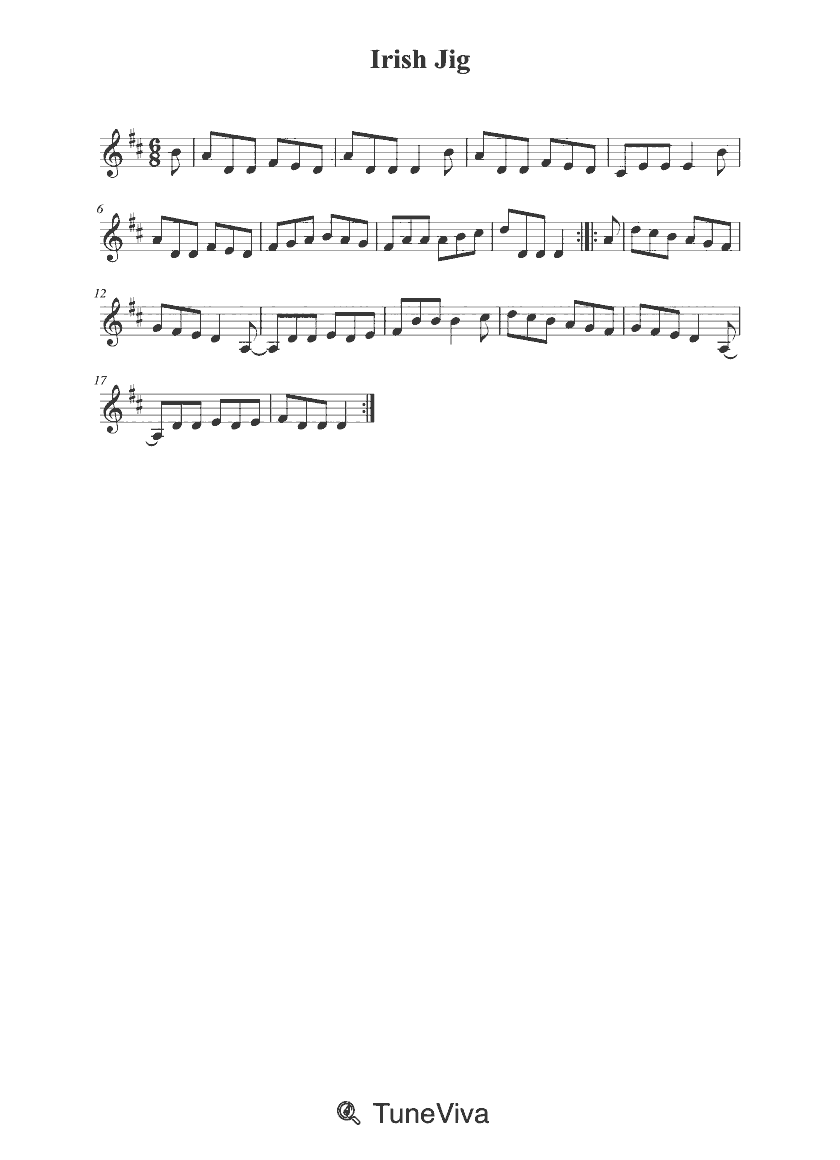
Misc tunes
24 sec · Score #69949
Open score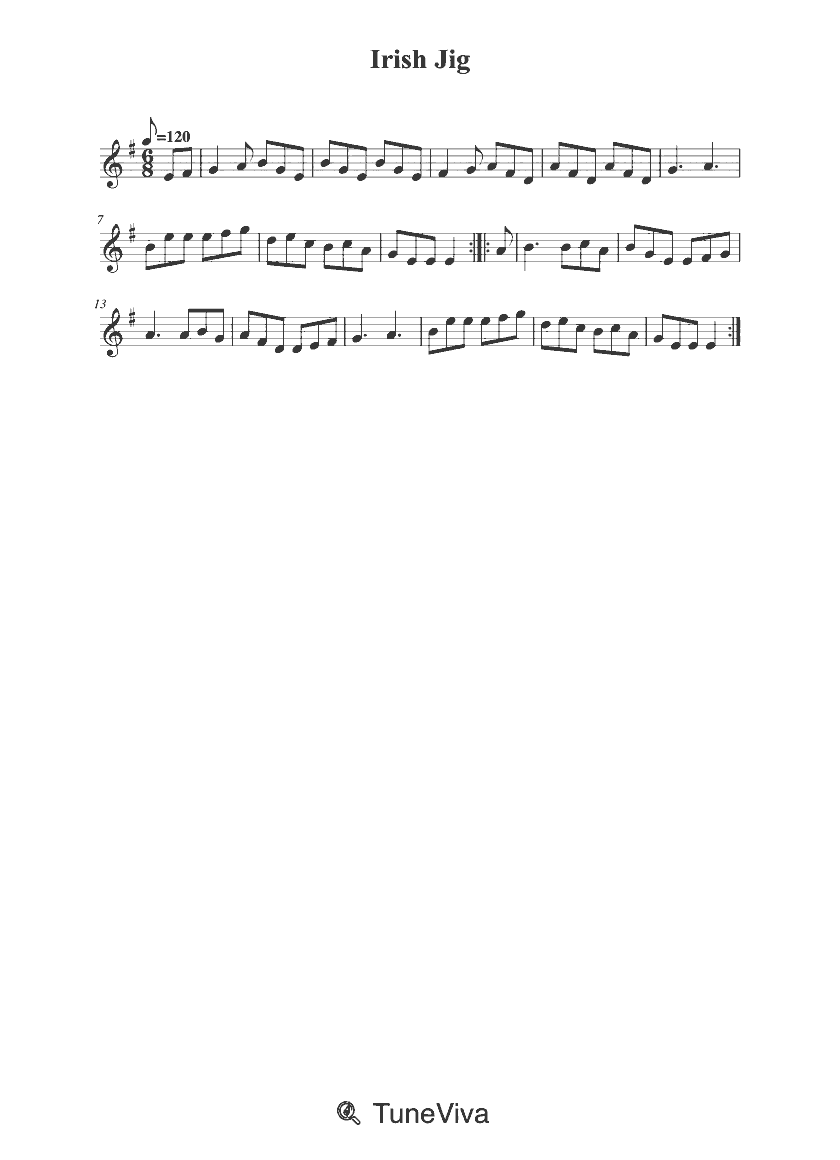
Misc tunes
48 sec
Open score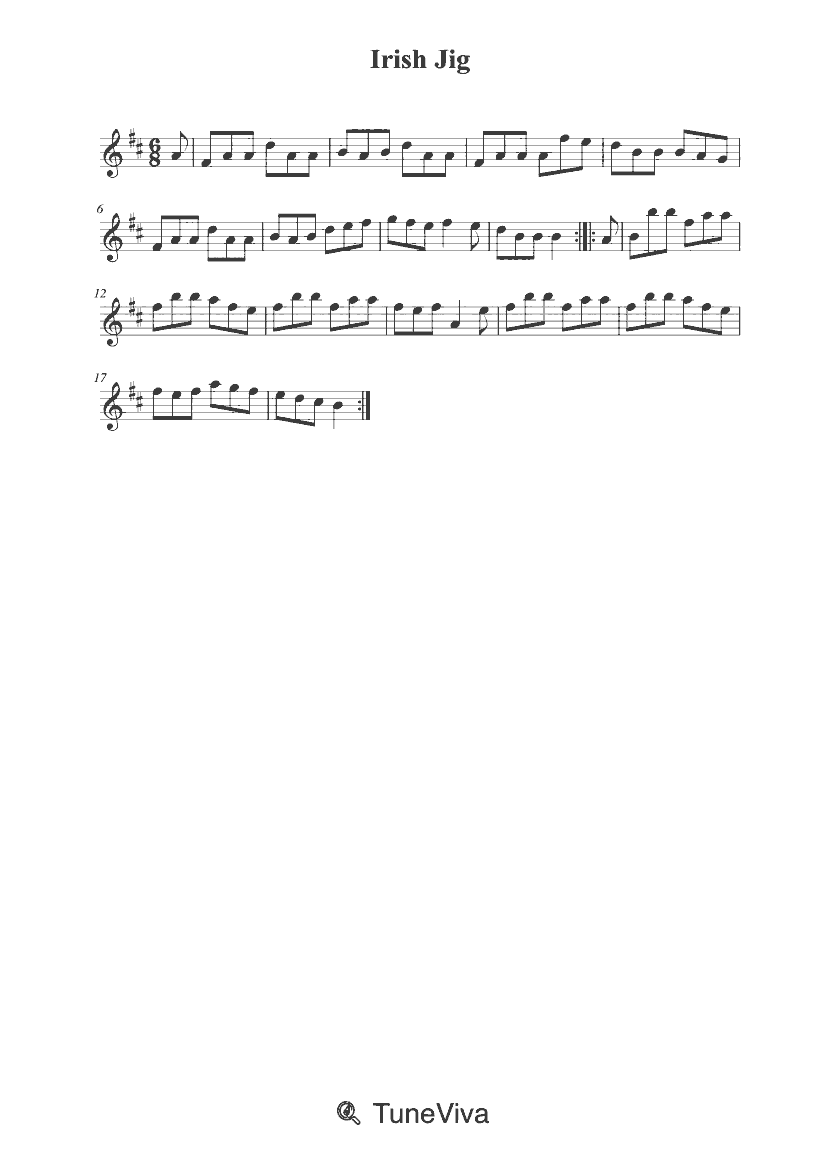
Misc tunes
Connachtman's Rambles
24 sec · Score #240269
Open score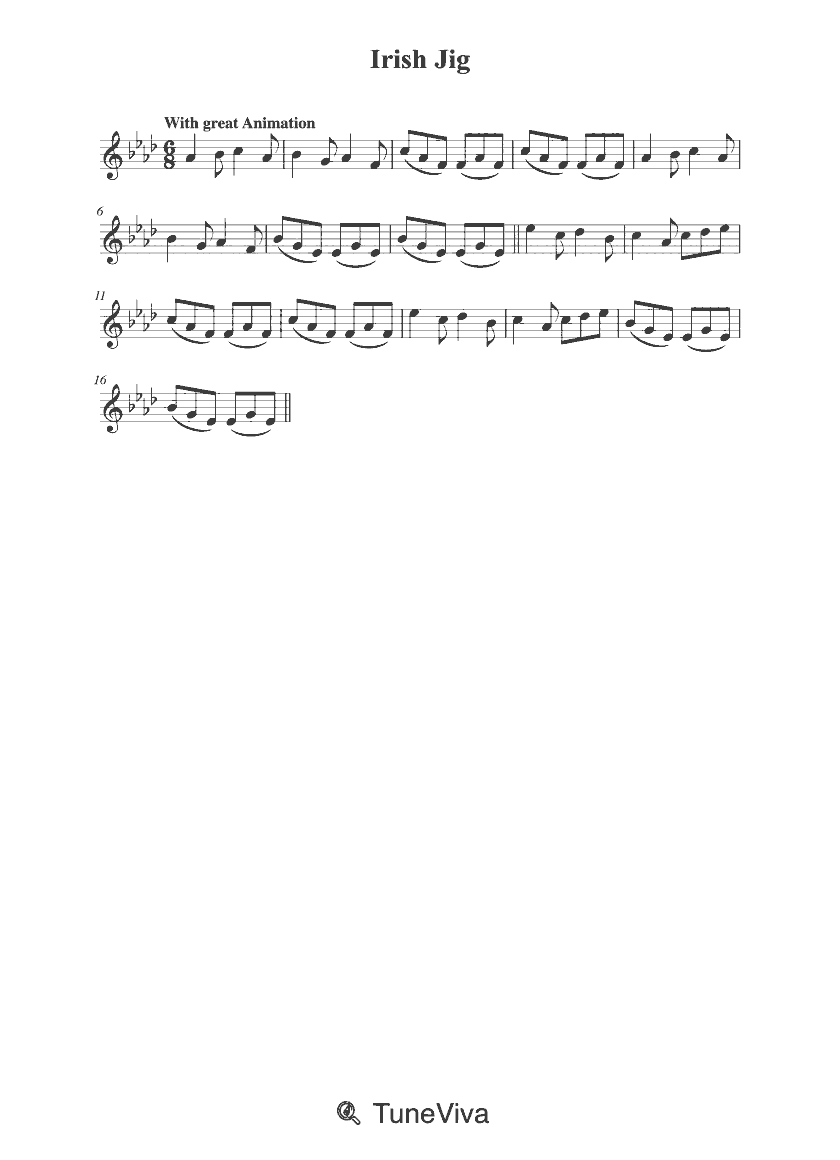
Misc tunes
12 sec · Score #45573
Open score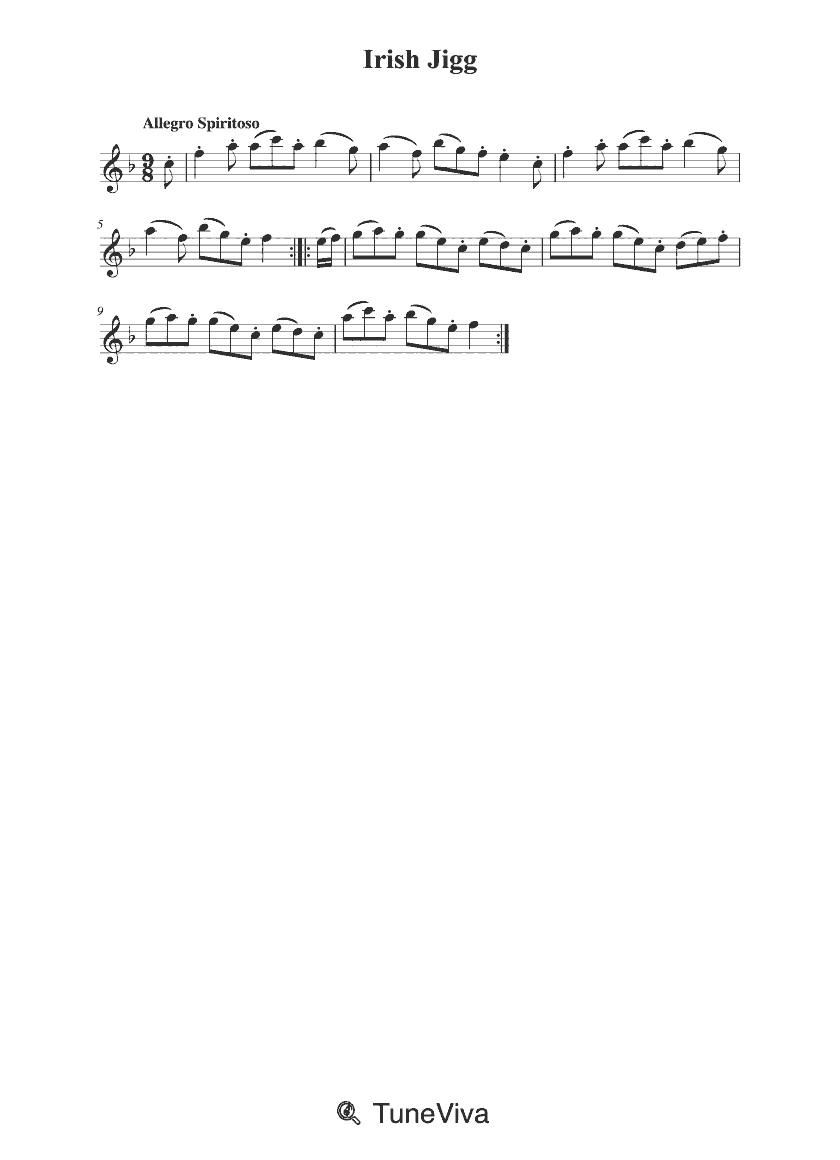
Misc tunes
AKA - Funny Mistake TheAKA - Sir Philip McHugh
18 sec
Open score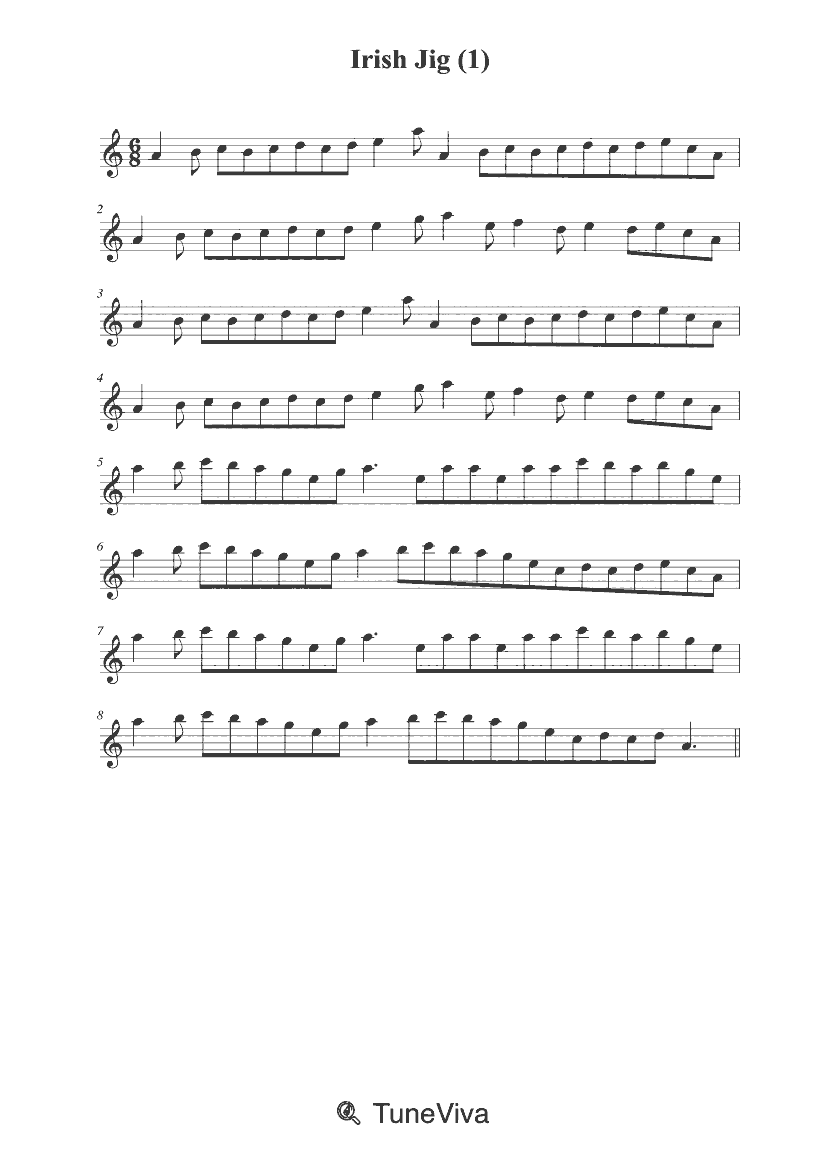
Misc tunes
24 sec
Open score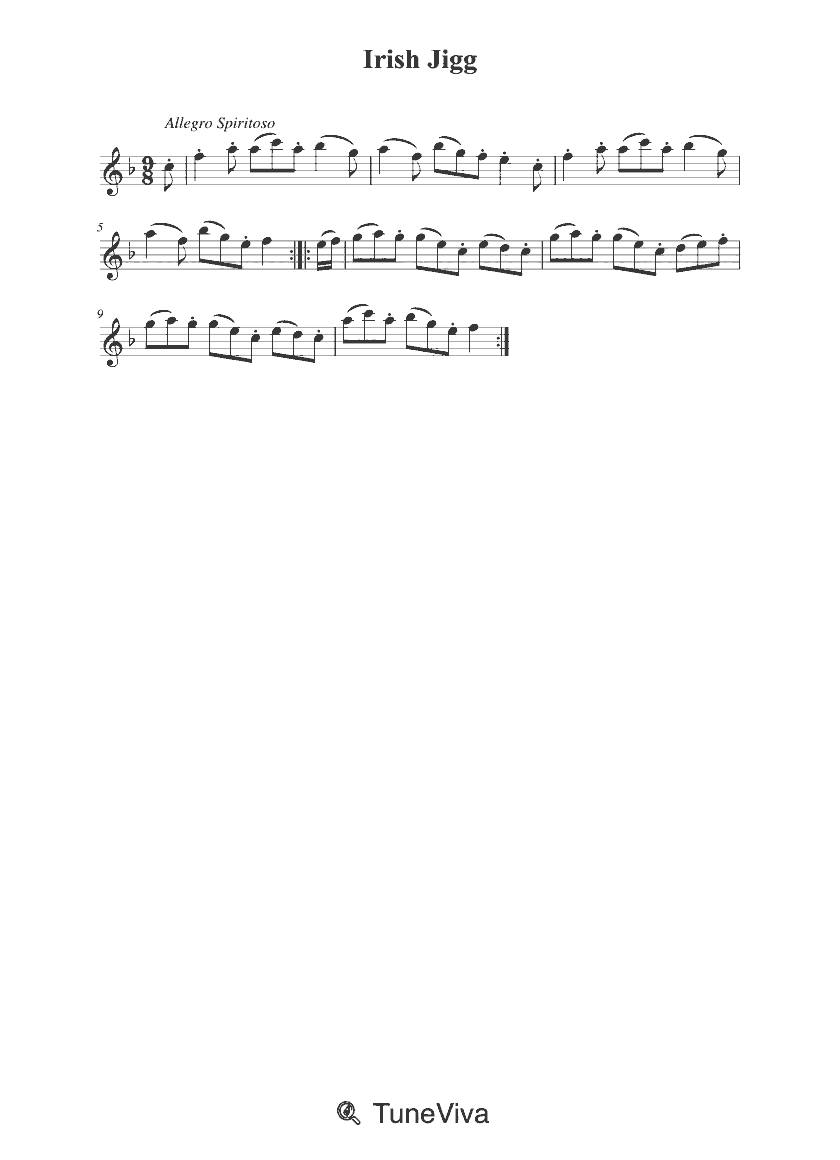
Misc tunes
18 sec
Open score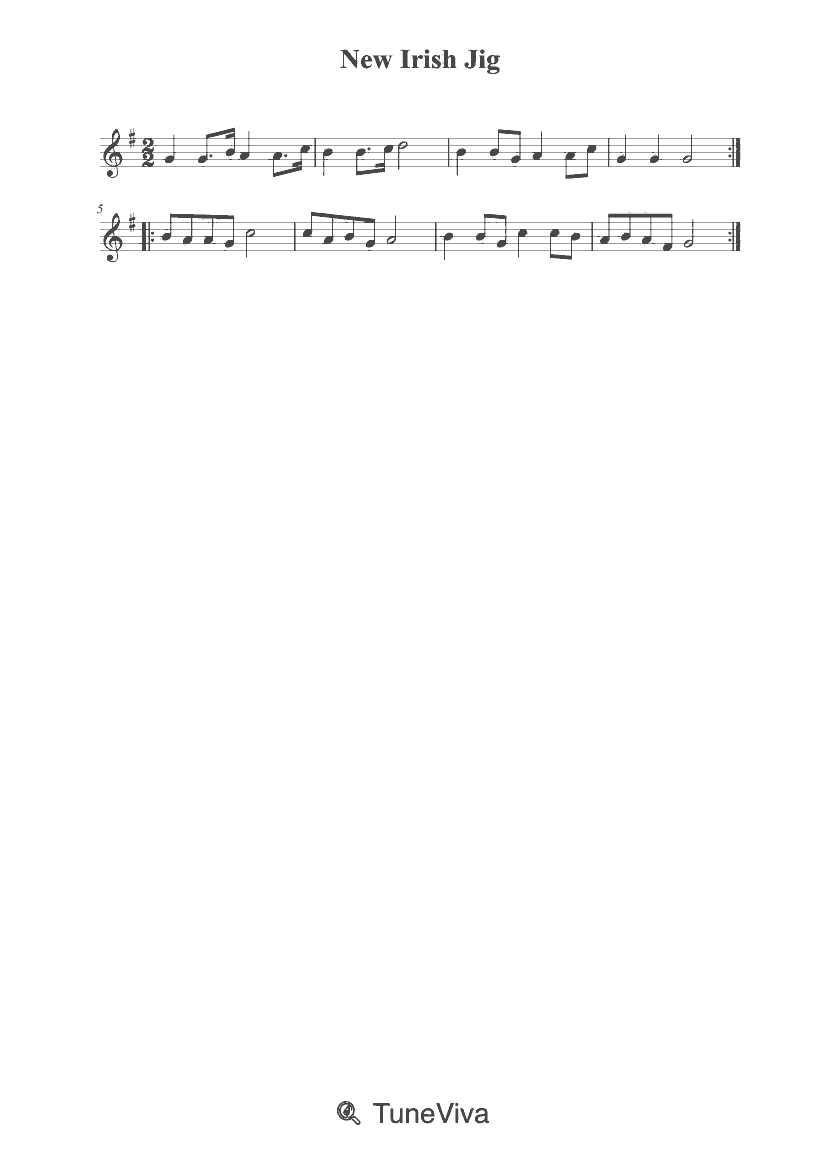
Misc tunes
1 min 4 sec
Open score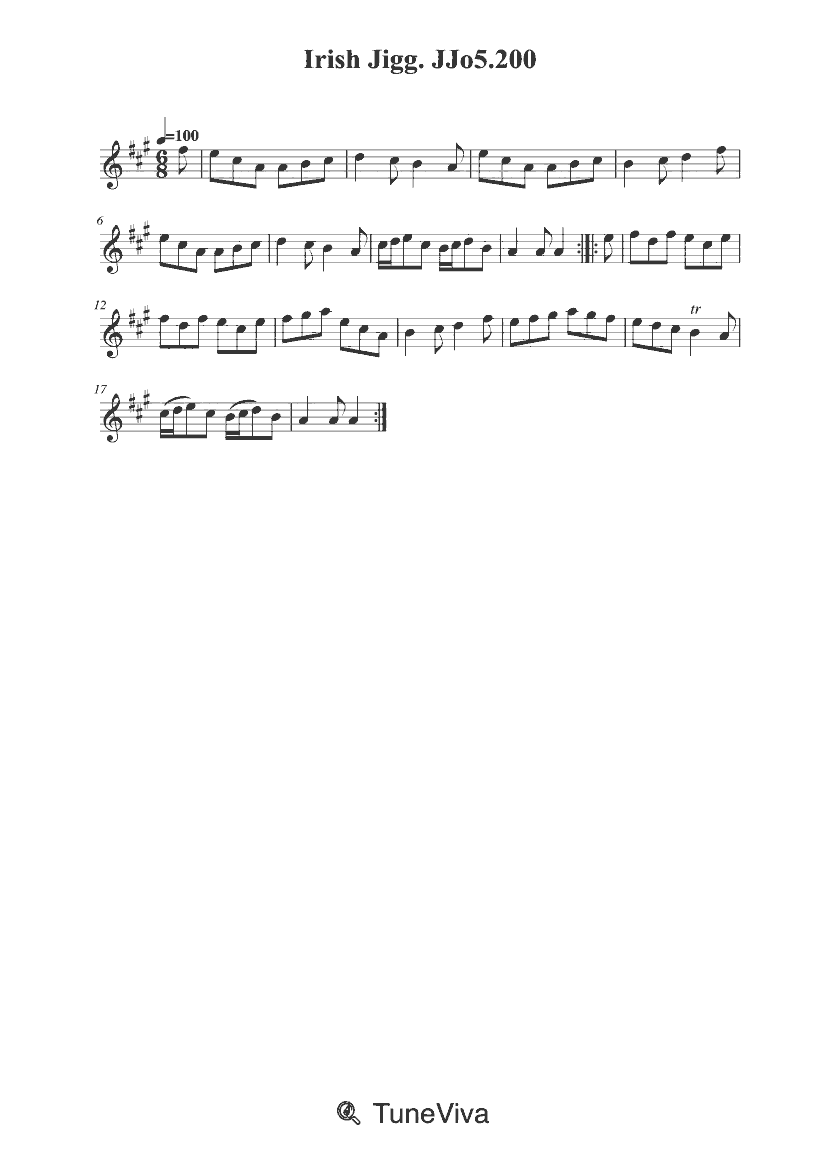
Misc tunes
29 sec
Open scorePage 1 of 2
The two scores titled Irish Jig both open in 6/8. Count 6/8 in two broad beats per bar, each divided into three quavers; this grouping distinguishes the notation from simple triple 3/4. Check the beaming and accents in the score rather than assuming every bar receives six equal stresses.
One Irish Jig listing opens with two sharps (D major) and the other with three sharps (A major). Compare the first phrase and range, then choose the key that fits your instrument and the version you already know. A different key is not automatically an easier or harder setting.
The listing Irish Tune from County Derry shares the Irish Jig song title but opens in 4/4 at 72 BPM and includes a bassoon part. Treat it as a separate piece until the notation shows otherwise; its title and meter do not identify it as a jig setting.
Because no composer is credited and more than one score carries the Irish Jig title, use the opening key, meter, first notes and any listed instrumentation to identify the setting. If you need a specific jig for a session or performance, compare the opening notes with the tune you have in mind.
Score parts: Bassoon. Catalogue duration 3 min 44 sec. Opening key signature: 1 flat. Opening time signature: 4/4. Opening tempo: 72 BPM.
Catalogue duration 24 sec. Opening key signature: 3 sharps (A major). Opening time signature: 6/8.
Catalogue duration 24 sec. Opening key signature: 2 sharps (D major). Opening time signature: 6/8.
In these listings, Irish Jig is used as a tune title rather than as a single attributed composition. No composer is credited, and the two scores carrying that title open in different keys, so each score should be checked as its own setting.
Both scores titled Irish Jig open in 6/8. A 6/8 bar is normally counted in two main beats, each divided into three quavers, rather than as six equal beats.
The two Irish Jig scores open in D major, with two sharps, and A major, with three sharps. The different keys will change the range and fingering on many instruments, so compare the opening phrase with the version you know.
Irish Tune from County Derry is a separate title in the same group of listings. It opens in 4/4 at 72 BPM and lists a bassoon part, while the Irish Jig scores open in 6/8. It should not be assumed to be another setting of the same jig.
6/8 is compound duple: two beats per bar, each split into three. 3/4 is simple triple: three beats per bar, each split into two. The grouping changes the accent and the way the bar is counted, even though both signatures contain six quavers.
Compare the opening key, meter, first phrase and any instrumentation listed. The two Irish Jig scores both open in 6/8 but use different keys, D major and A major; the bassoon listing under Irish Tune from County Derry is a separate title. Pick the setting whose key and opening notes match the tune you need.