
Jenny Lind
Misc tunes
32 sec · Score #71353
Open scoreThree settings titled Jenny Lind are gathered here as Jenny Lind sheet music, and they differ enough to check before choosing. Two are unattributed and in D major, one notated in 4/4 and one in 2/4; the third names Anton Wallerstein with 1845 in the credit and is in G major in cut time. The available score details describe these versions, but no supporting source material confirms the tune's history or the attribution.
Scores 1–20 of 25
Misc tunes
32 sec · Score #71353
Open score
Misc tunes
1 min 4 sec
Open score
Anton Wallerstein 1845
1 min 17 sec
Open score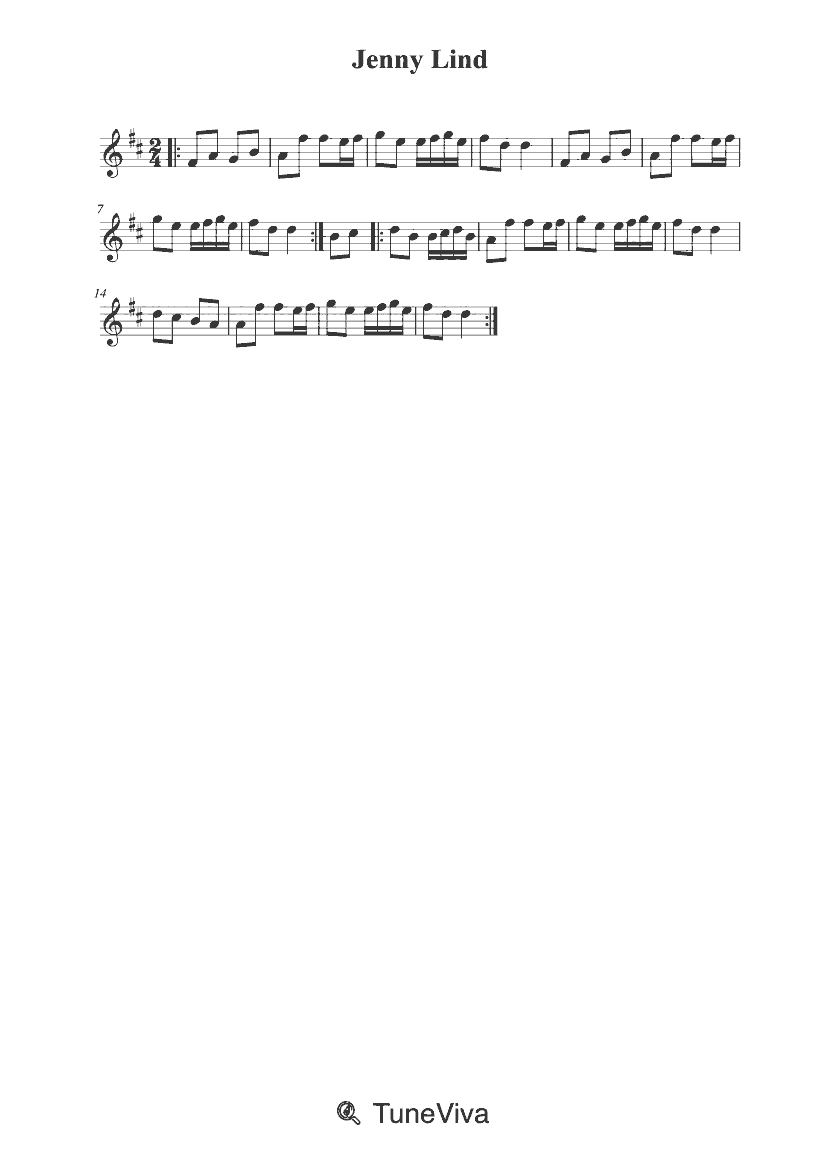
Misc tunes
32 sec · Score #102007
Open score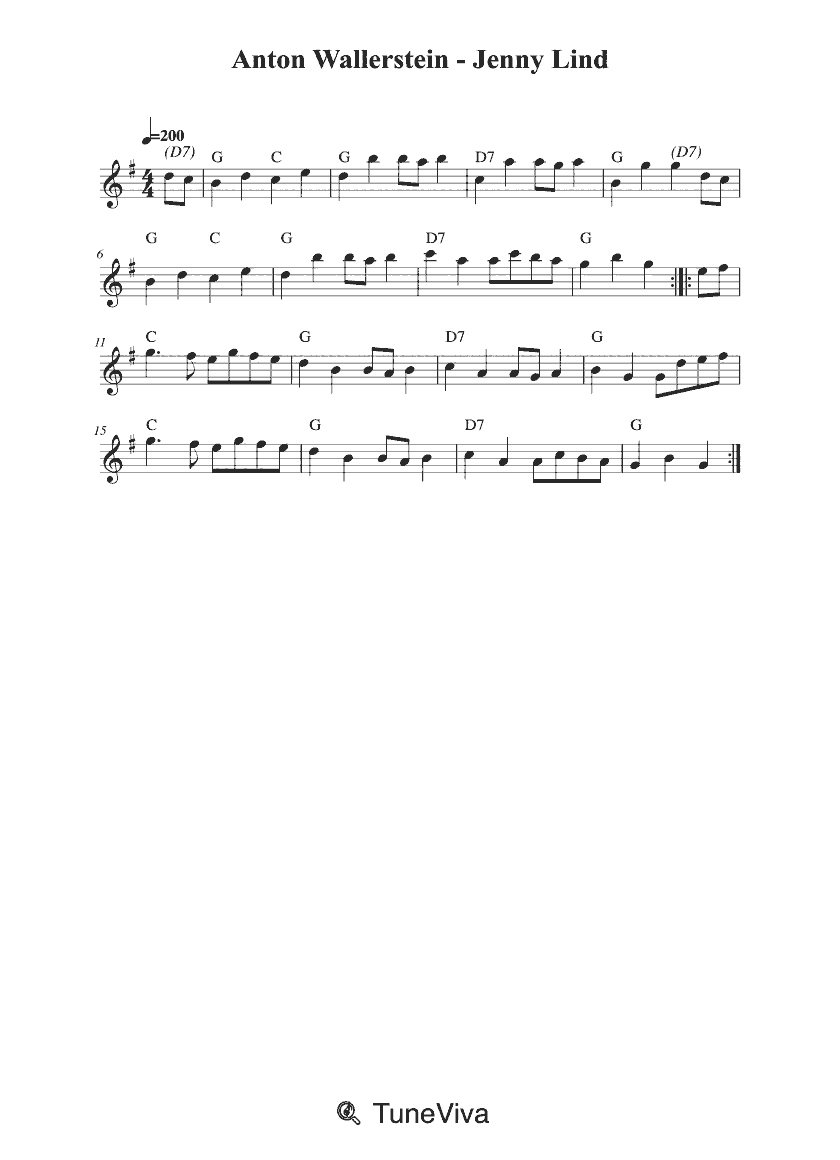
Anton Wallerstein 1845
38 sec
Open score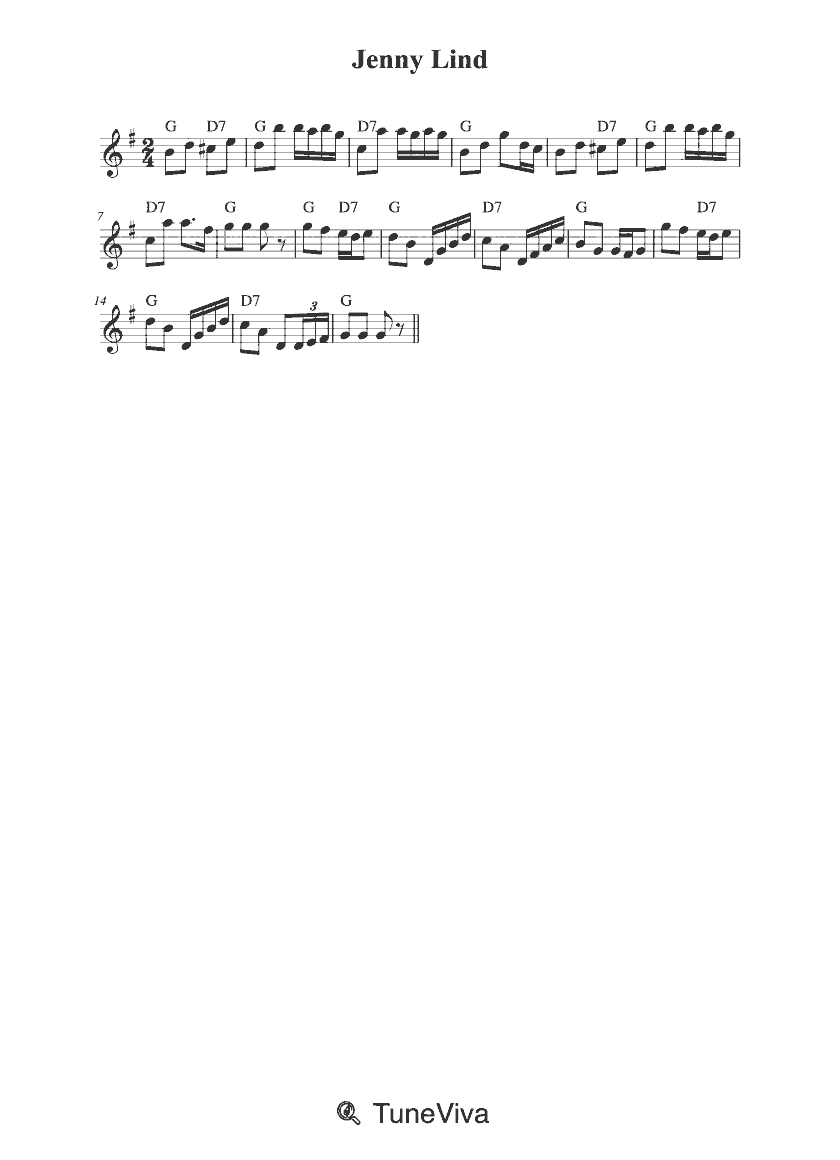
Anton Wallerstein C1850
16 sec
Open score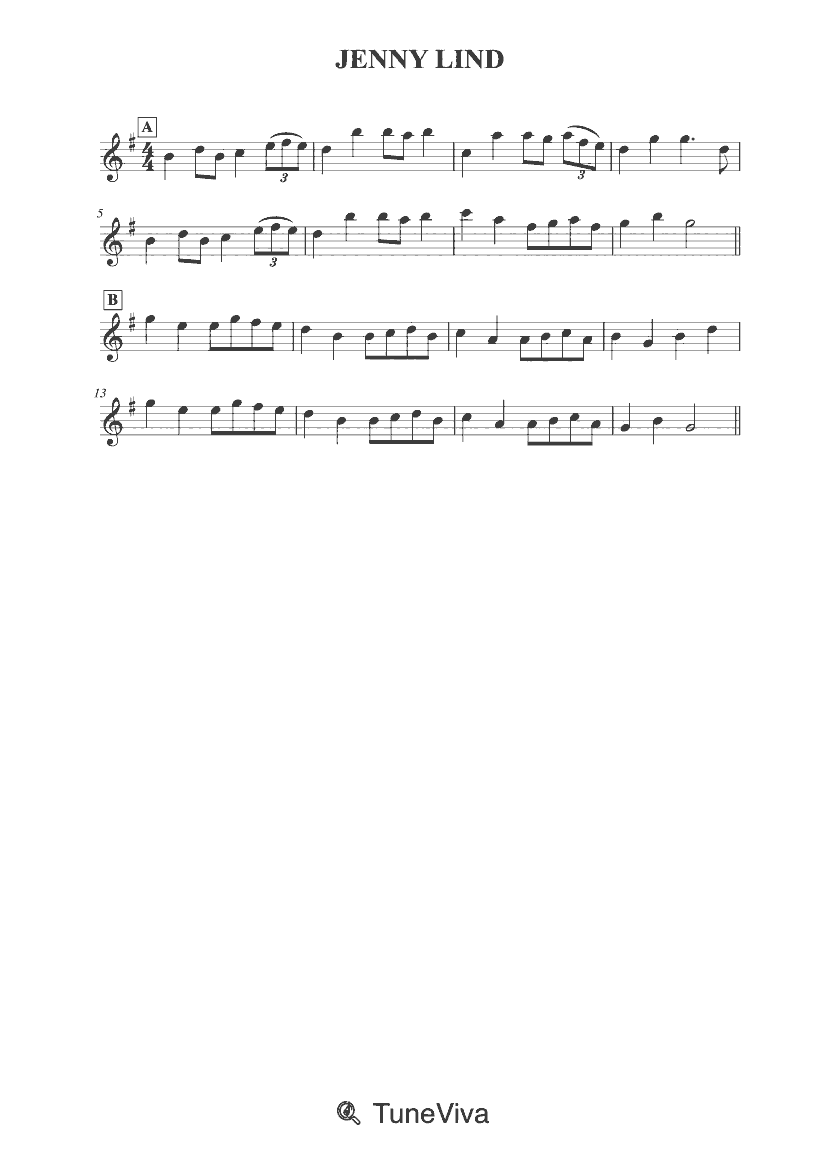
Misc tunes
32 sec · Score #219243
Open score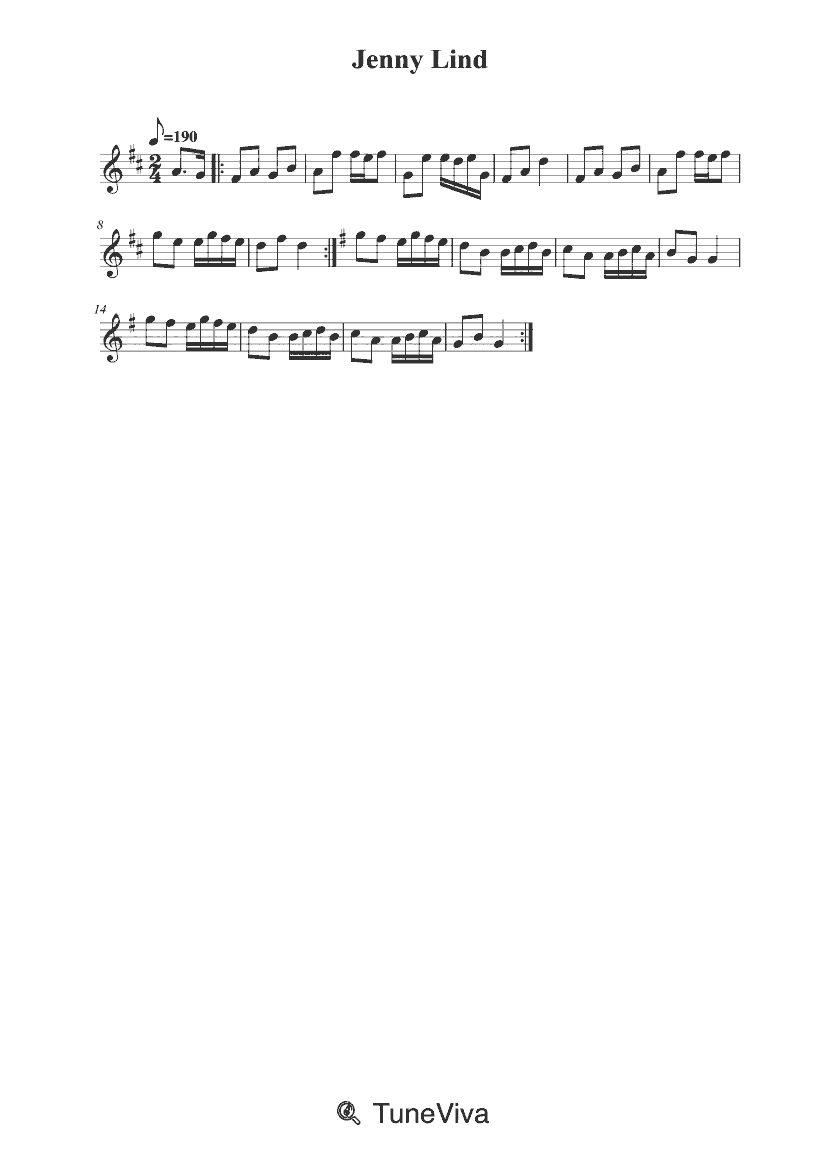
Misc tunes
51 sec · Score #64305
Open score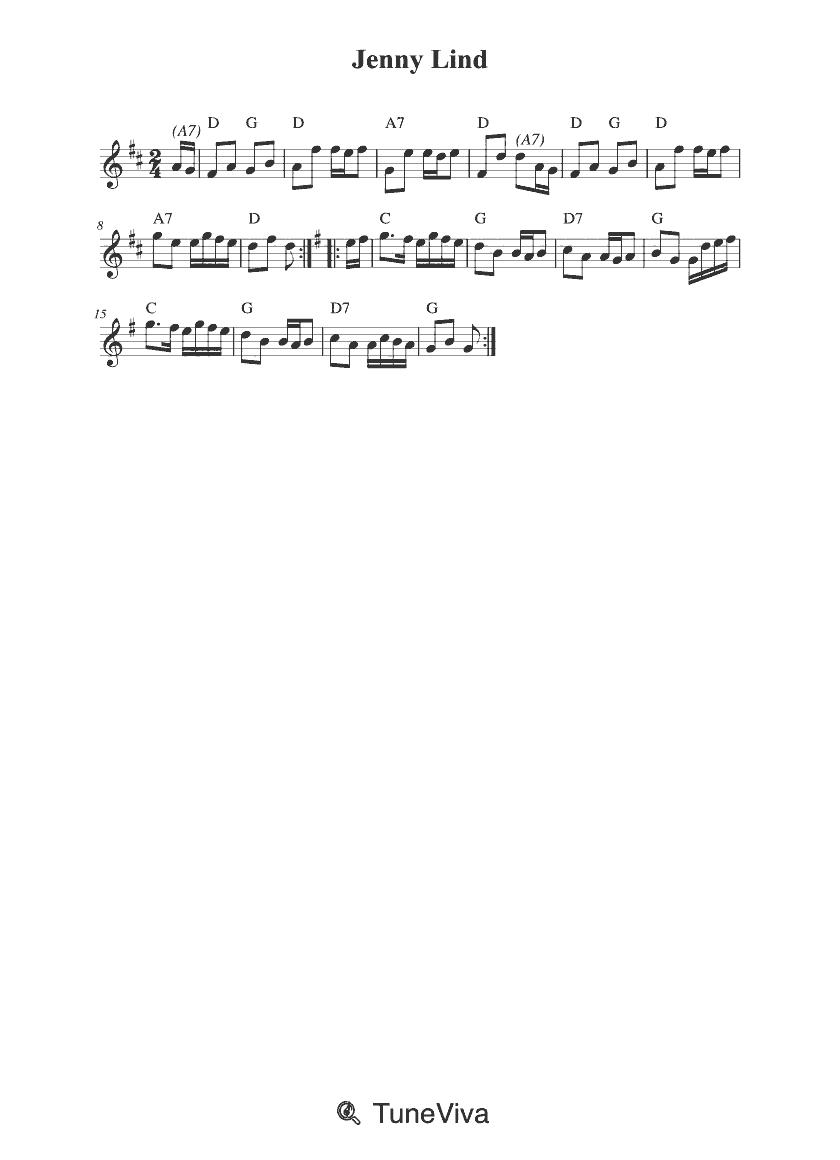
Misc tunes
32 sec · Score #121671
Open score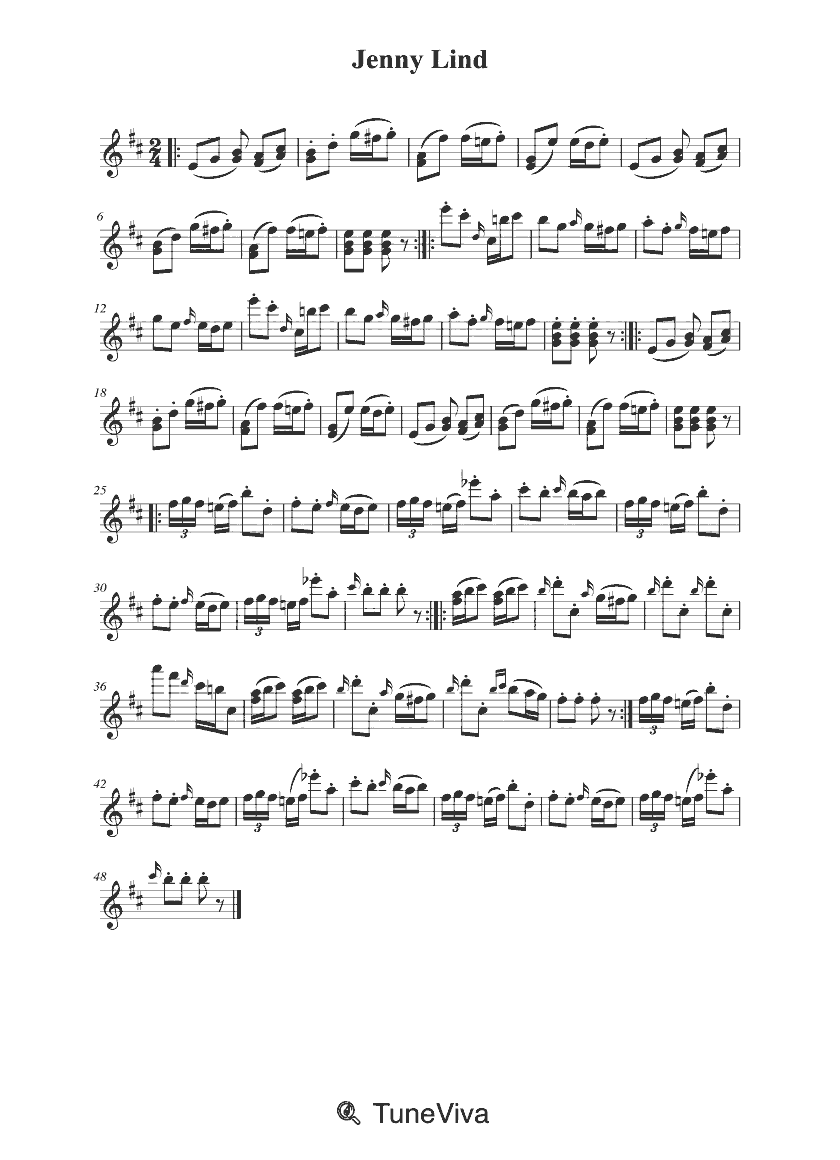
Misc tunes
1 min 21 sec
Open score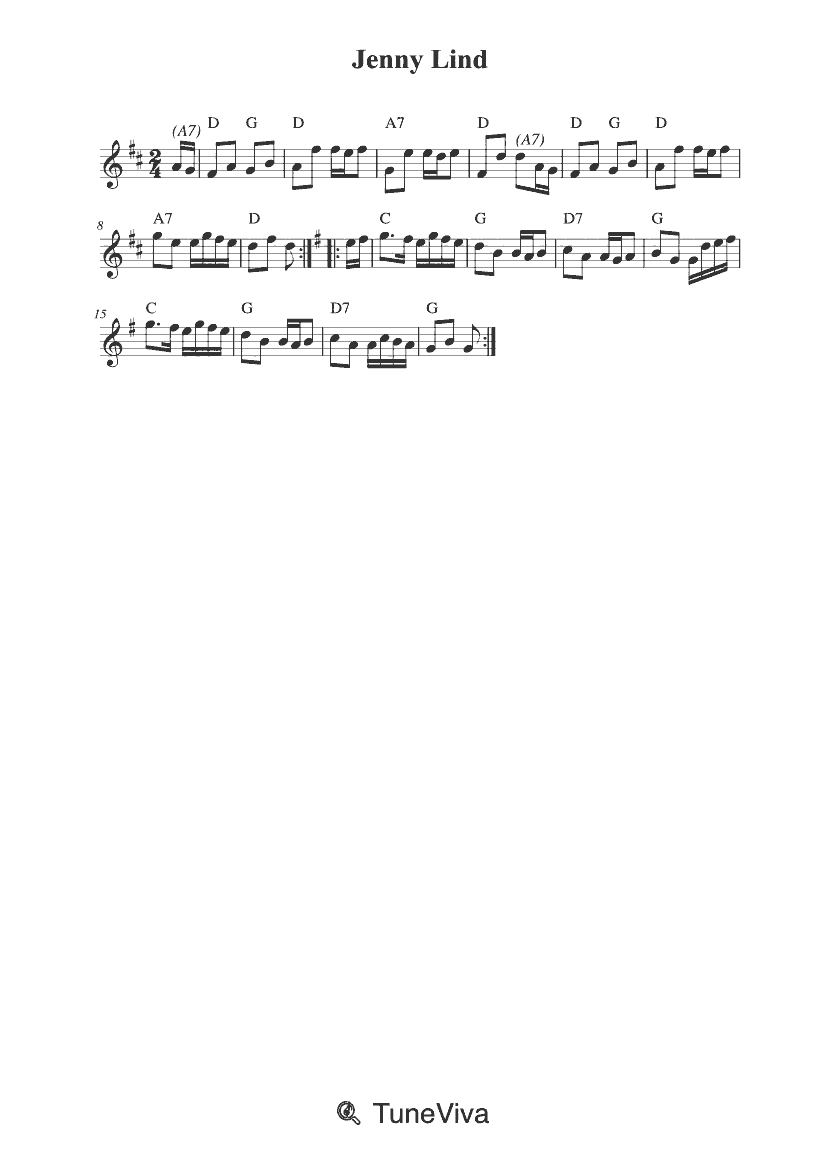
Misc tunes
32 sec · Score #229397
Open score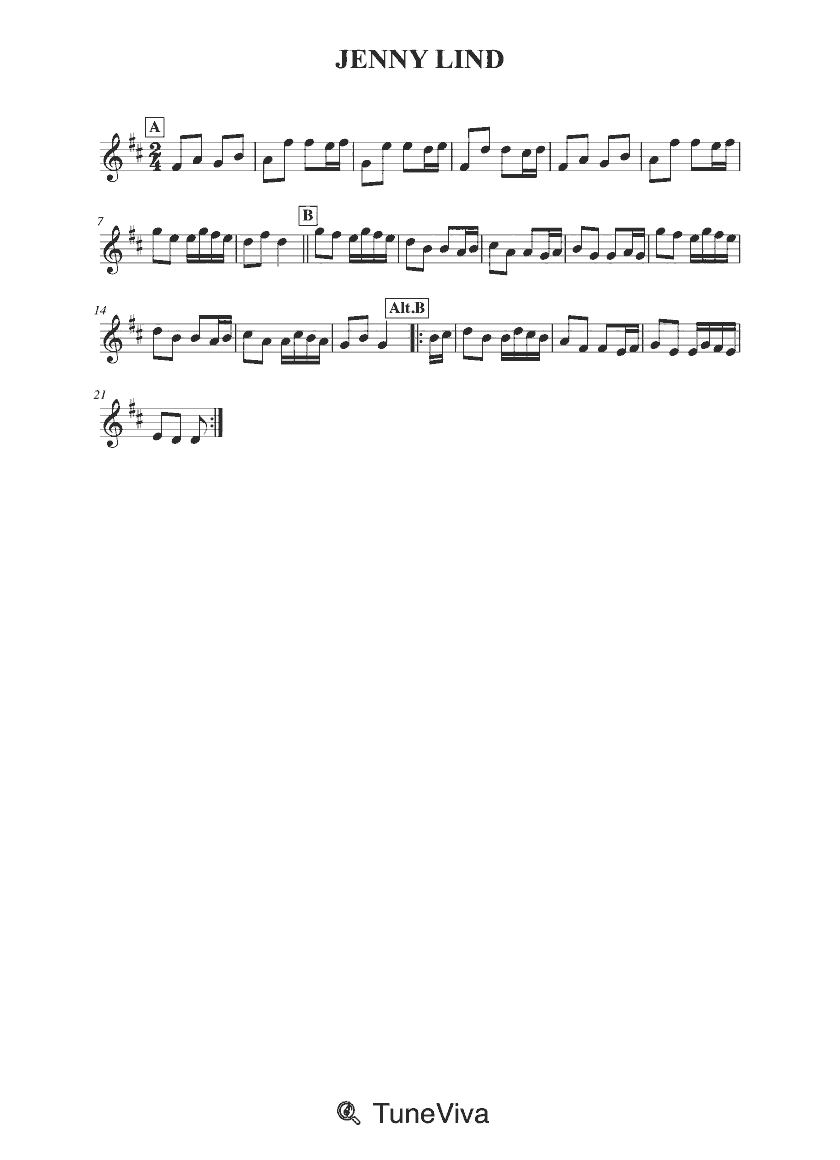
Misc tunes
24 sec
Open score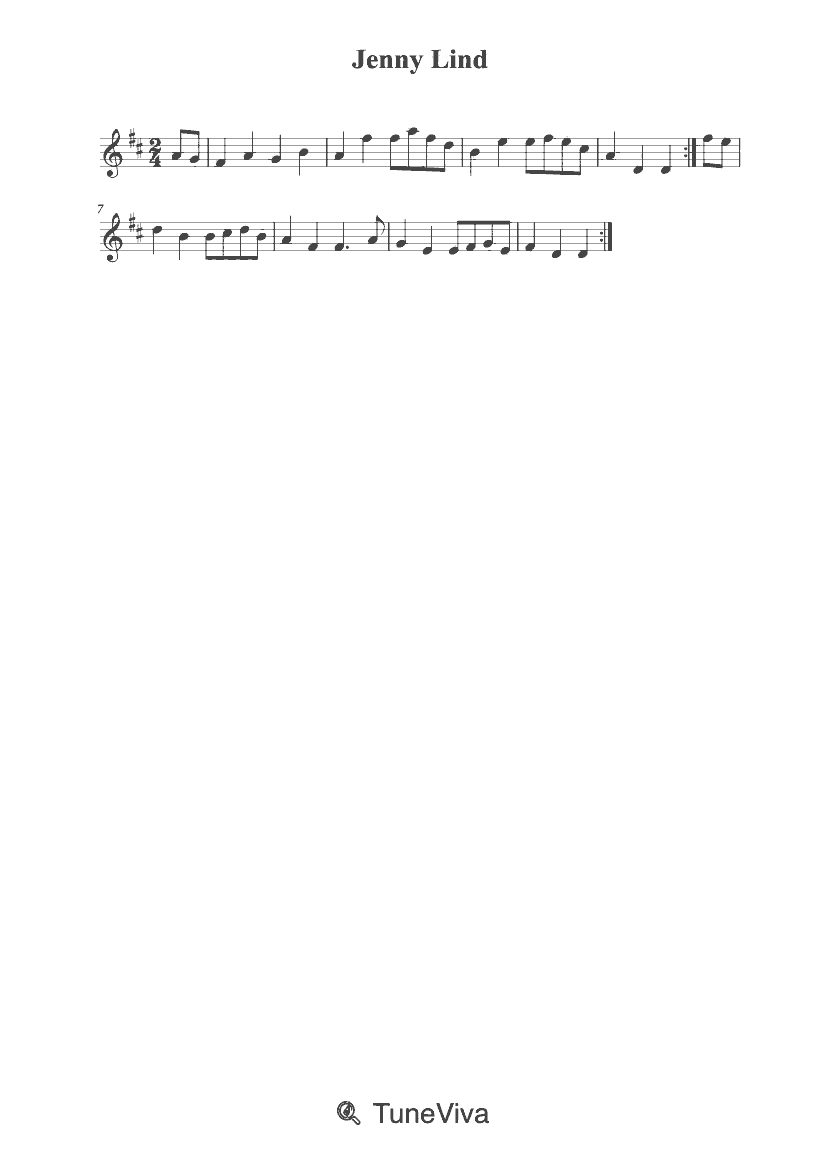
Misc tunes
40 sec
Open score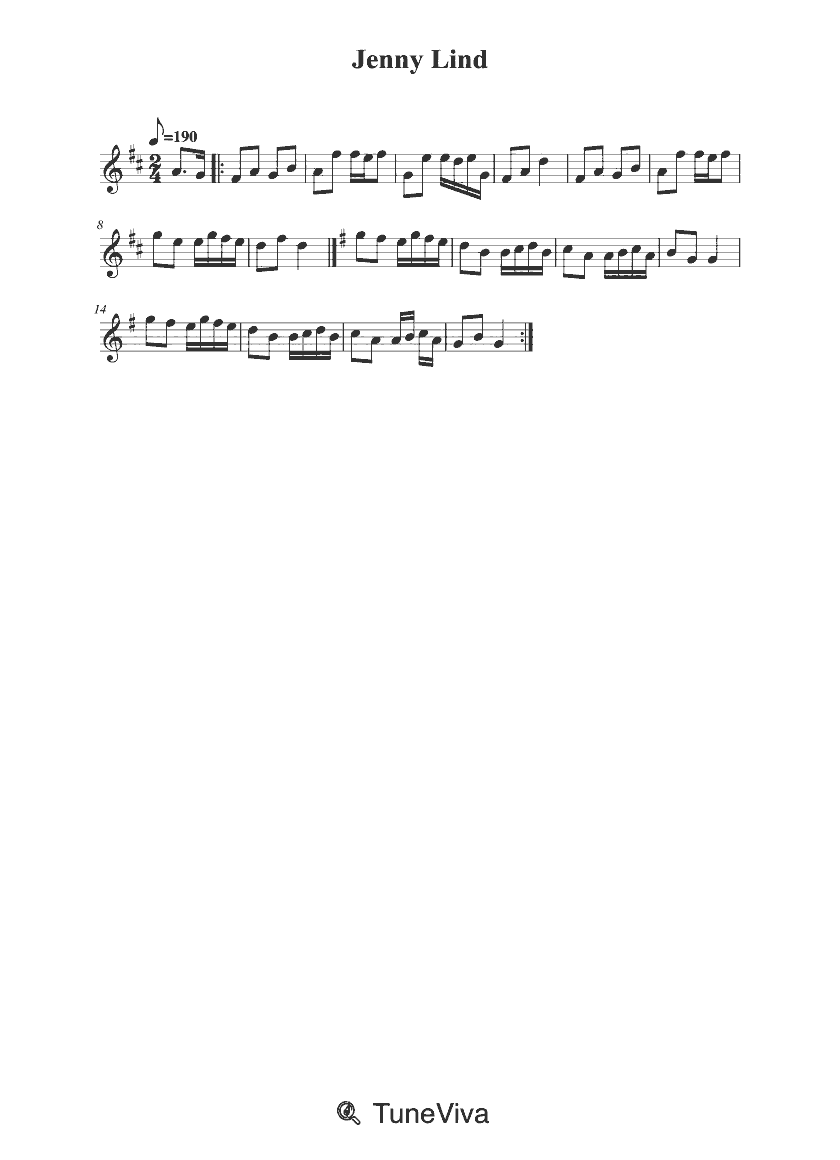
Misc tunes
41 sec · Score #64865
Open score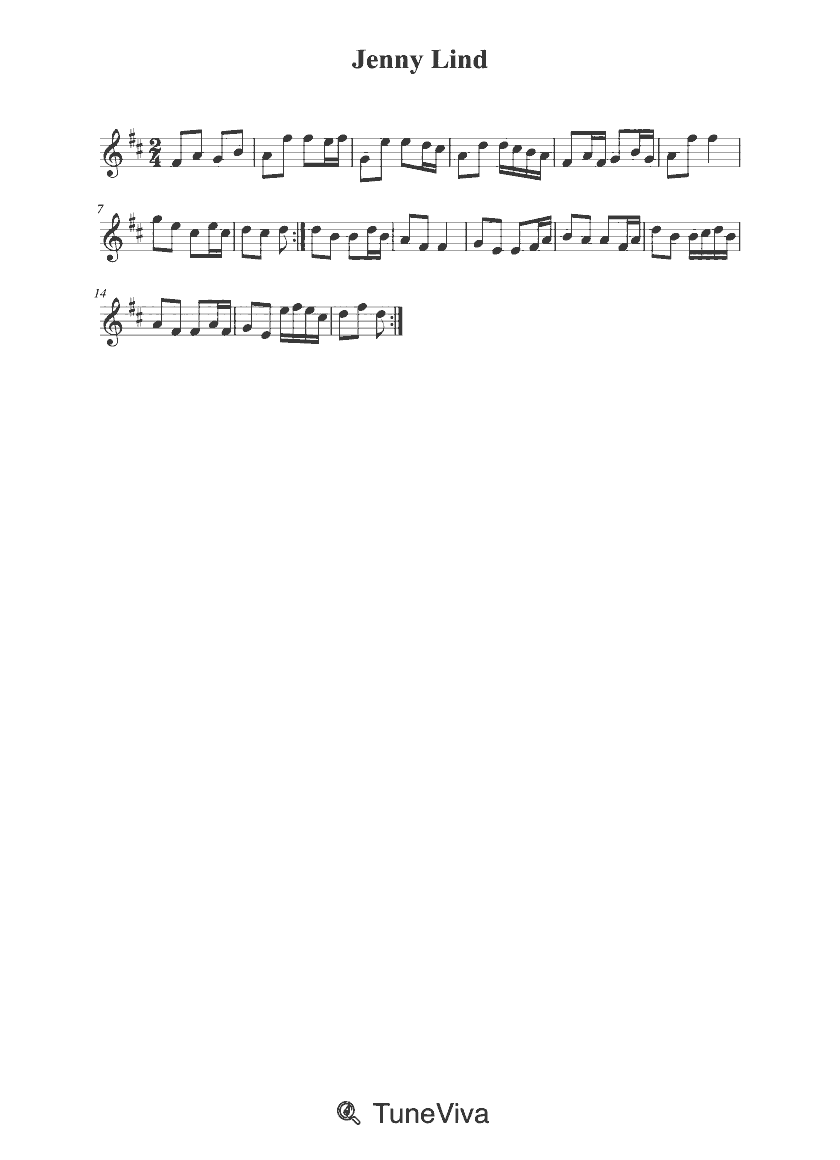
Misc tunes
39 sec
Open score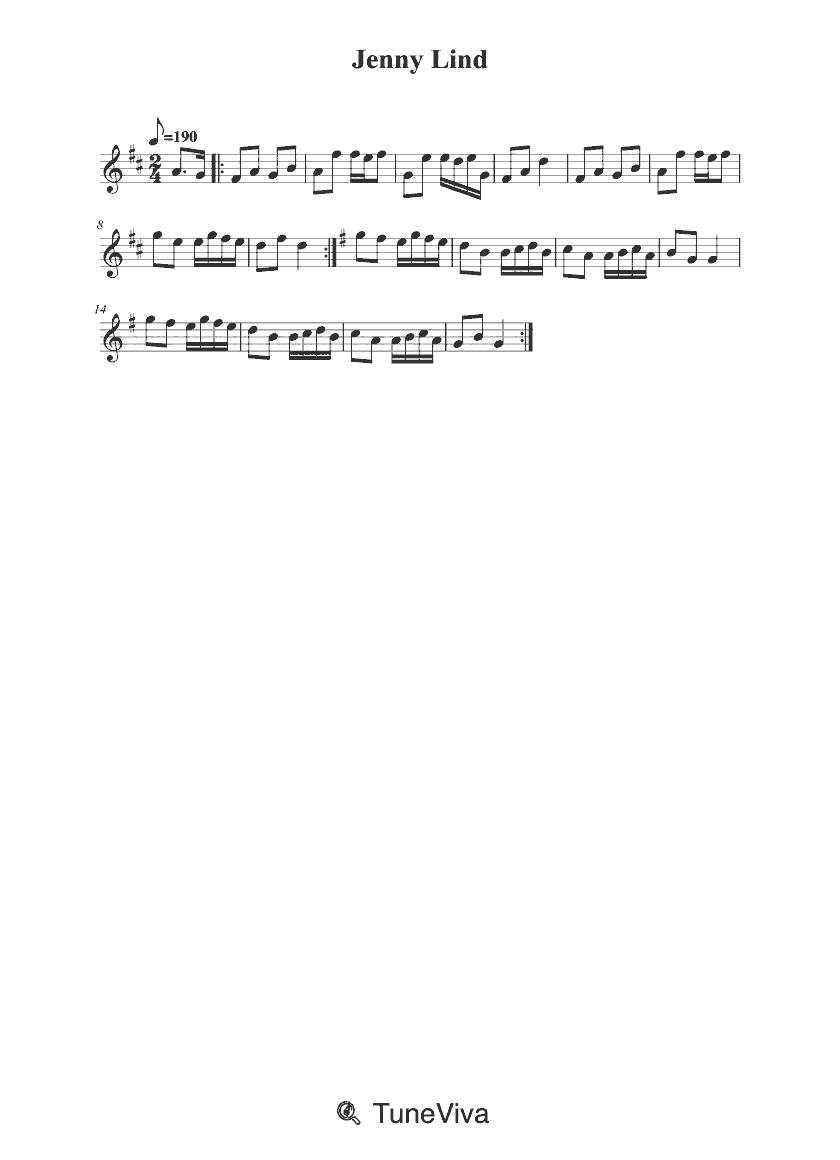
Misc tunes
51 sec · Score #80561
Open score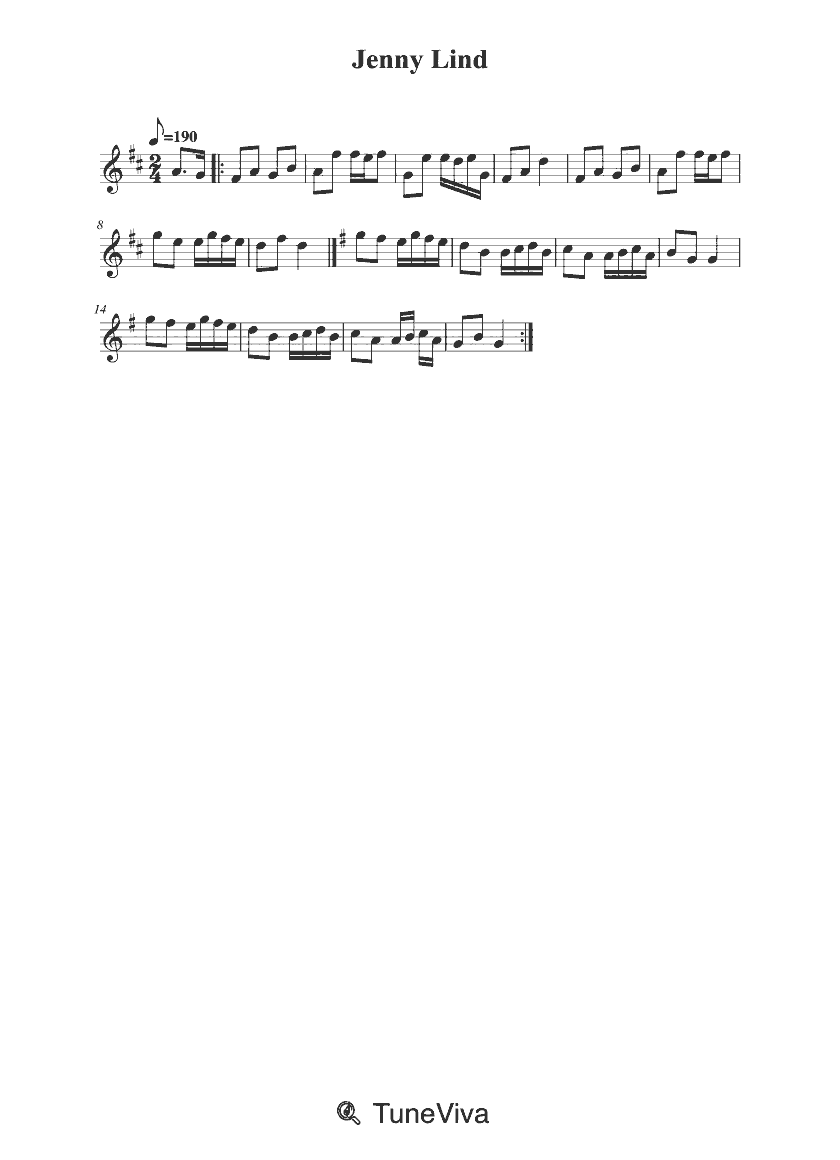
Misc tunes
41 sec · Score #190364
Open score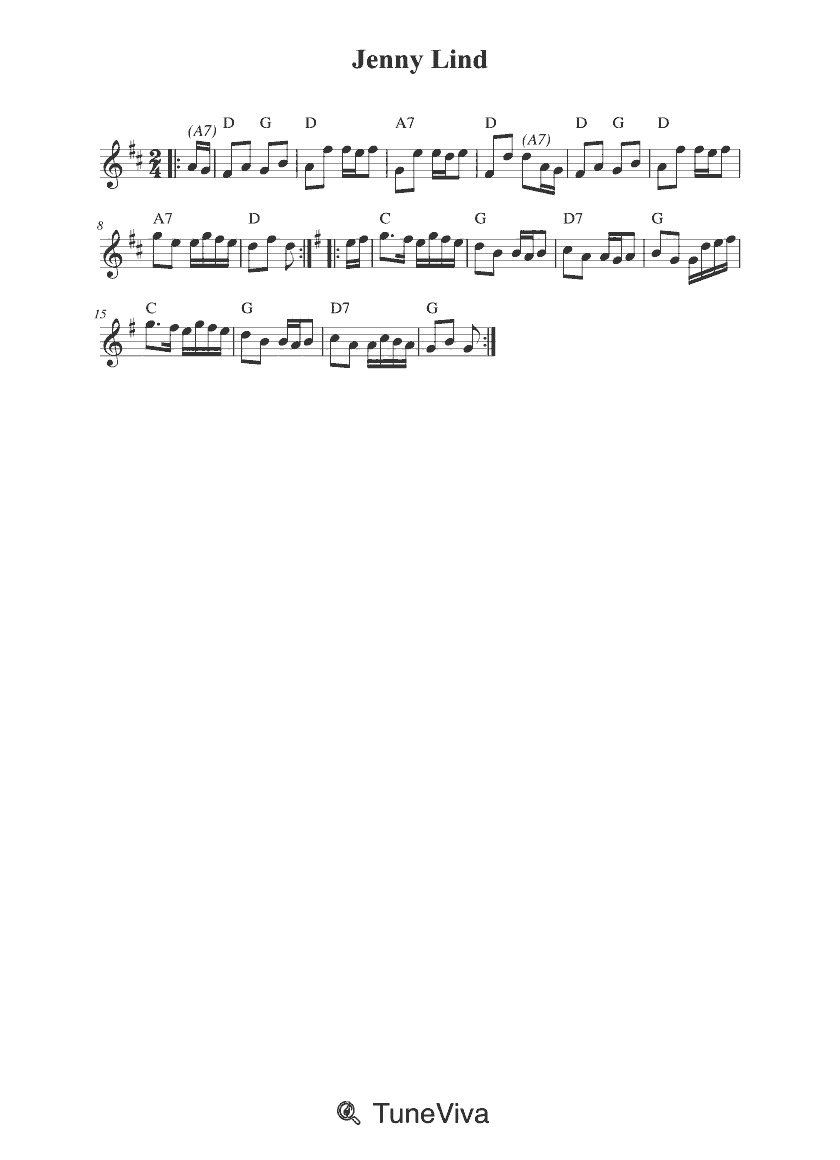
Misc tunes
32 sec · Score #198589
Open score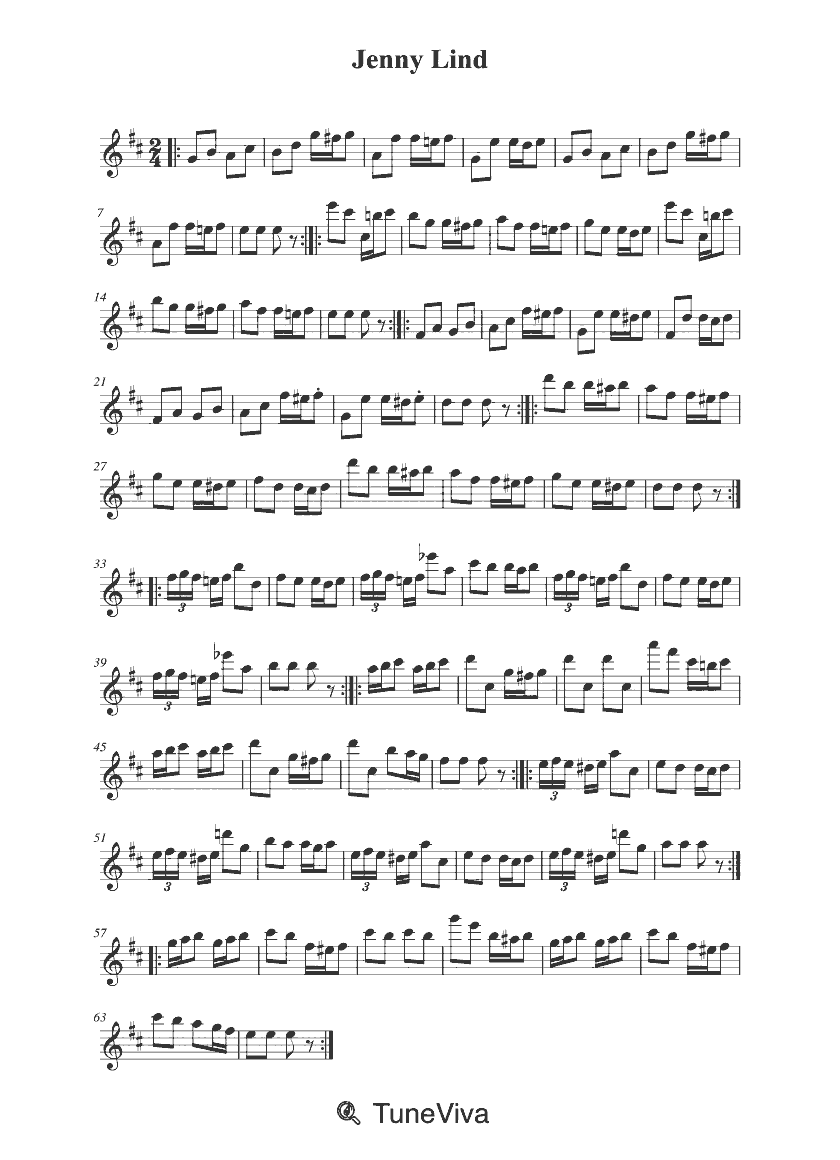
Misc tunes
2 min 8 sec
Open score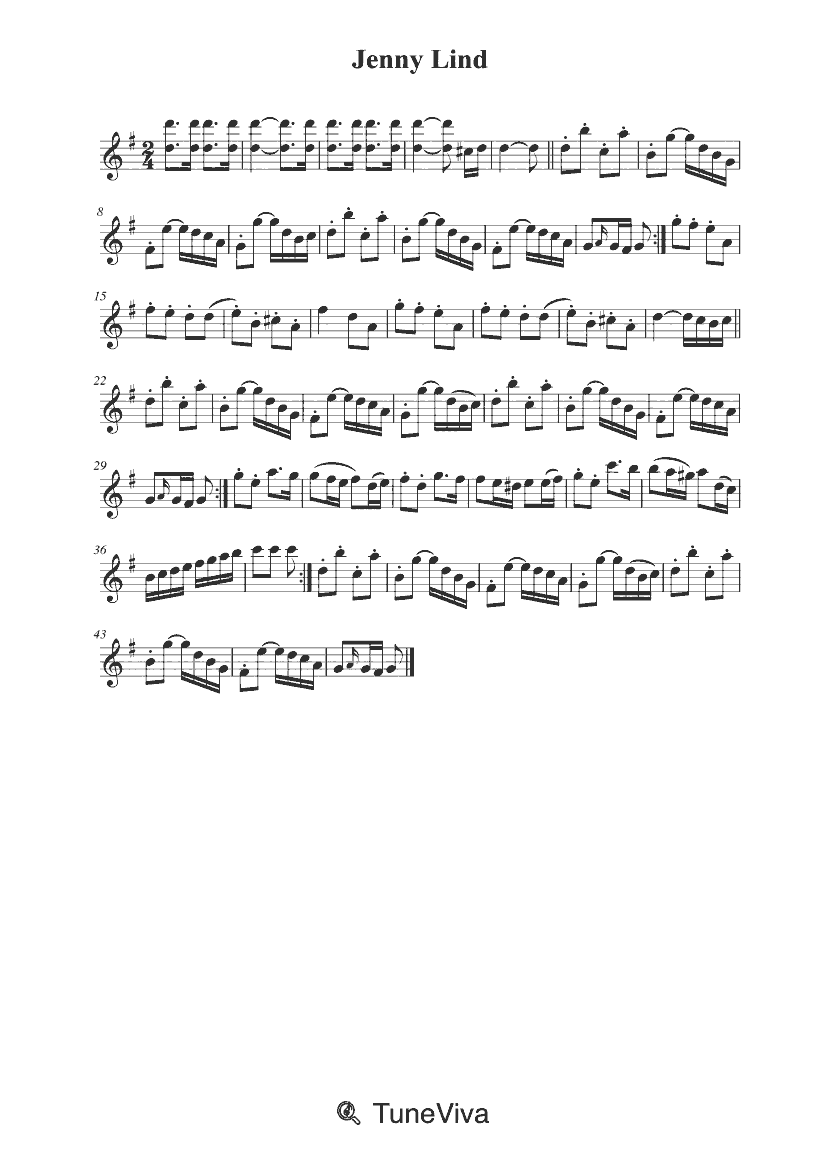
Misc tunes
2 min 0 sec
Open scorePage 1 of 2
The two unattributed Jenny Lind scores share D major but not metre: one is in 4/4 and the other in 2/4. The Wallerstein setting is in G major and 2/2. Reading the opening bars of each is the quickest way to see whether a setting matches the version you already know, since key and pulse shape the feel from the start.
Only one of the three scores names a composer: Anton Wallerstein, with 1845 appearing alongside the name. The other two carry no composer and are listed under 'Misc tunes'. A name in a score heading is a lead rather than a settled attribution, so confirm it against a library catalogue or scholarly edition if authorship matters for your programme or notes.
Check the key first: D major in either 4/4 or 2/4, or G major in 2/2. Singers and players of transposing instruments should also compare the metre and opening tempo indication, since a 2/2 signature changes how the beat is counted. The Wallerstein score lists an opening tempo of 200 BPM; treat that as a starting point and check the score itself for a second part rather than relying on part listings.
Nothing in these scores states what the title Jenny Lind refers to.
Catalogue duration 32 sec. Opening key signature: 2 sharps (D major). Opening time signature: 4/4.
Catalogue duration 1 min 4 sec. Opening key signature: 2 sharps (D major). Opening time signature: 2/4.
Catalogue duration 1 min 17 sec. Opening key signature: 1 sharp (G major). Opening time signature: 2/2. Opening tempo: 200 BPM.
Only one of the three Jenny Lind settings names a composer: Anton Wallerstein, with 1845 alongside the credit. The other two settings carry no composer name and are listed under 'Misc tunes'. The Wallerstein attribution is a lead to verify against a library catalogue or scholarly edition, not a settled authorship.
The three Jenny Lind settings differ in key and metre. Two unattributed settings are in D major, one in 4/4 and one in 2/4, while the setting credited to Anton Wallerstein is in G major and 2/2. Those differences affect pulse and phrasing, so compare the openings before choosing.
The year 1845 appears alongside Anton Wallerstein's name in one Jenny Lind score, but no supplied source explains whether it is a composition date, a publication date, or another catalogue detail. The date is part of the score's credit that needs verification rather than a confirmed fact.
The Jenny Lind setting credited to Anton Wallerstein is notated in 2/2 and lists an opening tempo of 200 BPM. That marking describes the opening pulse only; performers should adjust it to the instrument, voice, and accompaniment rather than treating it as a fixed speed for the whole piece.
The scores do not state a dedication or naming origin, so the connection should remain an open question rather than a documented fact.