
Neil Gow - Lady Madelina Sinclair
Niel Gow
A Bhean a bha aig an Tailler ChaolThe Small Tailor's Wife
32 sec
Open scoreLady Madelina Sinclair sheet music appears in the collection in three listed settings: one credited to Neil Gow, one to Charles Duff, and one with no composer credit. The scores do not present a single fixed text: two open in A major and 4/4, while the unattributed setting opens in E major and 6/8. Comparing those details is the most reliable way to choose among the versions listed.
Scores 1–20 of 36
Niel Gow
A Bhean a bha aig an Tailler ChaolThe Small Tailor's Wife
32 sec
Open score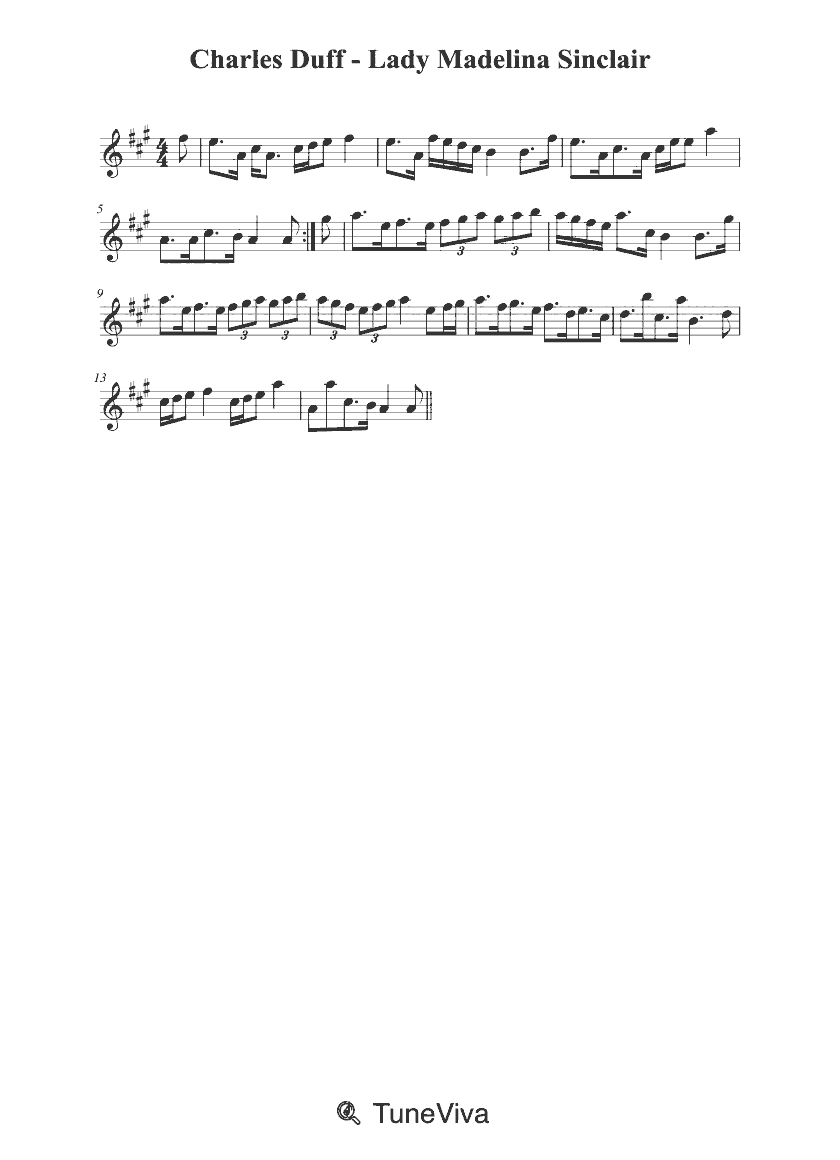
Charles Duff
32 sec
Open score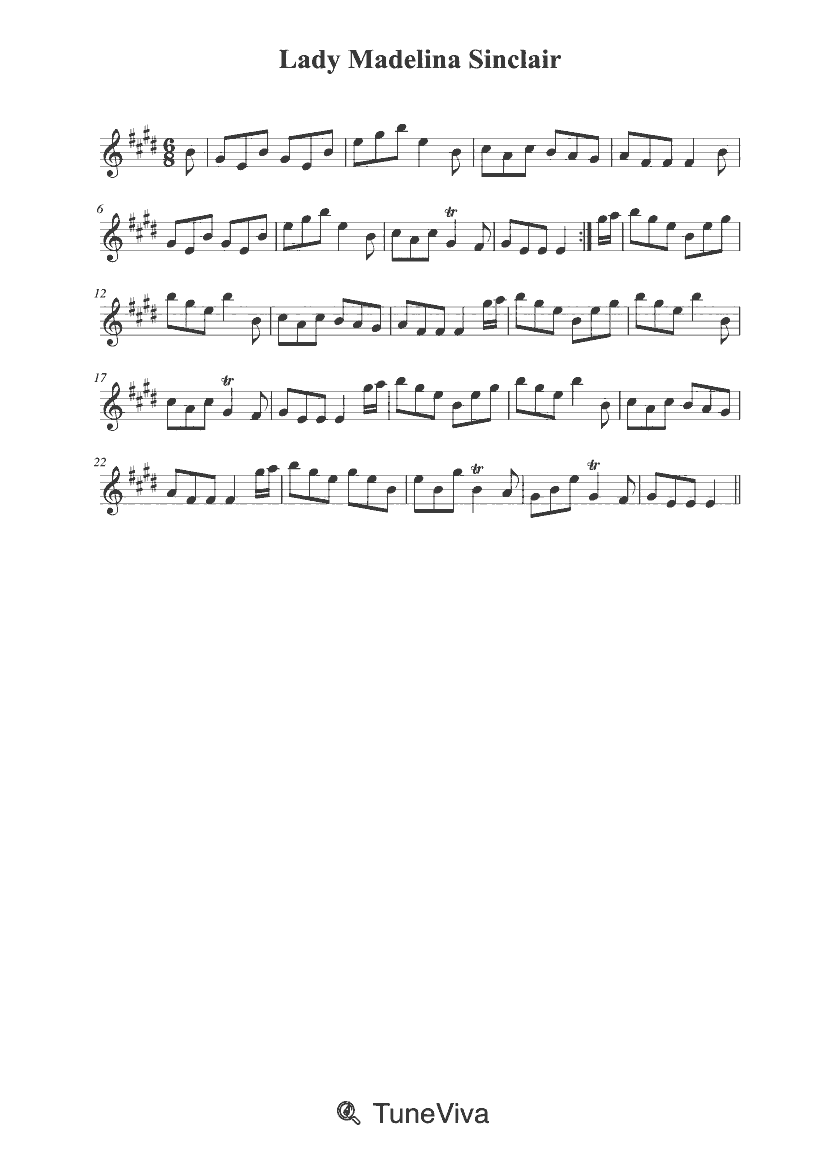
Misc tunes
24 sec · Score #156825
Open score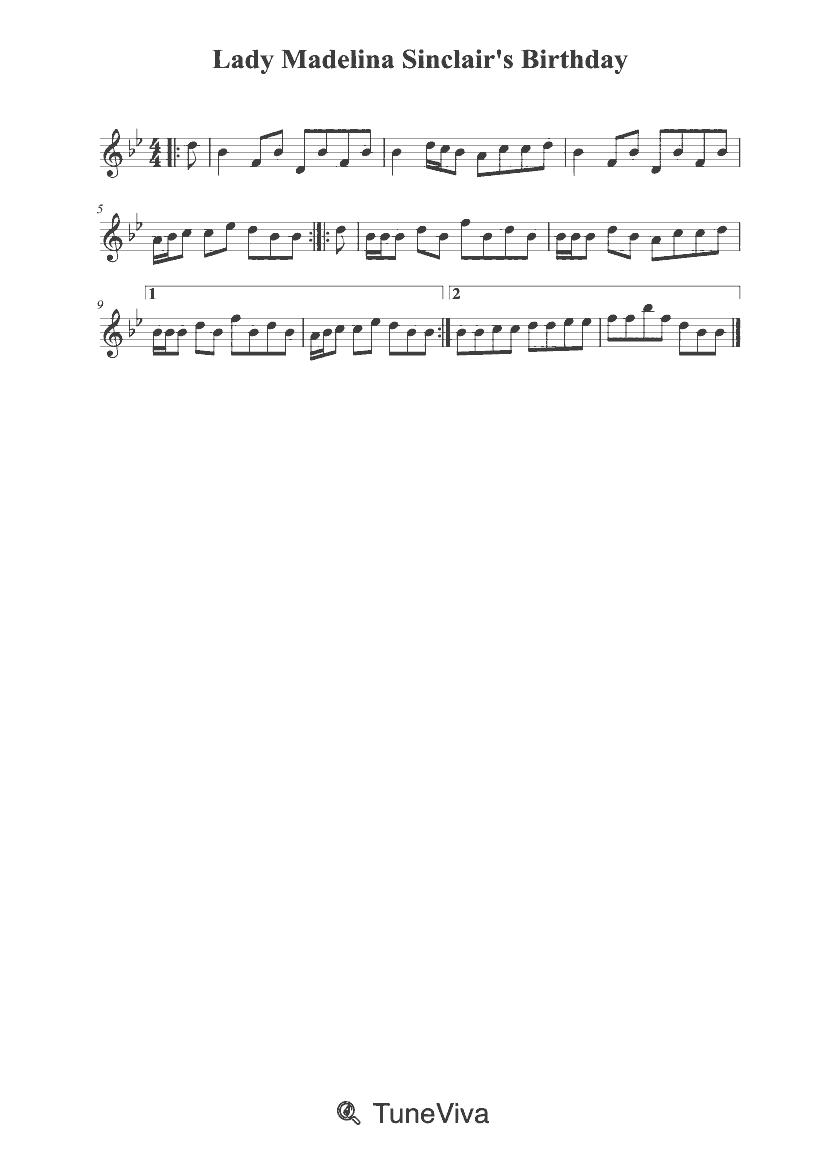
Misc tunes
32 sec · Score #62387
Open score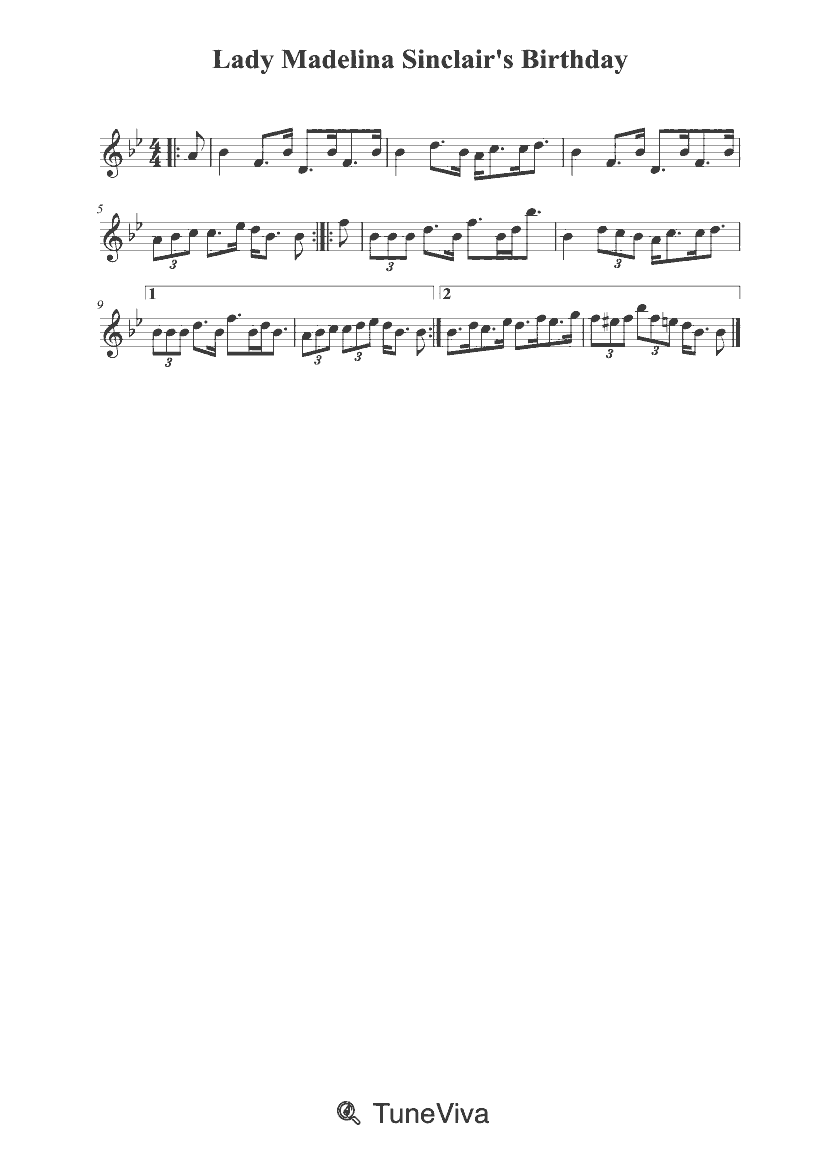
Misc tunes
32 sec · Score #208337
Open score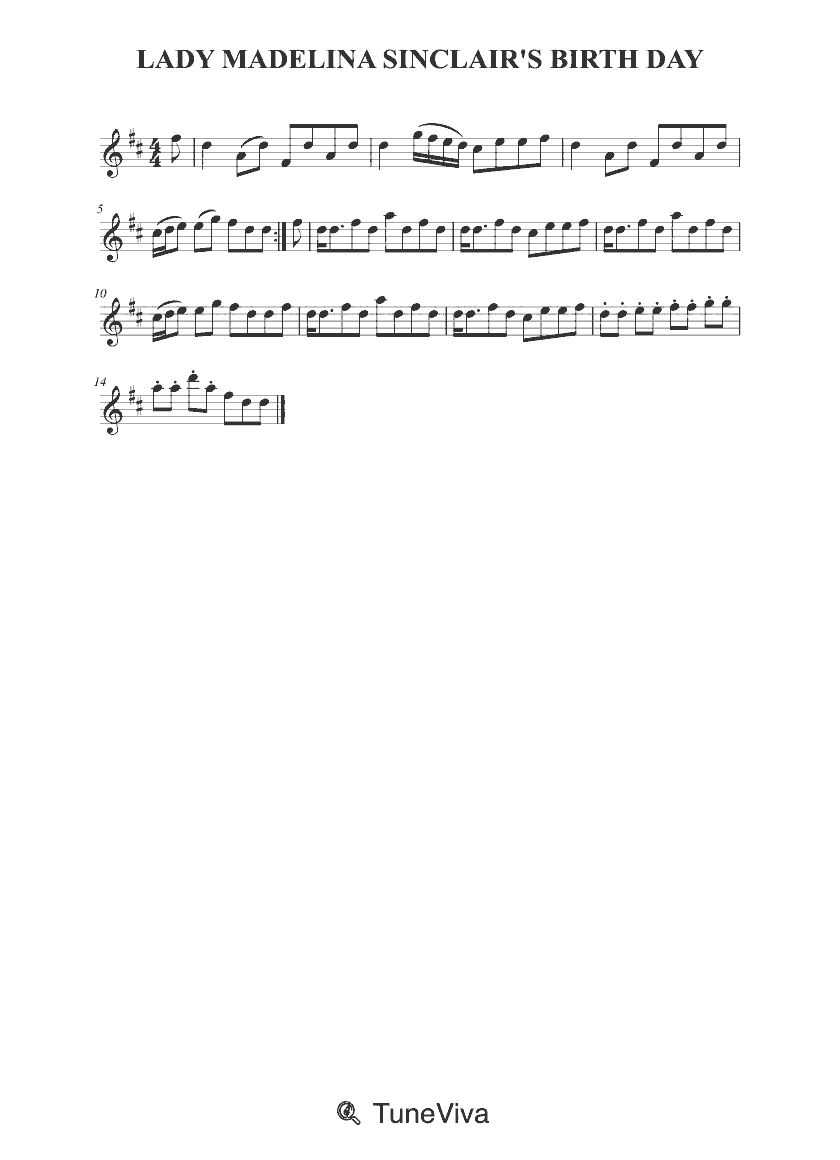
Misc tunes
32 sec
Open score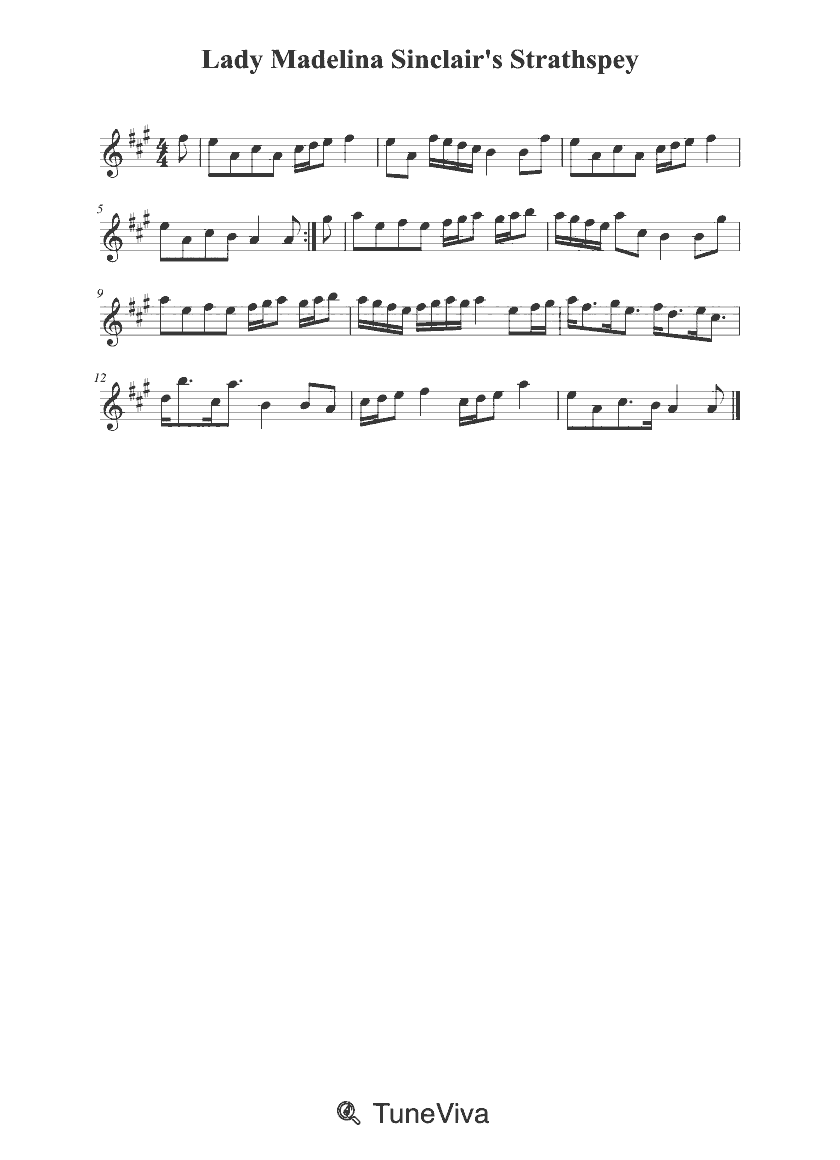
Misc tunes
32 sec
Open score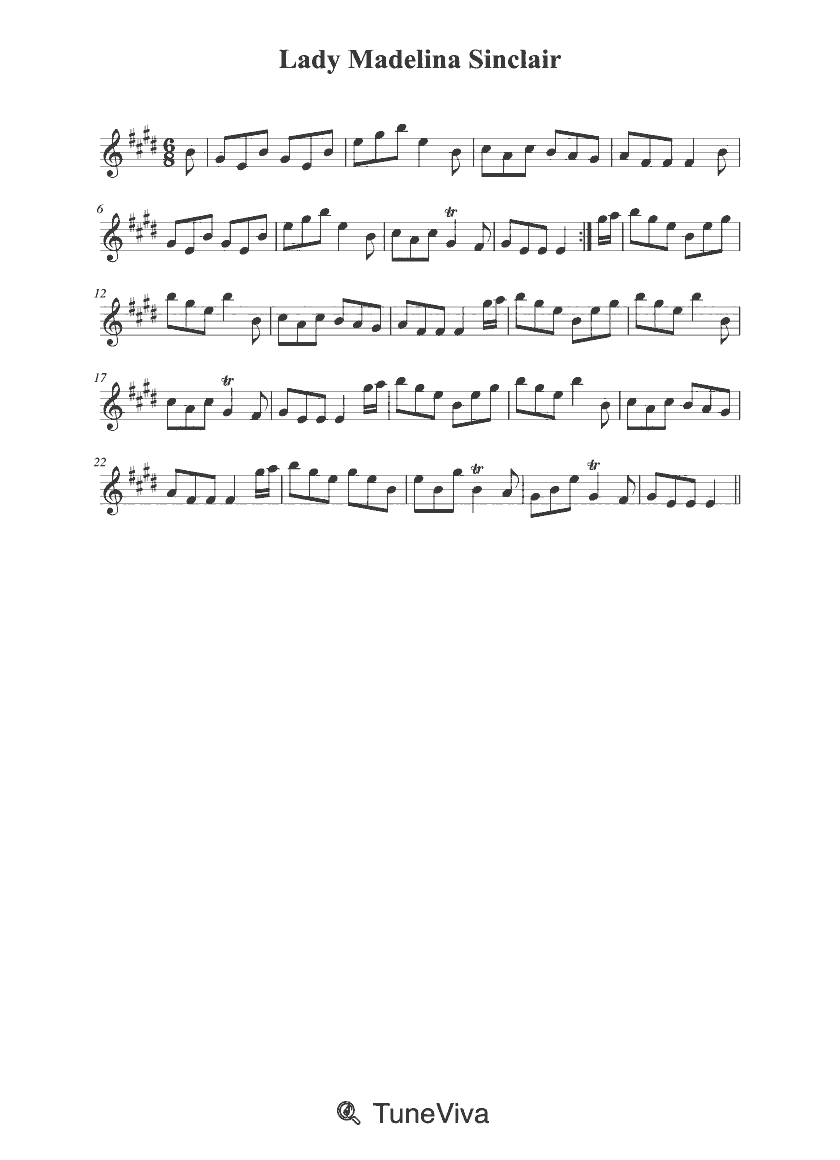
Misc tunes
24 sec · Score #18471
Open score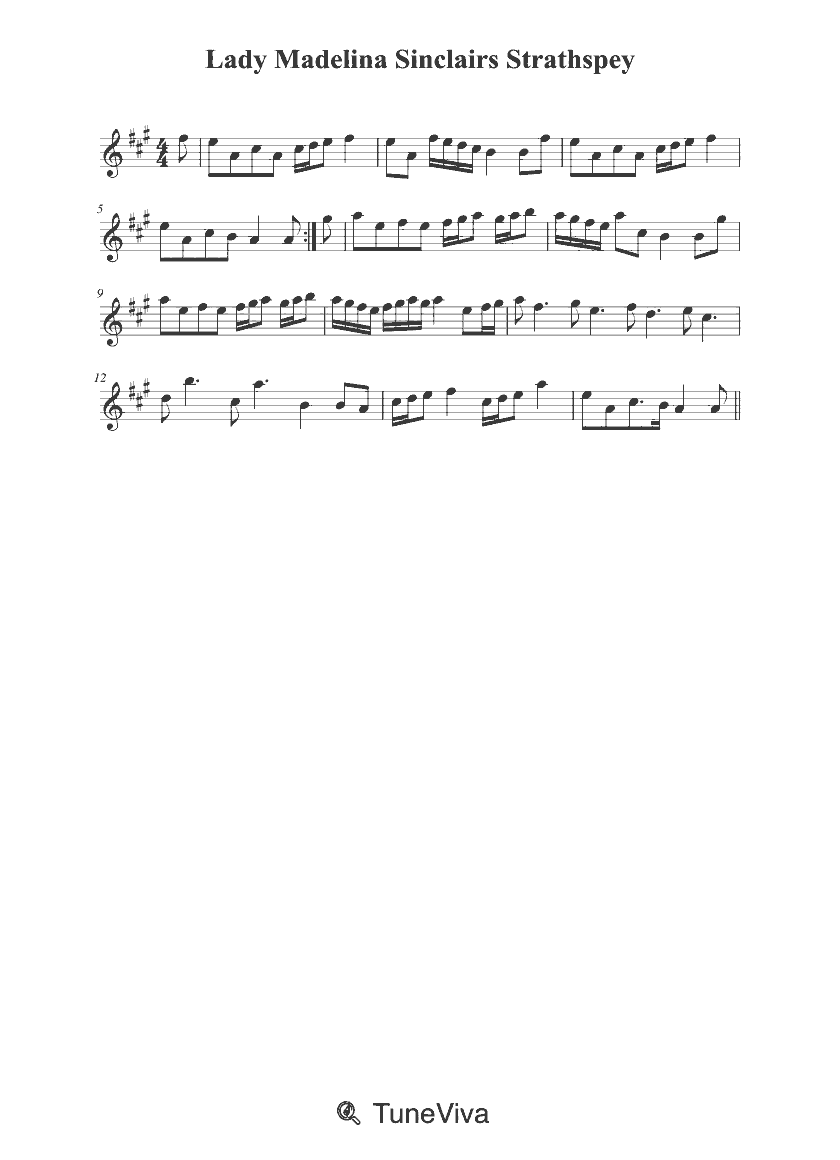
Misc tunes
35 sec
Open score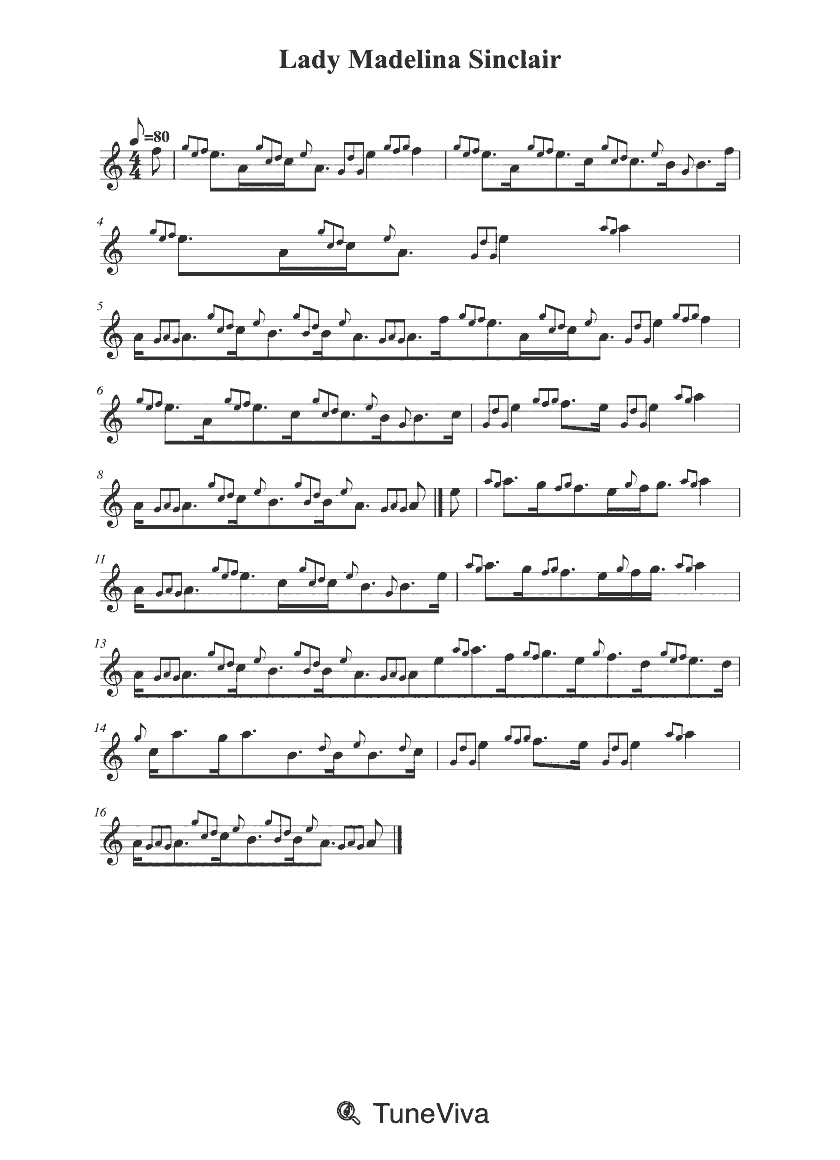
Misc tunes
1 min 35 sec
Open score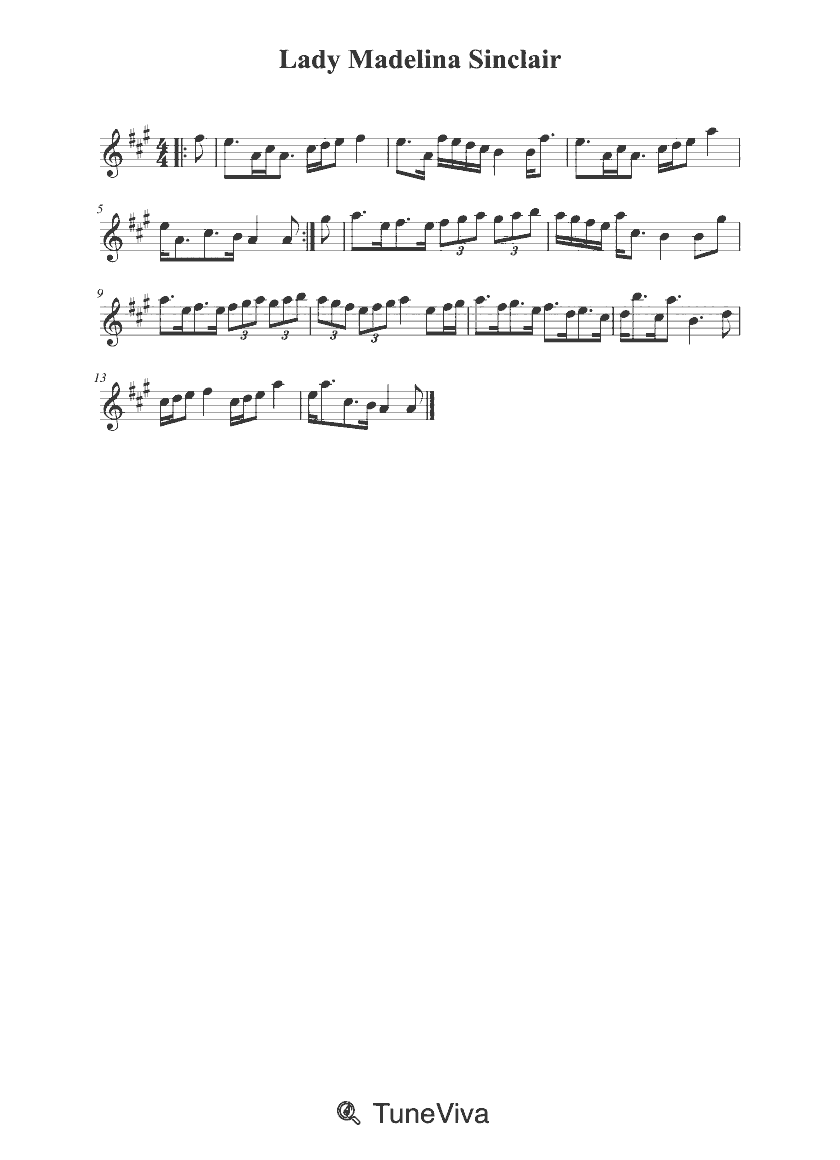
Misc tunes
32 sec · Score #165803
Open score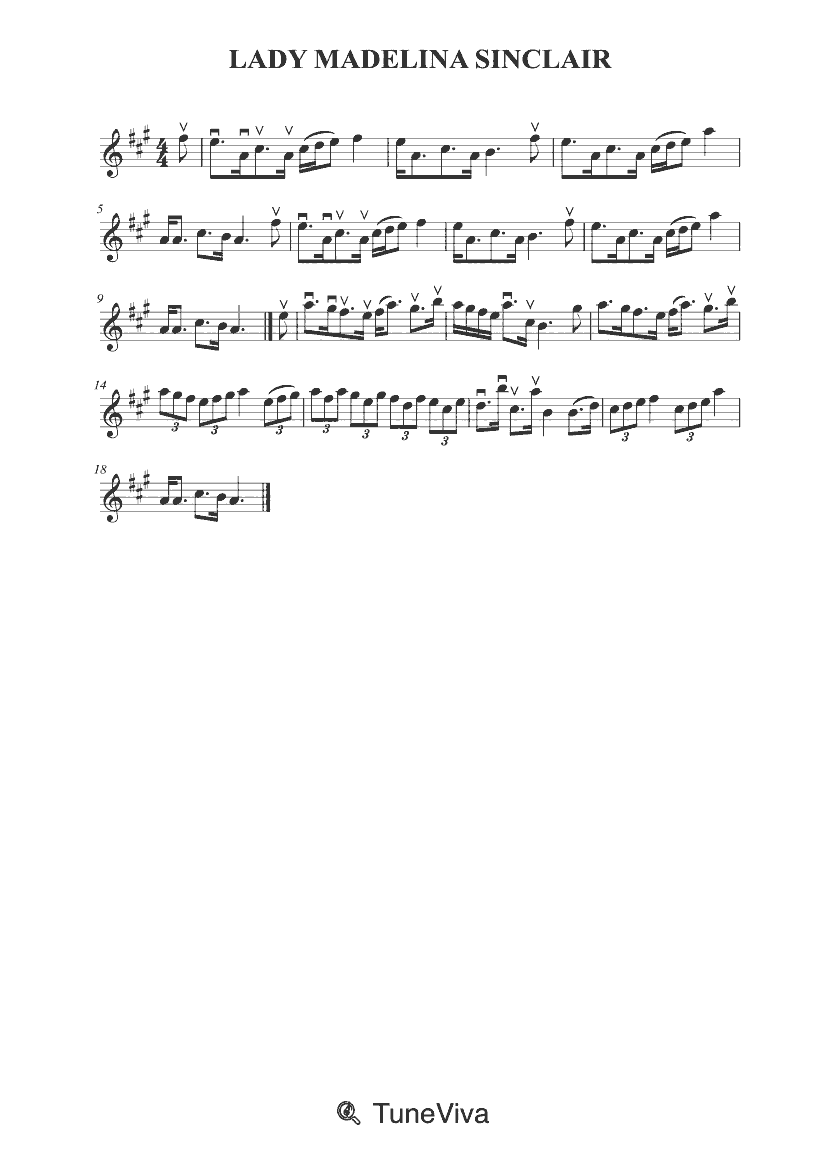
Misc tunes
32 sec · Score #184037
Open score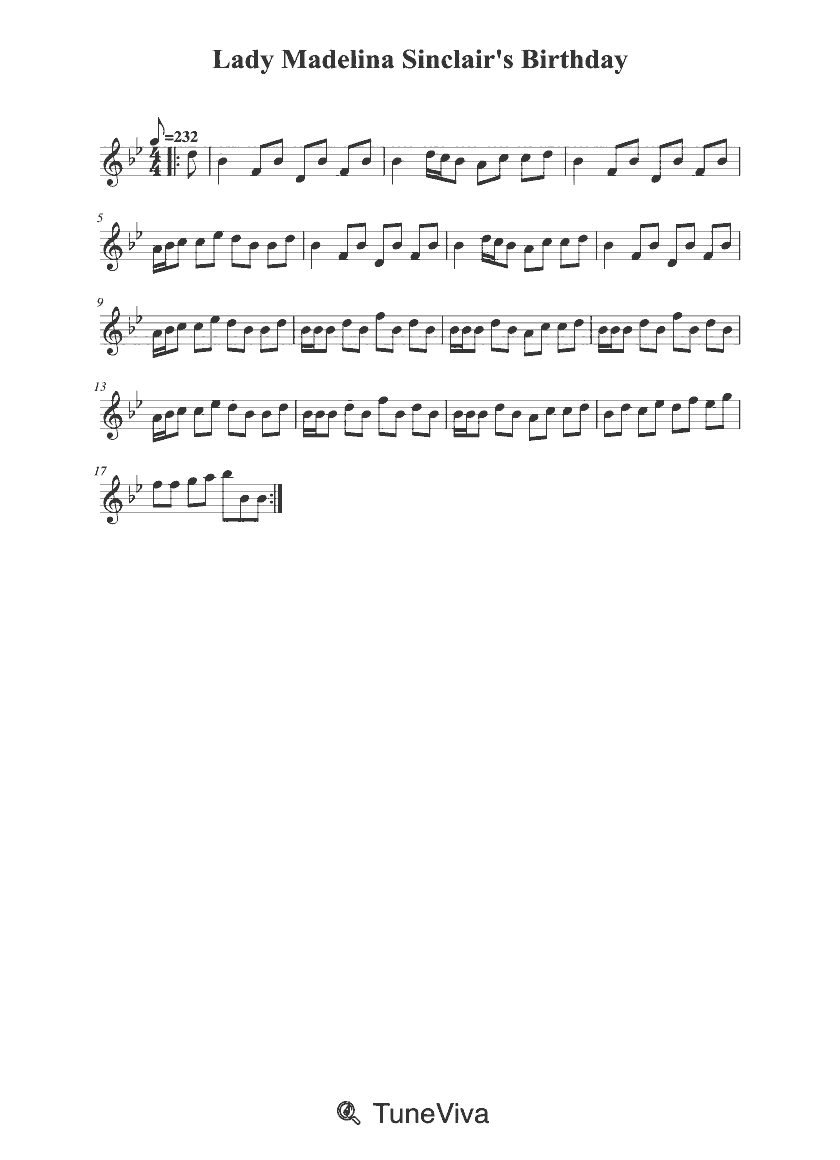
Misc tunes
1 min 6 sec · Score #38579
Open score
Niel Gow
32 sec · Score #65596
Open score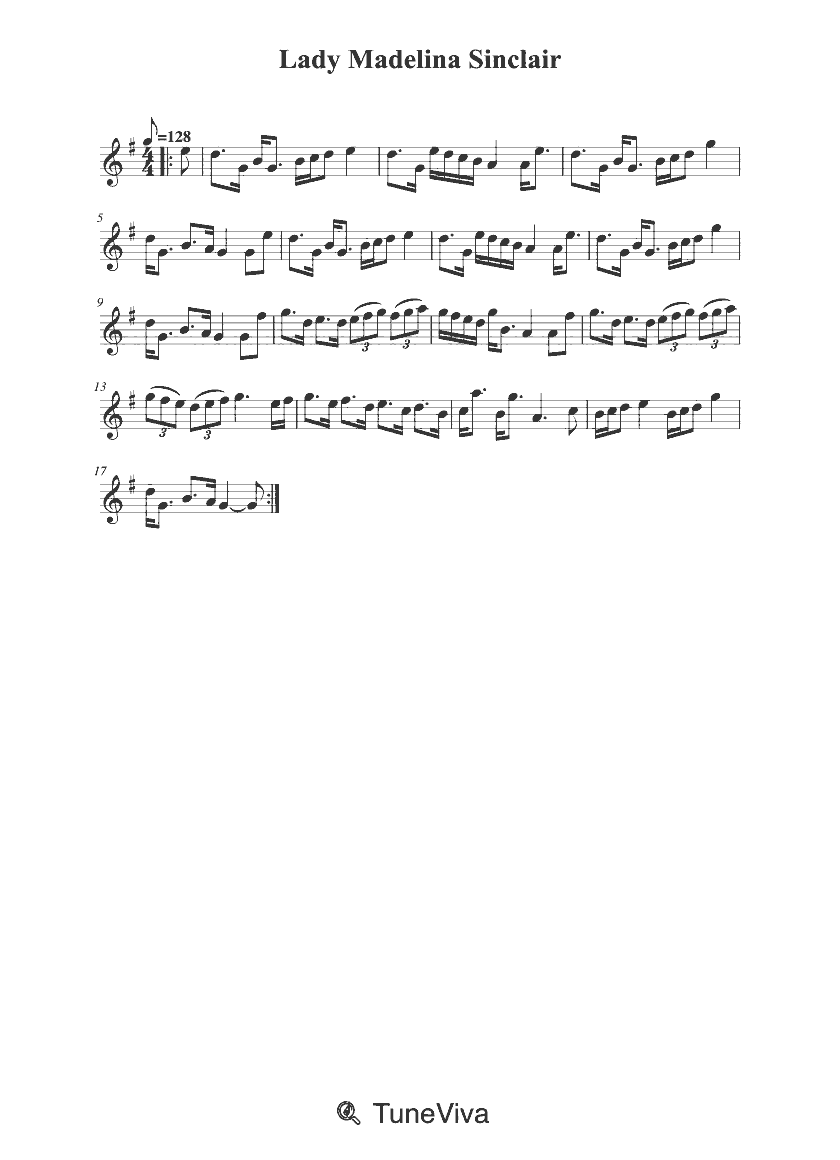
Misc tunes
2 min 0 sec
Open score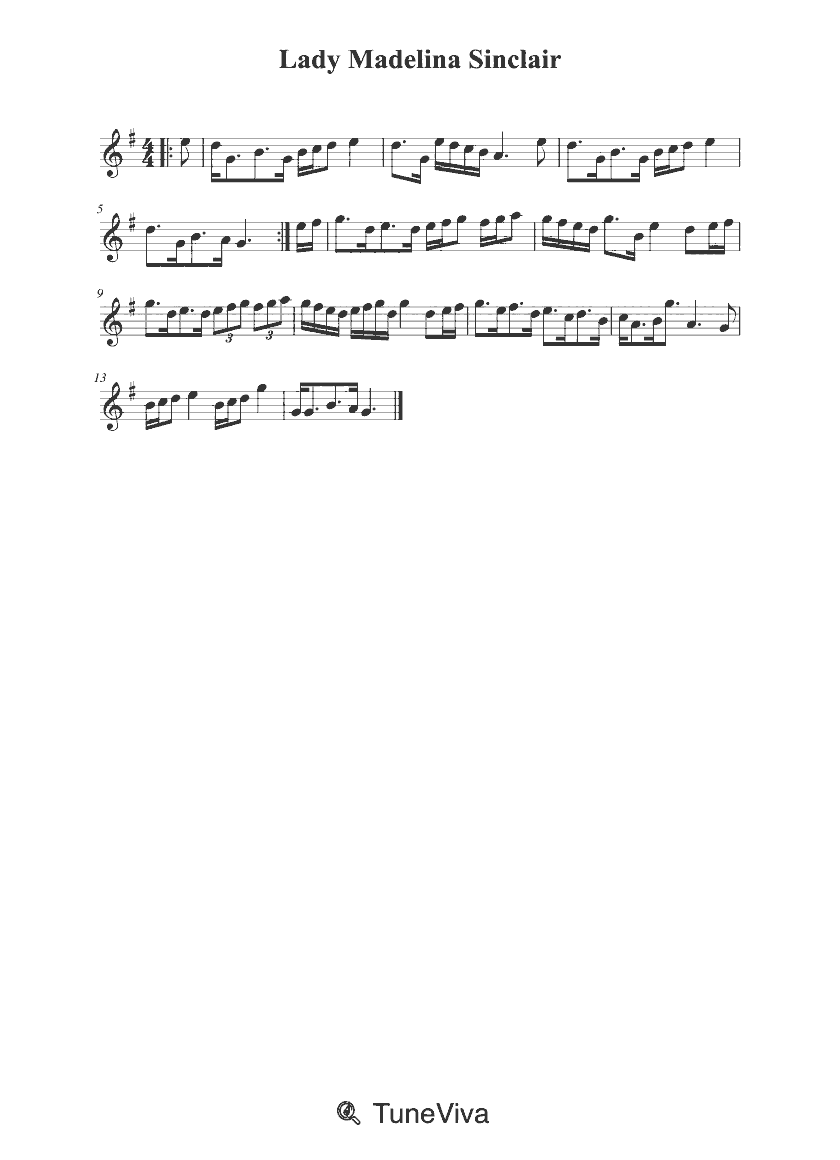
Misc tunes
32 sec · Score #82891
Open score
Niel Gow
32 sec · Score #168176
Open score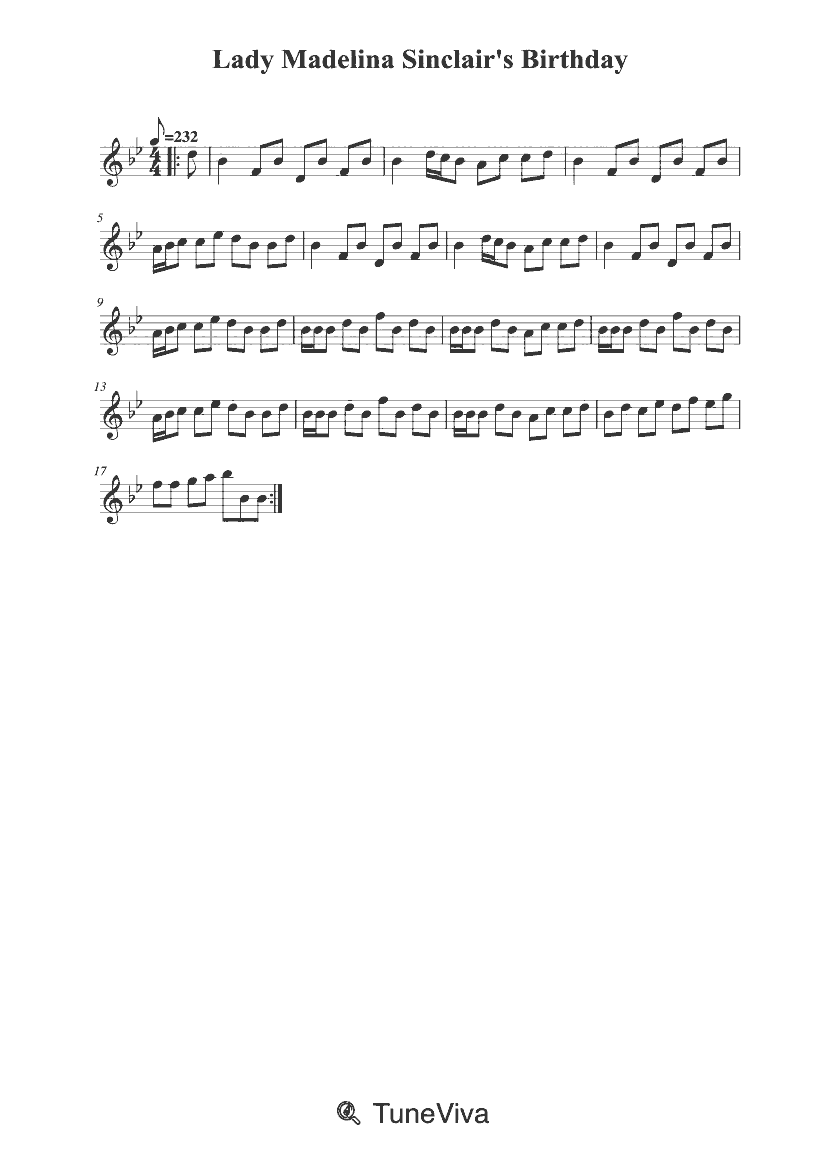
Misc tunes
1 min 6 sec · Score #181149
Open score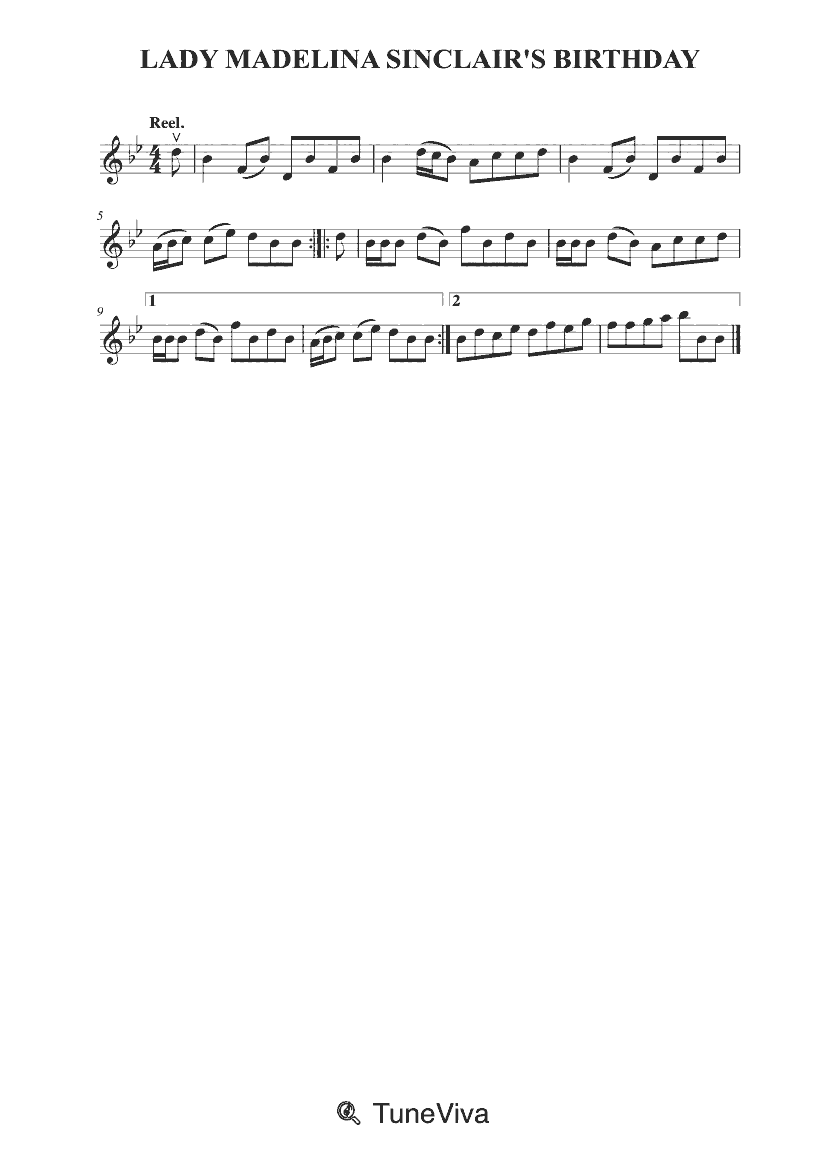
Misc tunes
32 sec · Score #184151
Open score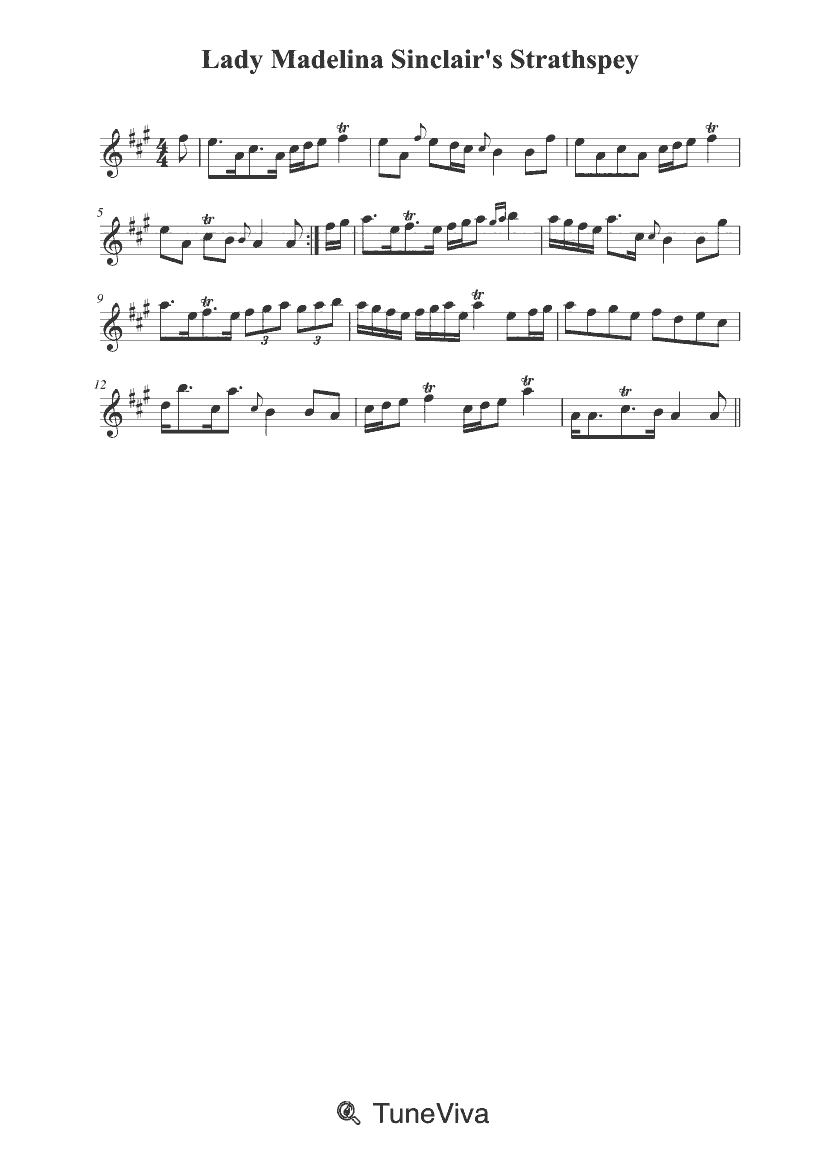
Misc tunes
Lady Madelina Sinclair [1]
32 sec
Open scorePage 1 of 2
The Neil Gow and Charles Duff scores both begin in A major with a 4/4 time signature. The unattributed score begins in E major with a 6/8 time signature. These are opening signatures only; do not assume the whole piece stays in that key or metre. The difference in metre is the most obvious practical distinction between the versions.
Neil Gow is named on one score and Charles Duff on another; the third has no composer credit. Those names identify who is credited on those particular versions, not a verified history of the tune. The credits do not confirm the tune's original composer, date, or first published form.
If you already know Lady Madelina Sinclair in 4/4, the A major settings are the closer starting point among the listed scores. If you know it in 6/8, the E major setting is the one to inspect first. Check the opening bars against your source rather than relying on the title alone, since the same tune name can cover different settings.
The scores do not establish the tune's origin, date, or original instrumentation, and they do not show that one setting is more authoritative than another. Note counts and durations describe individual scores and may not reflect the full tune; they should not be used to rank the versions.
Catalogue duration 32 sec. Opening key signature: 3 sharps (A major). Opening time signature: 4/4.
Catalogue duration 32 sec. Opening key signature: 3 sharps (A major). Opening time signature: 4/4.
Catalogue duration 24 sec. Opening key signature: 4 sharps (E major). Opening time signature: 6/8.
The listed versions are a score credited to Neil Gow, a score credited to Charles Duff, and an unattributed setting. The Gow and Duff scores open in A major and 4/4; the unattributed setting opens in E major and 6/8.
Both time signatures appear among the listed scores. The Neil Gow and Charles Duff settings open in 4/4, while the unattributed setting opens in 6/8. The time signature given is for the opening of each score.
The listed settings start in two different keys: A major for the scores credited to Neil Gow and Charles Duff, and E major for the unattributed setting. An opening key signature does not guarantee that the piece remains in that key throughout.
One listed score credits Neil Gow, another credits Charles Duff, and a third carries no composer name. Those credits apply to particular versions; they do not by themselves prove who composed the tune or establish an original text.
Compare the opening key and metre first. The two A major, 4/4 settings are the Neil Gow and Charles Duff versions, while the E major setting is in 6/8. Check the opening bars against the version you already know; the credits and opening signatures are the clearest distinctions available, but they do not show which score is more authoritative.