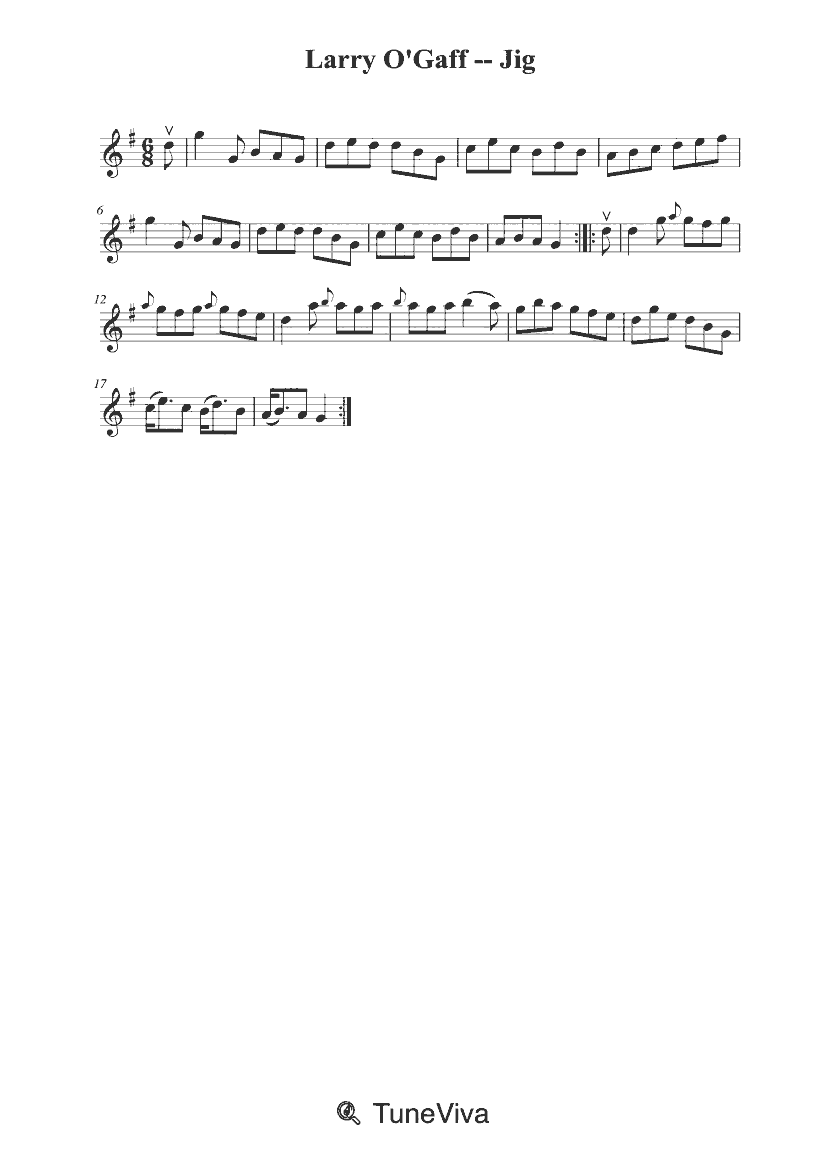
Larry O'Gaff -- Jig
Misc Traditional
24 sec · Score #24119
Open scoreLarry O'Gaff is a traditional tune that survives in several different settings rather than a single authorised text. The scores gathered here show how much the tune can vary: two open in 6/8, the metre normally associated with a jig, while a third opens in 4/4. They also begin in different keys — one in G major, one in D major, and one with no sharps or flats. Comparing metre, key and the first phrase across these versions is the quickest way to decide which one suits your instrument, your session or your practice session.
Scores 1–20 of 29
Misc Traditional
24 sec · Score #24119
Open score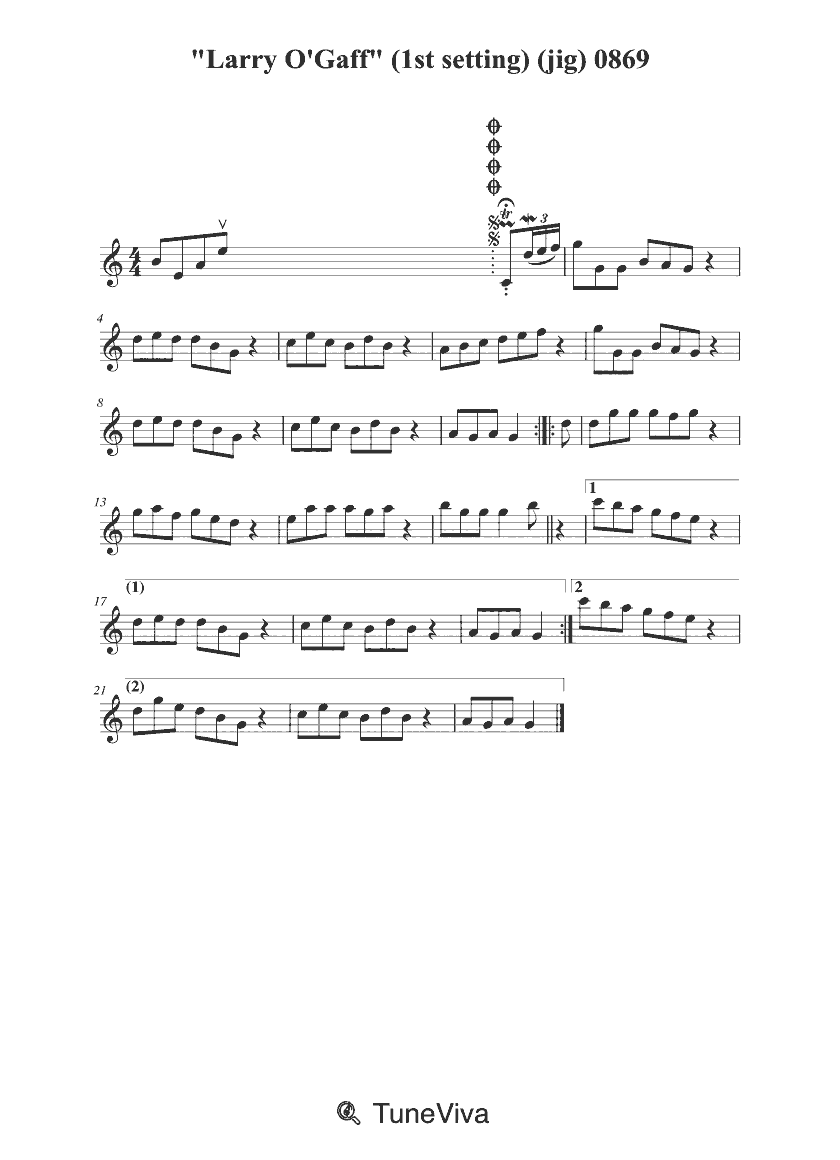
after Chief F. O'Neill
42 sec
Open score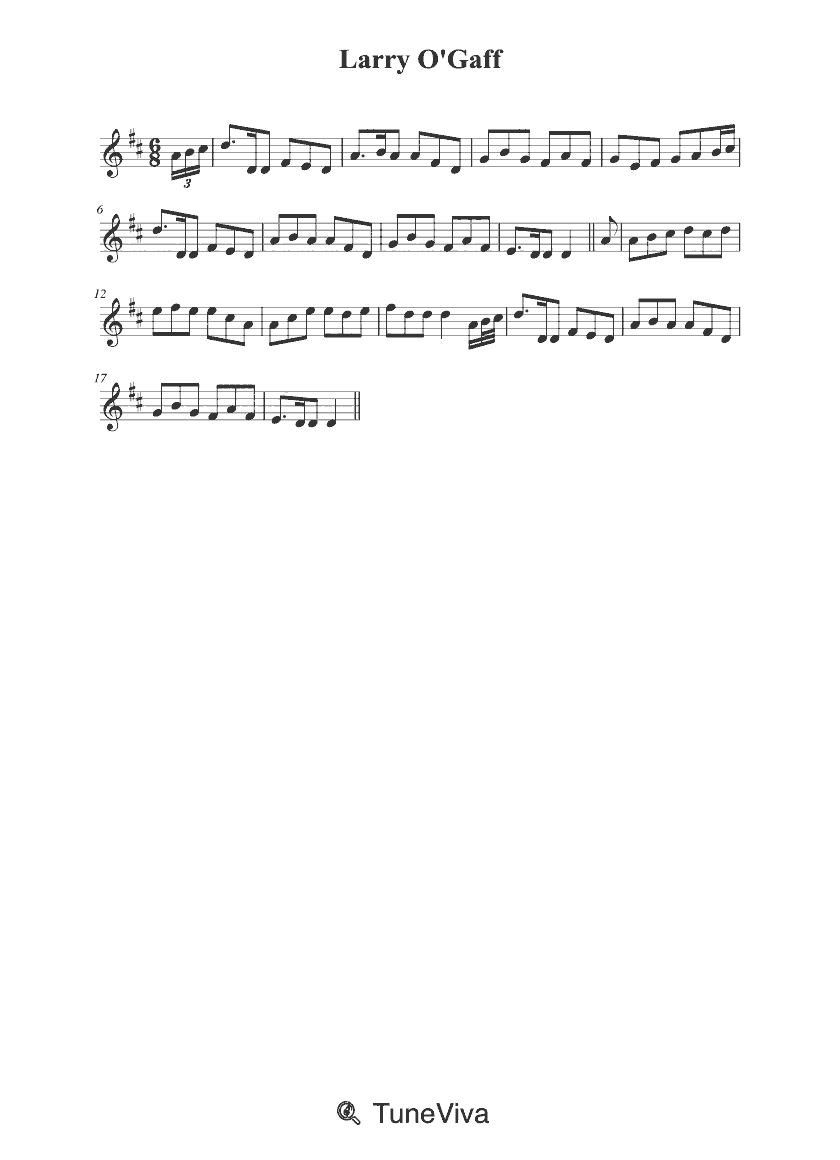
Misc Traditional
12 sec · Score #83598
Open score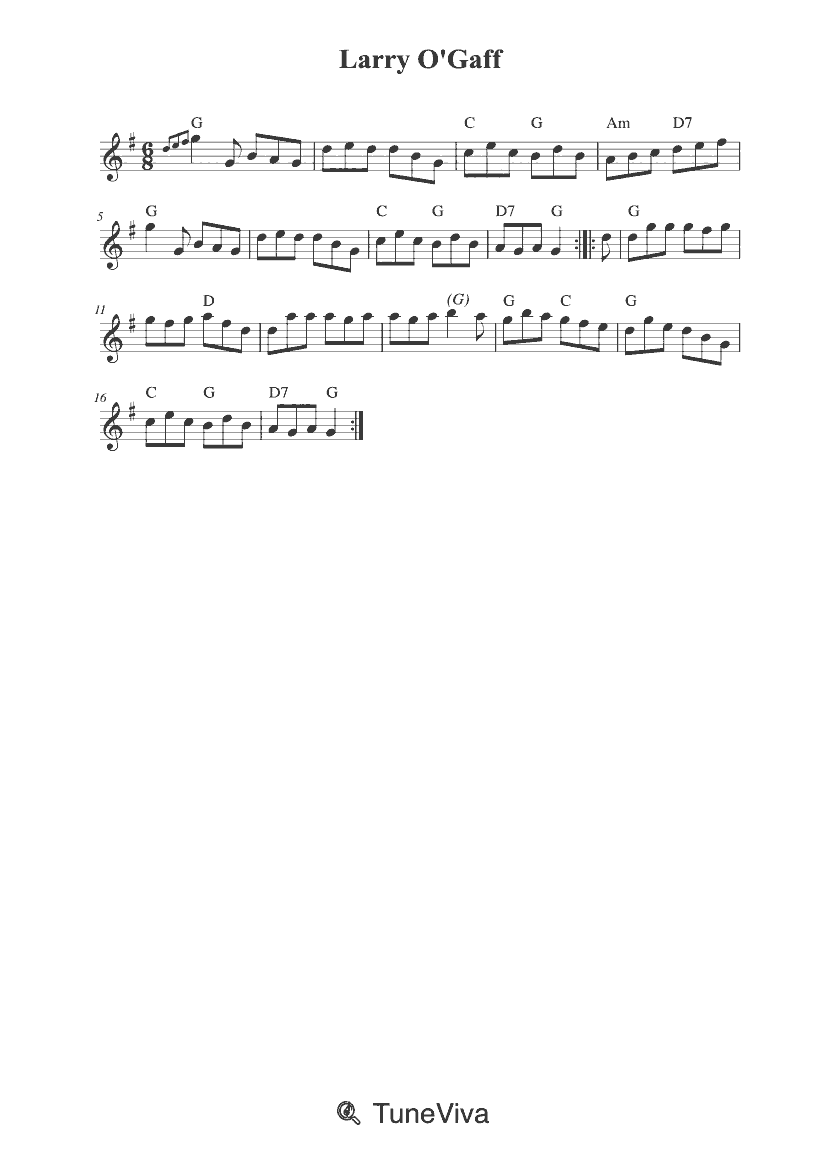
Misc Traditional
24 sec · Score #247458
Open score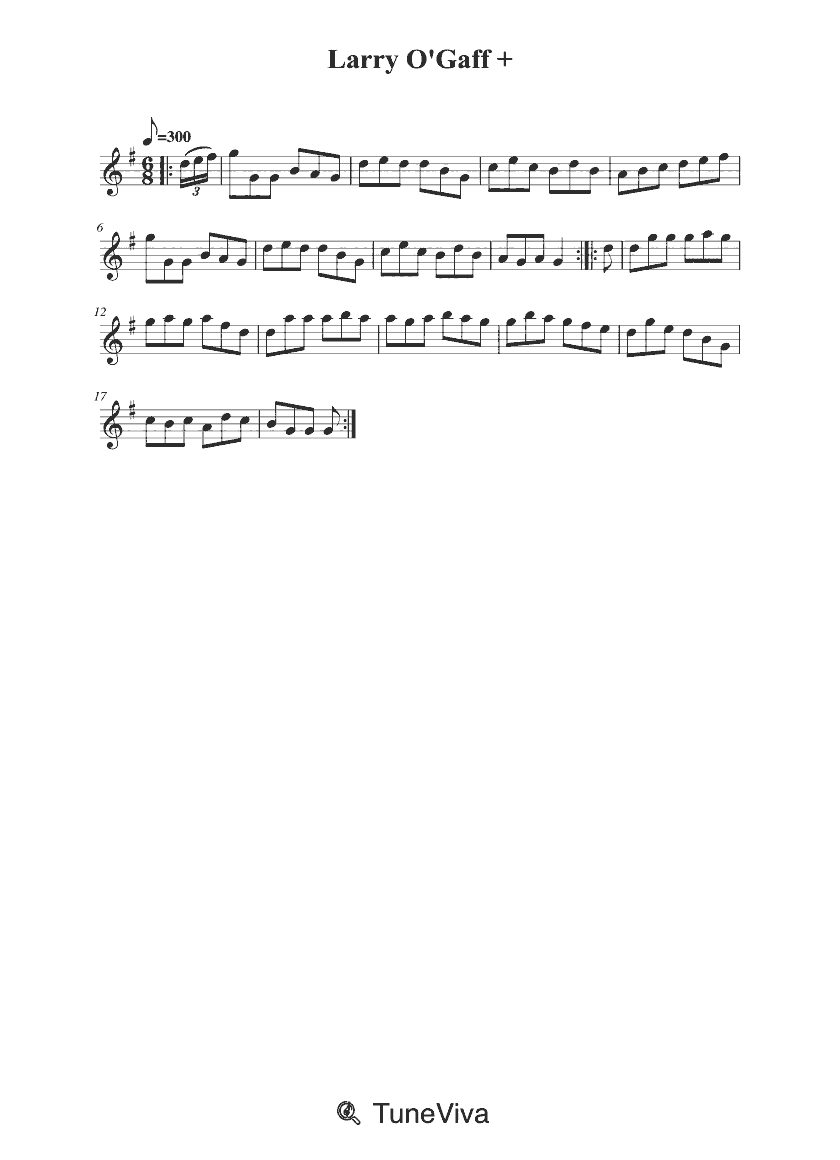
Misc Traditional
19 sec
Open score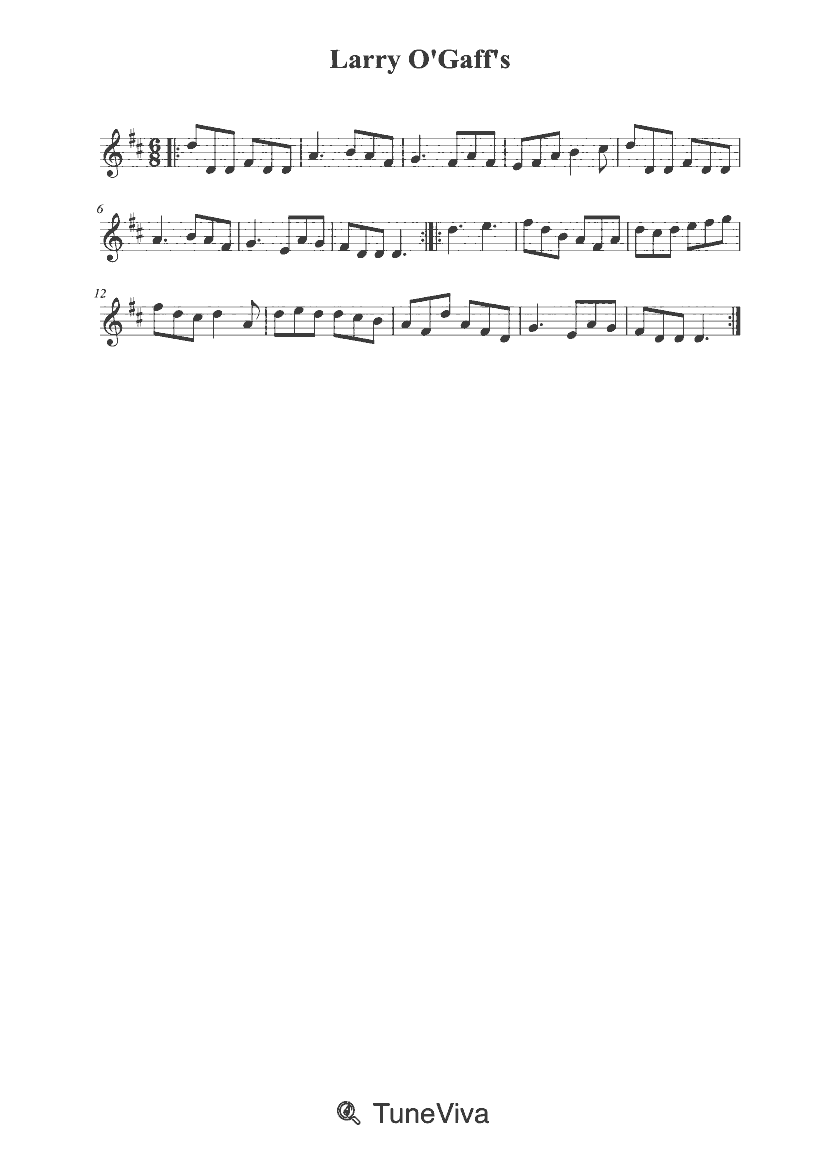
Misc Traditional
24 sec
Open score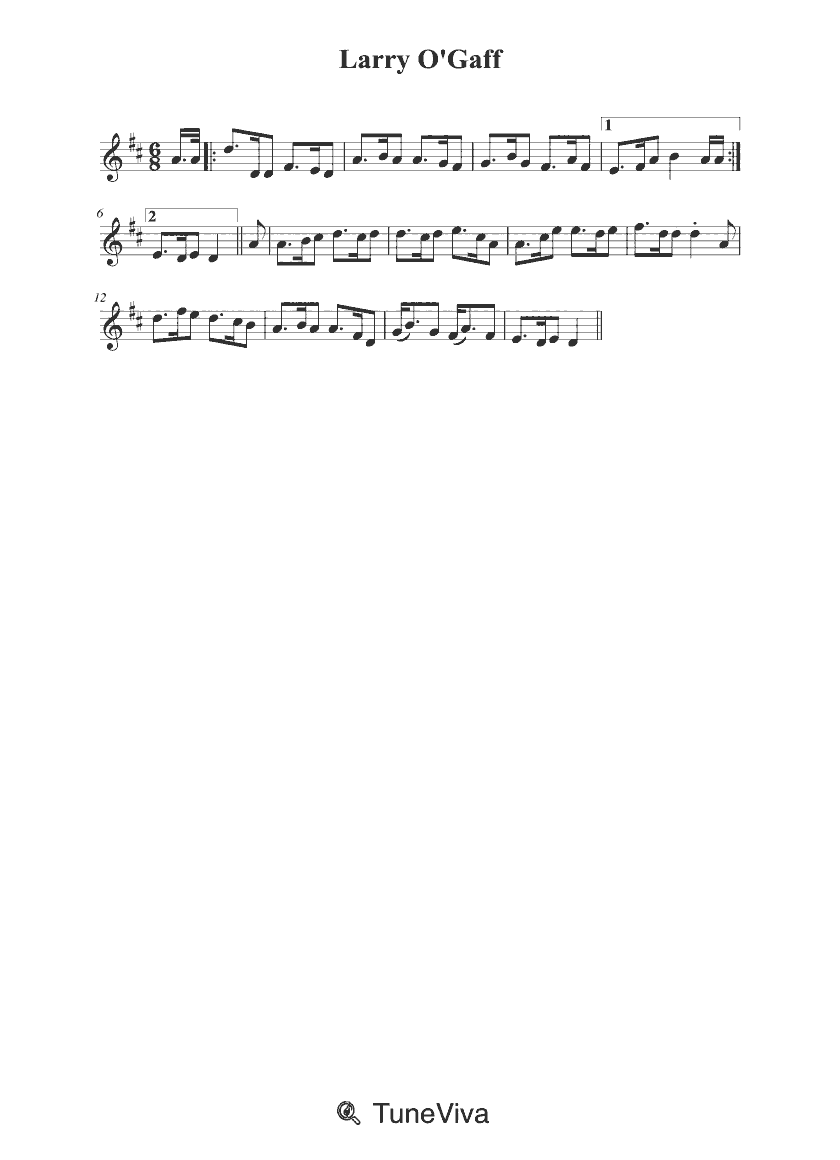
Misc Traditional
12 sec · Score #141553
Open score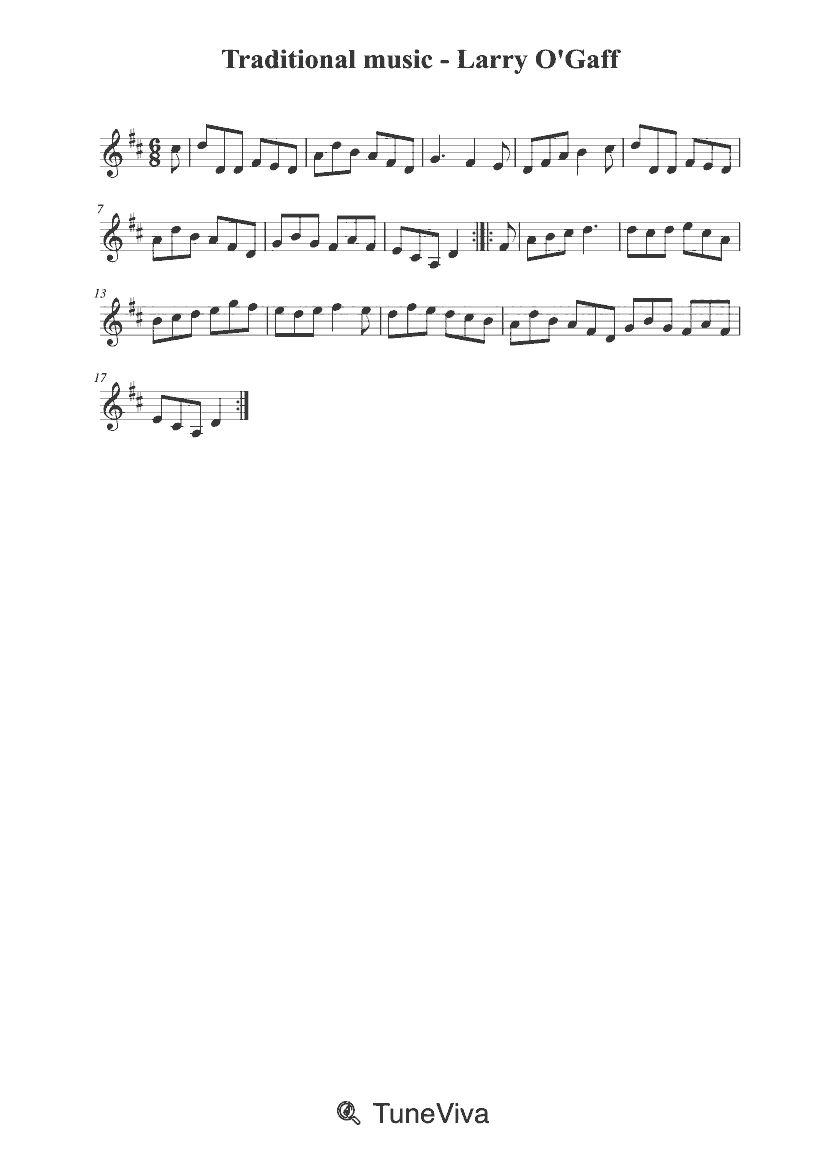
Traditional
Making Babies by Steam
24 sec
Open score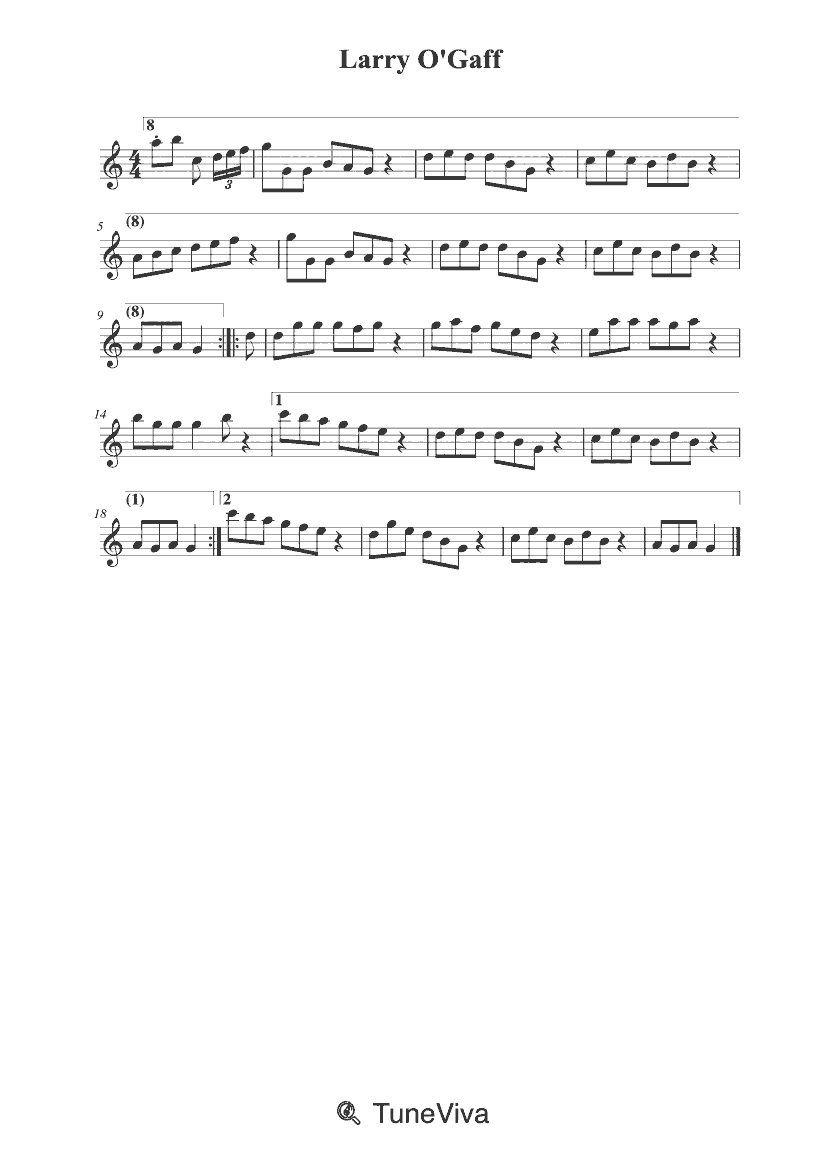
anon.
19 sec
Open score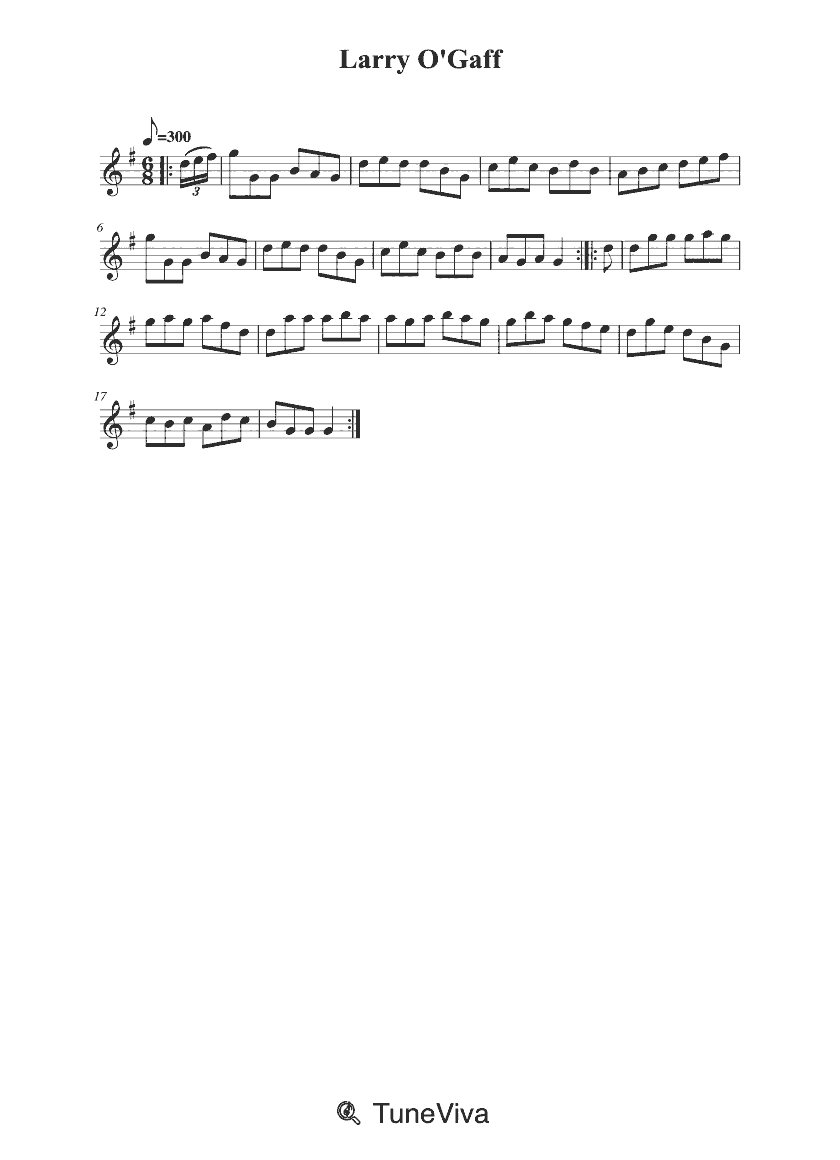
Misc Traditional
19 sec · Score #983
Open score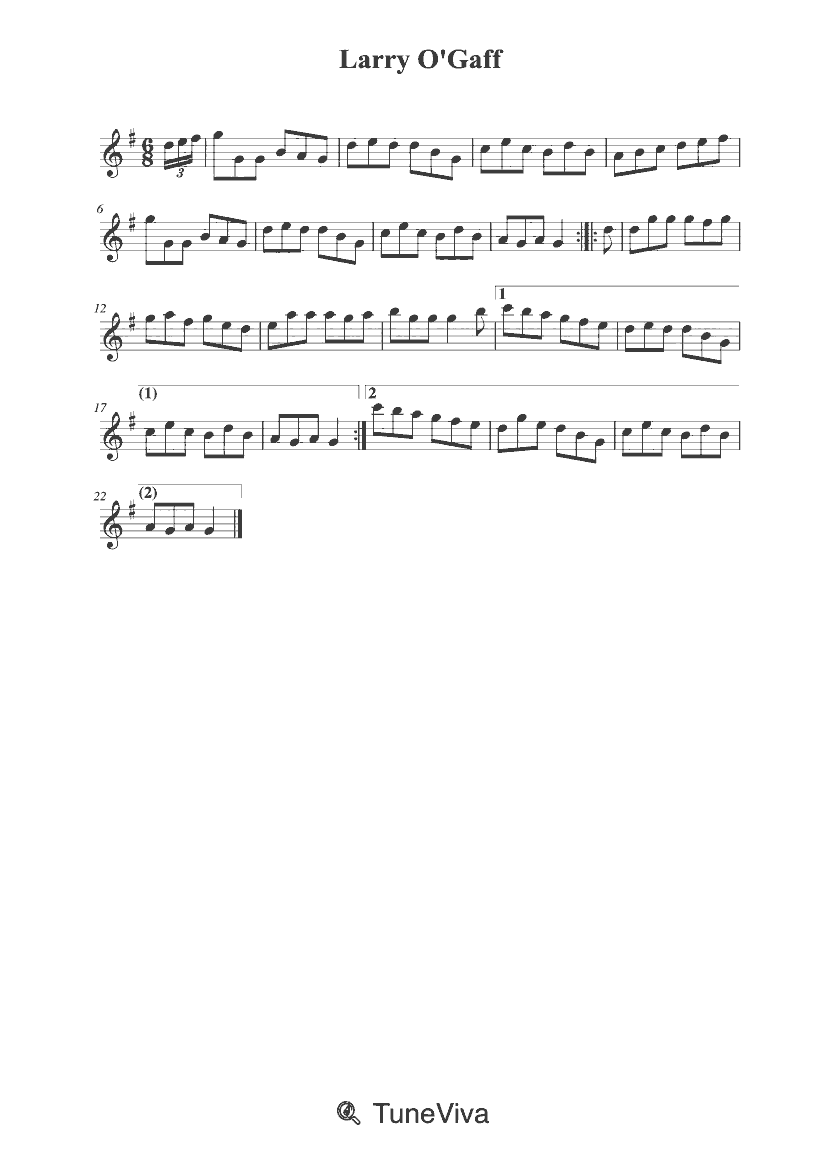
anon.
24 sec
Open score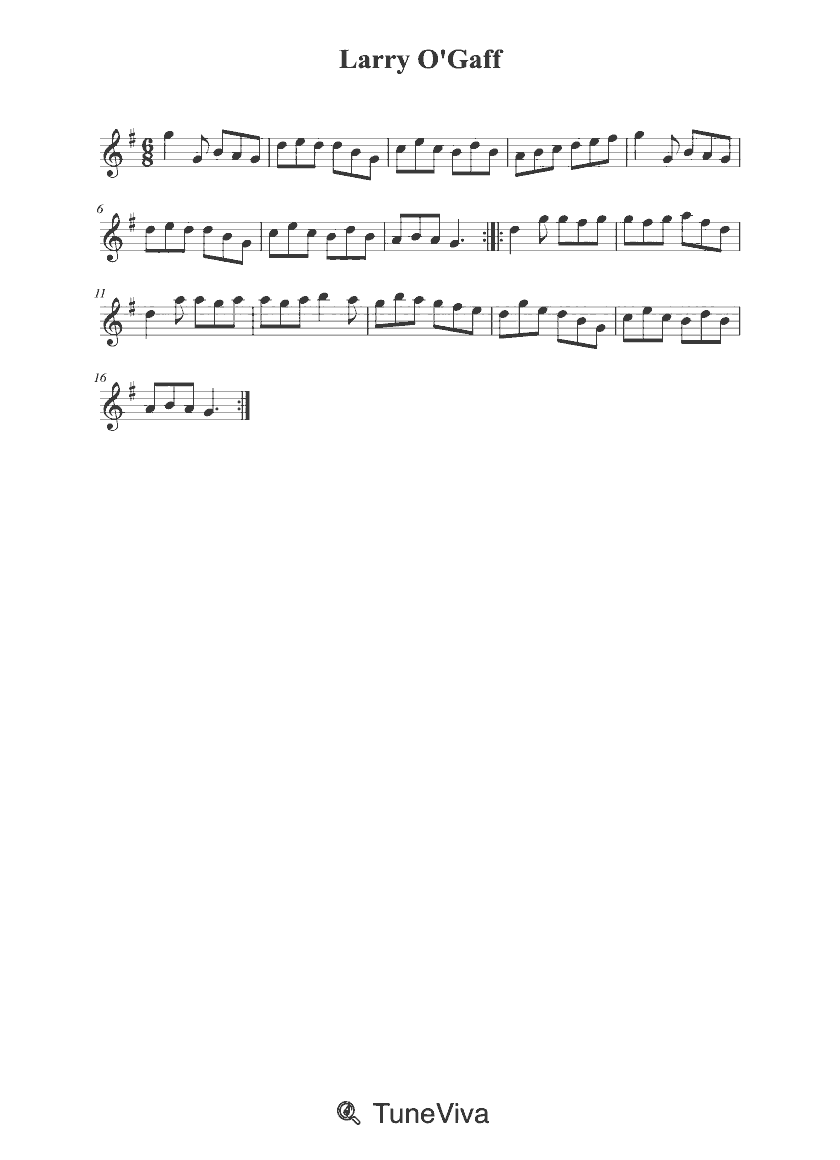
Misc Traditional
Daniel O'ConnellMaking Babies by Steam
24 sec
Open score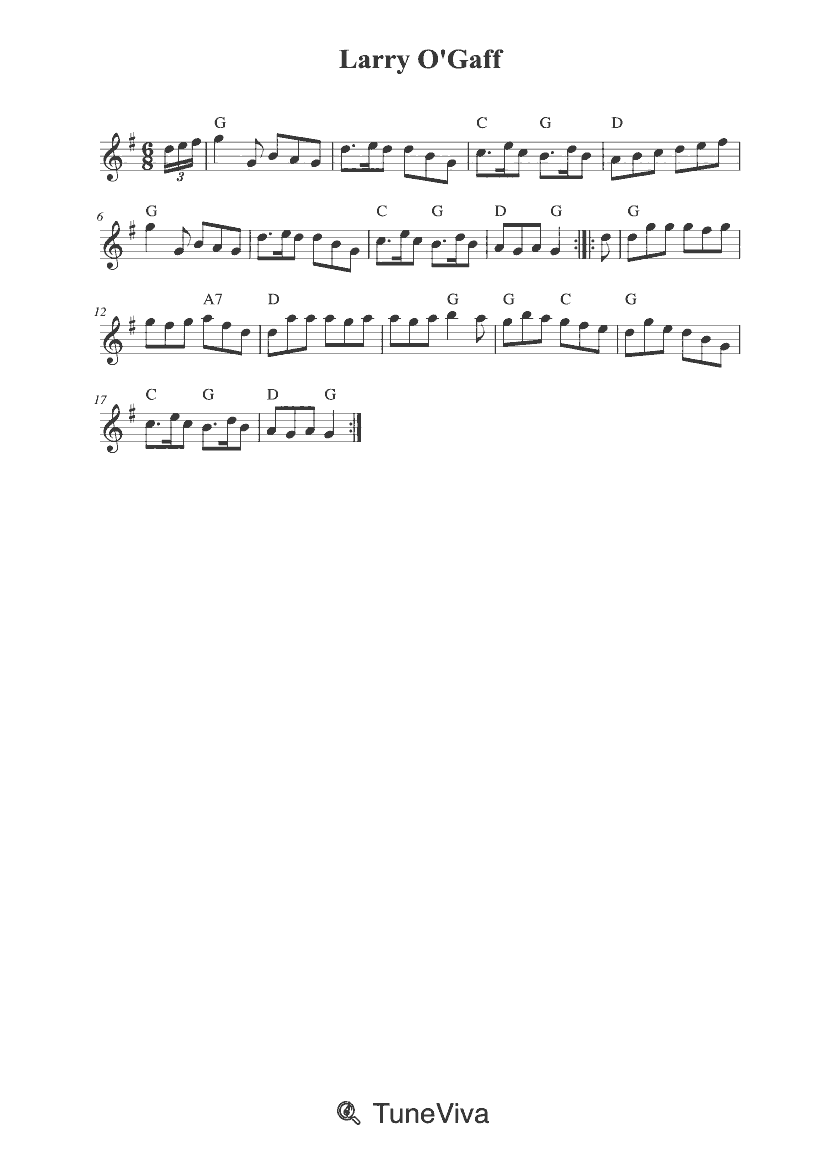
J-11Irish New England
24 sec
Open score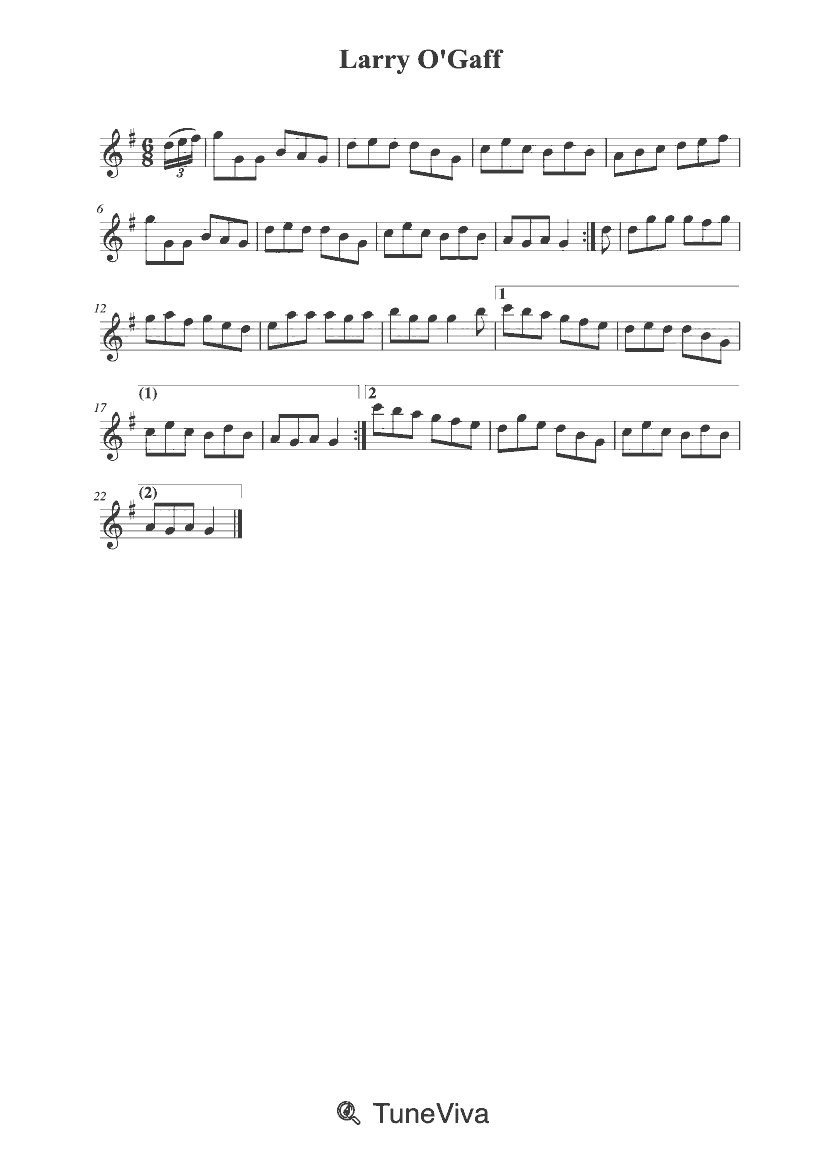
Misc Traditional
30 sec
Open score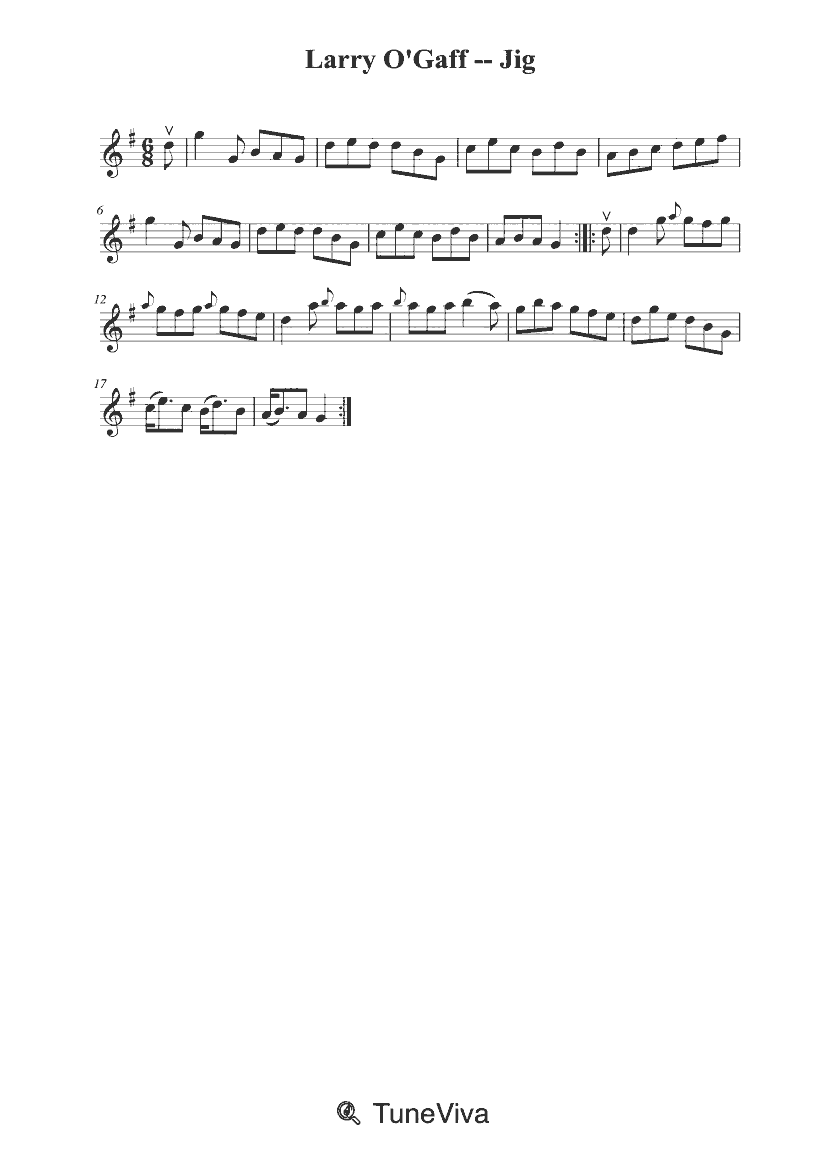
Misc Traditional
24 sec · Score #203110
Open score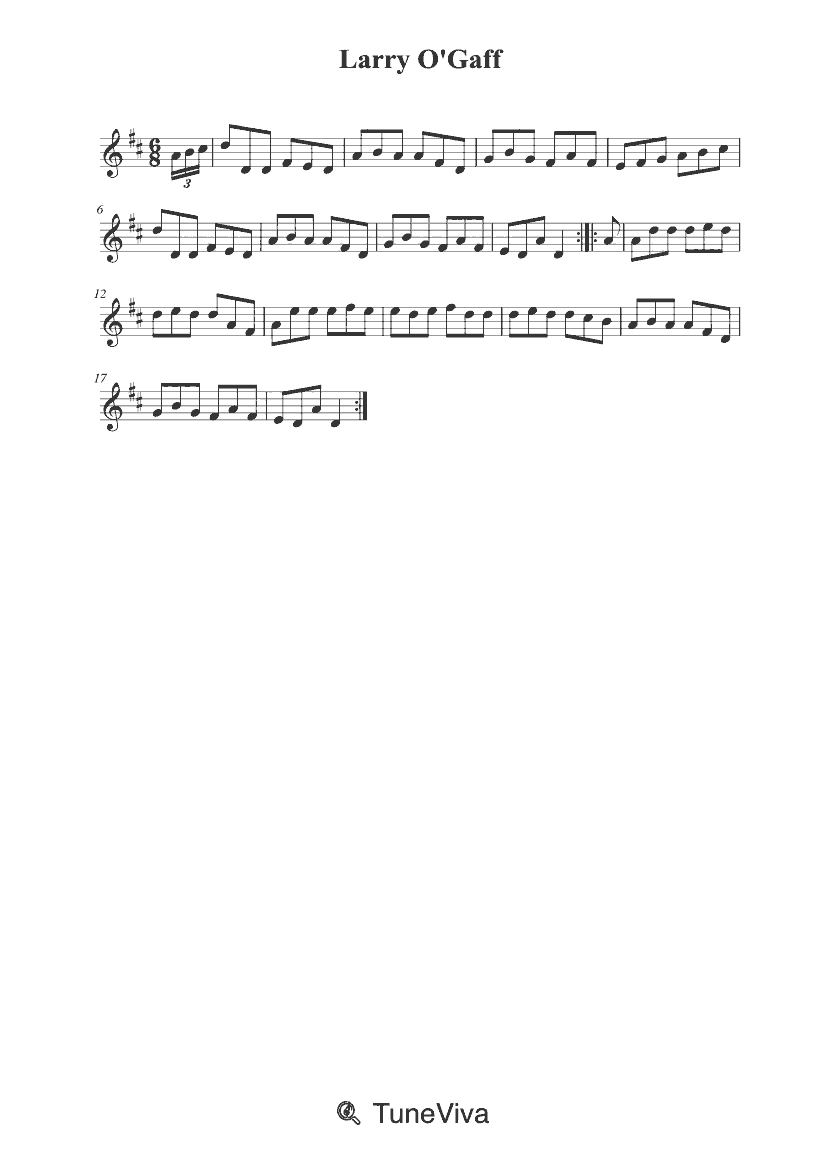
Misc Traditional
24 sec · Score #206342
Open score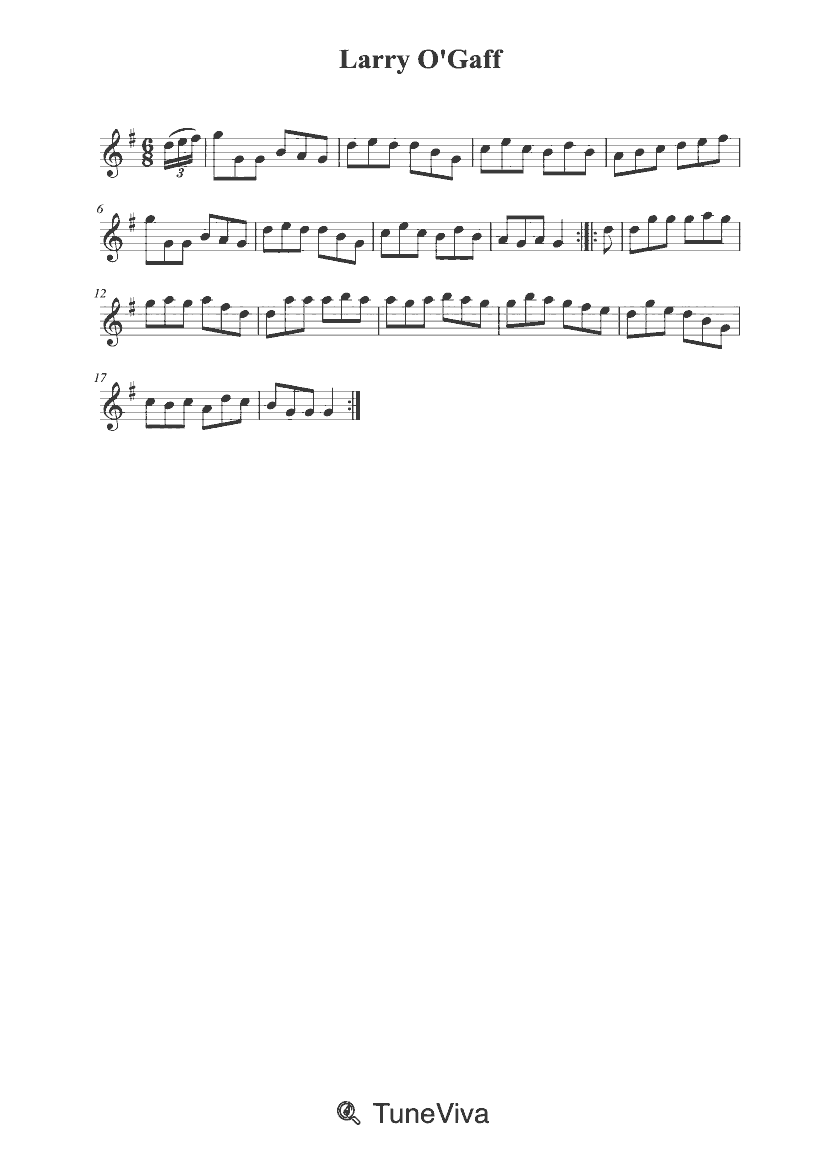
Misc Traditional
24 sec · Score #233341
Open score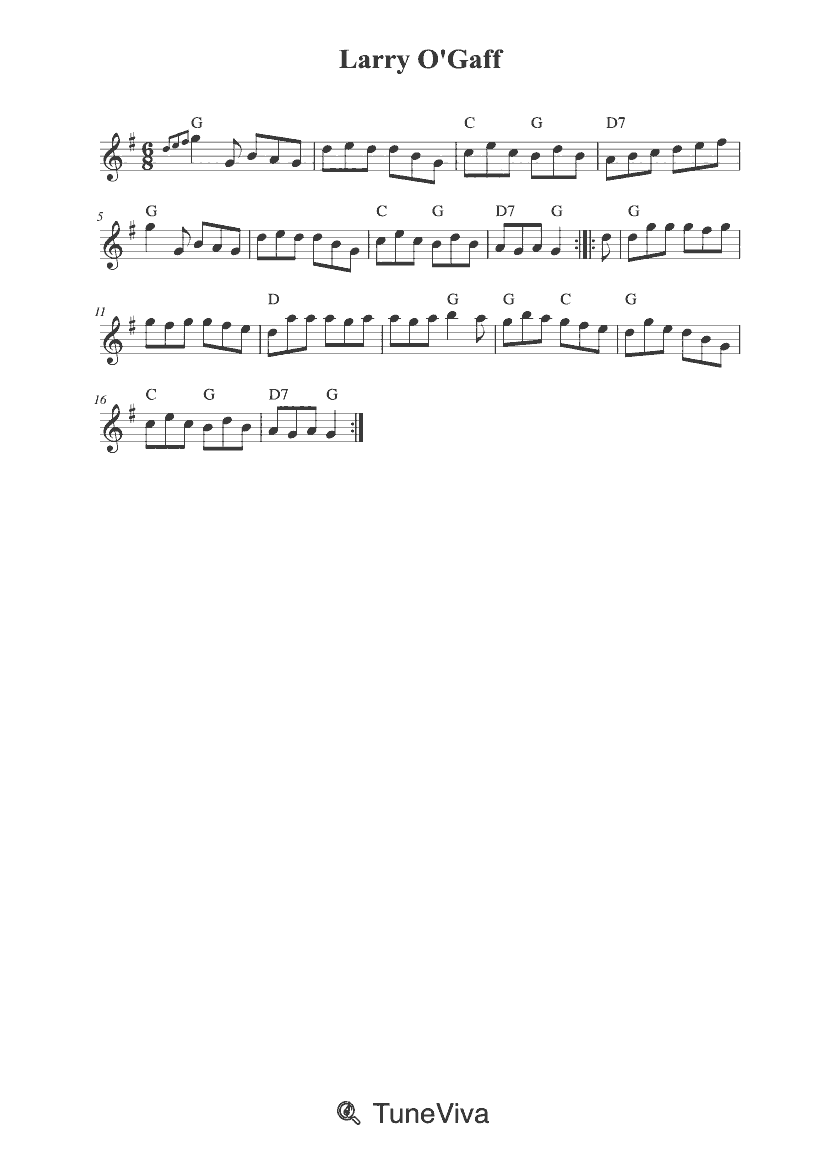
Misc Traditional
24 sec · Score #21218
Open score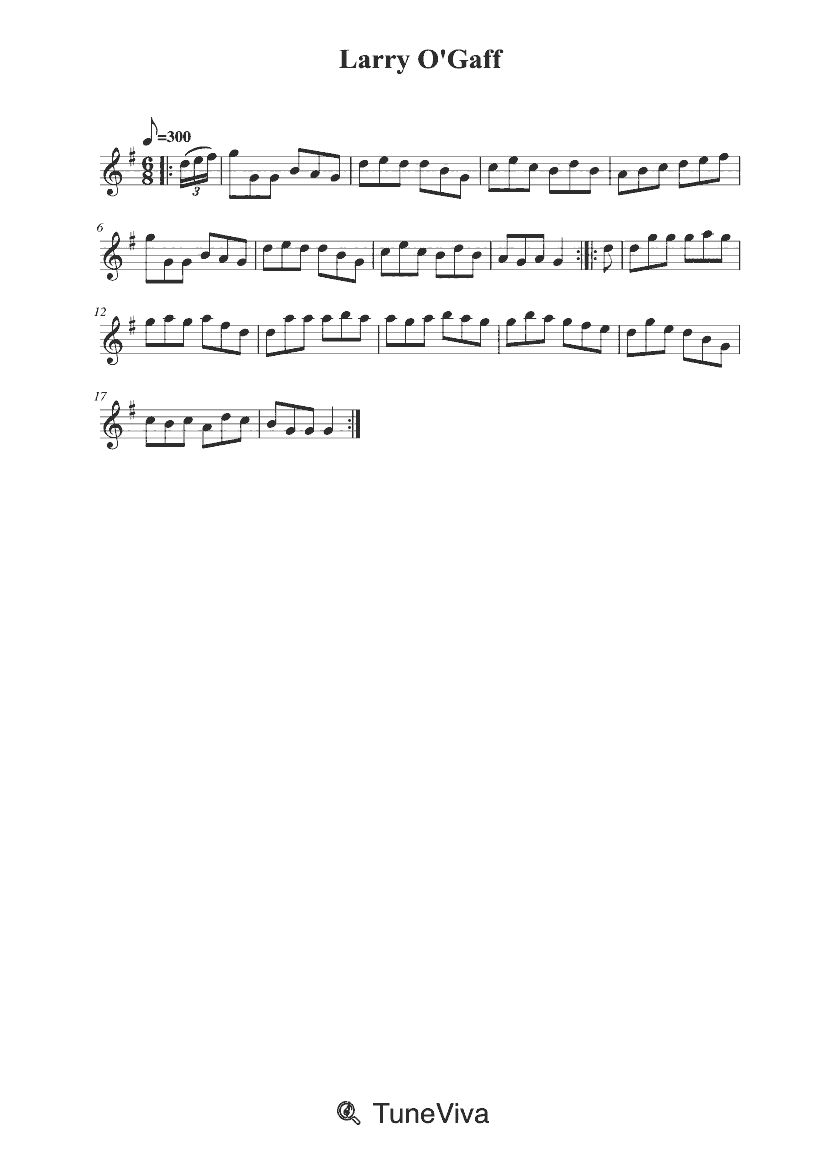
Misc Traditional
19 sec · Score #62468
Open score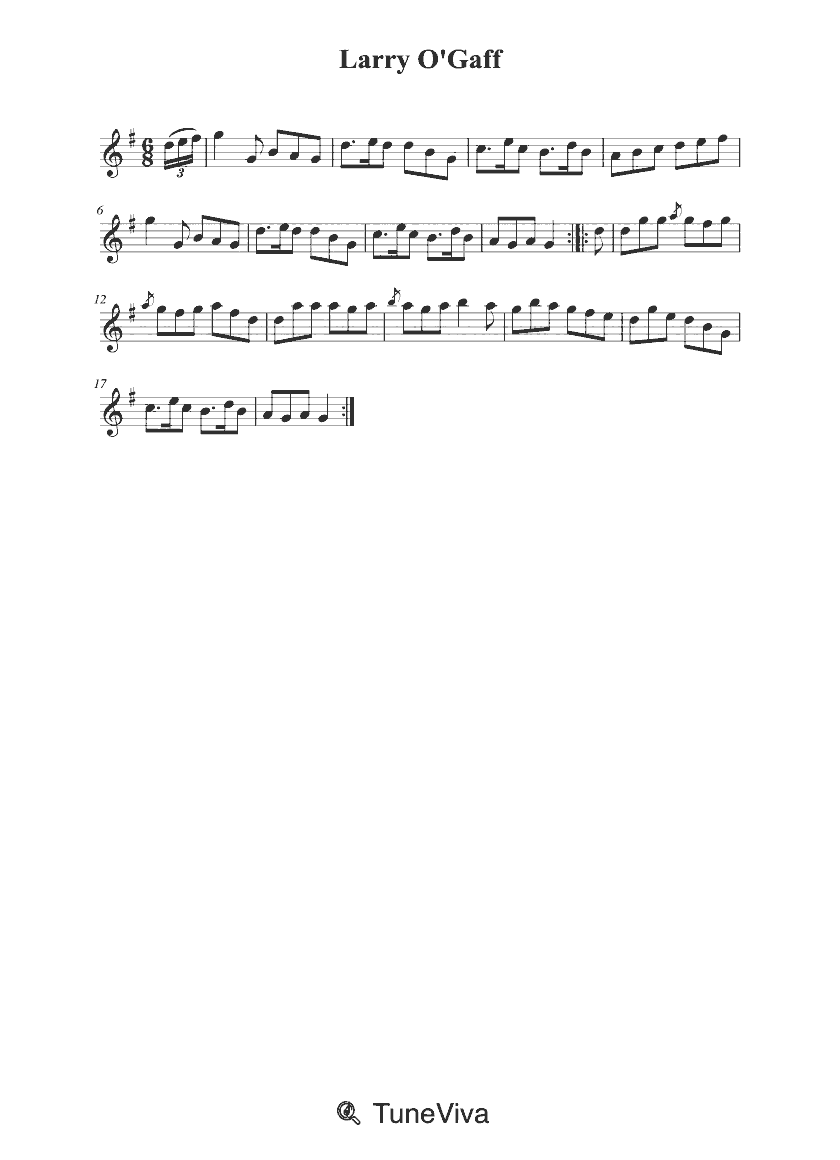
Misc Traditional
24 sec · Score #96191
Open scorePage 1 of 2
Two of the listed settings carry the title 'jig' and open in 6/8; the setting credited 'after Chief F. O'Neill' opens in 4/4. Metre changes how the tune sits under the fingers and how it is bowed, picked or fingered, so read the time signature on the first line of a score before you commit to it. A 4/4 setting may be a genuinely different notation of the same melody, but treat it as something to check by ear rather than assume.
The opening key signatures recorded for these settings are G major (one sharp), D major (two sharps) and no sharps or flats. Key choice affects range and comfort: a fiddle or flute player may prefer one, a singer or a beginner on a fixed-key instrument another. Play the opening phrase in each key to see which one puts the tune where your instrument sounds best.
If you are learning the tune for a session, pick one setting and learn it thoroughly rather than mixing phrases from all three. If you already know Larry O'Gaff, use a second setting to check where your version diverges — the first bar or two, the cadence at the end of each part, and any passing notes in the second half are the usual places variants differ. Note that these records list single-line settings without naming an instrument, so check the clef and range on the score itself.
Catalogue duration 24 sec. Opening key signature: 1 sharp (G major). Opening time signature: 6/8.
Catalogue duration 42 sec. Opening key signature: No sharps or flats. Opening time signature: 4/4.
Catalogue duration 12 sec. Opening key signature: 2 sharps (D major). Opening time signature: 6/8.
Larry O'Gaff is a traditional tune, and the settings listed here are predominantly presented as jigs: two of the three scores are titled or marked as jigs and open in 6/8. One setting opens in 4/4 instead, so the metre is worth checking per score rather than assumed for the tune as a whole.
No single key applies across the settings here. One score opens in G major (one sharp), one in D major (two sharps), and one has no sharps or flats in its opening key signature. The key of a particular sheet music setting is a choice made by whoever notated it, not a fixed property of the tune.
The title of one score includes the credit 'after Chief F. O'Neill', which indicates the setting derives from a named source or collector rather than being a newly composed piece. The records available for this page do not verify the identity of that source or the exact route by which the setting reached this notation, so treat the credit as a lead rather than a confirmed provenance.
Both appear among the scores listed. The setting titled 'Larry O'Gaff -- Jig' and the one marked '(1st setting) (jig)' open in 6/8, the compound metre typical of jigs; the third setting opens in 4/4. If you need a jig for a set, choose a 6/8 score, and read the 4/4 version on its own terms.
Choose by metre first, then key. If you want a jig, take one of the 6/8 settings; the D major and G major versions will suit different instruments and ranges. Then compare the opening phrase and the end of each part across the settings to see which notation matches the version you already know or want to learn.
The records for these Larry O'Gaff scores do not name an instrument, and each is listed as a single-line setting. That means the notation should be read as a melody to be adapted to your own instrument, and you should confirm the clef and the range on the score before playing from it.