
O'Reilly’s Jig
Misc tunes
24 sec
Open scoreScores listed under O'Reilly's centre on jig settings, with titles including O'Reilly's Jig and The Rover's Return (O'Reilly's Jig). The selected versions all open in 6/8, but they divide between a three-sharp A major opening and two-sharp openings, so the key signature is the first practical difference to check when choosing sheet music. The listings do not establish a single definitive version or a verified composer attribution.
Scores 1–20 of 31
Misc tunes
24 sec
Open score
Misc tunes
24 sec
Open score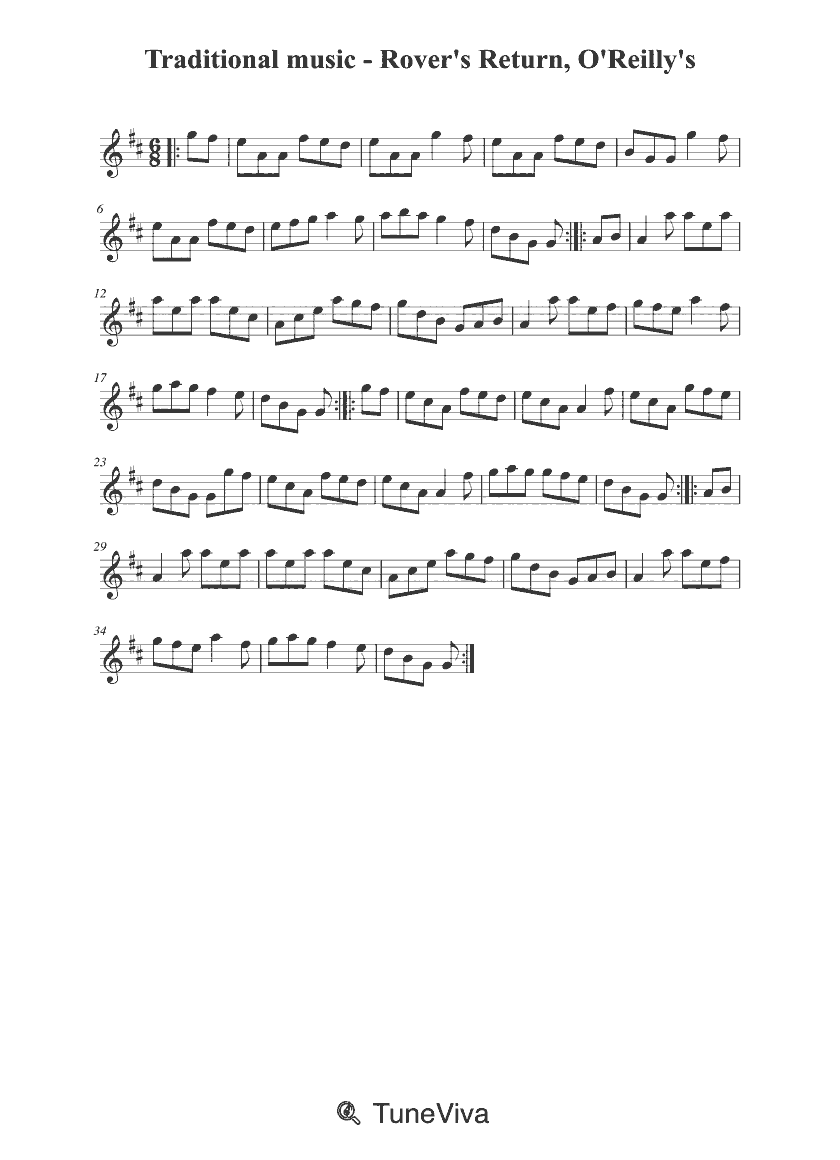
Trad.-Buddy MacMaster Ashley MacIsaac Donny LeBlanc
48 sec · Score #245791
Open score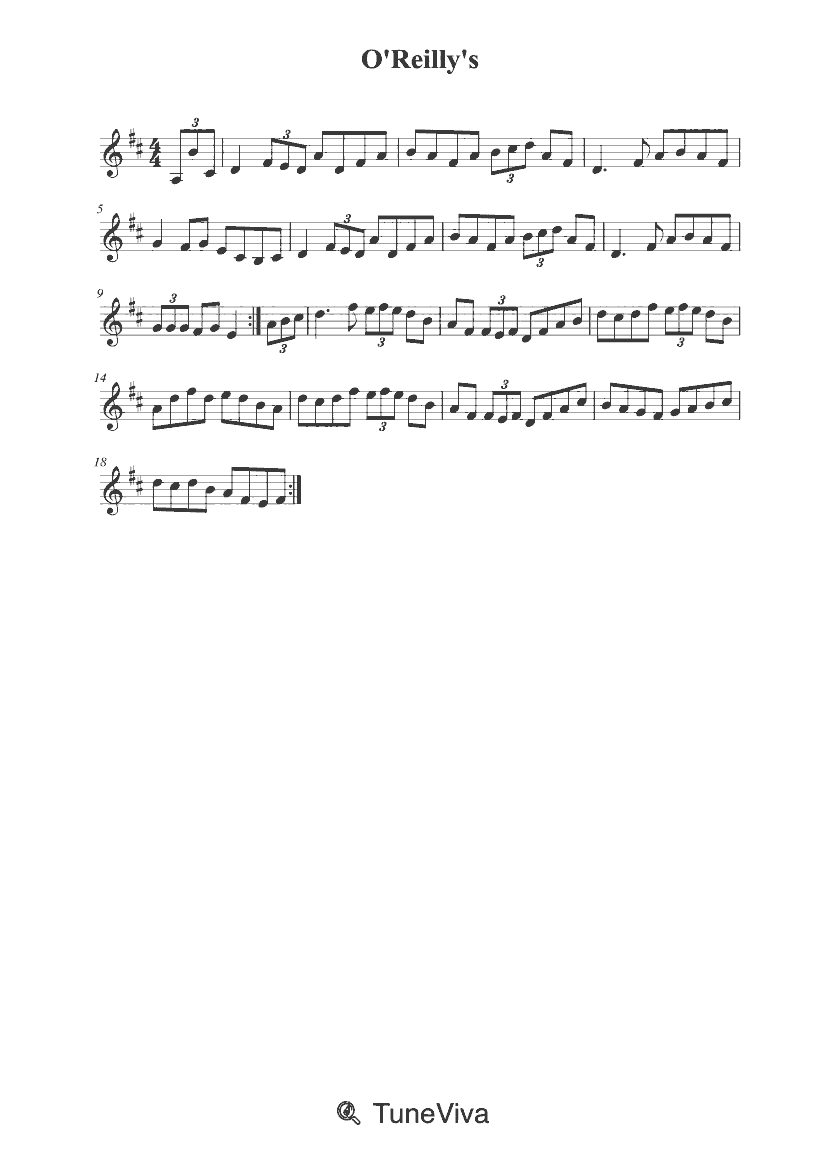
Misc tunes
1 min 21 sec
Open score
anon.
1 min 9 sec
Open score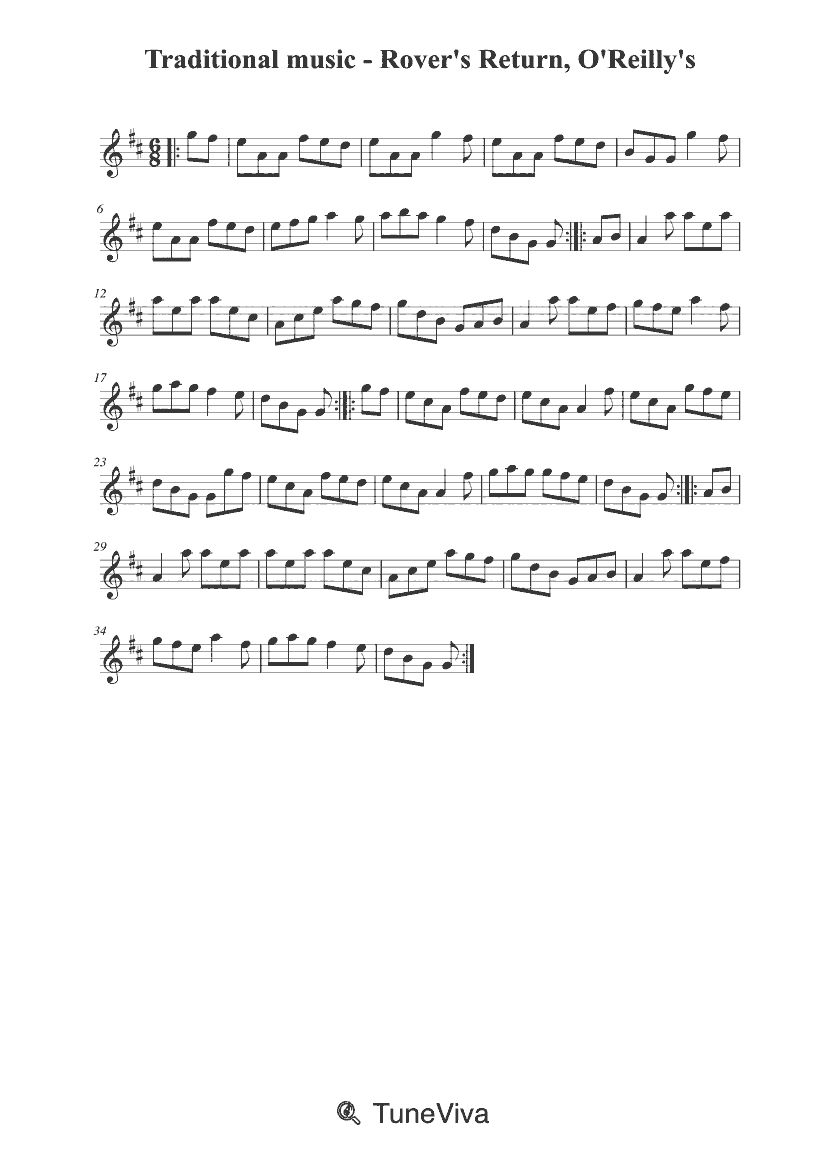
Trad.-Buddy MacMaster Ashley MacIsaac Donny LeBlanc
48 sec · Score #116946
Open score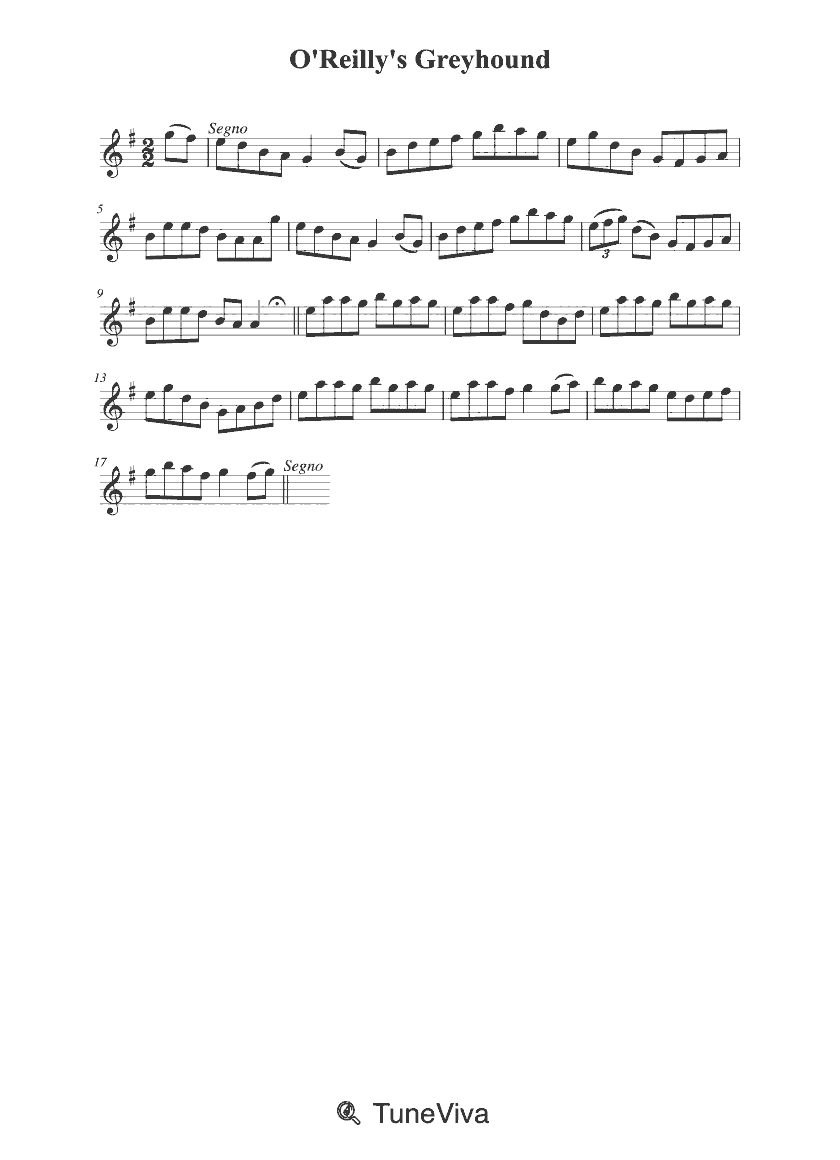
Misc tunes
cu ui ra.gallai.g.
1 min 5 sec
Open score
after Mr. O'reilly
1 min 6 sec
Open score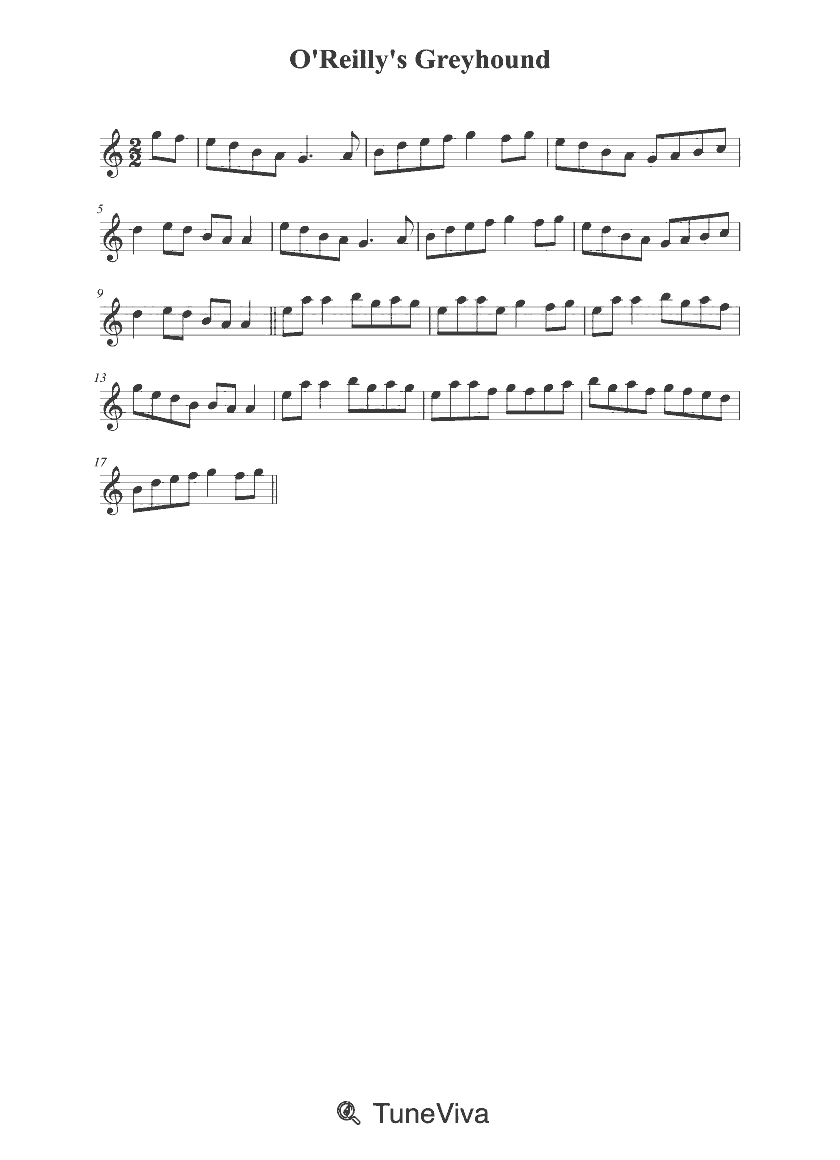
Misc tunes
1 min 5 sec
Open score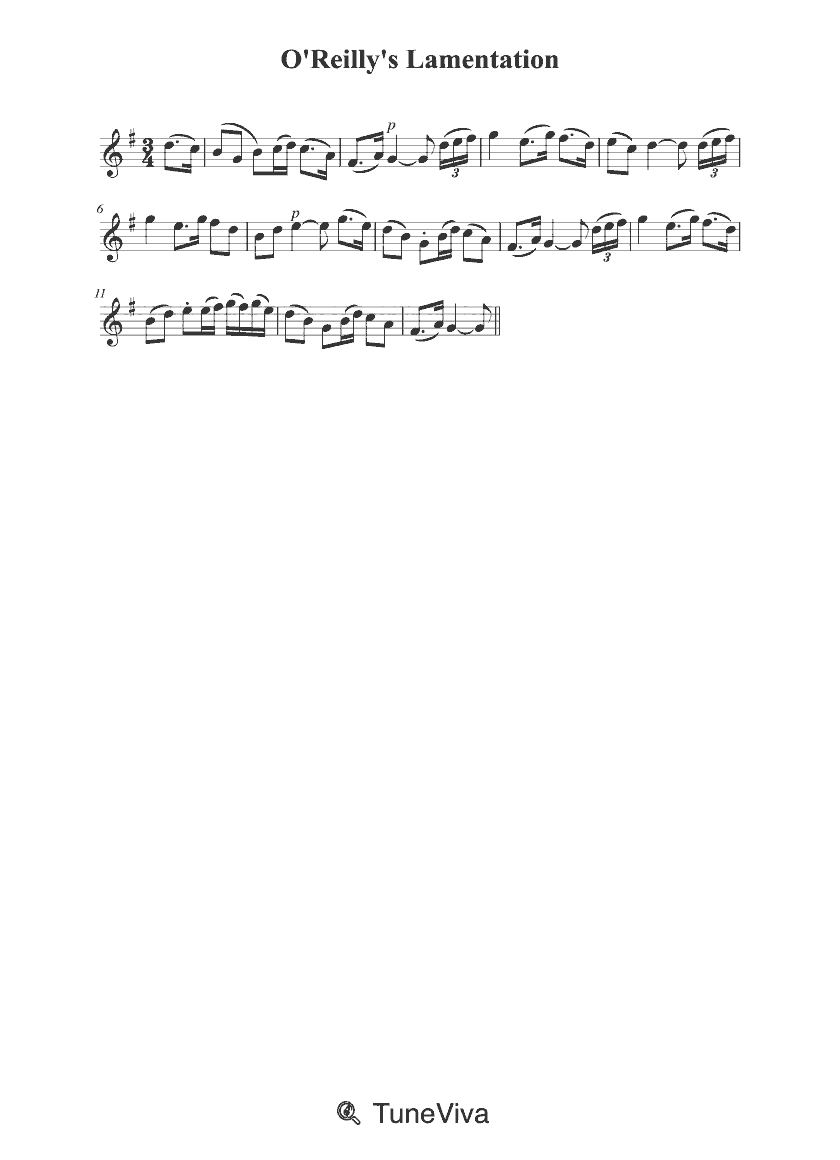
Misc tunes
18 sec · Score #213151
Open score
anon.
1 min 7 sec
Open score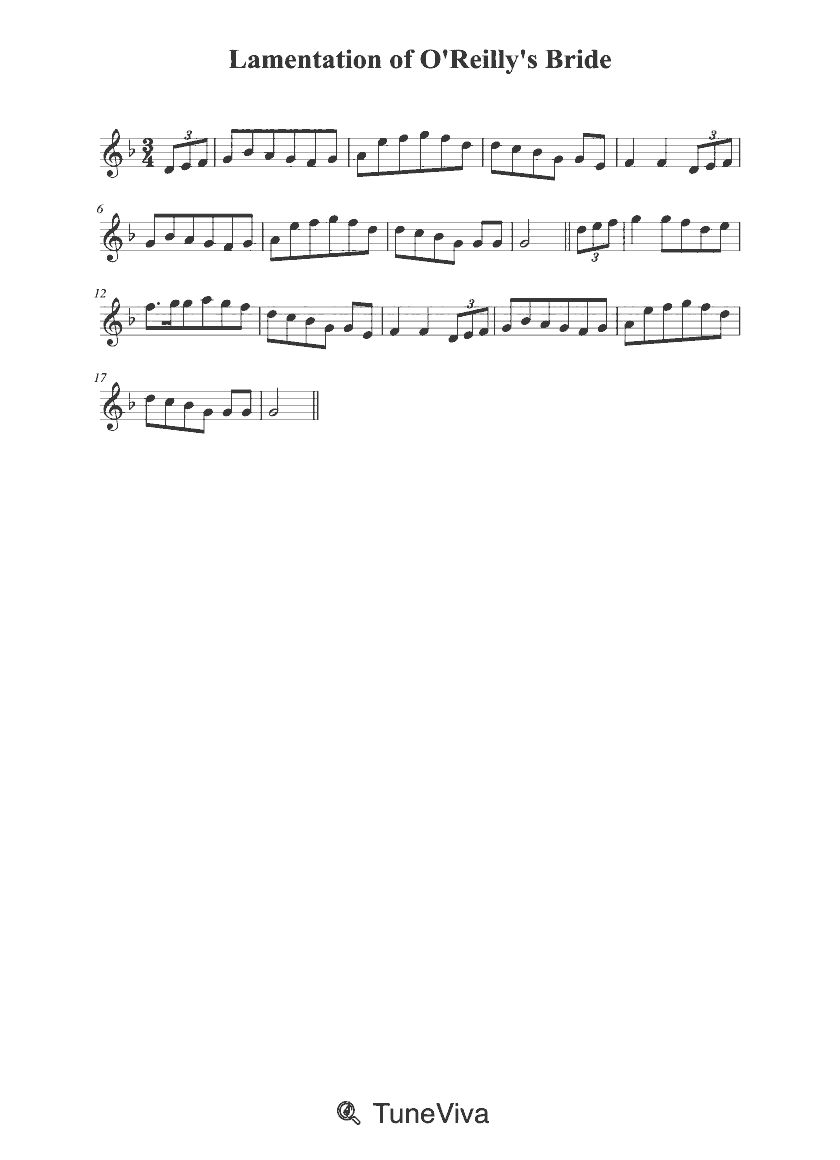
Misc tunes
24 sec
Open score
after Chief F. O'Neillslow
32 sec
Open score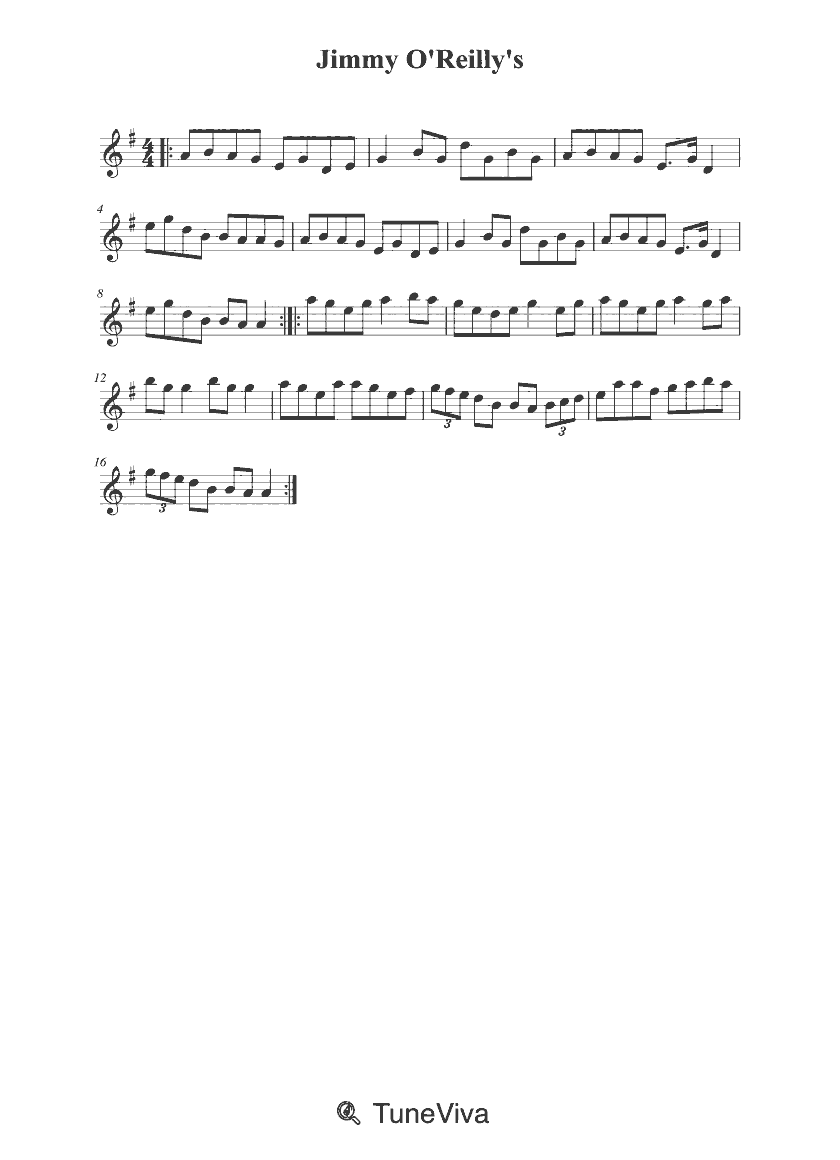
Misc tunes
1 min 4 sec
Open score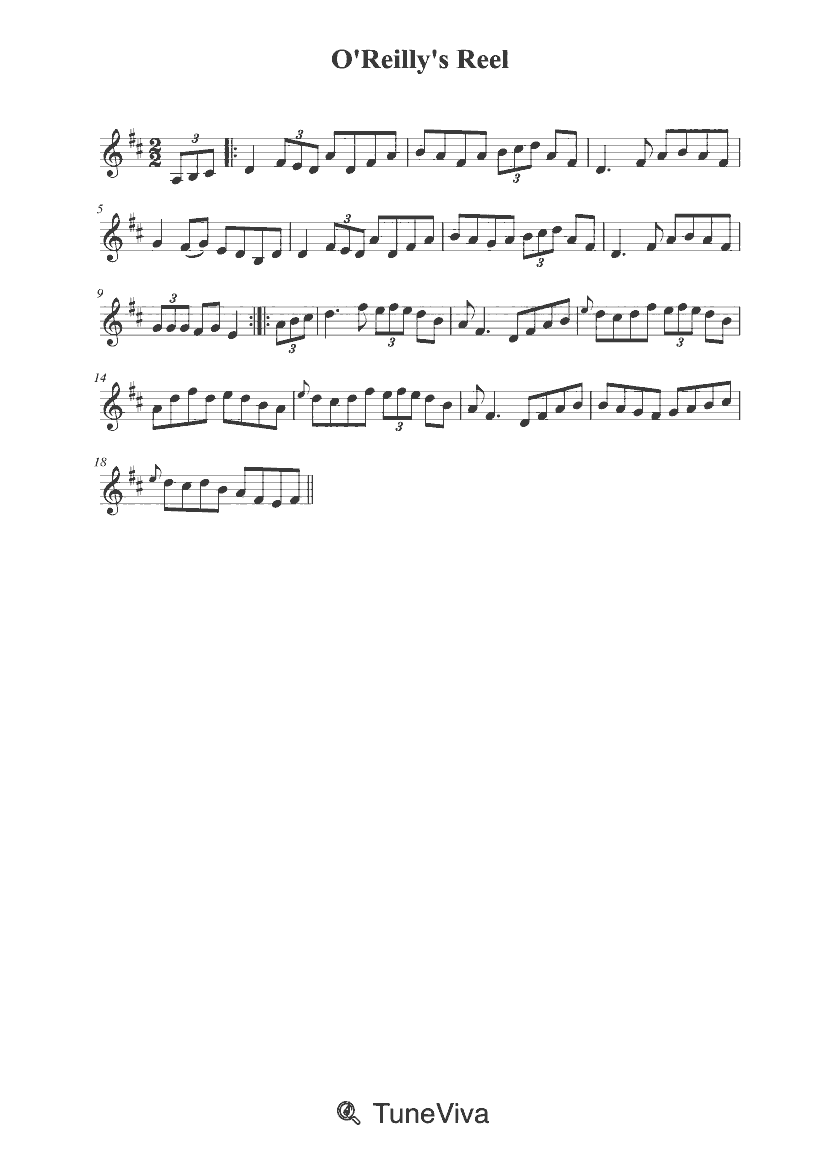
Misc tunes
2 min 9 sec
Open score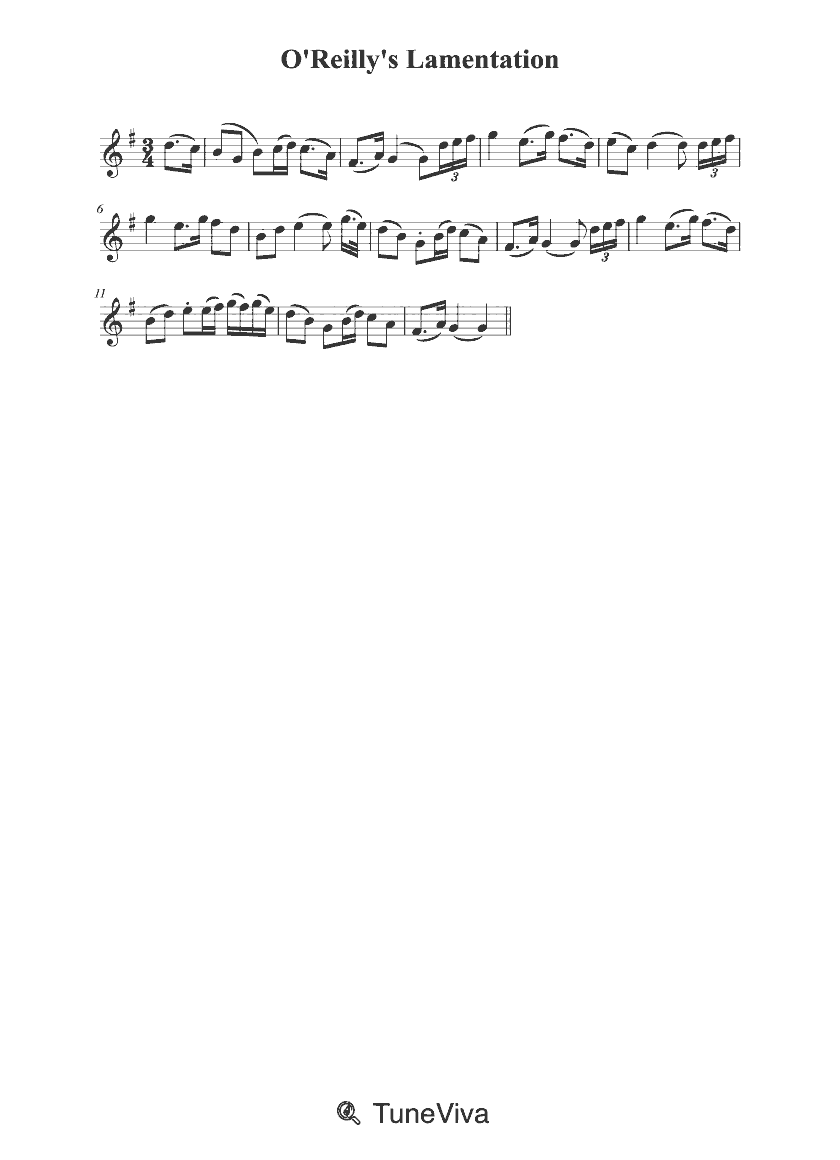
Misc tunes
18 sec · Score #183770
Open score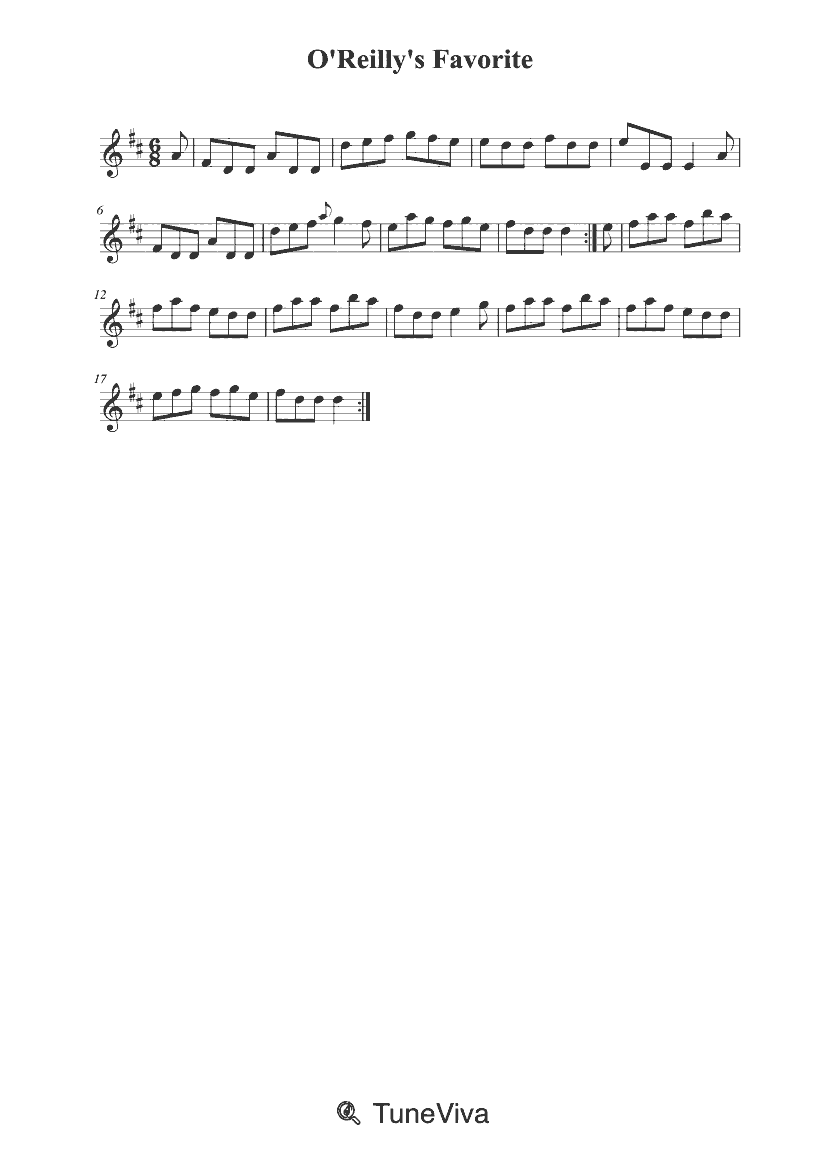
Misc tunes
30 sec
Open score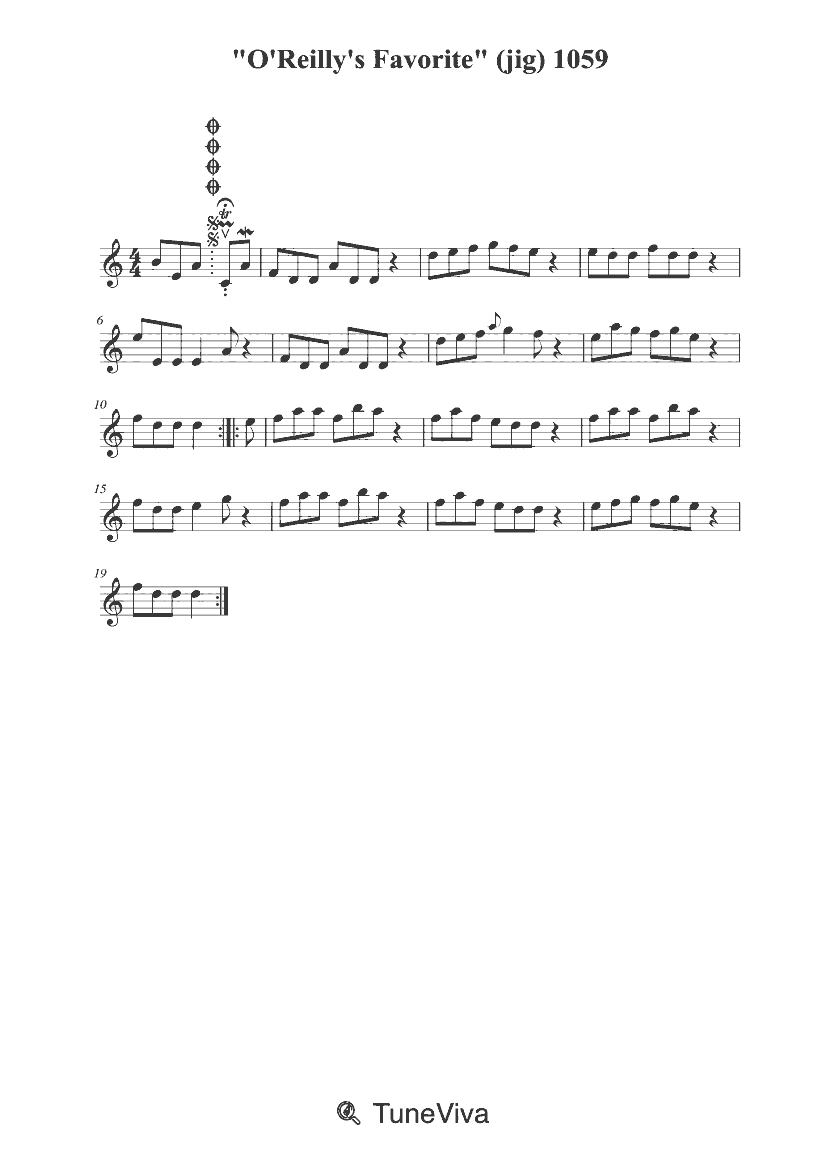
by Mr. O'Reilly
26 sec
Open score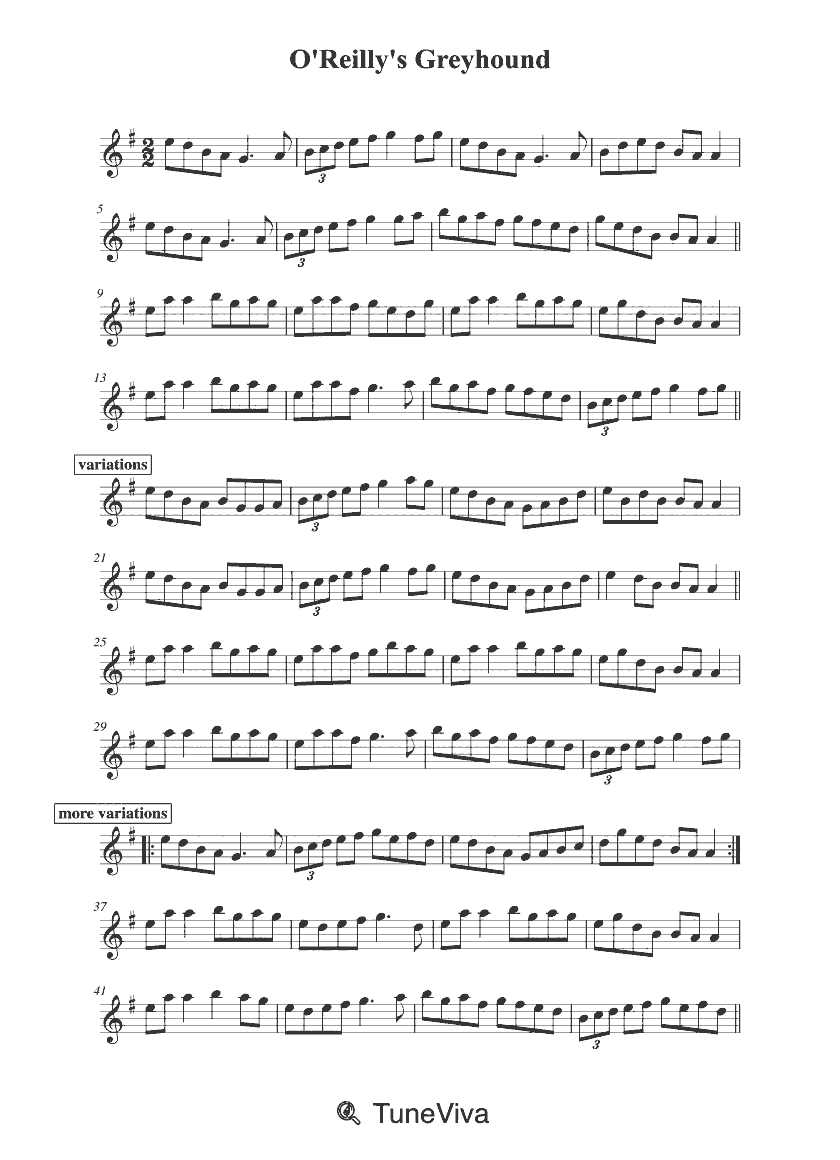
Misc tunes
Murphy's GreyhoundTory Island
3 min 12 sec
Open score
after Mr. O'Reilly
1 min 6 sec
Open scorePage 1 of 2
One score is headed O'Reilly's Jig; another pairs The Rover's Return with O'Reilly's Jig; a third is titled Traditional music - Rover's Return, O'Reilly's. All three open in 6/8. The first opens with three sharps (A major), while the other two open with two sharps, one of them explicitly labelled D major.
Treat the titles as leads and compare the opening notes, key and phrase structure before assuming two settings are interchangeable.
The clearest practical difference among the selected scores is the opening key: one has three sharps and an A major label, while two have two-sharp openings, with one identified as D major. If you are playing with other musicians, match their key first; then compare the melody and phrase lengths to see how closely the settings correspond.
A 6/8 time signature is compound duple: there are two main beats in a bar, each normally divided into three eighth notes. That lilting division is central to jig rhythm, and it is the rhythmic framework shared by the selected O'Reilly's scores.
Catalogue duration 24 sec. Opening key signature: 3 sharps (A major). Opening time signature: 6/8.
Catalogue duration 24 sec. Opening key signature: 2 sharps. Opening time signature: 6/8.
Catalogue duration 48 sec. Opening key signature: 2 sharps (D major). Opening time signature: 6/8.
O'Reilly's is the tune name used for several jig listings, including O'Reilly's Jig and The Rover's Return (O'Reilly's Jig). The scores are presented as traditional or miscellaneous tunes rather than as a signed composition, and the listings do not give a consistent composer attribution.
Compare the opening notes, key and phrase structure before treating the settings as interchangeable.
All three selected O'Reilly's jig scores open in 6/8. In 6/8 there are two main beats per bar, each normally divided into three eighth notes, which gives the compound-duple feel associated with a jig.
The selected O'Reilly's Jig score opens with three sharps, indicating A major. Two related listings, including The Rover's Return (O'Reilly's Jig), open with two sharps; one of those is explicitly labelled D major. Check the key signature before choosing a version to play with others.
Composer credits are not consistent across the O'Reilly's listings: two selected scores show no composer, while one carries 'Trad.-Buddy MacMaster Ashley MacIsaac Donny LeBlanc' in the composer field. That is not enough to establish authorship of the tune, so treat the credit as a lead to verify rather than a confirmed attribution.
Start with the key signature and title. If you need to play with a group, match their key: the selected settings differ between a three-sharp A major opening and two-sharp openings. Then compare the melody and phrase lengths, because the titles alone do not show whether the settings are identical.