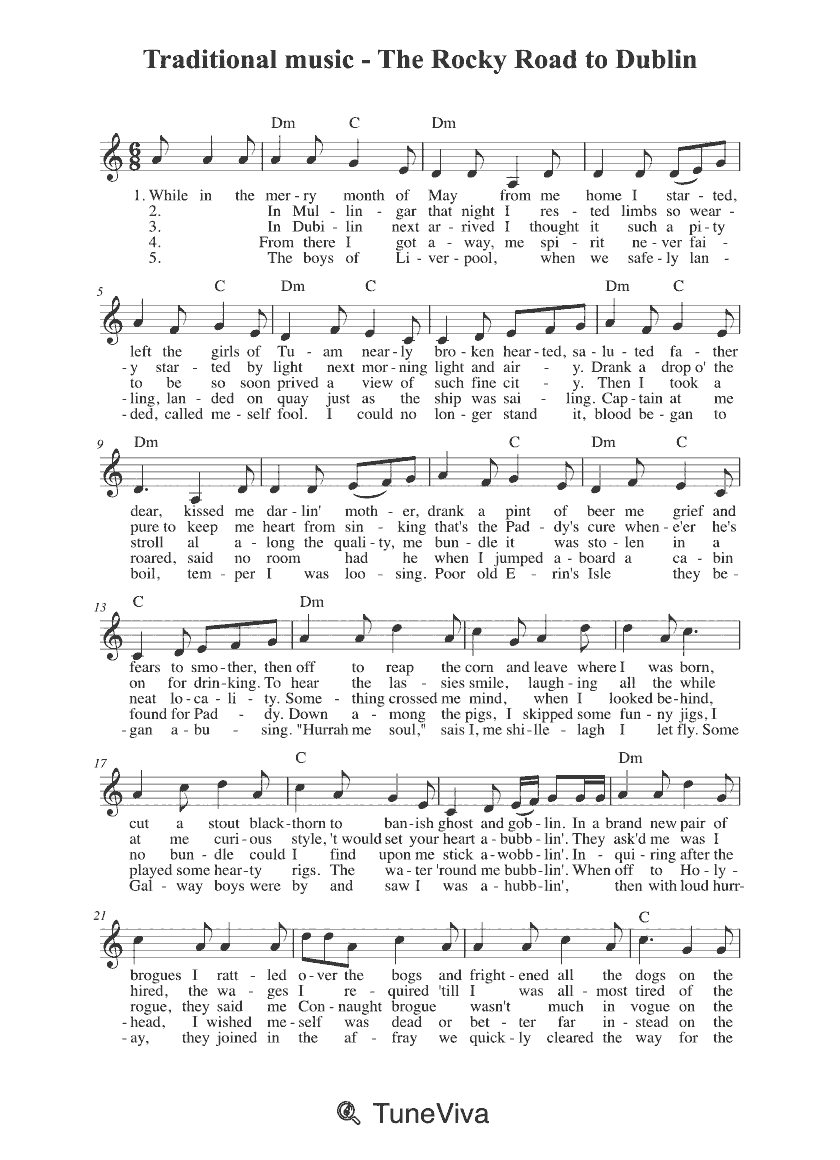
Traditional music - The Rocky Road to Dublin
Traditional
24 sec
Open scoreRocky Road to Dublin sheet music is available here in several folk settings, and the versions differ in ways that matter for playing. Two scores open in 9/8 and one in 6/8; two have no sharps or flats and one has one sharp. One four-part version names Irish flute, pan flute, violin and accordion. Compare metre, key and instrumentation before choosing a score.
Scores 1–20 of 53
Traditional
24 sec
Open score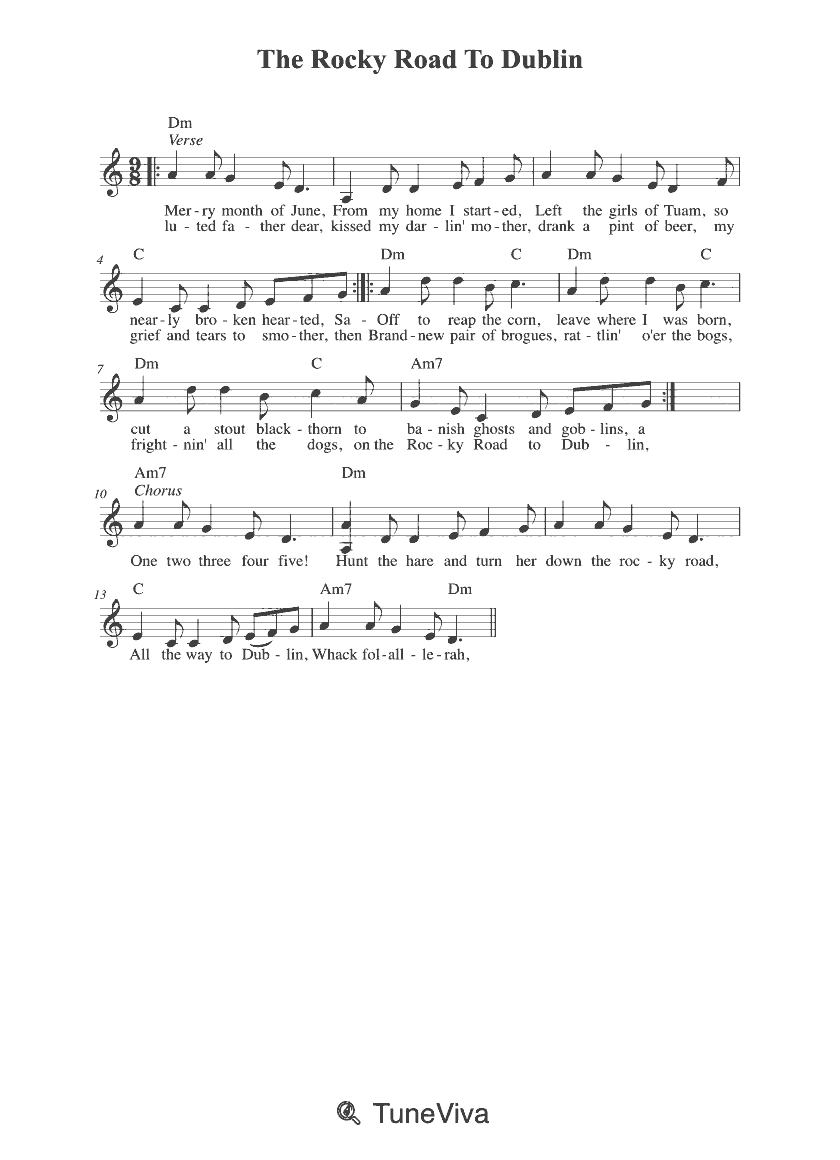
Misc Traditional
25 sec
Open score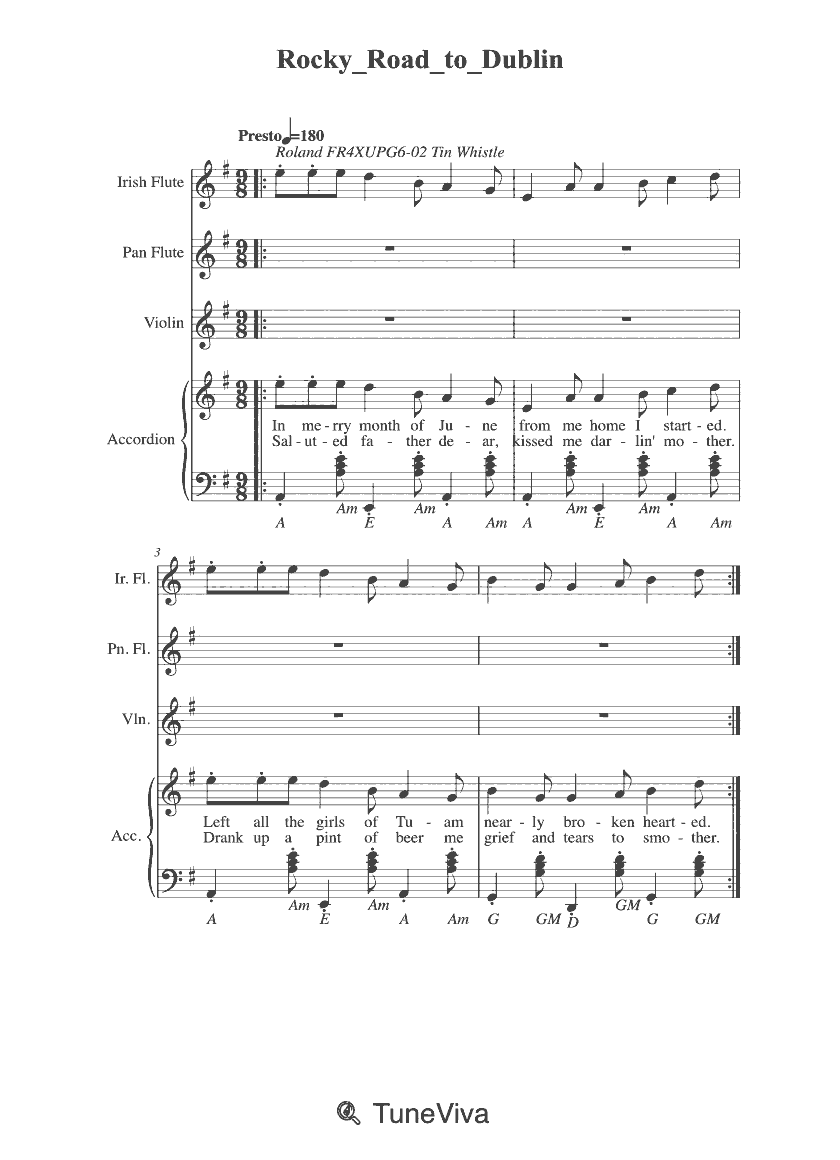
D. K. Gavan
Irish Flute; Pan Flute; Violin +1 parts · 1 min 12 sec
Open score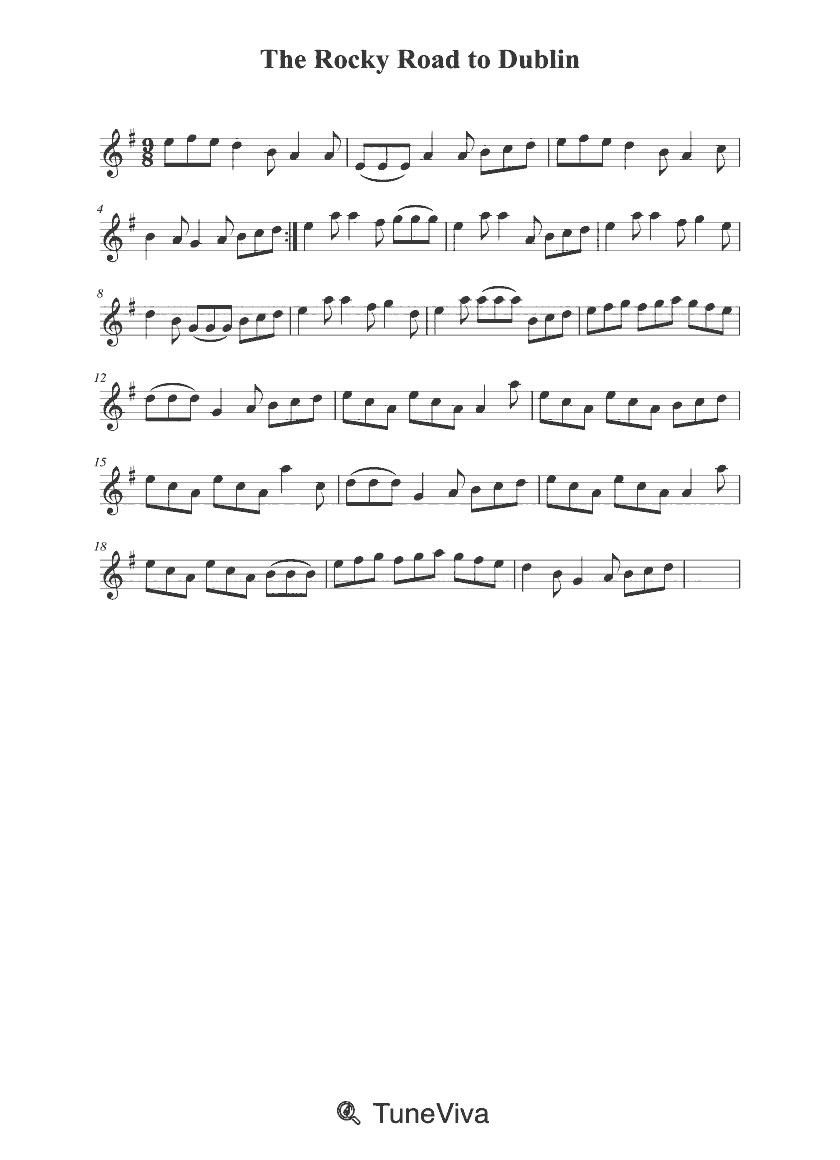
Misc Traditional
28 sec
Open score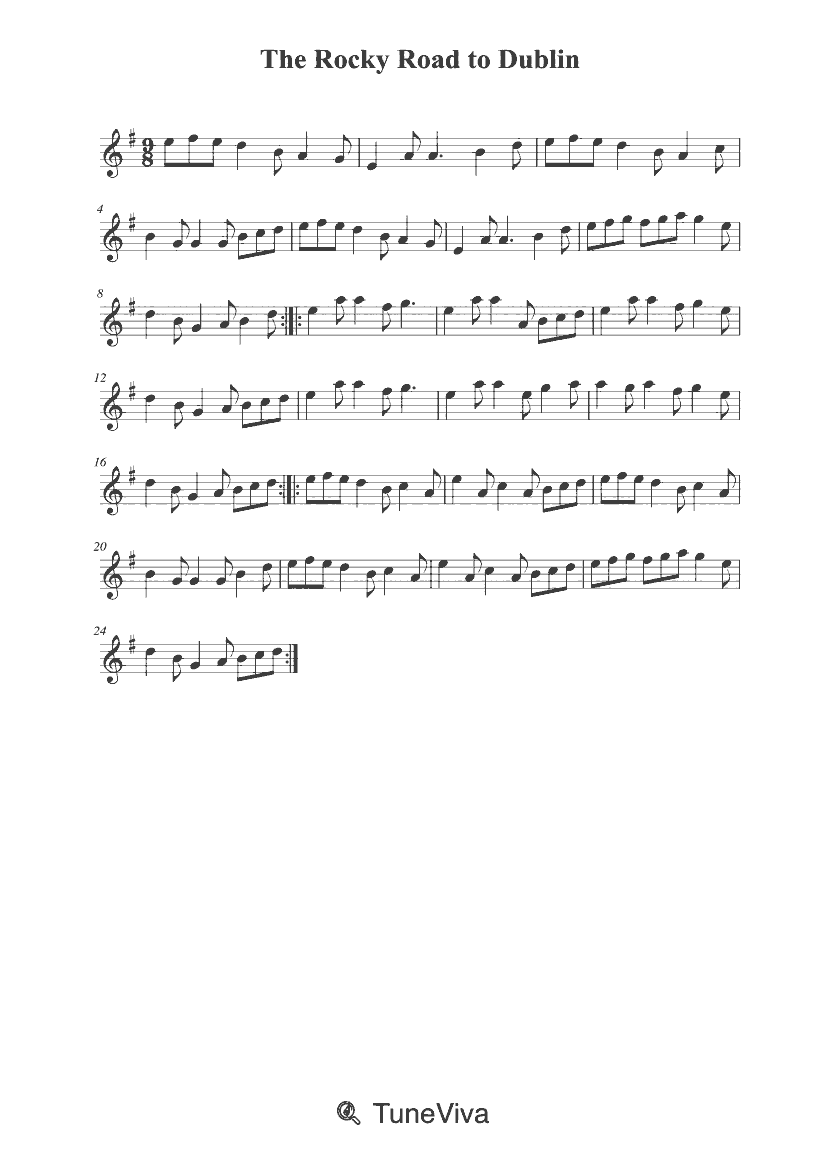
Misc Traditional
54 sec
Open score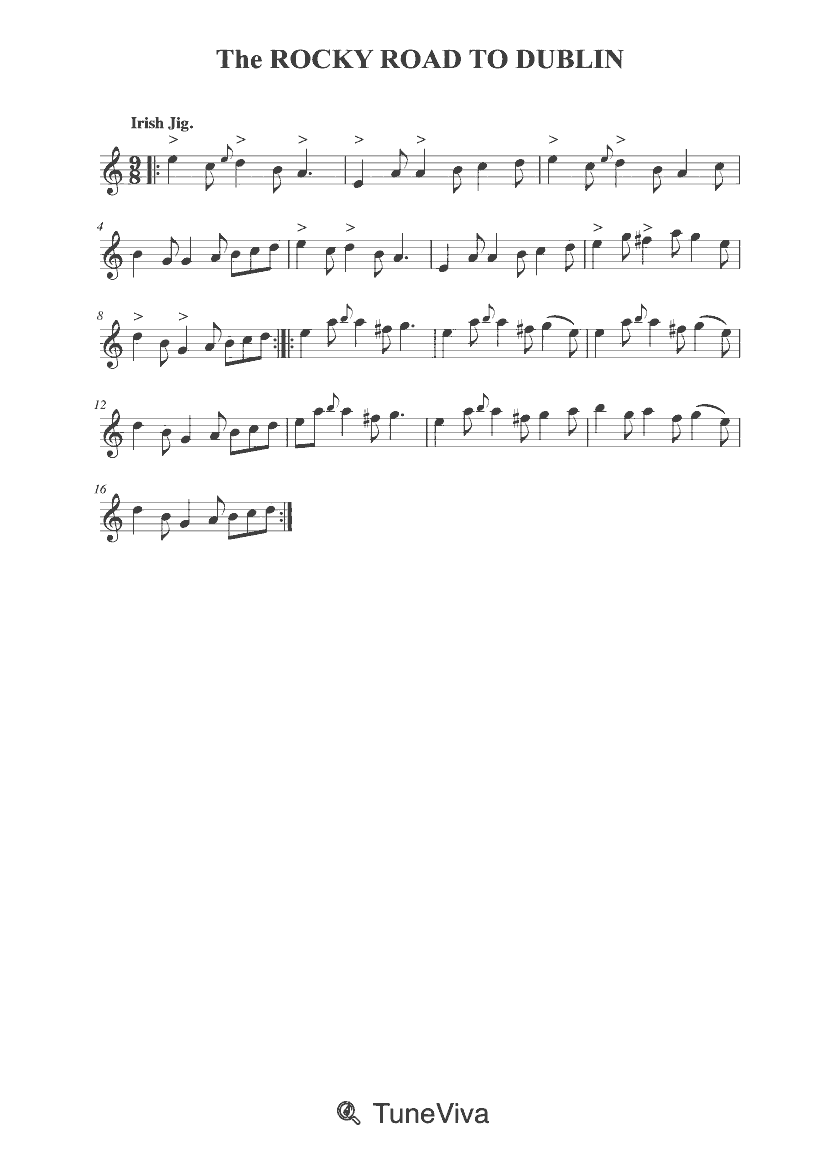
Misc Traditional
36 sec · Score #98745
Open score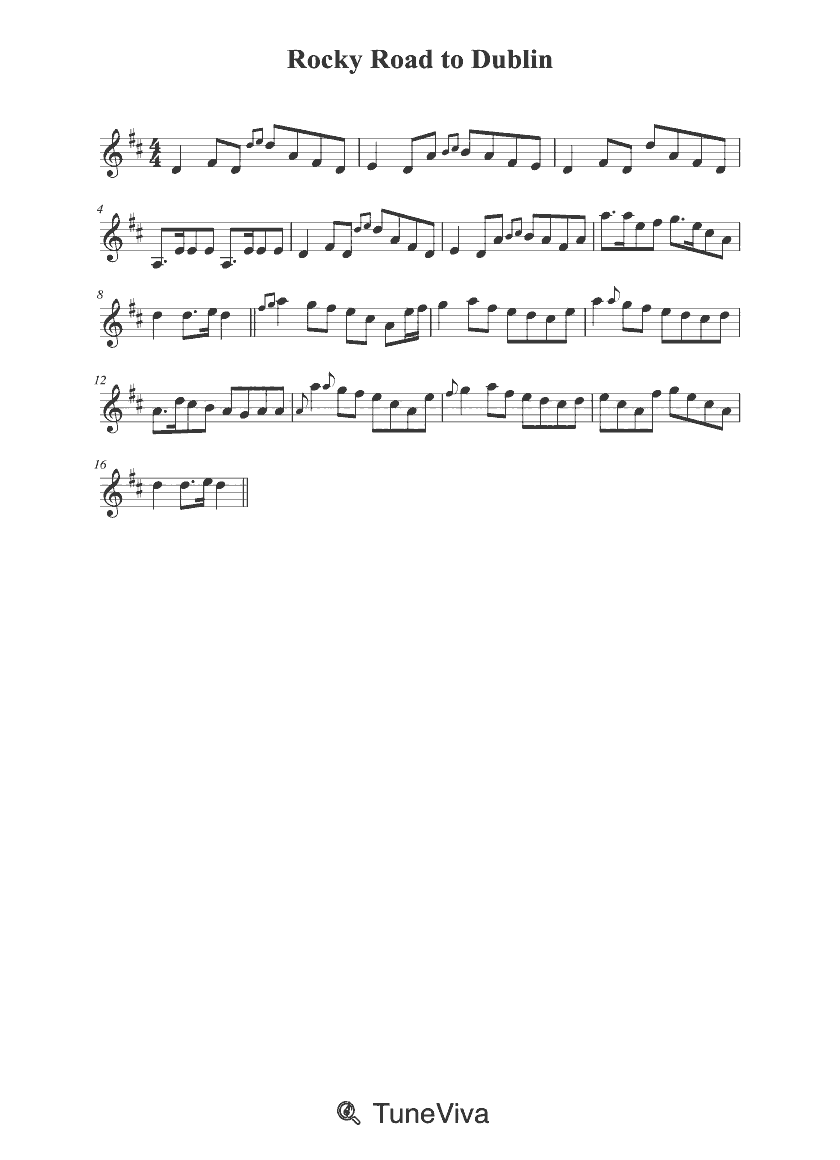
Misc Traditional
31 sec
Open score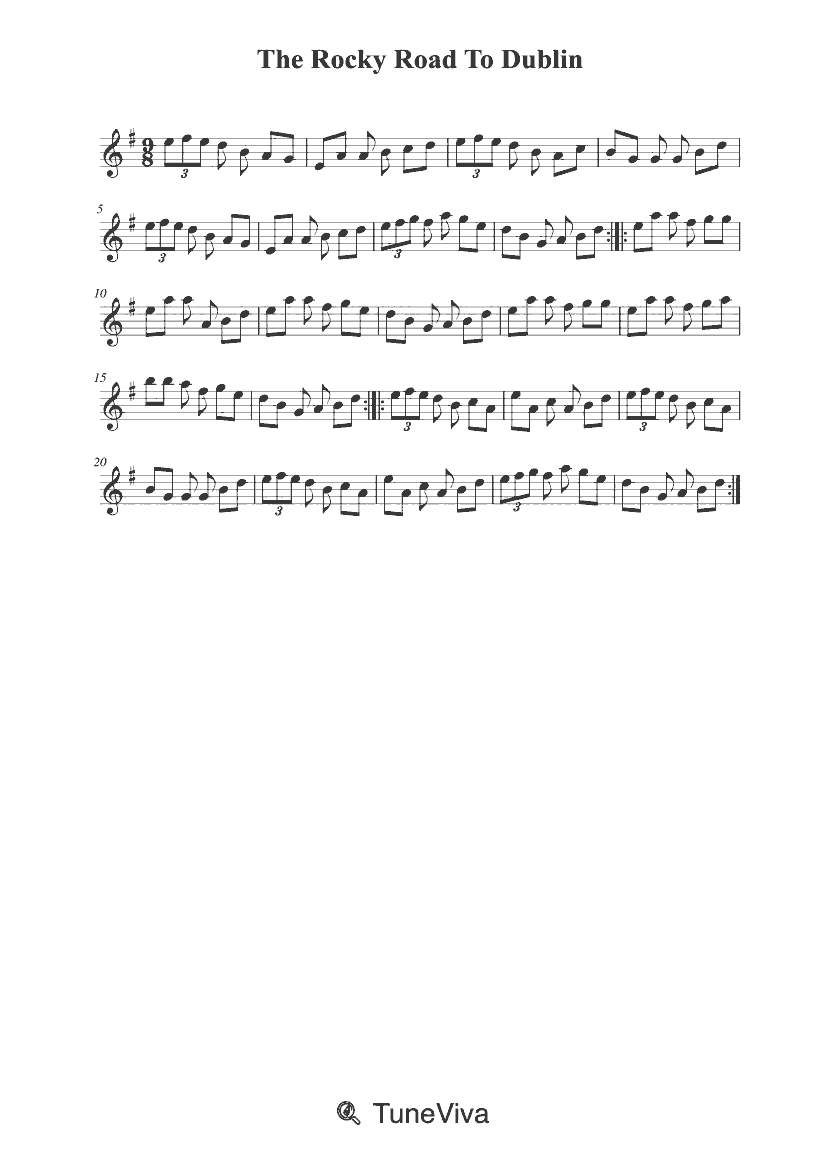
Misc Traditional
36 sec · Score #231010
Open score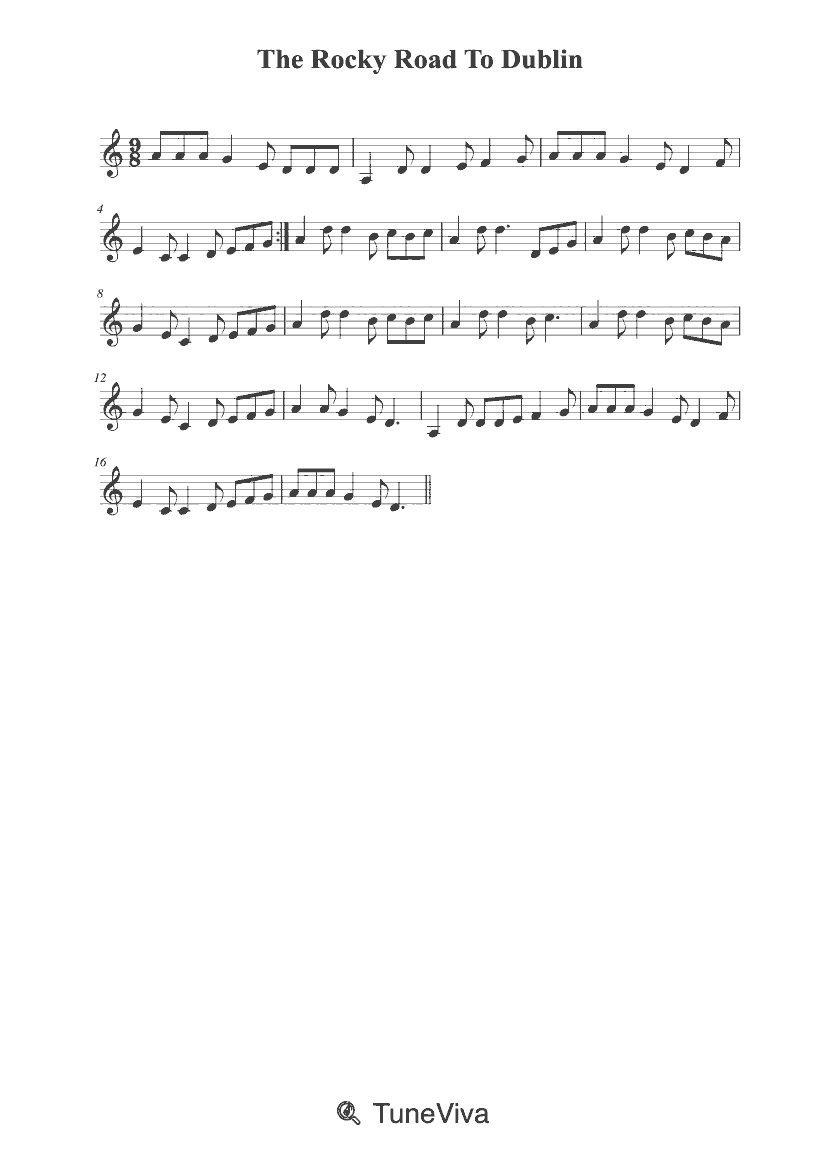
Misc Traditional
24 sec · Score #248795
Open score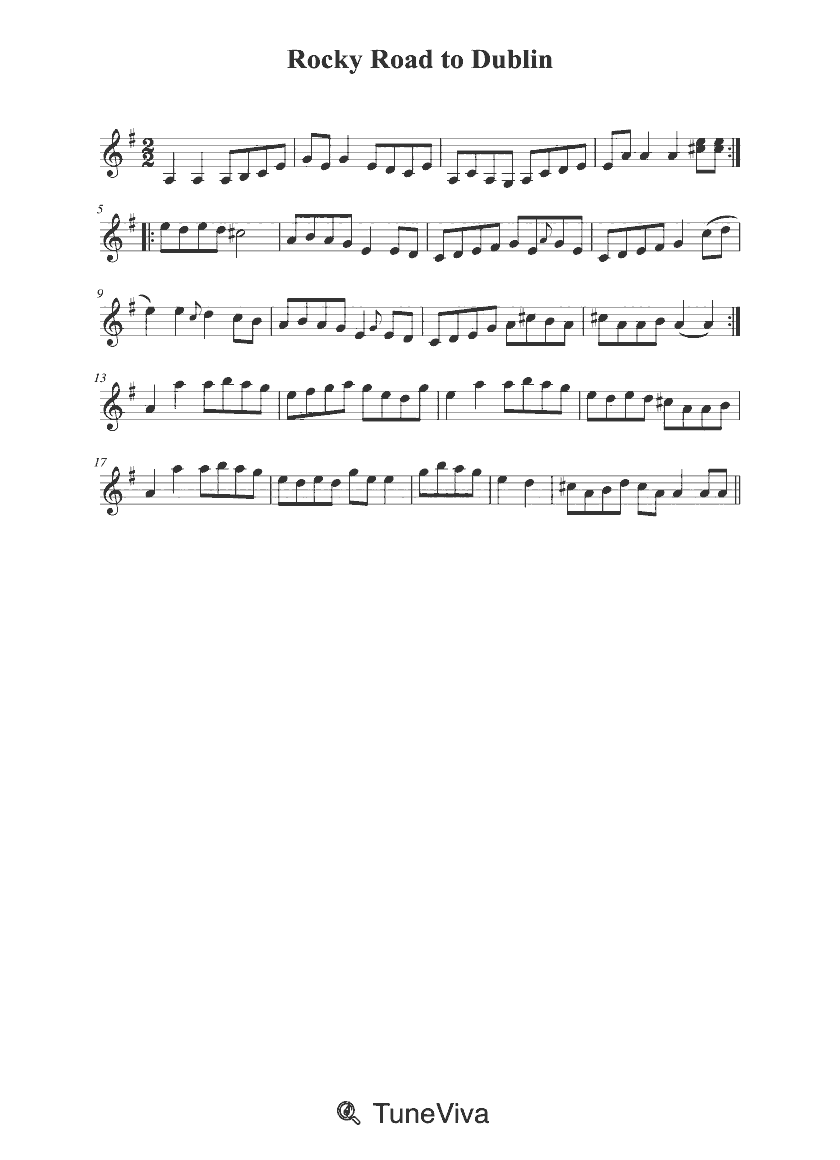
Misc Traditional
2 min 9 sec · Score #227172
Open score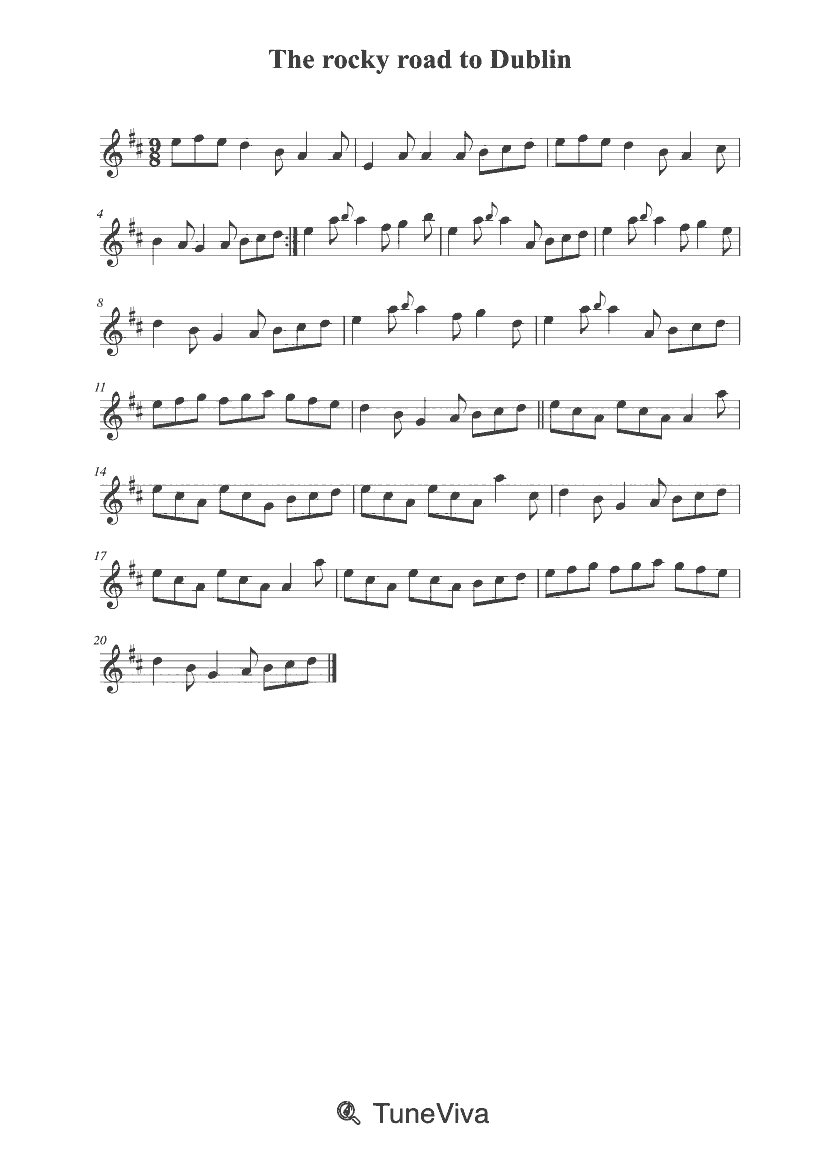
anon.
27 sec
Open score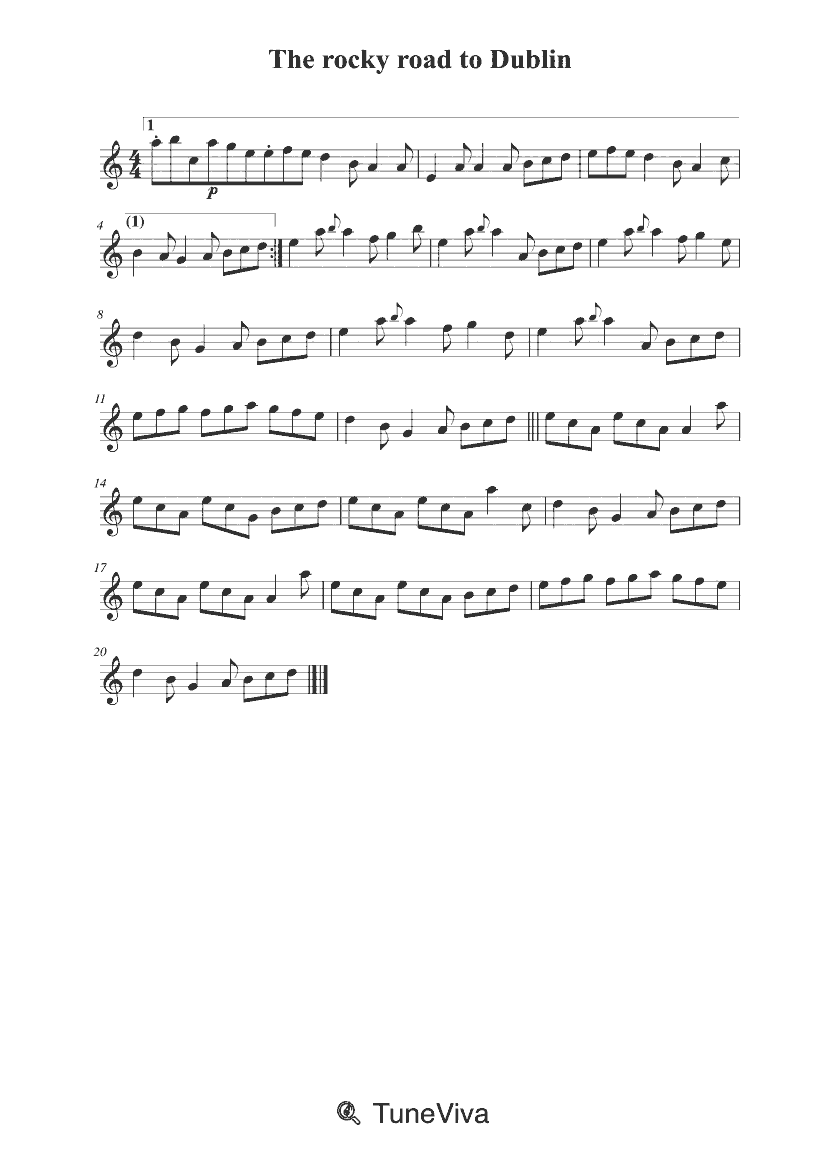
anon.
24 sec
Open score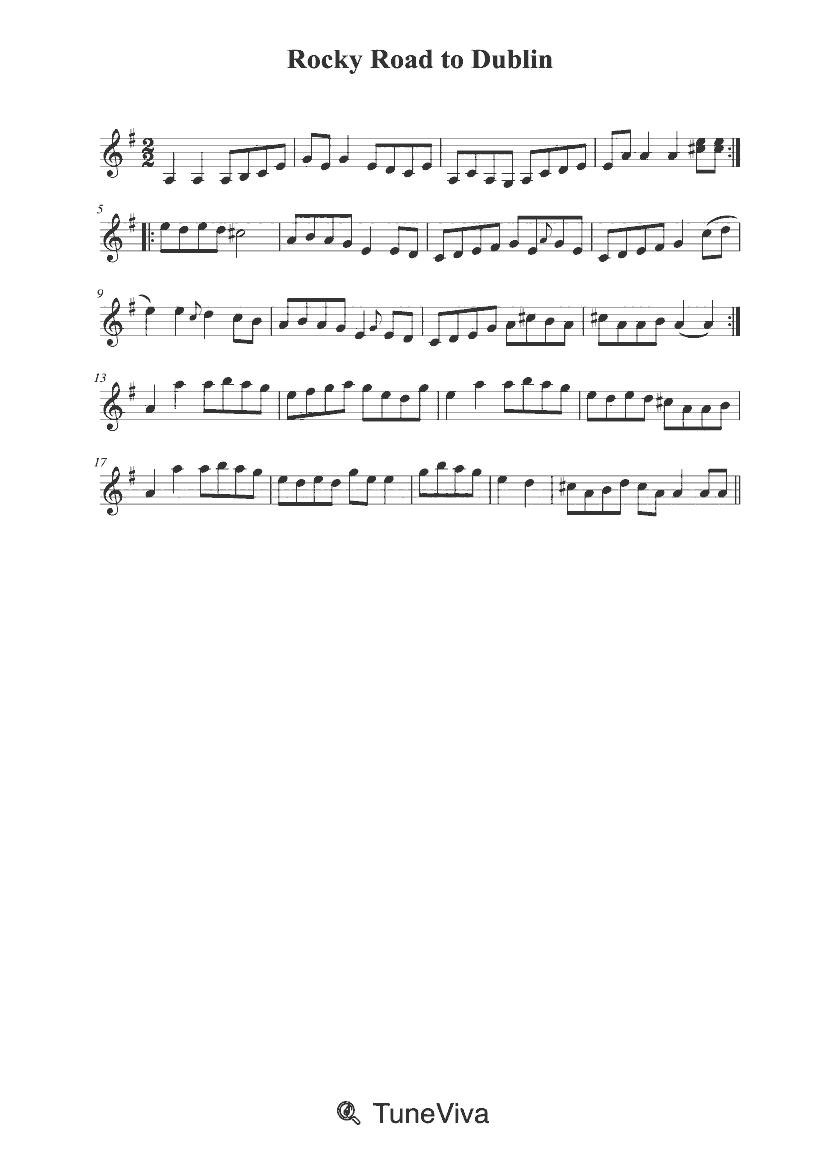
Misc Traditional
2 min 9 sec · Score #48681
Open score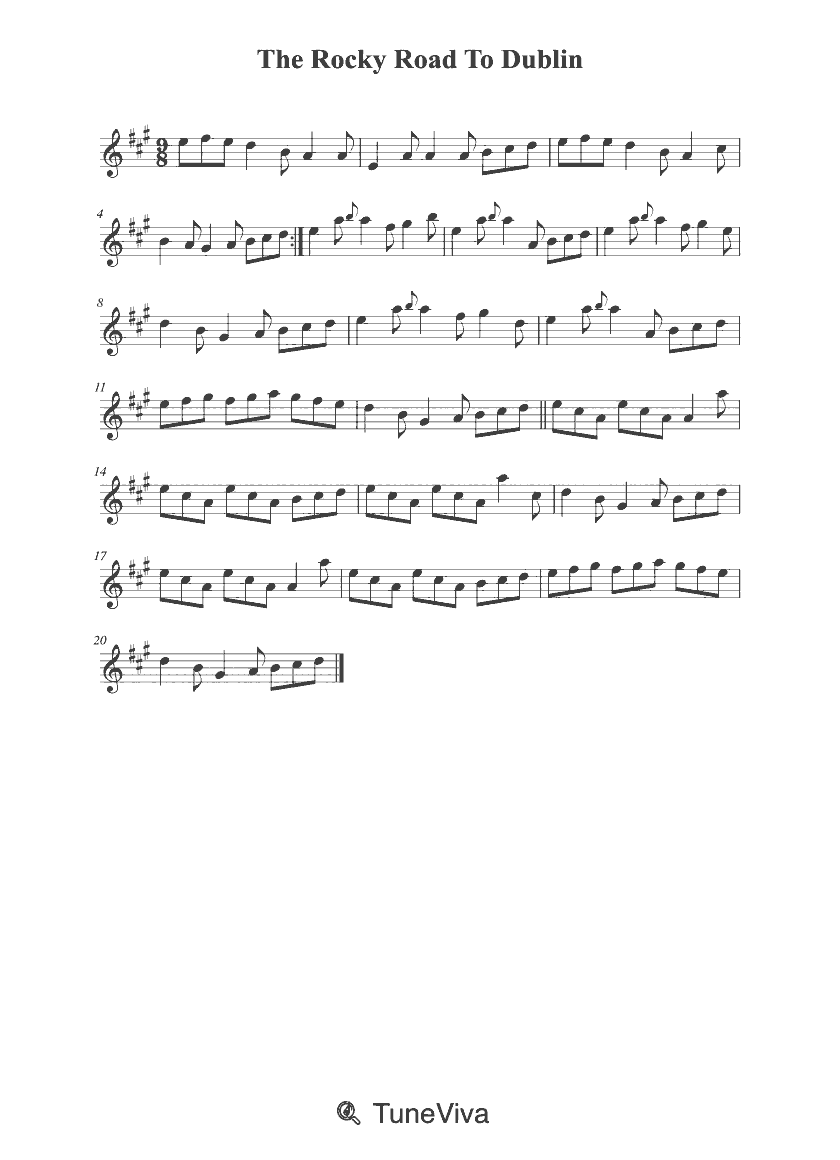
Misc Traditional
27 sec
Open score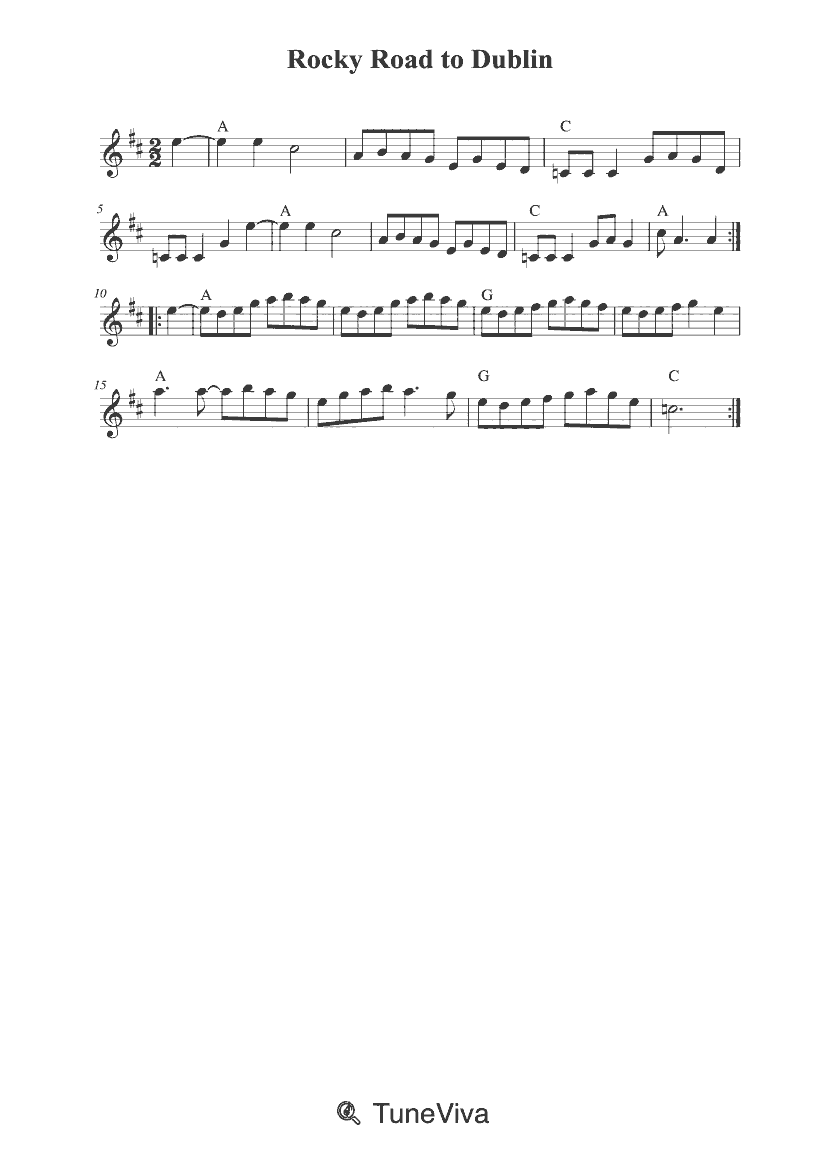
Misc Traditional
2 min 8 sec
Open score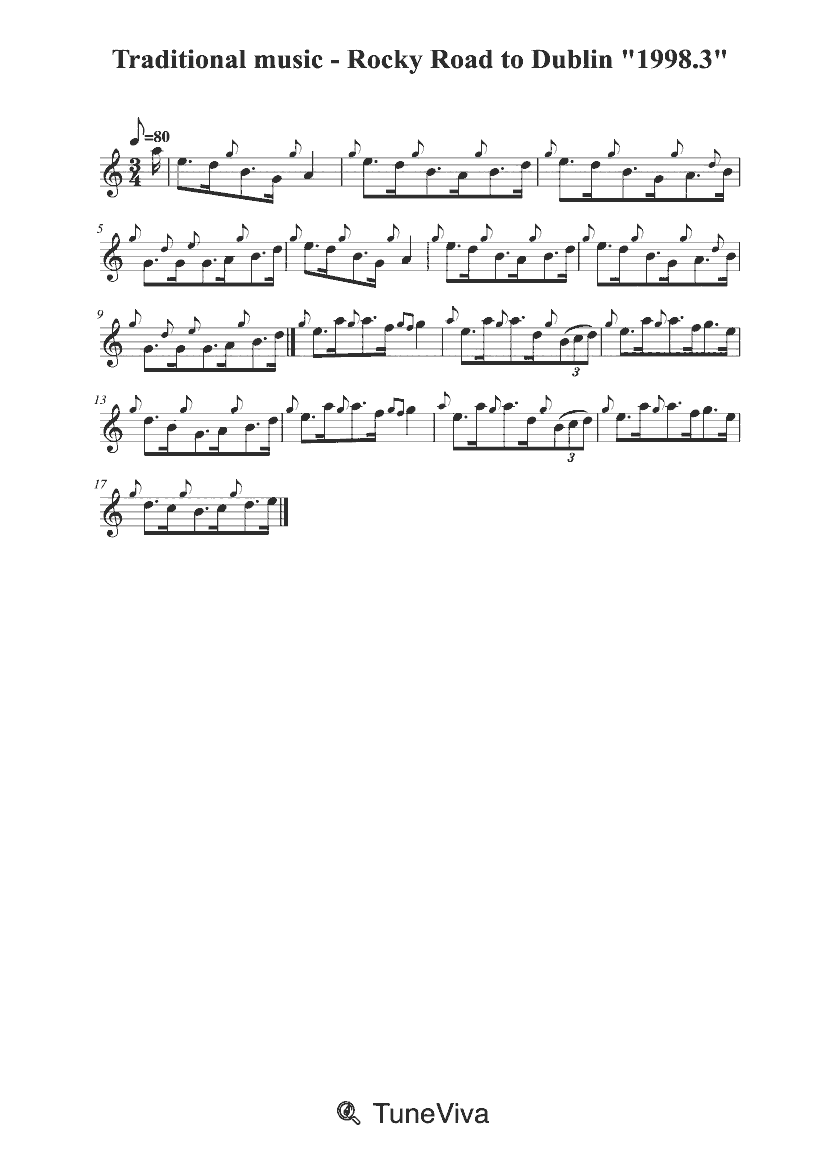
Traditional
1 min 12 sec
Open score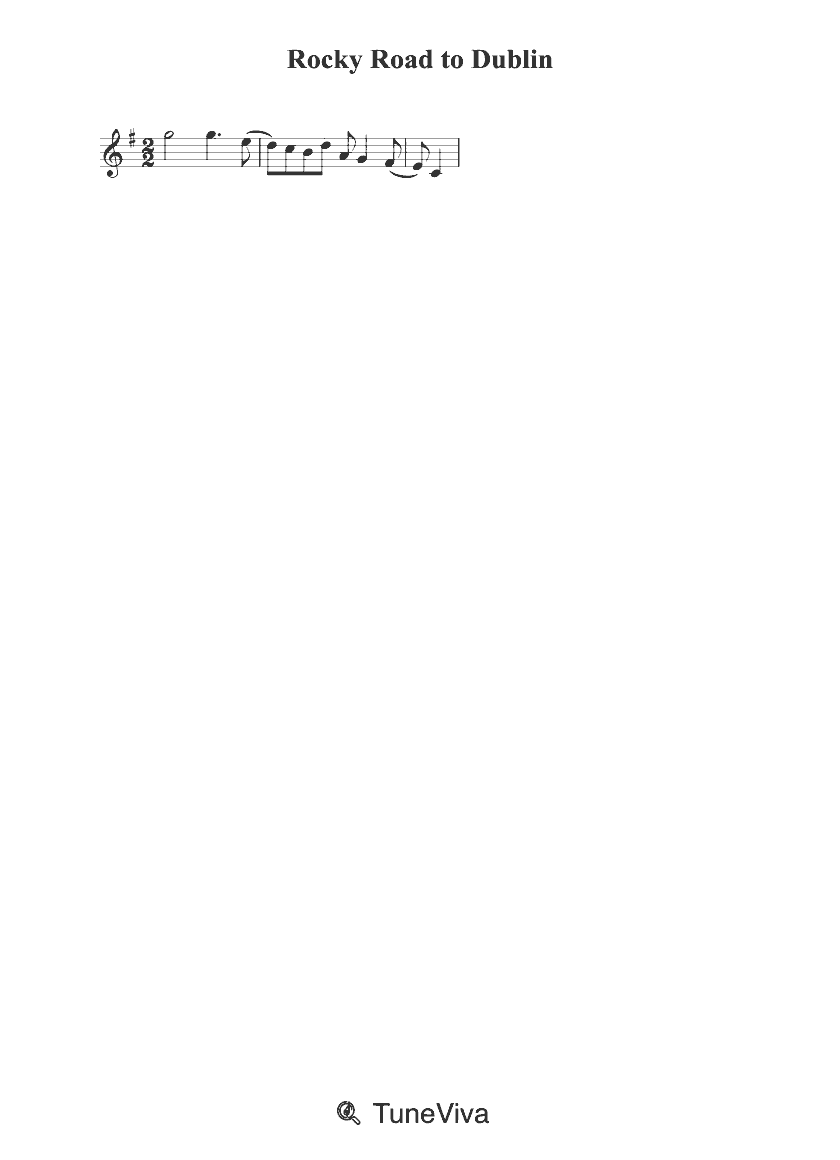
Misc Traditional
10 sec
Open score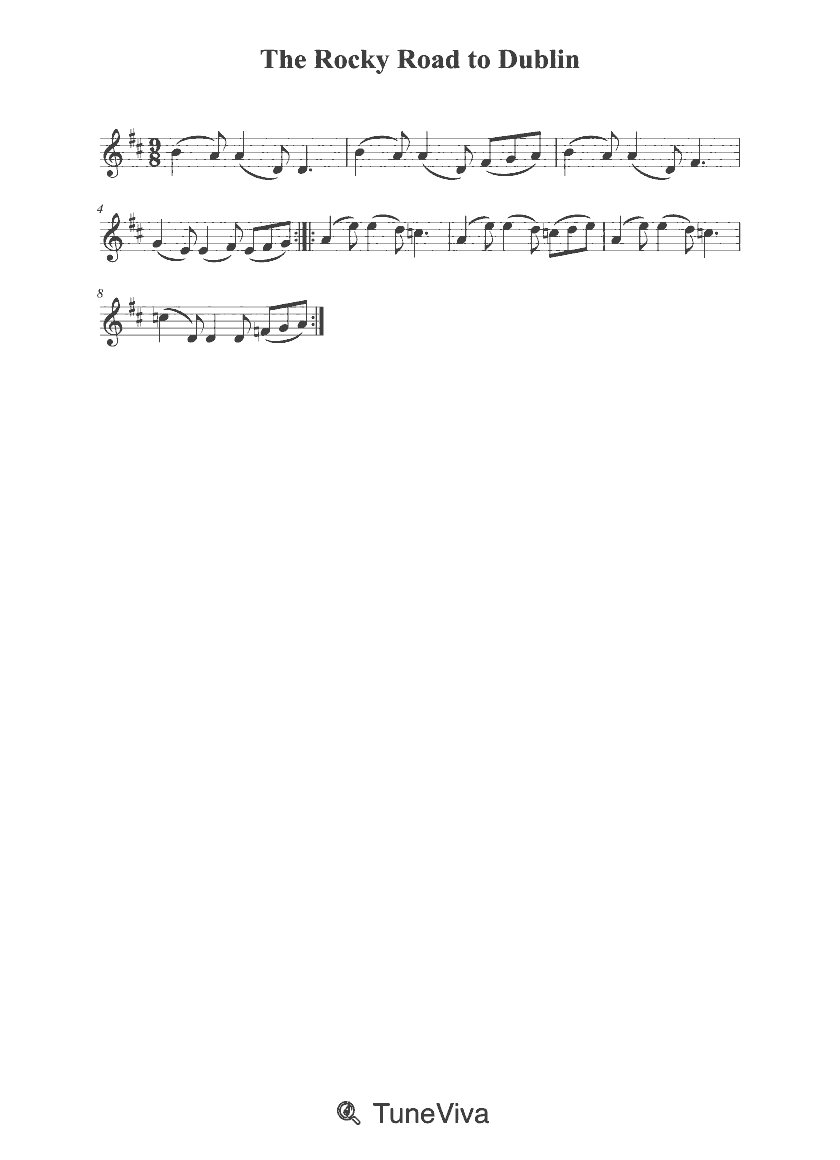
Misc Traditional
18 sec · Score #93937
Open score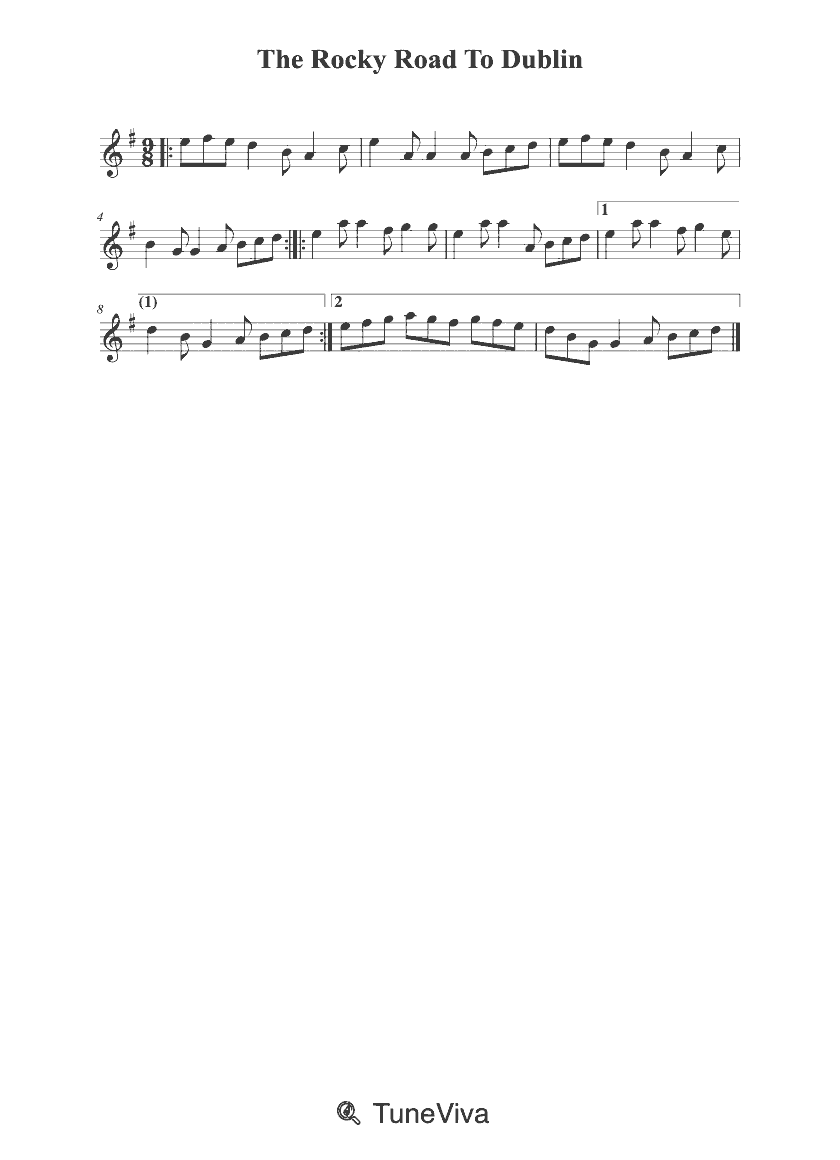
Misc Traditional
18 sec · Score #231411
Open score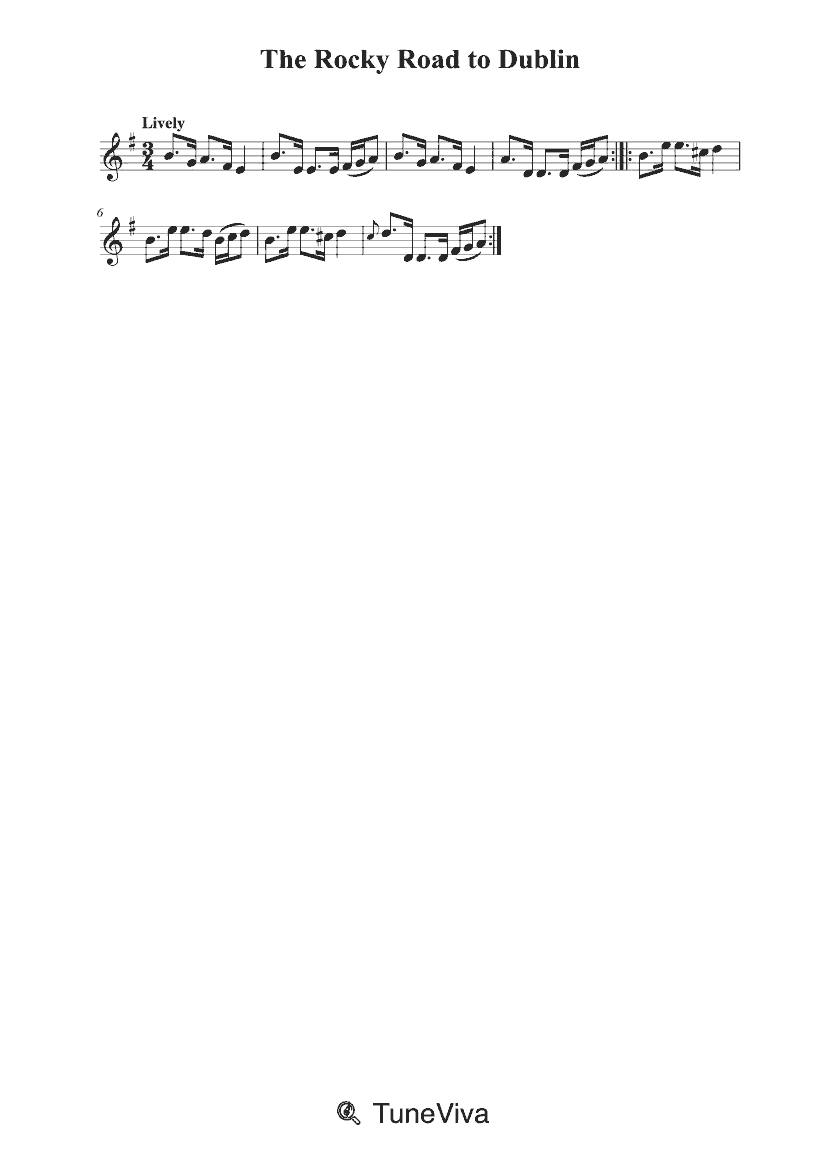
Misc Traditional
24 sec · Score #71308
Open scorePage 1 of 3
The available scores show both 9/8 and 6/8 for Rocky Road to Dublin. That difference affects how the beats are grouped and how the piece feels to play, so choose a score whose metre matches the version you know. The title alone does not guarantee a single setting.
One four-part score names Irish flute, pan flute, violin and accordion. The other two scores are not described with a comparable ensemble. If you need parts for a session or group, confirm exactly what the score provides before you rely on the title.
Two scores open with no sharps or flats, while the four-part score opens with one sharp. That four-part listing also gives an opening tempo of 180 BPM. These are score-specific details, not universal facts about every version of the piece.
The available scores disagree on credit: two list Traditional or Misc Traditional, while one lists D. K. Gavan. No supplied source verifies the origin or composer, so use these credits as leads and check an authoritative reference if attribution matters for your programme or notes.
Catalogue duration 24 sec. Opening key signature: No sharps or flats. Opening time signature: 6/8.
Catalogue duration 25 sec. Opening key signature: No sharps or flats. Opening time signature: 9/8.
Score parts: Irish Flute, Pan Flute, Violin, Accordion. Catalogue duration 1 min 12 sec. Opening key signature: 1 sharp. Opening time signature: 9/8. Opening tempo: 180 BPM.
Listings for Rocky Road to Dublin show more than one metre: two scores open in 9/8 and one opens in 6/8. Because the title does not guarantee a single setting, check the time signature on the score you intend to use.
One four-part listing for Rocky Road to Dublin names Irish flute, pan flute, violin and accordion. The other two scores are not described with a comparable instrumental ensemble, so confirm the parts before planning a performance.
Credits for Rocky Road to Dublin are mixed: two scores list Traditional or Misc Traditional, and one lists D. K. Gavan. No supplied source confirms the attribution, so treat the name as a lead rather than a settled fact.
Rocky Road to Dublin scores in the available listings open in different keys: two have no sharps or flats, and one has one sharp. Key is therefore score-specific here; check the key signature rather than assuming a single standard key.
One four-part listing gives an opening tempo of 180 BPM for Rocky Road to Dublin. The other scores do not supply a tempo, so 180 BPM describes that score only and should not be treated as a fixed speed for every version.
Choose a Rocky Road to Dublin score by matching its metre, key and instrumentation to your purpose. For a solo melody, a score without an ensemble listing may suit; for a group, the four-part version naming Irish flute, pan flute, violin and accordion gives more defined parts. Check the actual score before rehearsing.