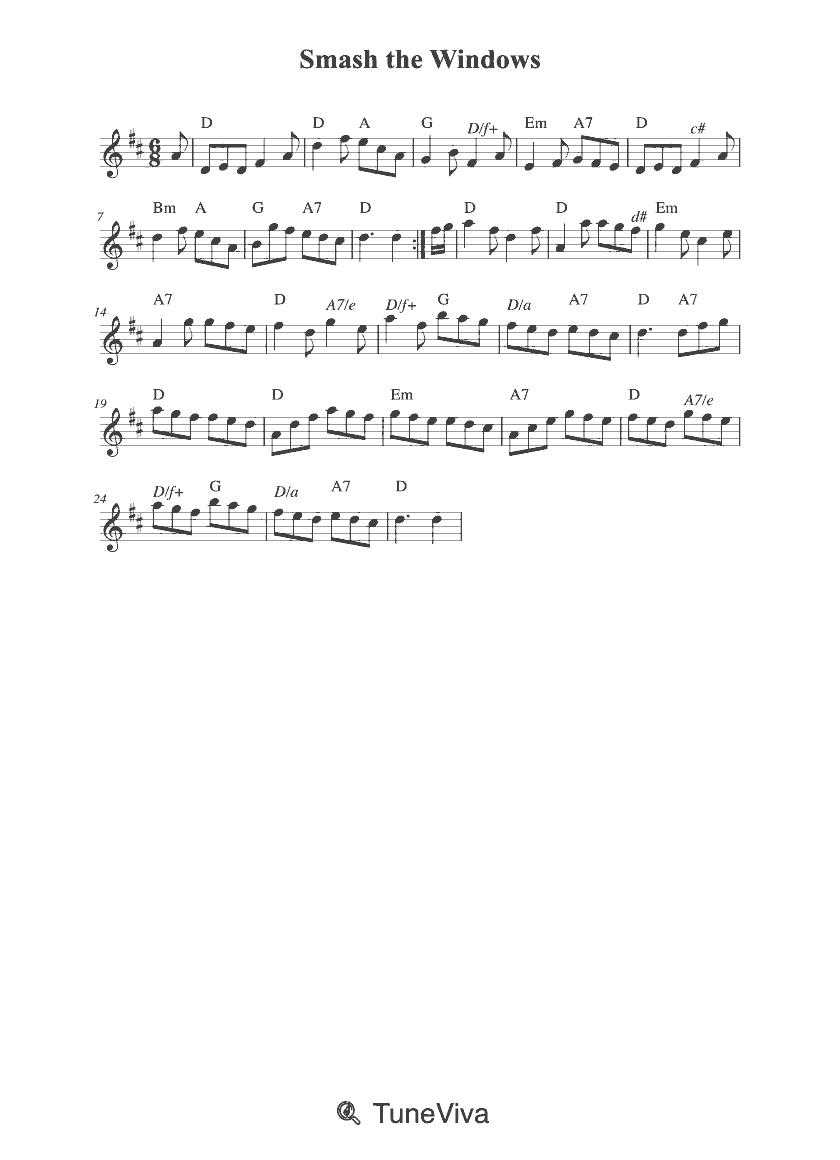
Smash the Windows
Misc Traditional
24 sec · Score #162394
Open scoreThree sheet-music versions titled “Smash the Windows” are listed here, each attributed to “Misc Traditional” and tagged as folk. All three open in D major with a 6/8 time signature, though they are not identical: the listings differ in length and in the number of notes they contain, so they appear to be different settings of the same tune name rather than duplicate copies. The records do not name a composer or specify instrumentation, so this page sticks to what the scores themselves show and flags what remains unverified.
Scores 1–20 of 48
Misc Traditional
24 sec · Score #162394
Open score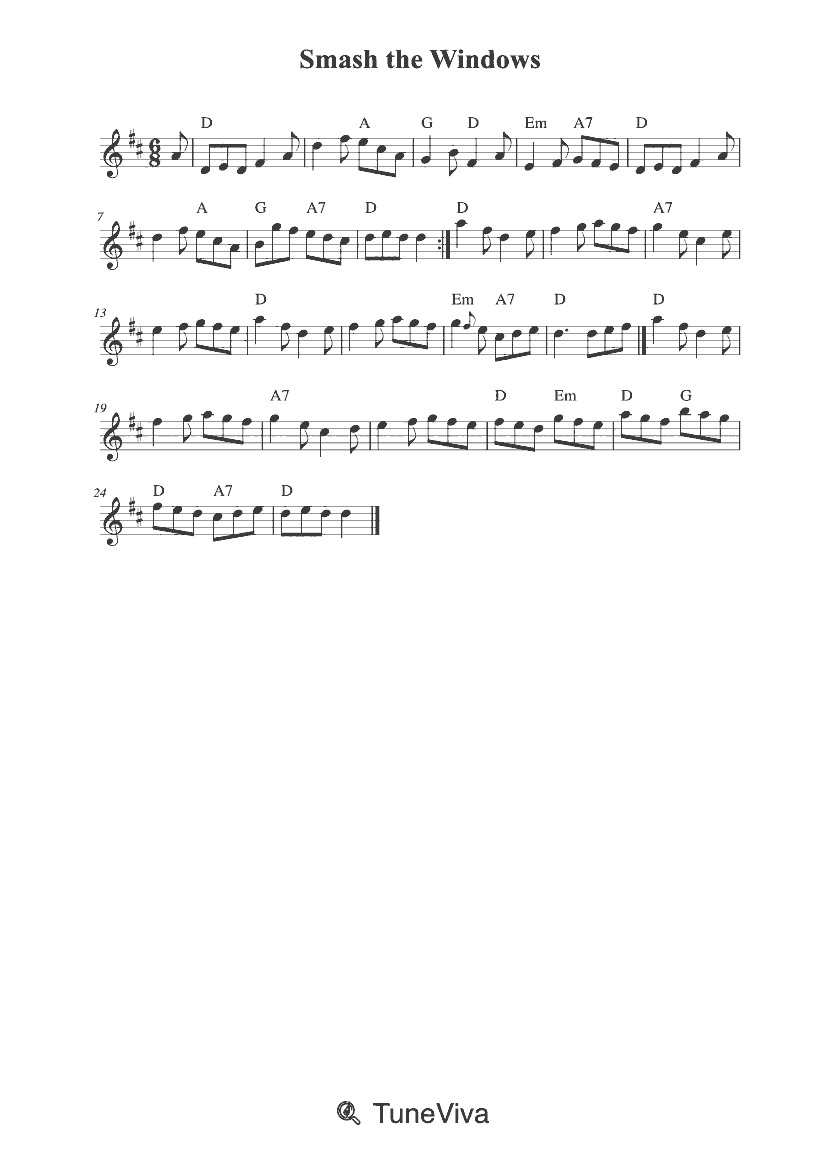
Misc Traditional
24 sec · Score #181692
Open score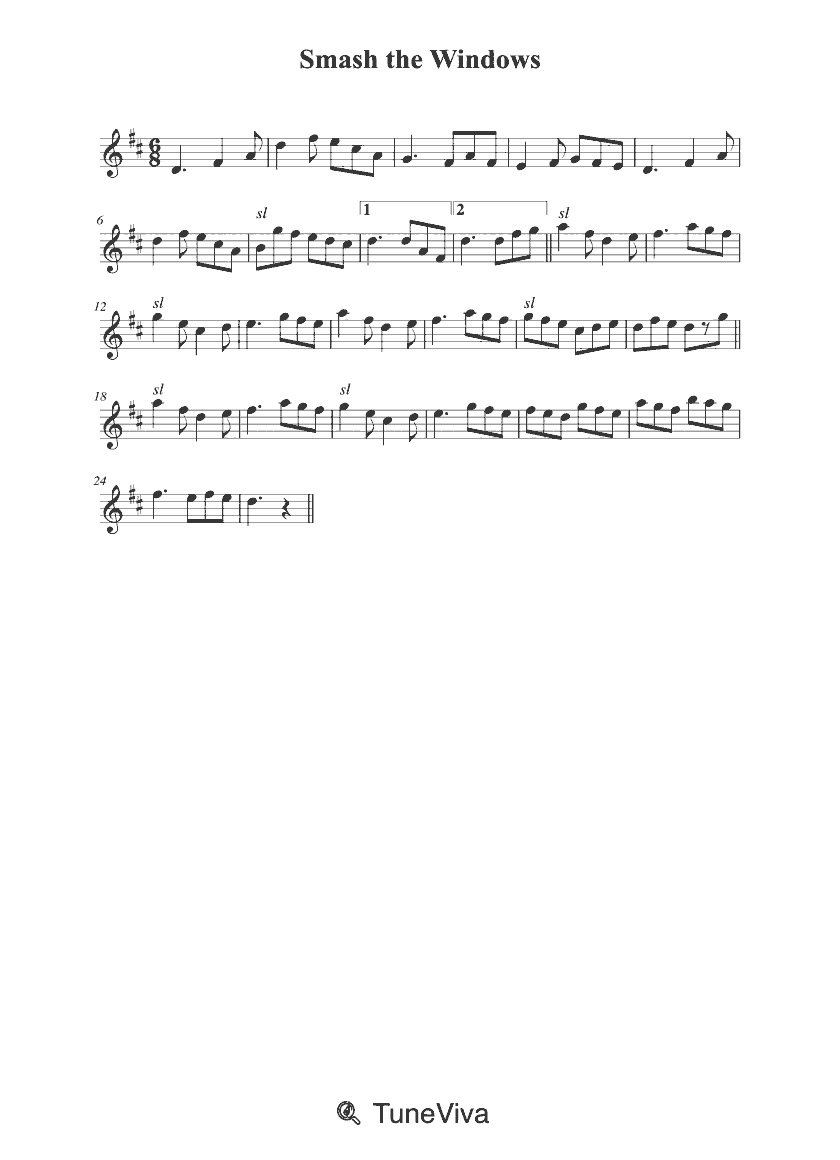
Misc Traditional
19 sec
Open score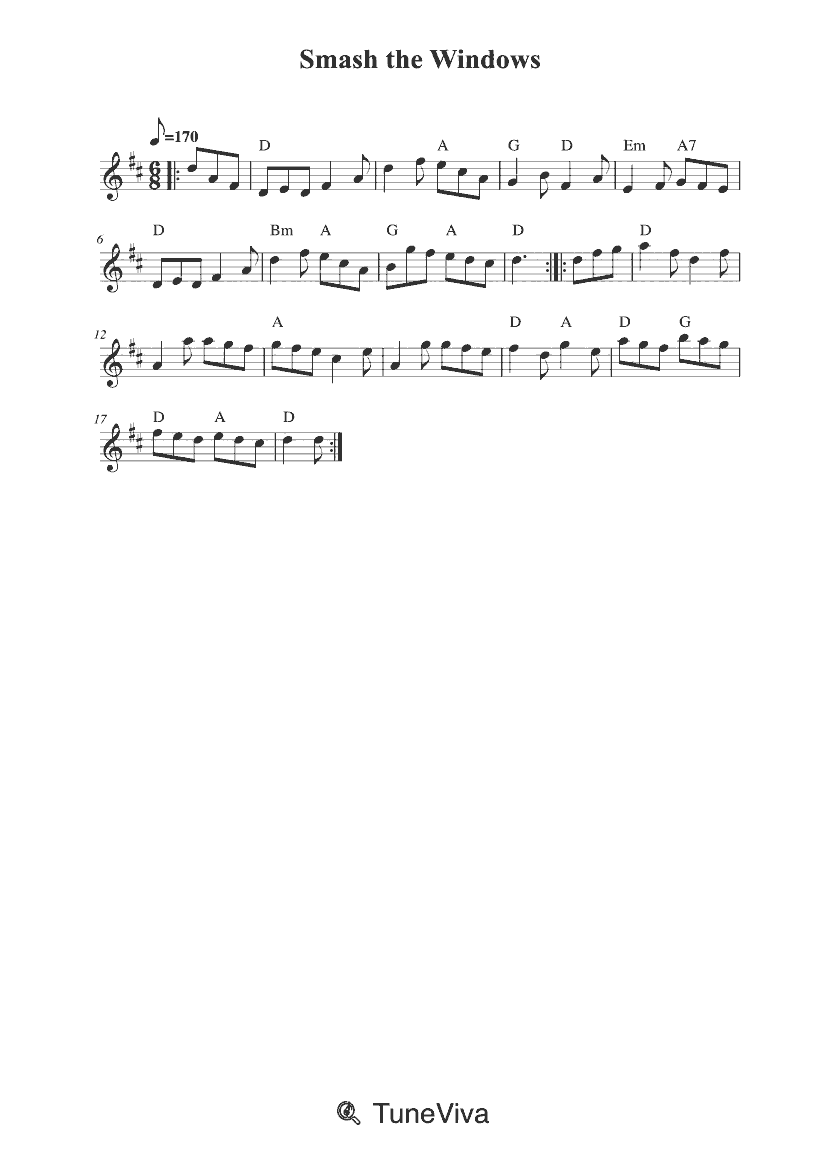
Misc Traditional
34 sec
Open score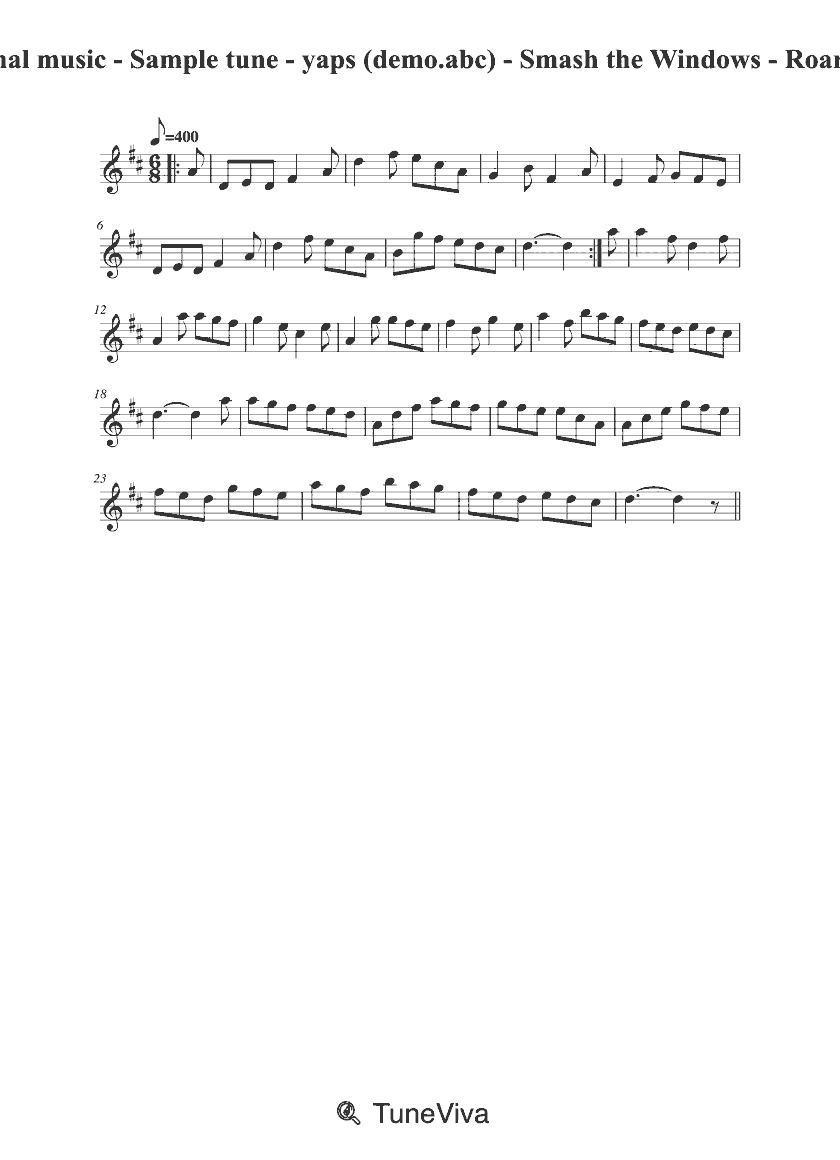
Trad
14 sec
Open score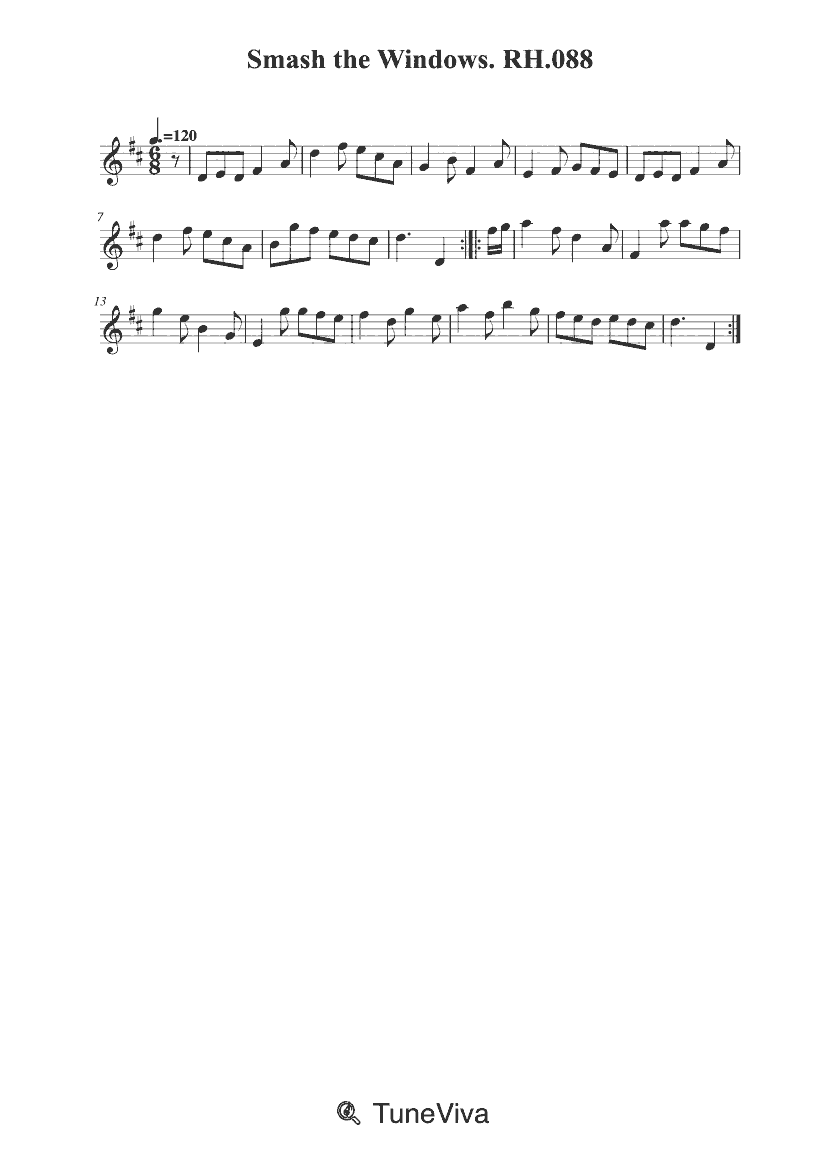
Misc Traditional
16 sec
Open score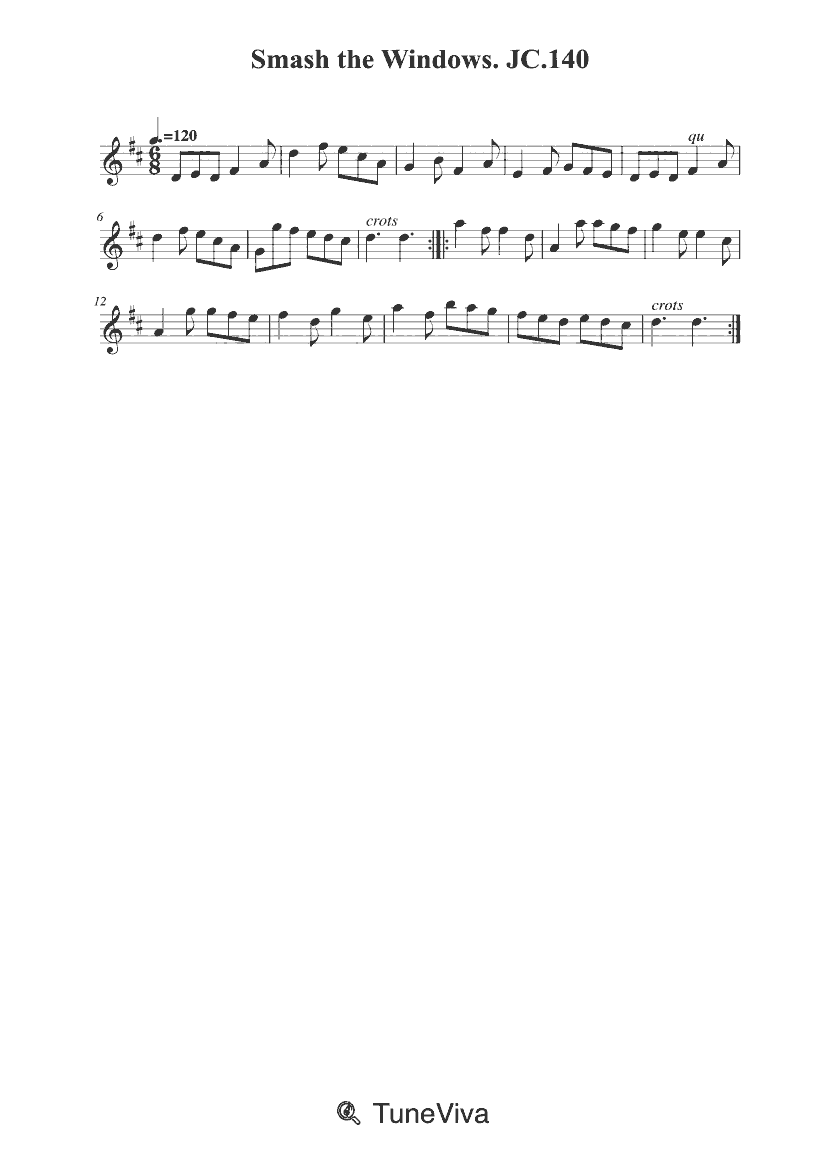
Misc Traditional
16 sec
Open score
after Sg't J. O'Neill
17 sec
Open score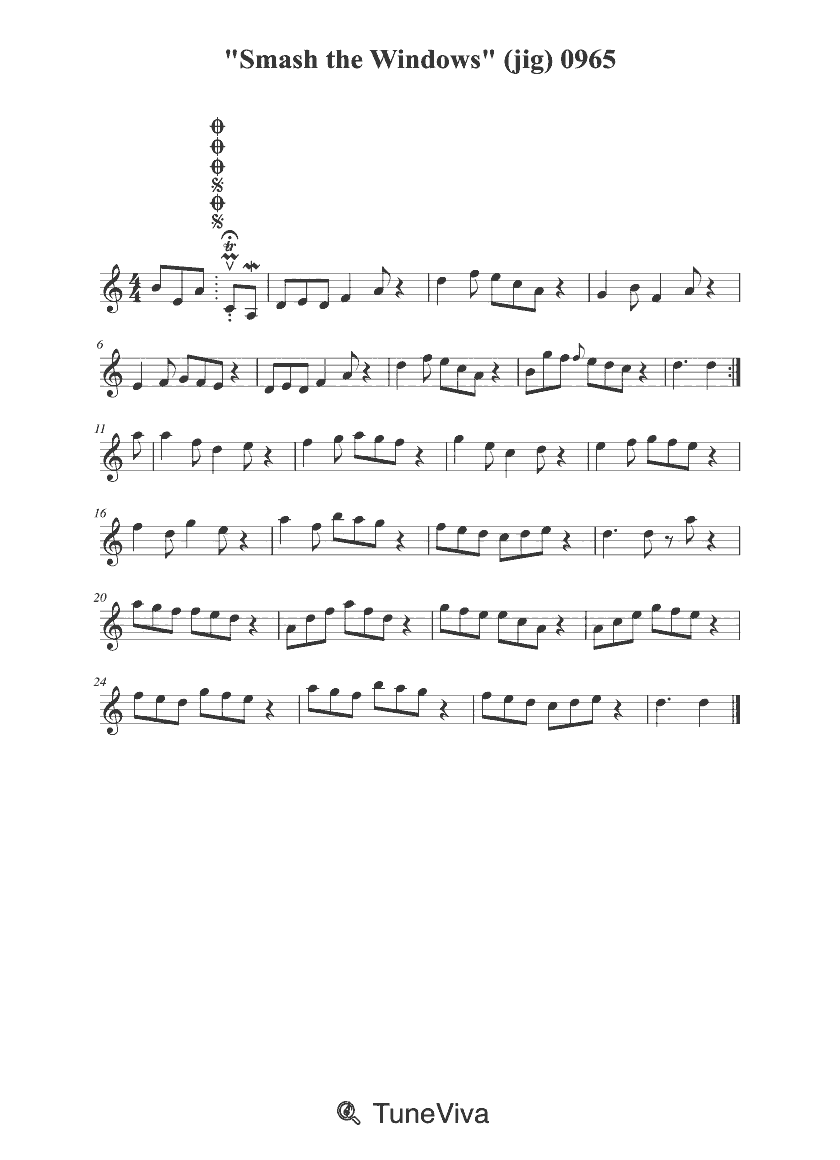
after Sg't J. O'Neill
26 sec
Open score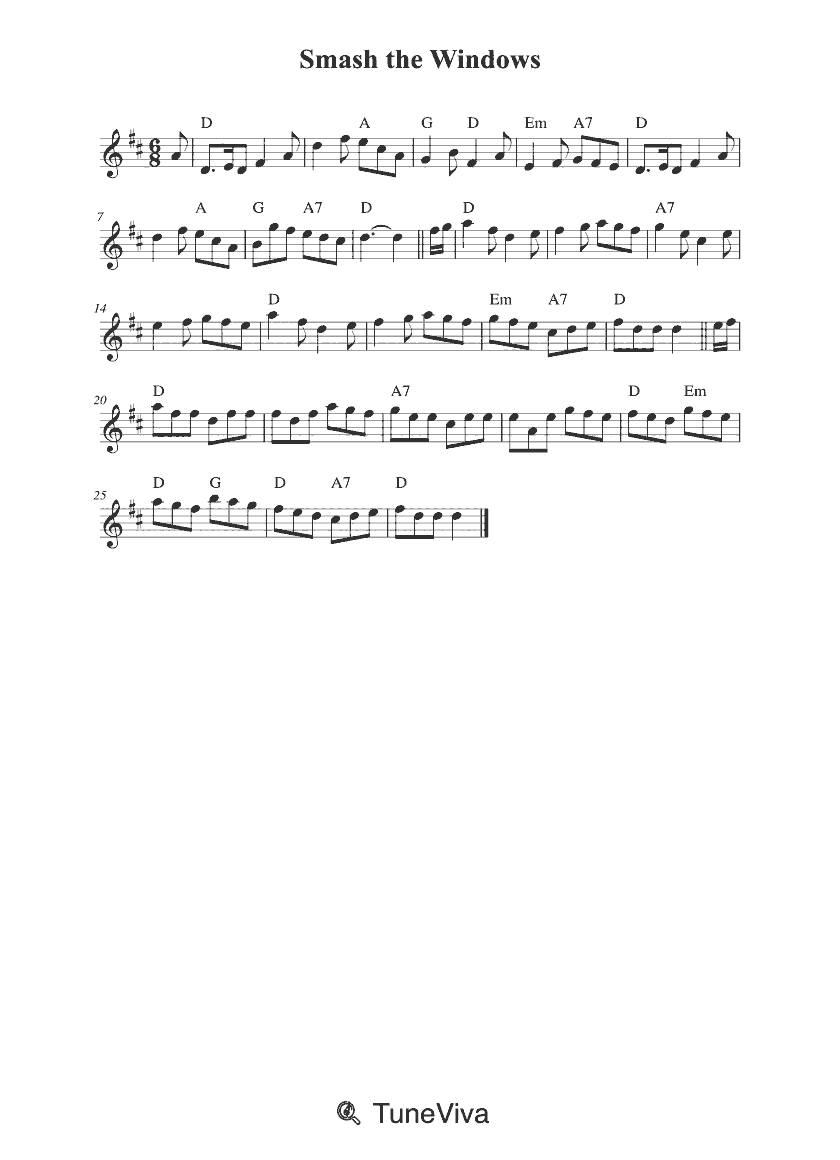
Misc Traditional
18 sec
Open score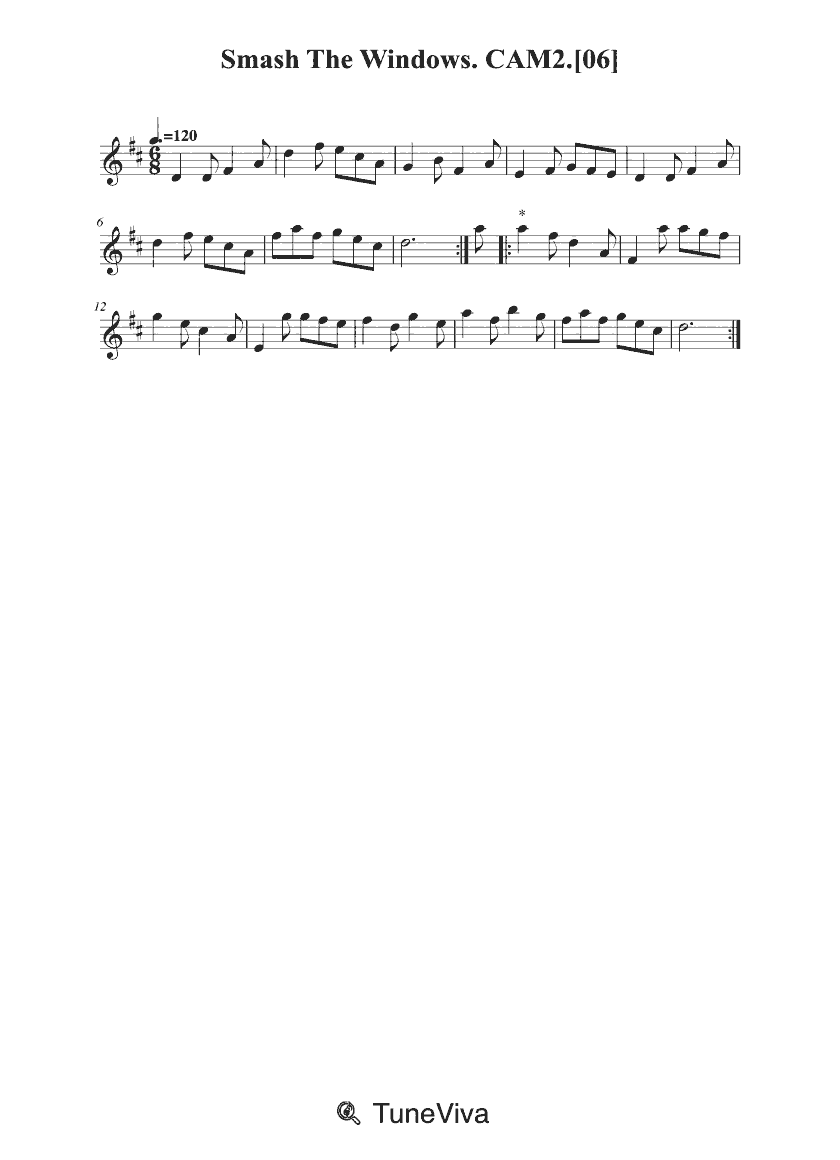
Misc Traditional
16 sec · Score #217102
Open score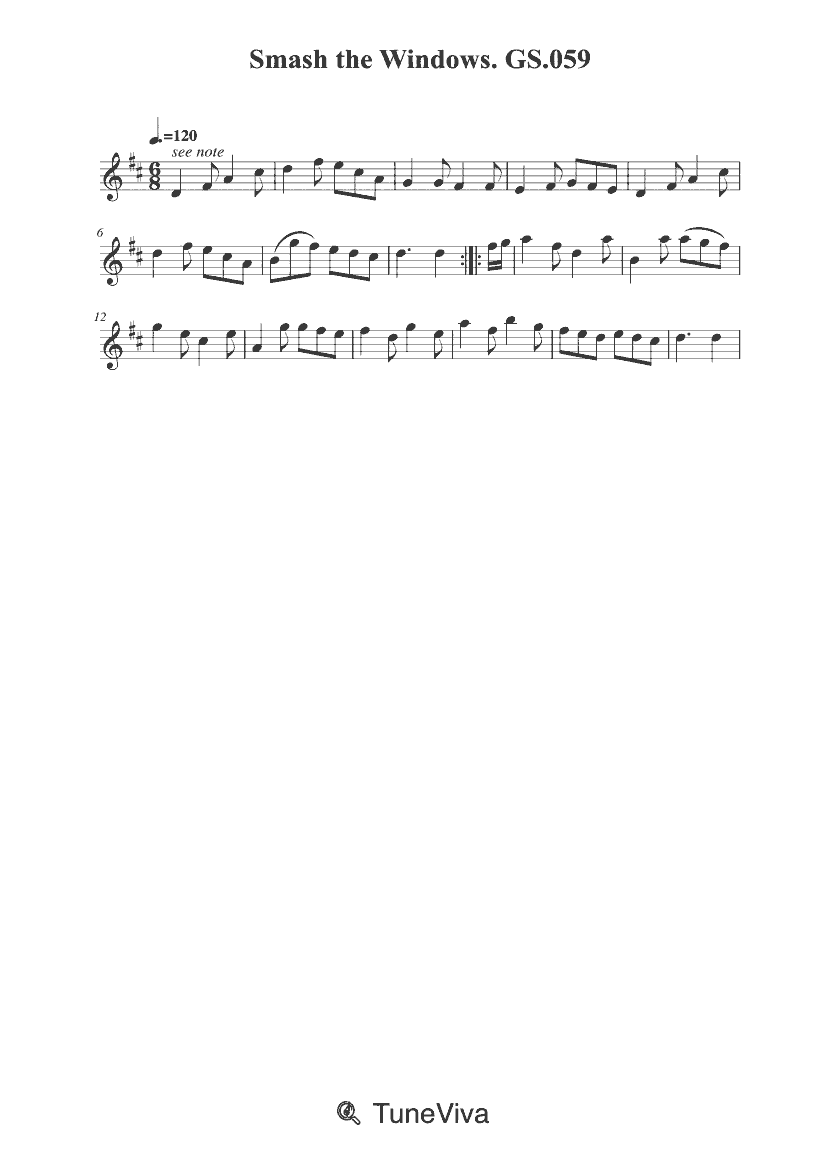
Misc Traditional
Roaring Jellyaka. GS.059
16 sec
Open score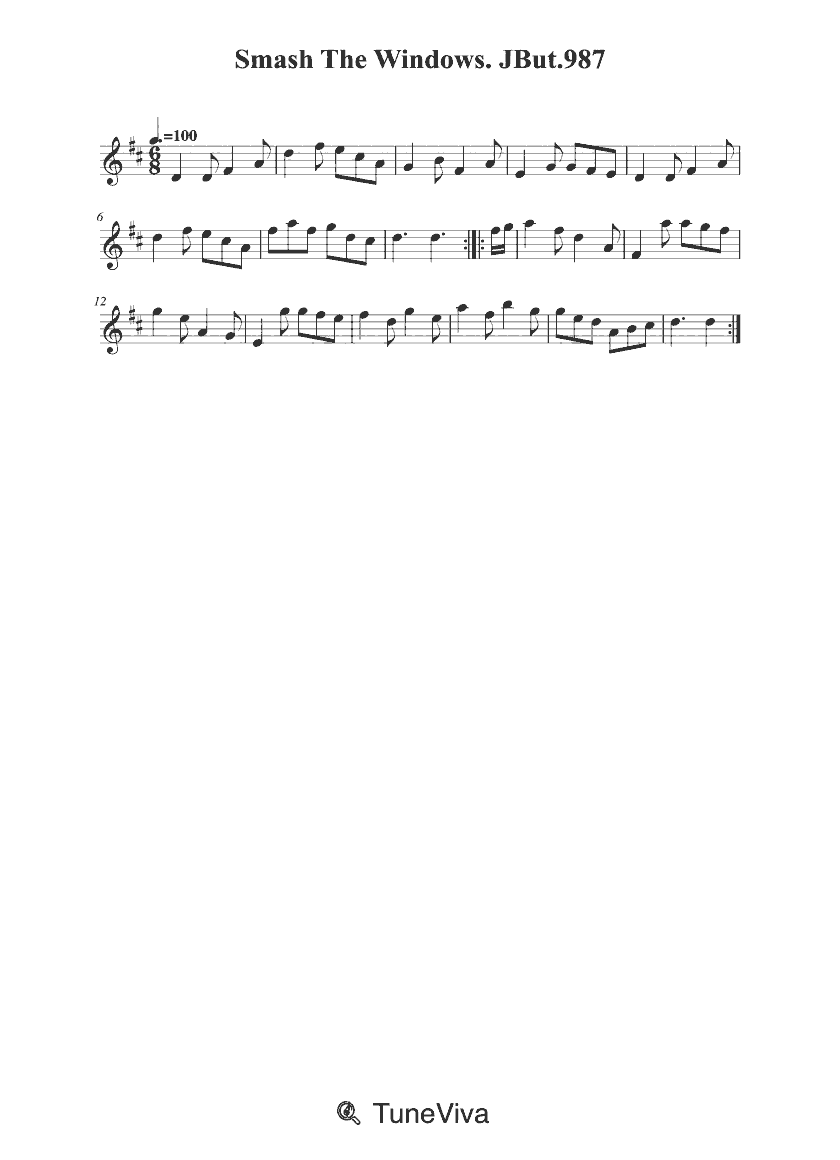
Quick Step
19 sec
Open score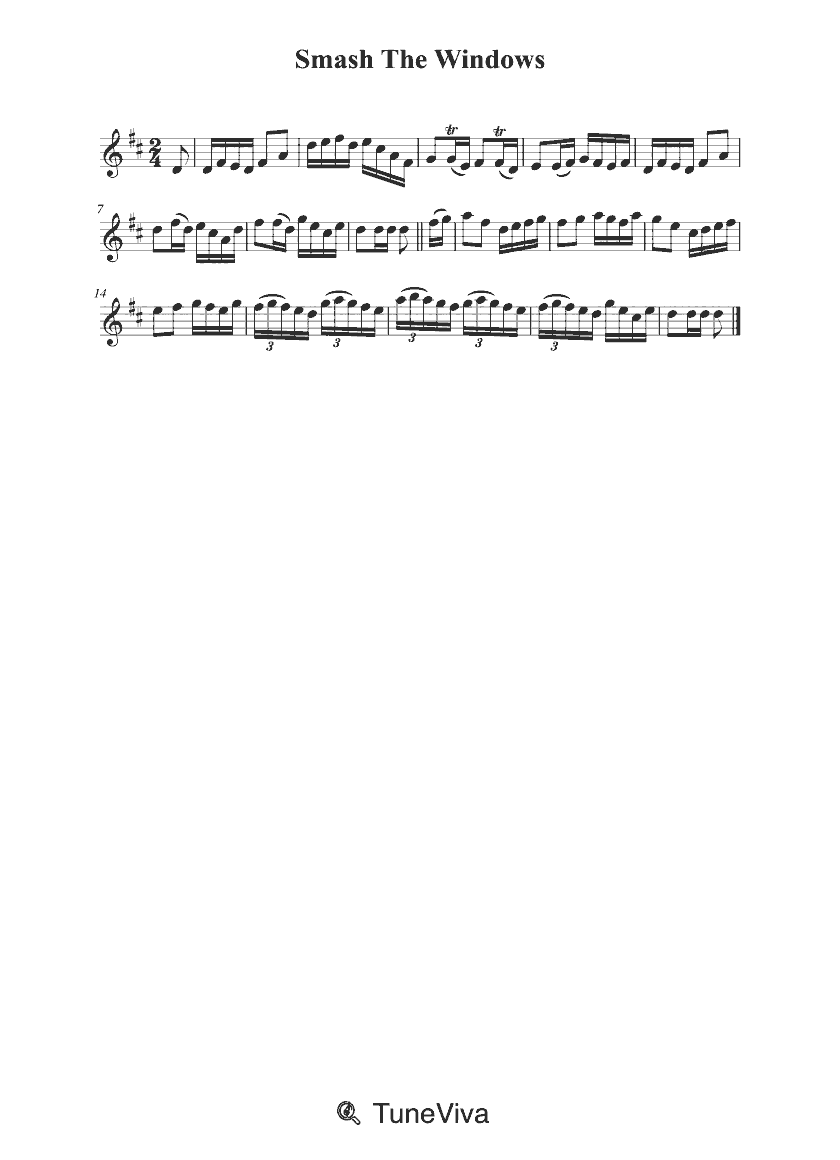
Misc Traditional
16 sec
Open score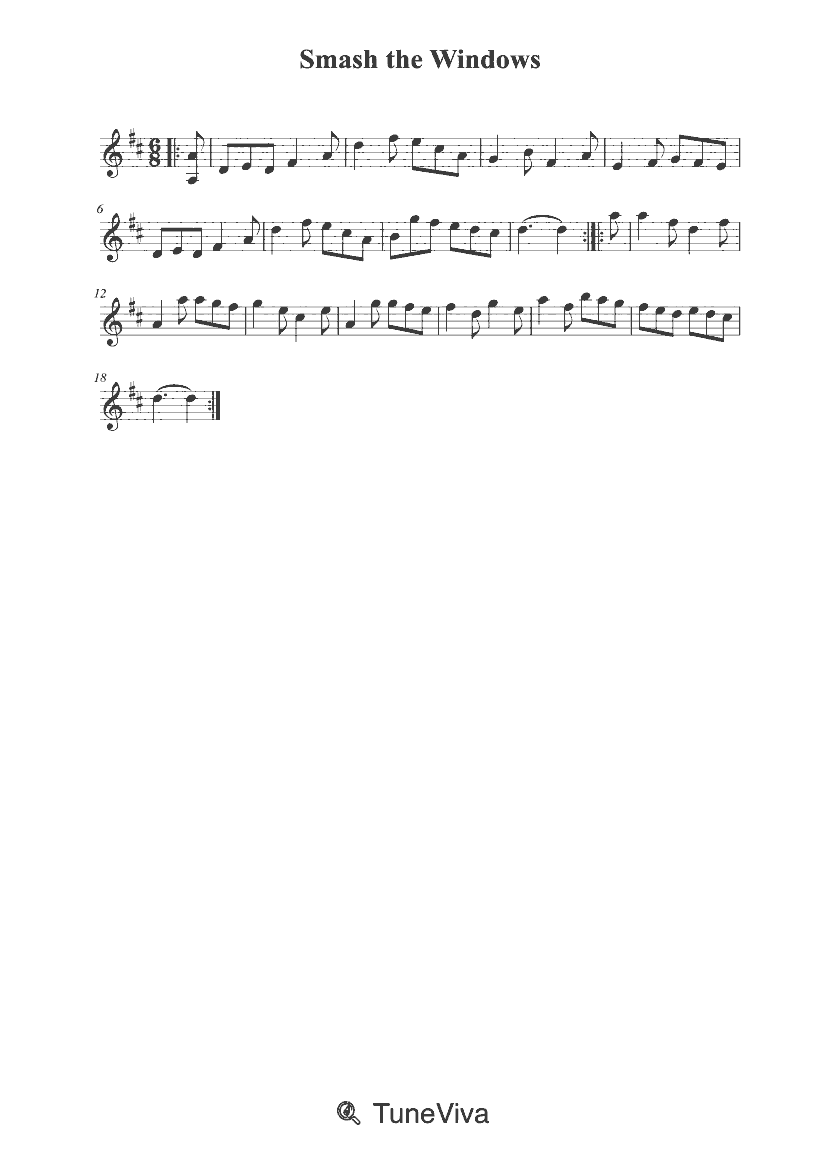
Misc Traditional
24 sec · Score #50860
Open score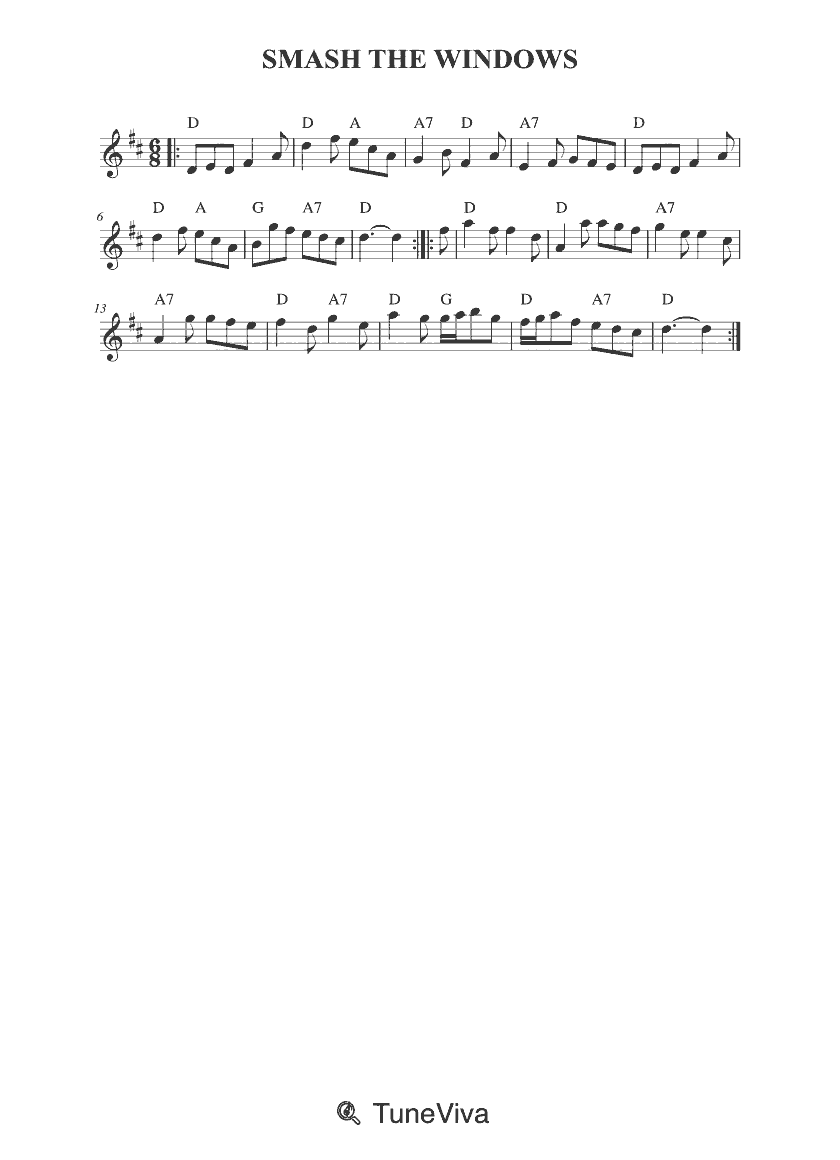
Misc Traditional
24 sec · Score #57801
Open score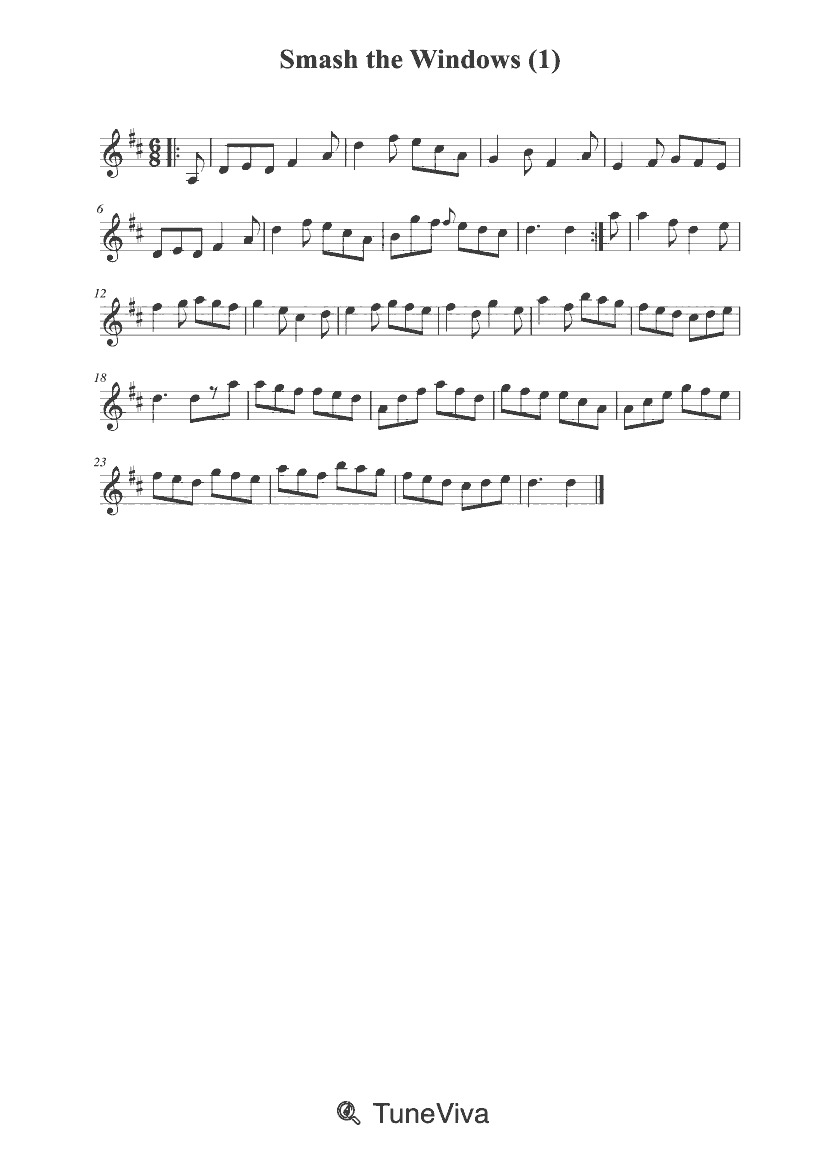
Misc Traditional
24 sec
Open score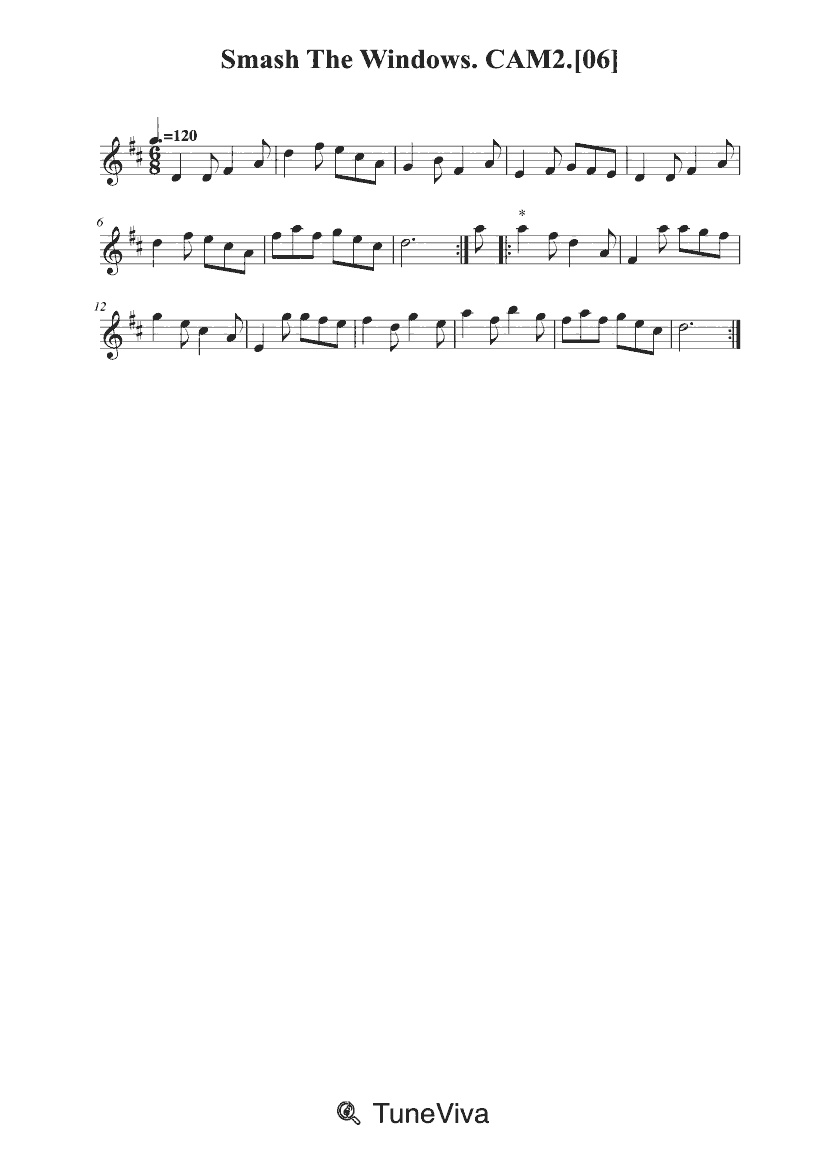
Misc Traditional
16 sec · Score #67588
Open score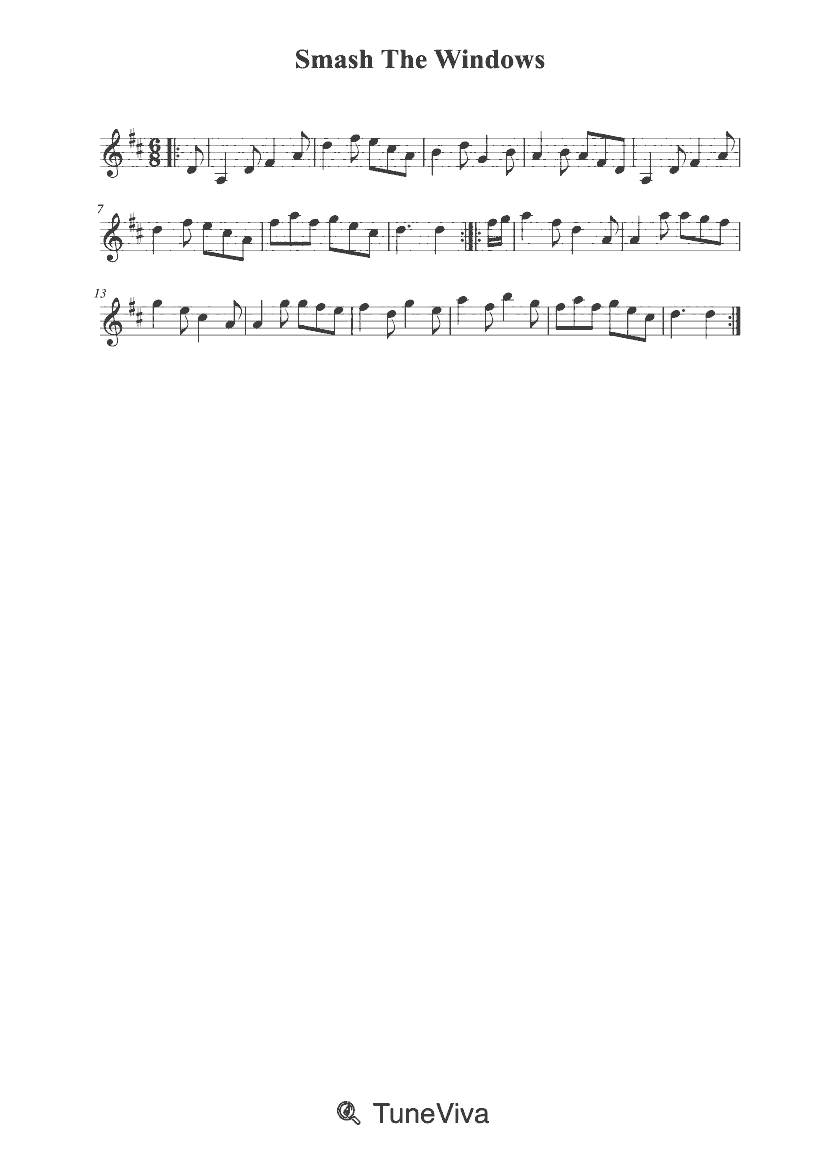
Misc Traditional
24 sec · Score #72448
Open score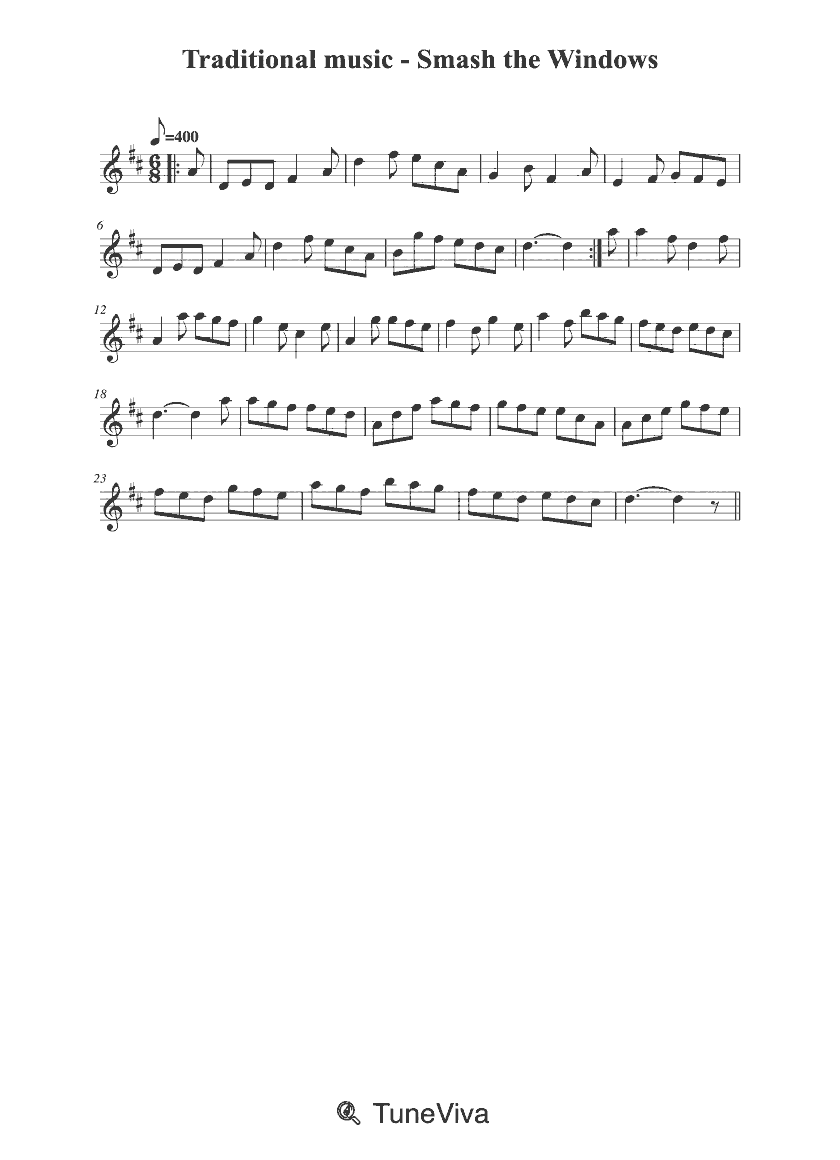
Trad
Roaring Jelly
14 sec
Open scorePage 1 of 3
Each of the three scores is catalogued under the same title, credited to “Misc Traditional”, and filed under folk. All three open with two sharps, indicating D major, and with a 6/8 time signature. Those opening details are consistent across the listings, which makes it straightforward to compare them on key and metre before looking at anything else.
The three versions are not interchangeable on paper. One contains roughly 107 notes and runs about 19 seconds at the stated tempo, while the other two contain around 157–159 notes and run about 24 seconds. That gap suggests shorter and longer settings of the tune. Since the records do not describe the arrangement, voicing or instrumentation, compare the scores themselves rather than relying on the title alone.
No composer is named for any of the three scores. The credit “Misc Traditional” indicates a traditional attribution within the catalogue rather than an identified author. If you need to know the tune's origin, earliest printed source or regional associations, that information is not available here and should be checked against a specialist folk-music reference.
The listings do not state which instrument or ensemble the music is written for, whether the score includes chords, accompaniment or lyrics, or what edition it derives from. They also do not describe difficulty. Use the key, metre and note count as a starting comparison, then open the scores to judge suitability for your own instrument and level.
Catalogue duration 24 sec. Opening key signature: 2 sharps (D major). Opening time signature: 6/8.
Catalogue duration 24 sec. Opening key signature: 2 sharps (D major). Opening time signature: 6/8.
Catalogue duration 19 sec. Opening key signature: 2 sharps (D major). Opening time signature: 6/8.
All three sheet-music versions of “Smash the Windows” listed here open in D major, shown by a key signature of two sharps.
The listed scores of “Smash the Windows” open in 6/8 time, a compound metre with two dotted-crotchet beats per bar.
No composer is identified for “Smash the Windows” in these listings; all three scores carry the credit “Misc Traditional”, which points to a traditional attribution rather than a named author.
The versions differ. One score has about 107 notes and lasts roughly 19 seconds, while the other two have around 157–159 notes and last about 24 seconds, all in D major and 6/8. That pattern suggests shorter and longer settings of the tune, though the listings do not describe the arrangements in detail.
The scores here are catalogued as folk music, and the tune is credited to “Misc Traditional” rather than to a composer.
The catalogue records for these scores do not specify instrumentation, so the intended instrument or ensemble cannot be confirmed from the listings alone. Check the individual score to see the clef, range and any chord symbols before choosing one.