
Staten Island Hornpipe
Misc tunes
2 min 9 sec
Open scoreStaten Island sheet music appears here under two title forms: Staten Island and Staten Island Hornpipe. The available scores all open in D major; the plain-title version is notated in 4/4, while the hornpipe-titled versions open in 2/2. No composer is credited, so the scores are best used as leads for the tune rather than as proof of authorship or origin.
Scores 1–20 of 38
Misc tunes
2 min 9 sec
Open score
Misc tunes
1 min 5 sec
Open score
Misc tunes
Staten Island Hornpipe
2 min 24 sec
Open score
Misc tunes
2 min 8 sec · Score #116536
Open score
Misc tunes
2 min 8 sec · Score #101210
Open score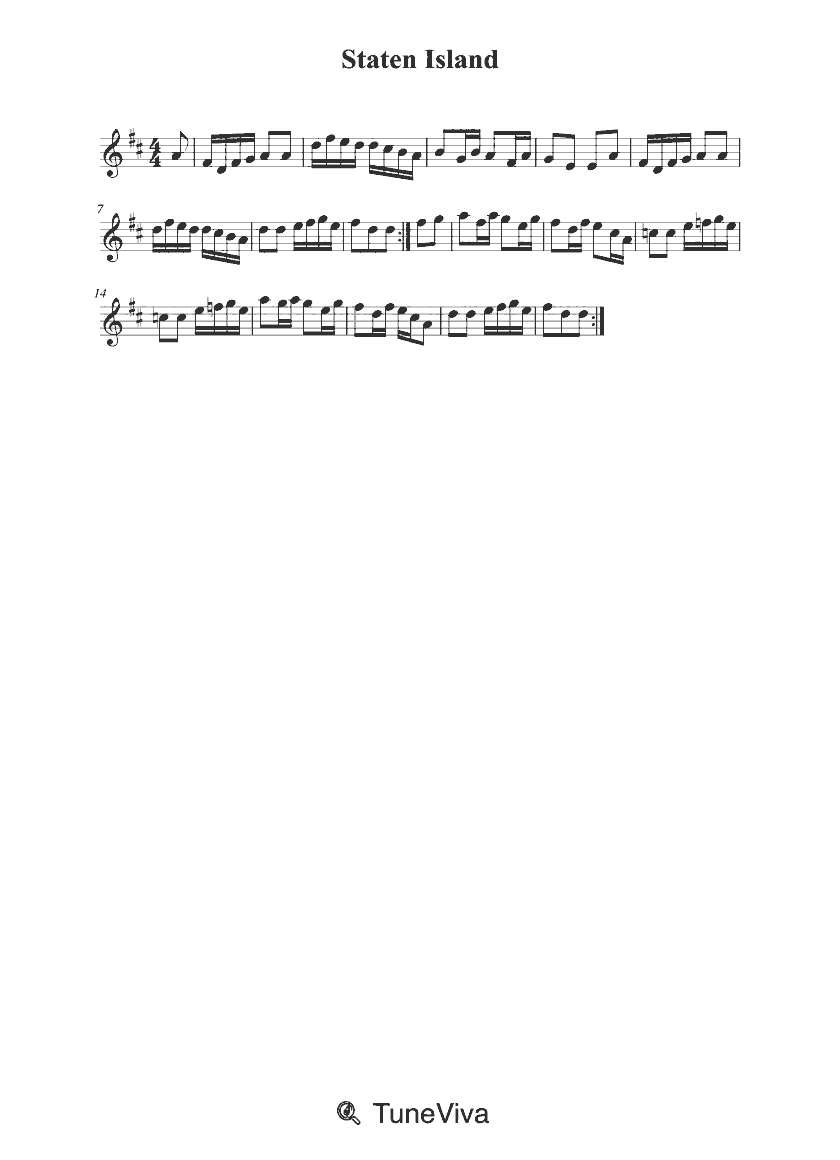
Joe Buchanan's Scottish Tome - Page 179.2
41 sec
Open score
Misc tunes
2 min 8 sec · Score #159832
Open score
Misc tunes
7 sec
Open score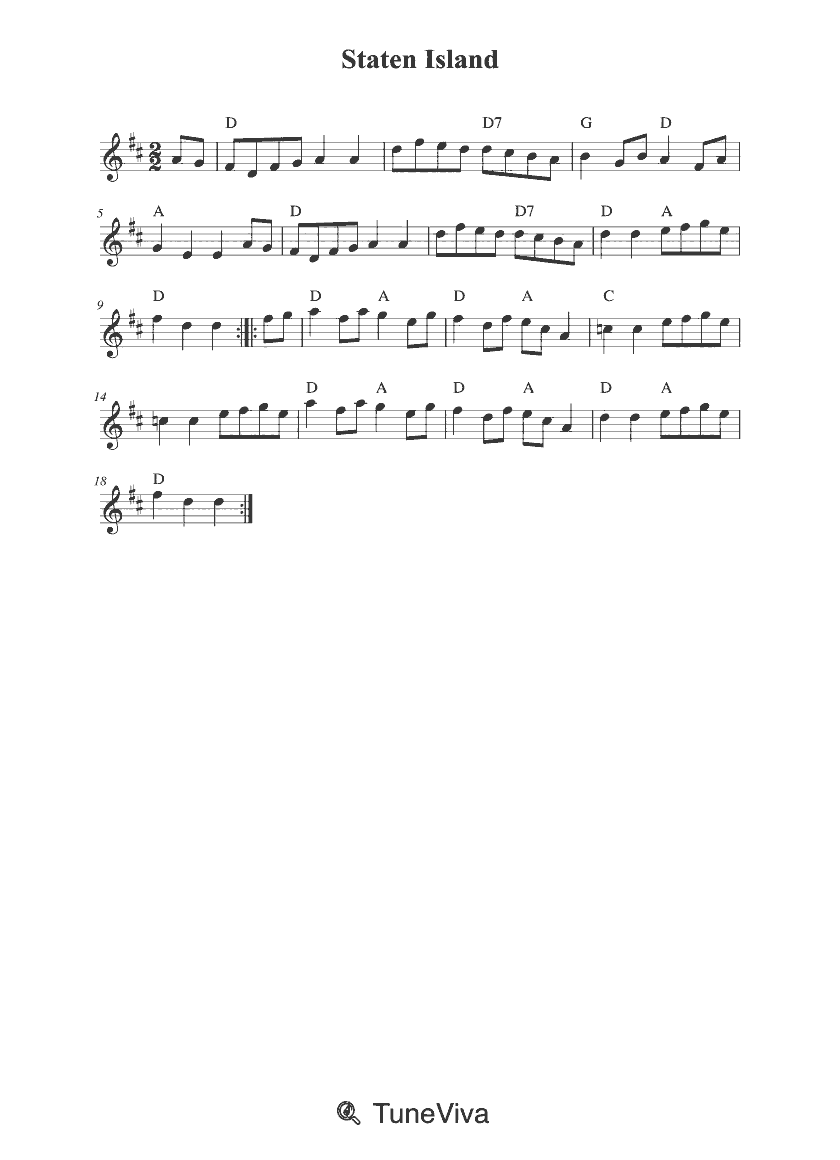
Misc tunes
2 min 8 sec · Score #147906
Open score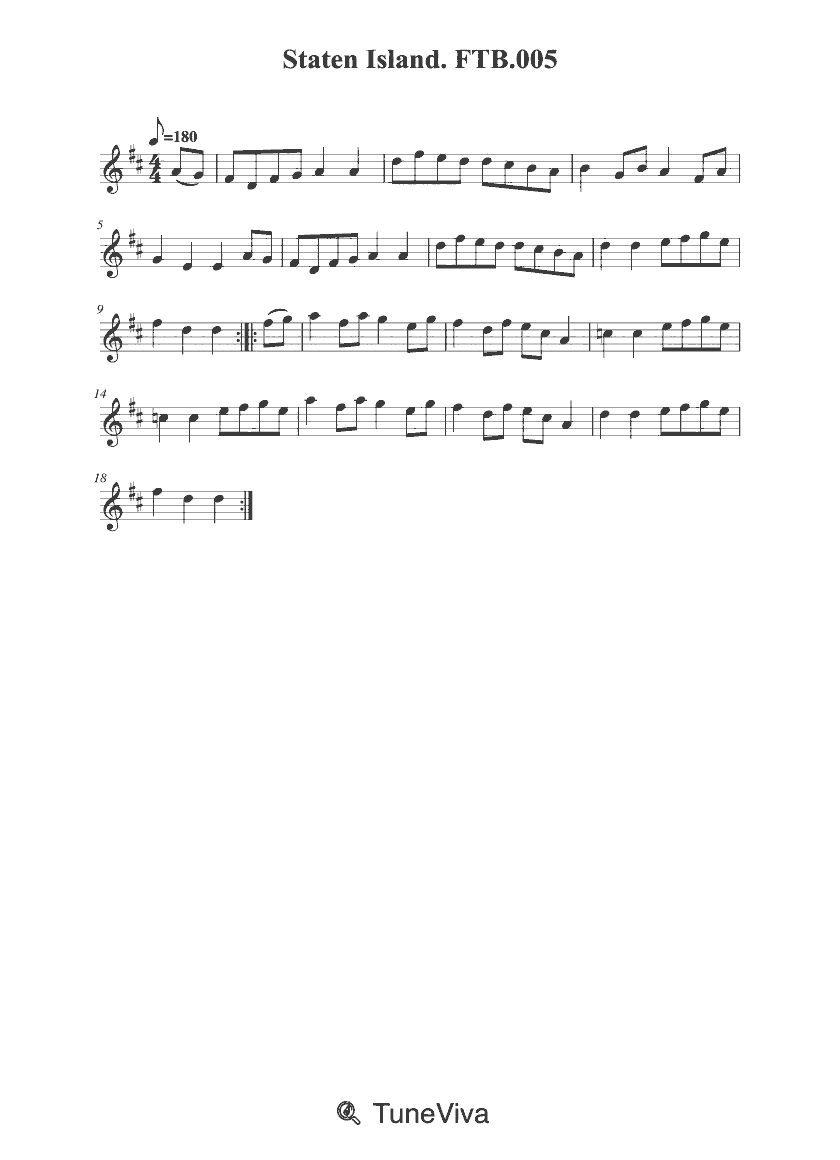
Misc tunes
1 min 25 sec
Open score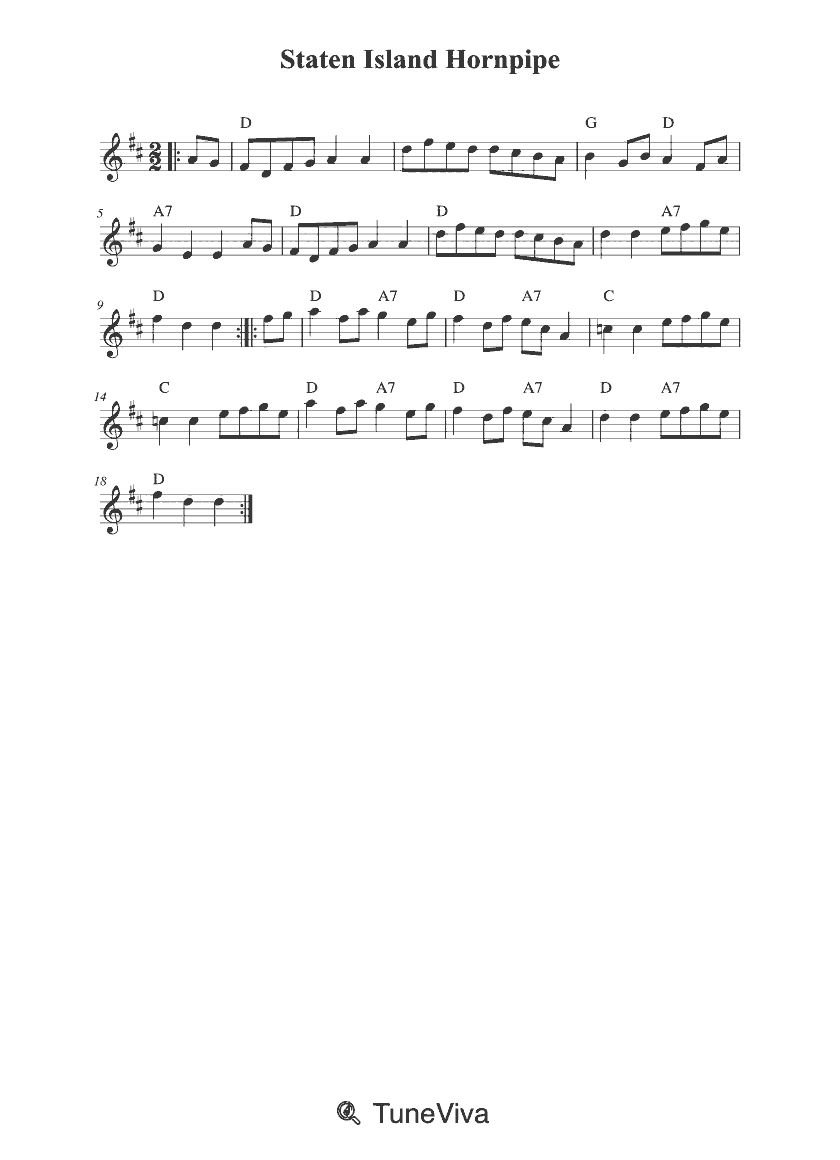
Misc tunes
2 min 8 sec · Score #117562
Open score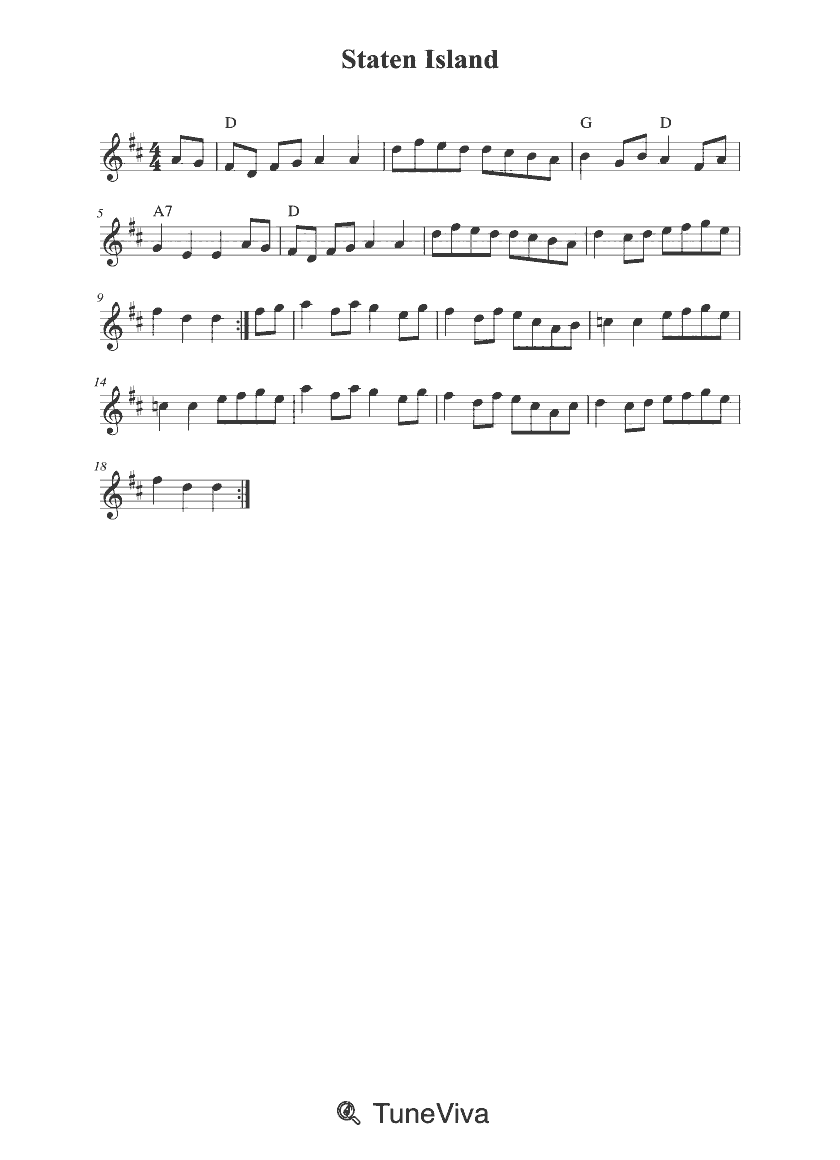
Misc tunes
1 min 20 sec
Open score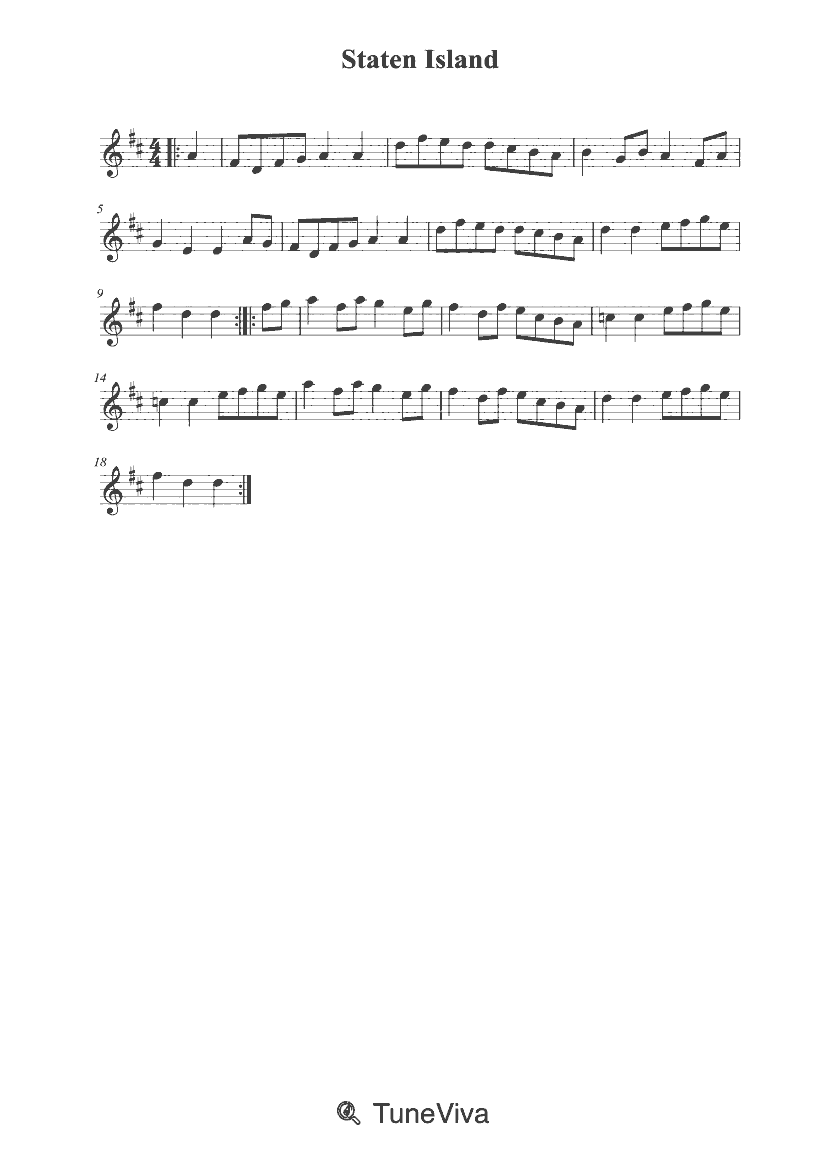
Misc tunes
1 min 4 sec · Score #79512
Open score
anon.
32 sec · Score #108580
Open score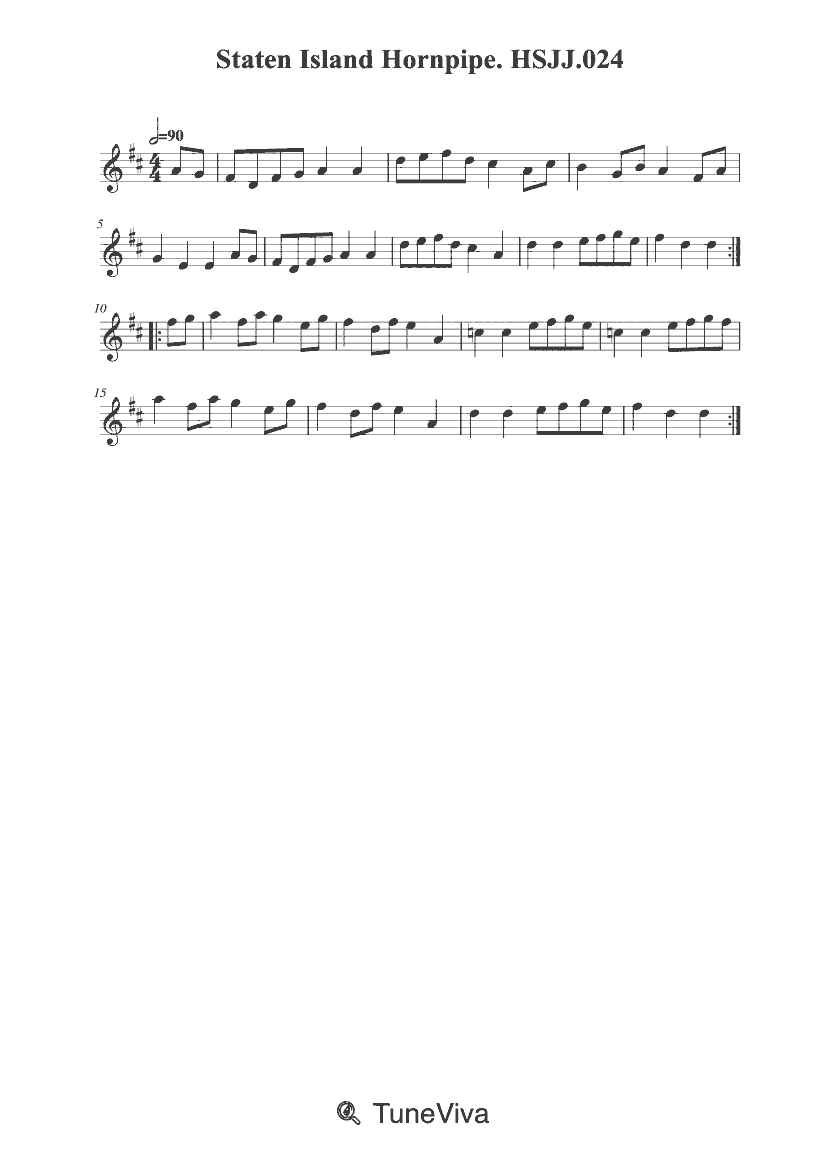
Misc tunes
43 sec
Open score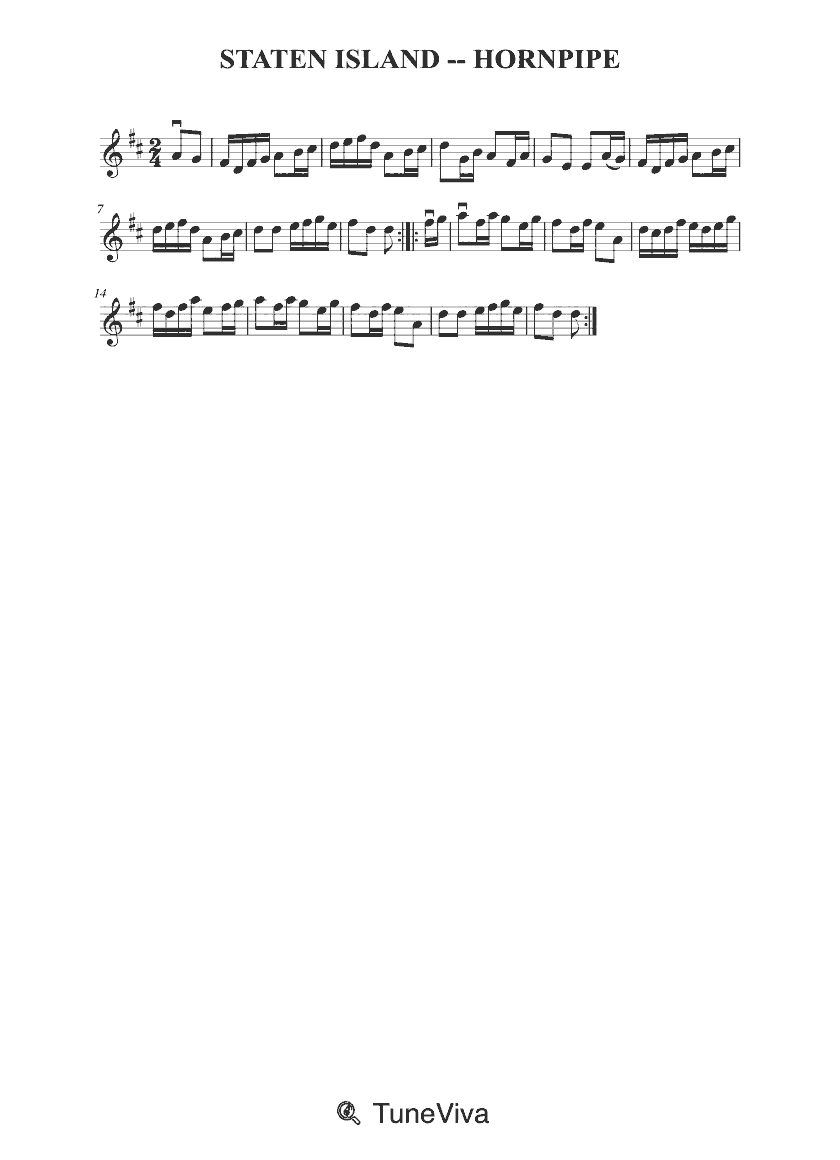
Misc tunes
32 sec
Open score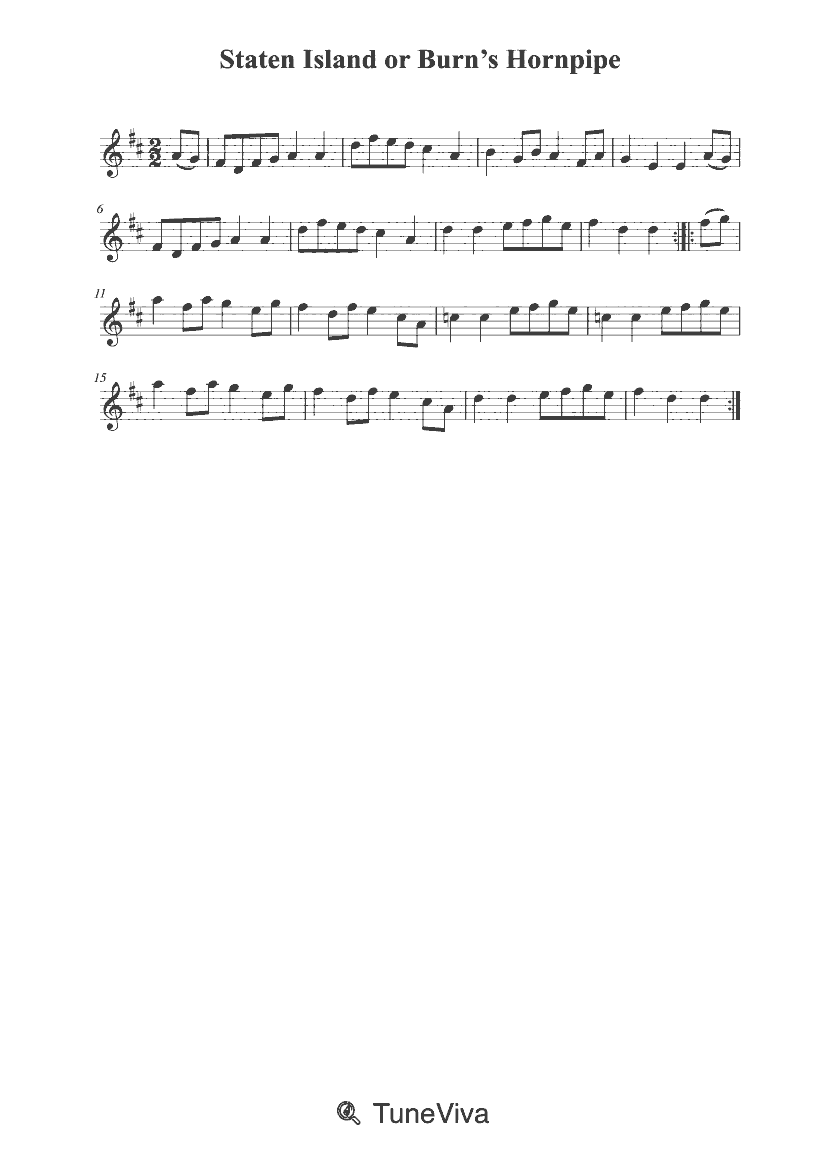
Misc tunes
2 min 8 sec
Open score
anon.
32 sec · Score #13898
Open score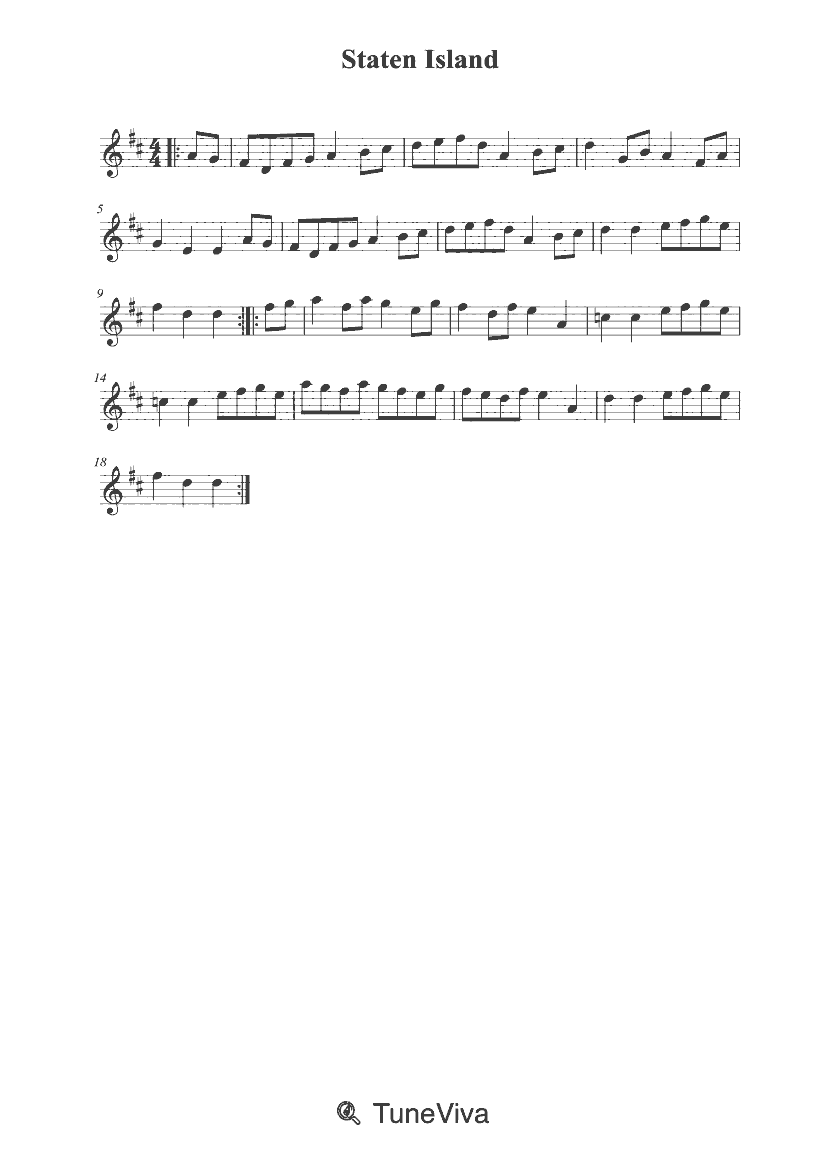
Misc tunes
1 min 4 sec · Score #76307
Open score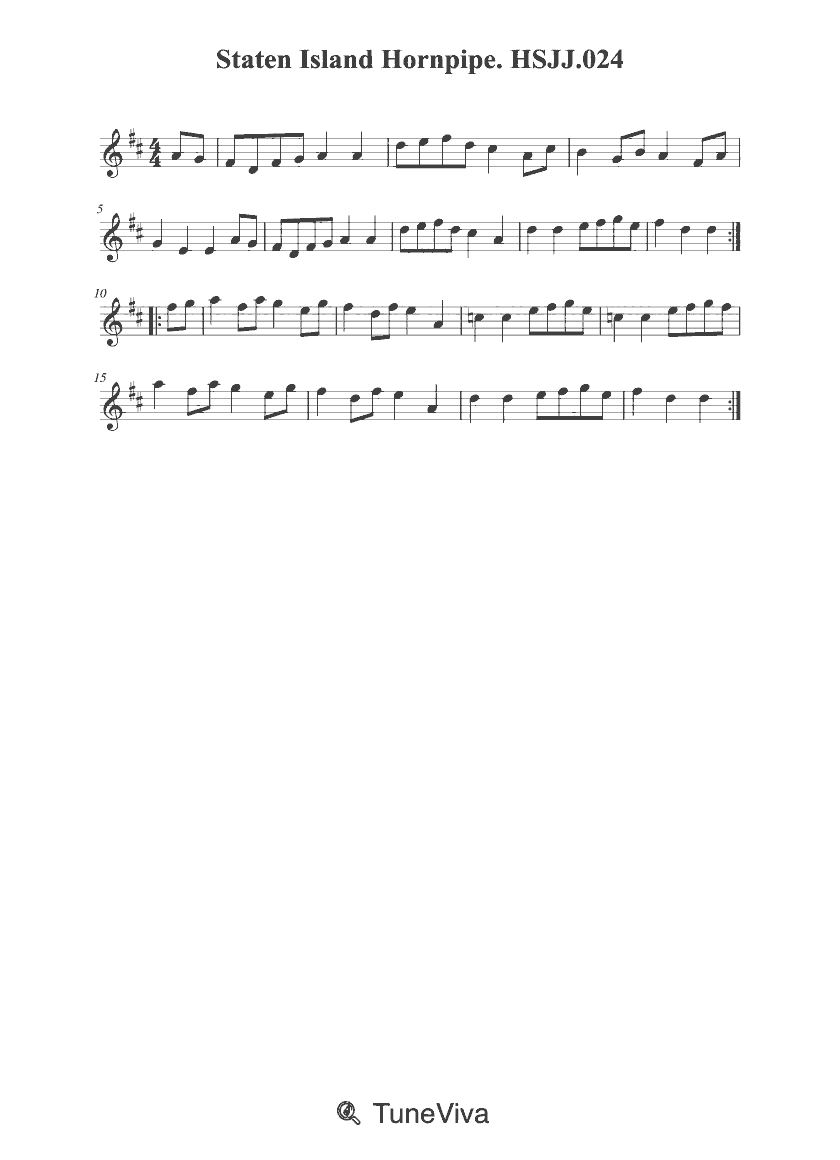
Misc tunes
1 min 4 sec
Open scorePage 1 of 2
The scores use both “Staten Island” and “Staten Island Hornpipe.” If the title matters for a programme or set, choose the plain-title score or a hornpipe-titled score accordingly. The available information does not confirm whether the titles denote the same tune, close variants, or differently labelled versions.
All listed Staten Island scores open with two sharps, identified as D major. The score titled Staten Island opens in 4/4, while the two titled Staten Island Hornpipe open in 2/2. These details describe the opening of each score, not necessarily every later section.
The available details do not identify a composer, arranger or intended instrument. Before relying on a score, check its clef, range, instrumentation and any later changes of key or meter. This is especially important when choosing between the two hornpipe-titled versions.
For a hornpipe-labelled score, compare the two Staten Island Hornpipe scores; for the plain title, use the 4/4 Staten Island score. Because instrumentation is not specified, confirm that the score suits your instrument and setting before committing to it.
Catalogue duration 2 min 9 sec. Opening key signature: 2 sharps (D major). Opening time signature: 2/2.
Catalogue duration 1 min 5 sec. Opening key signature: 2 sharps (D major). Opening time signature: 4/4.
Catalogue duration 2 min 24 sec. Opening key signature: 2 sharps (D major). Opening time signature: 2/2.
Staten Island sheet music refers to scores listed under the tune title Staten Island, including versions titled Staten Island Hornpipe. The available scores open in D major, and no composer is credited in the listed details.
The Staten Island scores listed here all open with two sharps, identified as D major. That describes the opening key signature of each score; it does not establish whether the key changes later.
The score titled Staten Island opens in 4/4, while the two scores titled Staten Island Hornpipe open in 2/2. Meter is therefore one clear difference between the plain-title and hornpipe-titled scores.
The relationship between “Staten Island” and “Staten Island Hornpipe” is not established by the available information. The scores share the song name Staten Island but use two title forms, so the relationship should be checked in the music itself.
Staten Island is not credited to a composer in the available score details; the composer field is listed as NA. Attribution and background therefore cannot be confirmed from these scores alone.
Two scores are titled Staten Island Hornpipe, and both open in D major with a 2/2 time signature. The plain-title Staten Island score opens in 4/4, so the hornpipe label is the quickest way to identify the 2/2 versions.
Instrumentation is not identified in the available details for the Staten Island scores. Check the score’s clef, range and any performance notes to judge whether it suits your instrument.