
The Birks of Envermay
Misc tunes
1 min 4 sec · Score #6673
Open scoreSheet music for The Birks of Envermay is listed under both “Envermay” and “Invermay” spellings. The scores shown here all begin in 4/4 but open in different keys — A major, D major and G major — so key is one practical way to choose between them. No composer is credited in these listings, and the historical identity of the tune is not established by the available references.
Scores 1–20 of 39
Misc tunes
1 min 4 sec · Score #6673
Open score
Misc tunes
1 min 4 sec · Score #60929
Open score
Misc tunes
8x32S__
3 min 20 sec
Open score
Misc tunes
34 sec · Score #47532
Open score
Misc tunes
1 min 10 sec
Open score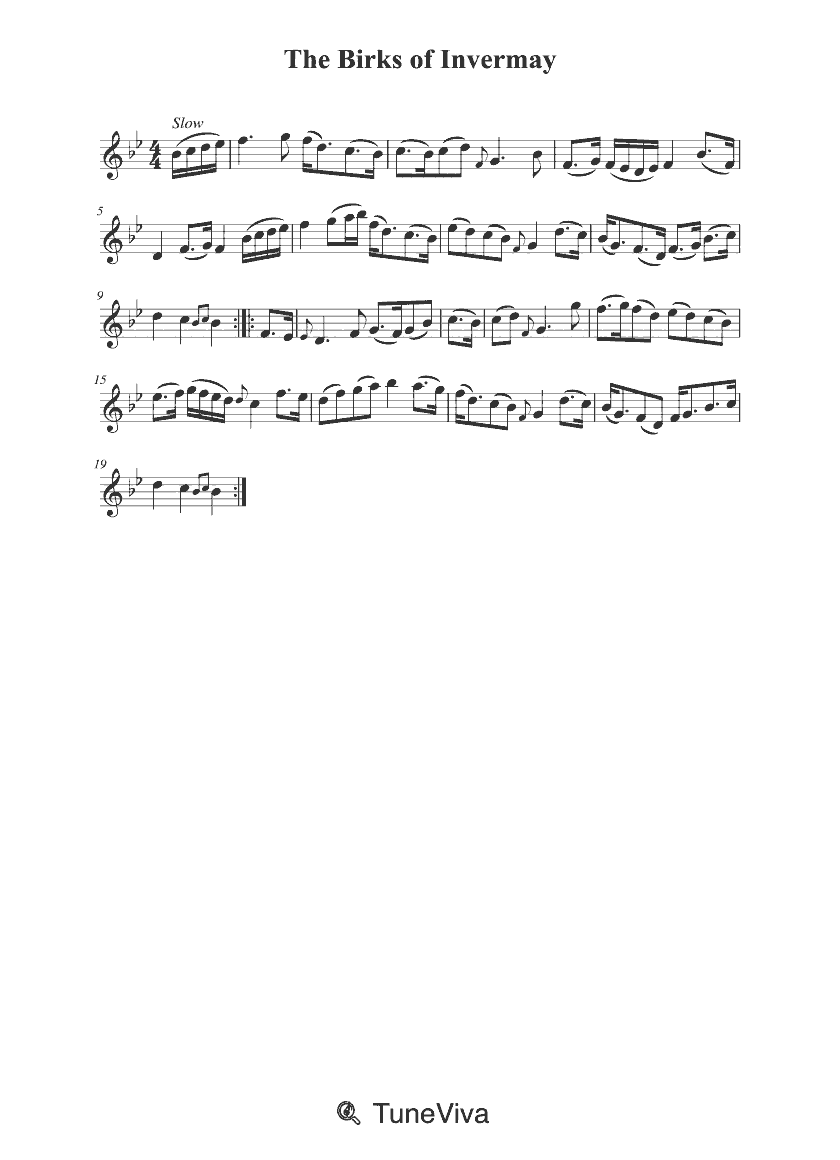
Misc tunes
1 min 4 sec · Score #77256
Open score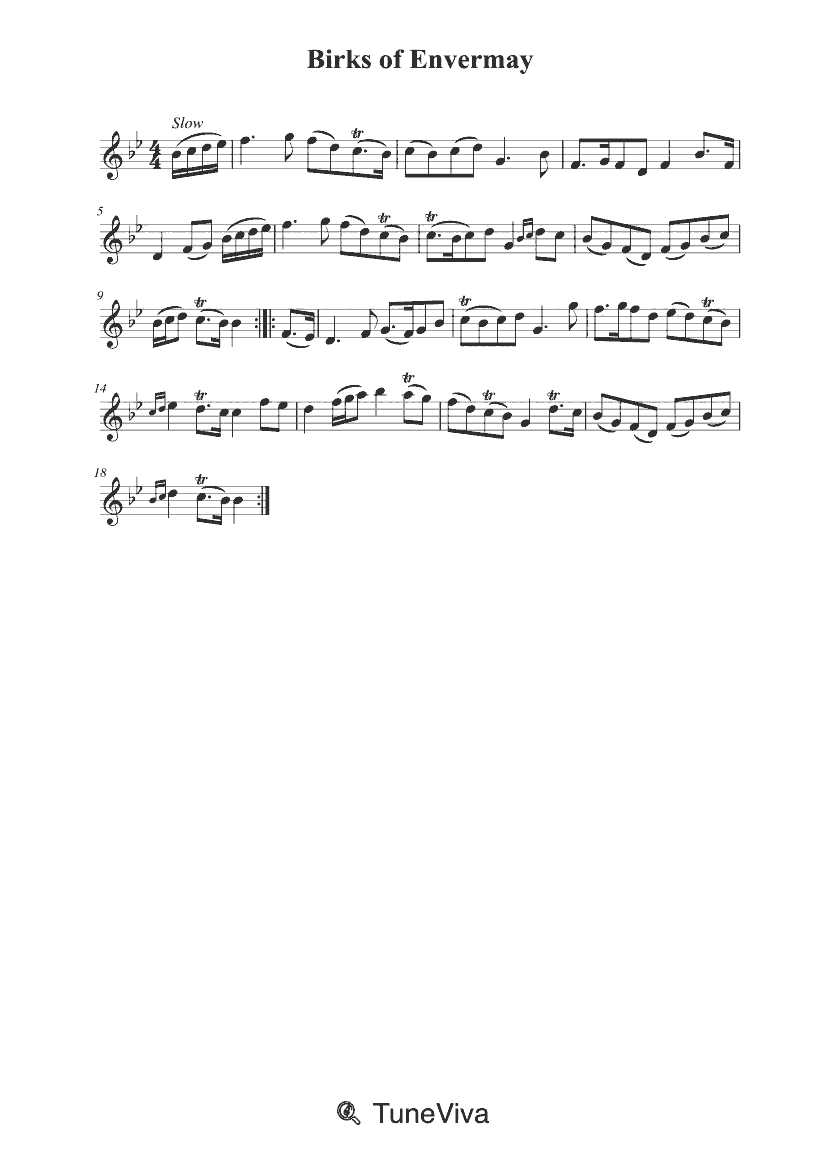
Misc tunes
1 min 3 sec
Open score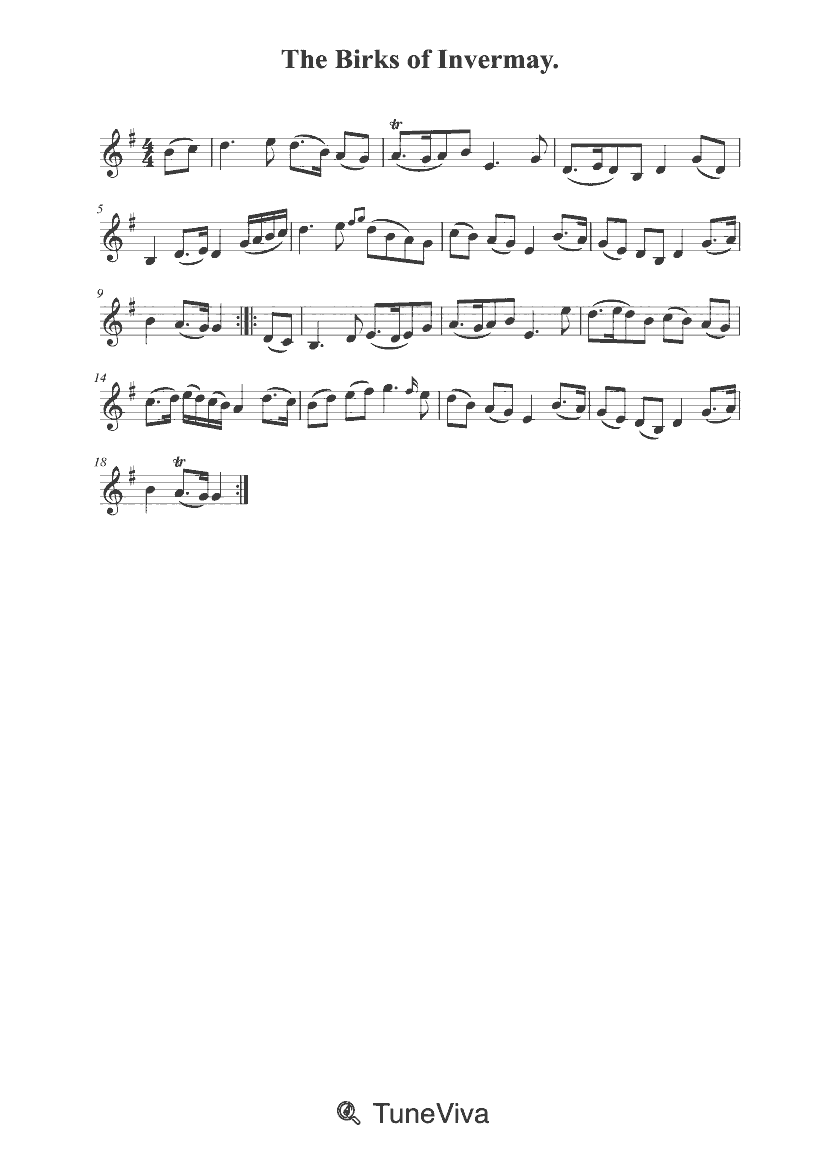
Misc tunes
1 min 4 sec
Open score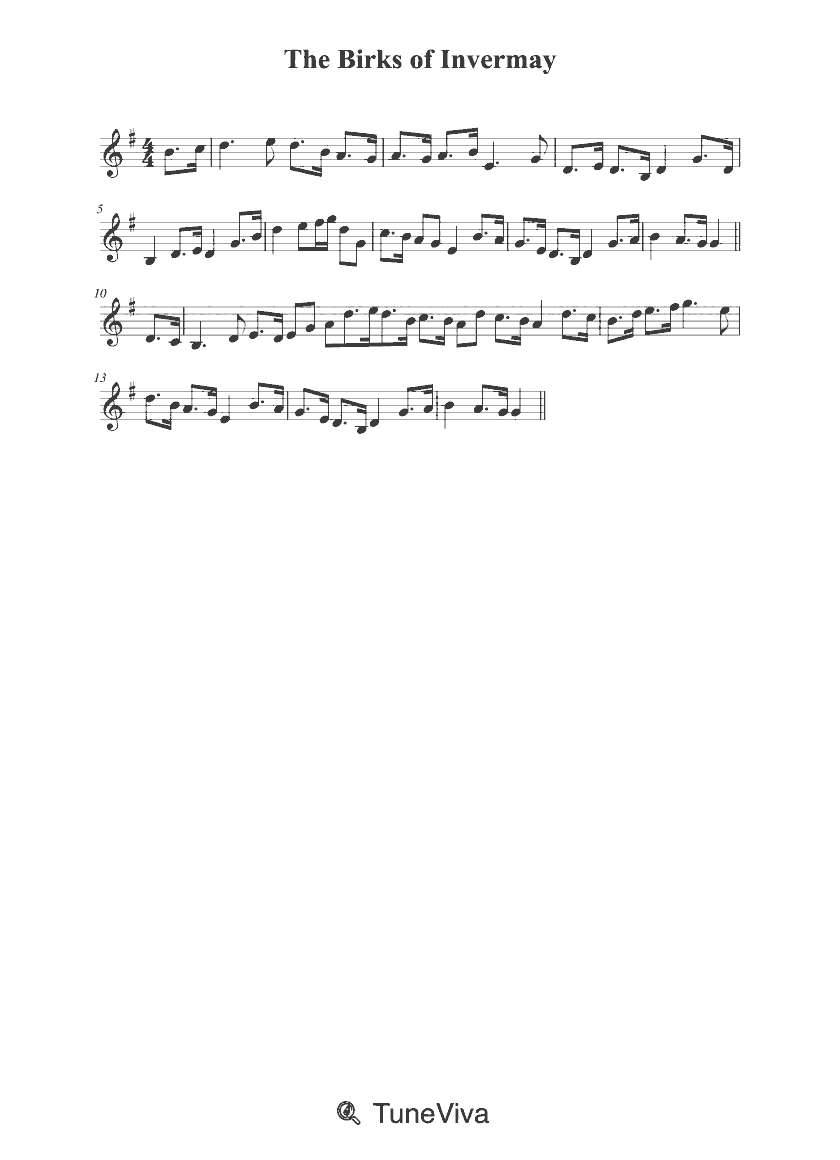
Misc tunes
29 sec · Score #151397
Open score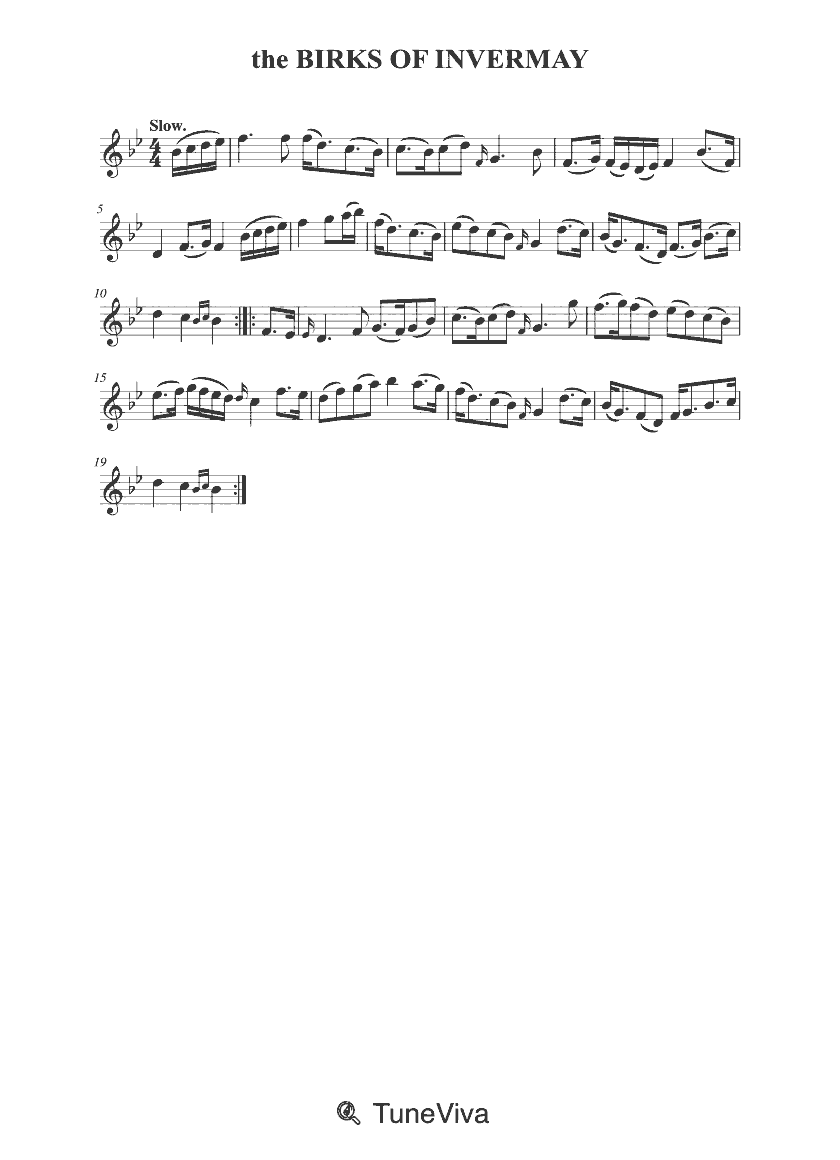
Misc tunes
1 min 4 sec · Score #181558
Open score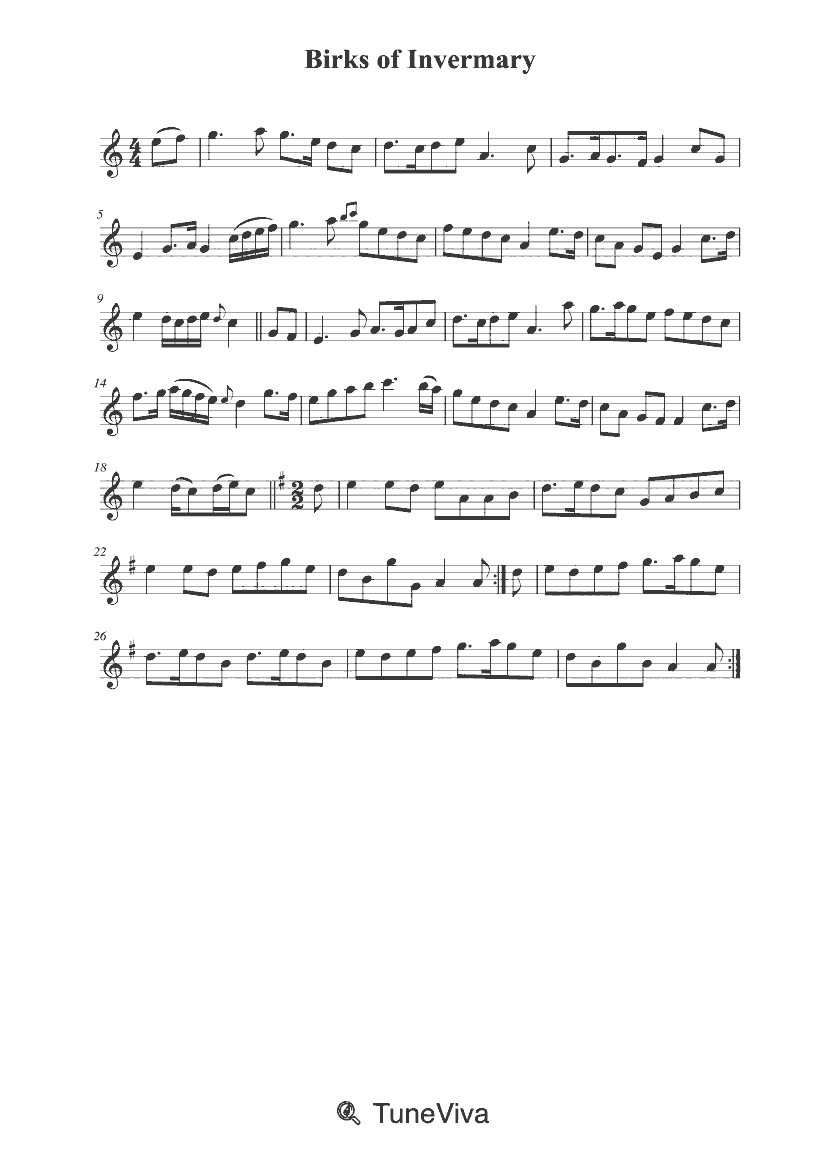
Misc tunes
2 min 56 sec
Open score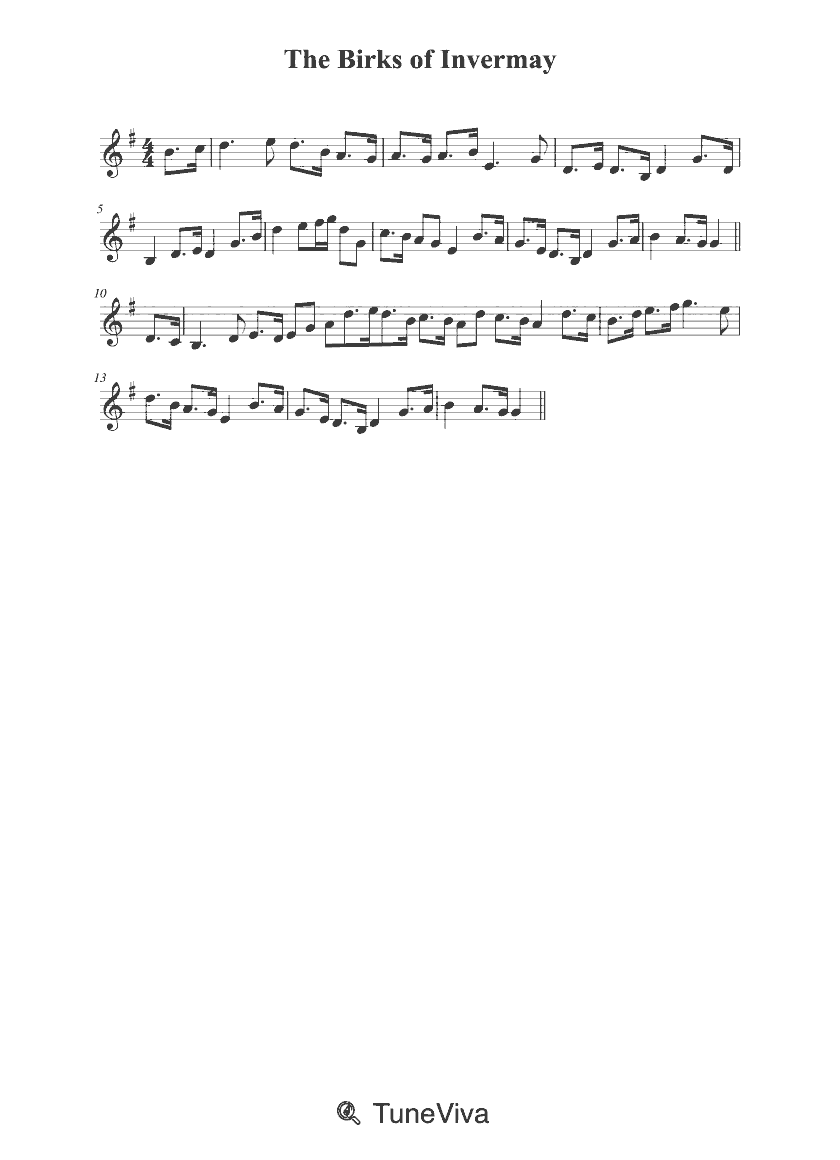
Misc tunes
29 sec · Score #31025
Open score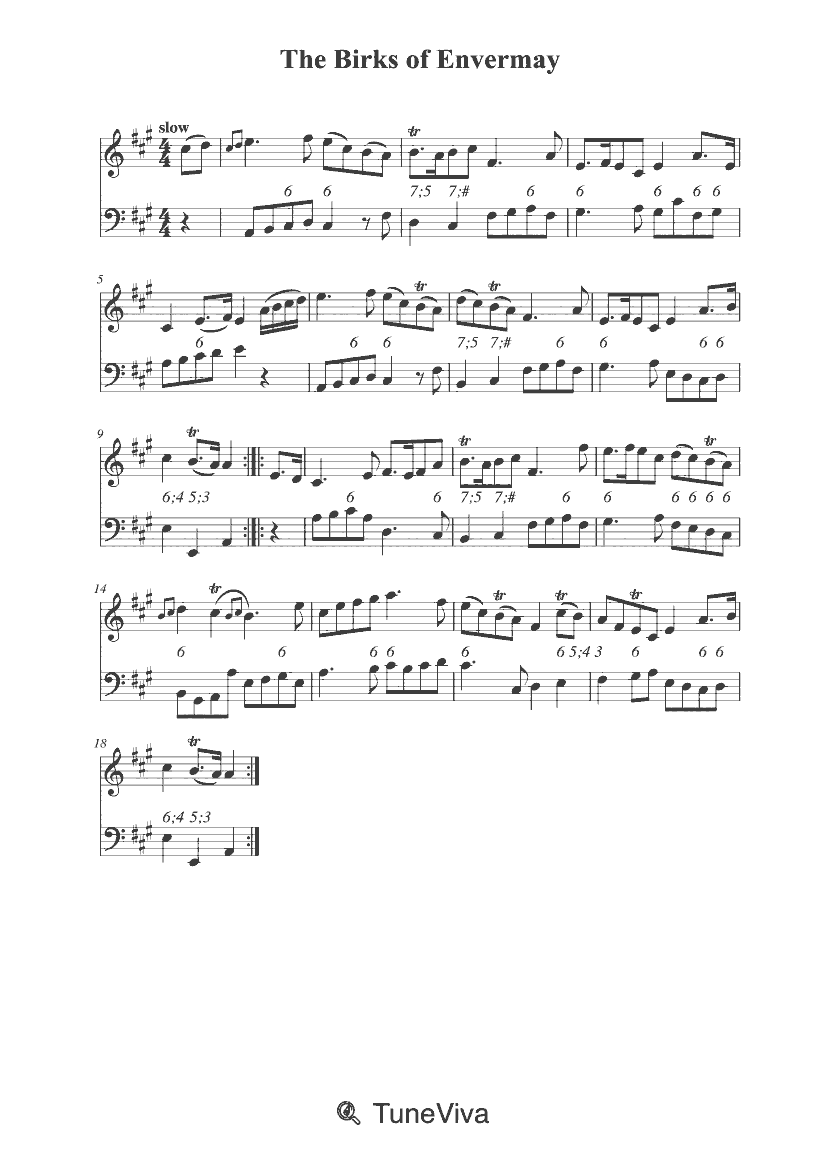
Misc tunes
1 min 4 sec · Score #70768
Open score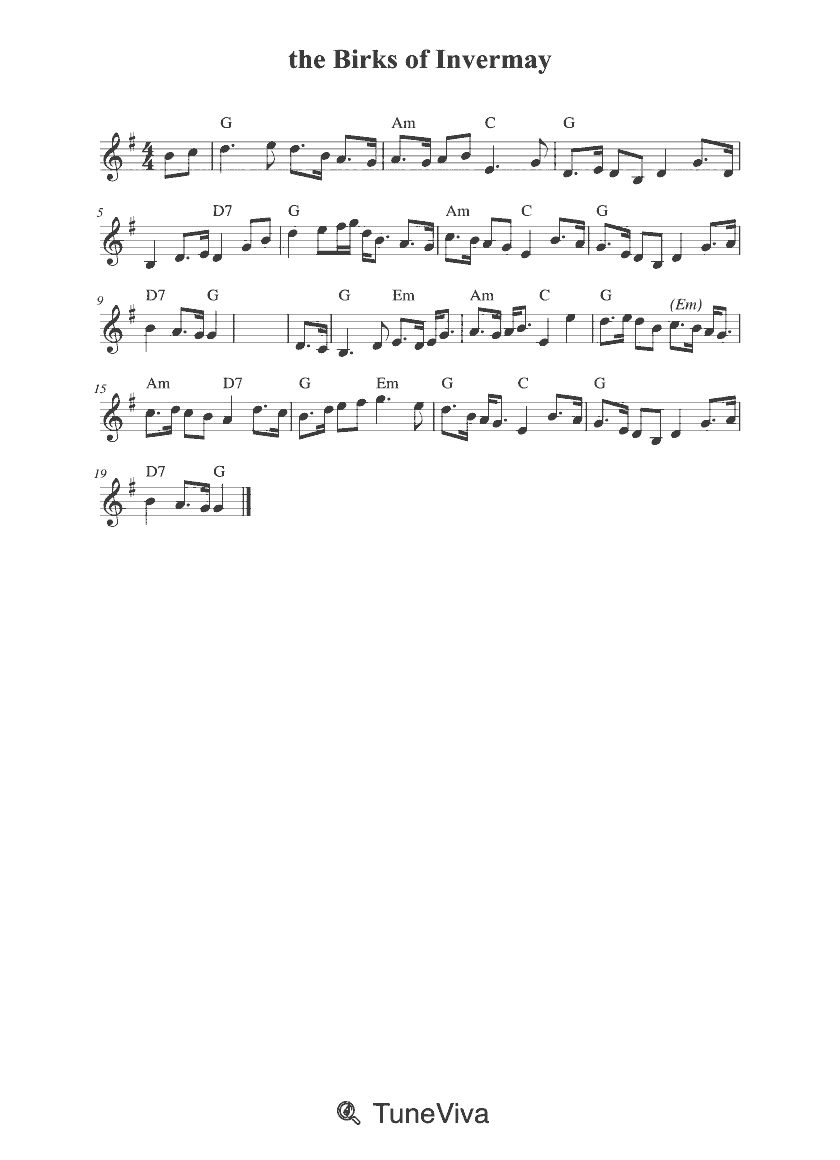
Misc tunes
34 sec · Score #176920
Open score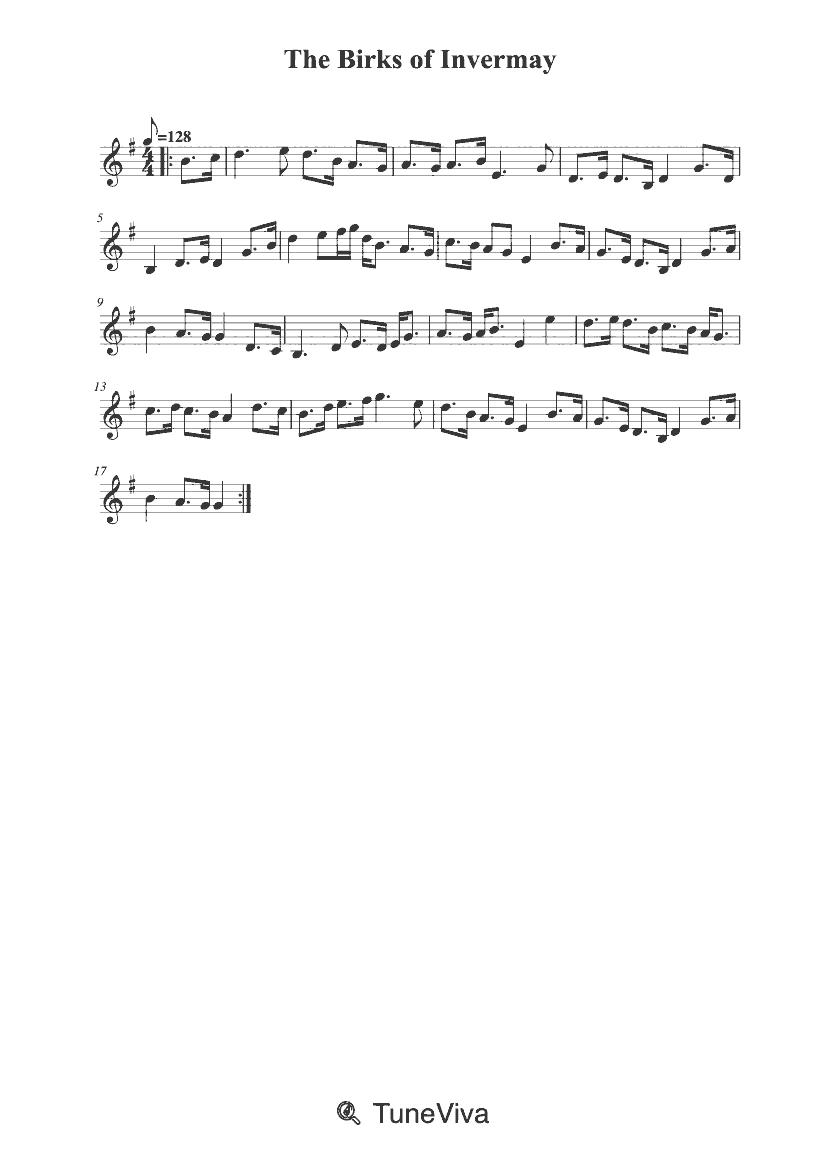
Misc tunes
2 min 0 sec
Open score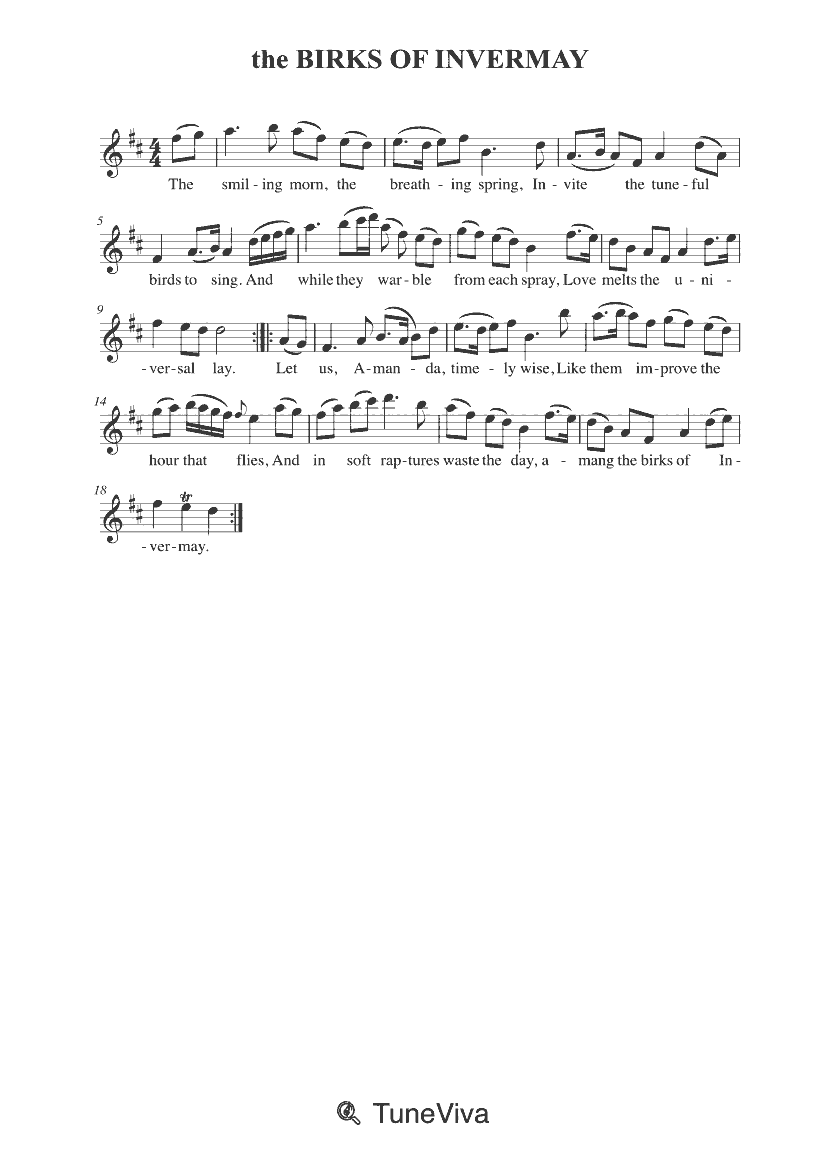
Misc tunes
1 min 5 sec · Score #243054
Open score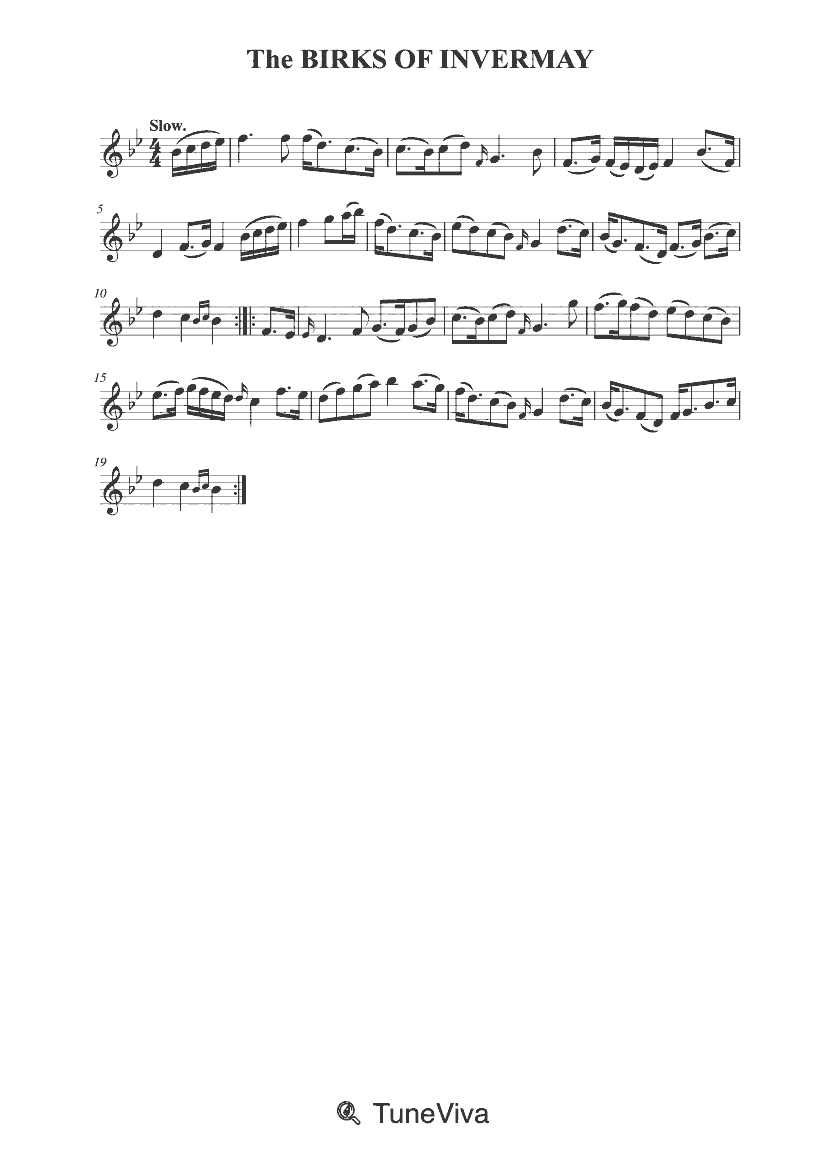
Misc tunes
1 min 4 sec · Score #31508
Open score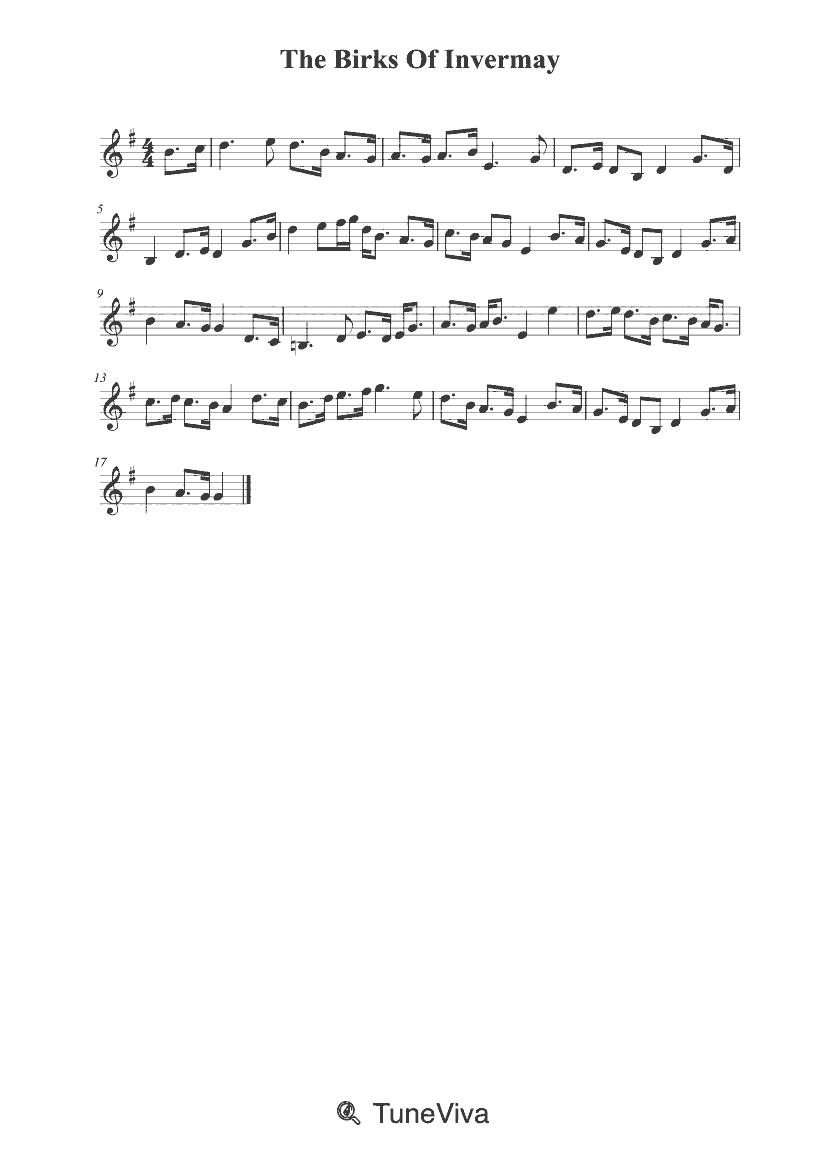
Misc tunes
32 sec
Open score
Traditional (Surenne)
32 sec
Open score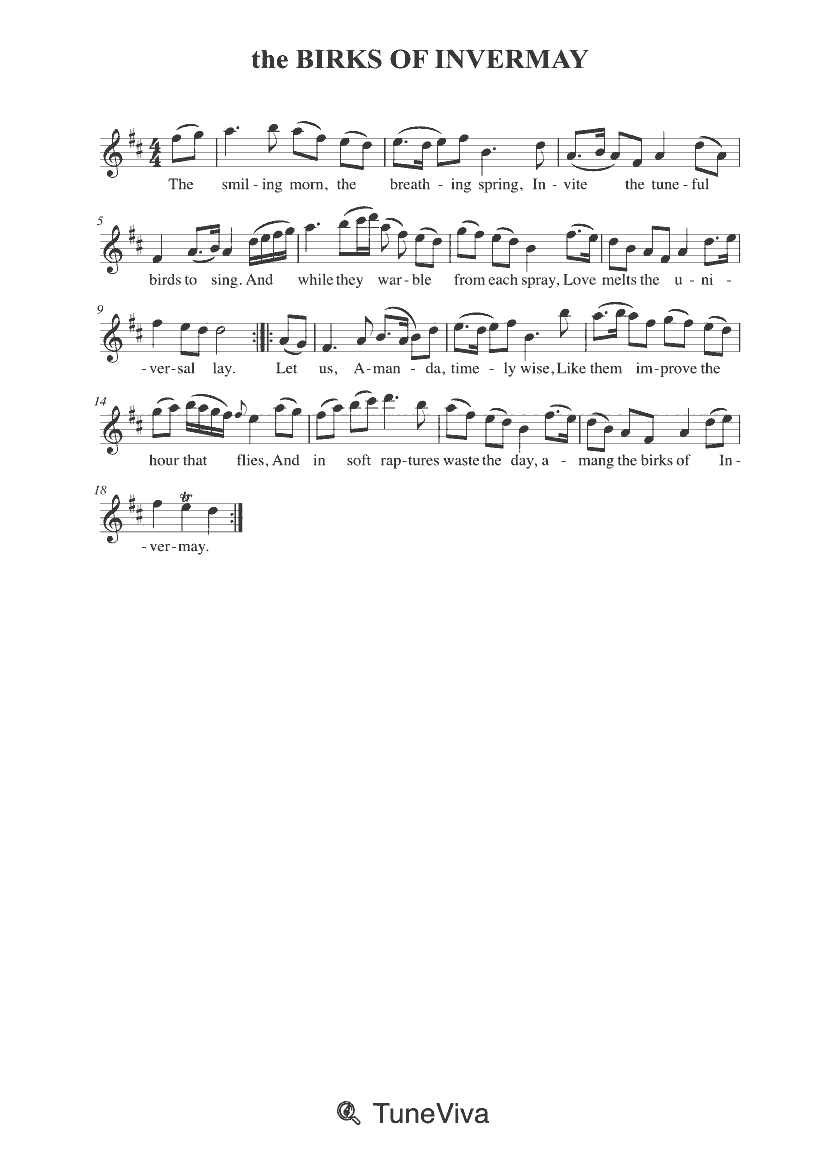
Misc tunes
1 min 5 sec · Score #82917
Open scorePage 1 of 2
Begin with the opening key: A major, D major and G major are all represented. Then compare the length and layout of each score, since one listed version is much longer than the other two. Note counts are not a reliable guide to difficulty or completeness, so read the actual pages before deciding. If you need a particular instrument or voice, check the score itself rather than assuming from the title.
All three listed scores begin in 4/4. One opens in A major, one in D major and one in G major; only one listing gives an opening tempo, at 120 BPM. These details describe the start of each score and do not rule out later changes of key, metre or tempo.
The page title uses “Envermay”, while some scores use “Invermay”. Treat comparisons across the two spellings as provisional and compare the music itself.
The title alone does not identify a composer, instrument, voice, lyrics or difficulty, and the listings do not supply all of those details consistently. Use the score’s clef, range and texture to judge whether it suits your instrument or voice; do not assume a grade from the title or from the number of notes.
Catalogue duration 1 min 4 sec. Opening key signature: 3 sharps (A major). Opening time signature: 4/4. Opening tempo: 120 BPM.
Catalogue duration 1 min 4 sec. Opening key signature: 2 sharps (D major). Opening time signature: 4/4.
Catalogue duration 3 min 20 sec. Opening key signature: 1 sharp (G major). Opening time signature: 4/4.
No single key is given across the scores listed under The Birks of Envermay: one opens in A major, another in D major and a third in G major. All three begin in 4/4. Because these are opening key signatures, a score may change key later, so check the full piece rather than the first bars alone.
Both spellings appear in the titles of listed scores, with “Envermay” used for the page title and some scores and “Invermay” used for others.
The scores listed under The Birks of Envermay all begin in 4/4. That indicates four crotchet beats per bar at the opening, but it does not by itself tell you the tempo, character or whether the metre changes later.
The listed scores differ substantially: two give a duration of about 64 seconds, while a third gives about 200 seconds. These durations describe individual scores and may reflect different numbers of verses, repeats, omissions or arrangement choices; they should not be read as definitive versions of the tune.
No composer is credited in the available listings for The Birks of Envermay. That absence means the composer cannot be identified from this page alone, and it should not be taken as evidence that the piece is anonymous by origin.
Difficulty cannot be reliably judged from the available listings. They give no grade, and note counts or duration do not translate directly into technical difficulty. Compare the score’s texture, key, range, rhythms and ornaments against your own playing level.
The listed scores are three 4/4 settings that open in A major, D major and G major. One gives a starting tempo of 120 BPM; the others give no tempo in the listed details. Instrumentation is not stated, so check the score itself before assuming it is for a particular instrument or voice.