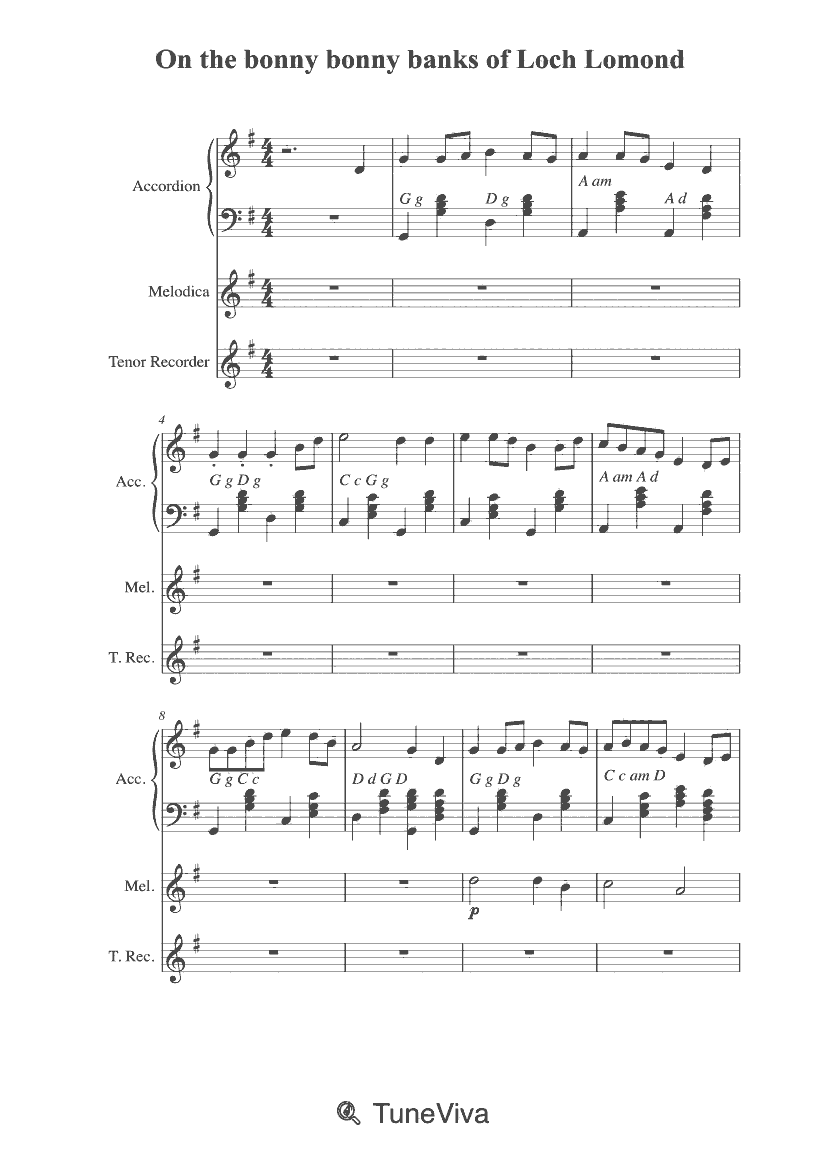
On the bonny bonny banks of Loch Lomond
Misc Traditional
Arrangement: E.Montagne
Accordion; Melodica; Tenor Recorder · 1 min 6 sec
Open scoreThe Bonnie Banks o' Loch Lomond appears here as a traditional folk song with several sheet-music versions, and those versions are not identical settings. The listed scores differ in opening key, metre and instrumentation: one opens in D major and 3/4, a three-part version opens in 4/4 with one sharp for accordion, melodica and tenor recorder, and a flute-and-piano version opens in 4/4 with no sharps or flats at an opening tempo of 70 BPM. Compare those details with the version you know before choosing a score.
Scores 1–20 of 24
Misc Traditional
Arrangement: E.Montagne
Accordion; Melodica; Tenor Recorder · 1 min 6 sec
Open score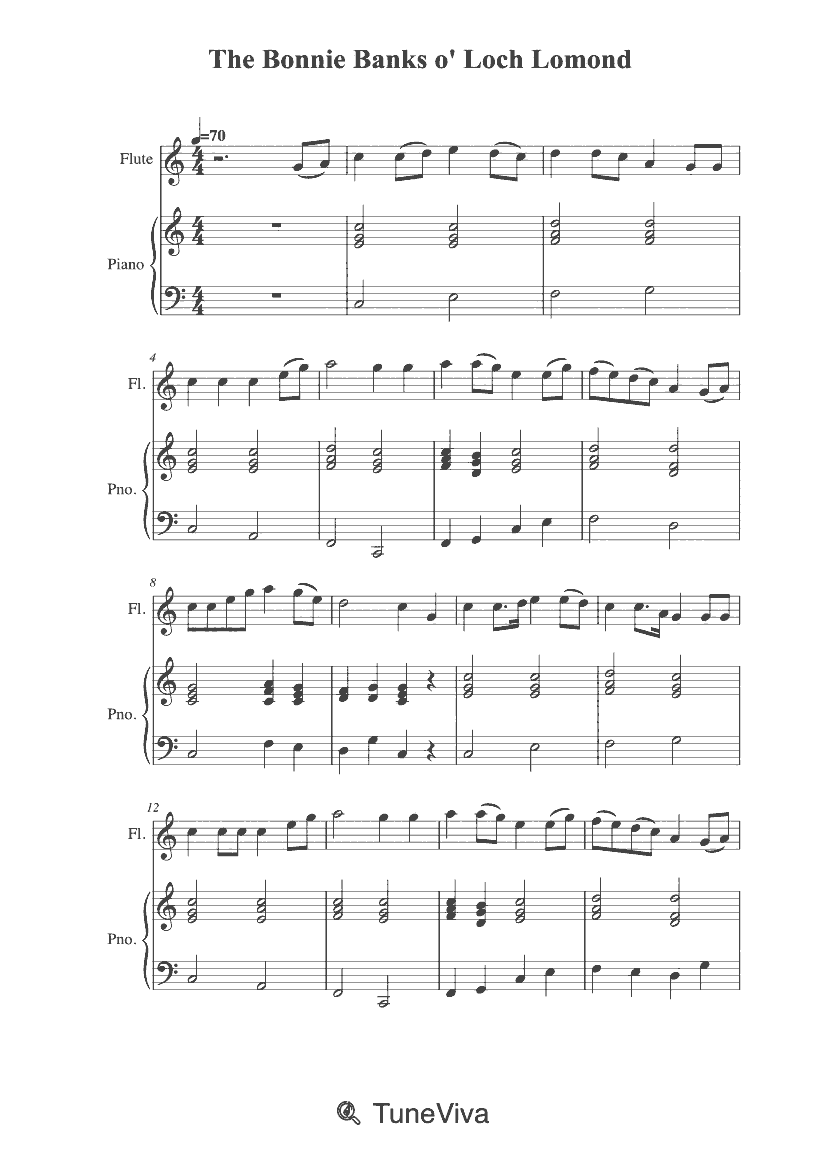
Misc Traditional
Flute; Piano · 58 sec
Open score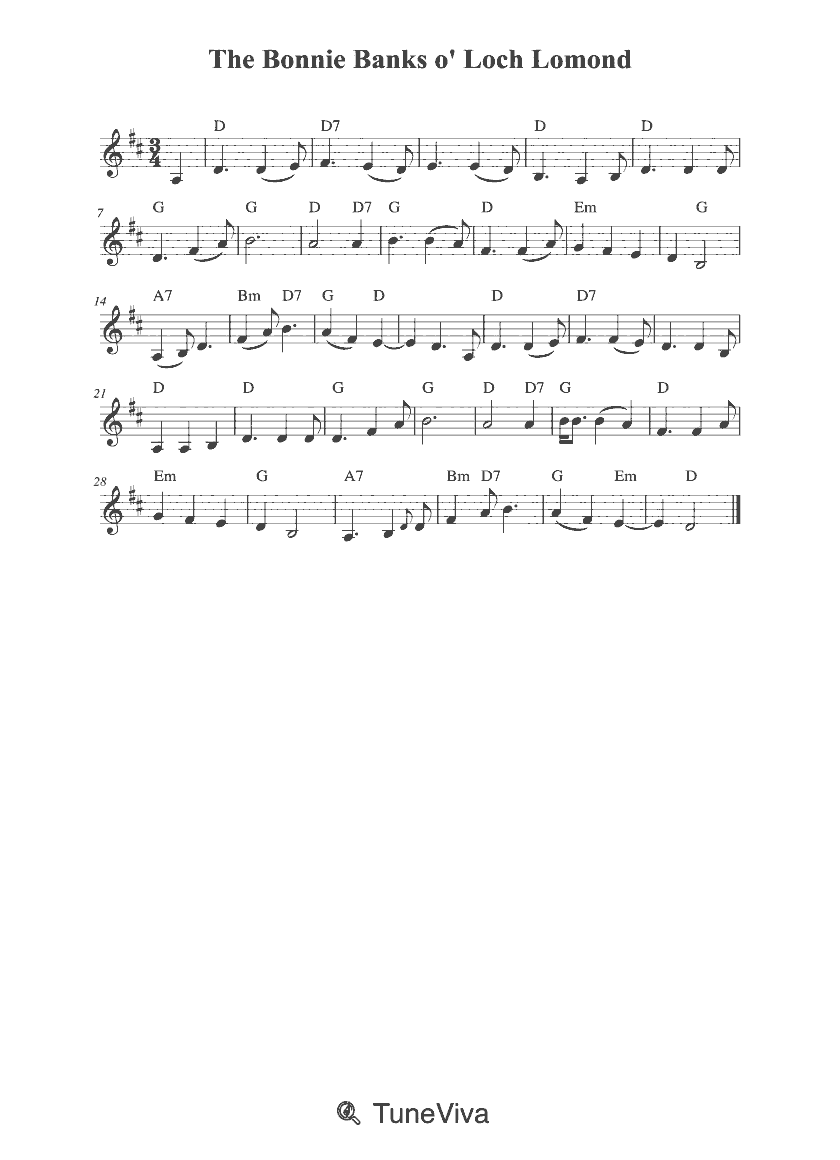
Joe Buchanan's Scottish Tome - Page 568.2
48 sec · Score #27389
Open score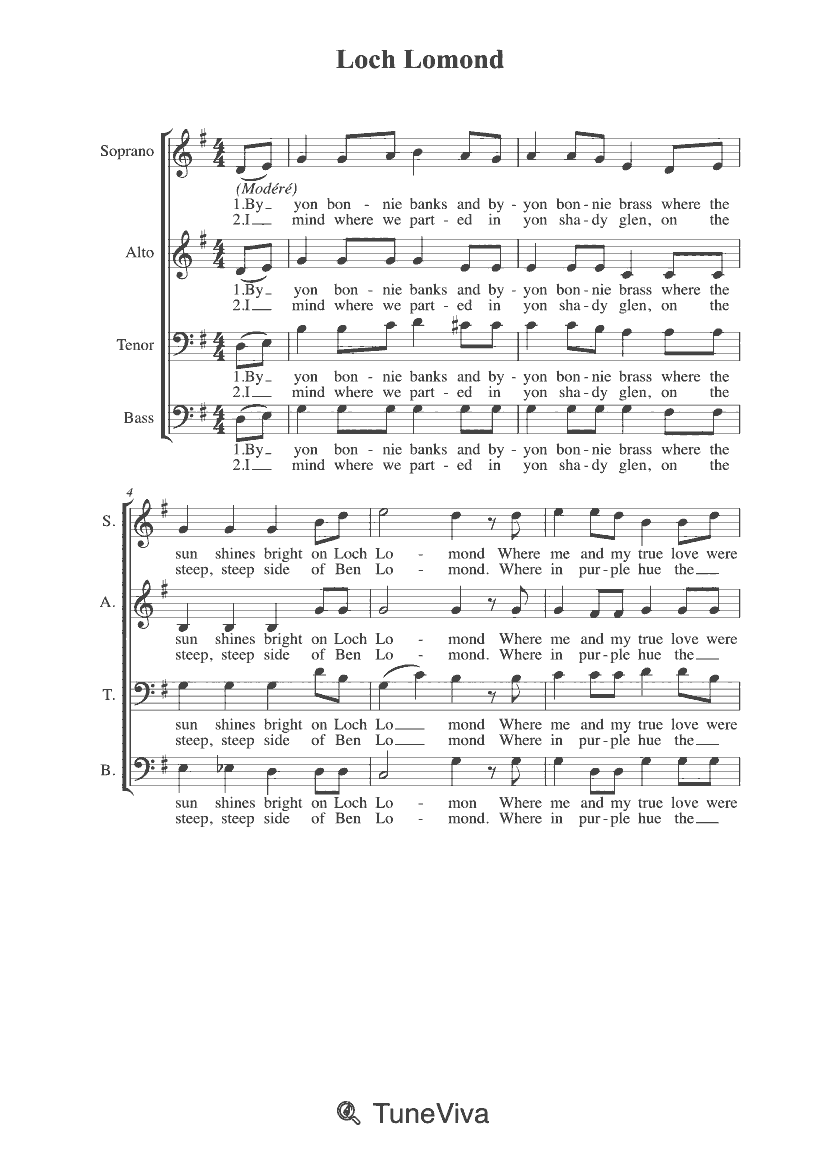
Misc Traditional
Chant traditionnel d'Ecosse Harmonisation Jean-Paul FINCK
Soprano; Alto; Tenor +1 parts · 1 min 4 sec
Open score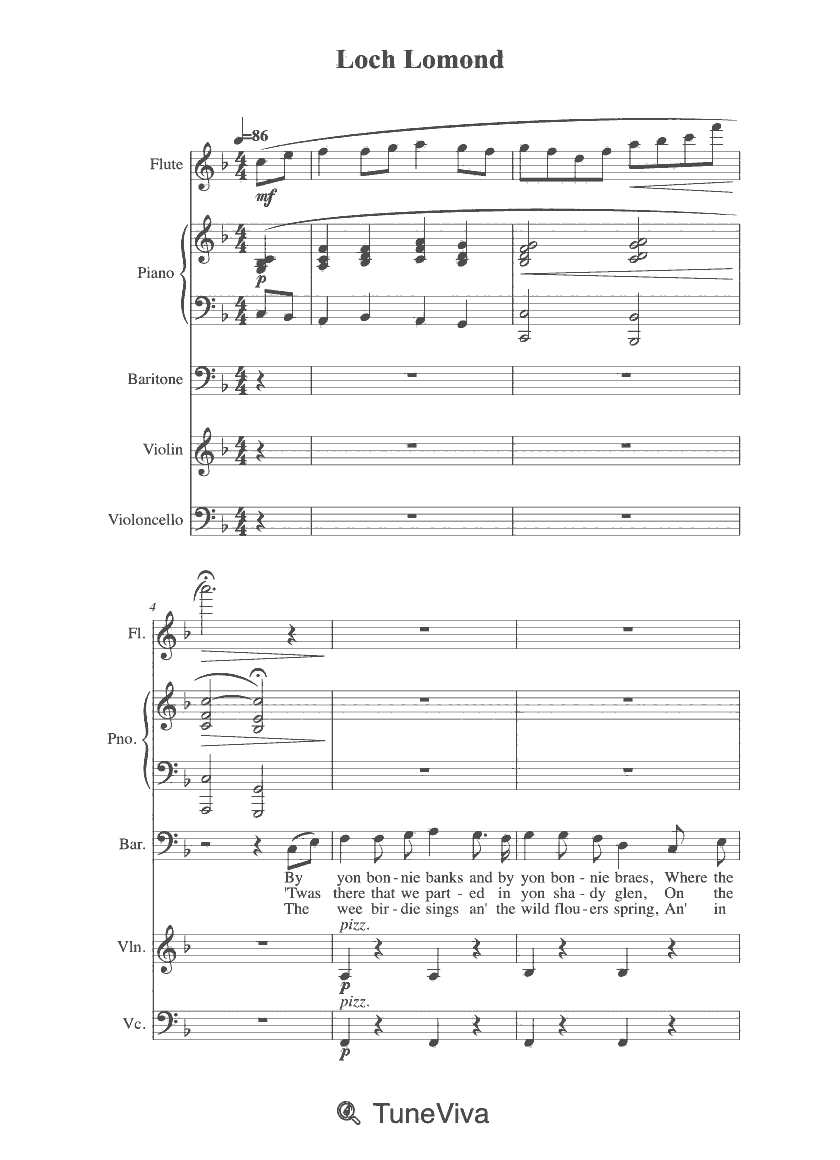
Arranged by Engin Mehmetli
Traditional Old Scotch Song
Flute; Piano; Baritone +2 parts · Arr. Engin Mehmetli · 2 min 29 sec
Open score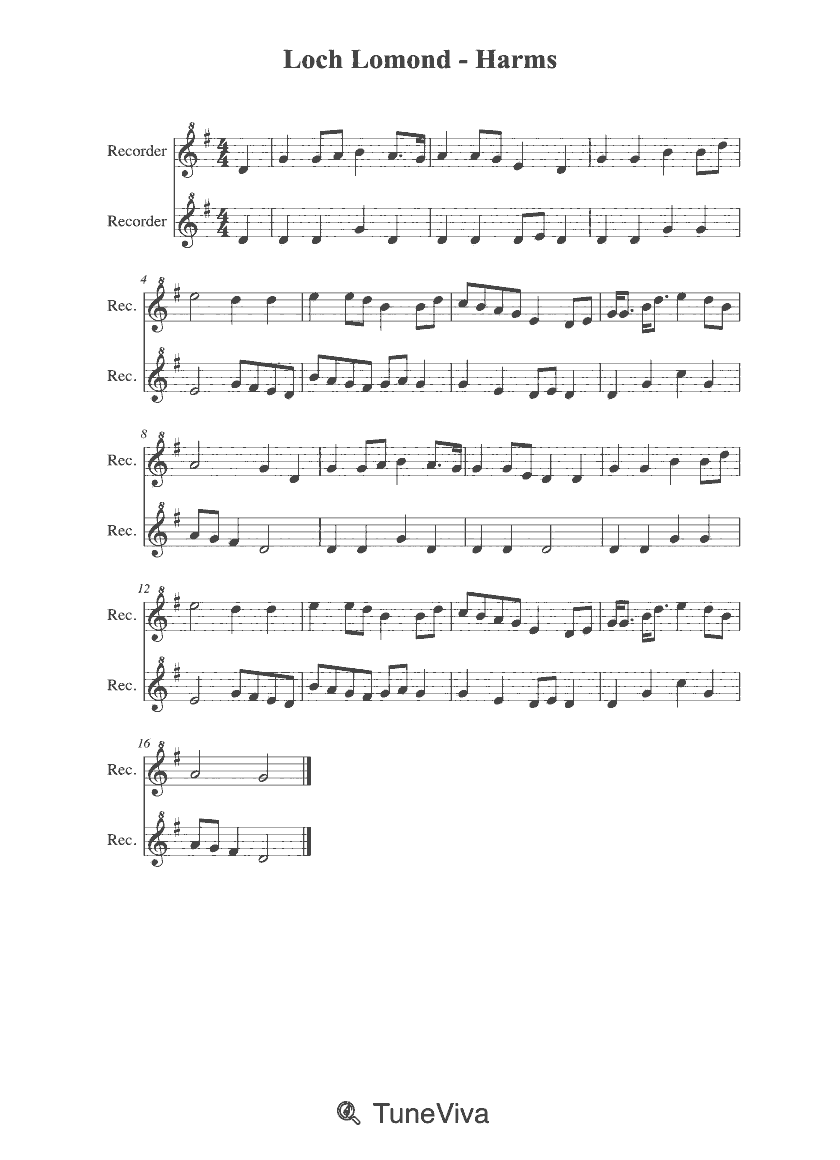
Misc Traditional
Recorder · 32 sec
Open score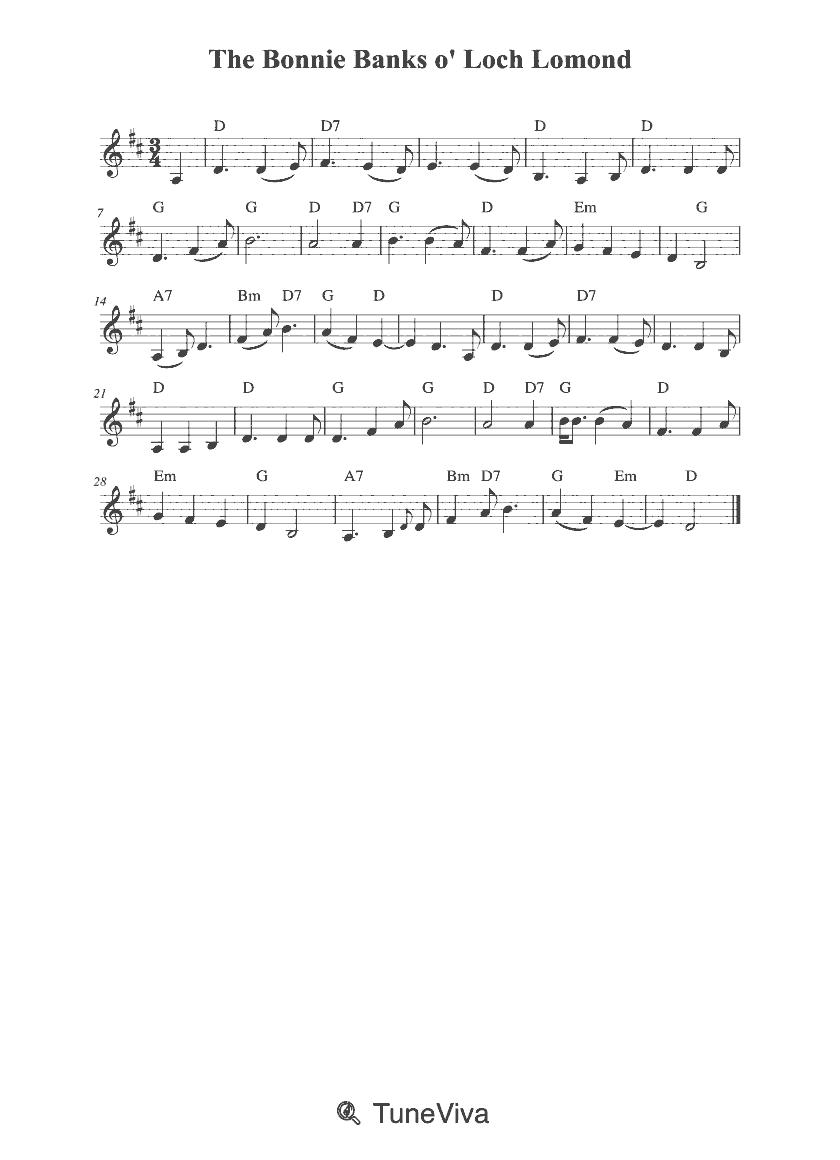
Joe Buchanan's Scottish Tome - Page 568.2
48 sec · Score #200878
Open score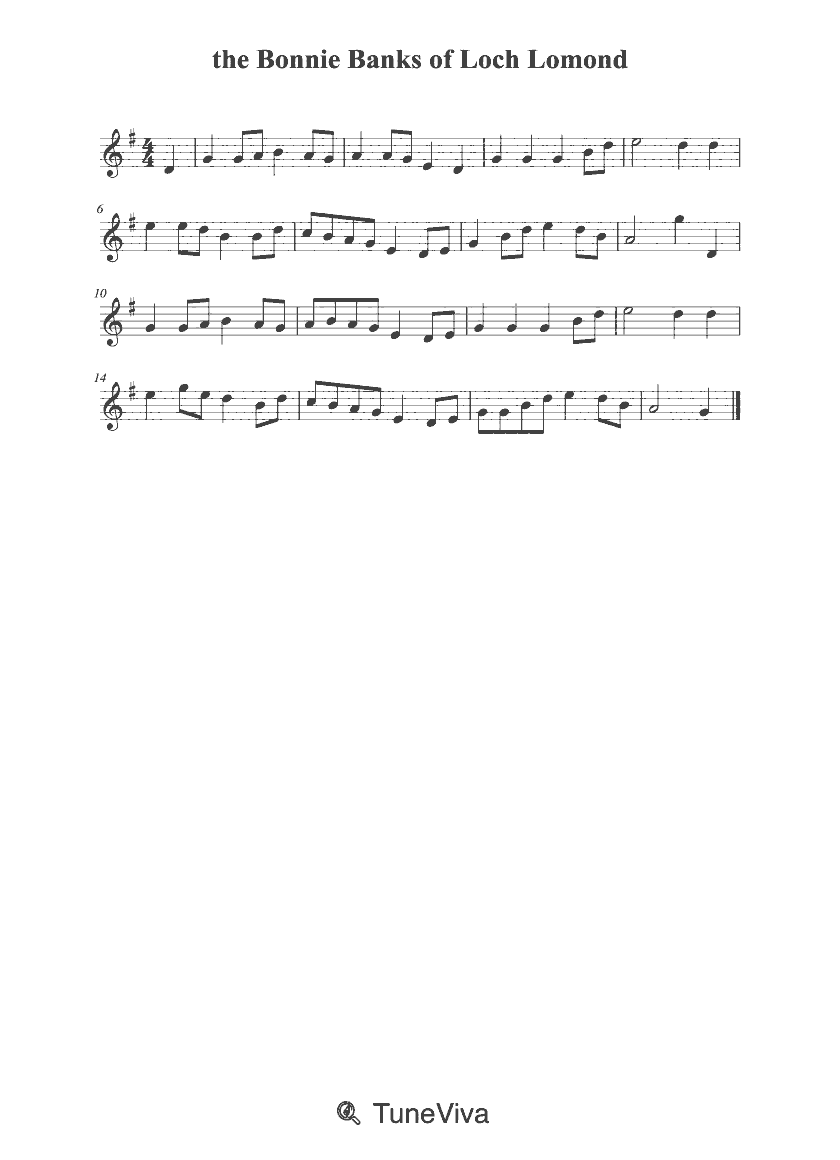
Misc Traditional
32 sec · Score #22716
Open score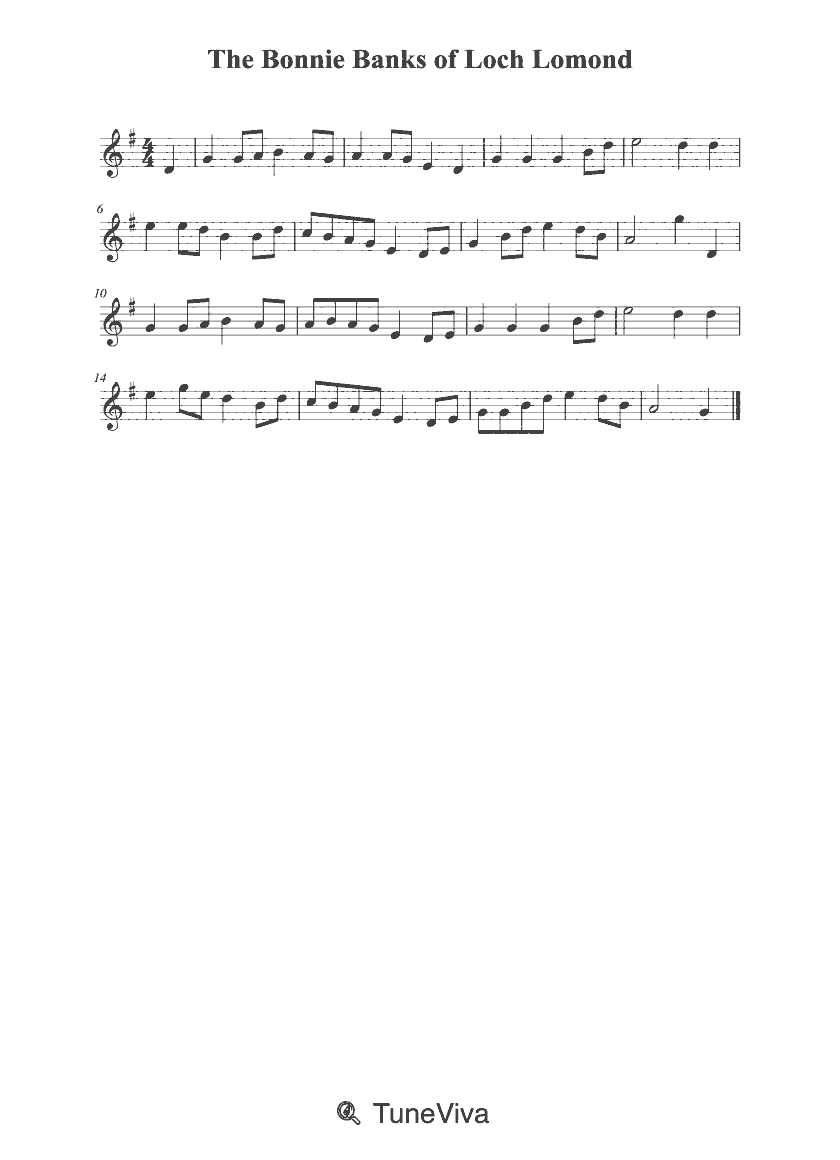
Misc Traditional
32 sec · Score #97397
Open score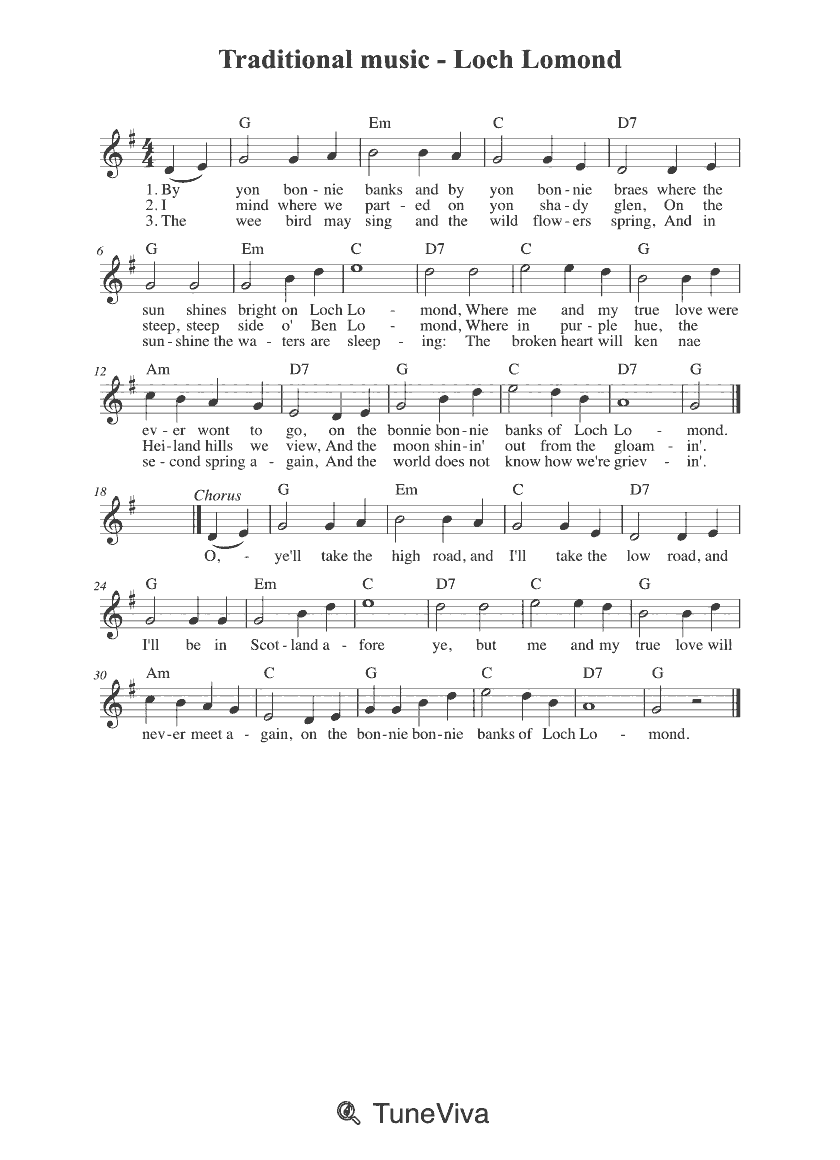
Trad.
1 min 6 sec · Score #243594
Open score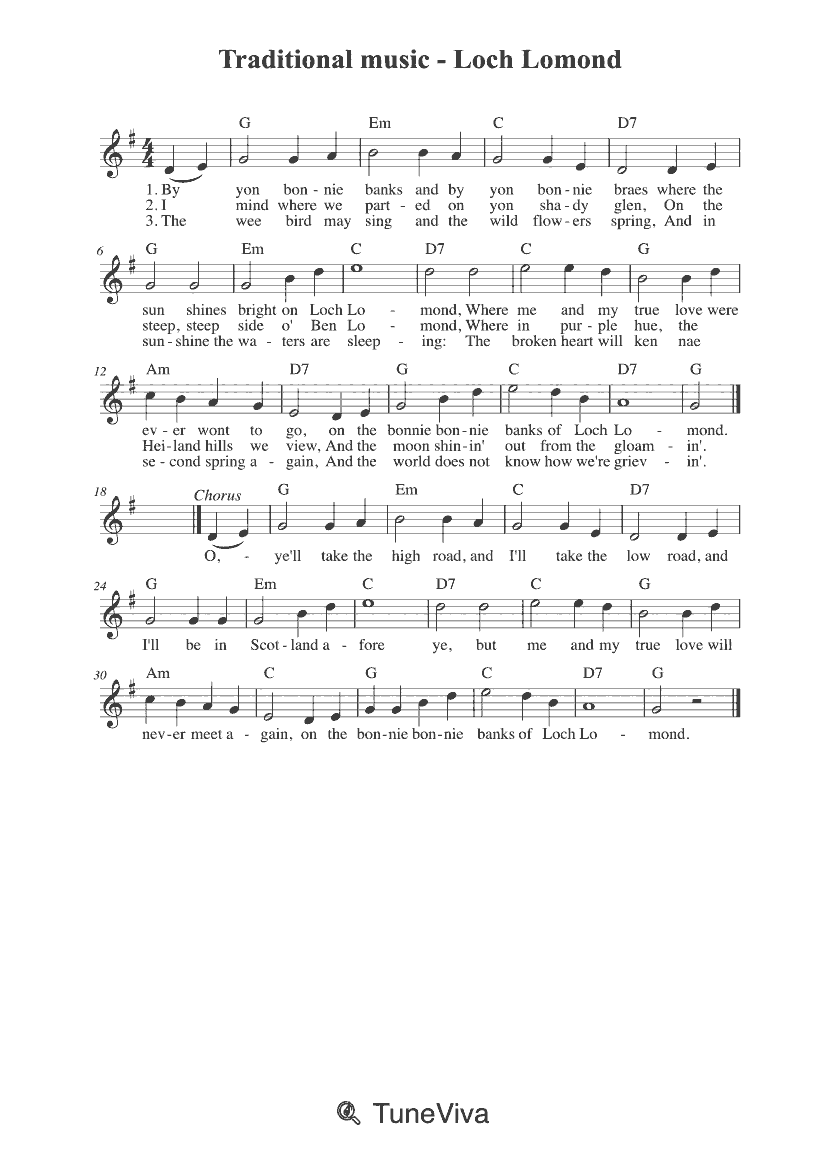
Trad.
1 min 6 sec · Score #5310
Open score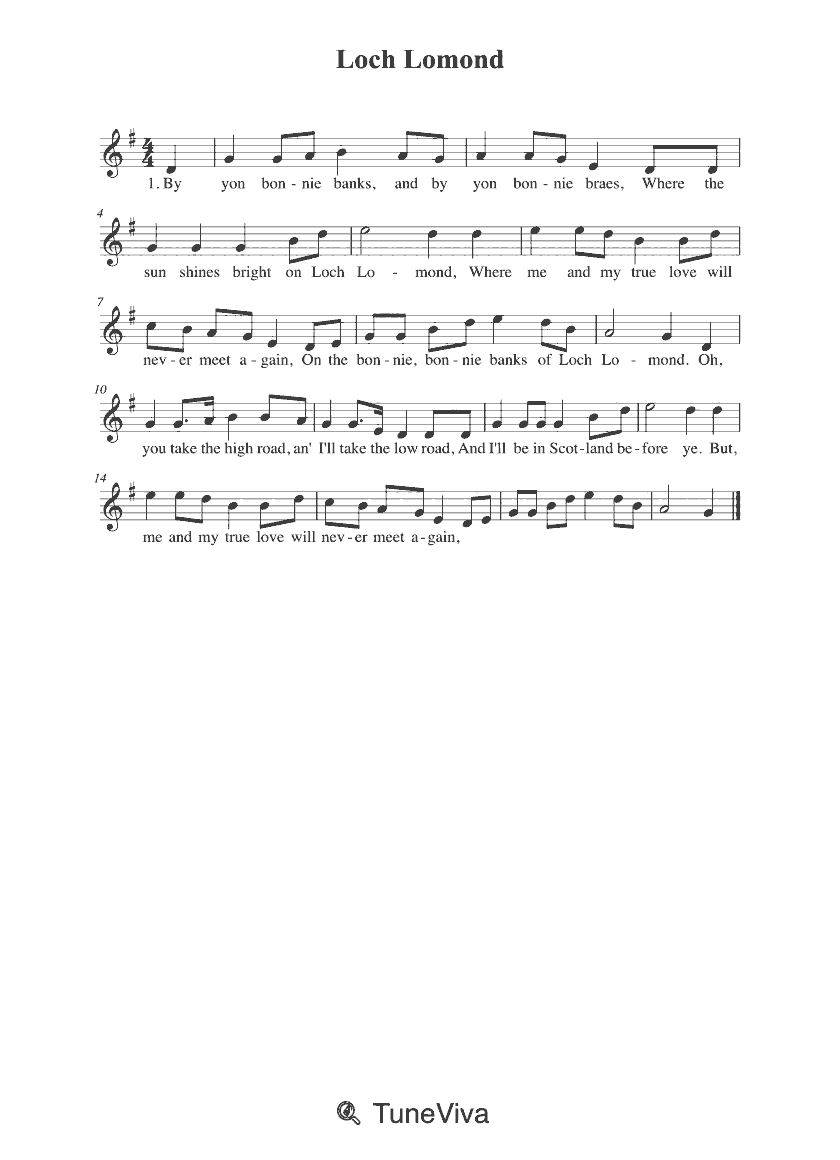
Misc Traditional
32 sec
Open score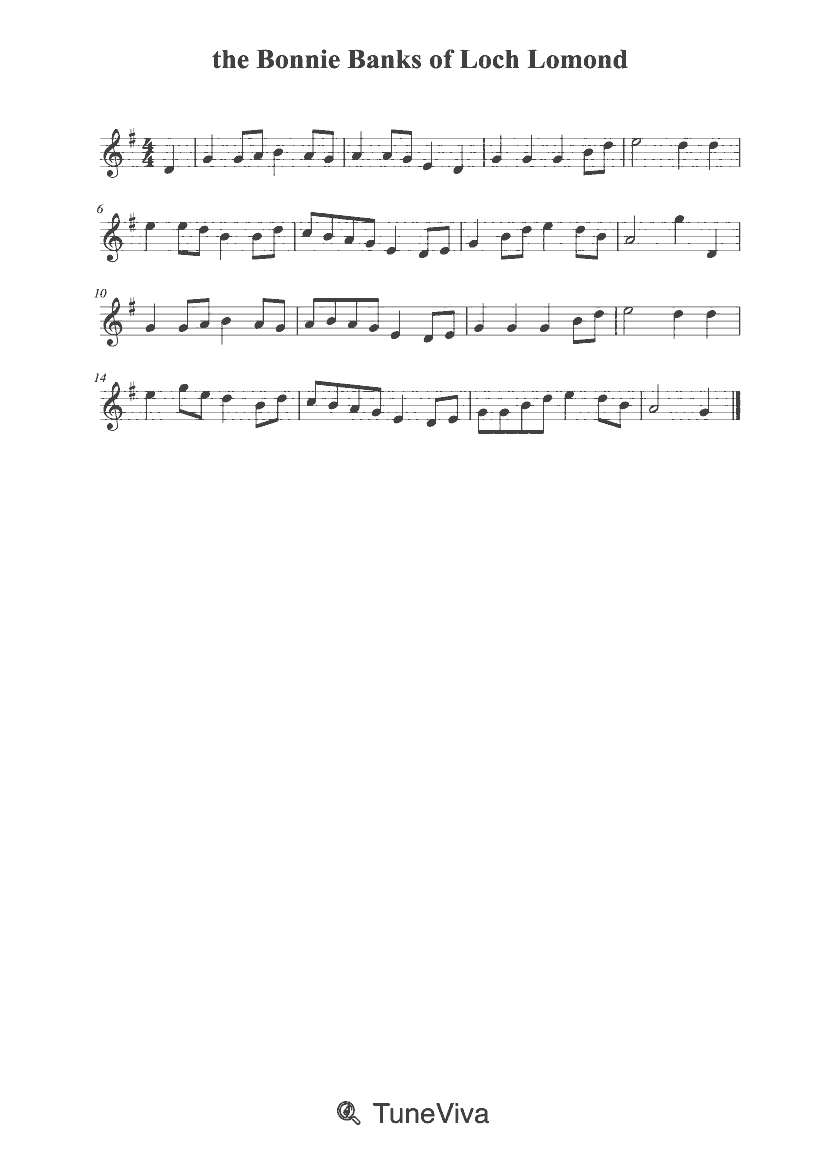
Misc Traditional
32 sec · Score #103130
Open score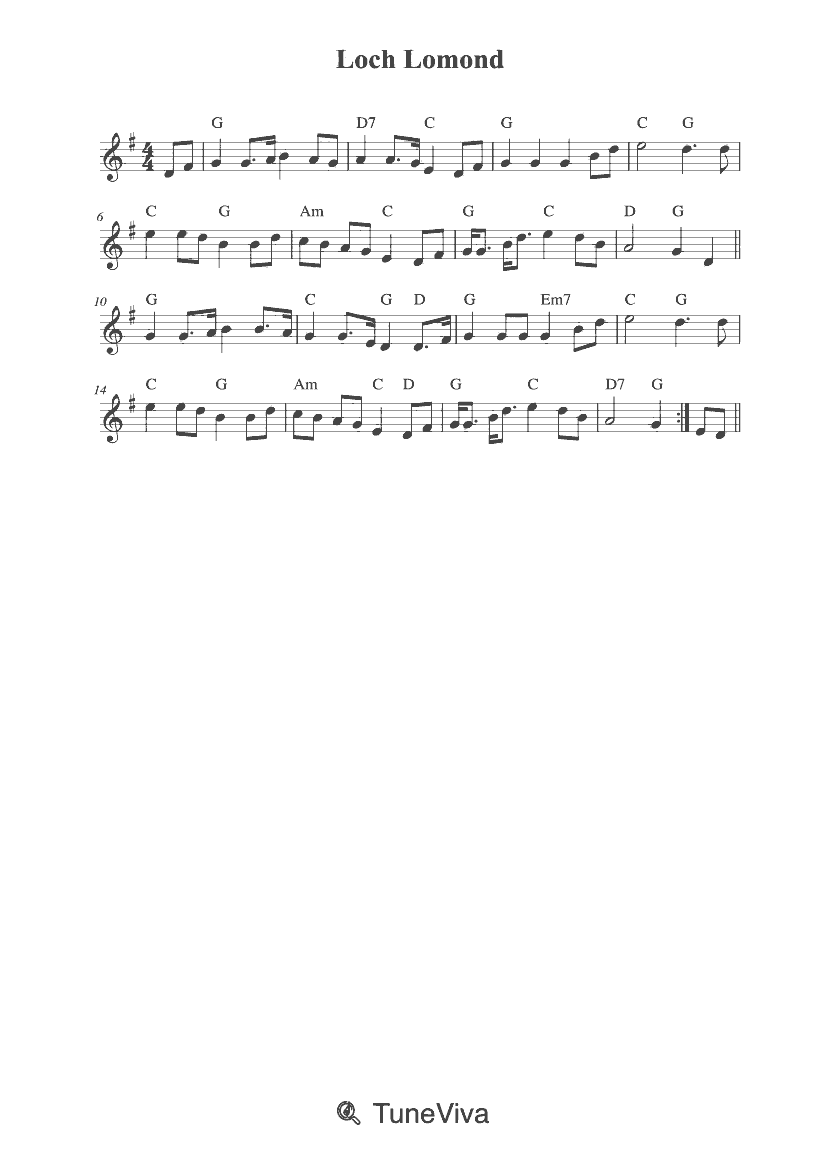
Misc Traditional
1 min 5 sec
Open score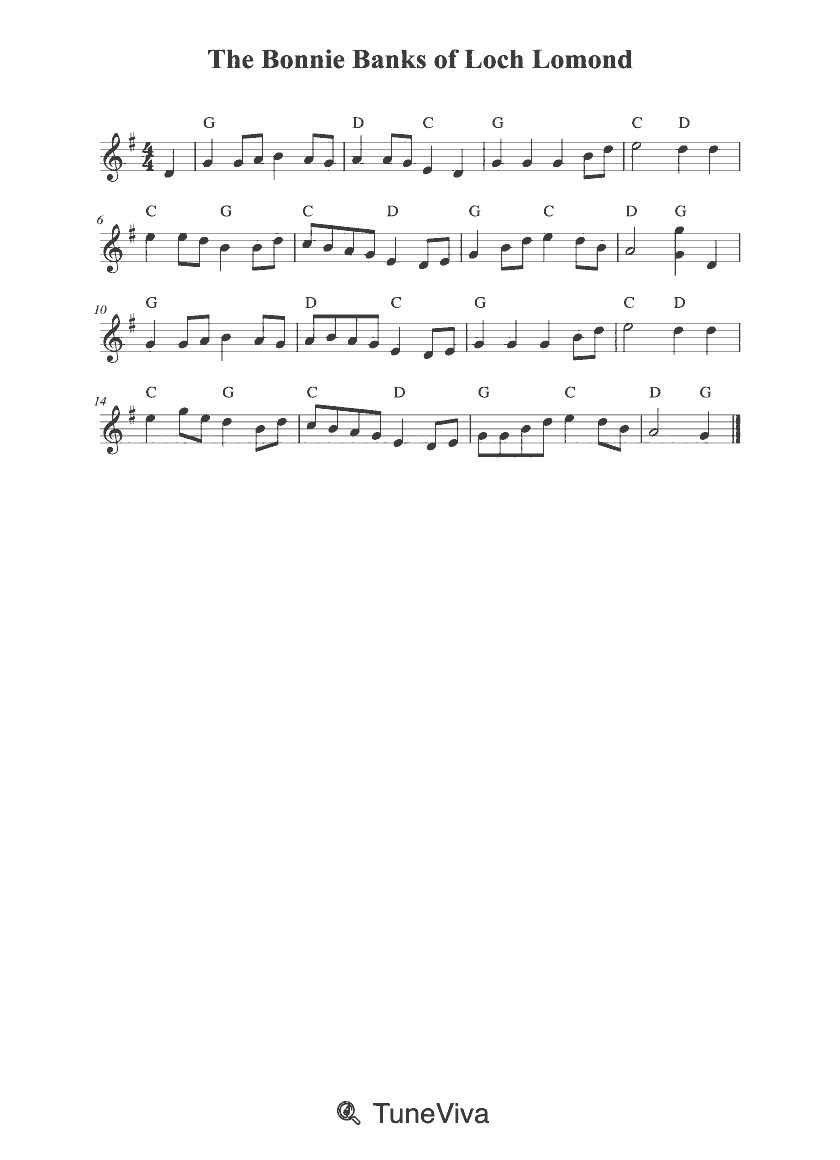
Misc Traditional
32 sec · Score #98752
Open score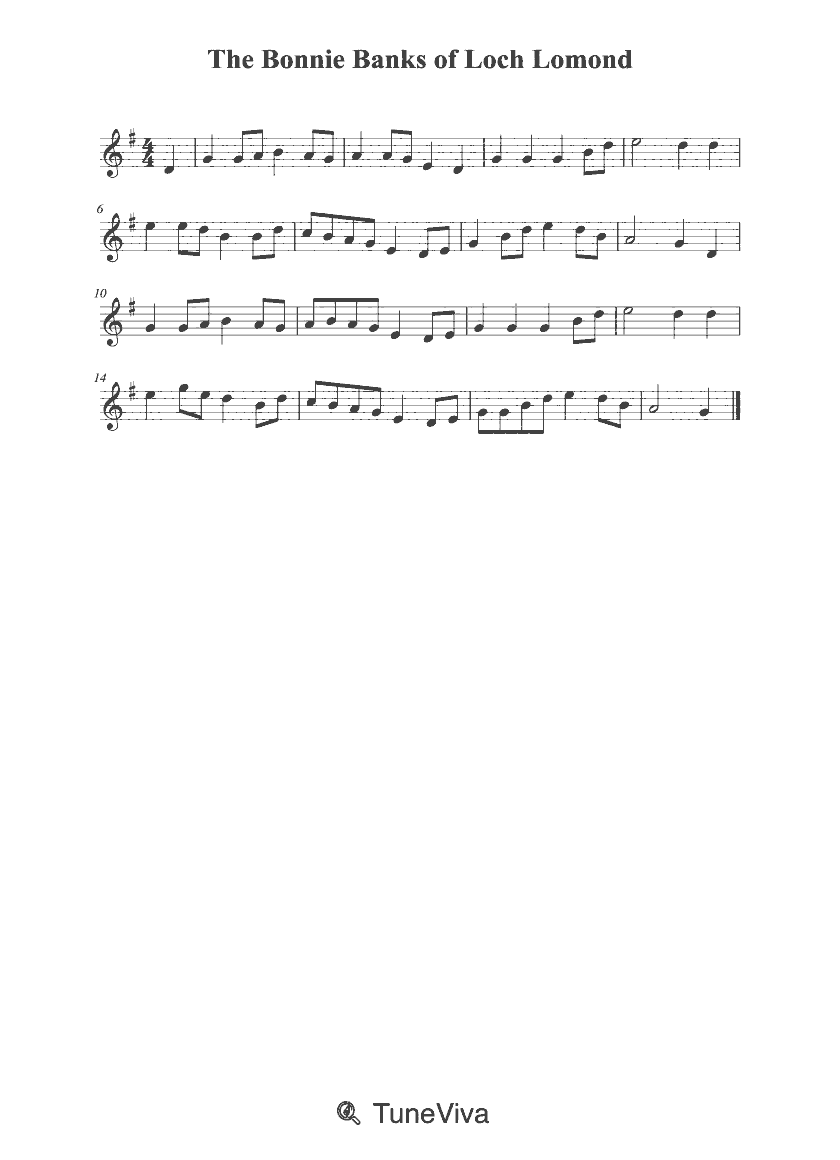
Misc Traditional
32 sec · Score #54268
Open score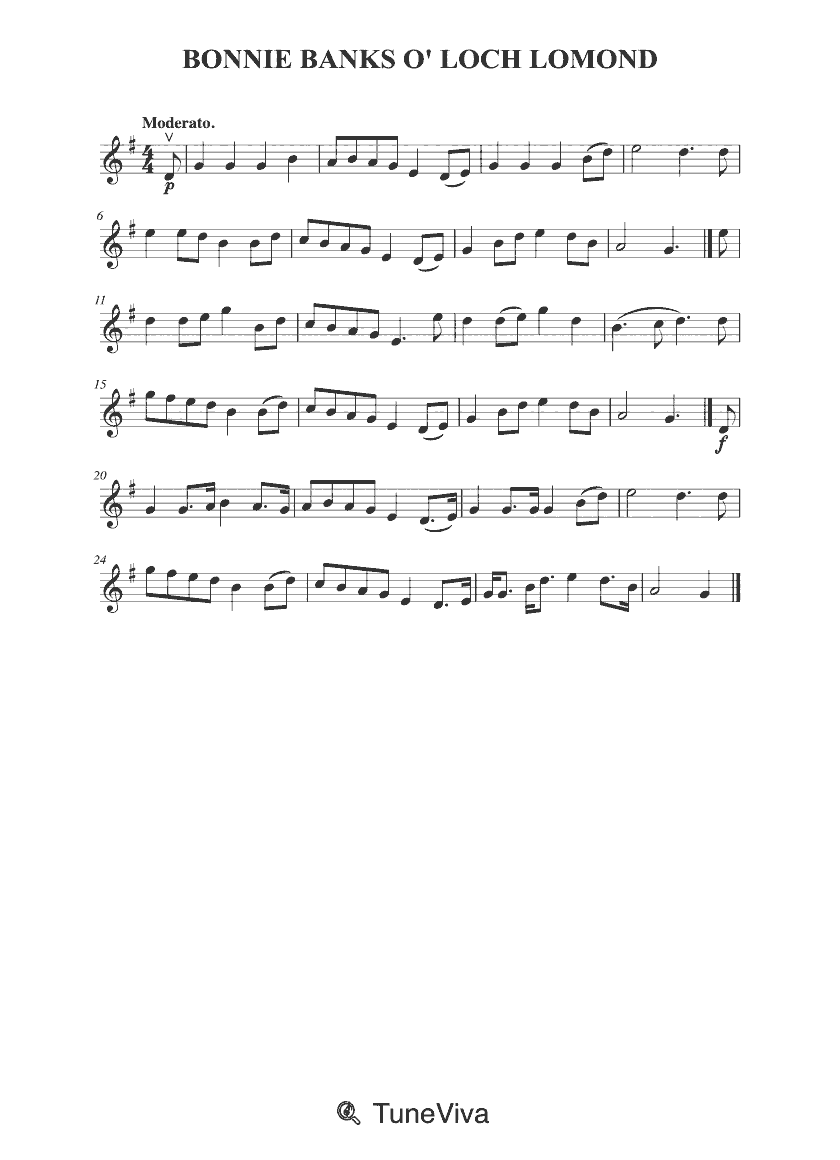
Misc Traditional
48 sec
Open score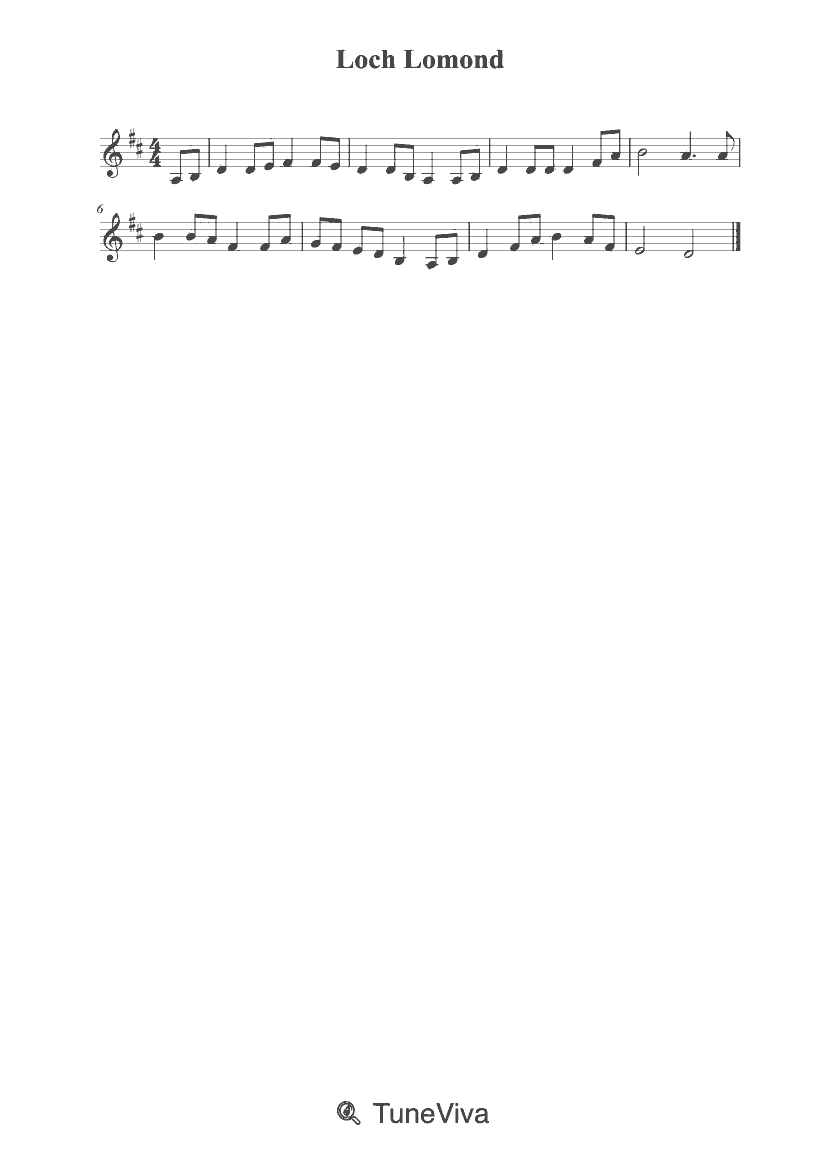
Misc Traditional
16 sec · Score #199054
Open score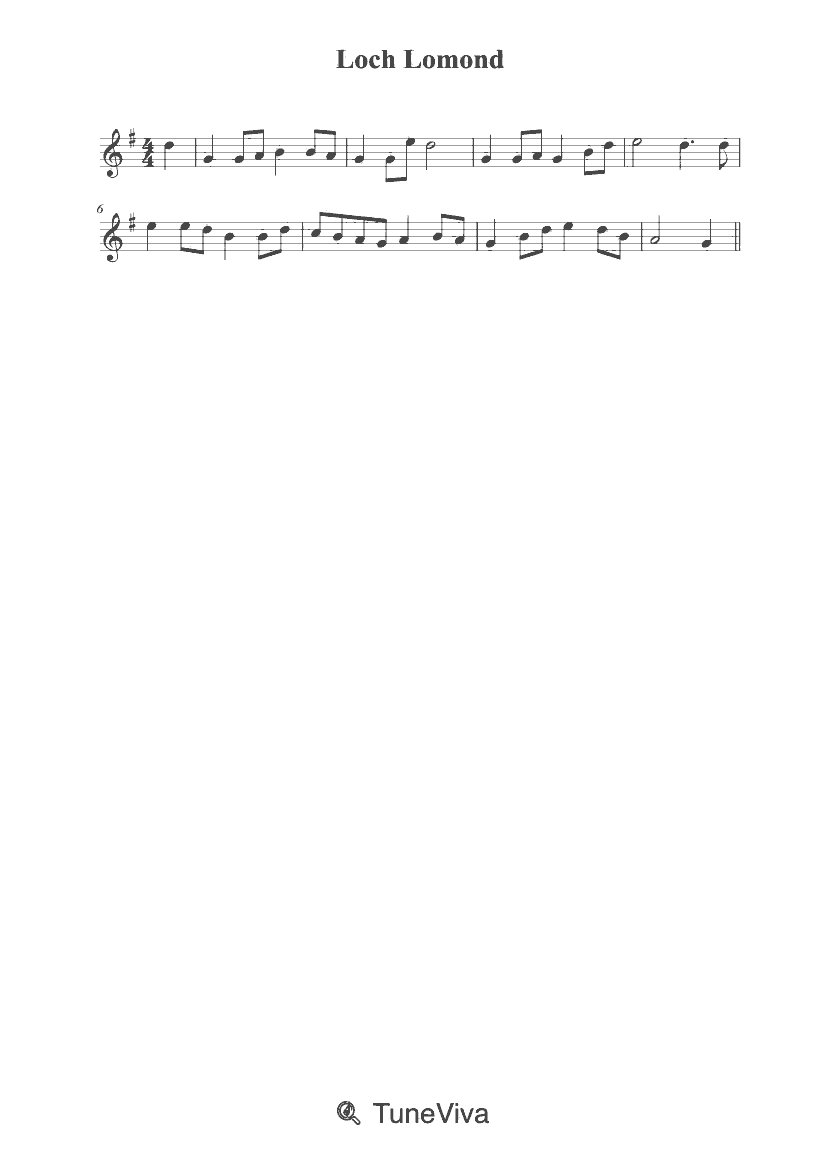
Misc Traditional
16 sec · Score #4625
Open score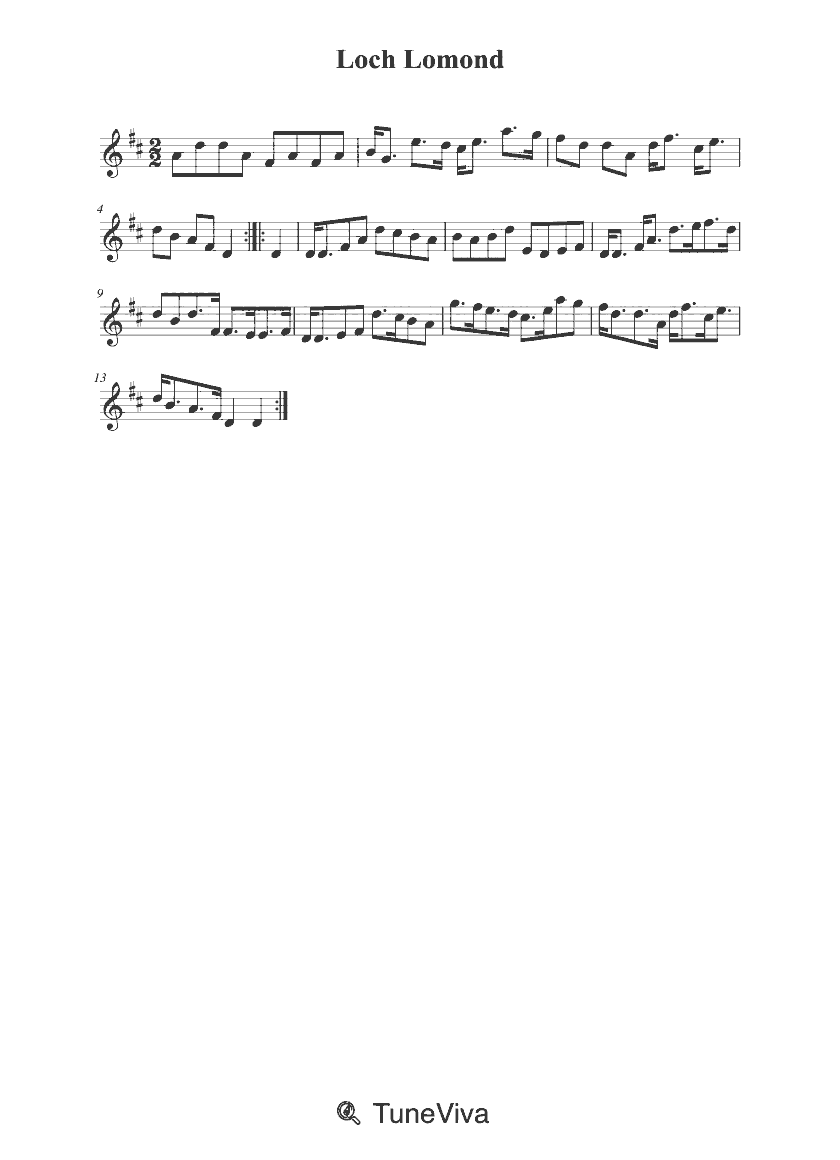
Misc Traditional
1 min 36 sec
Open scorePage 1 of 2
The listed versions of The Bonnie Banks o' Loch Lomond do not share one opening key or time signature. One score opens in D major with two sharps and 3/4; another has one sharp and 4/4; a third has no sharps or flats and 4/4. Use these details to match the setting you already know, especially before combining parts from different scores.
One listed setting names accordion, melodica and tenor recorder, while another names flute and piano. A third score lists no separate parts. Check that every part you need is present and suited to your players; the score details do not establish that any of these instrumentations is the song's original scoring.
The flute-and-piano setting gives an opening tempo of 70 BPM in 4/4. That tempo applies to that score, not to every version: the other listed settings do not show a tempo in their details. Use the stated tempo as a starting reference only when working from that particular setting.
One score uses the title 'On the bonny bonny banks of Loch Lomond' for the same song. Compare the music rather than assuming two title variants are the same arrangement. Authorship, date, lyrics and original instrumentation are not confirmed by the score details, so treat historical claims about the song cautiously.
Score parts: Accordion, Melodica, Tenor Recorder. Catalogue duration 1 min 6 sec. Opening key signature: 1 sharp. Opening time signature: 4/4.
Score parts: Flute, Piano. Catalogue duration 58 sec. Opening key signature: No sharps or flats. Opening time signature: 4/4. Opening tempo: 70 BPM.
Catalogue duration 48 sec. Opening key signature: 2 sharps (D major). Opening time signature: 3/4.
The Bonnie Banks o' Loch Lomond has no single opening key across the listed sheet music: one score opens in D major with two sharps, another has one sharp, and a third has no sharps or flats. The version you choose therefore depends on the key signature you need.
The Bonnie Banks o' Loch Lomond appears in both 3/4 and 4/4 among the listed scores. One score opens in 3/4, while the accordion-melodica-tenor-recorder setting and the flute-and-piano setting open in 4/4.
The three-part setting of The Bonnie Banks o' Loch Lomond names accordion, melodica and tenor recorder. That score opens in 4/4 with one sharp; check that all three parts suit your players before using it.
A flute-and-piano setting of The Bonnie Banks o' Loch Lomond is listed with no sharps or flats, 4/4 time and an opening tempo of 70 BPM. That tempo describes this score only; the other listed settings do not show a tempo in their details.
No verified source names a composer for The Bonnie Banks o' Loch Lomond. The scores are credited to 'Misc Traditional' and listed under folk, so authorship and date remain unconfirmed.
The listed versions of The Bonnie Banks o' Loch Lomond are separate sheet-music settings rather than a single authorised arrangement. Compare opening key, metre and instrumentation before combining parts or assuming two scores match.
One score uses the title 'On the bonny bonny banks of Loch Lomond' for the same song. That score names accordion, melodica and tenor recorder, so compare the music itself rather than assuming it is identical to a score with the shorter title.