
Niel Gow - The Gallowglass
Niel Gow
24 sec
Open scoreThe Gallowglass sheet music is represented here by three short scores: one credited to Niel Gow, one labelled Traditional, and one with no composer name. All three openings are in 6/8, while the key signatures differ — two begin with two sharps, including one marked D major, and one begins with a single sharp. This page helps you compare what the scores show; composer, origin and intended instrumentation are not confirmed by an authoritative source.
Scores 1–20 of 29
Niel Gow
24 sec
Open score
Traditional
24 sec · Score #167700
Open score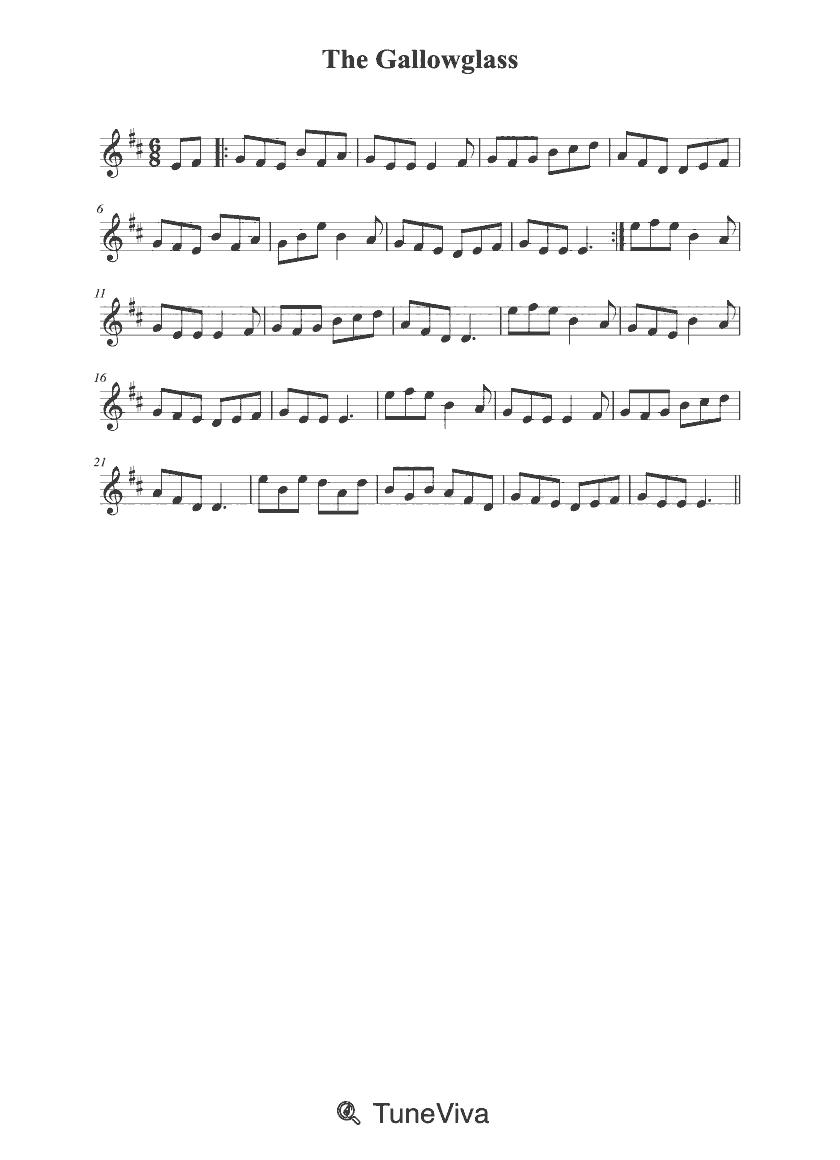
Misc tunes
24 sec · Score #186052
Open score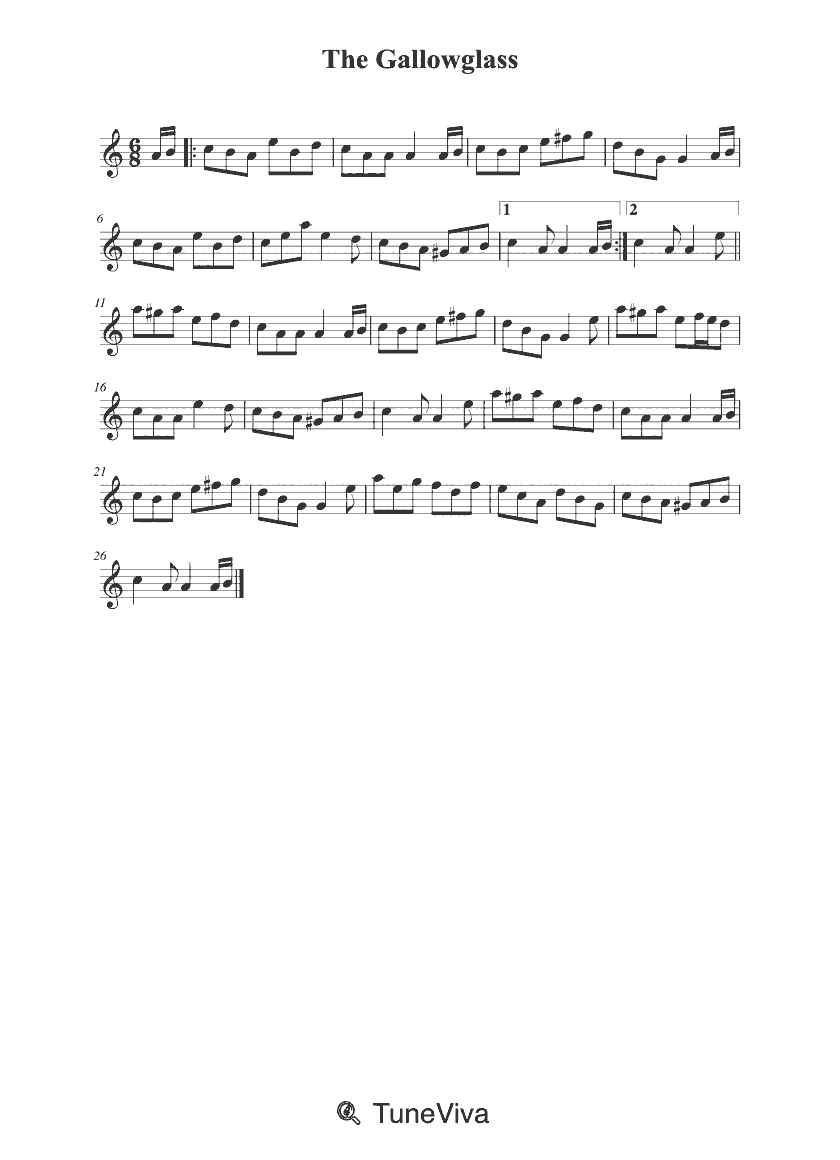
Misc tunes
24 sec · Score #39258
Open score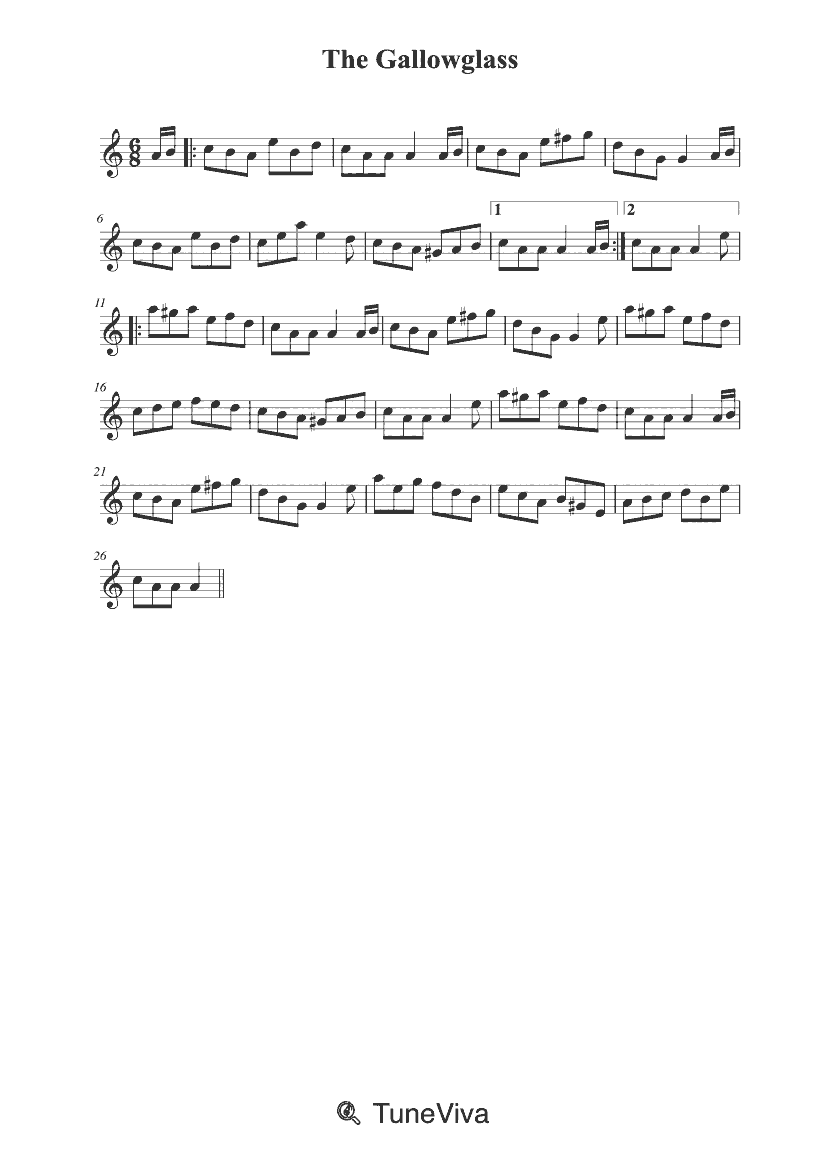
Misc tunes
36 sec
Open score
Traditional
24 sec · Score #157433
Open score
Traditional
24 sec · Score #117748
Open score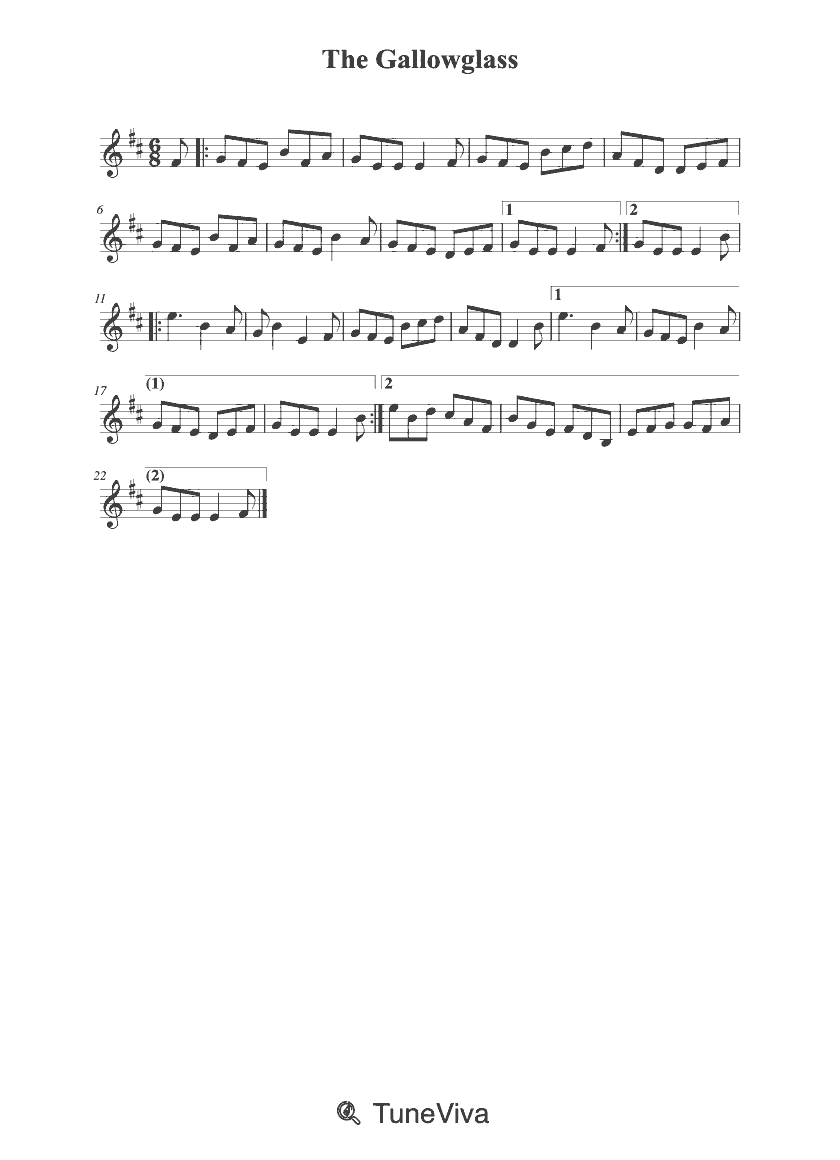
Misc tunes
24 sec · Score #145707
Open score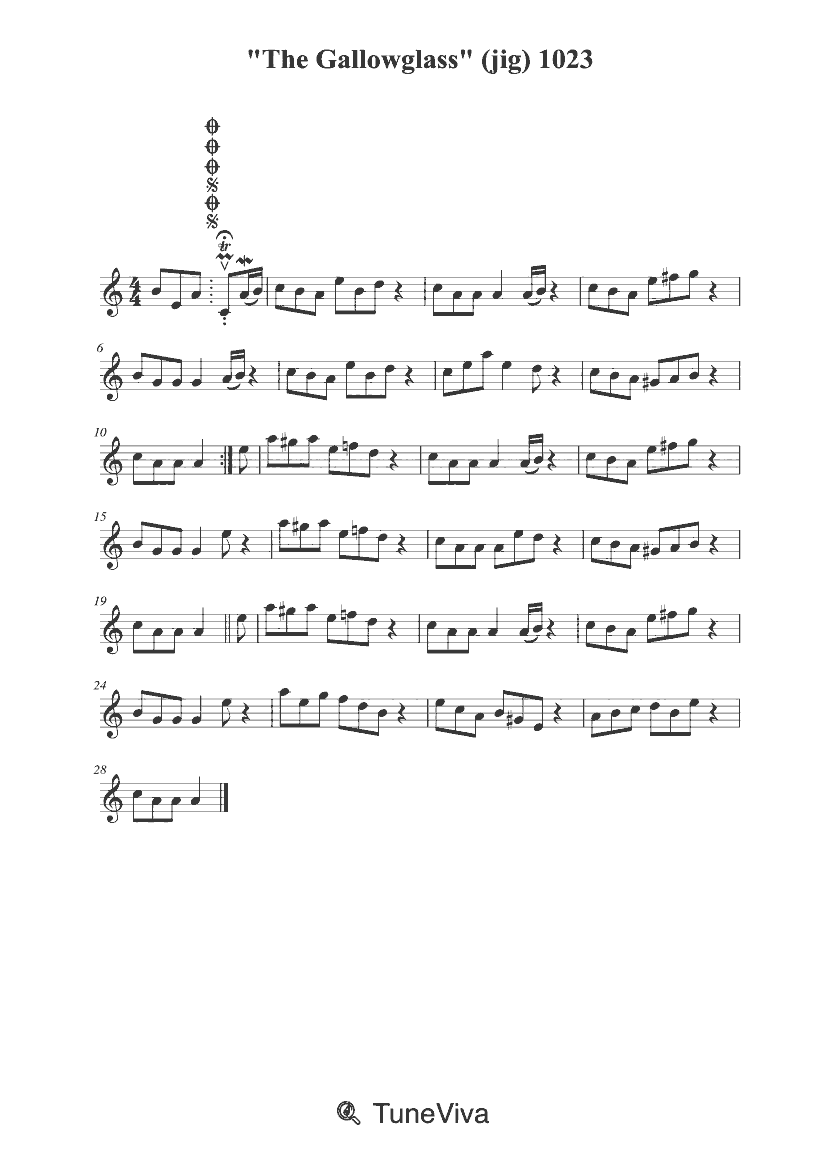
after Mr. Dunning
26 sec
Open score
anon.
24 sec · Score #69951
Open score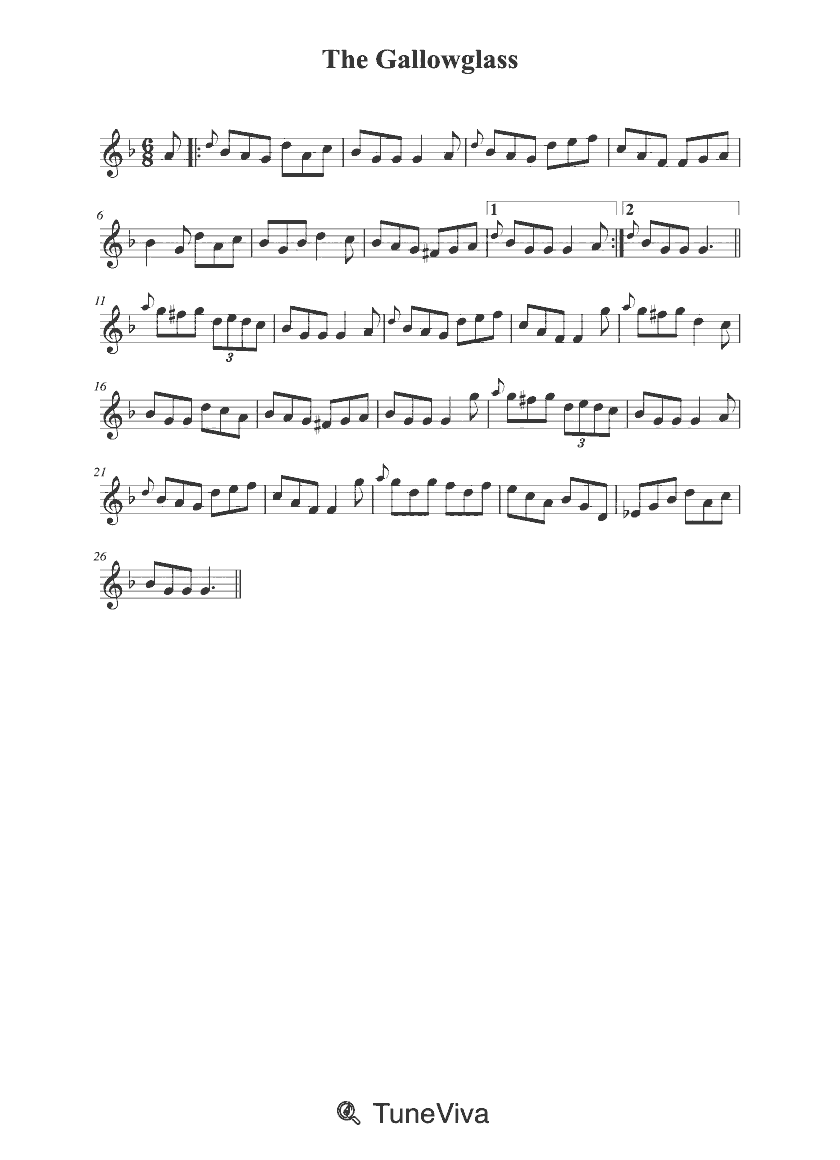
Misc tunes
24 sec · Score #145234
Open score
Jig
24 sec
Open score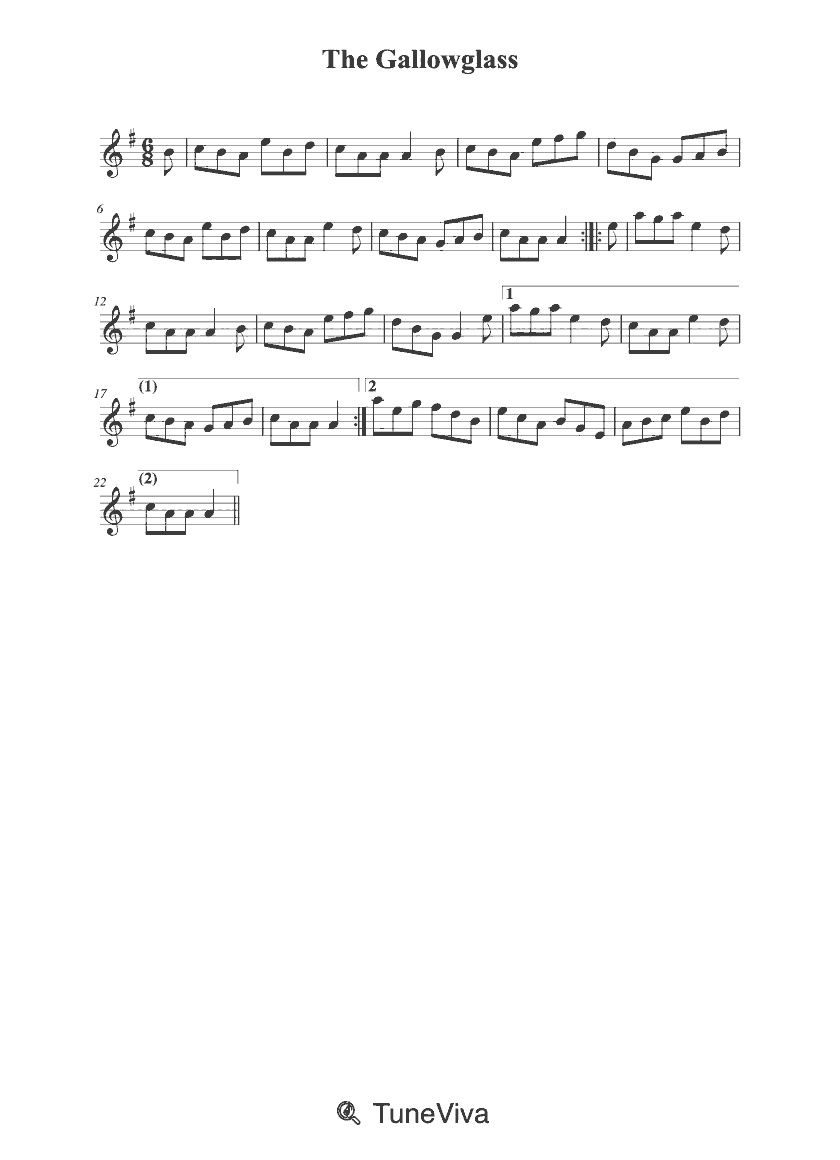
Niel Gow (1727-1807) Scotland
24 sec · Score #65432
Open score
anon.
24 sec · Score #81147
Open score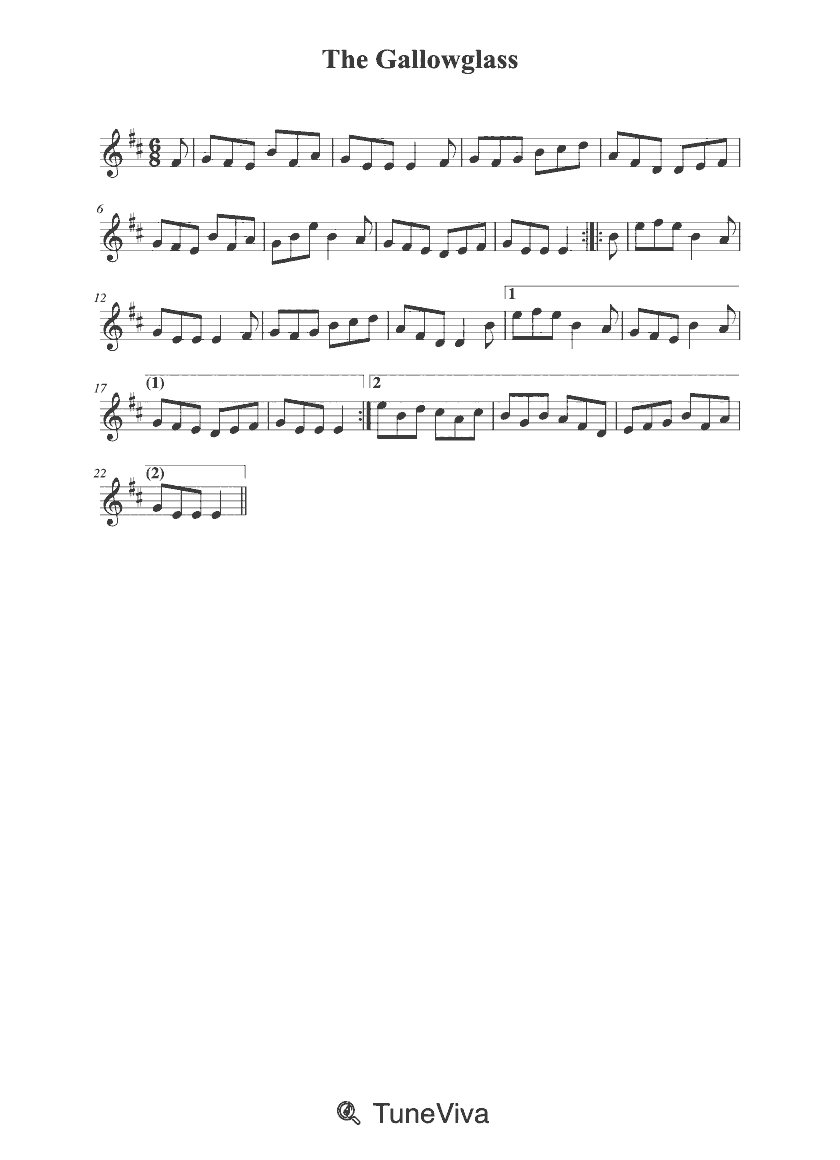
Niel Gow (1727-1807) Scotland
24 sec · Score #101086
Open score
Traditional Irish
1 min 4 sec
Open score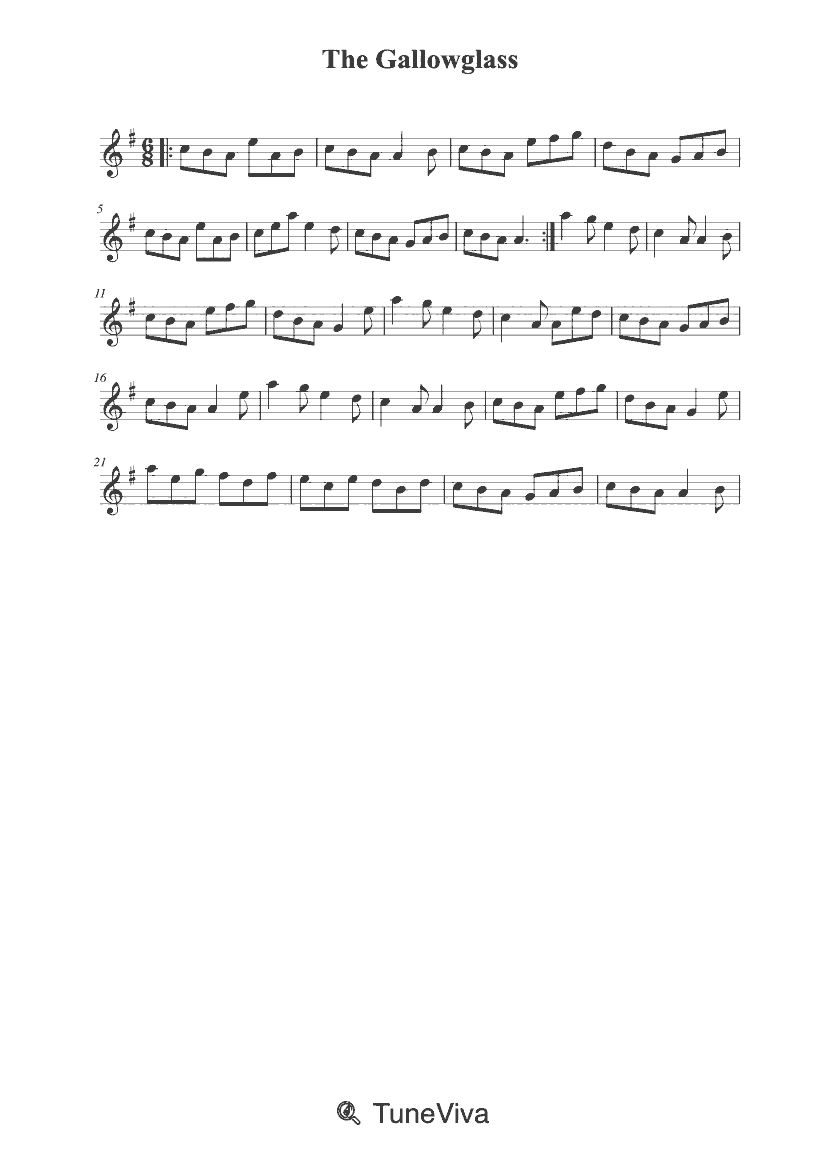
Misc tunes
24 sec · Score #69828
Open score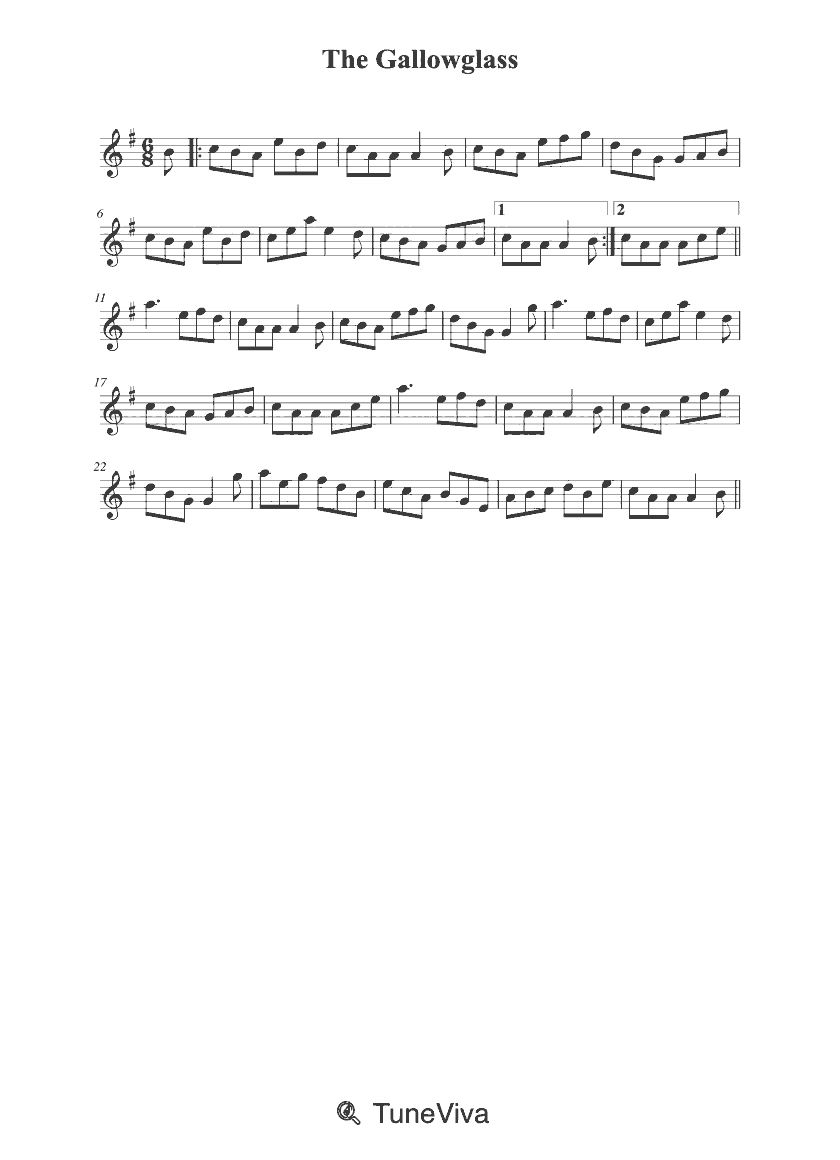
Misc tunes
24 sec · Score #102882
Open score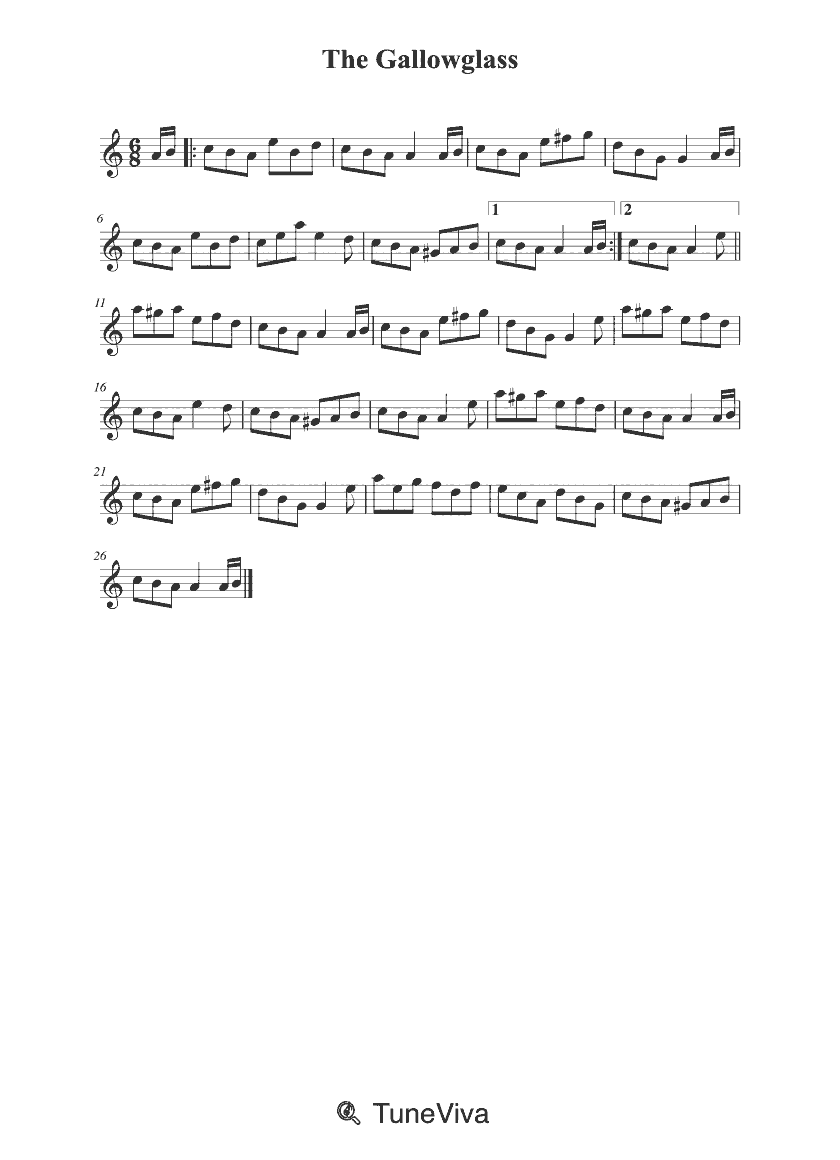
Misc tunes
24 sec · Score #114436
Open score
anon.
24 sec · Score #146854
Open scorePage 1 of 2
The three Gallowglass scores share an opening 6/8 time signature but differ in attribution and key signature. One score is credited to Niel Gow and opens with two sharps, one is labelled Traditional and opens with one sharp, and one carries no composer credit and opens with two sharps marked D major. These details are useful for comparison, but they do not establish which setting is authoritative or original.
Niel Gow's name appears on one score titled 'Niel Gow - The Gallowglass'. Other available scores call the piece Traditional or give no composer credit. Without a supporting reference, the attribution cannot be confirmed or dismissed, so treat the Gow credit as a labelled attribution to investigate rather than a settled fact.
Two Gallowglass scores begin with two sharps, and one of those is explicitly marked D major. The remaining score begins with one sharp. A one-sharp signature can suggest more than one tonal centre, so check the actual notation, including the final and any accidentals, rather than assuming the key from the signature alone.
The available scores do not specify instrumentation, difficulty or a verified edition. Compare the clef, range, key signature, accidentals and any bowing, fingering or ornament marks in the notation. Because each opening is in 6/8, the compound-duple pulse and phrase grouping are practical features to study in any version you select.
Catalogue duration 24 sec. Opening key signature: 2 sharps. Opening time signature: 6/8.
Catalogue duration 24 sec. Opening key signature: 1 sharp. Opening time signature: 6/8.
Catalogue duration 24 sec. Opening key signature: 2 sharps (D major). Opening time signature: 6/8.
The Gallowglass is a title given to short pieces in the available scores. One score is credited to Niel Gow, another is labelled Traditional, and a third has no composer credit.
Niel Gow is credited on one score titled 'Niel Gow - The Gallowglass', while other scores label the piece Traditional or leave the composer unnamed.
Every available Gallowglass score opens in 6/8. In 6/8 there are two main beats per bar, each normally divided into three eighth notes, which gives the music a lilting compound-duple feel rather than a simple two- or four-beat pulse.
The Gallowglass scores do not agree on key. Two openings have two sharps, and one of those is explicitly marked D major; the remaining opening has one sharp. The one-sharp score could indicate more than one tonal centre, so inspect the notation before choosing a key.
The Gallowglass scores differ in composer credit and opening key signature. One is credited to Niel Gow with two sharps, one is labelled Traditional with one sharp, and one has no composer name and two sharps marked D major.
Compare the notation directly — range, accidentals, repeated passages and ornamentation — and choose the setting that suits your instrument and reading level.