
Maid on the Green -- Jig
Misc tunes
24 sec · Score #18239
Open scoreThe Maid On The Green sheet music is represented here by several scored versions, including one explicitly labelled “Maid on the Green -- Jig”. The available scores all open in G major with one sharp and in 6/8 time. No composer is credited in the records, so the page sticks to what the scores themselves show rather than attributing the tune to a named composer.
Scores 1–20 of 27
Misc tunes
24 sec · Score #18239
Open score
Misc tunes
48 sec
Open score
Misc tunes
30 sec · Score #21749
Open score
Misc tunes
1 min 24 sec
Open score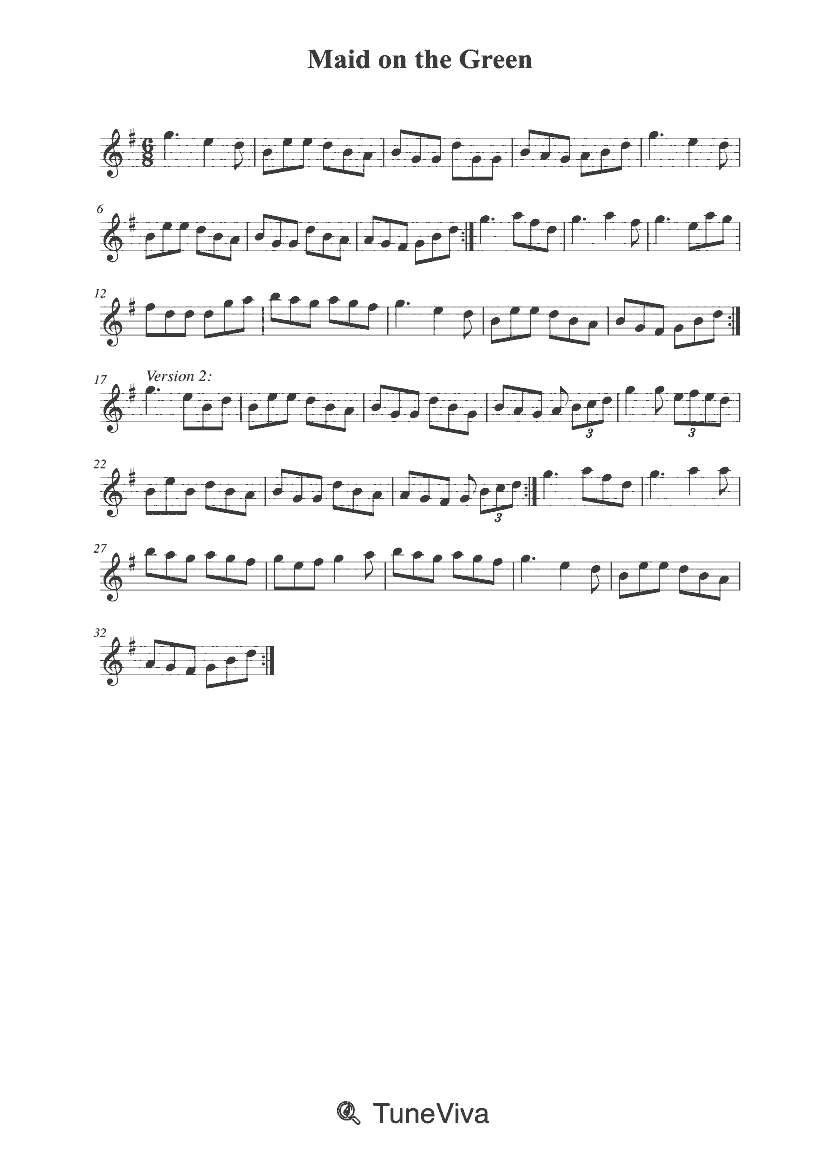
Misc tunes
1 min 24 sec
Open score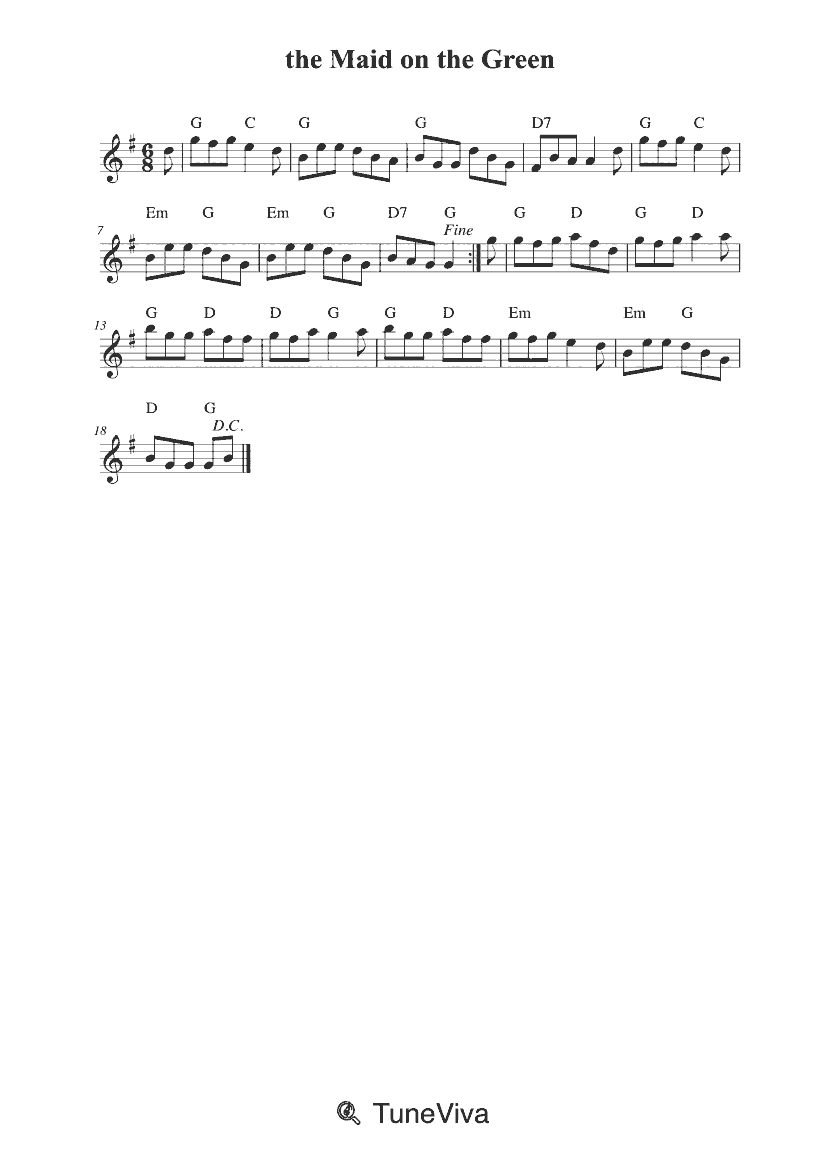
Misc tunes
30 sec · Score #171702
Open score
anon.
25 sec
Open score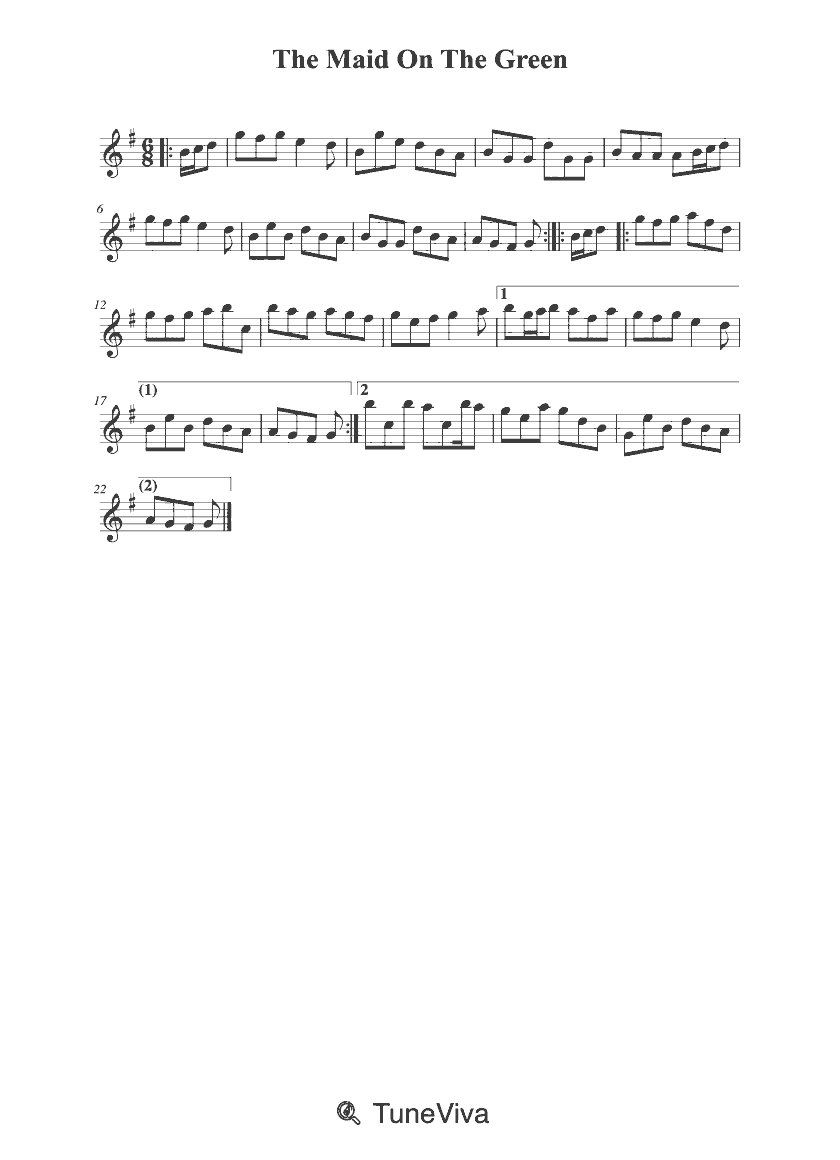
Misc tunes
24 sec · Score #42890
Open score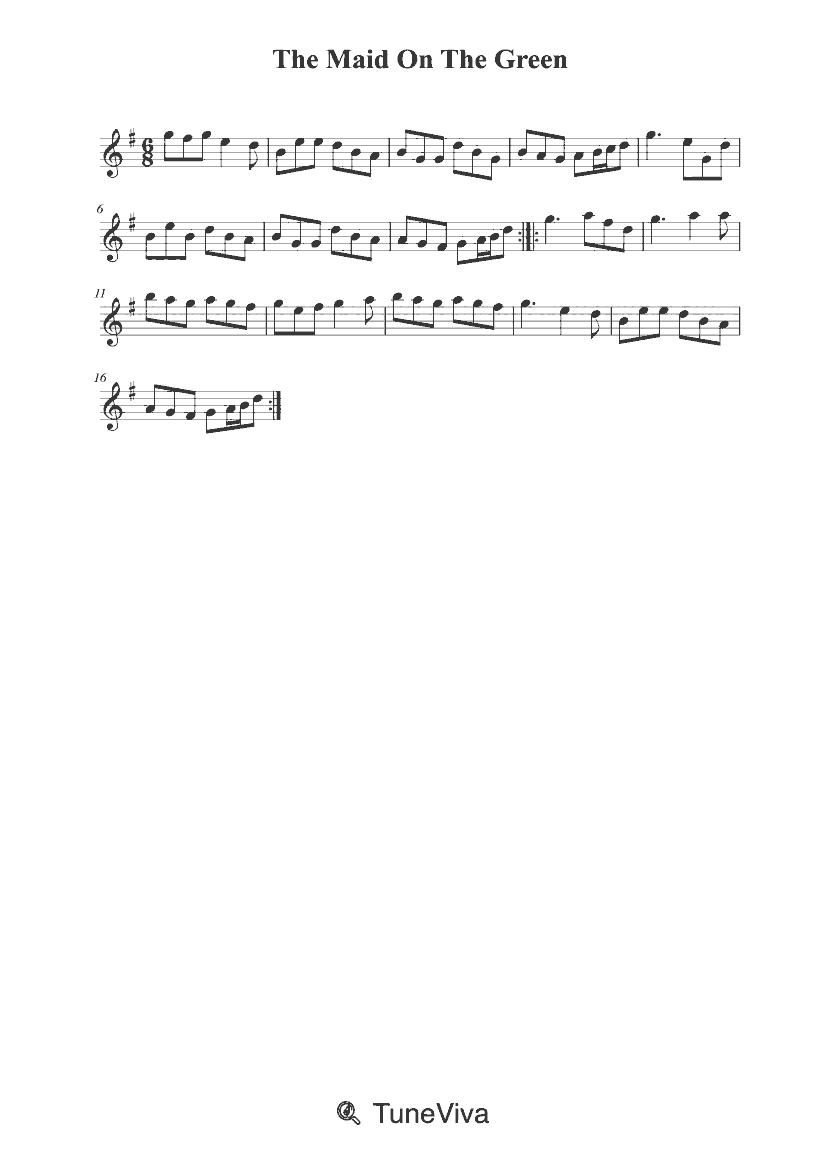
Misc tunes
24 sec · Score #75602
Open score
after Chief F. O'Neill
42 sec
Open score
anon.
28 sec · Score #148822
Open score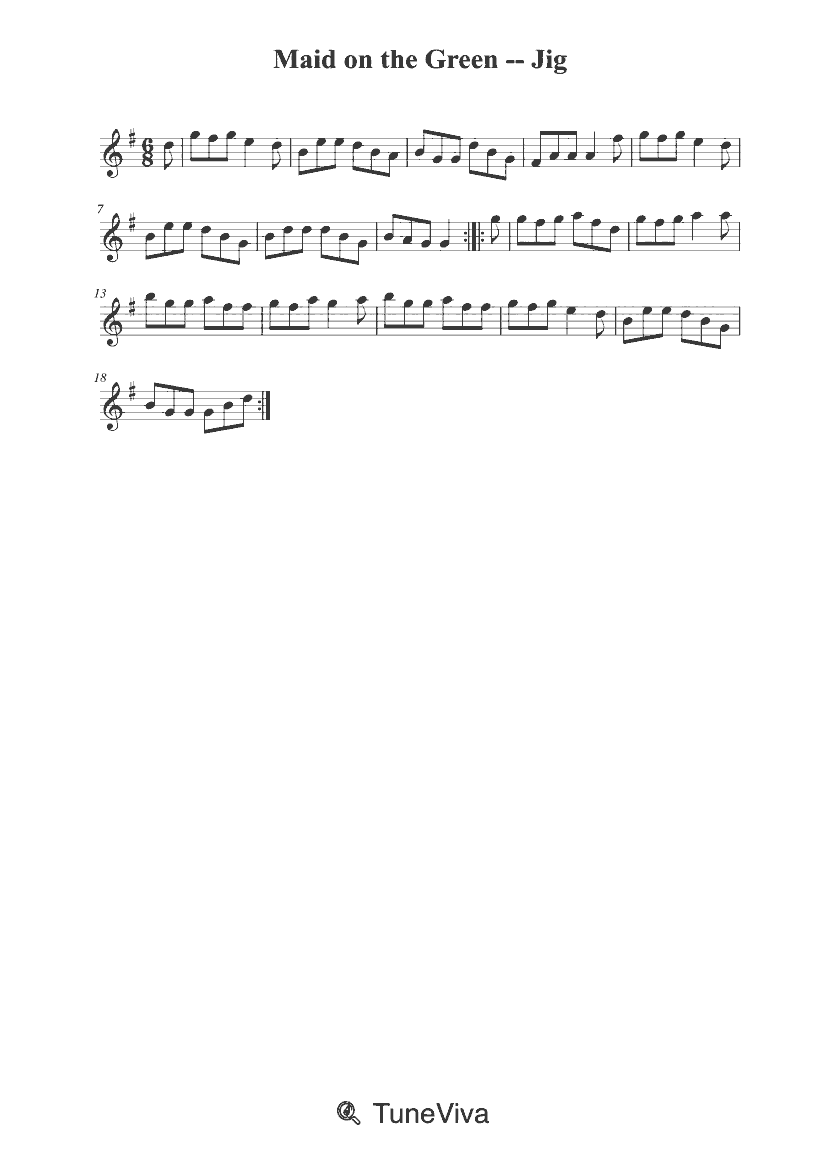
Misc tunes
24 sec · Score #246575
Open score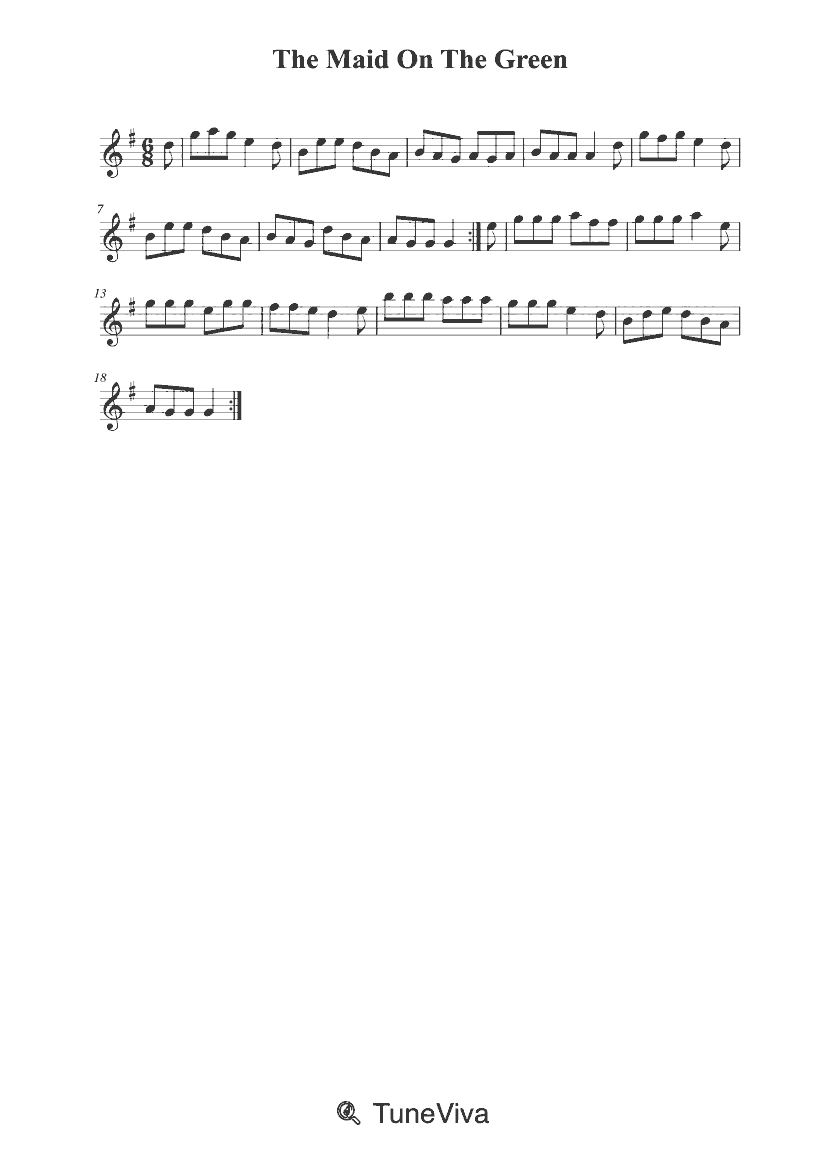
Misc tunes
30 sec · Score #13254
Open score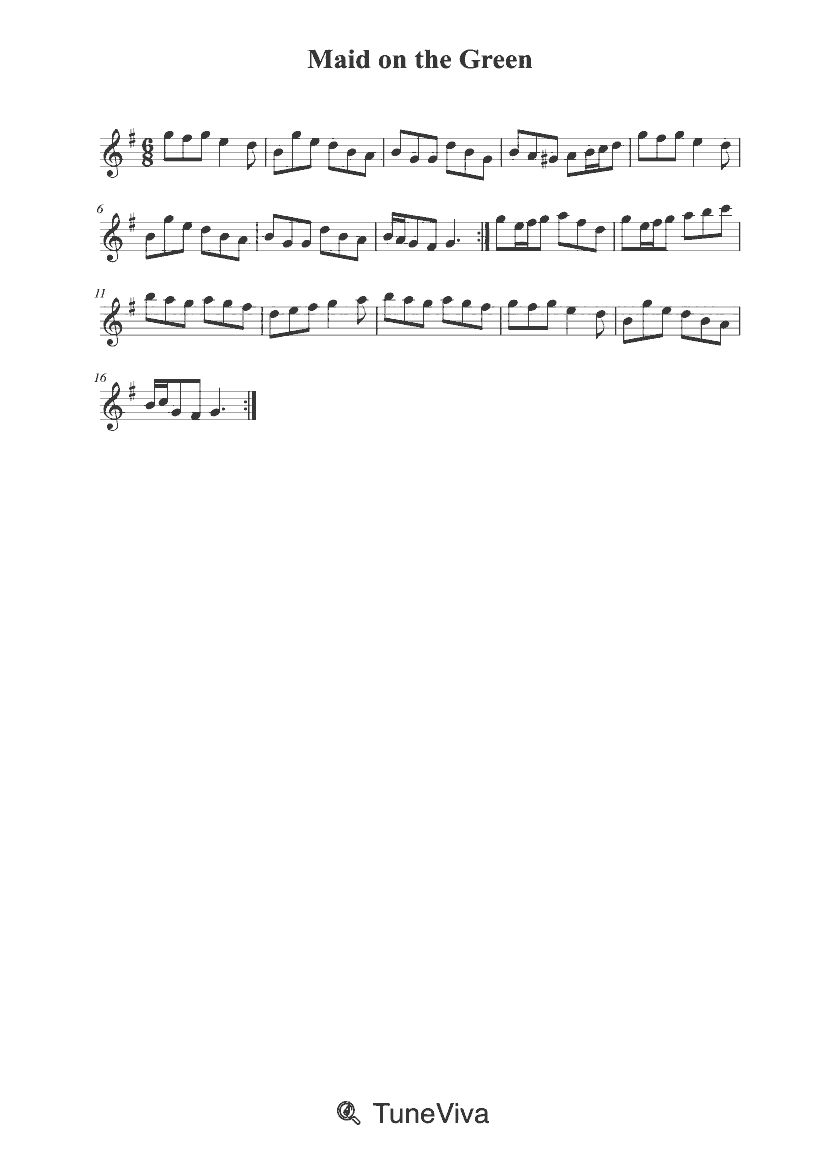
Misc tunes
30 sec · Score #27393
Open score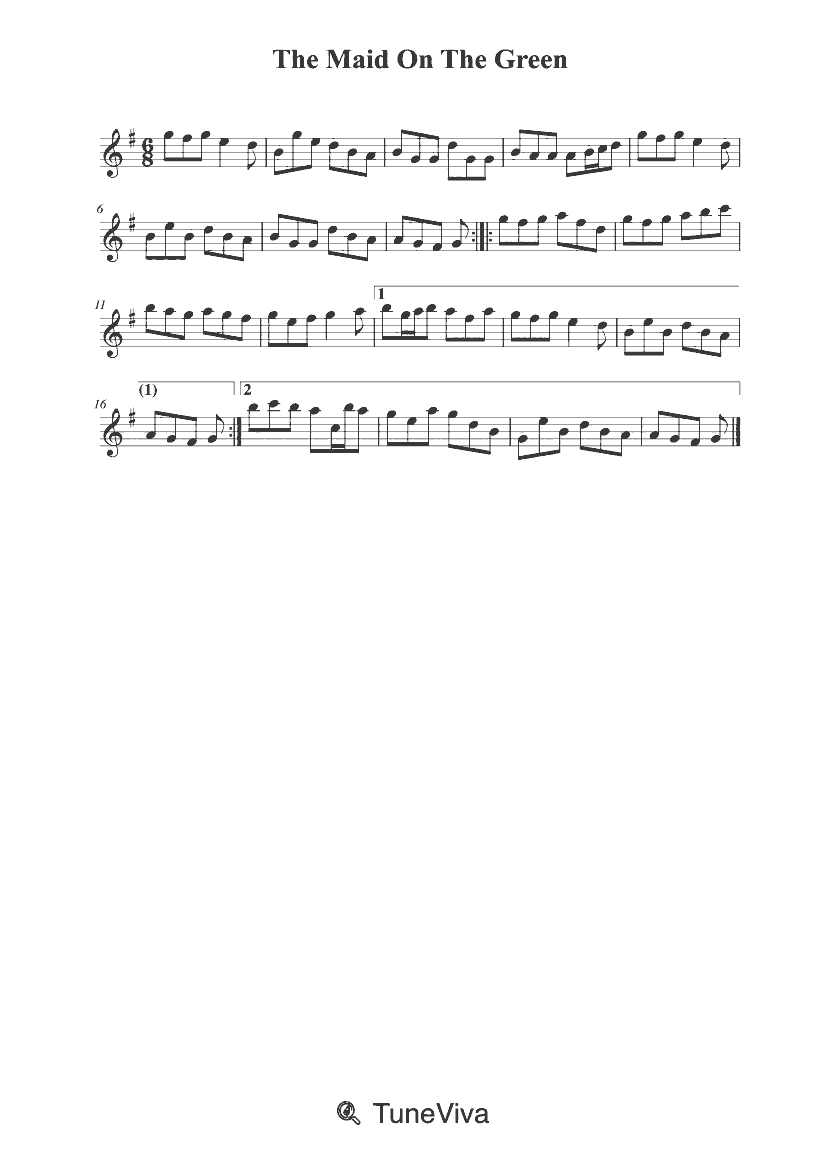
Misc tunes
23 sec
Open score
anon.
28 sec · Score #84292
Open score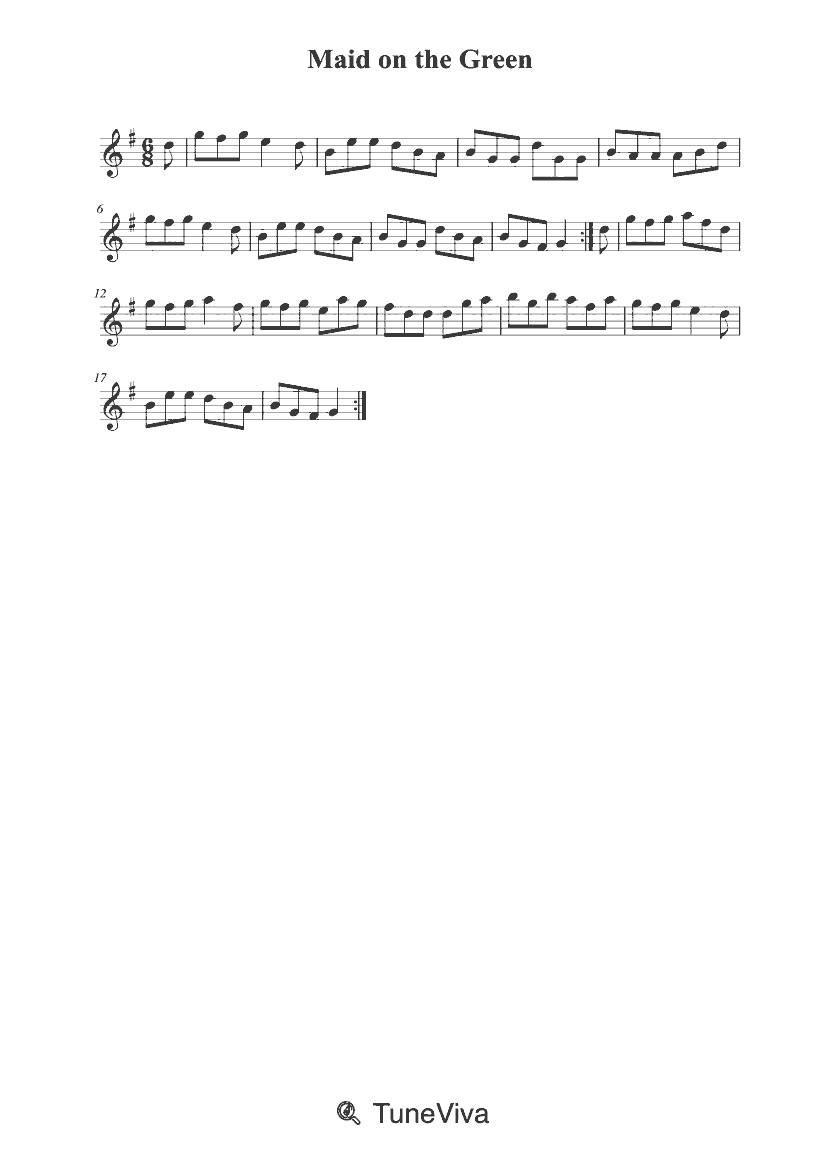
Misc tunes
30 sec · Score #87818
Open score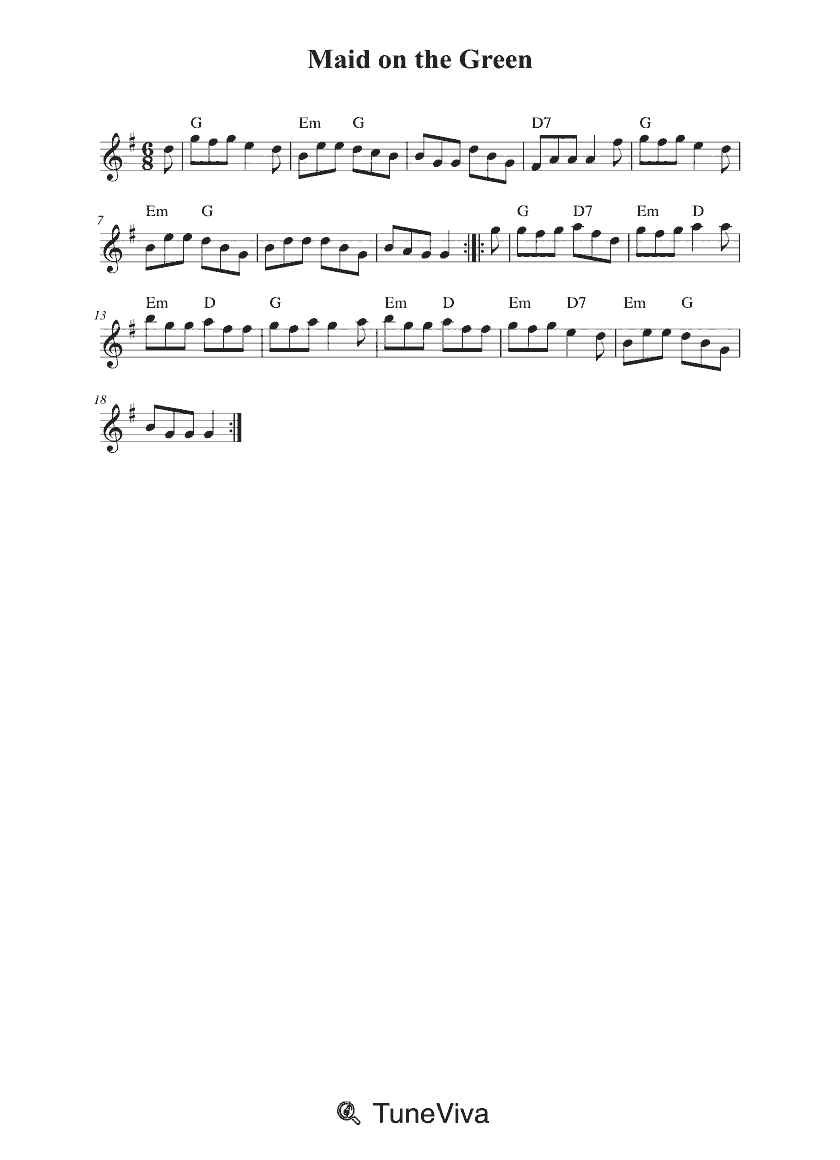
J-50
24 sec
Open score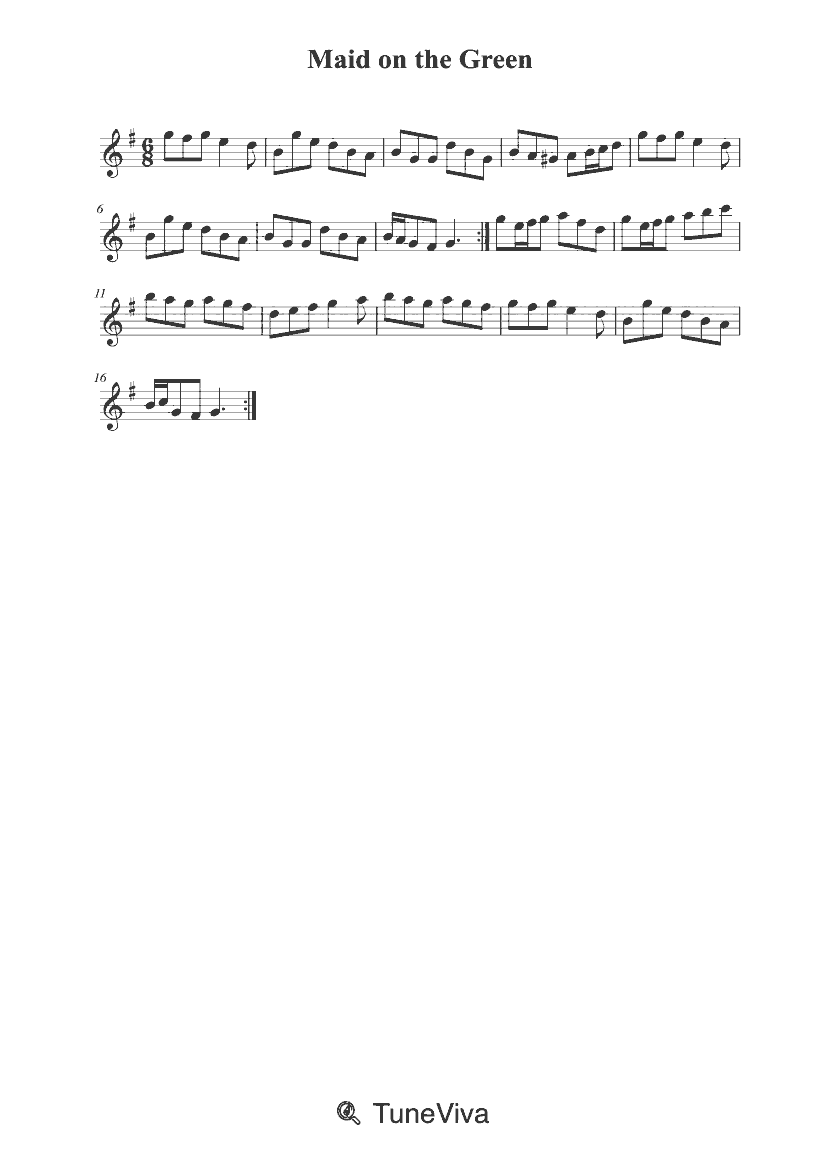
Misc tunes
30 sec · Score #243685
Open score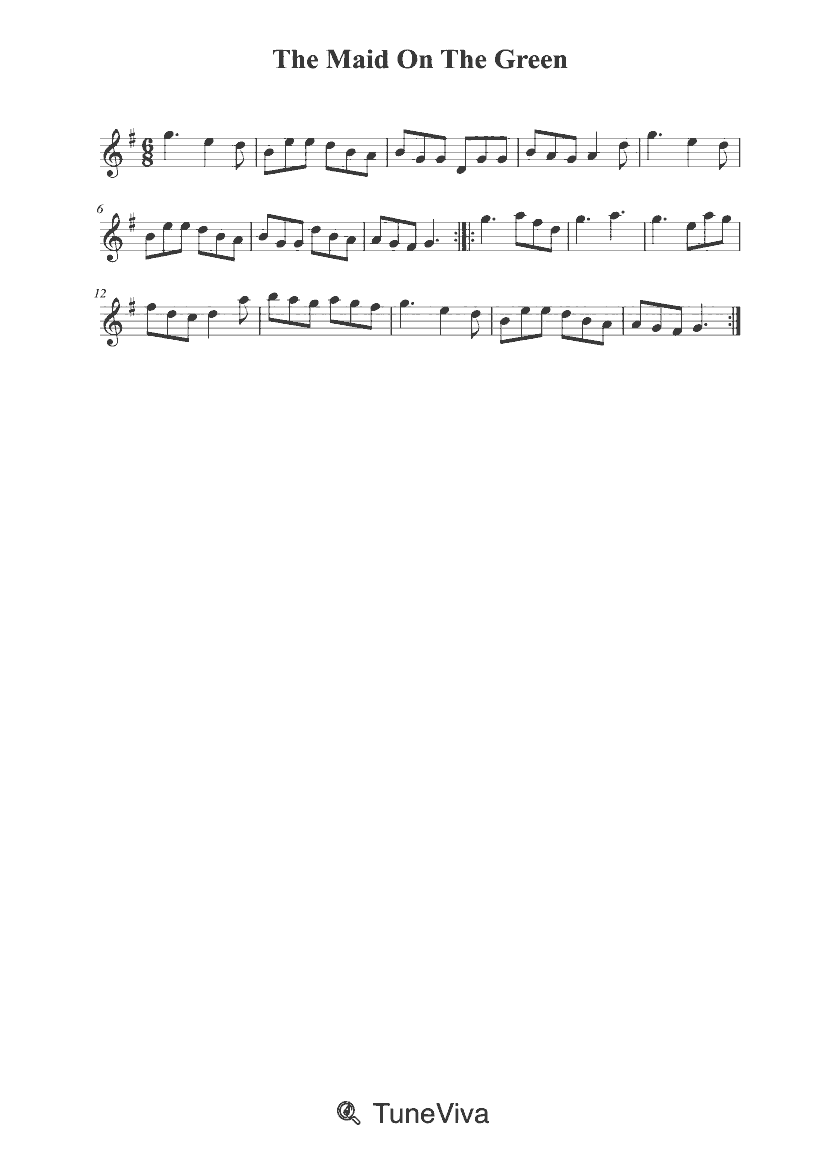
Misc tunes
24 sec · Score #16954
Open scorePage 1 of 2
The supplied scores share a one-sharp opening key signature and 6/8 time. One title includes the word “Jig”, which is the clearest genre signal in the records. The scores carry different note counts and listed durations, so they are not identical in length even where the title matches closely.
All three scores are notated in 6/8, and one is explicitly titled as a jig. That shared metre is the most reliable practical starting point when comparing the versions: check how each score groups and phrases the bars before deciding which notation suits your reading.
The three scores list 180, 225 and 334 notes, with listed durations of roughly 24, 30 and 48 seconds. These figures describe individual scores rather than a definitive work length. Use them only as a rough comparison of how much notation each version contains.
The available records do not name a composer, instrument, historical source or region for The Maid On The Green. They also do not confirm whether the three scores are the same setting, close variants or separate arrangements. Treat the shared key and metre as the strongest evidence, and check the notation itself for further differences.
Catalogue duration 24 sec. Opening key signature: 1 sharp (G major). Opening time signature: 6/8.
Catalogue duration 48 sec. Opening key signature: 1 sharp (G major). Opening time signature: 6/8.
Catalogue duration 30 sec. Opening key signature: 1 sharp (G major). Opening time signature: 6/8.
The Maid On The Green is a tune title represented by several sheet-music scores in the available records. One score is labelled “Maid on the Green -- Jig”, and all three supplied versions open in G major with one sharp and in 6/8 time. No composer is credited for the tune in these records.
All three supplied scores for The Maid On The Green open with one sharp, indicating G major, and are notated in 6/8 time. The 6/8 metre, together with the “Jig” label on one score, is the main style clue in the available details.
No composer is named in the supplied score records for The Maid On The Green.
The three scores differ in notated length: they list 180, 225 and 334 notes, with listed durations of roughly 24, 30 and 48 seconds. All three share G major and 6/8 time, but the records do not identify whether the differences reflect separate settings, arrangements or simply different transcriptions.
The version with 334 notes and a listed duration of about 48 seconds is the longest of the three supplied scores. The 180-note version is the shortest, with a listed duration of about 24 seconds. These figures are useful for comparing notated length, not for judging difficulty.
The records do not contain enough detail to confirm whether the three scores are the same arrangement. They share the same opening key and metre, but their titles vary slightly and their note counts and listed durations differ, so the notation itself would need to be compared.