
The Mountain Top
Misc tunes
1 min 4 sec · Score #64561
Open scoreThe Mountain Top sheet music is available in scores that share the title but do not name a composer. The versions differ at the opening: two begin in G major, one in 4/4 and one in 2/2, while a third begins in B♭ major in 2/4. Because no composer or single original is identified, the practical way to choose is to compare each score’s opening key, meter, and notation rather than treating one version as definitive.
Scores 1–20 of 21
Misc tunes
1 min 4 sec · Score #64561
Open score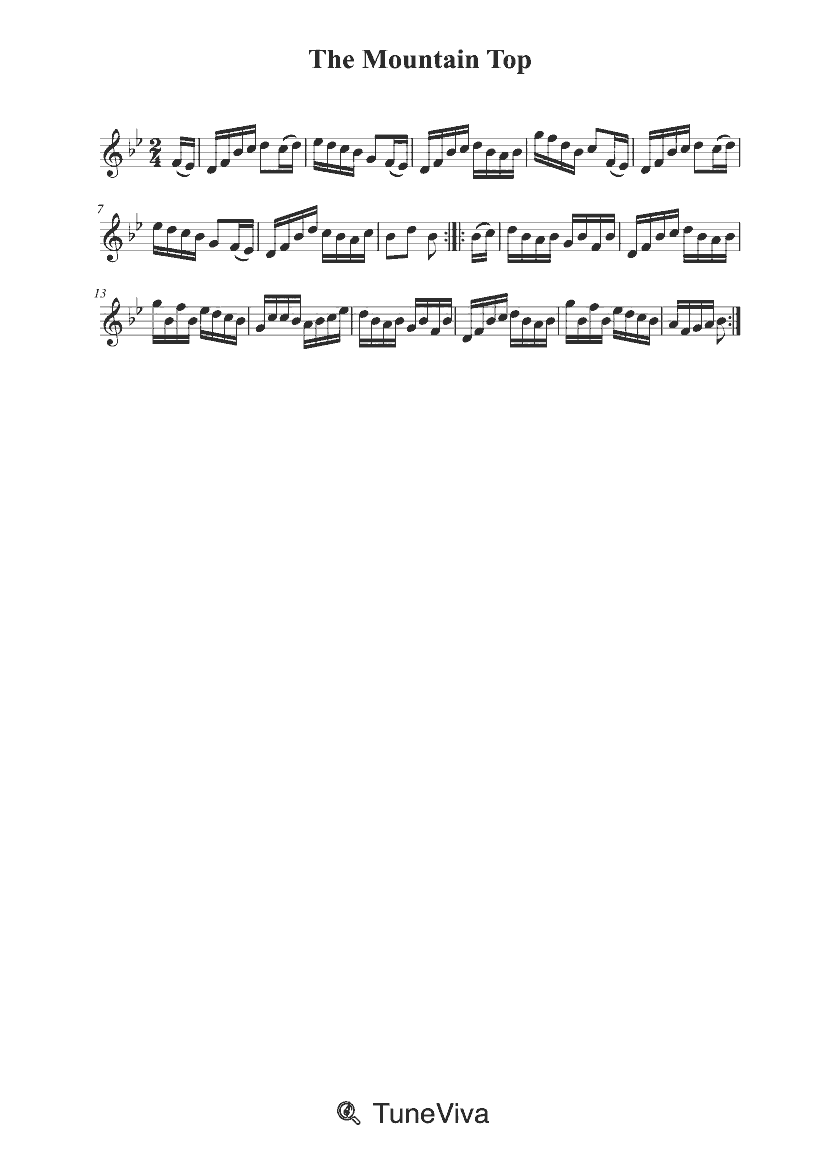
Misc tunes
32 sec · Score #244378
Open score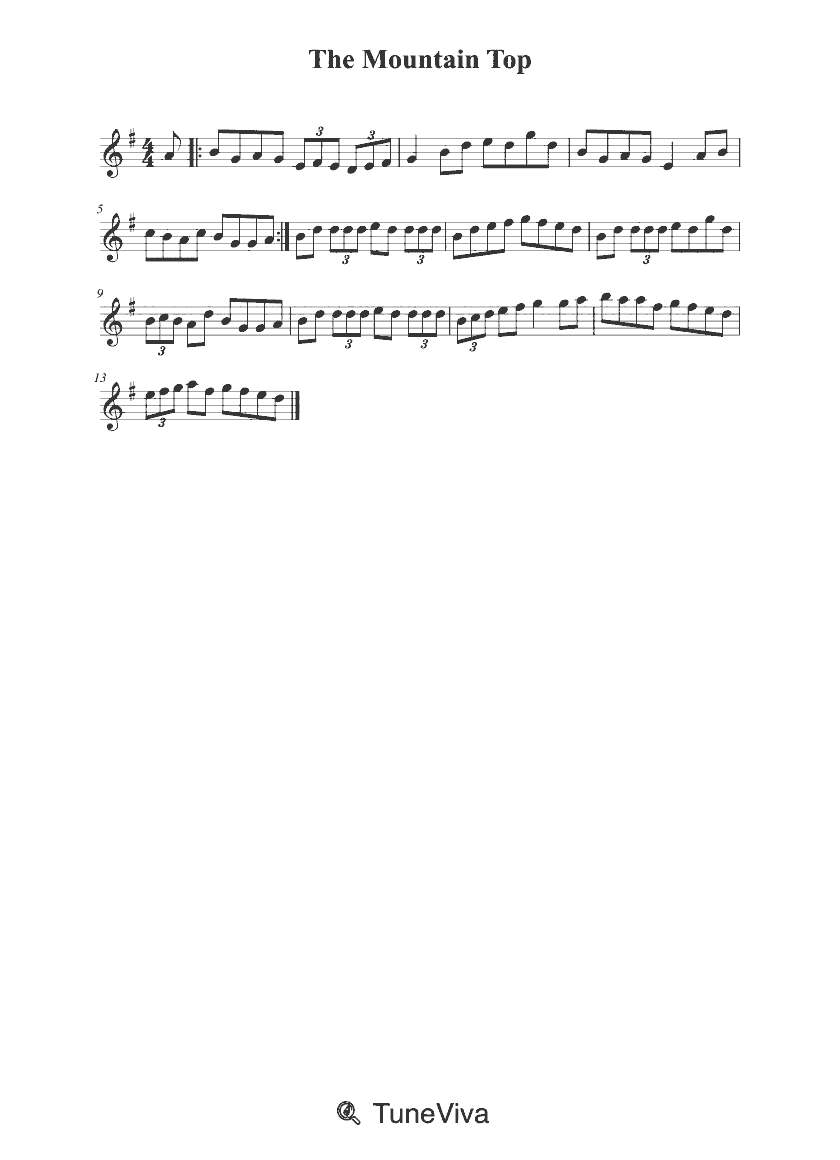
Misc tunes
32 sec · Score #45881
Open score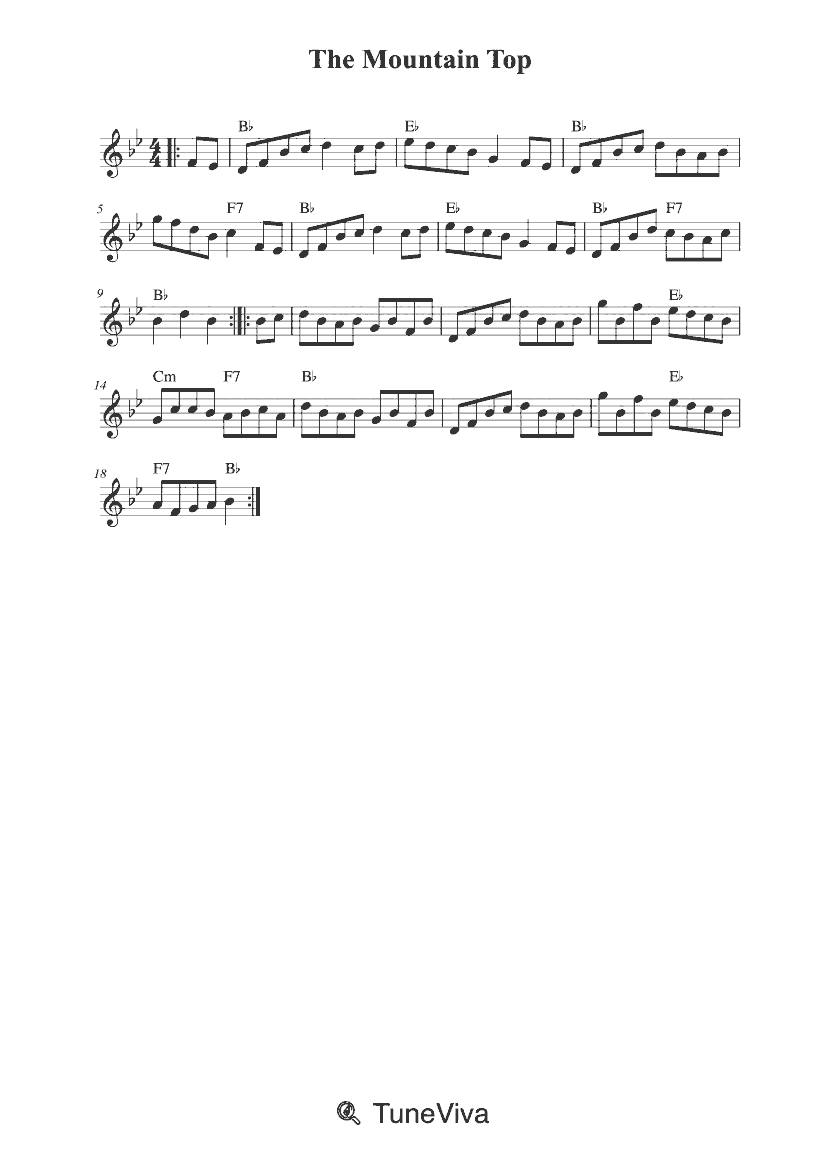
Misc tunes
1 min 4 sec · Score #24125
Open score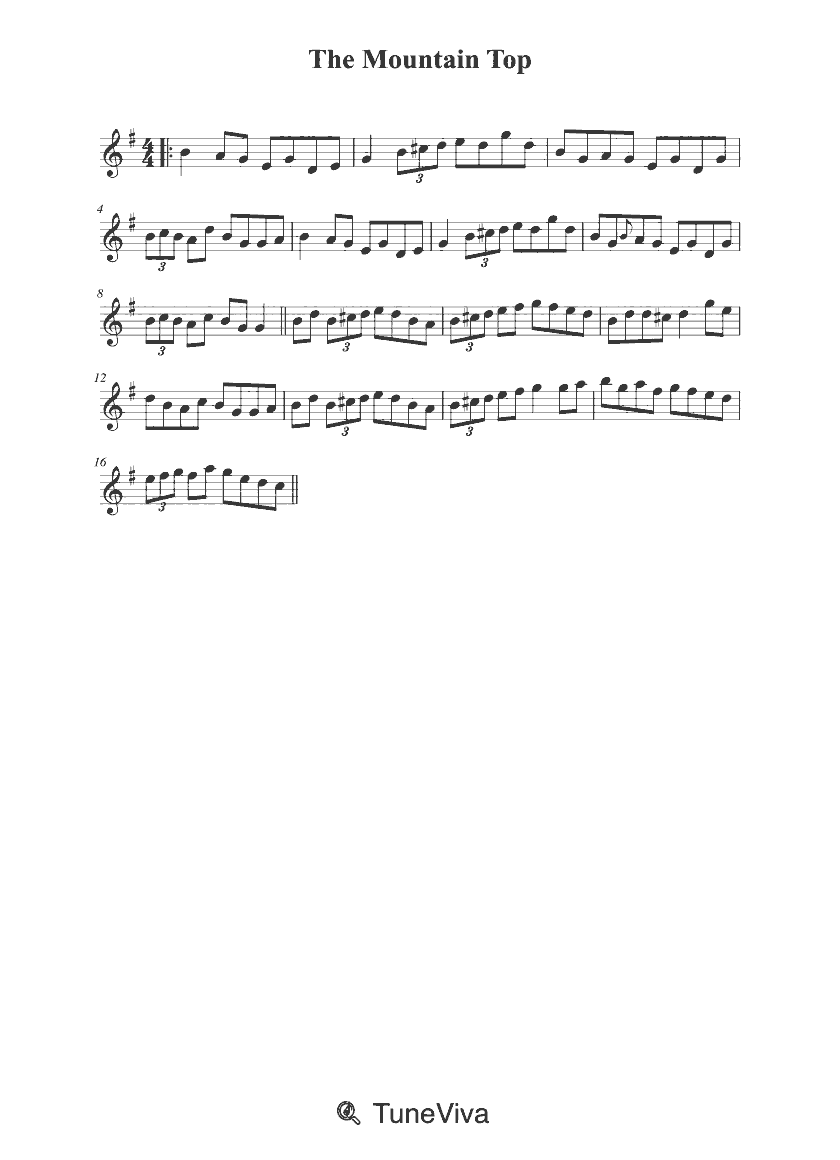
Misc tunes
1 min 4 sec · Score #110535
Open score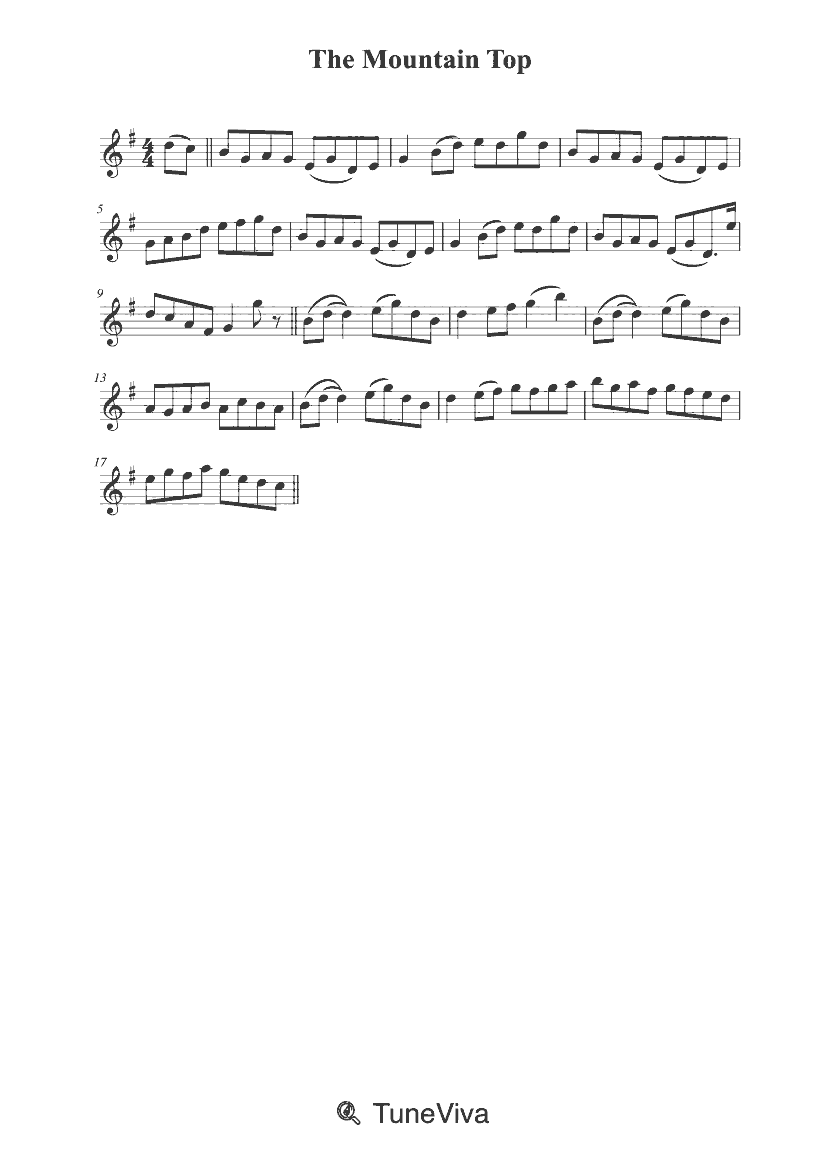
Misc tunes
32 sec · Score #166546
Open score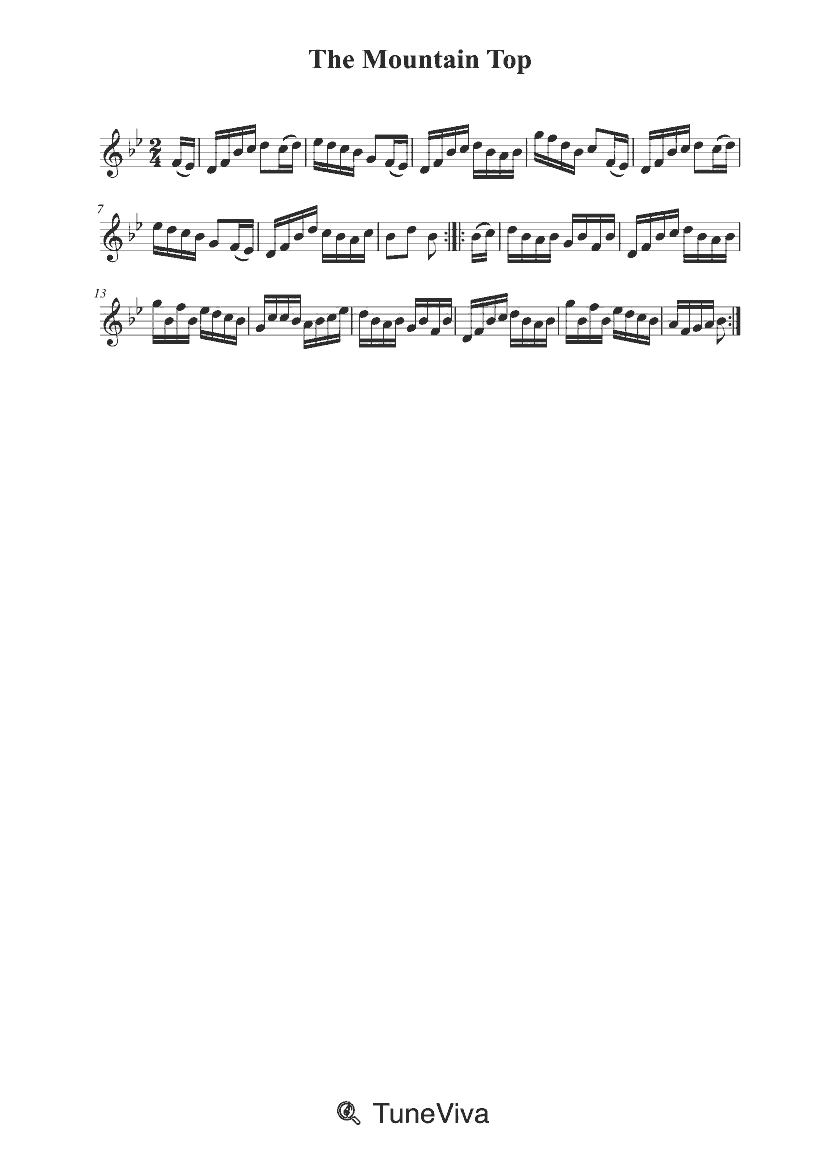
Misc tunes
32 sec · Score #202591
Open score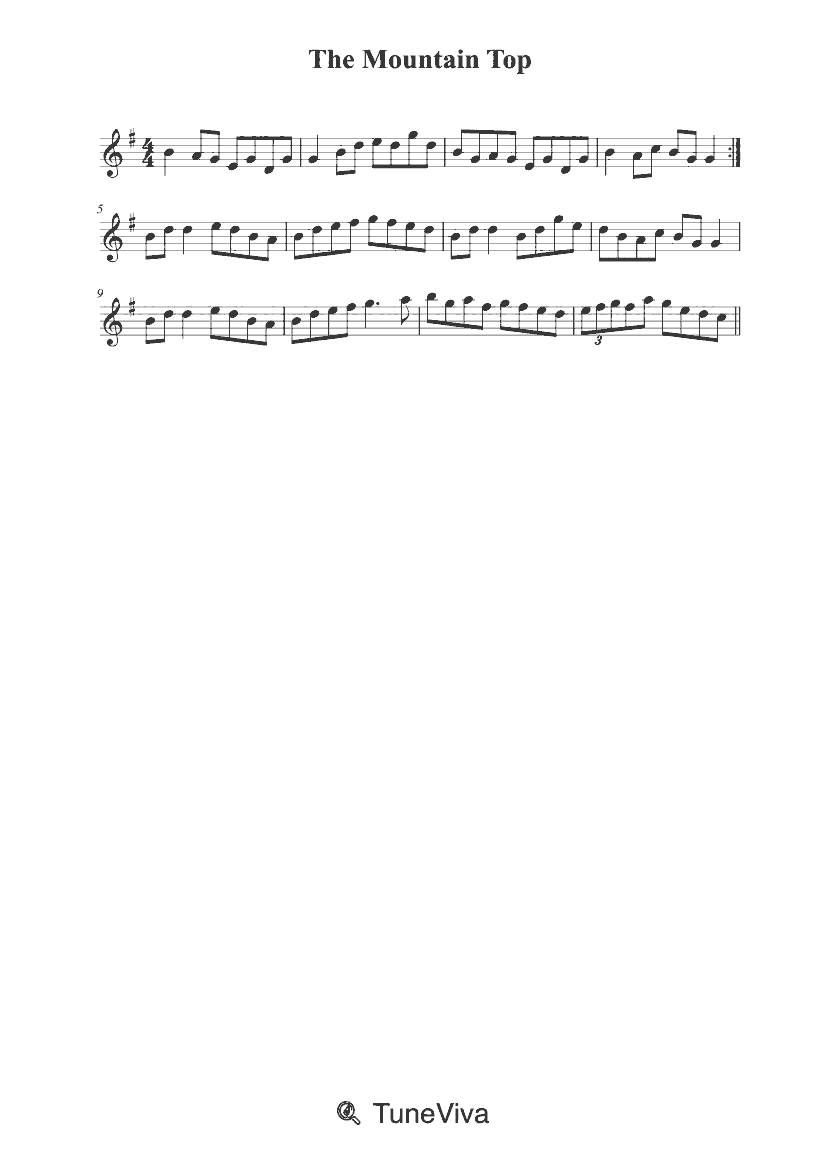
Misc tunes
32 sec · Score #229281
Open score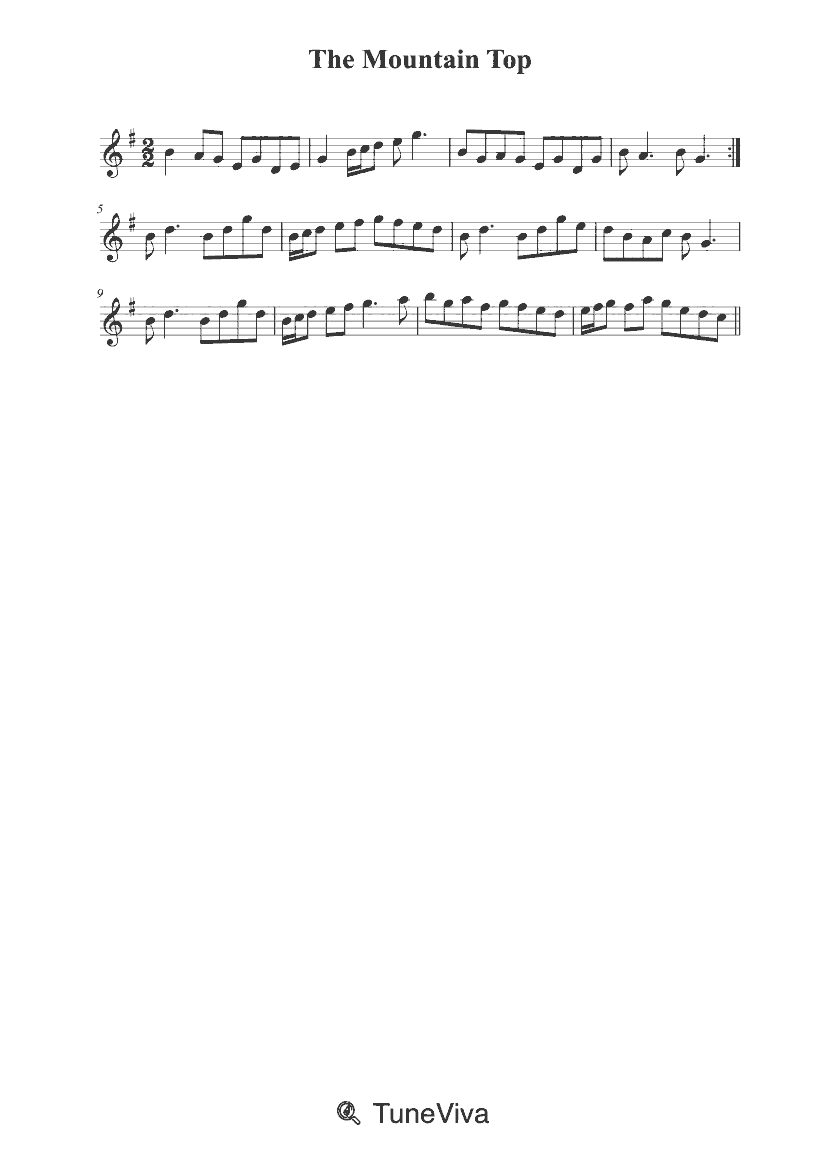
Misc tunes
1 min 4 sec · Score #1510
Open score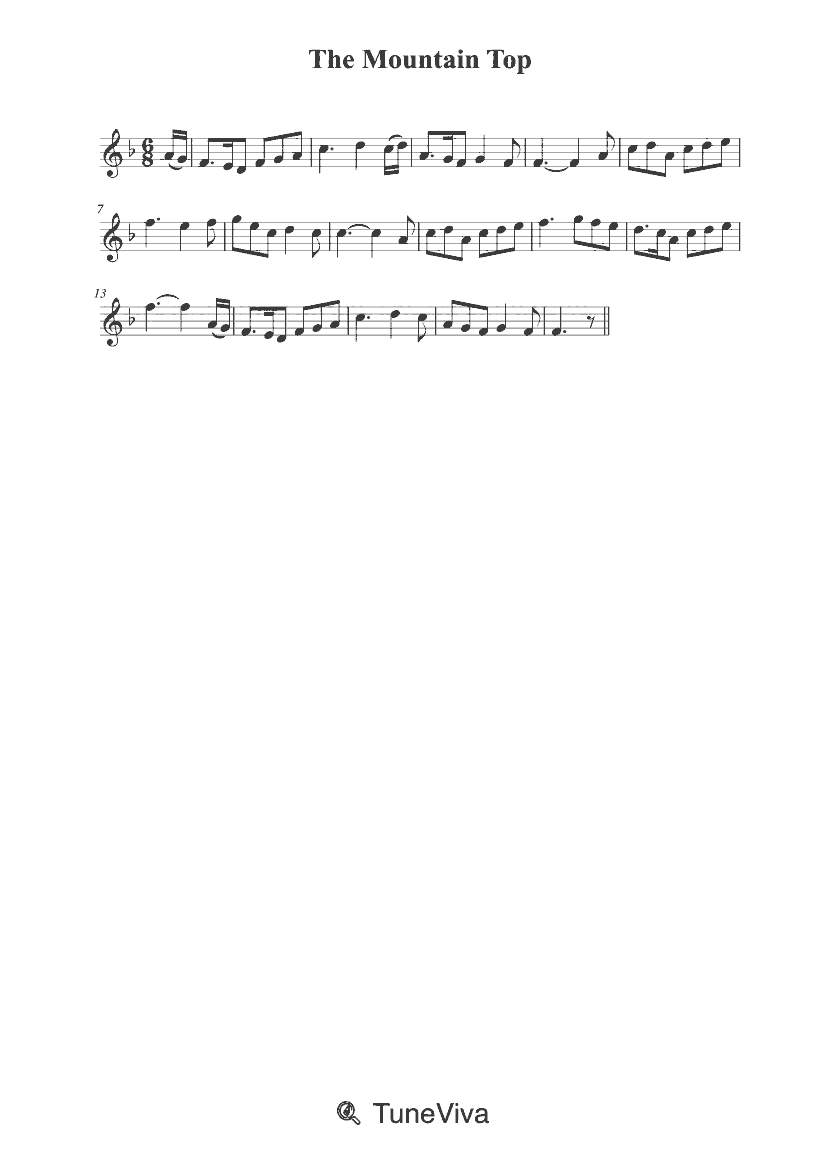
Misc tunes
12 sec · Score #21441
Open score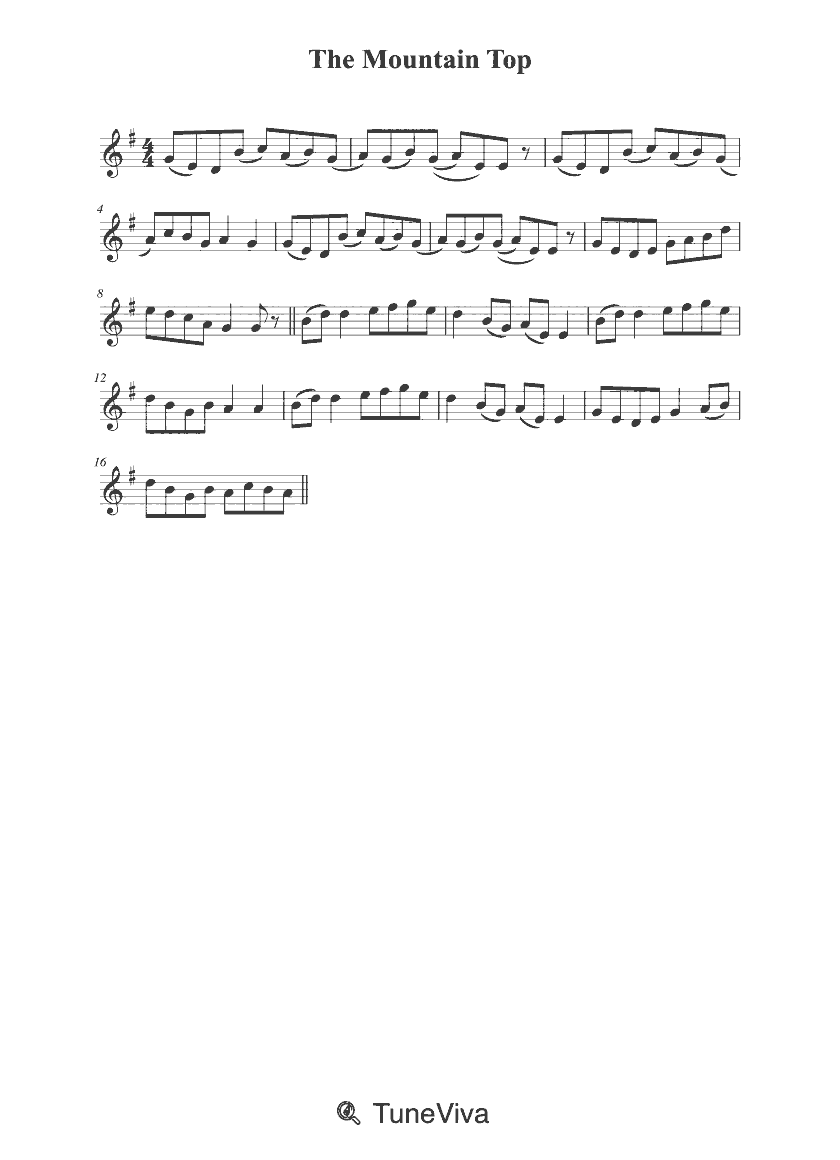
Misc tunes
32 sec · Score #27521
Open score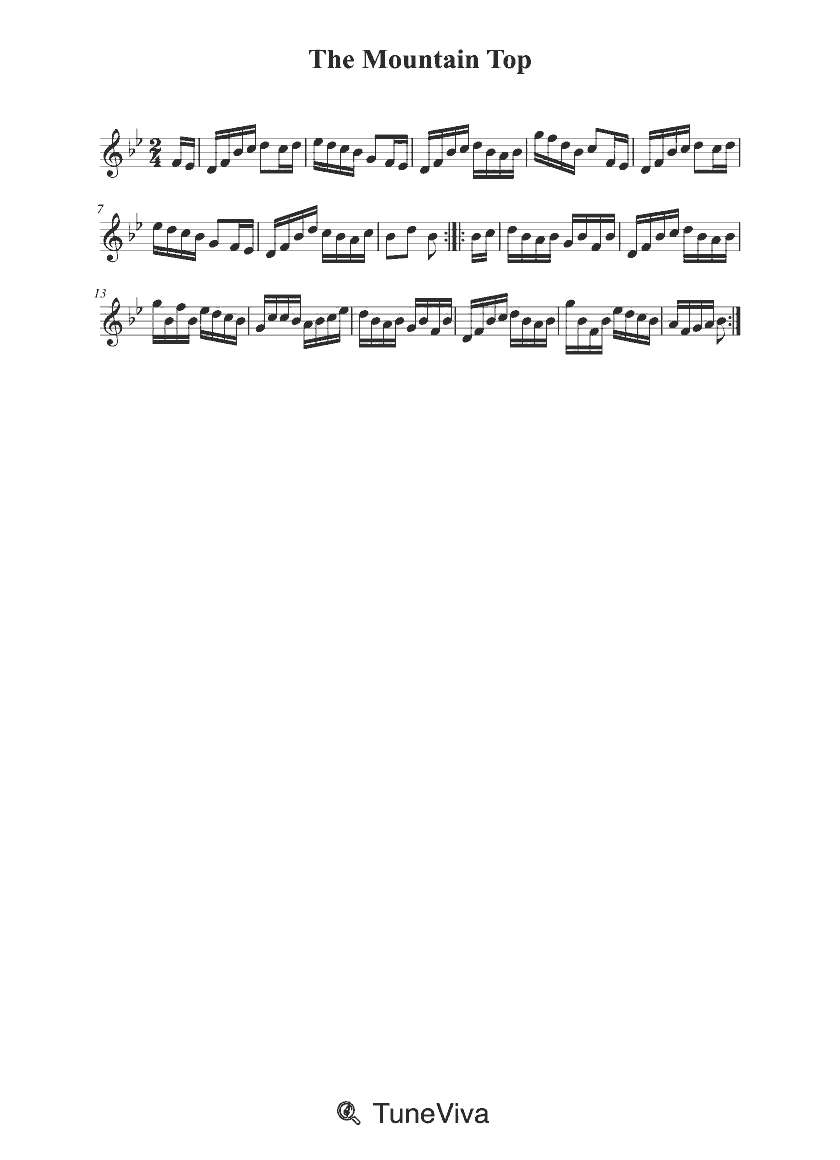
Misc tunes
32 sec · Score #47953
Open score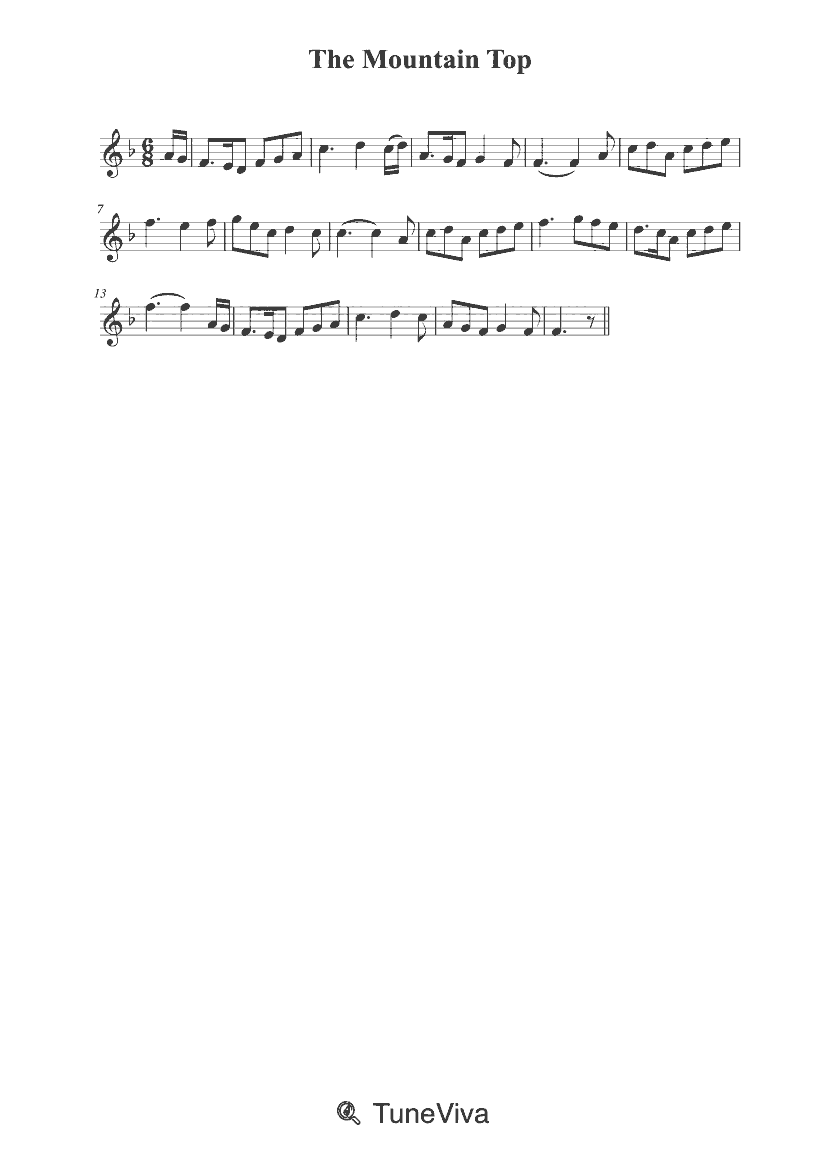
Misc tunes
12 sec · Score #48098
Open score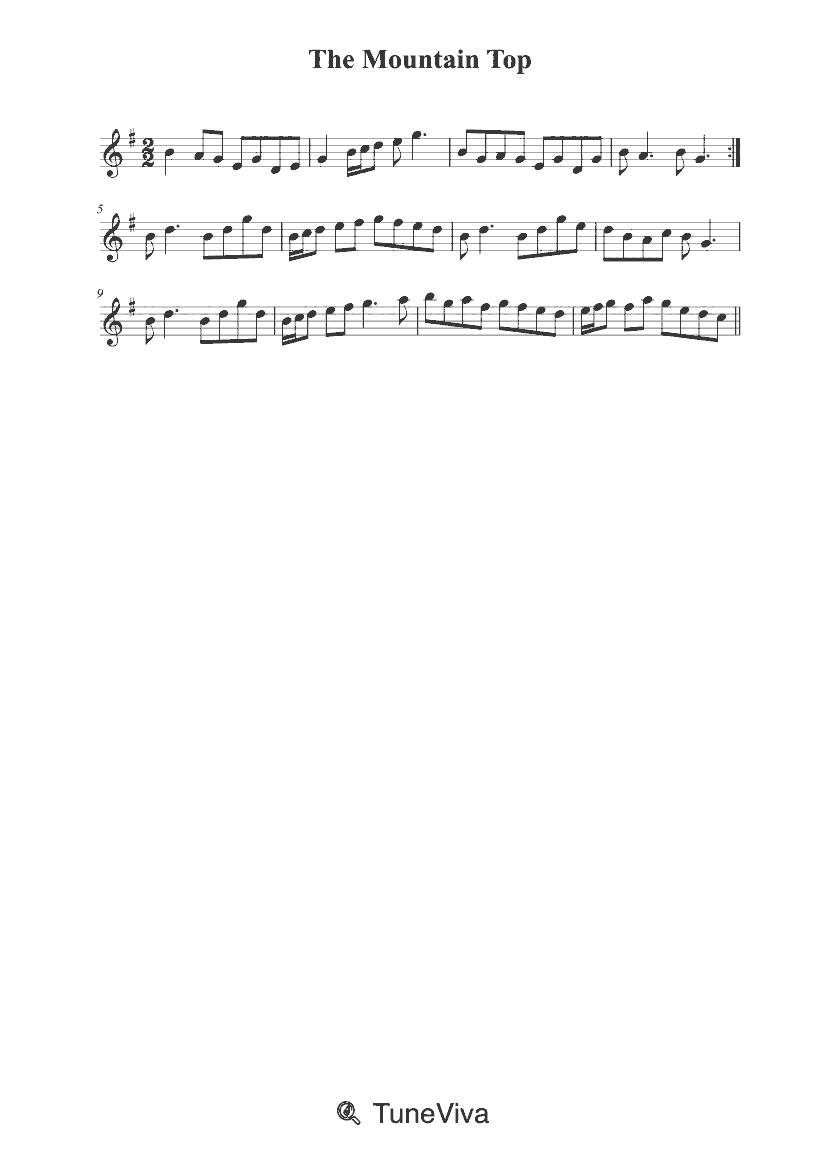
Misc tunes
1 min 4 sec · Score #142424
Open score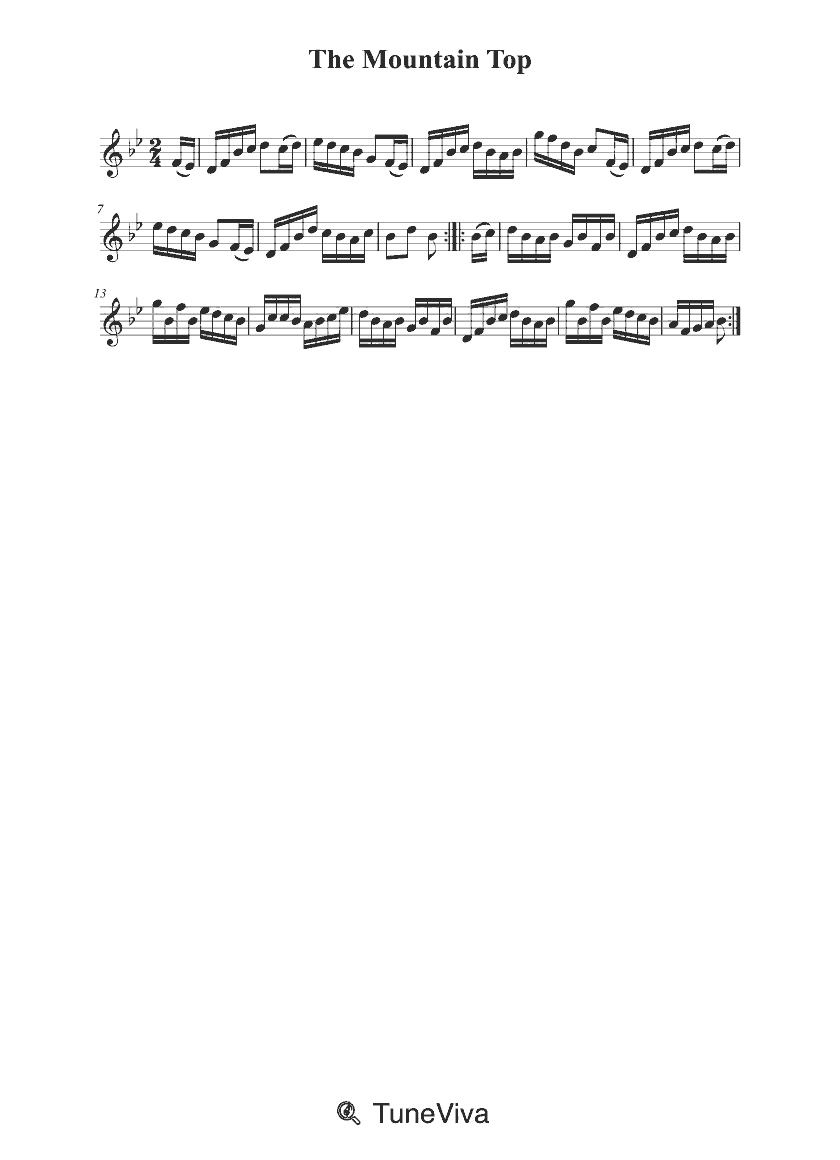
Misc tunes
32 sec · Score #174921
Open score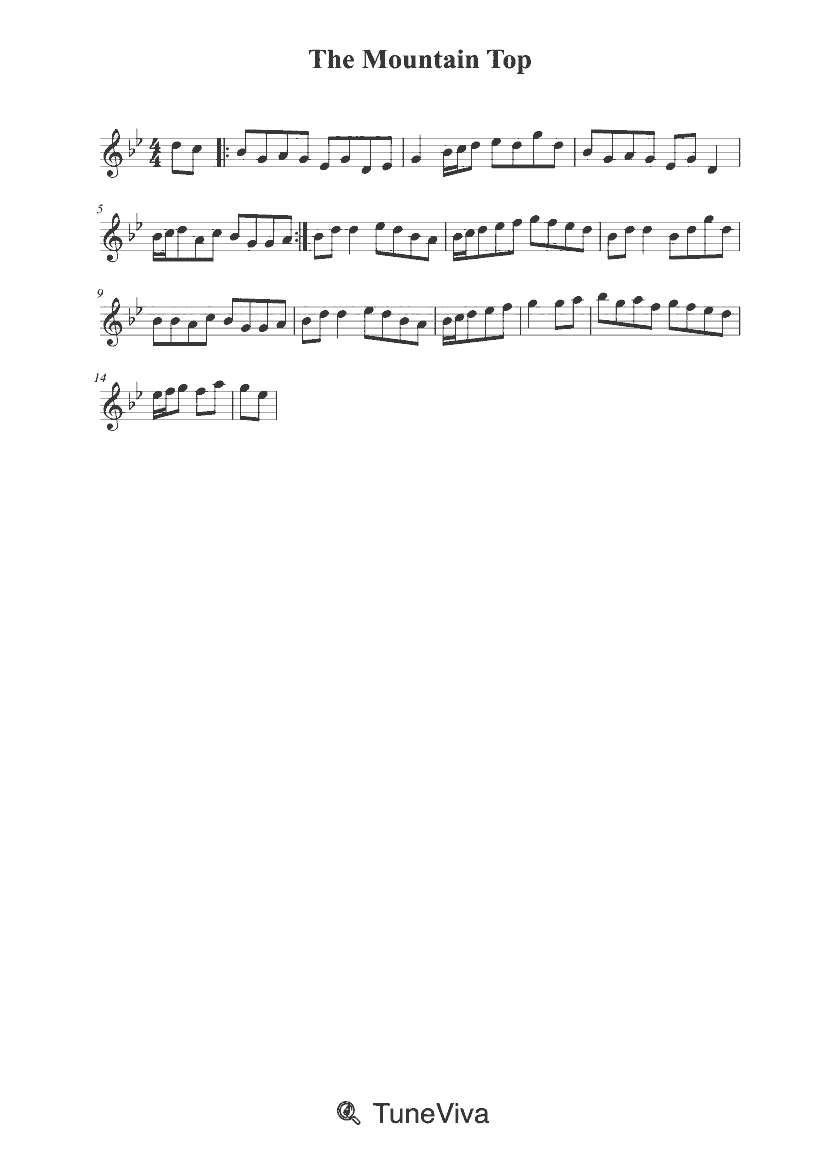
Misc tunes
33 sec
Open score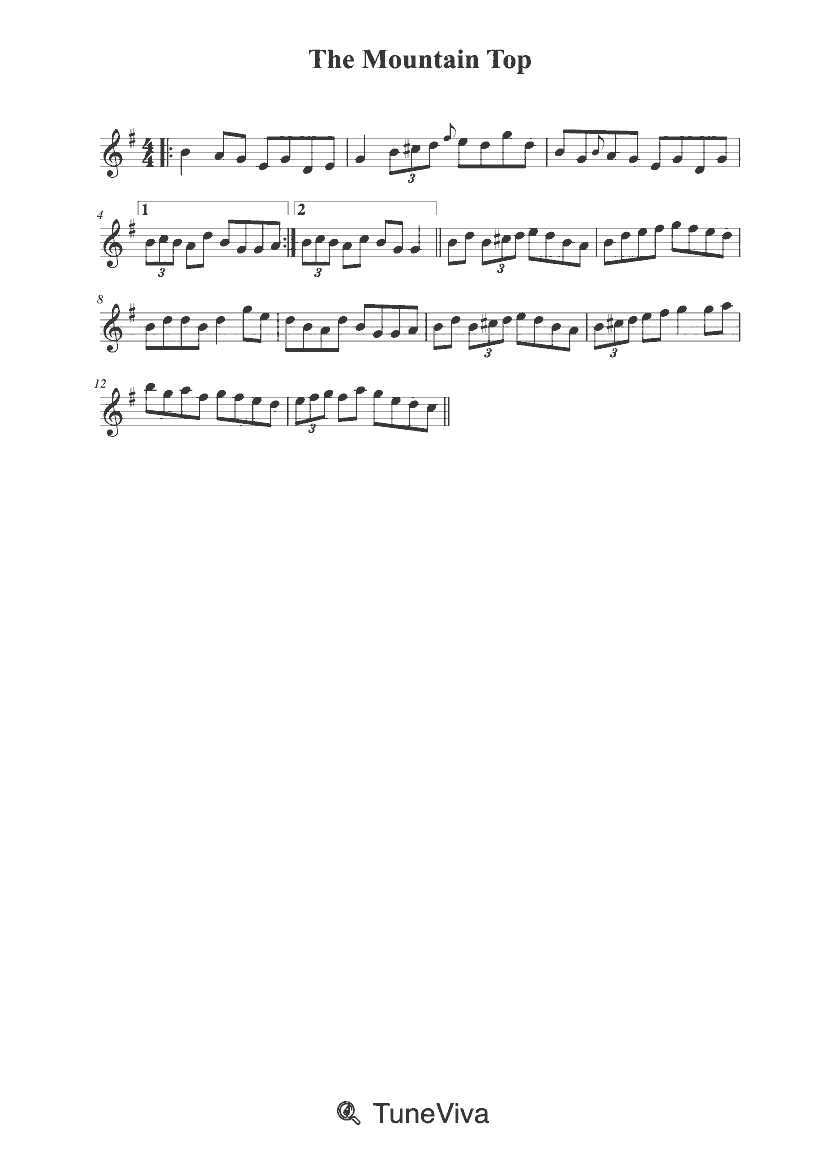
Misc tunes
32 sec · Score #29087
Open score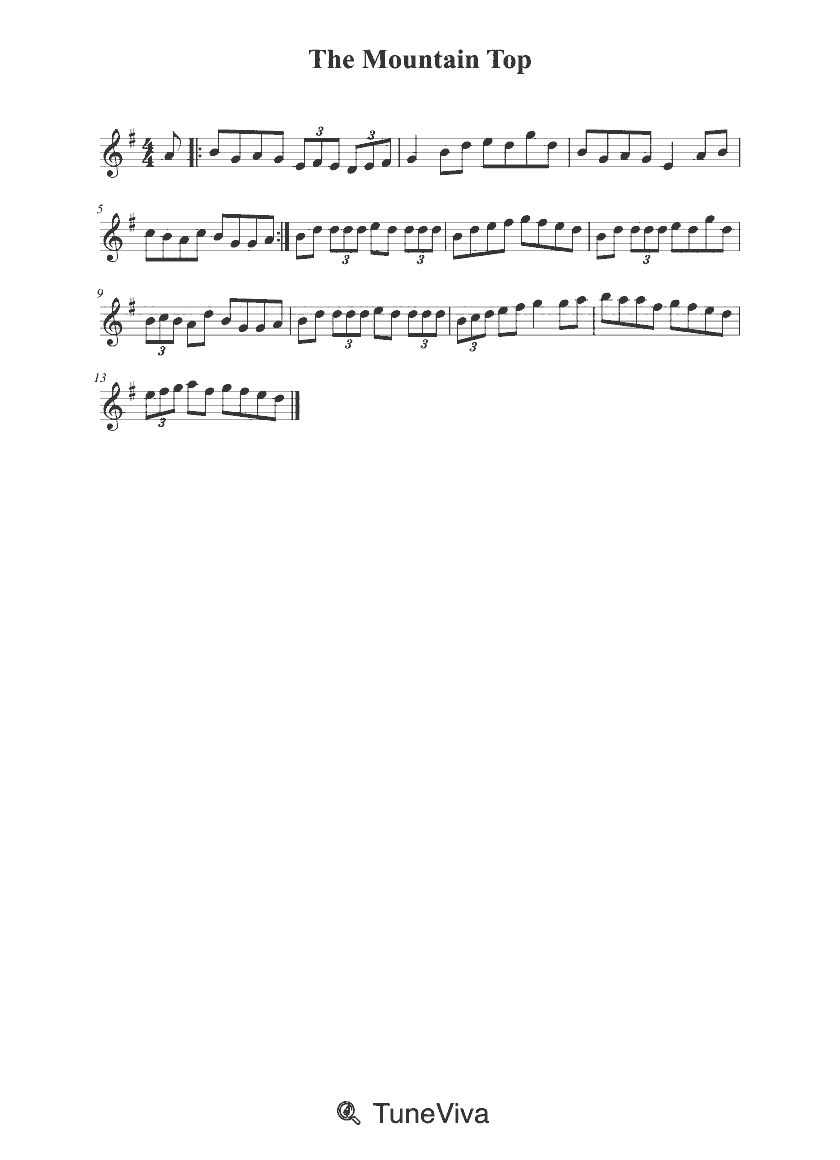
Misc tunes
32 sec · Score #81467
Open score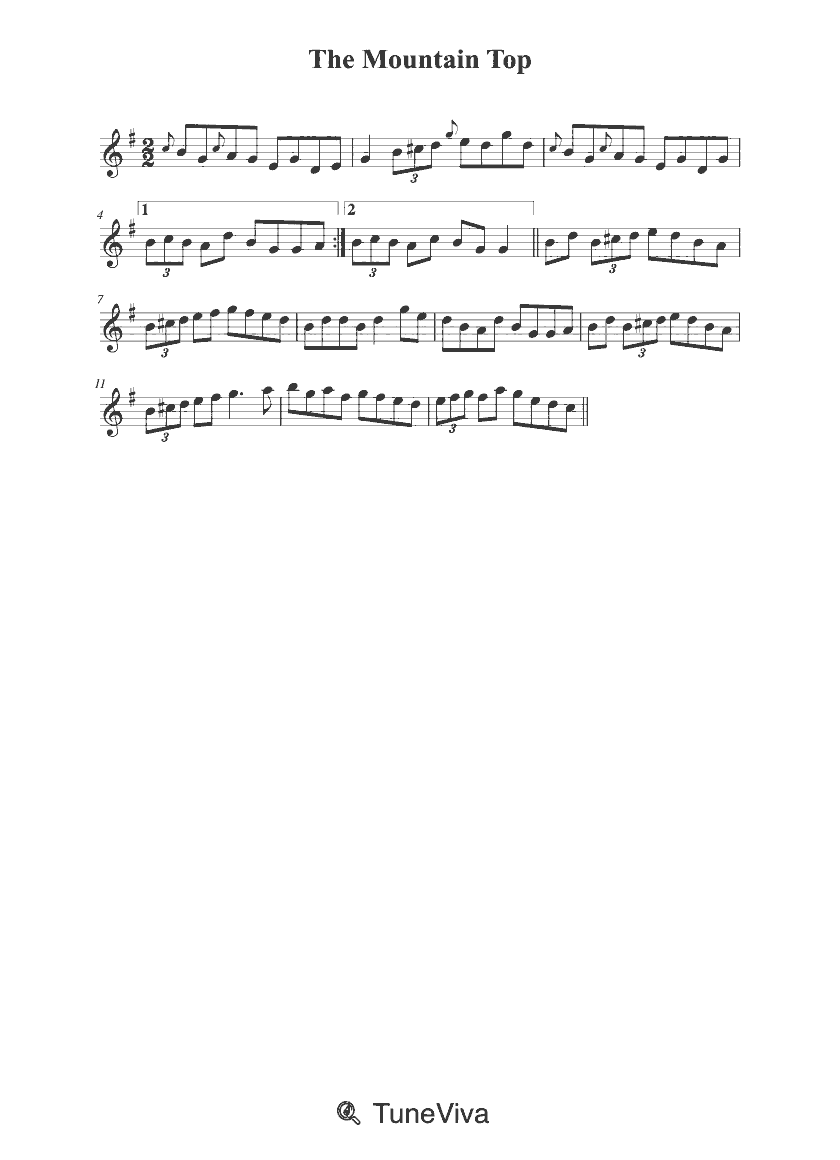
Misc tunes
1 min 4 sec · Score #182403
Open score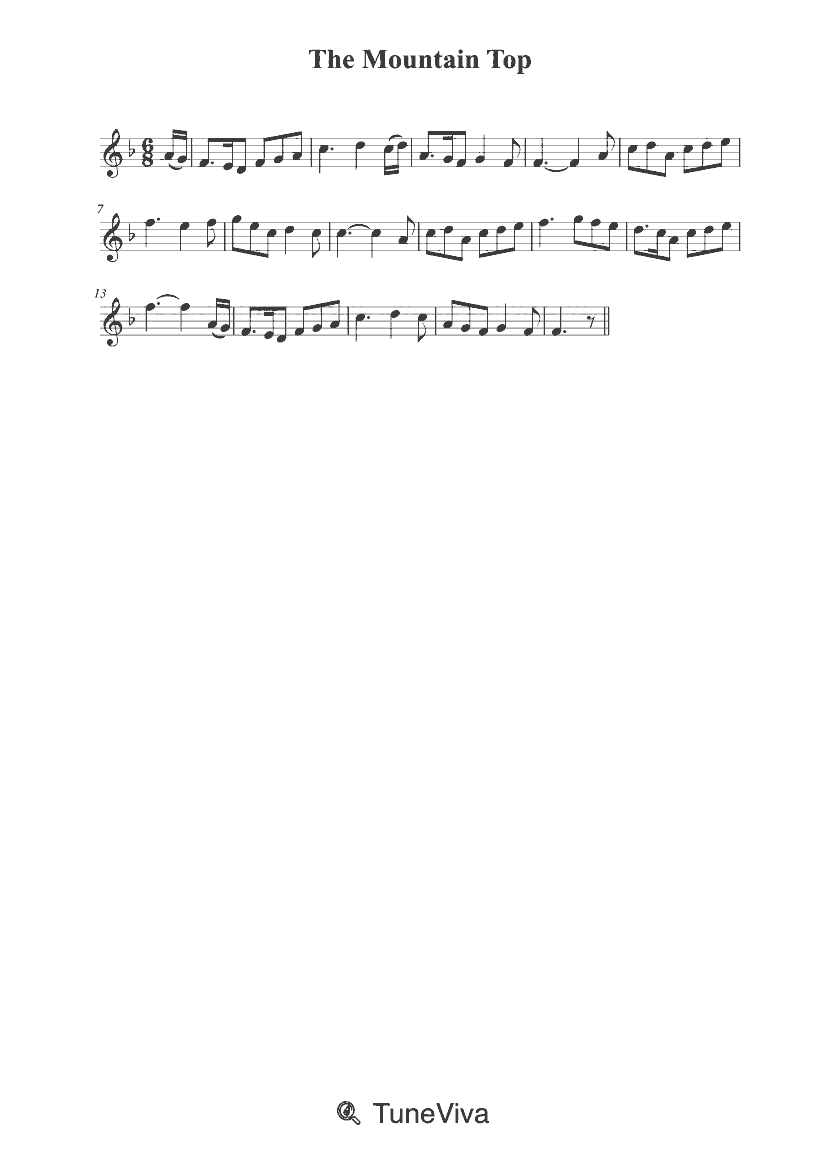
Misc tunes
12 sec · Score #227767
Open scorePage 1 of 2
The scores titled The Mountain Top do not credit a named composer; the composer credit reads NA and the artist is given as Misc tunes. They share a title but not identical opening signatures, so the page cannot safely present them as one verified work by a particular composer. If you need an attribution for programme notes, teaching, or academic use, verify it independently before relying on these scores.
The clearest differences between the available versions are their opening key and time signatures: G major with 4/4, G major with 2/2, and B♭ major with 2/4. These describe how each score begins, not necessarily every section or a confirmed original key. For a musician, the two G major versions may feel different because of the 4/4 versus 2/2 meter, while the B♭ major version changes both key and meter.
A shared title does not prove that the available Mountain Top scores are the same piece. No supplied source identifies a common original, an arranger, or a composer, so treat the scores as separate versions to inspect. Do not assume that any one score is the original composition or that another is an arrangement without checking the notation and finding independent confirmation.
Start by matching the opening key to a comfortable range for your instrument or voices, then consider whether the meter suits the rhythmic feel you need. The available information does not confirm instrumentation, voicing, or difficulty, so examine the actual notation before assuming a score is suitable for a particular ensemble or player. Where two versions share G major, the choice between 4/4 and 2/2 may matter more than the key itself.
Catalogue duration 1 min 4 sec. Opening key signature: 1 sharp (G major). Opening time signature: 2/2.
Catalogue duration 32 sec. Opening key signature: 2 flats (B♭ major). Opening time signature: 2/4.
Catalogue duration 32 sec. Opening key signature: 1 sharp (G major). Opening time signature: 4/4.
Composer attribution for The Mountain Top is not supplied in the available scores; the composer credit reads NA and the artist is given as Misc tunes. Without a named writer or supporting source, the piece should not be attributed to a specific composer.
The available scores share the title The Mountain Top, but the evidence does not confirm a common original. Their opening signatures differ—G major in 4/4, G major in 2/2, and B♭ major in 2/4—so compare them as separate versions rather than assuming they are identical.
The Mountain Top has no single verified key across the available scores. Two scores open in G major, one in 4/4 and one in 2/2, while the third opens in B♭ major in 2/4; these are opening key signatures, not proof of the piece’s overall or original key.
The available Mountain Top scores use three different opening time signatures: 4/4, 2/2, and 2/4. No single meter is verified for the piece as a whole, so meter is a practical difference between the scores rather than a fixed feature of one authoritative version.
Choosing a Mountain Top score begins with matching its opening key and meter to your instrument, voice, or ensemble. The two G major scores differ in feel between 4/4 and 2/2, while the B♭ major score uses 2/4; check the actual notation for scoring and difficulty because the available information does not confirm instrumentation or voicing.
Original instrumentation for The Mountain Top is not confirmed by the available scores or sources. The scores do not identify whether any version is an original composition or an arrangement, so examine the notation before assigning it to a particular instrument or ensemble.