
the Pigeon on the Gate
Misc tunes
1 min 4 sec · Score #239706
Open scoreThe Pigeon On The Gate sheet music on this page is represented by three scores with variant titles: Pigeon on the Gate, The Old Pigeon on the Gate, and the Pigeon on the Gate. Their opening keys and time signatures differ, so compare the notation before choosing a score. No composer or instrumentation is credited in the supplied score information.
Scores 1–20 of 91
Misc tunes
1 min 4 sec · Score #239706
Open score
Misc tunes
1 min 4 sec
Open score
Misc tunes
2 min 7 sec
Open score
Misc tunes
6 min 56 sec
Open score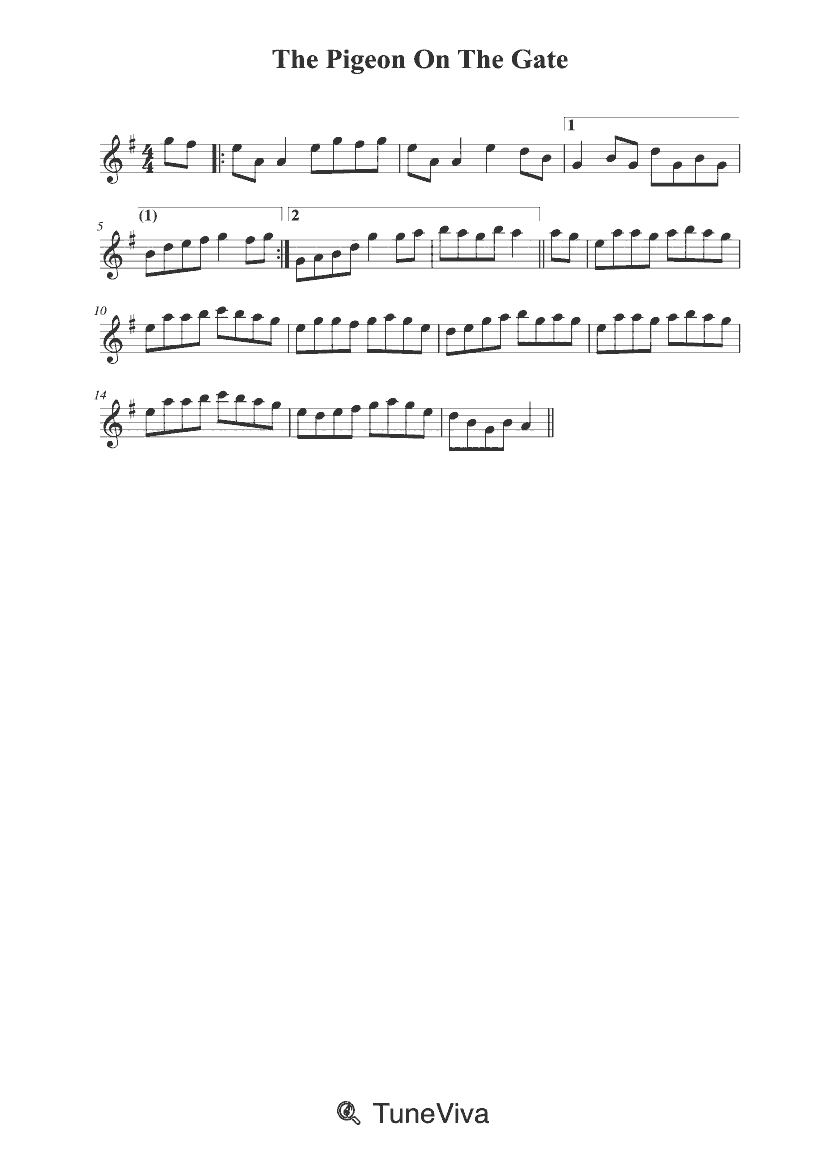
Misc tunes
32 sec
Open score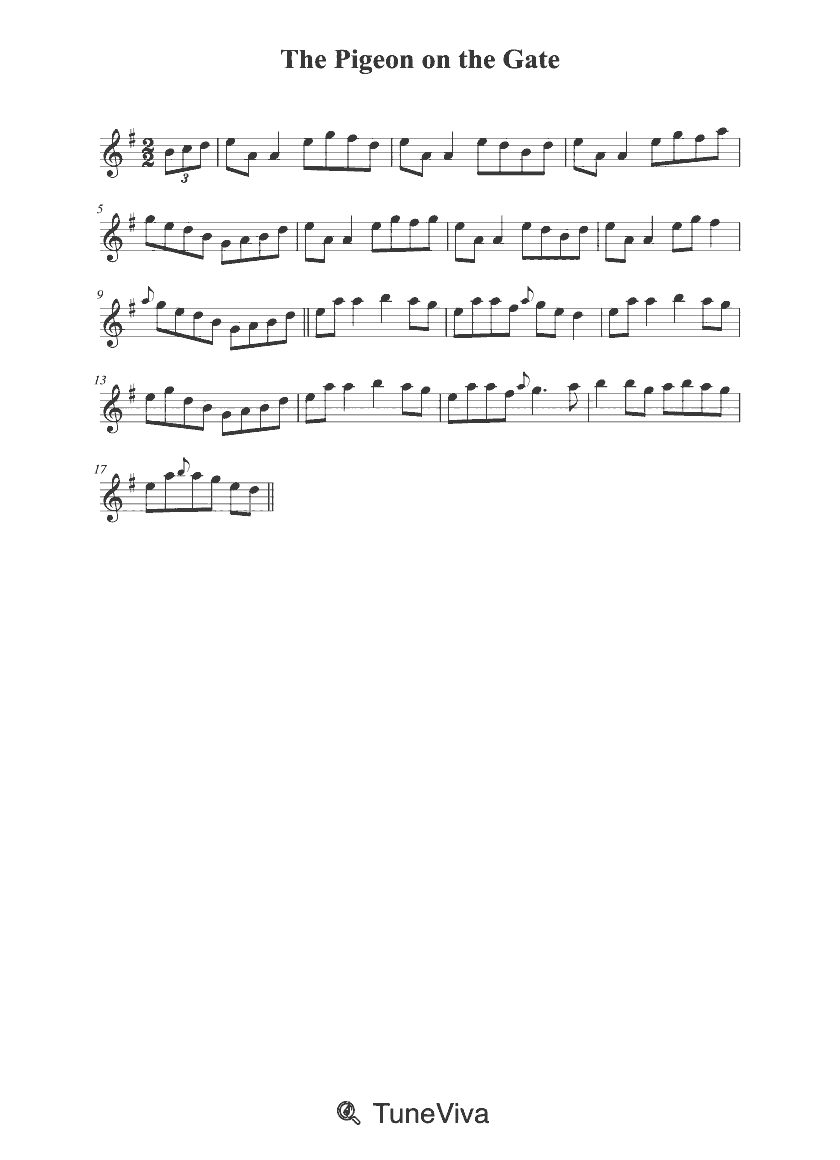
Misc tunes
1 min 4 sec · Score #70656
Open score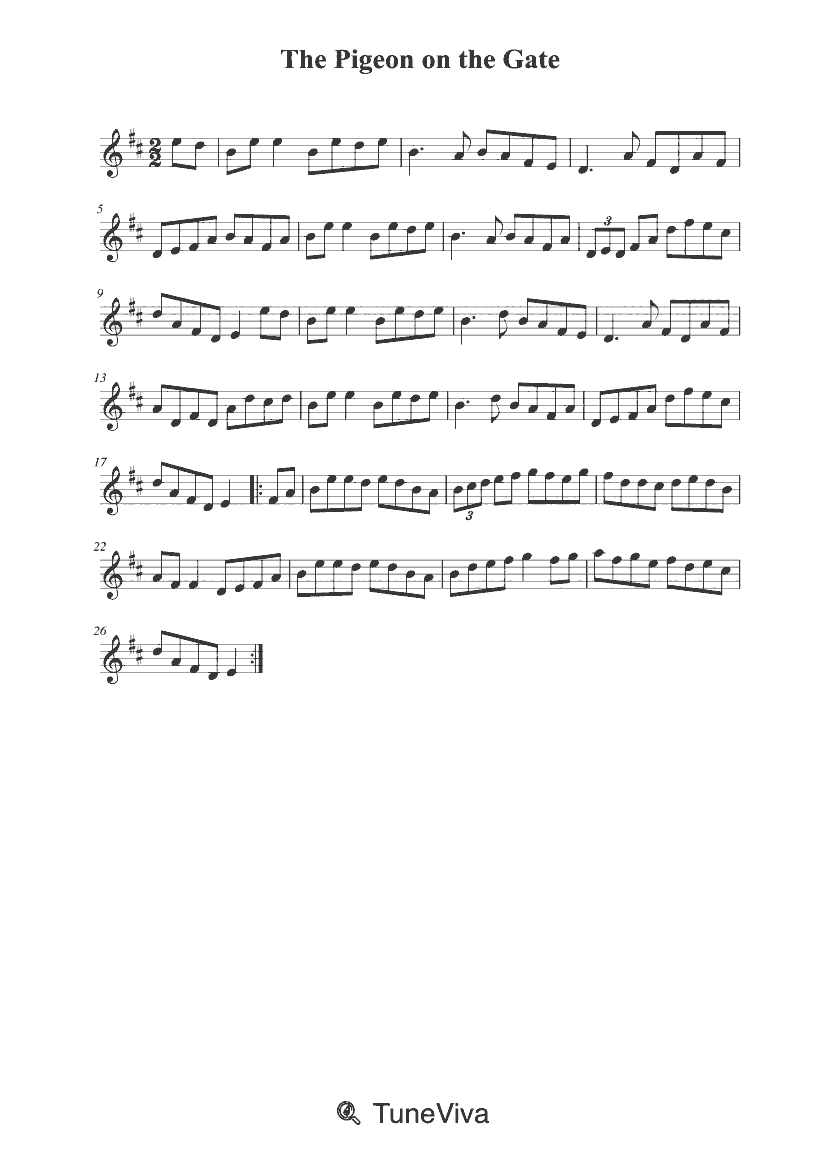
Misc tunes
2 min 8 sec · Score #112040
Open score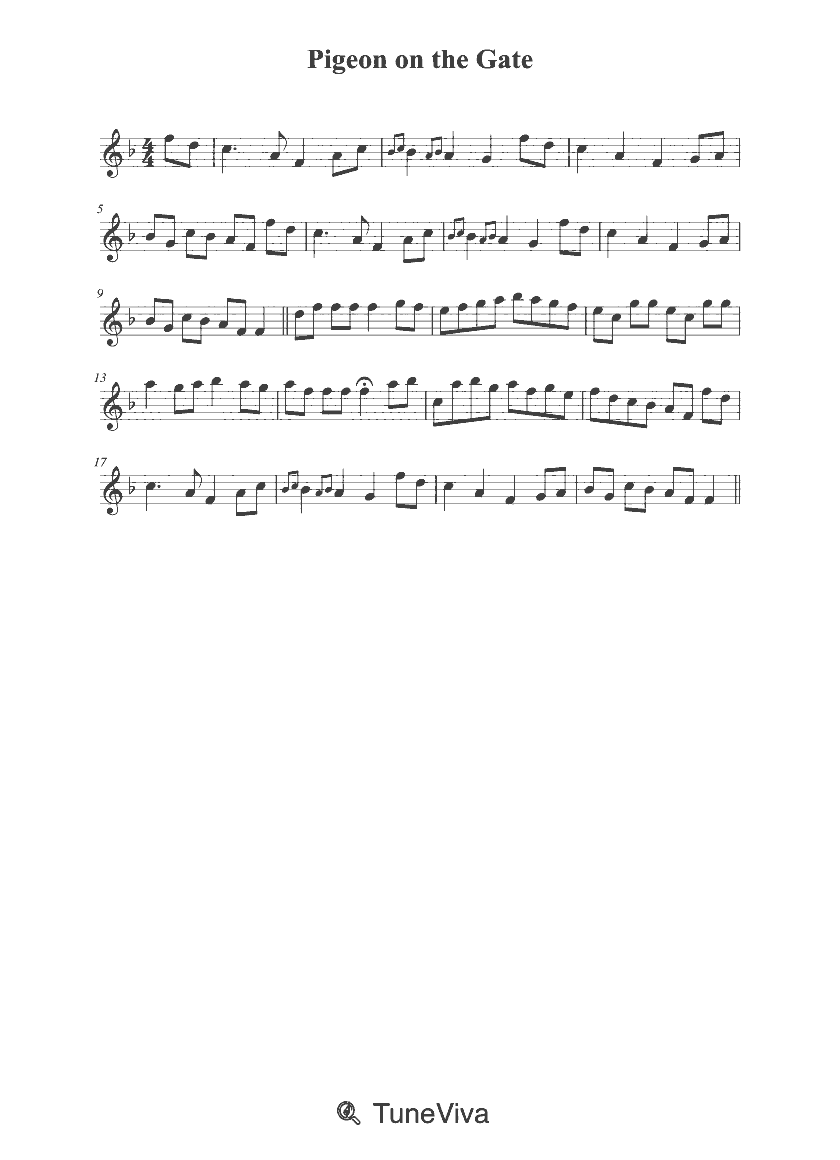
Misc tunes
38 sec
Open score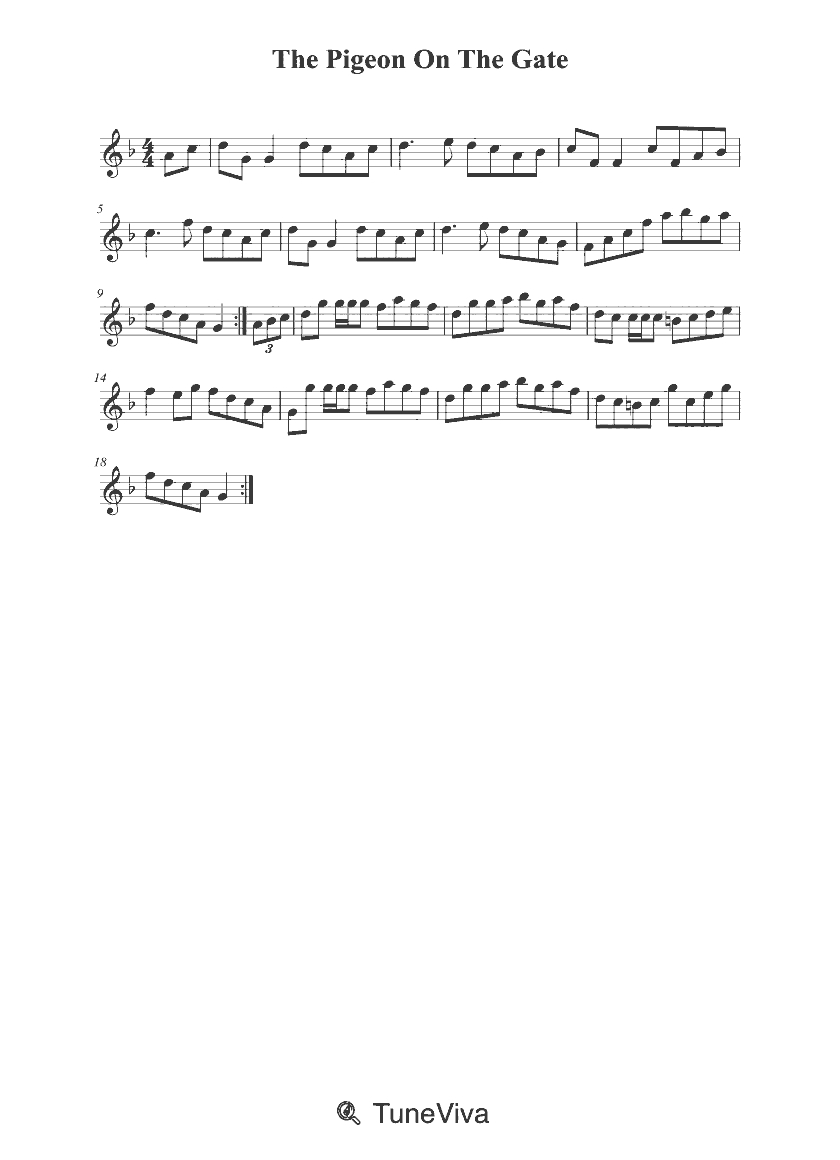
Misc tunes
1 min 20 sec
Open score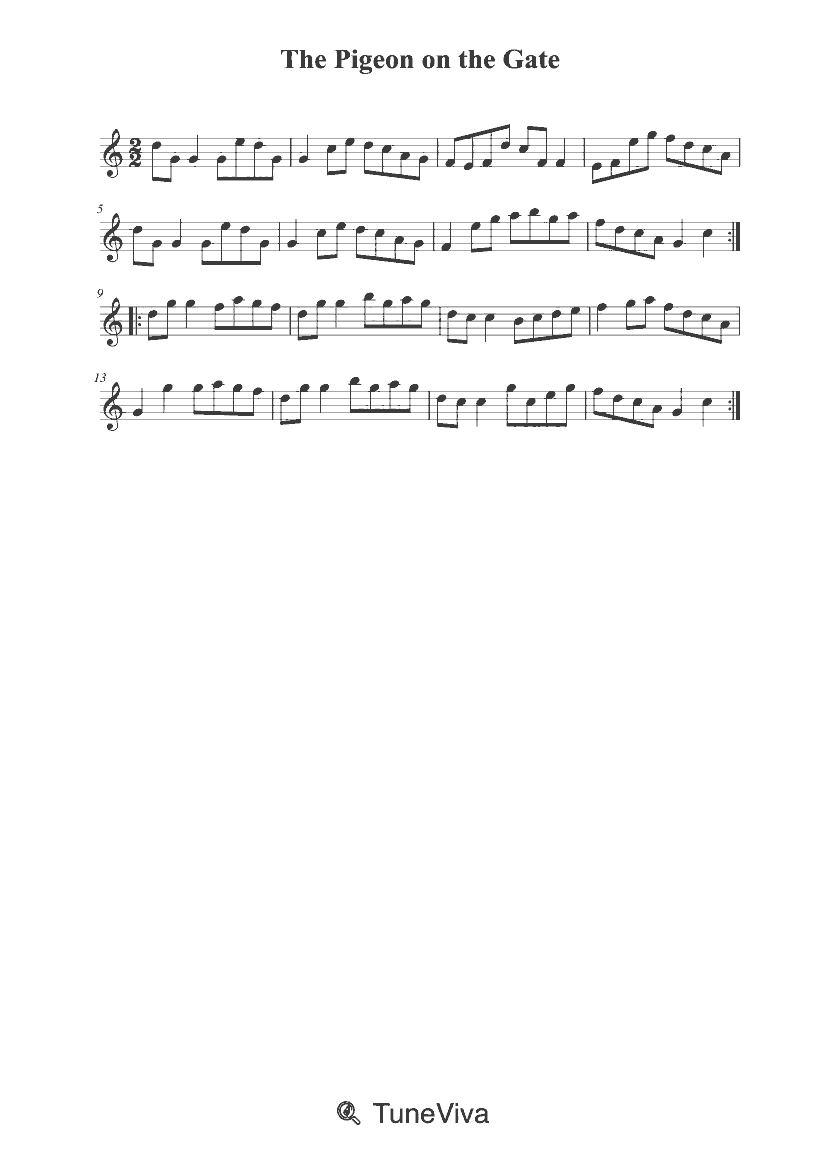
Misc tunes
2 min 8 sec · Score #214512
Open score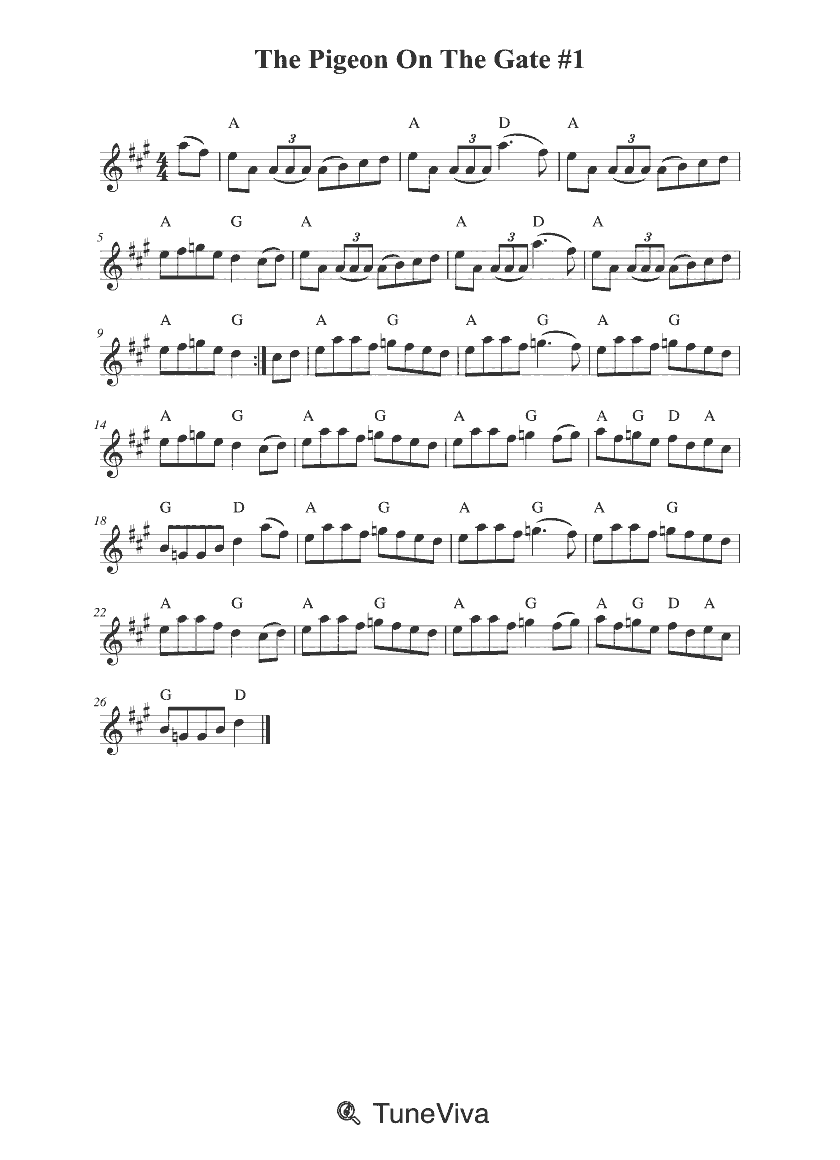
Joe Buchanan's Scottish Tome - Page 206.2
1 min 4 sec
Open score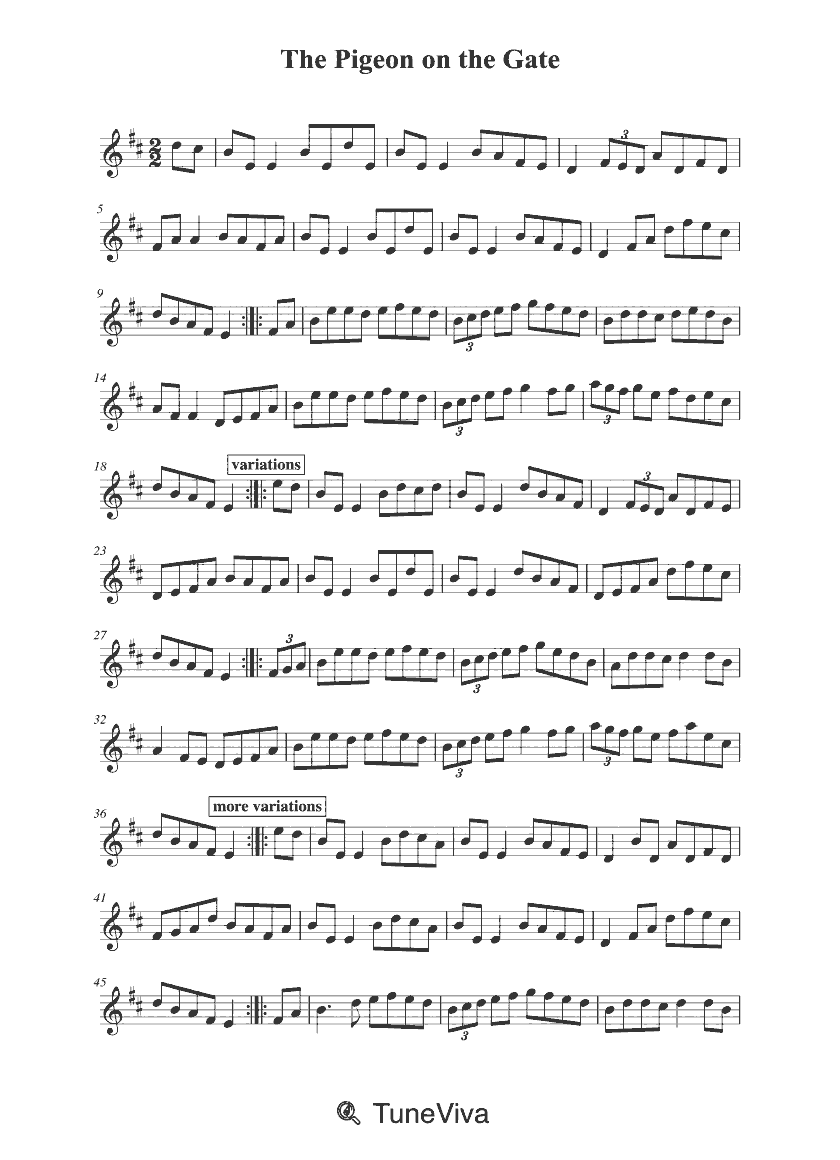
Misc tunes
8 min 32 sec
Open score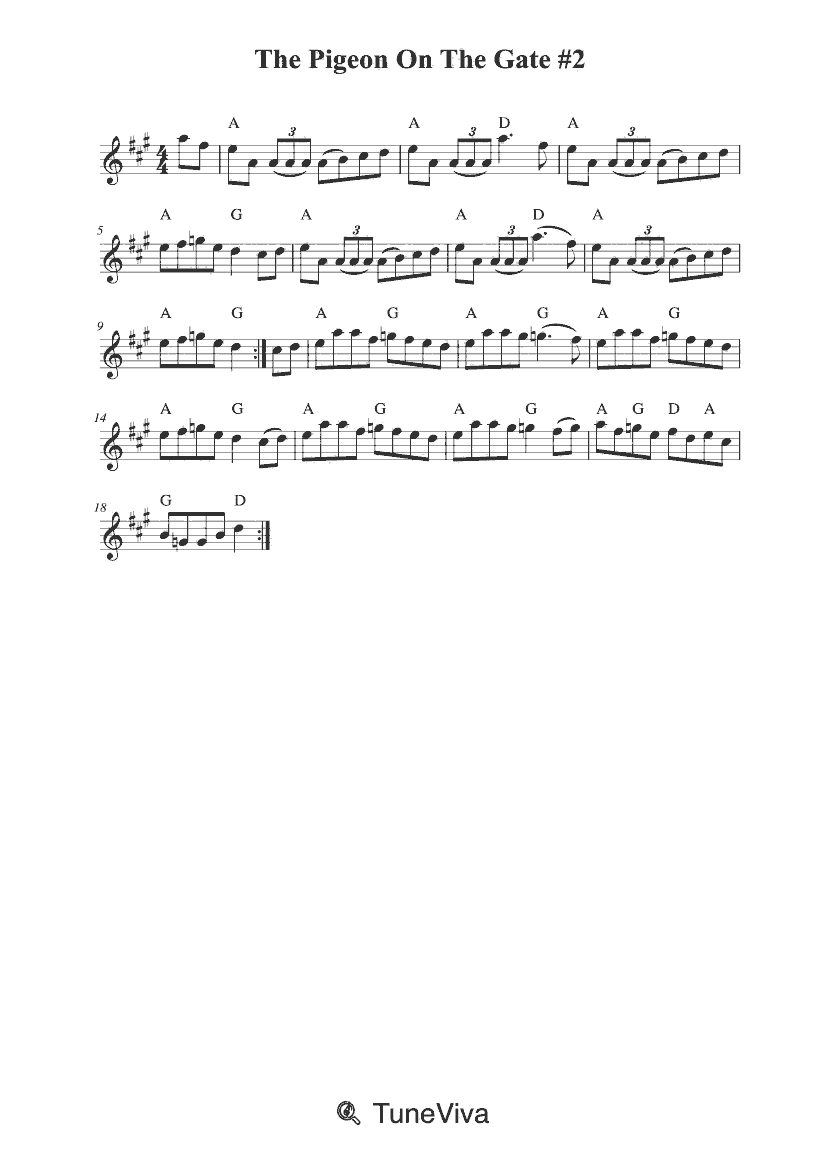
Joe Buchanan's Scottish Tome - Page 209.3
1 min 20 sec
Open score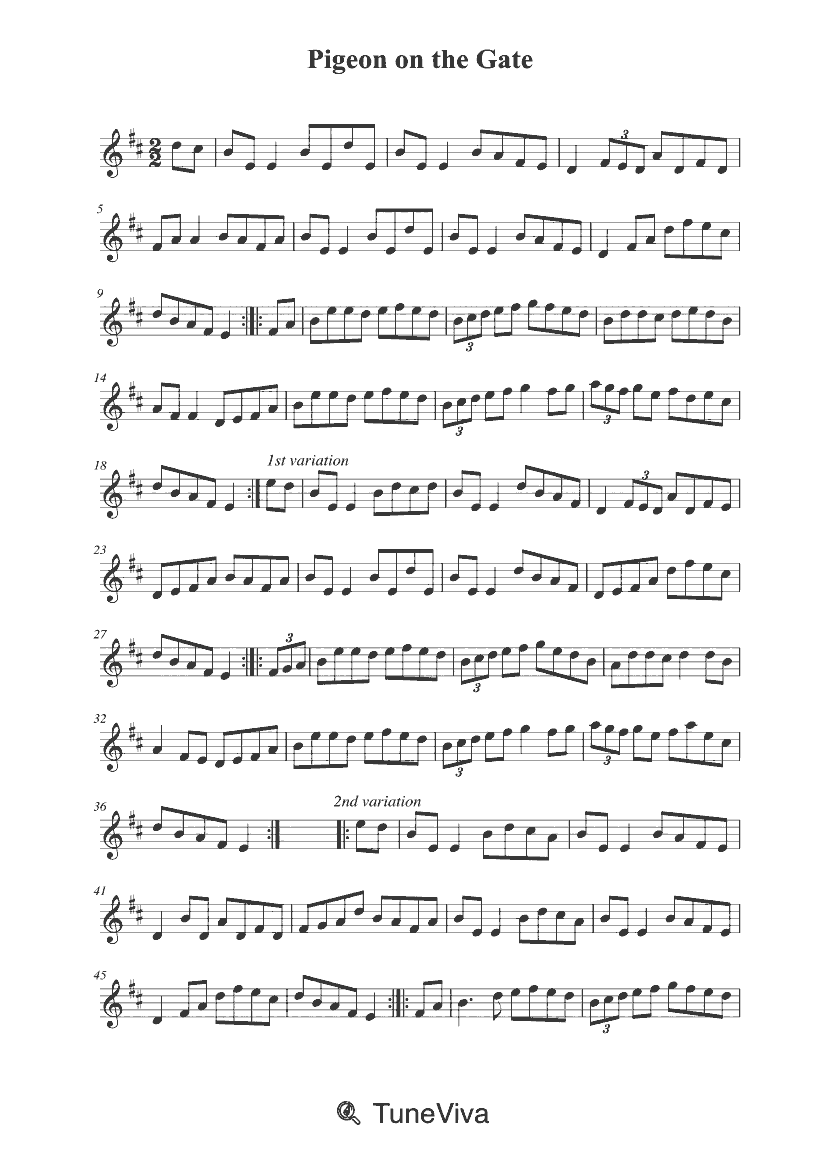
Misc tunes
7 min 0 sec
Open score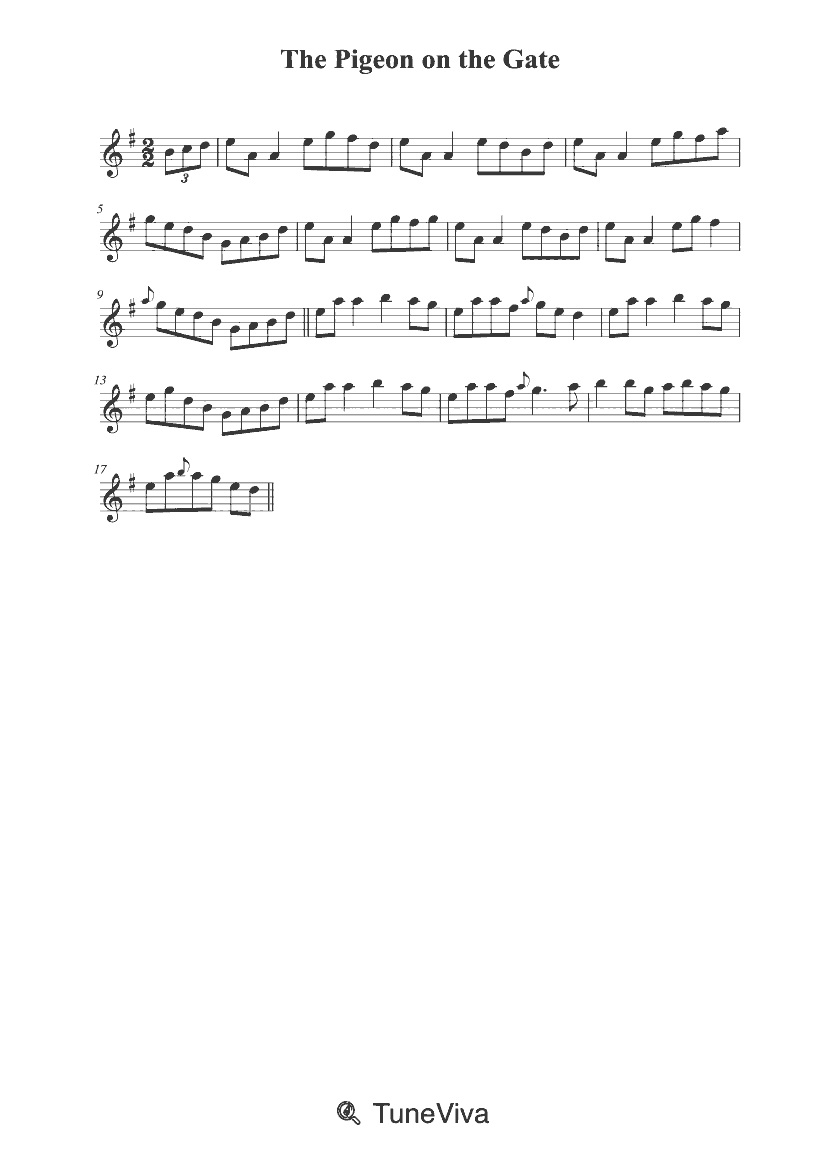
Misc tunes
1 min 4 sec · Score #30269
Open score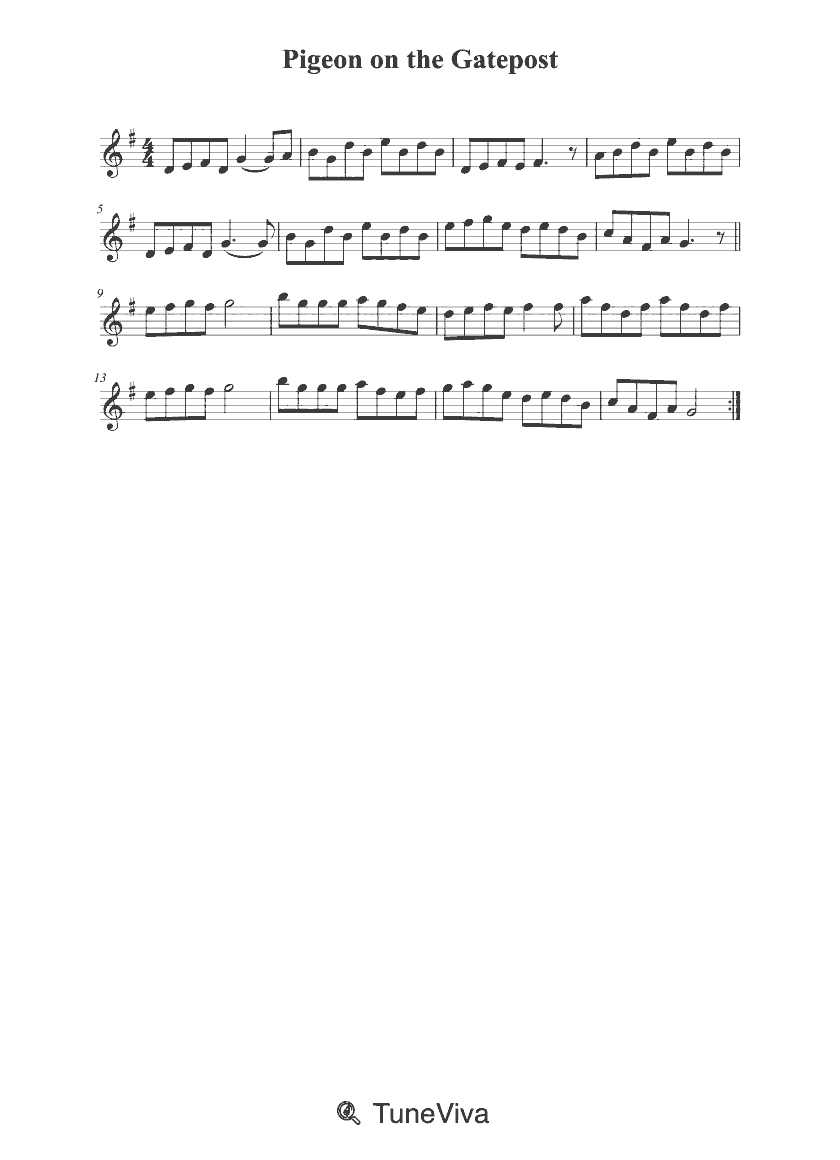
Misc tunes
Paddy on the Turnpike [1]
1 min 3 sec
Open score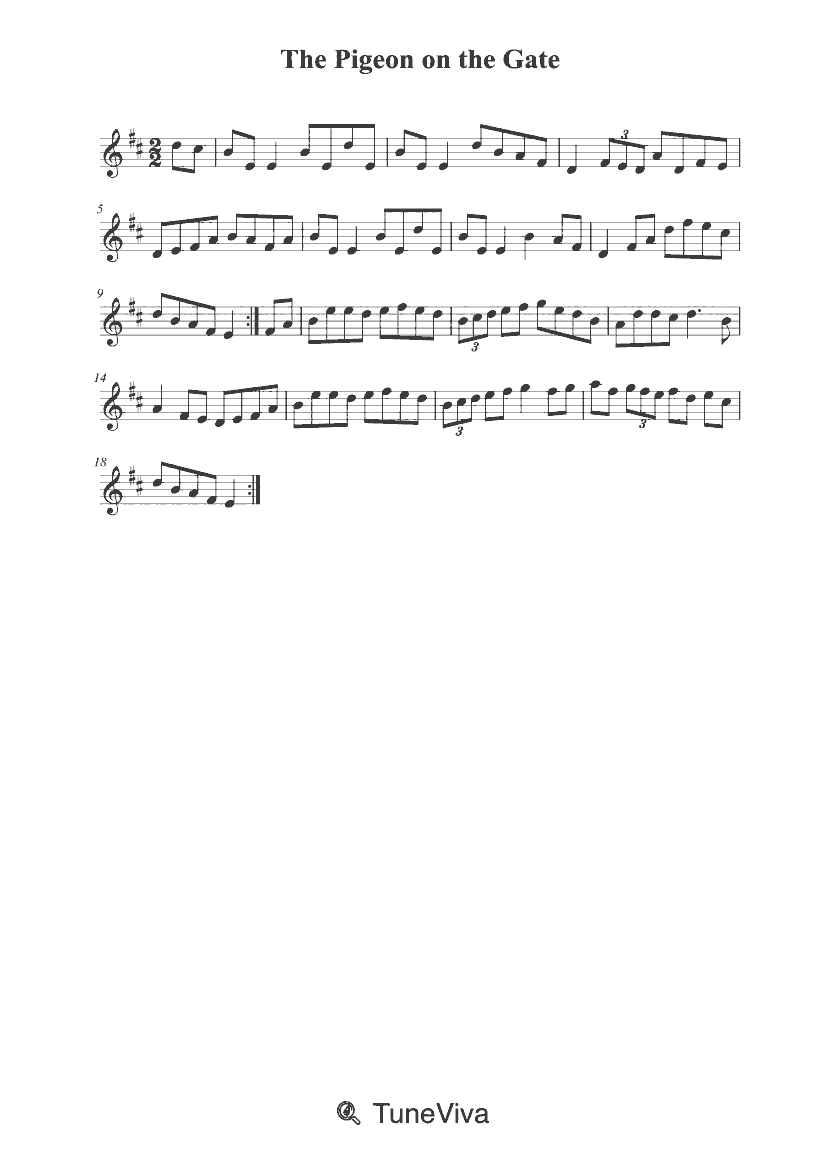
Misc tunes
2 min 40 sec
Open score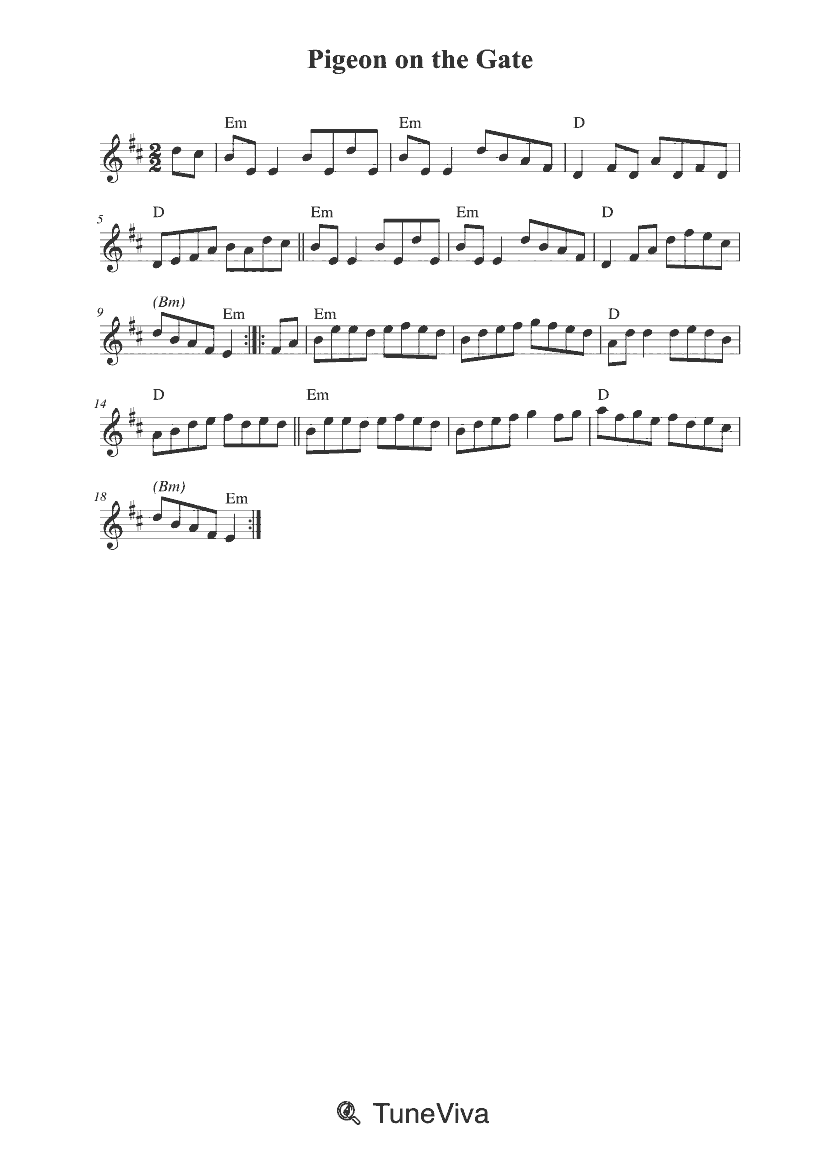
Misc tunes
2 min 8 sec · Score #87258
Open score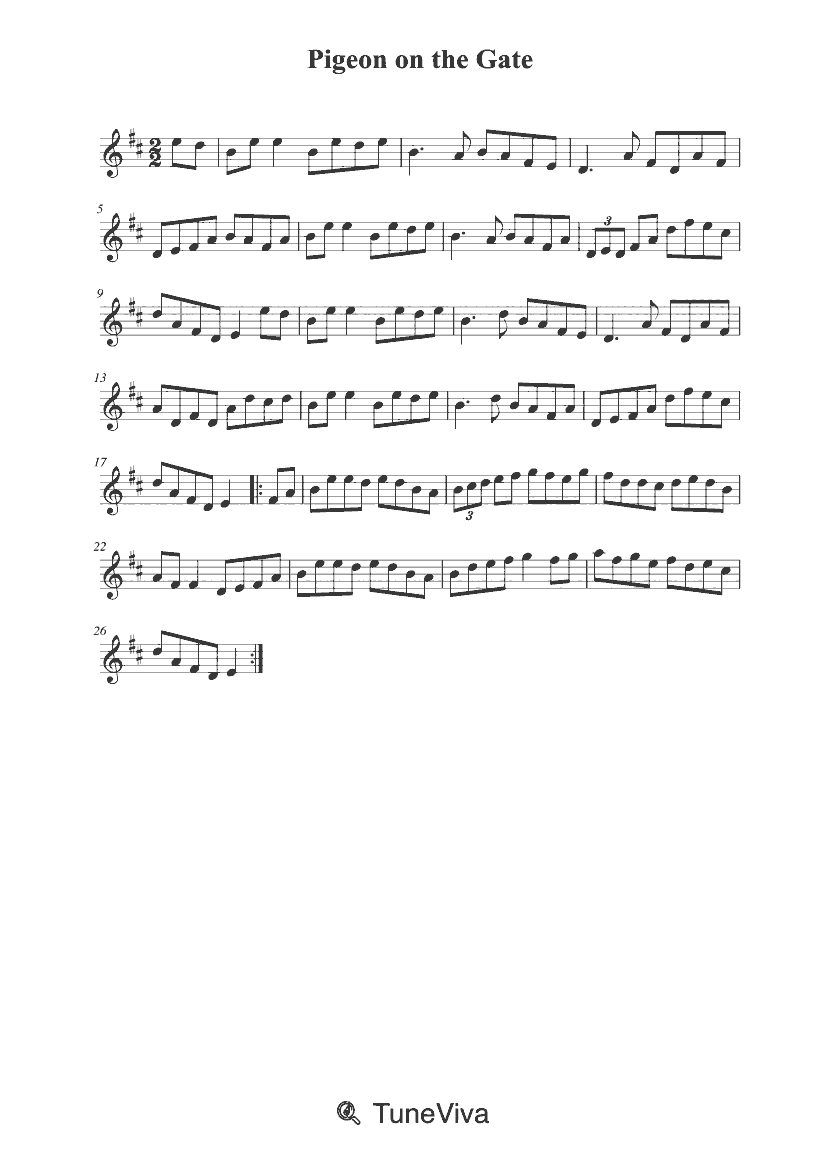
Misc tunes
2 min 8 sec · Score #96552
Open score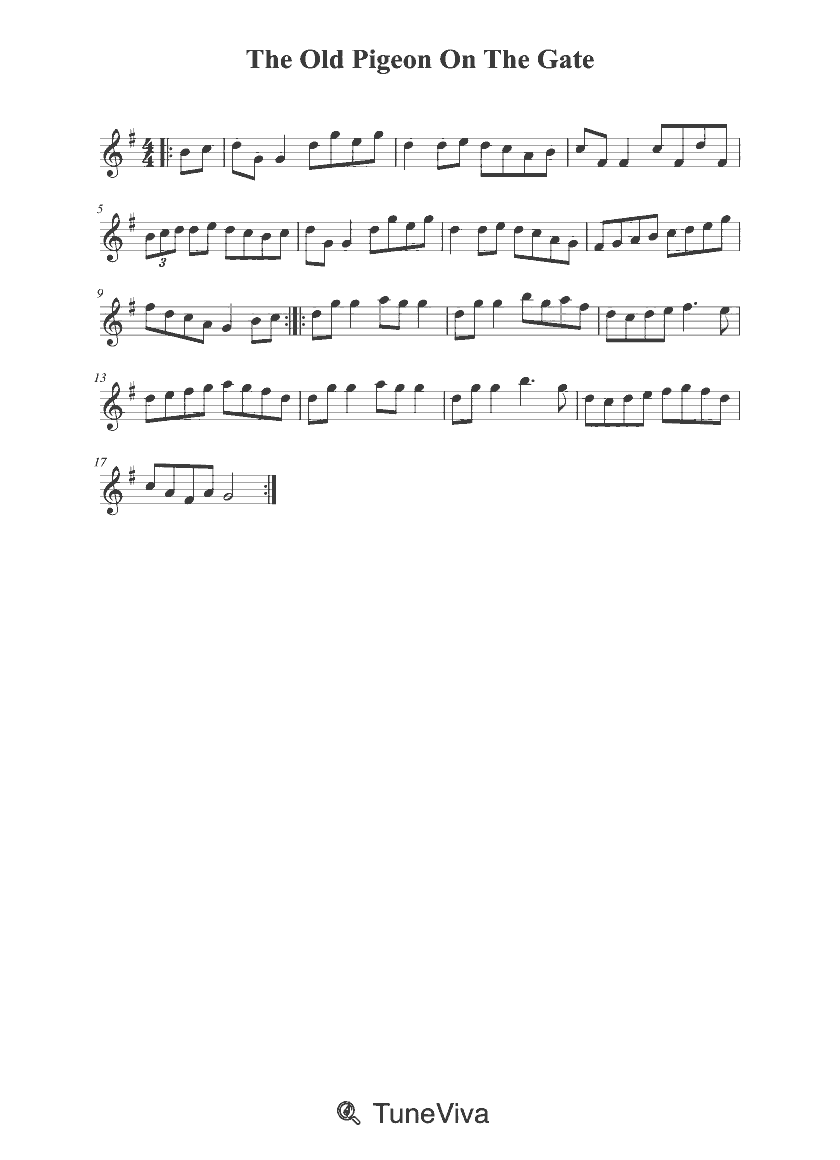
Misc tunes
1 min 5 sec
Open scorePage 1 of 5
Two scores open with two sharps, one of which is labelled D major, while one score opens with one sharp and is labelled G major. Two scores use 2/2 and one uses 4/4. Check the first bars of the score you intend to play and choose a key and metre that suit your instrument, group, or reading preference. These details describe openings only, not necessarily the whole piece.
The Old Pigeon on the Gate is listed separately from Pigeon on the Gate. The supplied information does not establish whether these titles refer to the same melody, a variant, or different pieces. Compare the notation and opening signatures rather than assuming the titles are equivalent.
The scores give opening key signature, opening time signature, note count, and duration, but no composer, instrument, genre, or edition information. Note counts and durations describe individual scores and do not establish difficulty, historical identity, or original instrumentation. Use the notation itself for musical decisions.
Because instrumentation is not stated, examine the clef, range, rhythm, and ornaments in each score to judge whether it suits your instrument or ensemble. If you need a particular key, compare the opening signature, but read beyond the first bars because the opening may not describe the full course of the piece.
Catalogue duration 1 min 4 sec. Opening key signature: 2 sharps. Opening time signature: 4/4.
Catalogue duration 1 min 4 sec. Opening key signature: 1 sharp (G major). Opening time signature: 2/2.
Catalogue duration 2 min 7 sec. Opening key signature: 2 sharps (D major). Opening time signature: 2/2.
The Pigeon On The Gate appears in three scores with different titles: Pigeon on the Gate, The Old Pigeon on the Gate, and the Pigeon on the Gate. Two open with two sharps and one with one sharp; two use 2/2 and one uses 4/4. These differences make the scores worth comparing individually rather than treating them as identical copies.
The supplied scores of The Pigeon On The Gate do not share one opening key. Two scores show two sharps, one of which is labelled D major, and one score shows one sharp and is labelled G major. The opening signature is the only key evidence supplied, so check the full score before deciding which key a particular version uses.
Two scores of The Pigeon On The Gate show an opening time signature of 2/2, while one shows 4/4. Time signature can change later in a piece, so read the score rather than relying only on the opening metre.
The Old Pigeon on the Gate appears as a separate score title. The supplied information does not confirm whether it is the same melody, a variant, or a different piece, so compare the notation and opening key before treating the titles as equivalent.
No composer is credited in the supplied score information for The Pigeon On The Gate. That absence does not establish that the piece is anonymous, traditional, or of any particular date; it only means the supplied scores do not name a composer.
Instrumentation is not stated in the supplied score information for The Pigeon On The Gate. The scores cannot be matched to a specific instrument from those details alone; examine the clef, range, and notation in each score to judge what it suits.
No difficulty level is stated for the supplied scores of The Pigeon On The Gate, and note counts or duration do not establish how easy a score is. Inspect the range, rhythm, ornaments, and leaps in the notation to judge suitability for a particular player.