
Traditional music - The Primrose Lass
Traditional
2 min 8 sec · Score #35361
Open scoreThe Primrose Lasses is listed as a traditional tune, and the available scores appear under the singular title 'The Primrose Lass'. Each listing opens with a one-sharp key signature described as G major and a 2/2 time signature. No arranger or editor is named, so the notation itself is the best guide when choosing a setting.
Scores 1–20 of 27
Traditional
2 min 8 sec · Score #35361
Open score
Traditional
2 min 8 sec · Score #248025
Open score
Traditional
2 min 8 sec · Score #185484
Open score
Misc tunes
2 min 8 sec
Open score
anon.
2 min 40 sec · Score #146105
Open score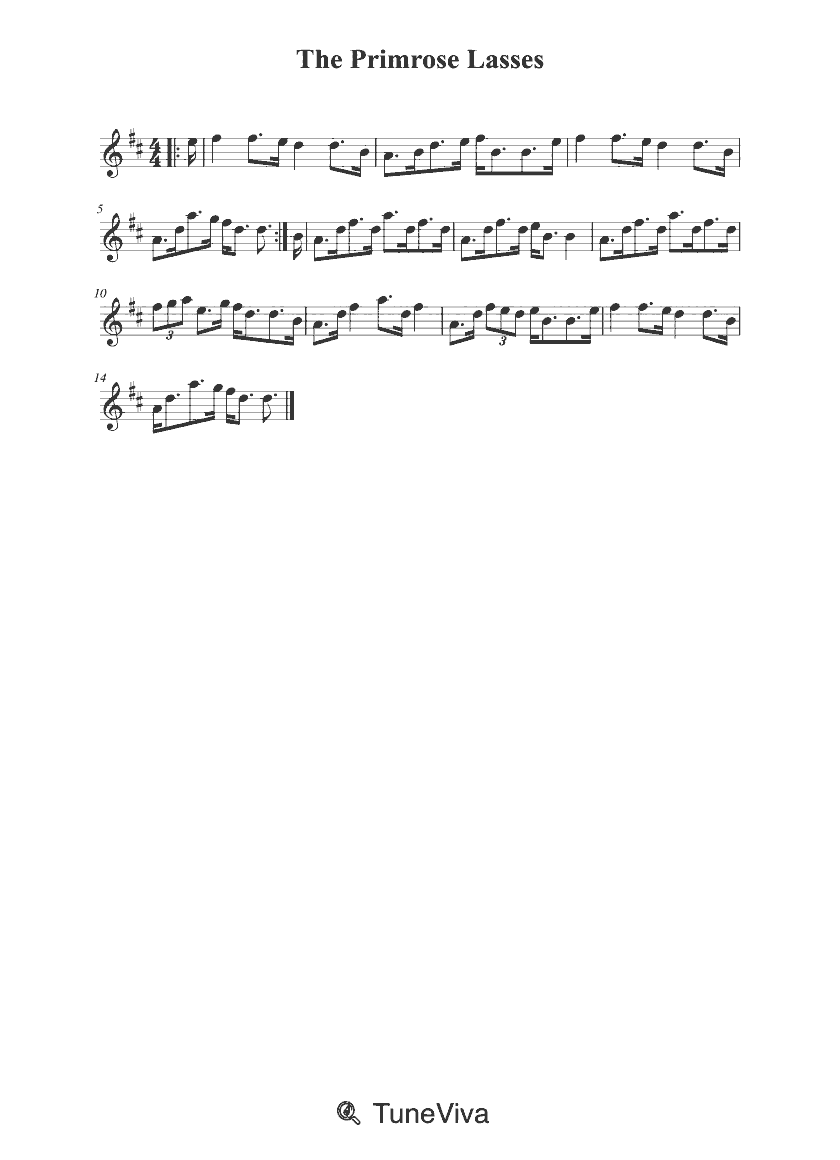
Misc tunes
32 sec · Score #68453
Open score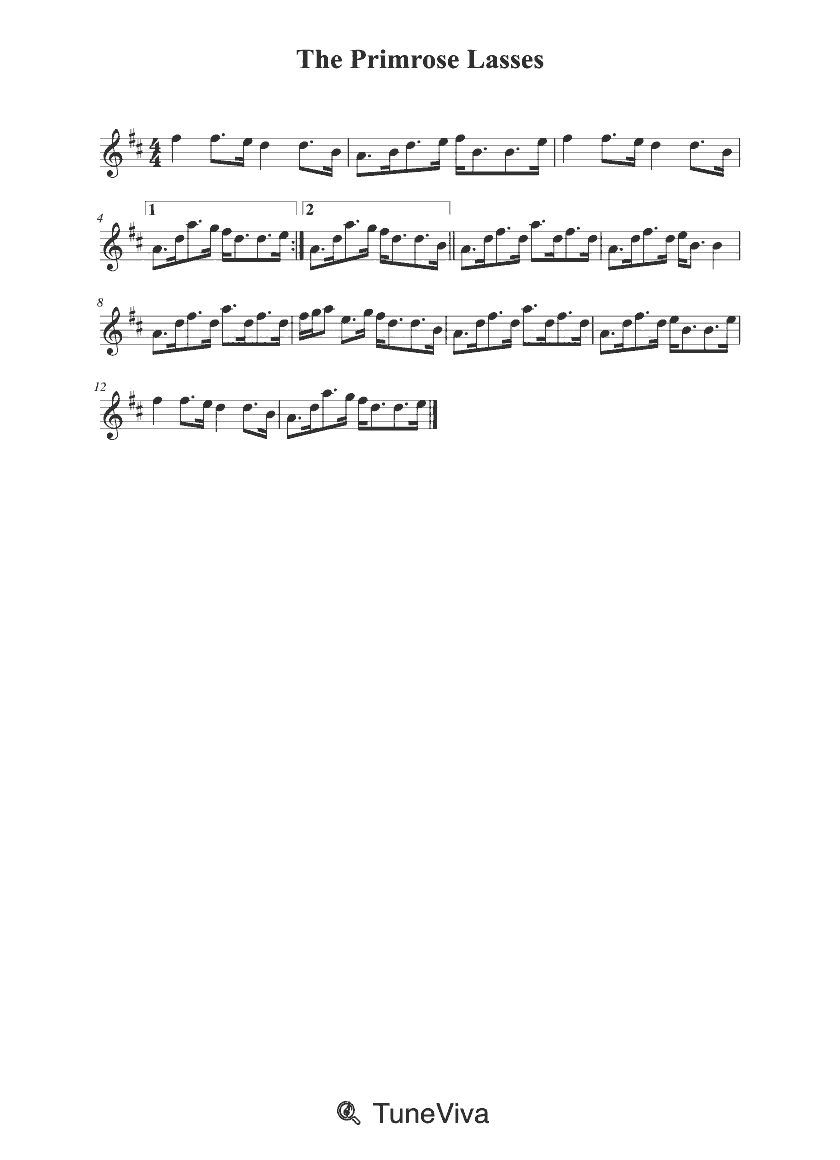
Misc tunes
32 sec · Score #6102
Open score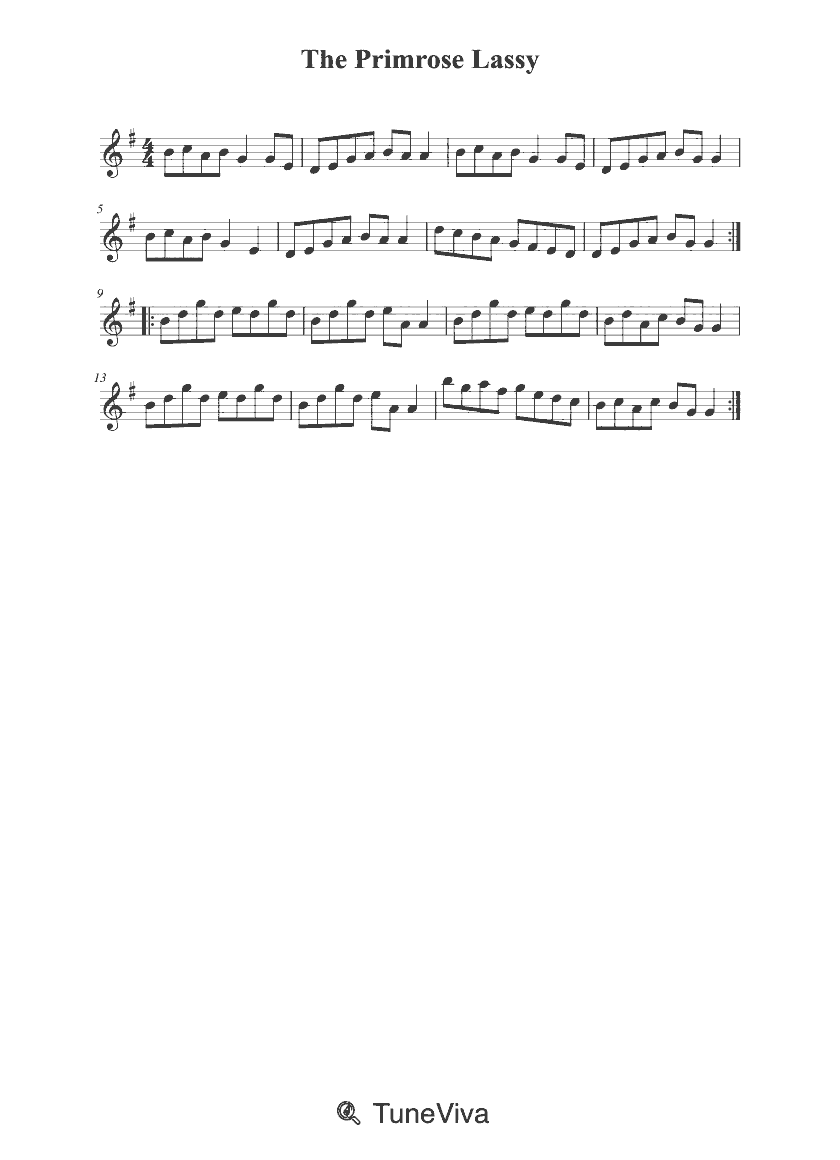
Misc tunes
1 min 4 sec
Open score
anon.
1 min 37 sec
Open score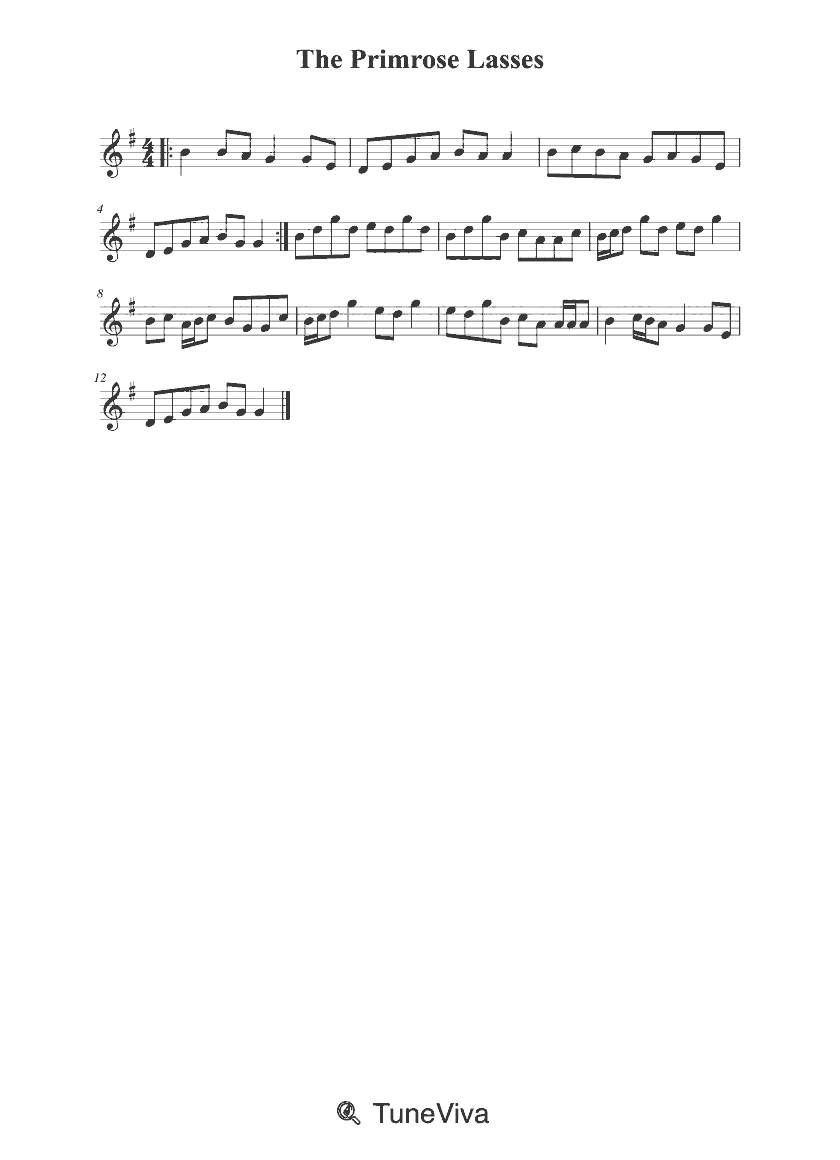
Misc tunes
32 sec · Score #172964
Open score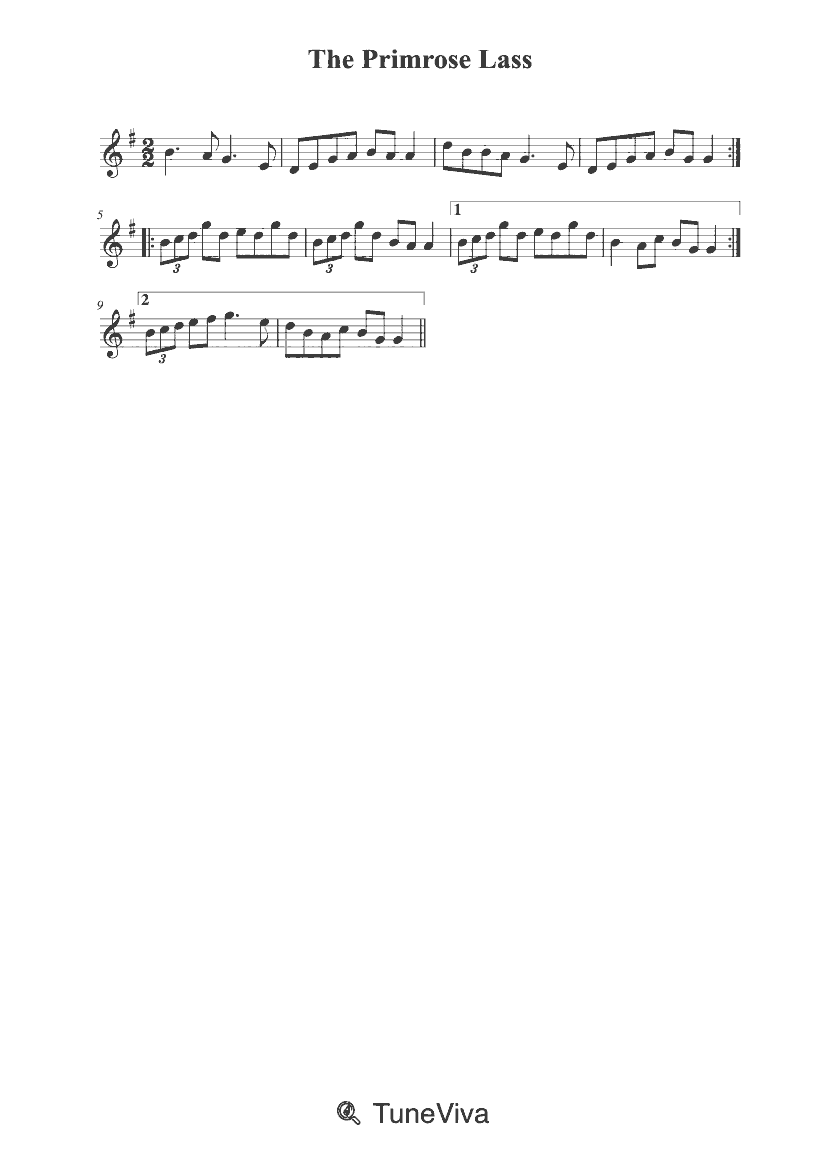
Misc tunes
1 min 4 sec · Score #203307
Open score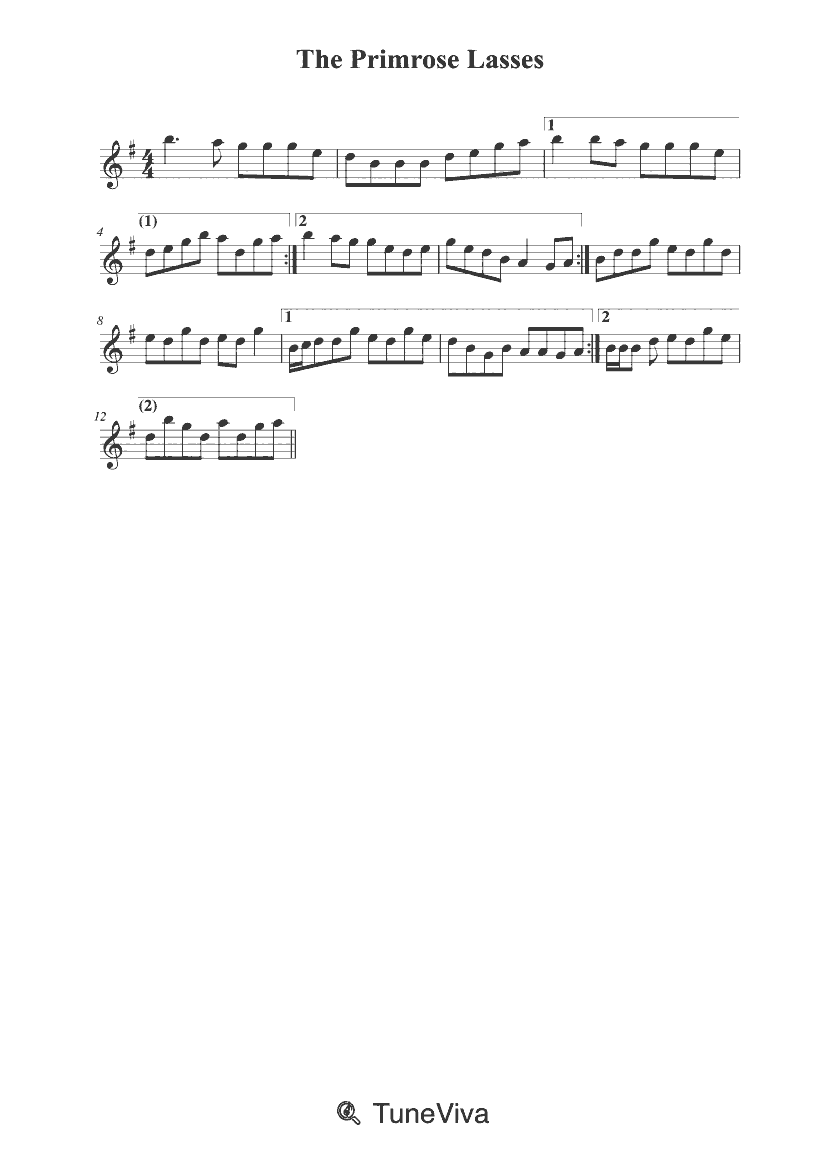
Misc tunes
36 sec
Open score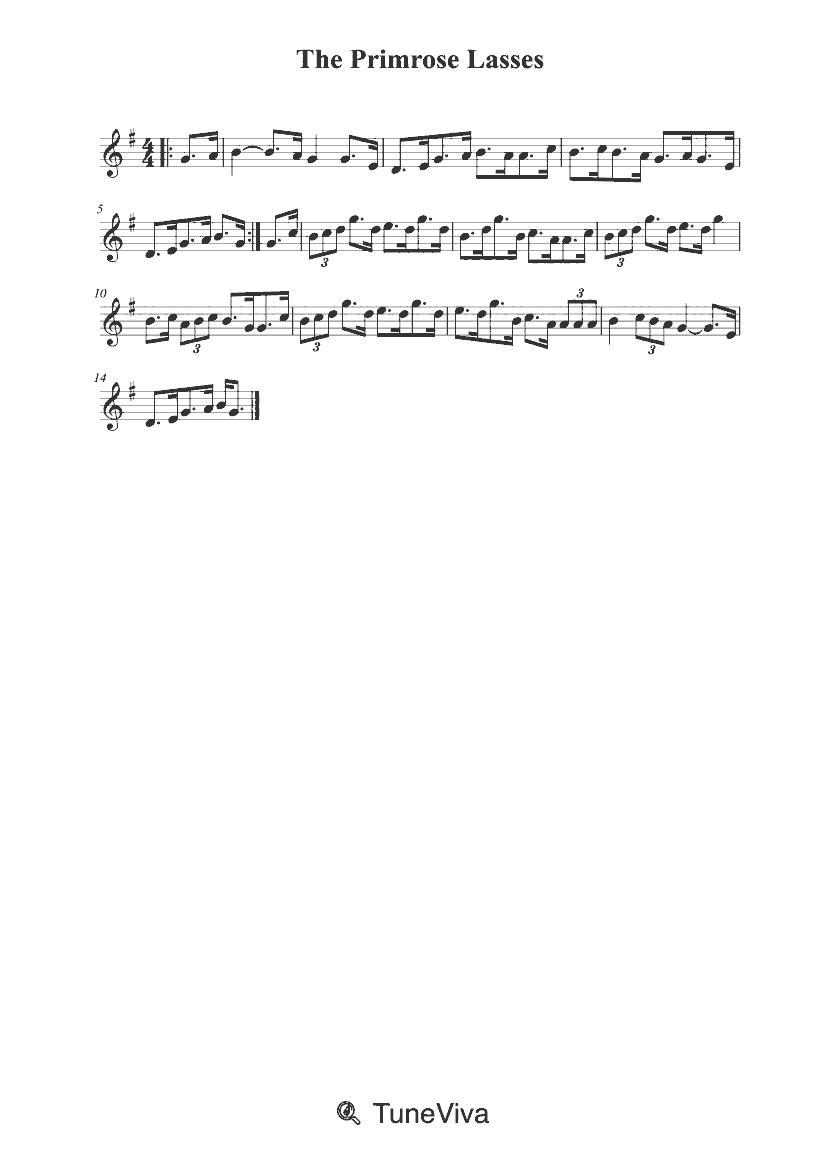
Misc tunes
32 sec · Score #26076
Open score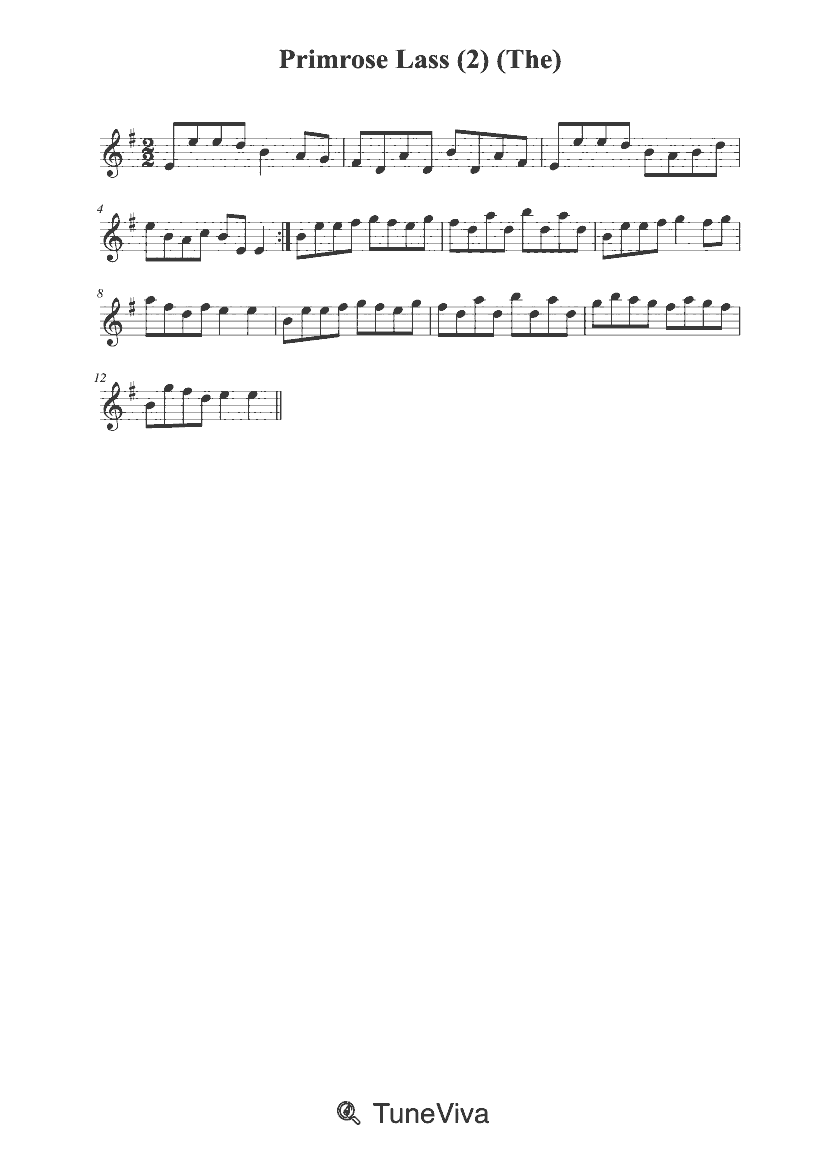
Misc tunes
Gearrchaile an tSabhaircín
1 min 4 sec
Open score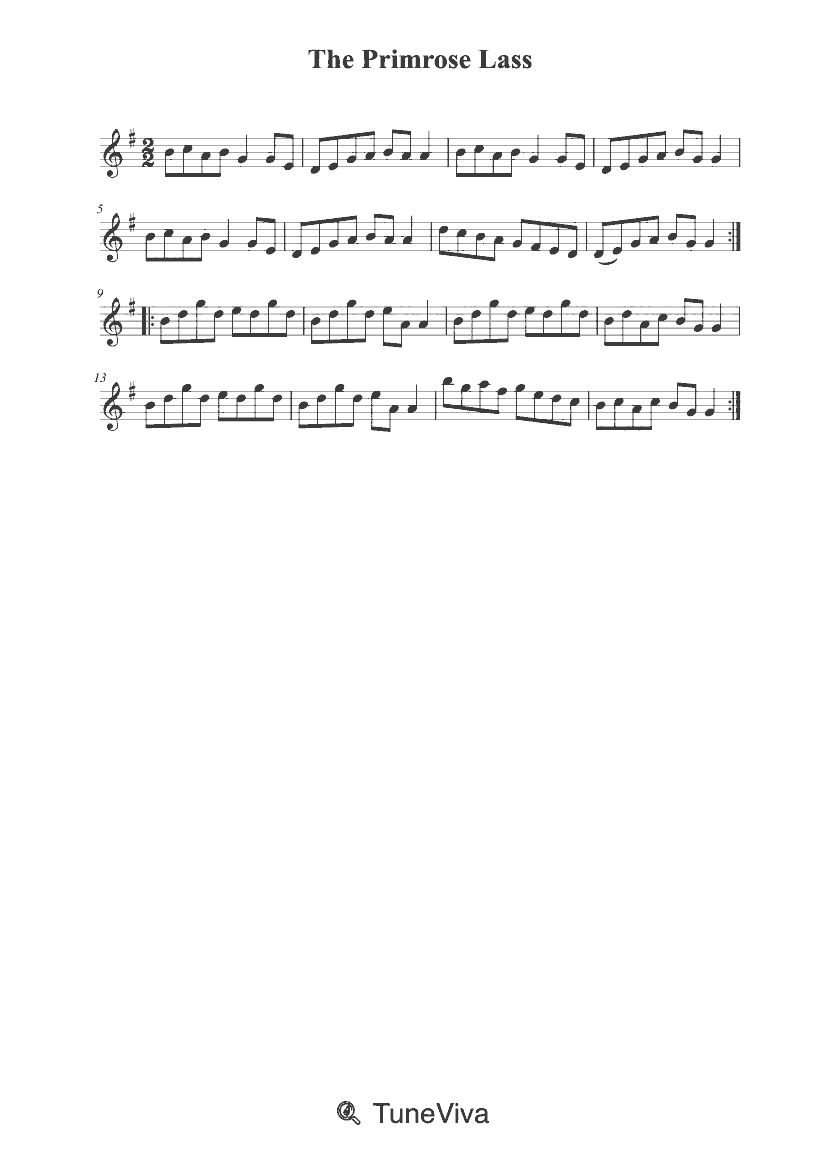
Misc tunes
2 min 8 sec
Open score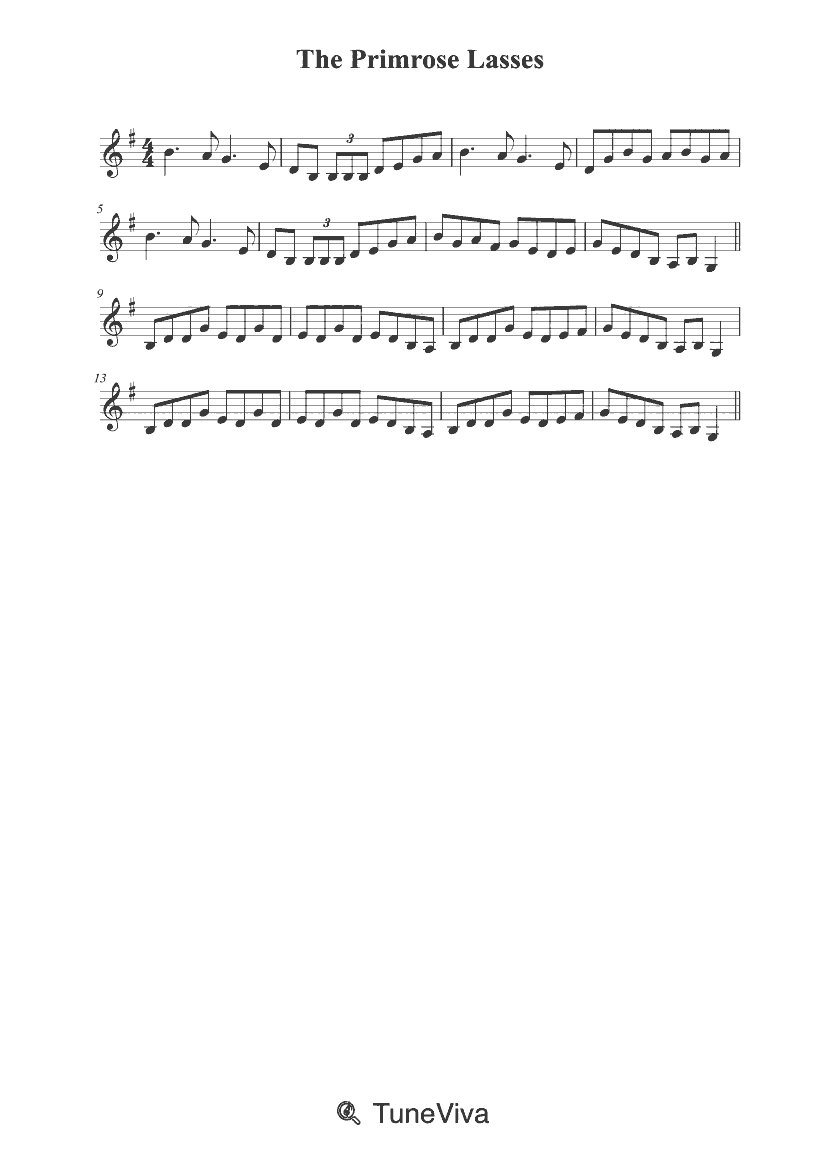
Misc tunes
32 sec · Score #74924
Open score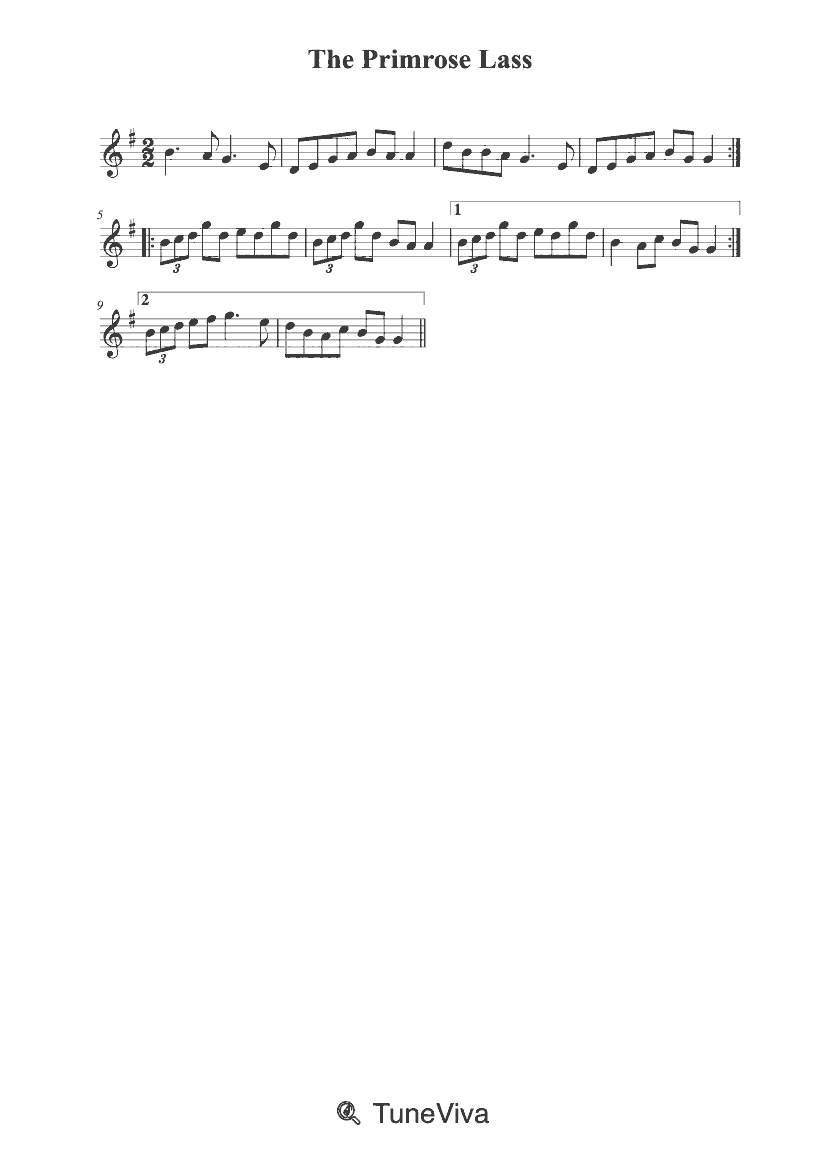
Misc tunes
1 min 4 sec · Score #187564
Open score
anon.
2 min 40 sec · Score #21491
Open score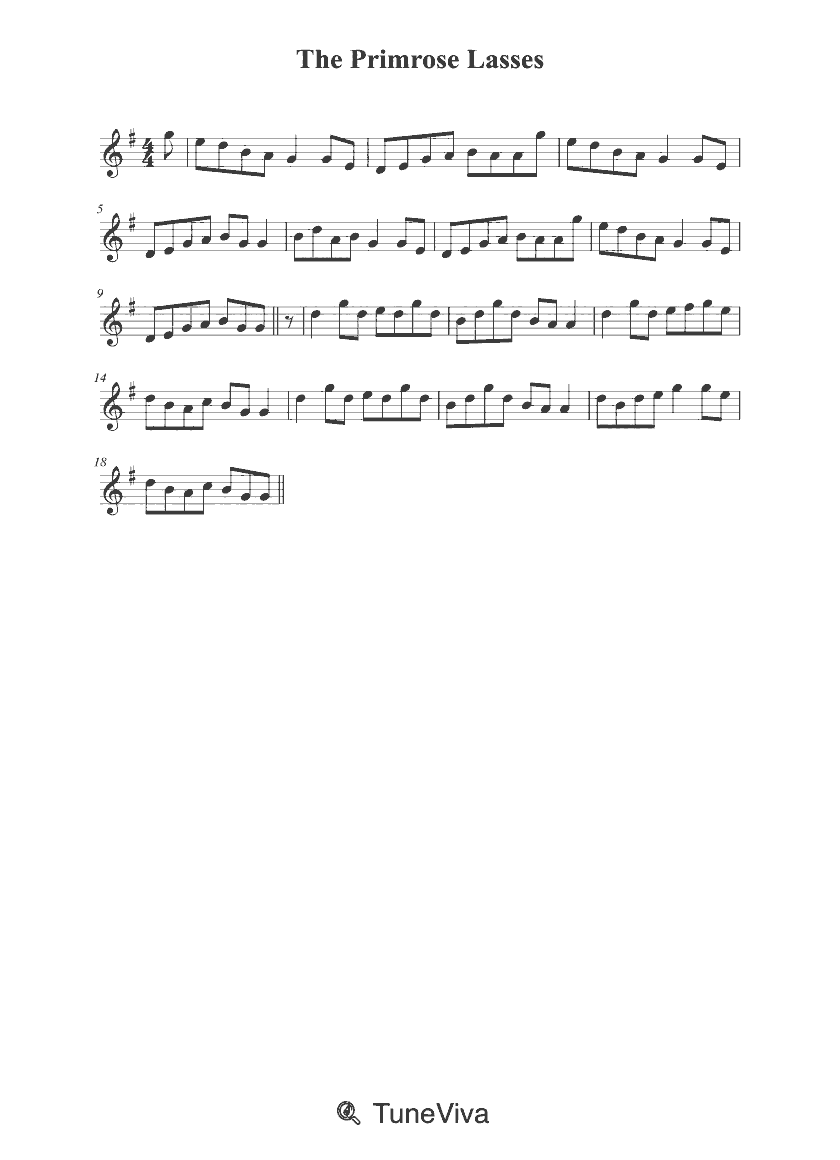
Misc tunes
32 sec · Score #39556
Open score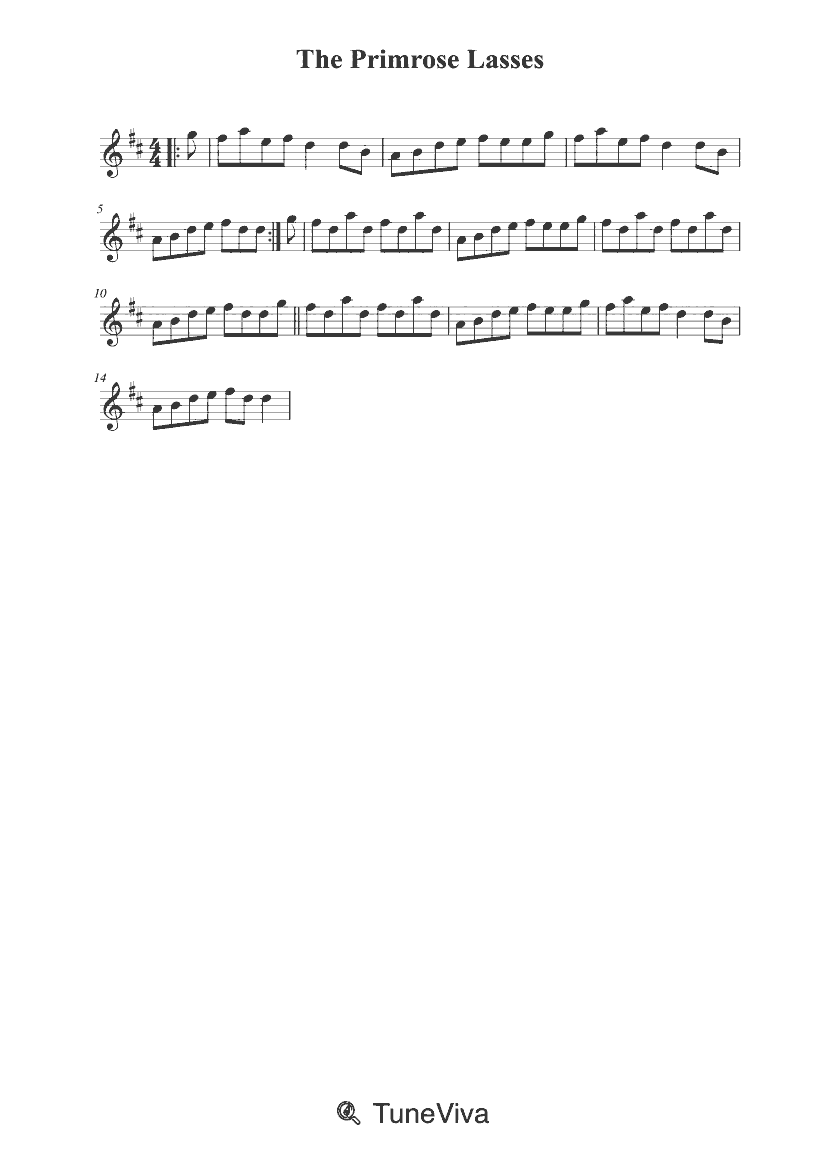
Misc tunes
32 sec · Score #59436
Open scorePage 1 of 2
The available scores for The Primrose Lasses are all credited to Traditional and are titled 'Traditional music - The Primrose Lass'. They open with a one-sharp key signature described as G major and a 2/2 time signature. Because no arranger or editor is named, check the notation to see what each setting contains.
Two available scores list 232 notes, while another lists 262. That difference means the scores should not be assumed to be the same setting, but it does not show which is more suitable for a player or group. Compare the actual notation, range and any markings in each score rather than relying on the title or note count alone.
The page uses the plural title 'The Primrose Lasses', while the score titles use the singular 'The Primrose Lass'. The supplied information does not confirm whether the singular title is a variant name for the same tune or a separate setting. If you need a particular version, compare the opening key, time signature and melodic material in the score.
The scores are listed with an opening one-sharp key signature described as G major and a 2/2 opening time signature. These details apply to the opening of the notation, so check for later key or time-signature changes in the score. The key signature alone does not establish the tune's genre, origin or full harmonic character.
Catalogue duration 2 min 8 sec. Opening key signature: 1 sharp (G major). Opening time signature: 2/2.
Catalogue duration 2 min 8 sec. Opening key signature: 1 sharp (G major). Opening time signature: 2/2.
Catalogue duration 2 min 8 sec. Opening key signature: 1 sharp (G major). Opening time signature: 2/2.
The Primrose Lasses is a traditional tune listed in the available scores. Those scores use the singular title 'The Primrose Lass' and open in G major with a 2/2 time signature.
The Primrose Lasses is credited to 'Traditional' in the available score listings. No named composer or songwriter is given beyond that credit.
Available scores for The Primrose Lasses open with a one-sharp key signature described as G major. The listed key describes the opening only, so read through each score for any later key changes.
The scores listed for The Primrose Lasses open in 2/2 time. The listing gives the opening time signature; any later changes would need to be checked in the notation.
The available settings are not demonstrably identical: two scores list 232 notes and another lists 262. The listings do not identify arrangers or editions, so compare the notation, range and markings rather than relying on the title or note count.
The page uses the plural title 'The Primrose Lasses', while the available score titles use the singular 'The Primrose Lass'. The supplied information does not confirm whether the singular title is a variant name for the same tune or a different setting; compare the opening key, time signature and melody.