
The Rose Tree
Misc tunes
32 sec · Score #103088
Open scoreThe Rose Tree sheet music is represented by three scores with different starting points. One four-part setting is labelled Ananias Davisson 1820 and opens with three sharps in 4/4 at 130 BPM; the other two settings open in D major (2/2, 224 BPM) and G major (4/4, with no opening tempo given). Compare key, metre, tempo and part layout before choosing a score, and treat attribution and the relationships between versions as unresolved.
Scores 1–20 of 50
Misc tunes
32 sec · Score #103088
Open score
Misc tunes
1 min 26 sec
Open score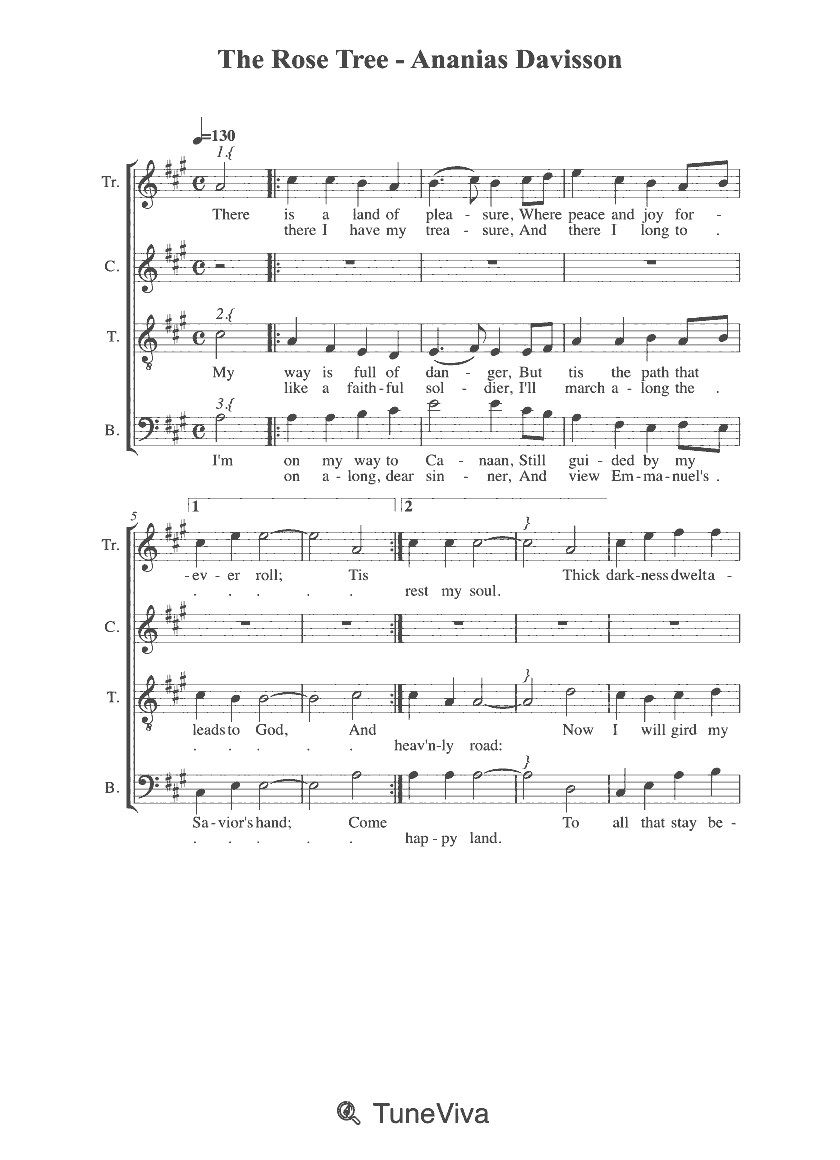
A Major Ananias Davisson 1820
Transcribed from Supplement to The Kentucky Harmony 1825.
Tr.; C.; T. +1 parts · 36 sec
Open score
Misc tunes
32 sec · Score #144957
Open score
Misc tunes
32 sec · Score #45028
Open score
Misc tunes
32 sec · Score #82369
Open score
Trad.
39 sec
Open score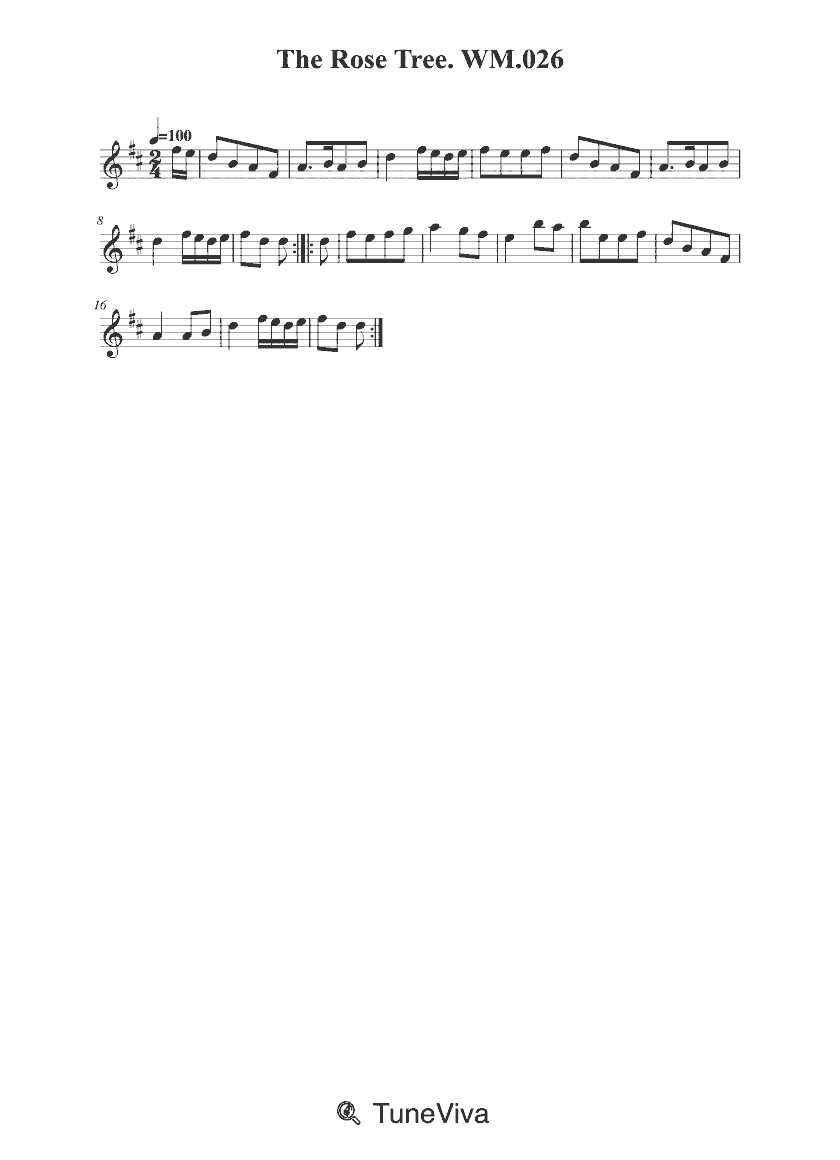
Misc tunes
38 sec
Open score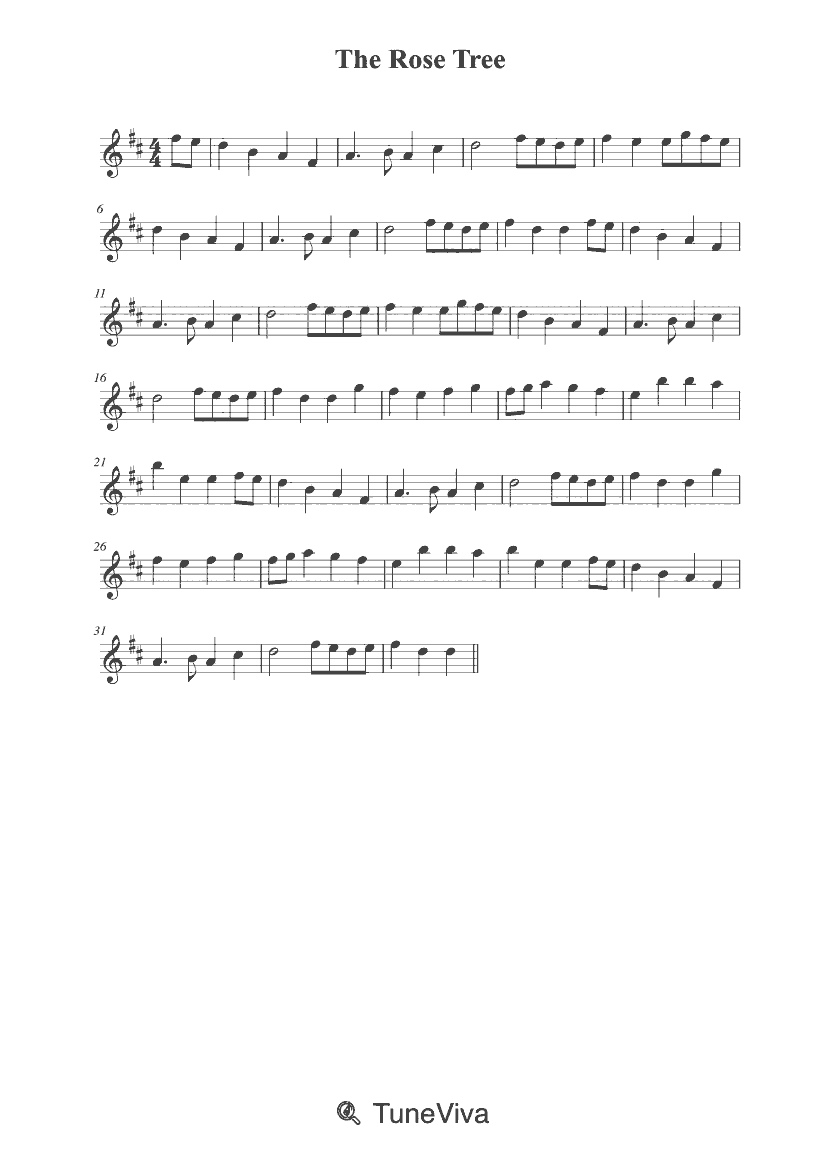
Misc tunes
1 min 4 sec · Score #79074
Open score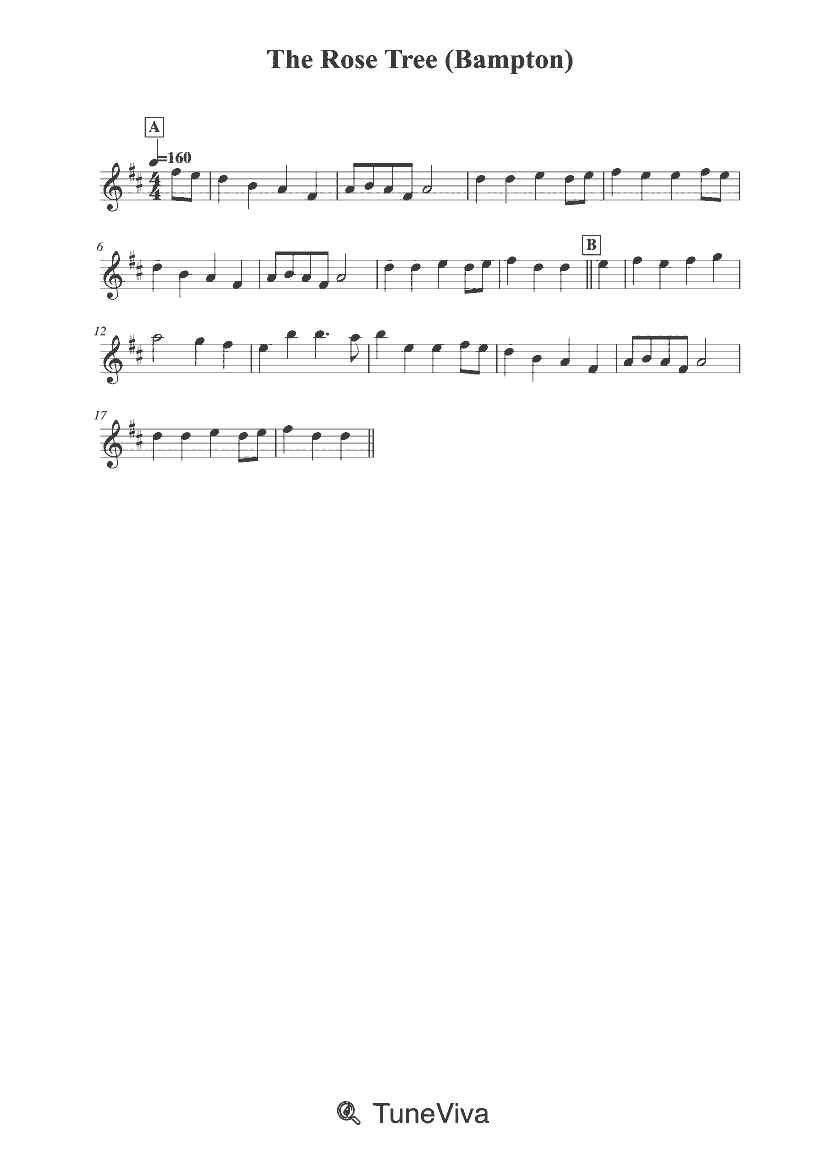
Misc tunes
24 sec
Open score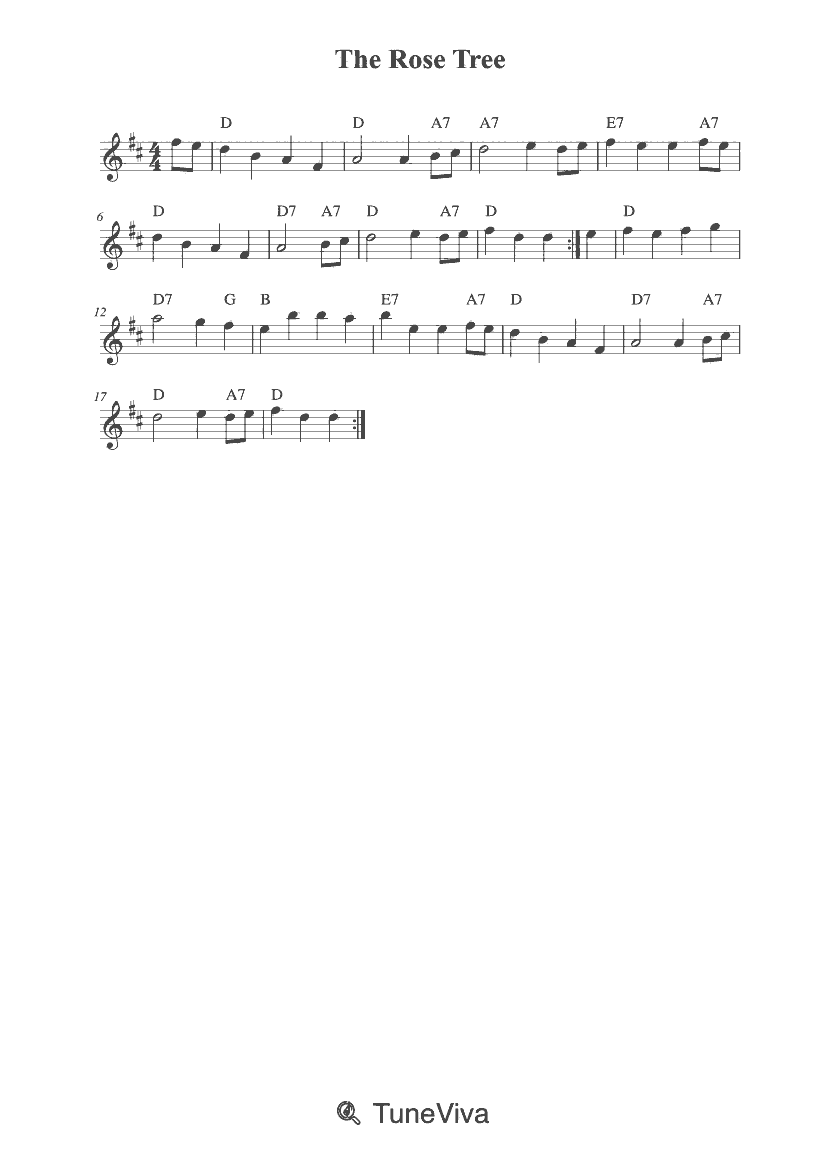
Joe Buchanan's Scottish Tome - Page 166.3
1 min 18 sec
Open score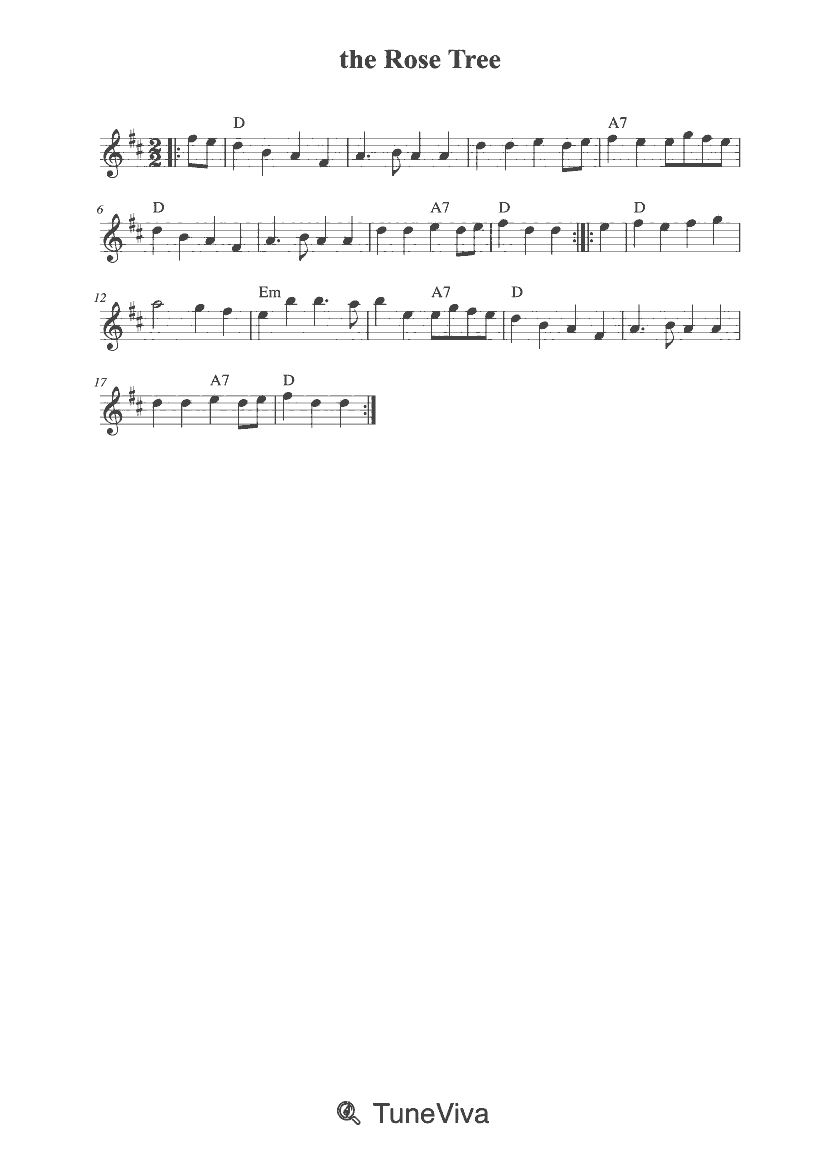
Misc tunes
2 min 8 sec
Open score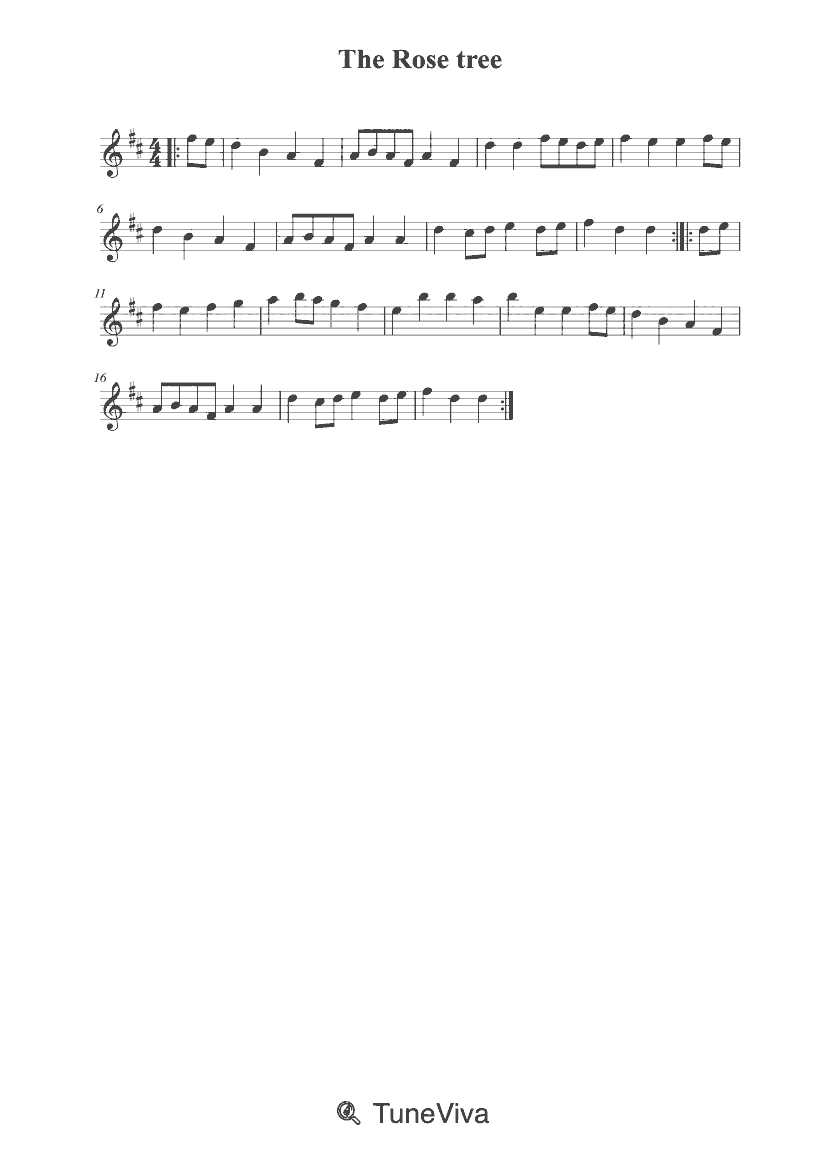
Misc tunes
1 min 4 sec · Score #169029
Open score
Hand of James Lishman
38 sec
Open score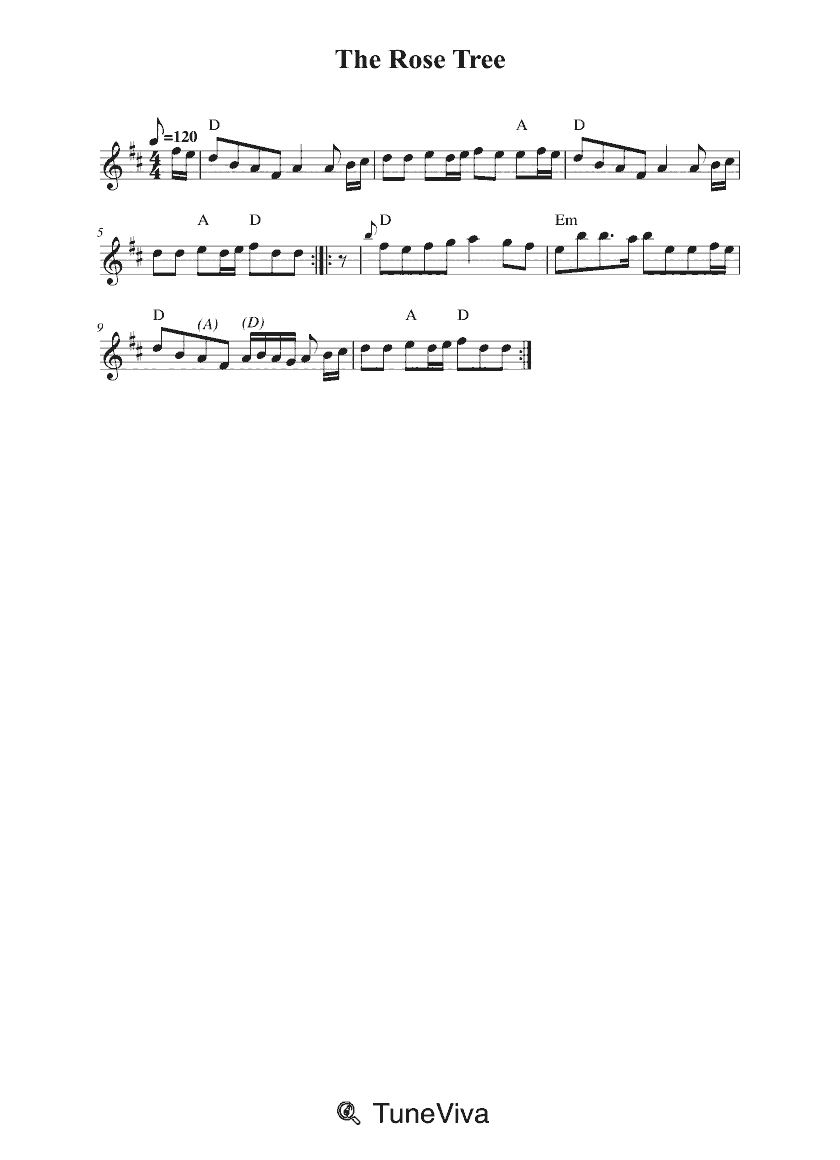
Misc tunes
1 min 4 sec · Score #25012
Open score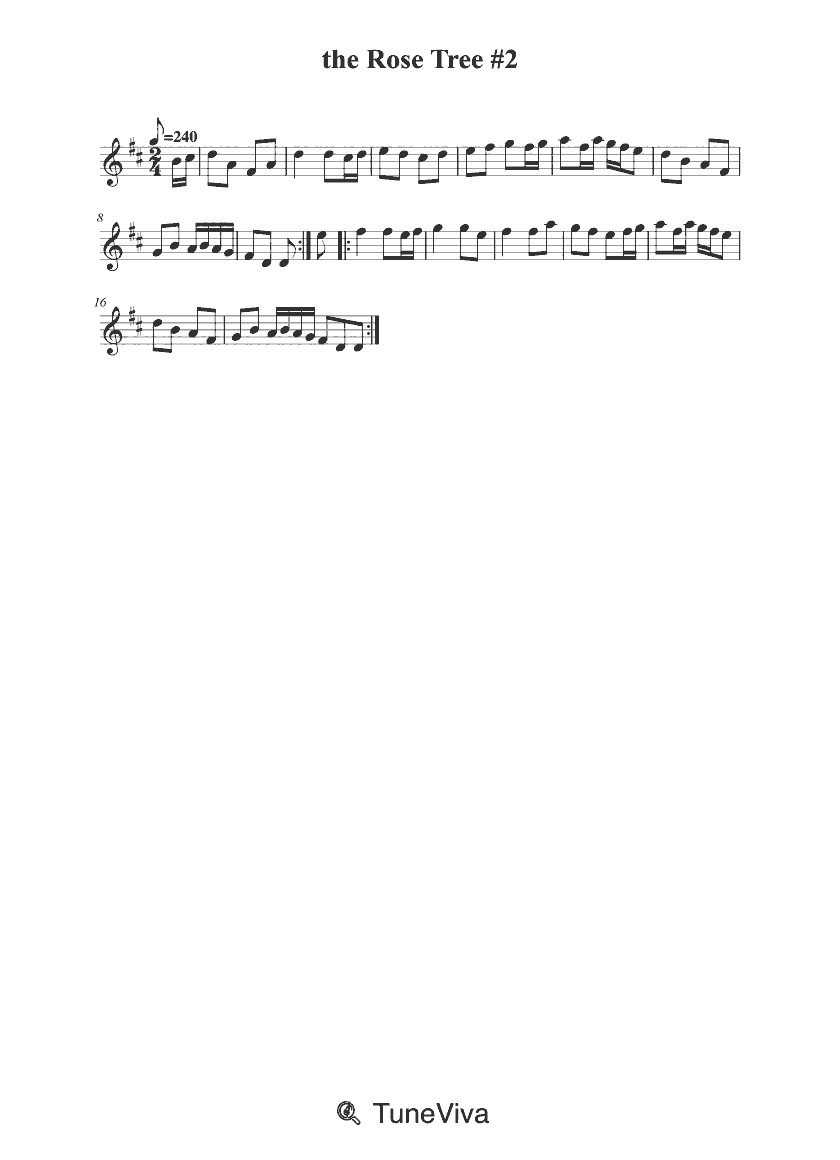
Misc tunes
Leather Away the Wattle Othe Half Doorthe Lisdoonvarna Polka
32 sec
Open score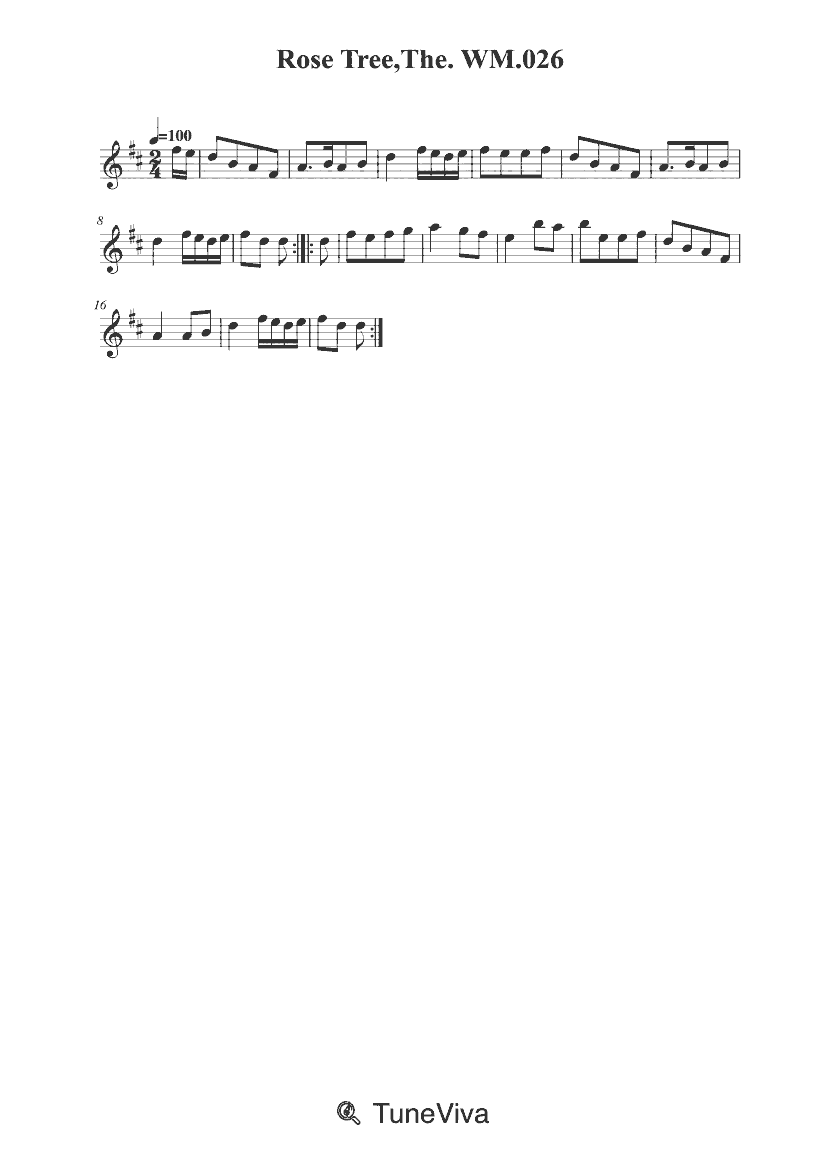
Misc tunes
38 sec
Open score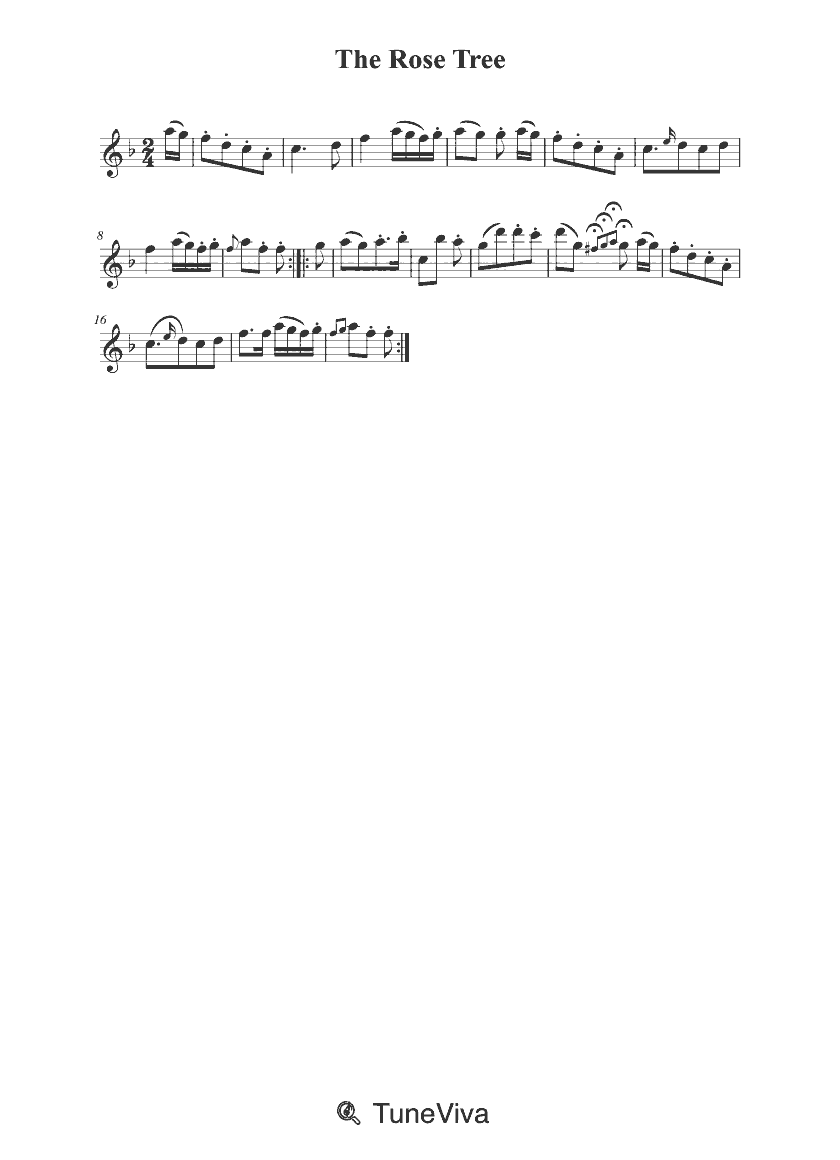
Misc tunes
32 sec · Score #155678
Open score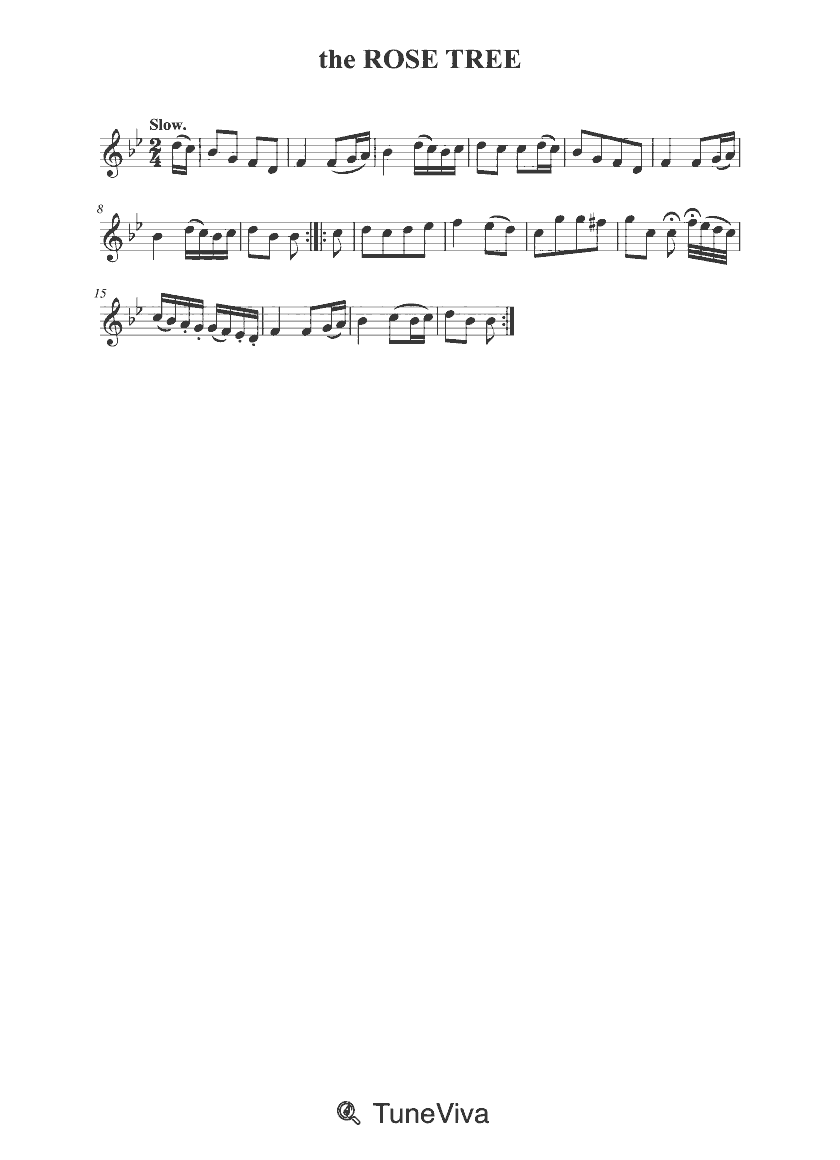
Misc tunes
32 sec · Score #189878
Open score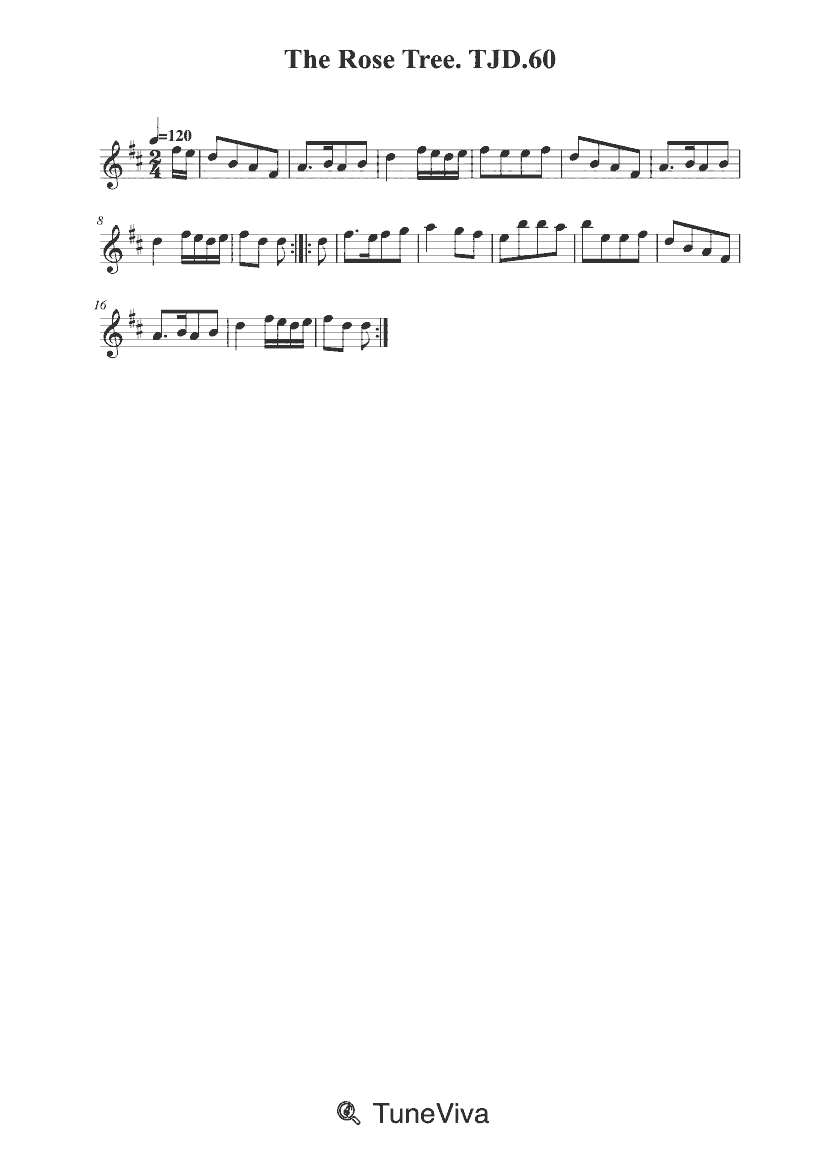
Misc tunes
32 sec · Score #14870
Open scorePage 1 of 3
The Rose Tree appears in three differently described scores. The Davisson-labelled setting lists Tr., C., T. and B. parts and opens with three sharps in 4/4 at 130 BPM. A second setting opens in D major in 2/2 at 224 BPM, while a third opens in G major in 4/4 with no opening tempo given. These opening indications are useful for comparison, but they do not by themselves prove that the scores present the same version of the piece.
For a four-part ensemble, the score titled “The Rose Tree - Ananias Davisson” is the only one described here that lists separate Tr., C., T. and B. parts. The abbreviations are not explained, so check the notation before assigning voices or instruments. The D major and G major settings do not list parts, so inspect their layout before using them with multiple performers.
The key signatures, time signatures and BPM values describe how each score opens, not necessarily the whole piece. The three-sharp setting is not named as a specific key, and tempo values may reflect an edition or playback setting. Use these figures to compare scores, then verify key changes, metre changes and tempo in the music itself.
The two other scores list no composer name. The relationship between the four-part version and the D major and G major settings is also unconfirmed, so do not assume they are arrangements of one another.
Catalogue duration 32 sec. Opening key signature: 1 sharp (G major). Opening time signature: 4/4.
Catalogue duration 1 min 26 sec. Opening key signature: 2 sharps (D major). Opening time signature: 2/2. Opening tempo: 224 BPM.
Score parts: Tr., C., T., B.. Catalogue duration 36 sec. Opening key signature: 3 sharps. Opening time signature: 4/4. Opening tempo: 130 BPM.
A composer for The Rose Tree is not confirmed by an authoritative source. One four-part score carries the label “Ananias Davisson 1820”, but the label does not establish whether Davisson composed, arranged or published the piece, and the two other scores list no composer name.
Three scores of The Rose Tree are described with different openings: a four-part setting labelled Ananias Davisson 1820 (three sharps, 4/4, 130 BPM), a D major setting (2/2, 224 BPM), and a G major setting (4/4, no opening tempo). The scores do not establish whether these are versions of one piece or separate arrangements.
The score titled “The Rose Tree - Ananias Davisson” is the only one described that lists Tr., C., T. and B. parts. Those abbreviations and their intended voices or instruments are not explained, so inspect the notation before assigning performers.
The Rose Tree does not have one confirmed key across the three scores. Opening key signatures are D major, G major and three sharps; the three-sharp setting is not named as a specific key. Check each score rather than assuming a single key for the piece.
Tempo markings differ among the scores of The Rose Tree. The D major setting gives 224 BPM in 2/2, the four-part Davisson-labelled setting gives 130 BPM in 4/4, and the G major setting gives no opening tempo. These are opening indications for individual scores, not a definitive performance speed.
The date 1820 appears in the label of the four-part Rose Tree score associated with Ananias Davisson. The label does not confirm whether 1820 refers to composition, publication, compilation or another event, so treat it as a score label rather than a confirmed historical date.