
The Woman Of The House
Misc tunes
1 min 19 sec
Open scoreThree separate settings of “The Woman of the House” are available here, each listed without a named composer and each notated differently. One opens with no sharps or flats in 4/4; the other two open with one sharp, notated in 2/2 and 4/4 respectively. Because the settings differ in key, metre and length, it is worth opening more than one before deciding which to work from. The listings do not specify instrumentation or a historical origin for the tune, so those details are best confirmed from the notation itself rather than assumed from the title.
Scores 1–20 of 22
Misc tunes
1 min 19 sec
Open score
Misc tunes
1 min 36 sec · Score #103362
Open score
anon.
1 min 29 sec
Open score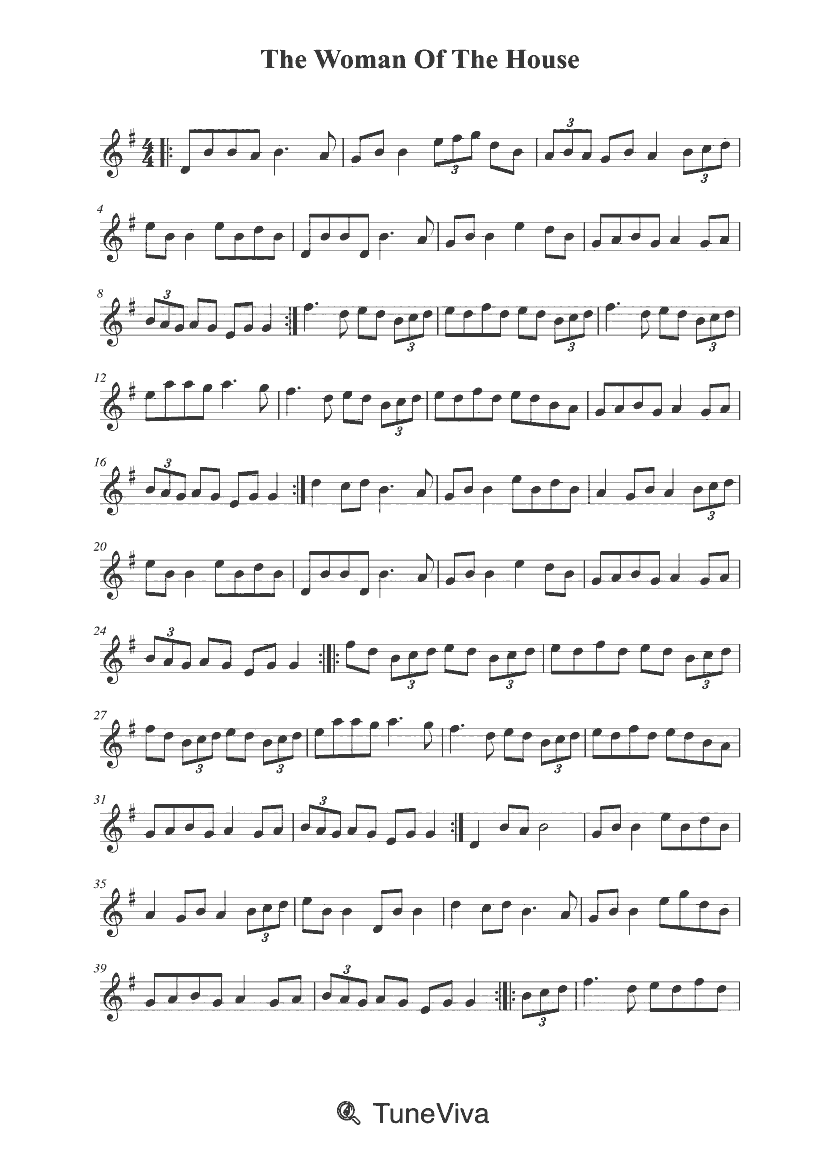
Misc tunes
4 min 16 sec · Score #179285
Open score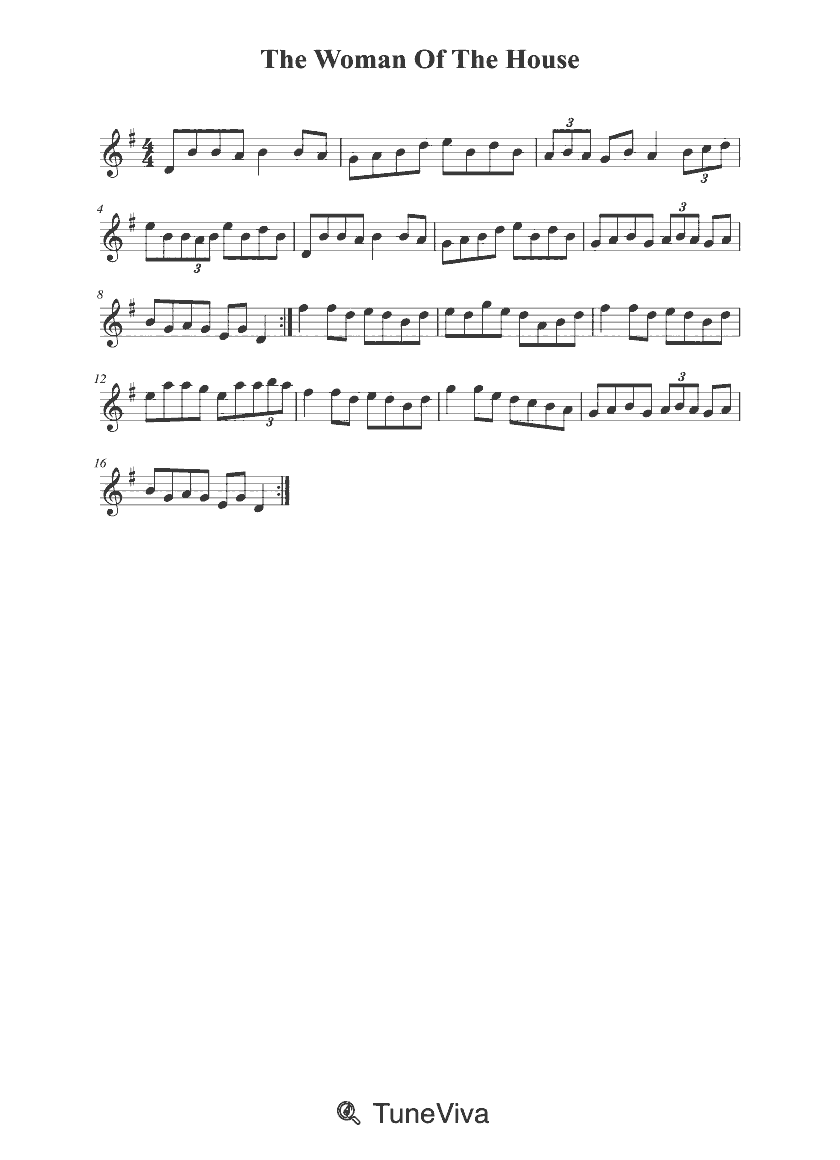
Misc tunes
1 min 20 sec · Score #85816
Open score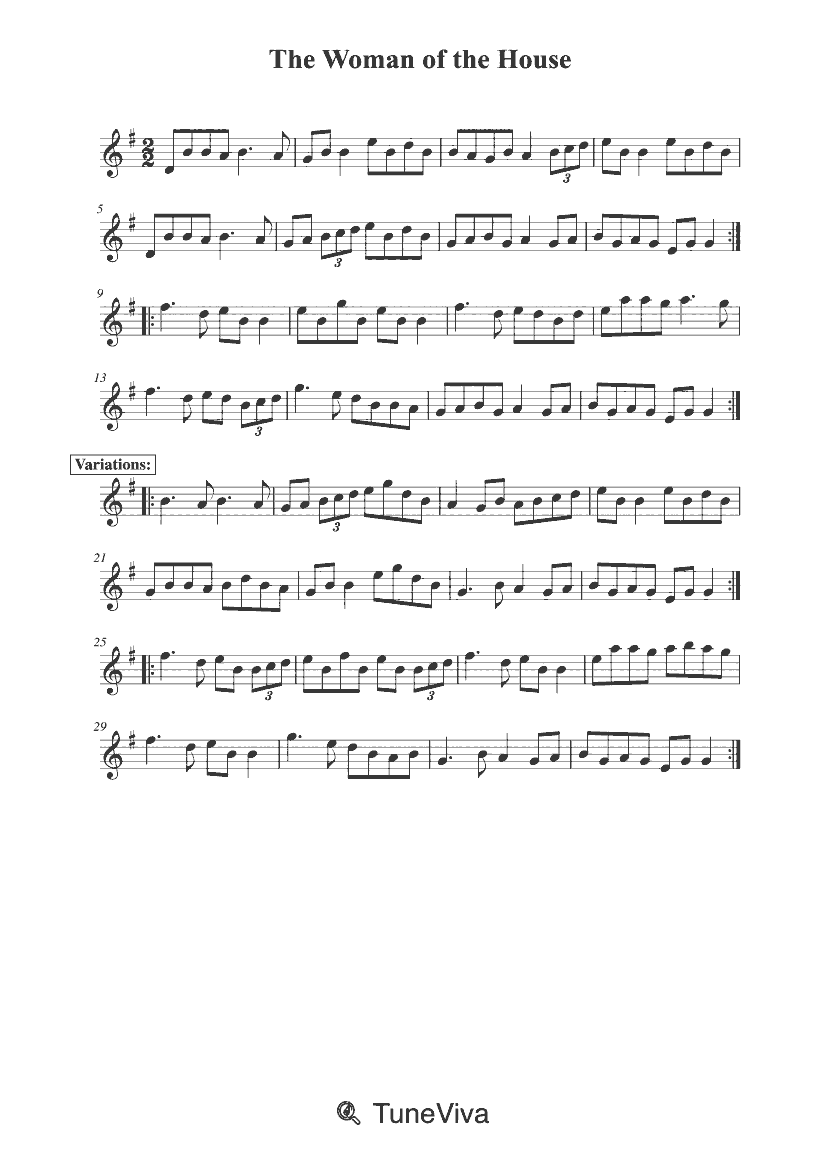
Misc tunes
4 min 16 sec · Score #132158
Open score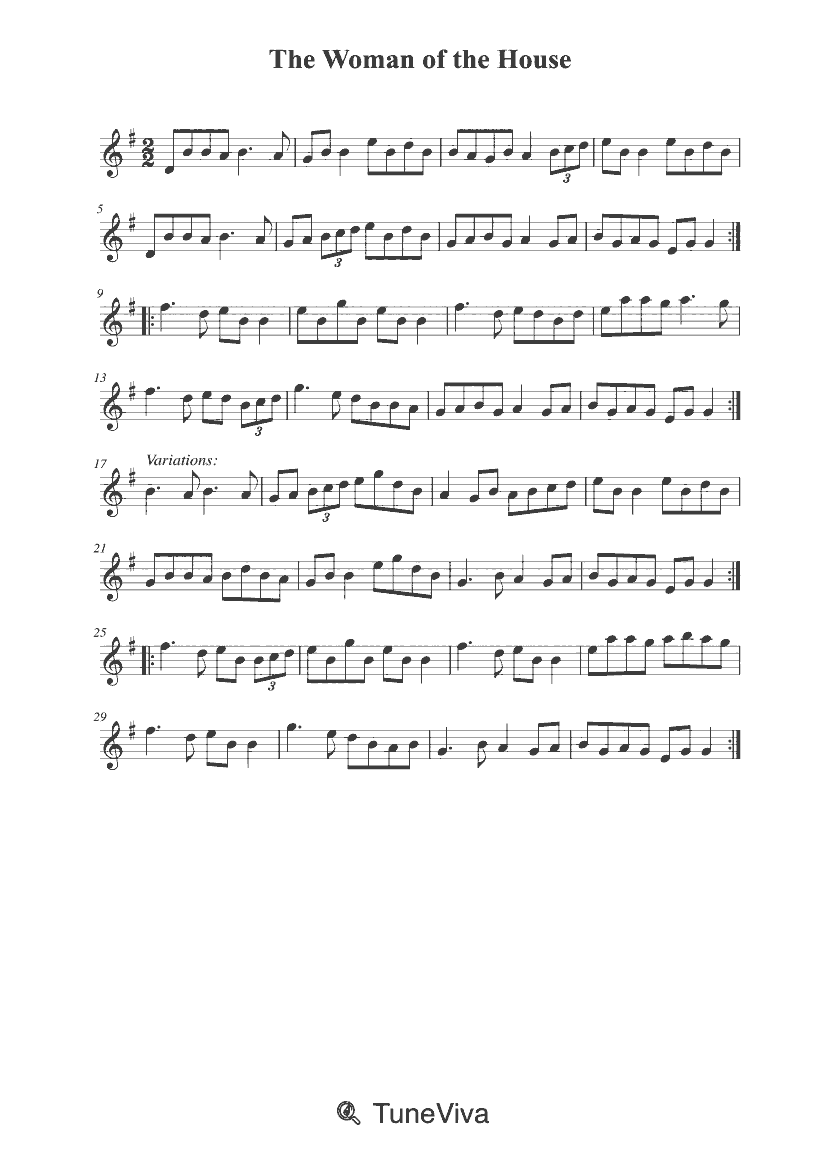
Misc tunes
4 min 48 sec
Open score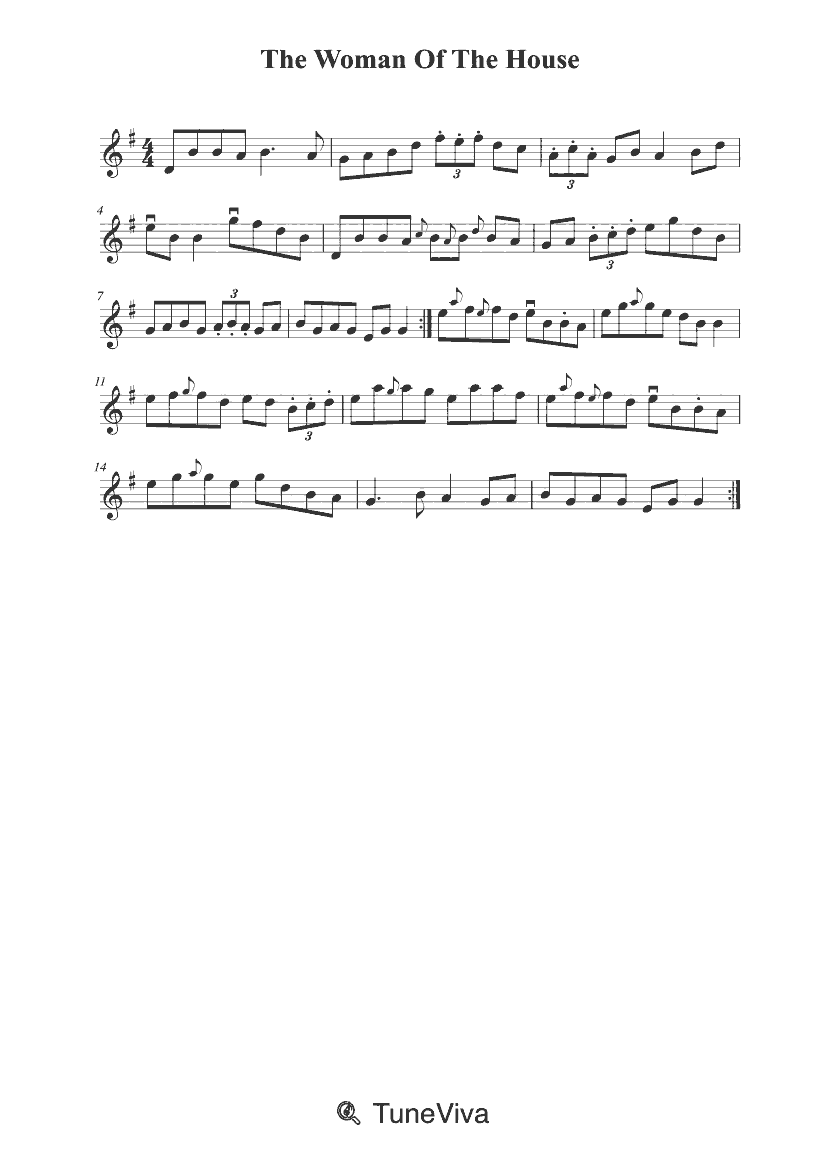
Misc tunes
1 min 20 sec · Score #125280
Open score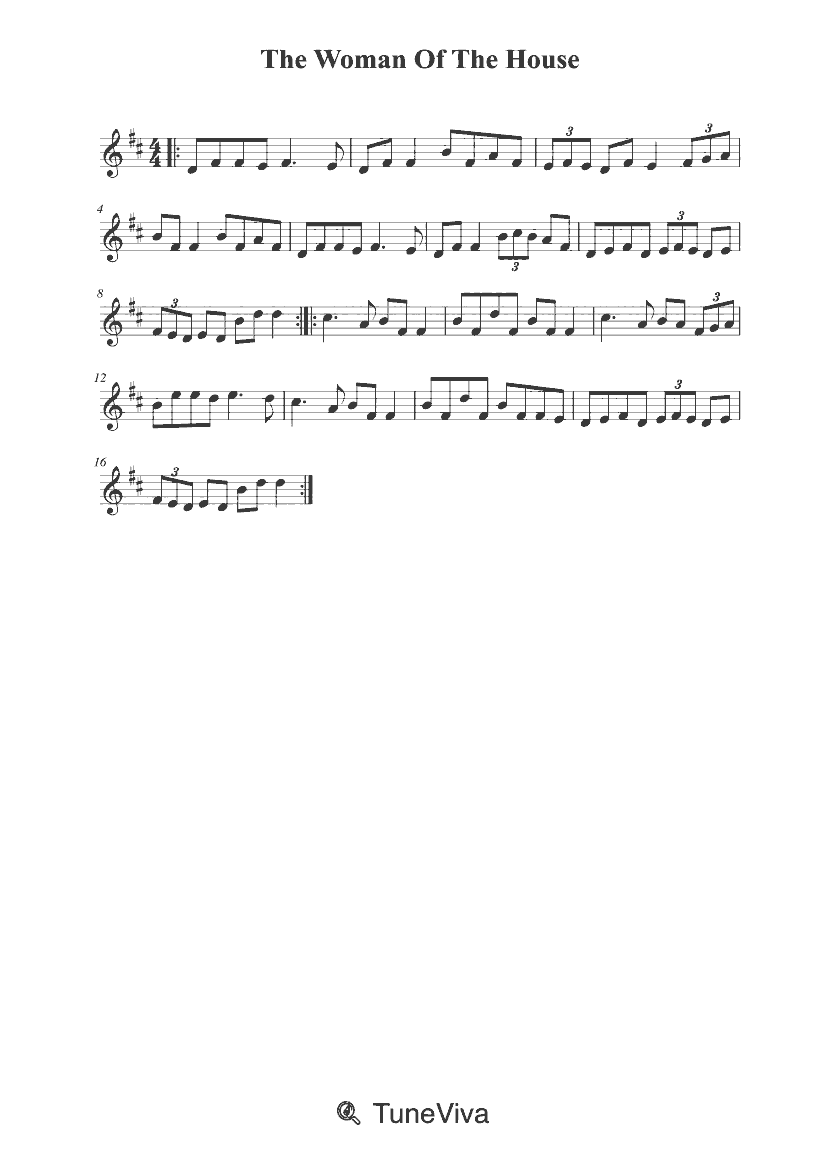
Misc tunes
1 min 4 sec
Open score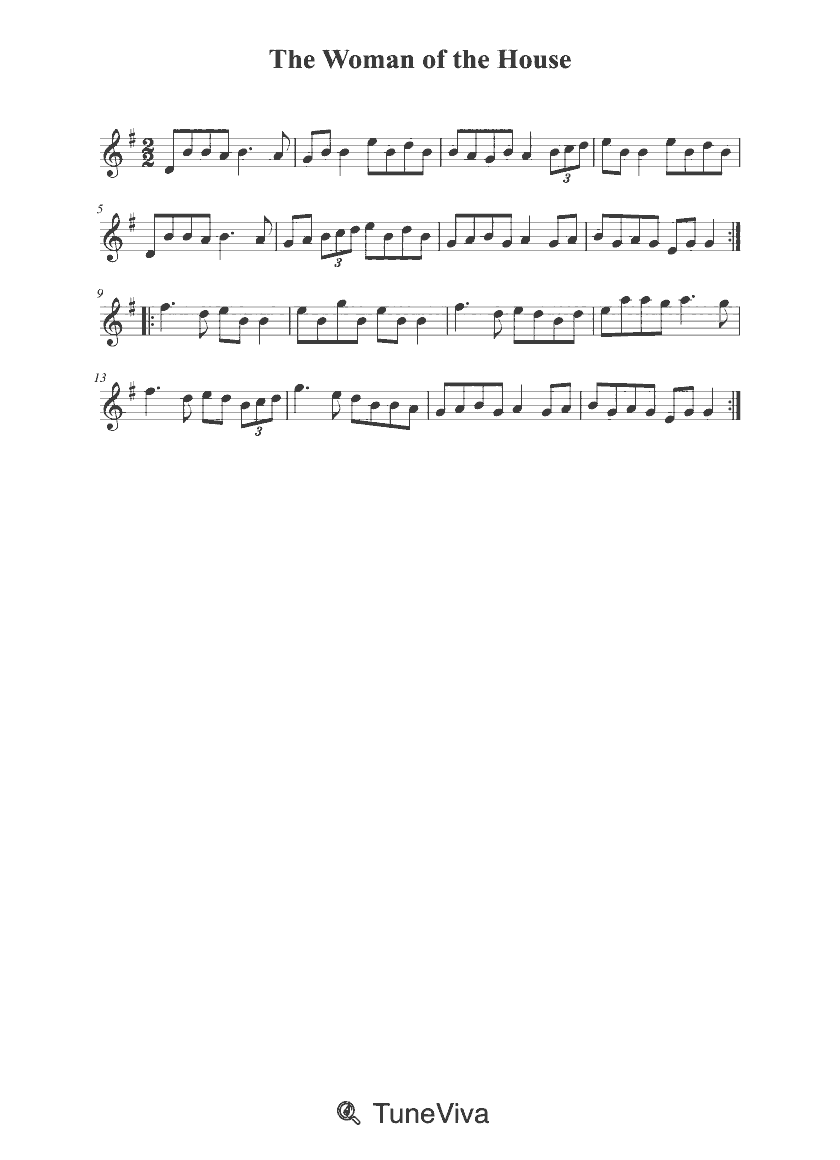
Misc tunes
2 min 8 sec · Score #163876
Open score
anon.
1 min 44 sec
Open score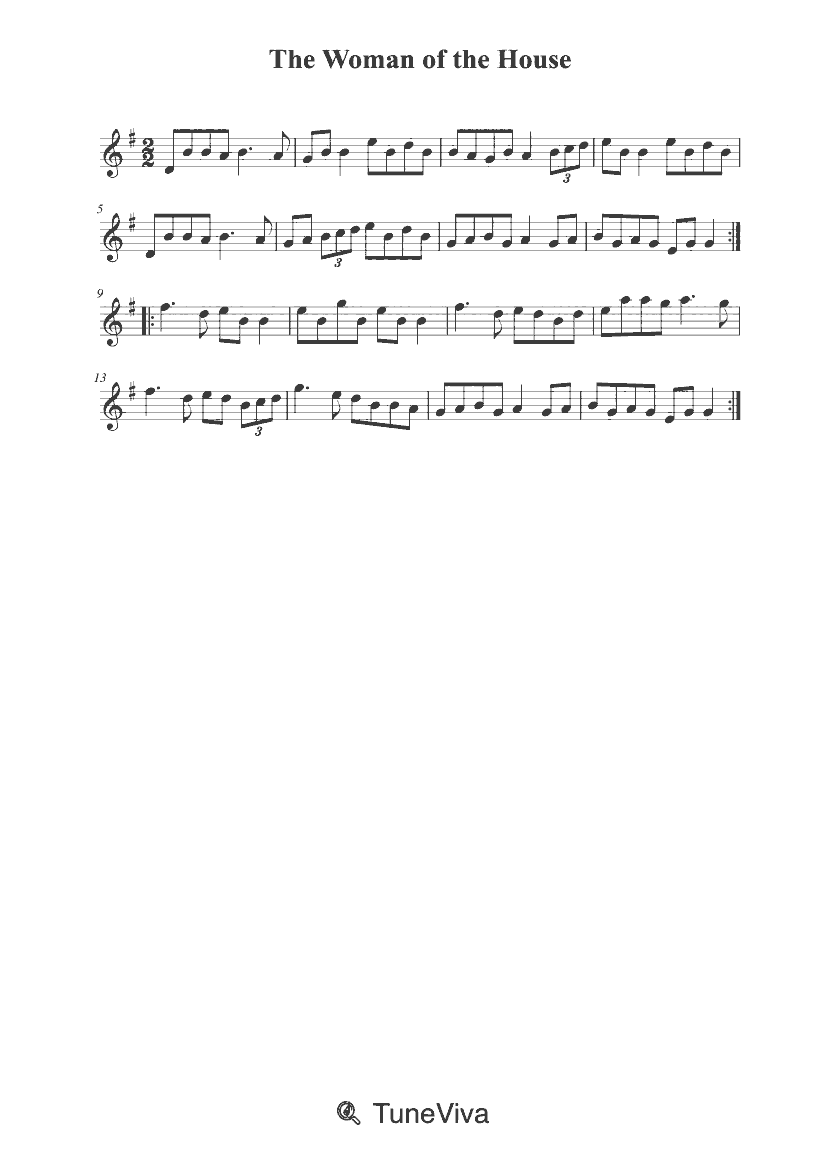
Misc tunes
2 min 8 sec · Score #220861
Open score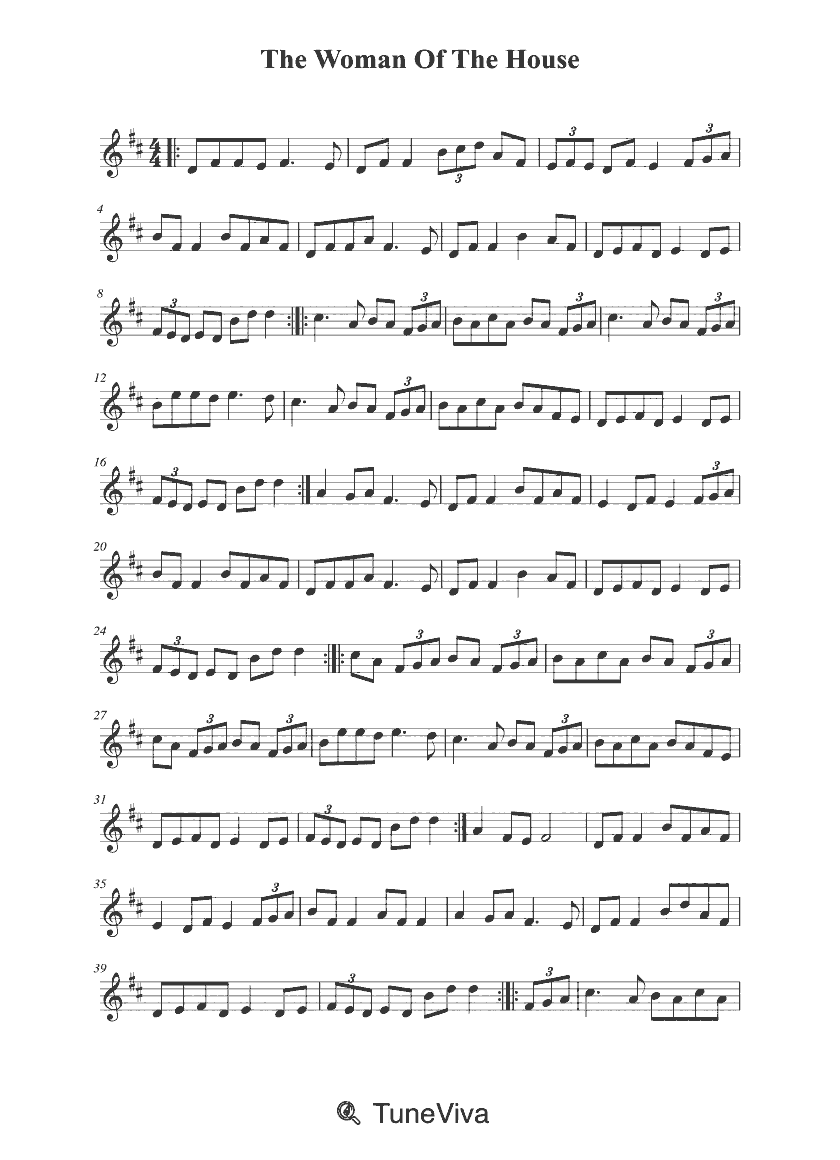
Misc tunes
3 min 44 sec
Open score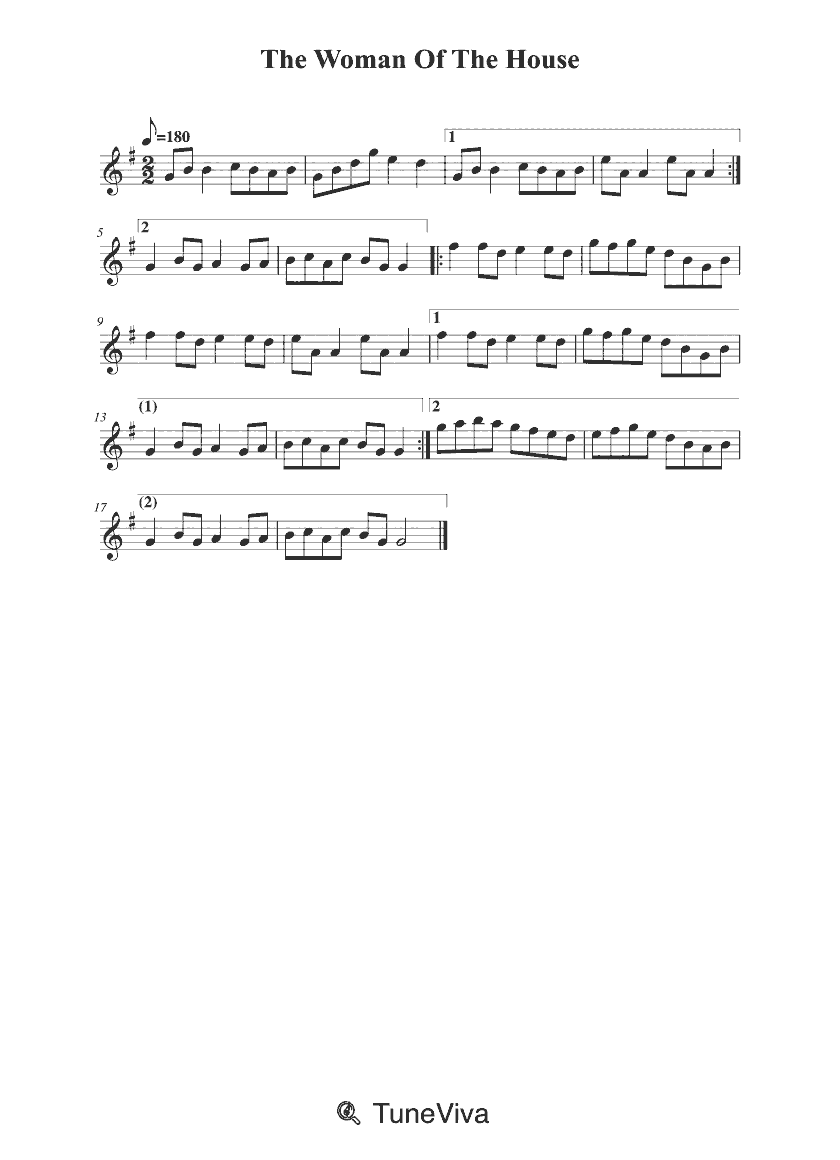
Misc tunes
2 min 9 sec
Open score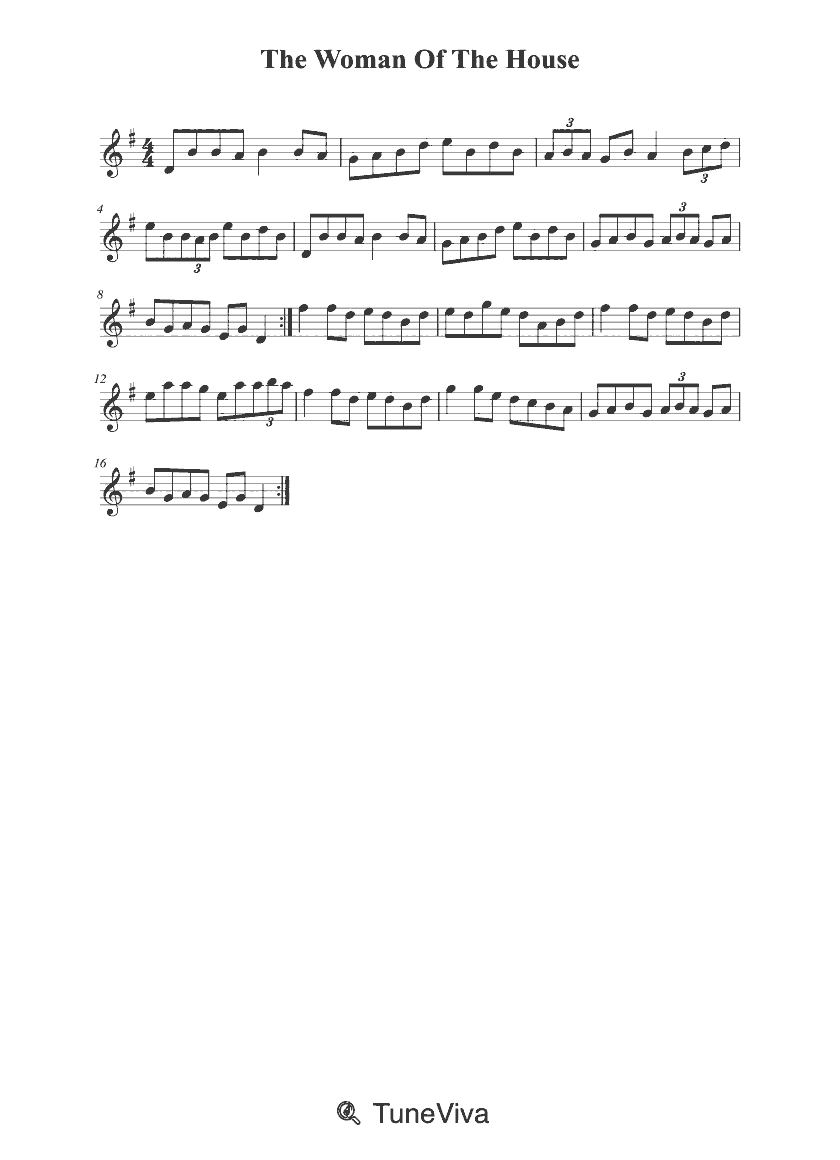
Misc tunes
1 min 20 sec · Score #244985
Open score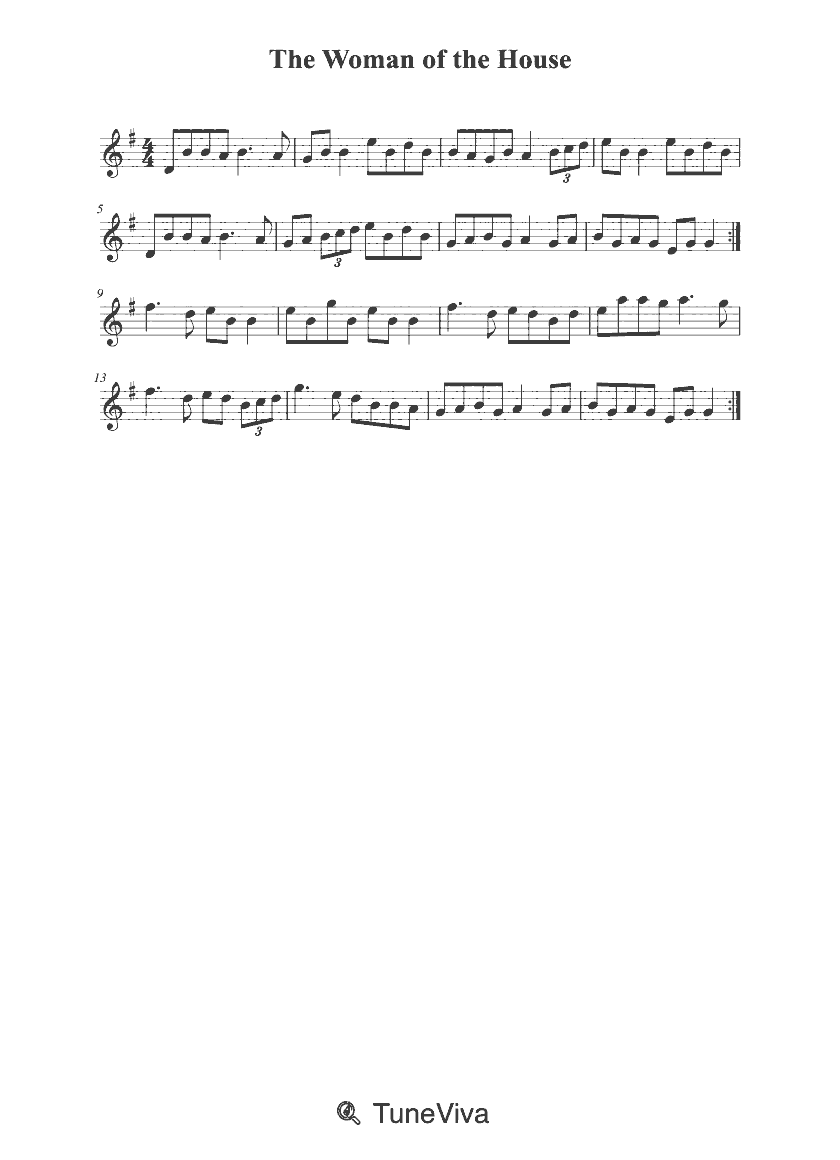
Misc tunes
1 min 20 sec · Score #10277
Open score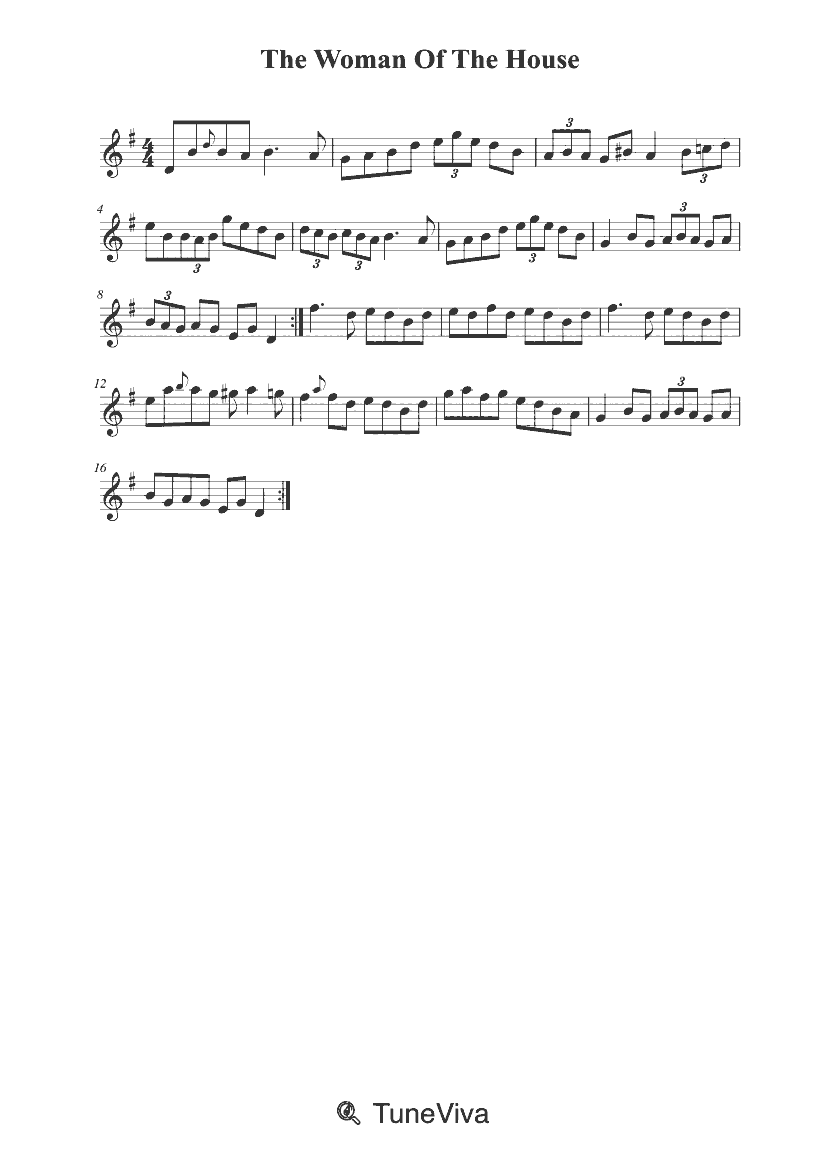
Misc tunes
1 min 20 sec · Score #67046
Open score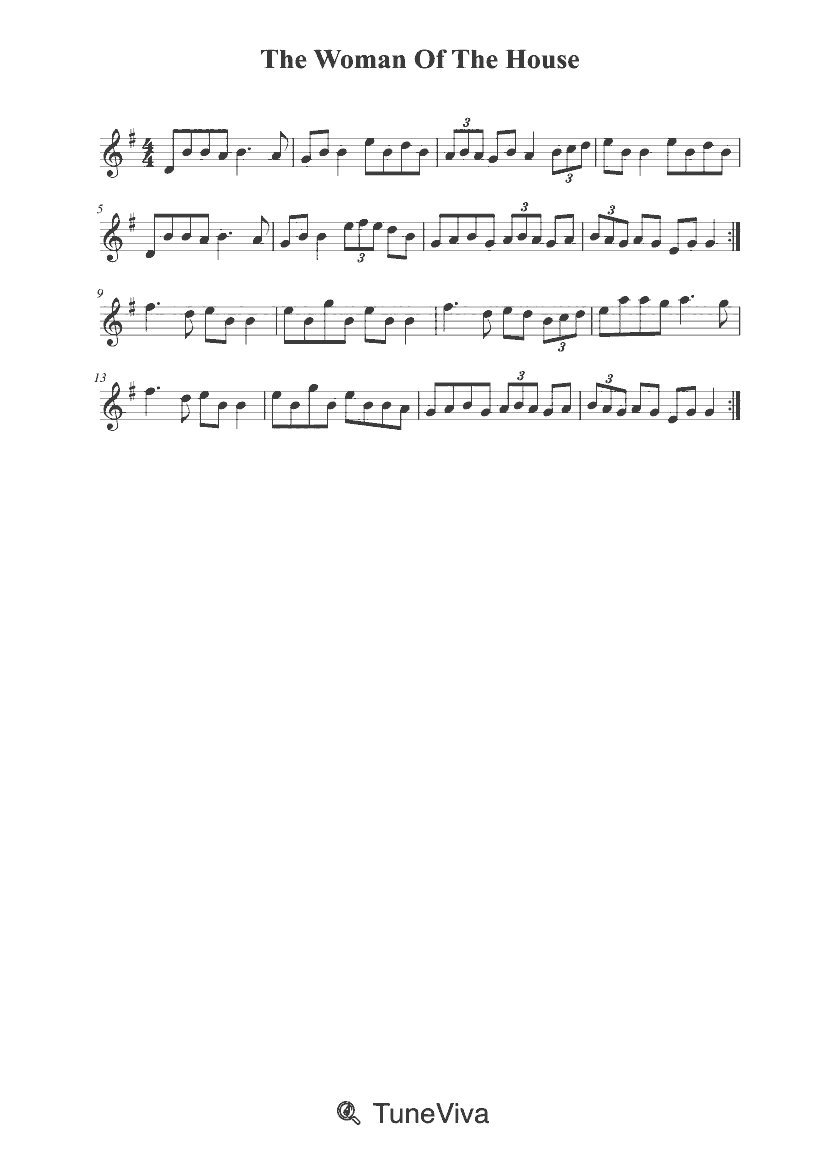
Misc tunes
1 min 20 sec · Score #126331
Open score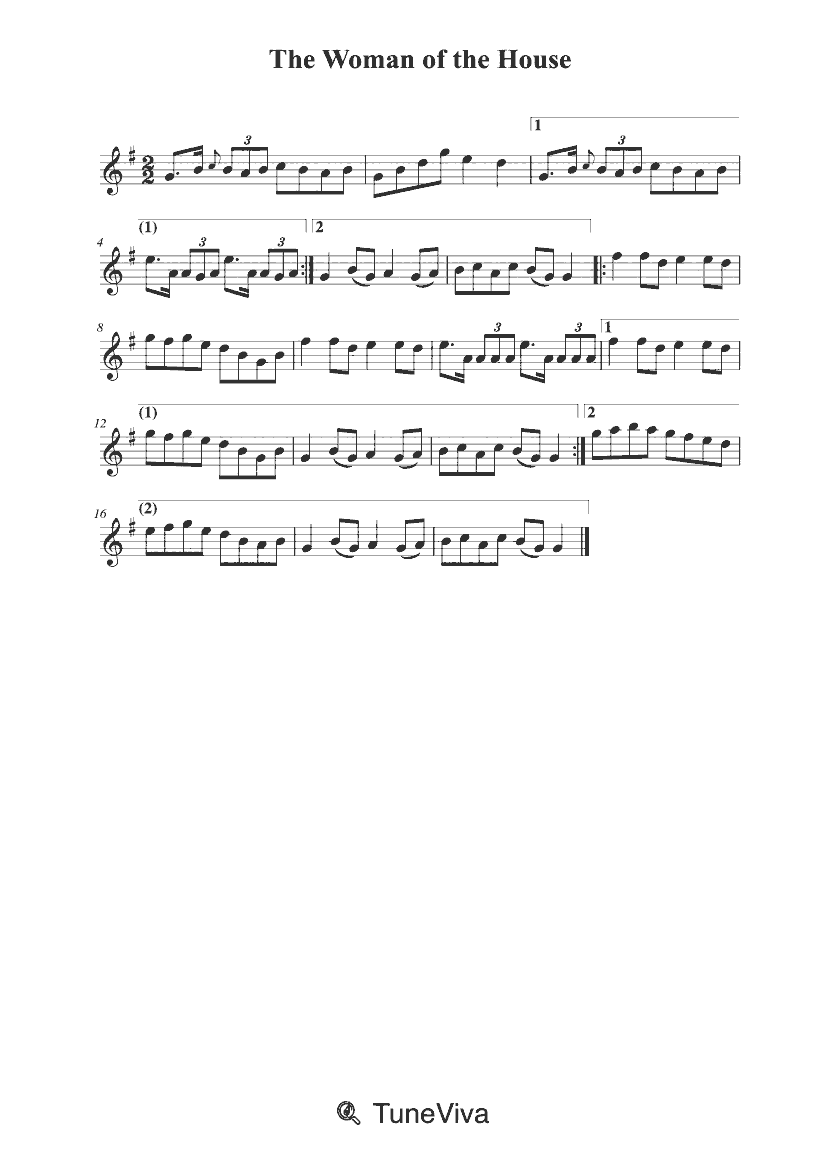
Misc tunes
1 min 36 sec · Score #177939
Open score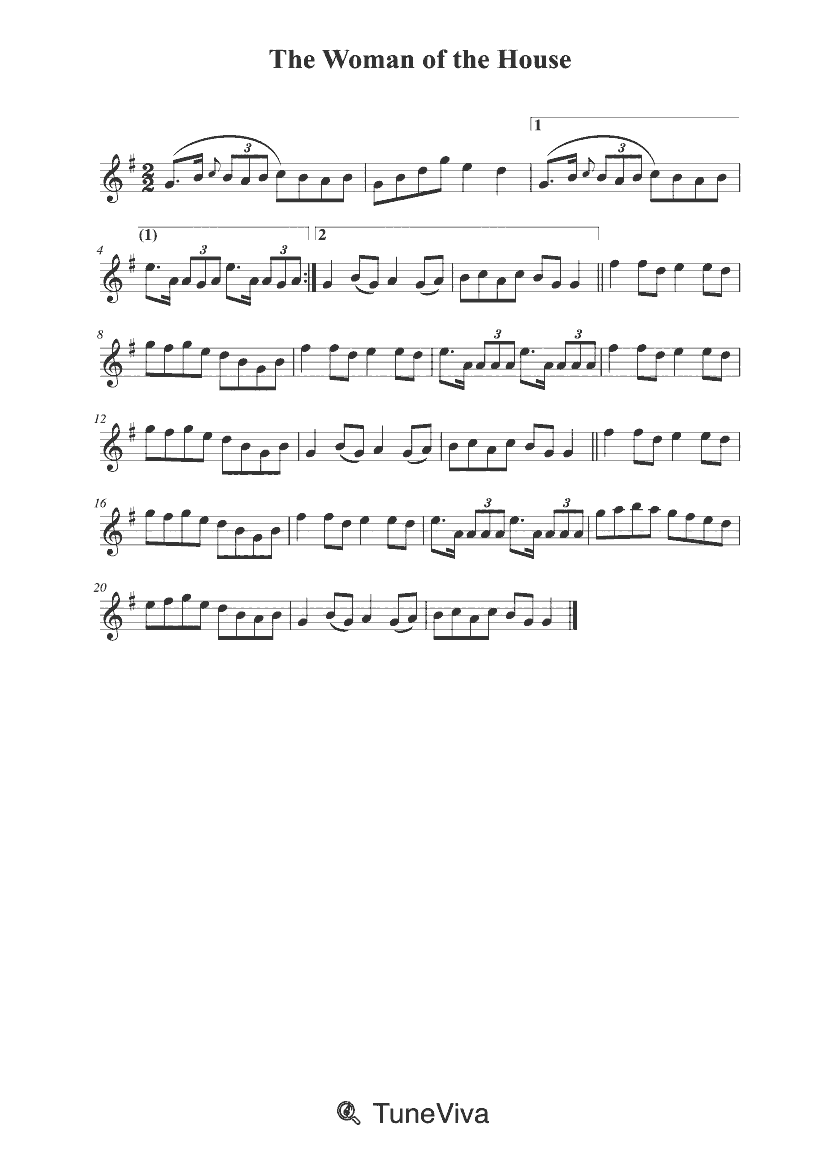
Misc tunes
1 min 36 sec · Score #211438
Open scorePage 1 of 2
The most obvious differences are at the top of each score. One setting begins with an empty key signature in 4/4, while the other two begin with one sharp, one written in 2/2 and one in 4/4. They also differ in length: the versions run to roughly 168, 181 and 290 notes, with playing times of about 1:29, 1:36 and 1:19 in the listings. Those figures describe individual scores and are a rough guide to density rather than a measure of musical quality.
A key signature and time signature describe how a score begins, not how it unfolds. A tune that opens with one sharp may modulate or use accidentals later, and a 2/2 marking changes how the beat is felt rather than how many notes appear. Compare a few bars of each setting if you want to know whether the versions are close relatives or noticeably different arrangements of the same title.
No instrument or ensemble is named for any of the three settings, and none carries a composer credit. The title is shared across all three, but the available information does not establish whether they descend from a single traditional tune, whether they are independent pieces sharing a name, or where the tune comes from. Checking the notation — clef, range, phrasing and any ornament signs — is the reliable way to judge which setting suits your instrument.
Catalogue duration 1 min 19 sec. Opening key signature: 1 sharp (G major). Opening time signature: 4/4.
Catalogue duration 1 min 36 sec. Opening key signature: 1 sharp (G major). Opening time signature: 2/2.
Catalogue duration 1 min 29 sec. Opening key signature: No sharps or flats. Opening time signature: 4/4.
The three available settings of The Woman of the House do not share one key or metre. One score opens with no sharps or flats in 4/4, a second opens with one sharp (G major) in 2/2, and a third opens with one sharp in 4/4. These describe only the opening of each score, so accidentals or later changes may follow.
None of the three settings of The Woman of the House credits a named composer; the listings either mark the composer as anonymous or leave the field blank. No attribution can therefore be made from the available information, and the piece should be treated as unattributed until a verified source says otherwise.
The three settings of The Woman of the House differ in key, metre and length. Two open with one sharp and one opens with an empty key signature; metres are 4/4 and 2/2; and the scores contain roughly 168, 181 and 290 notes respectively. Note and duration figures describe individual scores and should be read as approximate.
The title follows a pattern common in traditional tune naming, but no supplied source confirms an Irish origin, a dance type, or a date for The Woman of the House. The scores are catalogued without composer, region or genre information, so claims about the tune's background should be checked against a documented collection before being relied on.
The listings for The Woman of the House do not name an instrument, voice or ensemble. The clef, range and any chord symbols in the notation are the practical guide to what a given setting suits, so open the score and check those details before choosing a version for your instrument.
Start with the key that sits best on your instrument, then compare metre and length. A setting notated in 2/2 will feel broader in pulse than one in 4/4, and the longest of the three carries considerably more notes than the shortest. Reading the first few bars of each will show whether the melodic content is close or substantially varied.