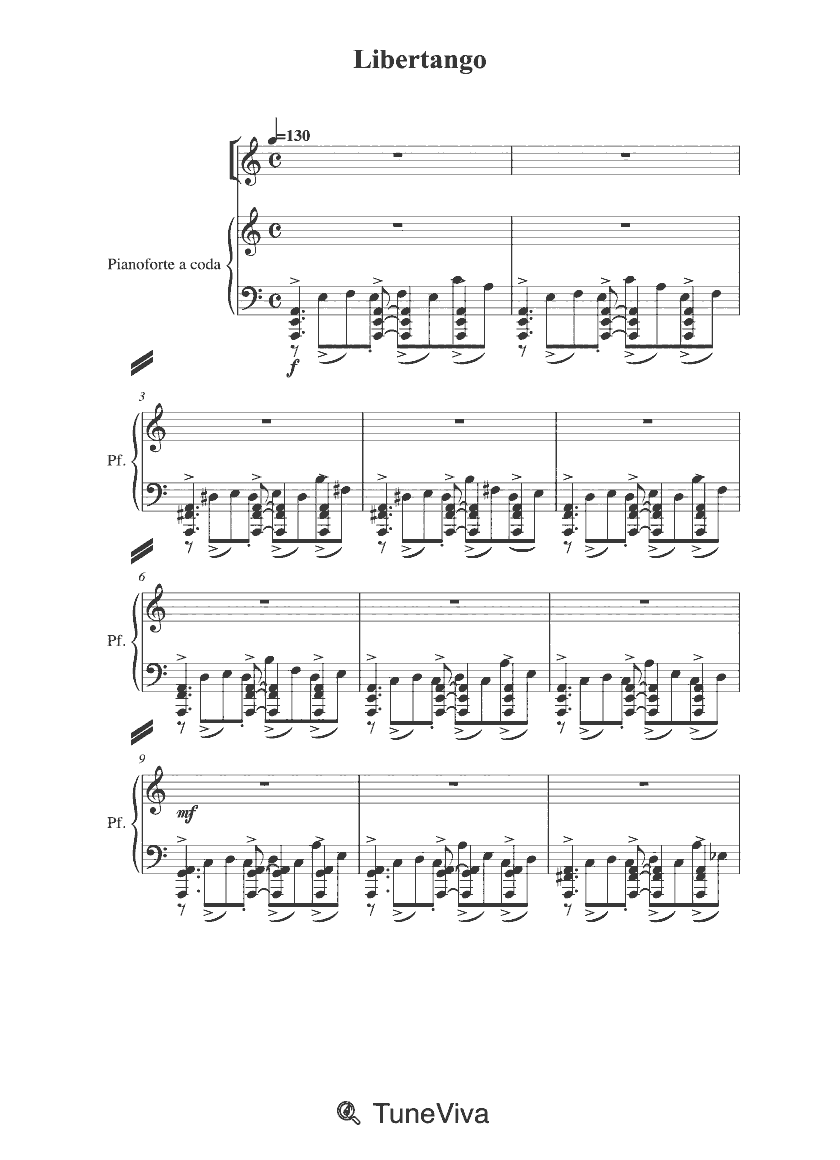
Libertango
Astor Piazzolla
Violino; Pianoforte a coda · 4 min 8 sec
Open scoreBrowse 17 Astor Piazzolla score files, compare Libertango and Adios Nonino settings, and check ensemble parts and credits. Compare credits before use.
A catalog file for this Piazzolla title; check the upload for its actual forces.
The title names a cello and accordion setting; this is arrangement information.
One file among possible settings of the work; catalog lists multiple tracks.
Compare the instrument and arrangement details below, then open a score to check the notation. Different entries may be arrangements or editions of the same work; available playback tools are shown on each score page.
Astor Piazzolla
Violino; Pianoforte a coda · 4 min 8 sec
Open score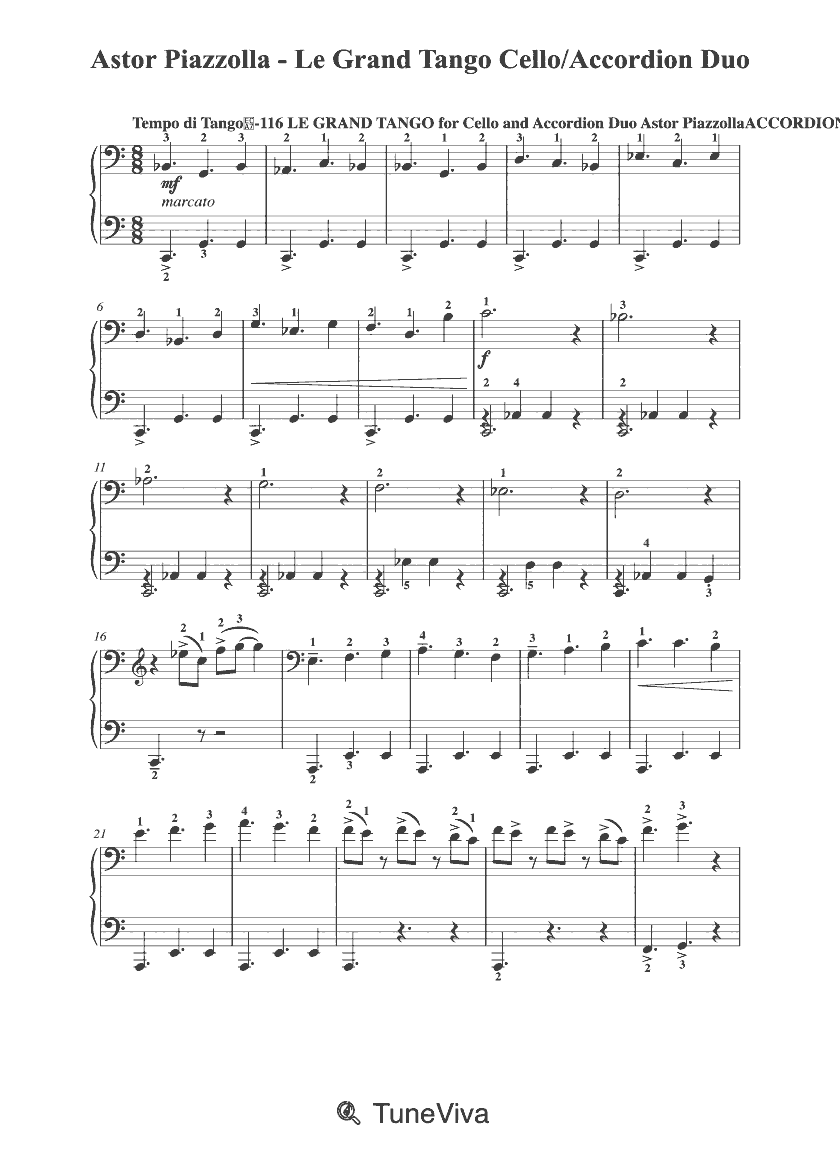
Astor Piazzolla
Piano · 10 min 6 sec
Open score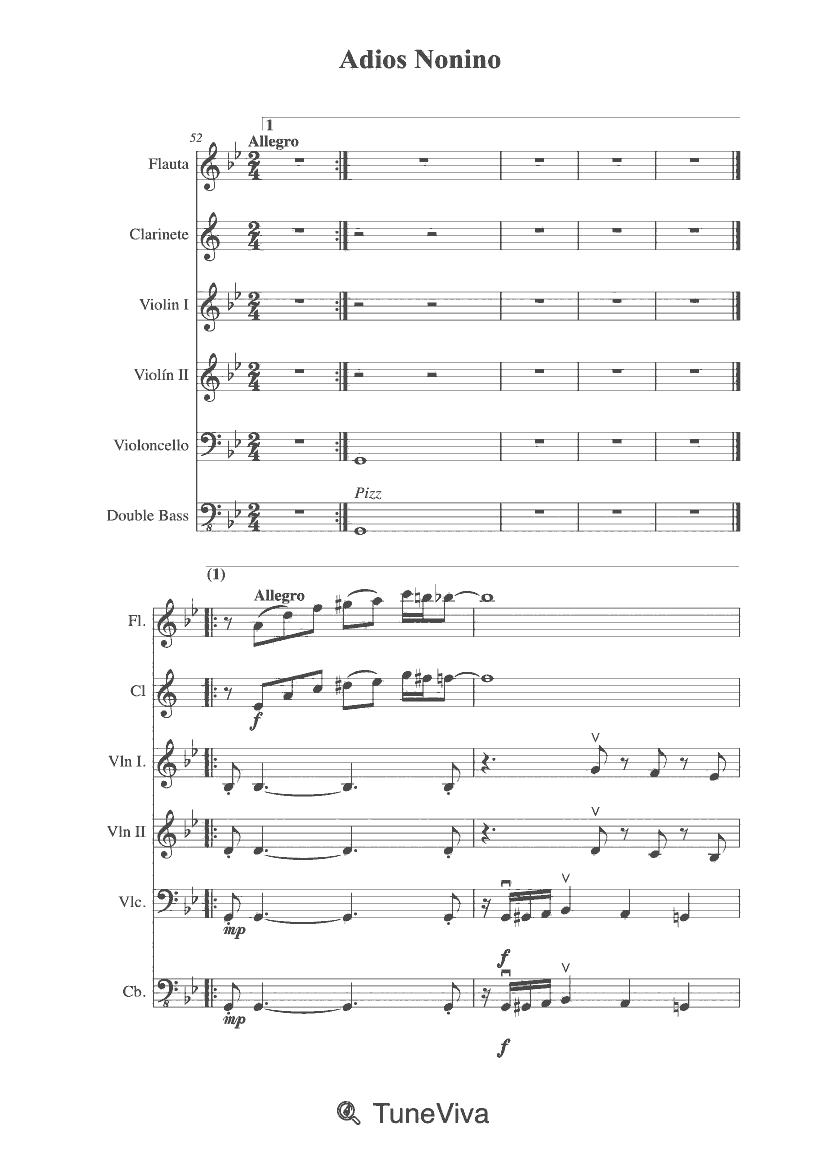
Astor Piazzolla
Flauta; Clarinete; Violin I +3 parts · 4 min 3 sec
Open score
Astor Piazzolla
Гармоника; Фортепиано · 2 min 55 sec
Open score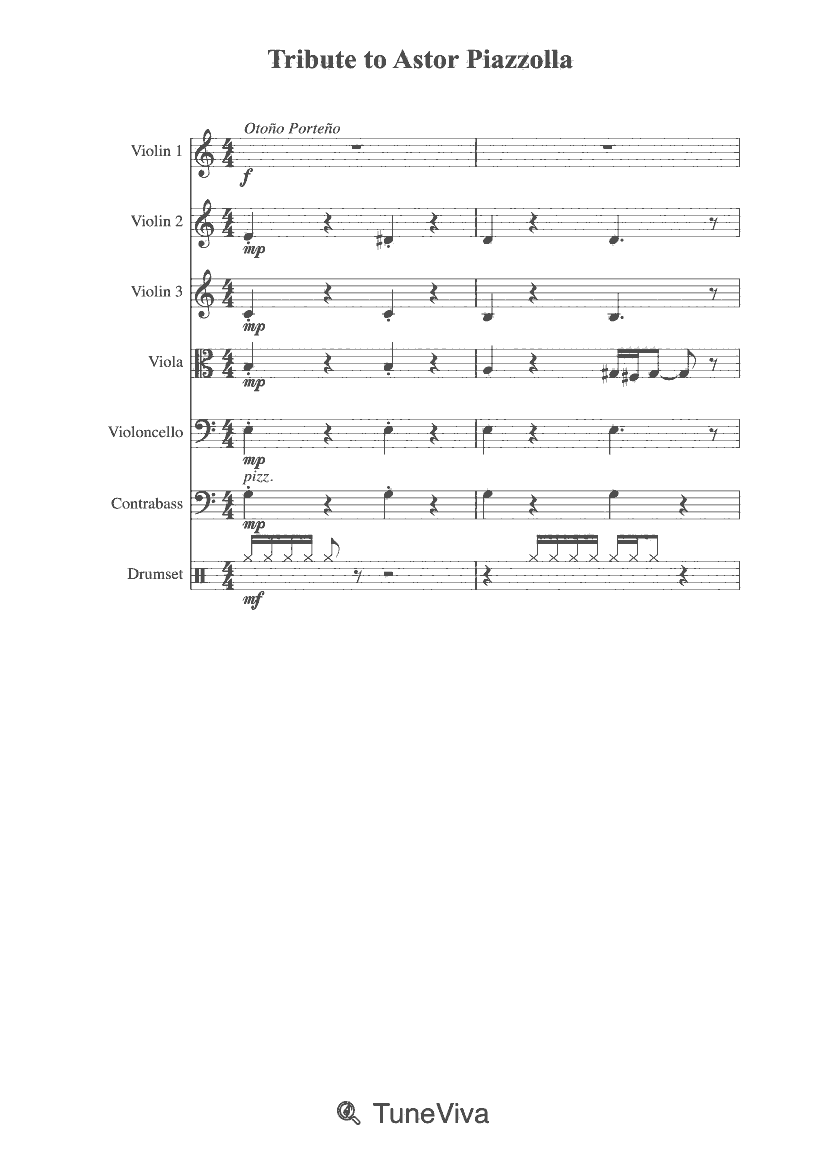
Astor Piazzolla
Violin 1; Violin 2; Violin 3 +4 parts · 4 min 18 sec
Open score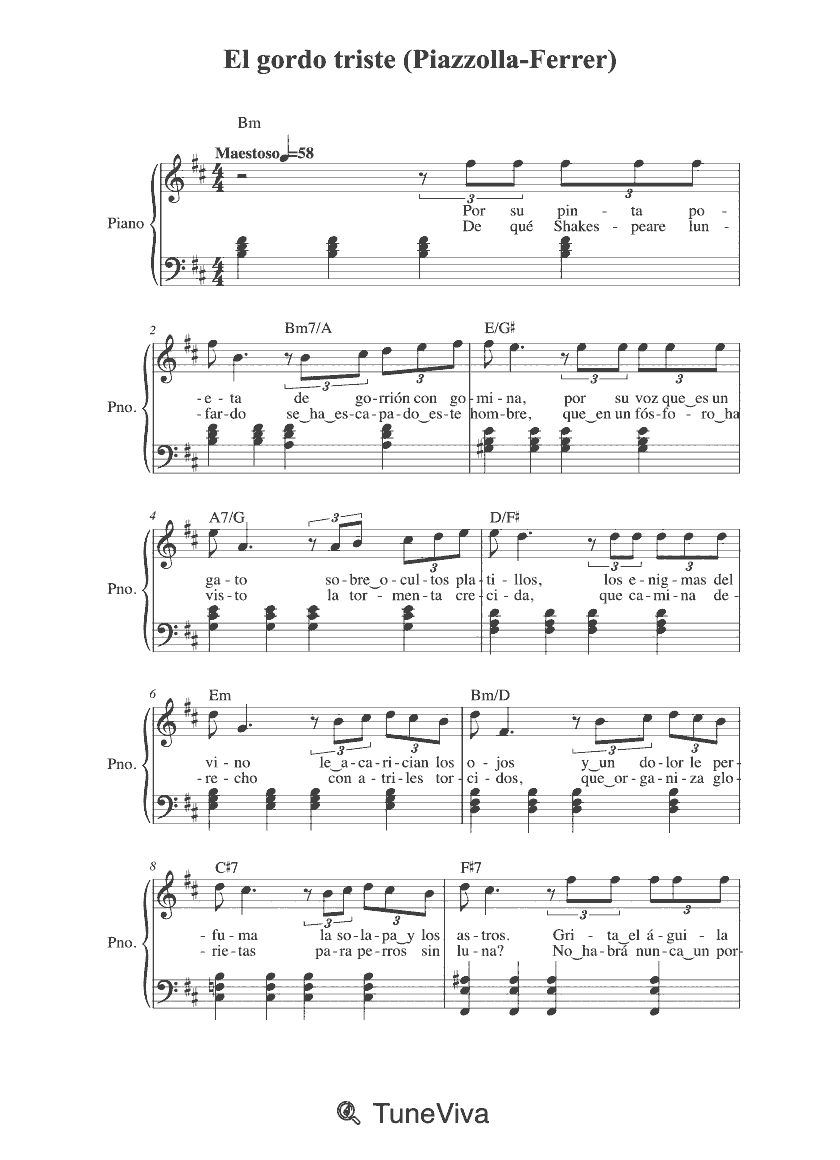
Astor Piazzolla
Piano · 5 min 30 sec
Open score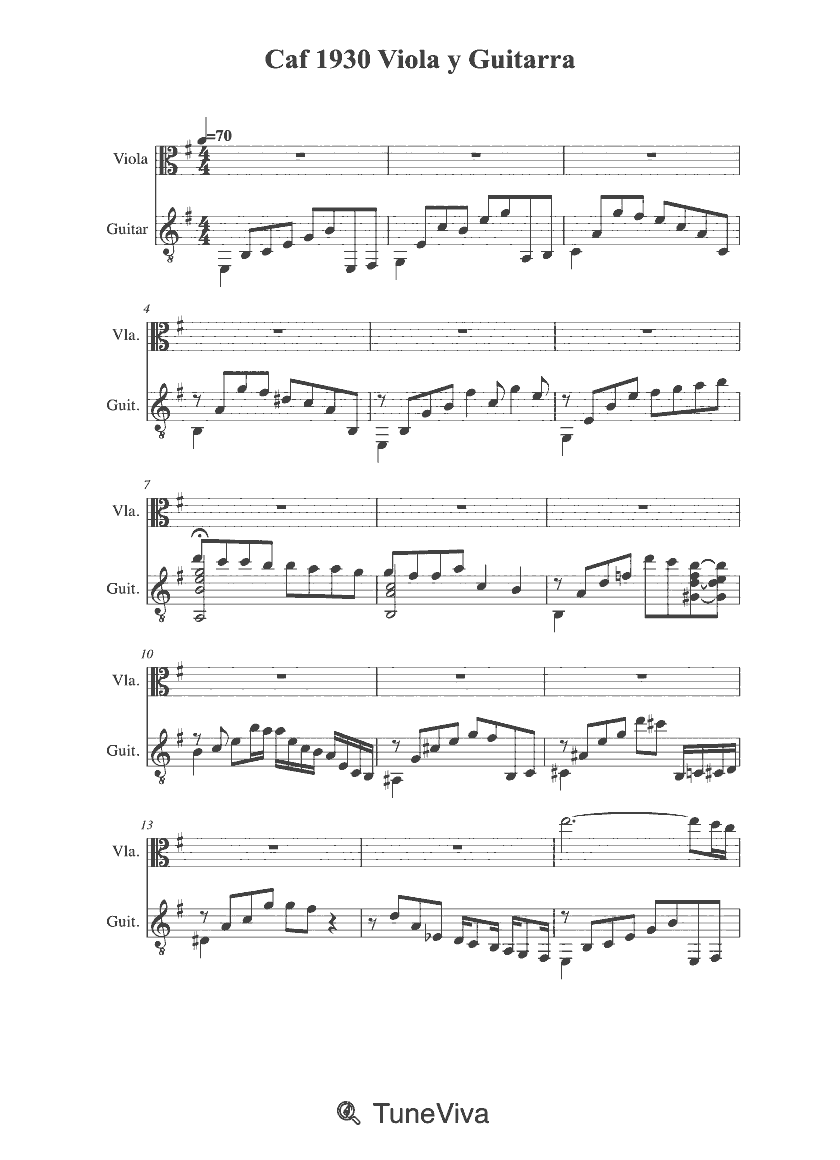
Astor Piazzolla
Viola; Guitar · Arr. Tapio Tervala · 6 min 17 sec
Open score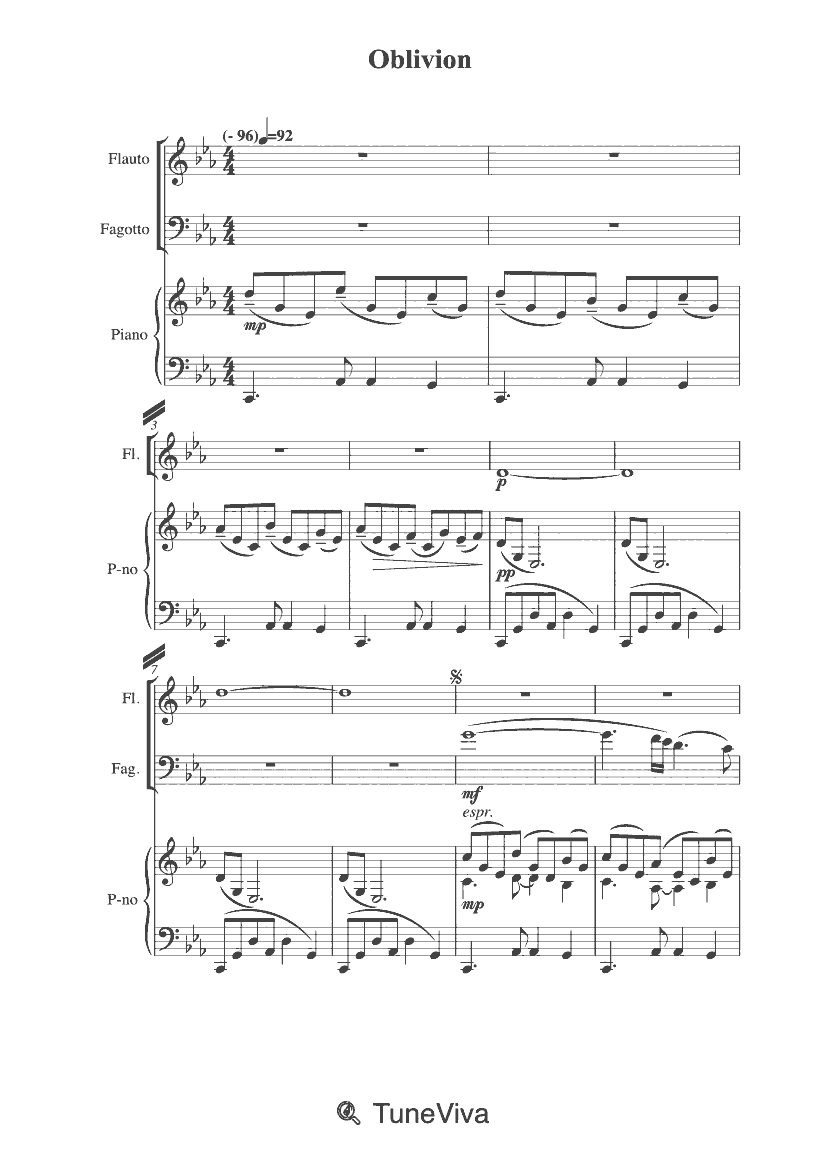
Astor Piazzolla
arr.: José Bragato
Flauto; Fagotto; Piano · 4 min 10 sec
Open score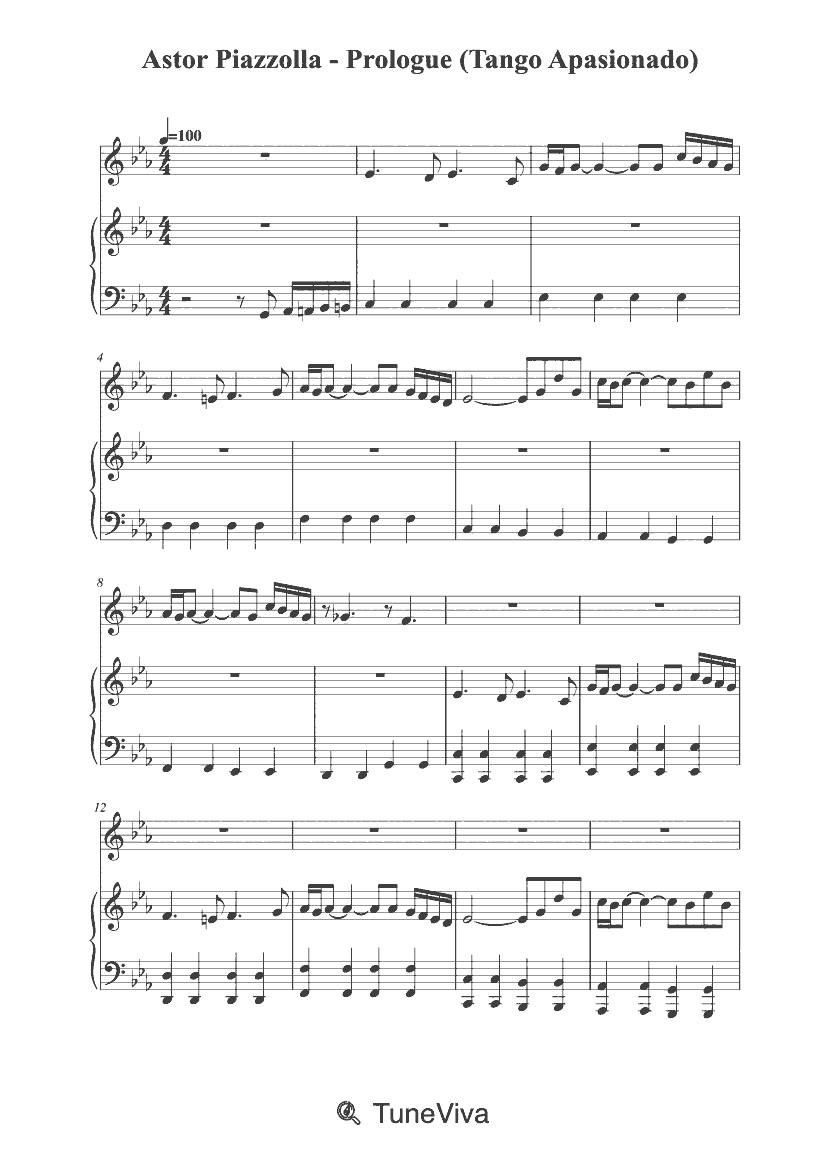
Astor Piazzolla
Tango Apasionado
Гармоника; Фортепиано · 1 min 43 sec
Open score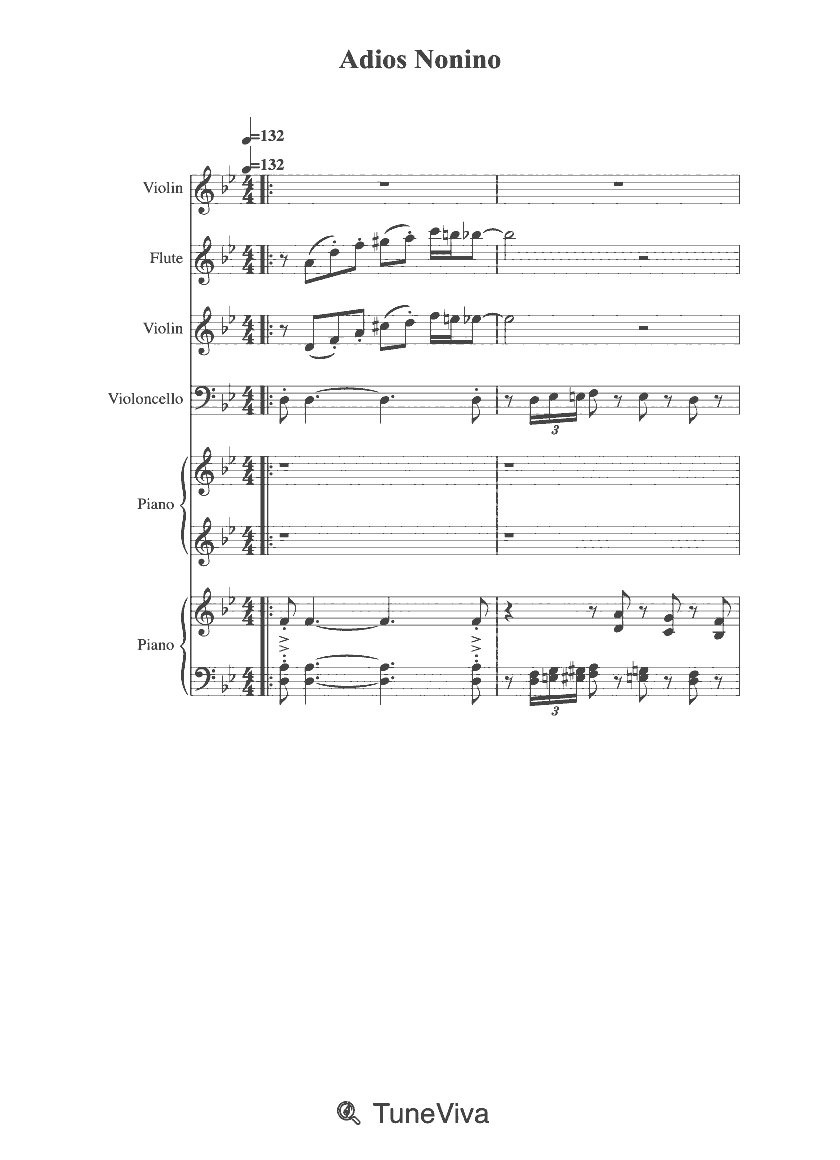
Astor Piazzolla
Violin; Flute; Violoncello +1 parts · 6 min 8 sec
Open score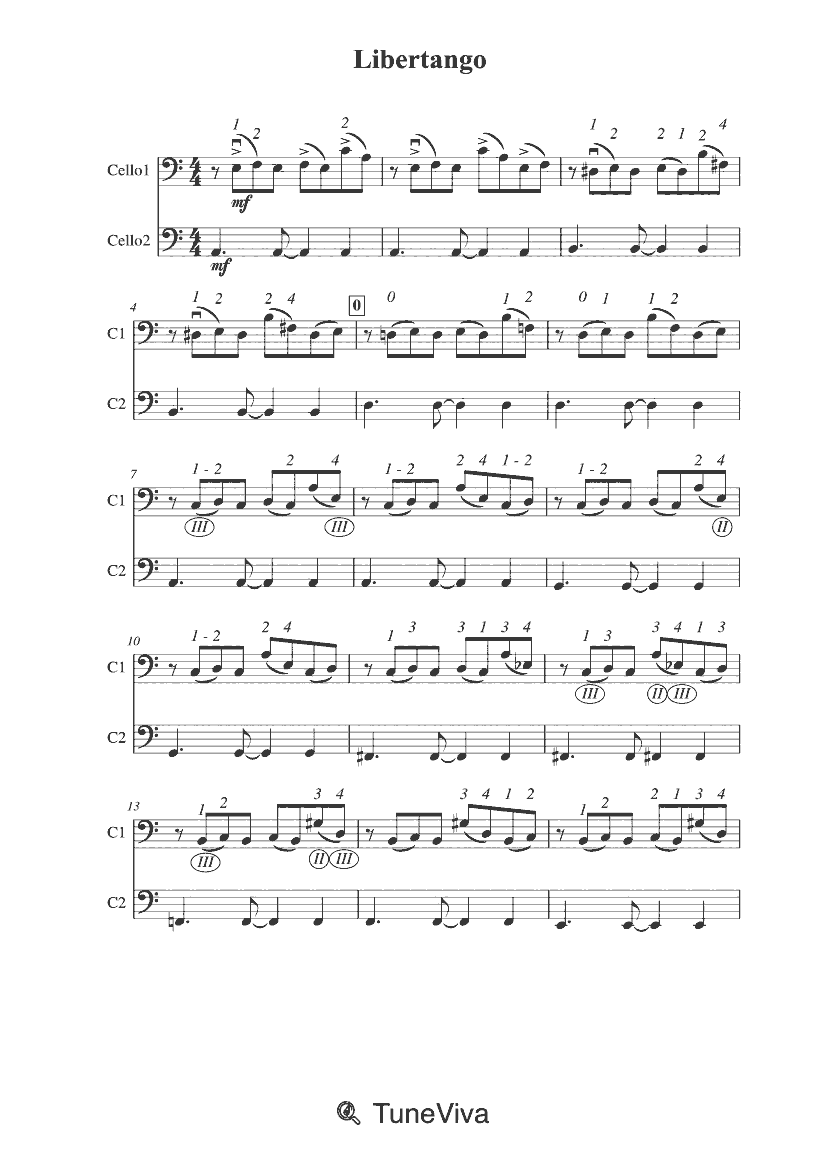
Astor Piazzolla
Cello1; Cello2 · 5 min 7 sec
Open score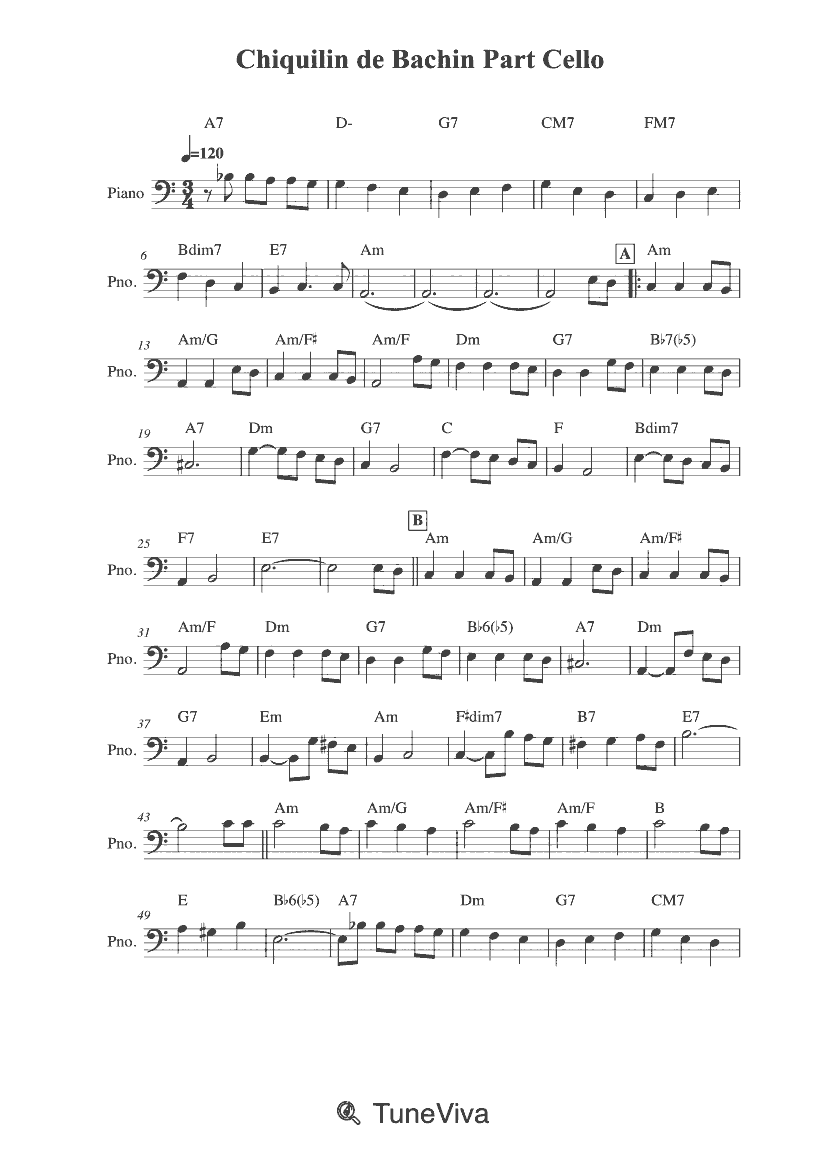
Astor Piazzolla
Piano · 2 min 48 sec
Open score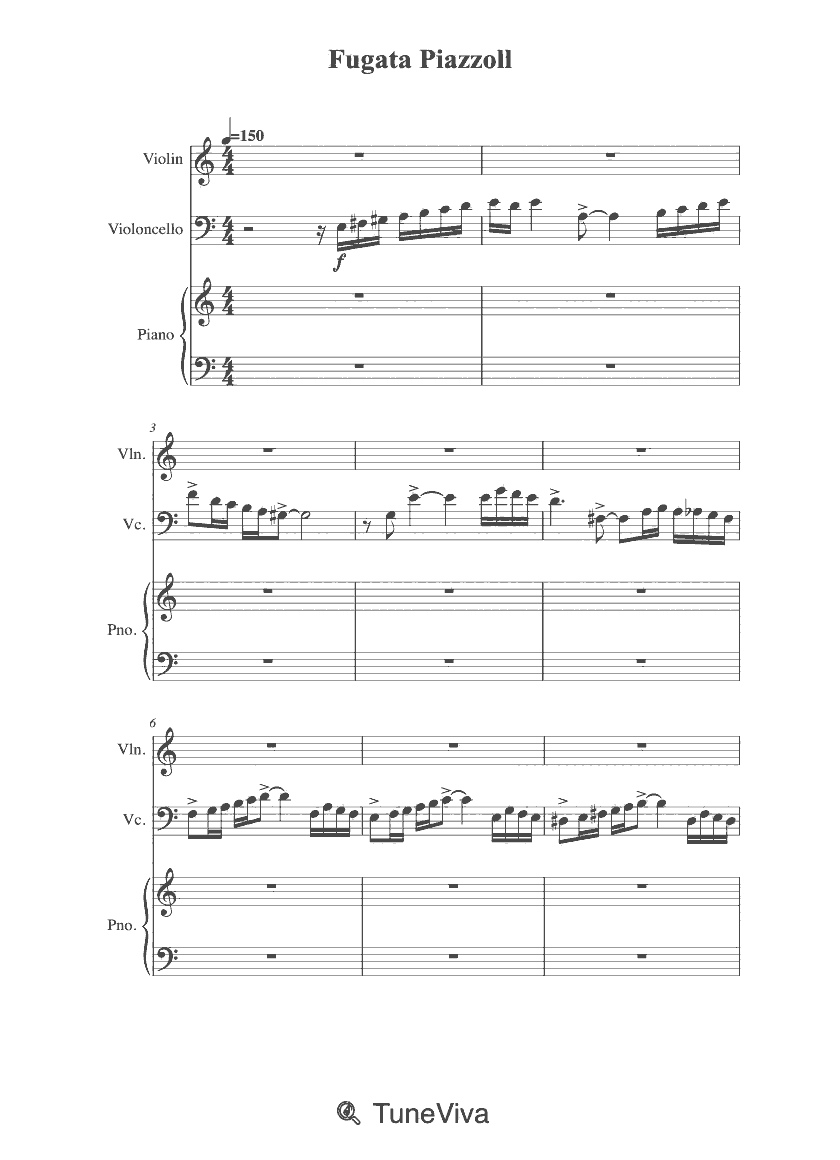
Astor Piazzolla
aus Solfi y Ondina
Violin; Violoncello; Piano · 2 min 19 sec
Open score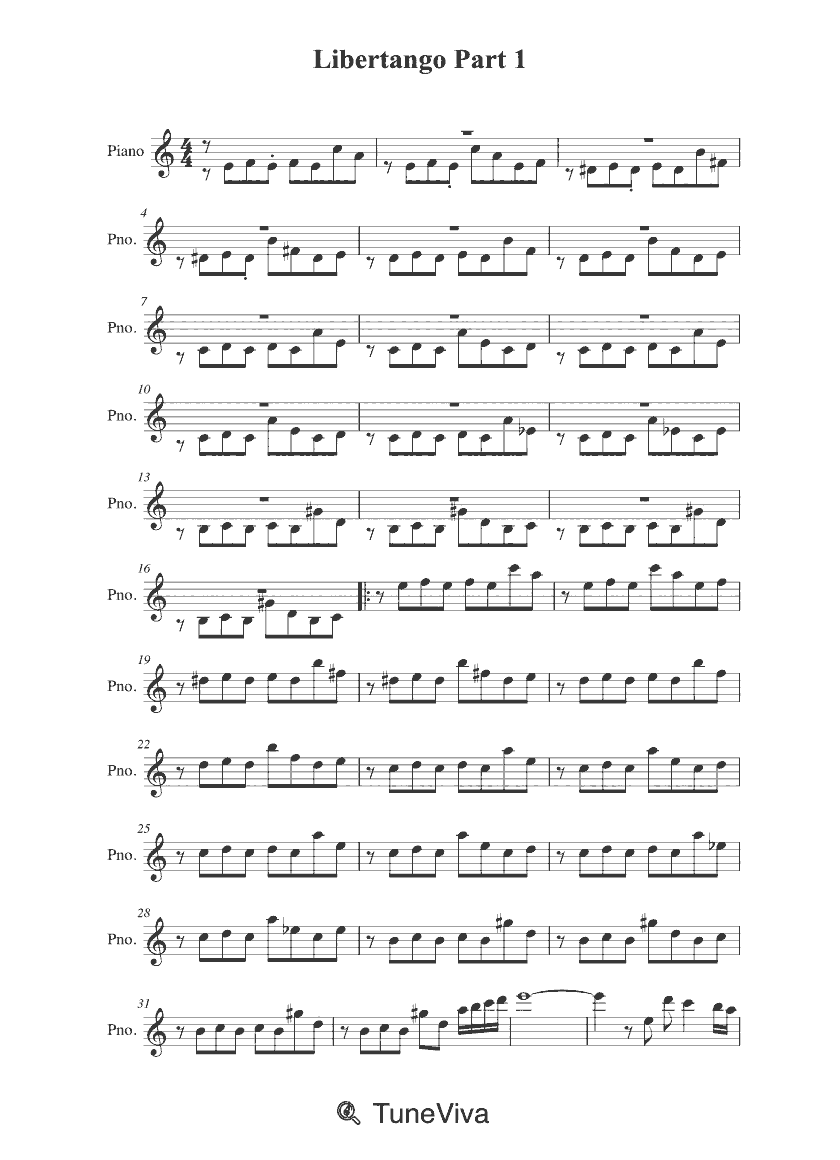
Astor Piazzolla
Piano · 5 min 36 sec
Open score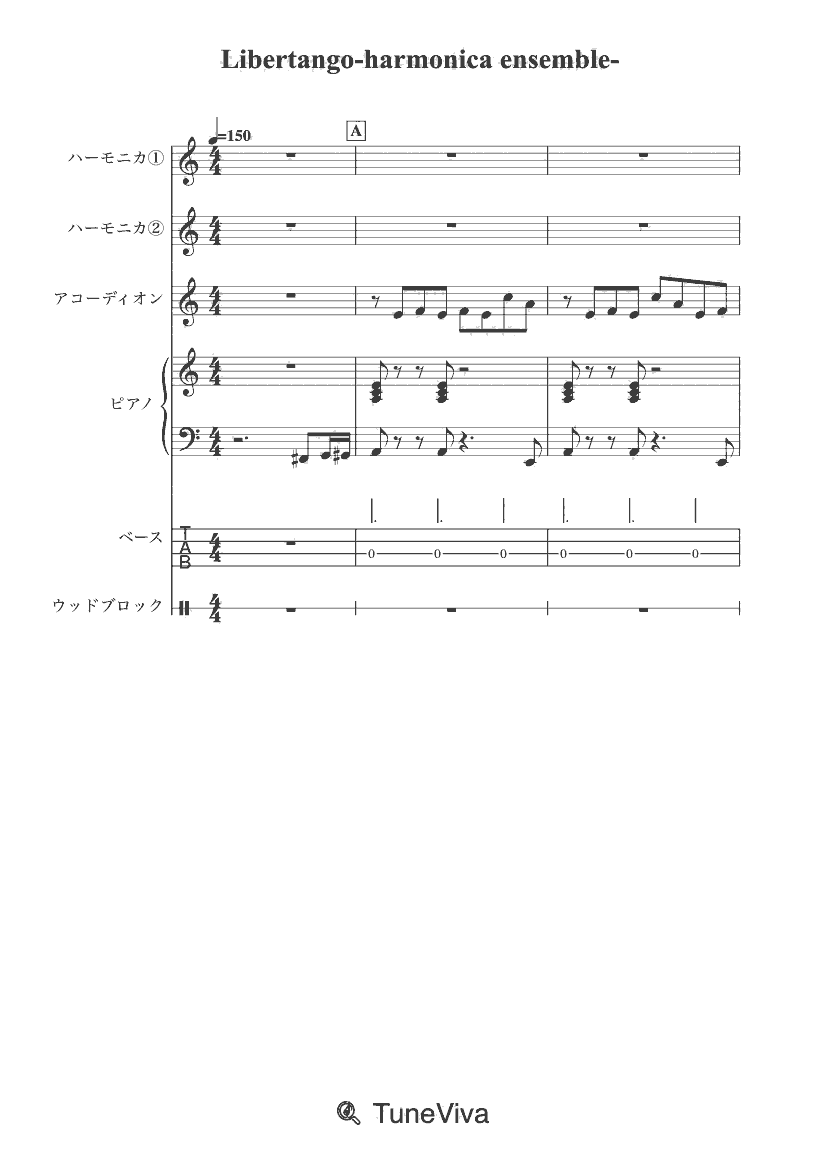
Astor Piazzolla
ハーモニカ①; ハーモニカ②; アコーディオン +3 parts · 3 min 21 sec
Open score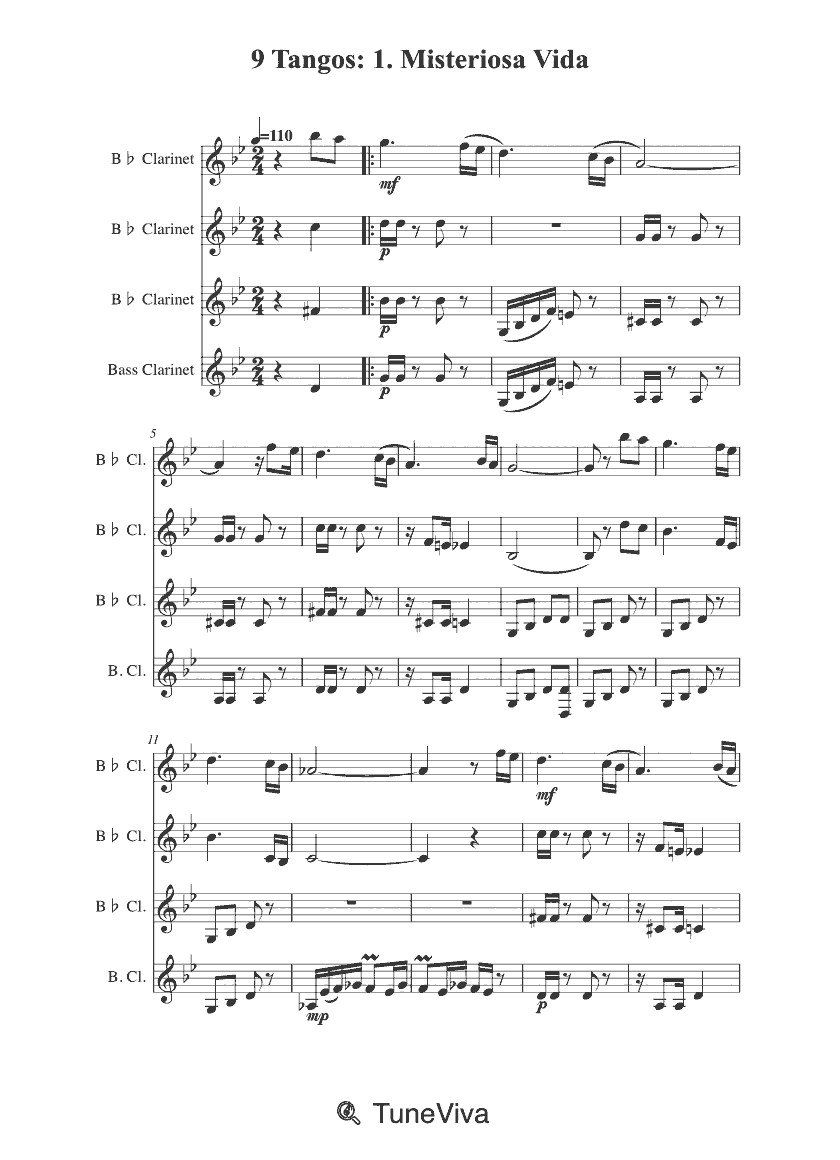
Astor Piazzolla
Misteriosa Vida
B♭ Clarinet; Bass Clarinet · 2 min 46 sec
Open score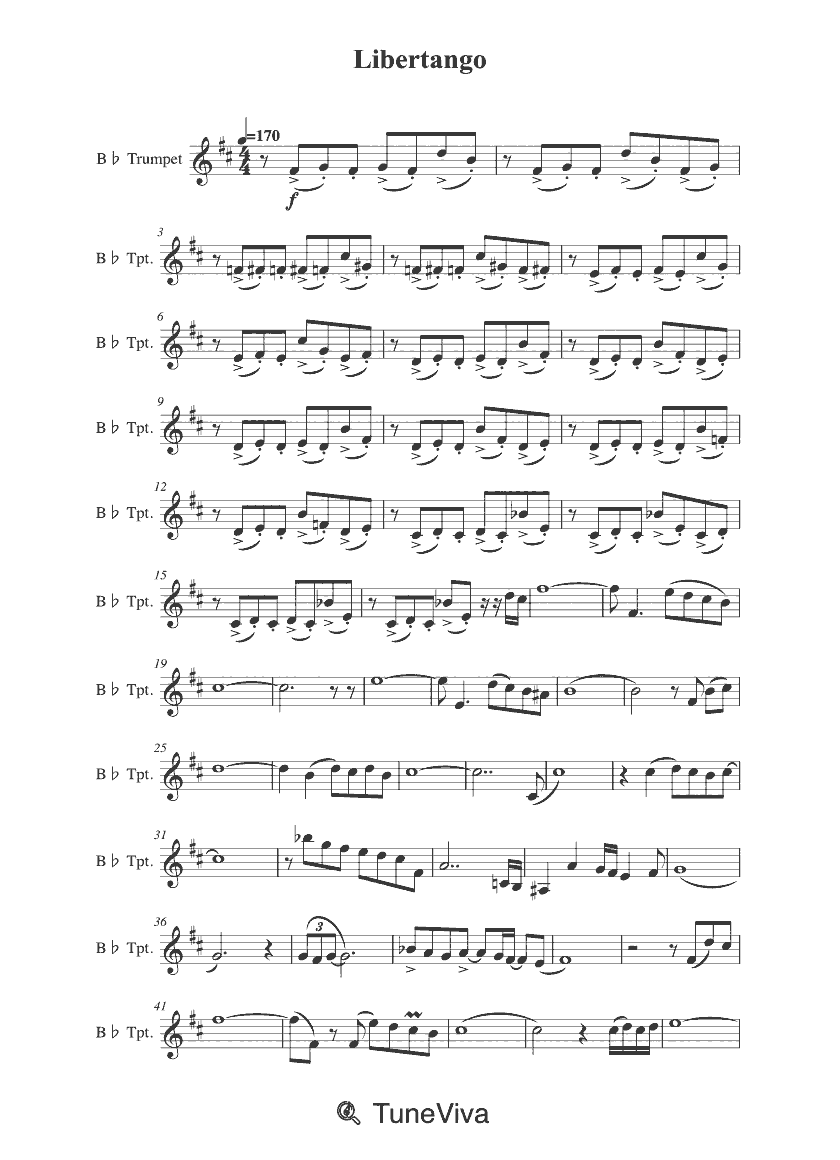
Astor Piazzolla
subtitle
B♭ Trumpet · 3 min 2 sec
Open score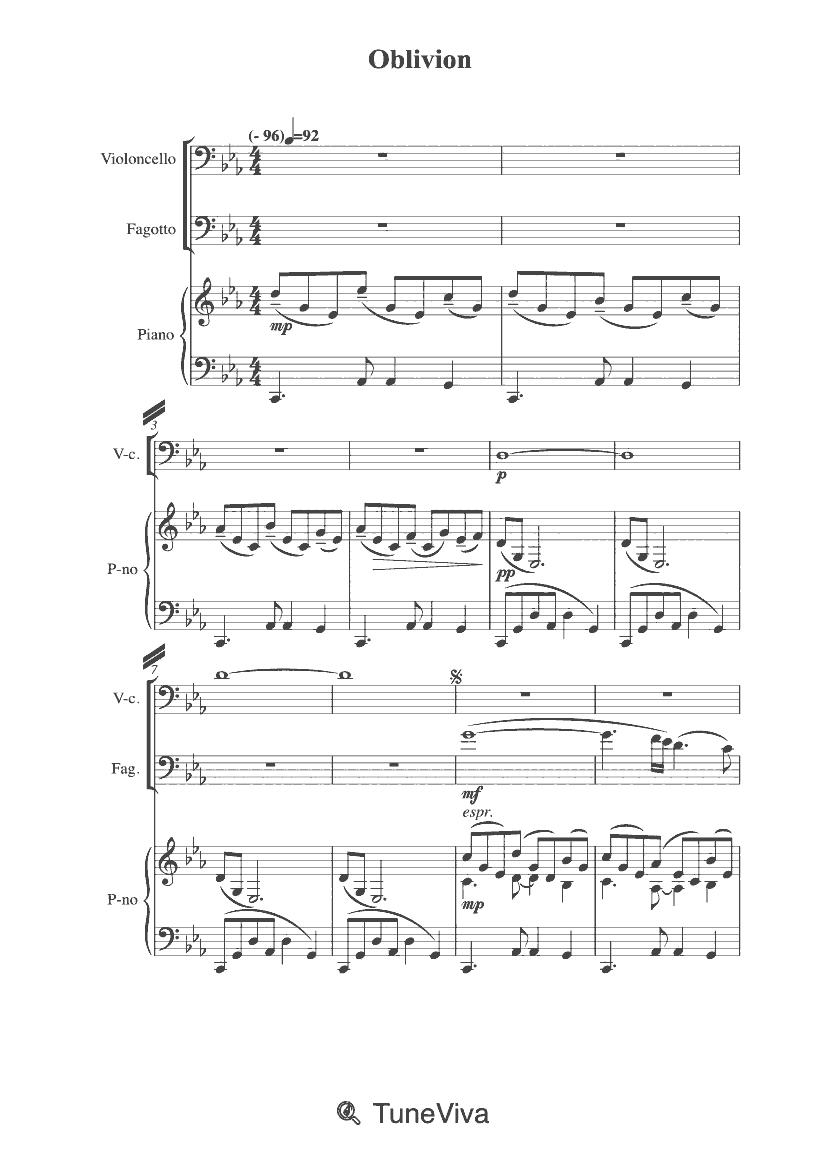
Astor Piazzolla
arr.: José Bragato
Violoncello; Fagotto; Piano · 4 min 10 sec
Open scoreAstor Piazzolla reshaped tango as a composer, bandoneón player and arranger, bringing jazz and classical influences into the style. His catalog files range from Libertango and Adios Nonino to Le Grand Tango and Oblivion. The selection includes settings for different forces, including a Le Grand Tango title that names cello and accordion. Treat these as arrangements of Piazzolla’s works rather than evidence of one standard instrumentation. Compare the score’s part labels and arrangement credit to find a version suited to your ensemble. Astor Piazzolla sheet music on this page is represented by score files for works including Libertango, Adiós Nonino and Le Grand Tango. The available settings point to different forces: a mixed chamber group for Adiós Nonino, violin and piano for Libertango, and a Le Grand Tango file whose title names cello and accordion while its listed part says piano. Compare the work title, part list and credit before choosing a version for rehearsal or performance.
Piazzolla (1921–1992) was born in Mar del Plata and spent part of his childhood in New York, where he encountered jazz and Bach. The Atlanta Symphony Orchestra describes nuevo tango as his transformation of traditional tango through elements of jazz and classical music. After studying in Paris with Nadia Boulanger, he returned to Argentina and formed the Octeto Buenos Aires in 1955. His work as performer, composer and arranger overlapped, so those roles should be kept distinct when describing a particular score.
The catalog highlights familiar works but not a complete inventory of compositions. Libertango, Adios Nonino and Oblivion each appear in uploaded score forms; Le Grand Tango is explicitly described in one title as a cello and accordion duo. Compare that duo with other available part combinations, and distinguish a full score from a player-specific part before rehearsal. Multiple files for a work are alternate settings, not additional compositions.
Start with the work and its listed parts: The most reliable way to compare these Piazzolla scores is to open the part list for each title. Adiós Nonino lists flute, clarinet, two violins, cello and double bass; Libertango lists violin and grand piano. These part lists describe the individual scores, not a verified original instrumentation for the works.
Titles can describe an intended setting: A title may name an arrangement or duet even when the score’s part field tells a different story. The Le Grand Tango entry is titled as a cello and accordion duo, but its listed part is piano. Treat the title as a claim to check against the actual score rather than as proof of the scoring.
Choosing a version for your ensemble: Match the listed parts to the players you have. Adiós Nonino is the clearest mixed-ensemble option in this selection; Libertango is listed for violin and piano. For Le Grand Tango, confirm the actual part before planning a cello and accordion performance, because the title and part list do not agree.
What to verify before rehearsal: Check the score itself for the full instrumentation, whether a full score or separate parts are provided, and any arrangement credit. Opening tempo and time-signature figures describe the start of an individual score, not a fixed performance tempo, and they should be checked against the notation.
The Atlanta Symphony Orchestra describes Piazzolla’s style as a transformation of tango that incorporates jazz and classical elements.
No. It describes the uploaded score file. Check the score’s own part labels and arrangement credit.
The selection includes score files titled Libertango, Adiós Nonino and Le Grand Tango. These titles identify individual works and settings; they do not amount to a complete list of Piazzolla’s compositions.
The Adiós Nonino score lists flute, clarinet, violin I, violin II, cello and double bass. Its opening indications are 4/4 at 132 BPM, which describe the start of this score rather than a fixed performance tempo.
The Libertango score file lists violin and grand piano. That part list describes this particular score, not necessarily Piazzolla’s original or preferred instrumentation.
The title reads “Astor Piazzolla - Le Grand Tango Cello/Accordion Duo”, but the score’s part field lists Piano. Treat the title as a claim about the setting and verify the actual part before choosing it for a cello and accordion duo.
Compare the work title, the listed parts and the arrangement credit with your ensemble. Adiós Nonino lists a mixed chamber group, Libertango lists violin and piano, and the Le Grand Tango listing is ambiguous, so the part list is the safer starting point than the title alone.
Adiós Nonino opens in 4/4 at 132 BPM and Libertango in 4/4 at 130 BPM; the Le Grand Tango file opens in 8/8 at 60 BPM. These figures describe the opening indications of the individual scores and should be checked against the notation.