classical
4 tracks
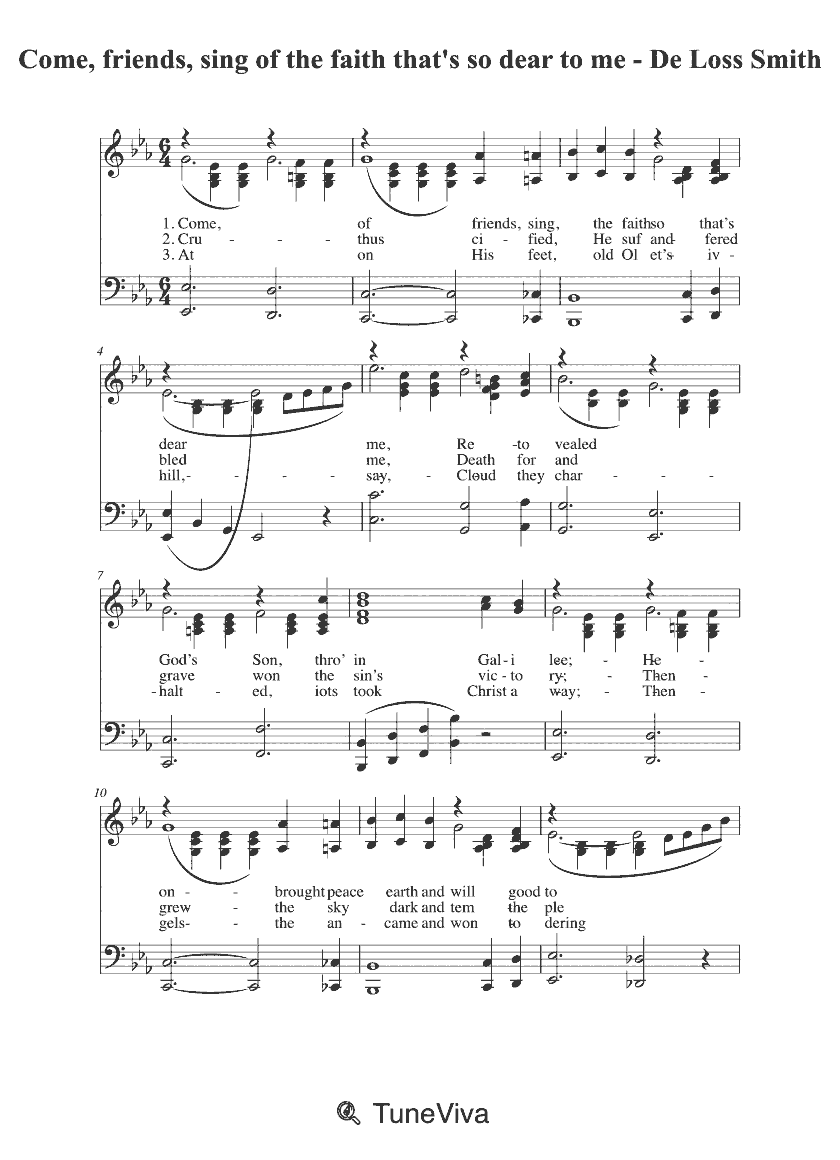
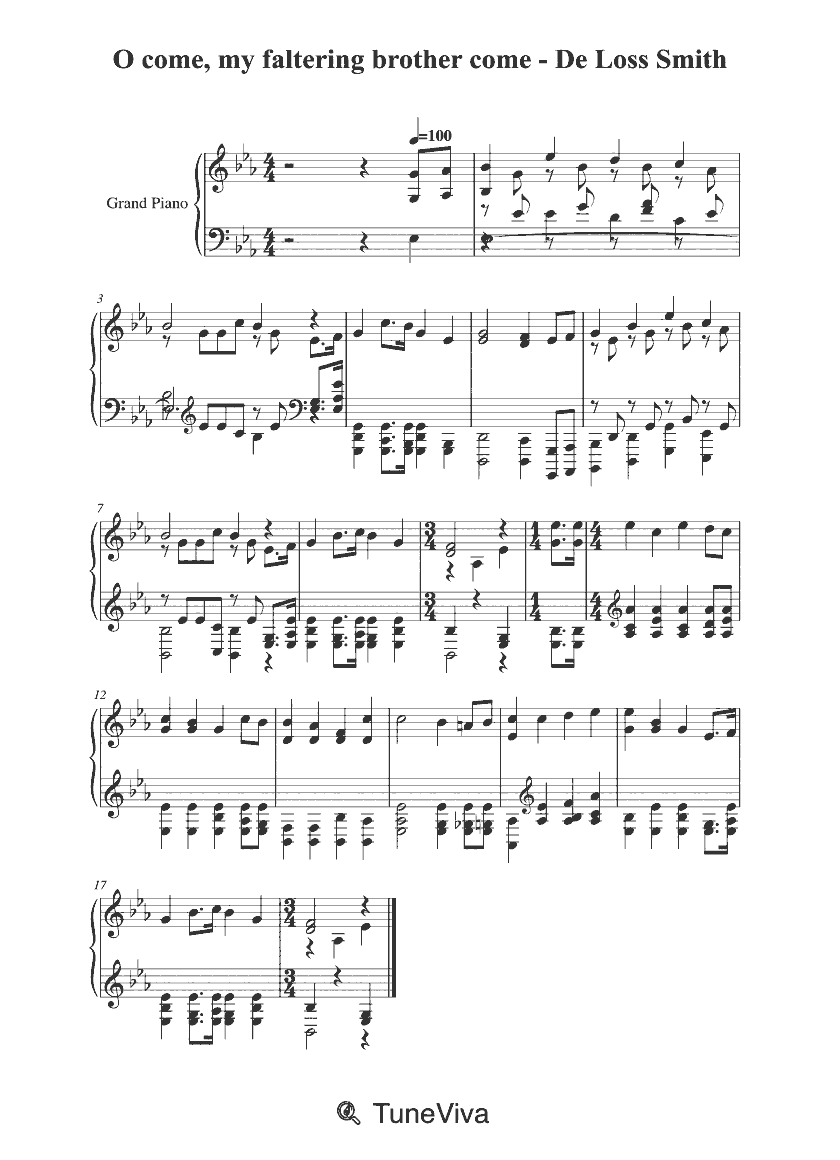
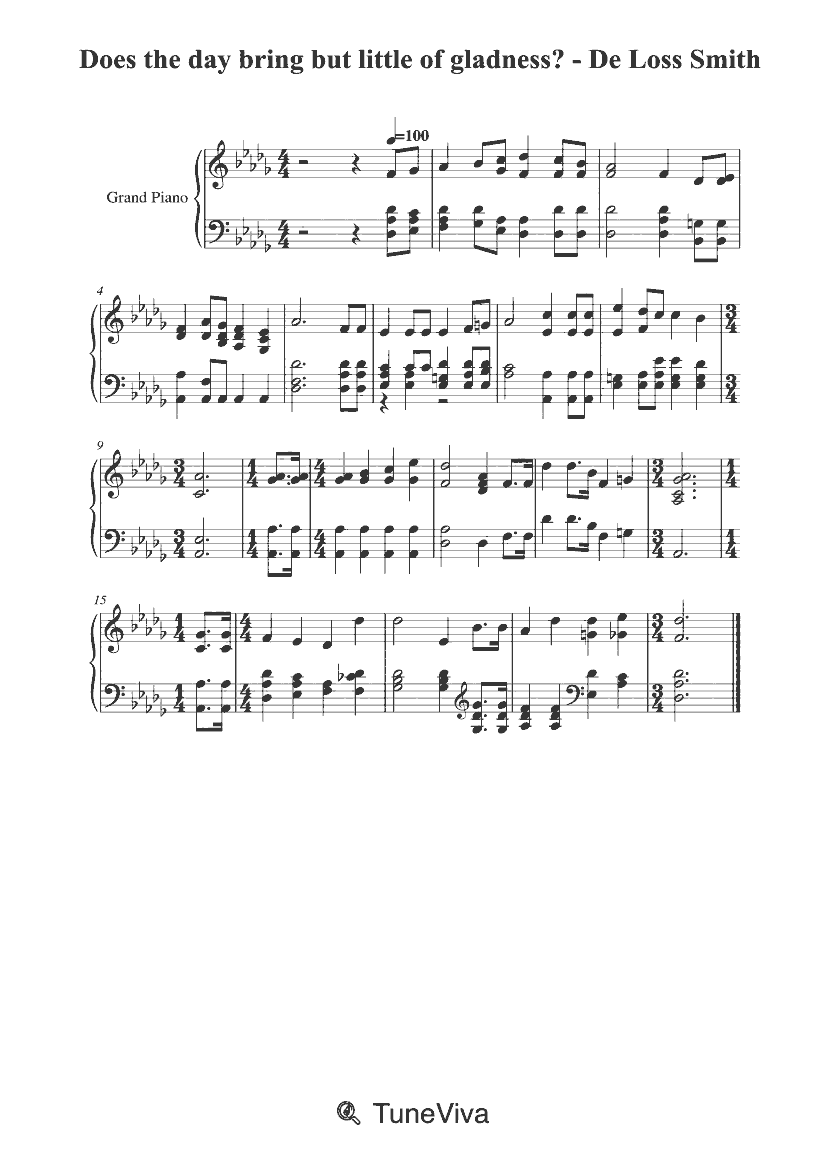
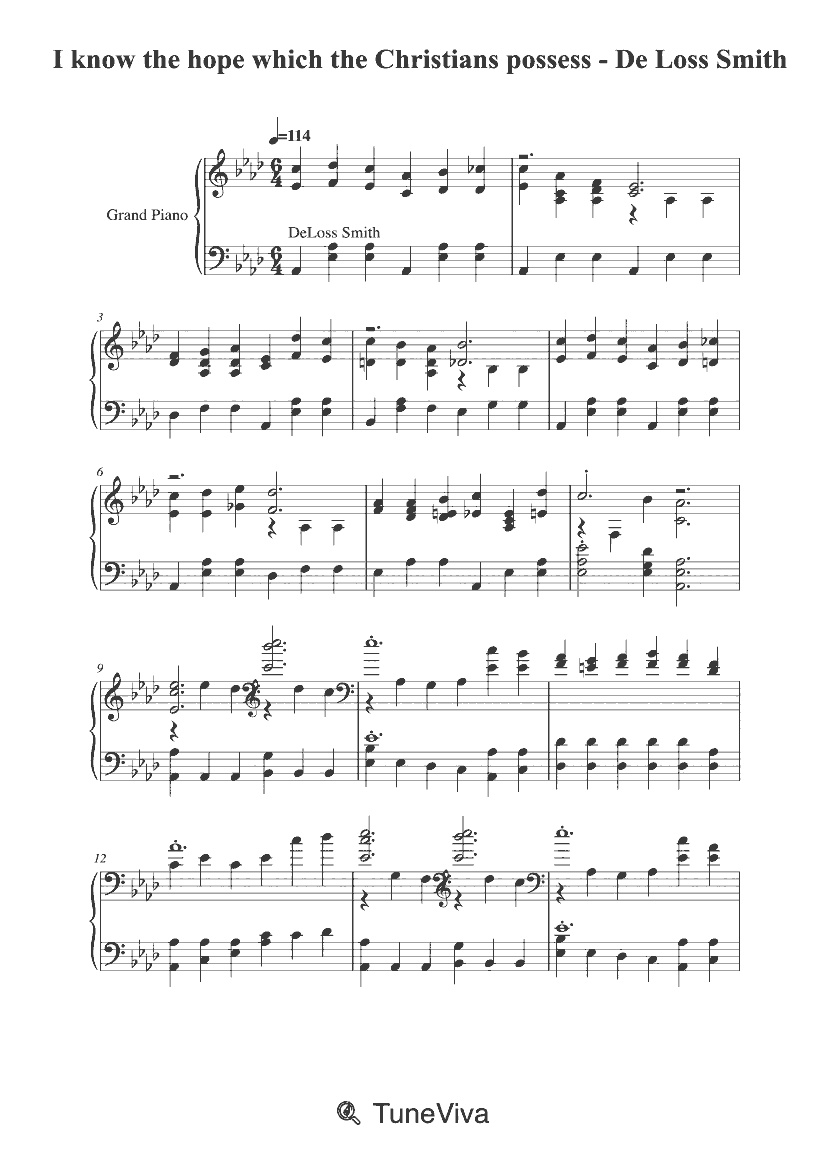
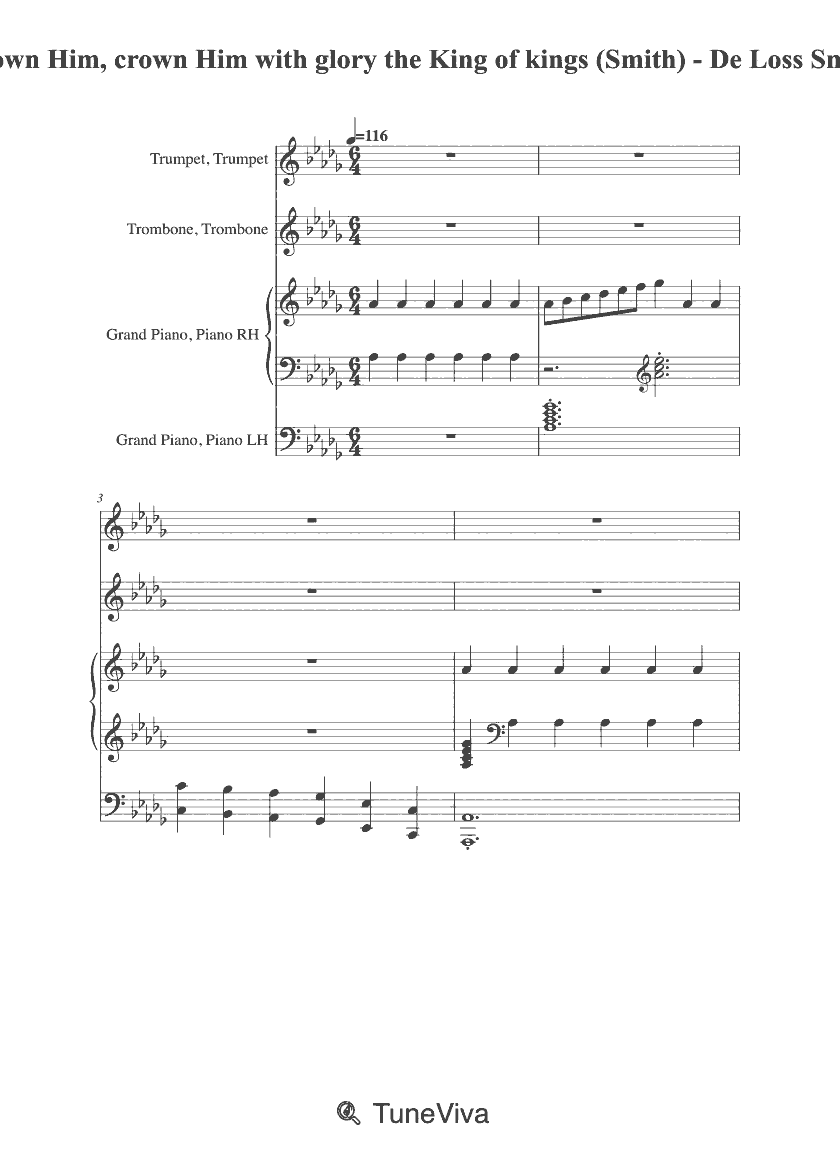
De Loss Smith belongs to the American gospel-song boom of the early twentieth century, and the catalogue gives a narrow but telling sample: 20 scores, about 20 minutes of music and 8,724 notated notes. Six entries carry lyrics. The views are modest and fairly even, from “Crown Him, crown Him with glory the King of kings” at 34 down to a handful of items on three or four. Ten scores sit at complexity index 2, which fits four-part settings with a written-out accompaniment rather than melody-only sheets. Nothing here runs past a few minutes, and most of the twenty are a single page of music.
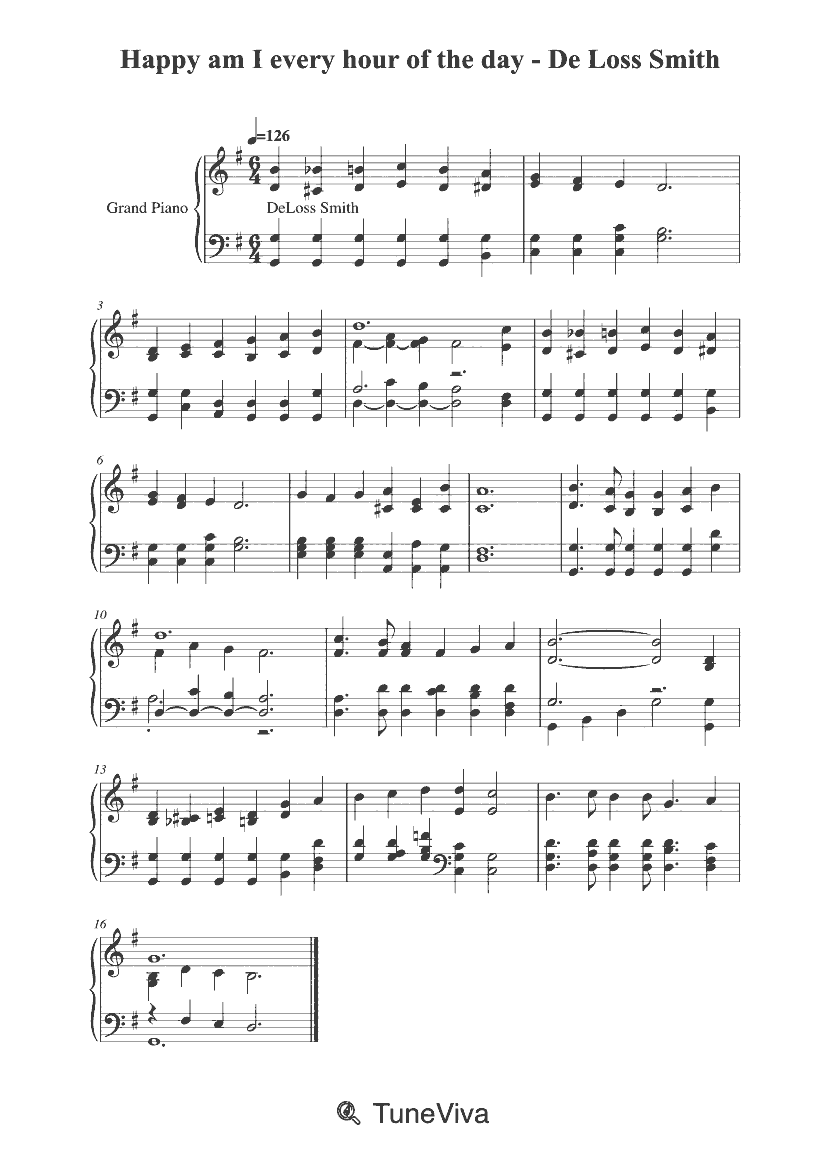
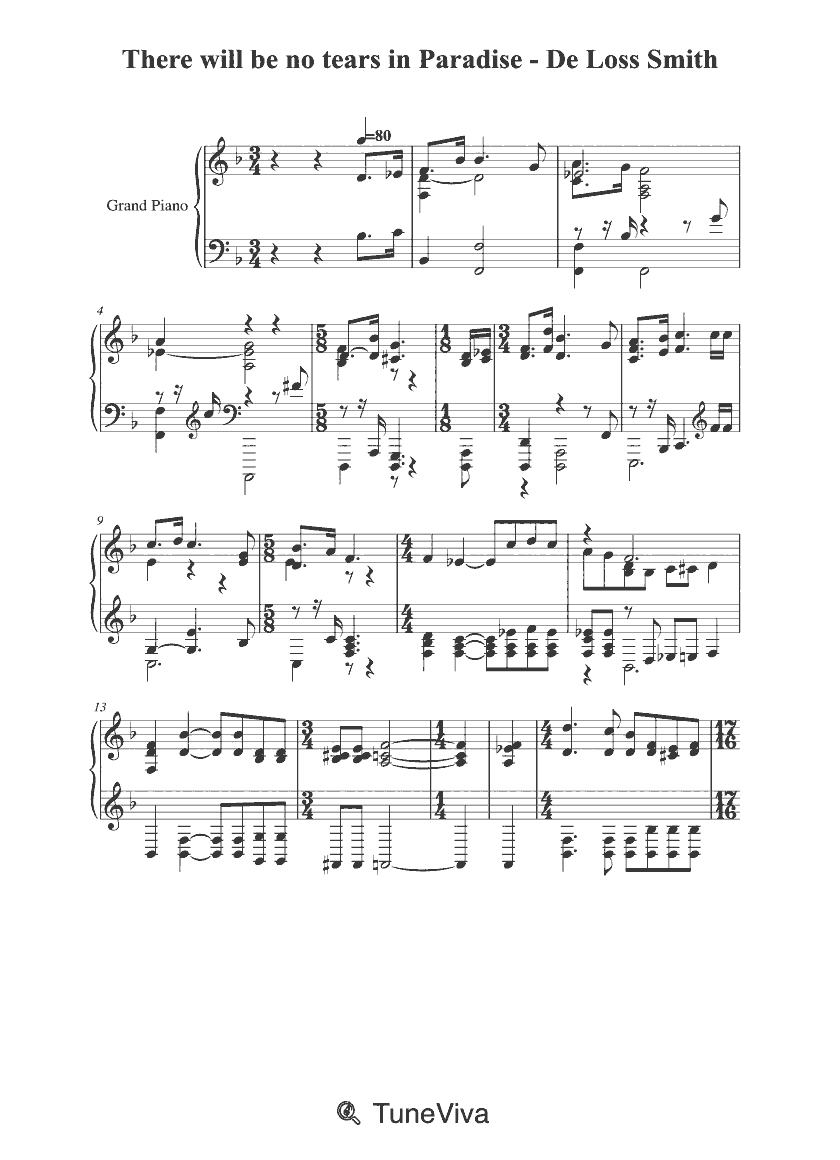
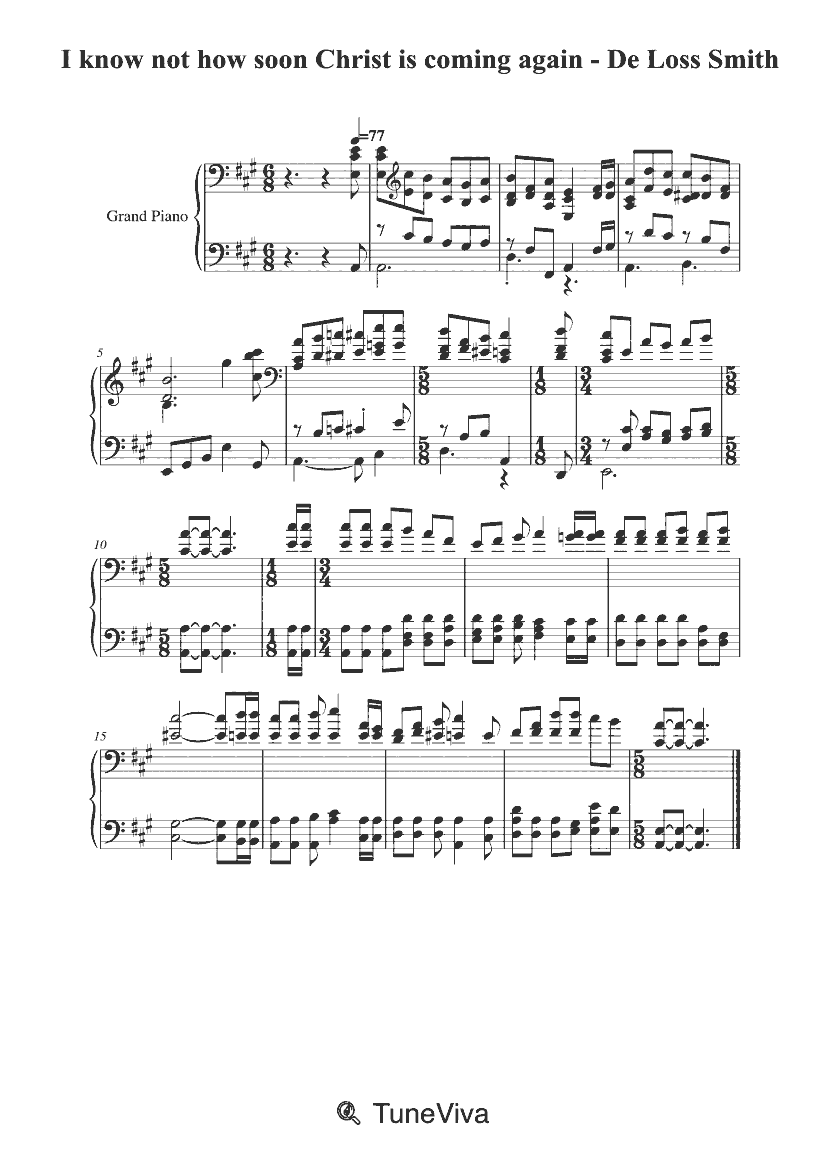
Smith worked as a gospel-song editor and composer in Chicago, and the hymnals he helped assemble are the surest trace of him. Songs of the King, issued by Scoville & Smith of Chicago in 1906, carries a preface signed by the evangelist Charles Reign Scoville and by Smith, and it prints “There will be no tears in Paradise” and “I know not how soon Christ is coming again” under his name. Later collections kept the songs in circulation: New Songs of Praise and Power, the Hall-Mack compilation of 1922, still credits him with “Happy am I ev’ry hour of the day”.
Reference works report that he was born in 1875, attended Eureka College in Illinois, taught at Columbia University and in 1915 became dean of the School of Music at the University of Montana at Missoula, where he died on 16 March 1939. Those are the dates hymnological sources give, with a query over the birth year.
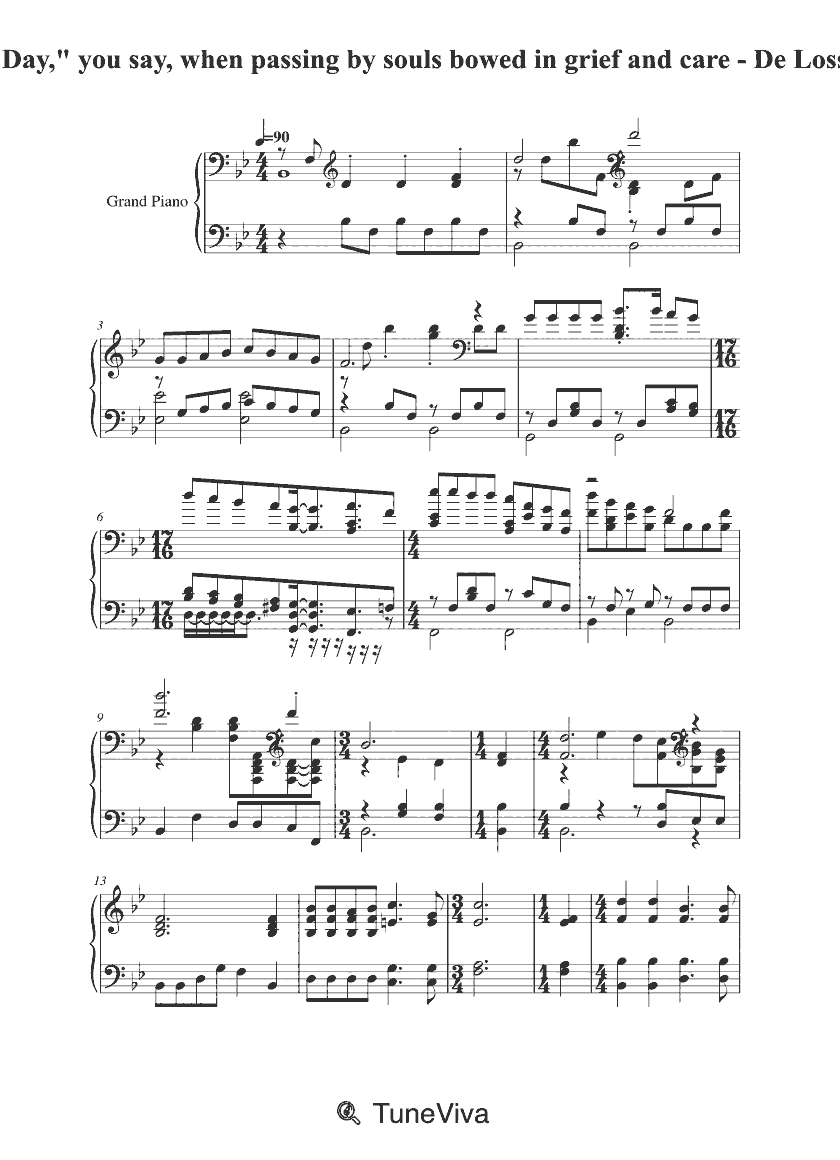
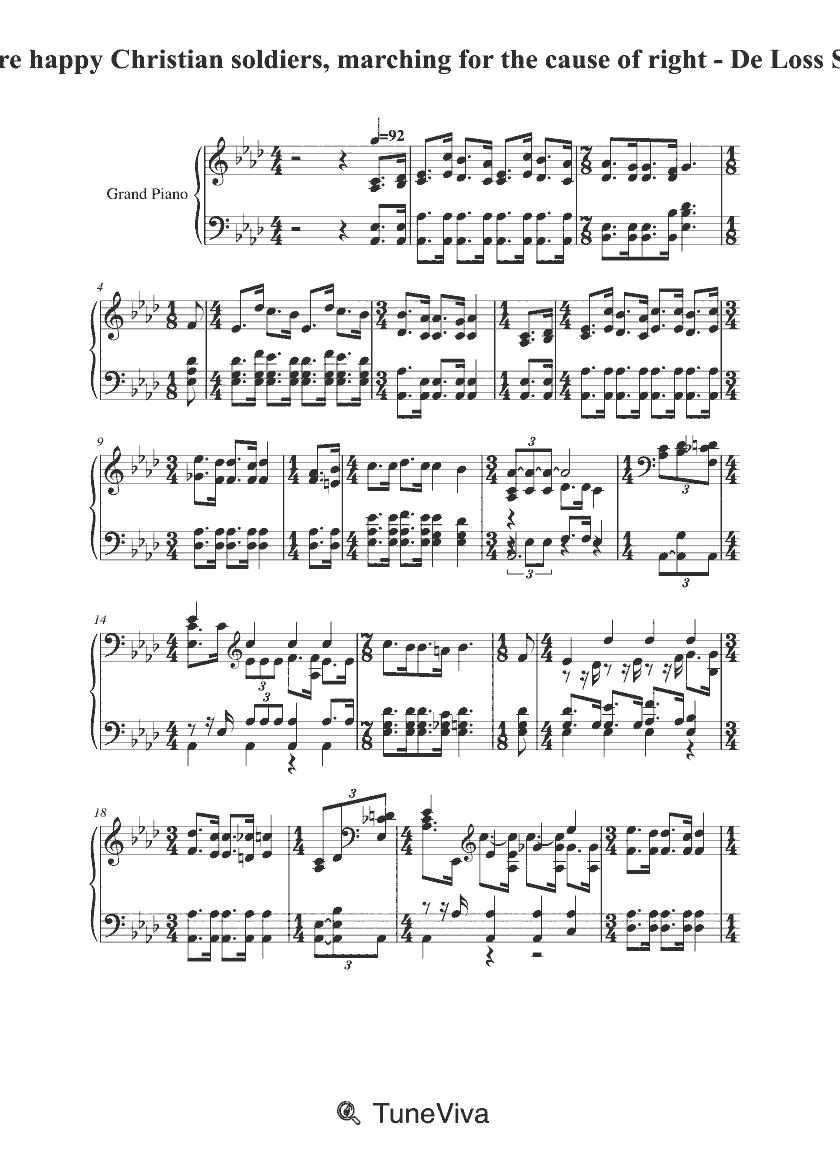
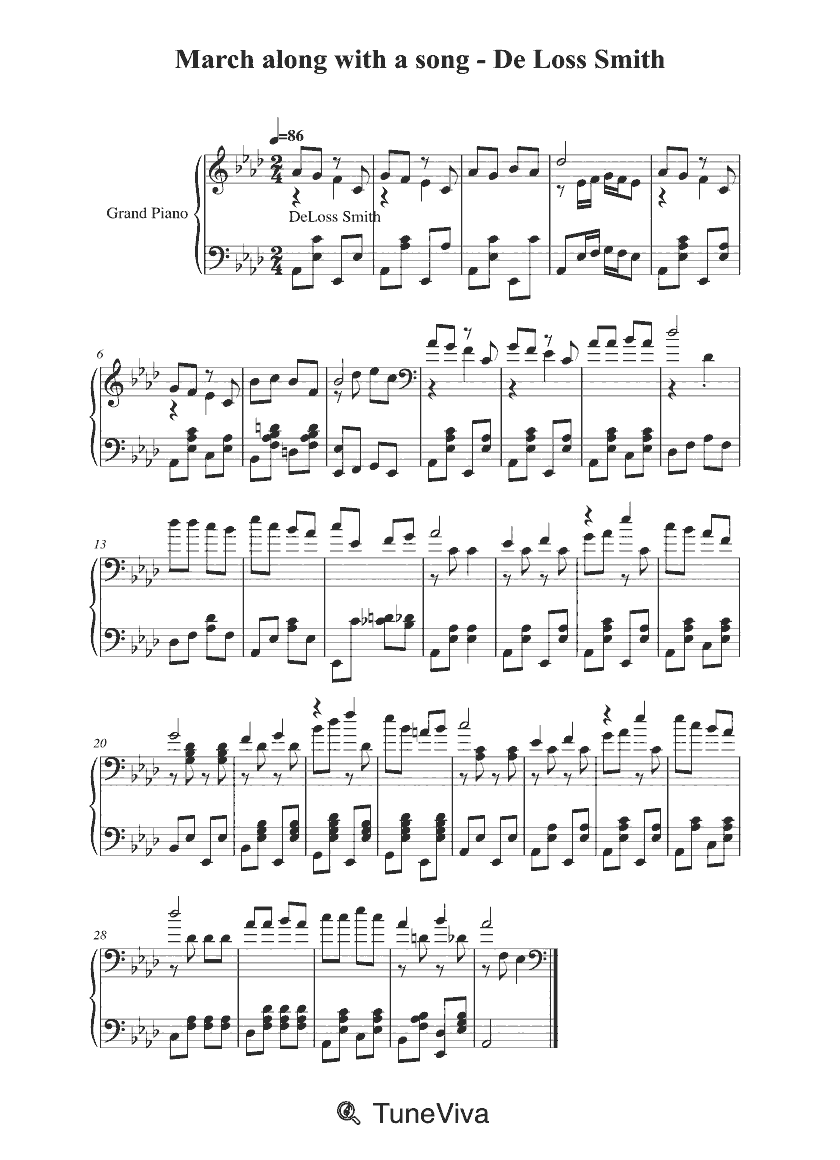
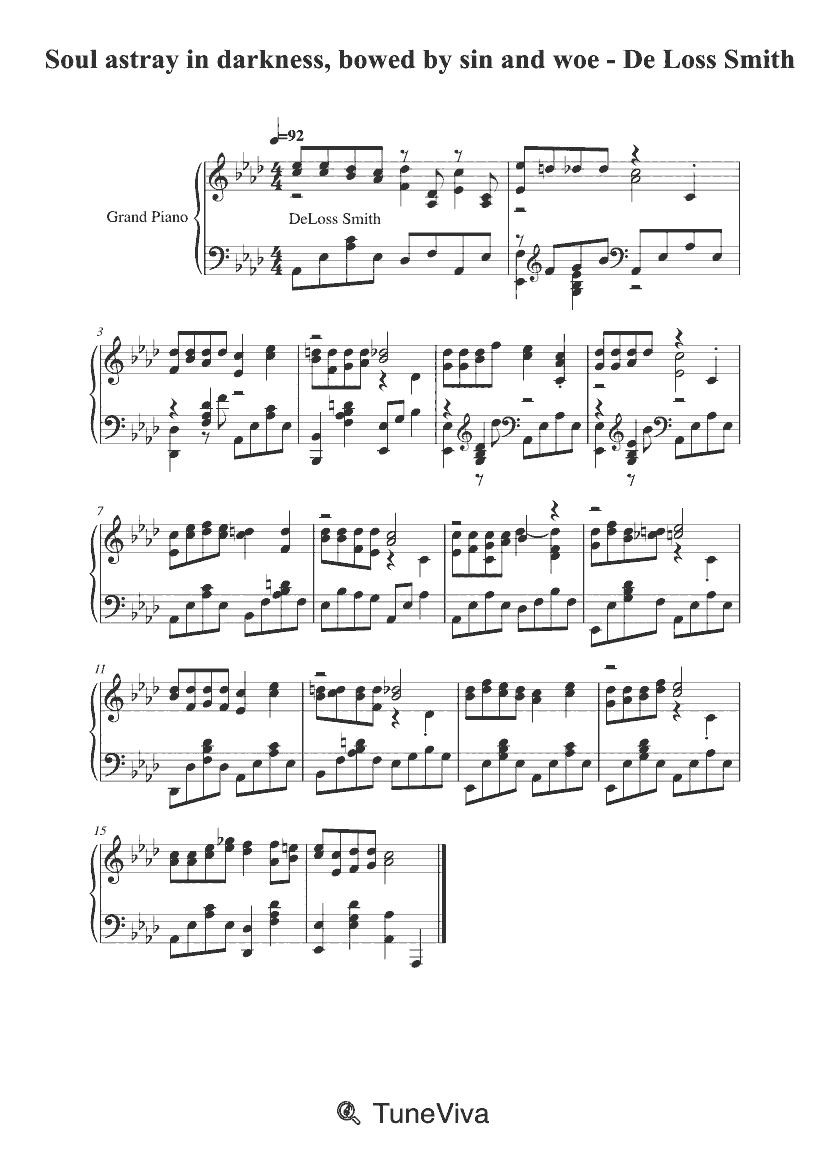
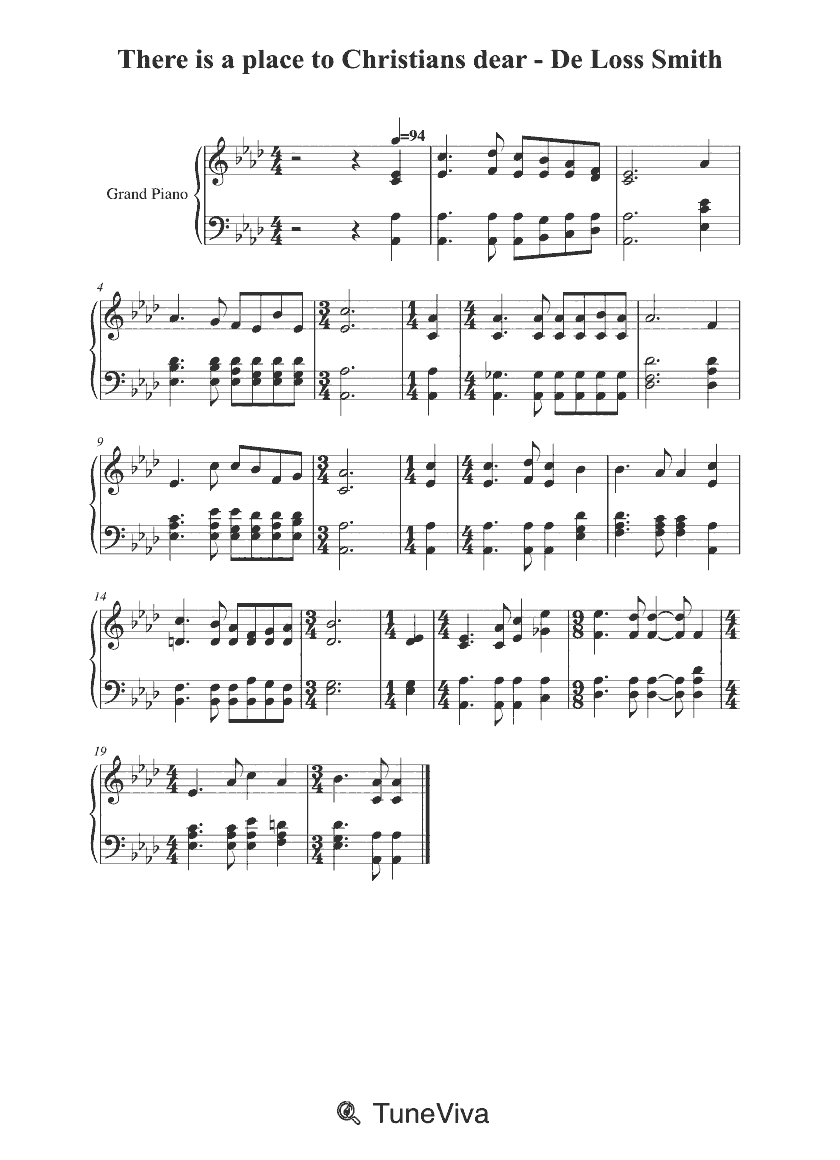
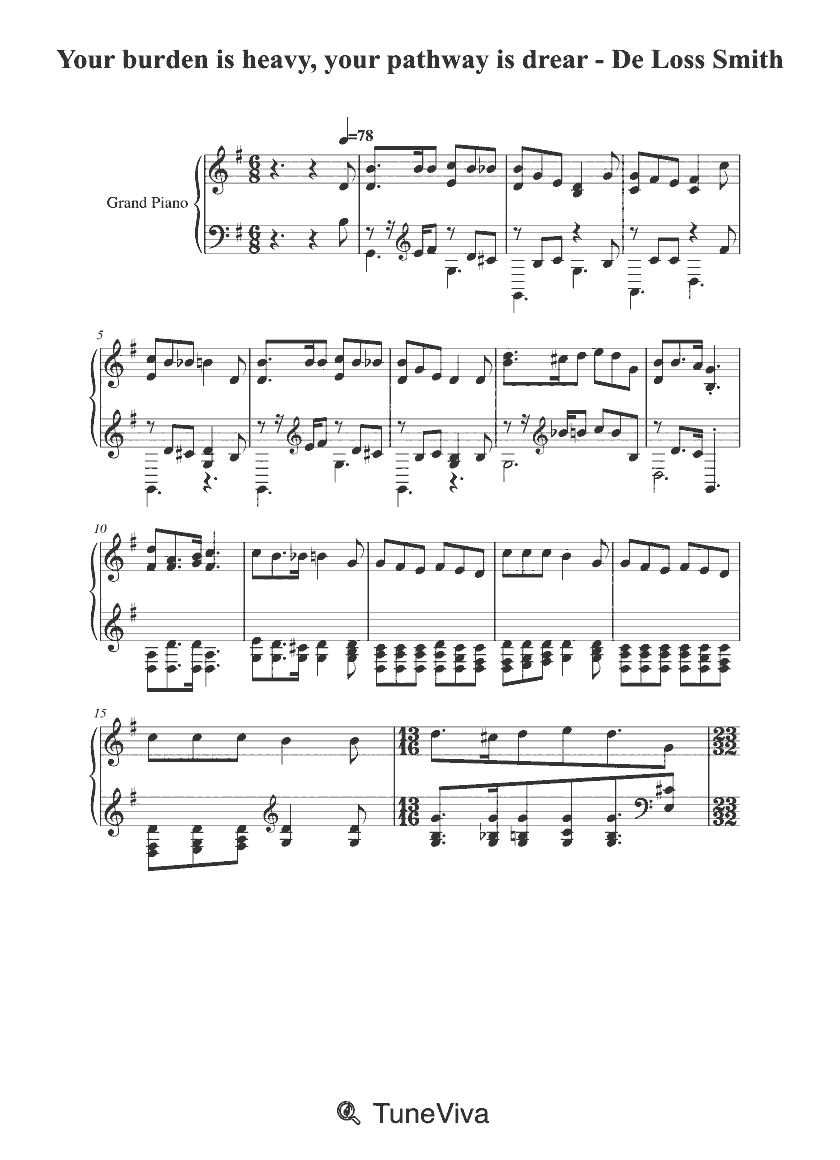
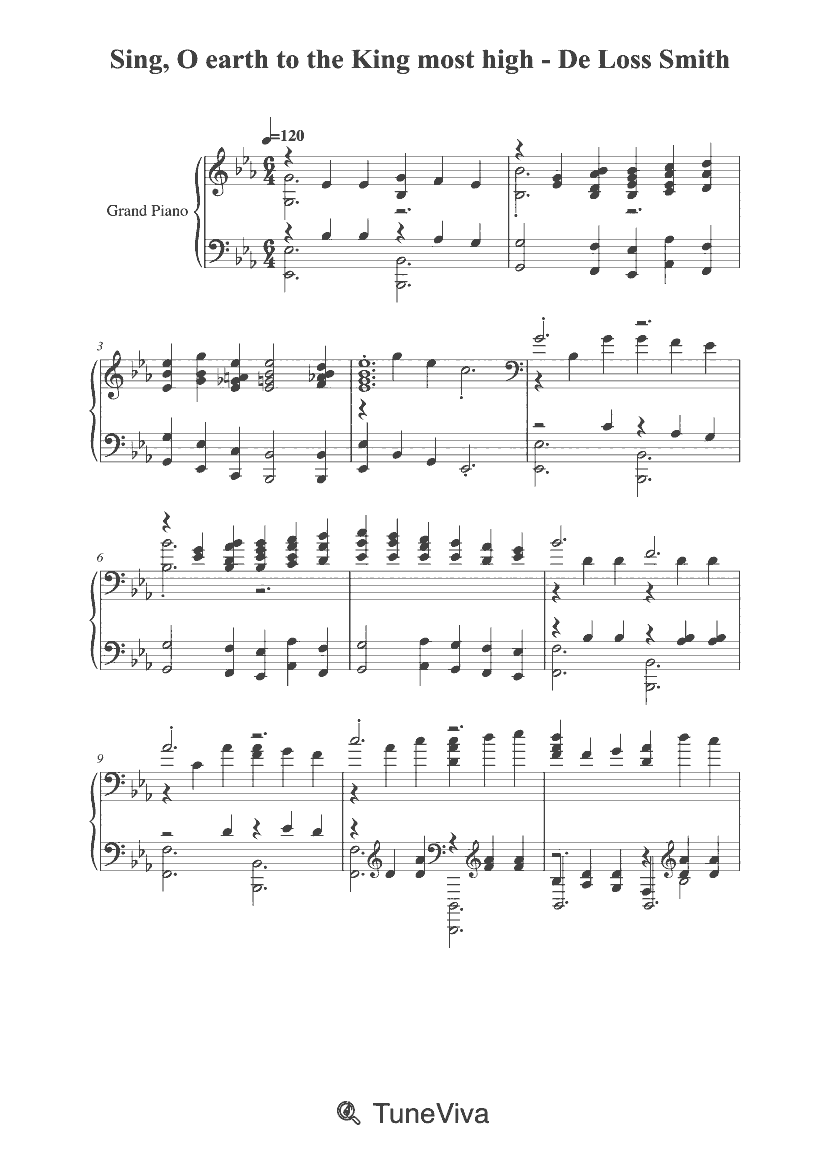
The catalogue’s twenty titles are first lines rather than tune names, the usual convention for this repertoire: “March along with a song”, “We are happy Christian soldiers, marching for the cause of right”, “Soul astray in darkness, bowed by sin and woe”. Several carry the refrain inside the title, as “Some Day” does.
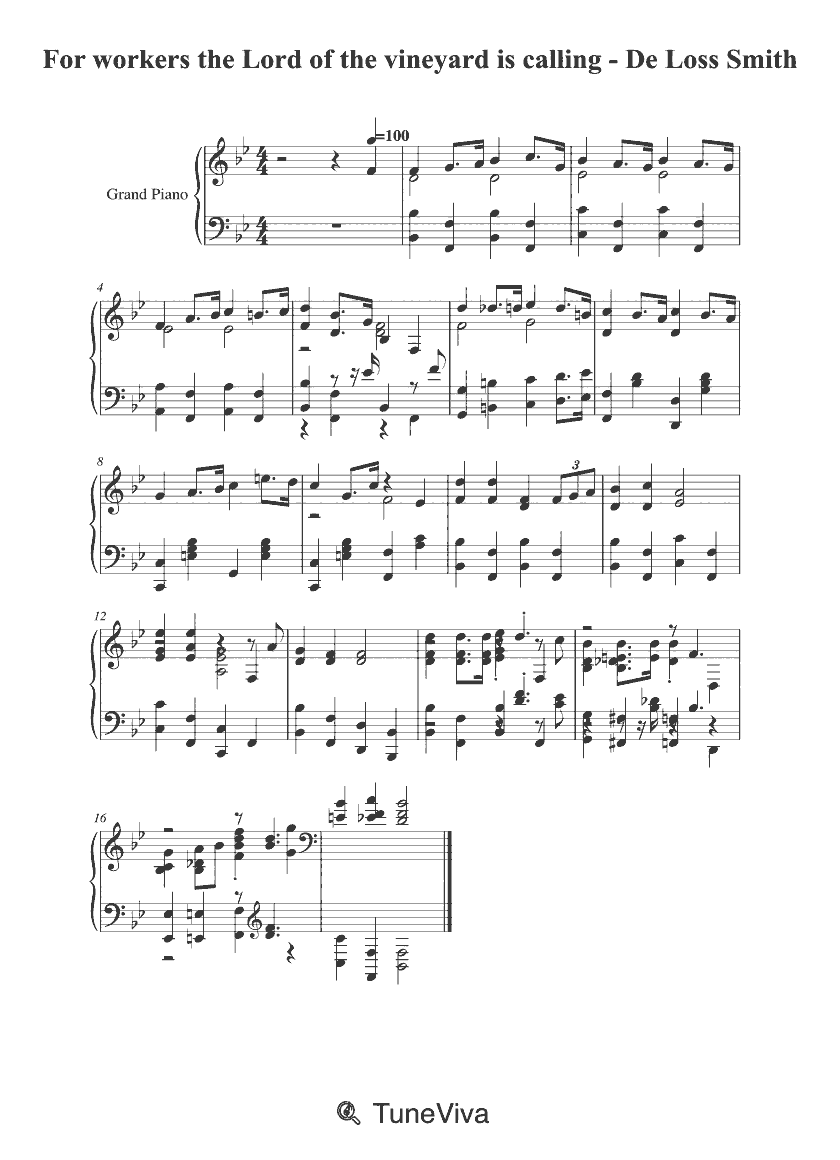
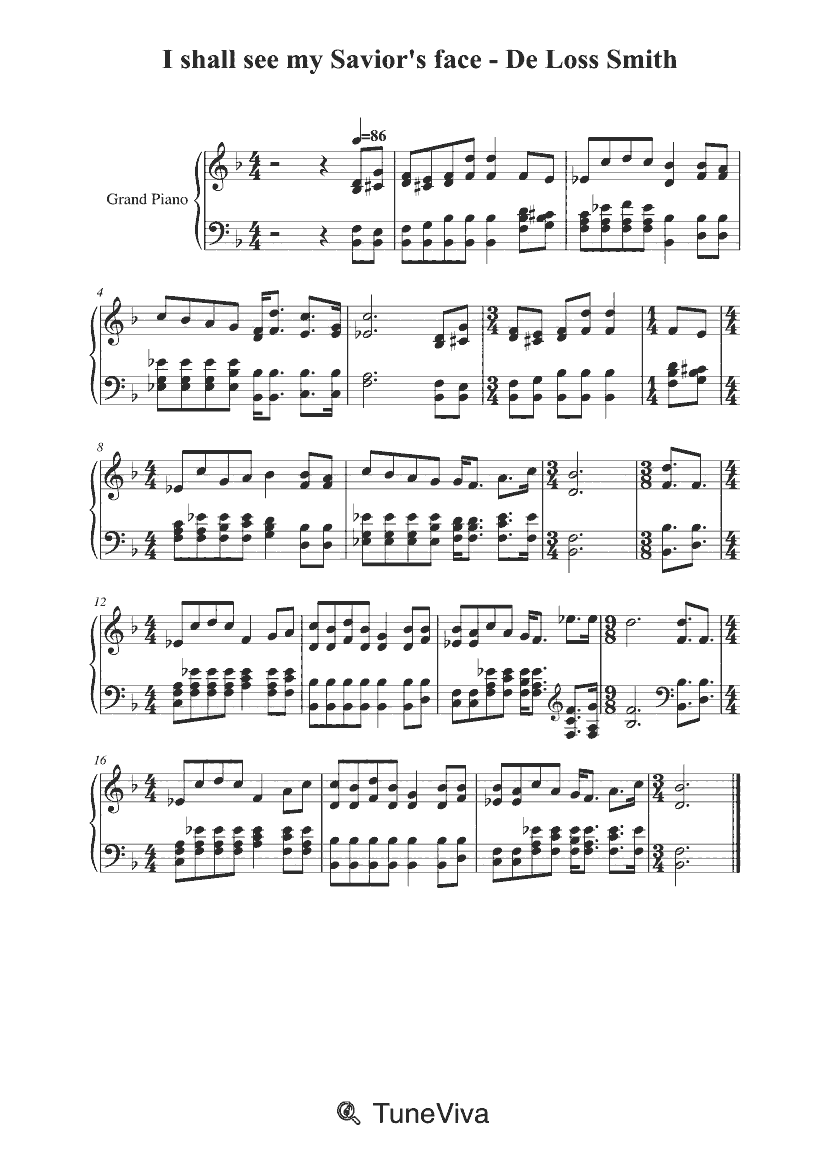
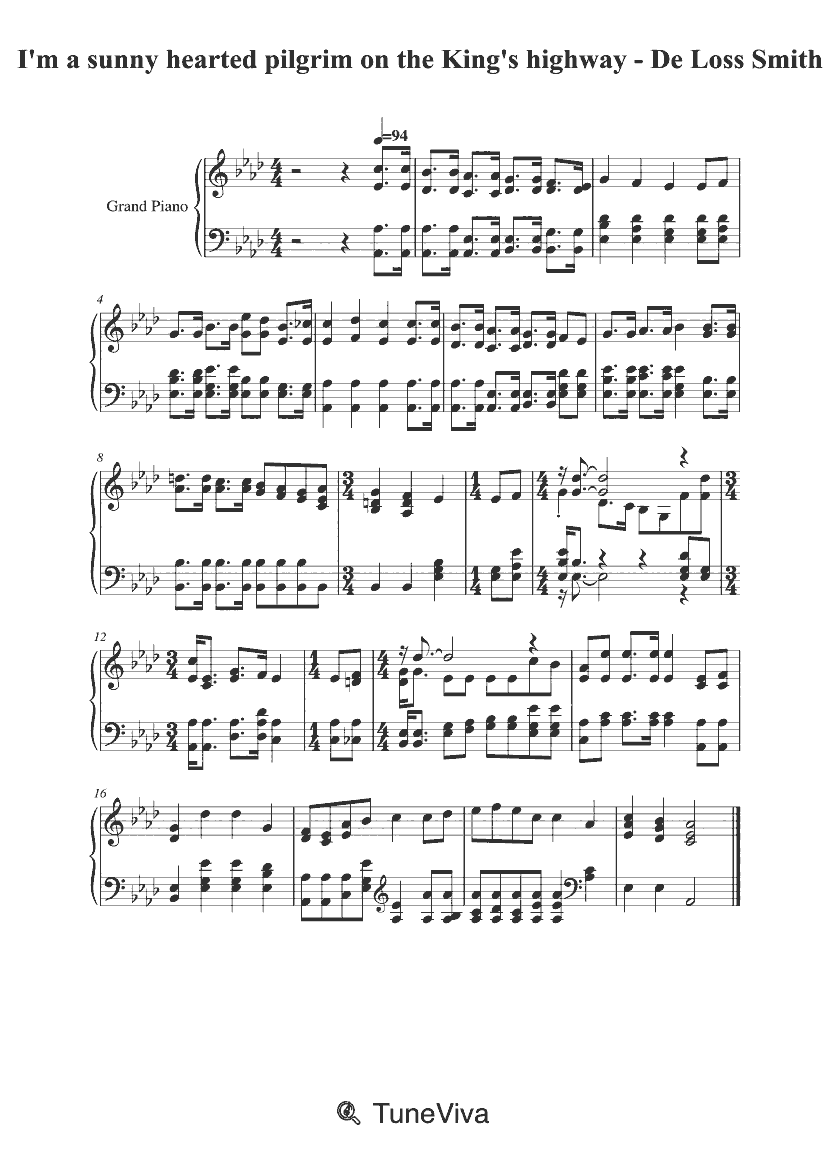
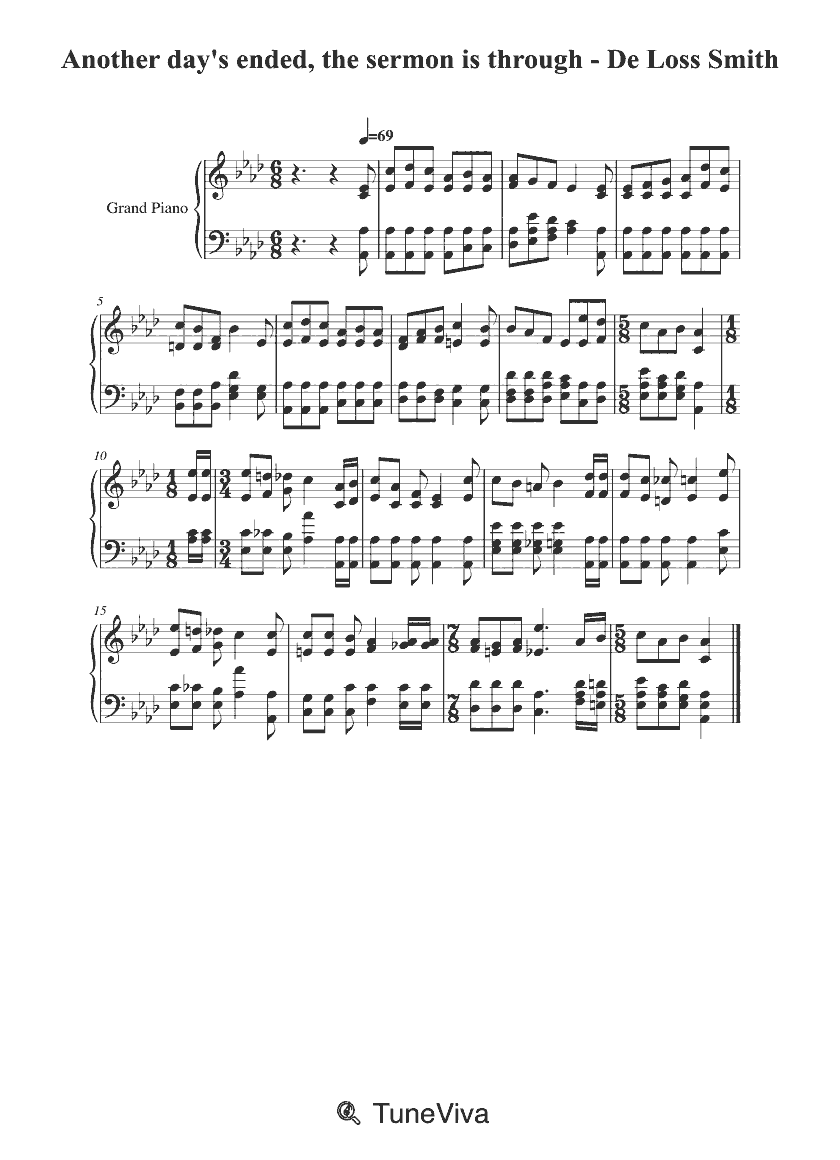
These are gospel songs, not art songs: a strophic tune, a refrain for the room to join, and a four-part accompaniment a small organ or piano can carry. Keep the tempo unhurried enough for the words to be understood, and let the refrain lift rather than accelerate. The inner parts are mostly filler and should stay beneath the melody. Where only a melody line is printed, the harmony is yours to supply; in the penitential numbers, resist a heavier dynamic, because the text is already doing the work.
The most-viewed entry in the collection, and the only title the catalogue tags with the composer’s name in brackets.
A fellowship chorus whose first line serves as the title; at 19 views it is the second most-viewed score here.
The opening line is printed in quotation marks because the refrain, not the stanza, supplied the song’s name.
Still circulating in 1922, when New Songs of Praise and Power credited the setting to DeLoss Smith.
Printed in Songs of the King (Chicago, 1906) with a copyright line naming Scoville and Smith.
A marching chorus in the revival idiom, filed at complexity index 2 like most of the collection.
One of the shortest titles in the group, and a typical refrain-first opening for a campaign song.
A penitential text, the counterpart to the marching numbers elsewhere on the page.
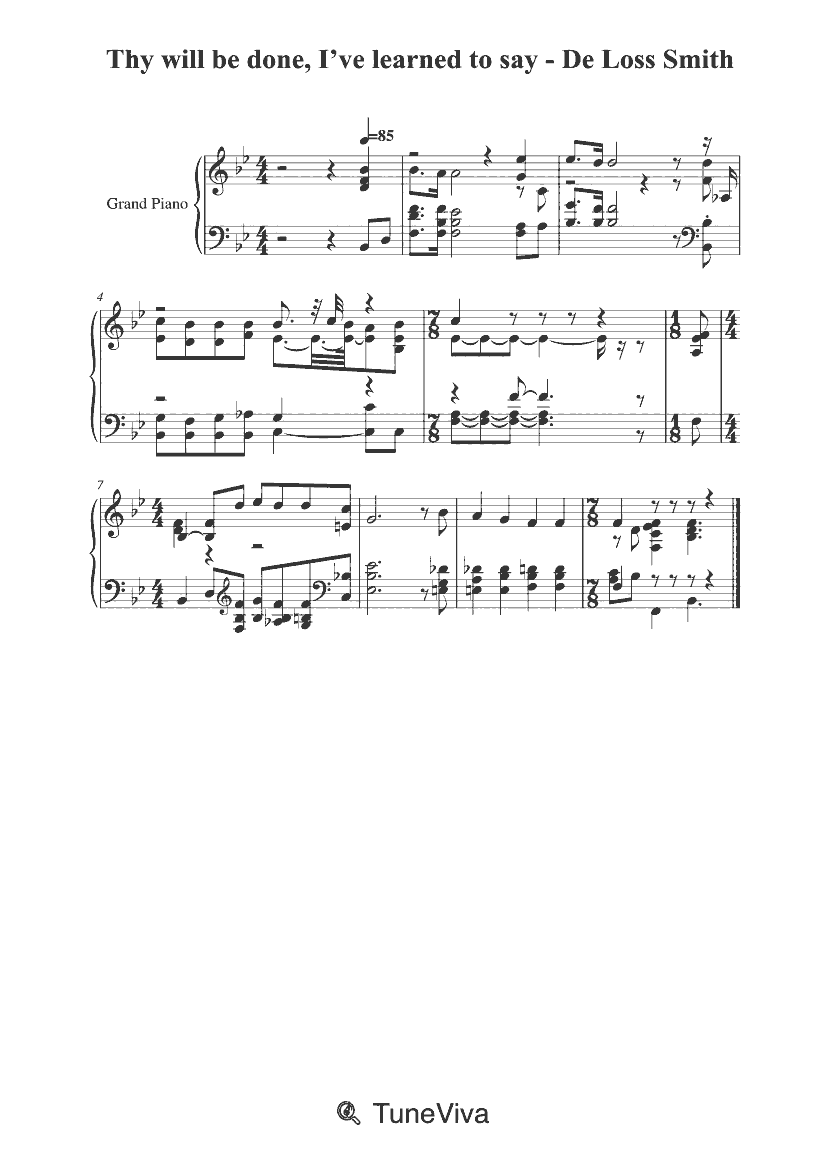
A song of resignation rather than mission, set in the same four-part texture as its neighbours.
Five views place it mid-page; the text looks back to a familiar place of worship rather than forward to a campaign.
Twenty, running to about 20 minutes of music and 8,724 notated notes. Six of the twenty carry lyrics.
The evangelist with whom Smith compiled Songs of the King in 1906. The preface is signed by both men and the copyright line reads Scoville & Smith.
No. They are first lines of hymns, which is how gospel songbooks indexed their contents. The catalogue adds “(Smith)” to a couple of entries to separate them from settings of the same words by other composers.
Only occasionally. “I know not how soon Christ is coming again” appears in Songs of the King with Smith’s name against it, but the catalogue does not distinguish text authors from composers for the other entries.
Catalog editions and arrangements attributed to De Loss Smith.