classical
1 tracks
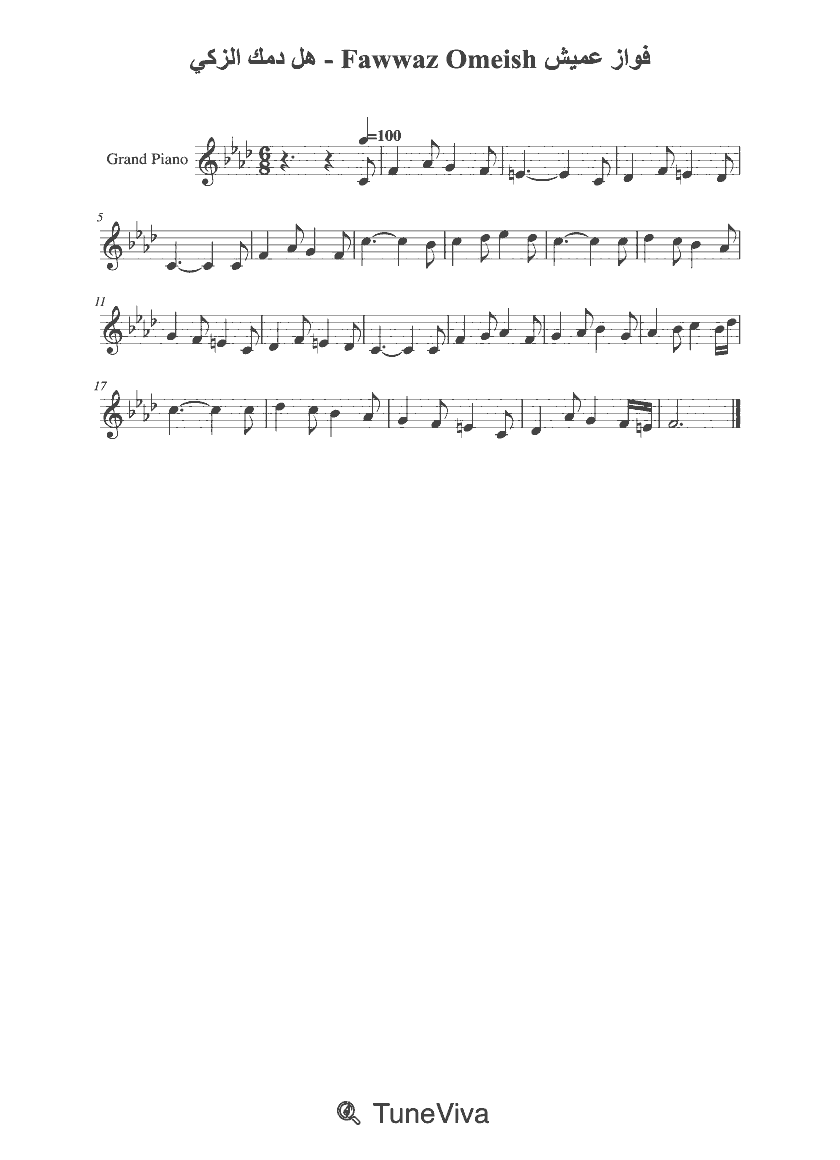
Fawwaz Omeish is credited with 39 scores in the catalogue, about 23 minutes of music and 5,945 notated notes. Twelve carry lyrics, and the titles are Arabic first lines, several of them shared with the Arabic hymnals in which the hymns circulate. The most-viewed titled entry is "يسوع قضى فوق عود الصليب", a Passion hymn, followed by "حدثوني عن يسوع". Every score sits at complexity index 1 or 2, 37 at index 1 and two at index 2, so nothing here is rated easy. All 39 are filed as classical. Titles are opening lines, so searching the Arabic incipit works better than searching for a hymn name.
Fawwaz Omeish (فواز عميش) belongs to the Arabic-language hymn tradition that took shape in the churches of Jordan and Palestine in the second half of the twentieth century. Jordanian Baptist history remembers the Rev. Fawwaz Omeish as the pastor who led the group that established the Amman Baptist Church. He had served the Baptist churches at Irbid and then Ajloun before returning to Amman, where the weekly meeting moved from the Baptist bookshop to a house in Jabal al-Luweibdeh; the church was formally organised in 1973, with his wife Ra'ut and children Roy and Sawsan among the founding members. Hymnary gives his death as 2012.
His hymn texts appear in the Arabic hymnals ترانيم الإيمان (1990), تسابيح المحبة (2007) and اصنع بنا نهضتك (2013), and Hymnary indexes 86 of them, some as author and some as translator. The catalogue draws on that body of material: short strophic hymns with titles taken from the opening line, twelve of them carrying text. A handful are translations rather than original texts, which is why the same hymn can appear in more than one Arabic collection.
The musical footprint is small: about 150 notated notes per score on average, and no entry rated easy. Nothing in the catalogue names the poet, translator or composer of an individual hymn; the credit field simply carries Omeish's name in its Latin and Arabic forms, and one entry adds فواز عميش after the English. Two entries have no title at all and are left out of the selection below.
The text drives everything here: the melodies are syllabic and sit close to speech, so the words must be clear before the tone is beautiful. Watch the long vowels at phrase ends and avoid breathing inside a word. Where the setting is in parts, keep the inner voices light so the Arabic declamation stays intelligible, and let the final cadence settle rather than clipping it. Accompanists should keep the harmony plain, since a heavy texture muddies the text. Because the same hymn may exist in several Arabic collections, check the underlay against the score in hand before rehearsing.
A Passion hymn whose opening line means "Jesus died upon the wood of the cross"; at 24 views it is the most-opened titled entry.
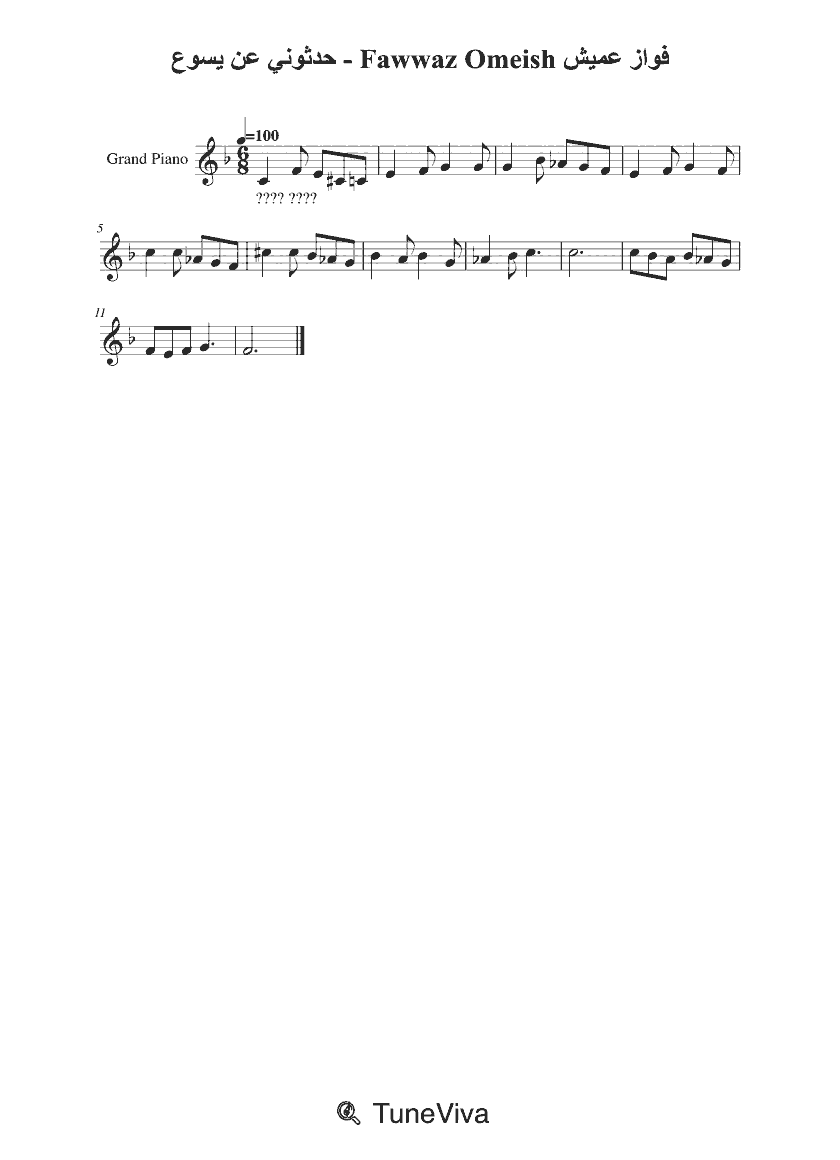
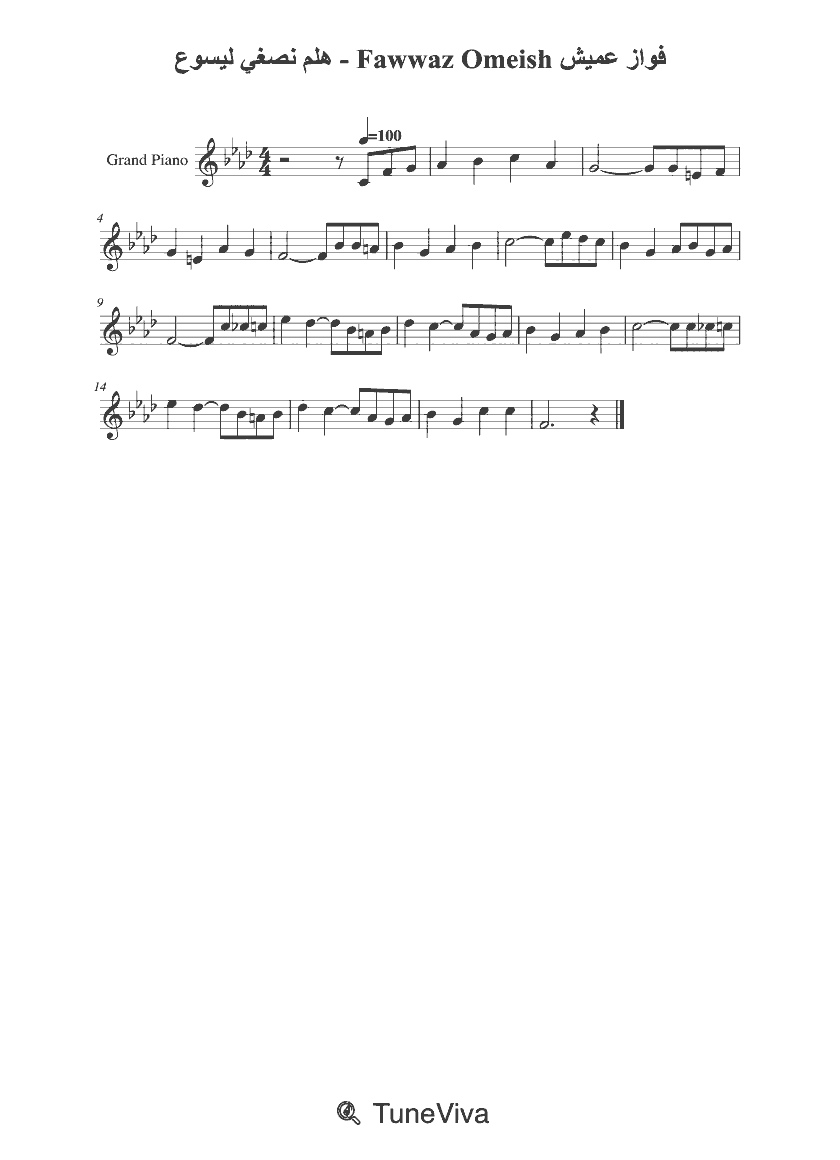
"Tell me about Jesus", a teaching hymn in the imperative, and the only entry that prints the name in Arabic as well as Latin.
"We long to see Jesus, the Redeemer of mankind", a hymn of longing spoken in the plural voice.
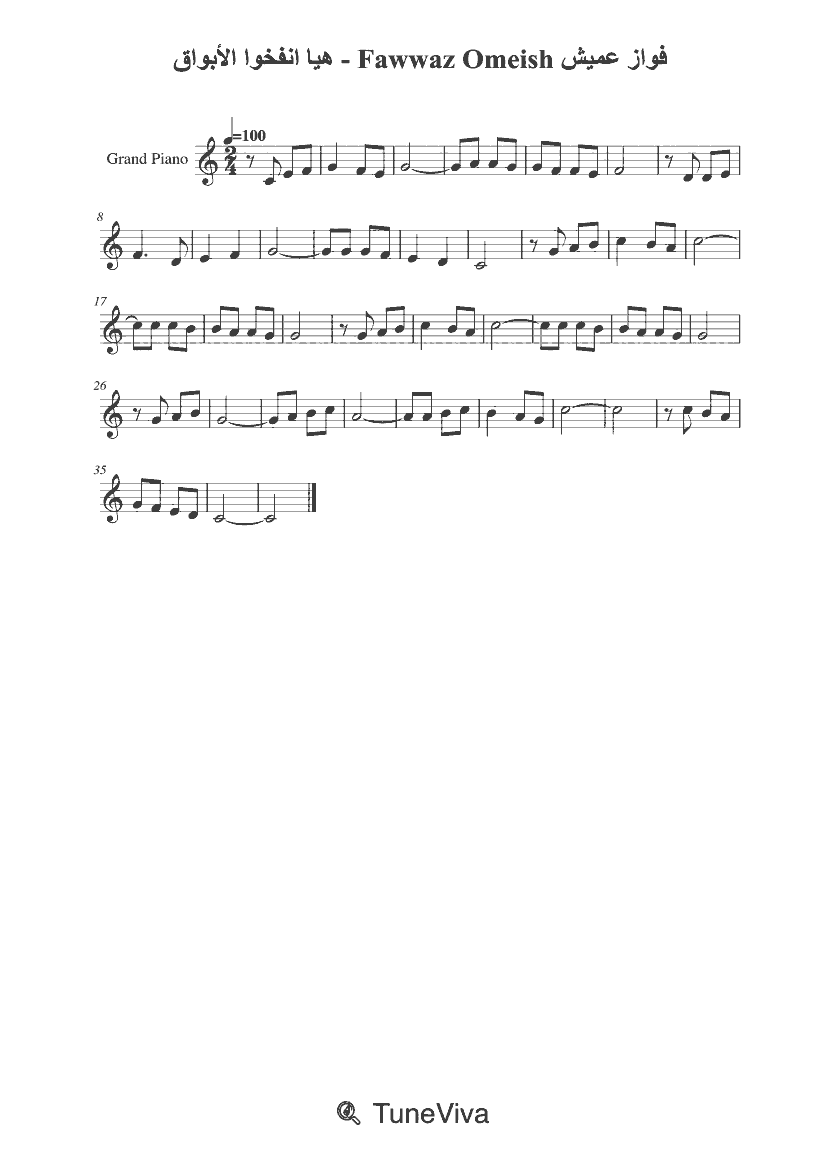
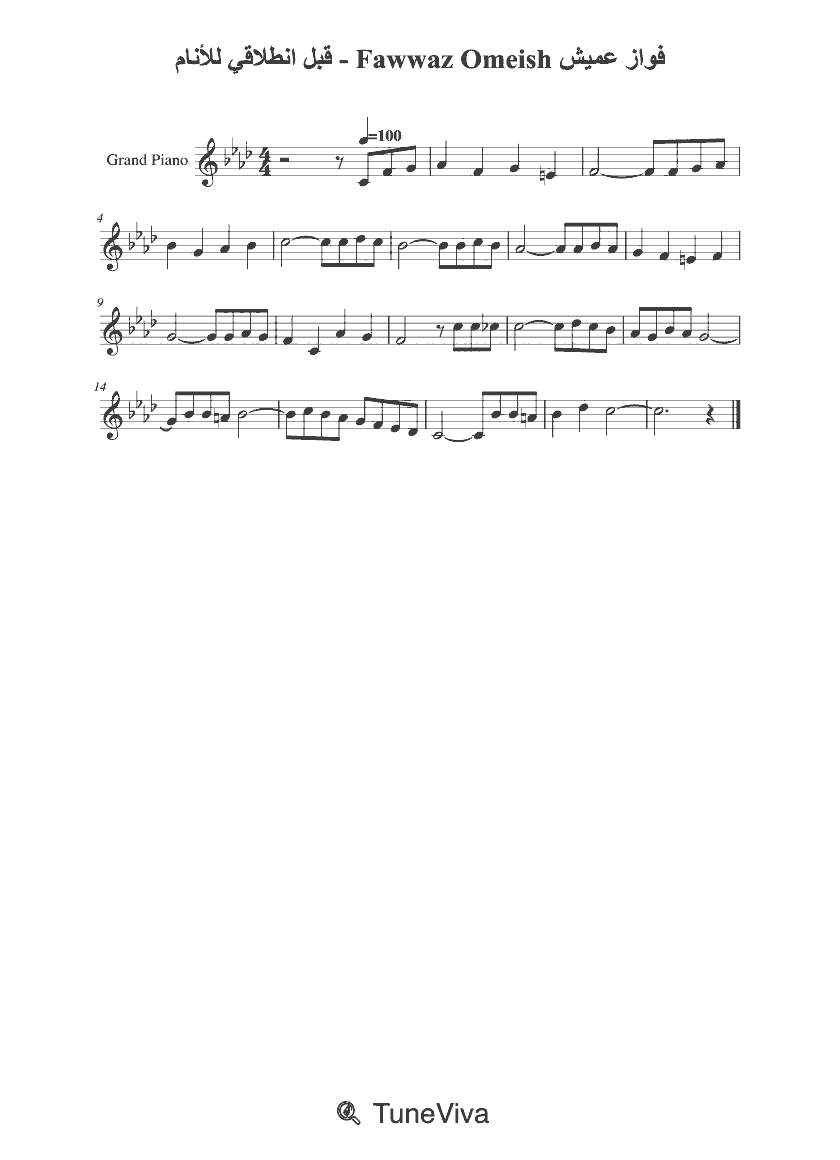
"Come, blow the trumpets", using the celebratory language of the psalms rather than the language of petition.
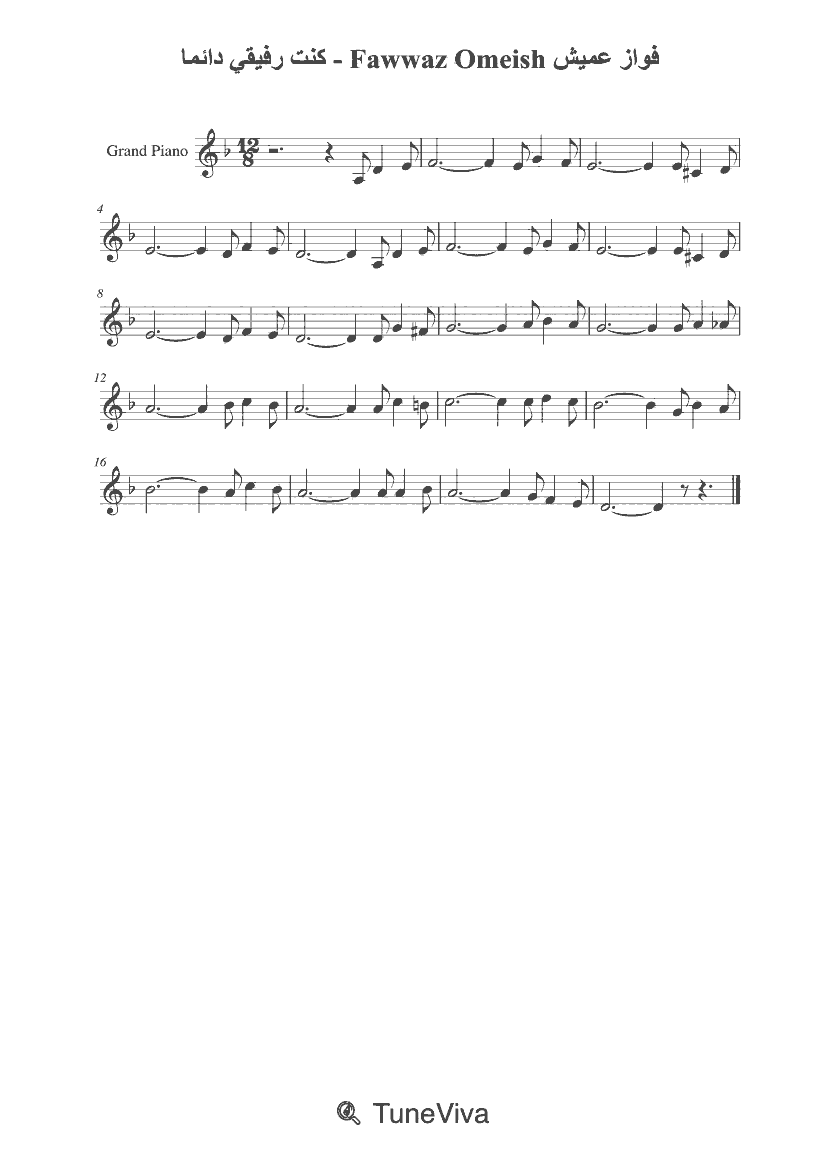
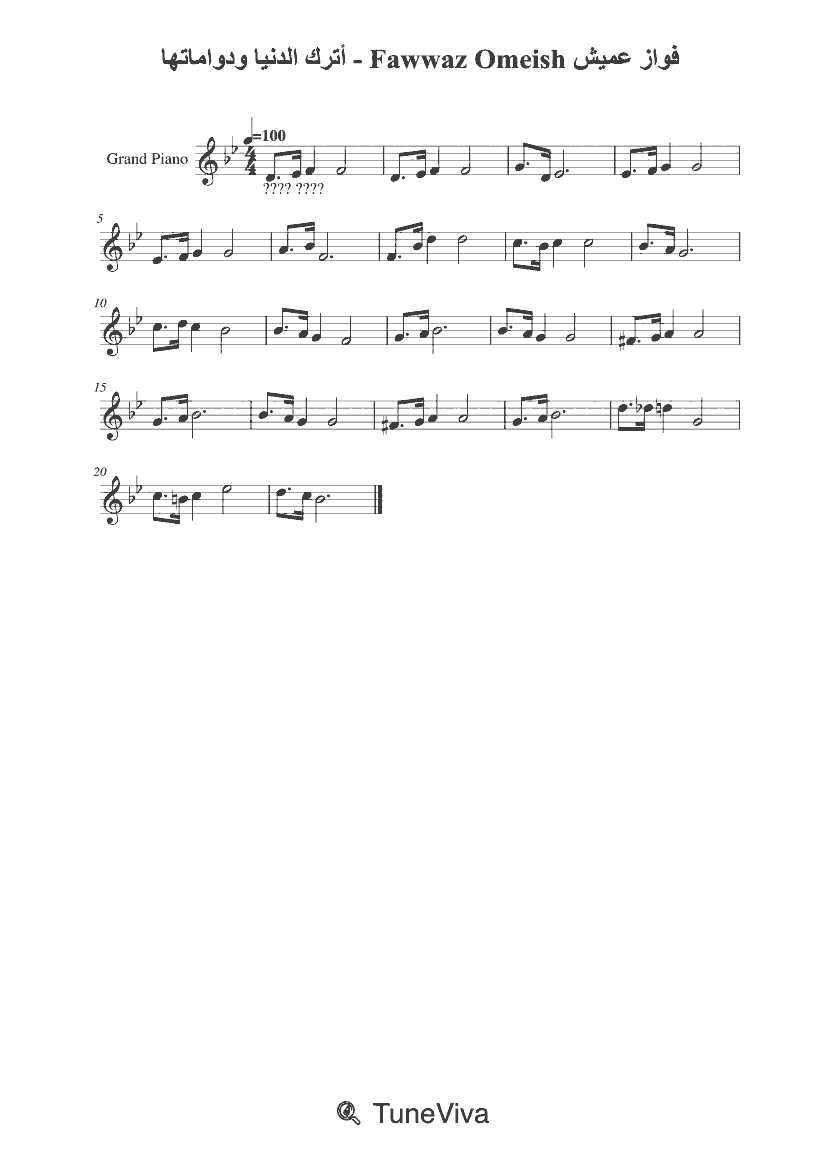
"You were always my companion", a hymn of companionship addressed to God in the second person.
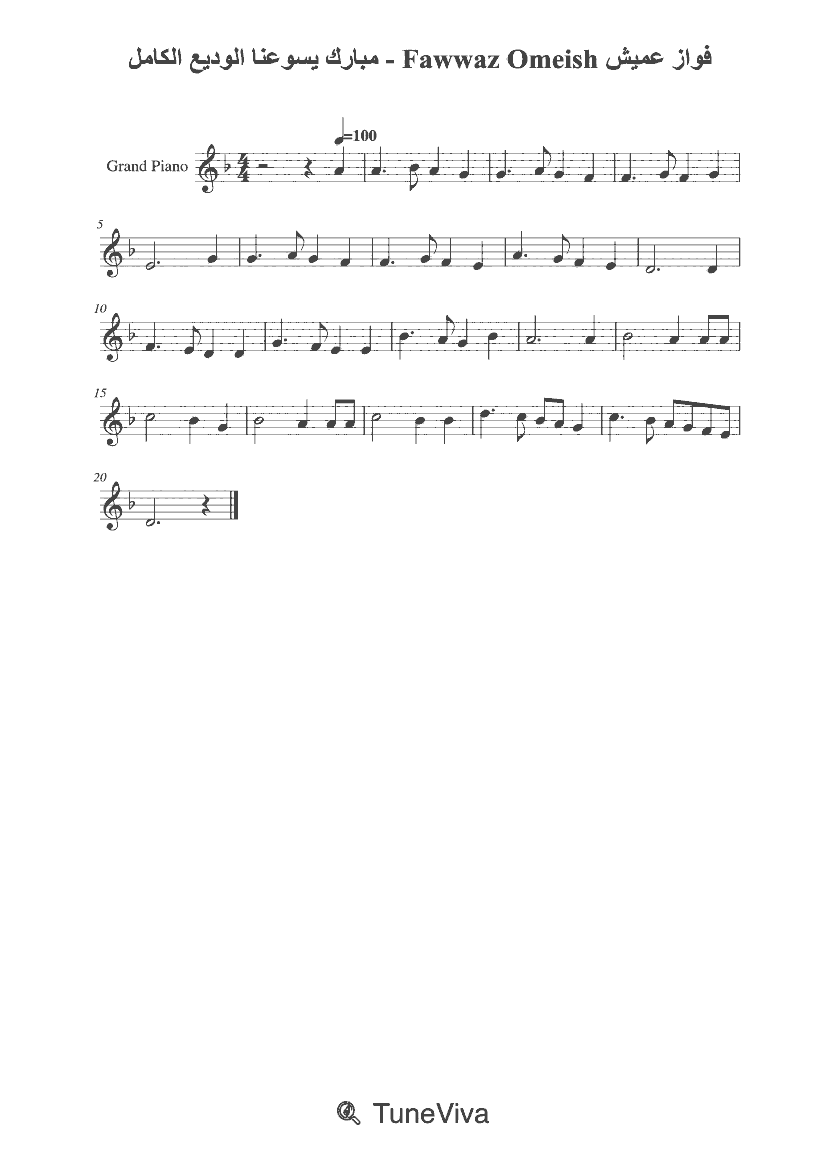
"Blessed is our gentle, perfect Jesus", a Christ-hymn that stays in the declarative mode throughout.
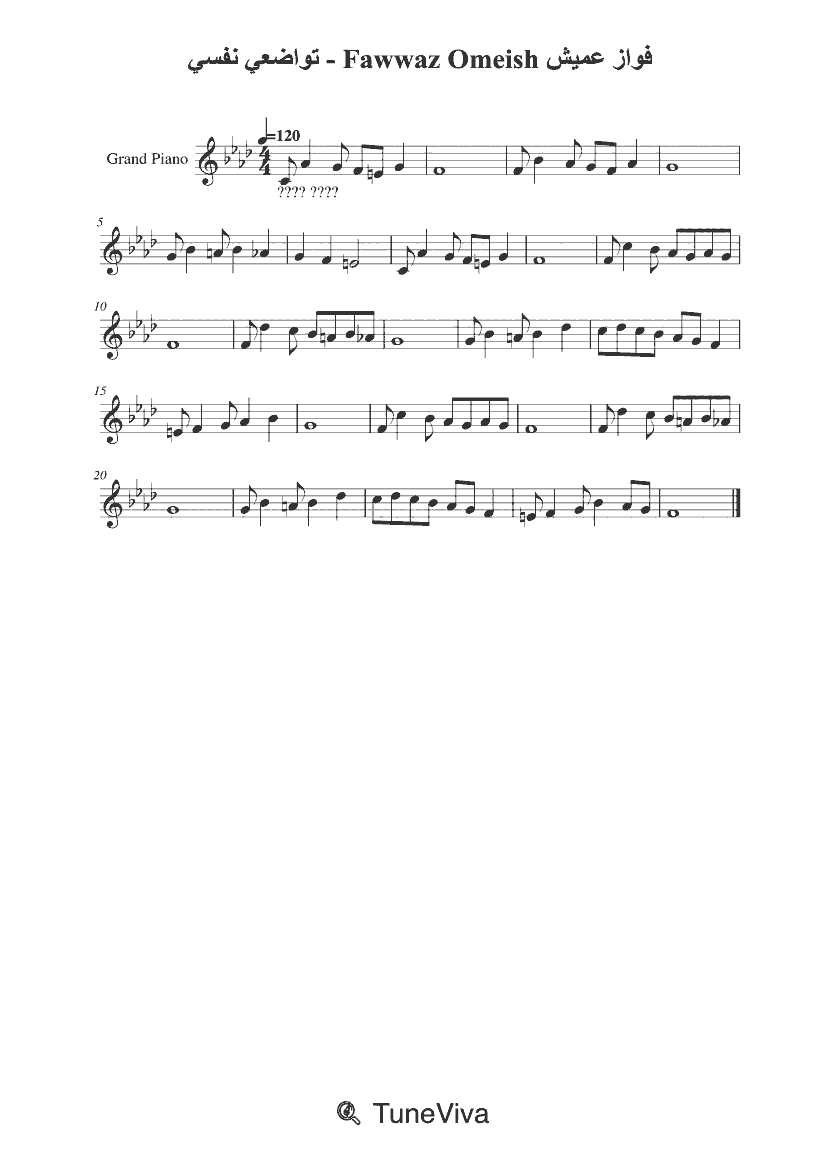
An address to the soul urging humility; the imperative is feminine, directed at the self rather than at the congregation.
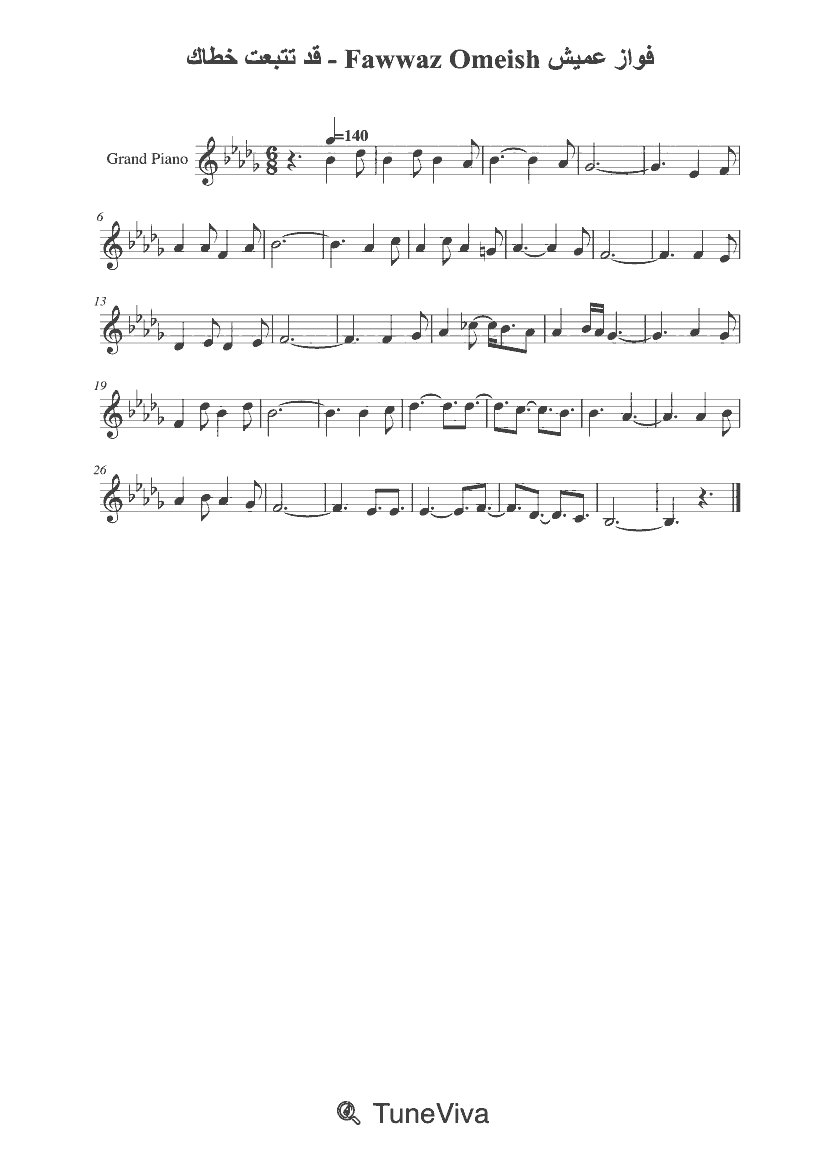
"I have followed in your steps", a discipleship hymn in the first person singular.
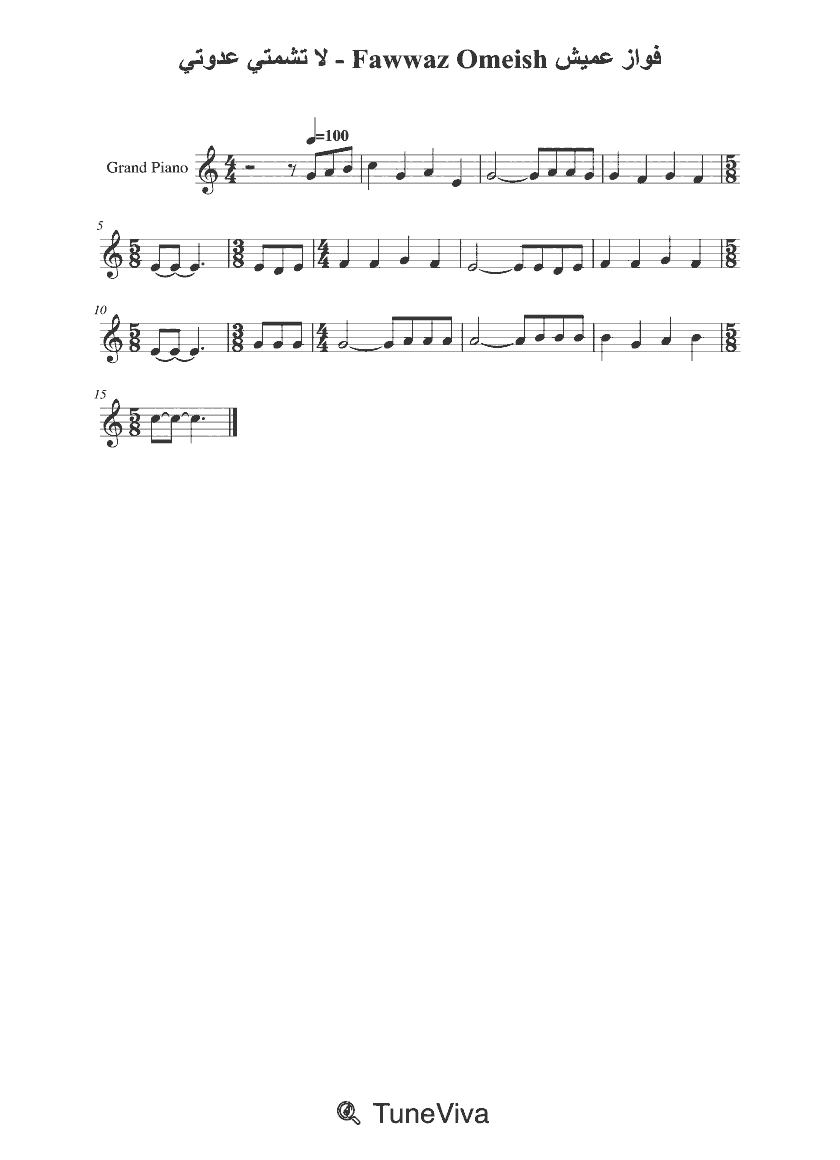
"Do not gloat over me, my enemy", the words of Micah 7:8 turned into a hymn of defiance and hope.
"Come, let us listen to Jesus", an invitation hymn that gathers the congregation in the plural.
39, about 23 minutes of music and 5,945 notated notes. Twelve of them carry lyrics.
They are opening lines, not formal titles. "حدثوني عن يسوع" means "tell me about Jesus"; "نريد أن نرى يسوع" means "we long to see Jesus"; "لا تشمتي عدوتي" is Micah's "do not gloat over me, my enemy".
Hymnary indexes 86 hymn texts under his name, some as author and some as translator. The scores here carry his name in the credit field, and the catalogue does not separate words from music.
Two scores carry only the composer's name and no title, so they cannot be listed or described; the catalogue holds no other identifying text for them.
Catalog editions and arrangements attributed to Fawwaz Omeish.