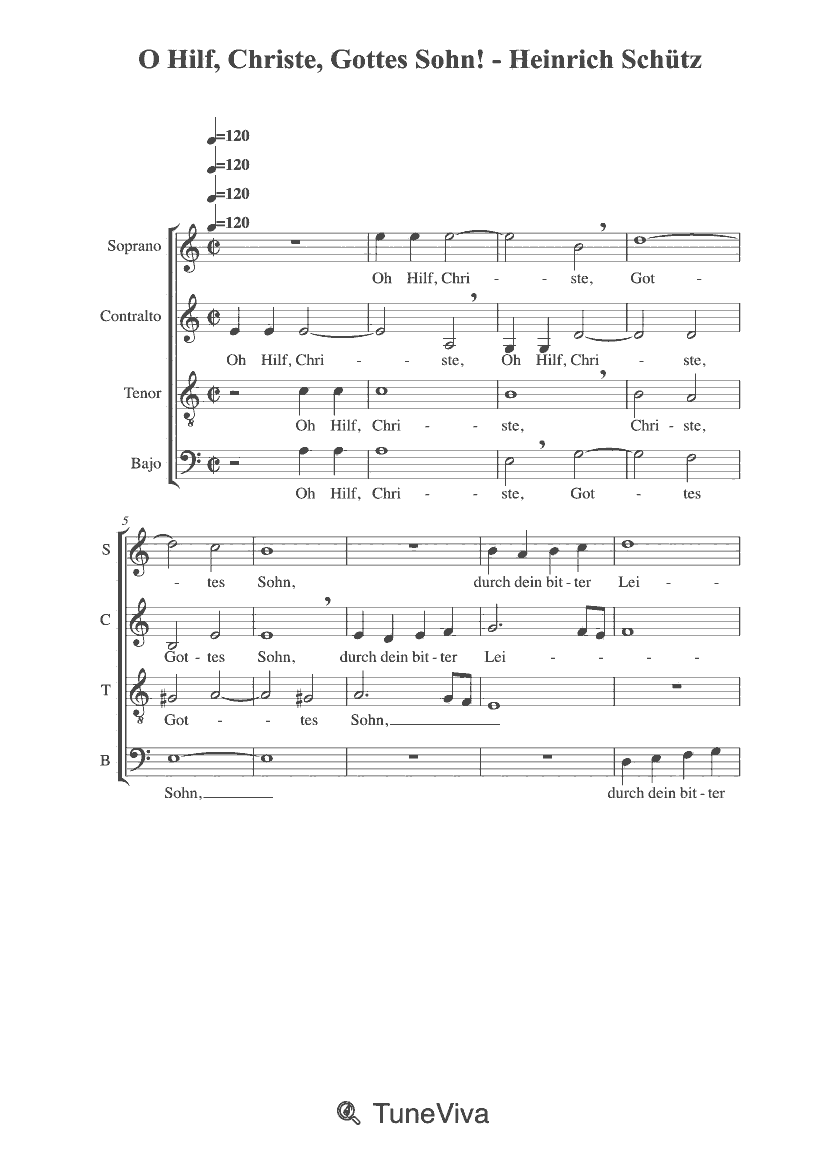
classical
4 tracks
Schütz worked at the Dresden court for most of his career, and the catalogue reflects a lifetime of Lutheran church music: 56 scores, about 266 minutes of music and 63,509 notated notes. Fifty-one entries carry lyrics, and 55 of the 56 sit at complexity index 0.
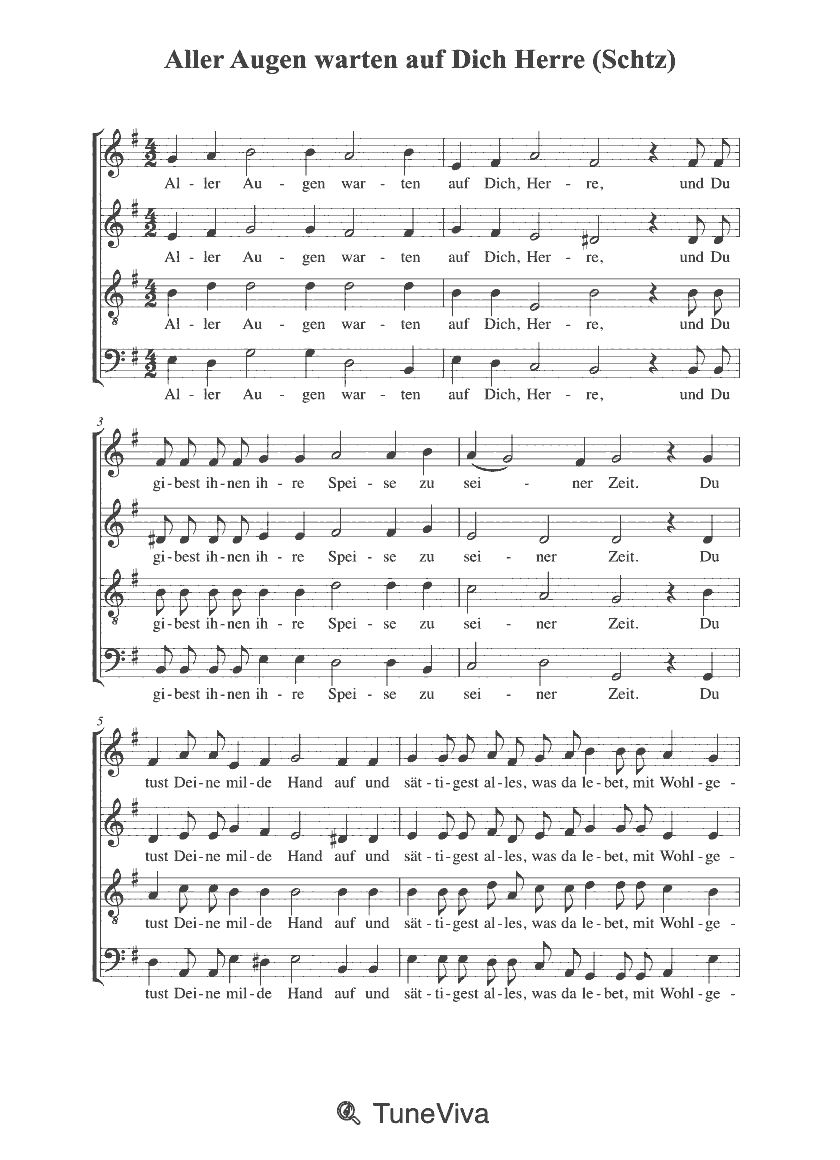
The most-viewed piece is the German setting Aller Augen warten auf Dich Herre, ahead of two Psalm 58 files and two Magnificats. The Passions and the Historia settings are here too, alongside motets from the 1648 Geistliche Chormusik. Only one entry rises above index 0, so the scale barely distinguishes between them.
Schütz was born in Köstritz in Thuringia in 1585 and grew up in Weißenfels, where his father kept an inn. In 1598 Landgrave Moritz of Hesse-Kassel heard the boy sing at his father's inn and arranged for him to be educated at his court in Kassel; he later studied law at Marburg before going to Venice in 1609 to study with Giovanni Gabrieli. He returned to Germany in 1612, served as organist in Kassel, and moved to Dresden in 1615 as court composer to the Elector of Saxony. He died there on 6 November 1672.
The catalogue's spine is the SWV numbering, which runs through the printed collections: Psalmen Davids of 1619, Cantiones sacrae of 1625, the Becker Psalter of 1628, three books of Symphoniae sacrae, the Kleine geistliche Konzerte of 1636 and 1639, and the Geistliche Chormusik of 1648. The late collections are here as well, including the Schwanengesang of 1671, whose German Magnificat closes the set. Most entries are short: a motet or concerto runs a few minutes, and the 266-minute total is built from dozens of such pieces.
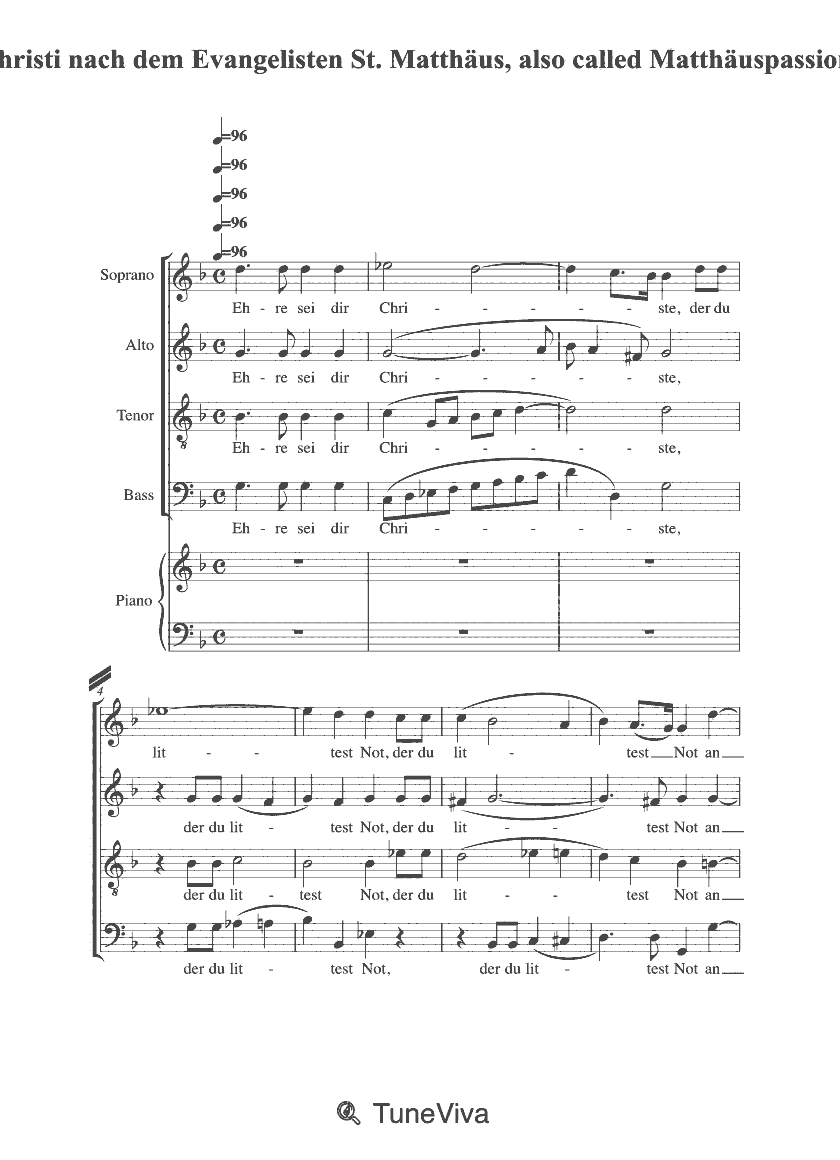
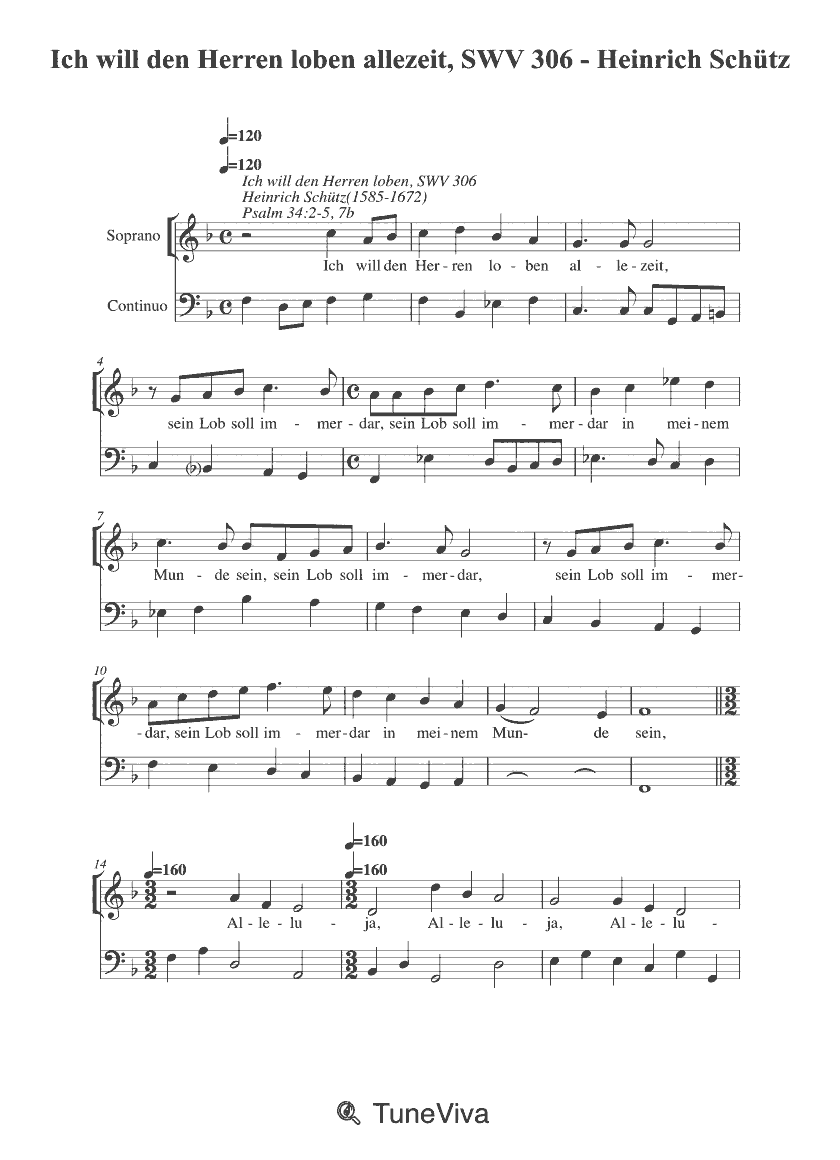
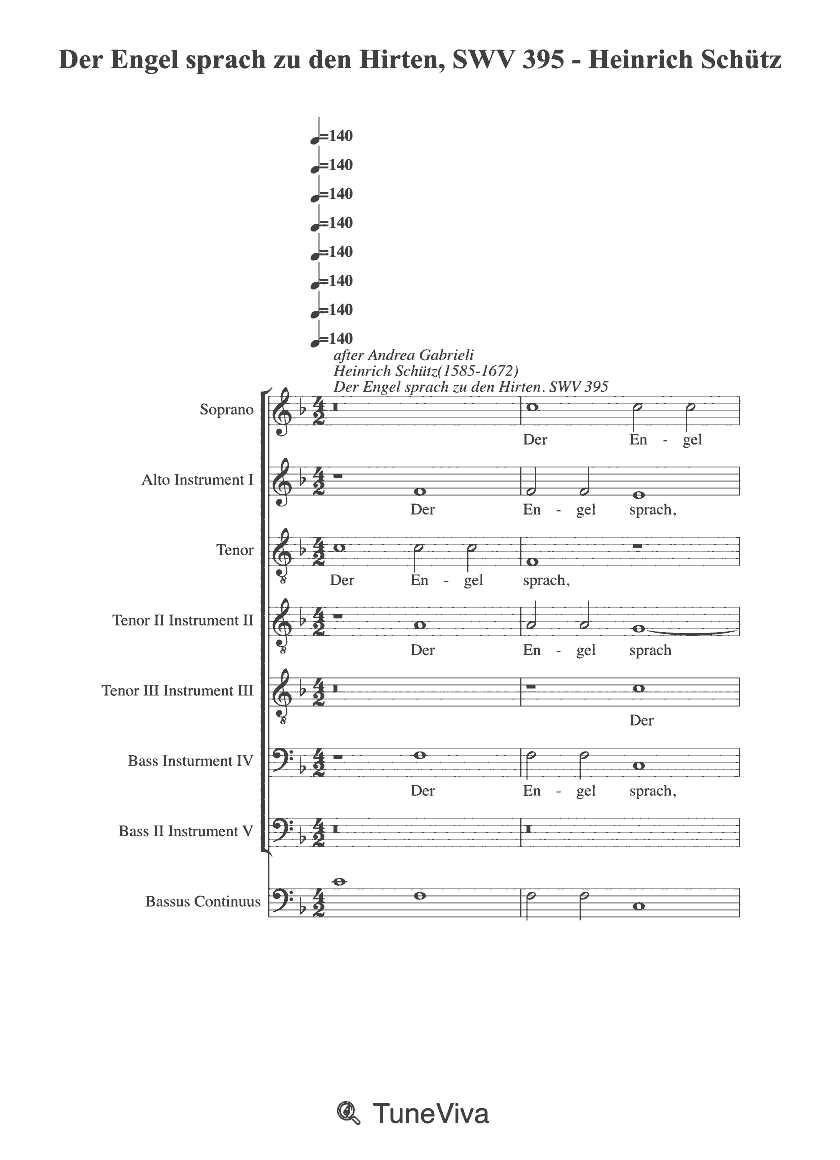
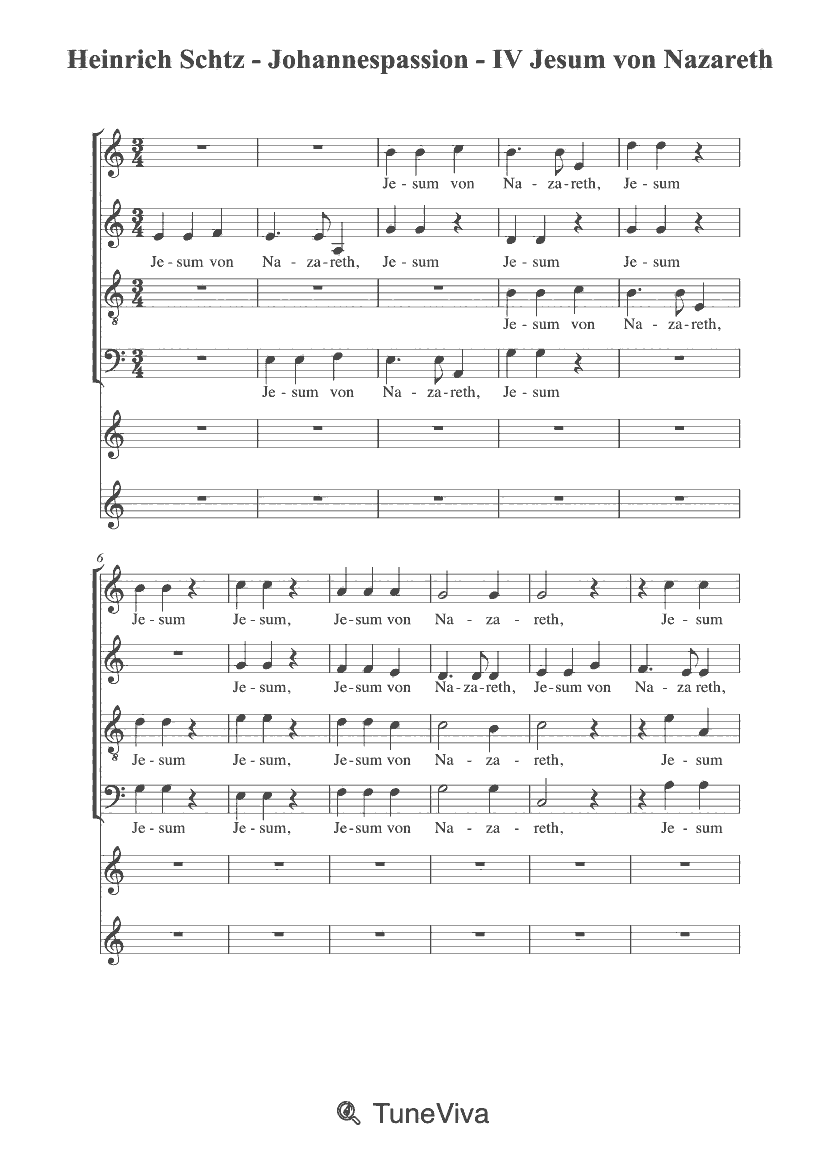
The Passion settings belong to the composer's last years: the St Matthew Passion, SWV 479, dates from 1666 and sets the Gospel narrative in the austere, largely unaccompanied style of the late works. Fili mi Absalom, SWV 269, comes from the 1629 Symphoniae sacrae and gives David's lament to a bass solo with instruments. Between those poles sit the motet Der Engel sprach zu den Hirten, SWV 395, from Geistliche Chormusik, and the concerto Ich will den Herren loben allezeit, SWV 306, from the second book of Kleine geistliche Konzerte.
Schütz sets words before he sets lines. Listen for the way a single syllable can change the texture: a chromatic phrase for grief, a quick homophonic passage for a crowd. In the Passions the Evangelist carries the narrative in flexible recitation, so keep the pulse speech-like and resist a steady tactus. The polychoral pieces need space between choirs, not volume. Latin motets from the Cantiones sacrae reward a dry acoustic and restrained vibrato, while the German chorale settings can take a fuller sound.
The most-viewed Schütz score here: a German setting of Psalm 145:15.
One of two catalogue files for Psalm 58; this one carries no key or collection in its title.
The second Psalm 58 file, labelled in G minor; the catalogue does not identify the setting.
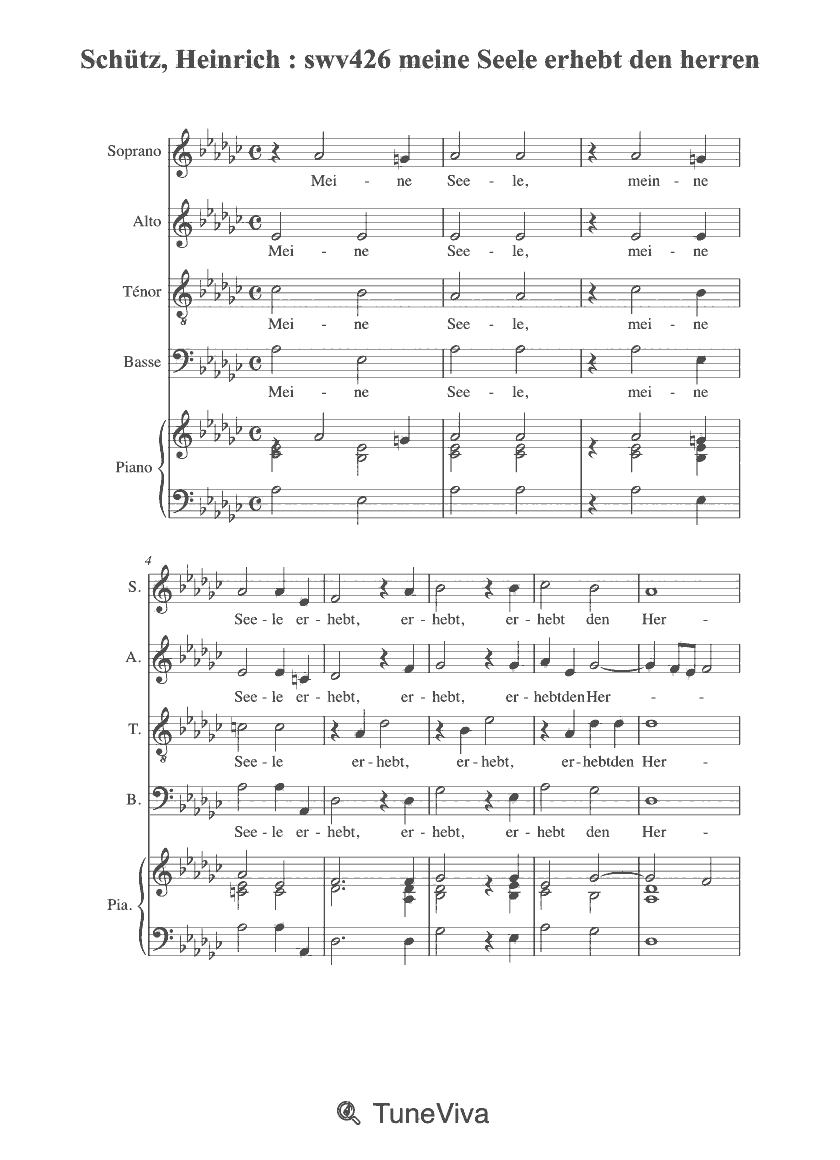
The German Magnificat that closes the Schwanengesang, the collection Schütz finished in 1671.
A four-part Magnificat from the 1657 Zwölf geistliche Gesänge, distinct from the late setting.
A compact Latin concerto from the second book of Kleine geistliche Konzerte, published in Leipzig in 1639.
David's lament for Absalom, SWV 269, scored for bass solo with instruments in the 1629 Symphoniae sacrae.
The 1666 Passion according to Matthew, in the austere style of Schütz's final decade.
A concerto from the second book of Kleine geistliche Konzerte, setting Psalm 34.
A sacred concerto from the 1647 Symphoniae sacrae II, for voices and instruments.
There are 56, running to about 266 minutes of music and 63,509 notated notes. Fifty-one of them include lyrics.
Schütz-Werke-Verzeichnis, the catalogue compiled by Werner Bittinger and published in 1960. Like most such lists it is arranged by genre rather than by date of composition.
The catalogue preserves titles as they were uploaded, and the umlaut was lost in several of them. One file even gives the composer as 'Heinrich SCHTZ'.
The four-part Becker Psalter settings and the motets of the 1648 Geistliche Chormusik need no soloists and only continuo, so they rehearse more quickly than the polychoral concertos.
Catalog editions and arrangements attributed to Heinrich Schütz.
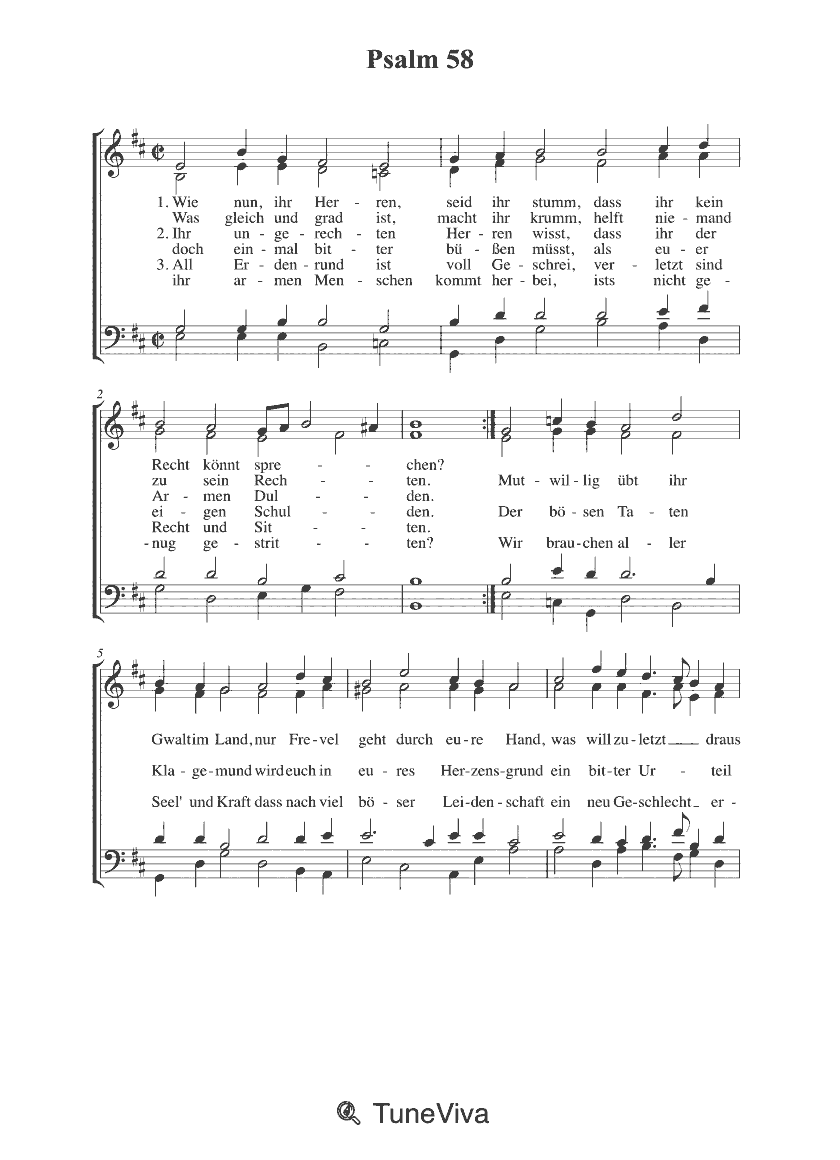
Psalmlied aus dem Becker Psalter 1628
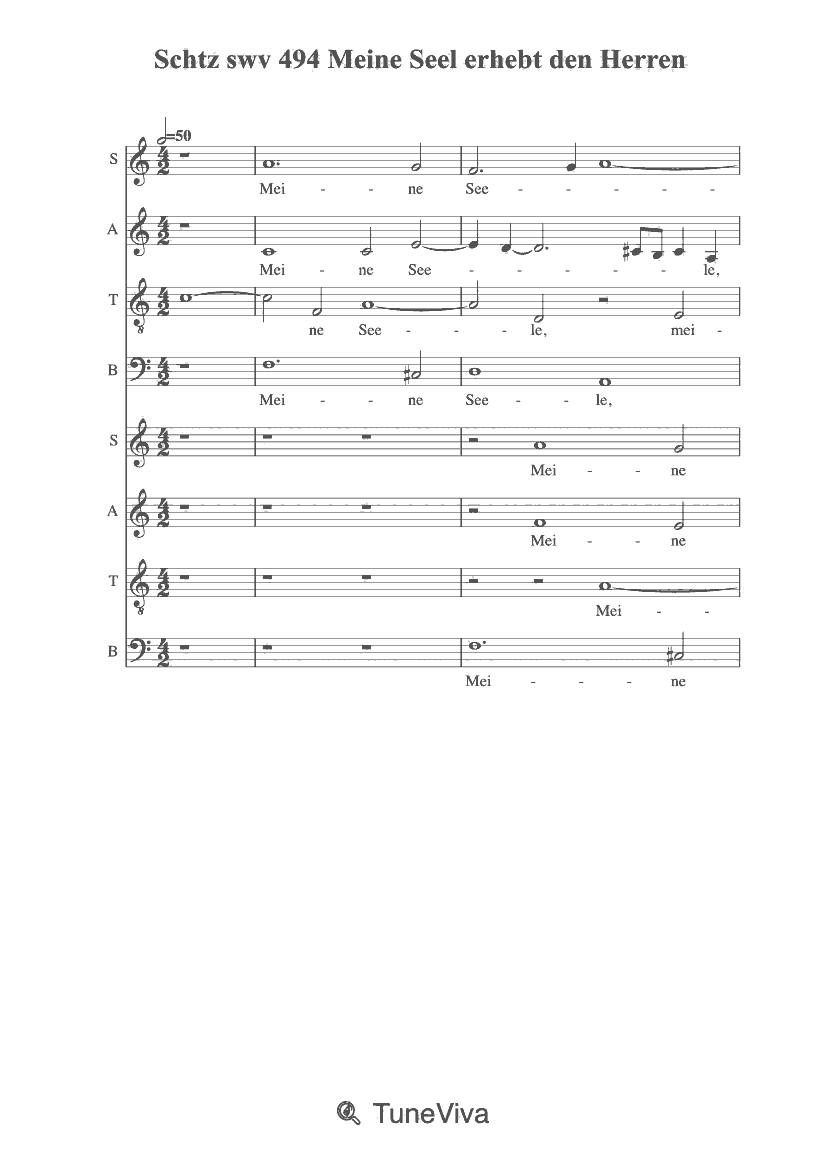
(Deutsches Magnificat)
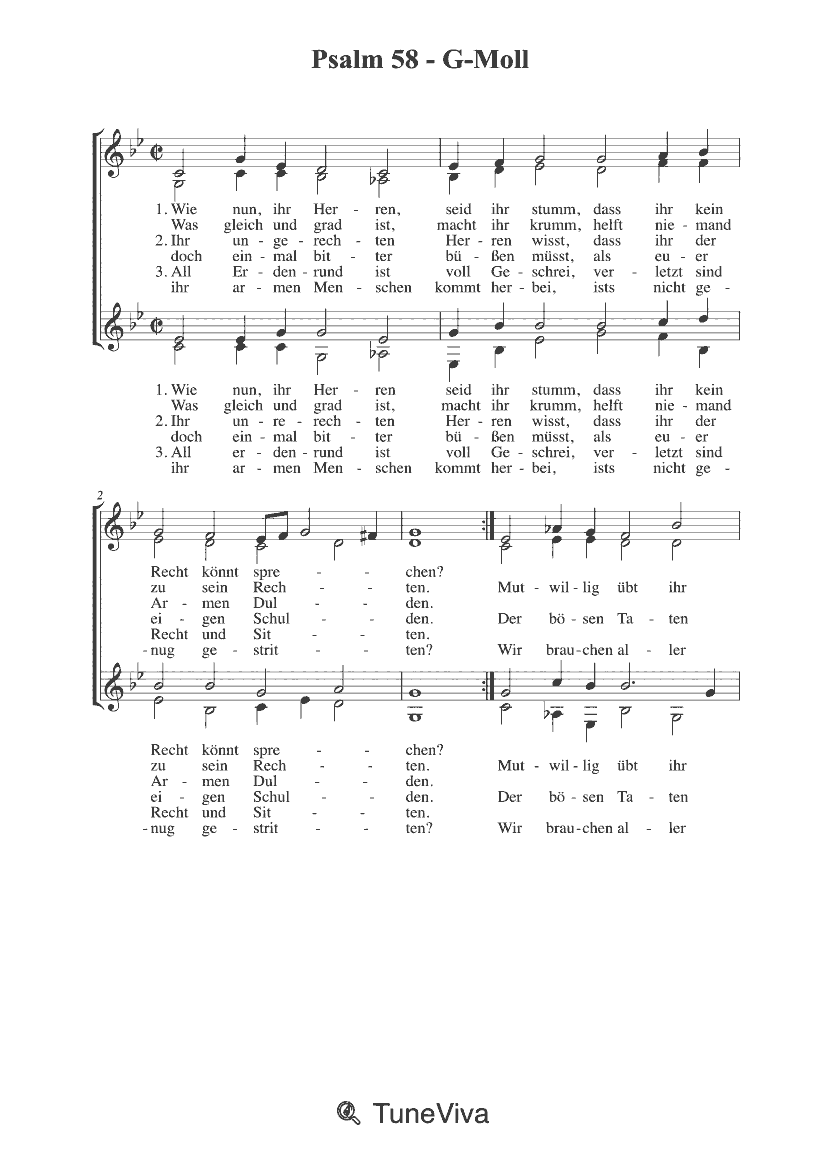
Psalmlied aus dem Becker Psalter 1628
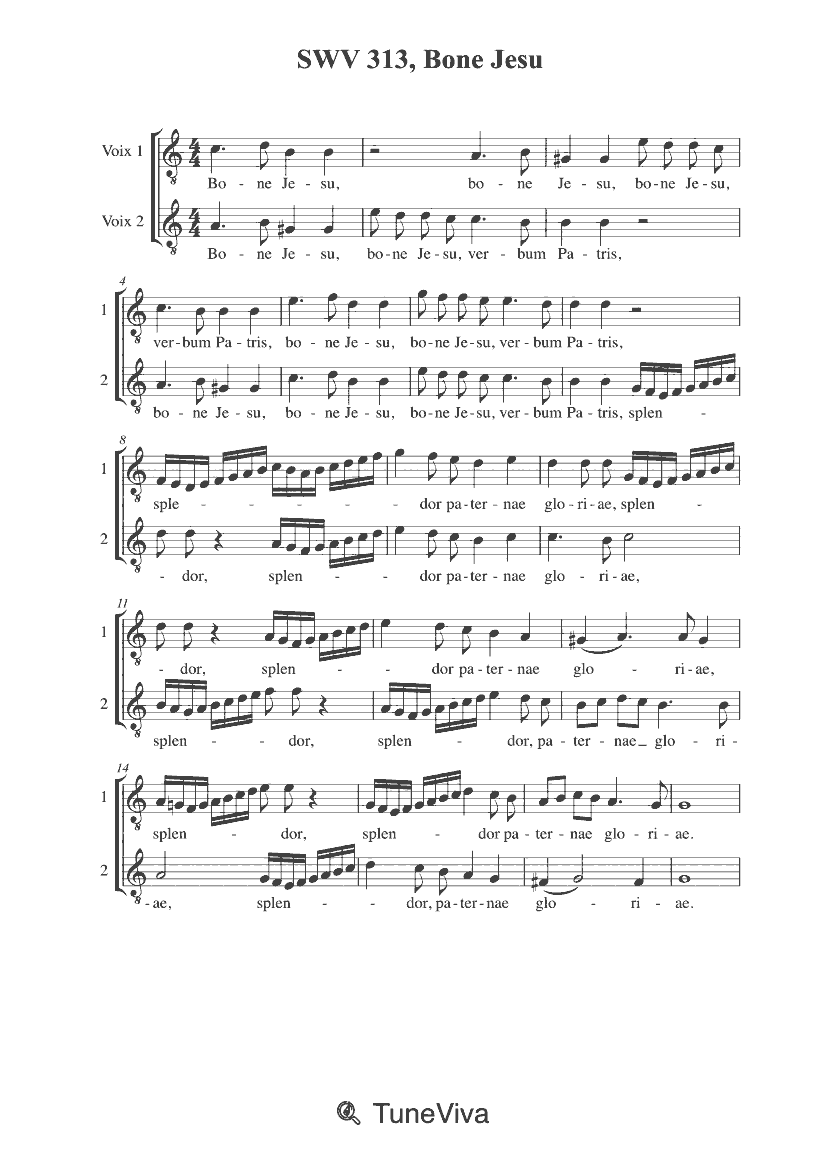
Kleine Geistliche Konzerte Vol.2 - SWV 313
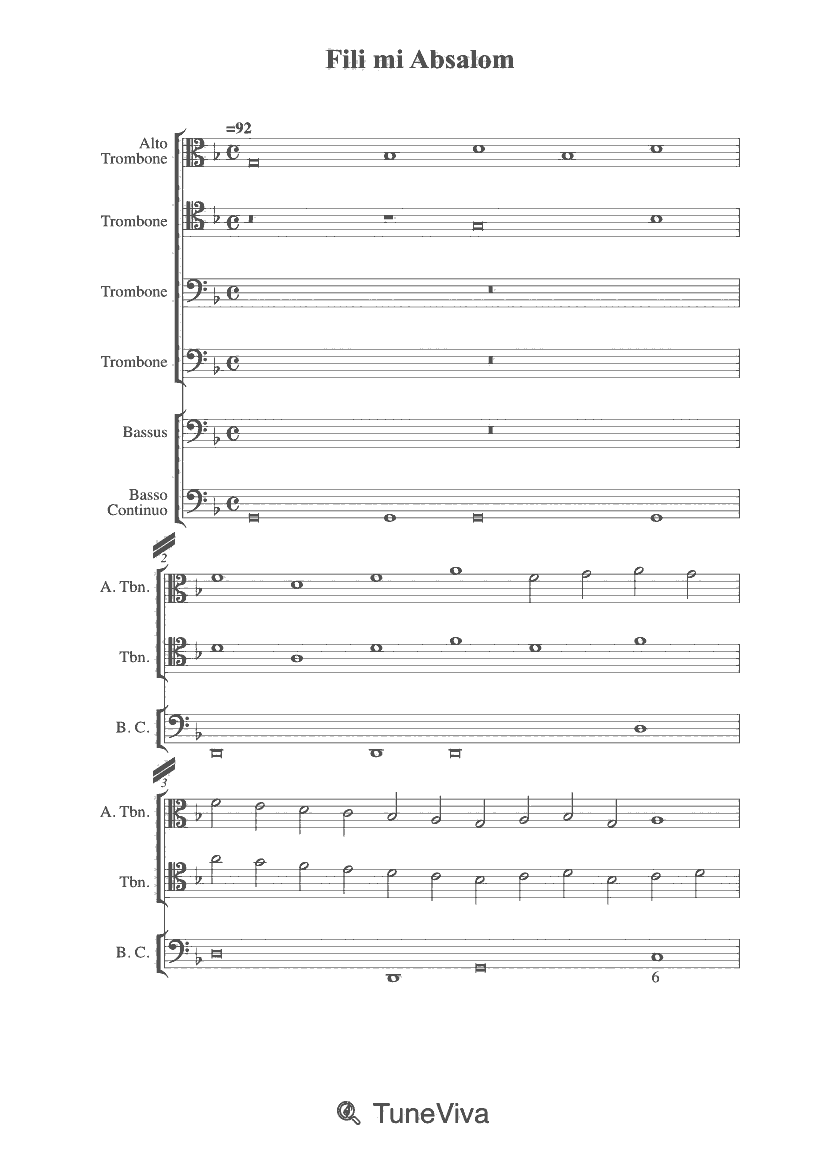
Symphoniae sacrae I