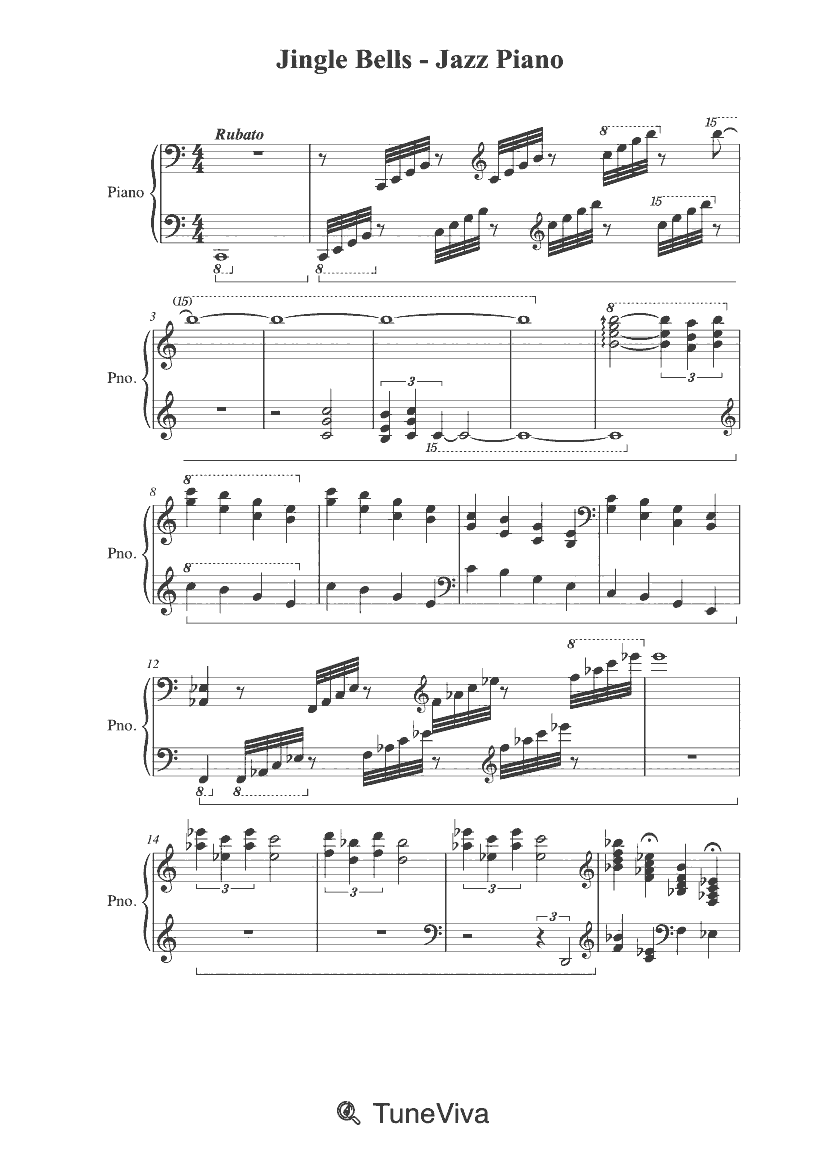
Jingle Bells - Jazz Piano
James Pierpont
Piano · 2 min 34 sec
Open score25 James Pierpont scores to preview, nearly all of them Jingle Bells: a jazz piano solo, SATB choir, brass quintet, trumpet and saxophone arrangements.
Piano · 2 min 34 sec
The most-viewed score on the page, 5,316 views: the tune reharmonised for solo piano, with a walking left hand instead of sleigh bells.
Other editions:
A four-part choral setting. The catalogue does not name the arranger or the key.
The original 1857 title, under which the song was published by Oliver Ditson in Boston and dedicated to John P. Ordway.
A solo trumpet arrangement in the jazz idiom, presumably with a rhythm section or piano accompaniment not described on the file.
The French carol "Vive le vent" is a contrafactum of Pierpont's tune; this setting sets the two titles side by side for four voices.
A second entry under the original title, without the definite article and without any indication of how it differs from the other.
Compare the instrument and arrangement details below, then open a score to check the notation. Different entries may be arrangements or editions of the same work; available playback tools are shown on each score page.
James Pierpont
Piano · 2 min 34 sec
Open score
James Pierpont
Soprano; Alto; Tenor +1 parts · 1 min 4 sec
Open score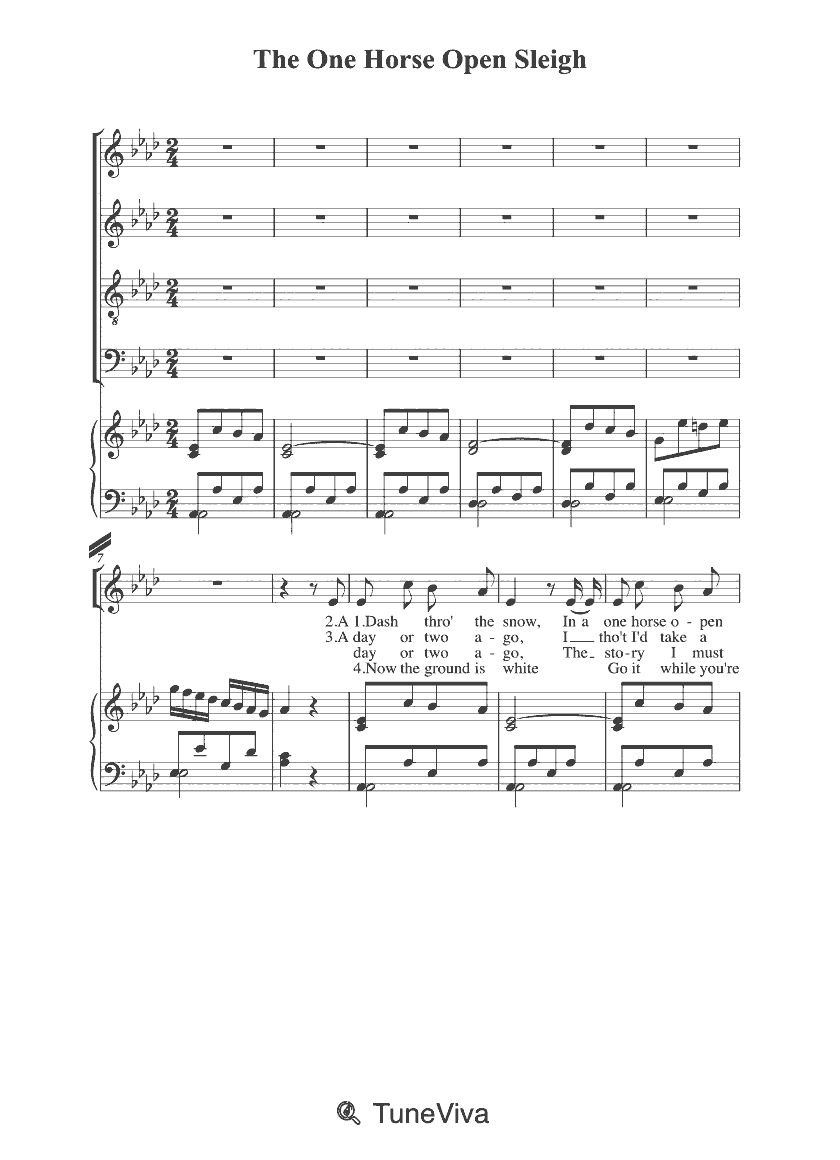
James Pierpont
Voice; Piano · 1 min 9 sec
Open score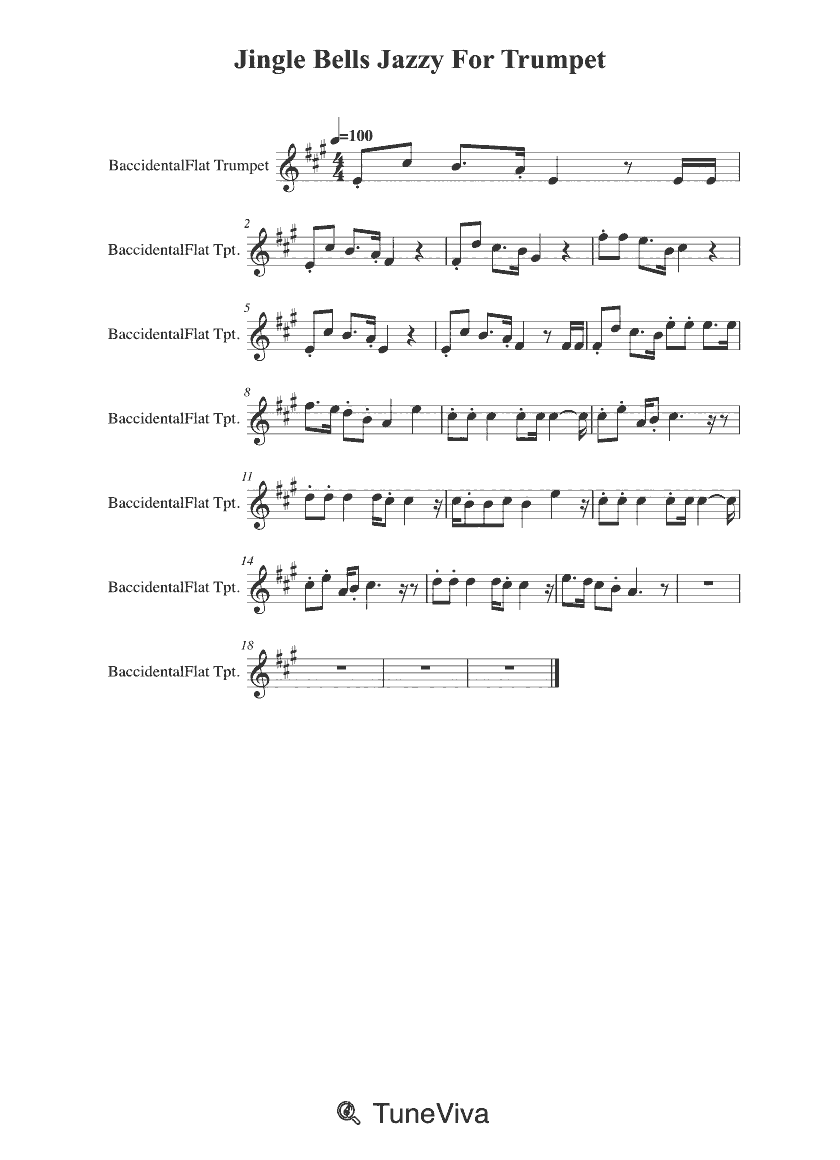
James Pierpont
B♭ Trumpet · 47 sec
Open score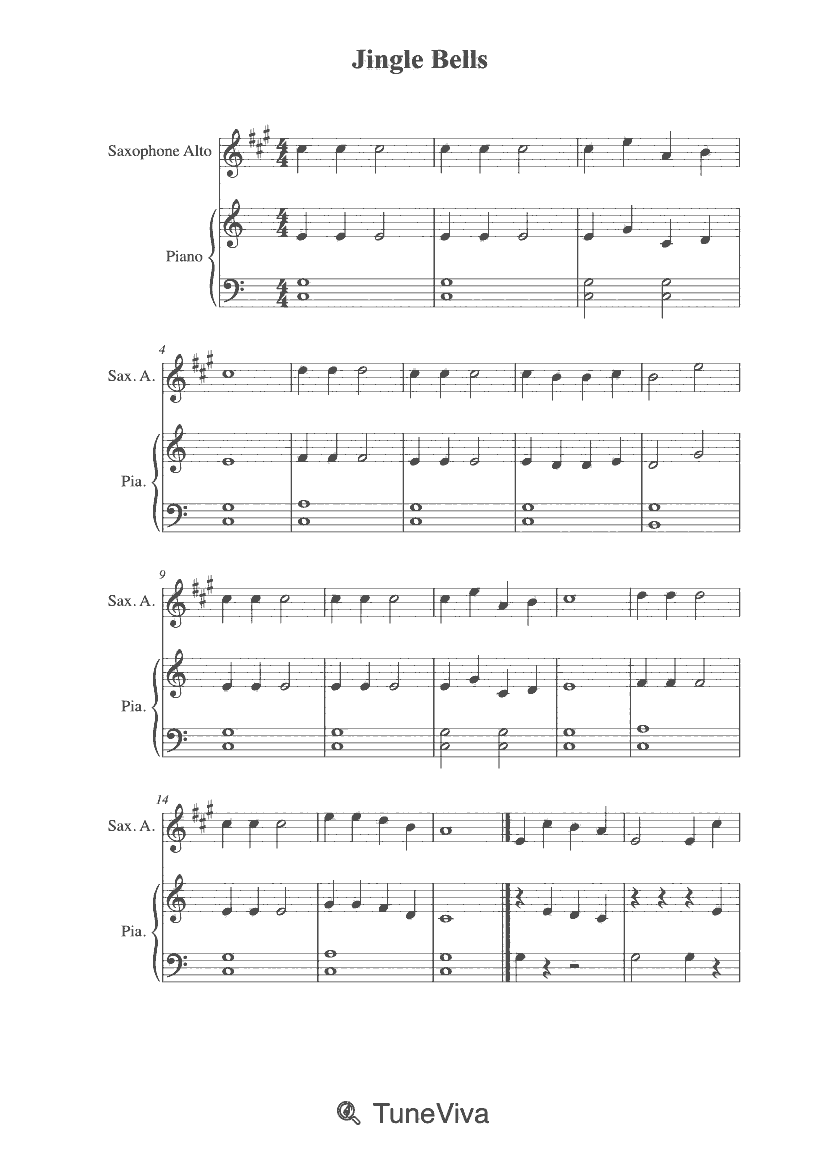
James Pierpont
Saxophone Alto; Piano · 2 min 1 sec
Open score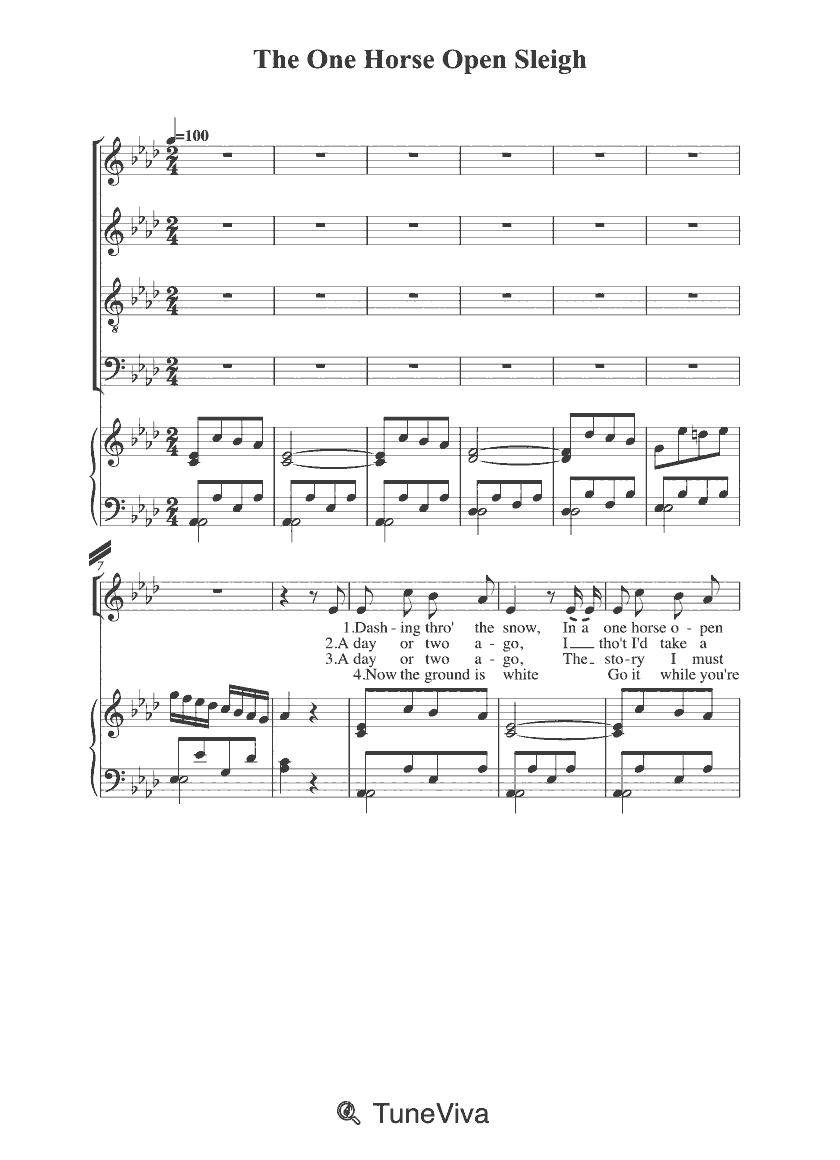
James Pierpont
Voice; Piano · 48 sec
Open score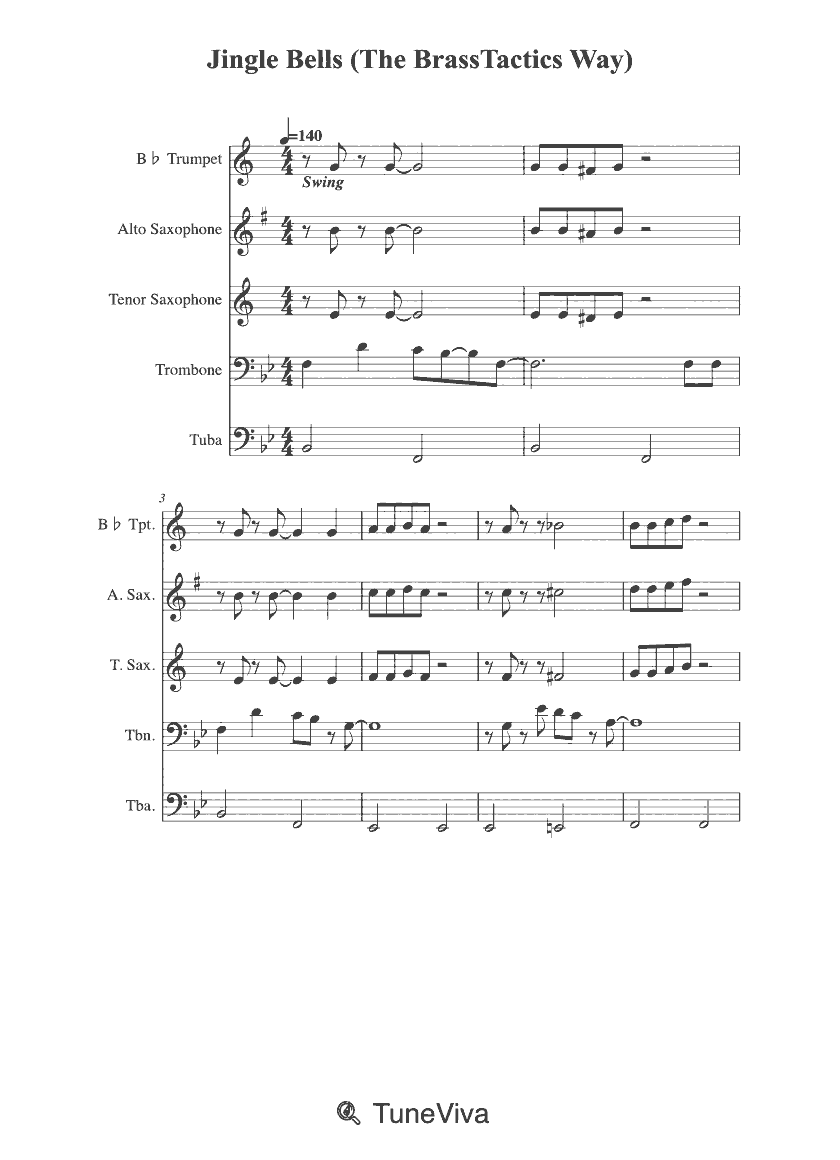
James Pierpont
(Brass Tactics Version)
B♭ Trumpet; Alto Saxophone; Tenor Saxophone +2 parts · 54 sec
Open score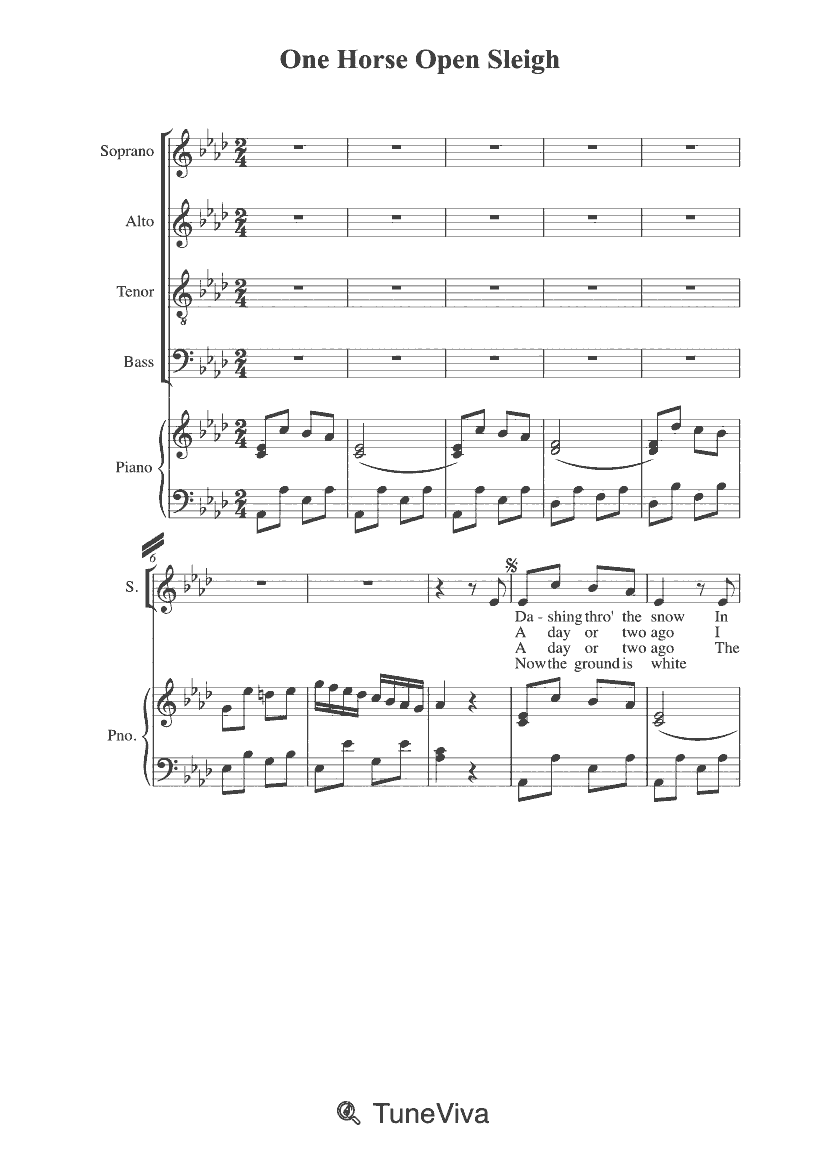
James Pierpont
Soprano; Alto; Tenor +2 parts · 2 min 21 sec
Open score
James Pierpont
16 sec
Open score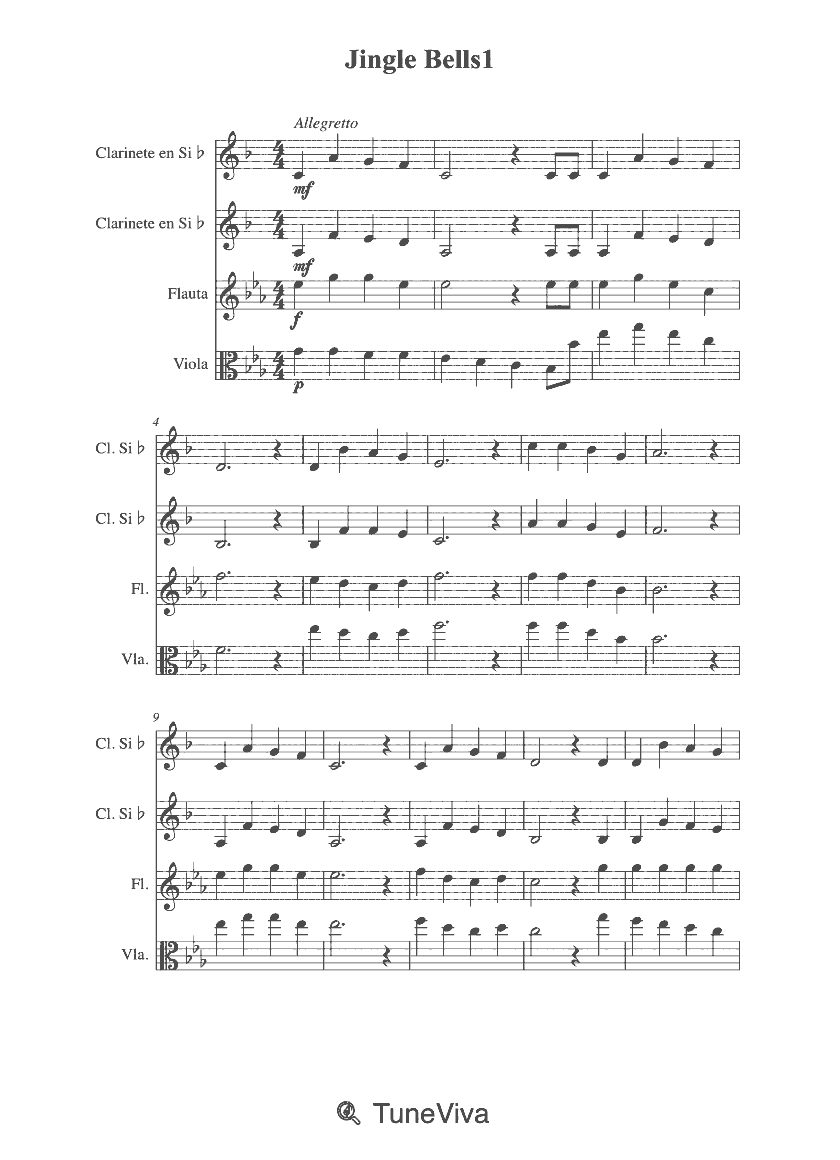
James Pierpont
Clarinete en Si♭; Flauta; Viola · 1 min 3 sec
Open score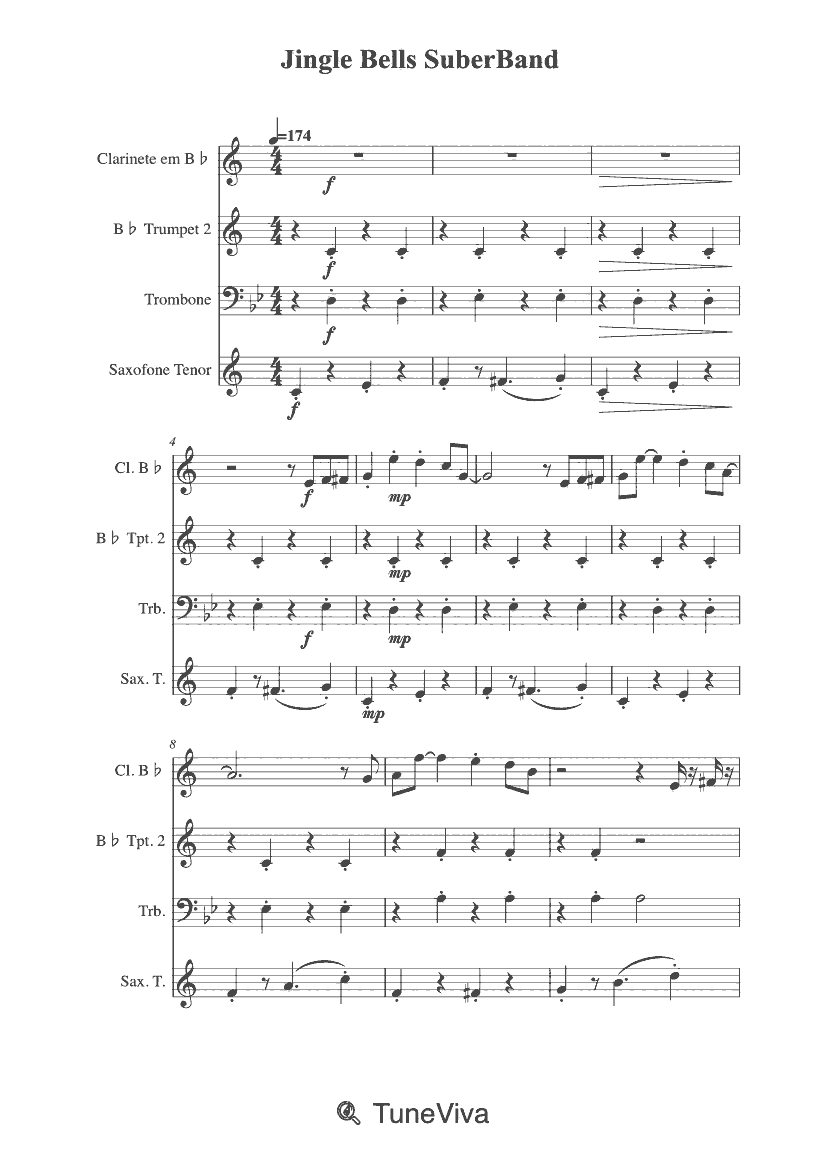
James Pierpont
Clarinete em B♭; B♭ Trumpet 2; Trombone +1 parts · 54 sec
Open score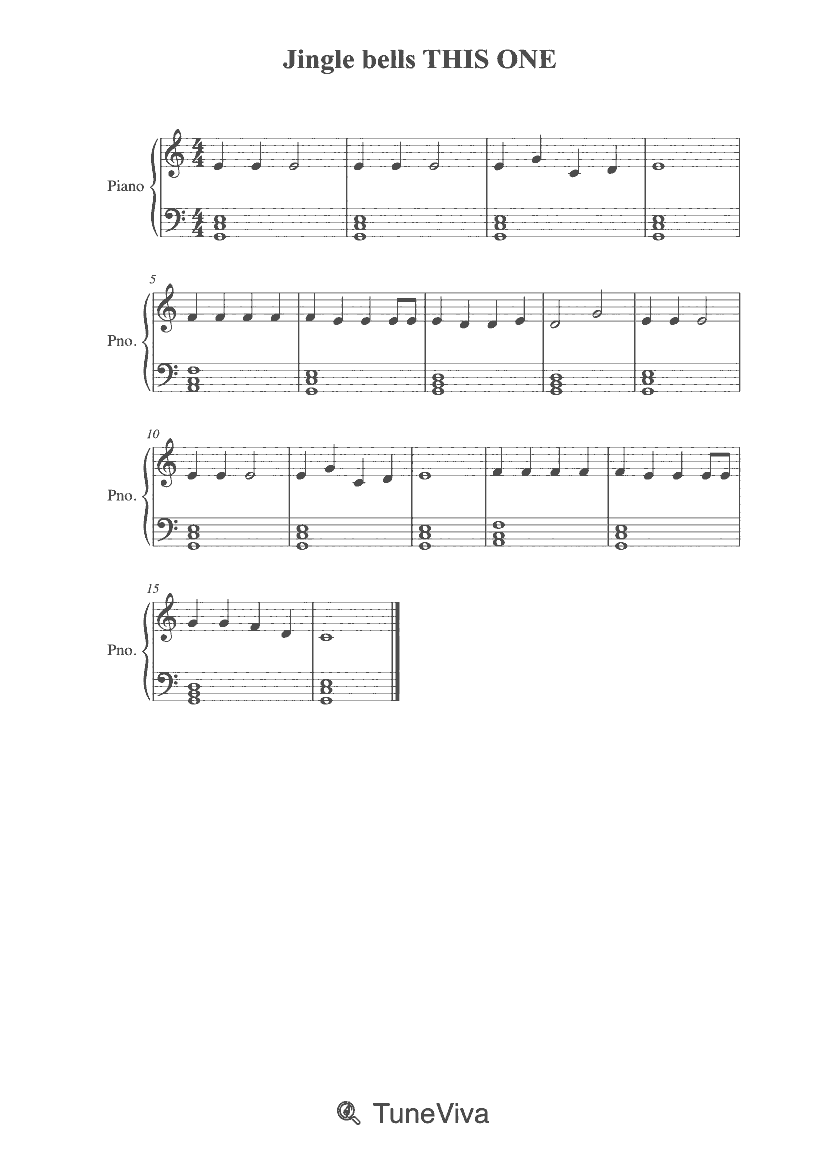
James Pierpont
Piano · 32 sec
Open score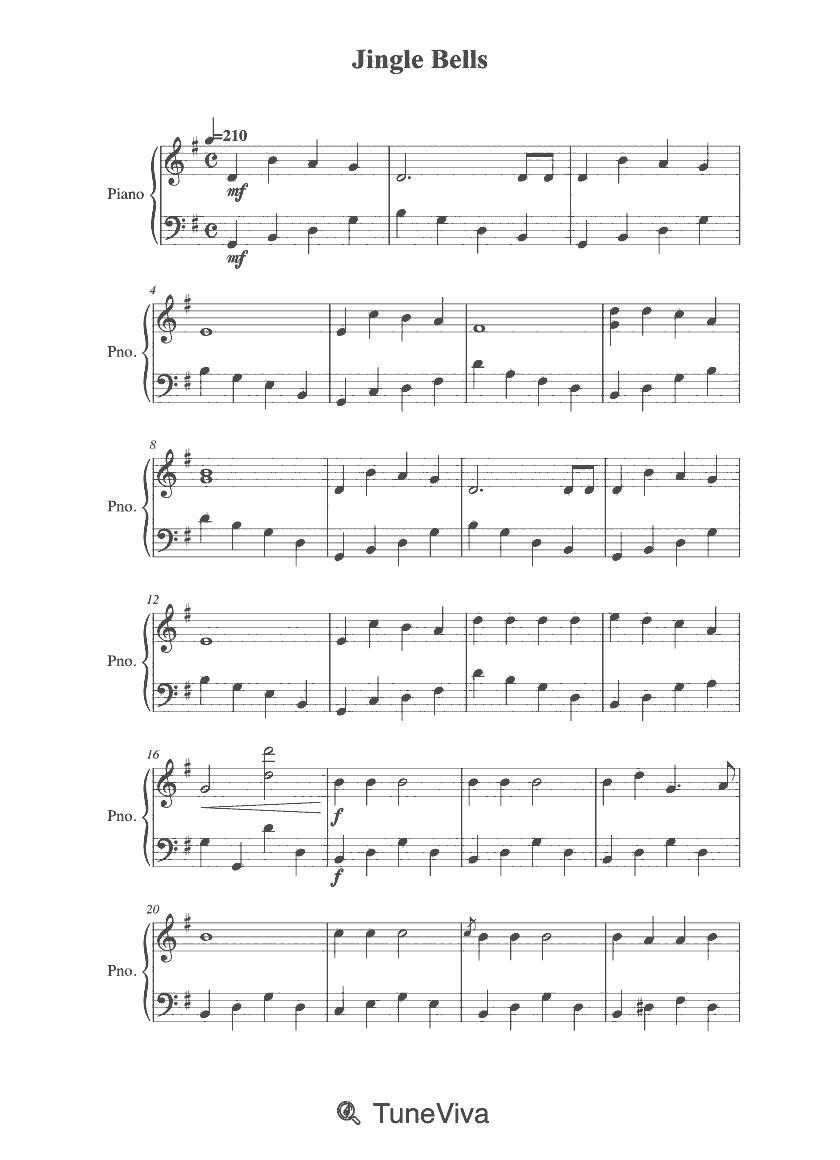
James Pierpont
Piano · 1 min 17 sec
Open score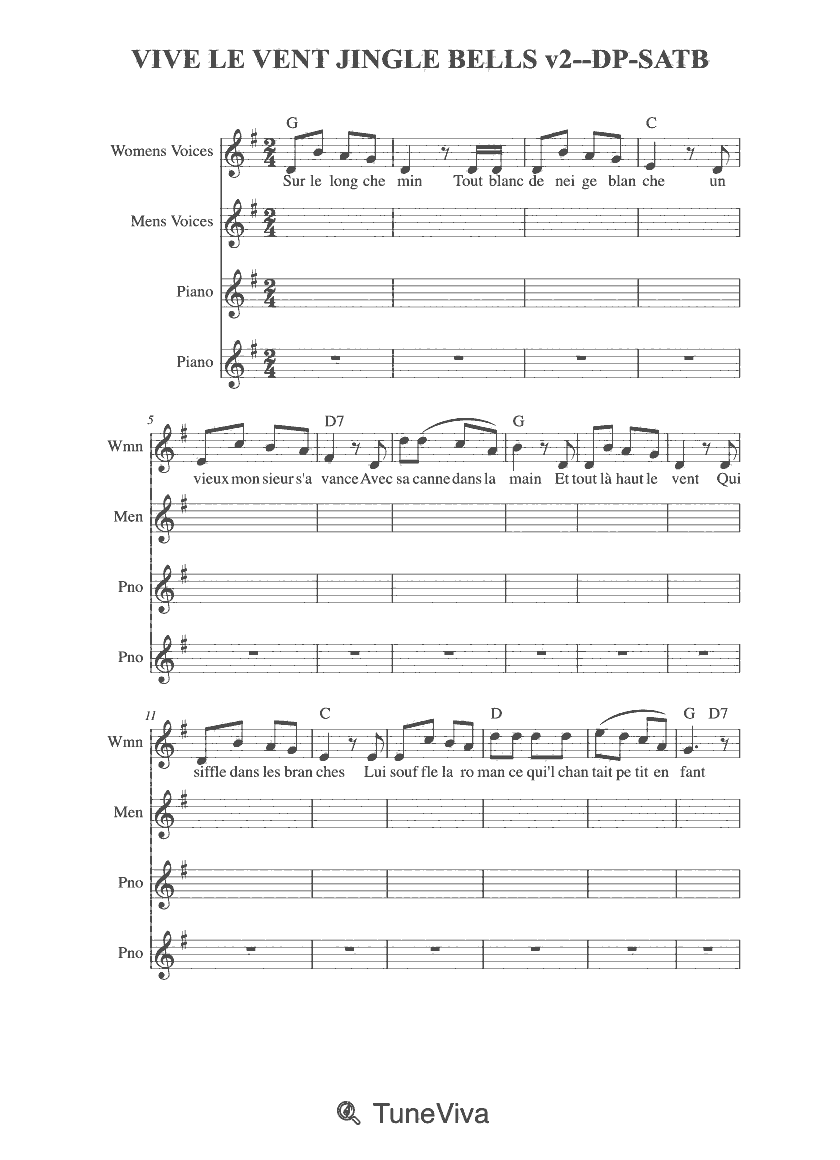
James Pierpont
Womens Voices; Mens Voices; Piano · 1 min 36 sec
Open score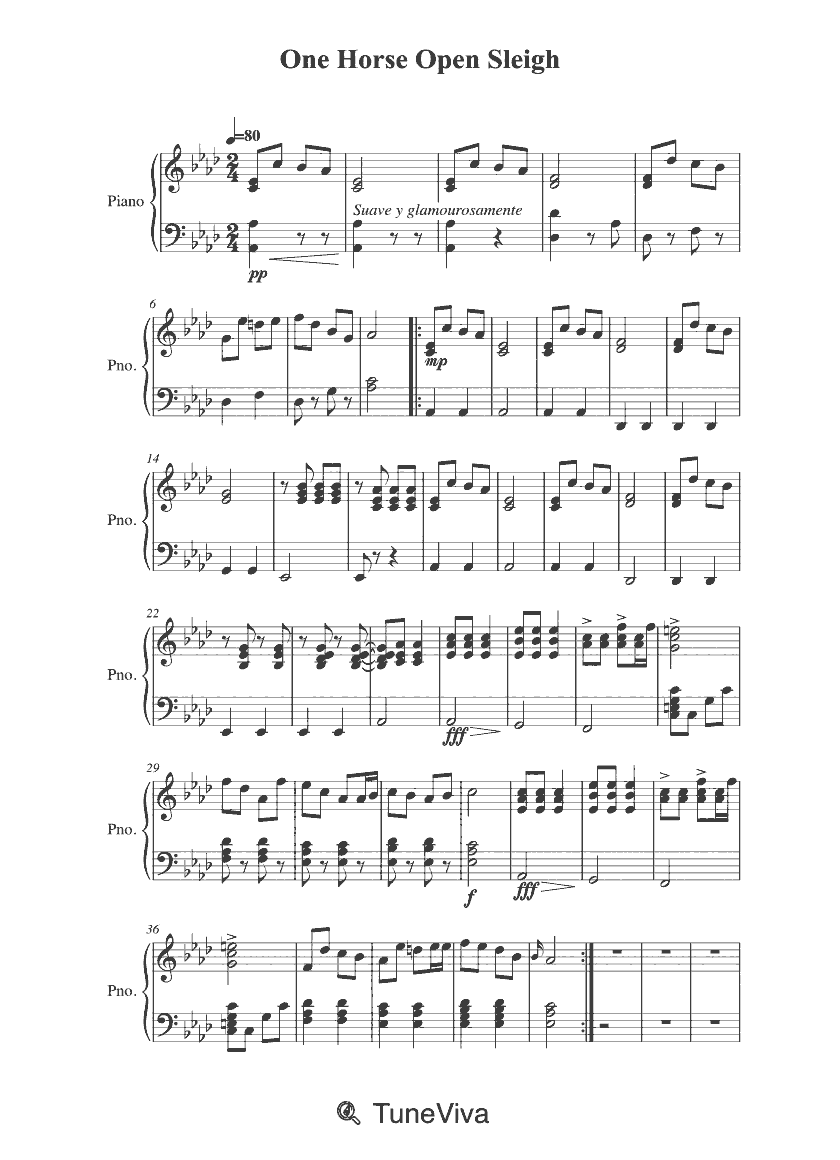
James Pierpont
Piano · 2 min 47 sec
Open score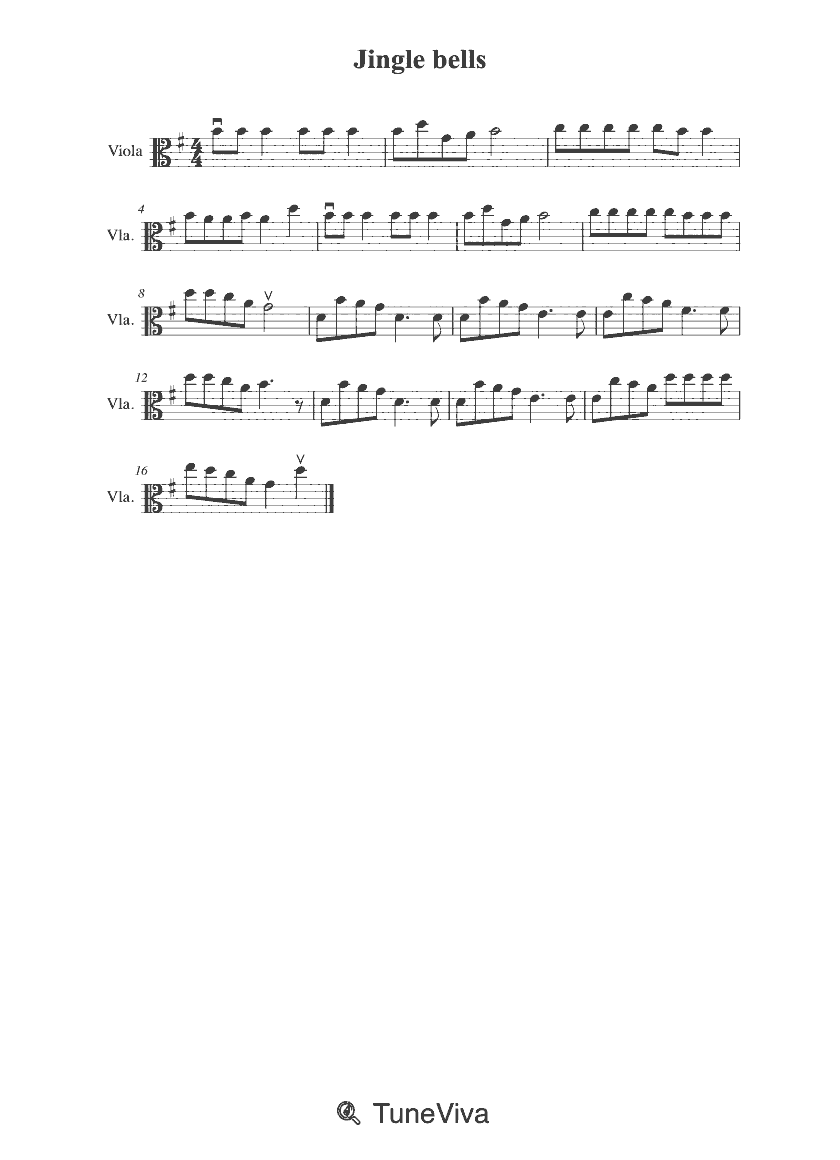
James Pierpont
Viola · 32 sec
Open score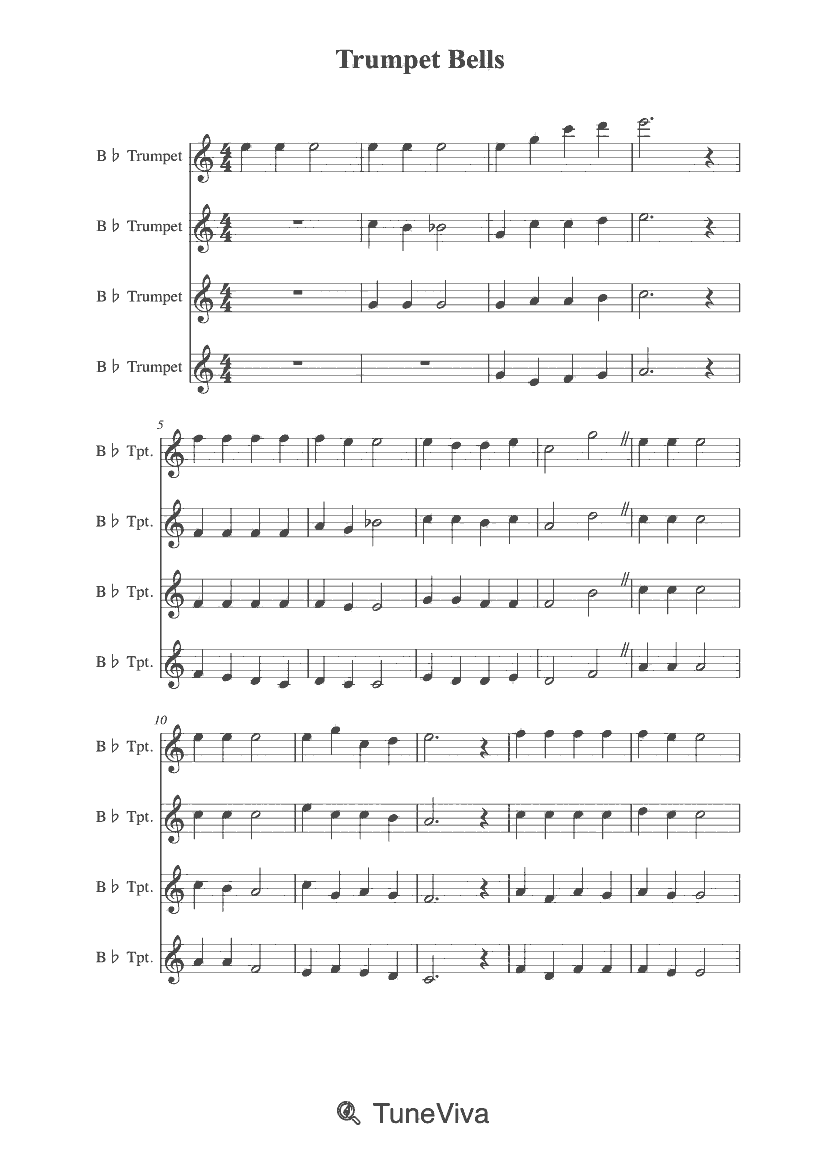
James Pierpont
B♭ Trumpet · 1 min 3 sec
Open score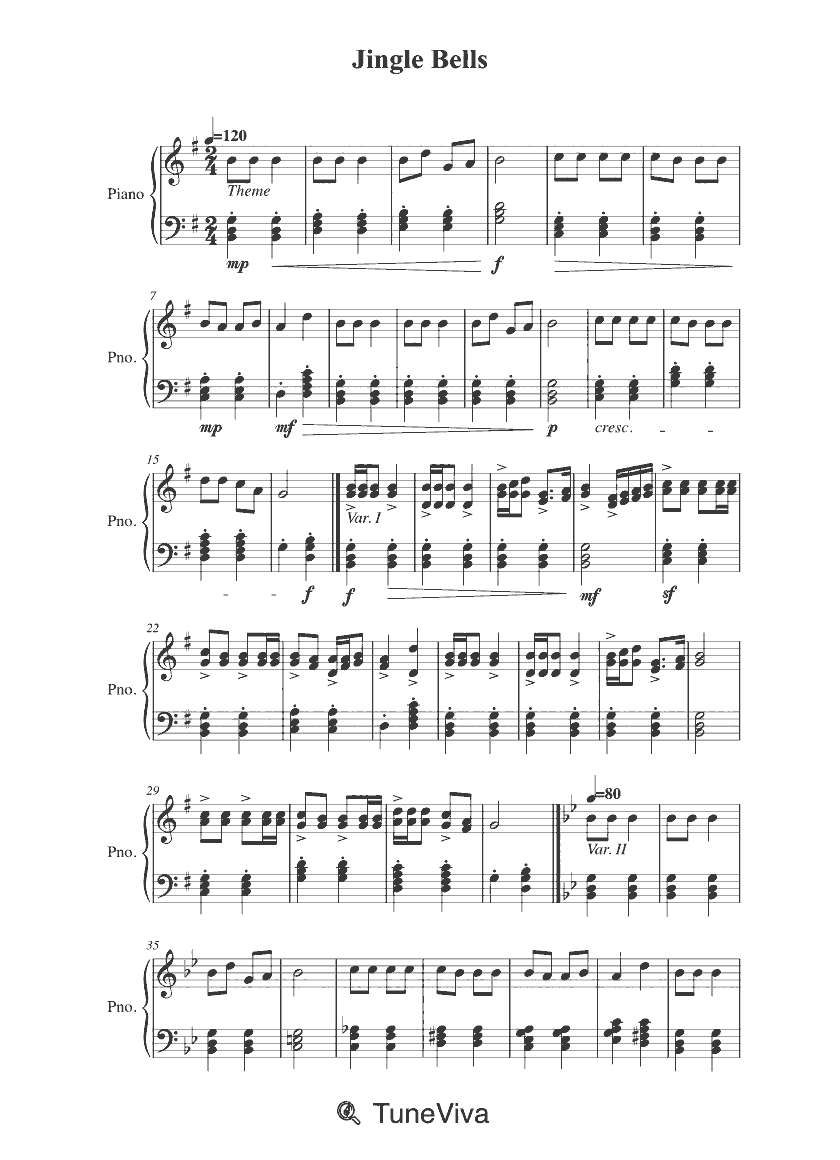
James Pierpont
Theme and Variations
Piano · 1 min 12 sec
Open score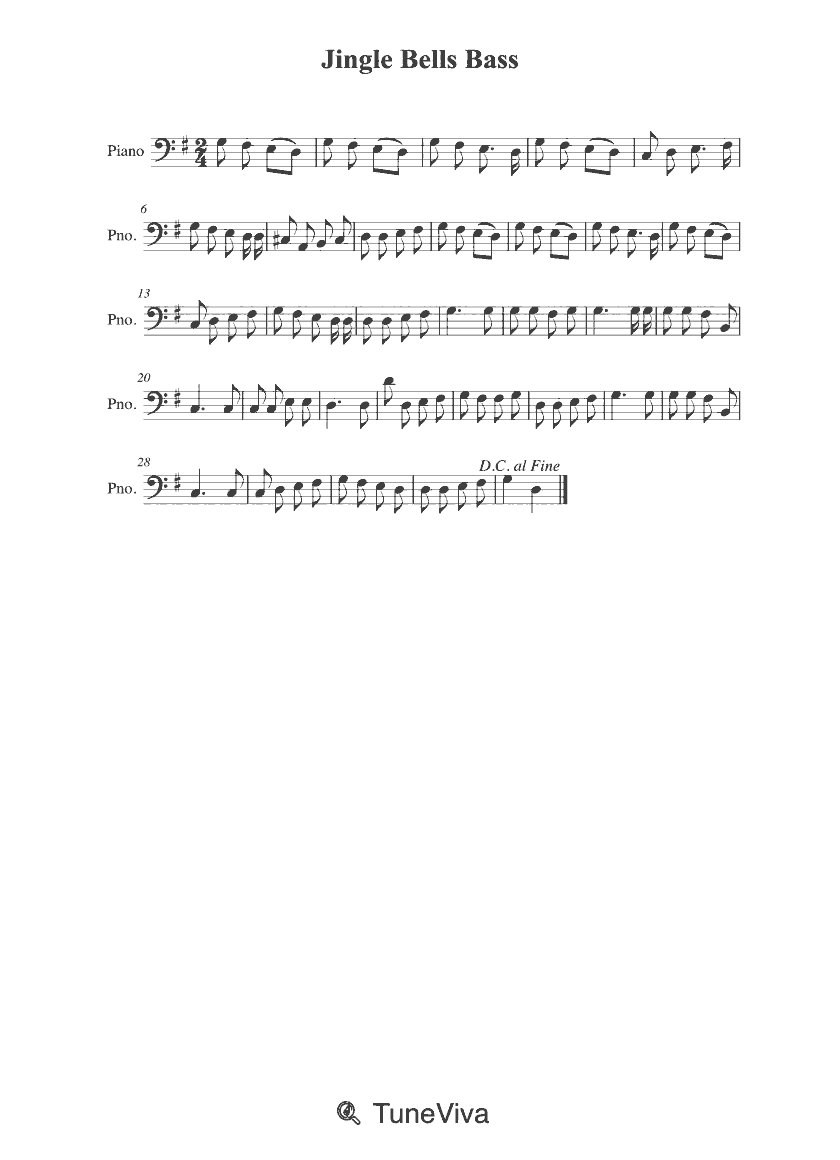
James Pierpont
Piano · 1 min 4 sec
Open score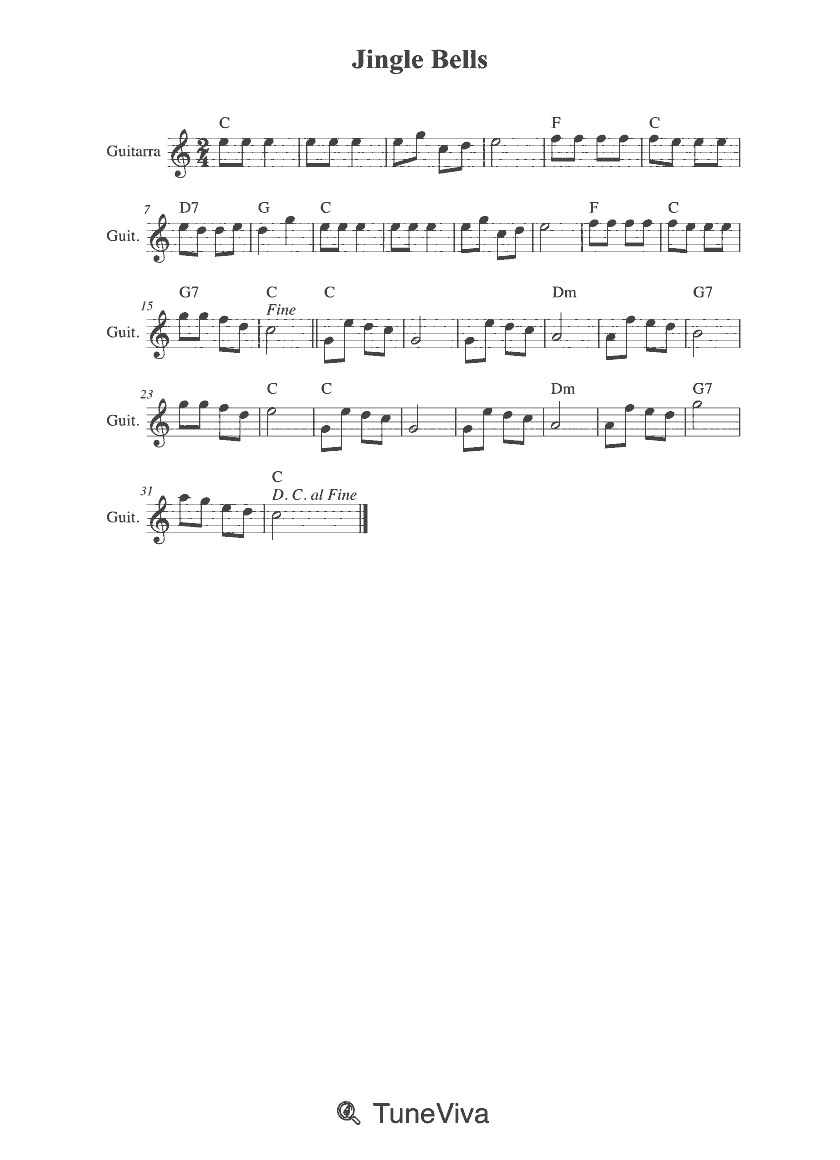
James Pierpont
Guitarra · 32 sec
Open scorePage 1 of 2
James Pierpont wrote a great deal, but the catalogue remembers one song. Of 25 scores, about 26 minutes and 8,963 notated notes, almost every entry is a setting of "Jingle Bells", from a jazz piano solo with 5,316 views to SATB, brass, trumpet and saxophone versions. Two entries keep the original title, "The One Horse Open Sleigh". Only four scores carry lyrics, and the difficulty spread is the widest of any page here: 14 entries at index 0, seven at index 1 and two at index 2. The genre tags are equally scattered, with 20 filed as classical-soundtrack, one as jazz and two left unclassified, which says more about how the files were uploaded than about the music. James Pierpont is remembered for one song, but this James Pierpont sheet music shows how many forms that song can take. "Jingle Bells" was written in 1857 and first published as "The One Horse Open Sleigh"; the scores here range from a jazz piano solo and SATB choral settings to trumpet, saxophone and mixed brass-and-reed arrangements, alongside entries under the original title. Pierpont also wrote songs such as "The Returned Californian", though the selection is dominated by versions of his winter tune. Compare titles, performing forces and written keys before choosing an arrangement.
Pierpont was born in Boston on 25 April 1822, the son of the Rev. John Pierpont, a Unitarian minister, abolitionist and poet, and an uncle of the financier J. P. Morgan. He ran away to sea in his teens and served in the U.S. Navy, then tried his luck in San Francisco during the Gold Rush; by 1857 he was organist and music director of the Unitarian church in Savannah, Georgia.
"The One Horse Open Sleigh" was published in Boston by Oliver Ditson and Company in August 1857, dedicated to John P. Kyna Hamill's research turned up a playbill for a performance at Ordway Hall on 15 September 1857, which argues for a Boston premiere rather than the Savannah Sunday-school story that long circulated. The song was reissued in 1859 as "Jingle Bells, or The One Horse Open Sleigh", and later arrangements simplified the chorus.
Pierpont enlisted in the Confederate army in 1861, serving in the Lamar Rangers, the 1st Georgia Cavalry Battalion and then the 5th Georgia Cavalry. After the war he taught music at Valdosta and Quitman, Georgia, and died at Winter Haven, Florida, on 5 August 1893. The catalogue's habits are telling: the same tune appears as a jazz piano solo, a brass arrangement and a French "Vive le vent" choir setting, with no two entries arranged alike.
It was republished in 1859 by Oliver Ditson and Company as "Jingle Bells; or, The One Horse Open Sleigh". The selection includes entries under both titles: one "The One Horse Open Sleigh" is listed for voice and piano, while another "One Horse Open Sleigh" is a piano solo. Because arranger and date are often missing, compare the first page rather than relying on the title alone.
Choosing by performing forces: The arrangements cover very different groups. There is an SATB choral setting, a version for women's and men's voices with piano titled "Vive le Vent / Jingle Bells", a jazz piano solo, a solo trumpet arrangement, an alto saxophone-and-piano setting, and a five-part arrangement for trumpet, alto saxophone, tenor saxophone, trombone and tuba. Check the listed instrumentation and opening key signature, especially for transposing instruments: the trumpet version is written with three sharps, while the piano-based entries show different key signatures.
What the historical sources establish: Source accounts agree that Pierpont wrote "Jingle Bells" in 1857, but the place and date of composition remain unsettled. A Medford, Massachusetts plaque claims an 1850 origin, while researcher Kyna Hamill proposes Boston, before Pierpont moved to Savannah in autumn 1857. The song was first performed on 15 September 1857 at Ordway Hall in Boston by blackface minstrel performer Johnny Pell. It was a sleighing song with no original Christmas connection, and it became associated with winter and Christmas in the 1860s and 1870s. The Wikipedia article on the song also notes that it was possibly intended as a drinking song and that Hamill argued Pierpont composed it for financial reasons.
Pierpont beyond Jingle Bells: Pierpont was born in Boston on 25 April 1822 and died in Winter Haven, Florida, on 5 August 1893. He ran away to sea, served in the U.S. Navy, tried his luck in San Francisco during the Gold Rush, and later became organist and music director of the Unitarian church in Savannah, Georgia. His song "The Returned Californian", published in Boston in 1852, drew on his Gold Rush experiences; it was sung by S. C. Howard of Ordway's Aeolians and arranged by John Pond Ordway. The Library of Congress holds a copy of the original sheet music.
No. It was a sleighing song for winter socialising, published in 1857 as "The One Horse Open Sleigh"; the Christmas association grew later, and the text never mentions the Nativity.
The catalogue holds both "The One Horse Open Sleigh" and "One Horse Open Sleigh" without recording an arranger or a date for either, so compare the first page before choosing.
Not among the most-viewed works. The collection is effectively a set of arrangements of one song; pieces such as "The Returned Californian" and "Gentle Nettie Moore" are not represented here.
James Pierpont is best known for "Jingle Bells", written in 1857 and originally published as "The One Horse Open Sleigh". The song became one of the most performed and recognizable secular holiday songs, and Pierpont was voted into the Songwriters Hall of Fame.
"Jingle Bells" had no original connection to Christmas. It was a sleighing song, and it became associated with winter and Christmas in the 1860s and 1870s, decades after its 1857 publication.
"Jingle Bells" was published under the title "The One Horse Open Sleigh" in September 1857 and copyrighted on 16 September 1857. It was first performed on 15 September 1857 at Ordway Hall in Boston by blackface minstrel performer Johnny Pell, and it was republished in 1859 by Oliver Ditson and Company as "Jingle Bells; or, The One Horse Open Sleigh".
The place and date of composition are unsettled. A plaque in Medford, Massachusetts, claims the song was written there in 1850, while researcher Kyna Hamill proposes Boston, before Pierpont moved to Savannah in autumn 1857.
"The Returned Californian", published in Boston in 1852, drew on Pierpont's experiences in San Francisco during the Gold Rush. It was sung by S. C. Howard of Ordway's Aeolians and arranged by John Pond Ordway, and the Library of Congress holds a copy of the original sheet music.
The selection includes an SATB choral setting, a jazz piano solo, a solo trumpet version, an alto saxophone-and-piano setting, a five-part trumpet/saxophone/trombone/tuba arrangement, and a version for women's and men's voices with piano titled "Vive le Vent / Jingle Bells". Two entries use the original title, one for voice and piano and one for piano solo.
Choose by performing forces first: SATB or women's-and-men's-voice settings suit a choir, while solo piano, trumpet and saxophone versions suit individual players. Then check the listed instrumentation and opening key signature, especially for transposing instruments such as trumpet and saxophone, whose written keys can differ from a piano score. Entries under "The One Horse Open Sleigh" preserve the original title but often omit arranger and date, so compare the first page.