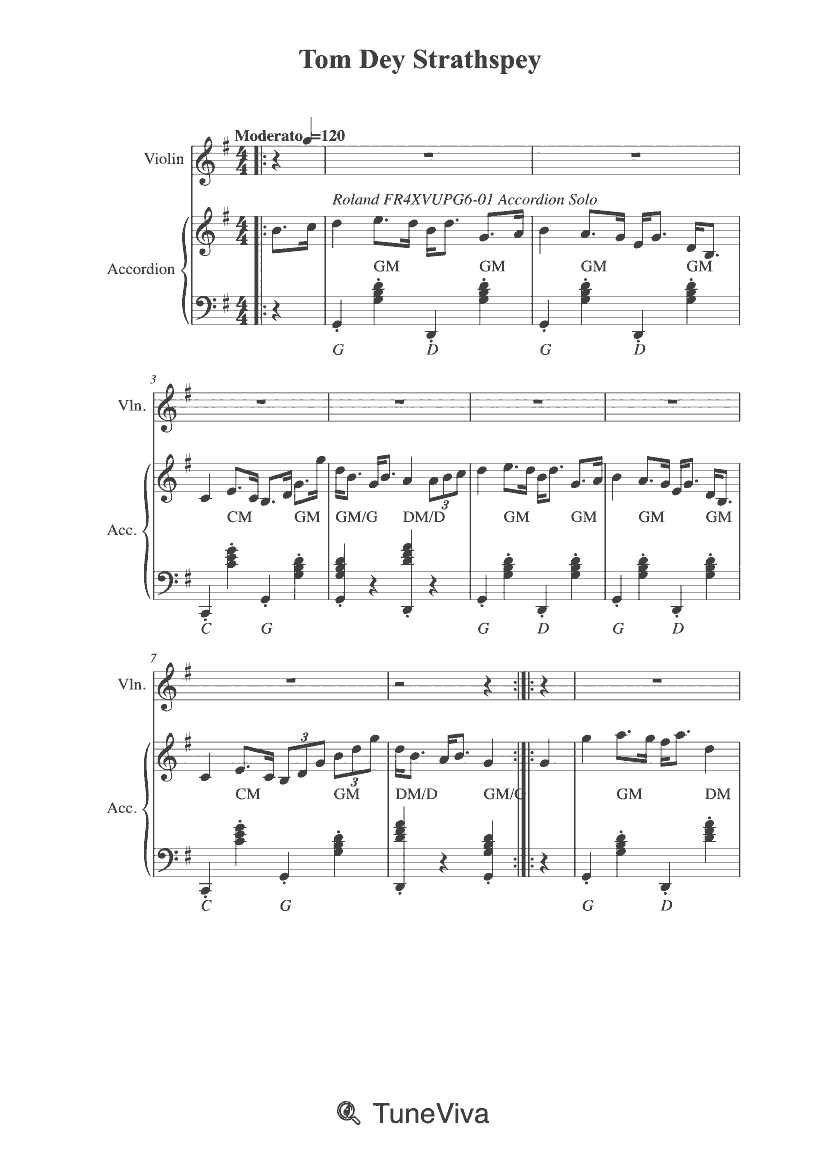
Tom Dey Strathspey
James Scott Skinner
Violin; Accordion · 2 min 10 sec
Open score653 James Scott Skinner fiddle scores, including Hector the Hero and The Bonnie Lass o' Bon Accord, by the Strathspey King, born near Banchory in 1843.
The most-viewed Skinner title in the catalogue, ahead of his better-known Hector the Hero.
A lament written in 1903 for Major-General Hector MacDonald, a friend of Skinner's who took his own life after accusations against him.
A strathspey among the most-viewed entries, showing the dance form at the centre of his output.
One of his best-known tunes, named in the Wikipedia article among his principal compositions.
A melody associated with the Aberdeenshire river and listed among his best-known works.
A popular Skinner title in the catalogue; the printed score is the best guide to its form and bowing.
Compare the instrument and arrangement details below, then open a score to check the notation. Different entries may be arrangements or editions of the same work; available playback tools are shown on each score page.
James Scott Skinner
Violin; Accordion · 2 min 10 sec
Open score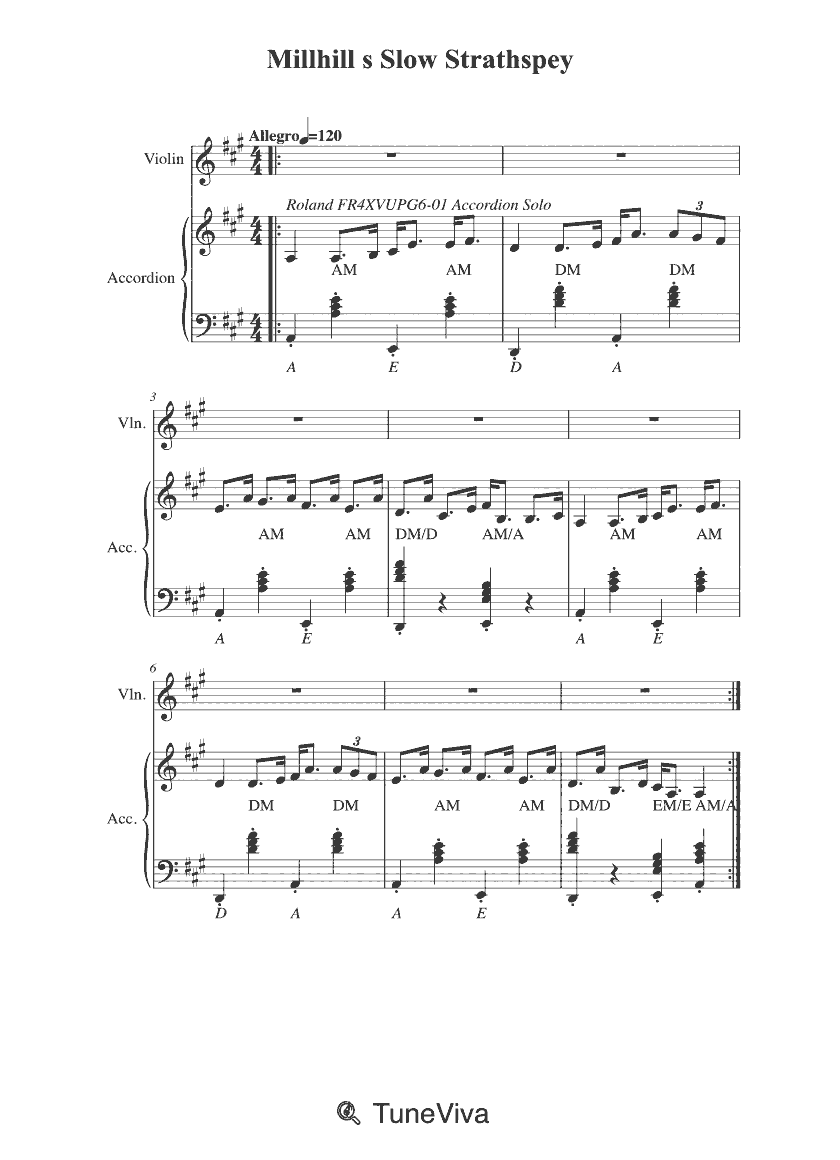
James Scott Skinner
Violin; Accordion · 2 min 8 sec
Open score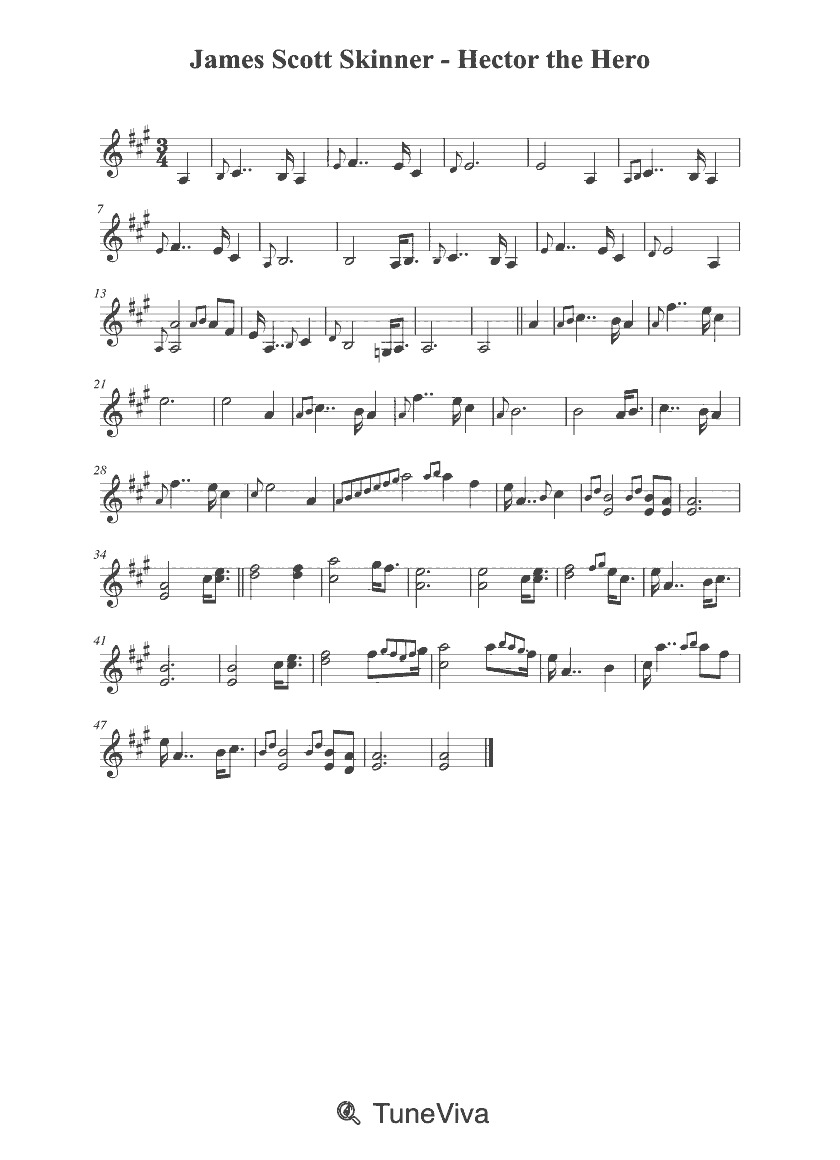
James Scott Skinner
1 min 12 sec
Open score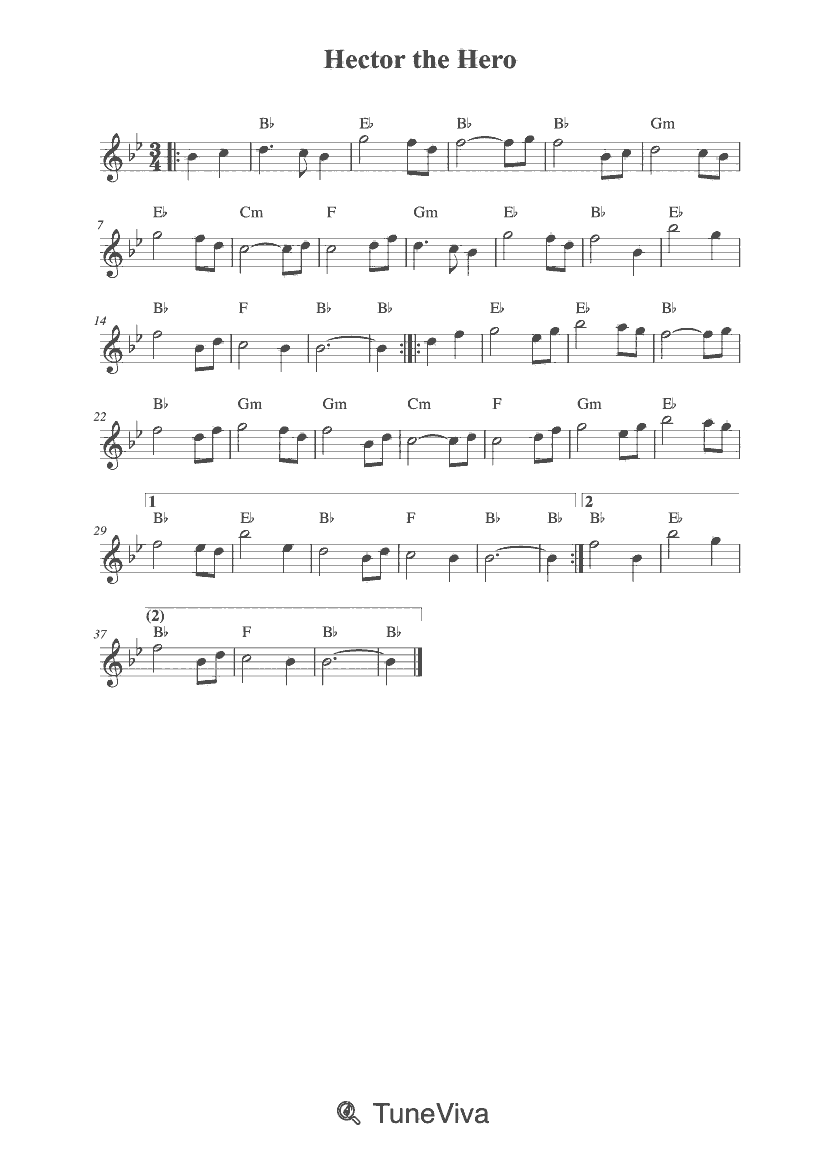
James Scott Skinner
1 min 36 sec
Open score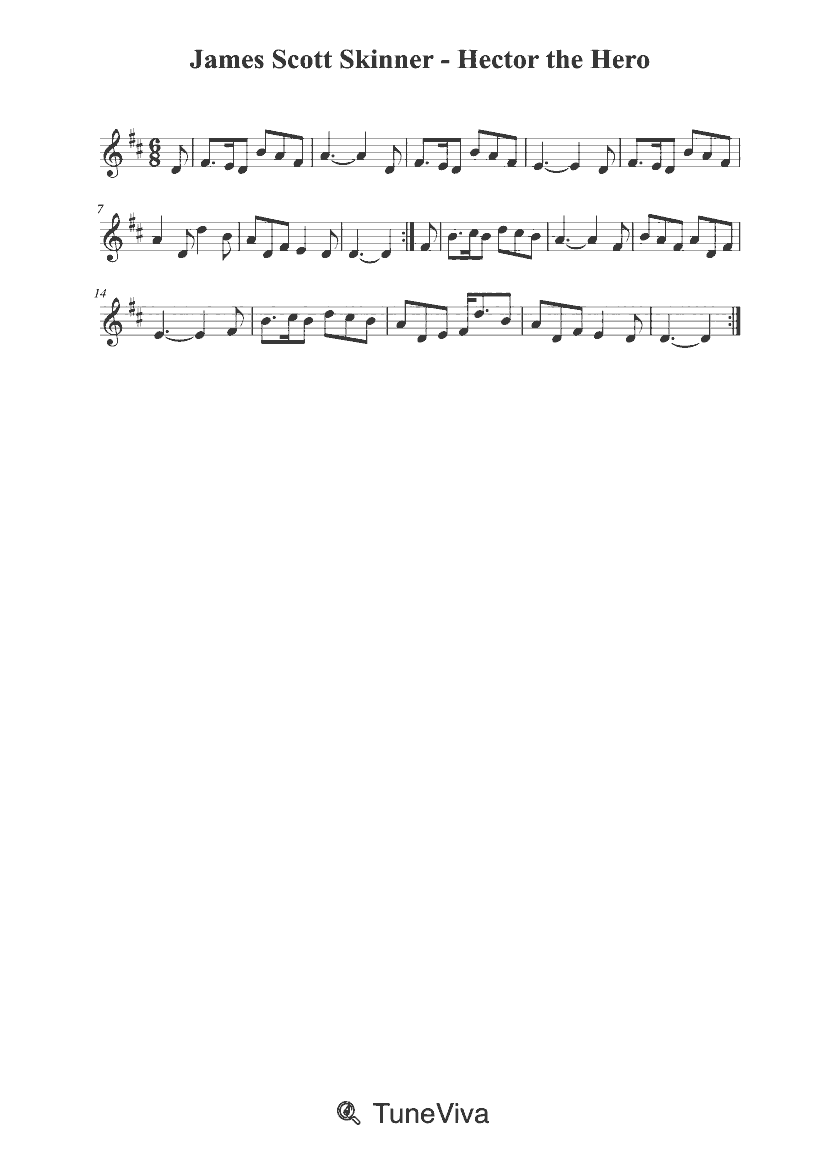
James Scott Skinner
30 sec
Open score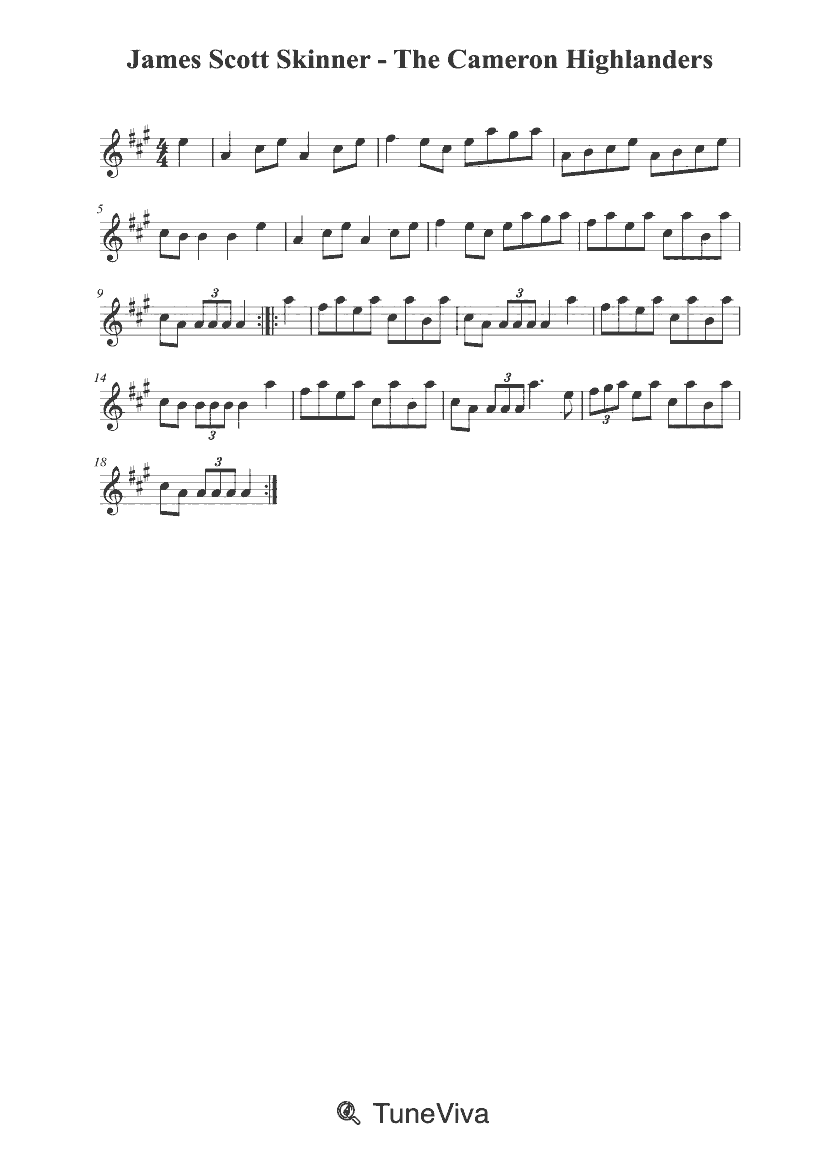
James Scott Skinner
1 min 4 sec
Open score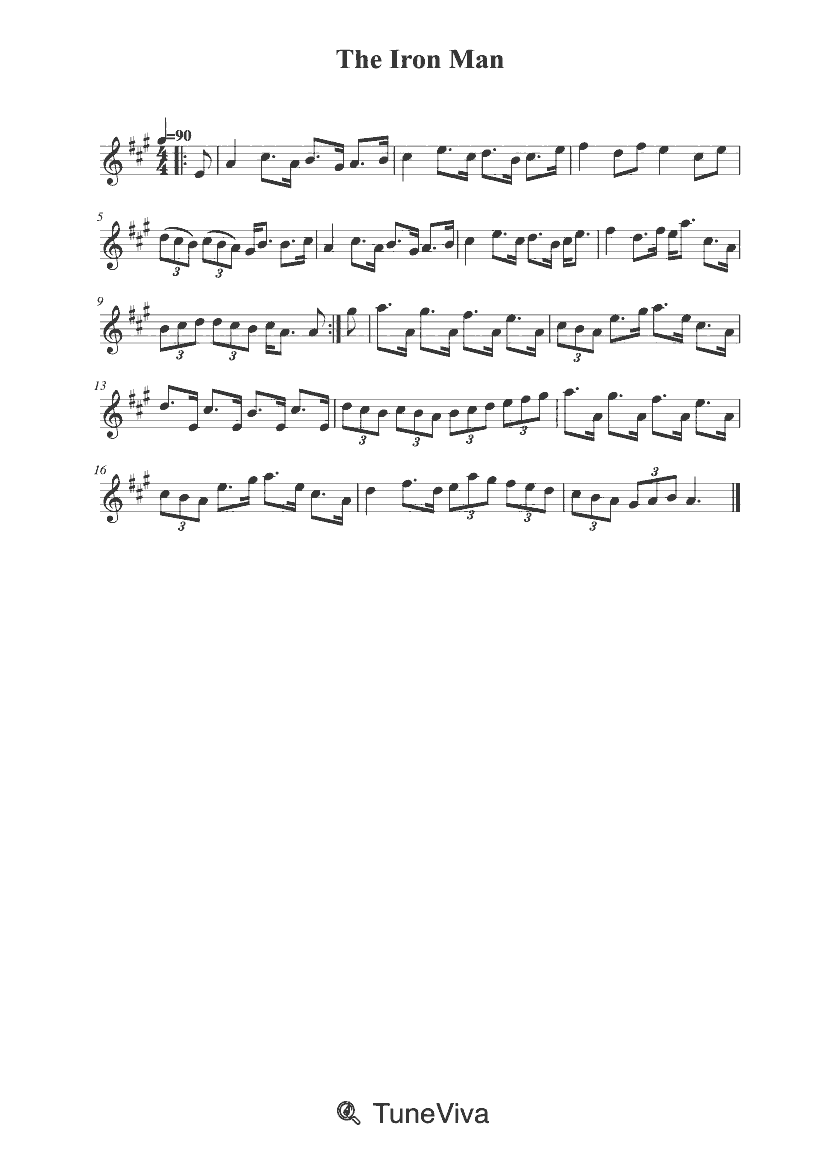
James Scott Skinner
1 min 4 sec
Open score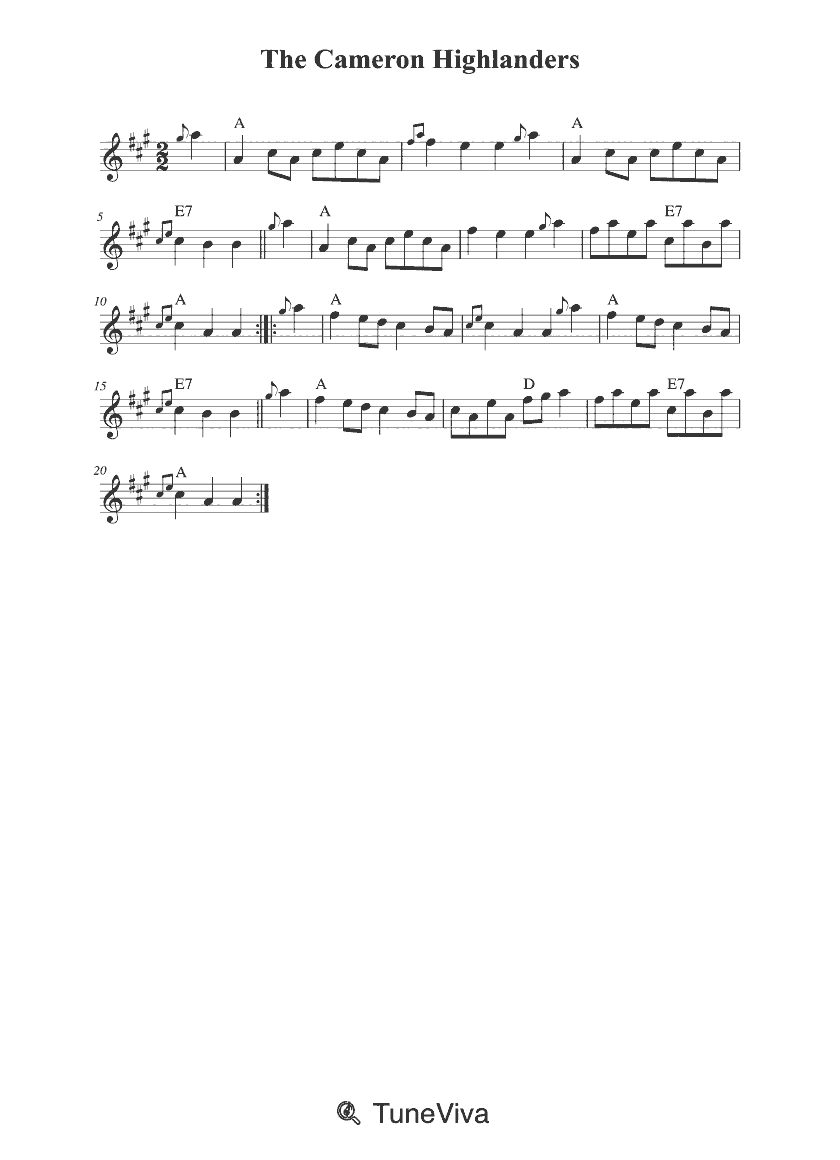
James Scott Skinner
2 min 8 sec
Open score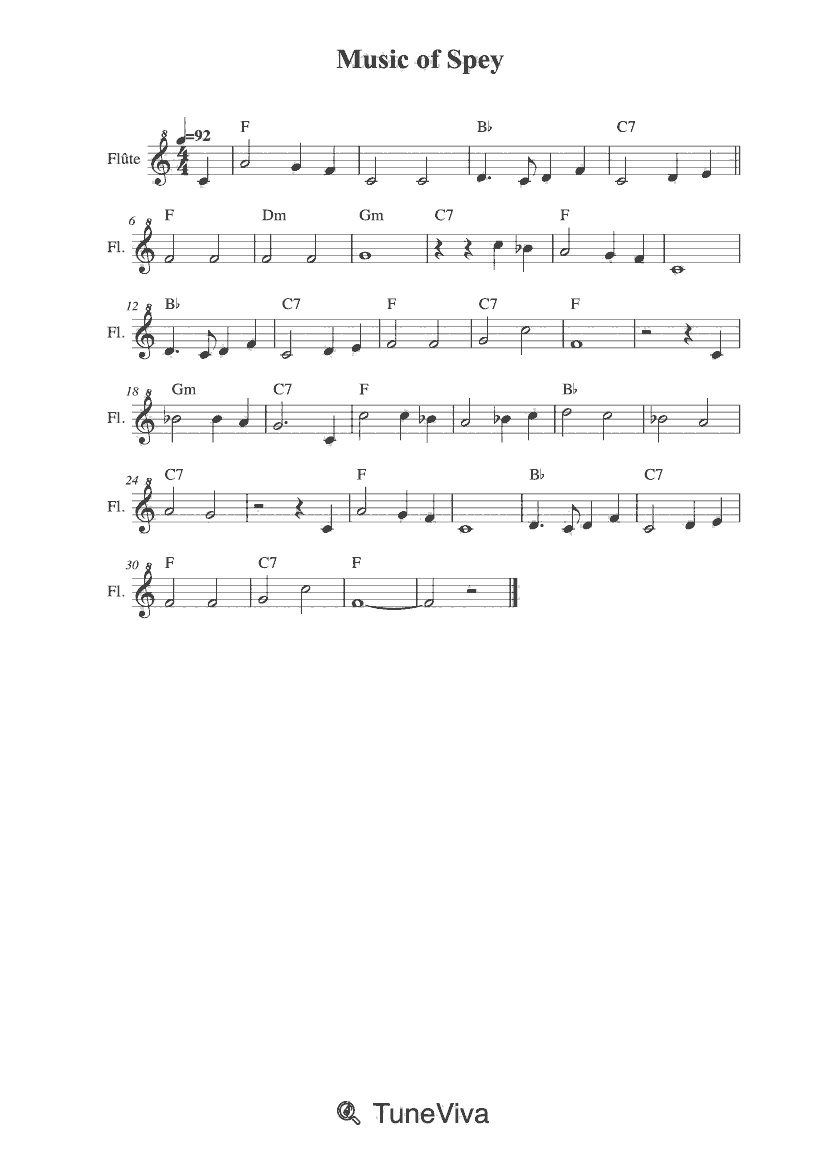
James Scott Skinner
Flûte · 1 min 23 sec
Open score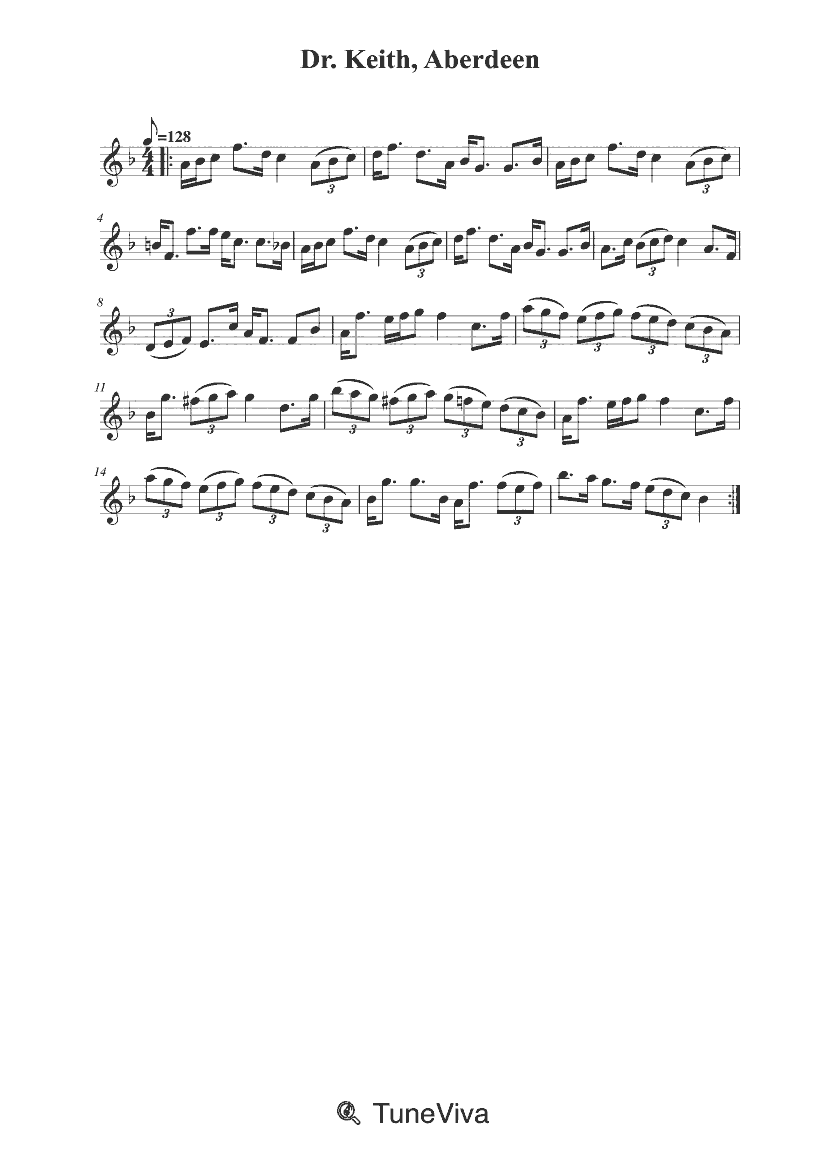
James Scott Skinner
2 min 0 sec
Open score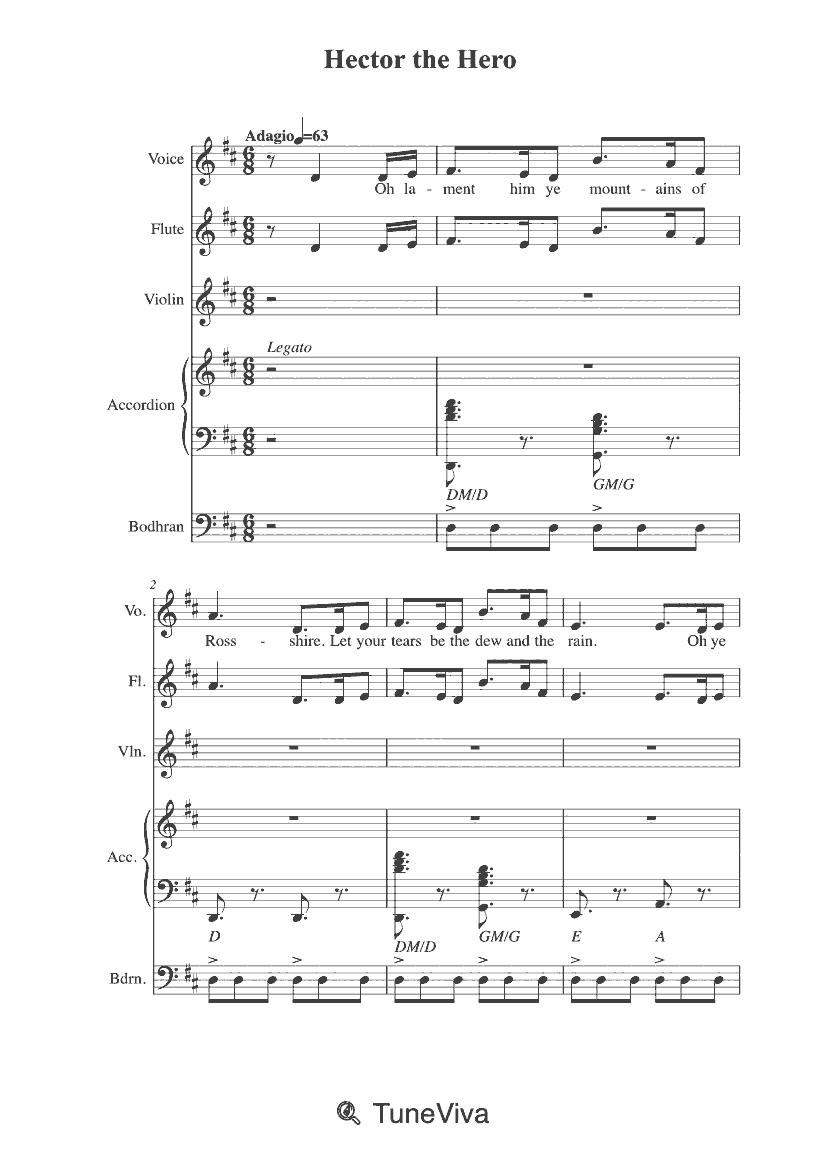
James Scott Skinner
Voice; Flute; Violin +2 parts · 2 min 18 sec
Open score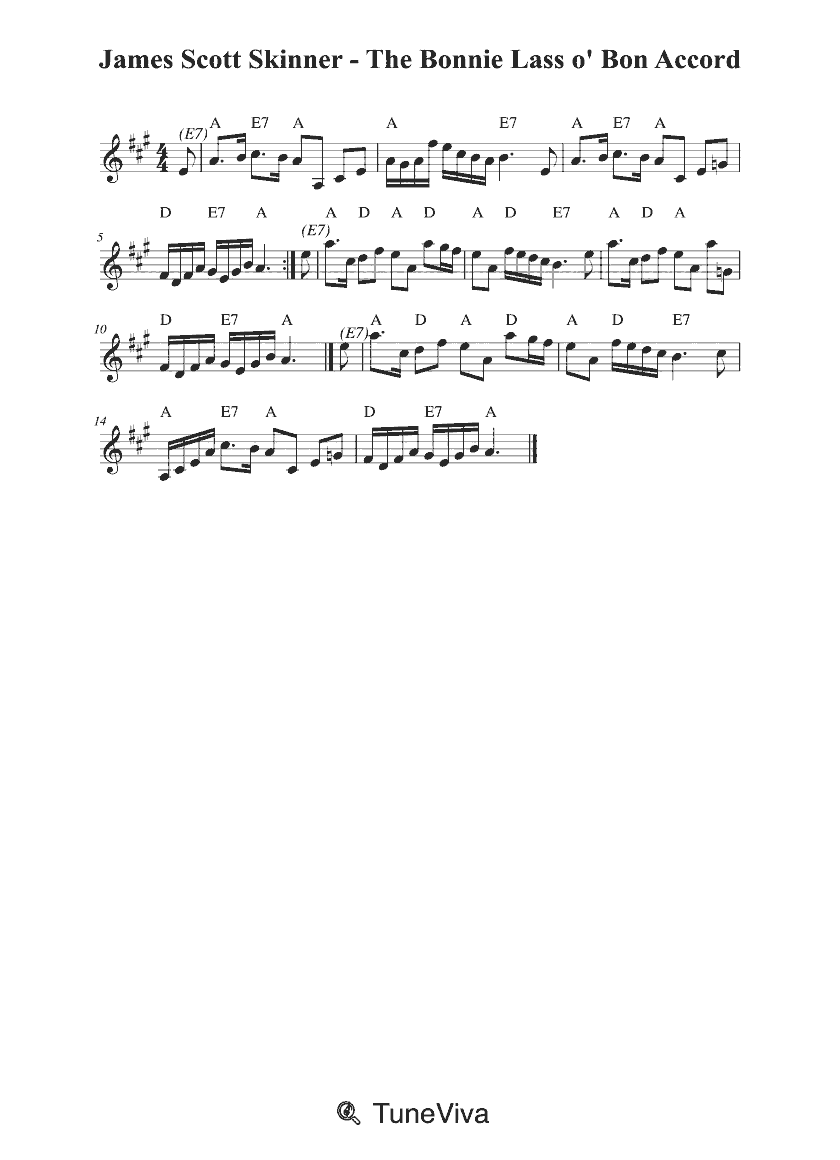
James Scott Skinner
32 sec
Open score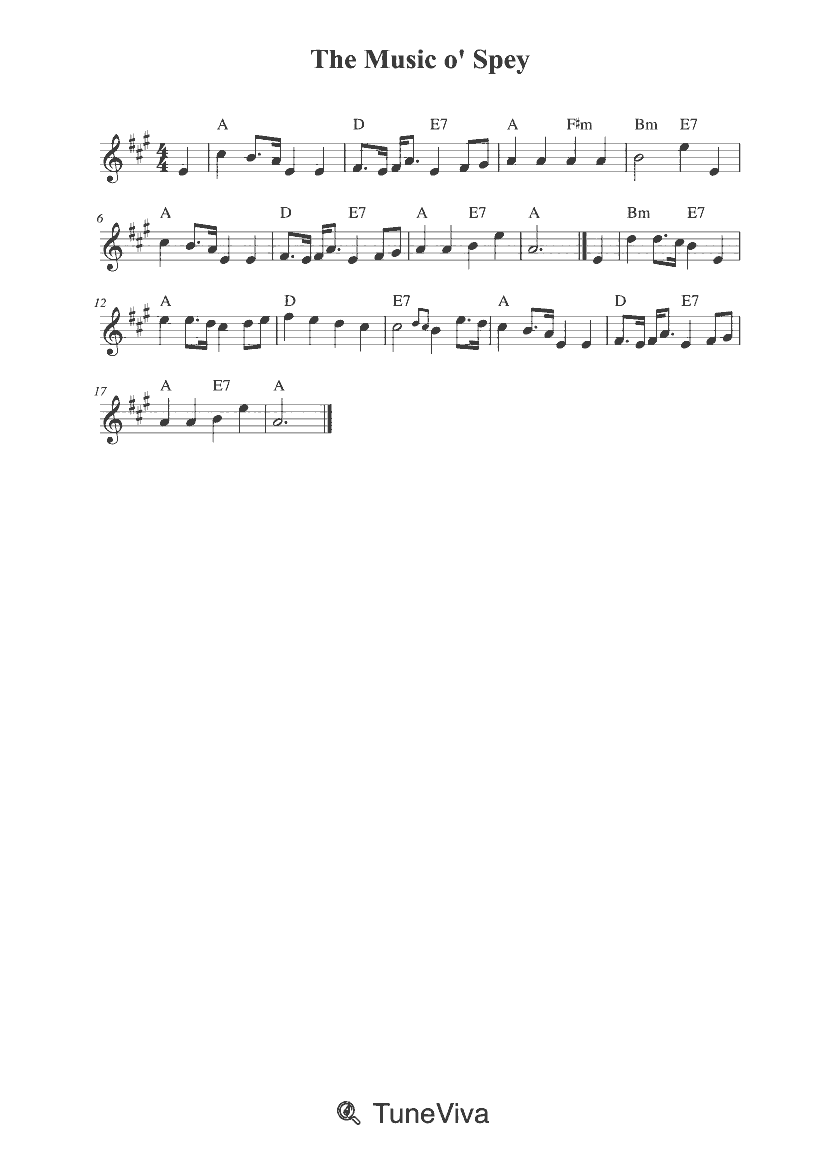
James Scott Skinner
32 sec
Open score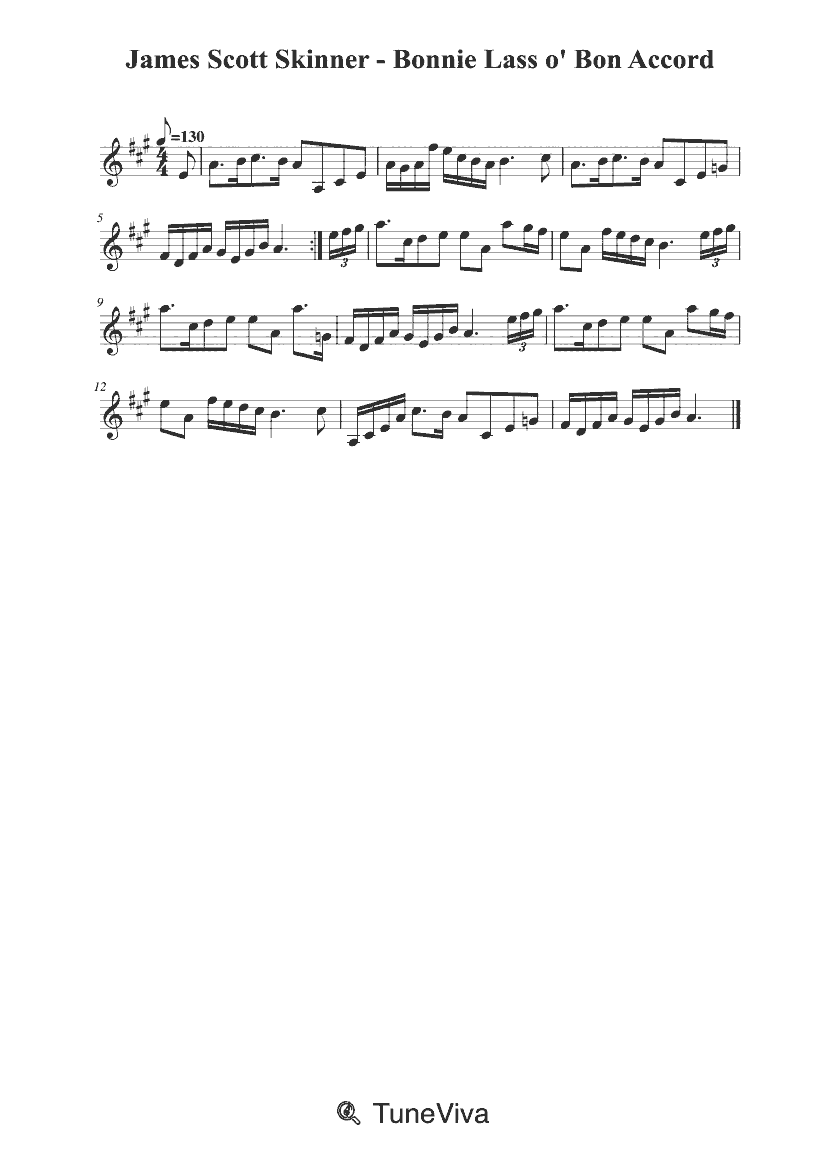
James Scott Skinner
59 sec
Open score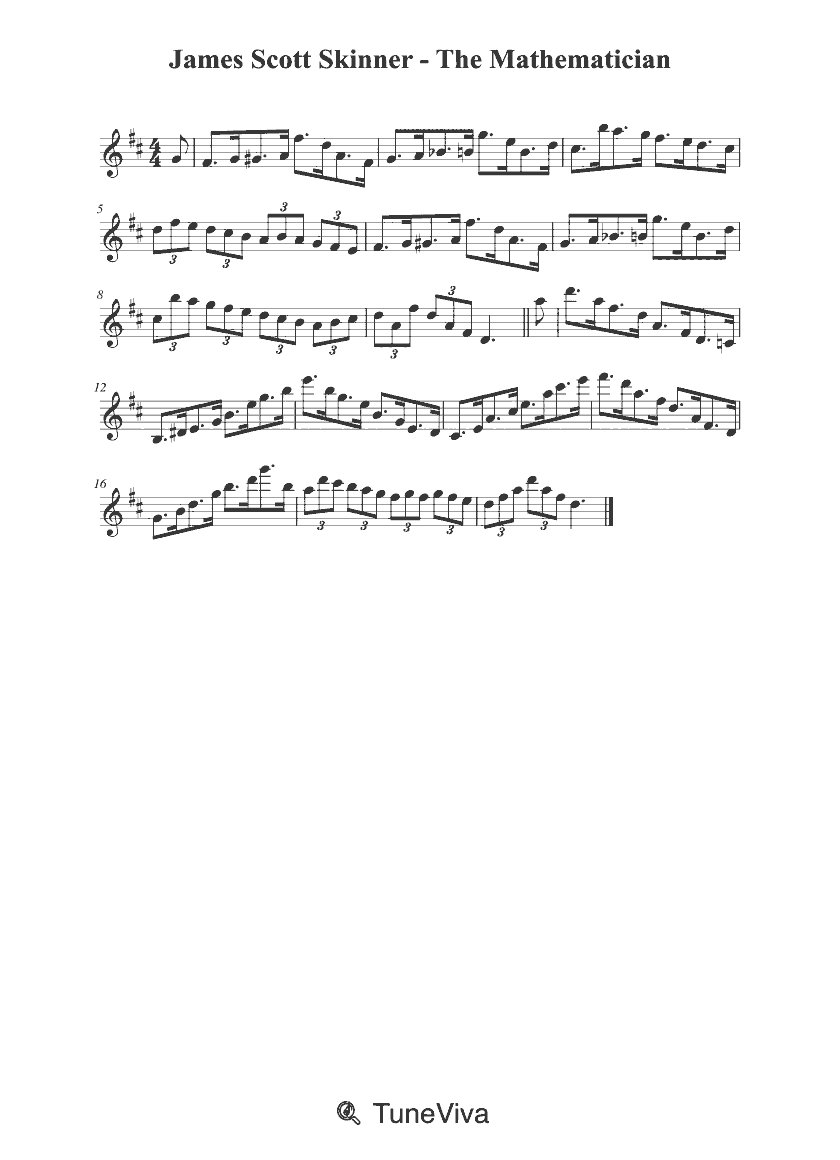
James Scott Skinner
32 sec
Open score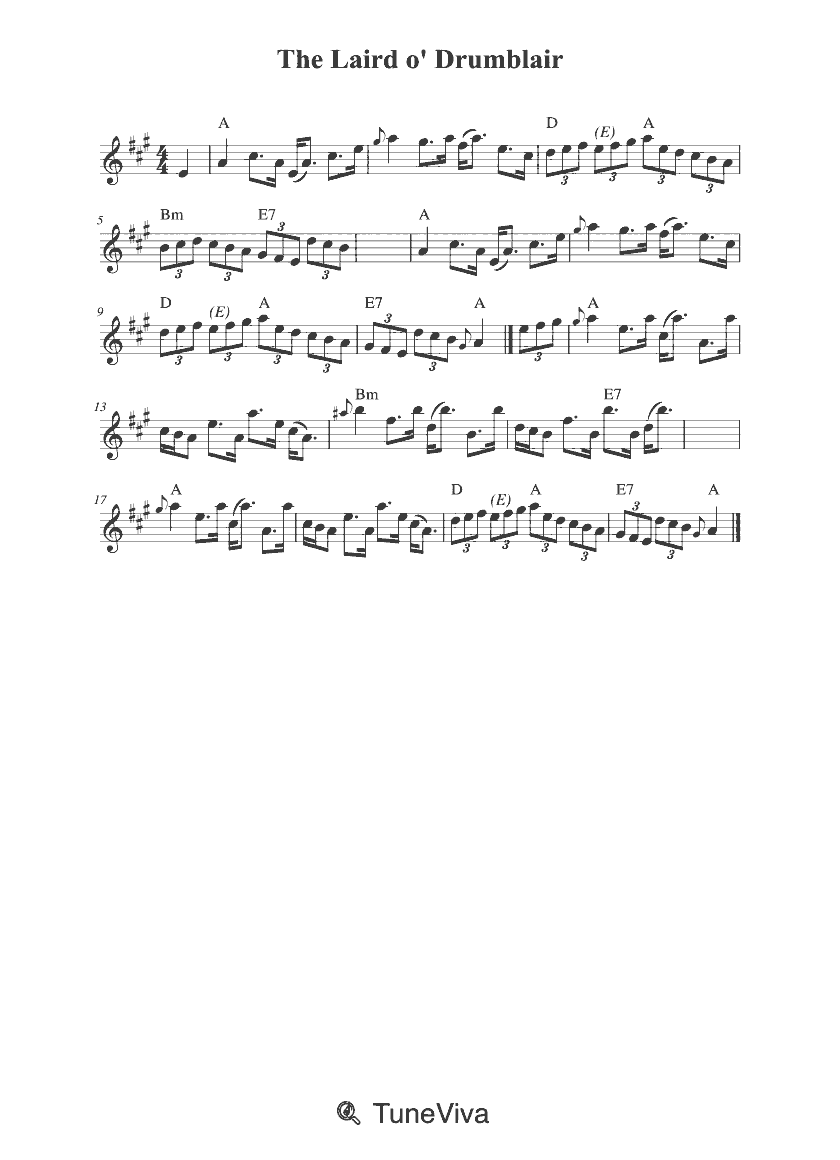
James Scott Skinner
Angus Campbell
36 sec
Open score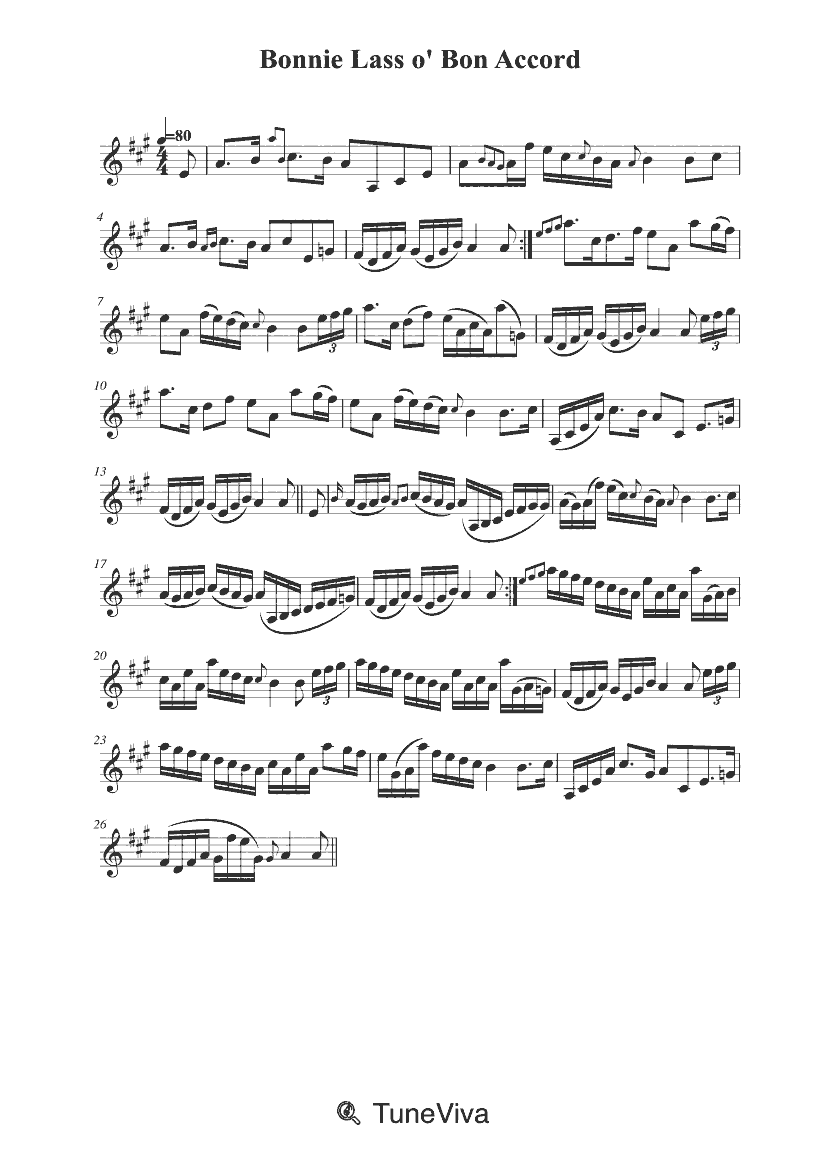
James Scott Skinner
2 min 11 sec
Open score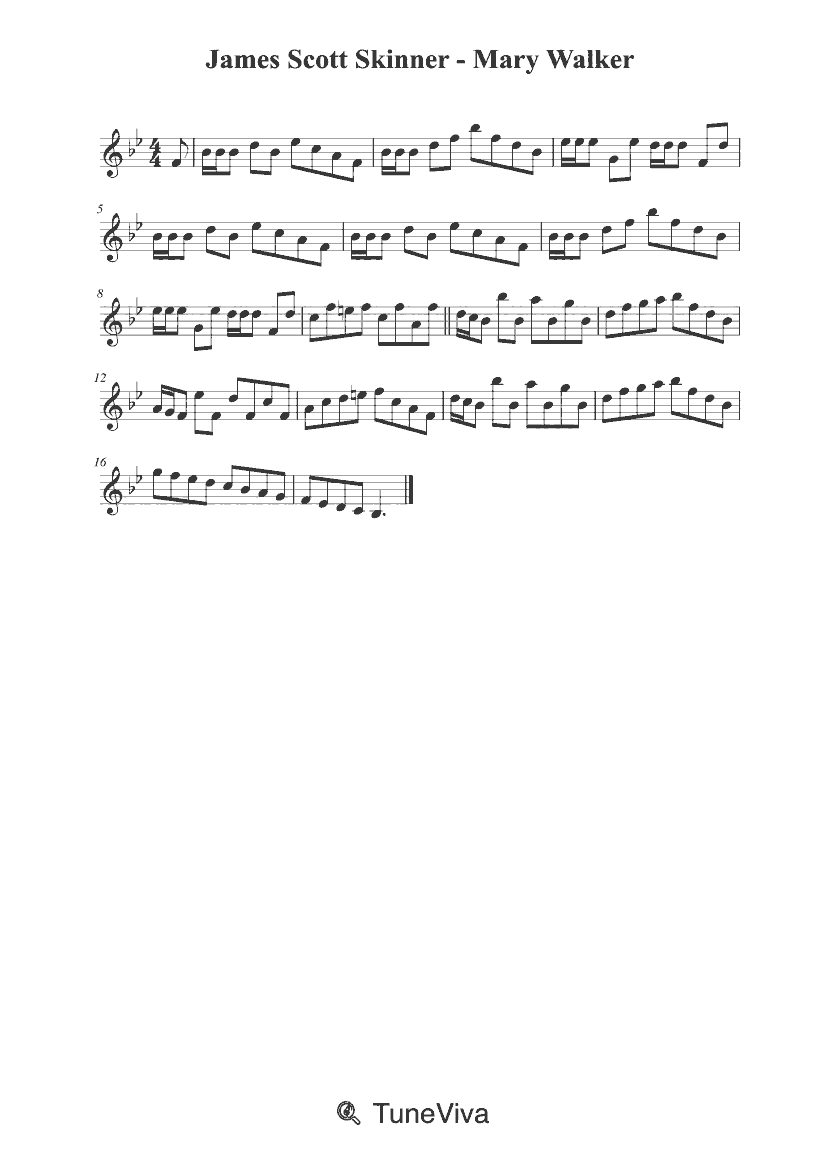
James Scott Skinner
32 sec
Open score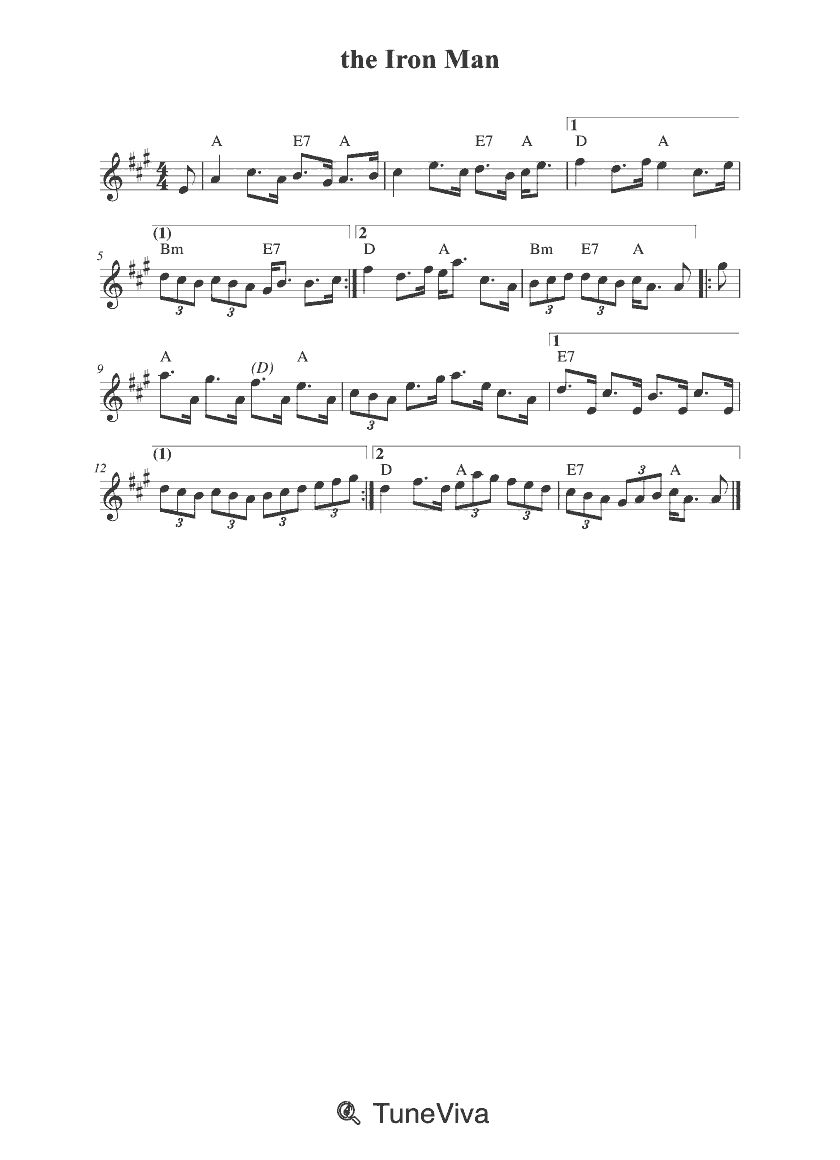
James Scott Skinner
32 sec
Open score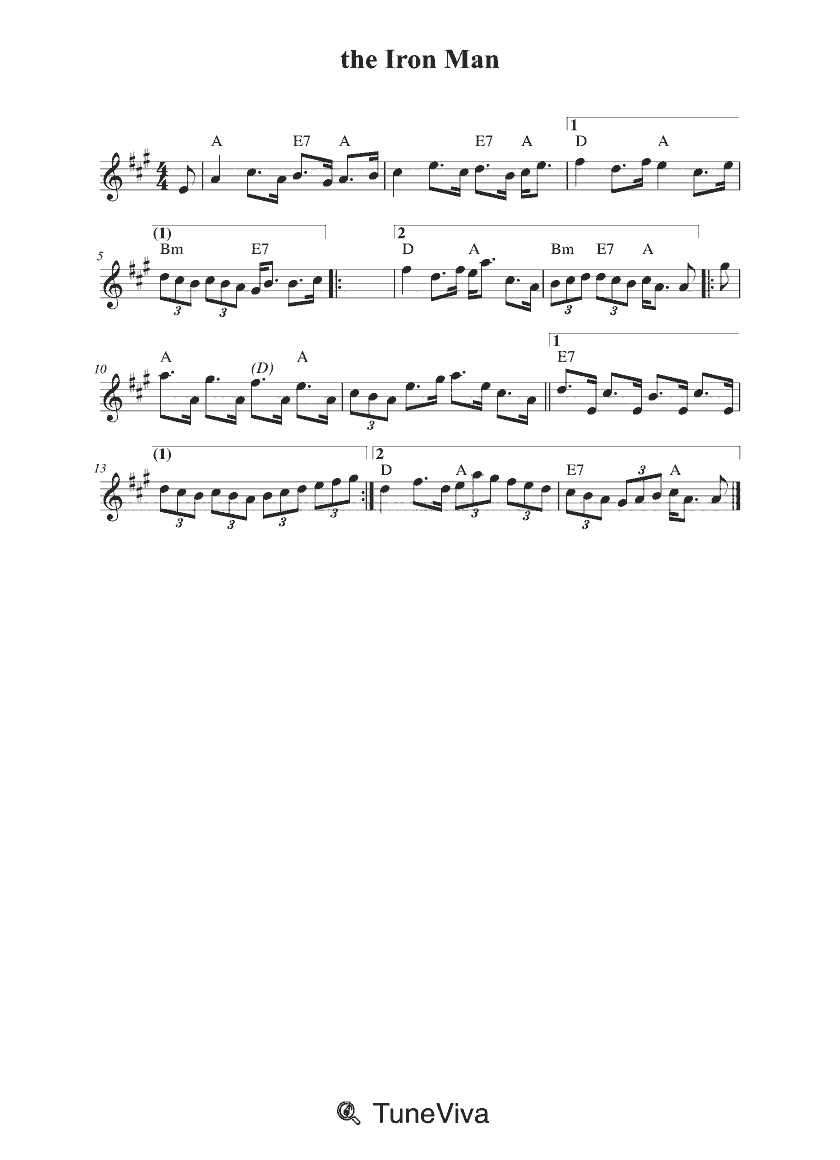
James Scott Skinner
30 sec
Open scorePage 1 of 33
They called him the Strathspey King, and the nickname stuck because James Scott Skinner could play the dance forms of Aberdeenshire with a classical violinist's finish. Born at Arbeadie near Banchory on 5 August 1843, he trained with a touring orchestra, Dr Mark's Little Men, and took lessons in Manchester from Charles Rougier before returning north as a dancing master and fiddler. TuneViva holds 653 Skinner scores, about 530 minutes and 110,817 notes. Only three have lyrics. James Scott Skinner (1843–1927) was a Scottish dancing master, violinist, fiddler and composer from Aberdeenshire, remembered as “the Strathspey King” and as one of the most influential fiddlers in Scottish traditional music. His career joined traditional dance music with classical violin training: he learned from his brother, spent six years with the travelling orchestra Dr Mark’s Little Men in Manchester, and credited Charles Rougier with teaching him Beethoven and other classical masters. Skinner taught dancing at Balmoral, published collections from 1868 onward, toured the United States with piper Willie MacLennan in 1893, and made recordings from 1899. One of his best-known tunes, Hector the Hero (1903), is a lament for Major-General Hector MacDonald. This page brings together sheet music for Skinner’s tunes, including strathspeys, reels and laments in arrangements that vary in instrumentation and key.
Skinner worked as a dancing master around Aberdeen and at Balmoral, where in 1868 he had 125 pupils in the royal household. His first collection appeared in 1868; further collections followed in the 1880s, and in 1904 he published The Harp and Claymore, edited by Gavin Greig, his largest gathering of tunes. He toured the United States with piper Willie MacLennan in 1893, made cylinder recordings from 1899 and Columbia recordings in 1910. He died in Aberdeen on 17 March 1927.
He was known as "the Strathspey King," and more than 600 of his compositions were published. Hector the Hero (1903) is a lament for Major-General Hector MacDonald, a friend who killed himself after accusations against him. The Bonnie Lass o' Bon Accord, The Music o' Spey and Bovaglie's Plaid are among the tunes that stayed in the repertoire. Dr. Keith, Aberdeen is the most-viewed item in this catalogue, ahead of Hector the Hero.
The catalogue's titles mix strathspeys, reels, airs and laments, and the scores are performance texts rather than scholarly editions. Only three carry lyrics, so this is instrumental music for fiddle. The near-total concentration at complexity 1 is useful: a player who can read one Skinner strathspey can read most of the collection.
The Strathspey King in context: Skinner’s career as a dancing master and fiddler took him from Aberdeenshire to Balmoral, Manchester and the United States. The source records his training with Dr Mark’s Little Men, his lessons with Charles Rougier in Manchester, his success in sword-dance and strathspey-and-reel competitions, and his later concentration on the fiddle after returning from America. That background helps explain why his dance tunes can carry both a strong traditional pulse and a polished violin finish.
Hector the Hero and its occasion: Skinner wrote Hector the Hero in 1903 for Major-General Sir Hector MacDonald, a friend. MacDonald was a British Army officer who rose from the ranks, distinguished himself at Omdurman, and was knighted for service in the Second Boer War; he committed suicide in 1903 following accusations of homosexual activity. As a lament, the piece is usually shaped with a sustained tone and restrained expression. The score listed here is in 6/8 with an opening tempo of 63 BPM.
Reading the available arrangements: The available scores are individual arrangements rather than a complete critical edition. The selected items show different instrumentations and keys: Tom Dey Strathspey lists violin and accordion, while Hector the Hero lists voice, flute, violin, accordion and bodhran. Use the key and time signature to judge whether a version suits your instrument or ensemble, and treat the parts list as a description of that score rather than proof of Skinner’s original scoring.
Playing Skinner’s dance music: For strathspeys, the characteristic short-long snap and a clear dance pulse are the main technical concerns; for reels, keep the quaver motion even and the underlying crotchet beat steady. In a lament such as Hector the Hero, prioritize a sustained line and restrained ornamentation. Because scores may leave bowings and ornaments to the player, compare versions where possible and make choices that suit the instrument and setting.
A Scottish dancing master, fiddler and composer (1843-1927) from Aberdeenshire, remembered as the Strathspey King and one of the most influential figures in Scottish traditional music.
Skinner wrote it in 1903 as a lament for Major-General Hector MacDonald, a friend who killed himself after accusations against him.
Yes. He studied violin with Charles Rougier in Manchester and credited that training with his later success, although his own music stayed rooted in Scottish dance forms.
The catalogue's scores are instrumental and carry almost no lyrics. Many of the tunes also appear with piano accompaniment in Skinner's printed collections.
Hector the Hero is a lament that James Scott Skinner wrote in 1903 for Major-General Sir Hector MacDonald, a friend who committed suicide after accusations of homosexual activity. The tune remains one of Skinner’s best-known works.
Skinner received violin and cello lessons from his brother Alexander “Sandy” Forbes Skinner, played for local dances with fiddler Peter Milne, and spent six years training with the travelling orchestra Dr Mark’s Little Men in Manchester. He credited Charles Rougier there with teaching him Beethoven and other classical masters, and later took a year of dancing tuition from William Scott.
James Scott Skinner is closely associated with strathspeys and reels. He won a sword-dance competition in Ireland in 1862 and a strathspey and reel competition in Inverness in 1863, and his nickname “the Strathspey King” points to the dance form most associated with him.
The Harp and Claymore is a collection of James Scott Skinner’s music published in 1904.
Skinner made his first cylinder recordings in 1899 and recorded for Columbia in London in 1910. Some of the 1910 Columbia recordings were later issued on a Temple label CD.
Queen Victoria asked James Scott Skinner to teach callisthenics and dancing to the royal household at Balmoral. By 1868 he had 125 pupils there, the same year his first collection of compositions was published.
Check the instrumentation, opening key and time signature shown for each arrangement, because these details vary: one score of Hector the Hero lists voice, flute, violin, accordion and bodhran in 6/8, while a score of The Bonnie Lass o’ Bon Accord is in A major and 4/4. The listed parts describe that arrangement, not necessarily Skinner’s original scoring.