classical
2 tracks
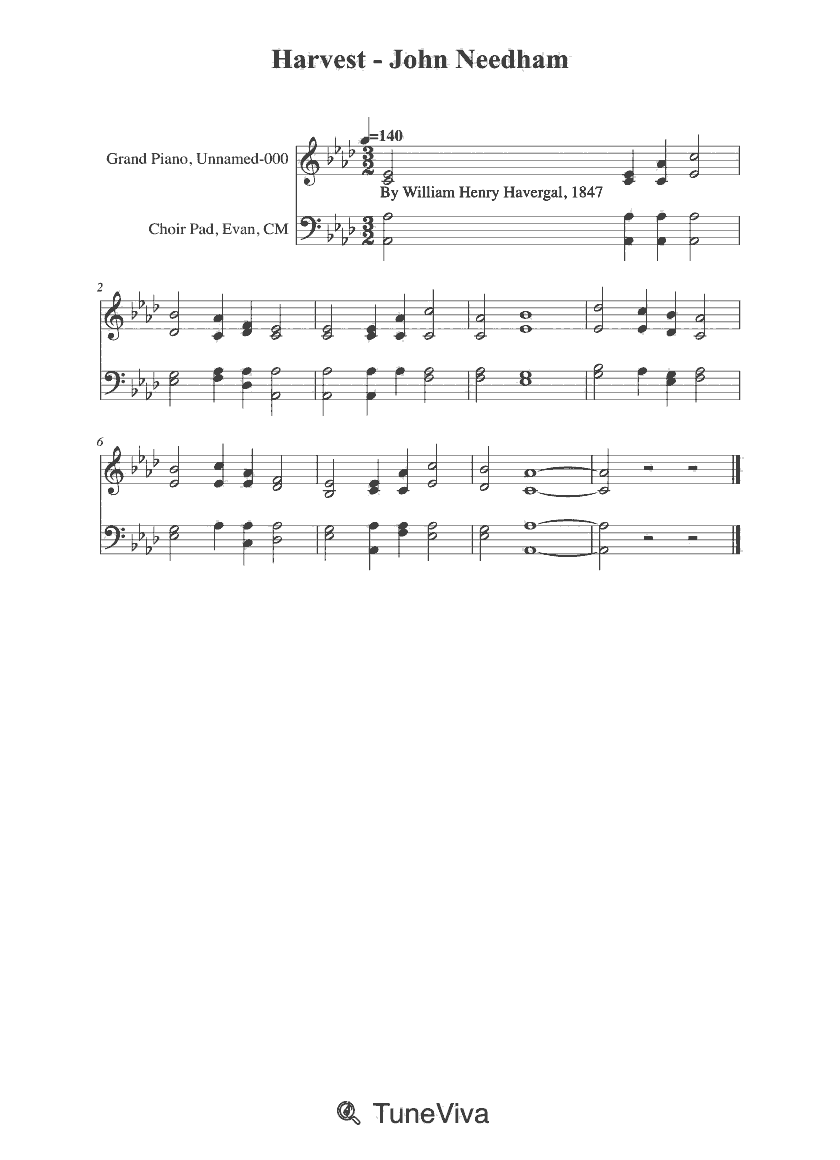
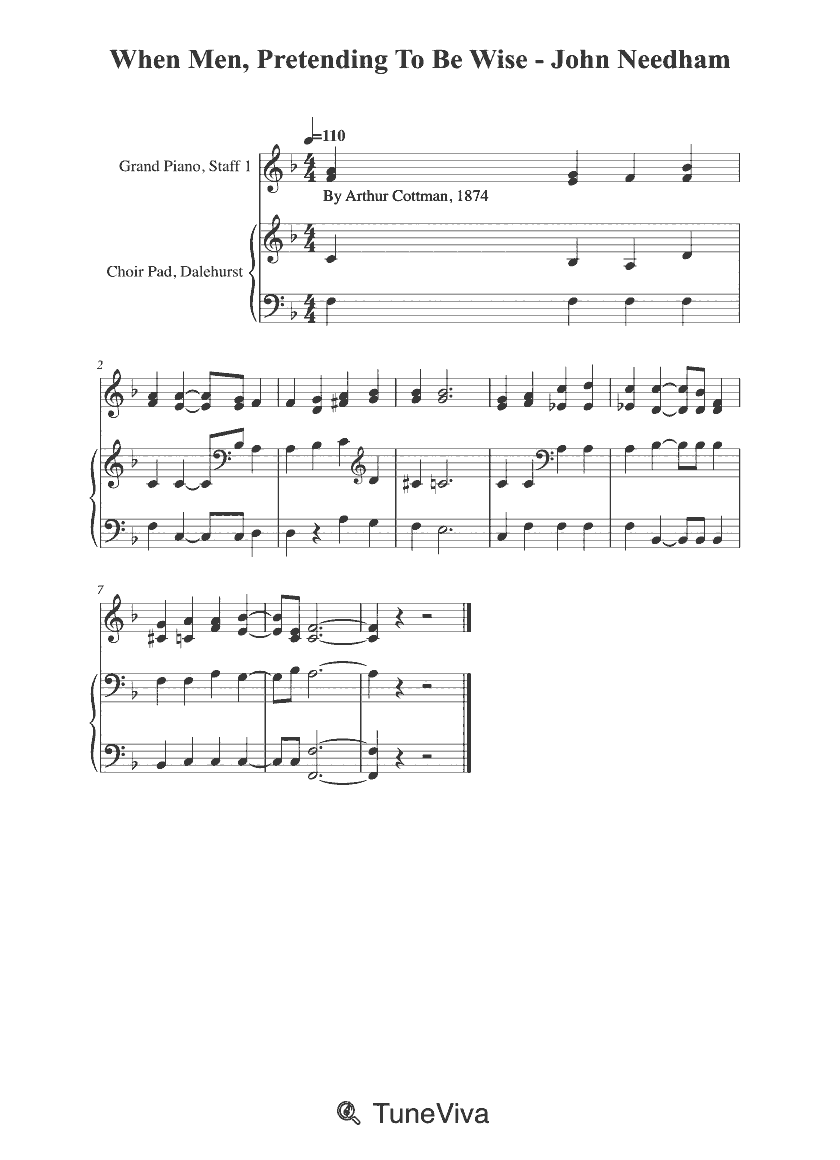
John Needham wrote hymns, and the catalogue’s twenty settings of them are among the shortest items on the site: about seven minutes of music in total, 2,457 notated notes and nineteen entries with lyrics. That works out at roughly twenty seconds a piece. Every entry sits at complexity index 0, and the views are tiny, between two and nine. The most-viewed is “’Tis Nature’s Voice Which Reason Speaks”, a hymn on reason and revelation from the collection he published in 1768. Small as it is, the group covers his usual subjects: judgment, providence, the Nativity and the call to praise.
Needham was a Baptist minister, the son of John Needham, Baptist minister at Hitchin in Hertfordshire. His birth date is not recorded. He became co-pastor with John Beddome at the Baptist meeting-house in the Pithay, Bristol, and after a dispute over the shared pastorate he moved with part of the congregation to Callowhill Street, where he served alongside a Mr Foot. Julian’s Dictionary of Hymnology records that the Callowhill Street church became extinct once both pastors had died, and that which of the two survived the other is not known.
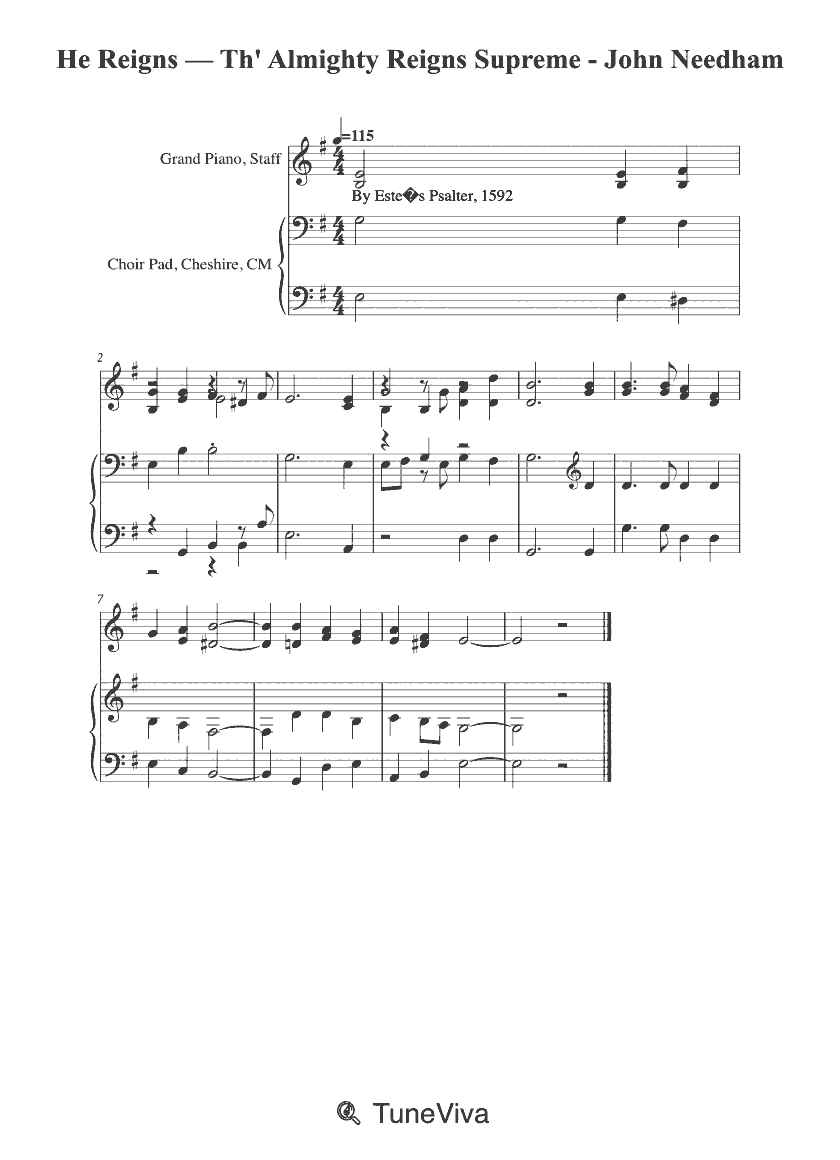
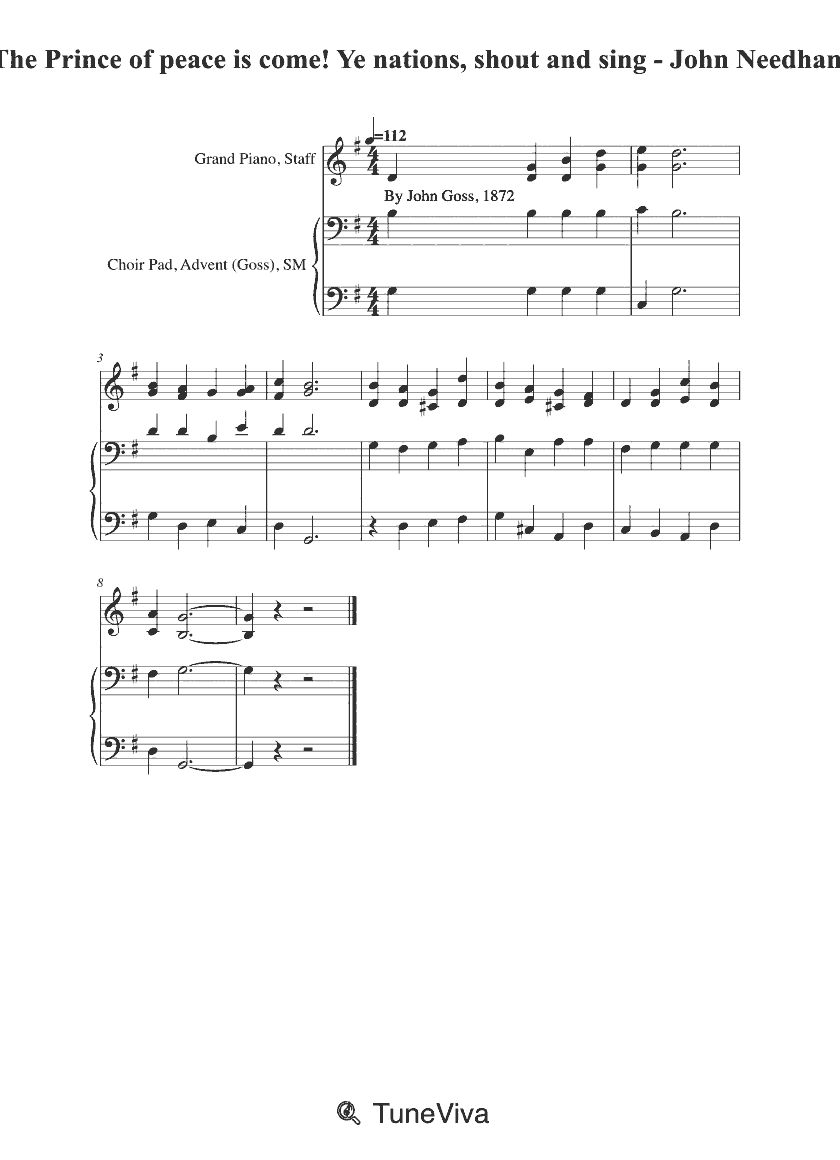
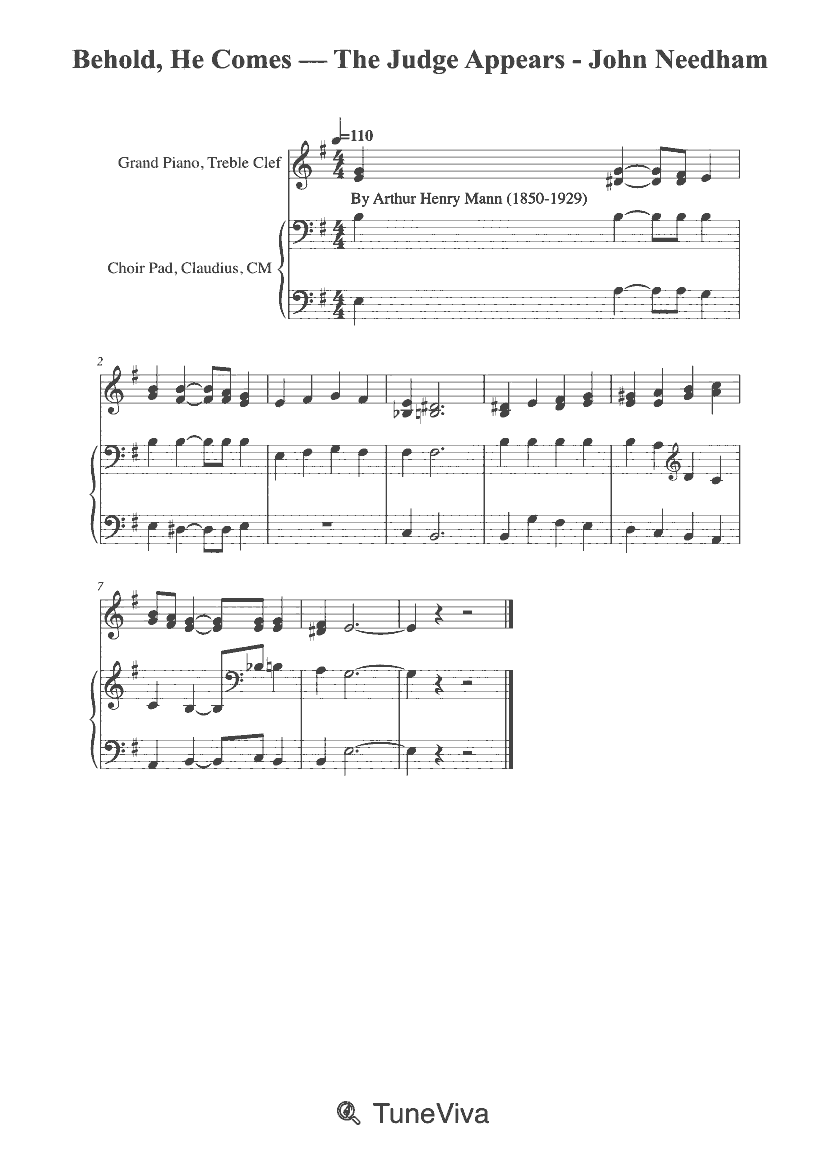
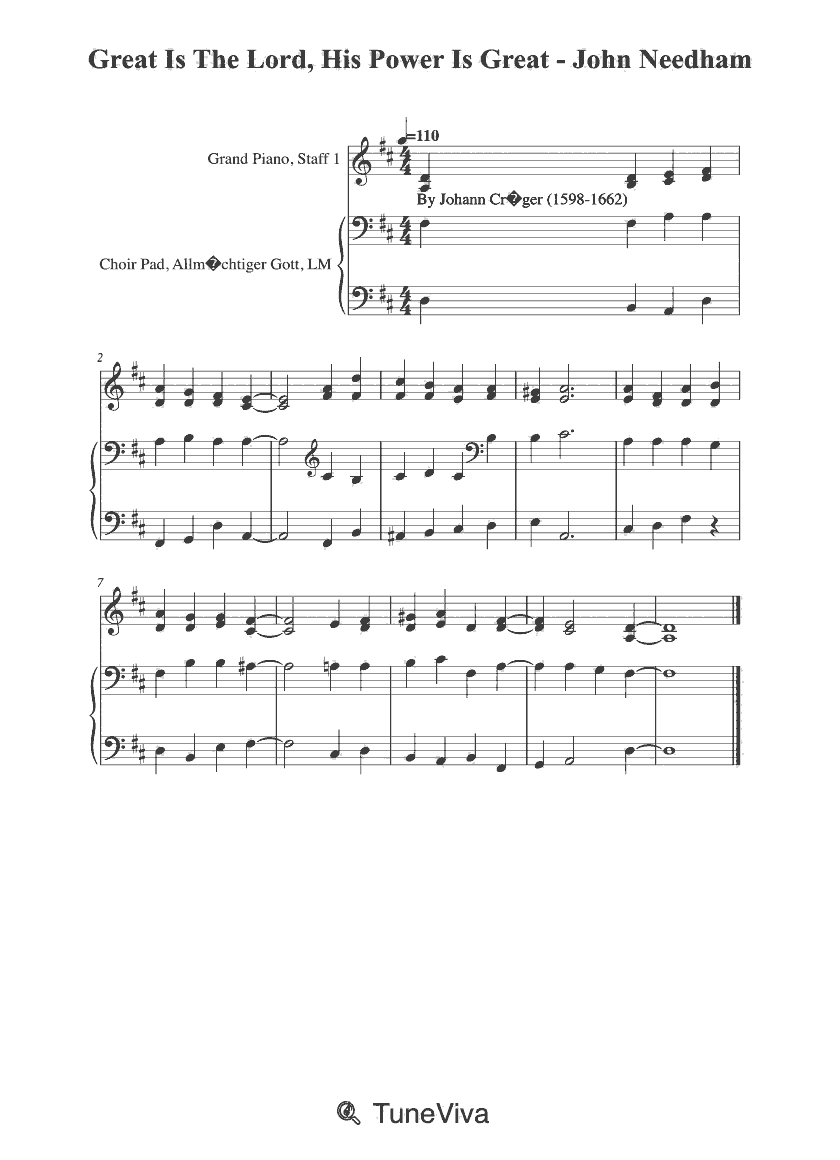
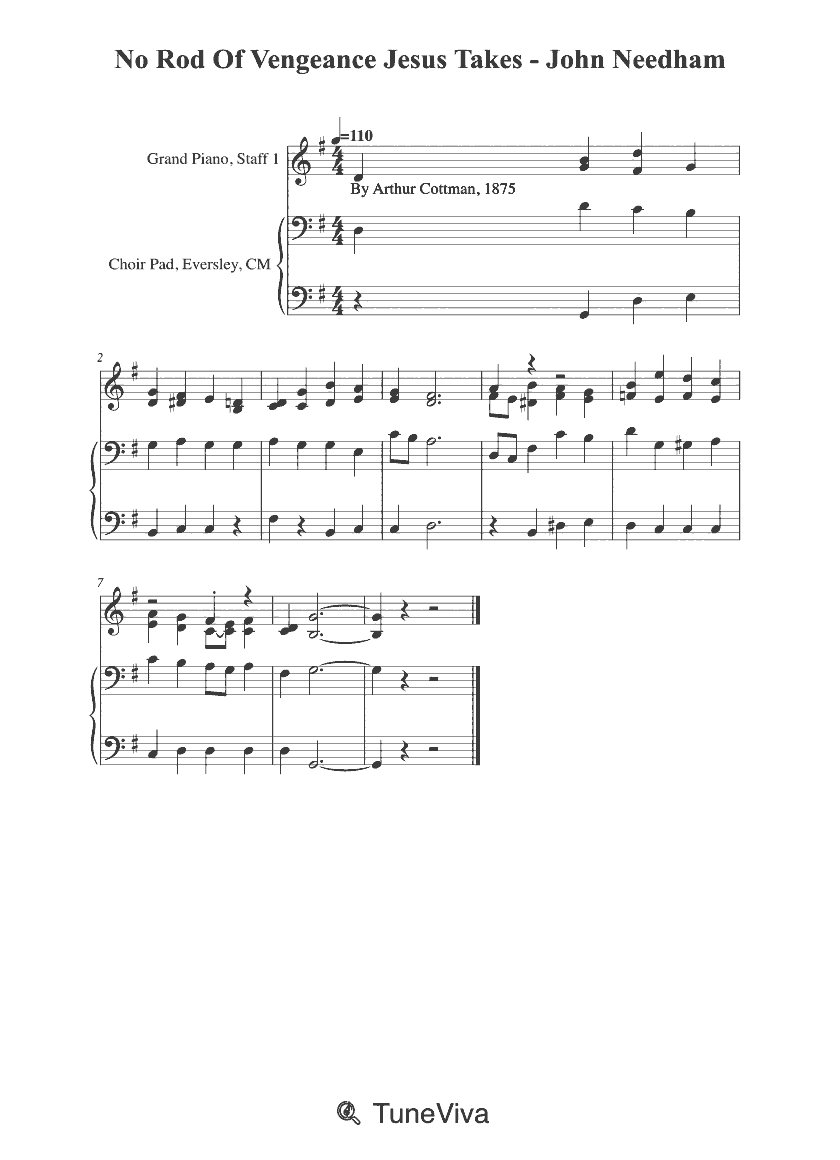
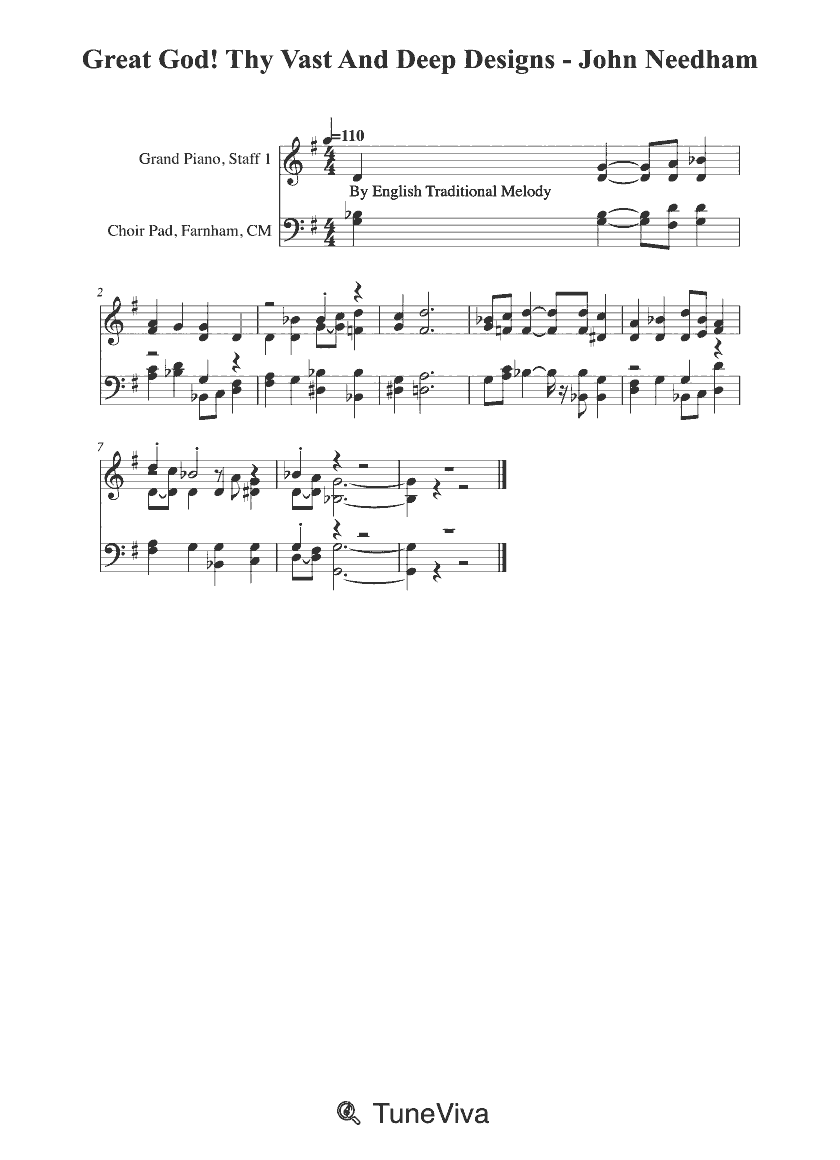
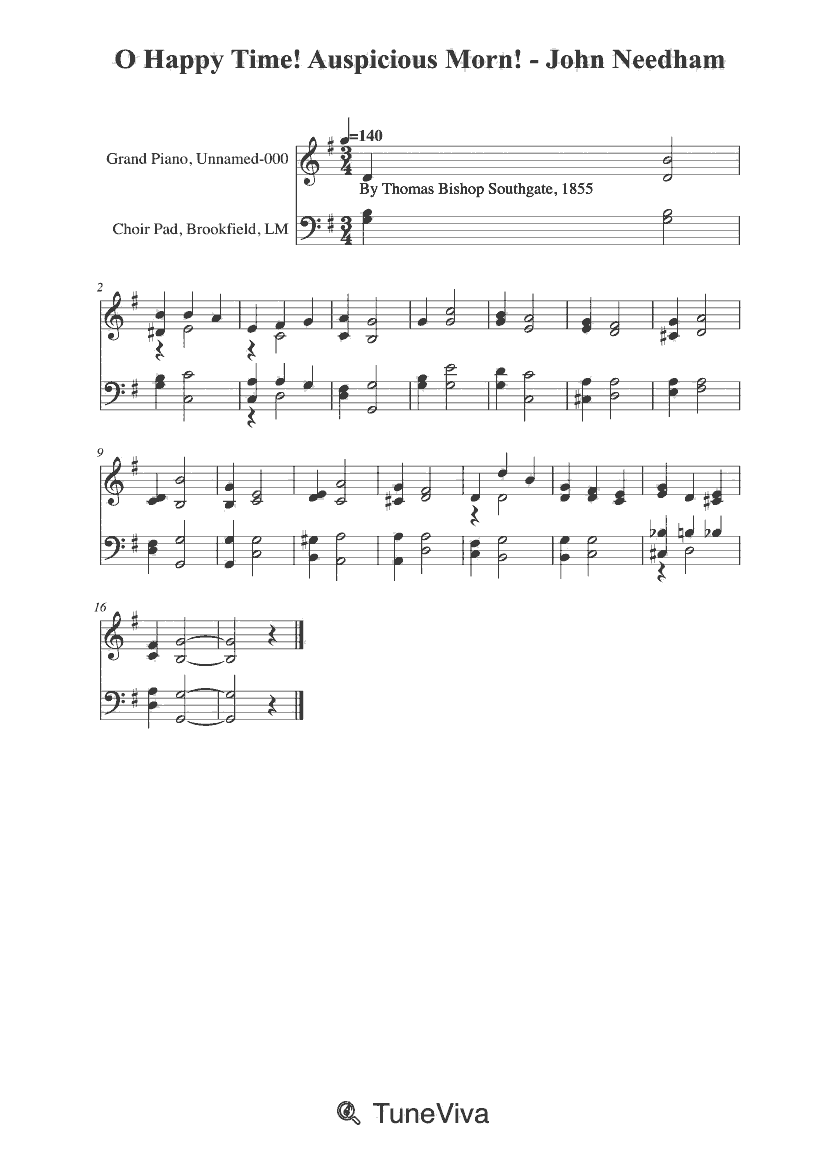
In 1768 he published Hymns Devotional and Moral, on Various Subjects, Collected Chiefly from the Holy Scriptures, printed at Bristol by S. Farley. The first lines in this catalogue come from it: “He reigns, th’ Almighty reigns supreme”, “The Prince of peace is come”, “Behold, he comes, the judge appears”, “Great is the Lord”, “No rod of vengeance Jesus takes”, “O happy time, auspicious morn”.
Julian judged the hymns uneven but durable. “Holy and reverend is His name” stayed in use for generations and was later rewritten by George Rawson for a Baptist hymnal; the harvest hymn “To praise the ever-bounteous Lord” was also long-lived, though it was sometimes confused with Alice Flowerdew’s harvest poem on the same subject. The catalogue’s texts are of that stamp: doctrinal, plain-spoken, and built for a congregation rather than a choir.
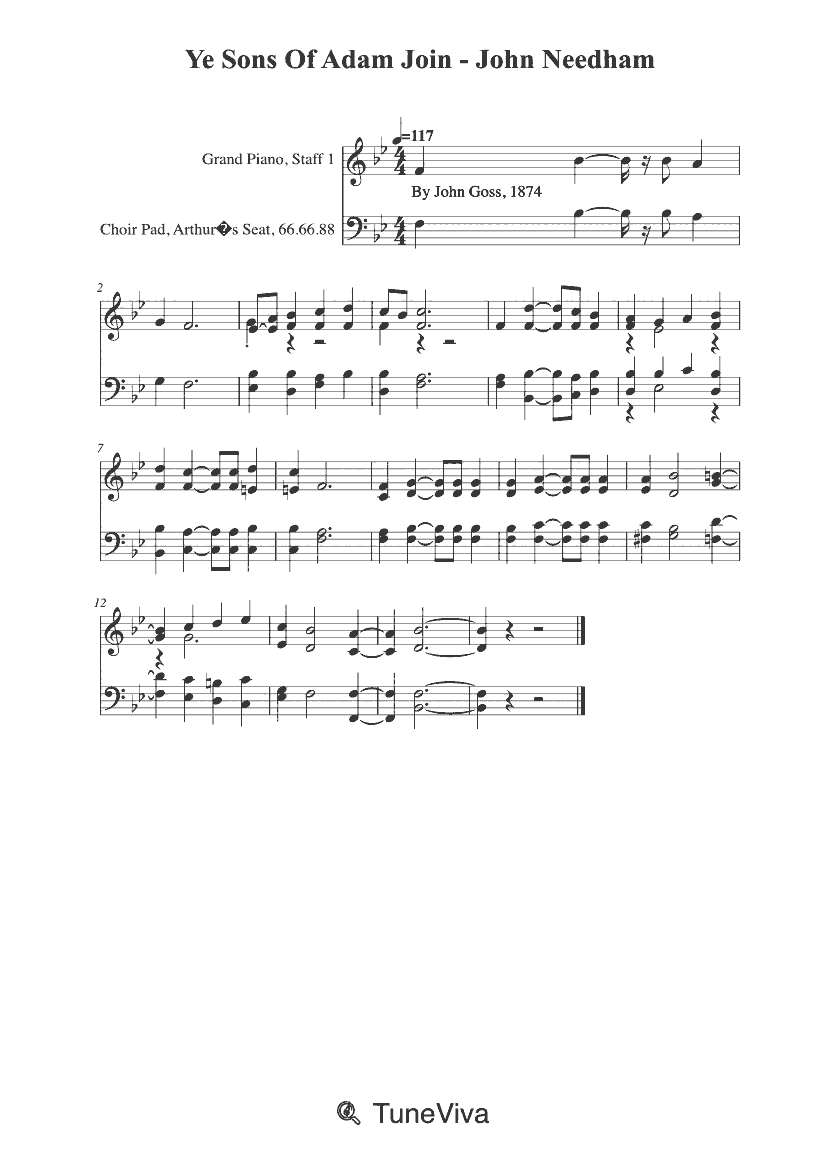
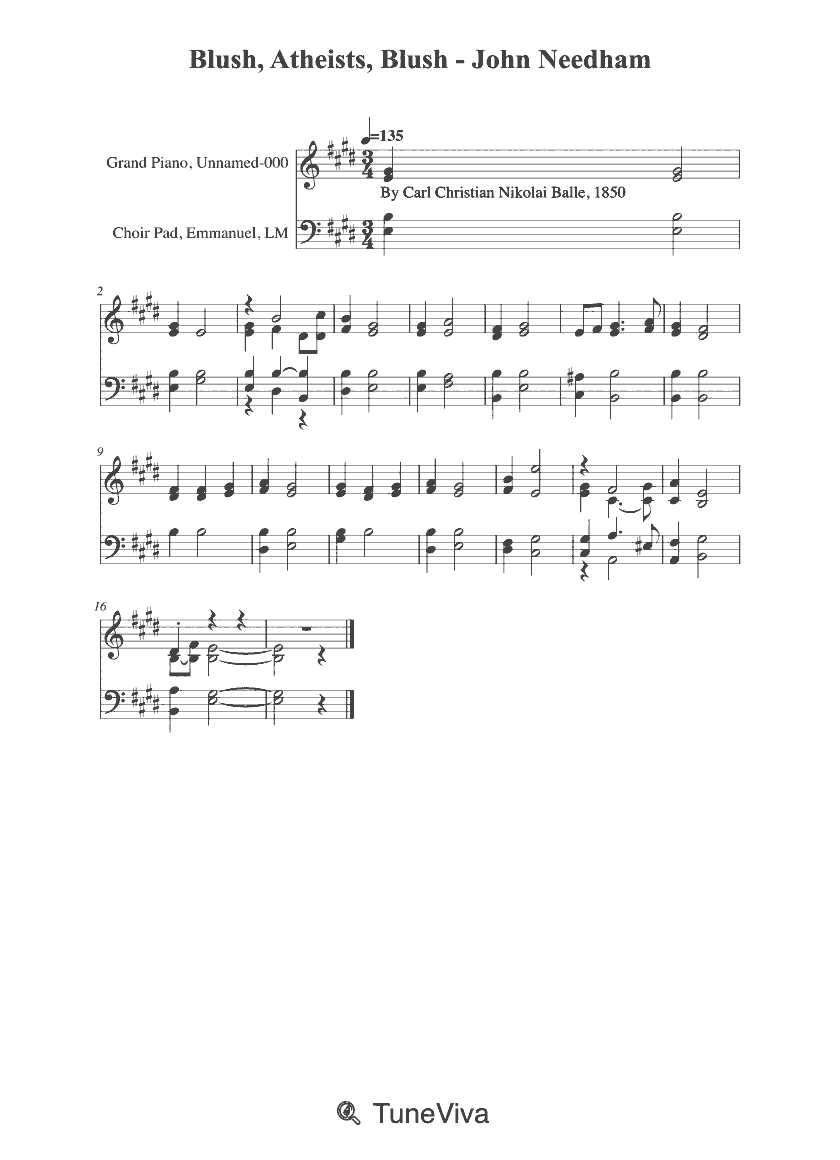
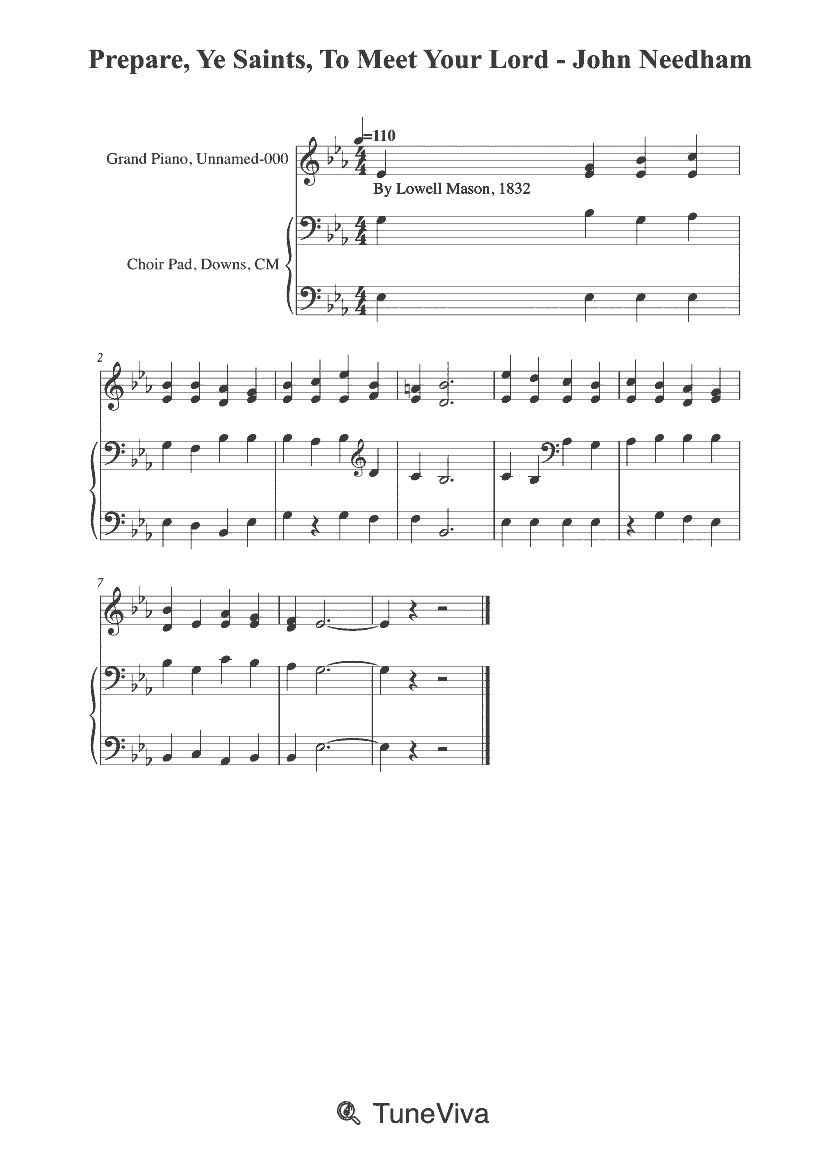
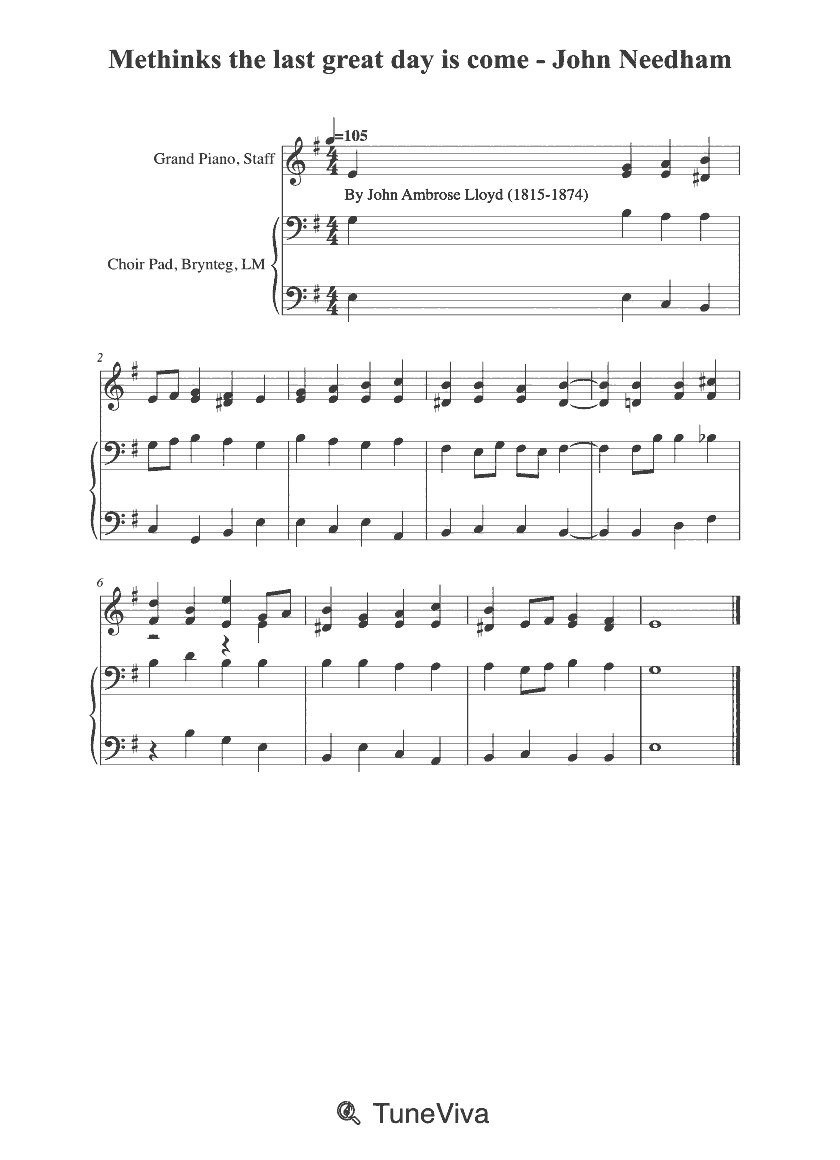
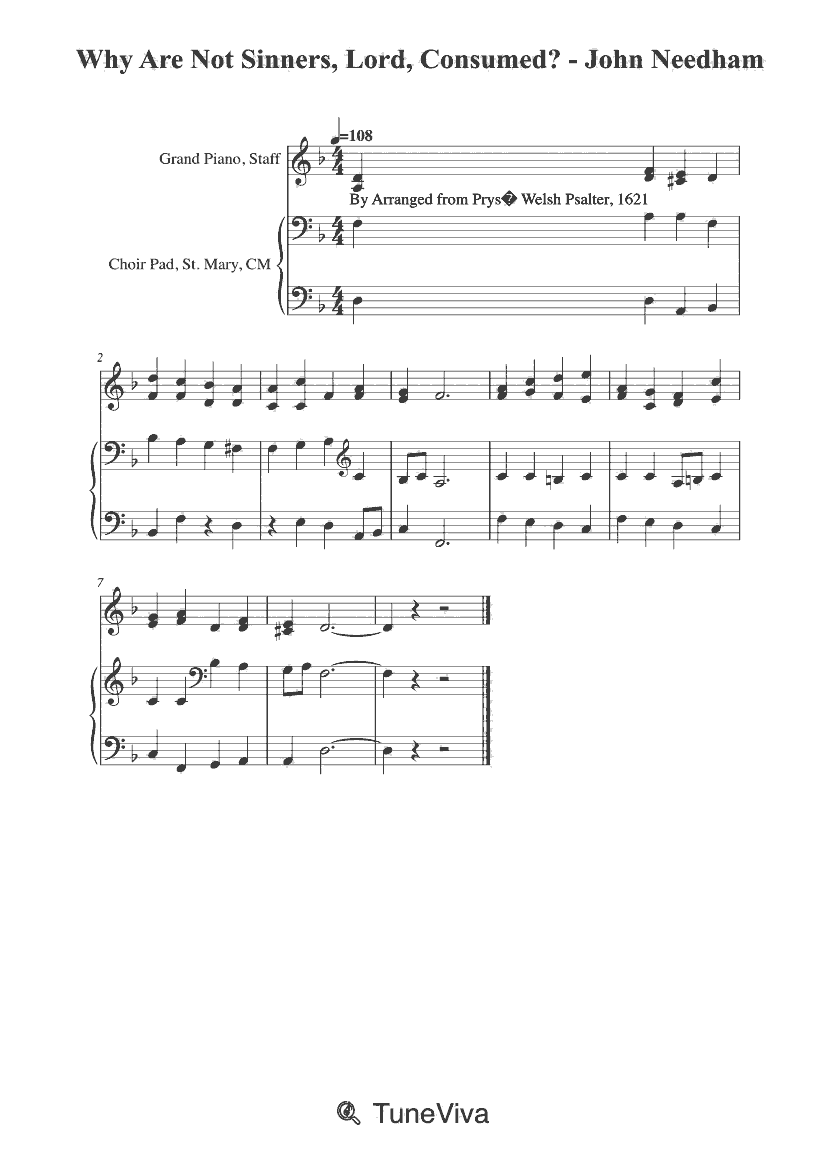
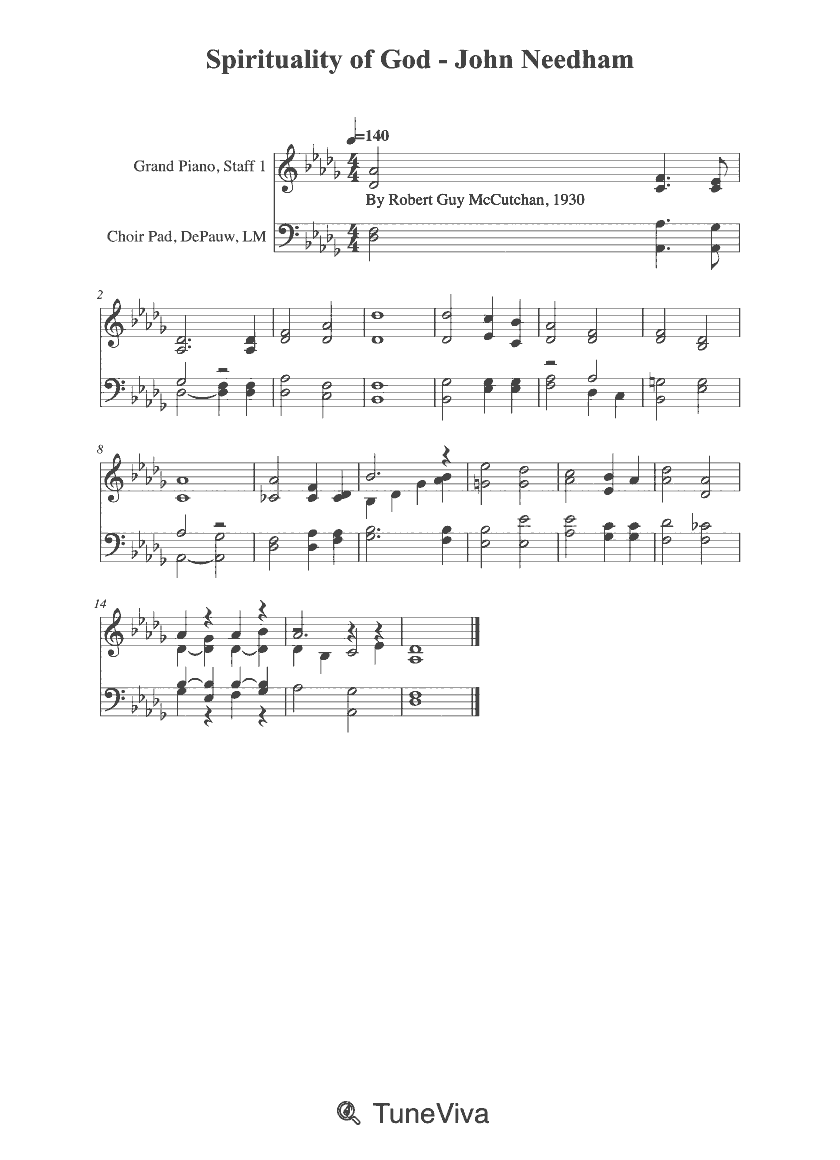
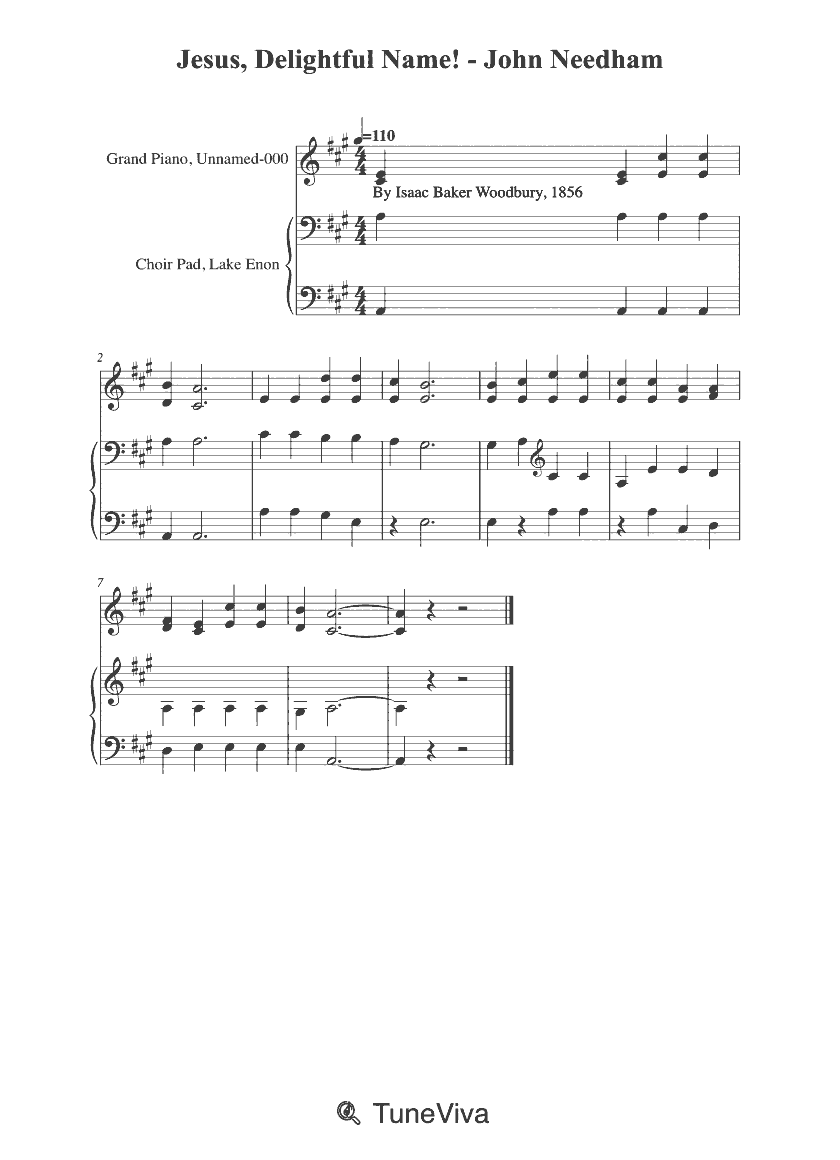
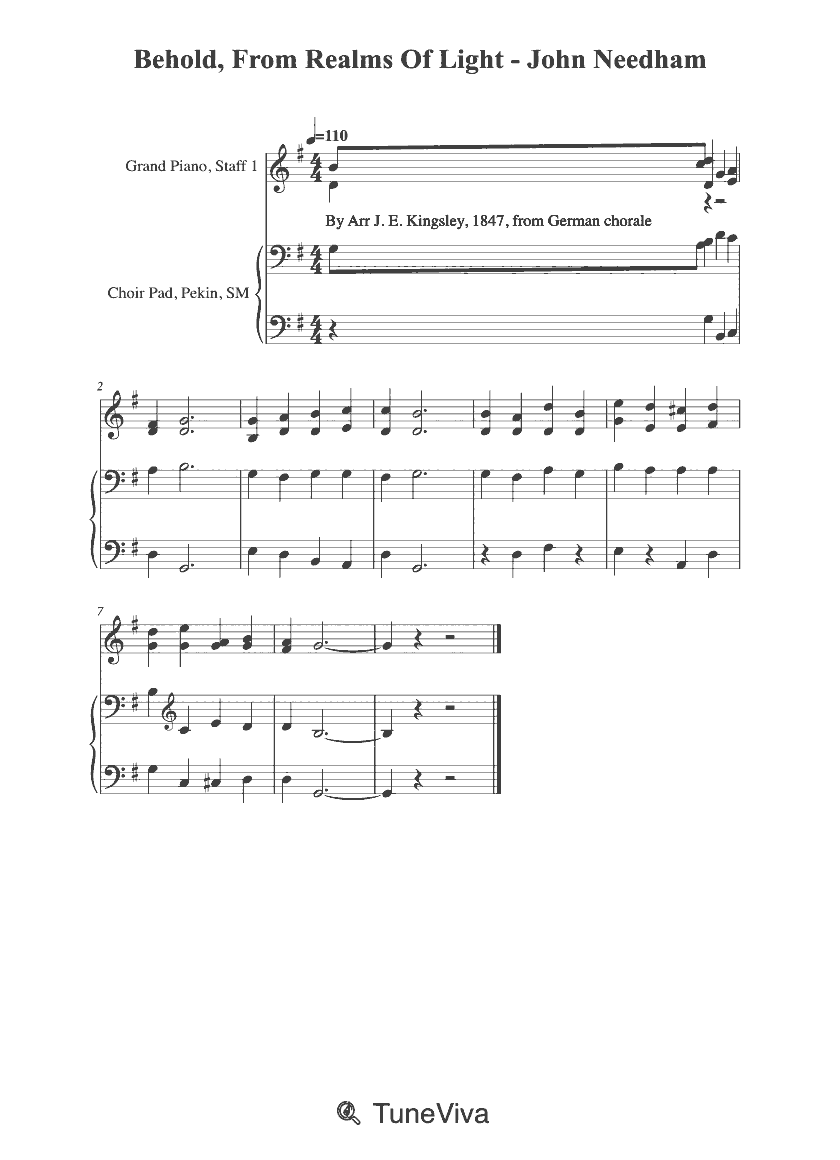
These are tune settings for metrical hymn singing, not anthems: one stanza of text, a plain four-part harmonisation, and a cadence that has to arrive on time. Keep the pace steady and the texture transparent, because the words carry the argument. The tenor and alto parts move mostly in steps, so the difficulty is in tuning the suspensions rather than in range. If you are accompanying a congregation, play the melody clearly and avoid rubato; the metre, not the phrase, governs where the music breathes.
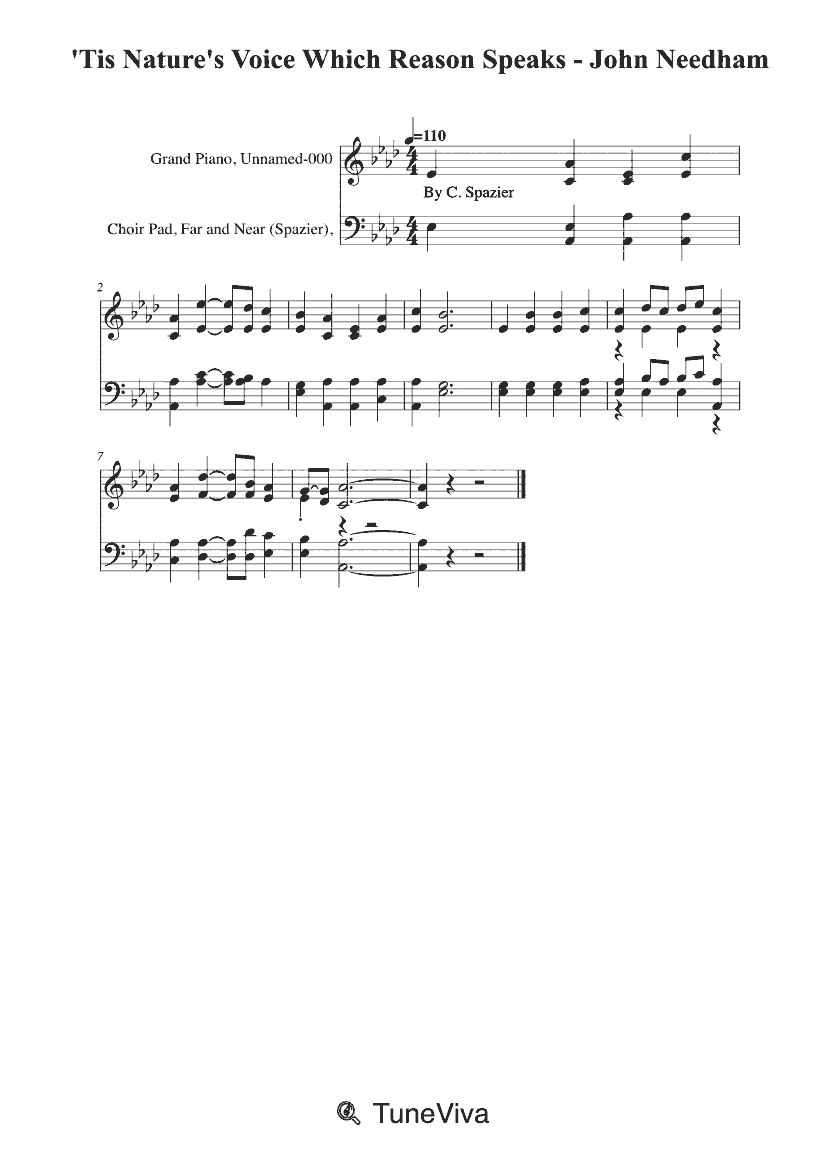
The most-viewed entry at nine views, and one of the hymns on reason and revelation in the 1768 collection.
A hymn of divine rule, printed in the 1768 volume as “He reigns, th’ Almighty reigns supreme”.
A Christmas hymn whose opening line is trimmed to its first clause in the display title.
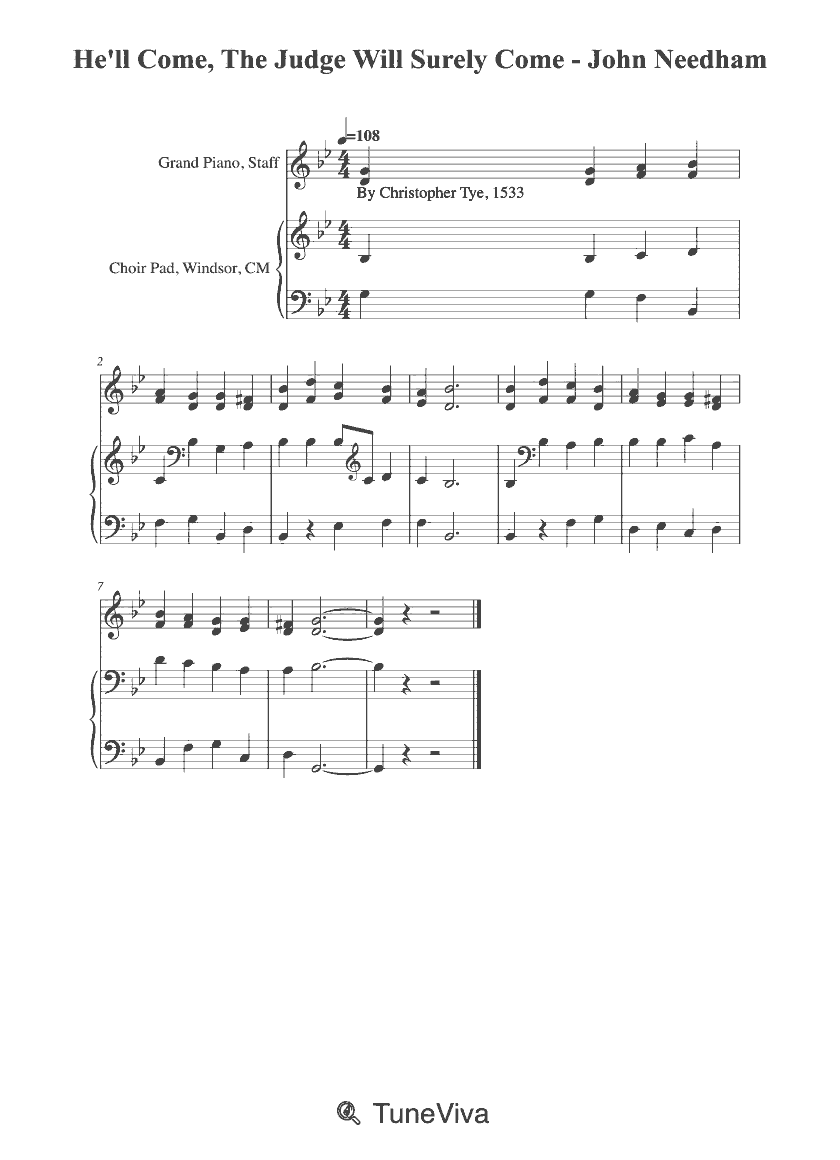
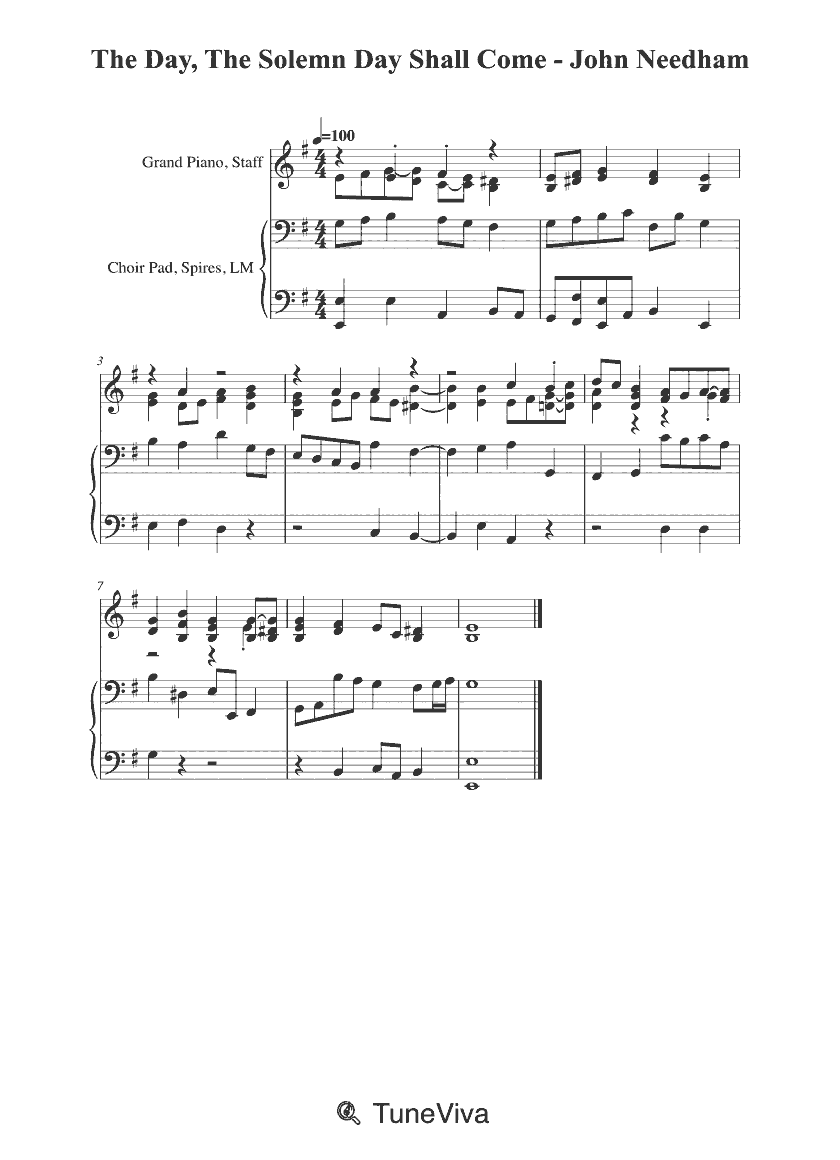
A judgment hymn on the last day, among the doctrinal texts that give the collection its weight.
A hymn of praise, and one of the entries whose views (four) place it in the middle of the page.
A hymn on the gentleness of the gospel, contrasting law and grace.
A meditation on providence, in the declarative manner of eighteenth-century dissenting hymnody.
An exclamatory hymn on the auspicious morn, probably the Nativity, and one of the few titles punctuated this way in the source.
The second judgment hymn in the top ten, set to the same bare texture as its neighbours.
A short call to universal praise, at three views near the foot of the page.
Twenty, adding up to about seven minutes of music and 2,457 notated notes. Nineteen of the twenty include lyrics.
He was a hymn writer first. The 1768 book is a collection of texts, and it does not name the tunes. The catalogue files the settings under his name as composer, which is how his author credit has been carried across.
At roughly twenty seconds each they are single-stanza settings, the sort printed in a tunebook so that a congregation could sing any one of several texts to the same melody.
No. John Turberville Needham (1713–1781) was an English Catholic priest and naturalist. The hymn writer was a Baptist minister in Bristol, and the two are regularly confused because the surname is uncommon.
Catalog editions and arrangements attributed to John Needham.