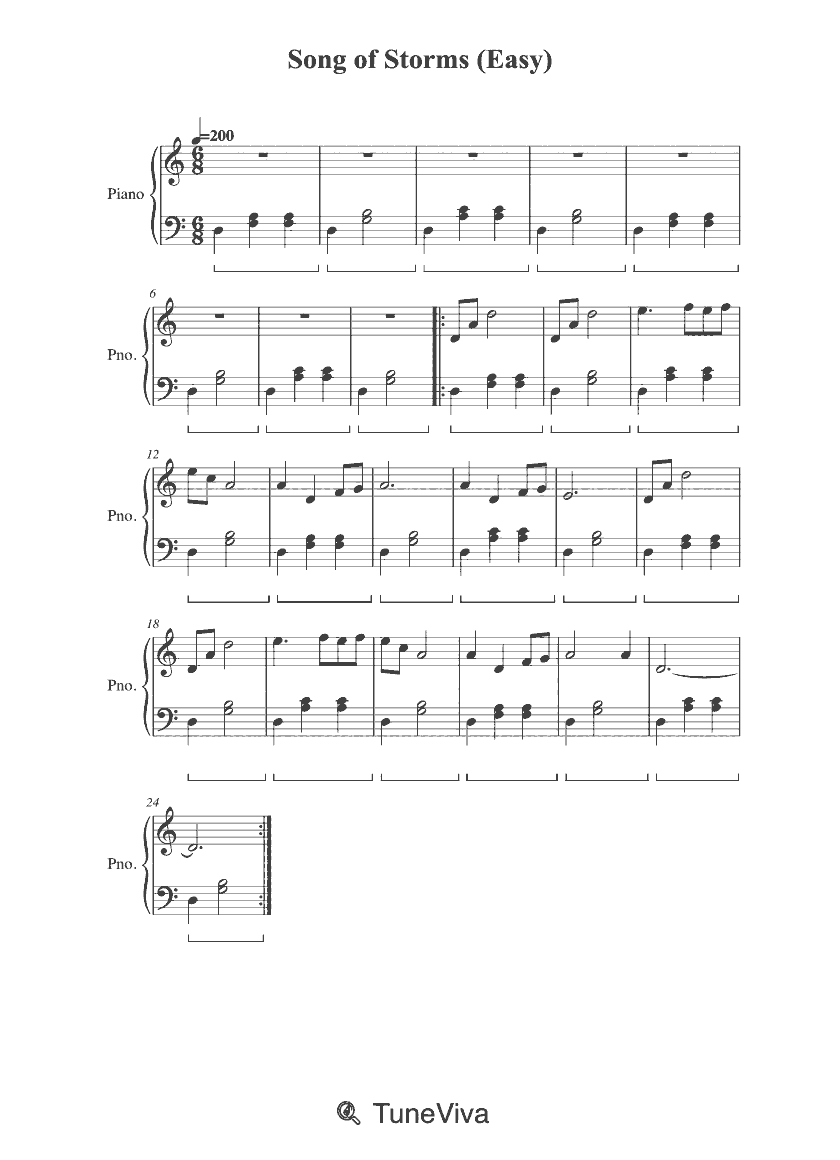
Song of Storms (Easy)
Koji Kondo
Piano · 19 sec
Open score127 Koji Kondo scores on TuneViva, including Song of Storms, Gerudo Valley and Zelda's Lullaby, as community transcriptions for piano and other instruments.
Piano · 19 sec
By far the most-viewed score here, a simplified arrangement of the Ocarina of Time windmill tune.
Other editions:
The second most-viewed title, a Spanish-tinged piece built on a driving guitar-like accompaniment.
A short, song-like theme that recurs across the Zelda series.
A transcription of the boss music from the 2007 game, which Kondo scored with Mahito Yokota.
A later-series entry showing how far the catalog reaches beyond the 1980s and 1990s.
A fan-made medley rather than a single cue, illustrating the arrangement-heavy nature of the collection.
Compare the instrument and arrangement details below, then open a score to check the notation. Different entries may be arrangements or editions of the same work; available playback tools are shown on each score page.
Koji Kondo
Piano · 19 sec
Open score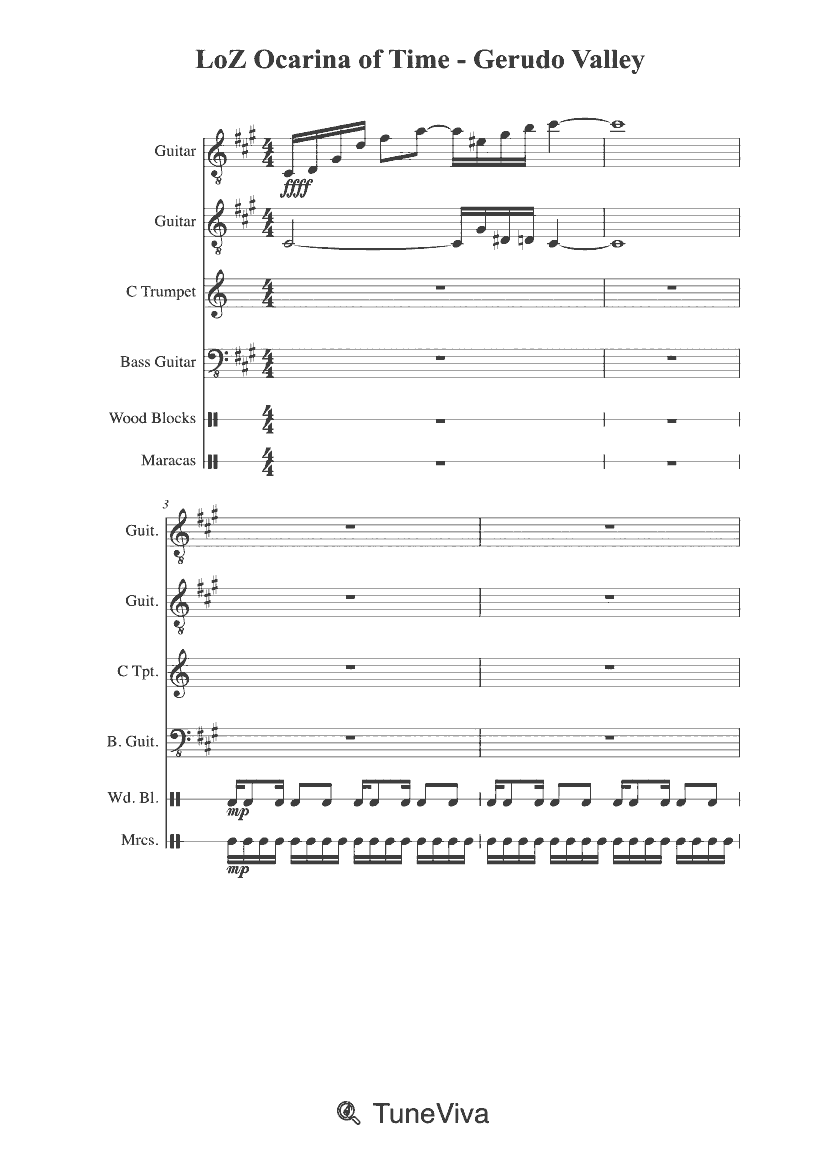
Koji Kondo
Legend of Zelda: Ocarina of Time
Guitar; C Trumpet; Bass Guitar +2 parts · 2 min 40 sec
Open score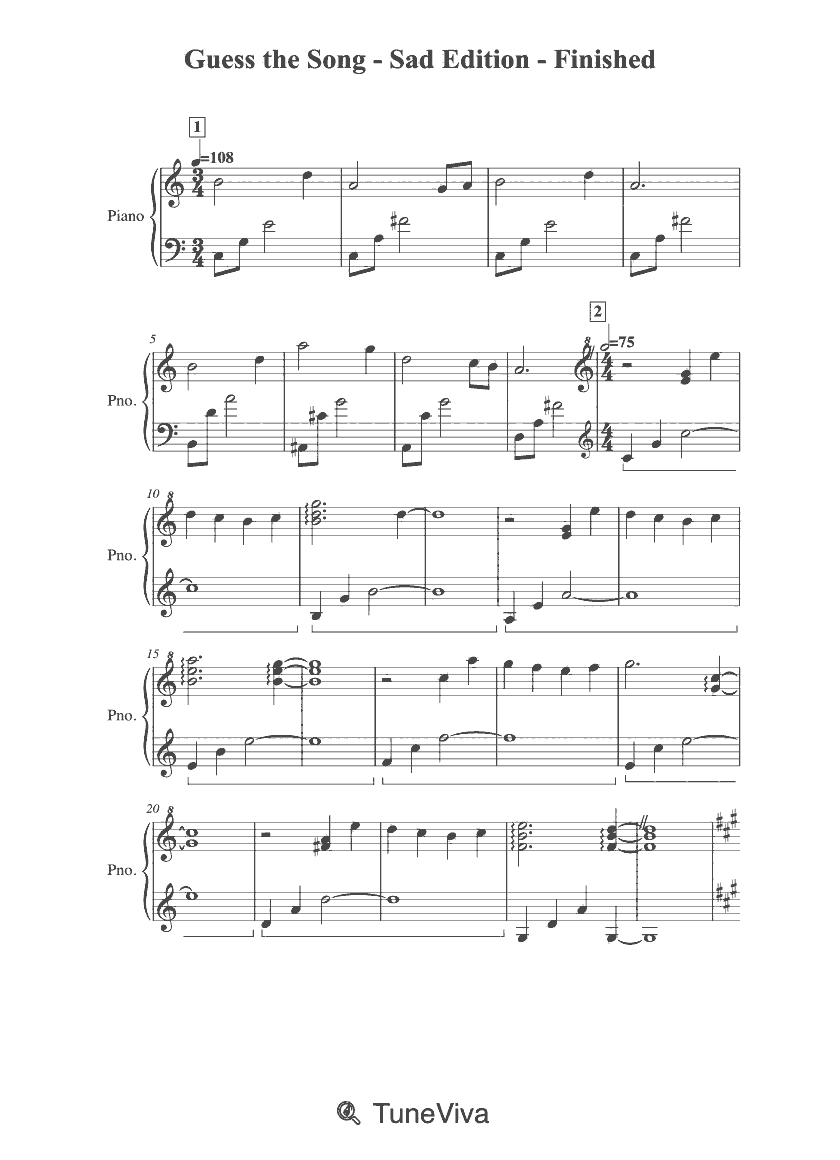
Koji Kondo
Piano · 1 min 20 sec
Open score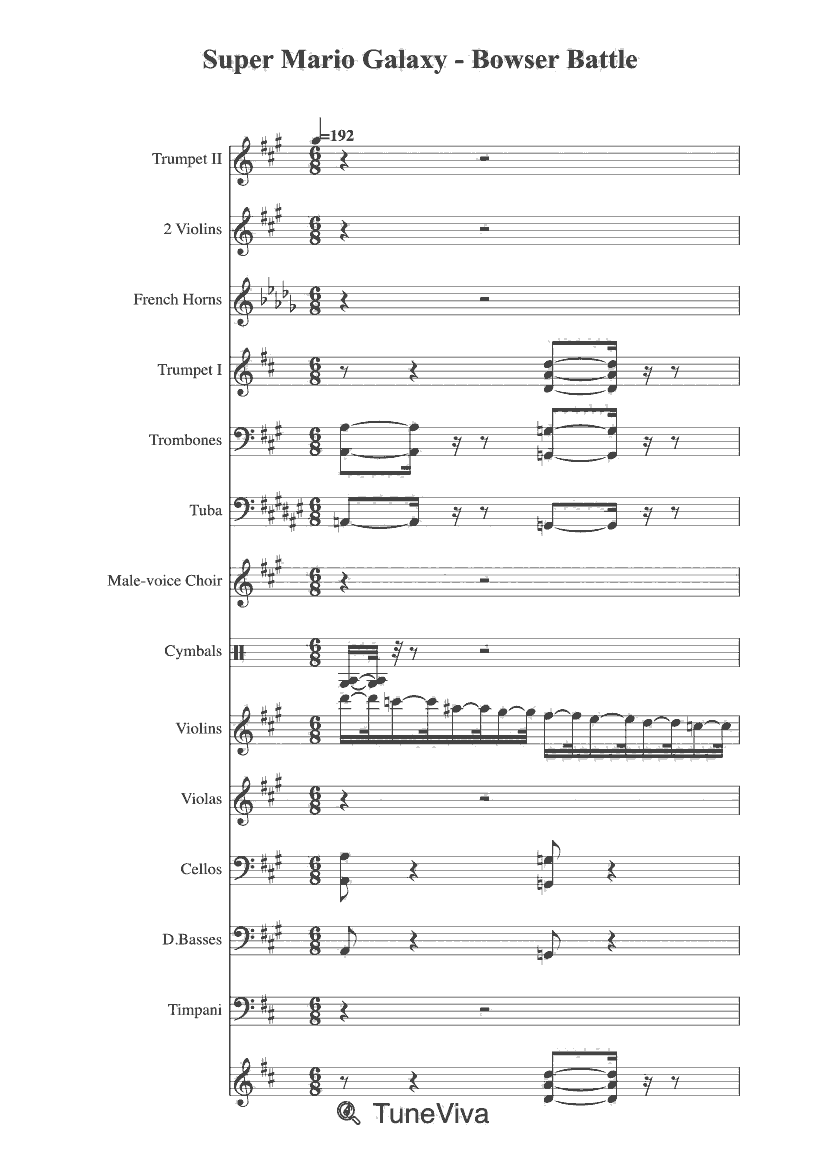
Koji Kondo
Trumpet II; 2 Violins; French Horns +10 parts · 1 min 43 sec
Open score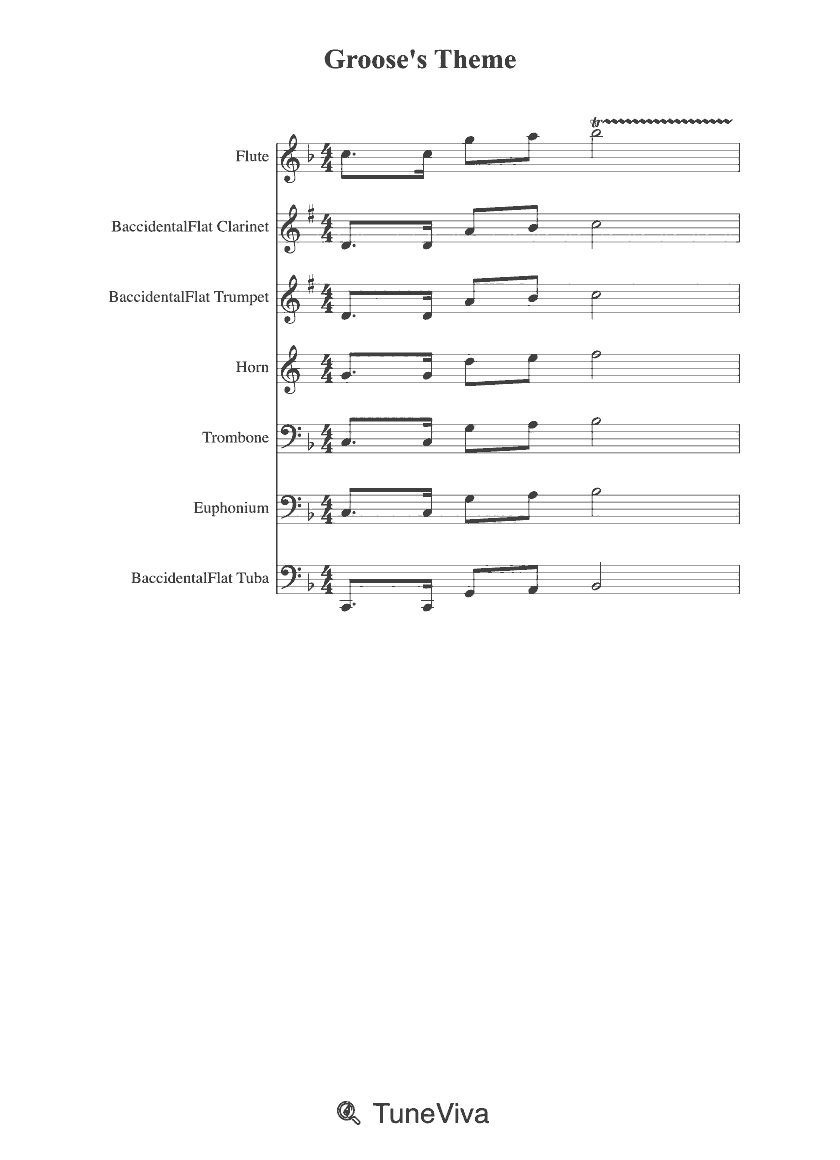
Koji Kondo
Flute; B♭ Clarinet; B♭ Trumpet +4 parts · 1 min 9 sec
Open score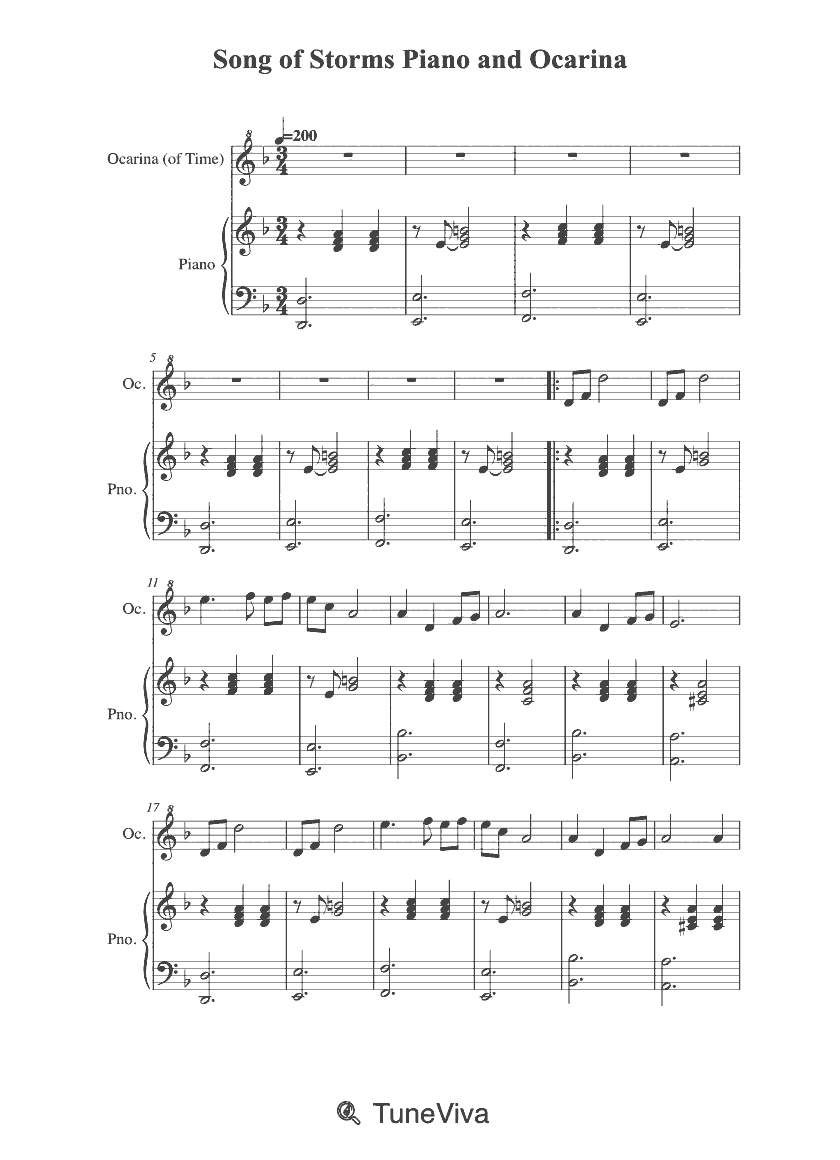
Koji Kondo
The Legend of Zelda
Ocarina (of Time); Piano · 55 sec
Open score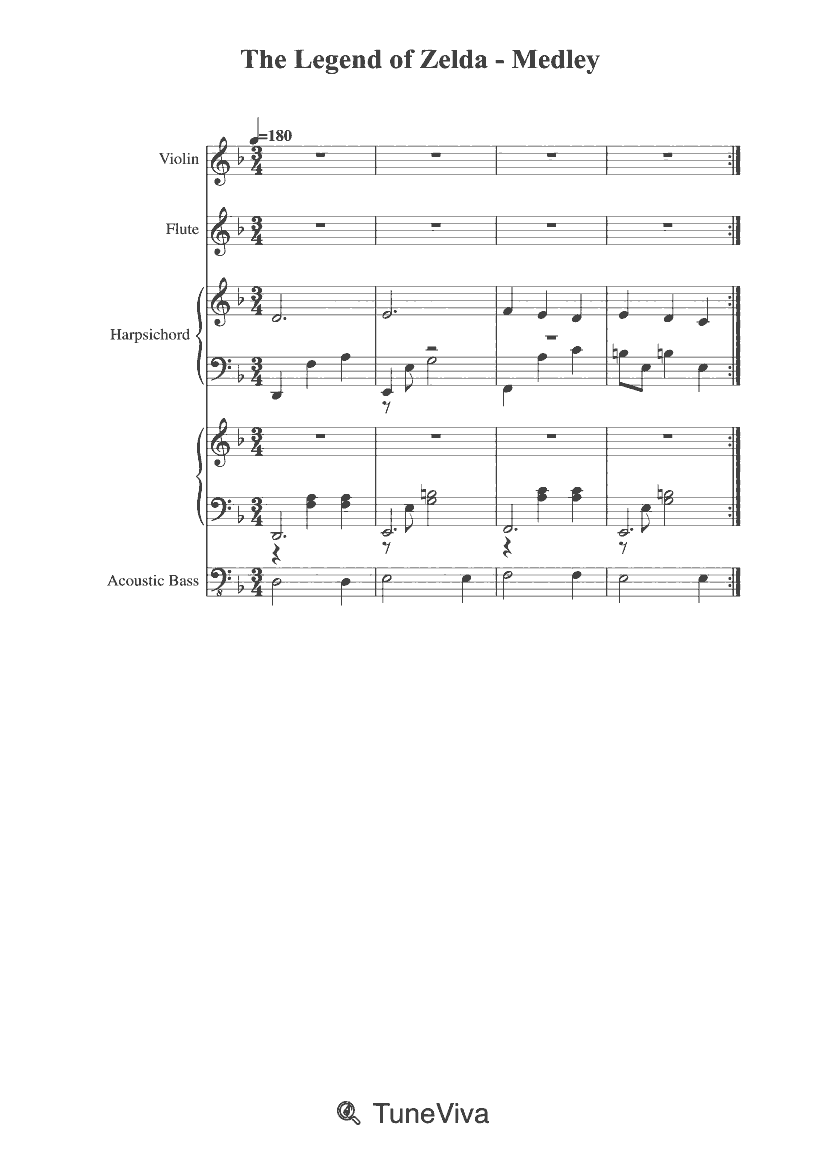
Koji Kondo
Violin; Flute; Harpsichord +2 parts · 3 min 7 sec
Open score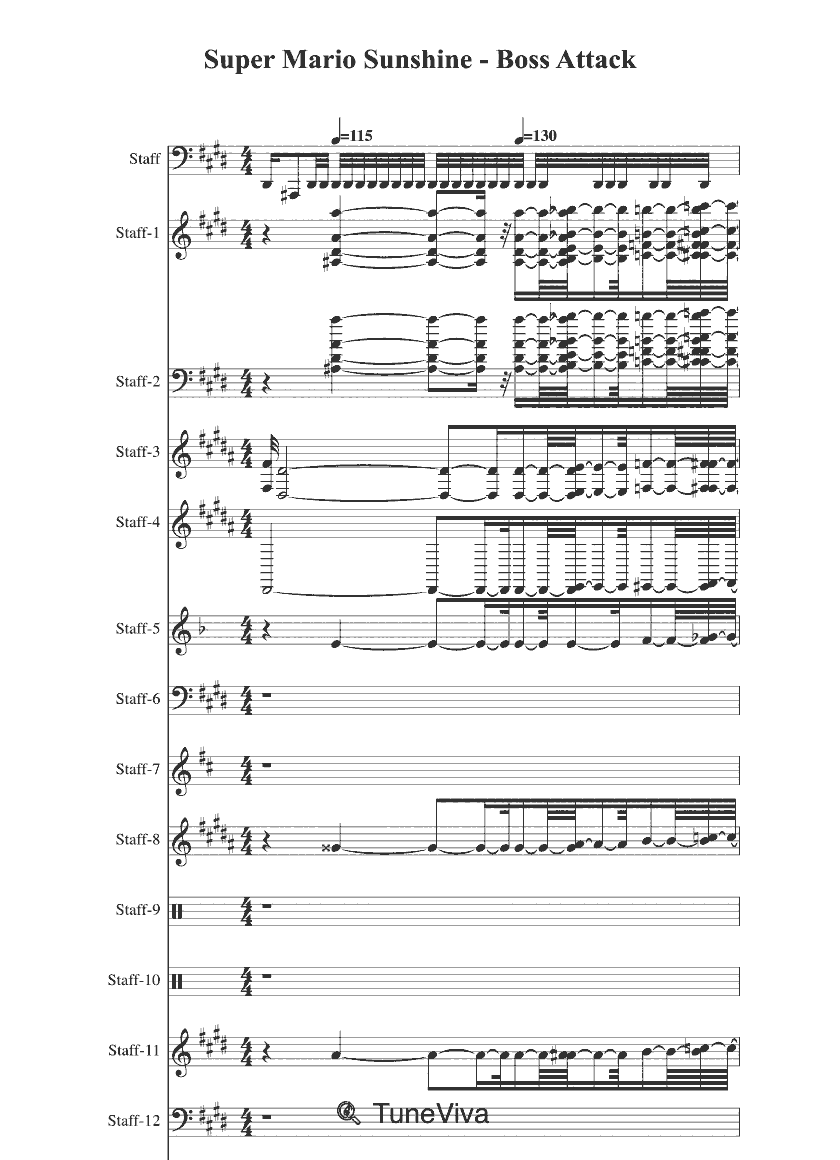
Koji Kondo
Staff; Staff-1; Staff-2 +11 parts · 7 min 22 sec
Open score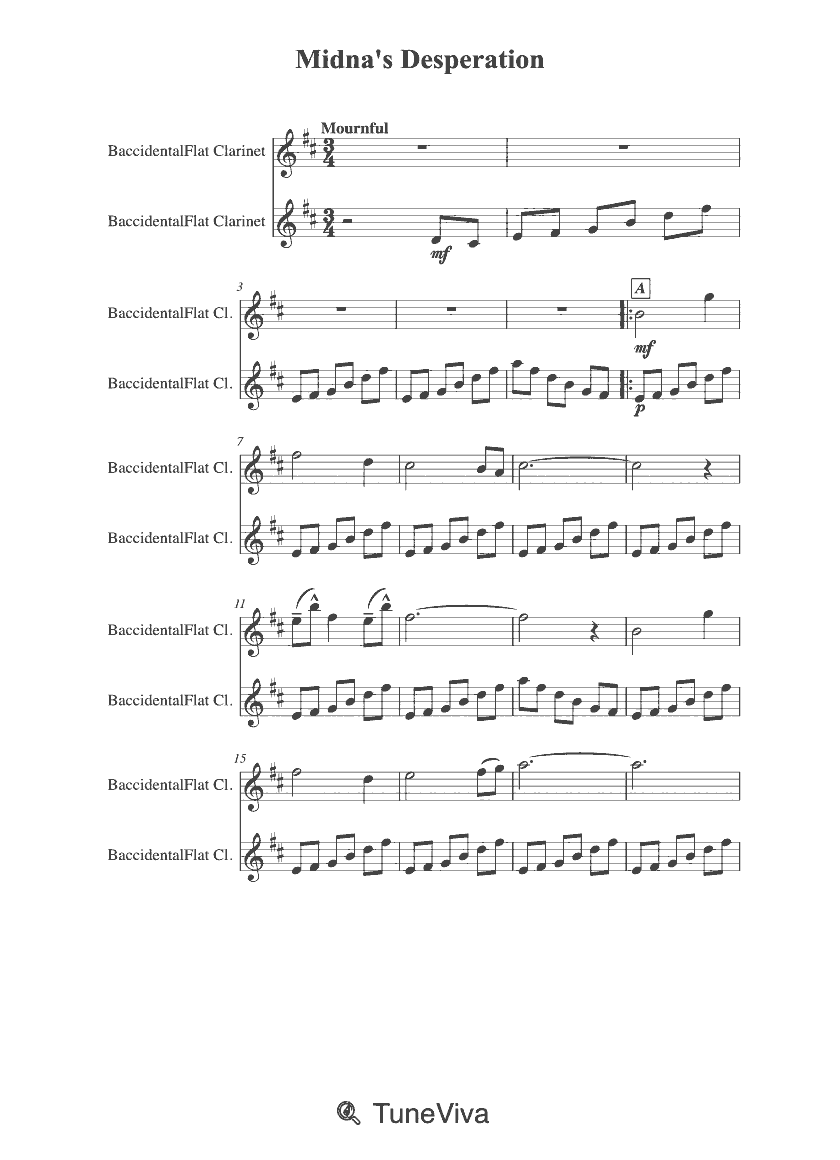
Koji Kondo
From Twilight Princess
B♭ Clarinet · 2 min 0 sec
Open score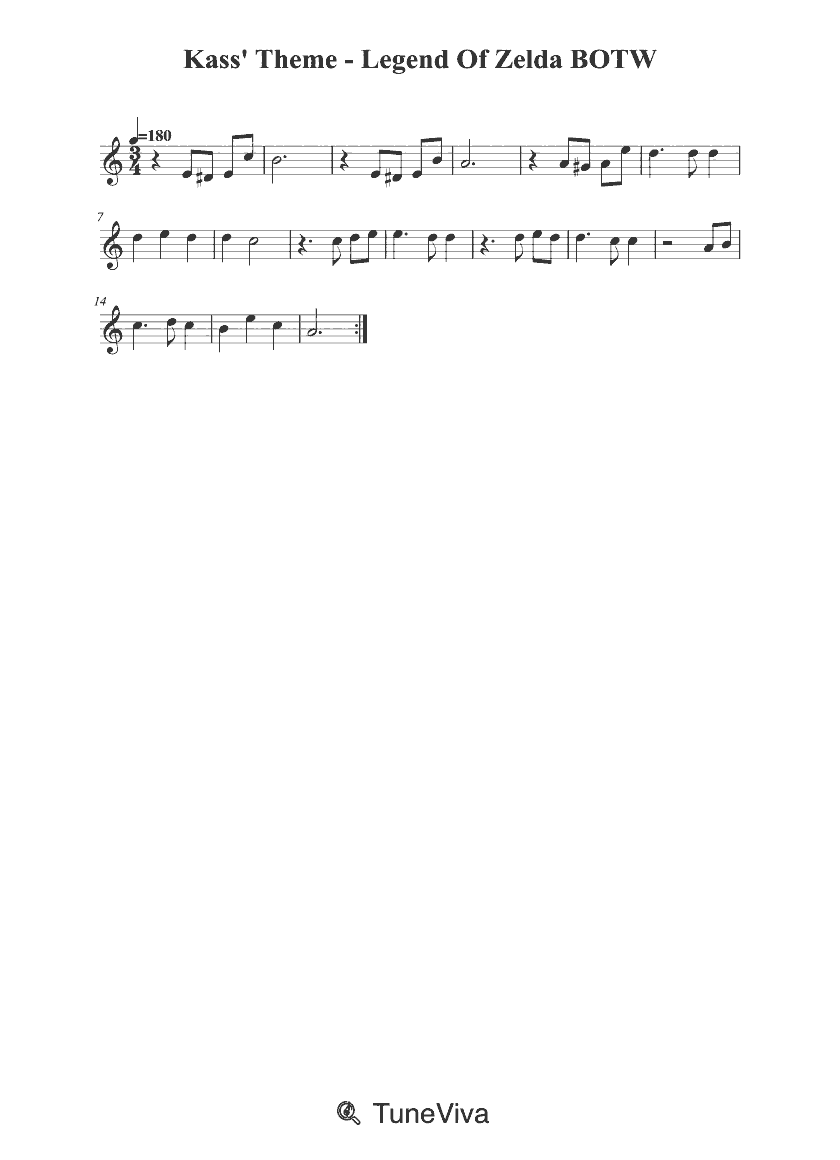
Koji Kondo
Flute · 31 sec
Open score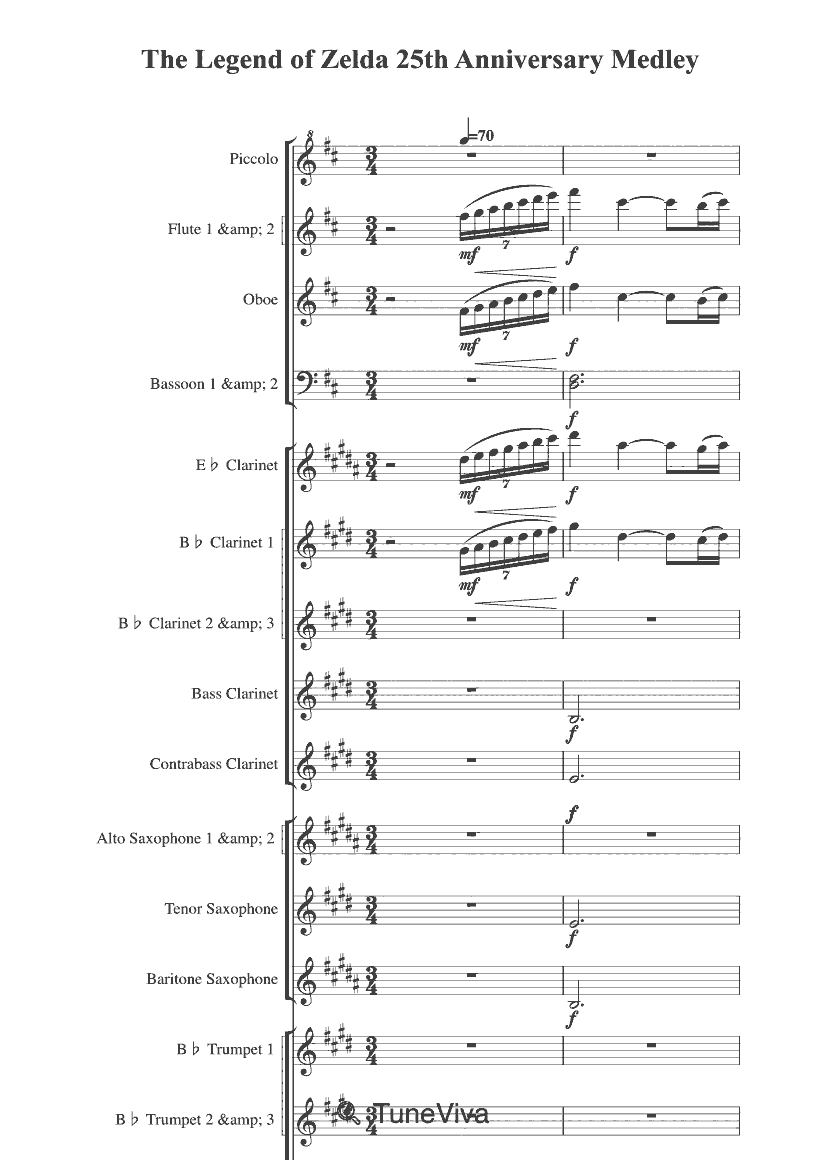
Koji Kondo
Piccolo; Flute 1 & 2; Oboe +25 parts · 10 min 16 sec
Open score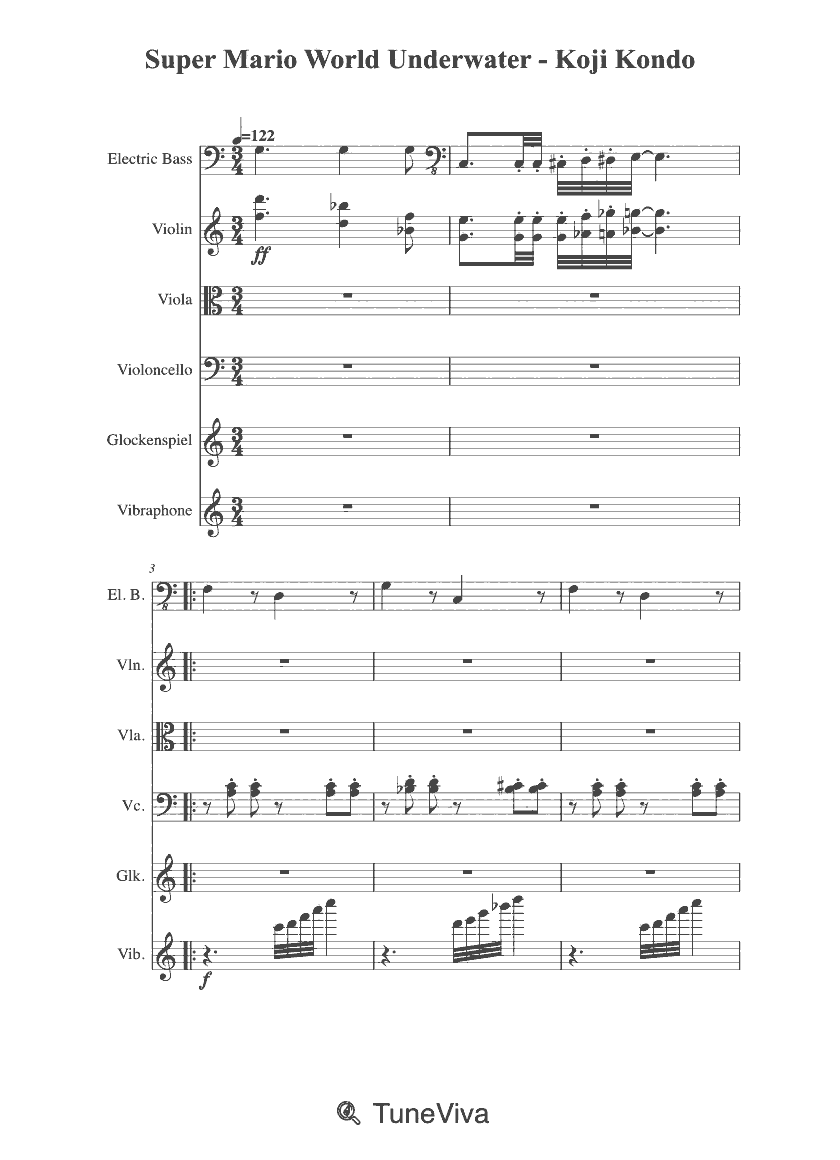
Koji Kondo
Electric Bass; Violin; Viola +3 parts · 3 min 51 sec
Open score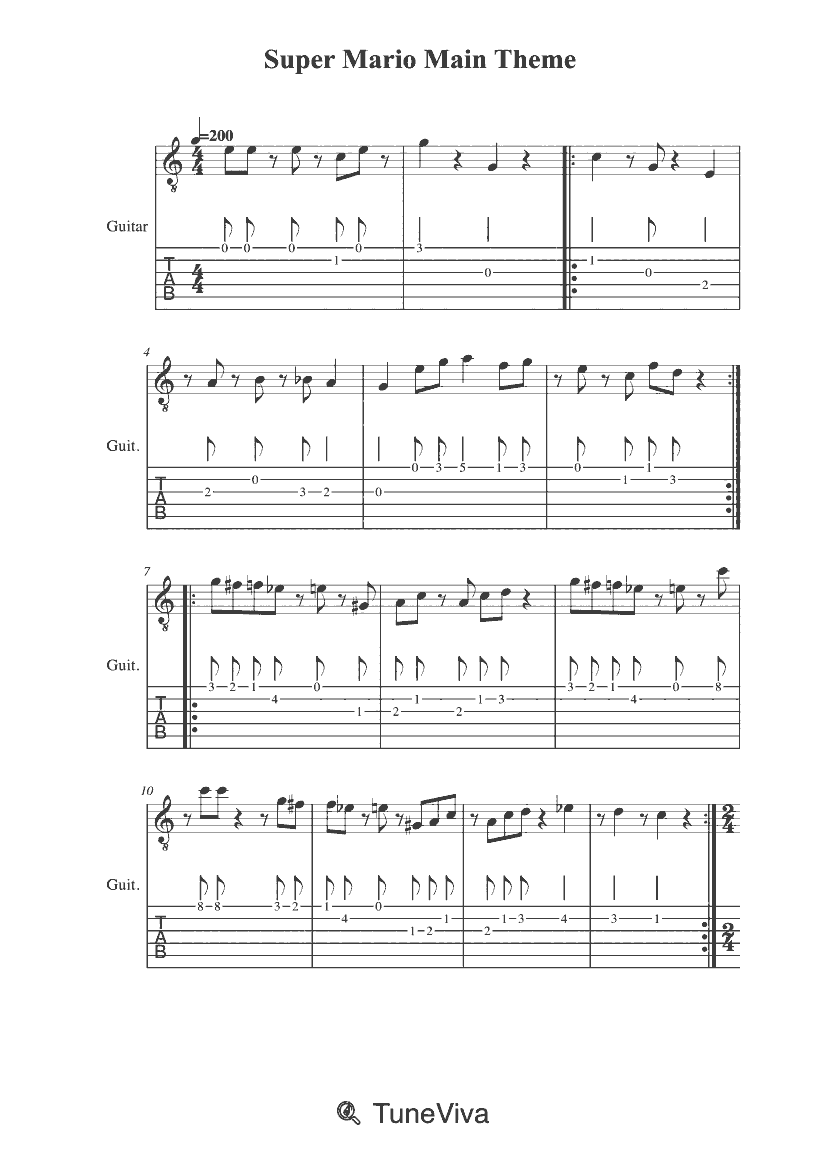
Koji Kondo
Guitar · 2 min 6 sec
Open score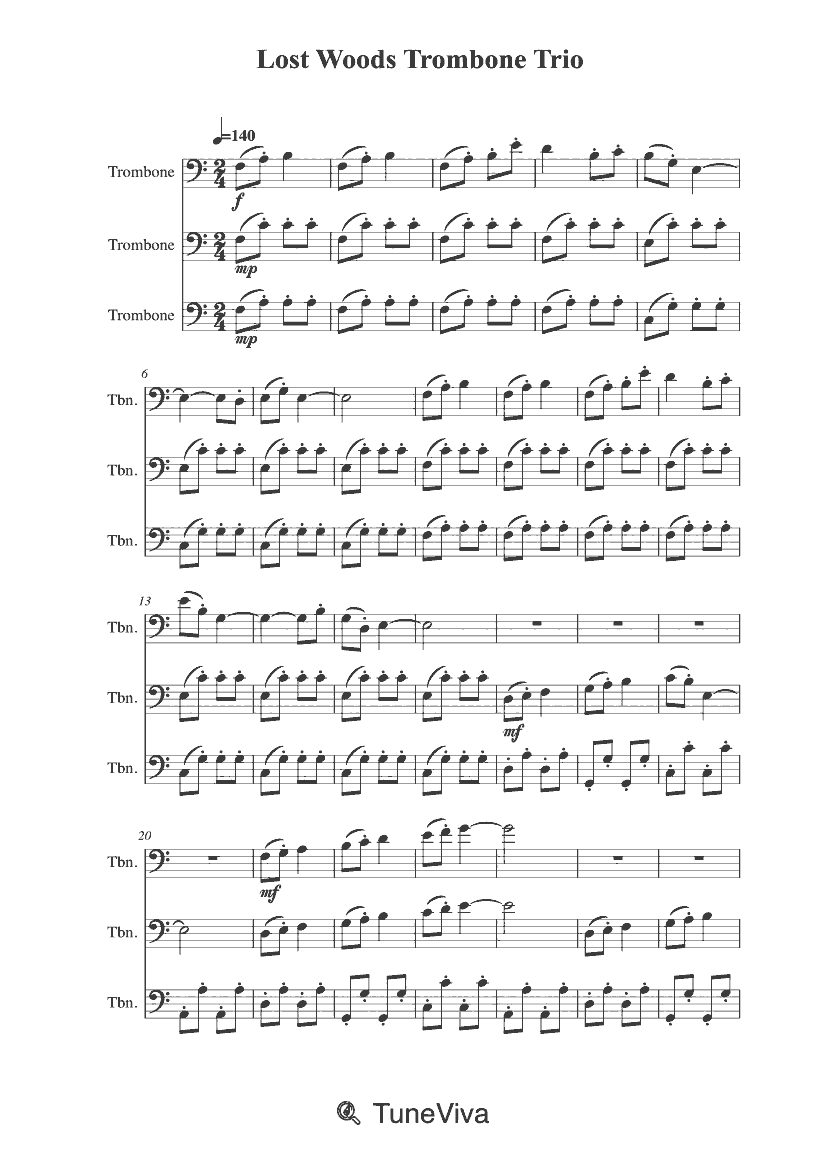
Koji Kondo
Trombone Trio
Trombone · 1 min 2 sec
Open score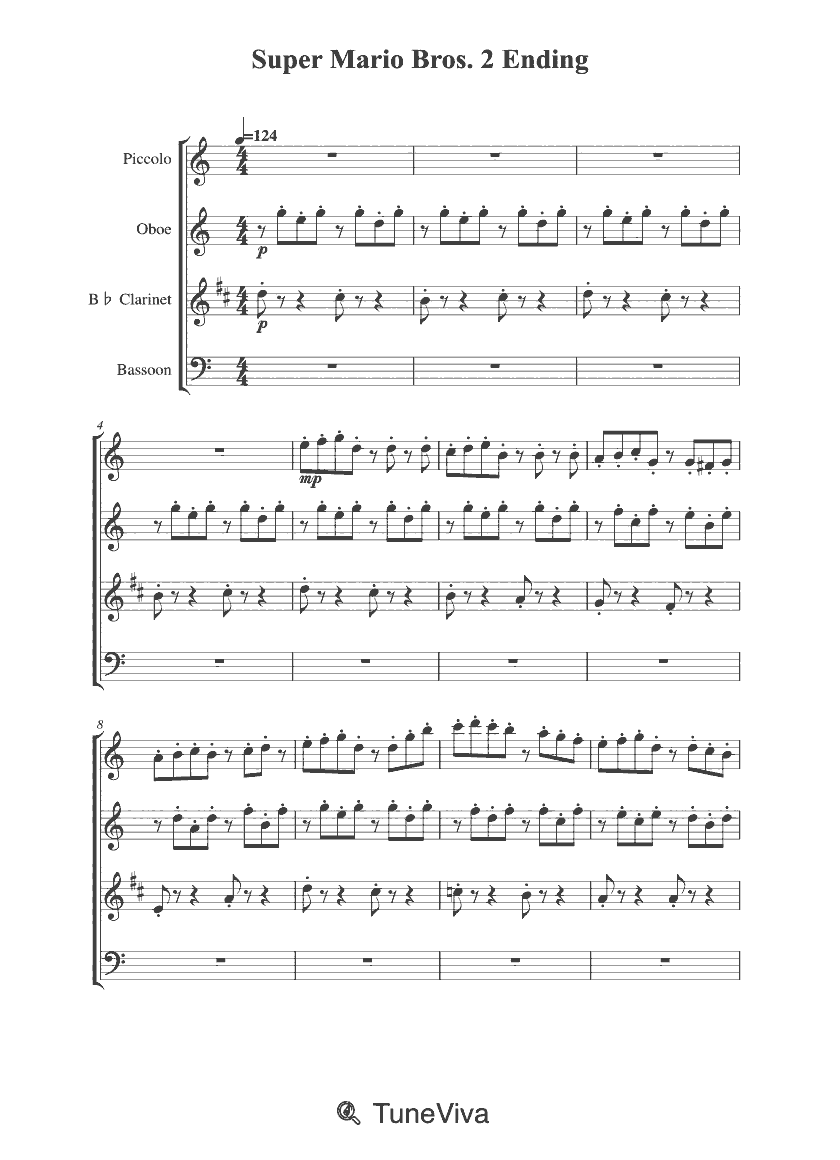
Koji Kondo
Ending
Piccolo; Oboe; B♭ Clarinet +1 parts · 1 min 48 sec
Open score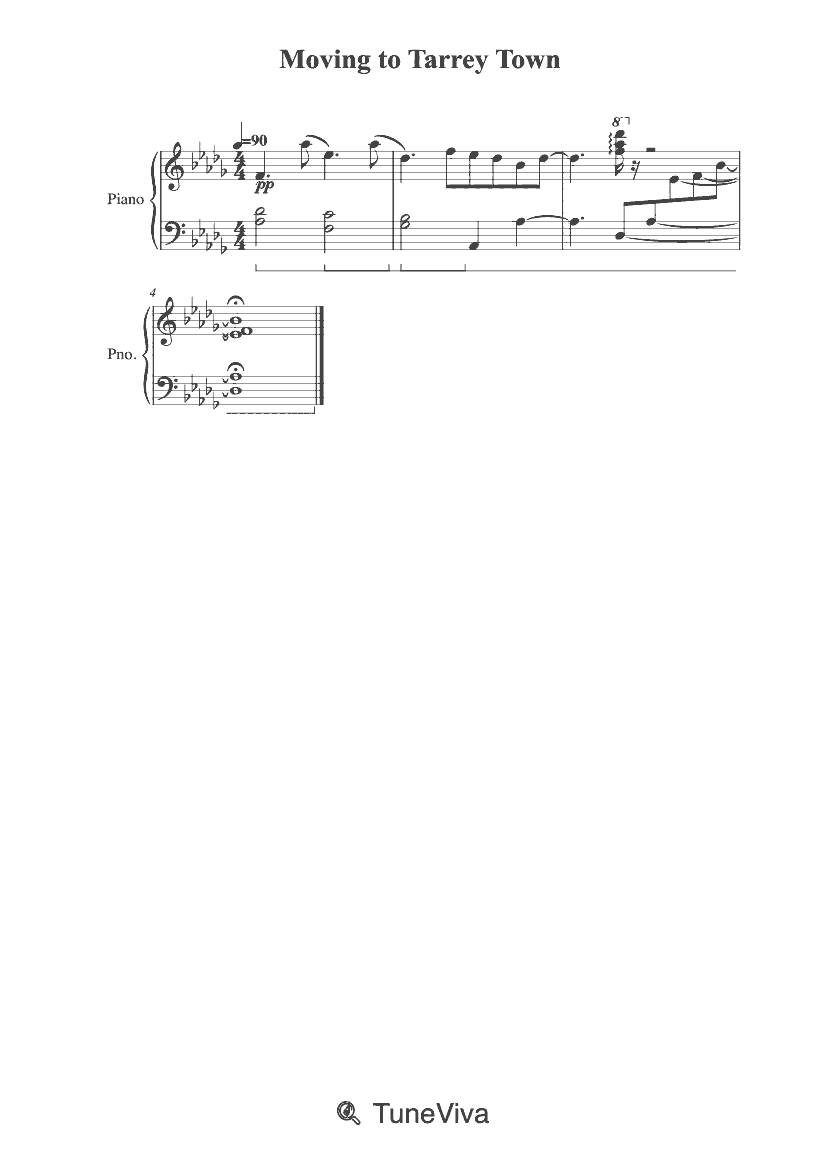
Koji Kondo
Piano · 11 sec
Open score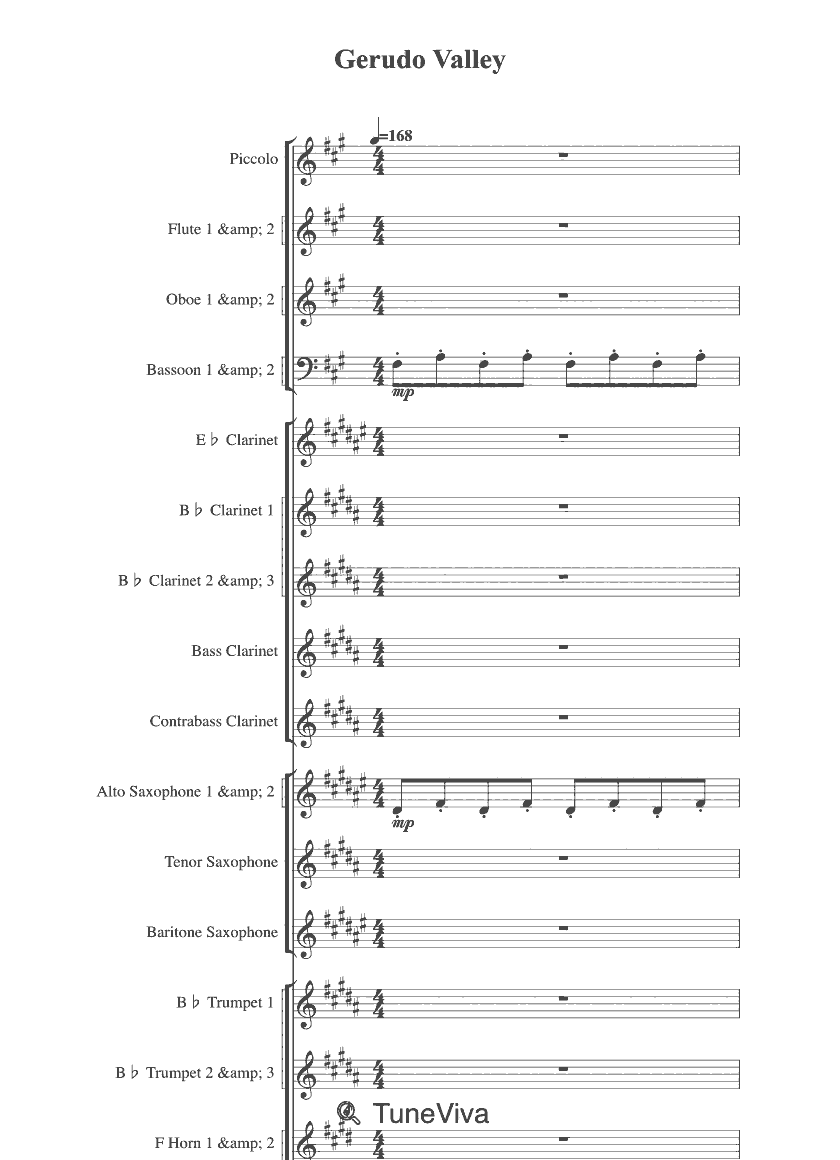
Koji Kondo
Piccolo; Flute 1 & 2; Oboe 1 & 2 +23 parts · 3 min 19 sec
Open score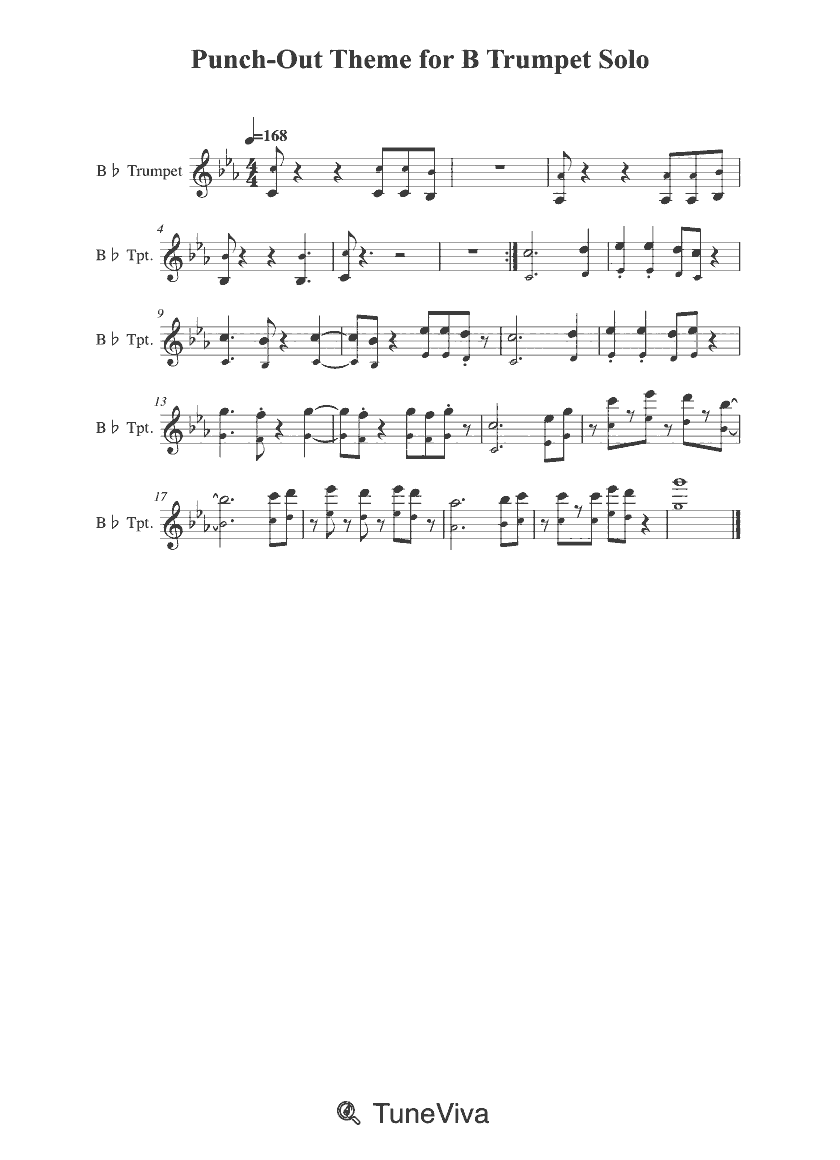
Koji Kondo
B♭ Trumpet · 38 sec
Open score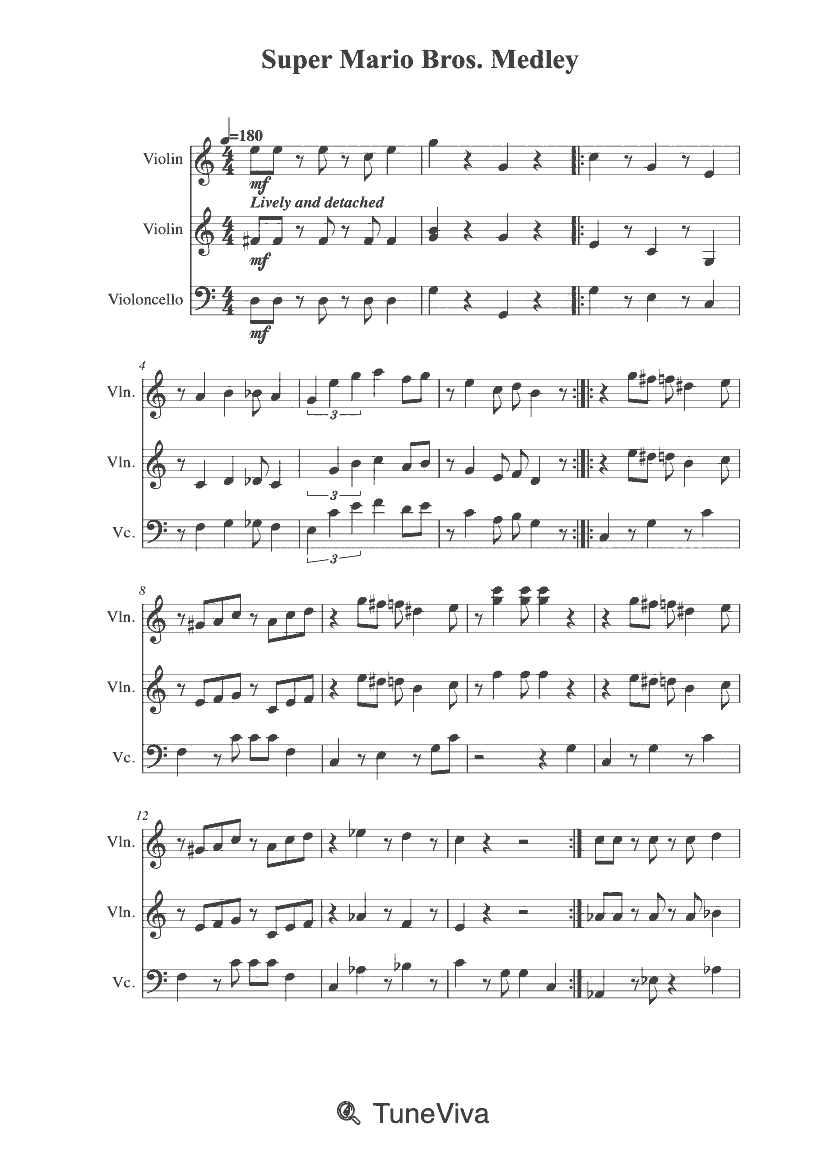
Koji Kondo
For String Trio
Violin; Violoncello · 2 min 44 sec
Open score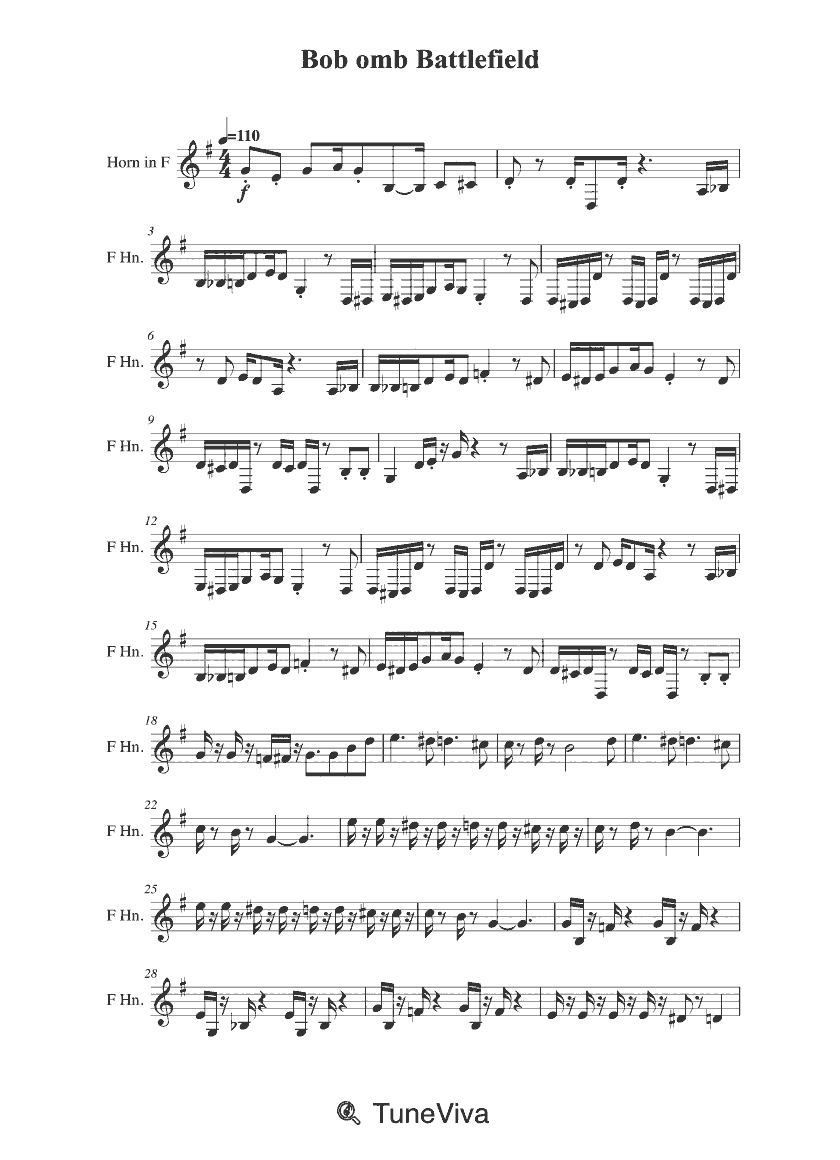
Koji Kondo
Super Mario 64
Horn in F · 1 min 13 sec
Open scorePage 1 of 7
Koji Kondo joined Nintendo in 1984 and became its first dedicated composer. The tunes he wrote for Super Mario Bros. and The Legend of Zelda are now concert repertoire, and Song of Storms, from Ocarina of Time, is the most-viewed score on this page by a wide margin. TuneViva's 127 Kondo entries are community transcriptions rather than official Nintendo publications, so readings vary in accuracy and arrangement. They cover the NES and SNES era through Ocarina of Time, Super Mario Galaxy and later Zelda titles, with 18 scores above the catalog's default complexity. Koji Kondo sheet music gives players access to themes from some of Nintendo's best-known games. Kondo was born in Nagoya on 13 August 1961 and joined Nintendo in 1984 as its first dedicated composer; he is best known for his work on the Super Mario and The Legend of Zelda series. His Super Mario Bros. theme became the first piece of video-game music added to the American National Recording Registry. The versions collected here range from a solo ocarina line to a fourteen-part ensemble, so check each listing's parts and length before choosing a score.
Kondo was born in Nagoya on 13 August 1961 and studied at the art planning department of Osaka University of Arts. He was not classically trained in the conservatory sense; he learned piano and picked up programming on the Famicom, which mattered because early console music had to be written within tight hardware limits. He applied to Nintendo in 1984 and was hired that year, working first on audio for the arcade Punch-Out!!.
Super Mario Bros. followed in 1985. Its main theme was built from short repeated segments designed to loop without becoming tiresome, and it became the first video-game music added to the American National Recording Registry. The Legend of Zelda in 1986 gave him a different problem: distinguishing overworld from dungeon by ear, which he solved by contrasting two strongly characterised pieces. Ocarina of Time in 1998 was the last project he scored alone. Later work was often collaborative or supervisory, including Super Mario Galaxy in 2007 with Mahito Yokota.
That history matters when reading the catalog. The 127 scores carry soundtrack, rock and rock-metal tags, and none have lyrics. Titles such as Guess the Song - Sad Edition - Finished and the Zelda medleys are arrangements or quizzes rather than single pieces, and the catalog also lists pieces from games where Kondo was sound director rather than sole composer. Treat each transcription as a fan's reading of the music, useful for playing but not an authorised edition.
Kondo's musical character: Kondo's best-known game music is built from compact, repeatable ideas. The Super Mario Bros. melodies were written so short segments could repeat during play without becoming tiresome, and the Ground Theme is set in C major at 100 beats per minute with a swing rhythm and prominent syncopation. Later versions of that theme often adopt a calypso feel led by steel drums.
Choosing among the arrangements: The scores here are not interchangeable. Gerudo Valley lists guitar, C trumpet, bass guitar, wood blocks and maracas; Bowser Battle lists brass, strings, male-voice choir, timpani and percussion; Zelda's Lullaby is for solo ocarina; and the Zelda medley is for violin, viola and cello. Check the listed forces and the length before deciding whether a version suits your instrument or ensemble.
A self-taught route into game music: Kondo studied at Osaka University of Arts but was never classically trained; he learned electronic organ from age five, played marimba in his elementary school band, and performed jazz and rock in a cover band. He also gained composing, arranging and programming experience using a piano and Famicom BASIC, which helps explain the practical, hardware-aware shape of his early console music.
From NES loops to Ocarina of Time: Super Mario Bros., released in 1985, was Kondo's first major score, and its Ground Theme was one of six themes he wrote for the game. The Legend of Zelda: Ocarina of Time followed in 1998 on Nintendo 64; Kondo wrote its soundtrack, and players must perform songs on an ocarina to advance. That contrast—short NES loops on one side, a 3D adventure with music as a progression tool on the other—is useful context for reading the scores here.
No. They are community transcriptions hosted by TuneViva, not publications authorised by Nintendo.
Mostly Super Mario and The Legend of Zelda titles, from the 1980s through Super Mario Galaxy and Breath of the Wild.
Not necessarily. Some later games had multiple composers, and Kondo sometimes worked as sound director rather than sole composer.
Koji Kondo is a Japanese composer and Nintendo senior executive best known for his music for the Super Mario and The Legend of Zelda series. His Super Mario Bros. theme became the first piece of video-game music added to the American National Recording Registry.
The Super Mario Bros. theme was the first piece of music from a video game included in the American National Recording Registry, added in 2023. The theme has also been performed in more than 50 concerts and became a best-selling ringtone.
The Super Mario Bros. Ground Theme is in C major at 100 beats per minute, with a swing rhythm and prominent syncopation. The original was written within the NES's 8-bit sound limitations; later game versions often use a calypso style led by steel drums.
Koji Kondo was not classically trained in the conservatory sense. He began Yamaha Music classes in kindergarten, learned electronic organ from age five, played marimba in his elementary school band, and later performed in a cover band playing jazz and rock; he studied at Osaka University of Arts but was not academically dedicated to music.
Koji Kondo applied to Nintendo in 1984 and was hired as its first dedicated composer. His first work there was audio design for the 1984 arcade game Punch-Out!!, and he was the third person hired by Nintendo to create music and sound effects.
Kondo wrote and rejected Super Mario Bros. pieces until they accentuated the action, lined up with Mario's running and jumping, and harmonized with the sound effects. The Ground Theme also speeds up when the player has less than 100 units of time left in a stage.
Koji Kondo wrote the soundtrack for The Legend of Zelda: Ocarina of Time, the 1998 Nintendo 64 adventure. Players must play songs on an ocarina to progress, making the game's music part of its puzzle and progression structure.
Instrumentation varies by arrangement. Gerudo Valley lists guitar, C trumpet, bass guitar, wood blocks and maracas; Bowser Battle lists brass, strings, male-voice choir, timpani and percussion; Zelda's Lullaby is for solo ocarina; and The Legend of Zelda: Medley is for violin, viola and cello.