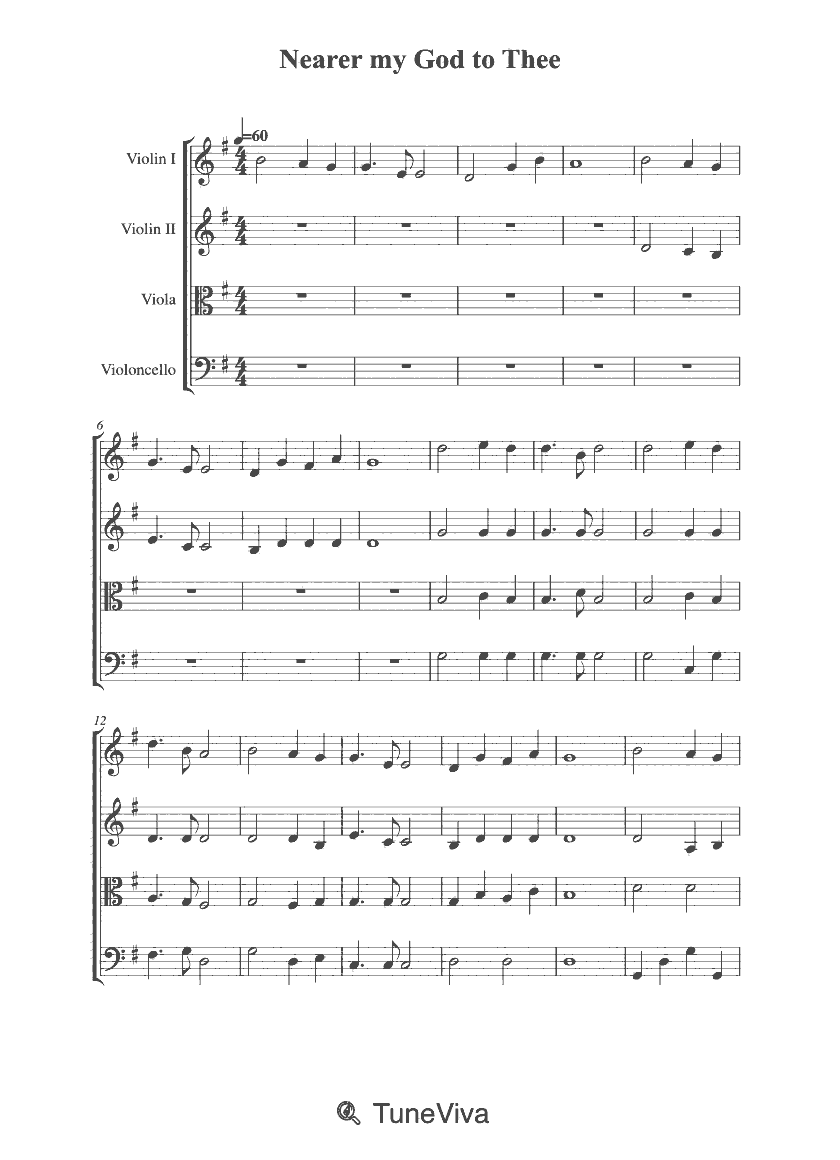
Nearer my God to Thee
Lowell Mason
Titanic
Violin I; Violin II; Viola +1 parts · 4 min 48 sec
Open score244 Lowell Mason scores, including Nearer, My God, to Thee, My Faith Looks Up to Thee and Mary Had a Little Lamb, from the pioneer of American singing schools.
Violin I; Violin II; Viola +1 parts · 4 min 48 sec
The most-viewed score here: Bethany, the tune most English-speaking congregations know.
Other editions:
Mason's 1830s setting of the nursery rhyme, written for the singing classes he taught in Boston.
The tune Olivet, composed in 1832 for Ray Palmer's text and issued here in a four-part version.
A consolatory hymn filed under its first line; the catalogue dates the source printing to 1830.
A short devotional hymn filed under its first line rather than a tune name.
The tune Watchman, dated 1831 in the tenth edition of the Handel and Haydn Society Collection.
A Christmas hymn from the 1844 group of printings, in the same four-square mould as his other tunes.
The Antioch arrangement in four parts, the version that made the carol a fixture of American Christmas.
Isaac Watts's hymn sung to Hamburg, the chant-derived tune Mason adapted for congregational use.
Compare the instrument and arrangement details below, then open a score to check the notation. Different entries may be arrangements or editions of the same work; available playback tools are shown on each score page.
Lowell Mason
Titanic
Violin I; Violin II; Viola +1 parts · 4 min 48 sec
Open score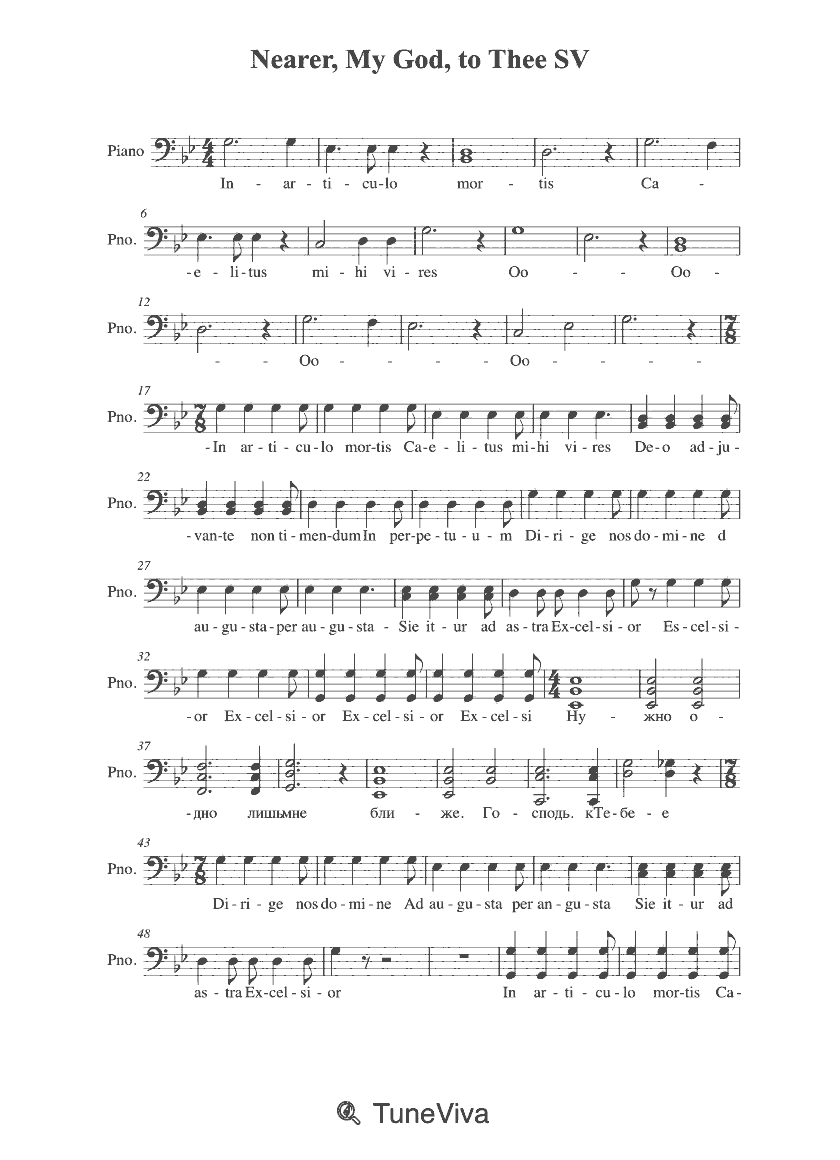
Lowell Mason
Piano · 2 min 13 sec
Open score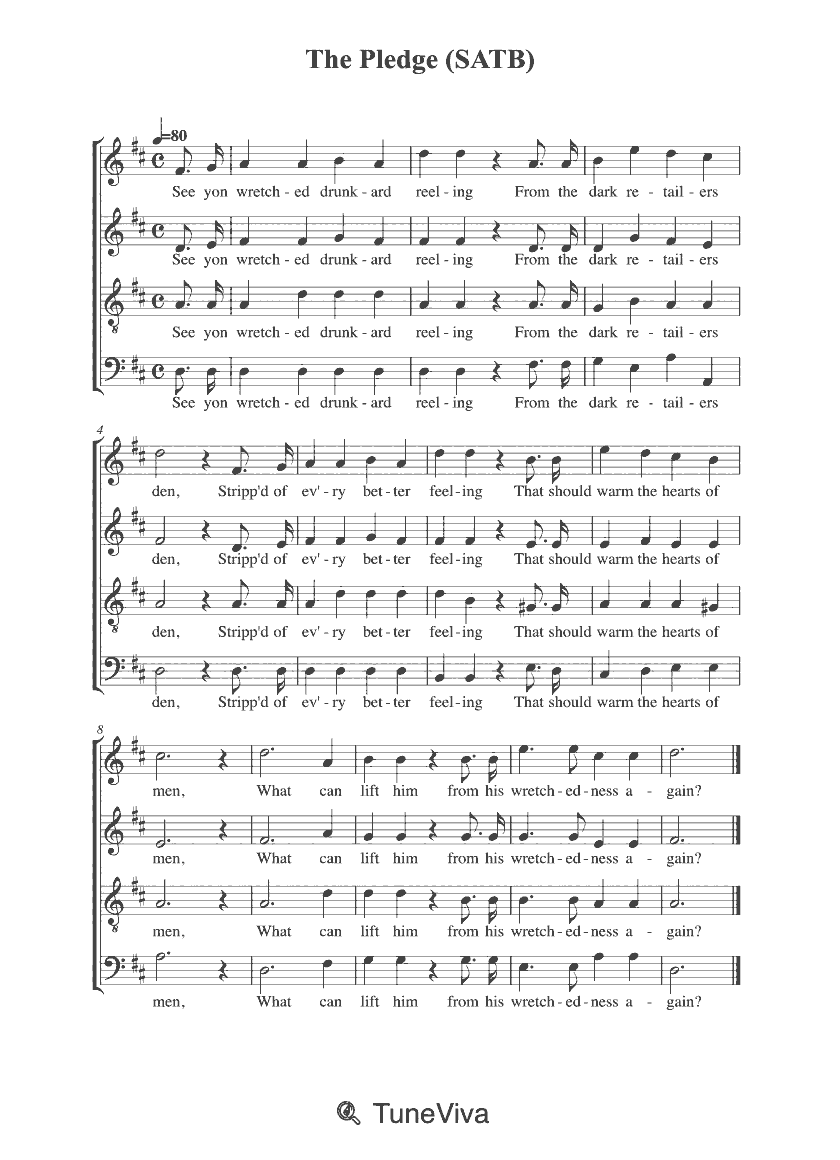
Lowell Mason
fra Union Temperance Song Book Boston 1859
Soprano; Alto; Tenor +1 parts · 36 sec
Open score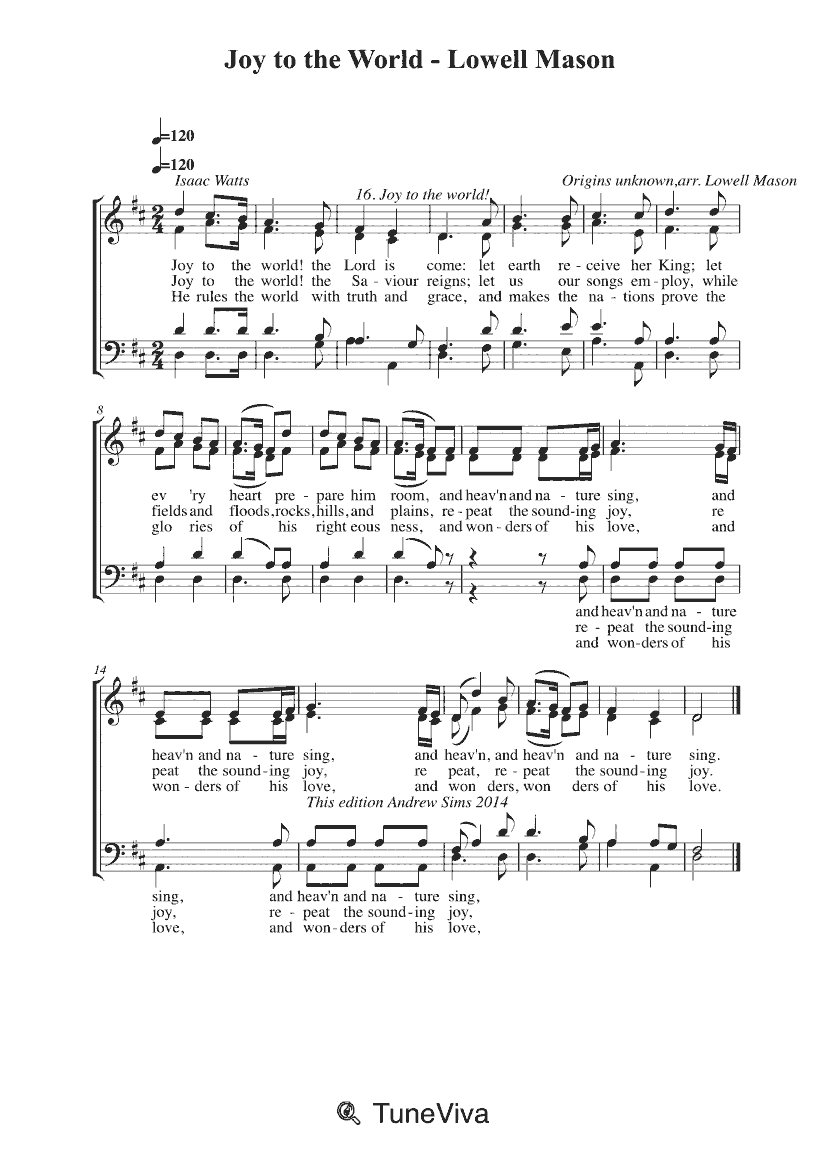
Lowell Mason
Midi_74 · 19 sec
Open score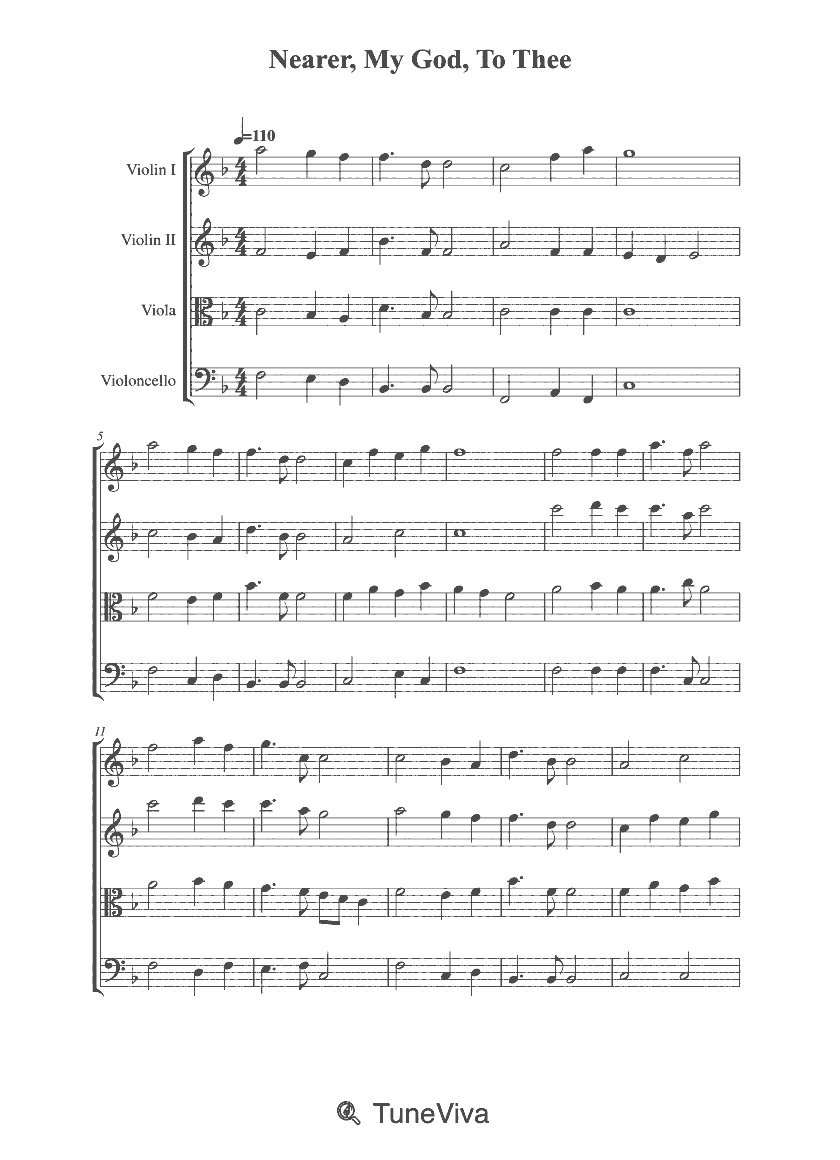
Lowell Mason
Violin I; Violin II; Viola +1 parts · 1 min 10 sec
Open score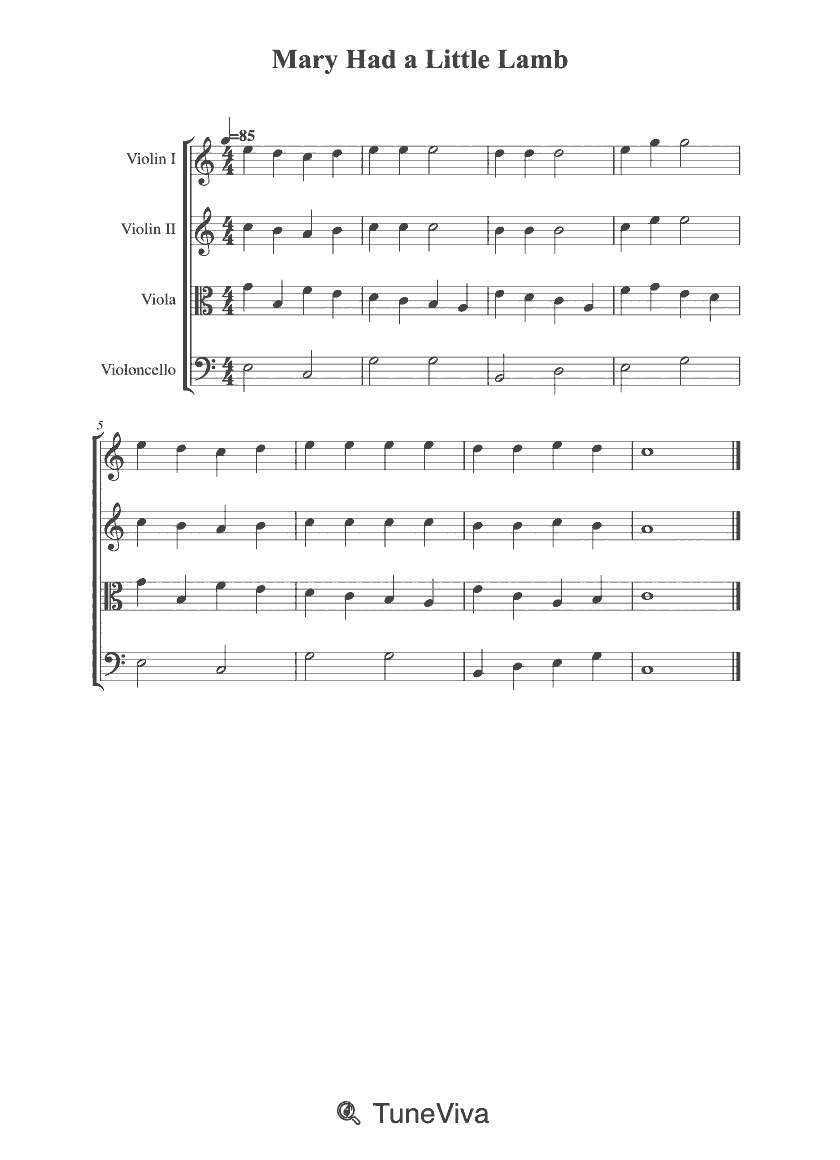
Lowell Mason
Violin I; Violin II; Viola +1 parts · 23 sec
Open score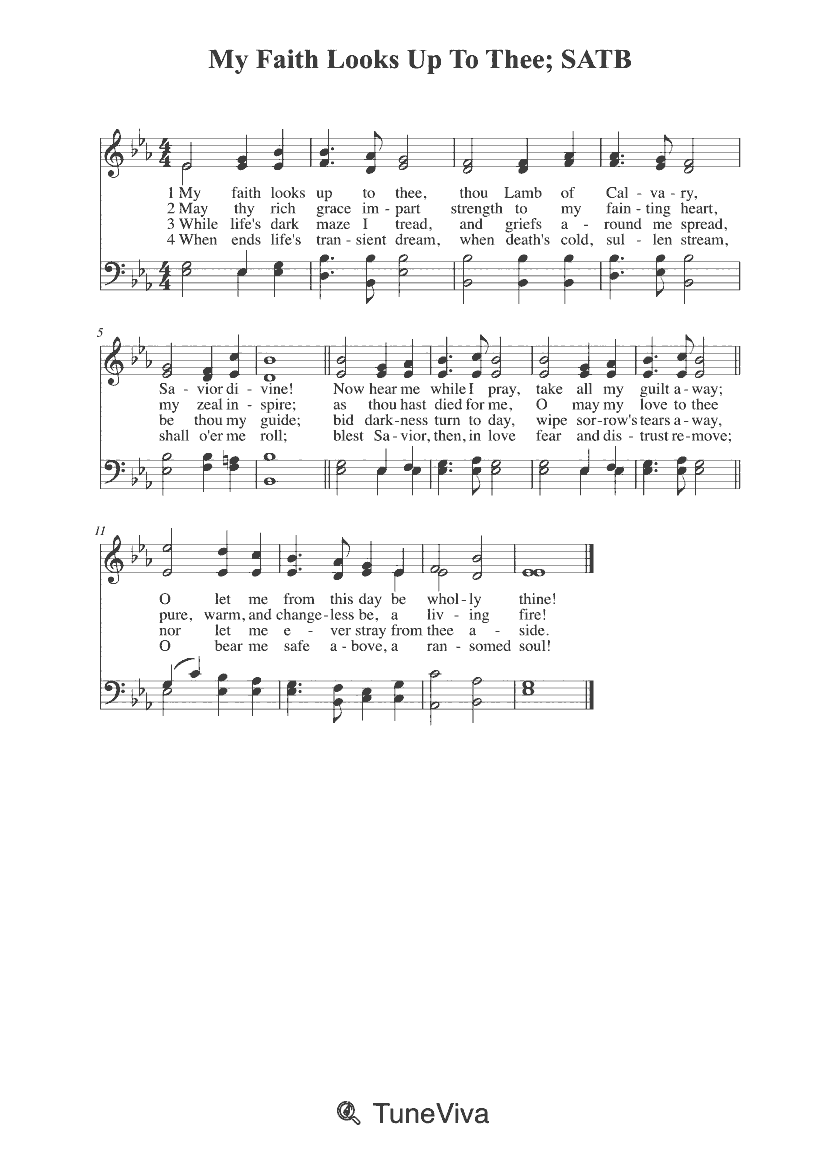
Lowell Mason
Pipe Organ · 31 sec
Open score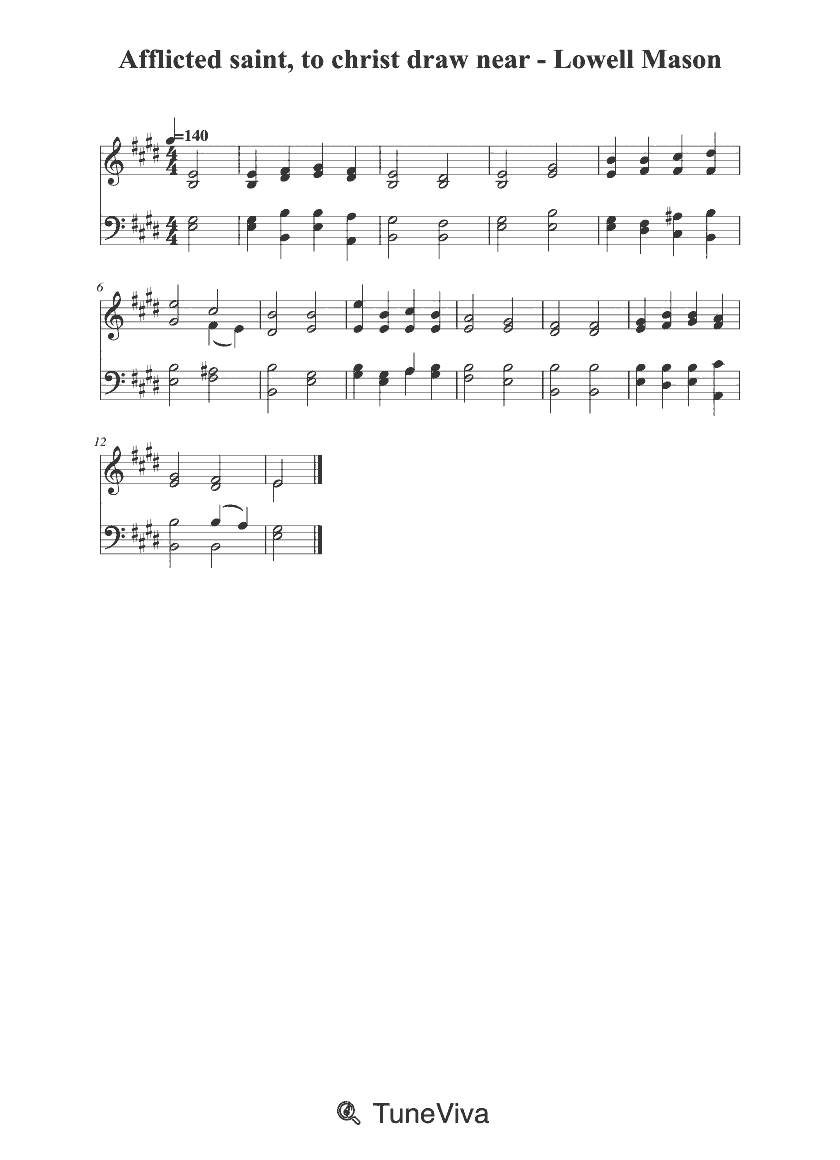
Lowell Mason
20 sec
Open score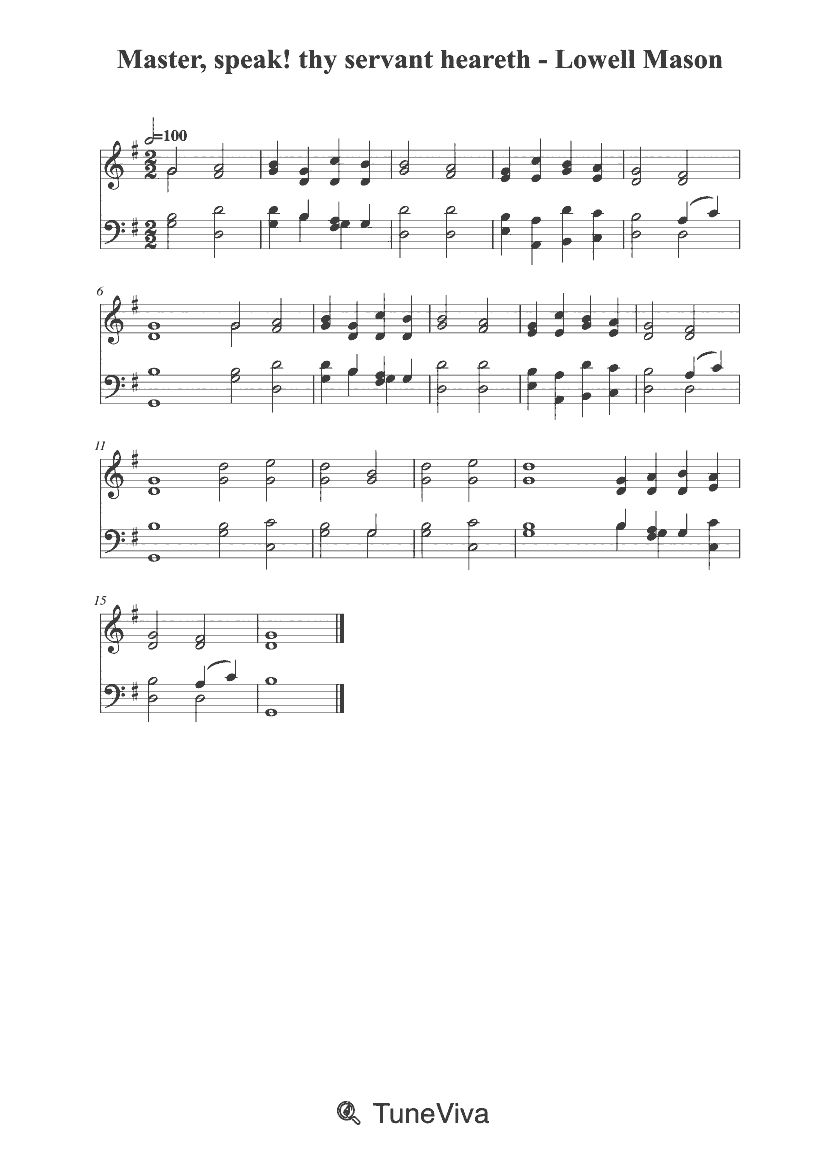
Lowell Mason
41 sec
Open score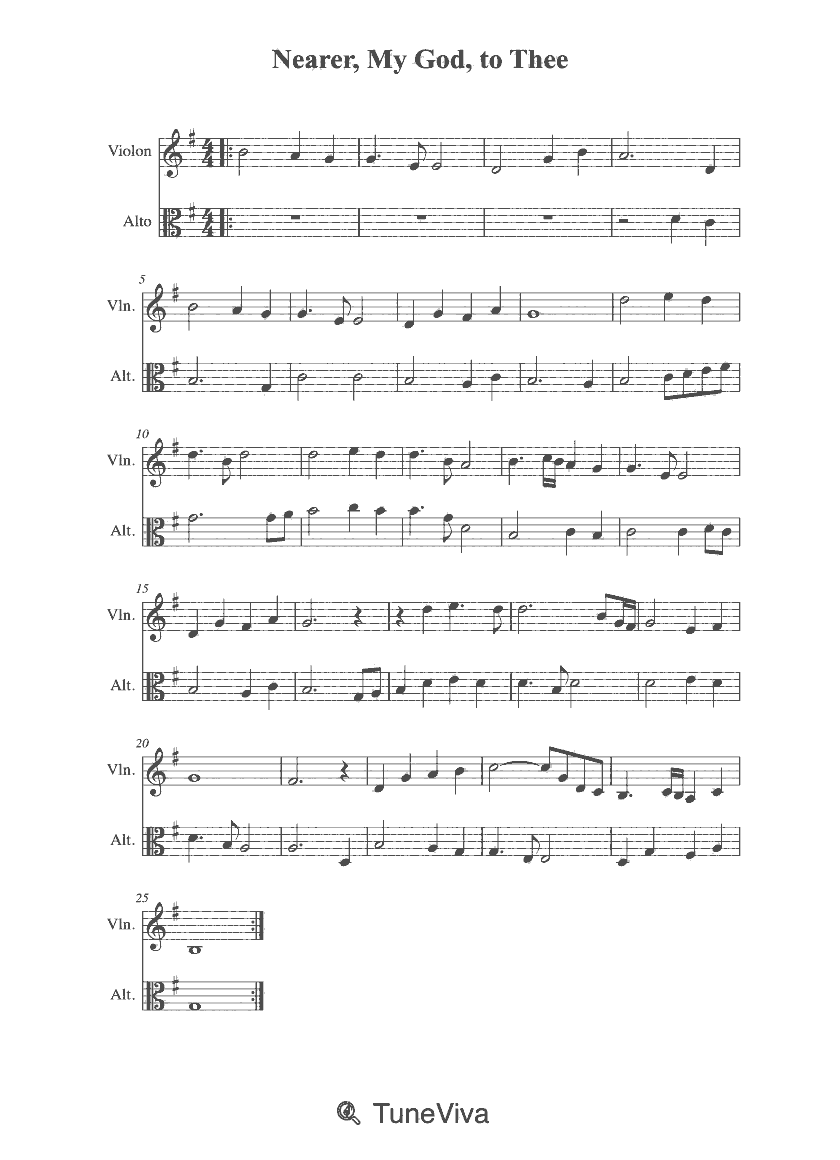
Lowell Mason
Arranged by Heidi-Jeanne Thibault
Violon; Alto · 1 min 40 sec
Open score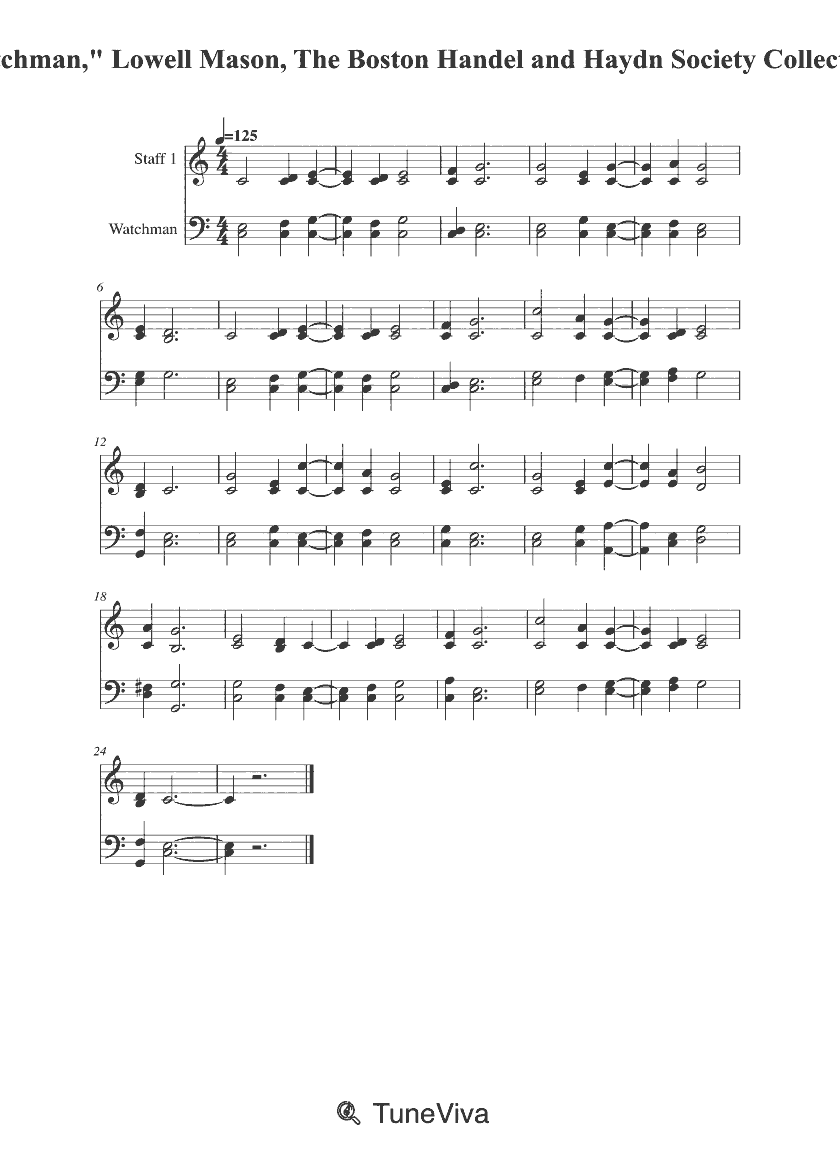
Lowell Mason
Staff 1; Watchman · 48 sec
Open score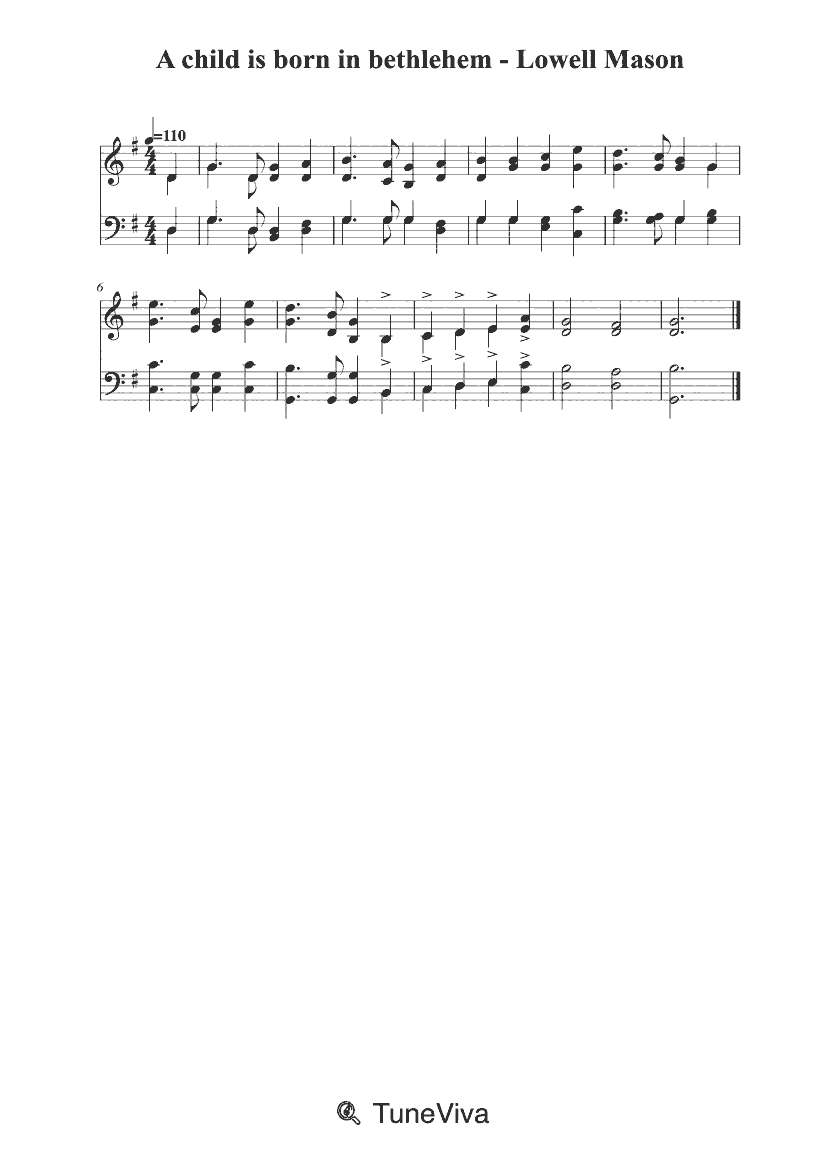
Lowell Mason
15 sec
Open score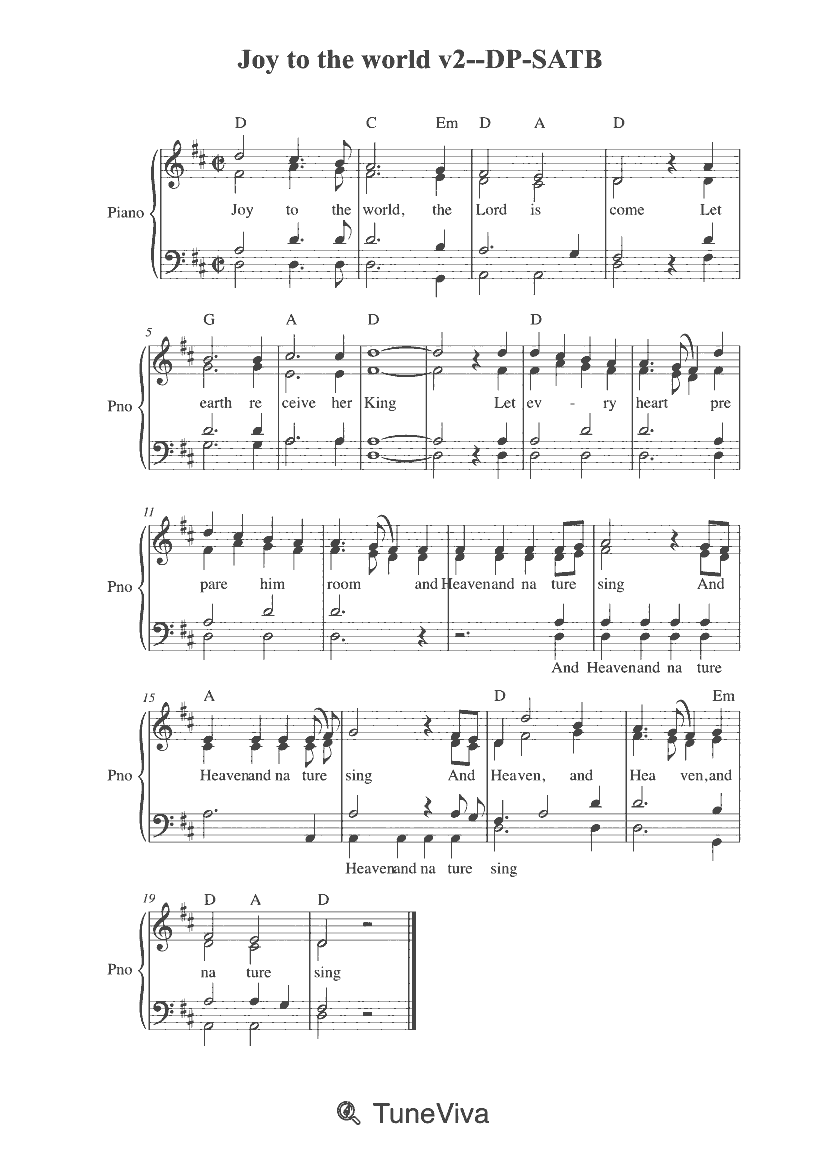
Lowell Mason
Piano · 2 min 28 sec
Open score
Lowell Mason
32 sec
Open score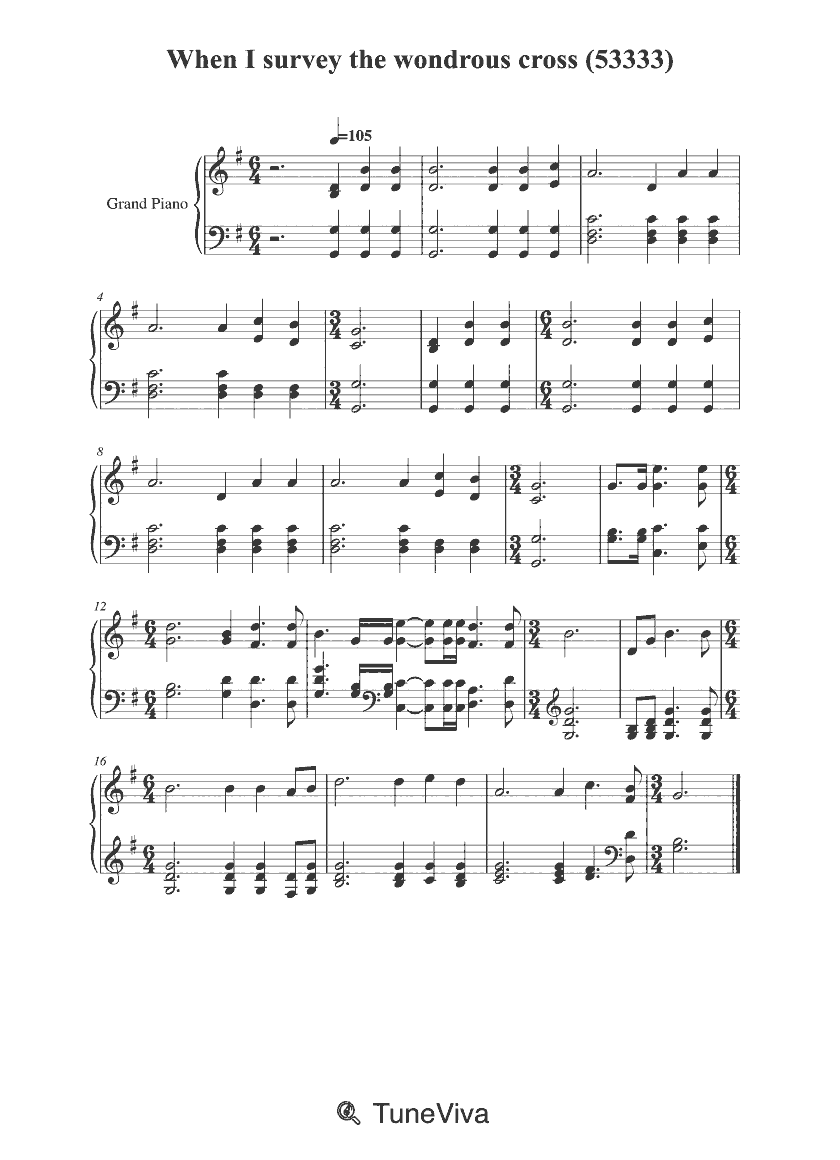
Lowell Mason
Grand Piano · 52 sec
Open score
Lowell Mason
47 sec
Open score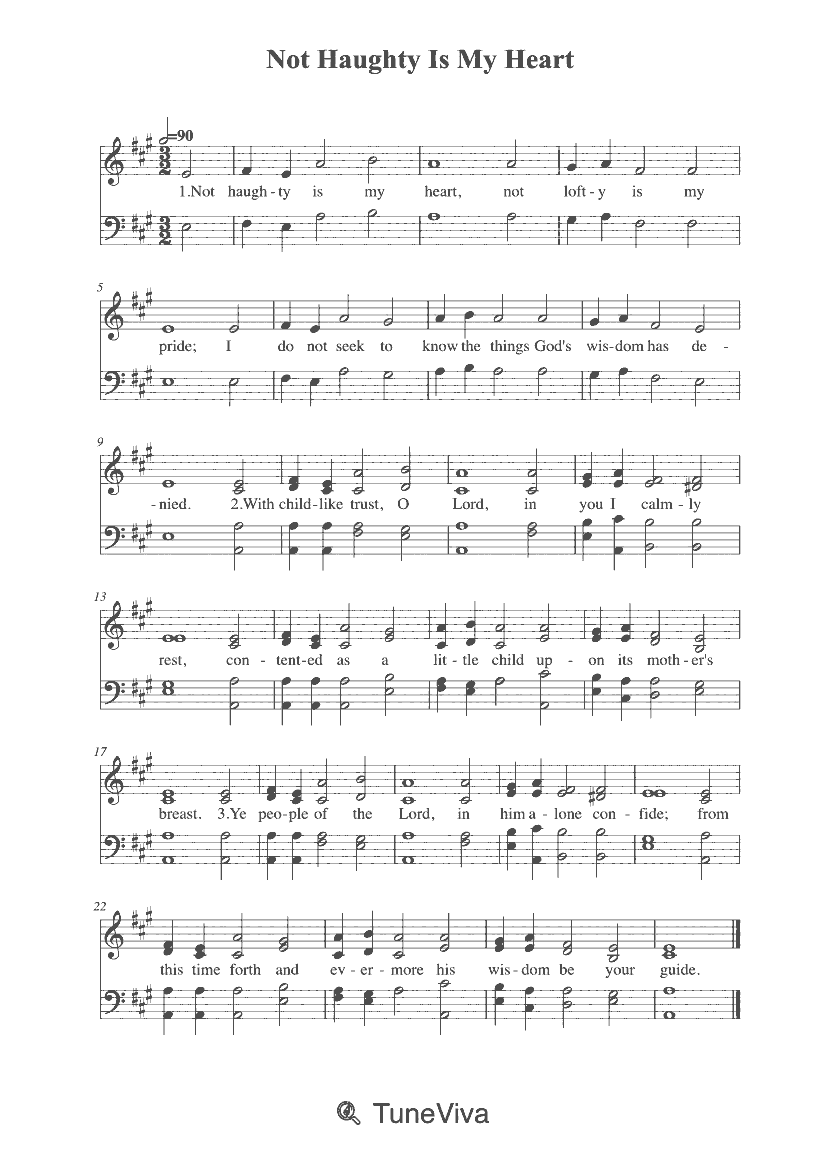
Lowell Mason
1 min 41 sec
Open score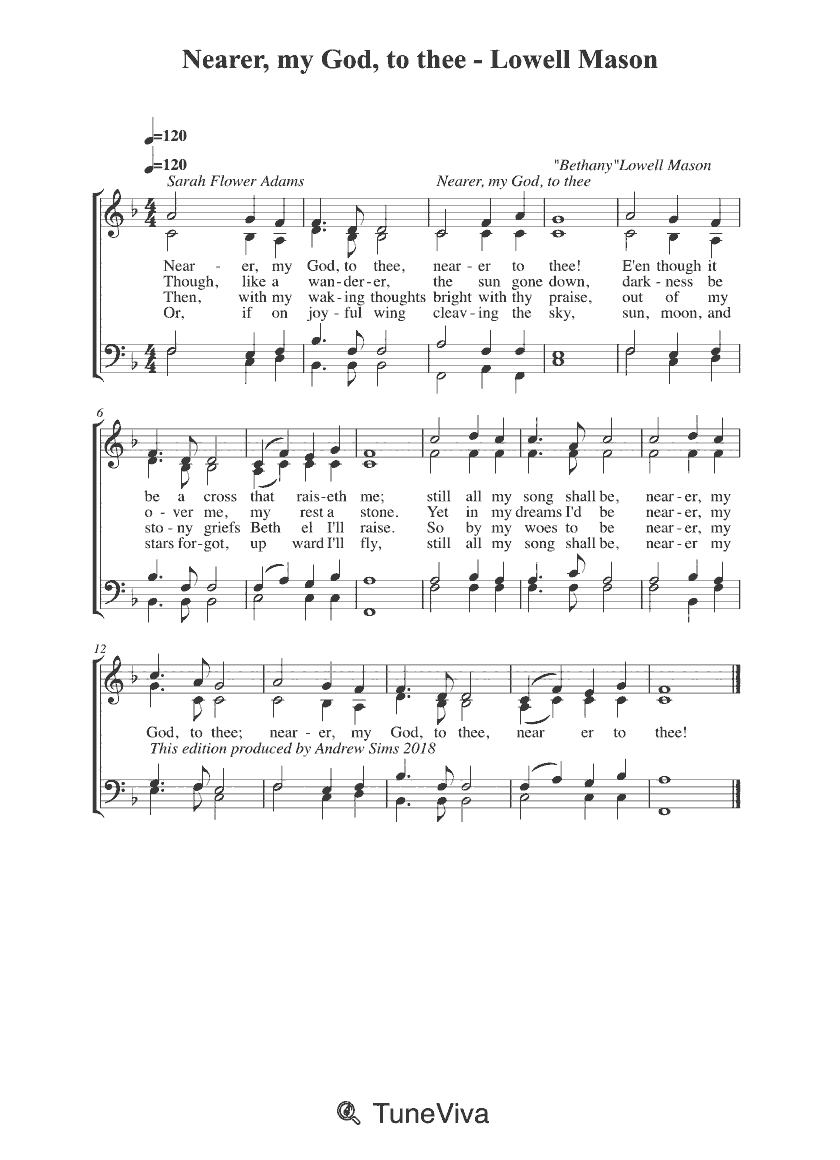
Lowell Mason
Midi_74 · 32 sec
Open score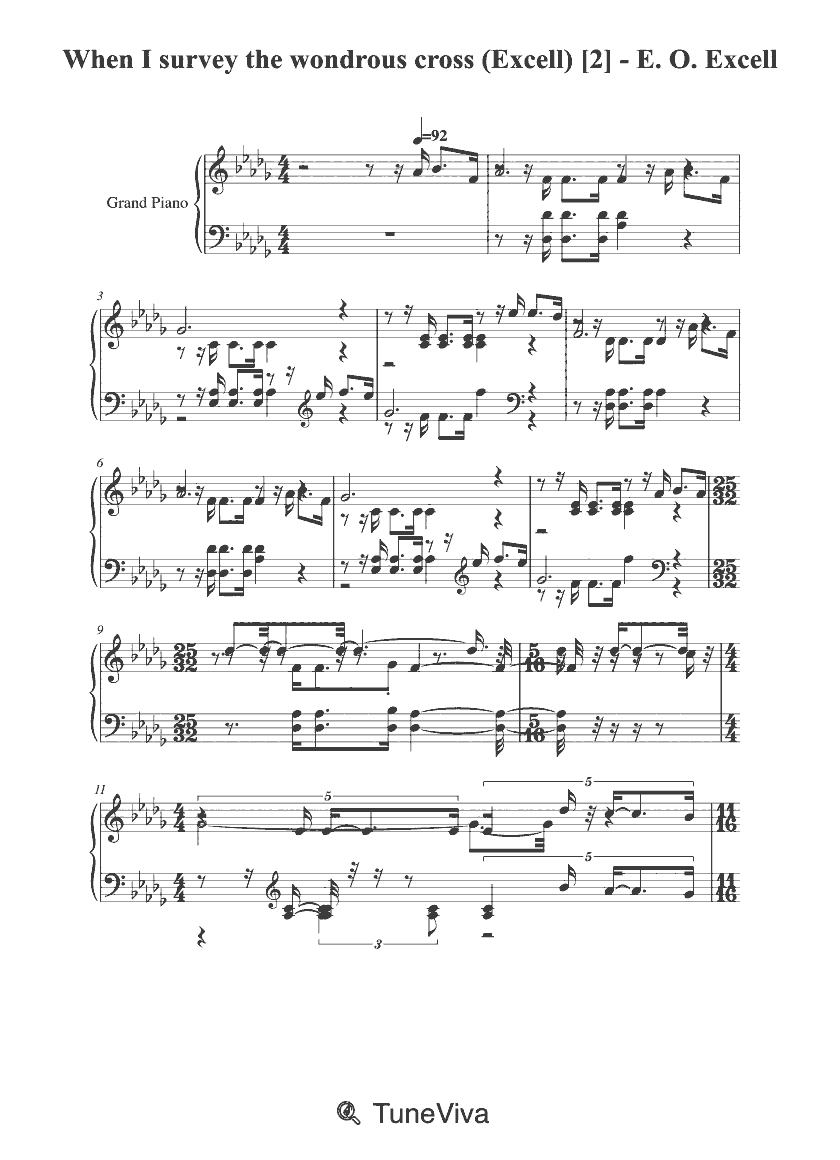
Lowell Mason
Grand Piano · 34 sec
Open score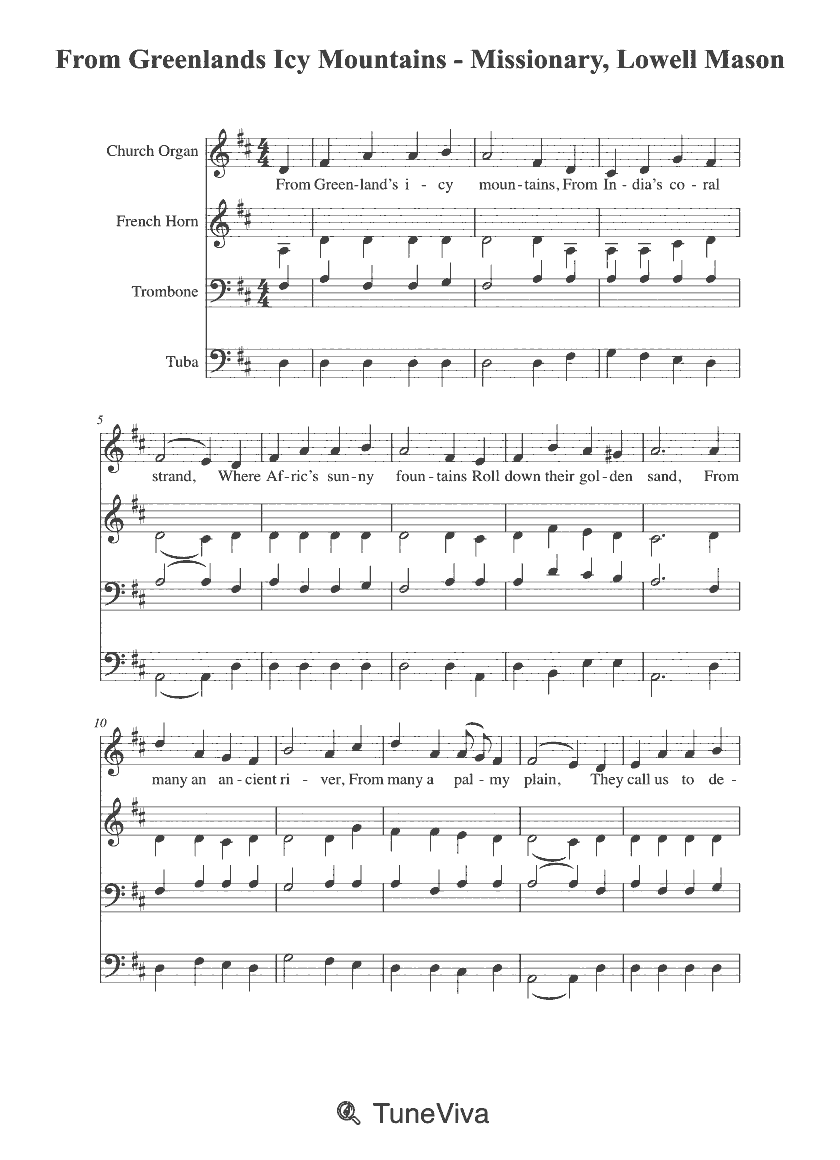
Lowell Mason
Church Organ; French Horn; Trombone +1 parts · 32 sec
Open scorePage 1 of 13
Lowell Mason's tune Bethany, published in 1856, is the setting most of the world sings to Sarah Flower Adams's Nearer, My God, to Thee, though in Britain it is more often sung to Dykes's Horbury. Nearer, My God, to Thee accounts for several titles and arrangements, the most-viewed drawing 9,979 views, while Mary Had a Little Lamb and a four-part Joy to the World show the rest of the range. Lowell Mason sheet music is centered on the hymn tunes and arrangements that made him a leading figure in 19th-century American church music. Mason composed over 1,600 hymn tunes, and his best-known work includes the tune Bethany, sung to Nearer, My God, to Thee, and the arrangement of Antioch usually used for Joy to the World. His setting of Mary Had a Little Lamb and his work in Boston public schools belong to the same reforming career. The scores gathered here include vocal and instrumental versions, so check the listed scoring and tune name before choosing an arrangement.
Mason was born in Medfield, Massachusetts, on 8 January 1792 and was directing the music at the First Parish church there at seventeen. He spent his twenties as a bank clerk in Savannah, Georgia, studying with the German teacher Frederick L. Abel and leading the music at the Independent Presbyterian Church. His church music collection, drawing on Haydn, Mozart and Beethoven, was published anonymously in 1822 by the Handel and Haydn Society of Boston. He moved to Boston in 1827, served as organist at Park Street Church, helped found the Boston Academy of Music in 1833 and was superintendent of music for the city's schools from 1838 to 1841. He died in Orange, New Jersey, on 11 August 1872.
Mason wrote or arranged more than 1,600 hymn tunes. Bethany, used for Nearer, My God, to Thee, and Hamburg, used for When I Survey the Wondrous Cross, are still in print, and Olivet, written in 1832 for Ray Palmer's My Faith Looks Up to Thee, is nearly as common. His arrangement of Antioch, the tune behind Joy to the World, appeared in 1836 and again in 1848 in The National Psalmist, attributed to Handel. Hymn texts rather than tune names supply many of the titles, and Watchman, Tell Us of the Night carries its whole source in the title: the tenth edition of the Boston Handel and Haydn Society Collection, 1831. Duplicate titles are common where a tune survives in several arrangements.
Mason's hymn tunes and arrangements: Mason worked as a music director and banker, and reference accounts describe him as a leading figure in 19th-century American church music. He composed over 1,600 hymn tunes. The tune Bethany sets Nearer, My God, to Thee, while the familiar Joy to the World tune is an 1848 arrangement by Mason of a tune attributed to Handel, printed in The National Psalmist. Those examples show why Mason's name appears on both original tunes and arrangements; read the title carefully to see which is being offered.
The tune names behind familiar hymns: Hymn titles often come from the opening words rather than the tune, and the same text may be paired with different tunes. Nearer, My God, to Thee is usually sung to Bethany in the rest of the world but to Horbury by John Bacchus Dykes in Britain, with Propior Deo by Arthur Sullivan preferred by British Methodists. Checking both the text and tune name is the safest way to choose a version.
Music education and public schooling: Mason is largely credited with introducing music into American public schools and is considered the first important U.S. music educator. He co-founded the Boston Academy of Music in 1833 and was music superintendent for the Boston school system from 1838 to 1841. Reference accounts also record criticism that his work helped displace an older, more participatory sacred-music tradition.
Choosing among the available scores: The versions on this page differ in scoring: some are listed for string quartet, others for piano or organ, and some carry SATB in the title. Before selecting one, confirm the intended forces, key and time signature, and whether the title refers to a hymn text or a tune name. A title such as Watchman, Tell Us of the Night points to the text and may also name the tune, while Nearer, My God, to Thee appears in more than one listing. Catalogue details can describe a particular score, not necessarily Mason's original performing forces.
He wrote the tune Bethany in 1856. The words are Sarah Flower Adams's, written in 1841 and first set by her sister Eliza Flower.
The words are Isaac Watts's. Mason arranged the tune Antioch, printed in 1836 and again in 1848, with an attribution to Handel that scholars now doubt.
Both. He taught in the Boston public schools and was their music superintendent from 1838 to 1841, and he wrote or arranged more than 1,600 hymn tunes.
Lowell Mason is best known for the hymn tune Bethany, sung to Nearer, My God, to Thee, and for his arrangement of Antioch, the tune usually used for Joy to the World. Reference accounts describe Mason as a leading figure in 19th-century American church music who composed over 1,600 hymn tunes.
Nearer, My God, to Thee is sung to Lowell Mason's 1856 tune Bethany in most of the world, while British congregations usually use John Bacchus Dykes's 1861 tune Horbury. British Methodists have also preferred Arthur Sullivan's 1872 tune Propior Deo.
The familiar tune for Joy to the World comes from an 1848 arrangement by Lowell Mason in The National Psalmist, based on a tune attributed to George Frideric Handel. The words are Isaac Watts's 1719 hymn text.
Lowell Mason is largely credited with introducing music into American public schools and is considered the first important U.S. music educator. Mason co-founded the Boston Academy of Music in 1833 and served as music superintendent for the Boston school system from 1838 to 1841.
Lowell Mason has been criticized for helping to largely eliminate the robust tradition of participatory sacred music that flourished in North America before his time. That criticism appears alongside accounts that credit him with advancing school music and church music in the 19th century.
Lowell Mason set the nursery rhyme Mary Had a Little Lamb to music in the 1830s. The song belongs to a different part of his career from his hymn-tune publications such as Bethany and Antioch.